Alaïa Fall 2026 Collection
At the former Fondation Cartier on Wednesday night, Pieter Mulier delivered his final collection for Maison Alaïa—a restrained yet striking closing chapter that distilled five years of work into a single, focused statement.
Set against a crowded room of industry figures, the Summer–Fall 2026 collection read as both conclusion and manifesto. Mulier, who will join Versace on July 1, stripped away fashion’s theatrics to reveal the disciplined core of the Alaïa language. The result was a collection defined by clarity, precision, and reverence for the house’s foundations.
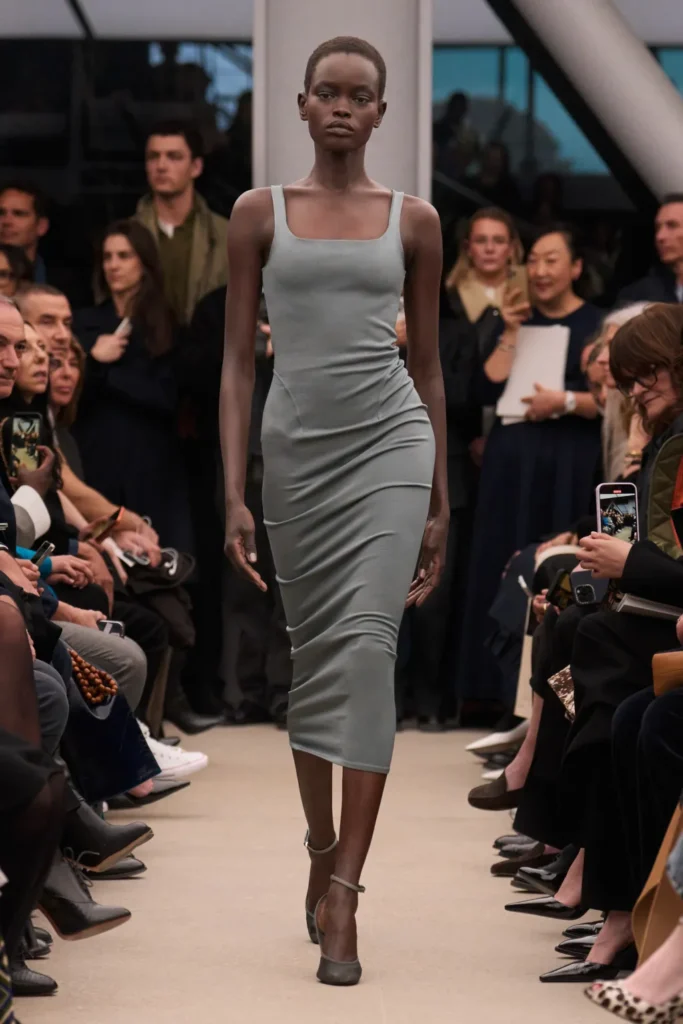
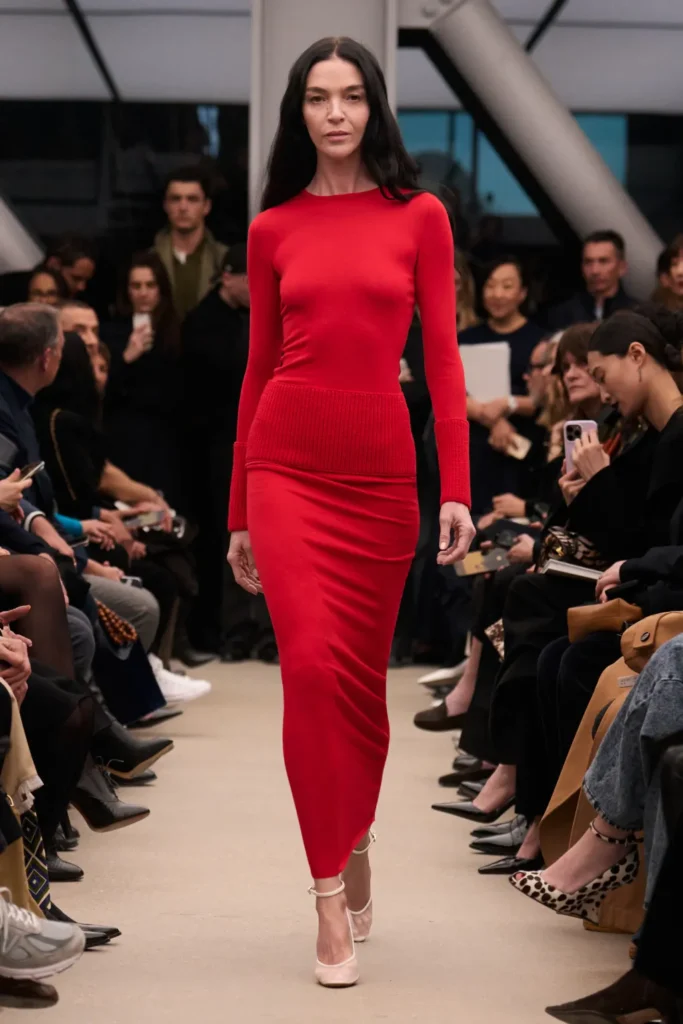
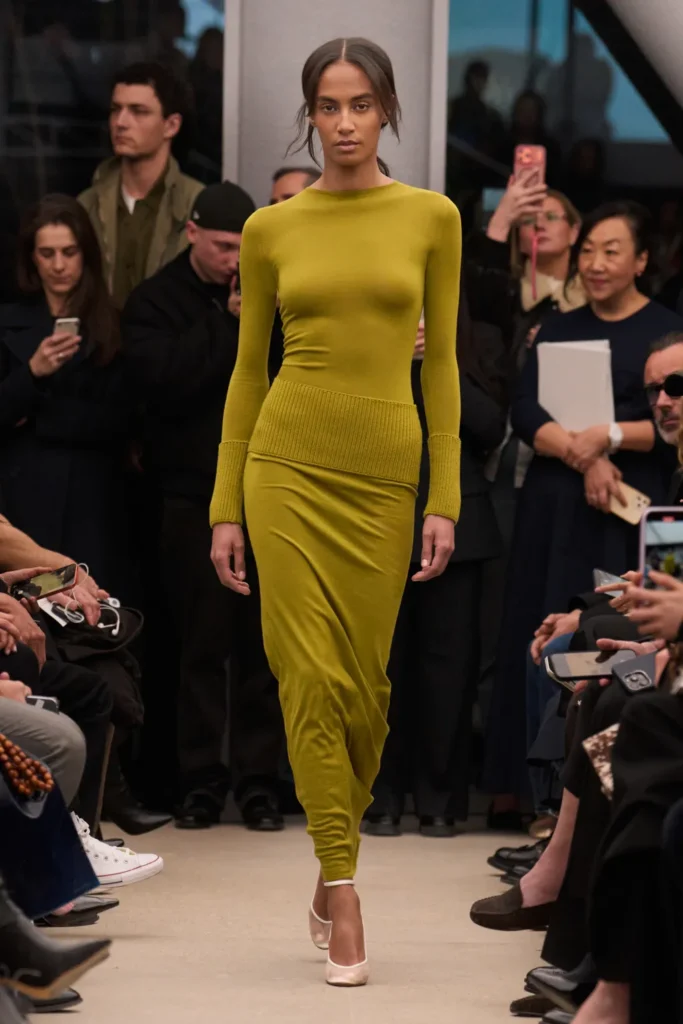
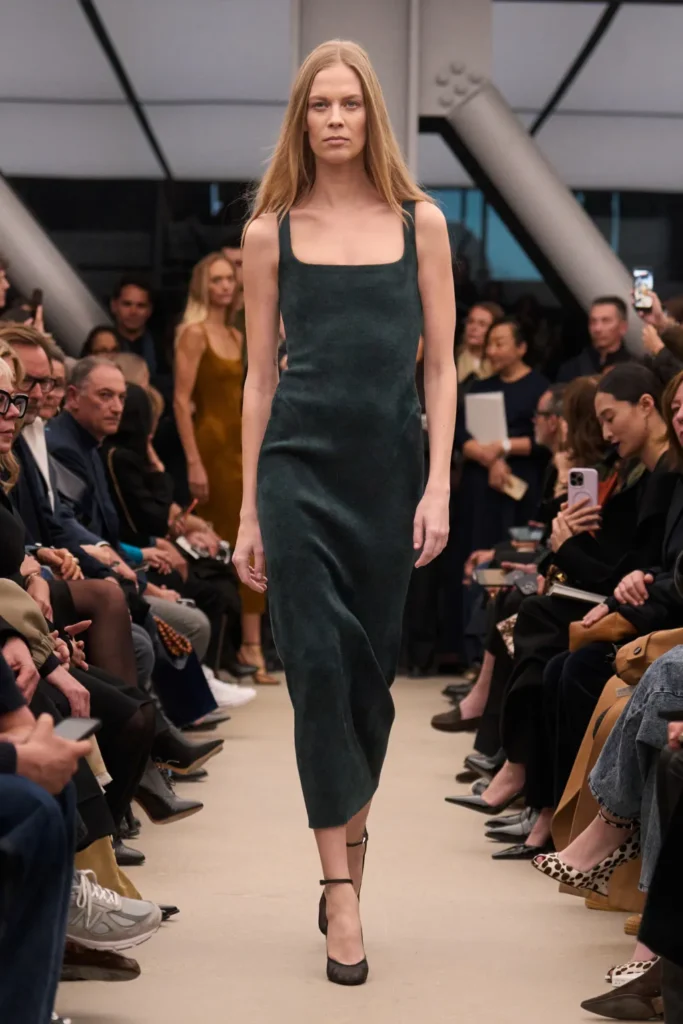
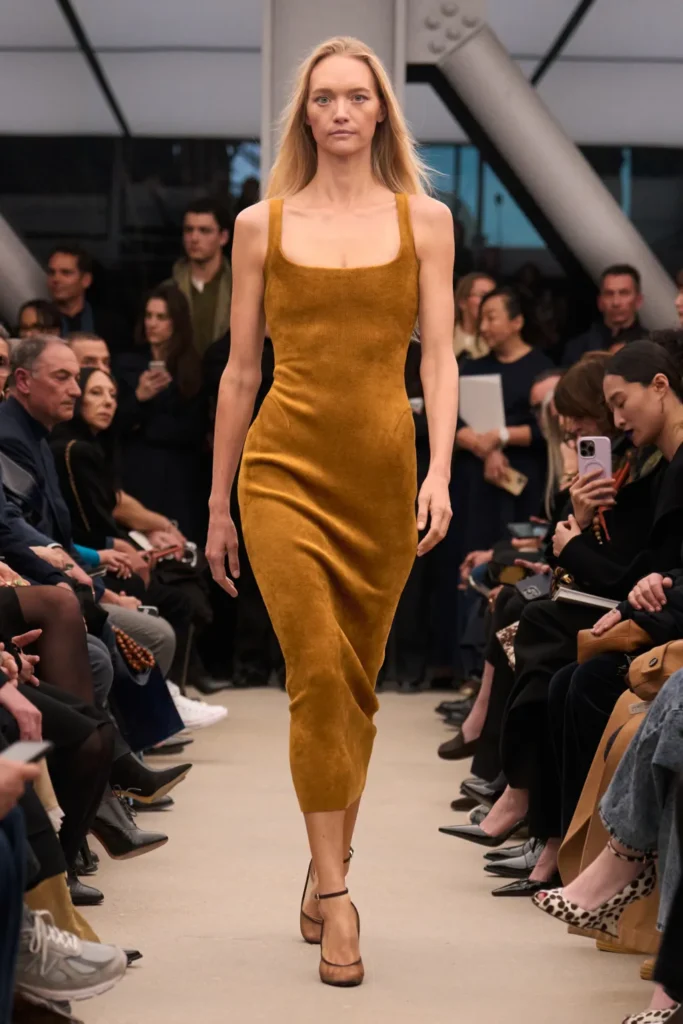
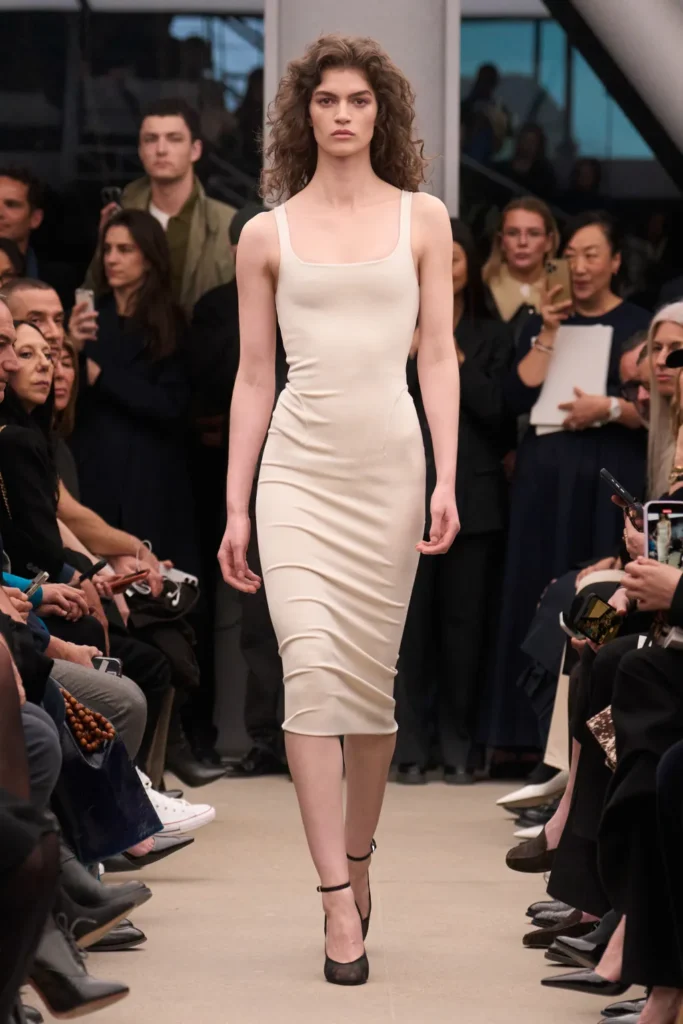
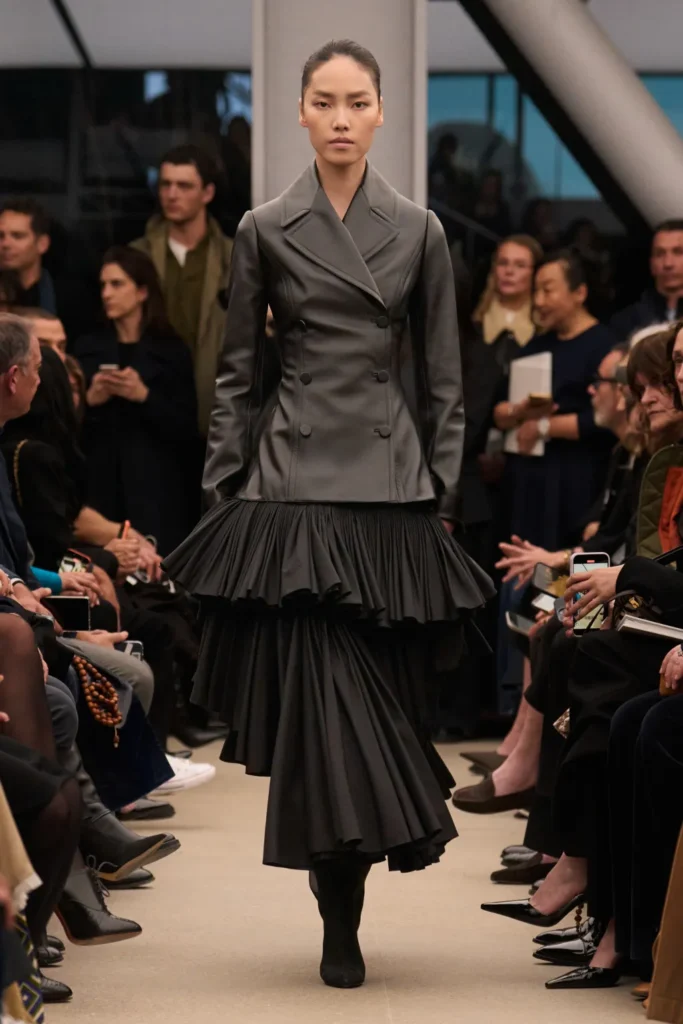
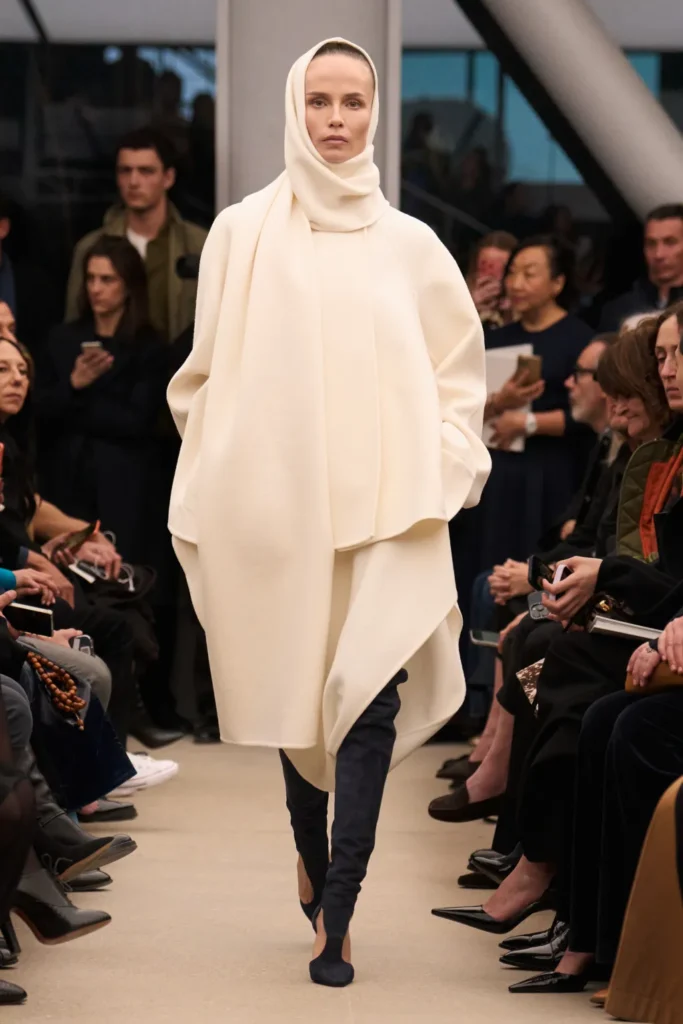
The show opened with lean, sensual slip dresses that traced the body with surgical control. Some echoed the crocodile-tailcoat motifs associated with founder Azzedine Alaïa. Velvet tailoring followed—sharp, close-cut, and unapologetically elegant—before the silhouettes expanded into softly flared calfskin coats and skirts layered with dense, sculptural ruffles.
“It’s essentially the vocabulary of my five years at Alaïa—what I learned and what I pass on,” Mulier said after the show. His focus was not spectacle but discipline. “When you leave a house, you return to its roots. I learned precision, editing, and that true luxury is simpler than people think. Real luxury can be a perfectly cut jacket.”
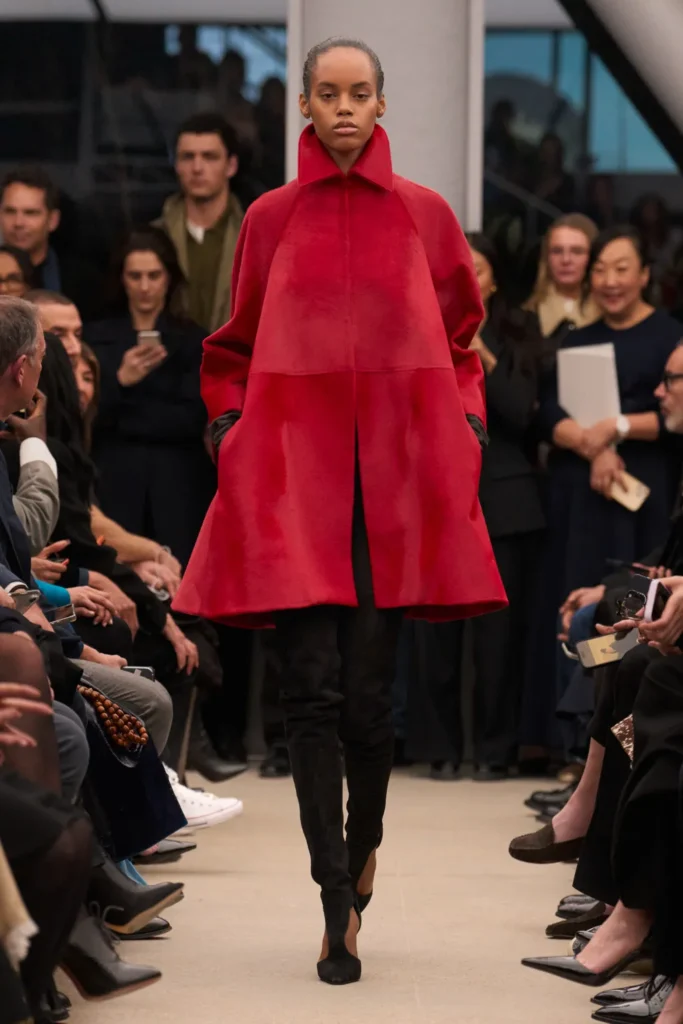
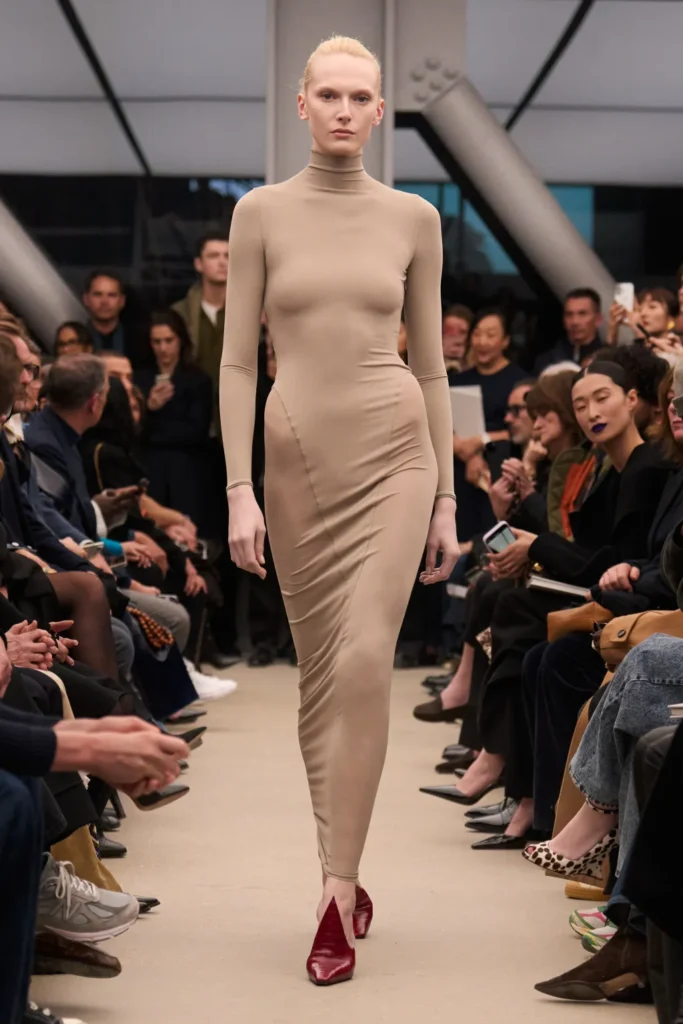
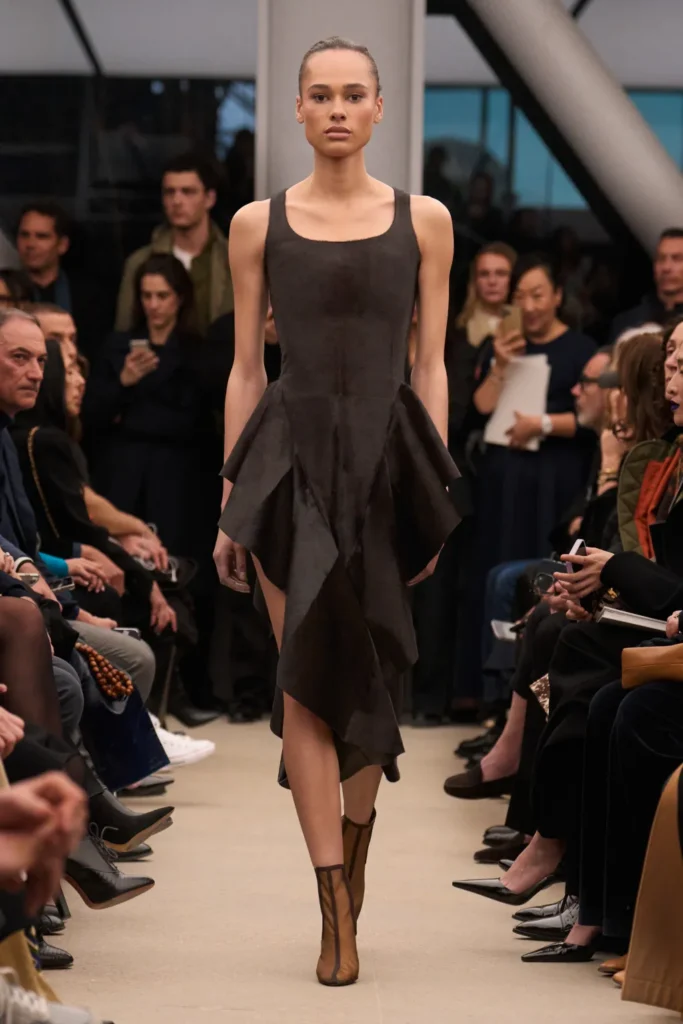
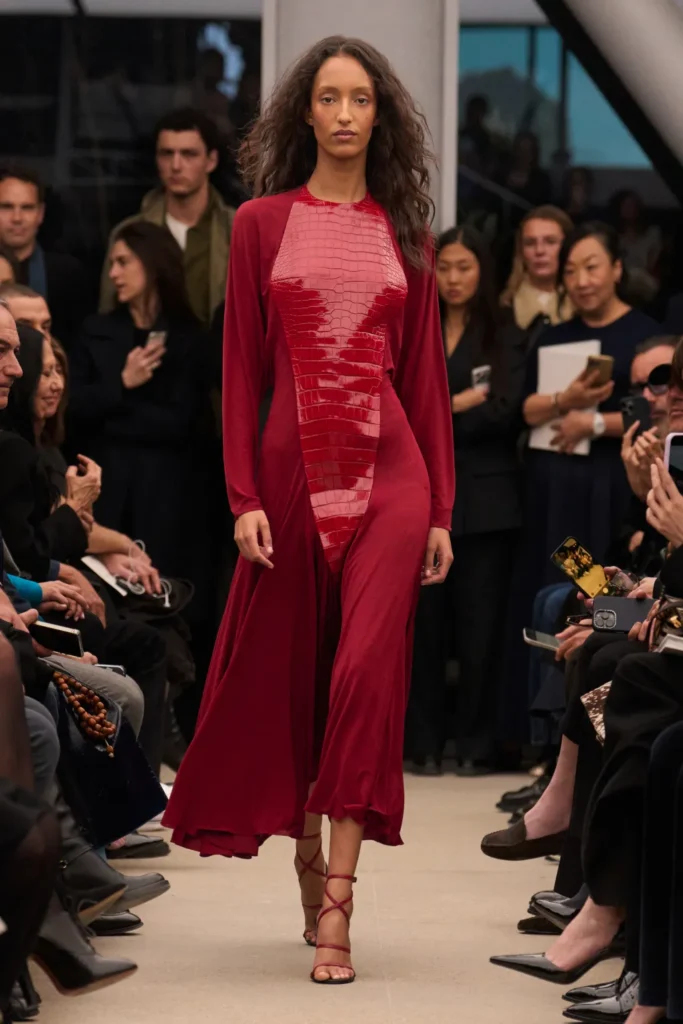
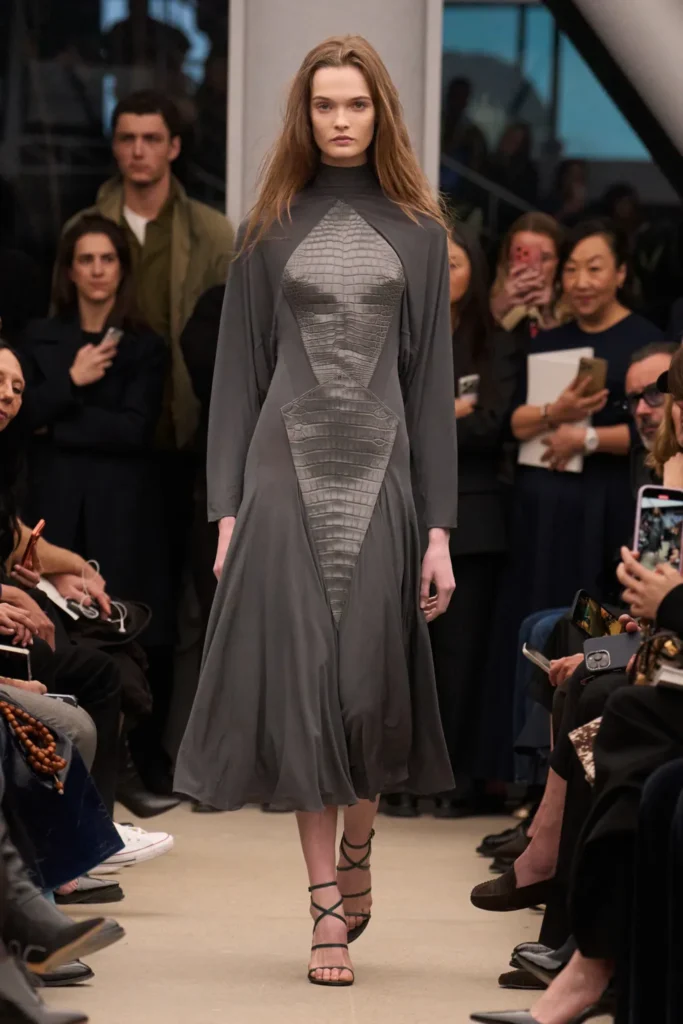
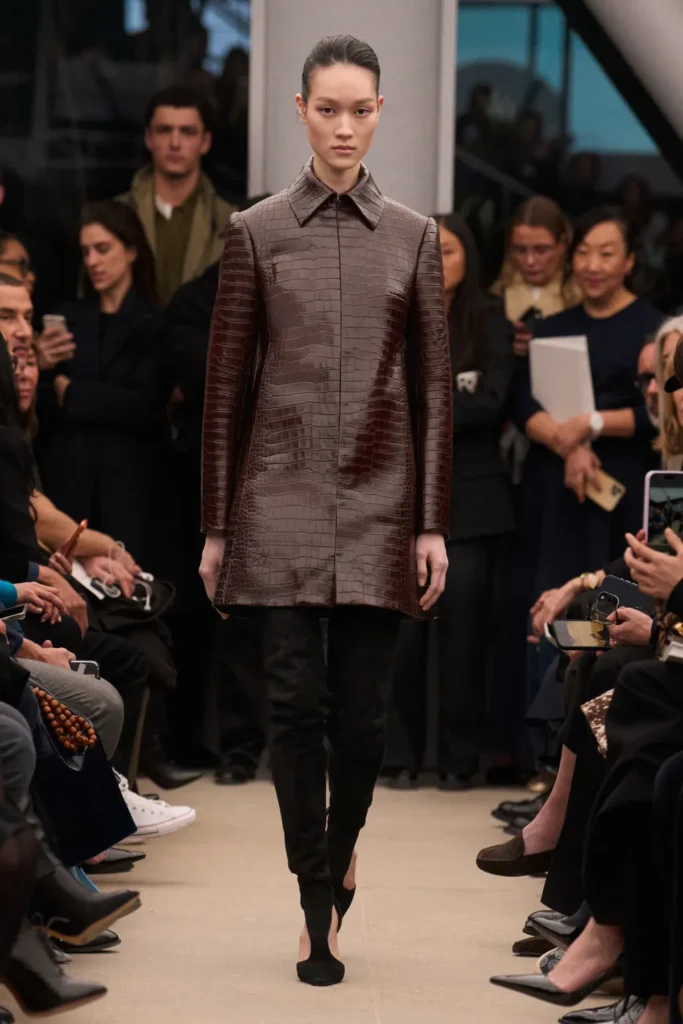
That philosophy reflects the legacy of Alaïa himself, whose reputation was built on obsessive refinement—white shirts, knit dresses, exacting tailoring, and eveningwear perfected through relentless iteration.
Even the soundtrack echoed that ethos. Its steady, hypnotic techno rhythm underscored the collection’s central idea: repetition as a path to mastery. “Repetition is very Alaïa,” Mulier explained. “He would repeat a skirt fifty times until the last one was the best. This collection tries to approach that same pursuit—even if perfection doesn’t exist.”
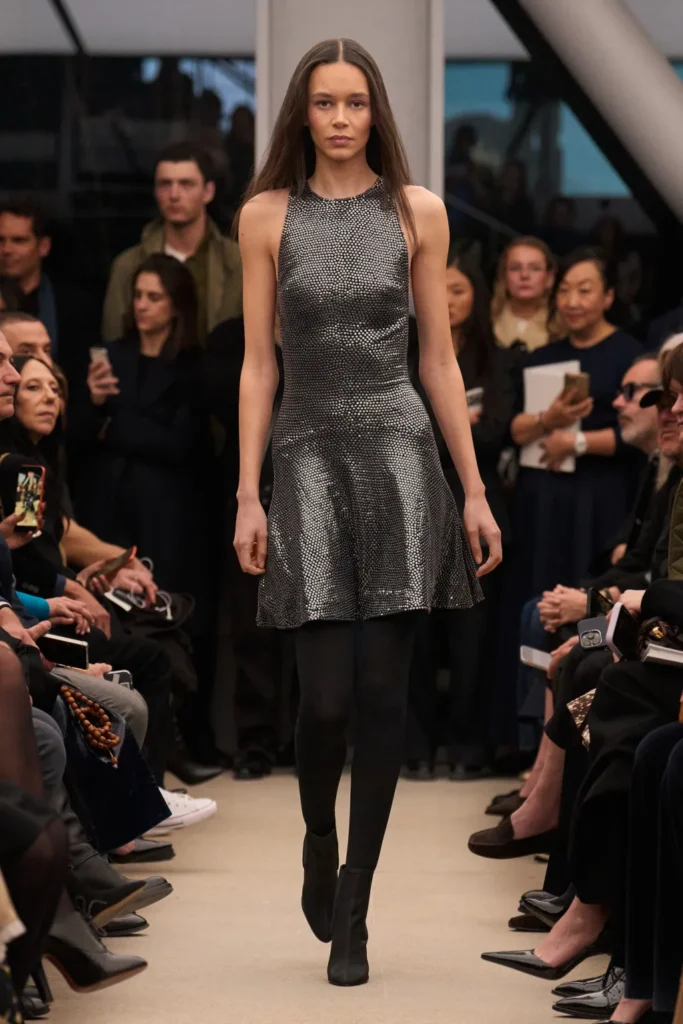
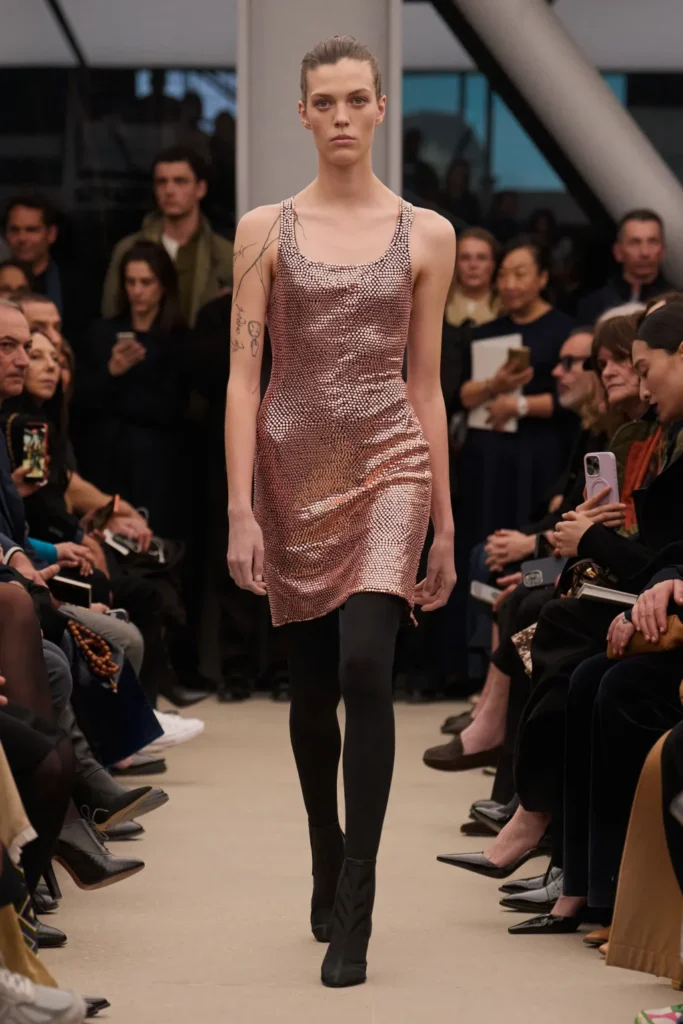
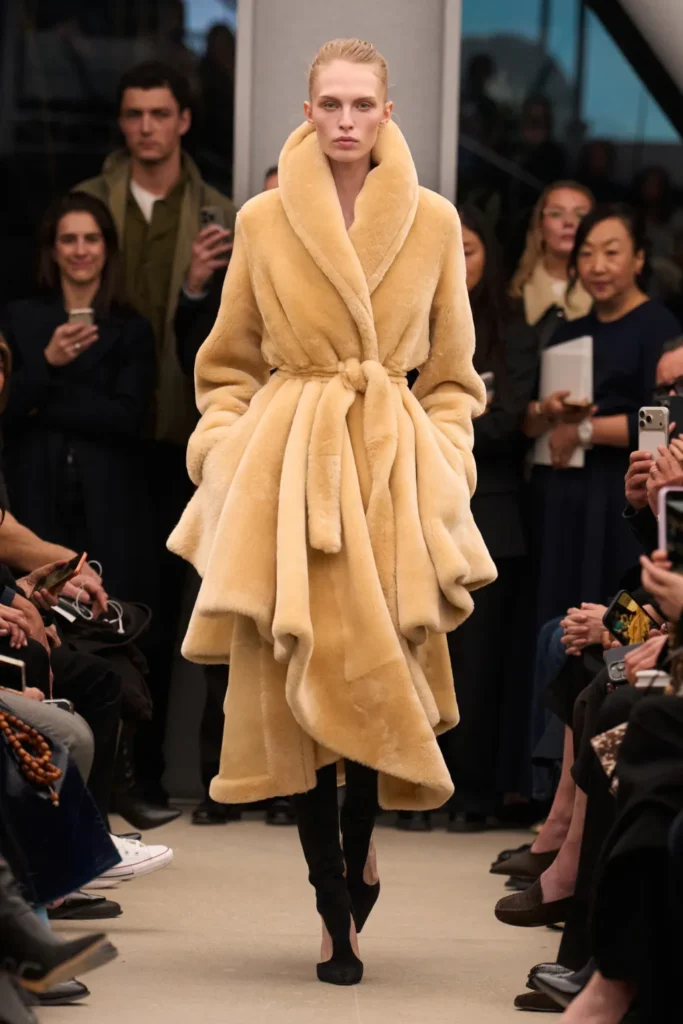
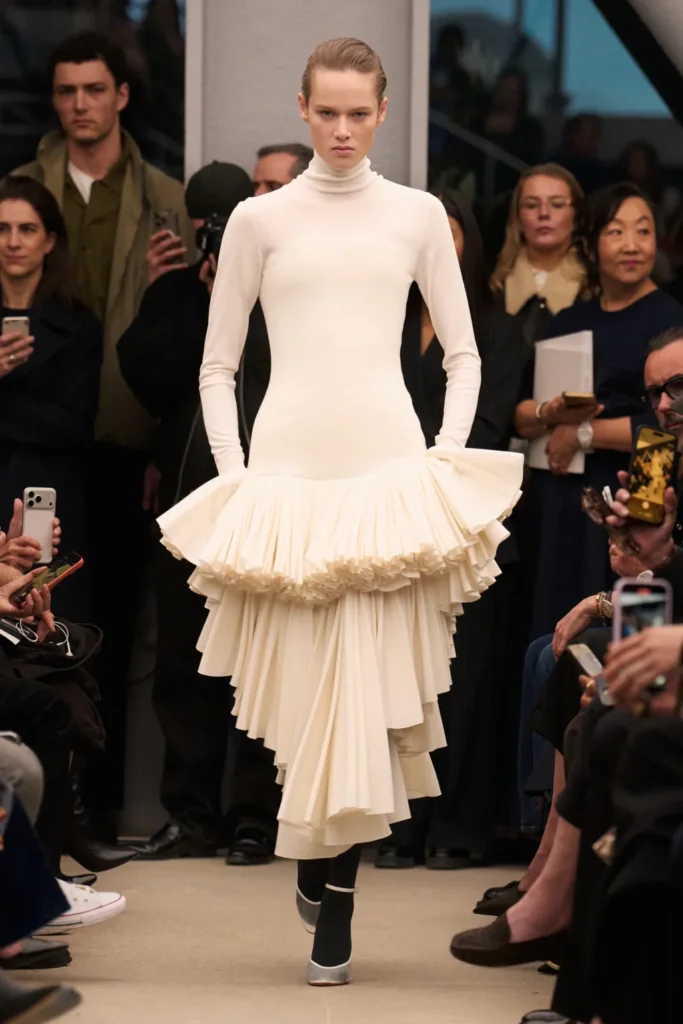
Instead of a theatrical finale, Mulier chose a quieter tribute. Photographer Keizo Kitajima was commissioned to portrait the entire Alaïa team—from executives to junior atelier members. The images were compiled into a hardcover book placed on every seat, transforming the audience’s view of the house into something intimate and human.