Home Blog

Prada Enlists Barry Jenkins for a Cinematic Fall 2026 Campaign

Prada Enlists Barry Jenkins for a Cinematic Fall 2026 Campaign

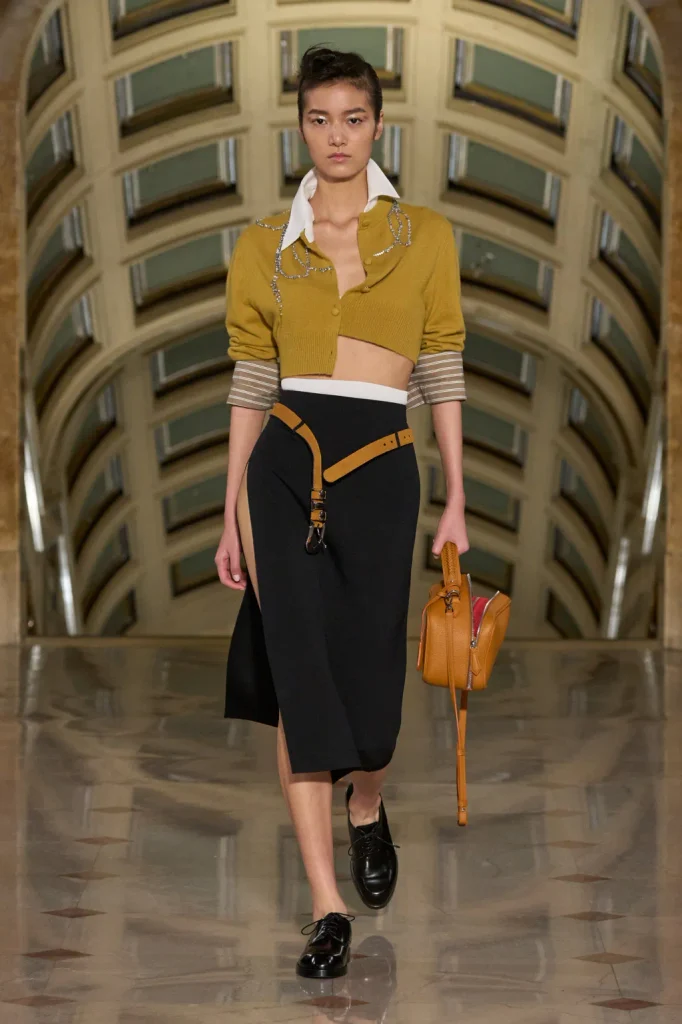
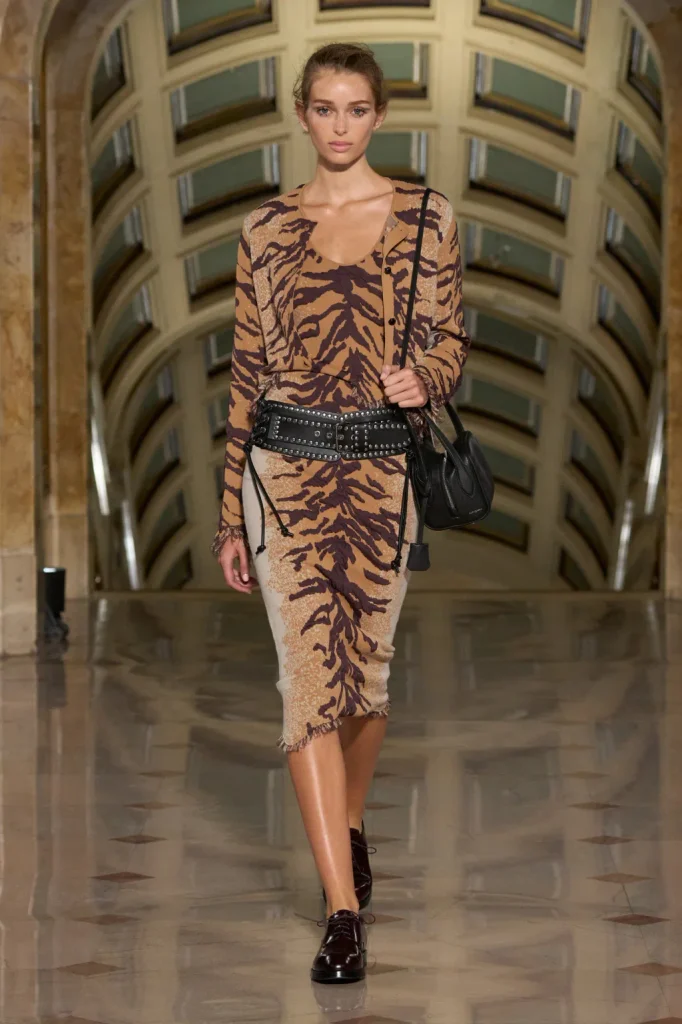
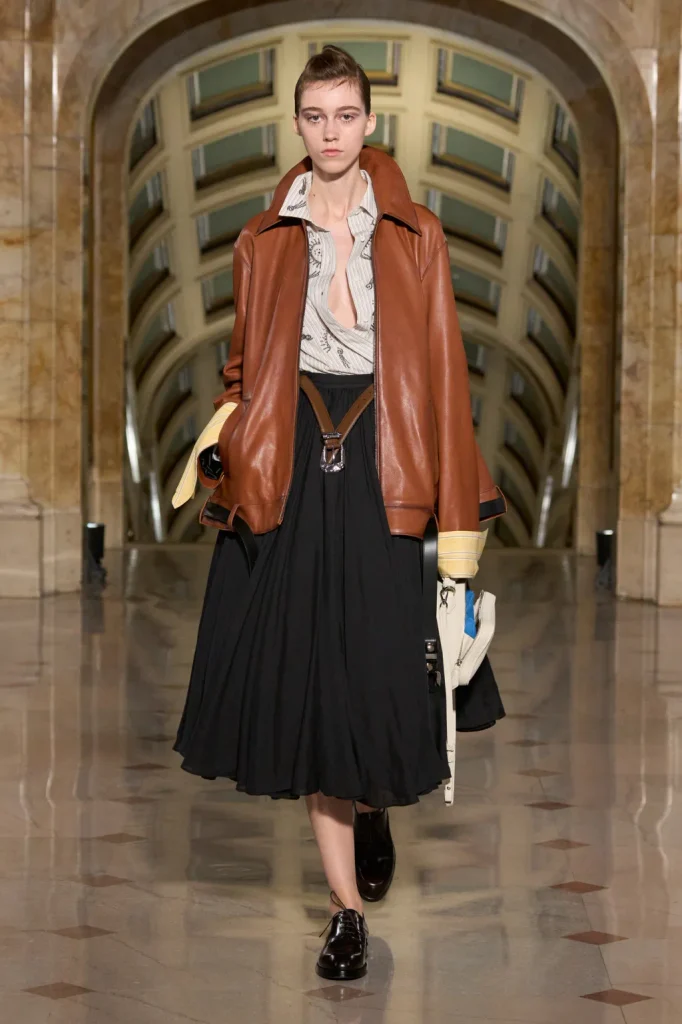
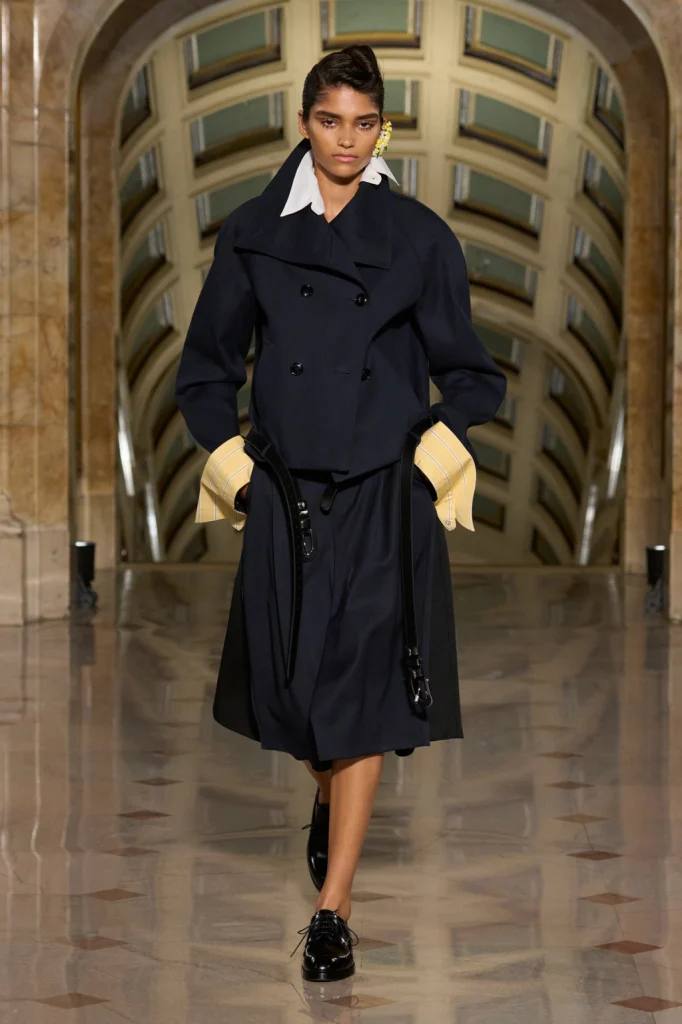
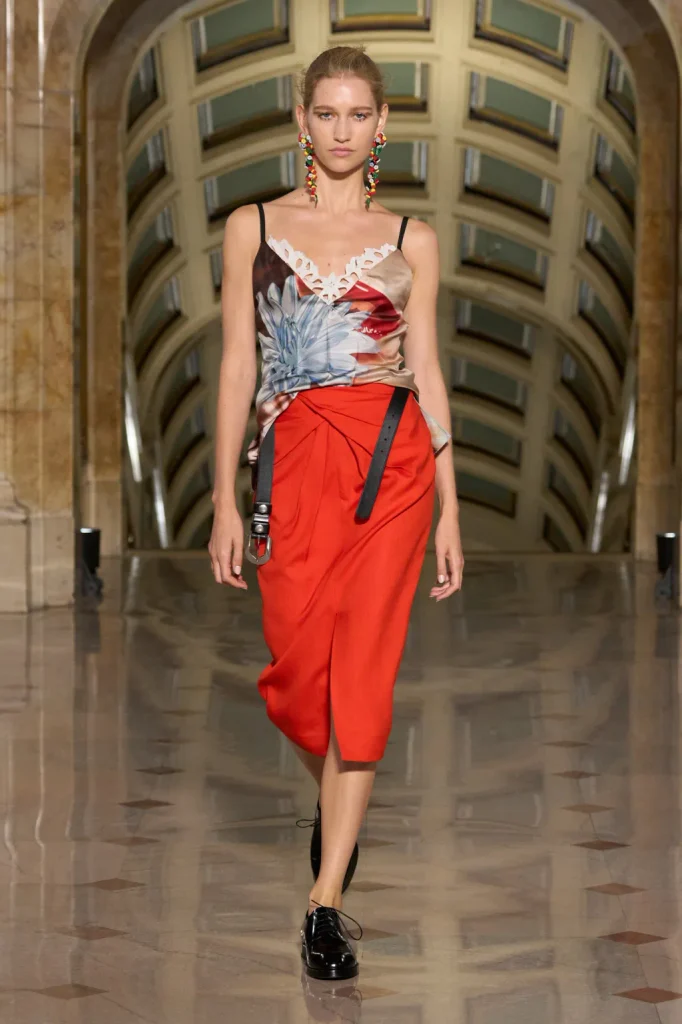
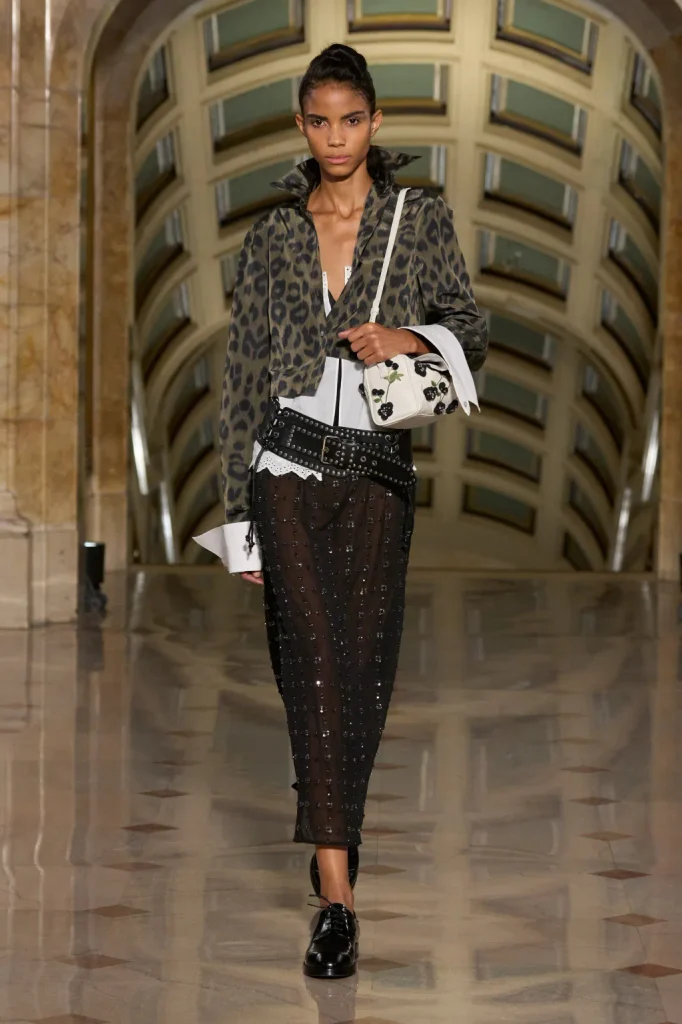
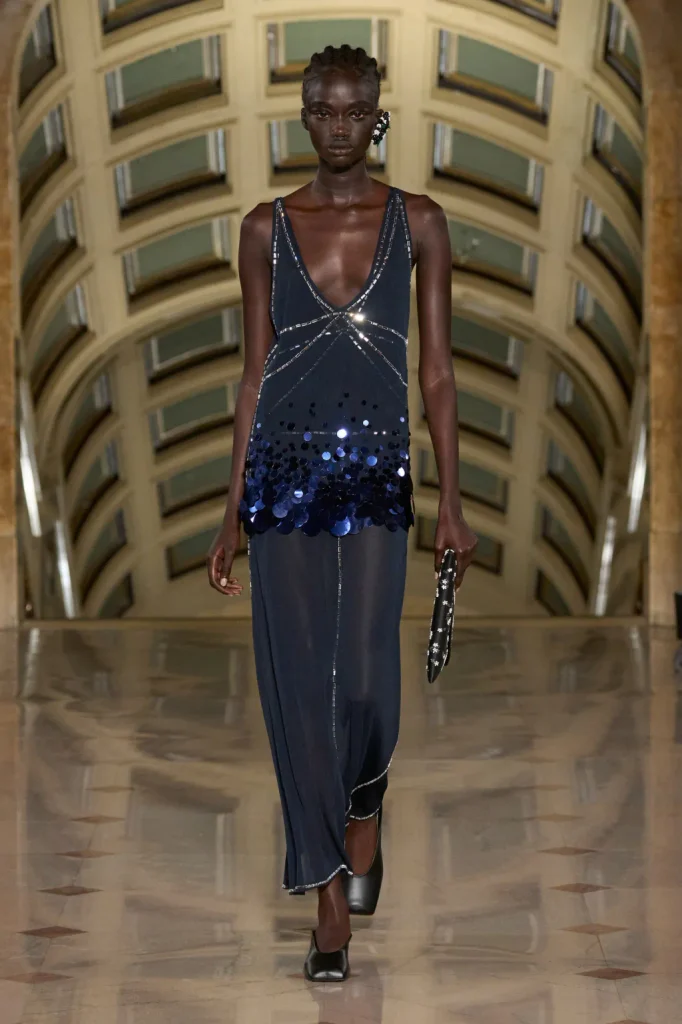
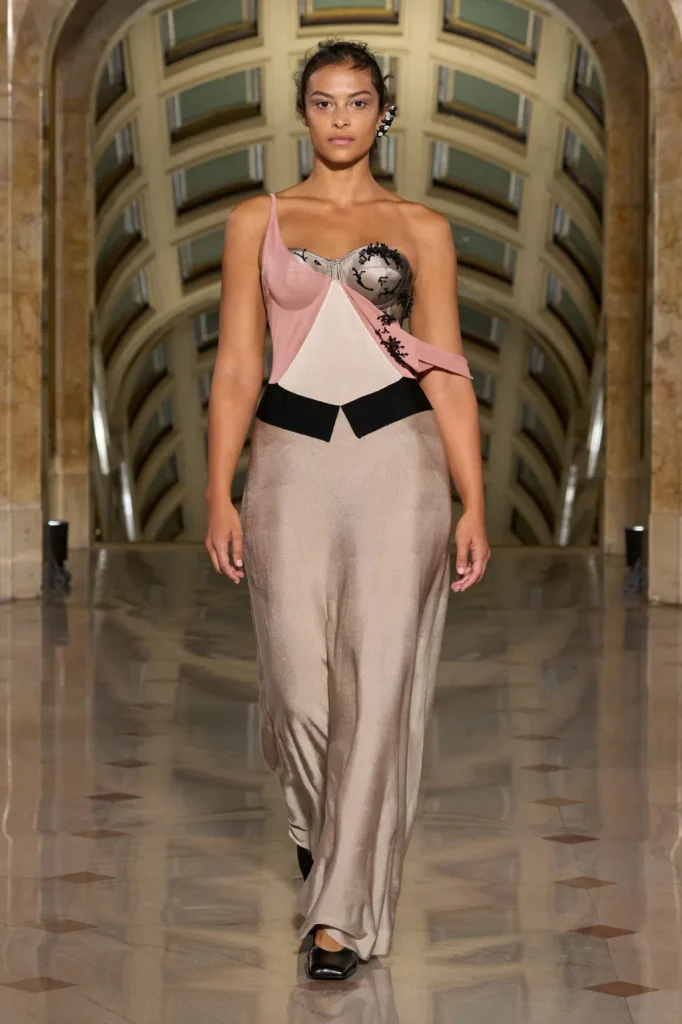
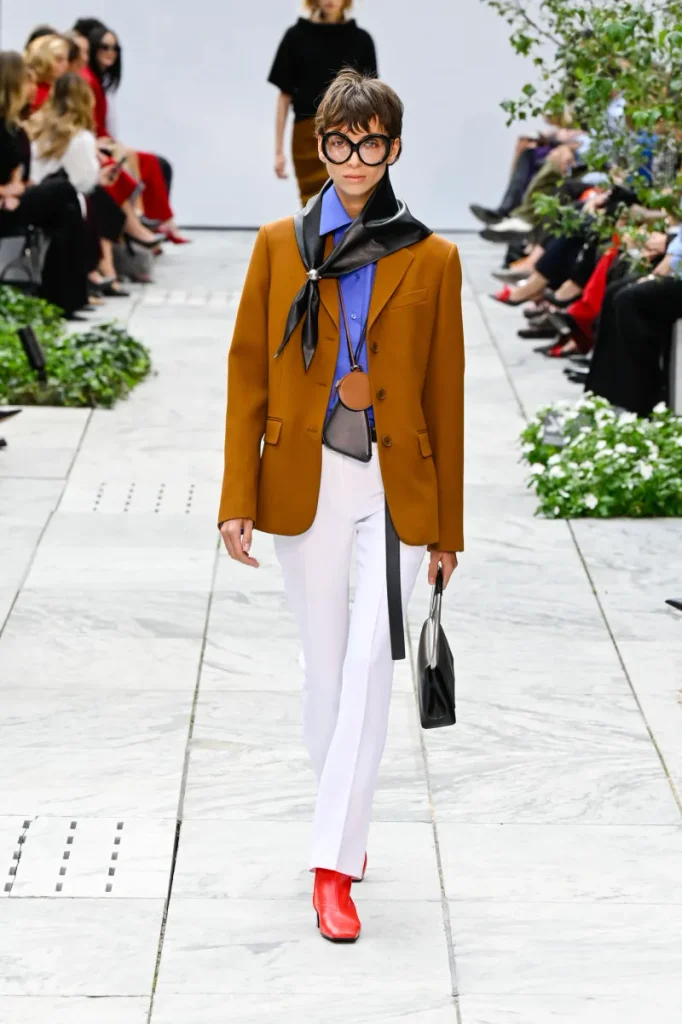
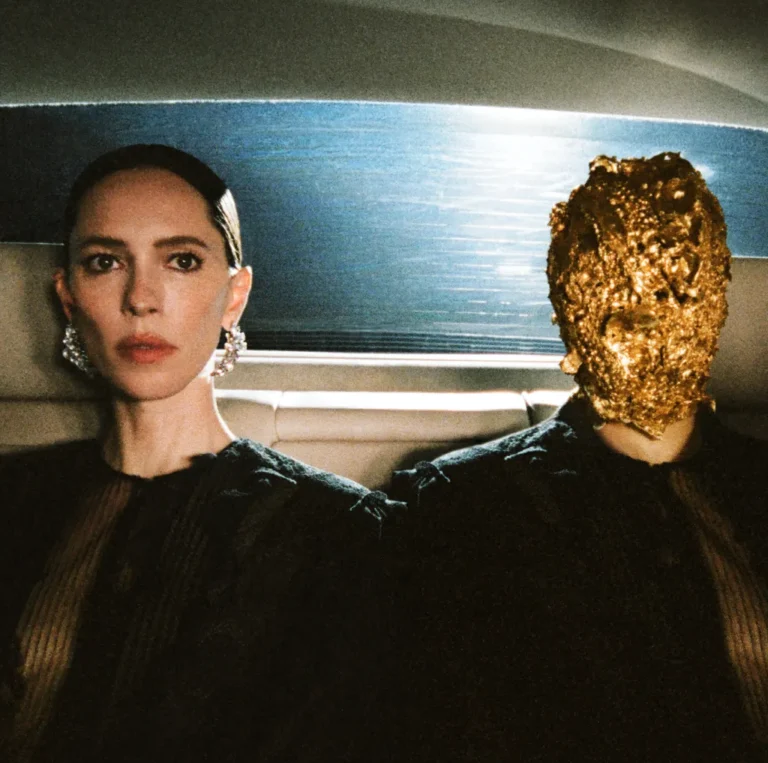
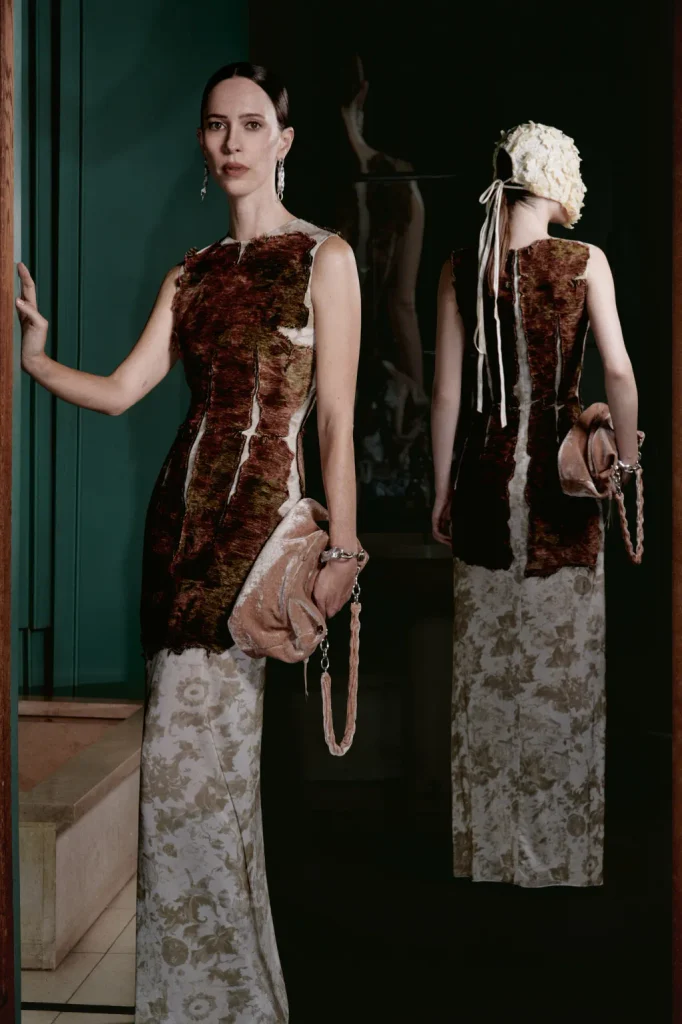
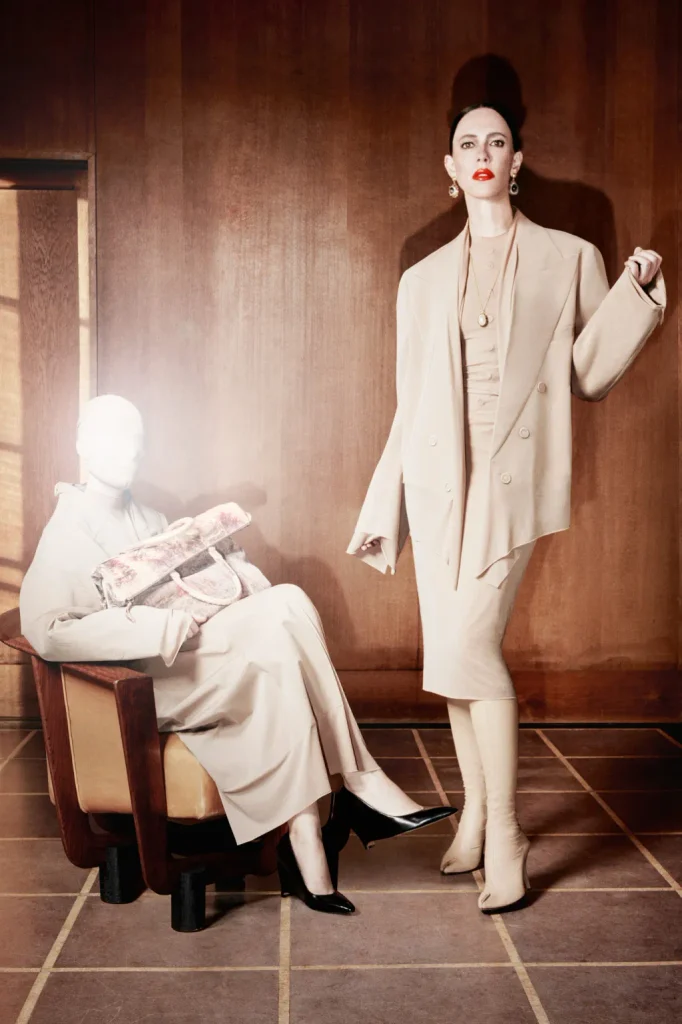
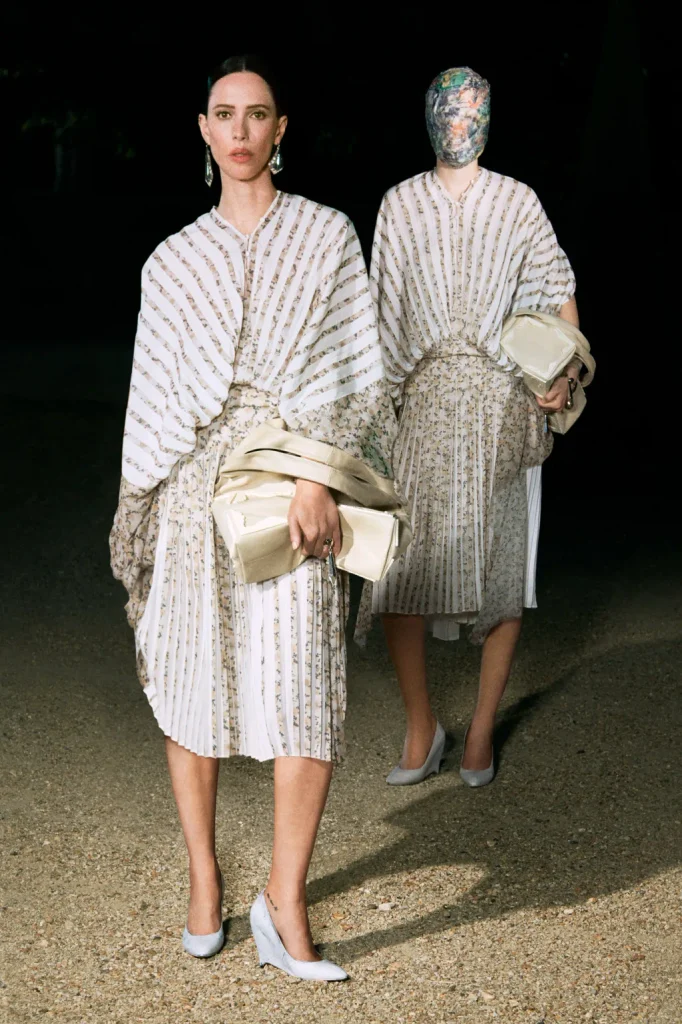
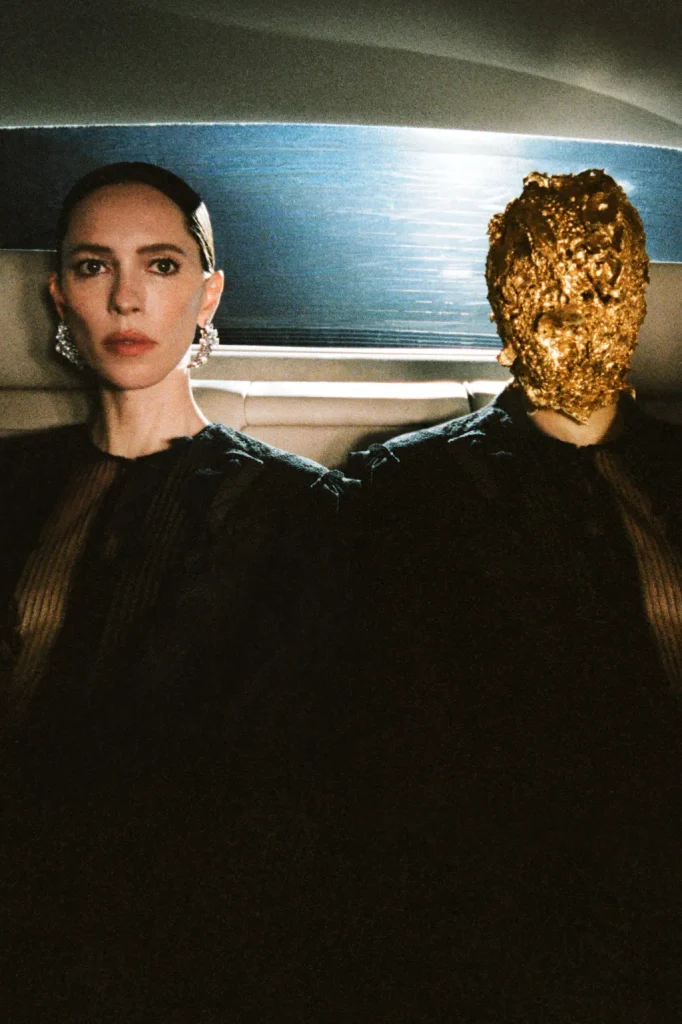
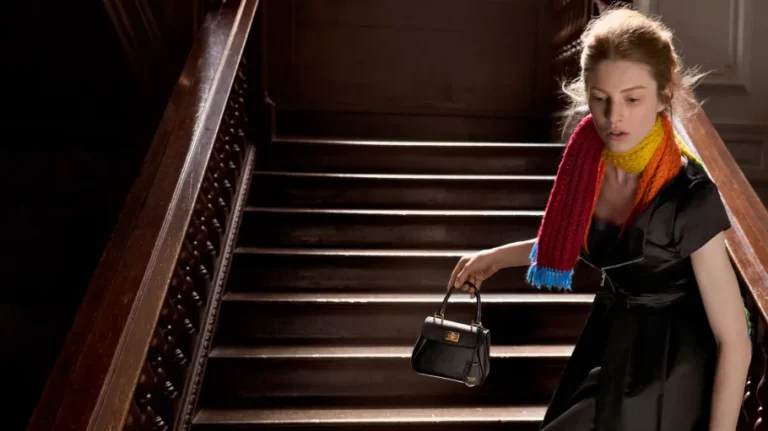
Prada deepens its long-standing dialogue with cinema by tapping Academy Award-winning director Barry Jenkins to helm its Fall 2026 campaign. Blending fashion with intimate storytelling, the project stars Hunter Schafer, Troye Sivan, Chen Haoyu, and Kelvin Harrison Jr. in a series of cinematic stills and a short film that transforms everyday moments into quiet acts of emotion.

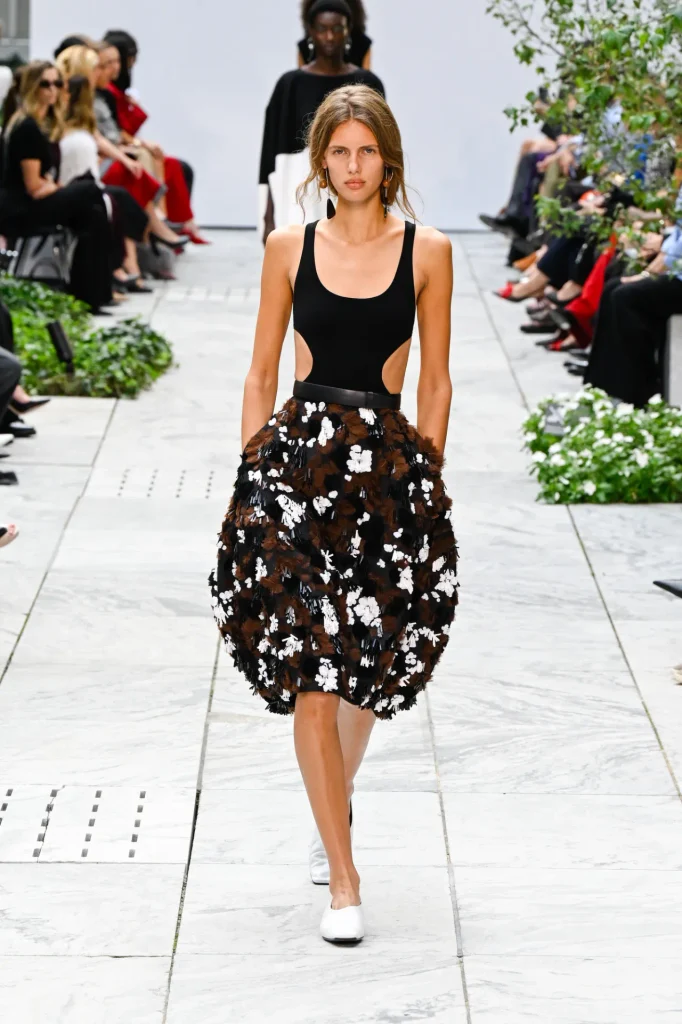
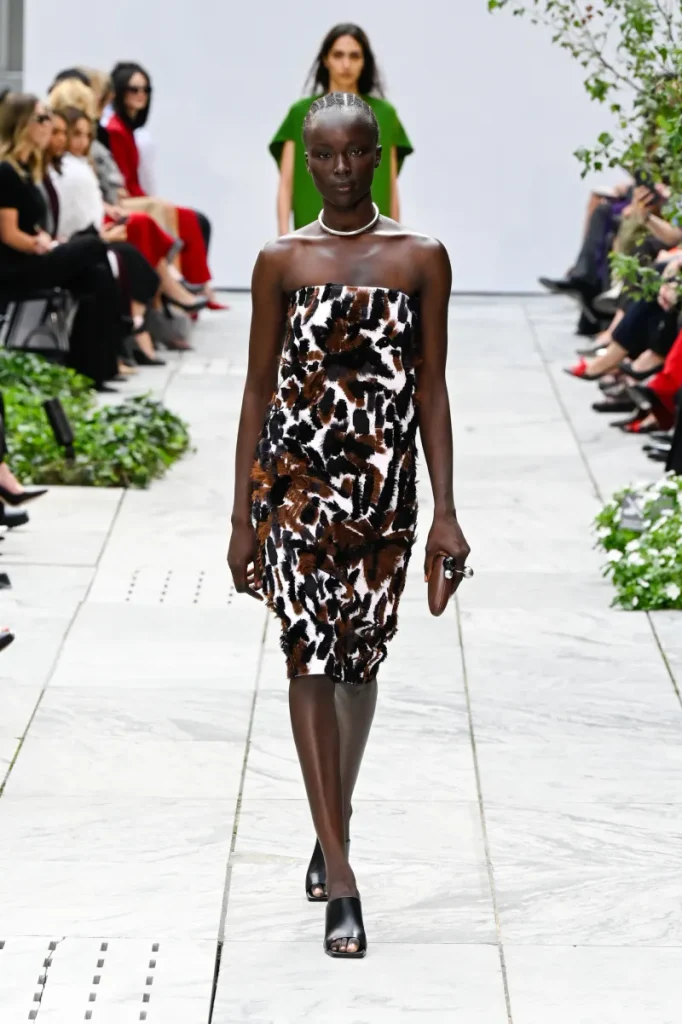
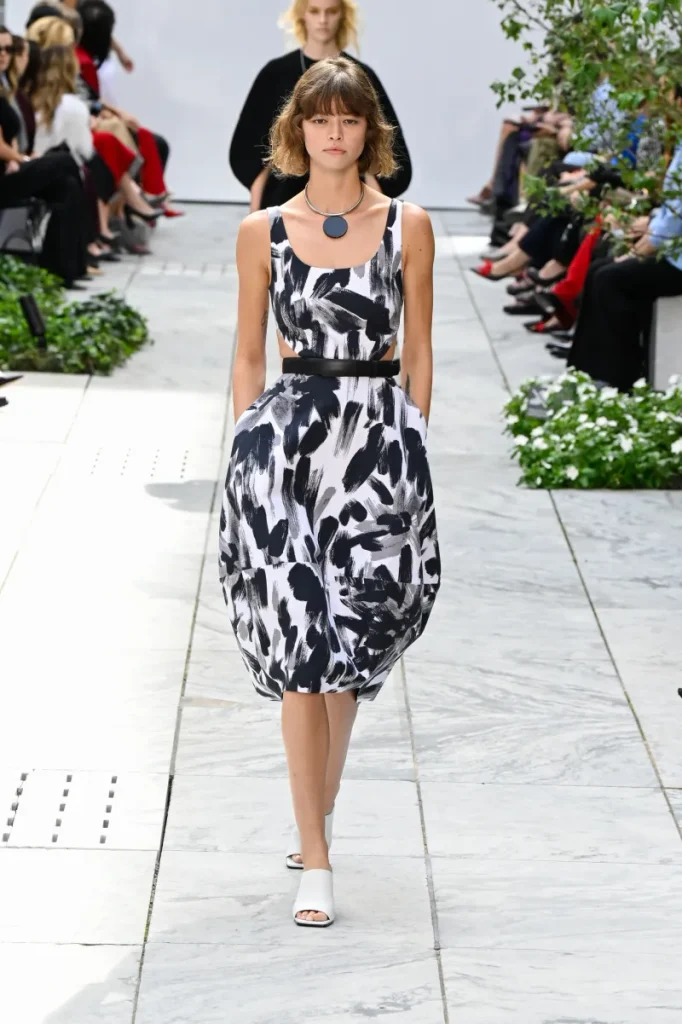
Directed by the Moonlight filmmaker, the campaign reflects the philosophy behind Miuccia Prada and Raf Simons’ Fall 2026 collections: finding beauty and significance in the ordinary. Set within the intimate atmosphere of a seemingly abandoned countryside villa, the visuals unfold through restrained gestures rather than conventional storytelling.
The accompanying short film follows Schafer tearing pages from a journal, Chen Haoyu absorbed in a book, and Sivan gazing through expansive windows, while Harrison Jr. delivers the film’s sparse dialogue against an atmospheric soundtrack. The result is less narrative than emotional portrait, allowing mood, movement, and clothing to speak for themselves.

Jenkins described the collaboration as an unusually open creative process, comparing it to the way Prada approaches fashion design. Rather than following a predetermined destination, the project evolved through conversation and shared ideas.

For the director, fashion operates much like architecture. The story, he noted, lives in silhouette, proportion, texture, color, and movement rather than explicit dialogue. That perspective shaped the film’s understated visual language, where garments become essential components of the narrative instead of simple costumes.

Attending Prada’s Fall 2026 runway presentation alongside his wife also proved instrumental in understanding the house’s creative vocabulary. Jenkins praised the brand’s ability to communicate ideas through clothing while giving those who wear it the freedom to express their own identities.

The campaign marks Jenkins’ first collaboration with a fashion house, arriving as he continues work on several major film projects, including upcoming features centered on music icon Ronnie Spector and legendary choreographer Alvin Ailey.

Fendi Fall 2026 Couture Collection

Fendi Fall 2026 Couture Collection

Maria Grazia Chiuri’s first haute couture collection for Fendi was a masterclass in craftsmanship, proving that the house’s greatest luxury has always been the hands behind its creations. Presented at Rome’s Galleria Nazionale d’Arte Moderna e Contemporanea, the collection celebrated Fendi’s artisanal heritage through extraordinary intarsia, intricate embroidery, and exquisitely engineered textiles.

For Chiuri, couture at Fendi begins not with silhouette, but with material. Rooted in the house’s origins as a Roman fur atelier, every garment was conceived to highlight the tactile beauty of leather, velvet, lace, and couture embroidery rather than imposing rigid forms upon them.

That philosophy resulted in pieces of remarkable refinement. Leather intarsia, delicate lacework, and elaborate embroidery showcased the extraordinary skill of Fendi’s artisans, revealing their full complexity upon close inspection. Rather than seeking spectacle, the collection embraced quiet luxury, allowing craftsmanship to speak through precision and restraint.

Movement remained central throughout. Inspired by the kimono, Chiuri introduced softly tailored jackets and coats for both women and men, extending the shared wardrobe concept explored in her recent ready-to-wear collections. Sculptural draping, featherlight capes, and fluid silhouettes wrapped the body instead of restricting it, echoing Fendi’s long-standing pursuit of elegance through comfort.

One standout look featured a georgette gown intricately inlaid with graphic strips of black and white leather—a technical feat that required individual construction for each client to preserve the precision of its pattern. Elsewhere, panne velvet was reimagined as an impeccably cut tuxedo, while an unlined trench combined ultra-light cashmere with leather and fur intarsia, demonstrating the house’s unmatched mastery of material innovation.

Decorative motifs drew subtle inspiration from Art Deco, the Bauhaus, and the Vienna Secession, artistic movements that frequently informed Karl Lagerfeld during his decades at Fendi. The collection’s most spectacular achievement was a floor-length coat assembled from fragments of leather and fur into an intricate floral composition, highlighting the seamless collaboration between the maison’s couture and leather ateliers.

The restrained palette of black and parchment paid tribute to one of Fendi’s historic signature materials, recalling both its origins in fine leather goods and the liberated elegance of the 1970s. A sharply tailored parchment-colored pantsuit nodded to Lagerfeld’s admiration for Marlene Dietrich while honoring the independent spirit of the Fendi sisters, whose vision transformed the family business into a global luxury house.

Manish Malhotra Fall 2026 Couture Collection

Manish Malhotra Fall 2026 Couture Collection

Manish Malhotra made an emotional Paris Haute Couture Week debut with a collection that honored the memory of his late mother while introducing his vision of contemporary Indian couture to an international audience. Deeply personal yet technically accomplished, the collection intertwined couture craftsmanship with the launch of his high jewelry creations.

Presented just months after earning a place on the official couture calendar, the collection was conceived following the passing of Malhotra’s mother, whose influence became the emotional heart of the show.

“I feel she’s constantly with me,” the designer said before the presentation. That sentiment shaped every silhouette, transforming the runway into an intimate tribute to love, memory, and resilience.

The opening look set the tone: a dramatic pleated opera coat wrapped around the body, embroidered with figures depicting the evolution of a mother-child relationship—from infancy through adulthood—capturing a lifelong bond in couture form.

Early silhouettes embraced the body like protective cocoons. An oval blush-pink cape densely embroidered with embellishments and a softly pleated butter-yellow jacket with an extended collar enveloping the face suggested comfort, protection, and emotional closeness.

Personal memories continued throughout the collection. Inspired by his mother’s love of stacked bangles, Malhotra translated the motif into sculptural gowns whose molded constructions wrapped the body with a futuristic elegance.

Themes of growth and transformation emerged in dresses shaped like unfolding flower petals, while oversized silk cords spiraled around the body before dissolving into cascading gold threads. Strong-shouldered evening looks introduced a sense of confidence and empowerment, balancing vulnerability with strength.

Robert Wun Fall 2026 Couture Collection

Robert Wun Fall 2026 Couture Collection

Robert Wun transformed childhood memories into extraordinary haute couture for Fall 2026, delivering a surreal collection that balanced innocence with emotional depth. Drawing on fairy tales, personal memories, and childhood dreams, the designer explored how nostalgia can evolve into sculptural fantasy without losing its emotional power.

The collection was inspired by Wun’s reflection on creativity after an intense two-and-a-half years of nonstop work. Influenced by filmmaker Hayao Miyazaki and his belief that creators shape a more hopeful future for children, Wun revisited familiar childhood archetypes through an unmistakably couture lens.

The narrative unfolded like the journey of growing up. Opening looks appeared in pristine white, decorated with colorful embroidery resembling playful paint splatters before gradually introducing bold geometric forms and saturated blocks of color. The progression mirrored the transition from youthful imagination to mature self-expression.

Throughout the collection, beloved storybook characters emerged as abstract fashion references rather than literal costumes. Echoes of Disney heroines appeared in sculptural silhouettes: a crimson mermaid gown featured a dramatic spherical bodice, while a richly pleated blue velvet dress evoked Snow White with delicate birds perched across the shoulder and hair. Another ethereal white gown referenced Bambi’s mother through an antler-inspired headpiece and a doll cradled in the model’s arms.

Tailoring received the same imaginative treatment. Oversized suiting borrowed the folded precision of origami, while a sharply cut black ensemble recalled Jack Skellington through sparkling skeletal embroidery and subtle pinstripe motifs.

Playfulness remained central to the collection. Oversized toys accompanied several looks, including a monumental tweed teddy bear that echoed the rounded shoulders of its matching jacket, blurring the boundary between fashion object and childhood companion.

Personal memories also surfaced throughout the collection. Transparent helmet-like headpieces referenced a childhood space program Wun once attended, while a ballerina dressed in pink tulle balanced a miniature jewelry-box figurine atop her head, capturing the fragile beauty of forgotten dreams.

Balenciaga Fall 2026 Couture Collection

Balenciaga Fall 2026 Couture Collection

Pierpaolo Piccioli made a confident haute couture debut at Balenciaga, introducing a vision built on bold color, architectural silhouettes, and emotional elegance. Rather than distancing himself from Cristóbal Balenciaga’s legacy, the Italian designer embraced the founder’s fascination with volume, precision, and sculptural form, while infusing the house with his unmistakable sense of romance.

Presented in the serene courtyard of the Cité Internationale Universitaire de Paris, the collection revealed Piccioli’s instinctive approach to couture. His philosophy centered on engineering shape through expert cutting rather than excessive construction, allowing fabric, color, and silhouette to merge into fluid, seemingly effortless forms.

That approach produced gowns of remarkable lightness despite their dramatic scale. One of the collection’s defining creations featured more than 24,000 gazar petals, demonstrating the extraordinary craftsmanship hidden beneath its ethereal appearance. Throughout the show, maximalist surfaces contrasted with restrained silhouettes, creating garments that felt simultaneously monumental and refined.

Texture became one of the collection’s strongest visual languages. Plush wide-leg trousers, tubular embroidery, and silky fibers emerging beneath luxurious cashmere coats added richness without overwhelming the purity of the silhouettes.

Piccioli also explored the intersection of tailoring and fluidity. A deceptively simple black T-shirt dress paired a fully structured couture bodice with a freely draped skirt, while eveningwear pushed the concept further through sculptural bustier gowns that dissolved into cascading pleated chiffon.

Outerwear proved equally compelling. Cashmere and leather coats were molded by hand directly onto couture mannequins, producing striking sculptural profiles, while oversized silk gazar bomber jackets with rounded sleeves and inflated backs offered a fresh interpretation of couture volume with undeniable desirability.
The finale embraced pure fantasy. Billowing gowns with topiary-inspired proportions and layered volumes culminated in Gigi Hadid wearing a dramatic rooster-feather hood that framed her face before enveloping her silhouette in movement and texture.

Daywear appeared only sparingly—floor-skimming chinos, couture tank tops, and elevated essentials—underscoring Piccioli’s conviction that haute couture should remain a space for imagination rather than practicality.

Chanel Fall 2026 Couture Collection

Chanel Fall 2026 Couture Collection

For his second haute couture collection at Chanel, Matthieu Blazy embraced the enchanting spirit of fairy tales, transforming couture into an intimate world of imagination, craftsmanship, and storytelling. Rather than relying on spectacle alone, the designer delivered a collection where fantasy unfolded through meticulous detail, reaffirming couture’s ability to inspire wonder.
Presented against a whimsical set featuring an oversized beanstalk and surreal blooms, the collection drew inspiration from classic fairy tales such as Puss in Boots and Goldilocks and the Three Bears. Yet Blazy’s greatest source of inspiration was Gabrielle “Coco” Chanel herself. After discovering a leather-bound book of fairy tales in her Paris apartment, he began reflecting on whether Chanel’s own extraordinary rise could be viewed as a modern fairy tale.

That narrative shaped the collection from its opening look: a sheer guipure vest and skirt that reinterpreted Chanel’s iconic tweed through an unexpectedly delicate lens. Embroidered climbing vines, sculptural flowers, and botanical motifs soon followed, establishing nature as the collection’s defining language.

Floral embroidery blossomed across lilac linen dresses with softly pleated skirts, while glossy black jackets were punctuated with ivy-green detailing and whimsical insect-shaped buttons. Organic textures, intricate embellishments, and exquisite jewelry appeared throughout, though many of the collection’s most luxurious elements were intentionally concealed rather than displayed.

Blazy emphasized that Chanel couture is defined by refinement rather than overt drama. Hidden treasures rewarded close inspection: jackets lined with elaborate illustrations, translucent silk panels embroidered to resemble handwritten Post-it notes, and deliberately frayed edges inspired by Coco Chanel’s famously hands-on approach during fittings. These subtle gestures celebrated the creative process itself, revealing couture as something deeply personal rather than purely decorative.

That balance between fantasy and craftsmanship extended to the accessories. Miniature handbags shaped like chicks and sleeping bears, along with heels sculpted into butterflies and golden eggs, injected playful charm without compromising the house’s elegance.

Tamara Ralph Fall 2026 Couture Collection

Tamara Ralph Fall 2026 Couture Collection

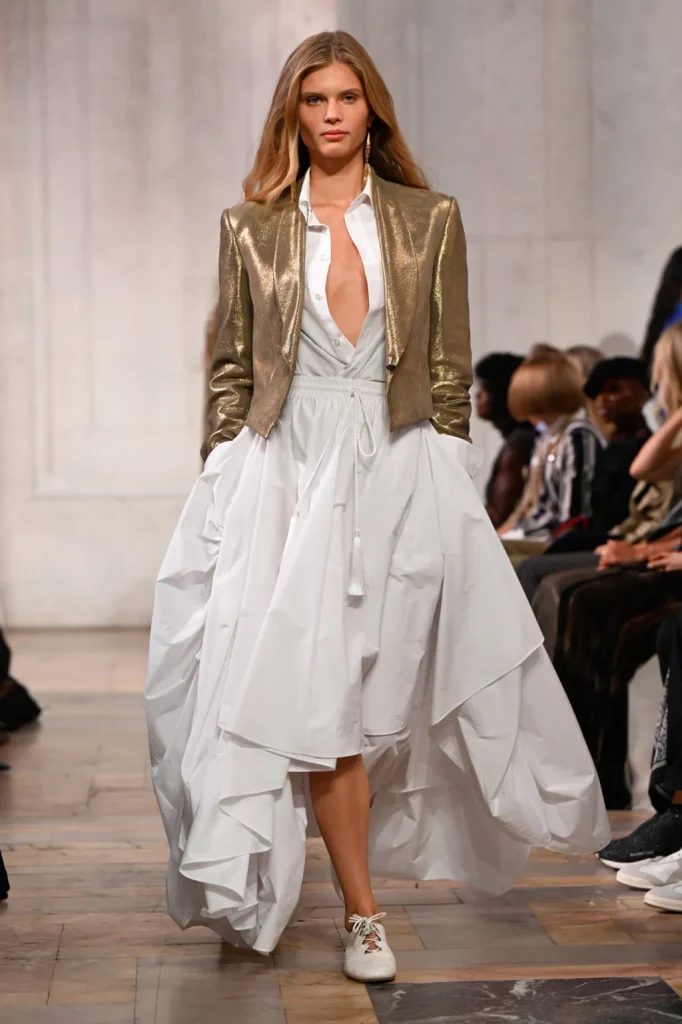
Tamara Ralph looked to South Asia for Fall 2026 Couture, translating the region’s rich tradition of draped silhouettes and ornate jewelry into a collection that expanded her signature vision of modern glamour. Inspired by her husband’s heritage, the designer embraced asymmetry, fluidity, and lavish embellishment while remaining true to the sculptural elegance that defines her maison.

Rather than directly referencing traditional dress, Ralph distilled the graceful movement of the sari into couture. One-shoulder gowns, cascading organza trains, layered crepe draping, and delicate fringe introduced a softer, more fluid sensibility without sacrificing the structured hourglass silhouettes that have become her hallmark.

Corsetry remained central to the collection, anchoring dramatic eveningwear with impeccable precision. Around those sculpted foundations, Ralph layered intricate embellishments that elevated each look into wearable haute joaillerie.

Her signature pearl latticework returned alongside elaborate beaded trims, but this season the embroidery became even more opulent. Cascading gold chains draped over shoulders like necklaces, baguette crystal embroidery covered entire gowns, and shimmering fringes traced the hems of jewel-encrusted dresses, reinforcing the idea that every garment was designed to move like precious jewelry.

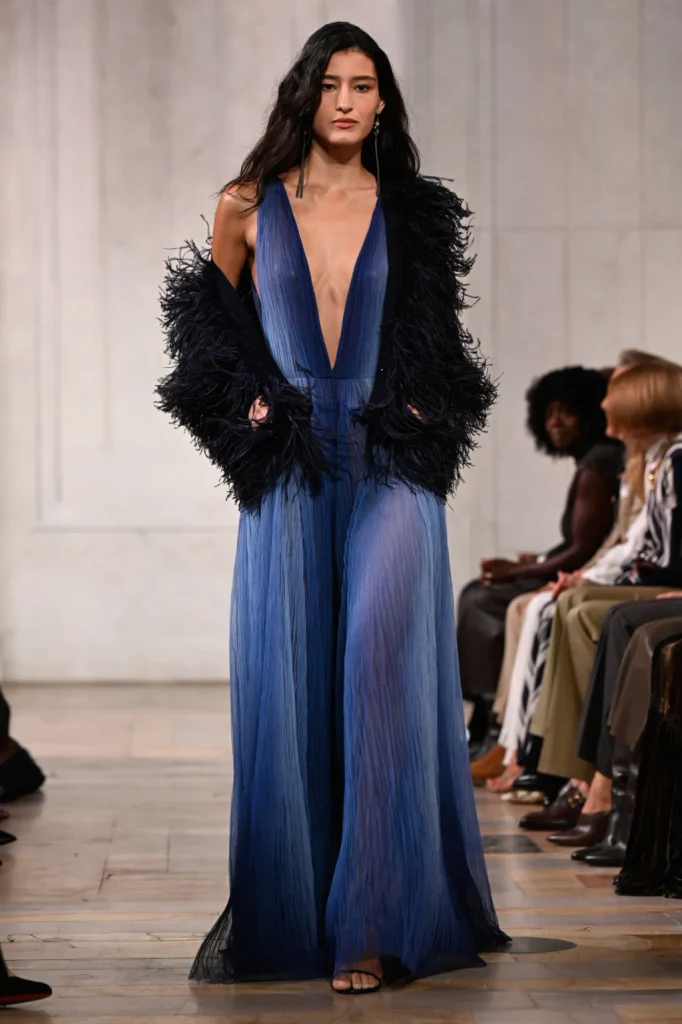
The color palette balanced understated elegance with luminous richness. Champagne, ivory, and soft neutrals mingled with pistachio green, metallic gold and silver, while deep midnight-blue velvet introduced dramatic contrast. Ralph also expanded her exploration of black lace, using the fabric to add depth and sophistication to both gowns and separates.

Among the collection’s standout creations was a sculptural exoskeleton bodice resembling enamel roses cast in gilded metal, paired with a coordinating appliqué skirt and styled beneath a pale green satin opera coat. The striking outerwear reappeared throughout the collection, emphasizing Ralph’s growing interest in layering couture with theatrical ease.

Dior Fall 2026 Couture Collection

Dior Fall 2026 Couture Collection

Fresh off designing the wedding attire for Taylor Swift and Travis Kelce, Jonathan Anderson returned to Paris with a couture collection that deliberately sidestepped fairy-tale romance in favor of conceptual artistry. Rather than capitalizing on the cultural momentum surrounding one of the year’s most talked-about weddings, the Dior creative director presented a cerebral vision rooted in sculpture, material experimentation, and artistic dialogue.

The wedding generated extraordinary visibility for the French house, reportedly delivering an estimated $15 million in media impact value over the July 4 weekend, according to Launchmetrics. Yet Anderson resisted allowing that moment to define his creative direction. While he described designing Swift’s wedding look as “a great honor” and an emotional experience, his focus quickly returned to the ideas shaping the collection.

This season, Anderson drew inspiration from American sculptor Lynda Benglis, whose work informed both the collection and a series of collaborative handbags unveiled on the runway. Her influence reinforced Anderson’s fascination with texture, volume, and unconventional forms, transforming couture into a space for artistic exploration rather than nostalgia.

At the heart of the collection stood Dior’s iconic Bar jacket, reimagined through striking new interpretations. A fern-green tweed version featured cascading fringe, while another appeared in a static-gray bouclé that dissolved seamlessly into a floating white chiffon skirt. These familiar house codes became sculptural objects rather than symbols of traditional femininity.

The show’s immersive soundtrack and abstract atmosphere underscored Anderson’s determination to expand Dior’s couture vocabulary. If his debut hinted at poetic romanticism, this collection made clear that his vision extends far beyond the house’s celebrated floral heritage.

That intellectual ambition may surprise those expecting Anderson to embrace the fairy-tale narrative surrounding Swift’s wedding. Instead, he treated one of fashion’s most storied maisons as a laboratory for experimentation, privileging artistic inquiry over commercial sentimentality.

Schiaparelli Fall 2026 Couture Collection

Schiaparelli Fall 2026 Couture Collection

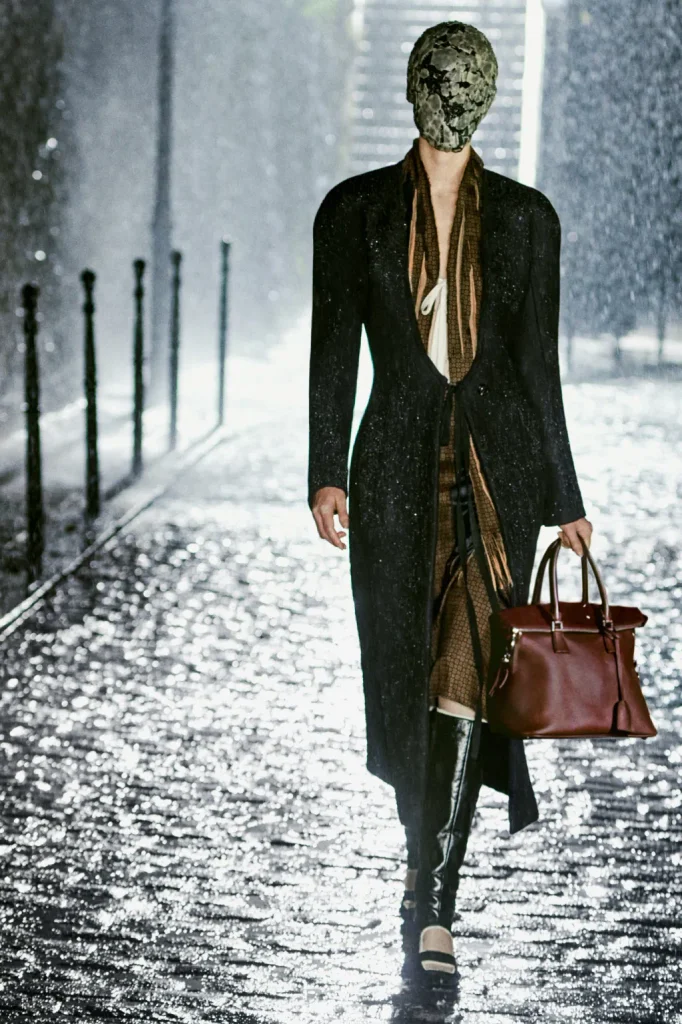
Daniel Roseberry opened Paris Haute Couture Week with one of his most provocative collections yet, plunging Schiaparelli into an otherworldly underwater fantasy that blurred the boundaries between couture craftsmanship, artificial imagery, and body transformation. At its core, the collection posed a timely question: what distinguishes human creativity in the age of artificial intelligence?

Rather than resisting technological change, Roseberry confronted it head-on. Every look—hand-sketched by the designer himself—celebrated the irreplaceable artistry of couture while embracing unconventional materials that challenged traditional notions of luxury. Latex, molded silicone, dried flowers, seashells, and fish scales merged with impeccable handwork to create garments that felt both futuristic and deeply artisanal.

The aquatic narrative unfolded through sculptural silhouettes that appeared to evolve into fantastical sea creatures. Inflatable tentacles extended from latex jackets, translucent silicone corsets mimicked gelatinous marine life, and illuminated gowns seemed to pulse with their own rhythm. The collection embraced transformation as both a visual language and a metaphor for fashion’s rapidly changing landscape.

Roseberry described the collection as an exploration of surrendering to the unknown—a collision between digital innovation and centuries-old craftsmanship. Rather than viewing technology as couture’s adversary, he explored the creative tension between handcrafted excellence and an increasingly AI-driven visual culture.

That duality defined the runway. Sculpted jackets and corsets possessed an almost armor-like rigidity, while liquid-like rubber gowns molded seamlessly to the body. Even the collection’s softer moments carried an undercurrent of unease, including an ethereal blush evening gown embroidered with pearls that balanced romance with subtle surrealism.

The designer’s references ventured into equally unsettling territory. The color palette drew inspiration from the dreamlike imagery of artist Matthew Barney’s Cremaster Cycle, while many silicone elements were developed with a Paris atelier known for producing hyper-realistic prosthetics for the film industry. The result was couture that felt simultaneously beautiful, uncanny, and unmistakably contemporary.

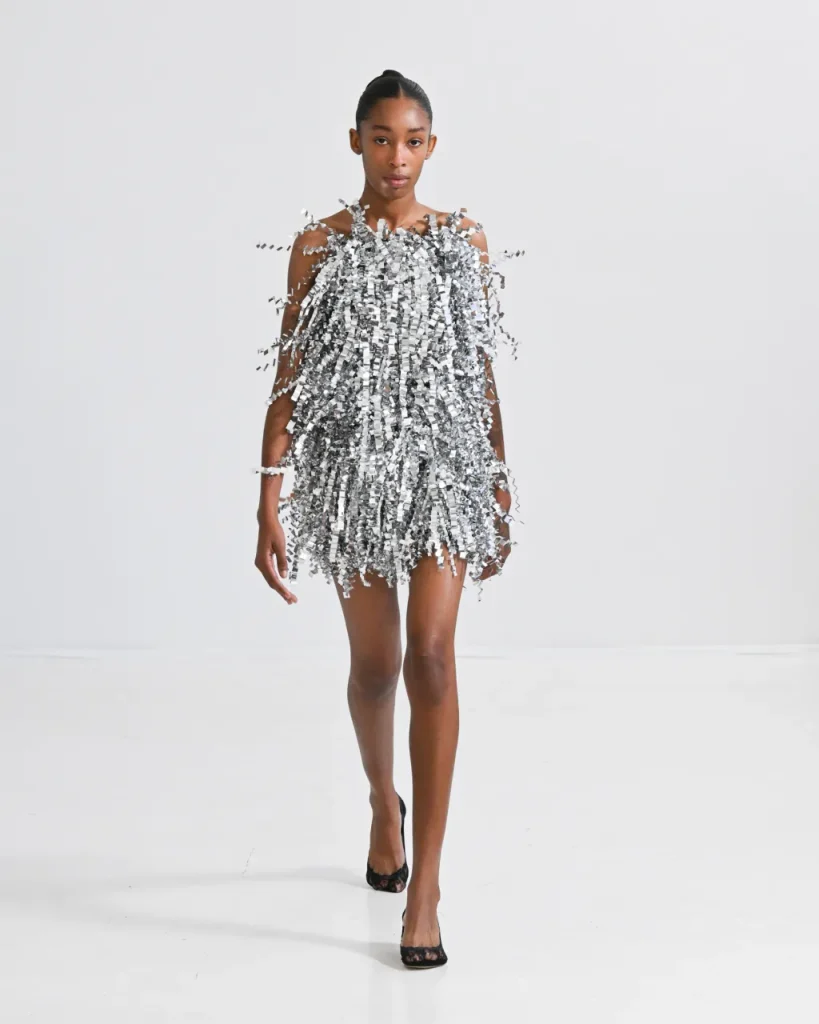
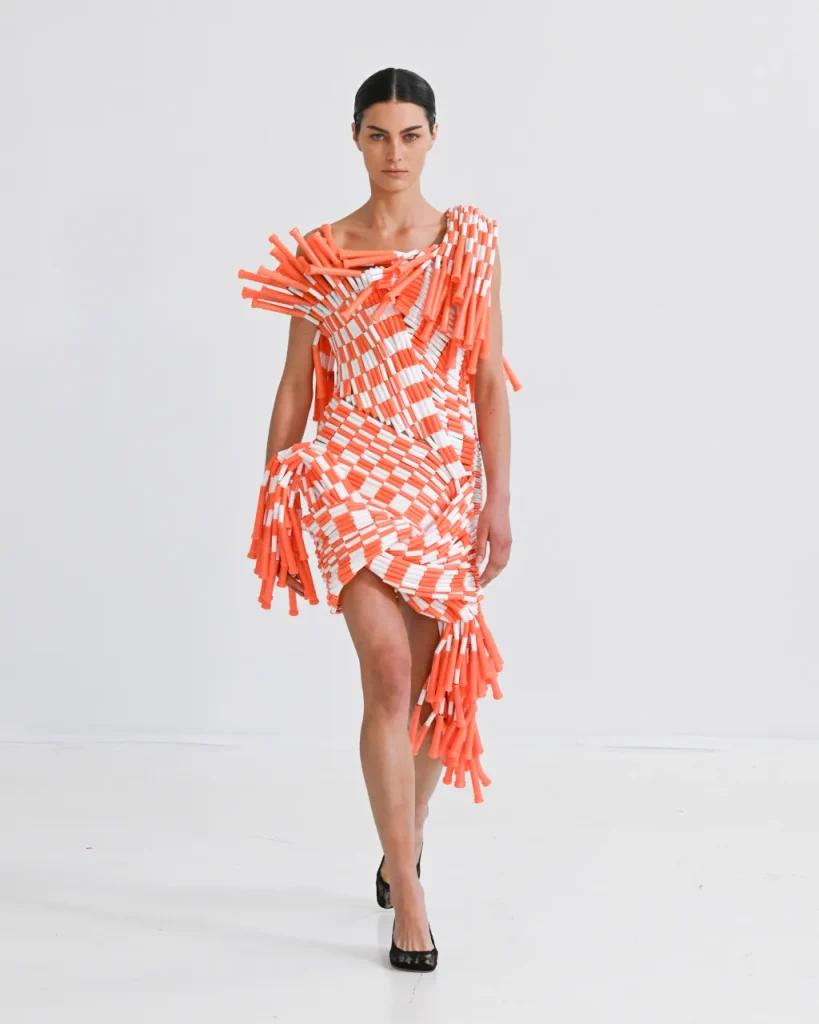
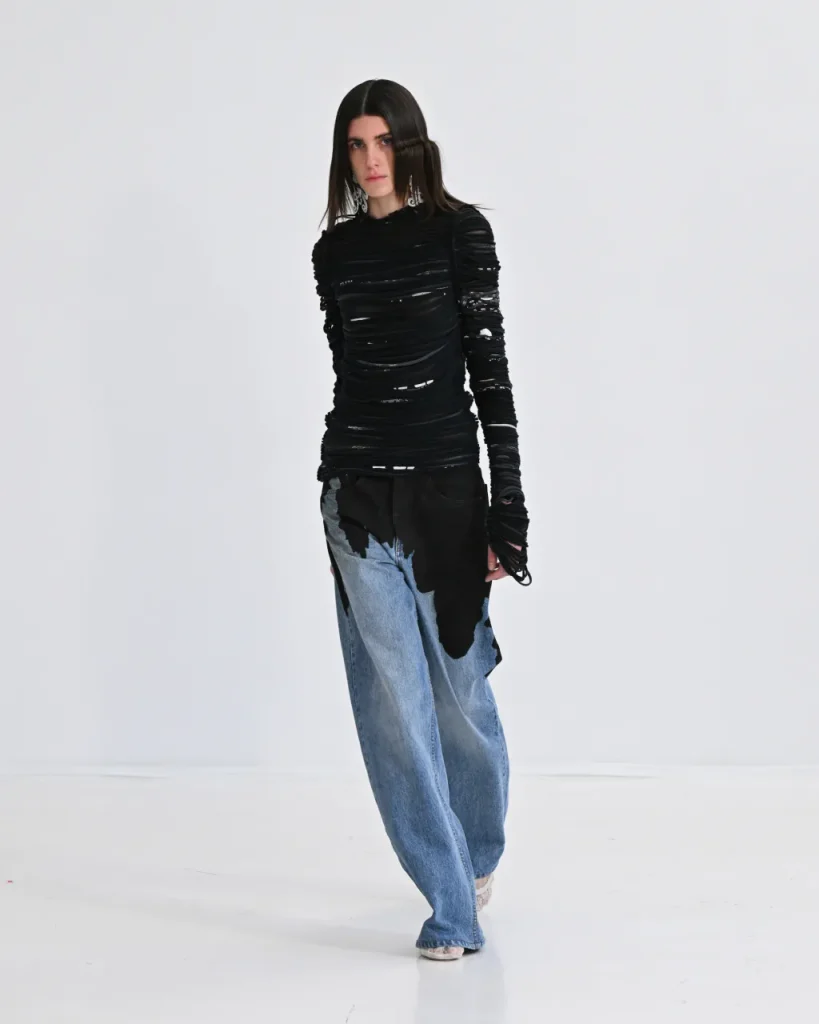
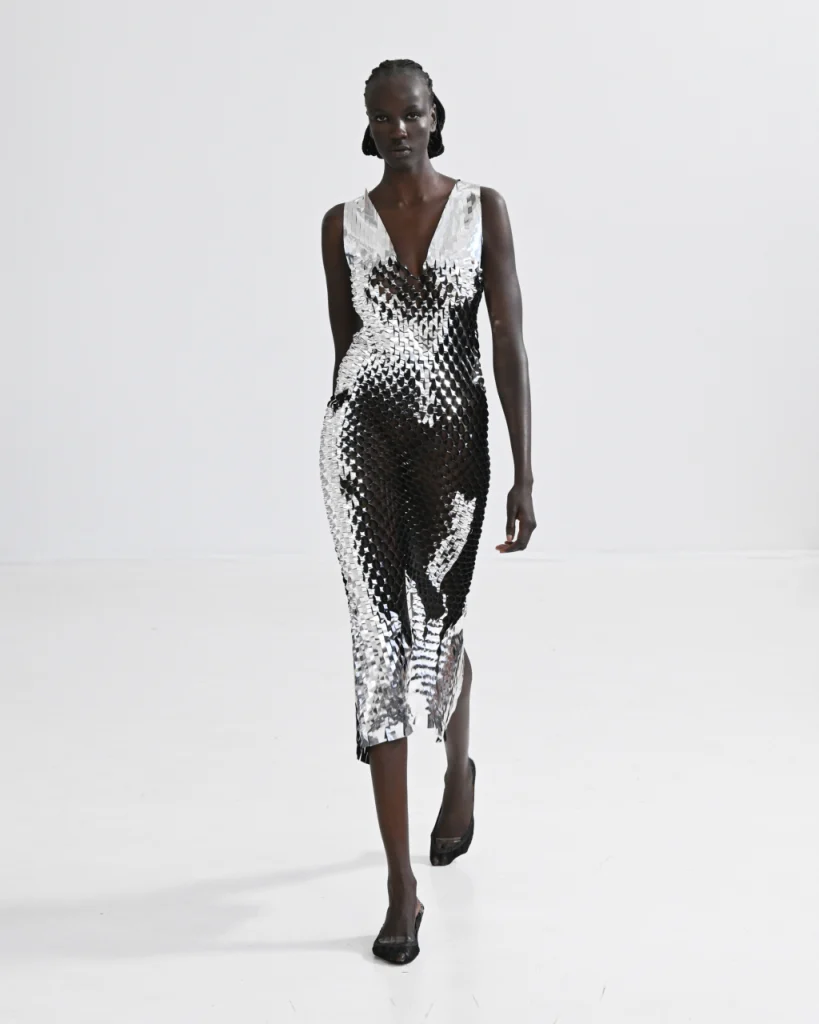
Boloria Spring 2027 Collection

Boloria Spring 2027 Collection

Olivier Theyskens opened a bold new chapter with the debut of Boloria, a label that reflects his uncompromising approach to craftsmanship, tailoring, and draping while introducing a fresh voice in Belgian luxury fashion. Backed by Tomorrowland’s parent company, We Are One World, the collection premiered on the eve of Paris Haute Couture Week, immediately positioning the brand as one of the season’s most intriguing launches.

Rather than creating a contemporary startup, Theyskens envisioned a house with the gravitas of a century-old institution. The name, chosen by the company’s founders, refers to Boloria, a butterfly species first documented in 1899—a poetic symbol of transformation that aligns naturally with the designer’s aesthetic.

Having spent two years refining the project, Theyskens obsessed over every detail. From the subtly protruding square sole of a heeled shoe to barely visible strands of beading suspended from lace hems, every element underscored his devotion to precision and artisanal construction.

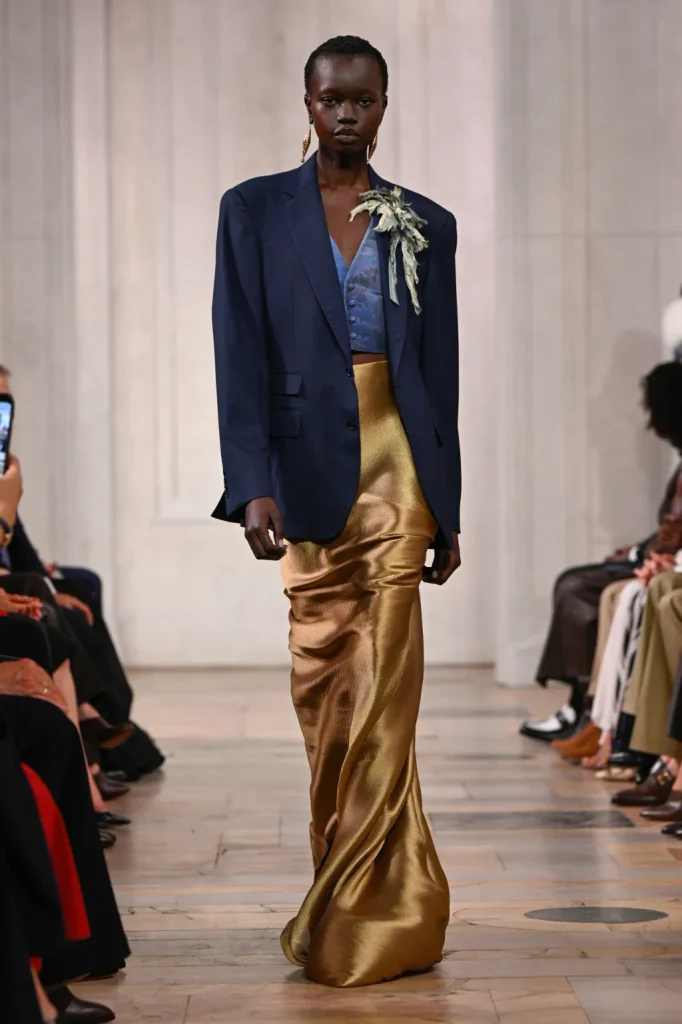
The collection opened with dramatic black gowns that recalled the sculptural silhouettes which first established Theyskens’ reputation in the late 1990s. Rather than revisiting the past, however, they served as dreamlike prologues before giving way to softly draped menswear, where models appeared wrapped in flowing fabrics as if carrying their bed linens into the outside world.

Tailoring became the collection’s defining language. Structured jackets balanced fluid movement through relaxed styling details, including rolled cuffs, turned-up trouser hems, and metallic pocket squares. Menswear carried subtle vintage influences but felt unmistakably modern thanks to lightweight fabrics with glossy and paper-like textures.

Womenswear shifted effortlessly between sharply cut androgynous suiting and bias-cut satin and silk gowns that highlighted Theyskens’ mastery of drape. Presented against a dark, mist-filled set of black monoliths, the collection projected an atmosphere of quiet drama and introspection.

Theyskens imagined the fictional residents of Boloria living across multiple decades—from the 1920s through the 1970s—blending historical references into garments that feel entirely contemporary. Rather than reproducing vintage fashion, he distilled its spirit into timeless silhouettes.