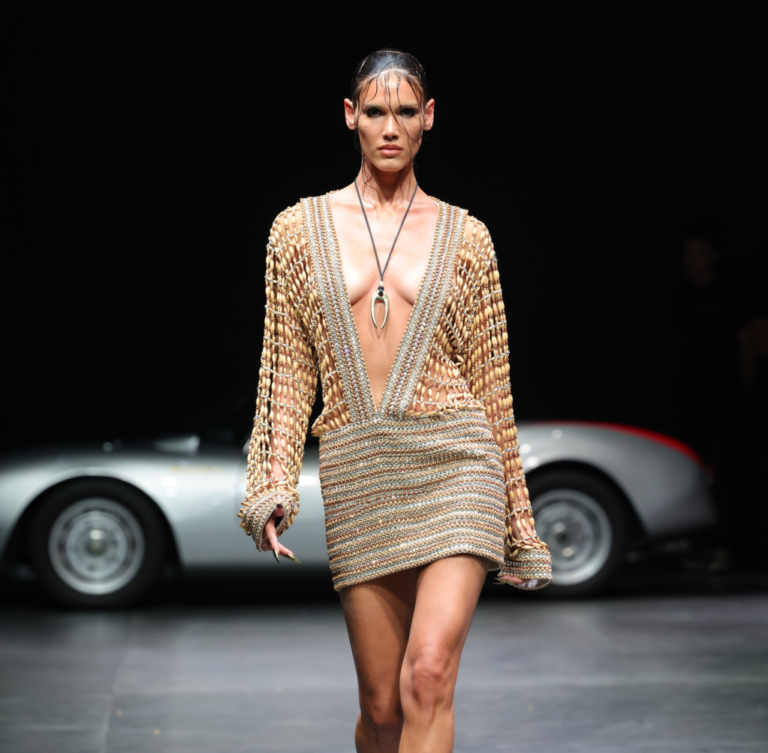
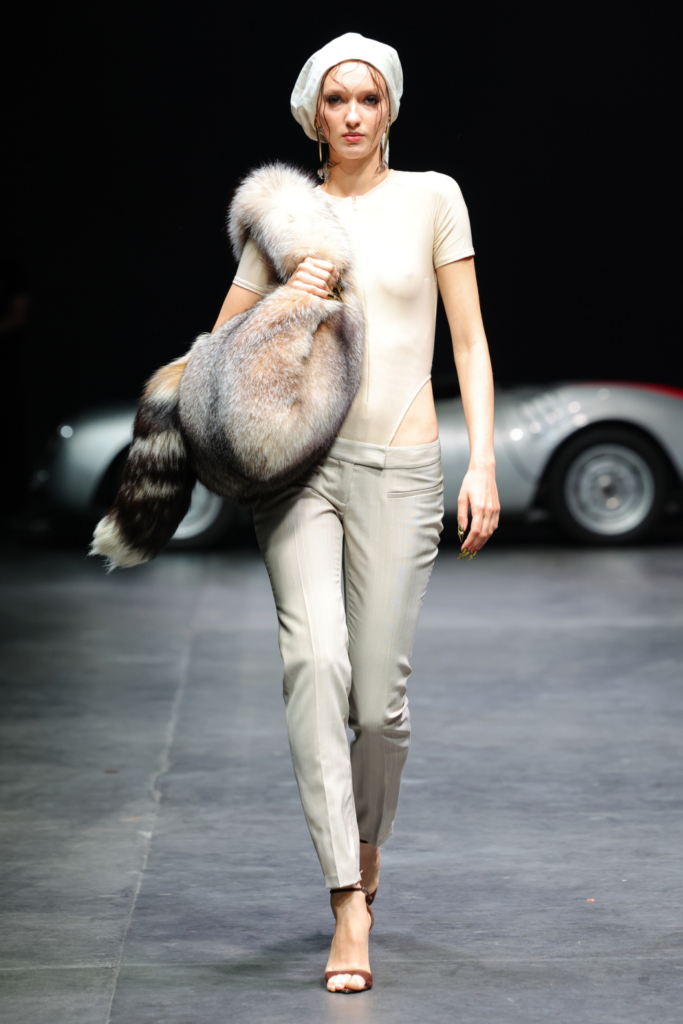
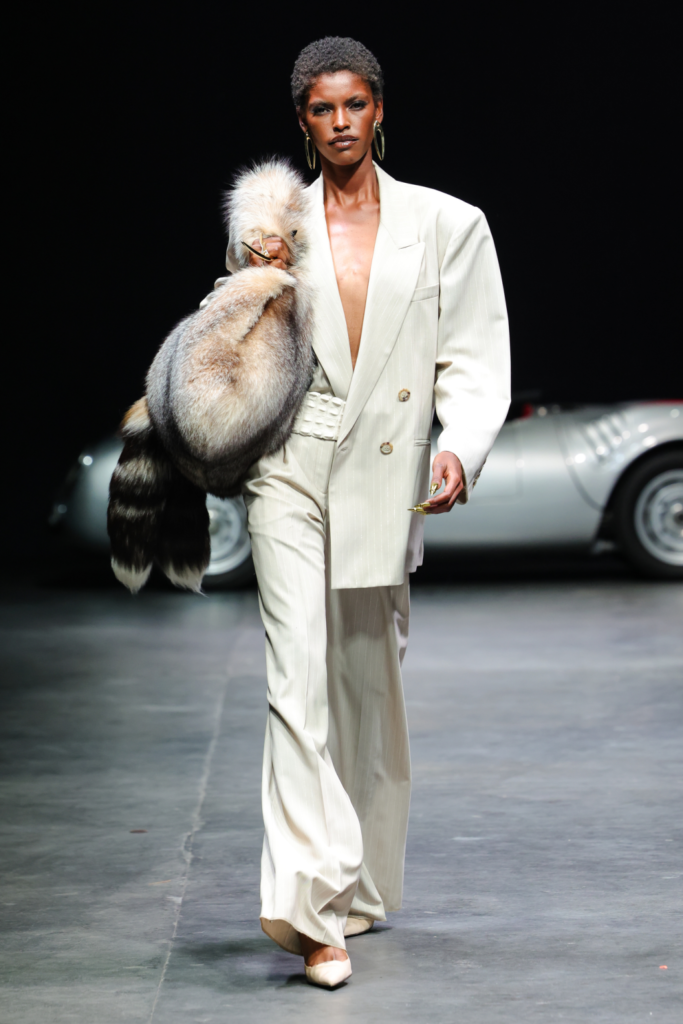
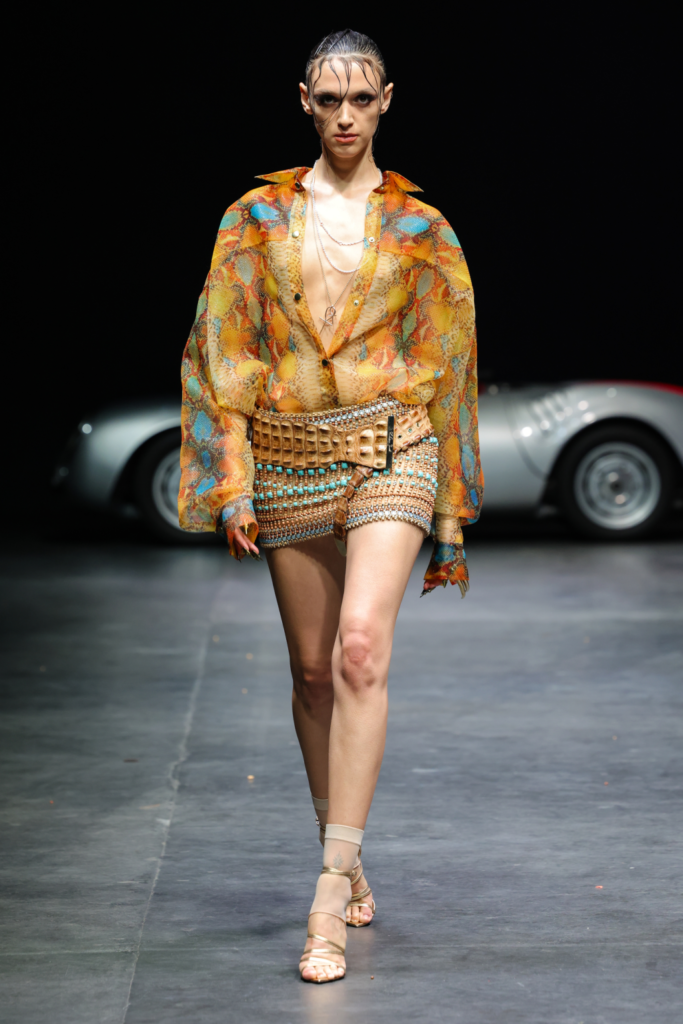
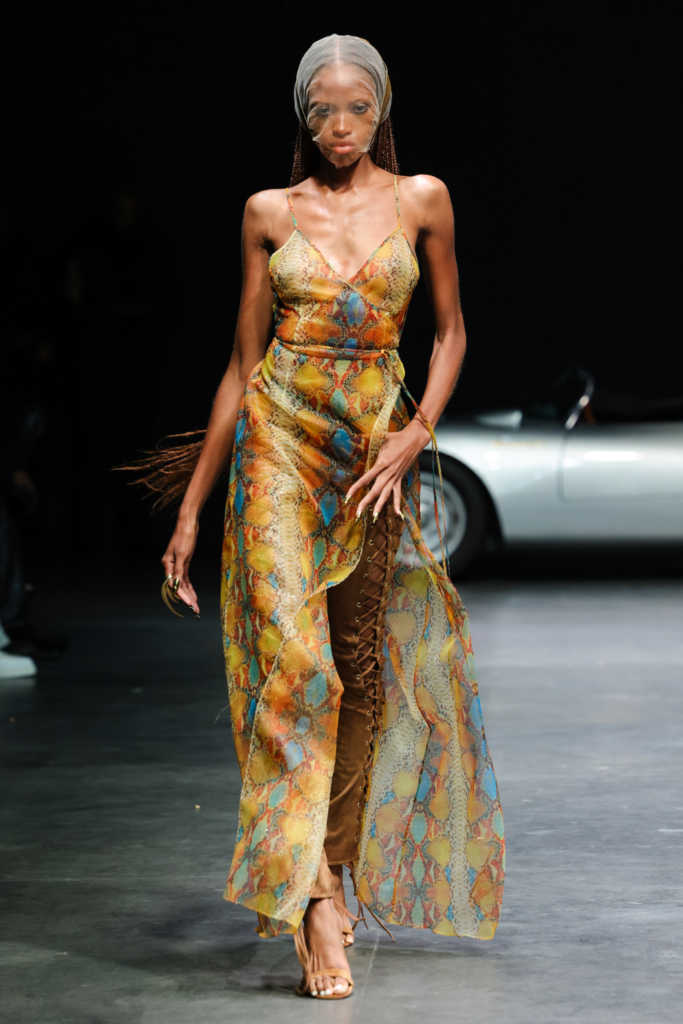
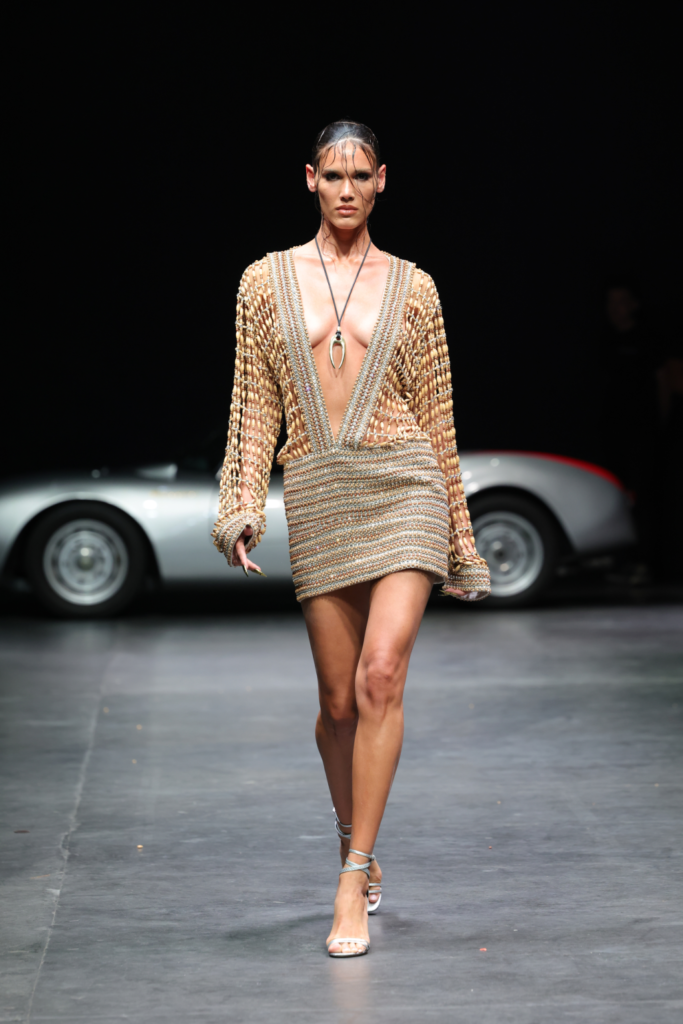
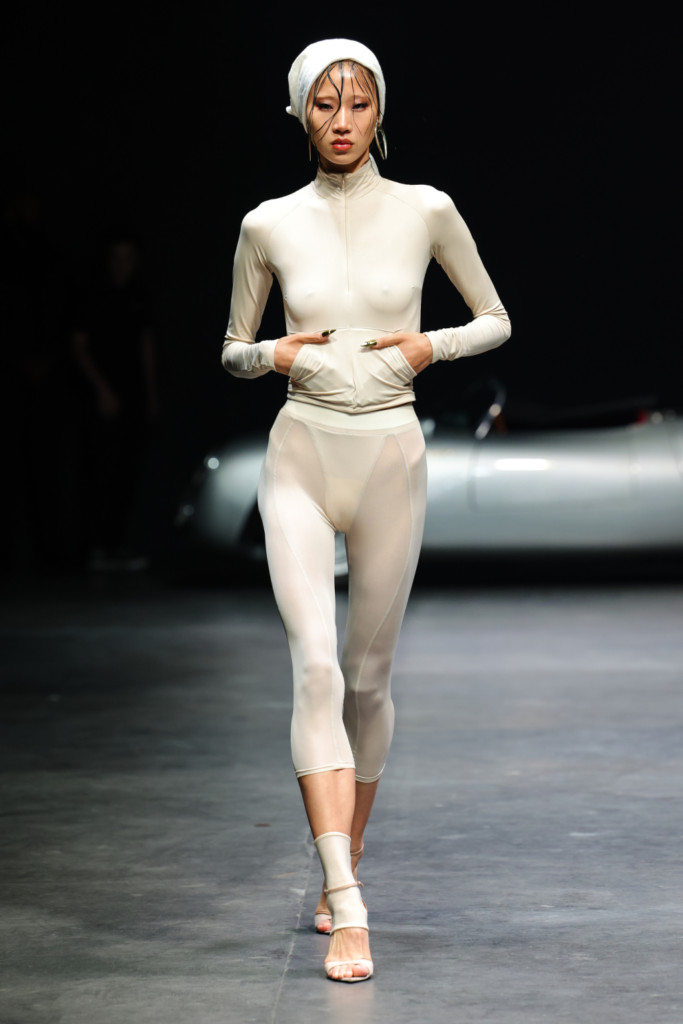
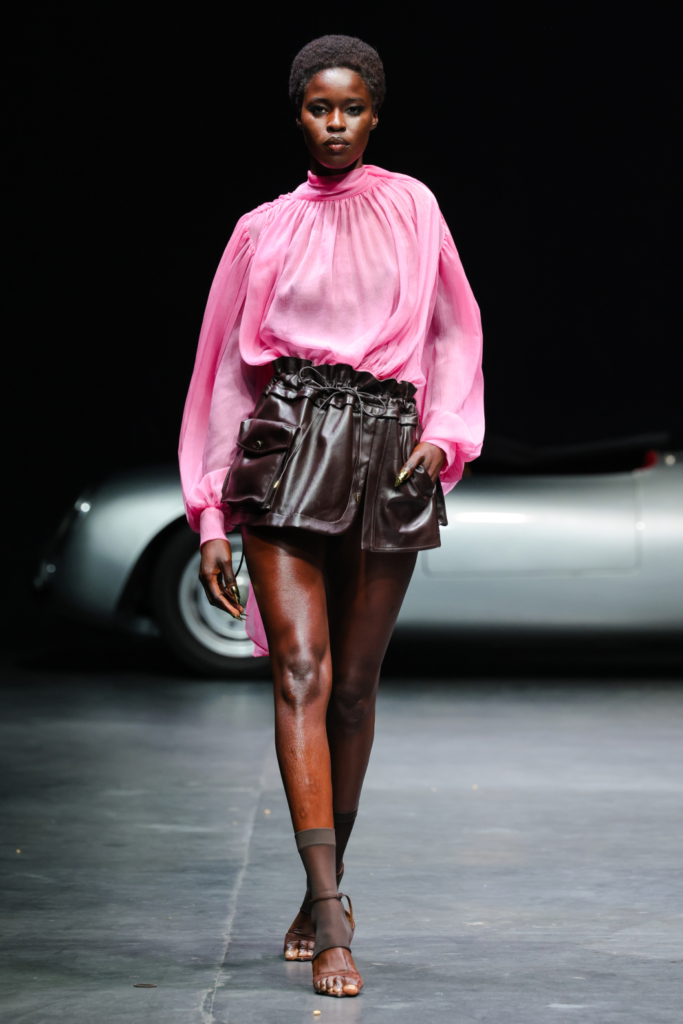
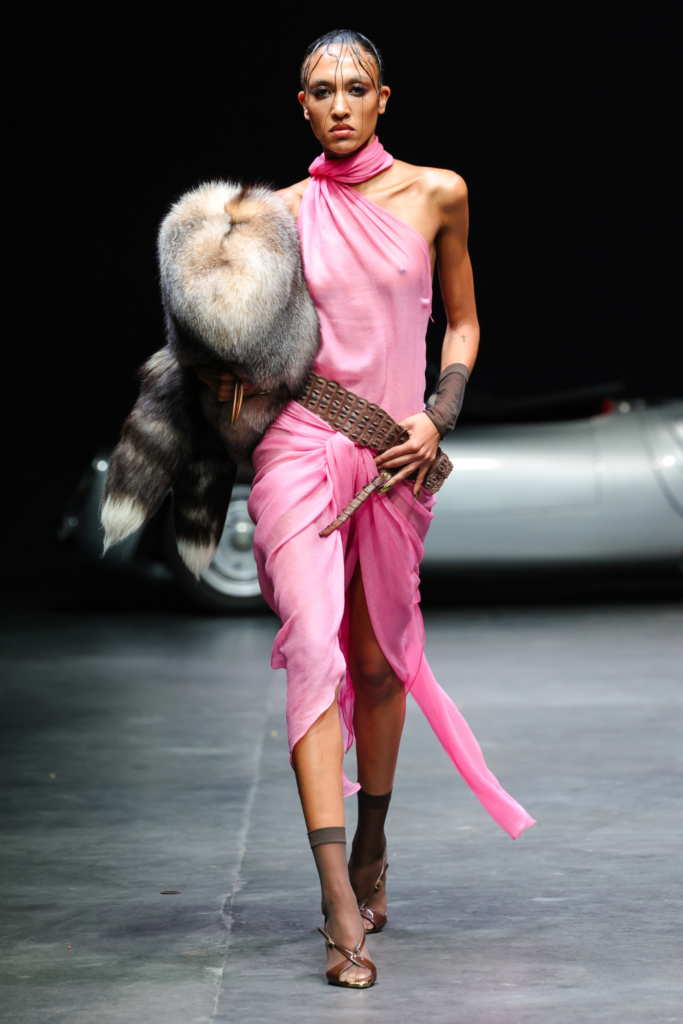
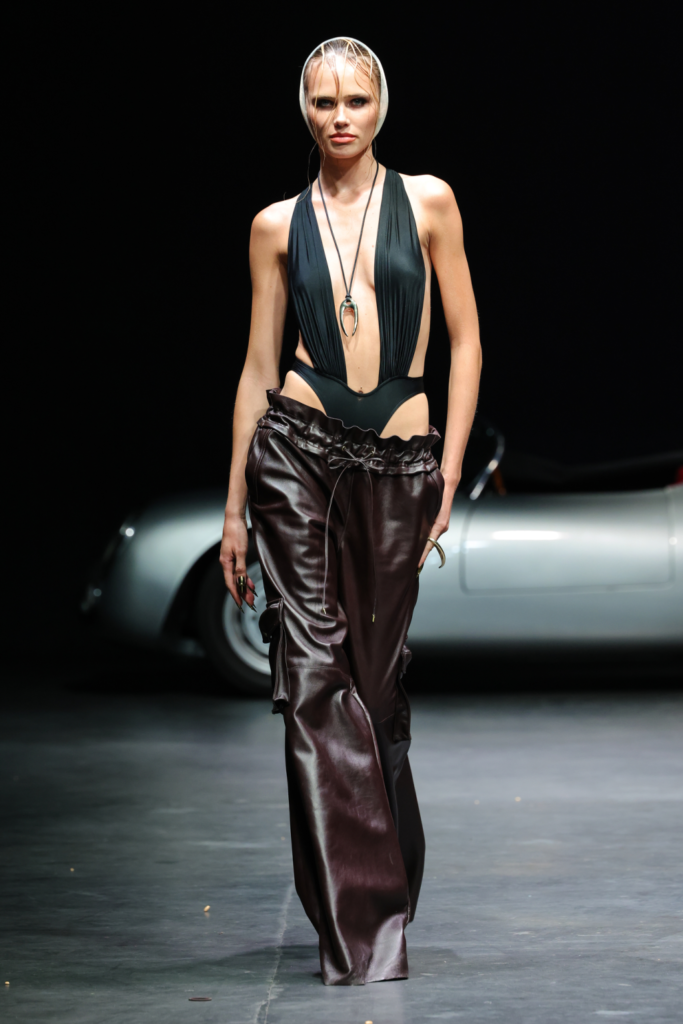
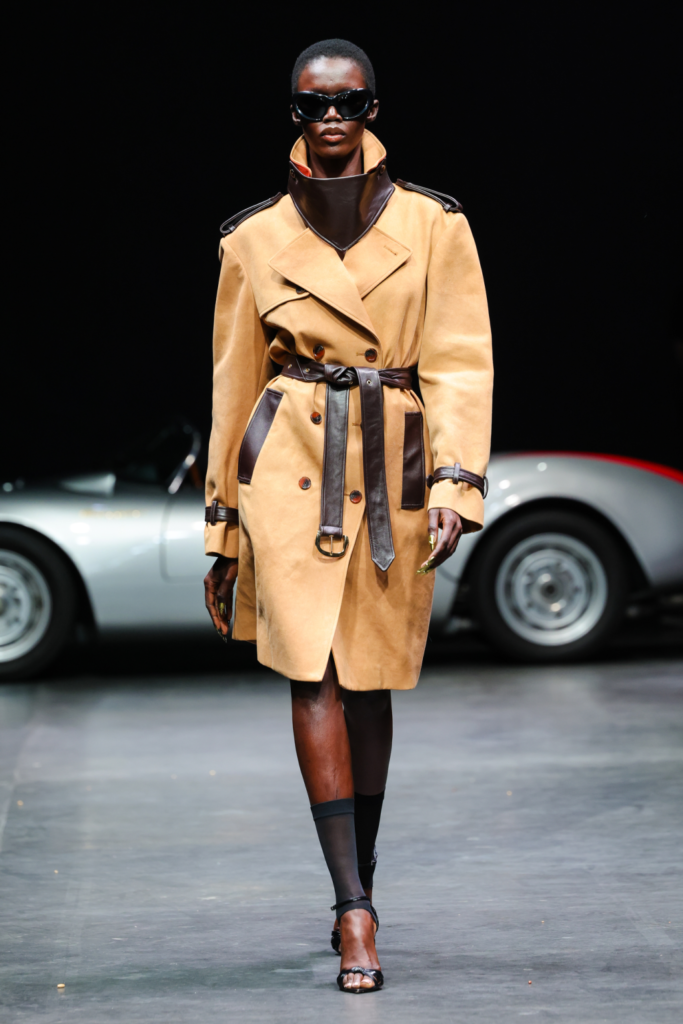
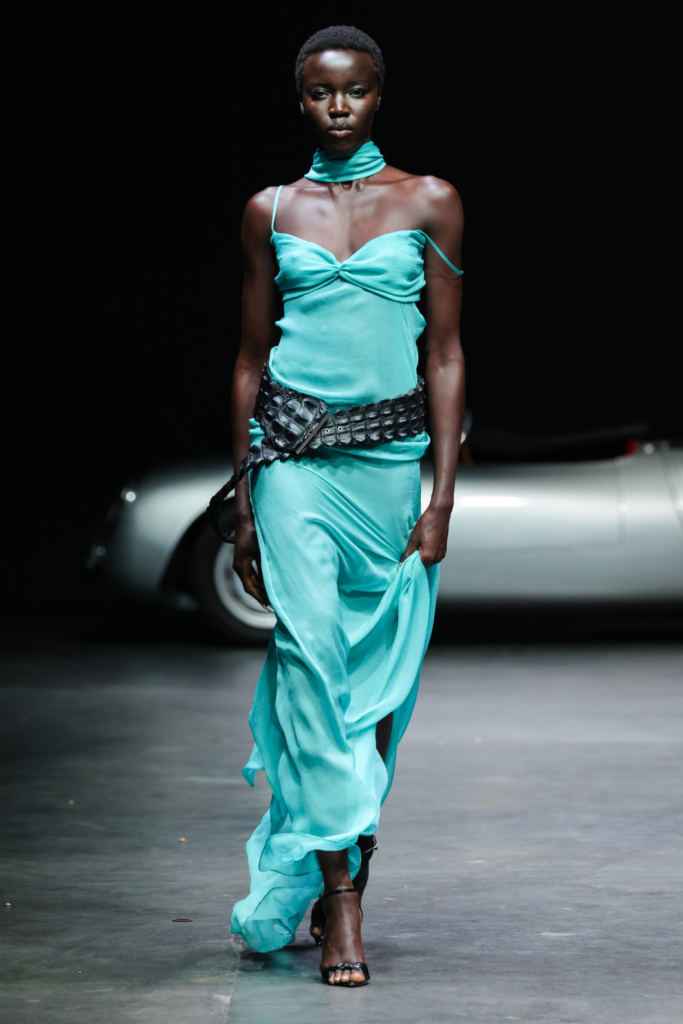
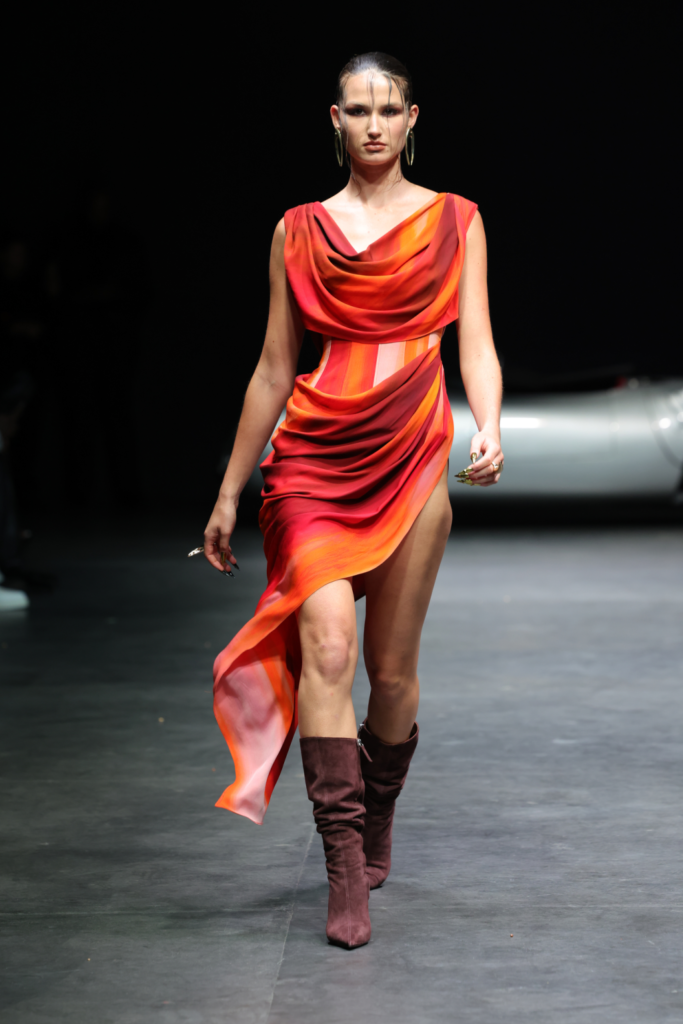
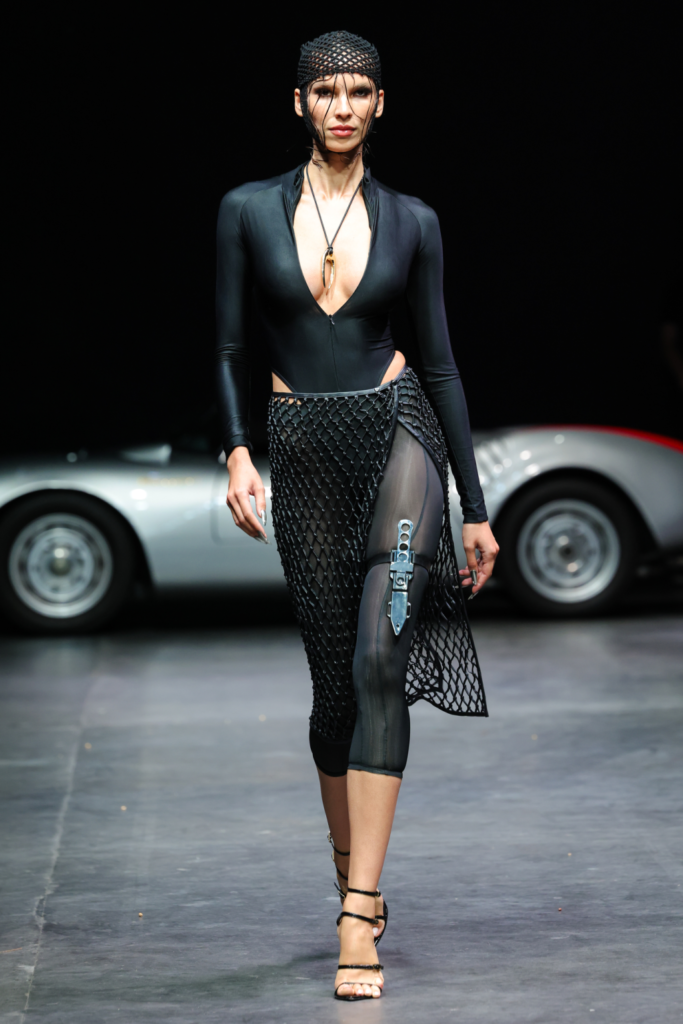
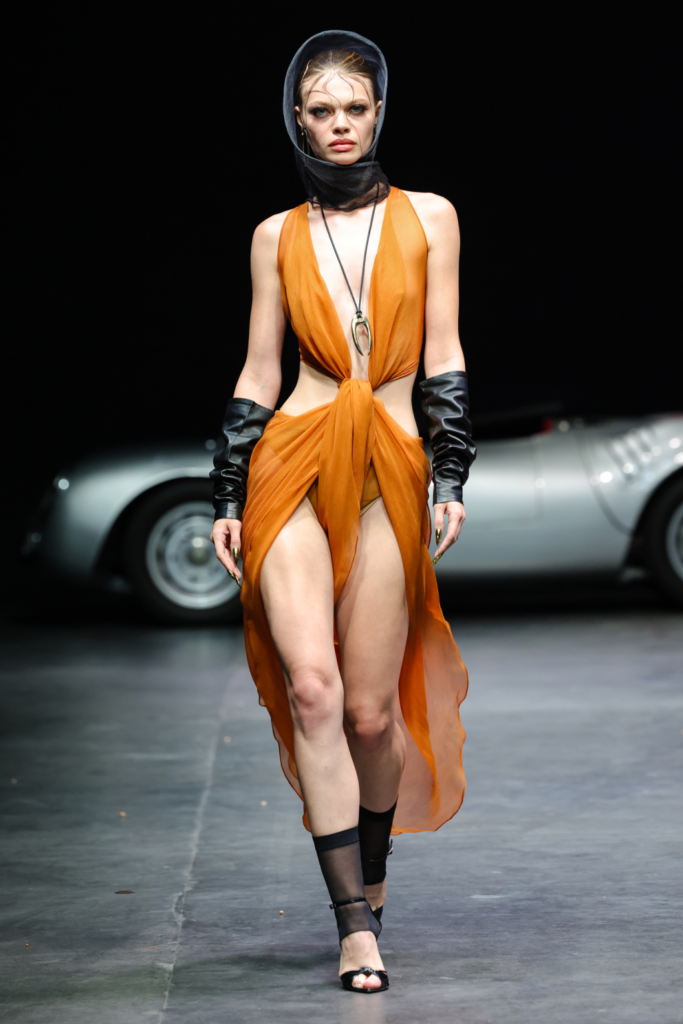
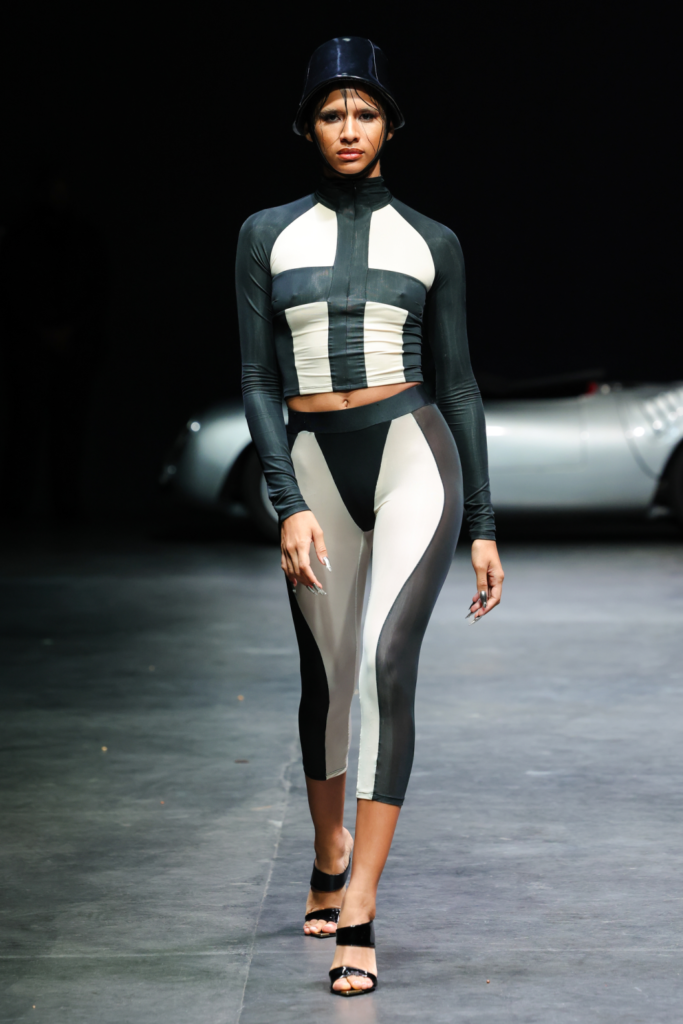
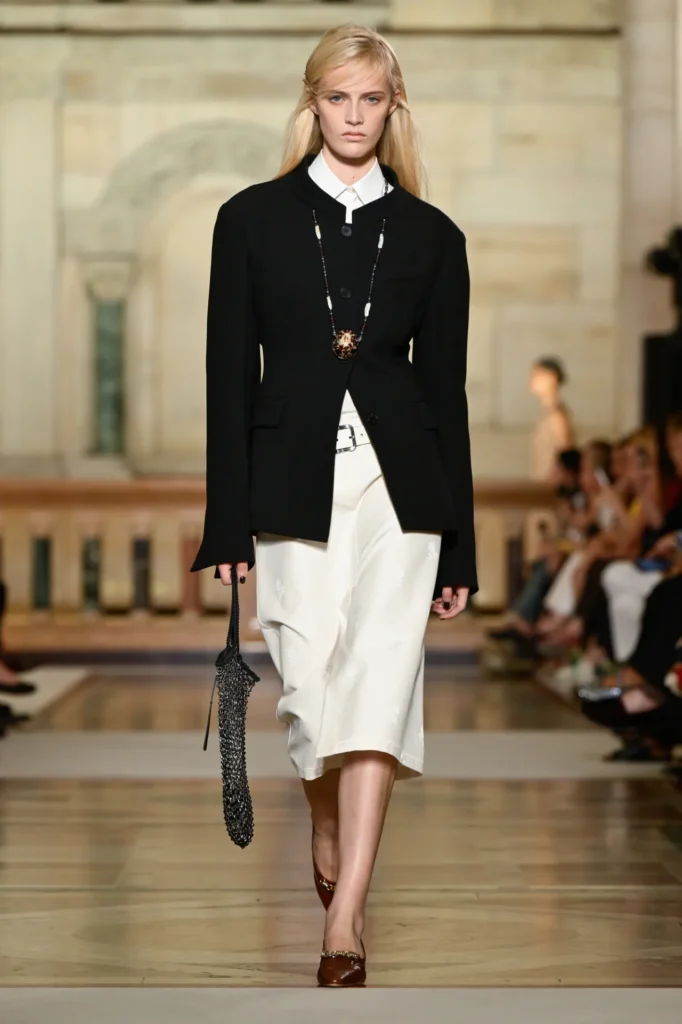
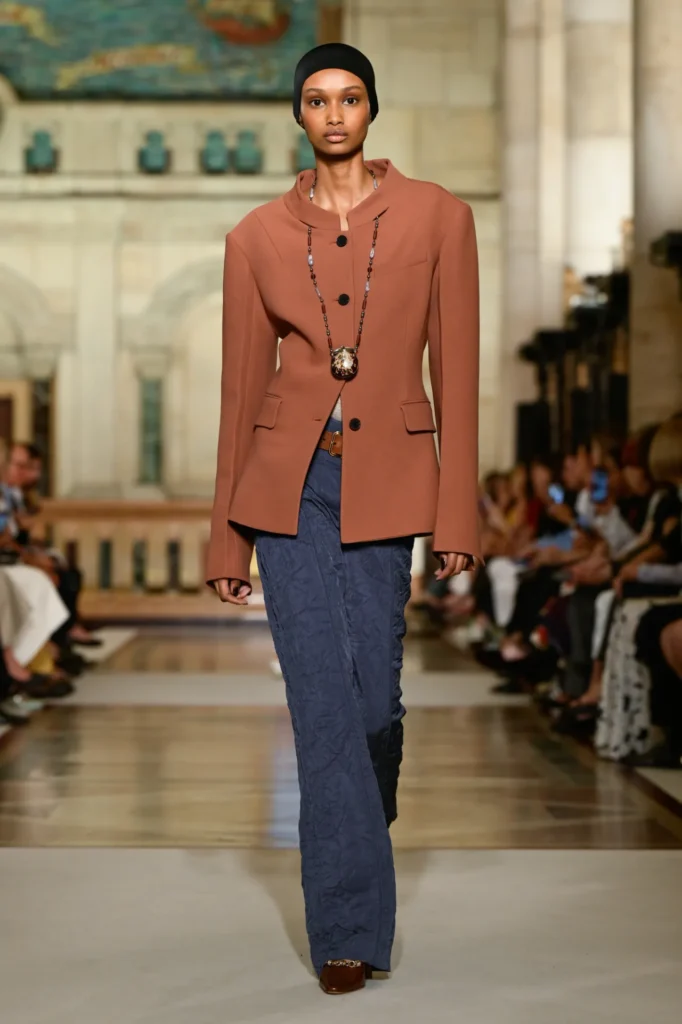
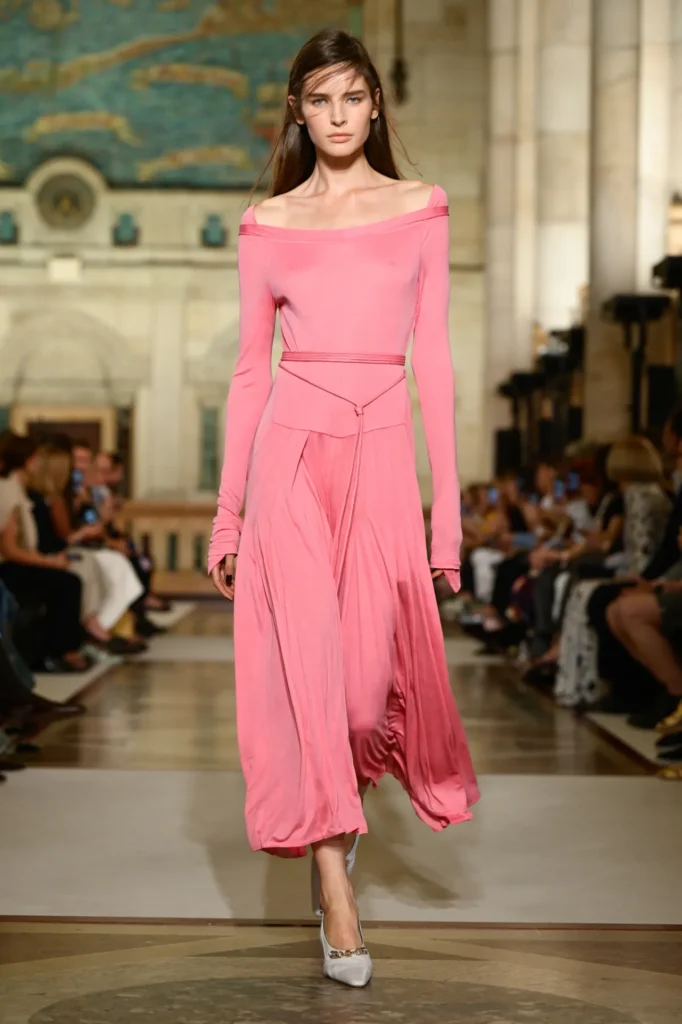
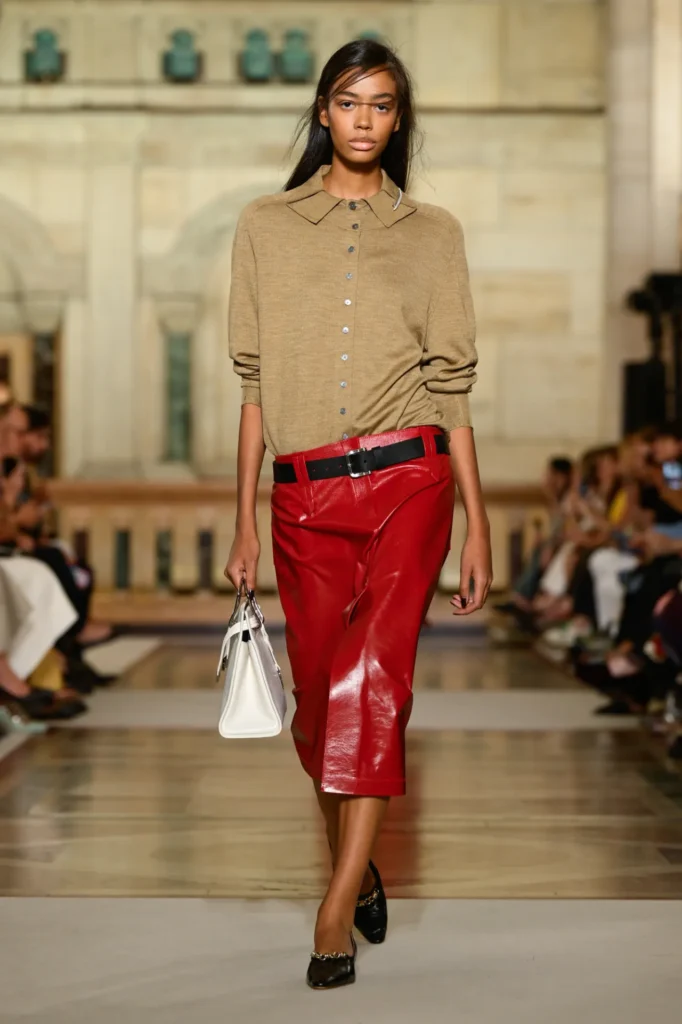
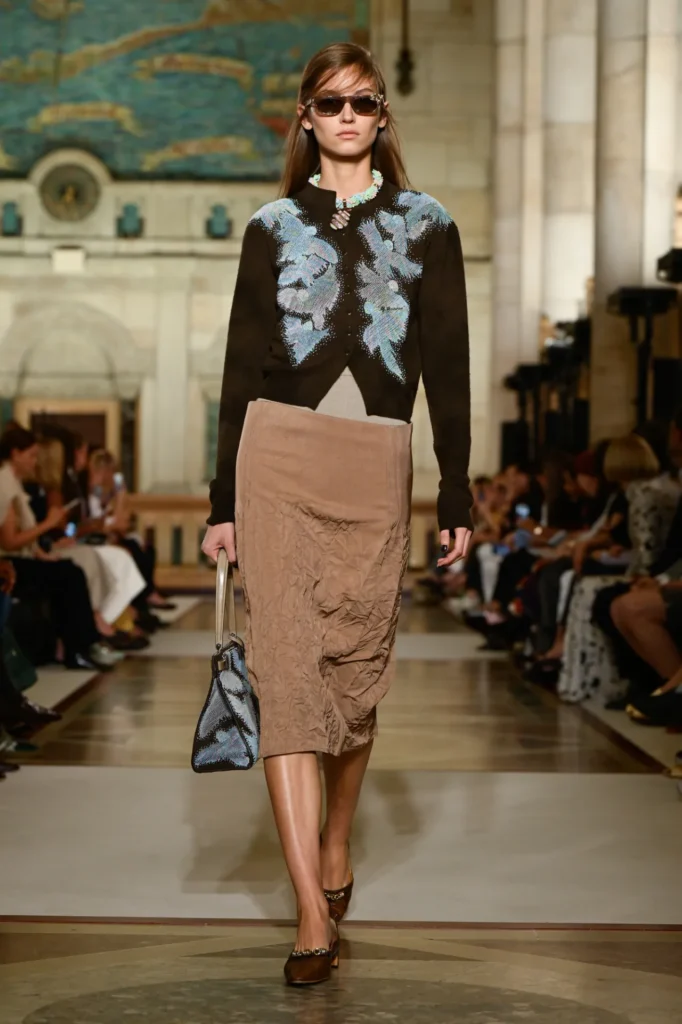
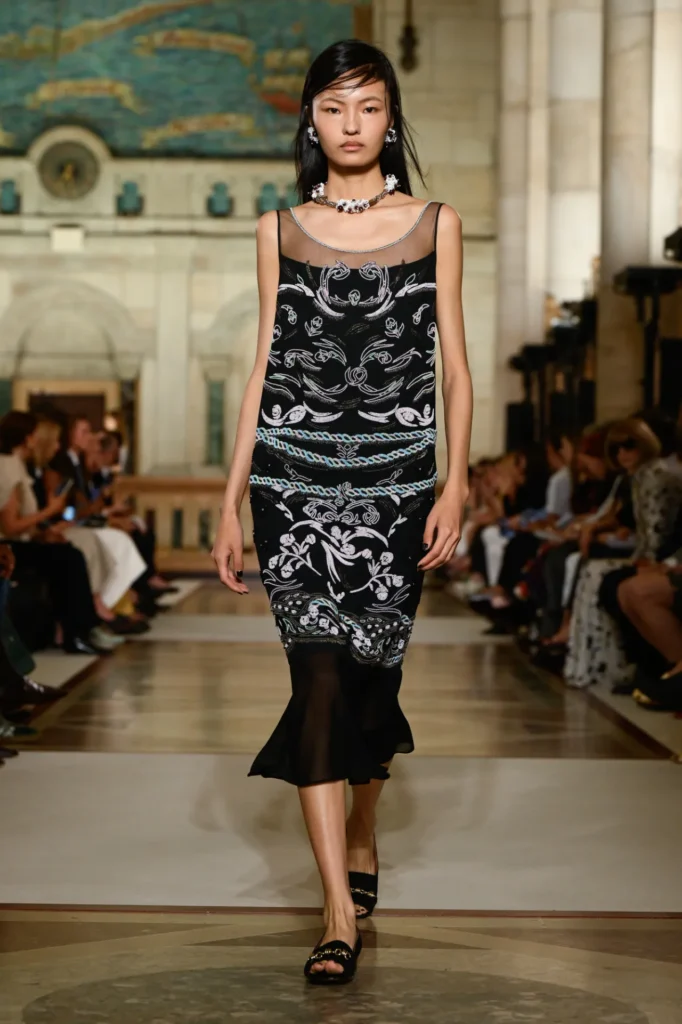
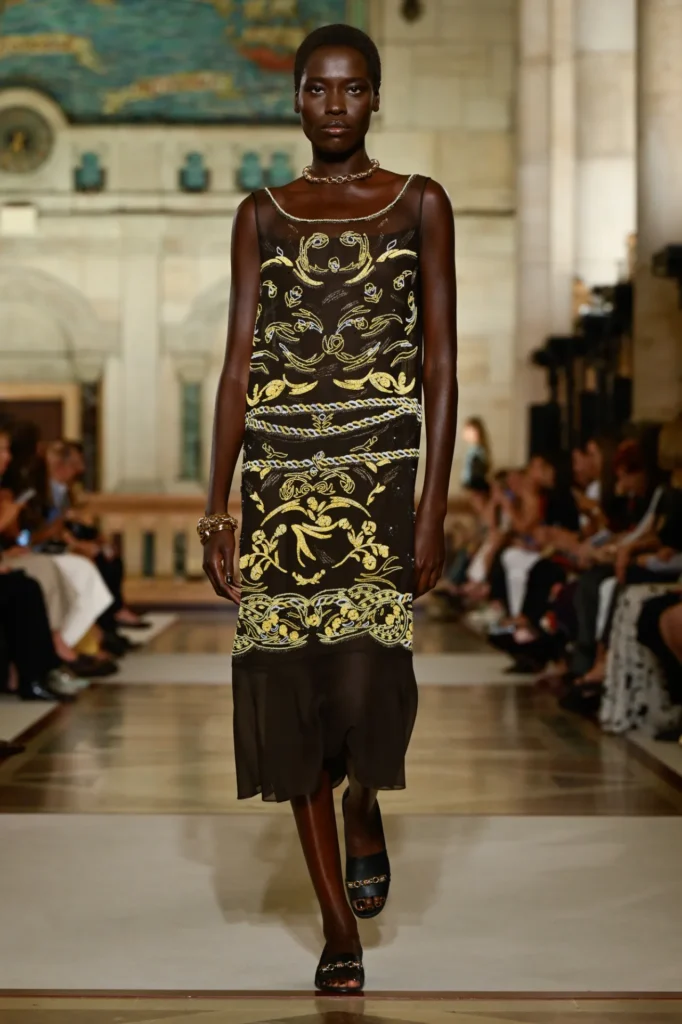
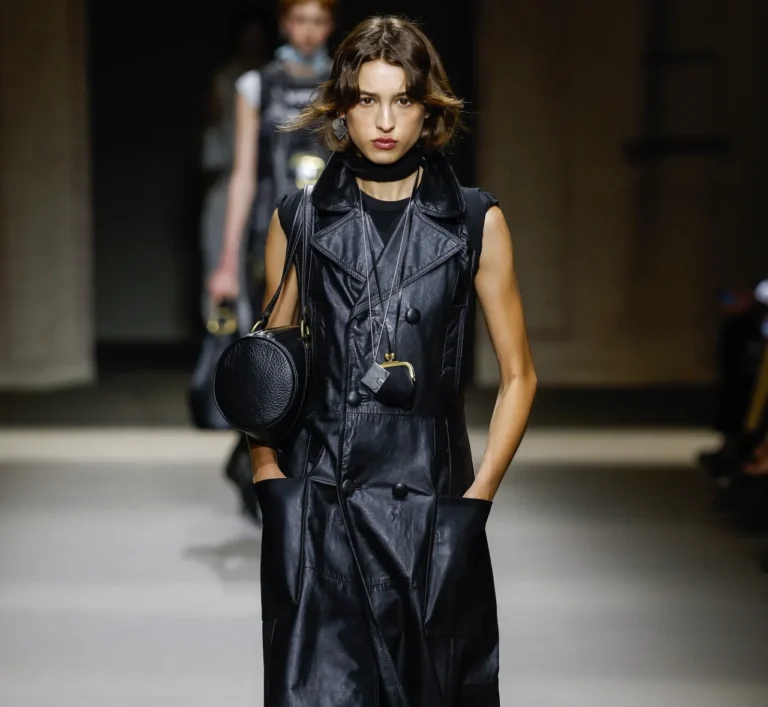
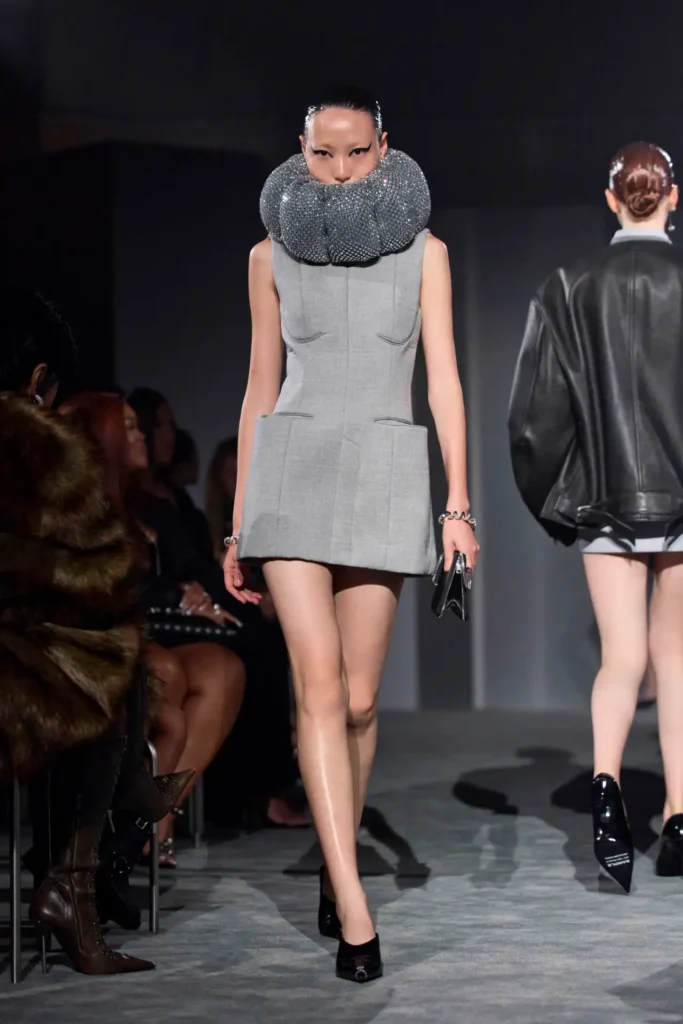
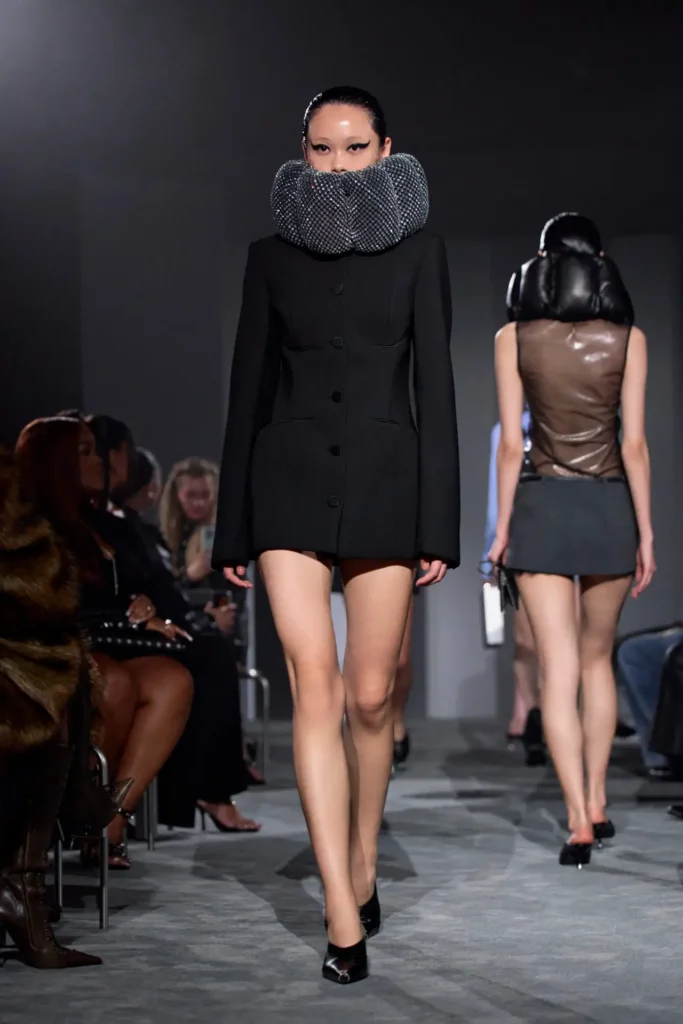
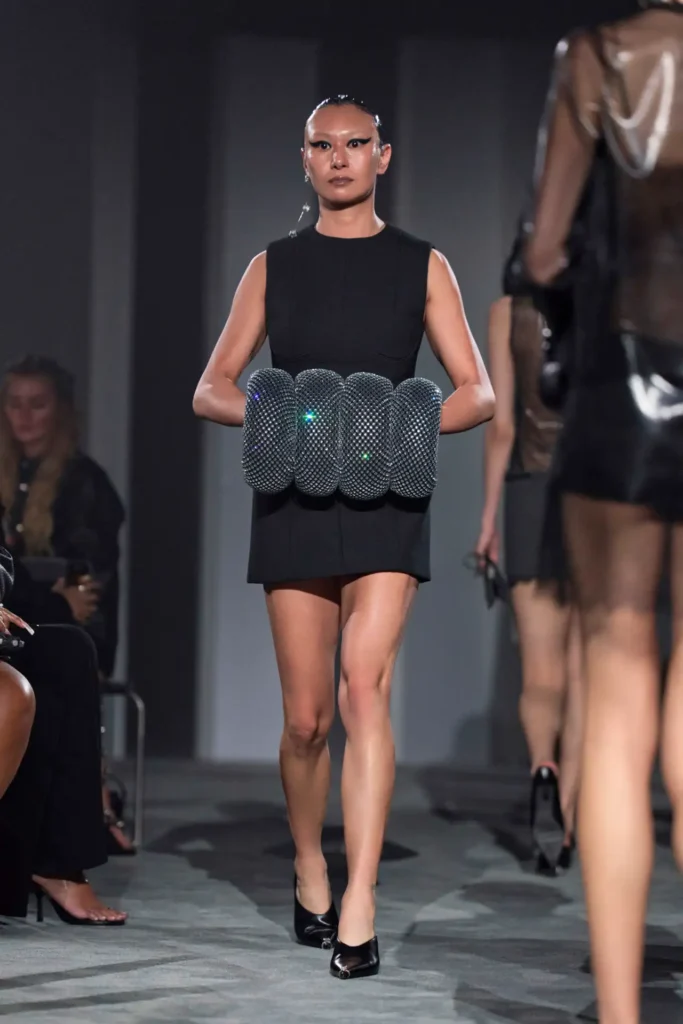
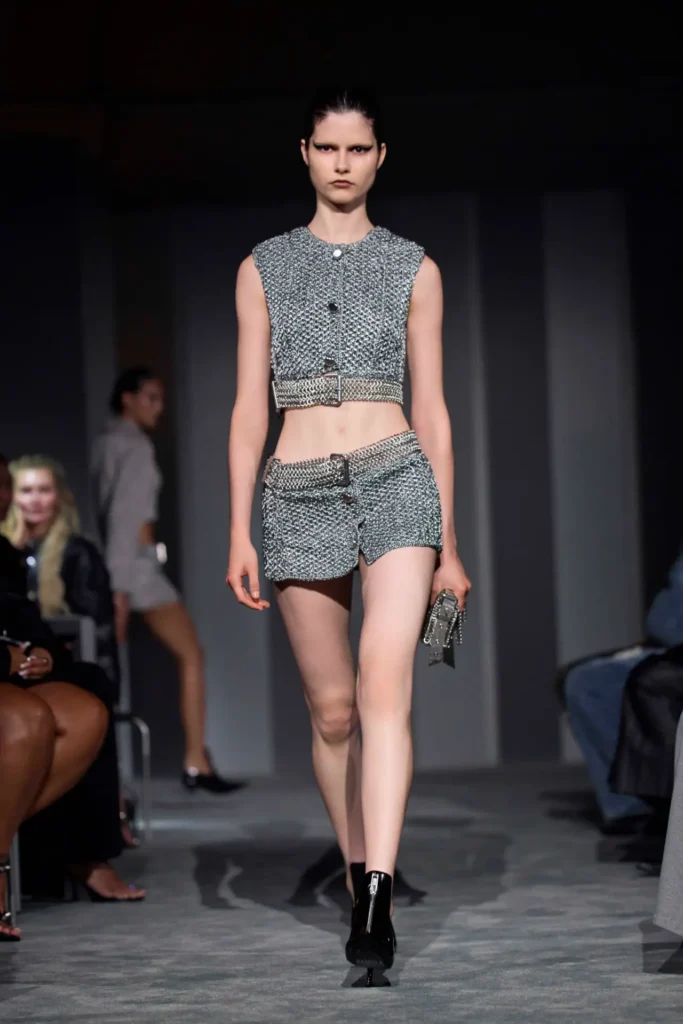
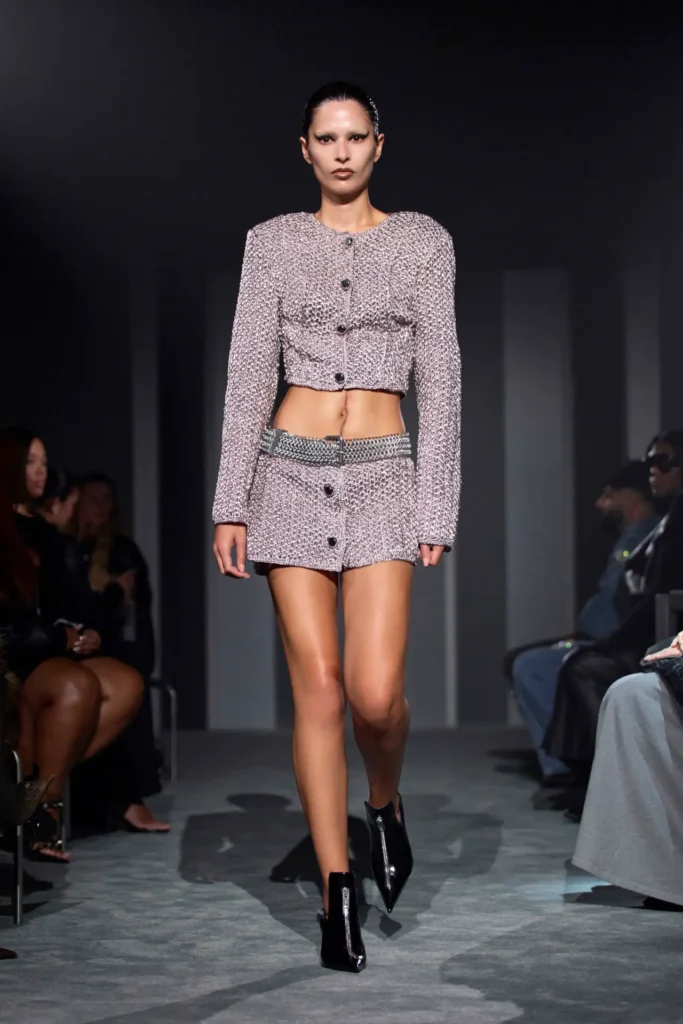
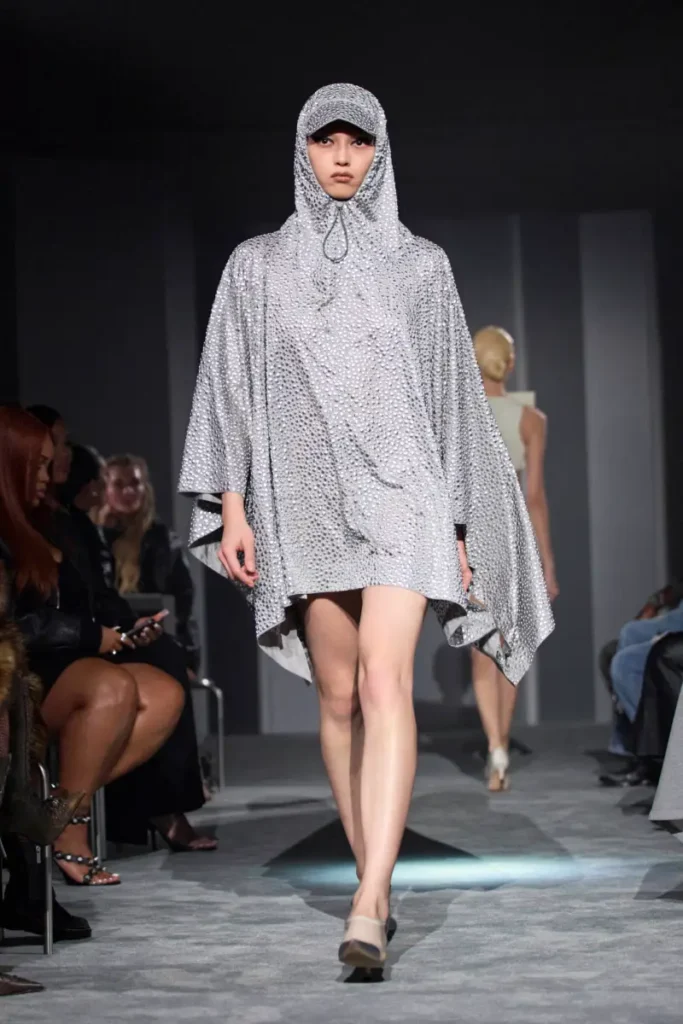
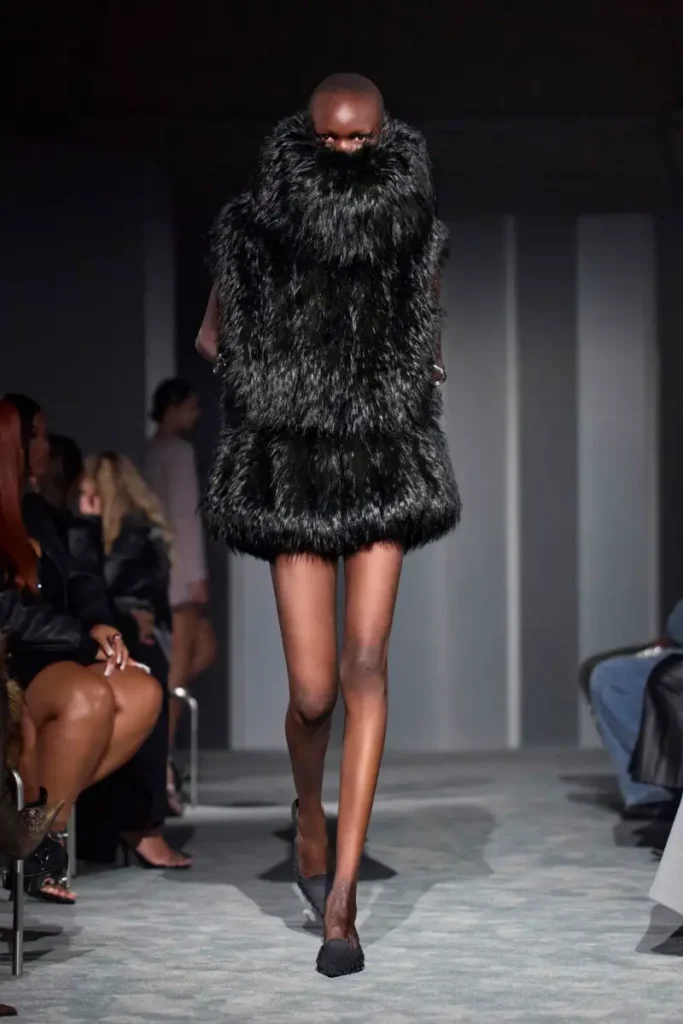
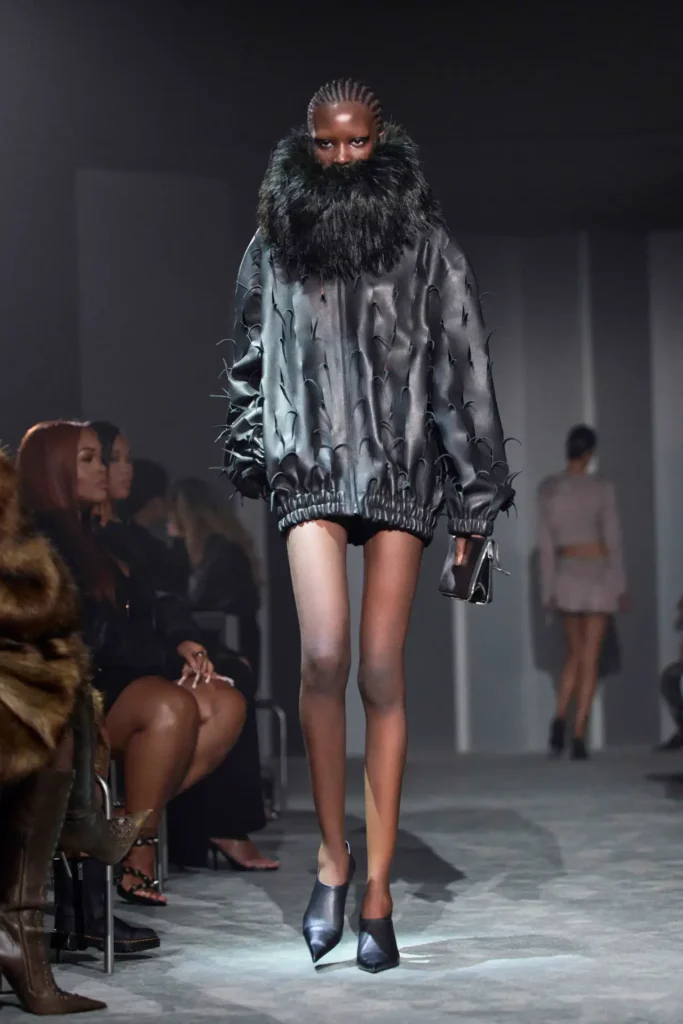
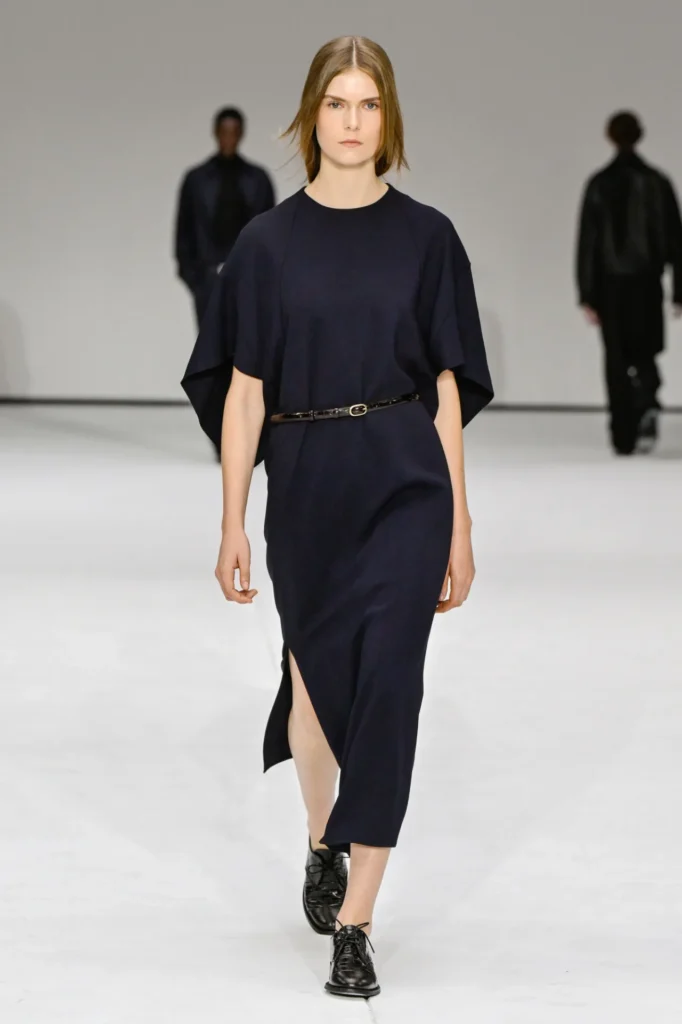
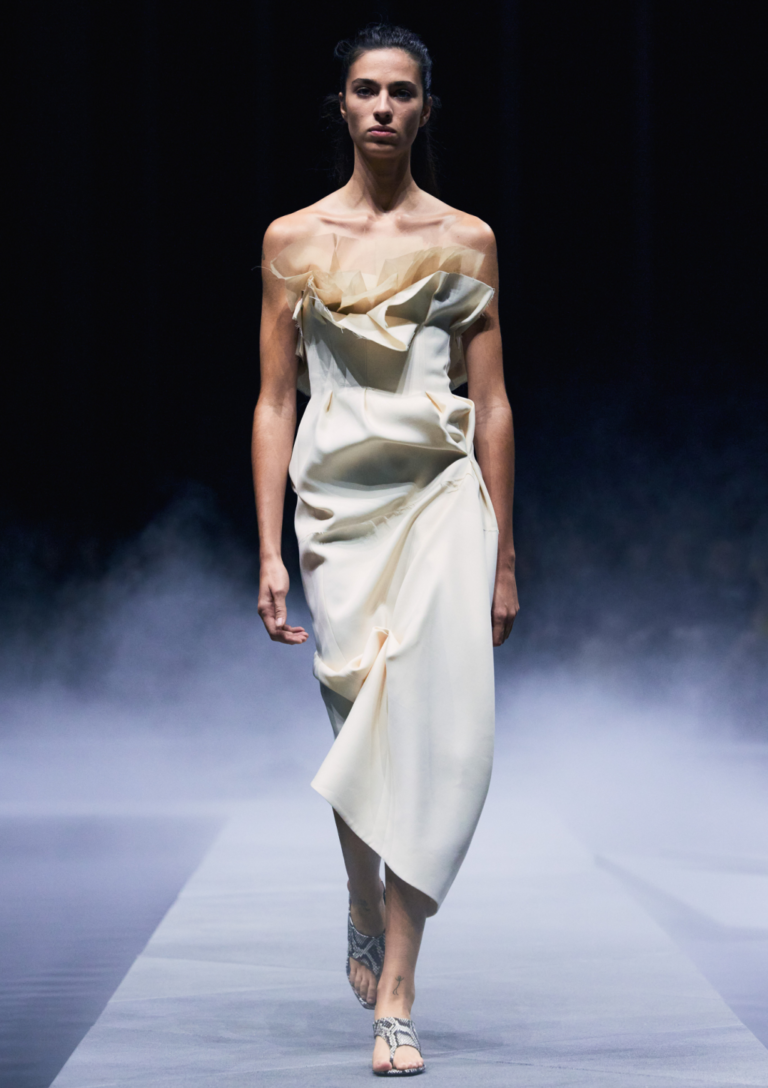
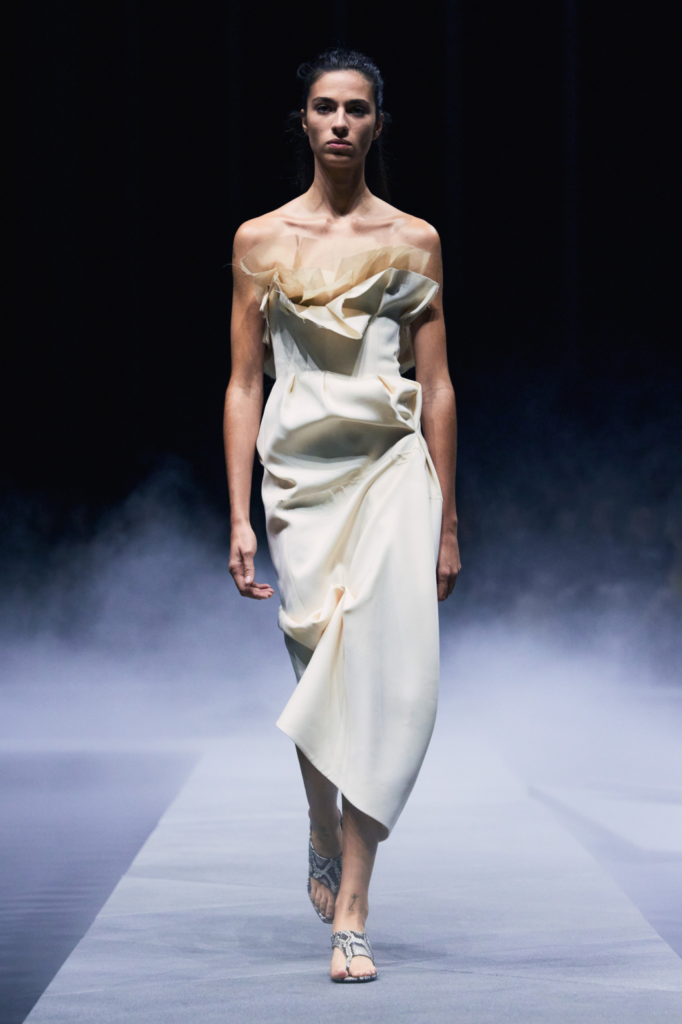
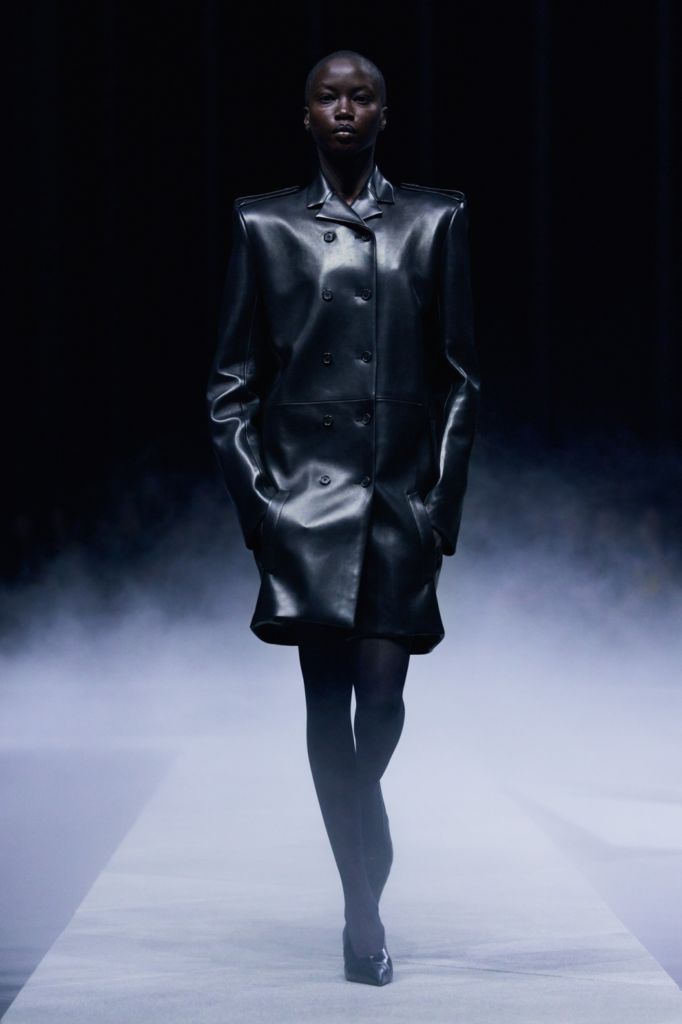
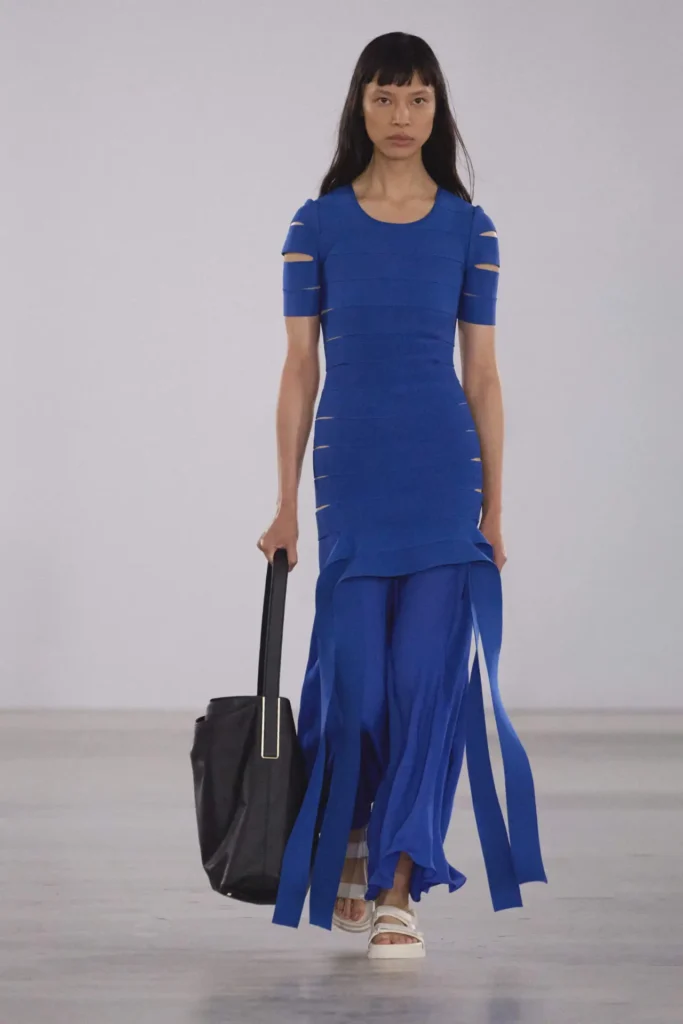
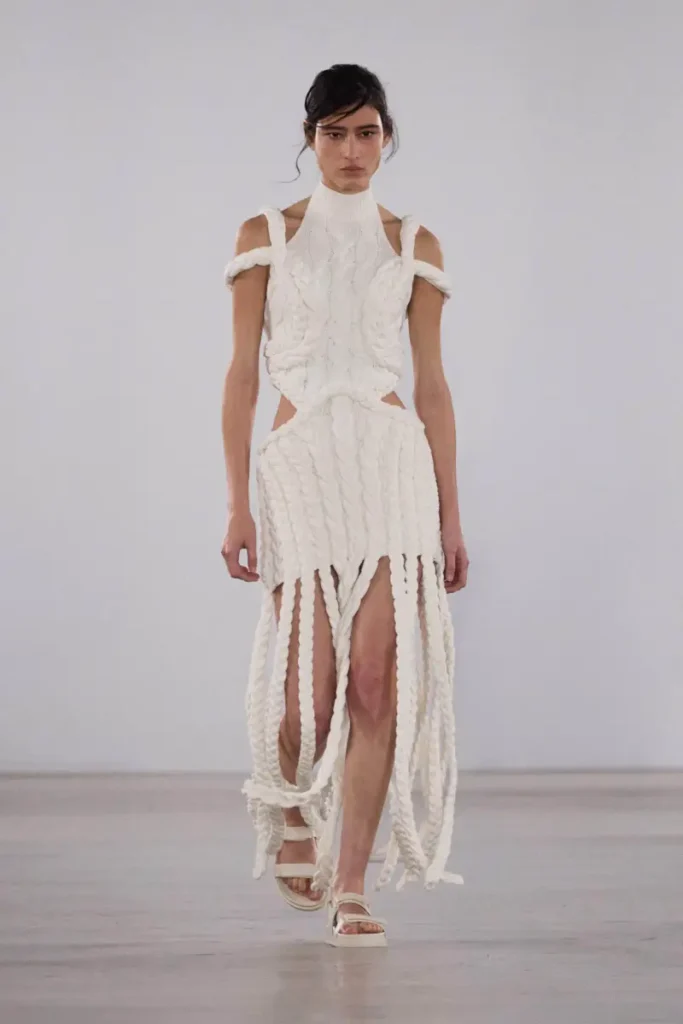
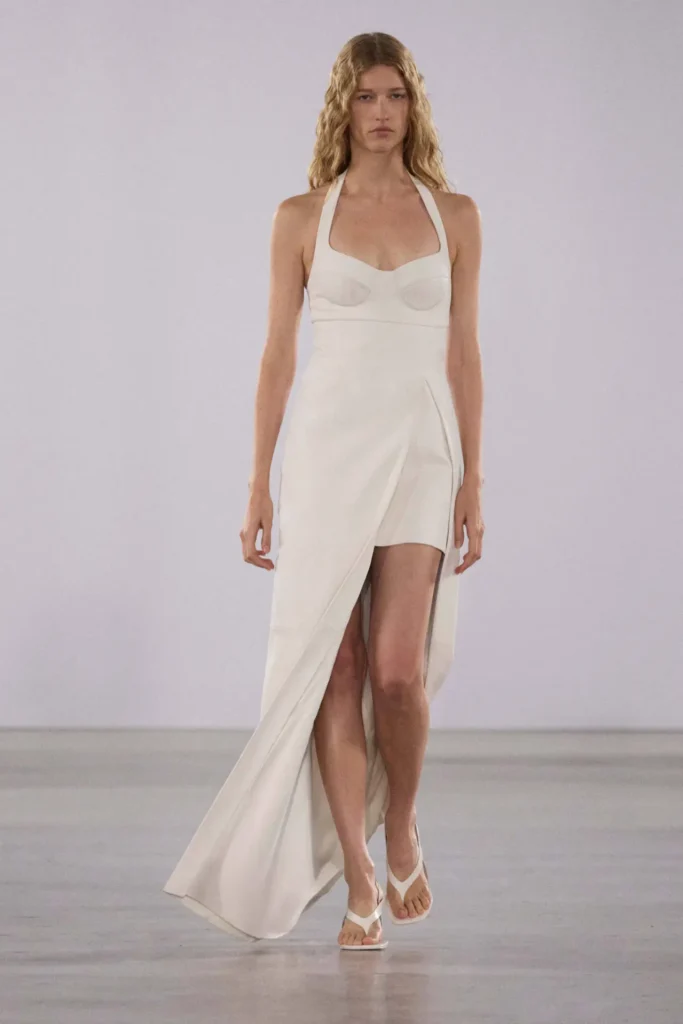
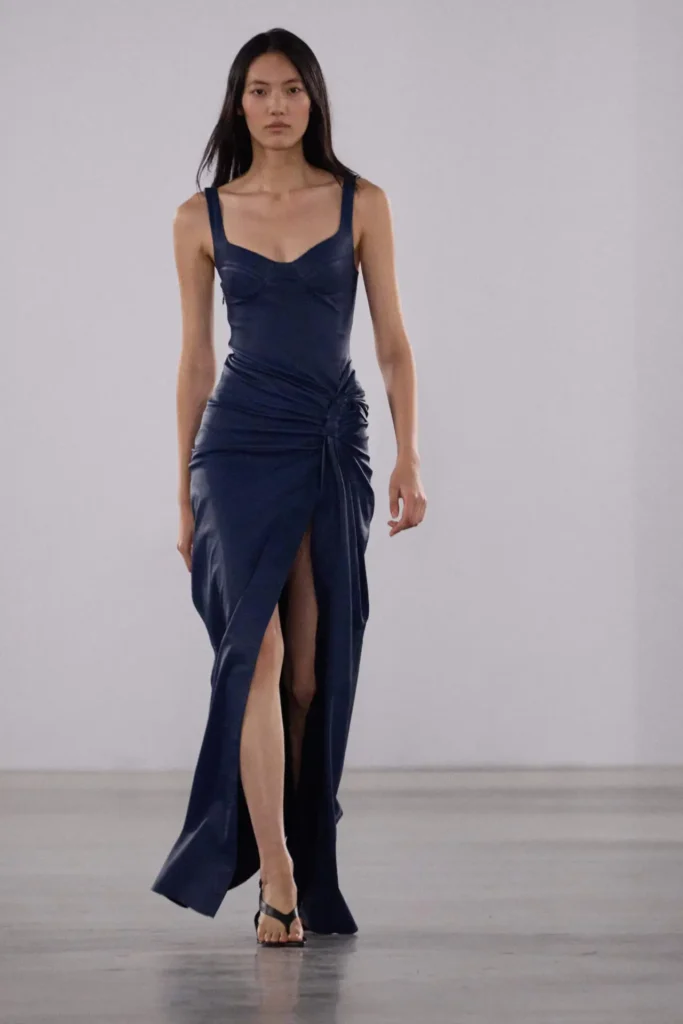
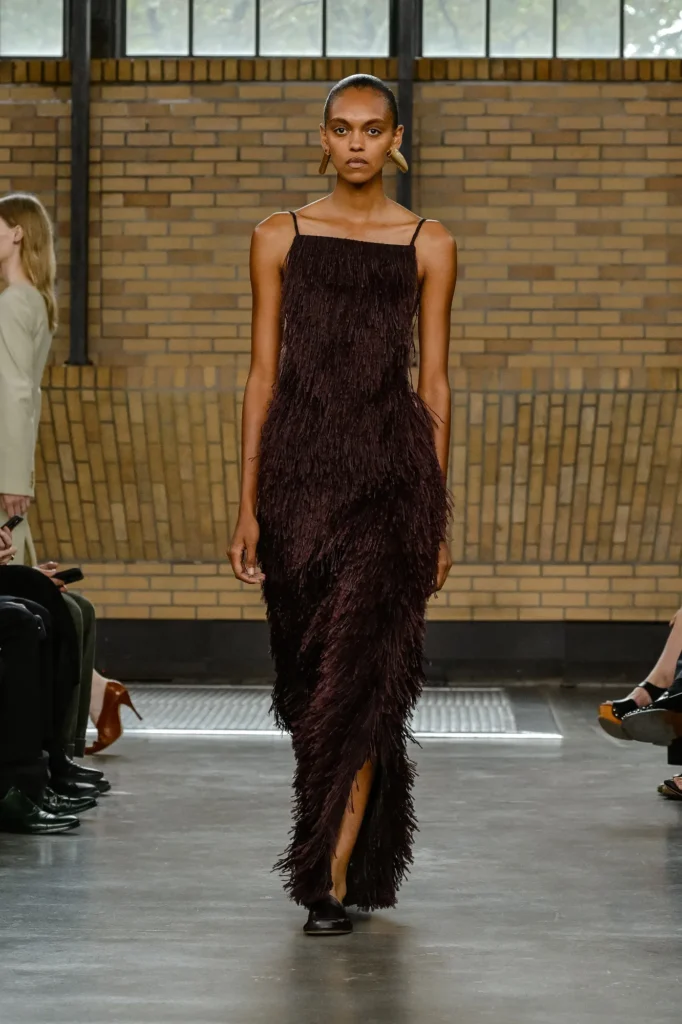
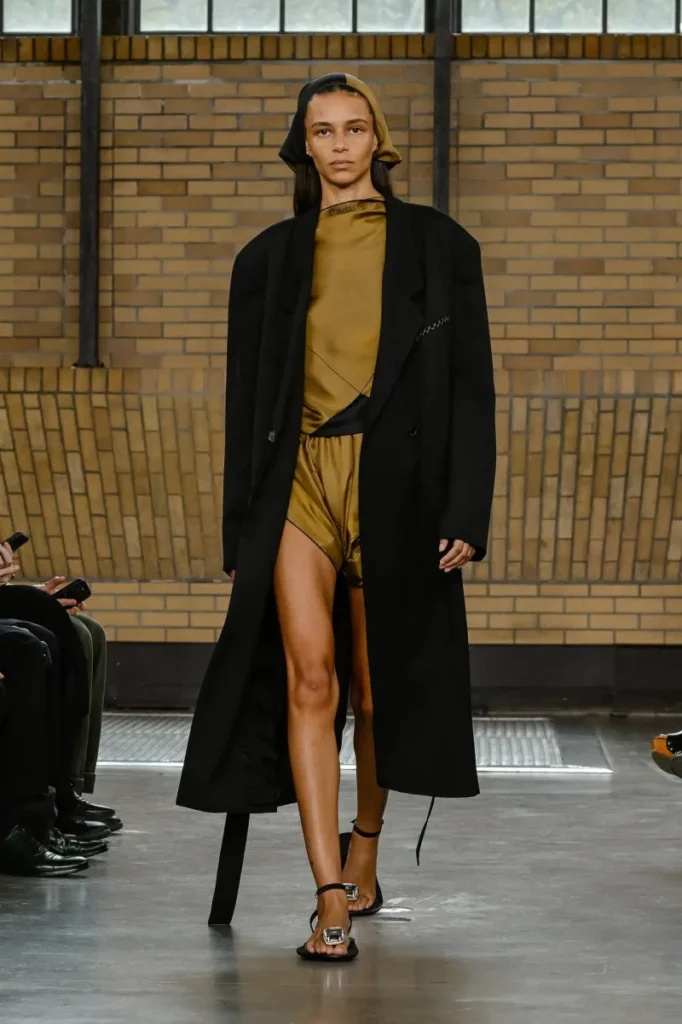
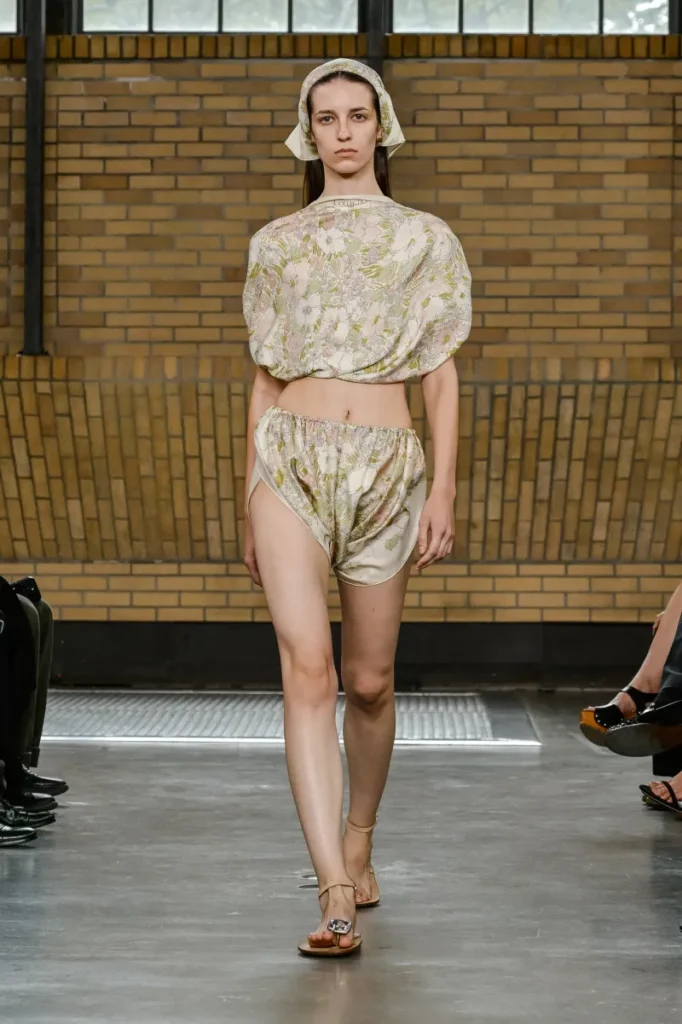
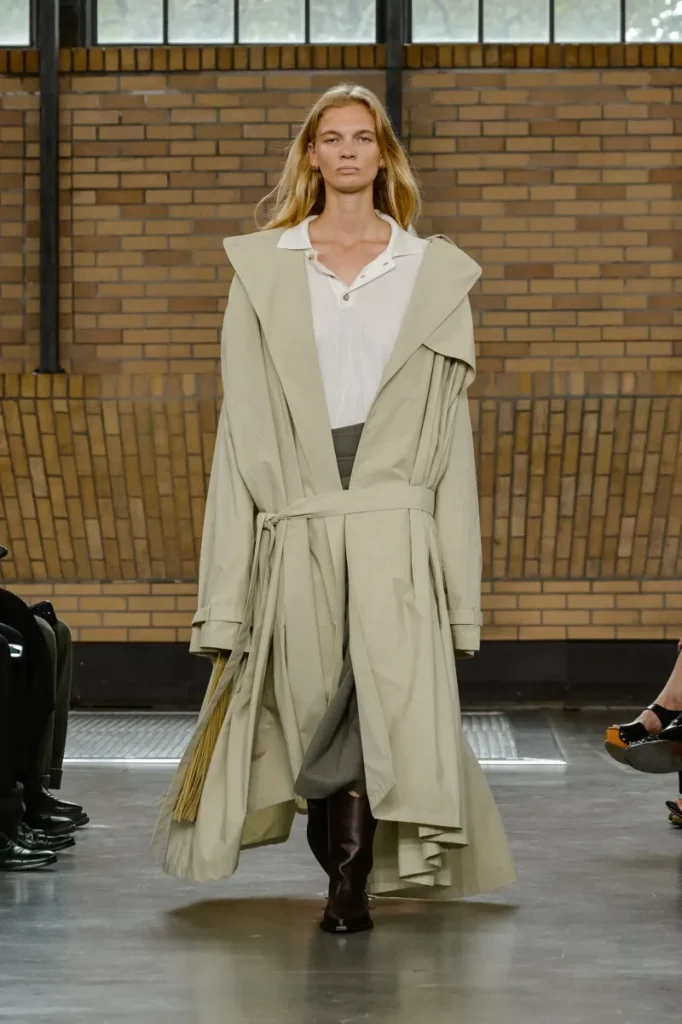
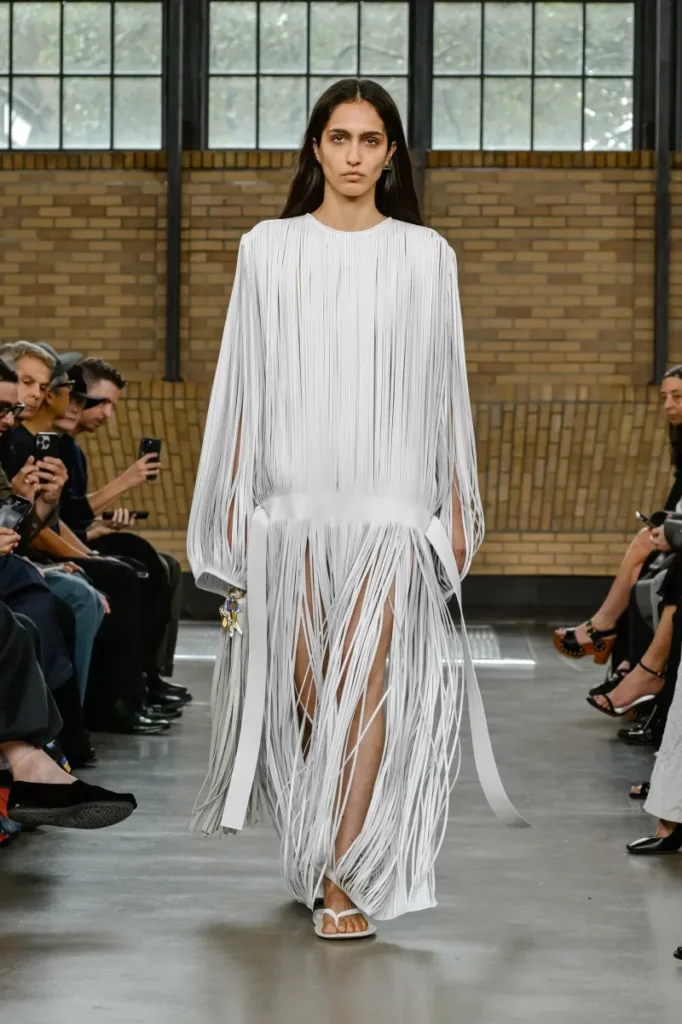
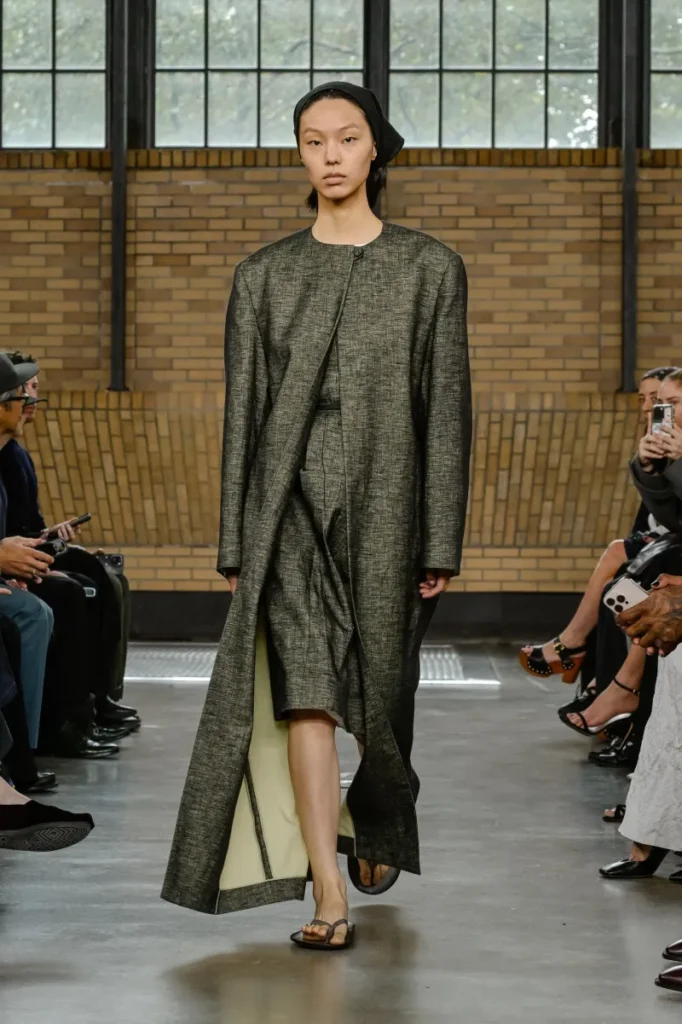
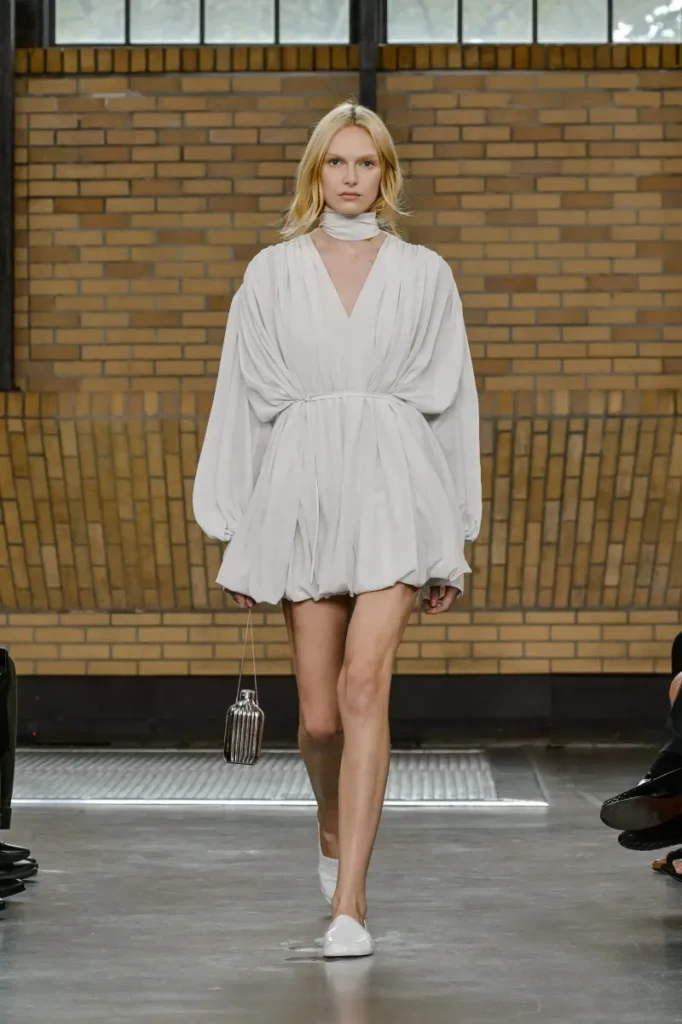
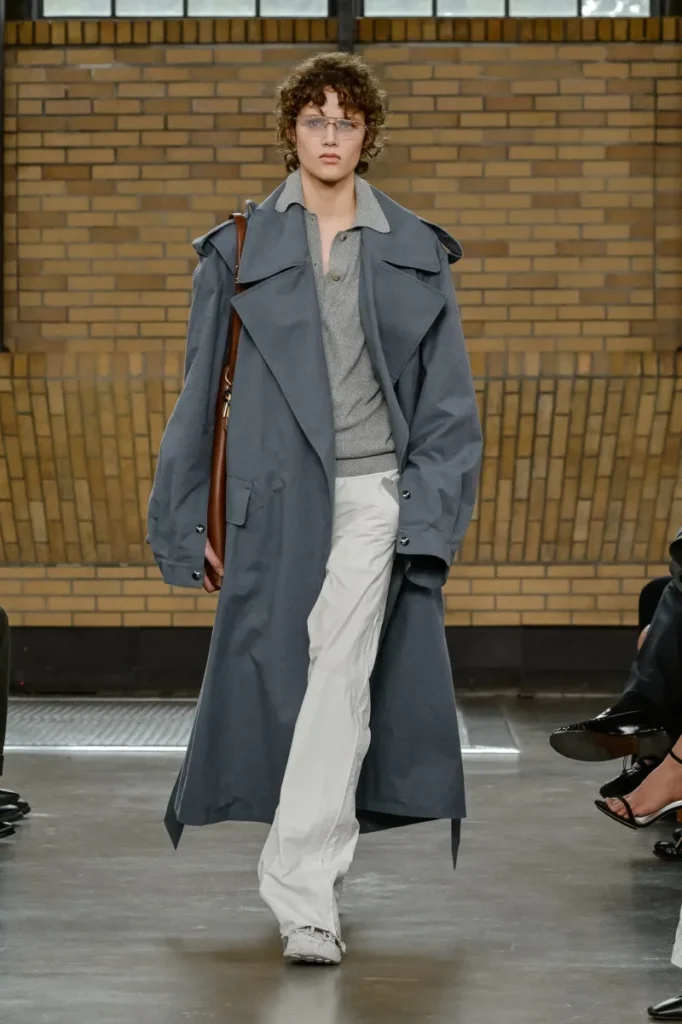
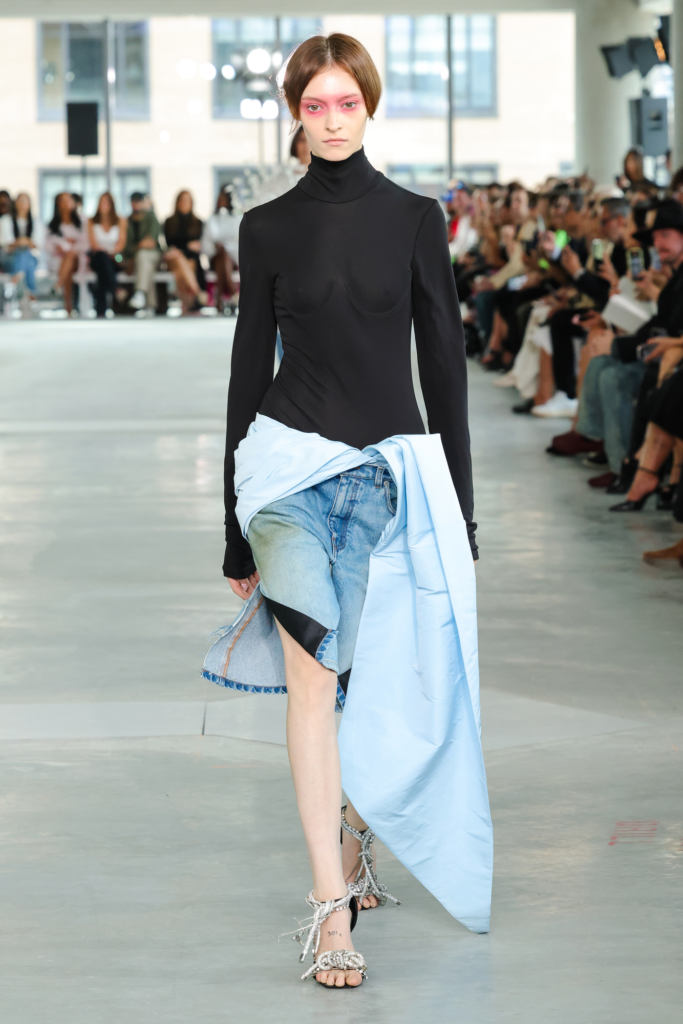
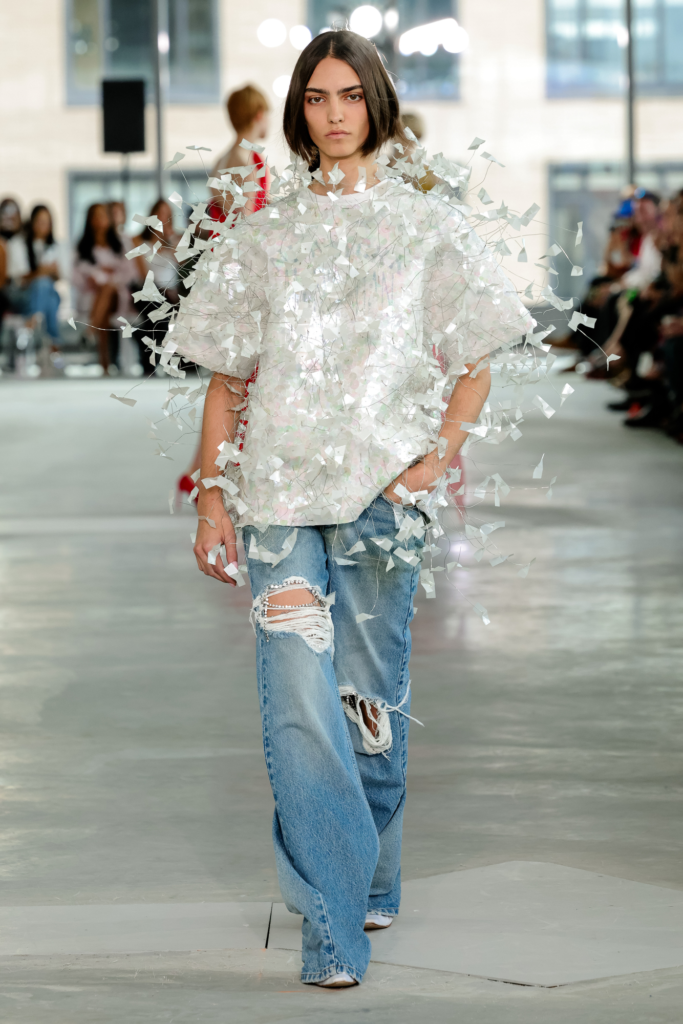
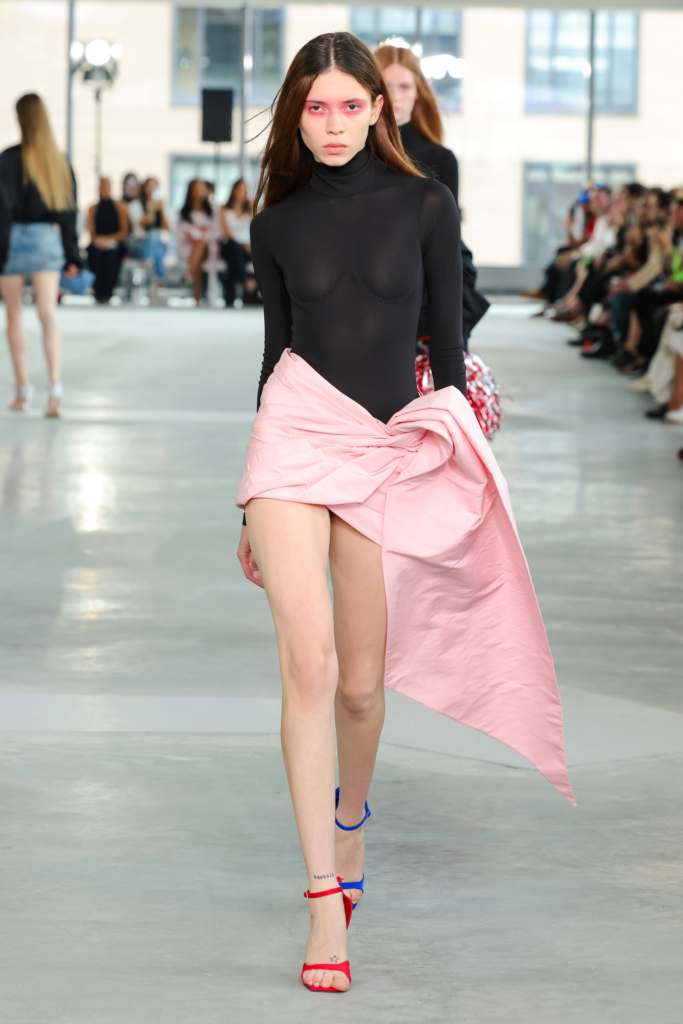
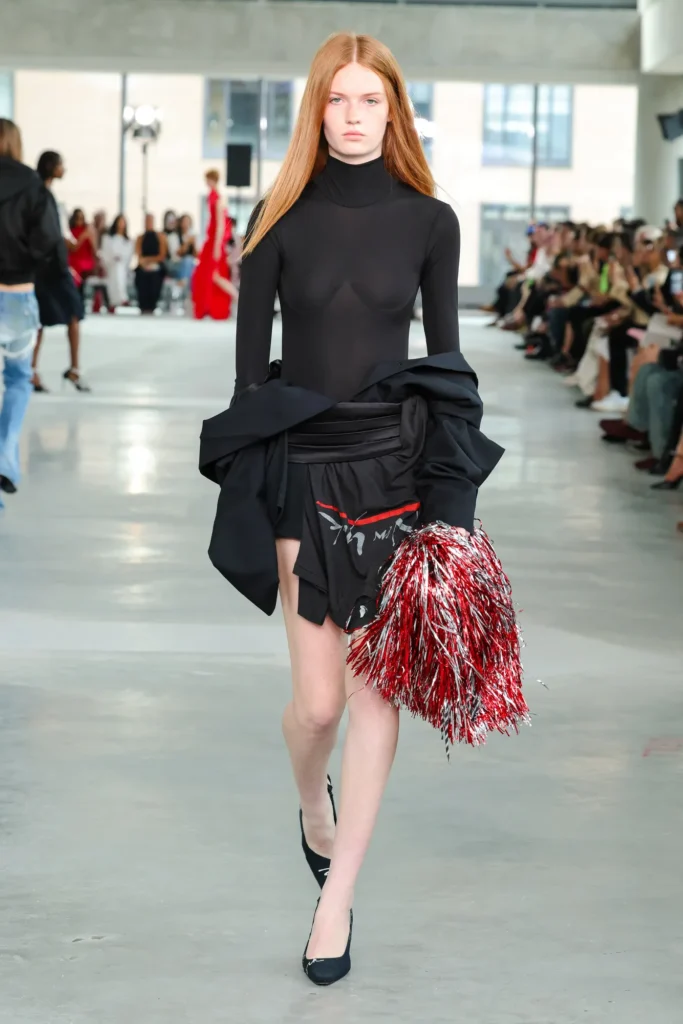
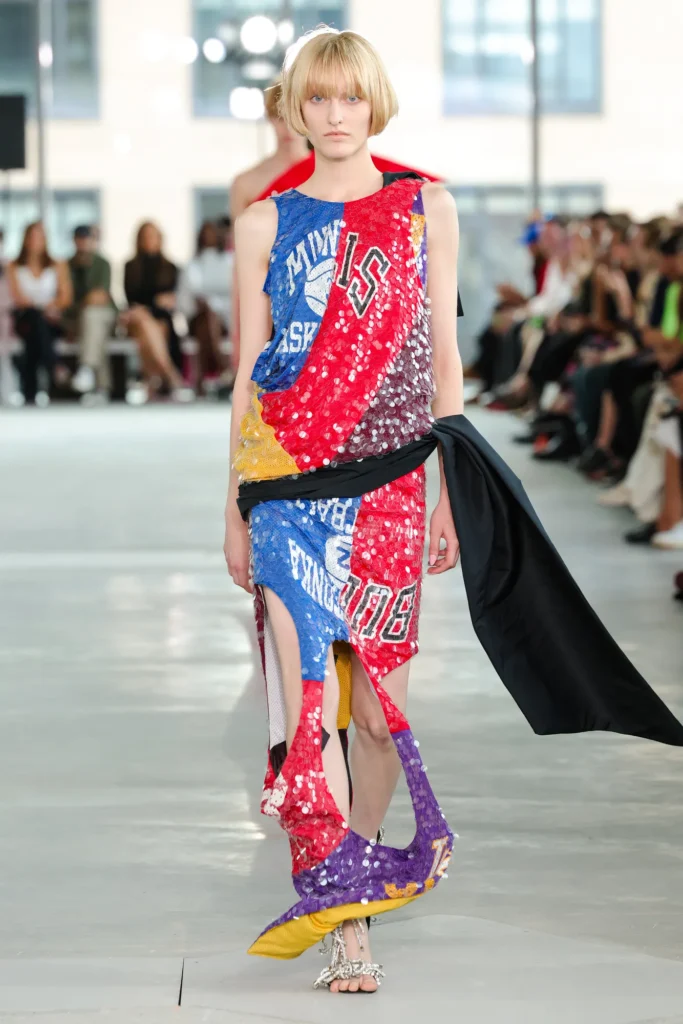
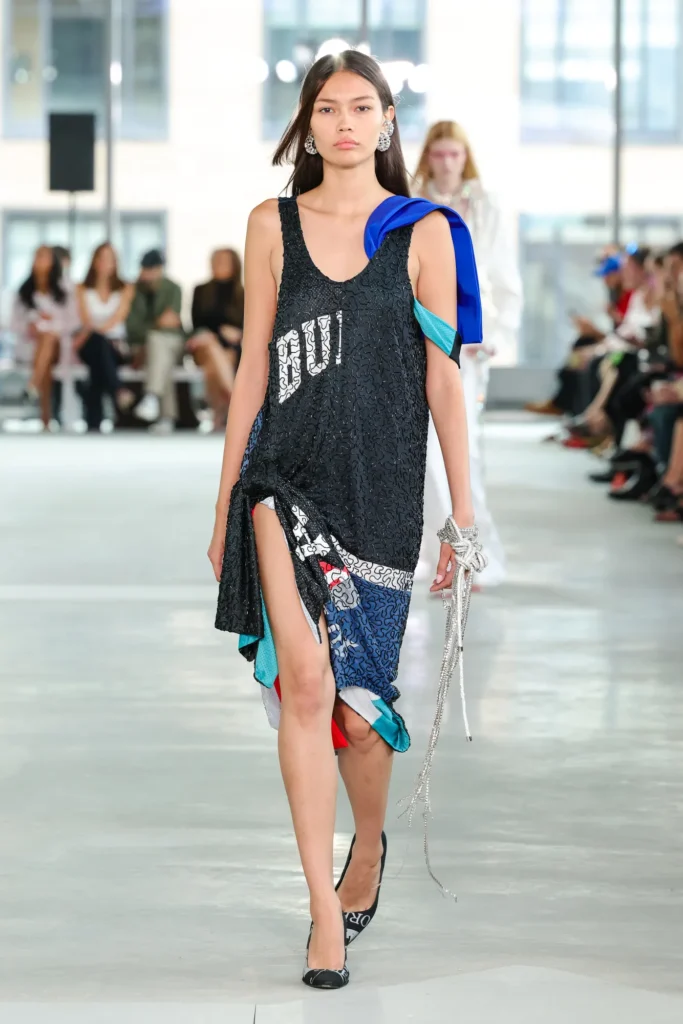
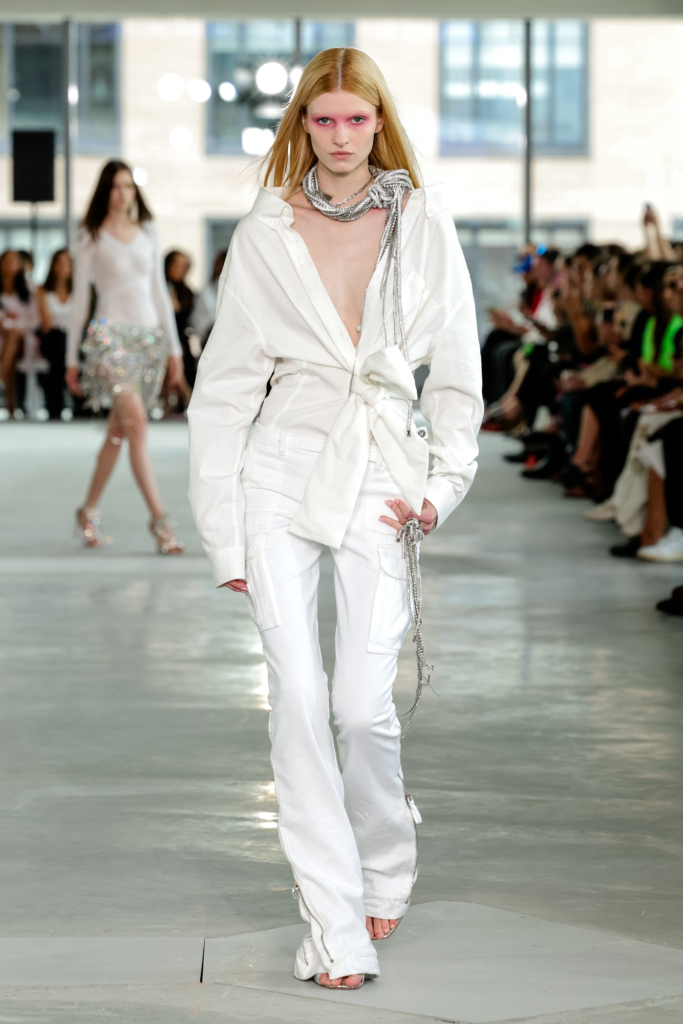
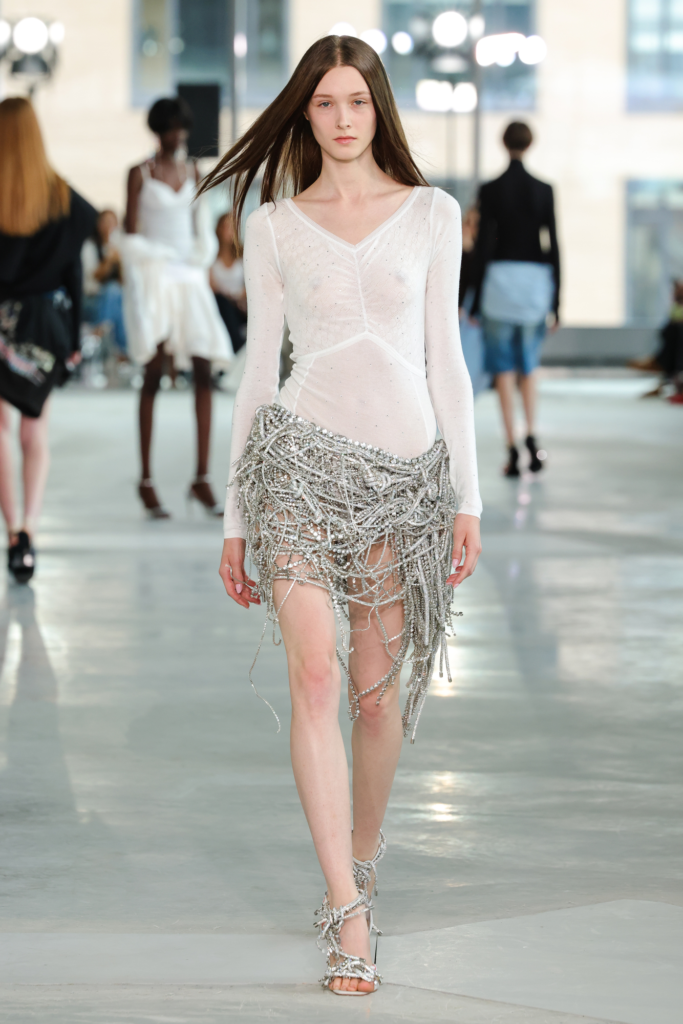
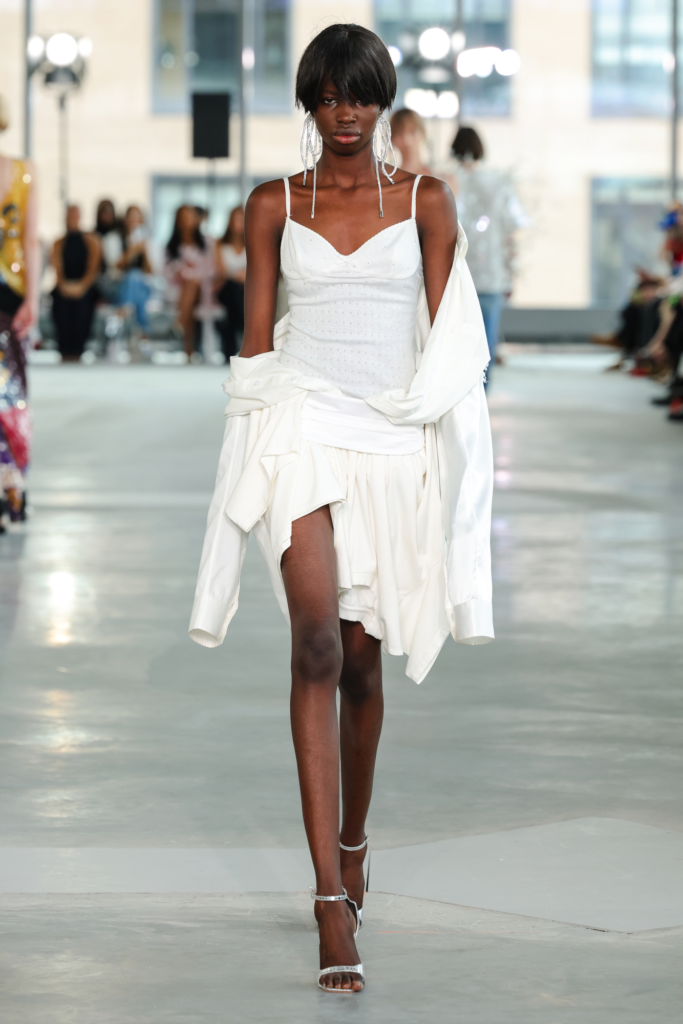
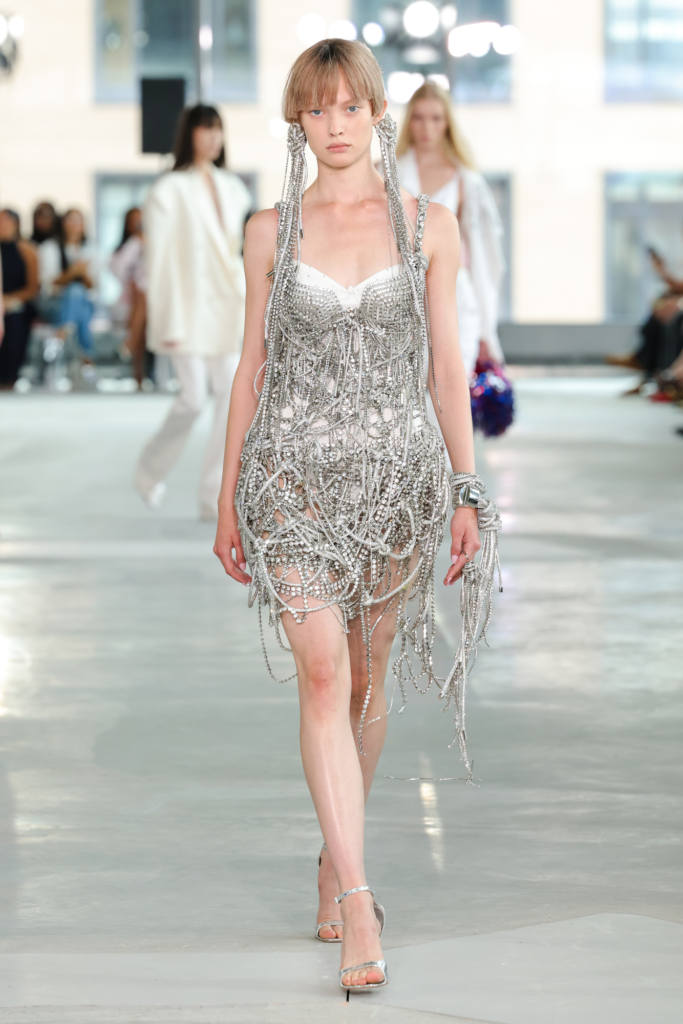
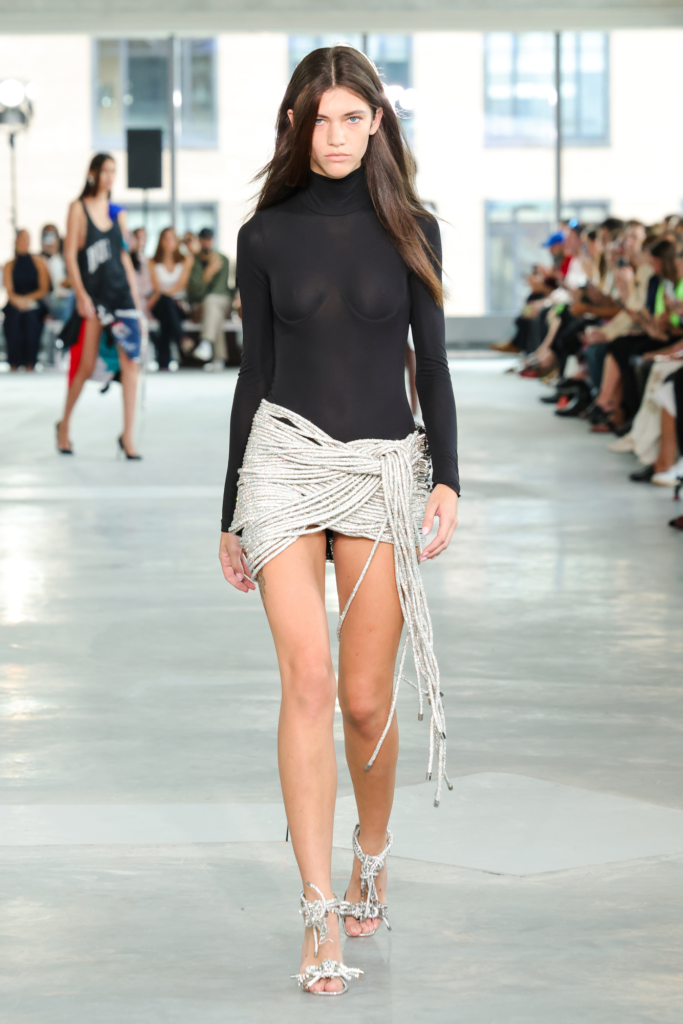
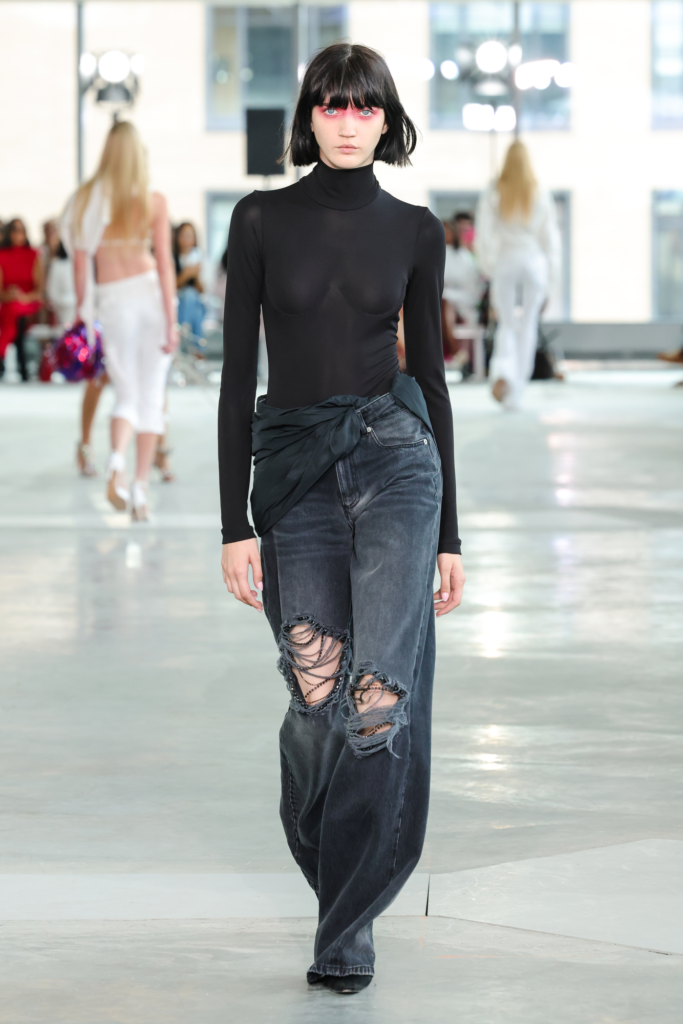
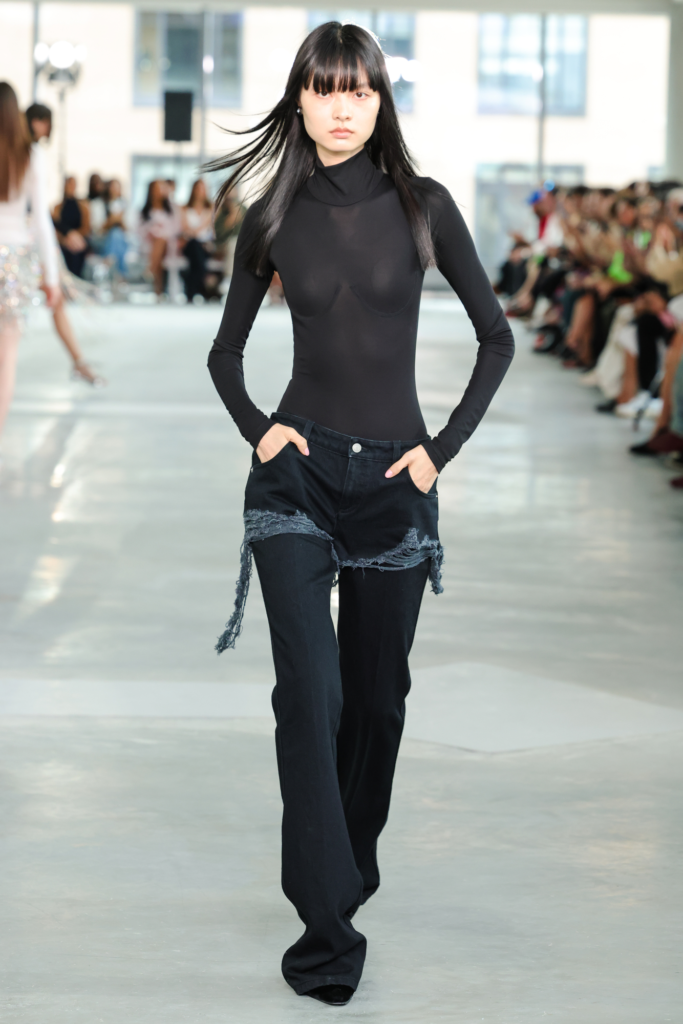
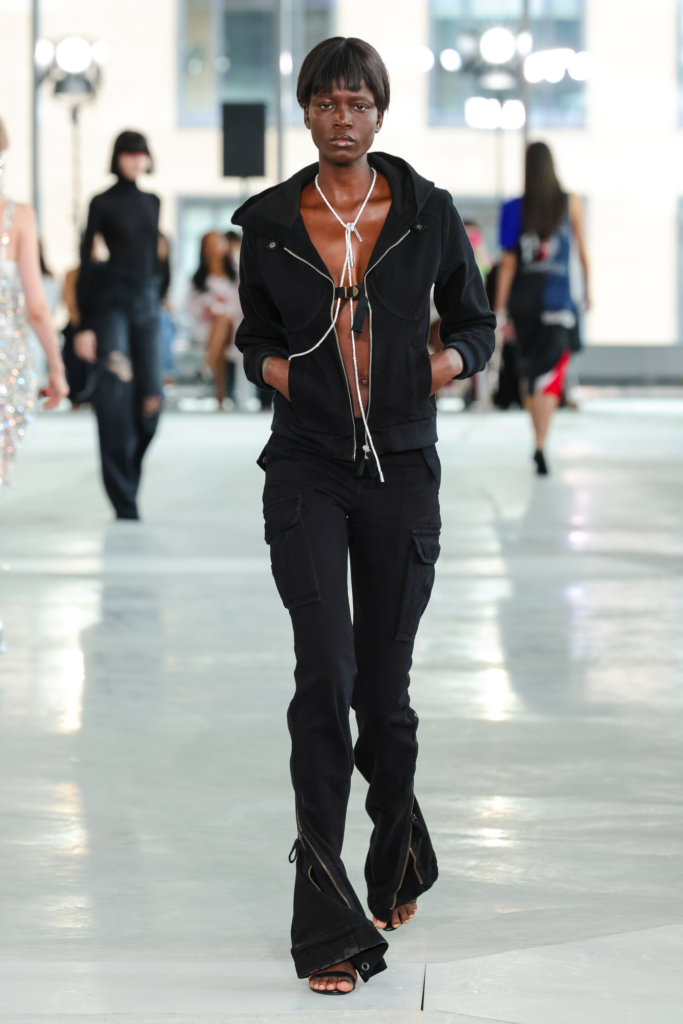
To close New York Fashion Week, LaQuan Smith turned Manhattan’s Classic Car Club at Pier 76 into a high-octane stage where power, provocation, and unapologetic glamour collided. Surrounded by roaring Lamborghinis and Maseratis, the Queens-born designer declared his mission for the season: reclaiming the grit, claw, and dazzling energy that epitomize the true New Yorker.
Courtesy Of LaQuan Smith
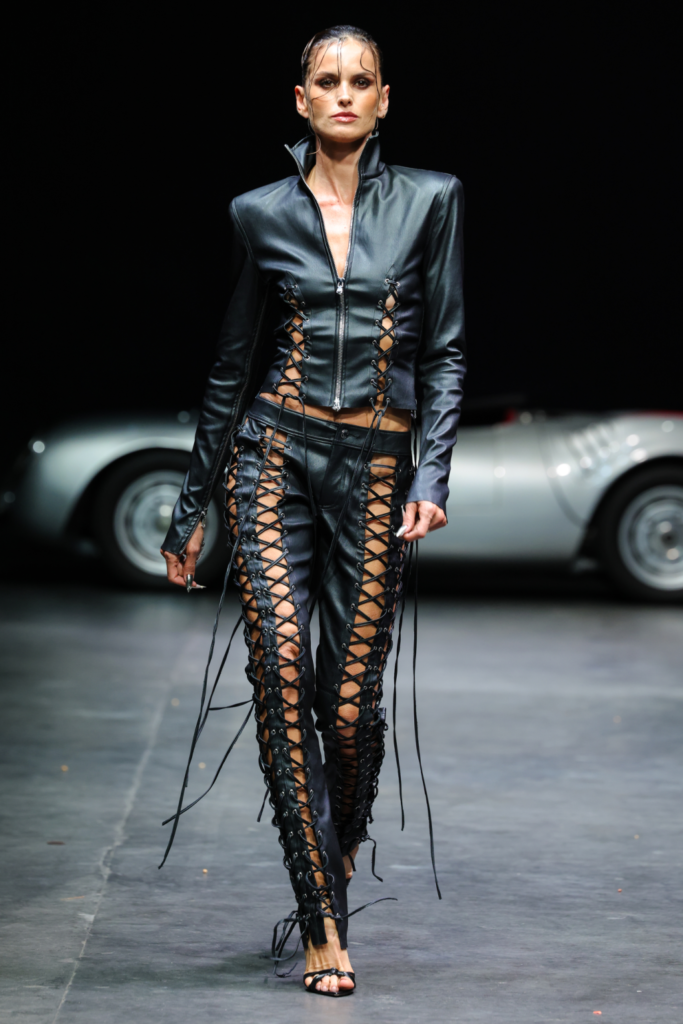
From the very first look, the message was crystal clear. Sheer mesh leggings with holsters for machetes, paired with hip-framing bodysuits and sharply cropped jackets, created the aura of a cinematic warrior, instantly recalling Lara Croft in “Tomb Raider.” Oversized alligator belts, real fox stoles, and flowing snake-print chiffons amplified this vision of dangerous seduction.
Courtesy Of LaQuan Smith
But the show wasn’t just about aggression. Smith offset the raw edge with hand-embroidered crystal gowns and turquoise embellishments, sparkling like modern-day armor. Strong-shouldered trench coats, oversized tailoring, and sultry dresses with bold cutouts underlined his commitment to showcasing feminine power with high-impact glamour.
Courtesy Of LaQuan Smith
Backstage, Smith praised Izabel Goulart, who had flown in from China just to walk his show. Her entrance in a cutout leather biker set with crisscross lacing across the legs and torso embodied everything the collection stood for: fearless risk-taking, boundary-pushing sensuality, and a demand for attention.
For Spring 2026, Tory Burch reimagined American sportswear through a distinctly feminine and artisanal lens, turning tailoring precision into something far more romantic and playful. The result was a vibrant lineup where imperfection met sophistication, all elevated by handcrafted details.
Courtesy Of Tory Burch
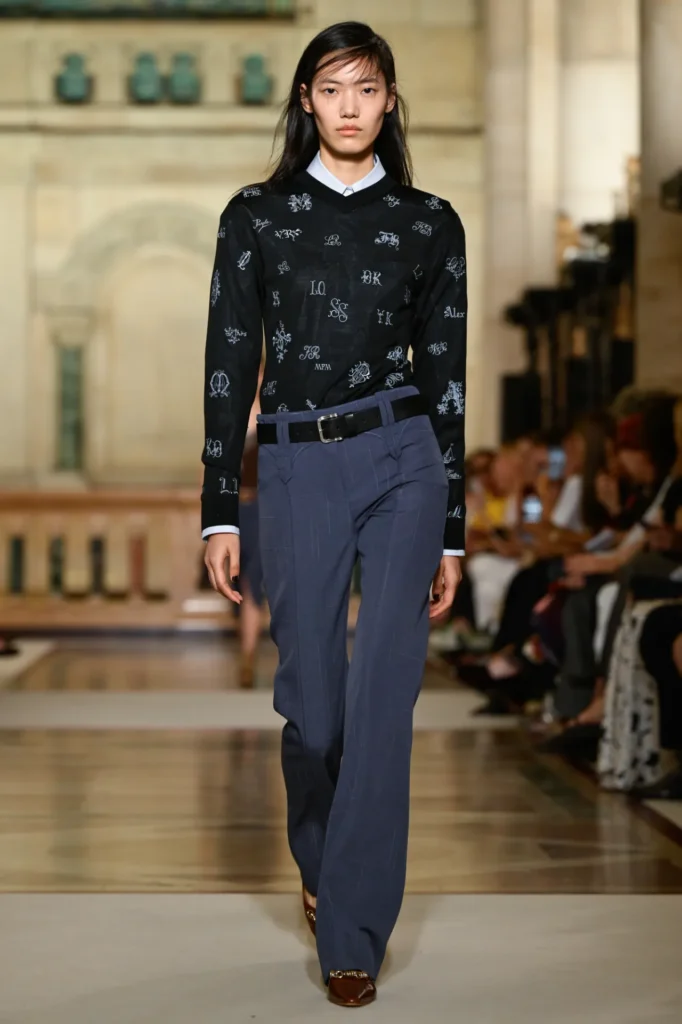
Personal references anchored the collection. There were cashmere cardigans embroidered with birds inspired by her mother’s antique tapestry, crisp button-downs and piped blazers that paid homage to her father, and silk sweaters embroidered with hand-stitched monograms as a tribute to her design team. This emotional layer gave the collection a nostalgic yet intimate sensibility.
Courtesy Of Tory Burch
The dresses moved seamlessly between innocence and sensuality: hand-pleated silk chiffon slips trimmed with lace that echoed boudoir dressing, black dresses embellished with delicate seed beading, duchess satin fil coupé gowns with monogrammed florals, and monochromatic viscose jersey pieces in pink and red cinched at the waist. Metallic touches came through in gold lamé shirts paired with baby-blue lurex jacquard skirts, injecting retro glamour into the mix.
Courtesy Of Tory Burch
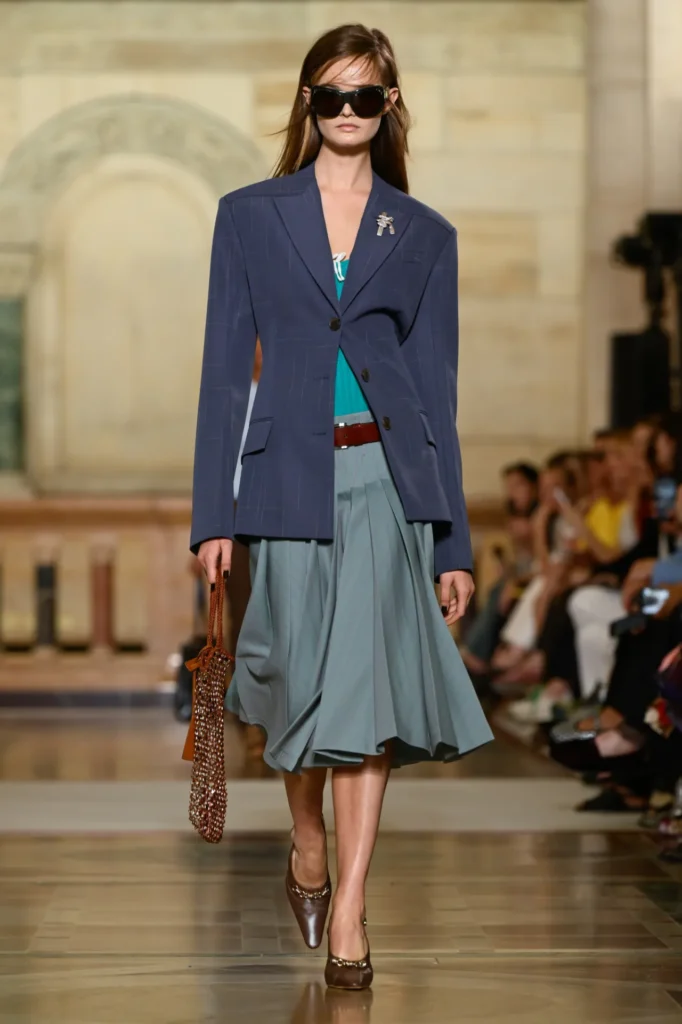
Tailoring played a pivotal role as well: cross-woven wool blazers, low-rise trousers, reworked pleated skirts, and double-layered jackets paired with waxed canvas skirts created a balance of structure and ease. Accessories added to the playful femininity—most notably ’50s-inspired kitten heels and vintage-leaning pieces that underlined Burch’s narrative of modern romance.
Courtesy Of Tory Burch
The palette, rooted in neutrals and deep tones, was punctuated by unexpected pops of yellow and baby blue, refreshing the lineup and bringing a lighter, sportier spirit to the collection.
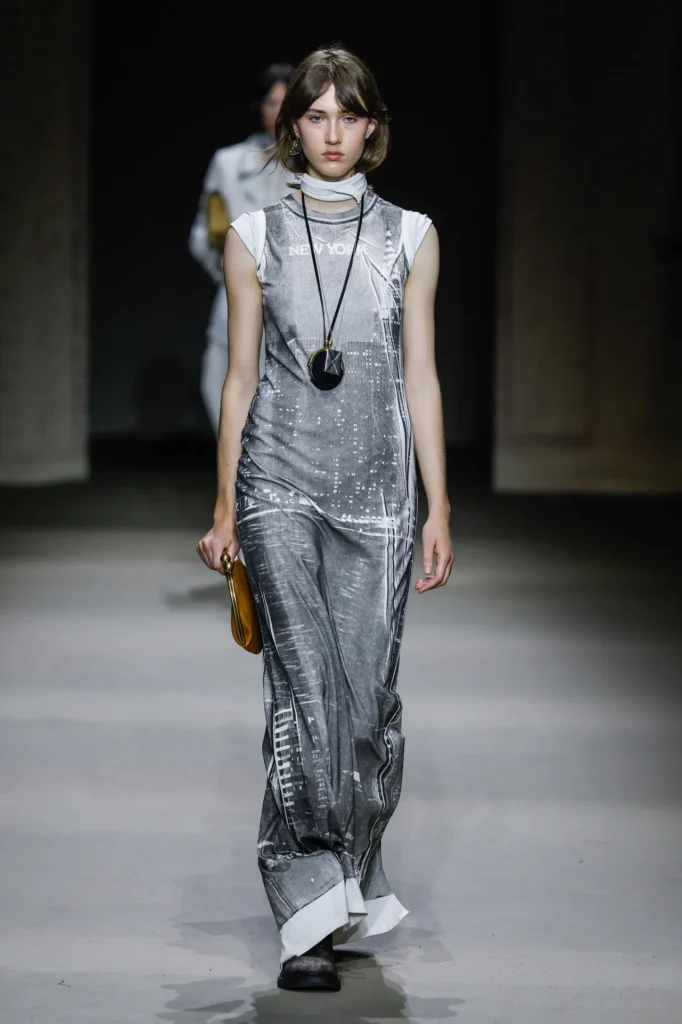
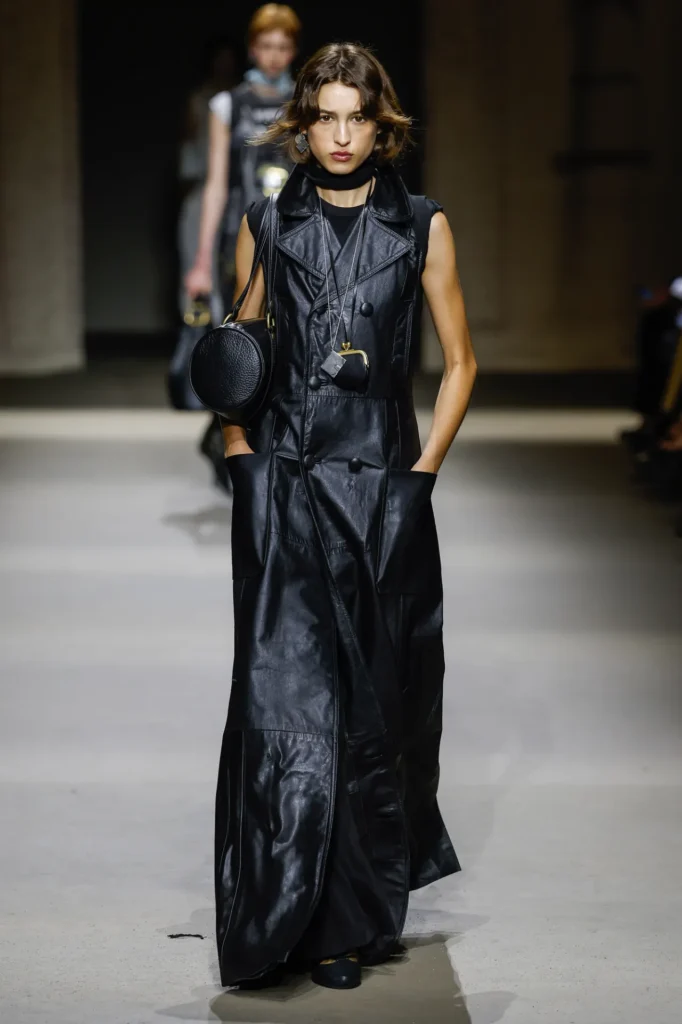
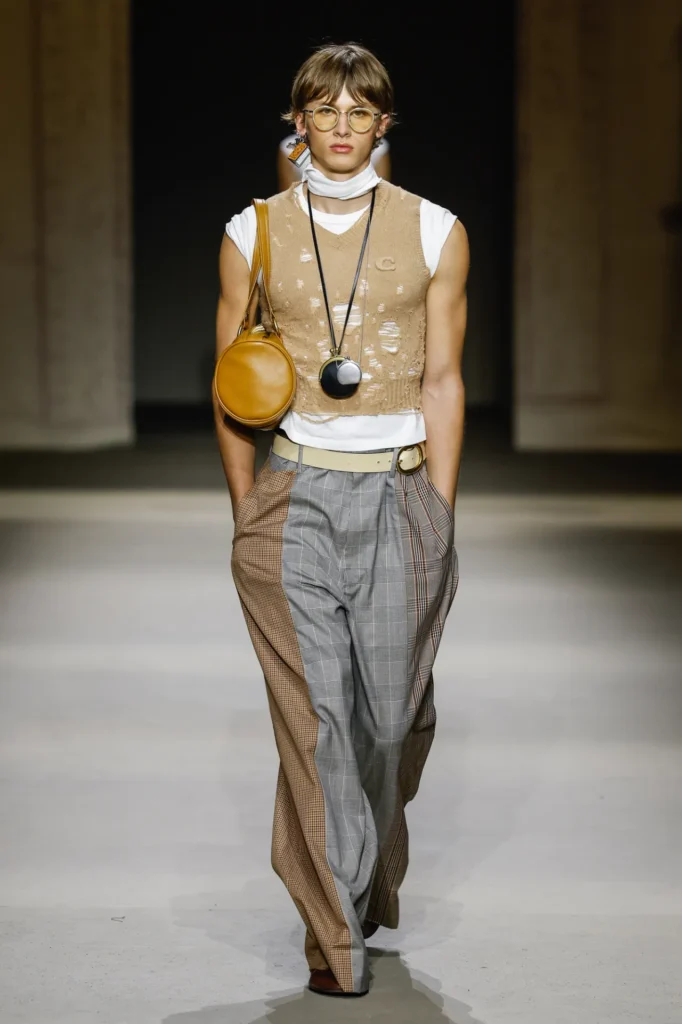
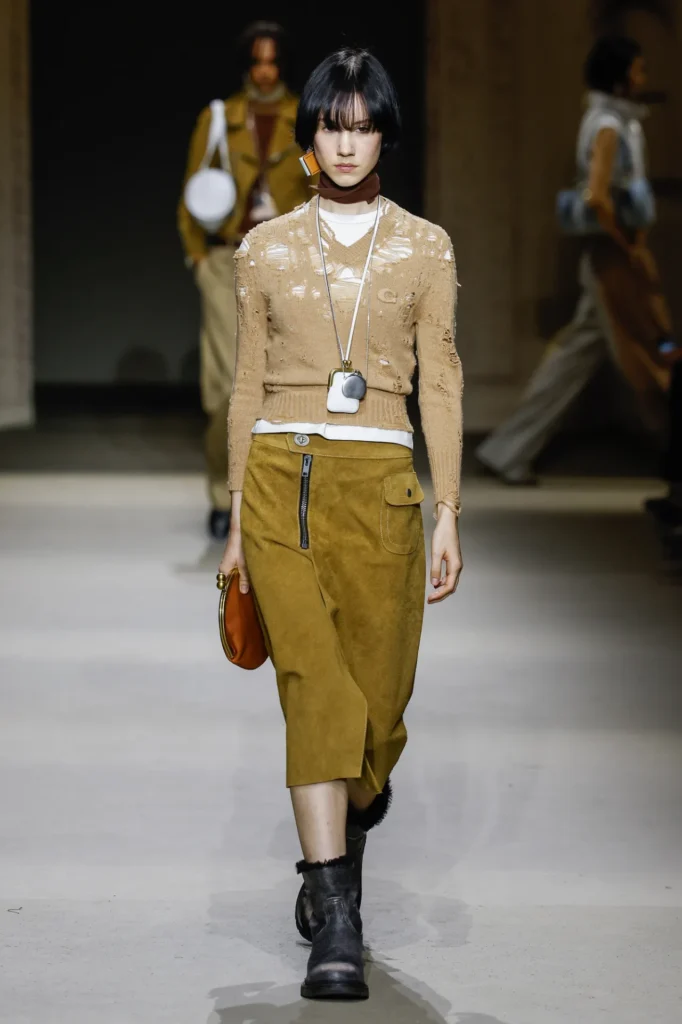
Instead of indulging in the negativity of today’s world, Stuart Vevers once again chose light over darkness. With his latest collection for Coach, presented at Pier 36 in downtown Manhattan, the creative director embraced the idea of a new dawn, staging the runway against a backdrop meant to evoke a city awakening at sunrise—full of possibility and renewal.
Courtesy Of Coach
“Coach has always been about positivity and optimism,” Vevers affirmed backstage. “This season is very forward-looking; it’s about moving ahead with energy and lightness.”
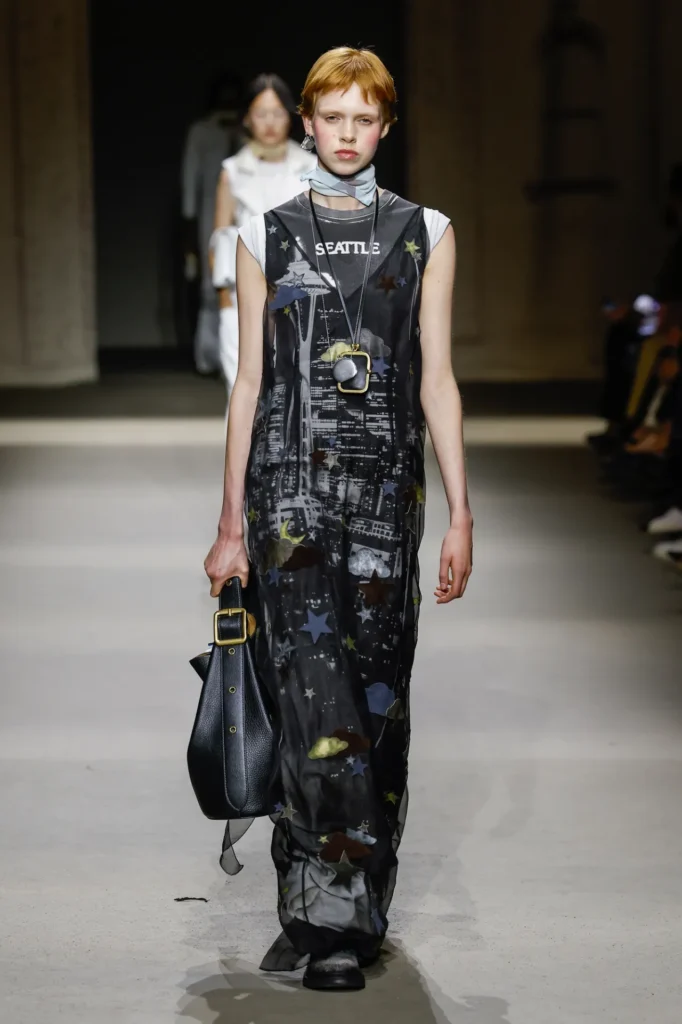
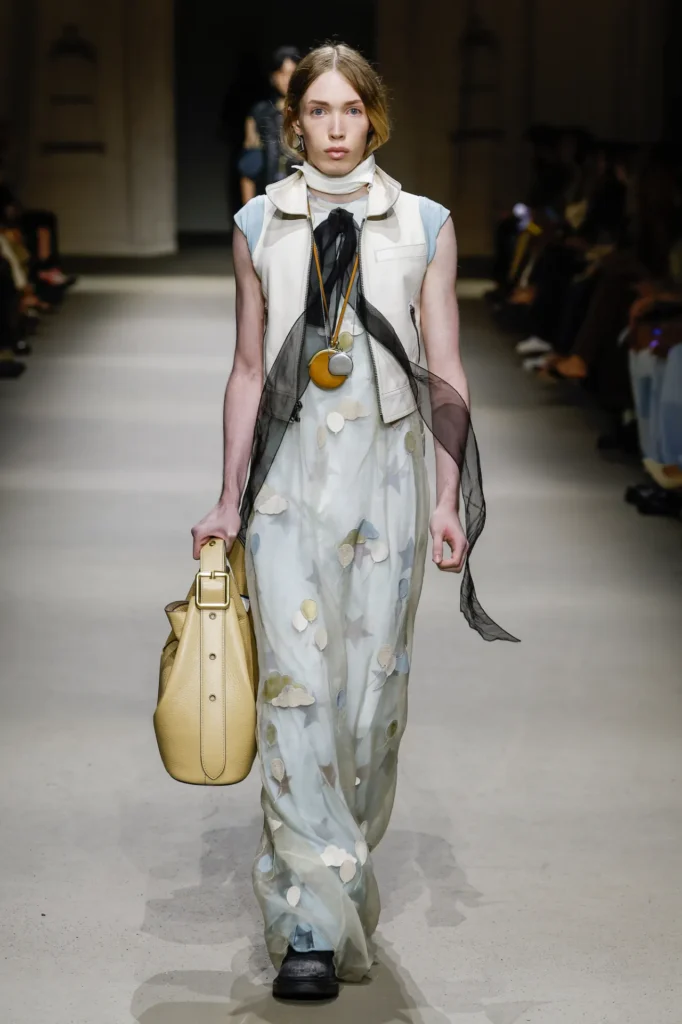
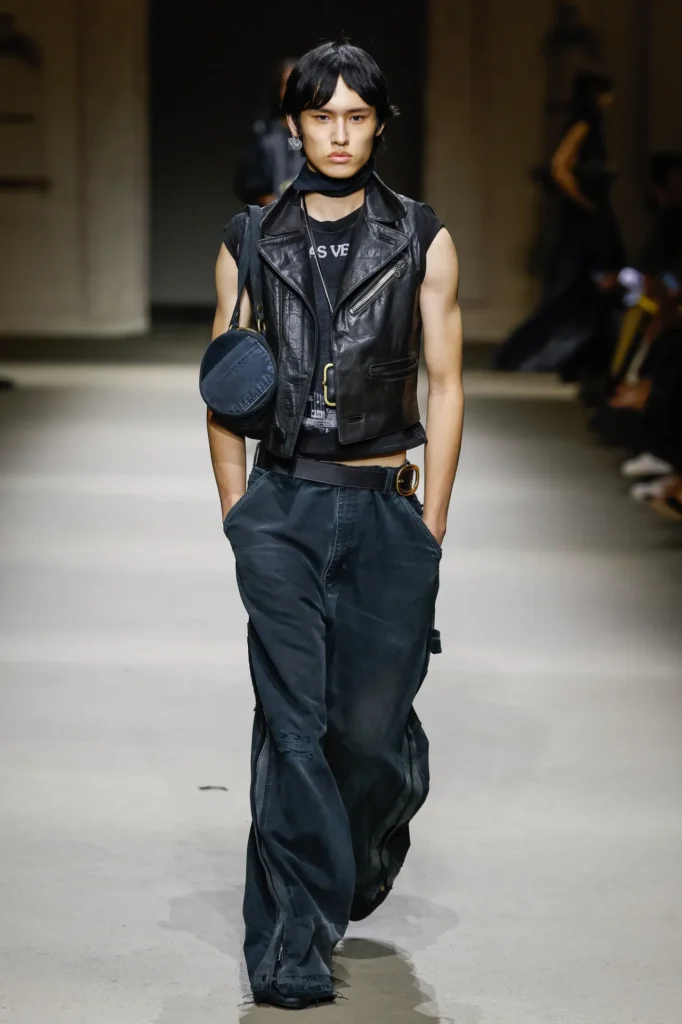
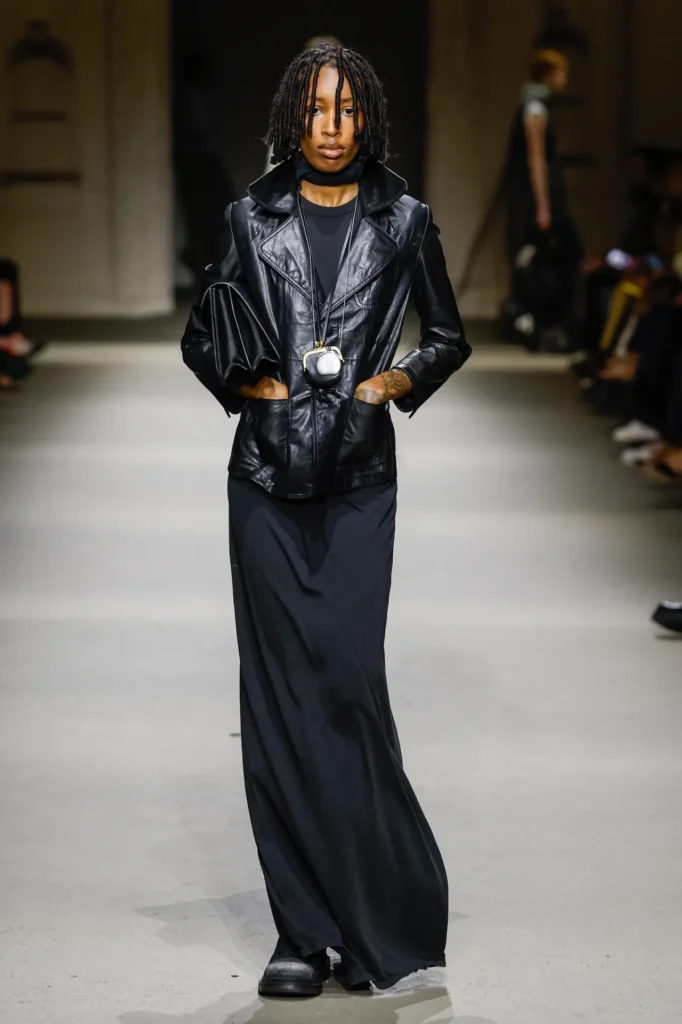
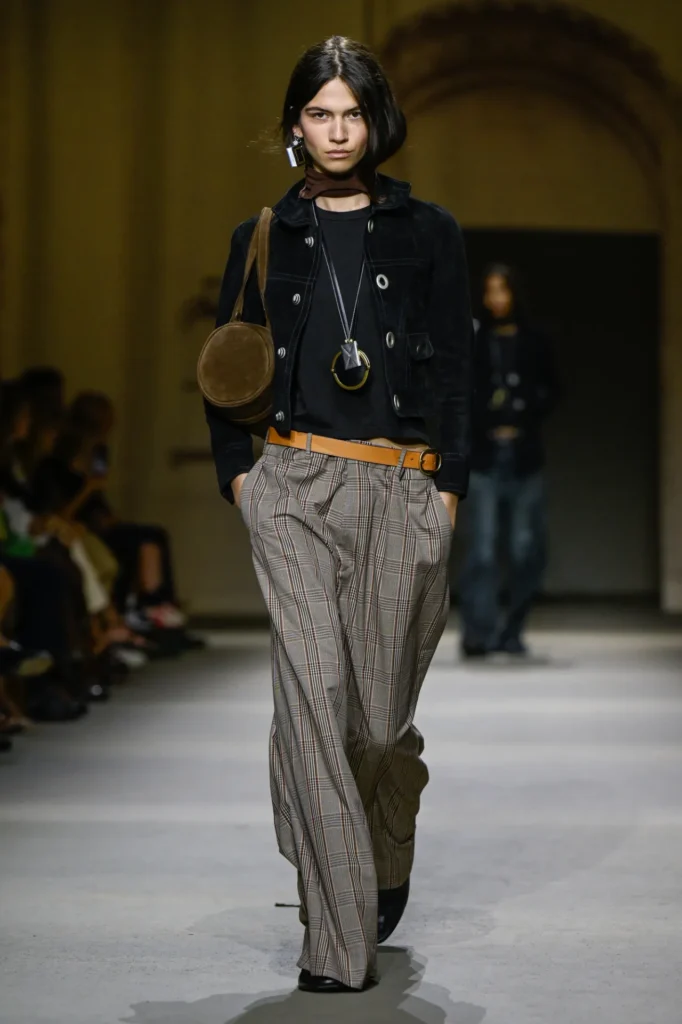
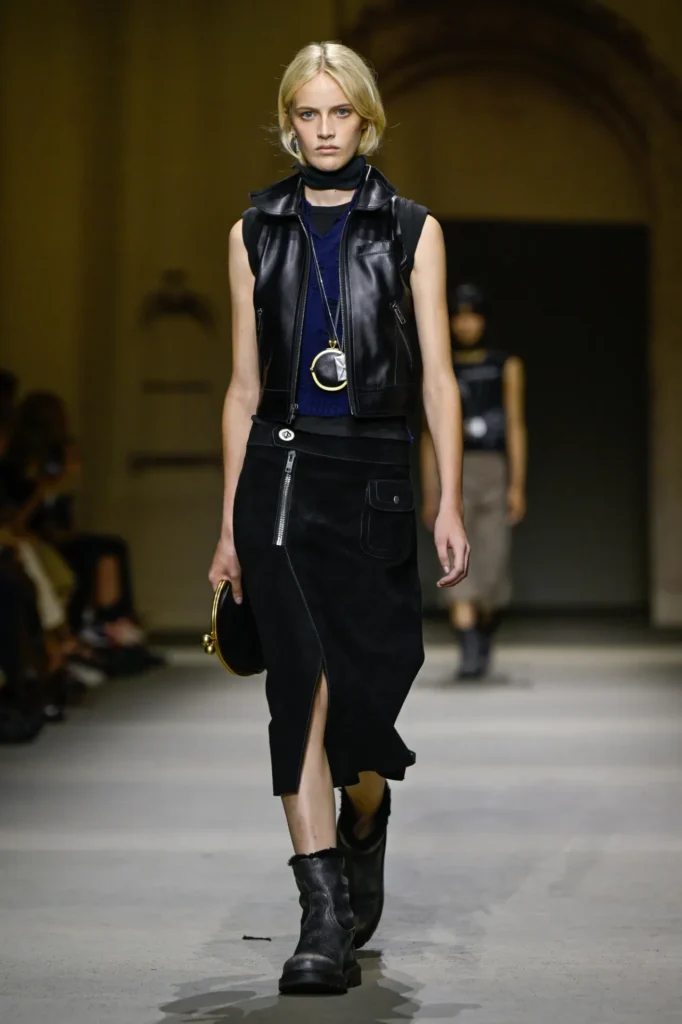
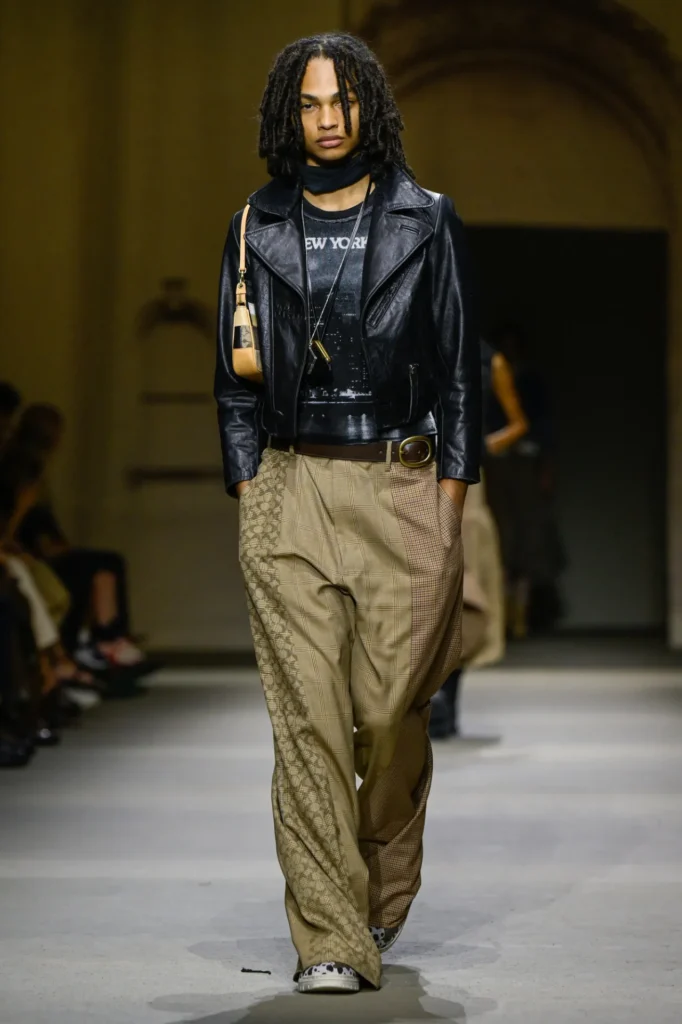
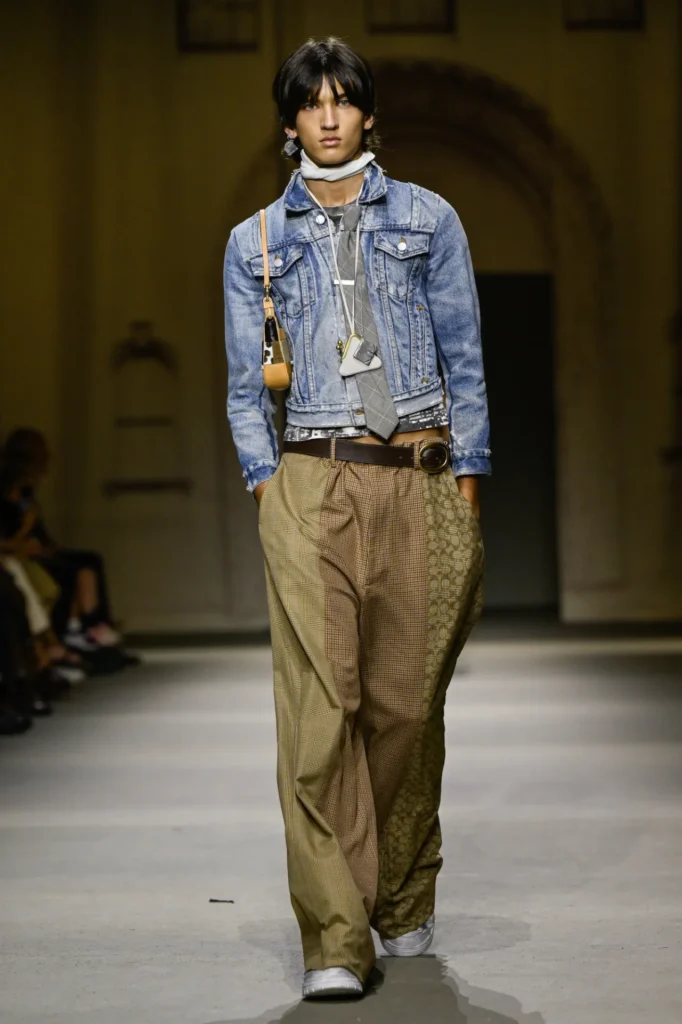
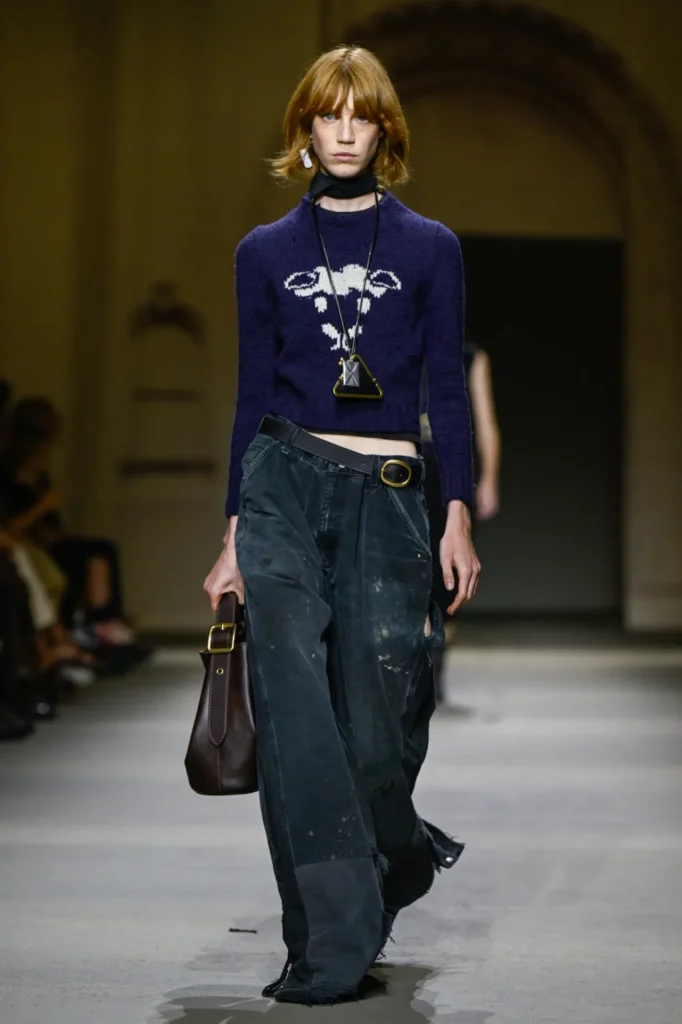
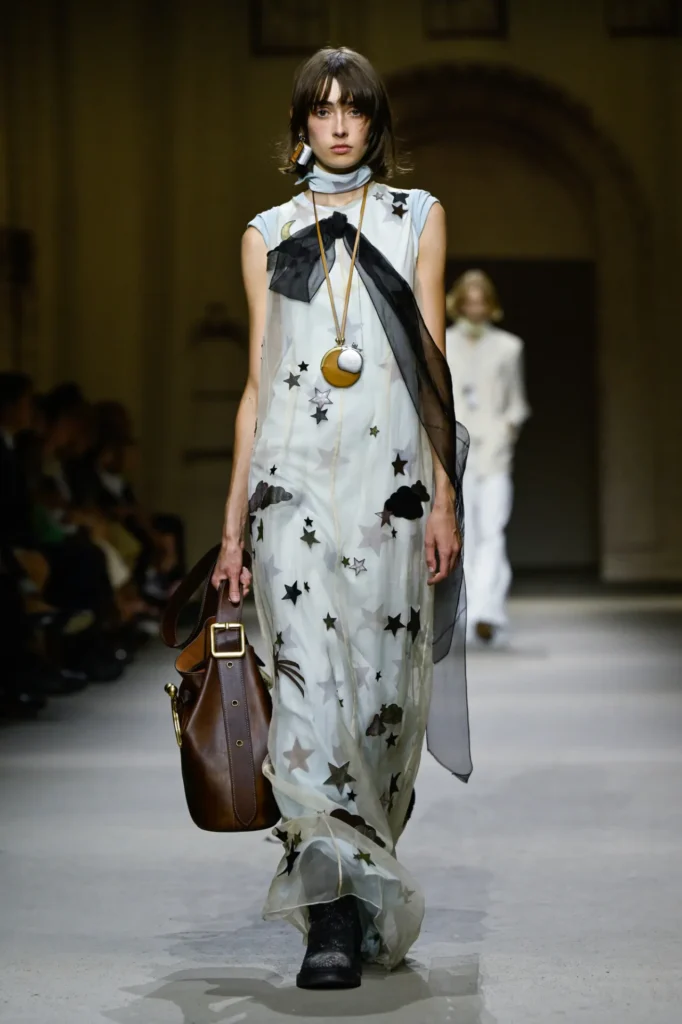
The show revealed a carefully crafted tension: on one hand, oversized denim, distressed leather jackets, and grunge-inspired silhouettes; on the other, playful, even dreamy touches like sheer dresses embellished with stars, hearts, and balloon motifs. This duality—raw yet refined, youthful yet polished—was central to the brand’s message.
Courtesy Of Coach
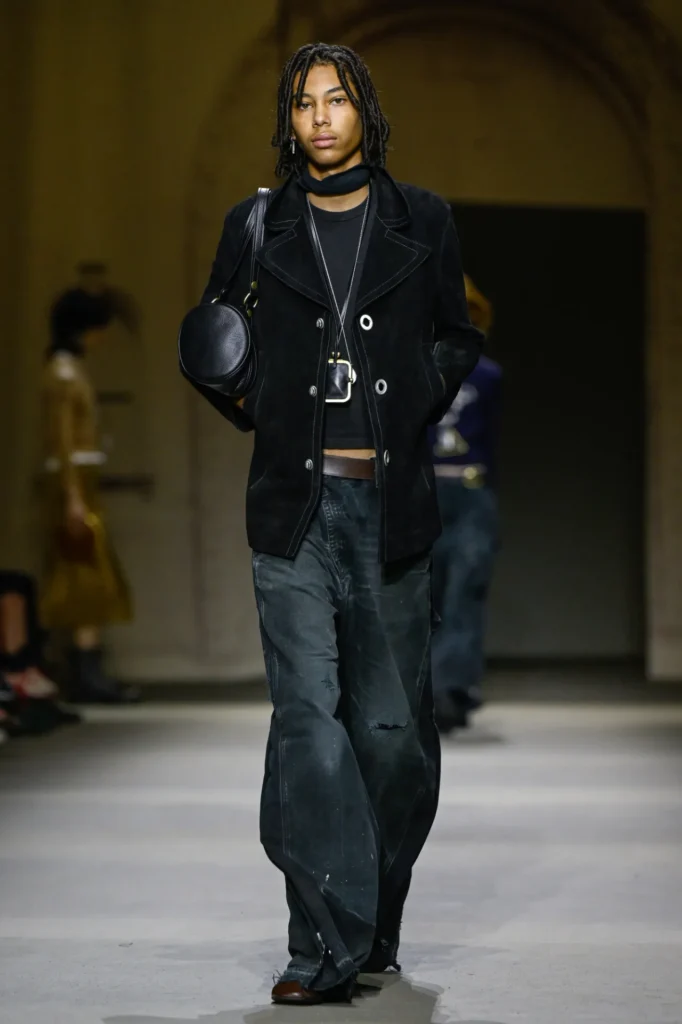
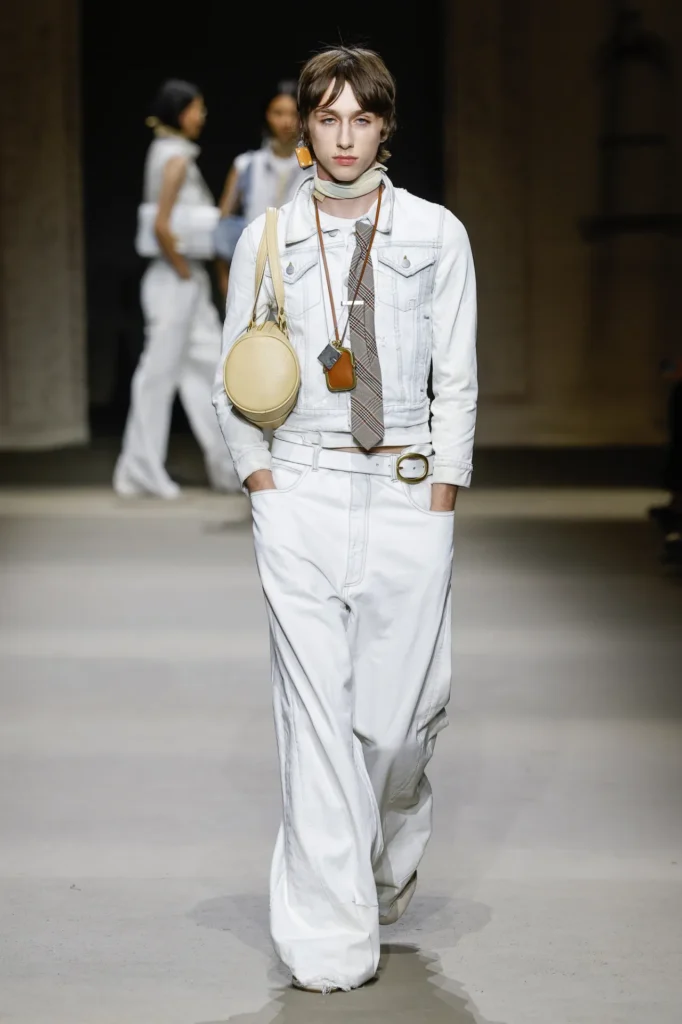
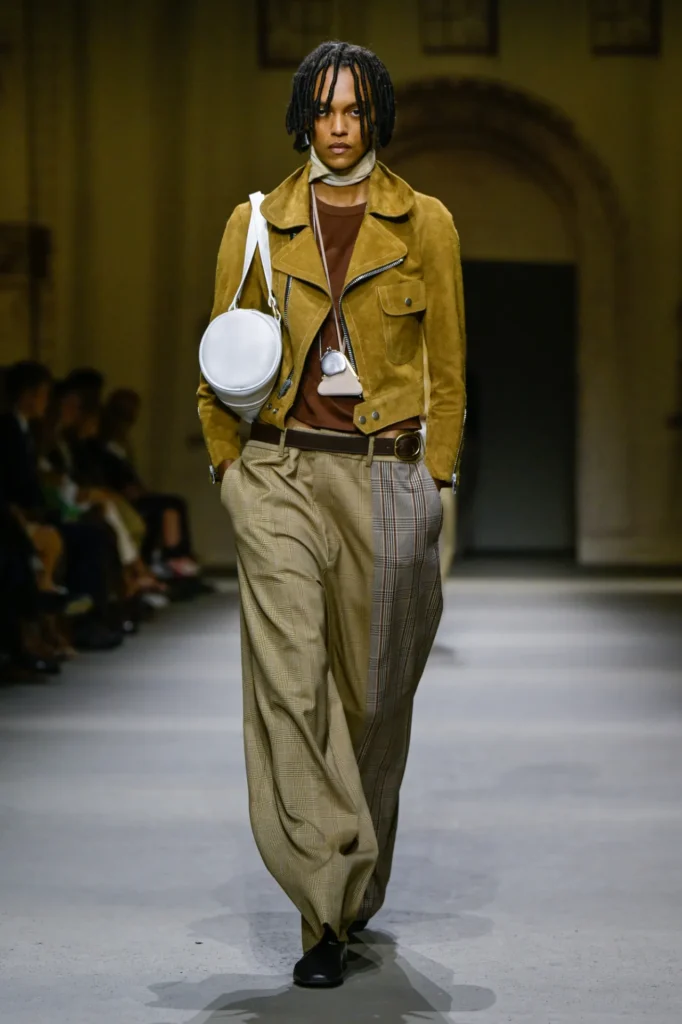
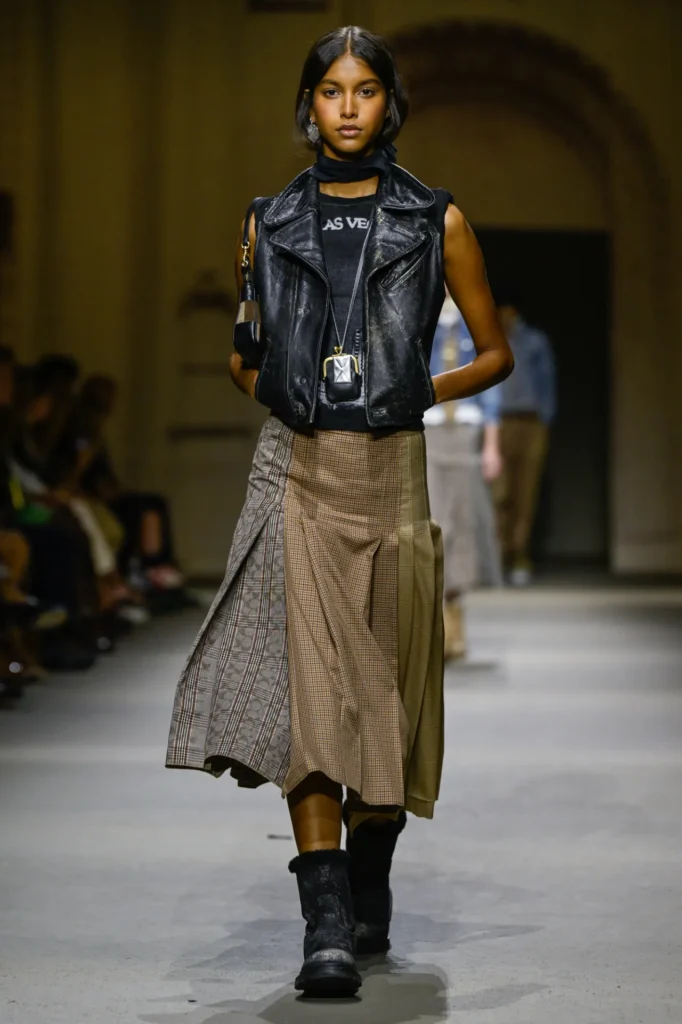
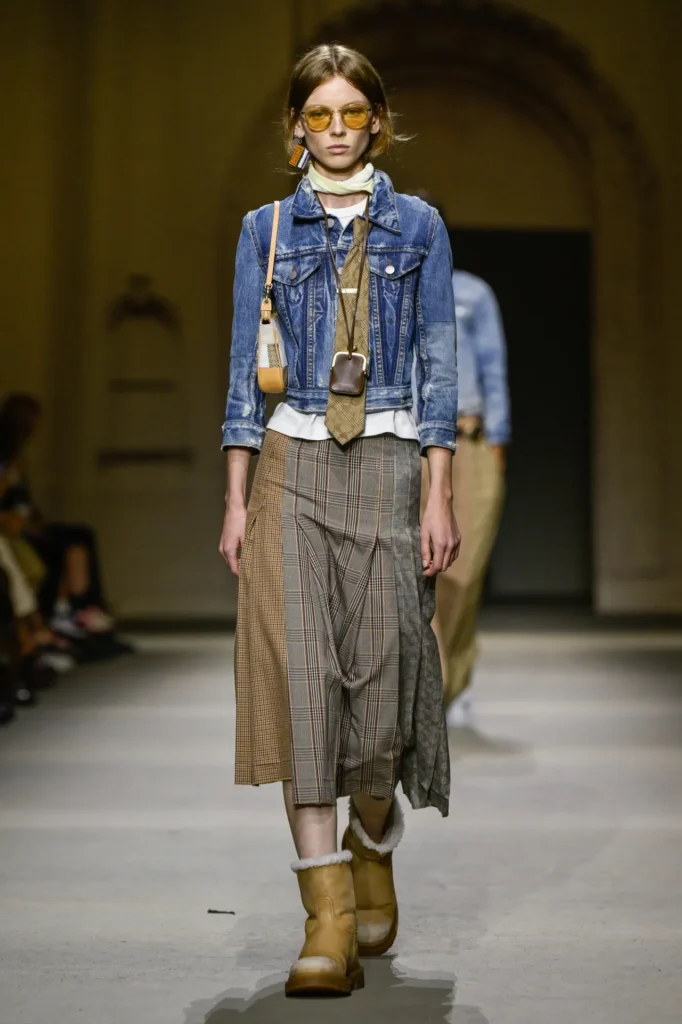
The palette was brighter than usual but still unmistakably Coach, defined by soft earthy browns, sun-faded neutrals, and warm sepia tones that hinted at nostalgia. The tailoring was looser and relaxed, with deconstructed wool coats, unlined suede jackets, and trousers and pleated skirts pieced together from three vintage menswear patterns—a nod to intergenerational style. In contrast, knit tanks, fitted outerwear, and slim layering pieces brought a sensual sharpness.
Courtesy Of Coach
Gender fluidity was woven into the lineup: wide-legged jeans paired with cropped tops, slouchy cardigans, and boxy leather jackets created a wardrobe equally appealing across identities. A highlight was the use of recycled denim and eco-treated leathers, underscoring Vevers’ commitment to sustainability while also resonating with Gen Z’s love for upcycled vintage.
Courtesy Of Coach
Accessories carried the playful New York spirit. Vevers introduced structured, geometric handbags, barrel bags, and travel satchels alongside the house’s iconic “kiss-lock” frame bags. Some mini versions were cleverly transformed into pendants, swinging from chains like jewelry—a whimsical homage to the random treasures one might stumble upon in the streets of the city.
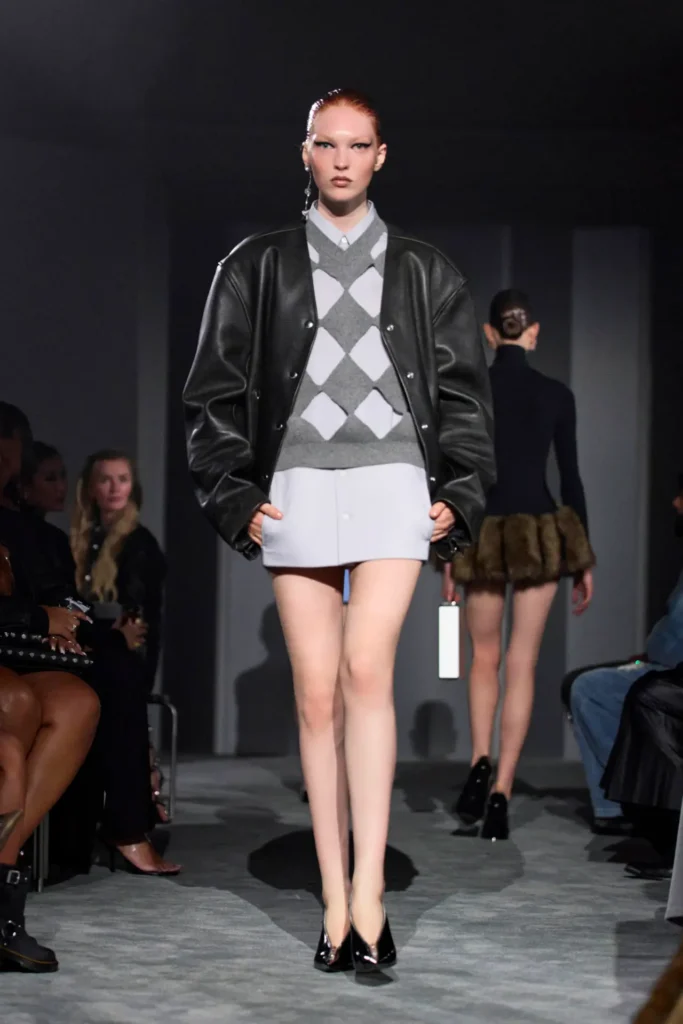
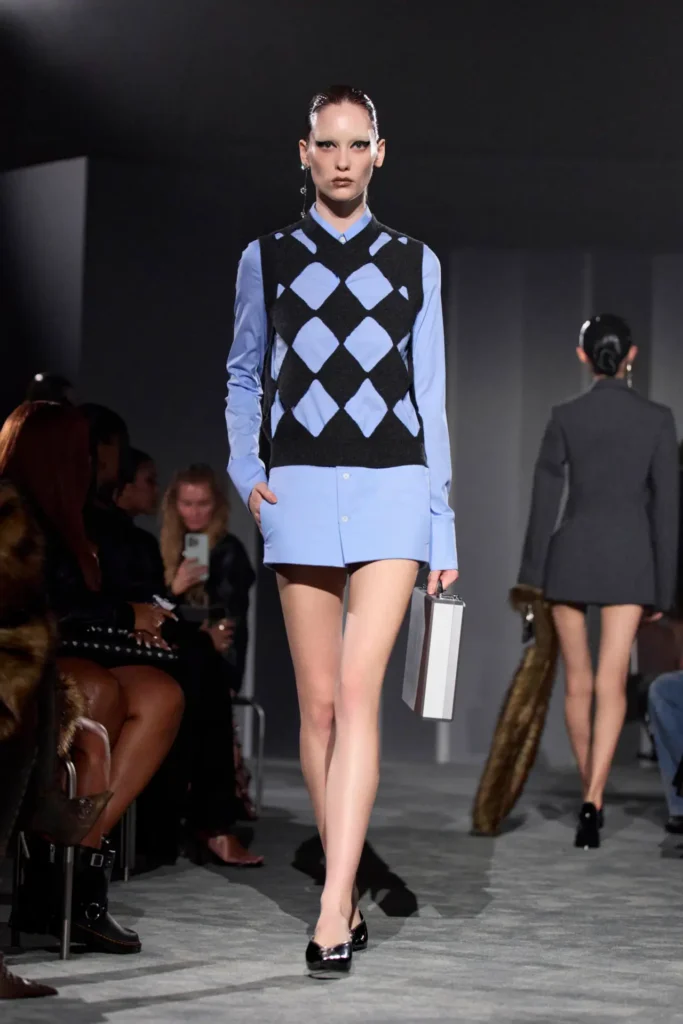
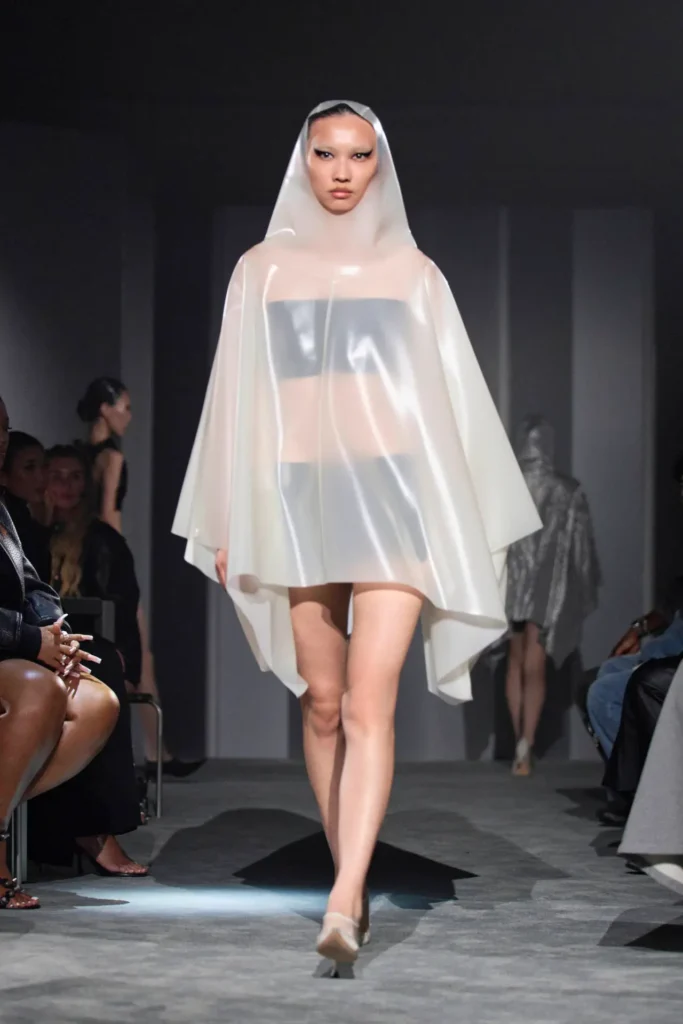
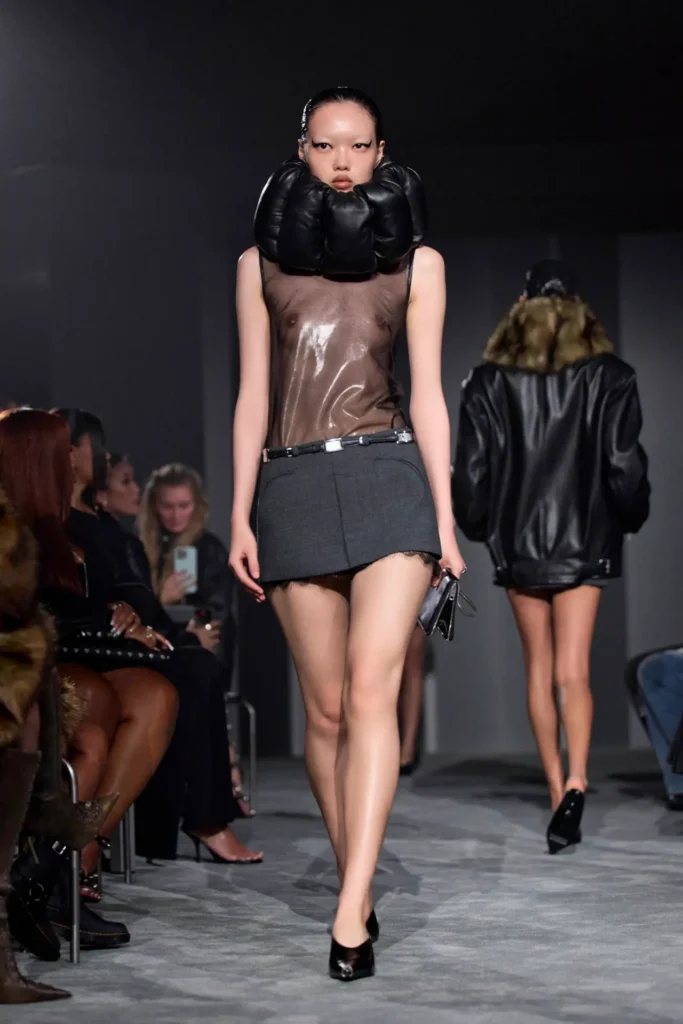
Two decades after his debut, Alexander Wang reclaimed the spotlight with a bold Spring 2026 collection, celebrating his brand’s 20th anniversary while reimagining the identity of the legendary “Wang Woman.” The show took place at the historic Citizen’s Savings Bank in New York, where guests were first greeted not with Wang’s signature downtown edge, but with a surprising image: Martha Stewart playing Mahjong. The reference was deeply personal—Wang’s mother is also a Mahjong expert—and symbolized a tribute to strong women of her generation, perhaps the true “original Wang Women.”
Courtesy of Alexander Wang
Backstage, Wang explained that the season was dedicated to the multiple layers of the alpha female. “We wanted to make the silhouette concise, the hemline sharp, and explore every aspect of the wardrobe through that lens,” he noted, after receiving congratulatory hugs from Cardi B—herself a modern alpha.
Courtesy of Alexander Wang
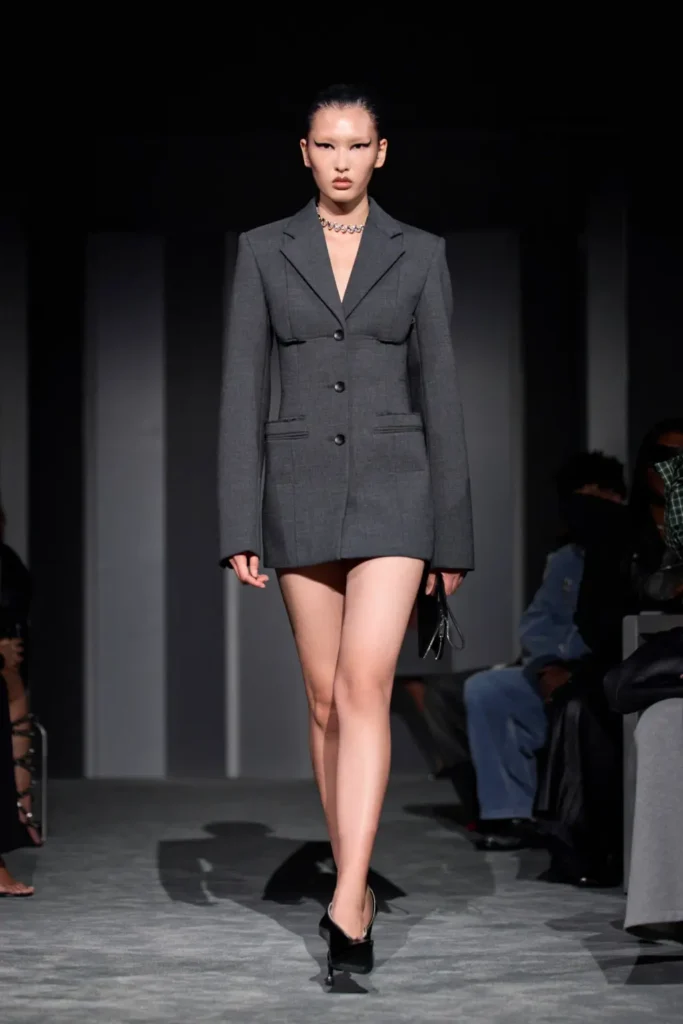
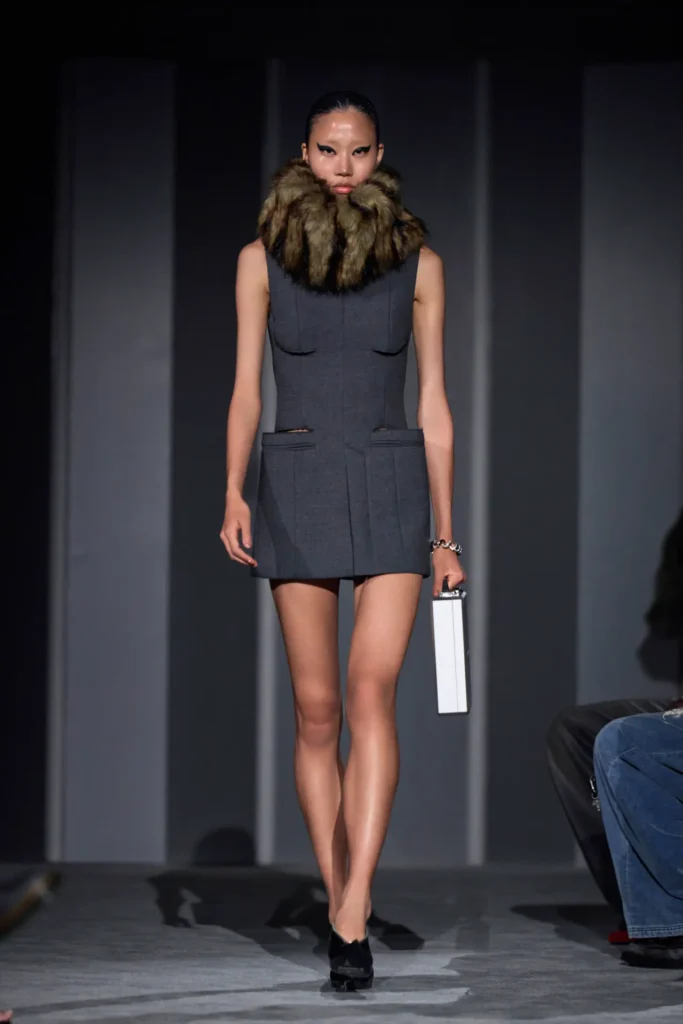
The runway opened with preppy-inspired tailoring: ultrashort shirtdresses paired with laser-cut argyle vests, followed by cropped gray suiting that stopped at the hip, structured yet playful. With a steel briefcase in hand, this new Wang Woman could head to the office looking powerful—while still carrying the mischievous spirit of a party girl who might have forgotten her pants.
Courtesy of Alexander Wang
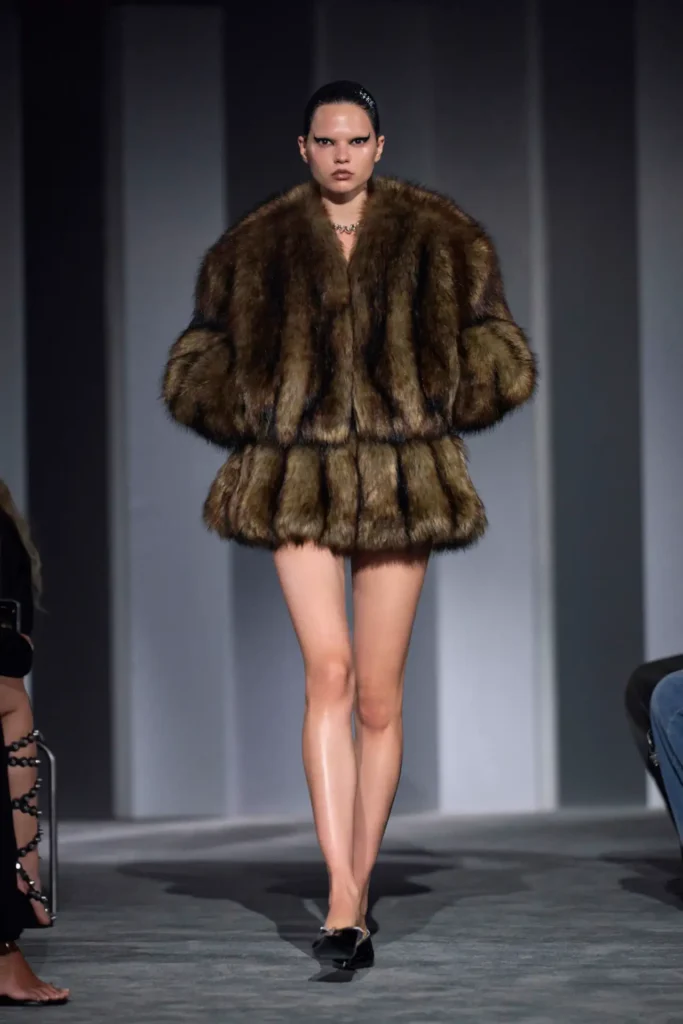
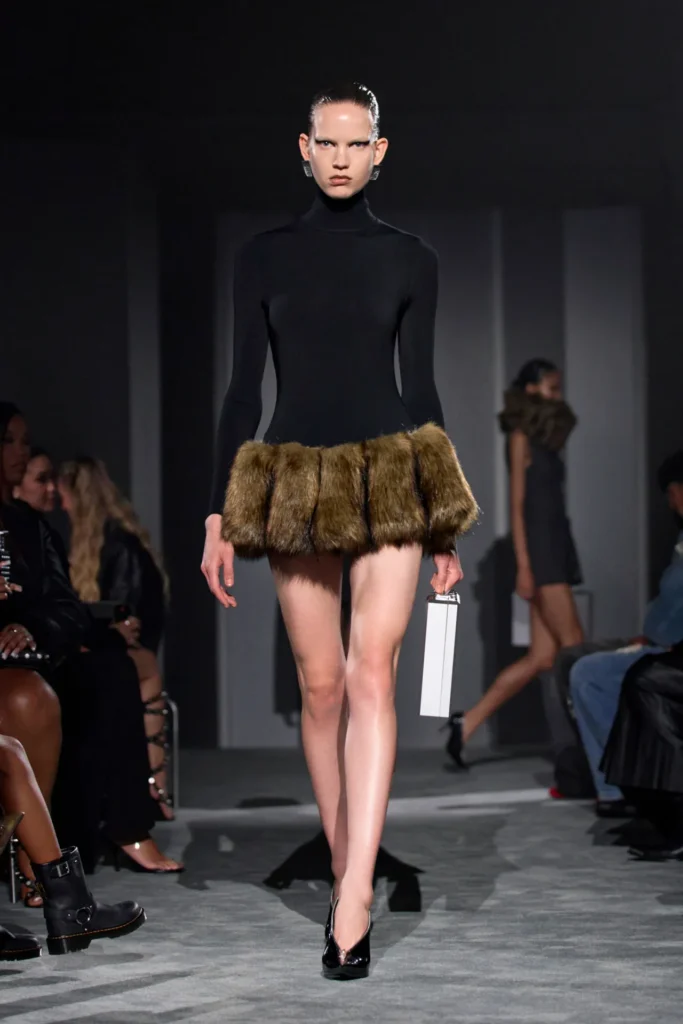
Wang also emphasized convertibility this season. A chocolate faux-fur coat worn by Cardi B on the runway was transformed in the next look into a sleek black dress, retaining the same plush bubble hemline. Other innovations included cardigans crafted from melted lace yarn and metallic crochet, resembling modern-day chainmail. “Our femininity is defined by its sharp edges,” Wang remarked, underscoring the toughness behind the delicate surfaces.
Courtesy of Alexander Wang
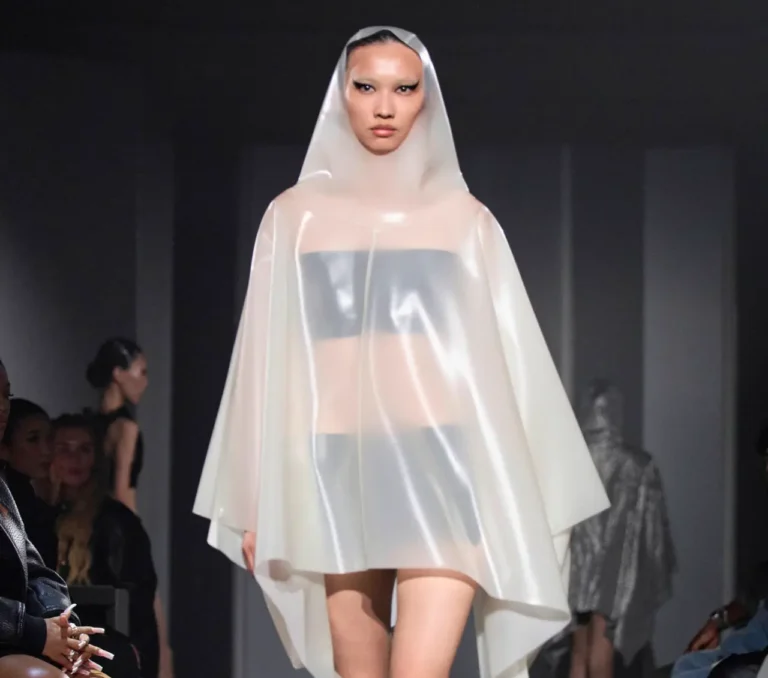
For the first time, he also incorporated Watteau backs and poncho-inspired capes, nodding to his mother’s preference for sun protection and practical garments—reimagined here in latex and organza with a futuristic flair. The collection leaned heavily on signature Wang codes like black leather, studs, and attitude, but expanded into unexpected hybrids that balanced protection with sensuality, pragmatism with extravagance.
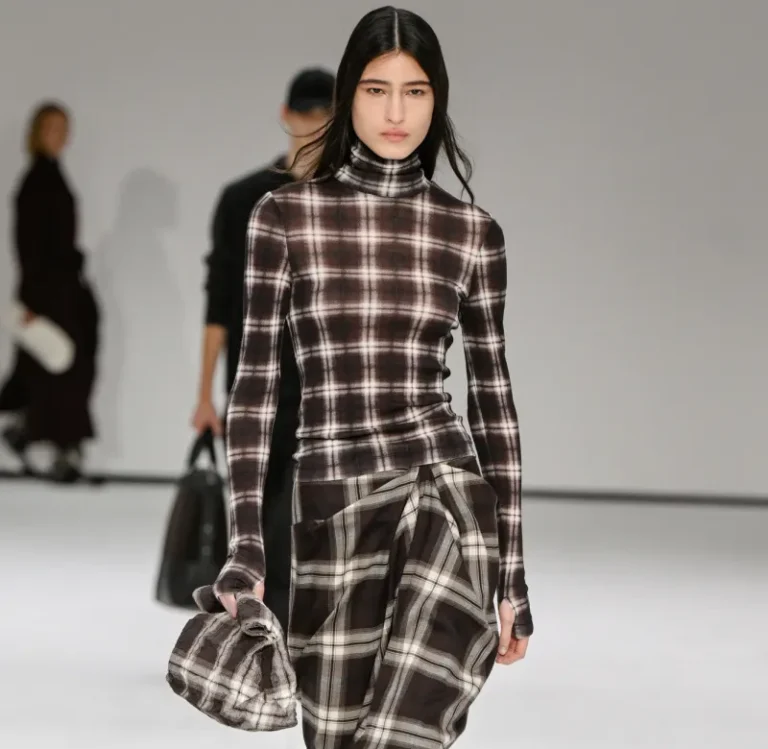
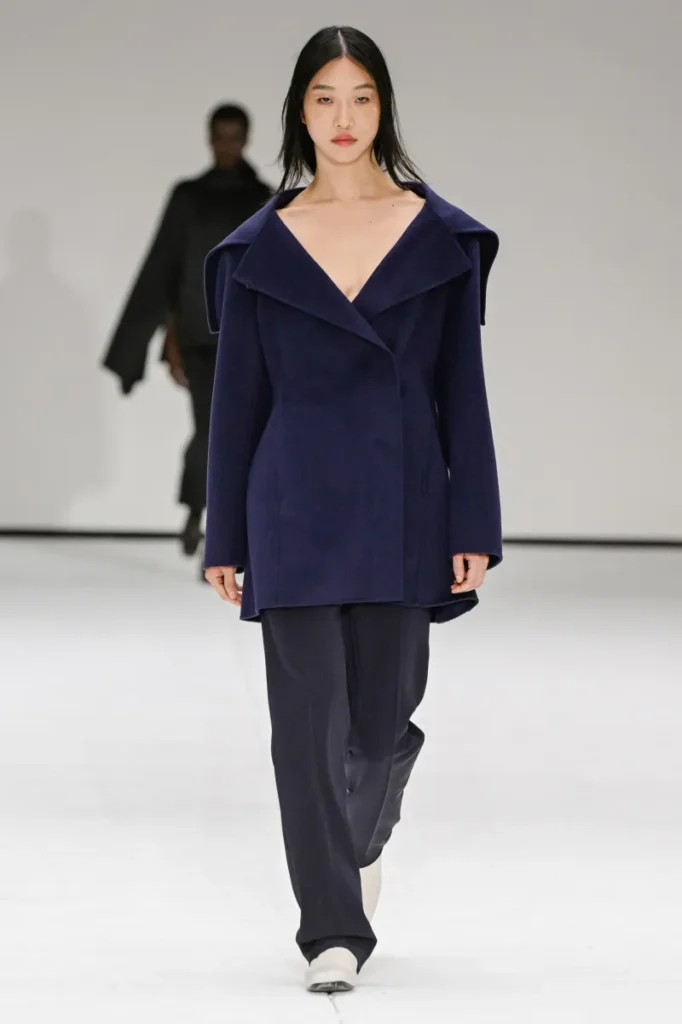
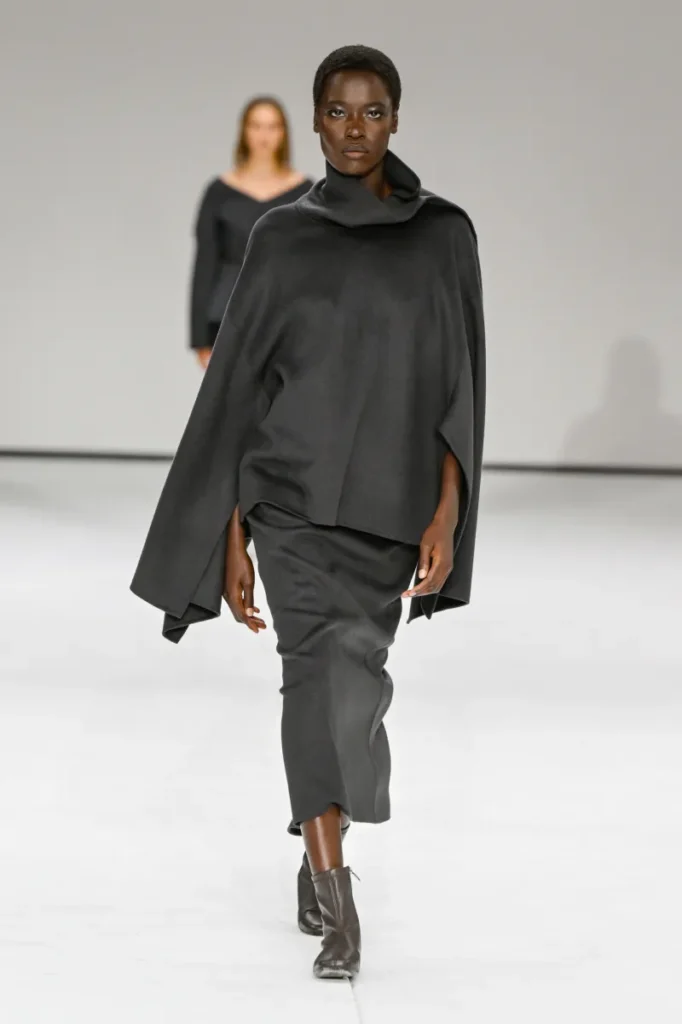
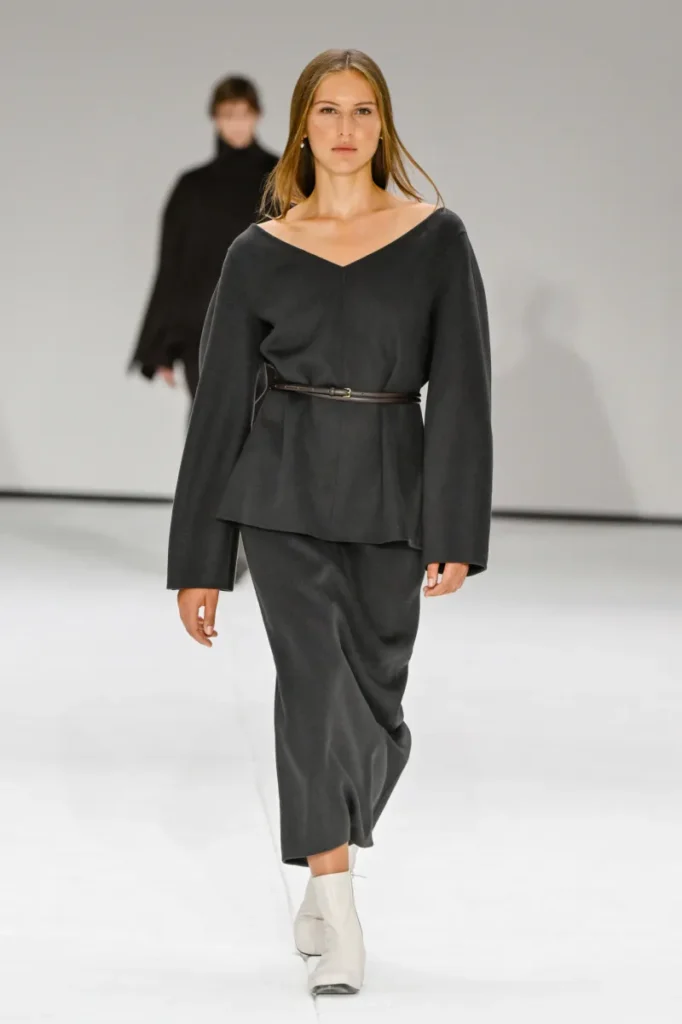
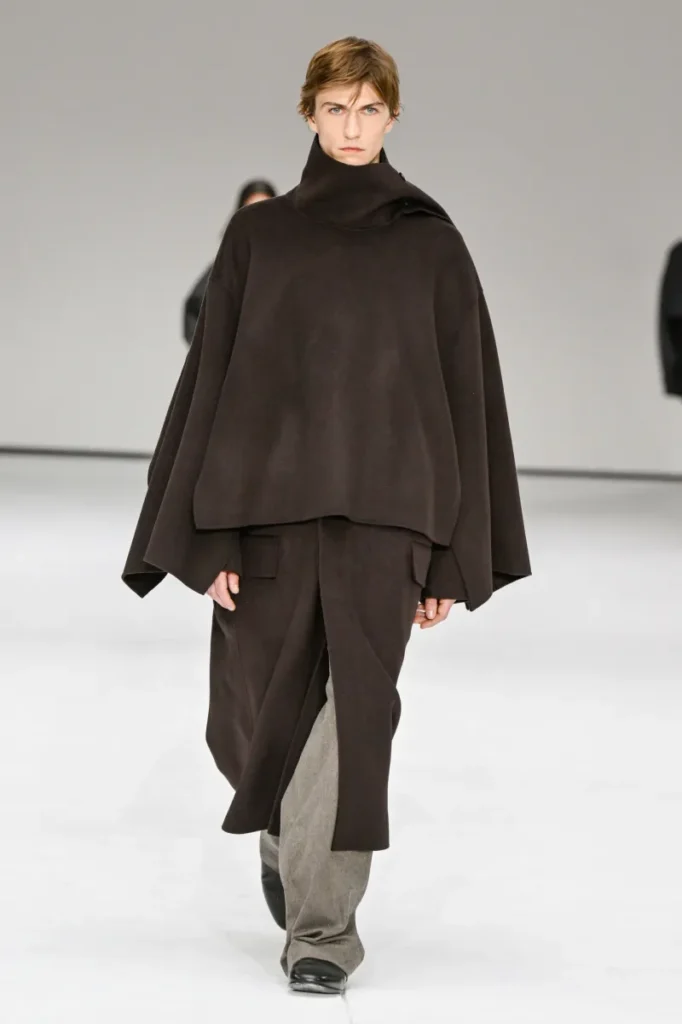
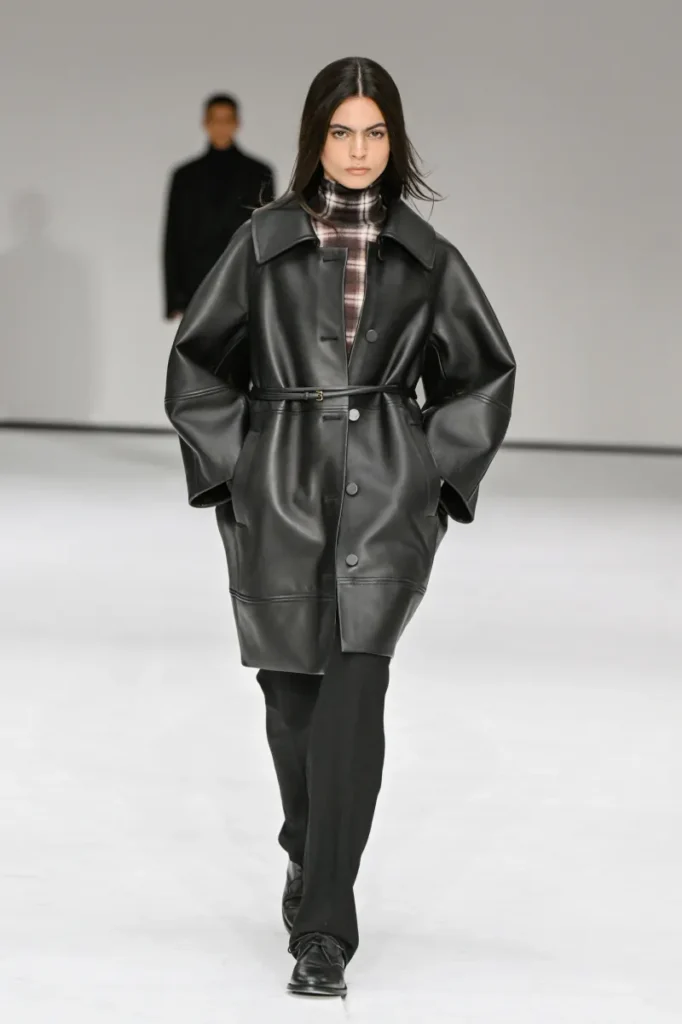
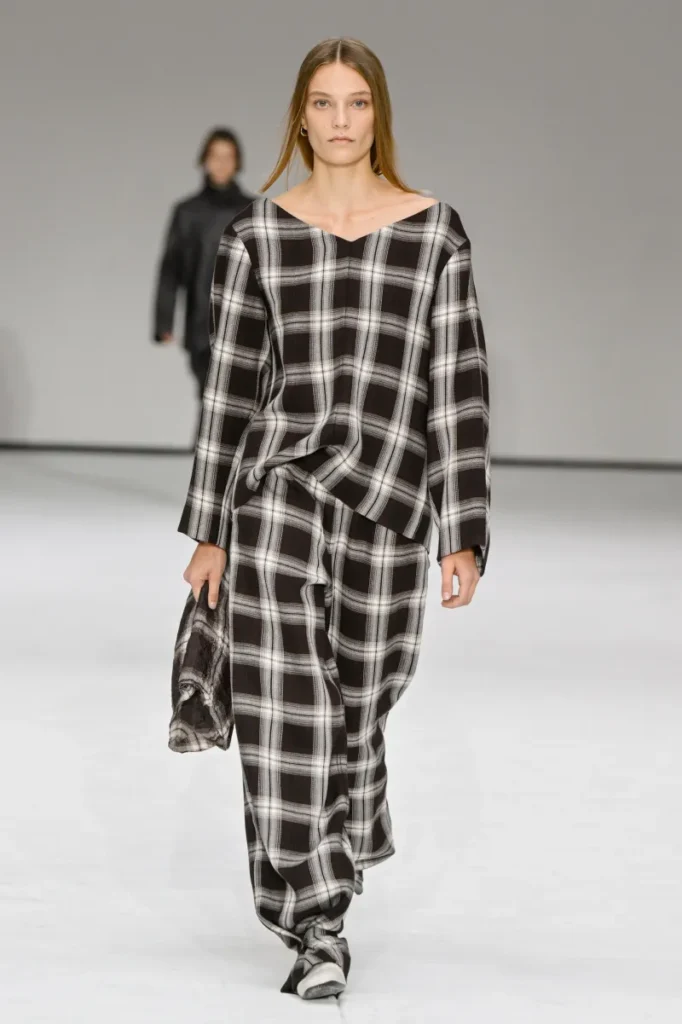
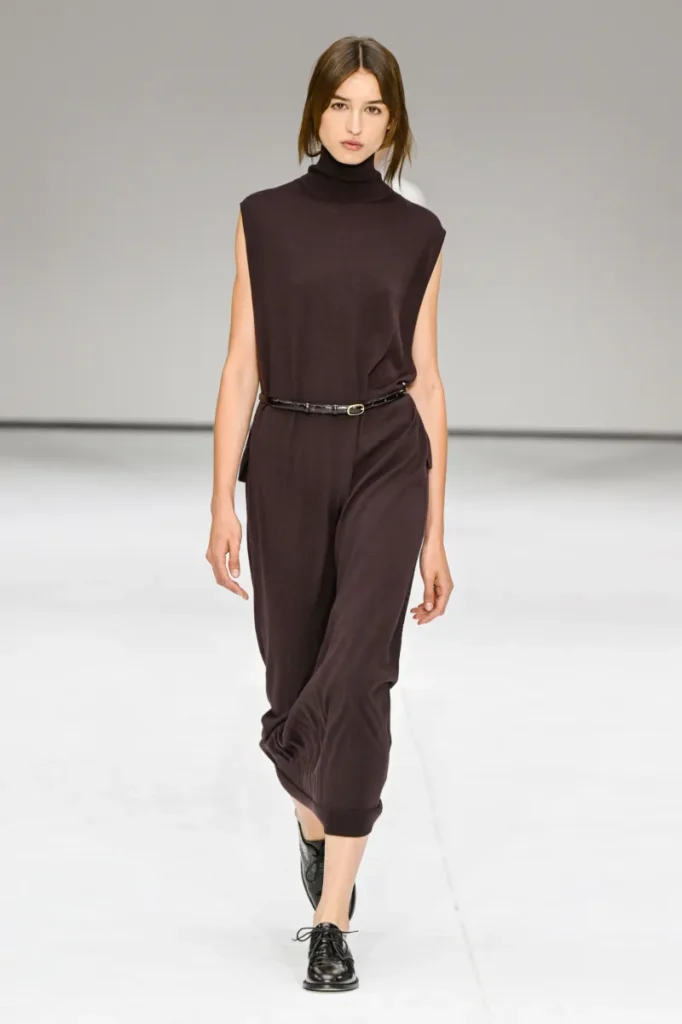
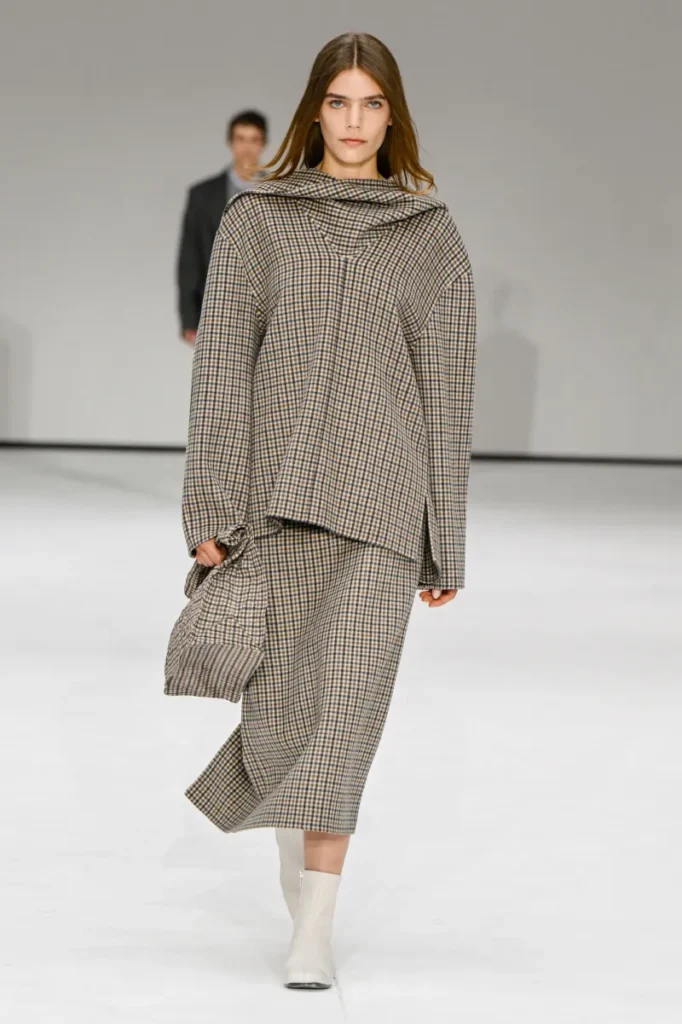
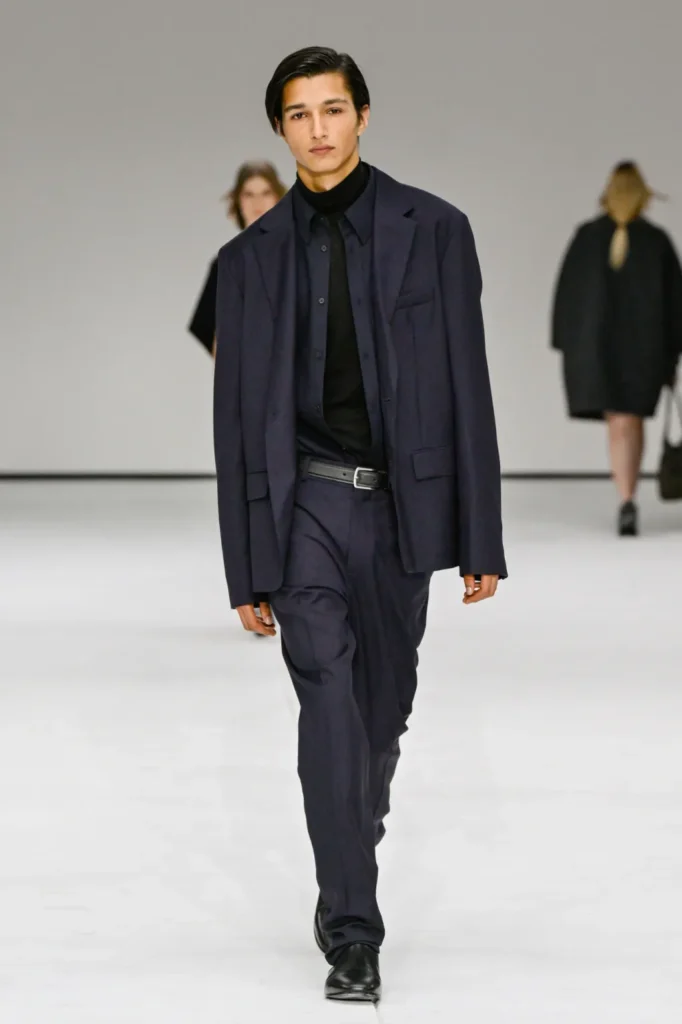
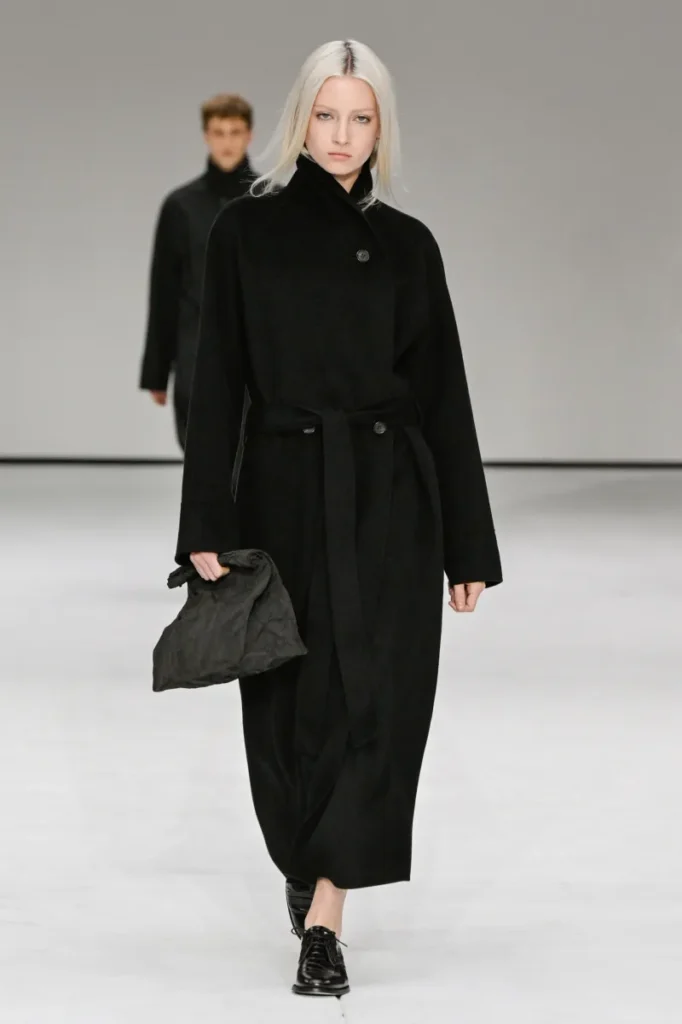
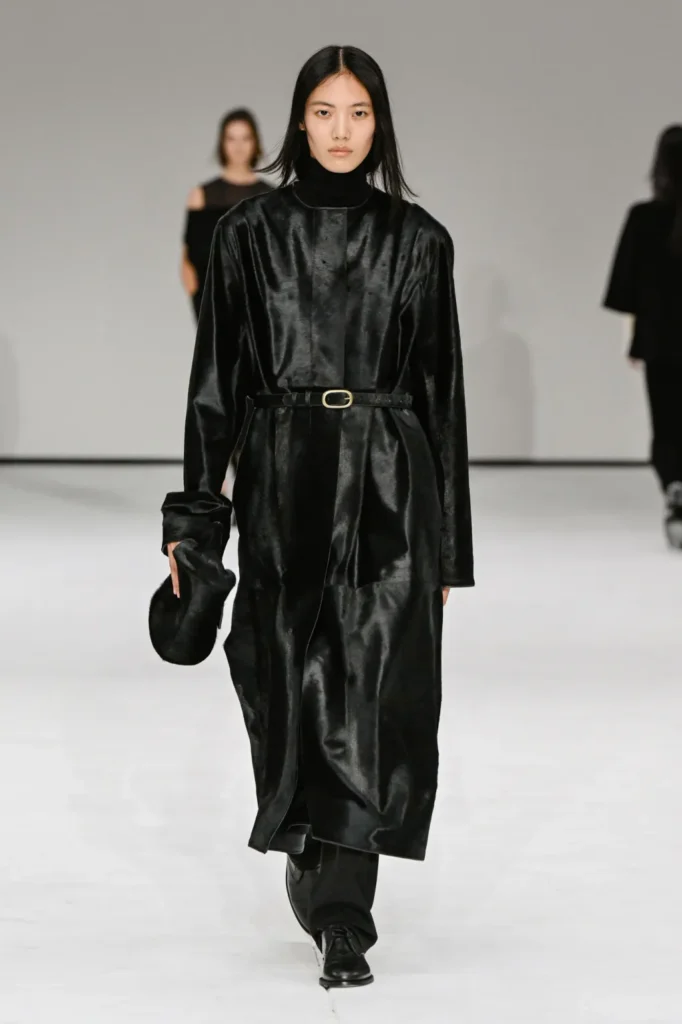
For its return to New York this fall, COS unveiled a collection that merges the brand’s signature accessibility with a sharper, more feminine silhouette. Staged on Sunday afternoon, the show presented pieces that are already available in stores, underscoring the label’s commitment to everyday luxury delivered instantly.
Courtesy Of COS
“We wanted to preserve the effortless ease of COS while refining the silhouette into something more defined,” explained creative director Karin Gustafsson backstage. To achieve this balance, she drew inspiration from the relaxed elegance of the 1950s, reimagined through open necklines, subtle tailoring, and a clean minimalist language.
Courtesy Of COS
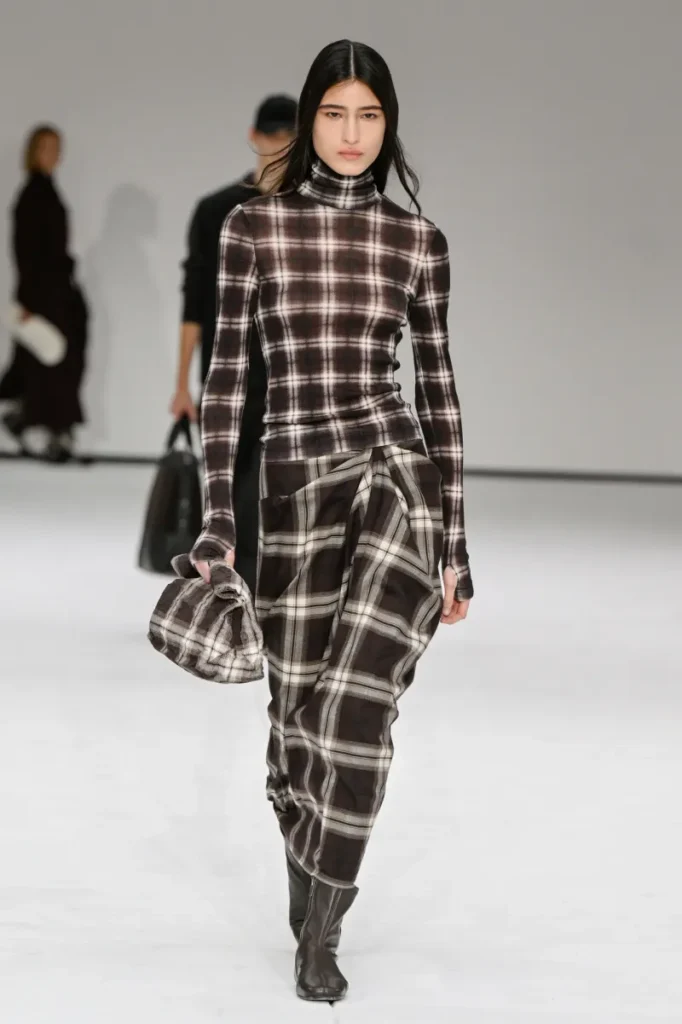
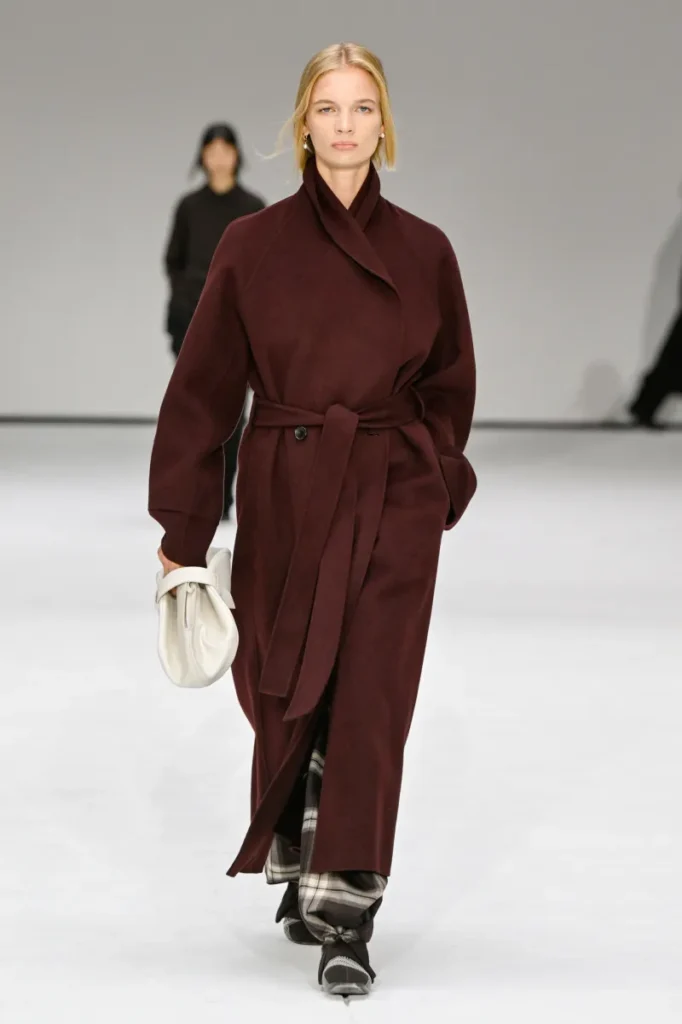
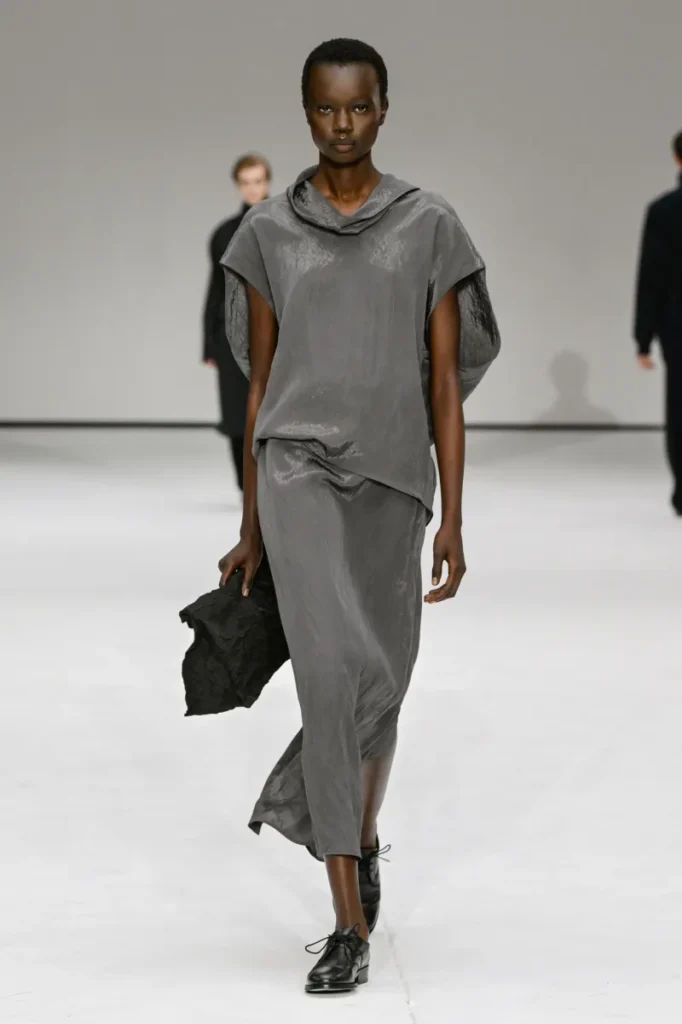
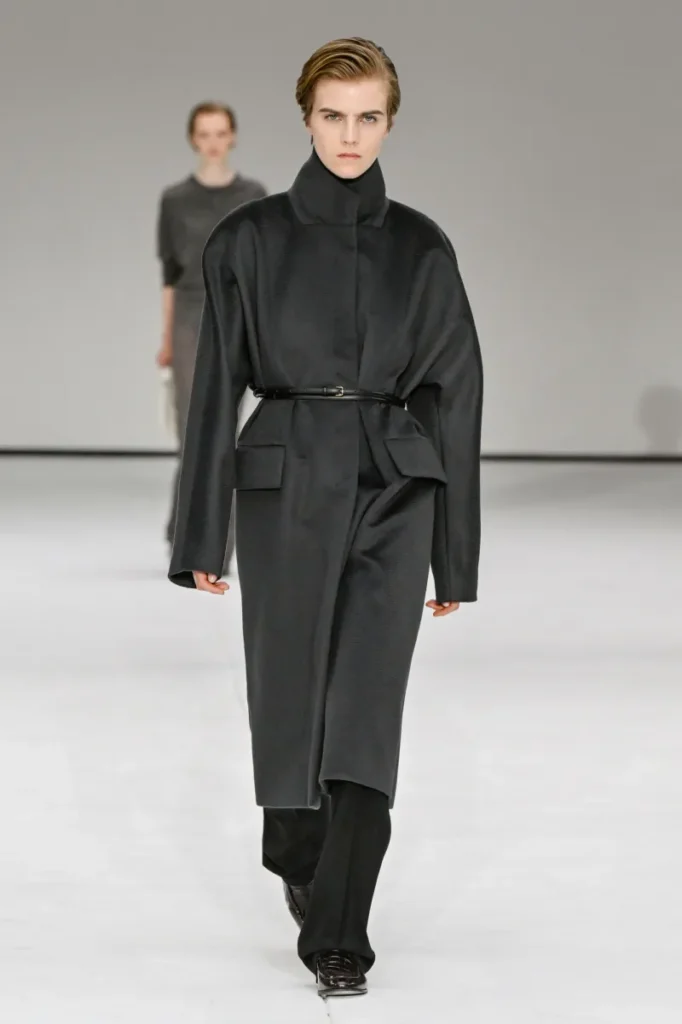
Highlights included double-faced wool coats with gently cinched waists, fluid silk dresses with layered draping, and sheer mulberry silk turtlenecks with built-in elongated scarves that draped over shearling jackets. COS also revisited classic codes with a fresh twist—traditional checks updated in sleek forms and crumpled paper bag–style handbags that added a playful yet modern touch.
Courtesy Of COS
The collection thrived on contrasts: soft against structured, timeless against contemporary. Wrinkled satin sets, sleek leather jackets, lightweight capes, and utilitarian-inspired tailoring reinforced the house’s design ethos. Richly textured knitwear and practical accessories completed the narrative, highlighting COS’s mission to dress the modern woman with refined simplicity and sculptural elegance, perfect for both the fast pace of city life and everyday wear.
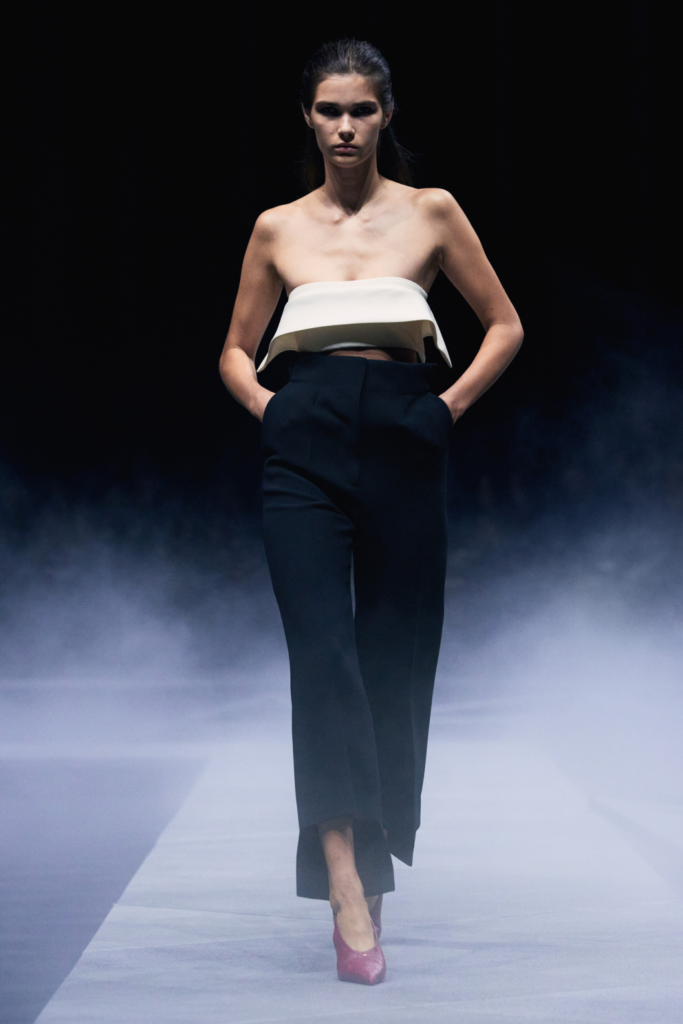
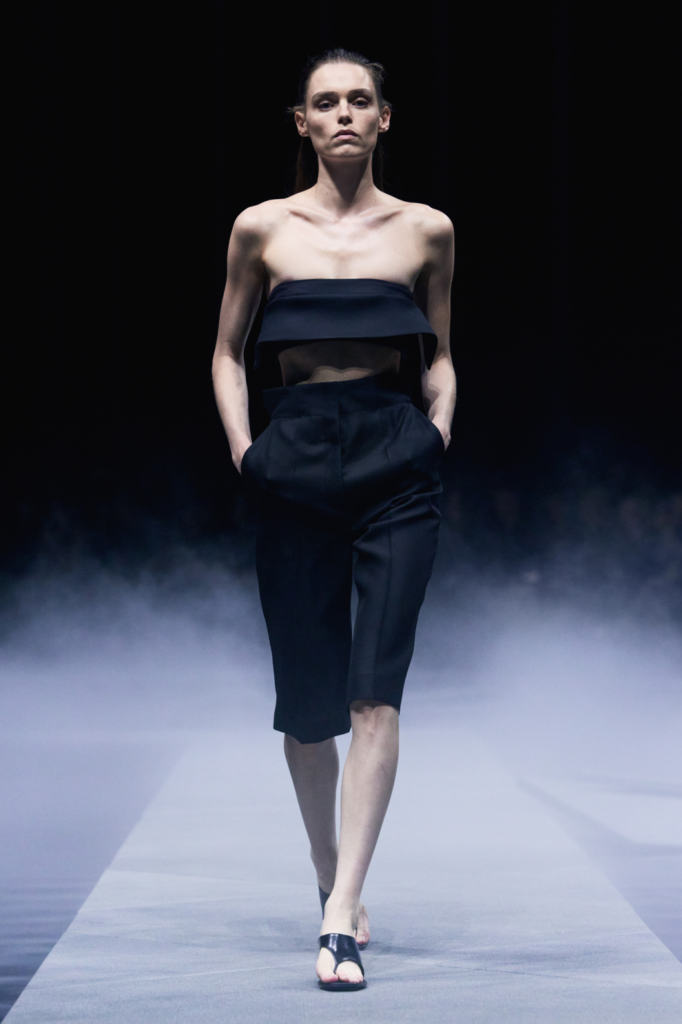
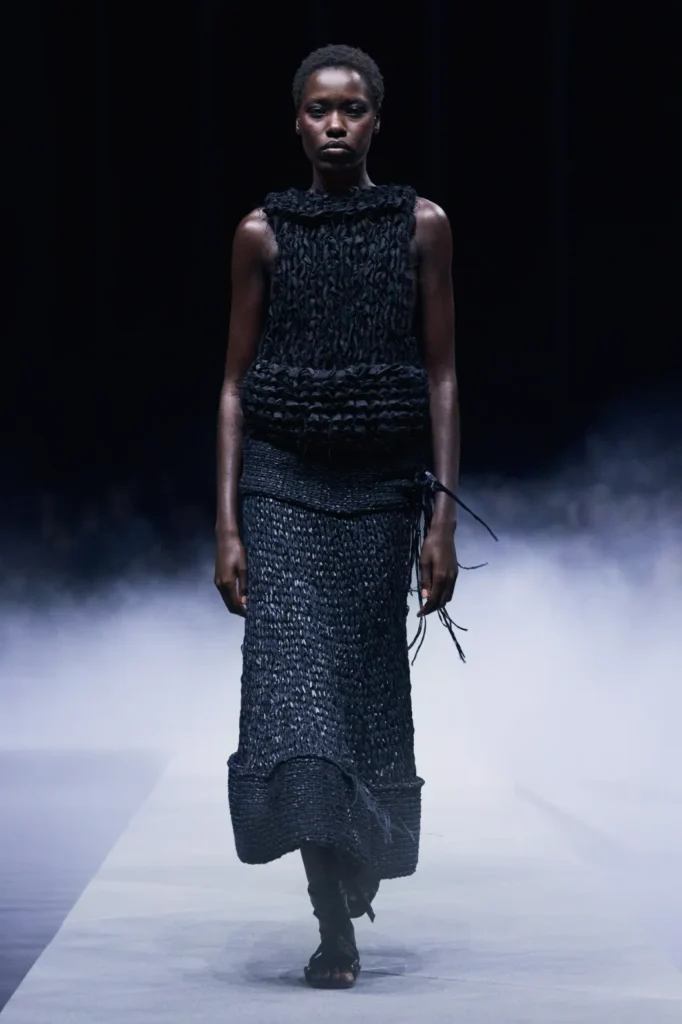
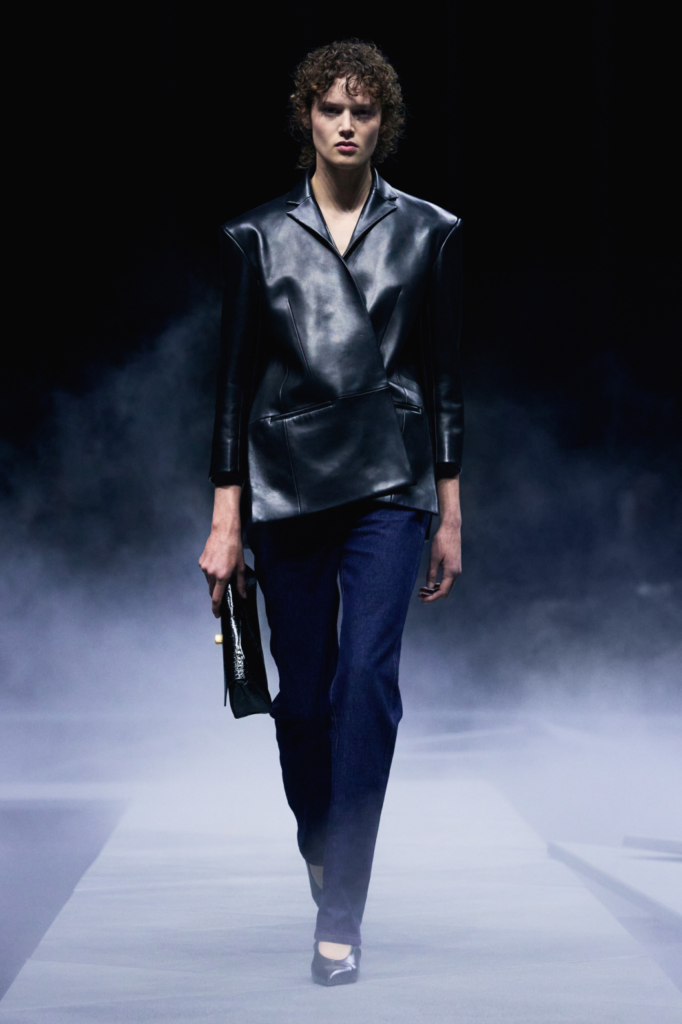
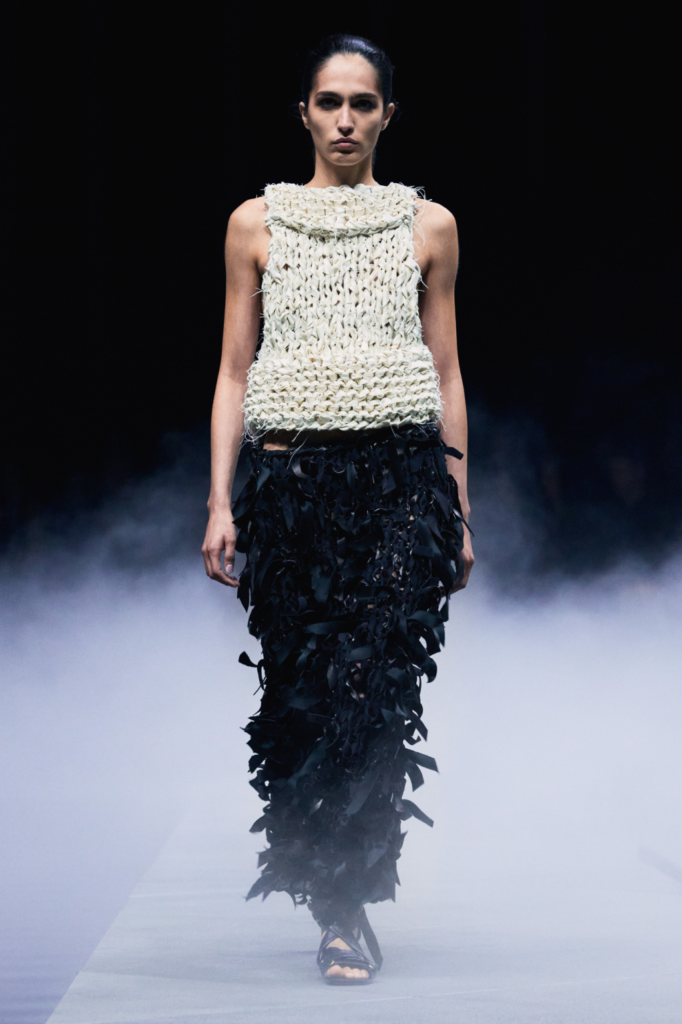
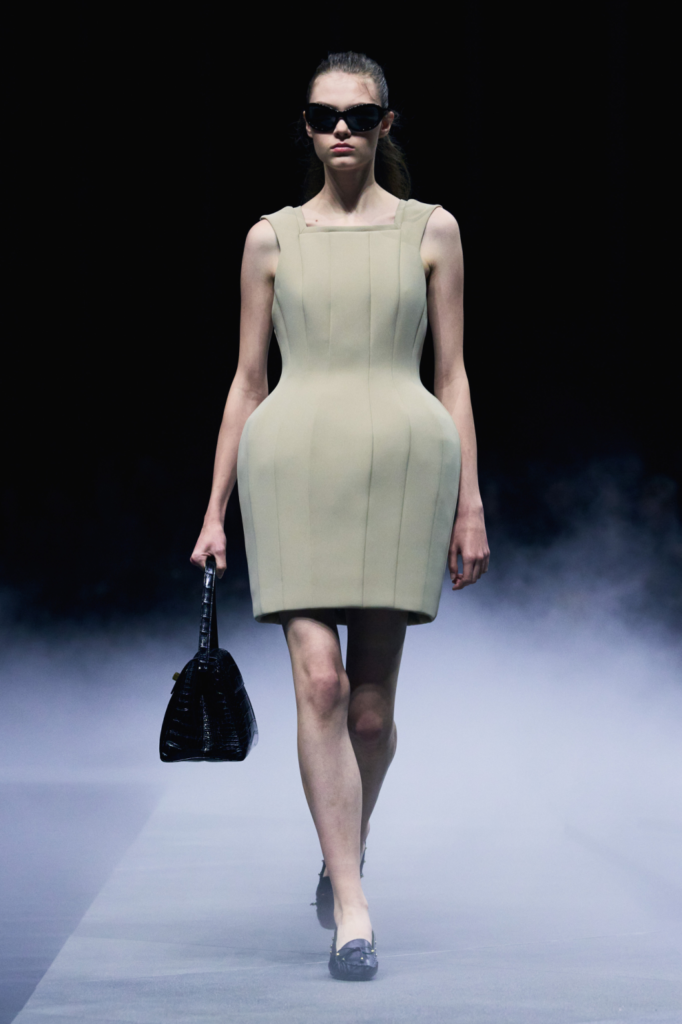
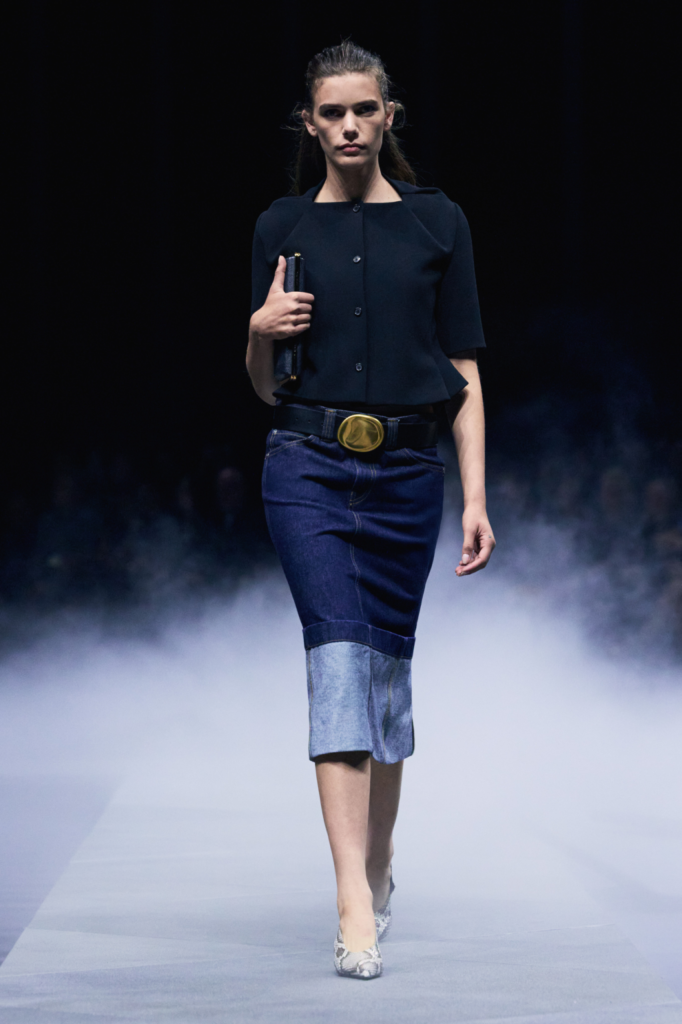
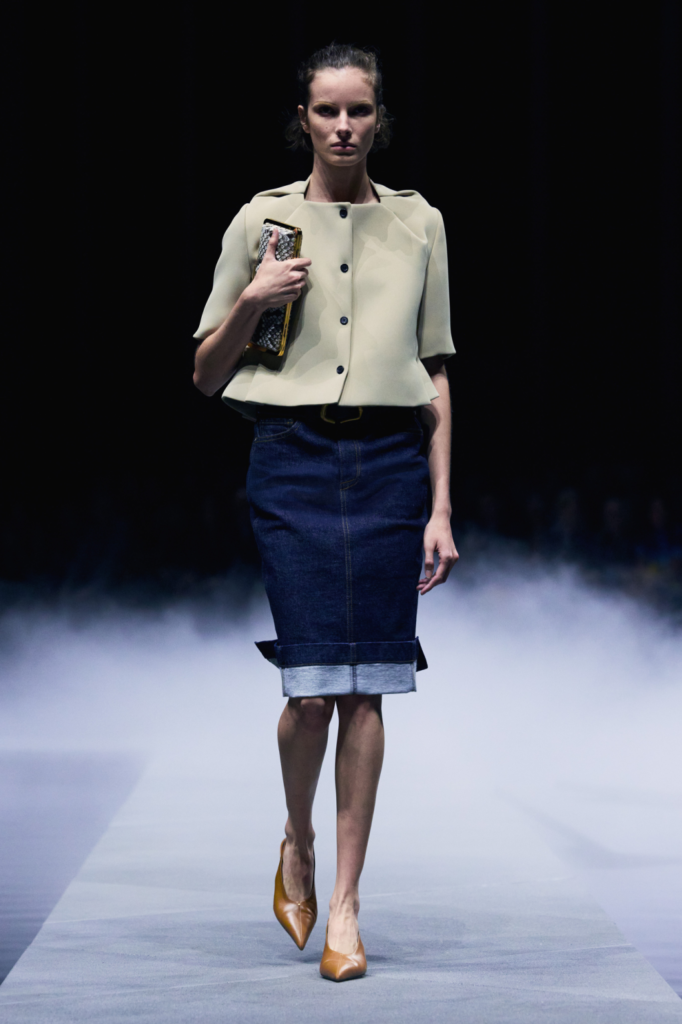
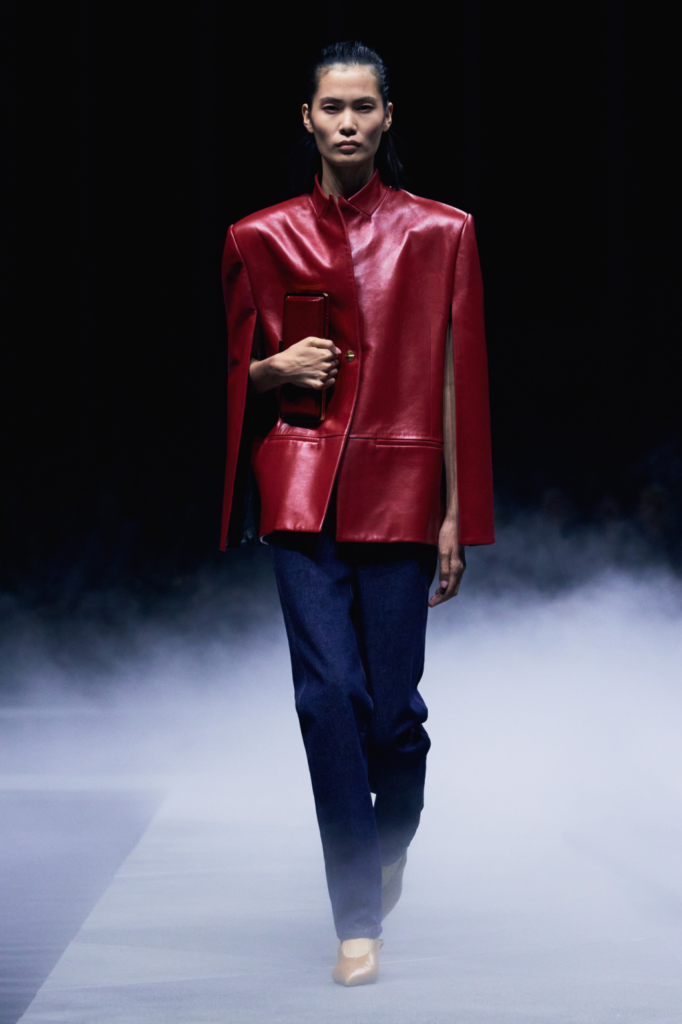
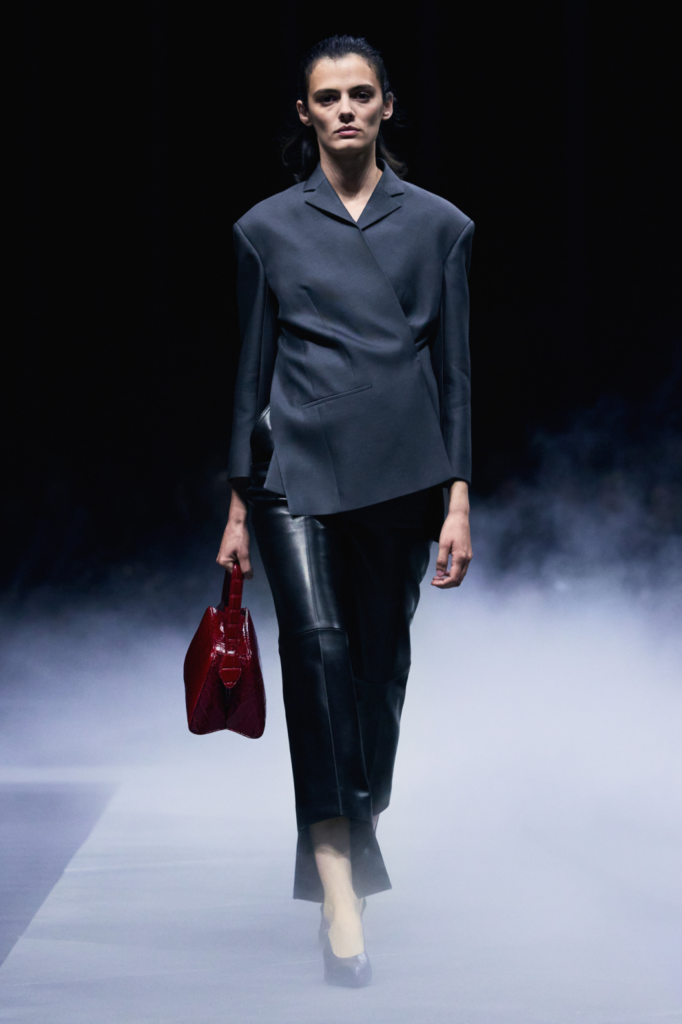
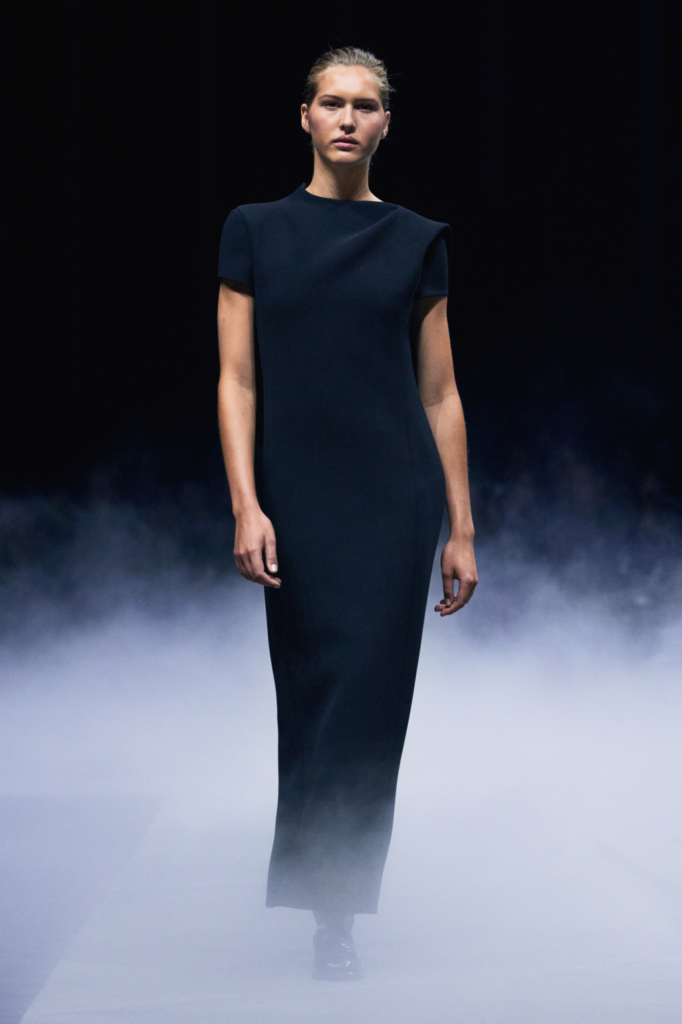
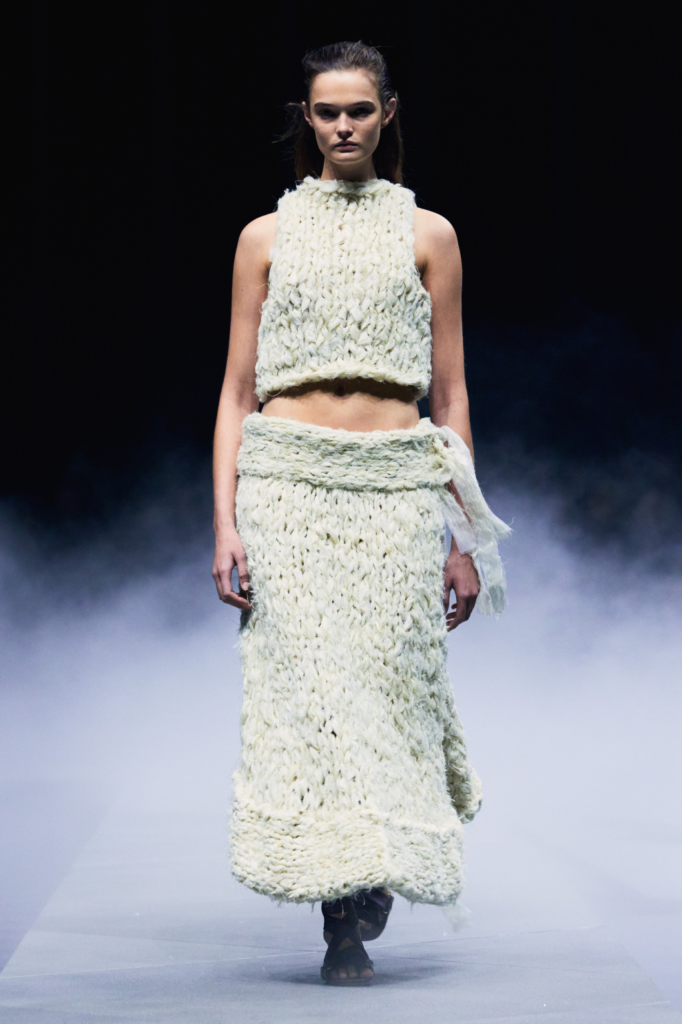
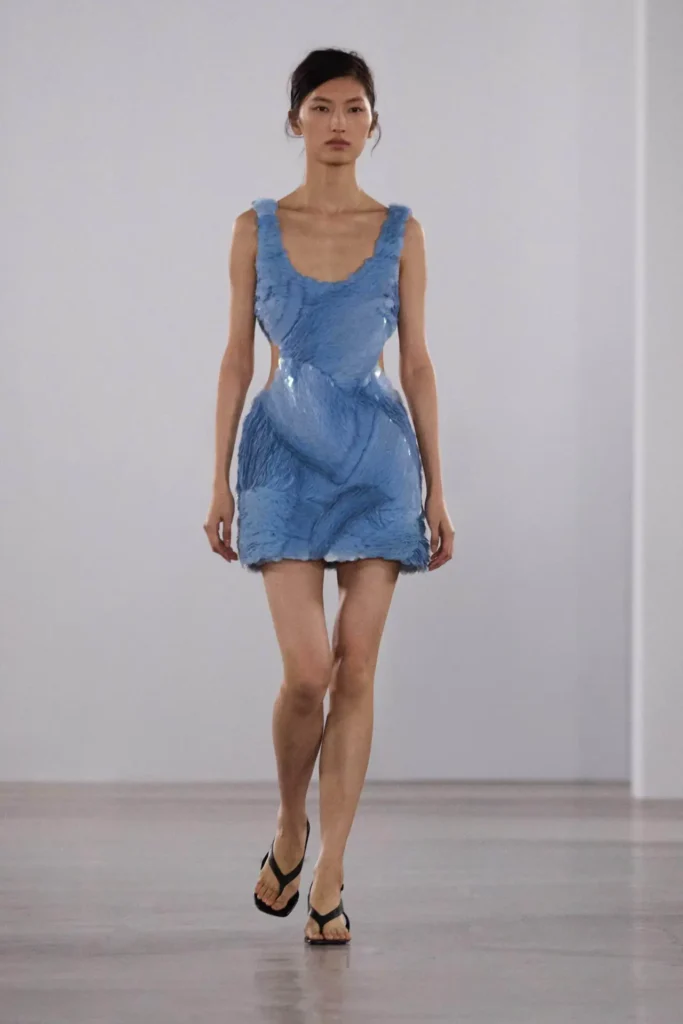
Catherine Holstein redefined the meaning of elegance for Spring 2026, showcasing a collection that celebrated rawness, vulnerability, and bold confidence. Staged on a cinematic runway covered in mist, with models walking across fractured “glaciers,” the designer introduced a Khaite woman who doesn’t chase perfection—she finds power in imperfection.
Courtesy of Khaite
“People always talk about confidence, but for me, it comes from insecurity and shyness. And I think that’s perfectly fine,” Holstein admitted backstage, capturing the essence of her season: stepping forward with certainty, even on unstable ground.
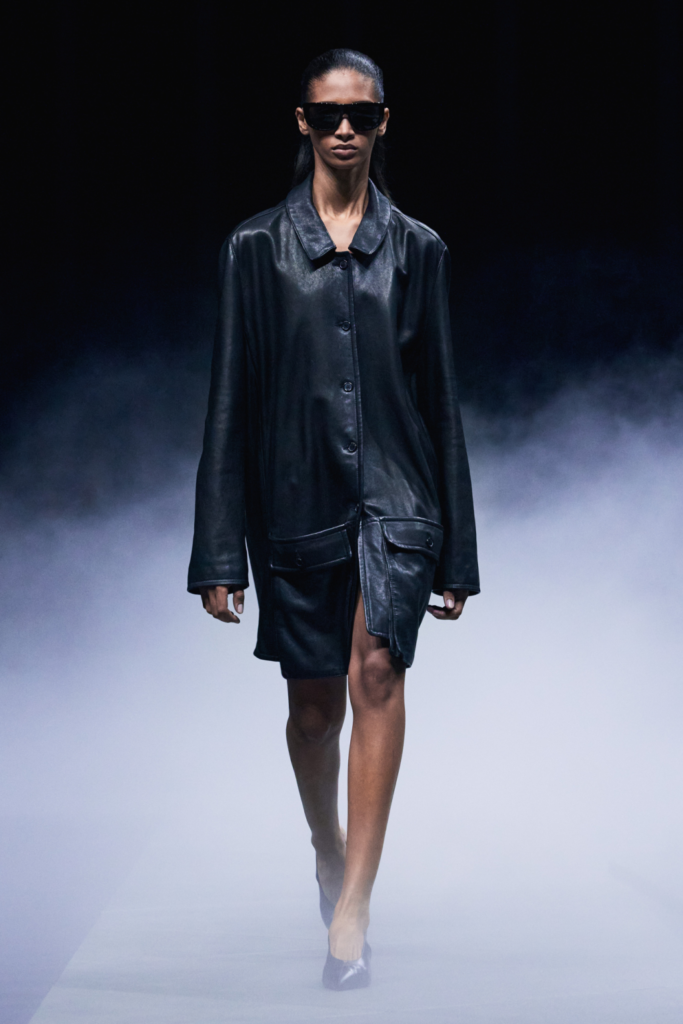
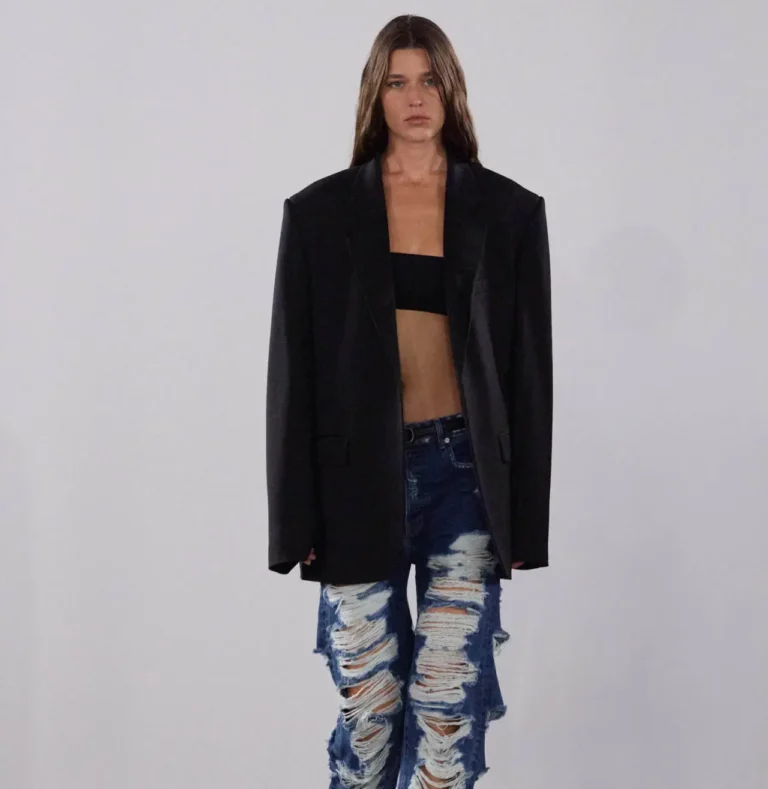
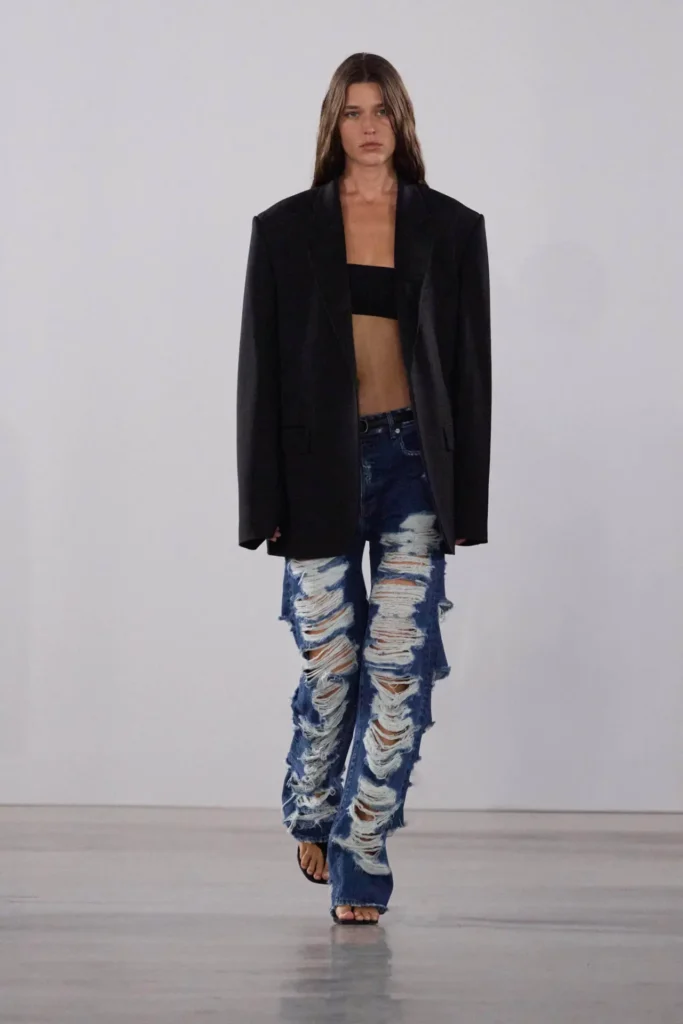
The show opened with a house-defining palette of black, leather, and deep denim, yet reimagined through Khaite’s signature twist: blazers with off-kilter cuts, jackets intentionally distorted at the seams, and asymmetric jeans. Holstein revisited her teenage instincts—constantly cutting and reshaping clothes—through micro bandeaus, cropped tops, and irregular-hem trousers that felt both nostalgic and subversive.
Courtesy of Khaite
Core brand categories anchored the lineup: denim, leather, footwear, cashmere, and accessories including sunglasses crafted in partnership with Oliver Peoples. Each piece carried a sense of intentional strength, from tulle-stuffed corsets with sculptural hourglass shapes to draped tops twisted tightly around the torso, balancing rawness with refinement.
Courtesy of Khaite
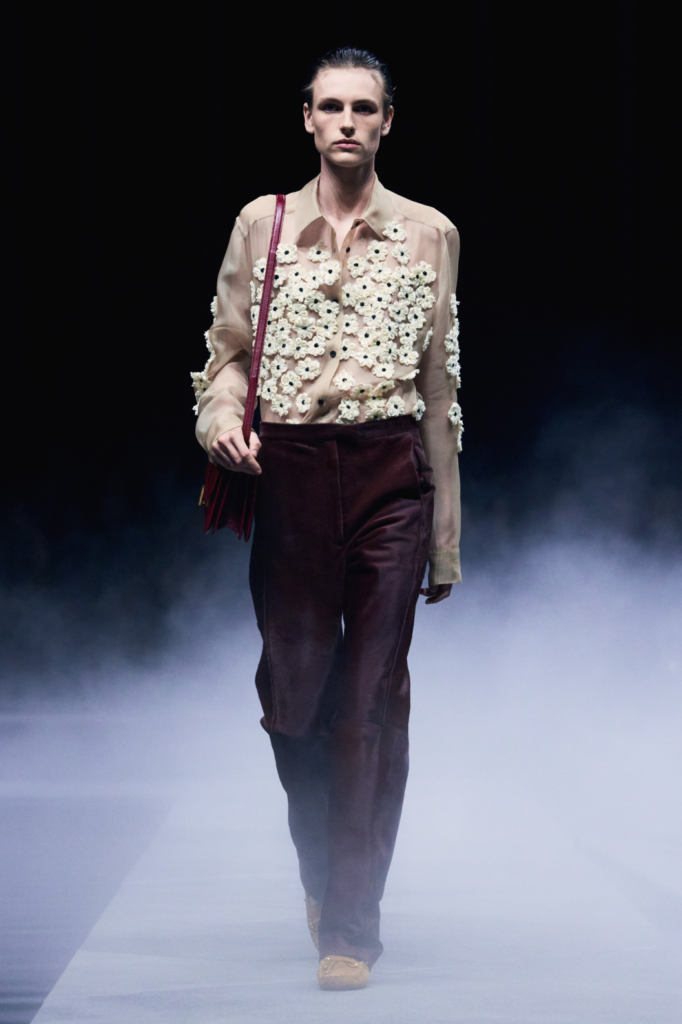
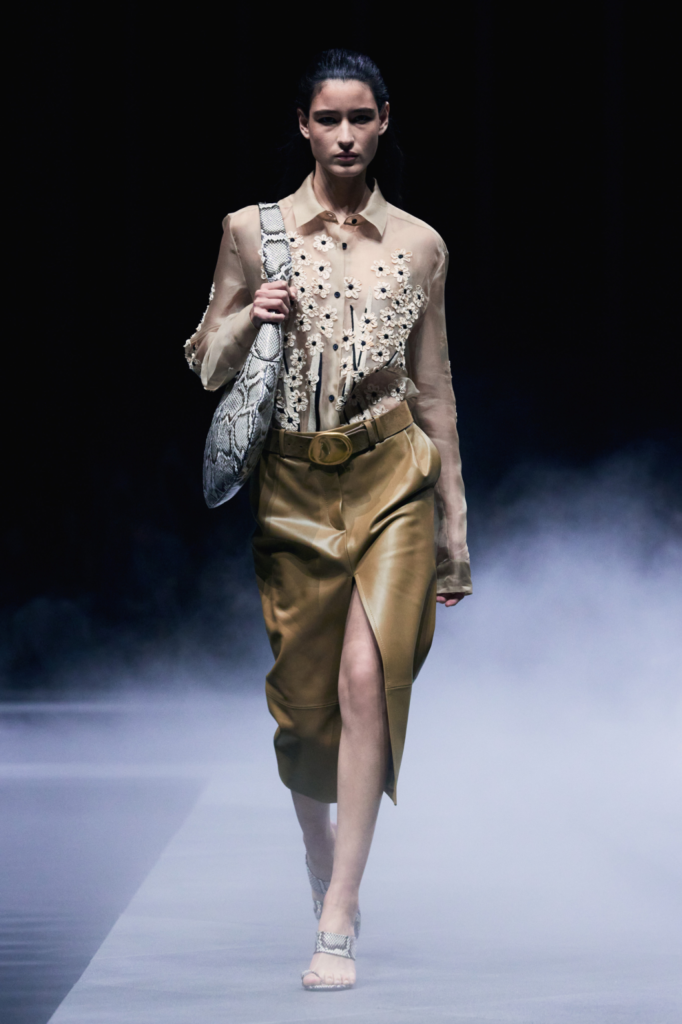
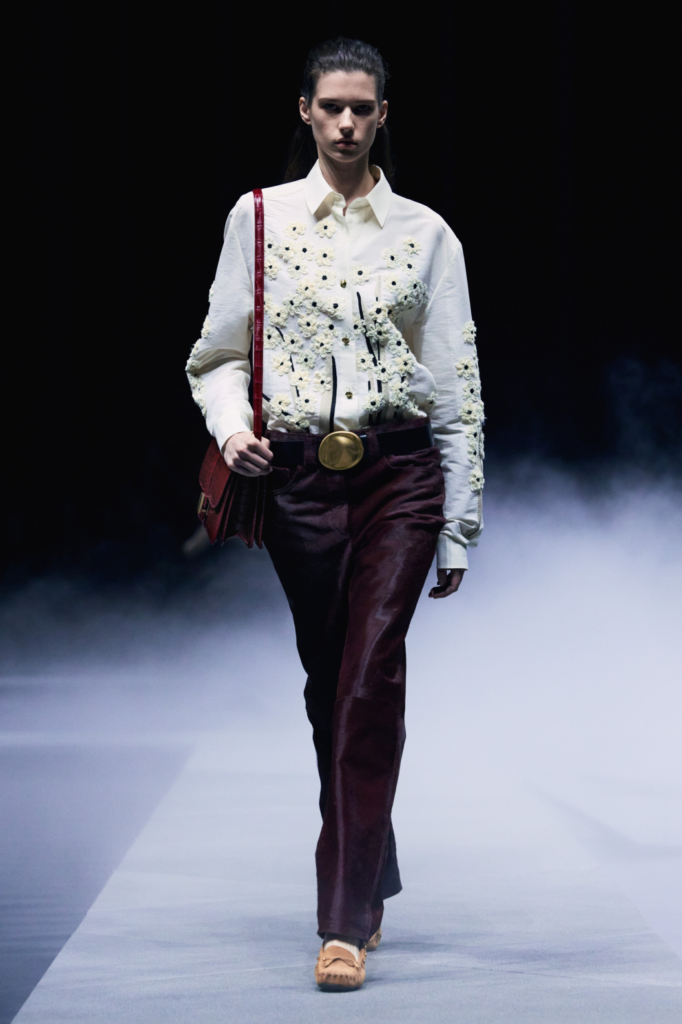
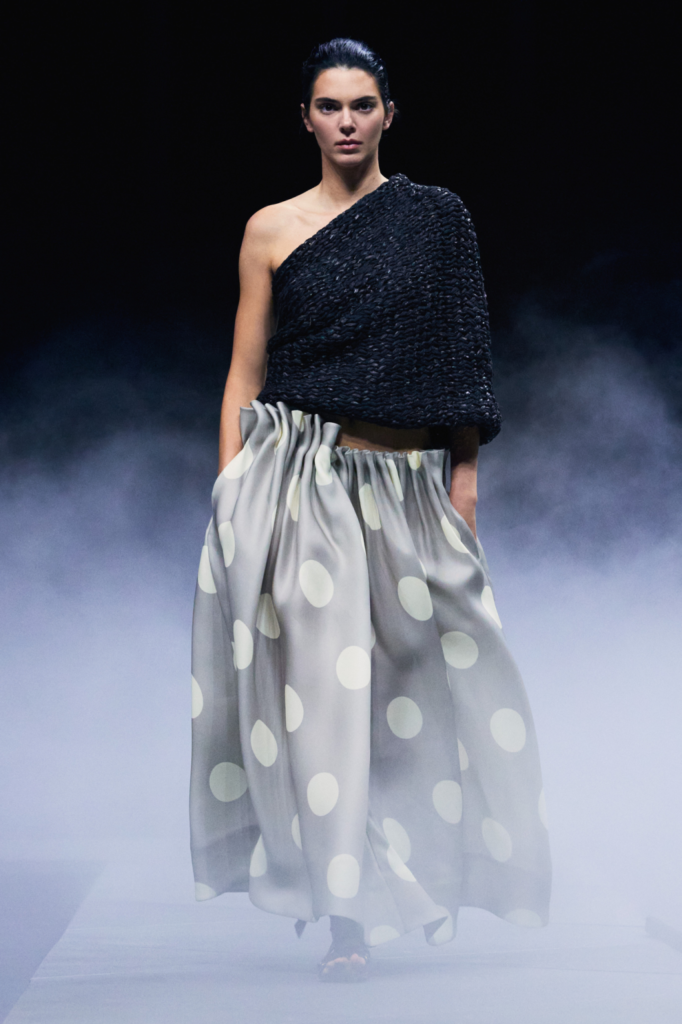
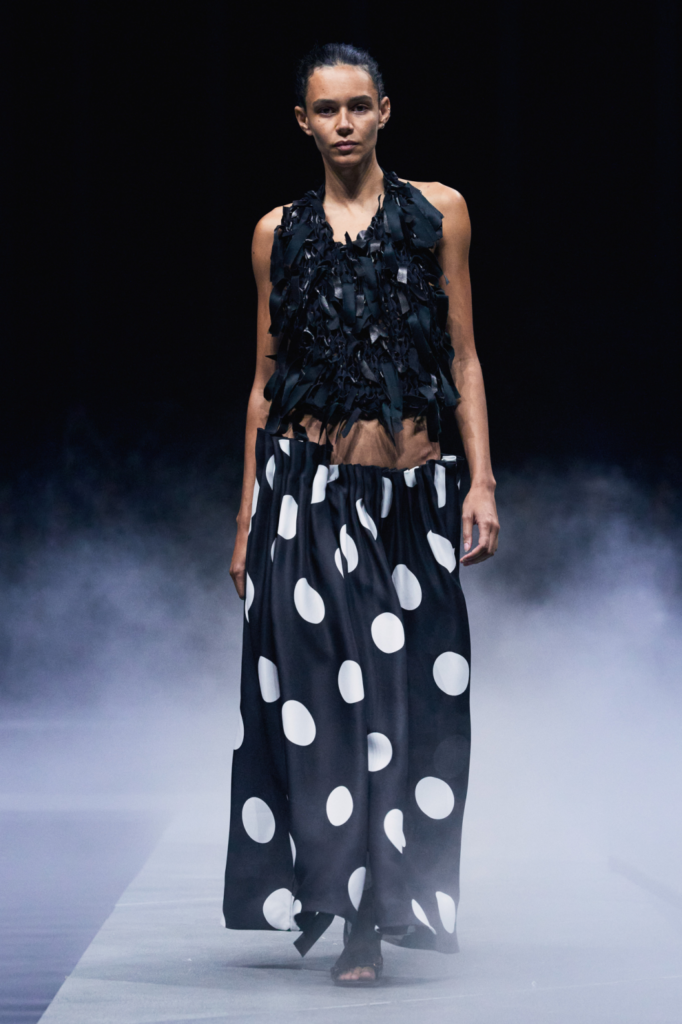
Drawing from David Lynch’s haunting aesthetic and the grit of the American Southwest, Holstein fused western codes with urban edge: pony trousers, oversized-buckle belts, distressed leathers, utilitarian jackets, and sheer floral embroidered blouses. Even the more feminine moments—hand-knit sweaters styled with voluminous polka-dot skirts, artisanal embroidery, and worn-in leathers—maintained that duality of delicacy and toughness.
For his Spring 2026 collection, Jonathan Simkhai reimagined the essence of California’s beaches through a more sophisticated lens, transforming the carefree spirit of surf and skate culture into a versatile wardrobe designed for both day and night. “Fashion is meant to uplift, to create happiness and joy,” the designer explained ahead of the show, setting the tone for what would follow.
Courtesy of Simkhai
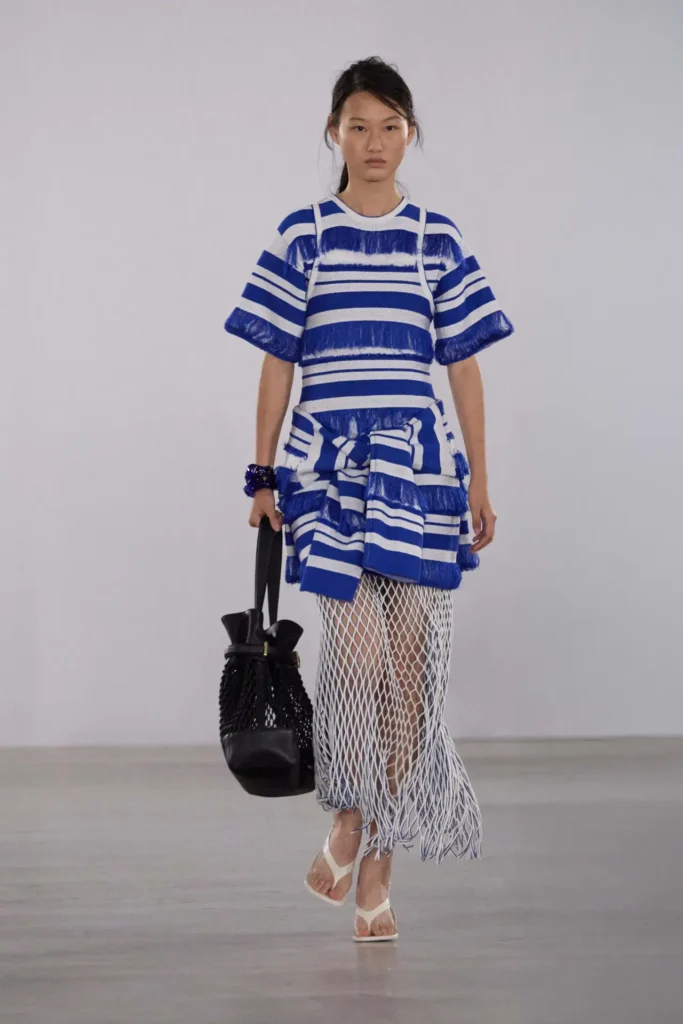
The opening looks radiated sun-drenched ease: lace dresses styled as sarongs, nylon board shorts, and knit separates embellished with crochet layered over bandeau tops captured the brightness of endless summer days. These designs nodded to his 2013 skate-and-surf-inspired collection — created when the brand was still in its infancy with limited resources — now reinterpreted with luxurious fabrics, refined finishes, and precise construction that highlight Simkhai’s growth and maturity.
Courtesy of Simkhai
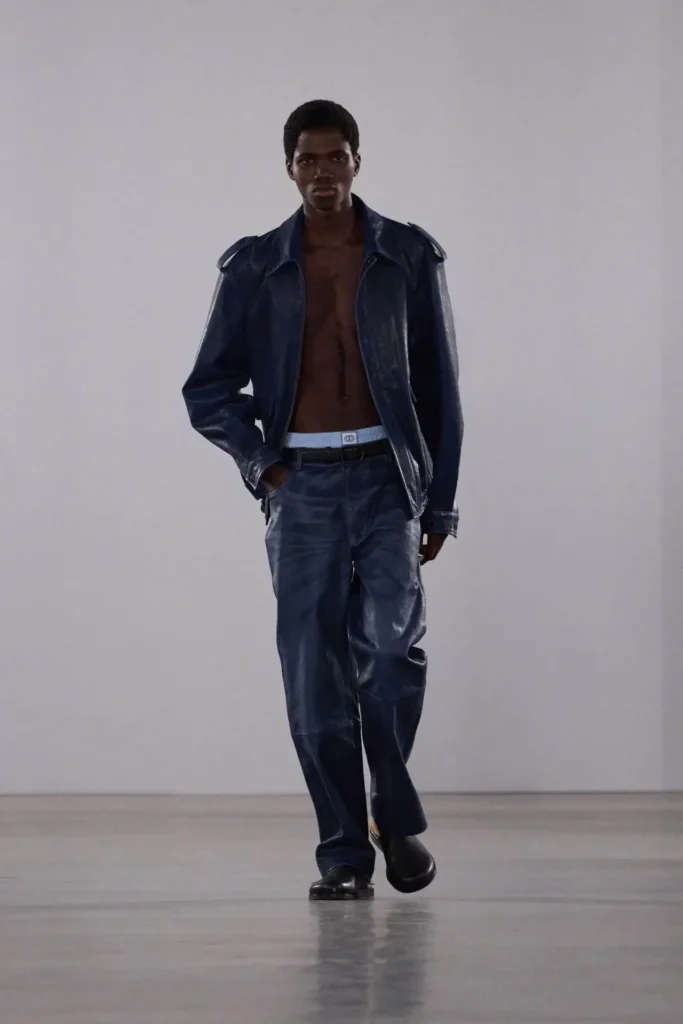
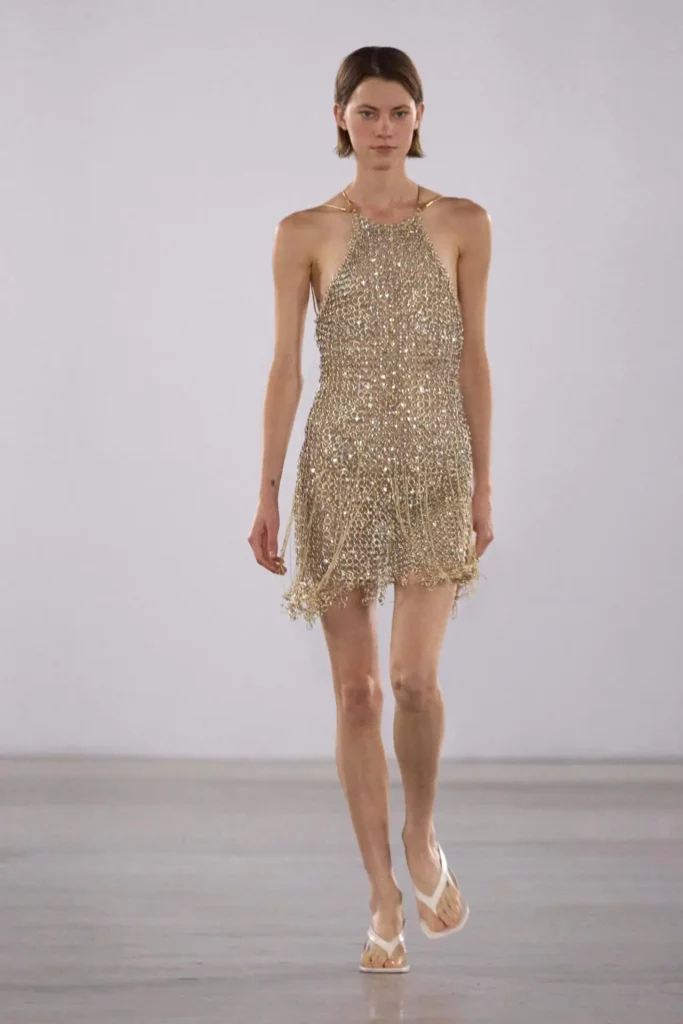
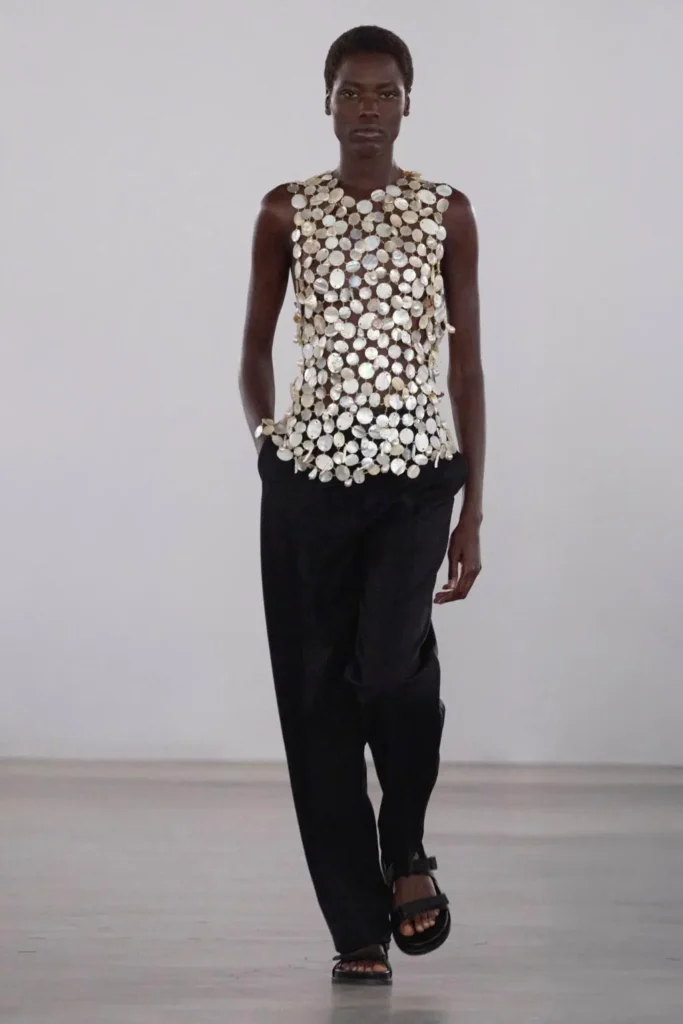
As the show progressed, the mood shifted toward a more urban and nocturnal vibe. Standout pieces included navy leather blazers, sun-faded trousers, crisp white satin bomber jackets, and deconstructed denim, paired with sheer ribbed tanks, pearlized shell mini dresses, and looks designed to sparkle around a beach bonfire. The effect was a blend of bohemian freedom and polished glamour.
Courtesy of Simkhai
Accessories anchored the getaway narrative: fashion-forward flip-flops, artisanal net bags, and shell accents enhanced the coastal mood, while oversized totes and sleek backpacks added practicality for the modern, on-the-go woman.
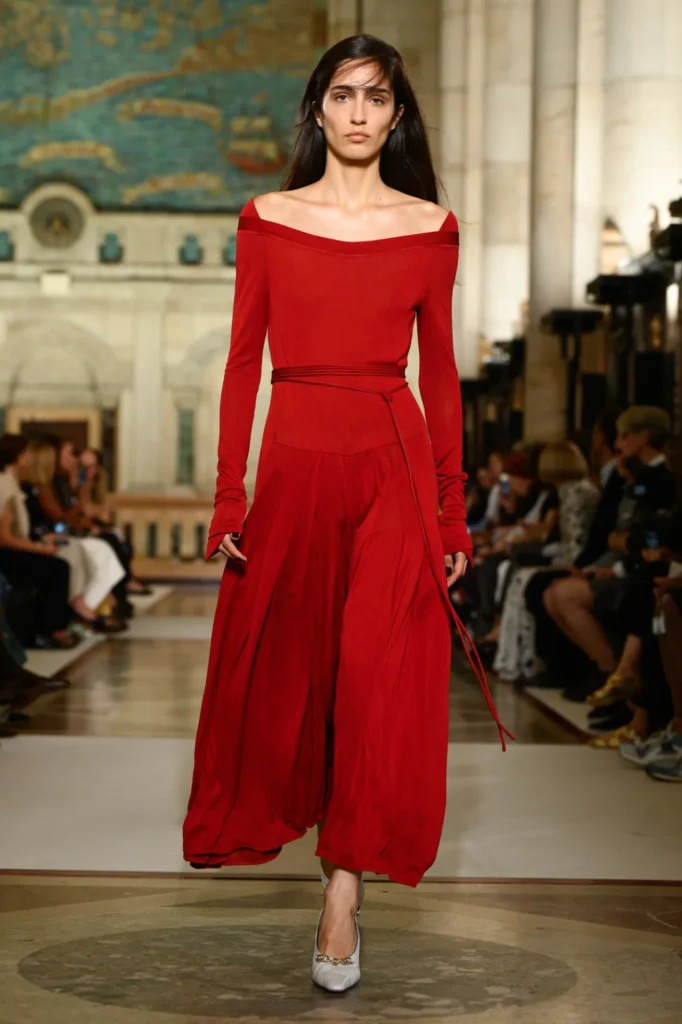
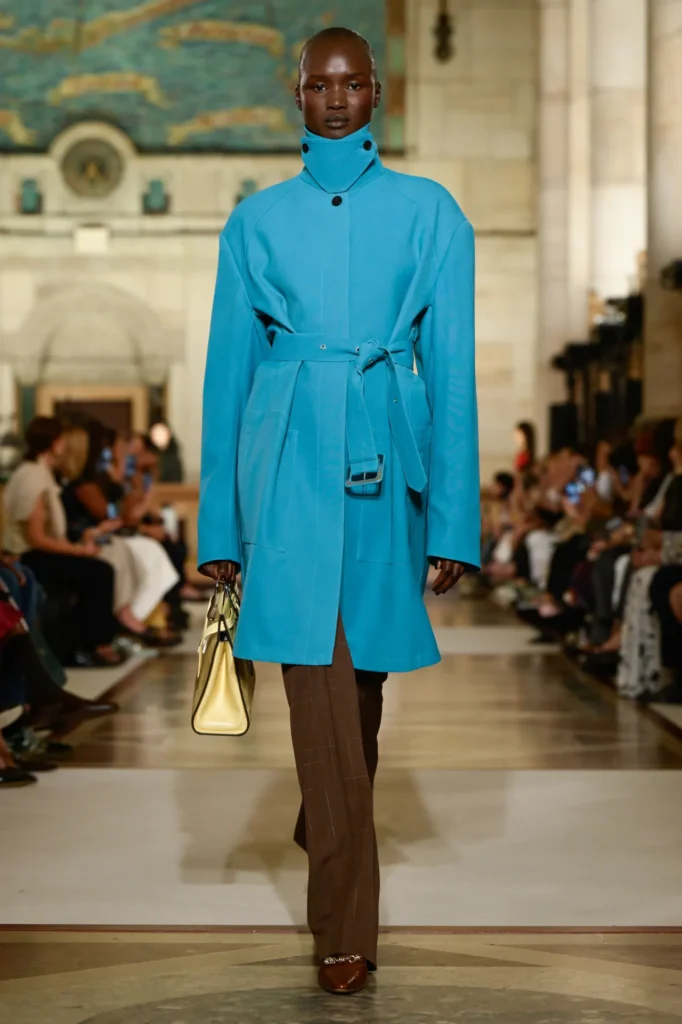
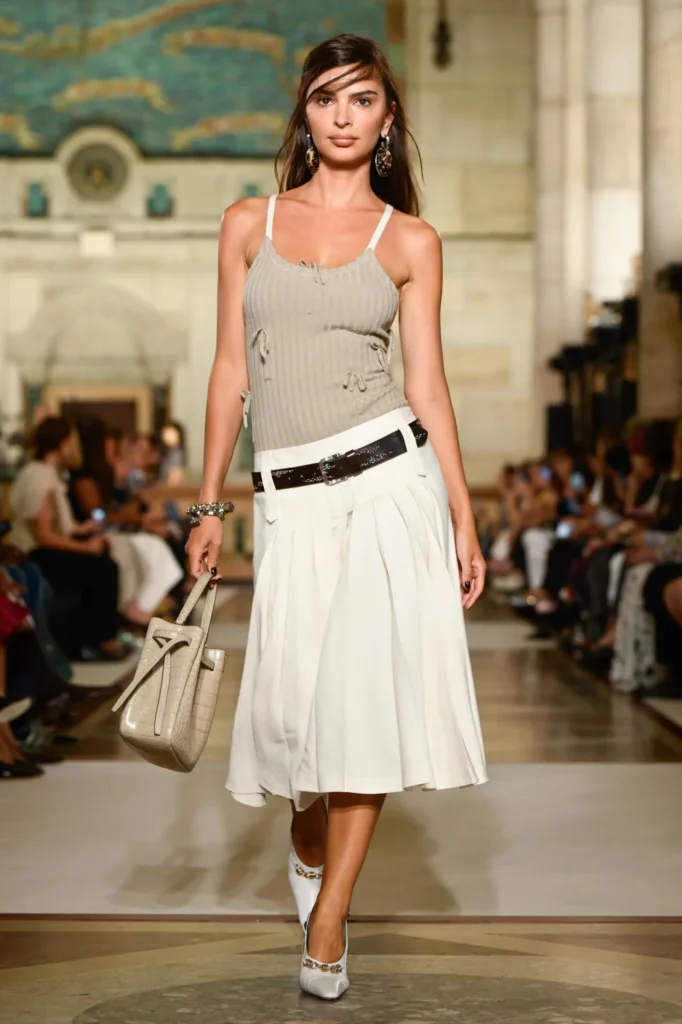
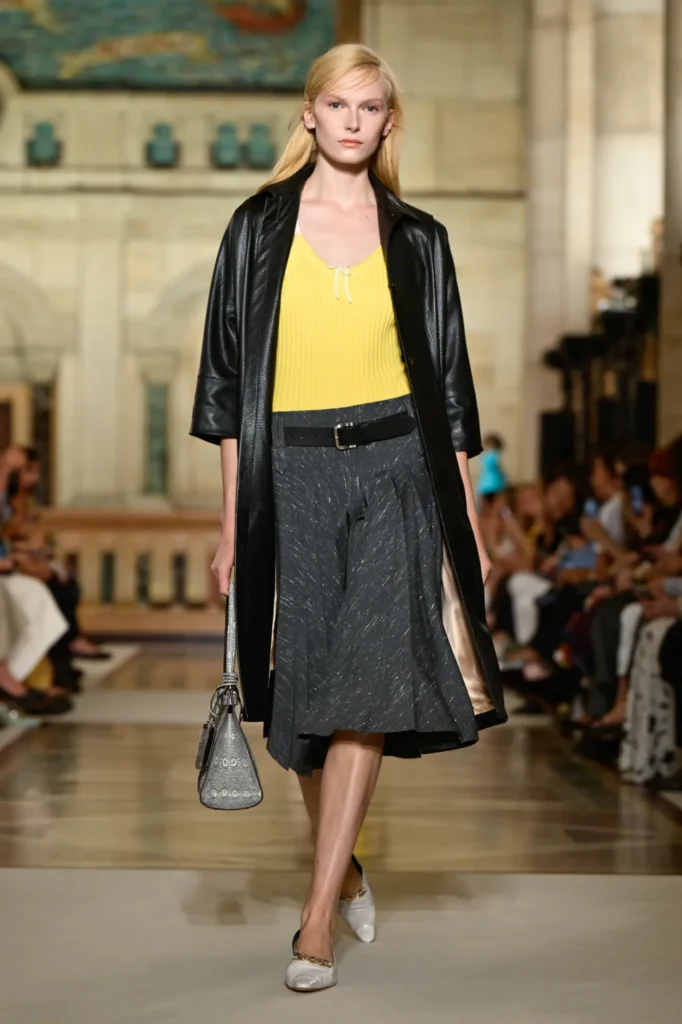
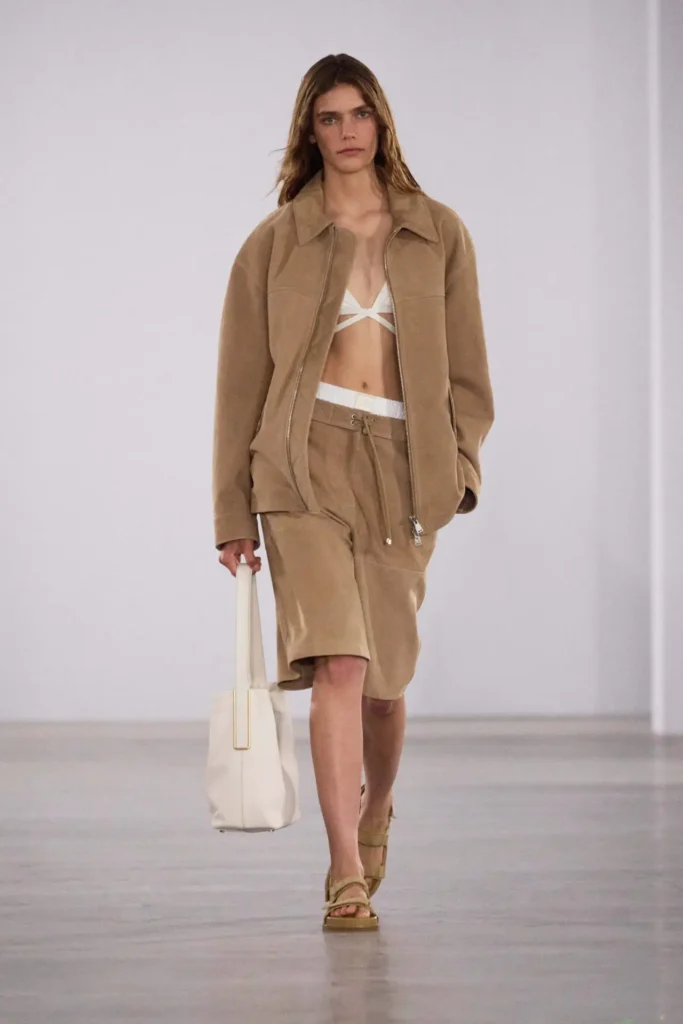
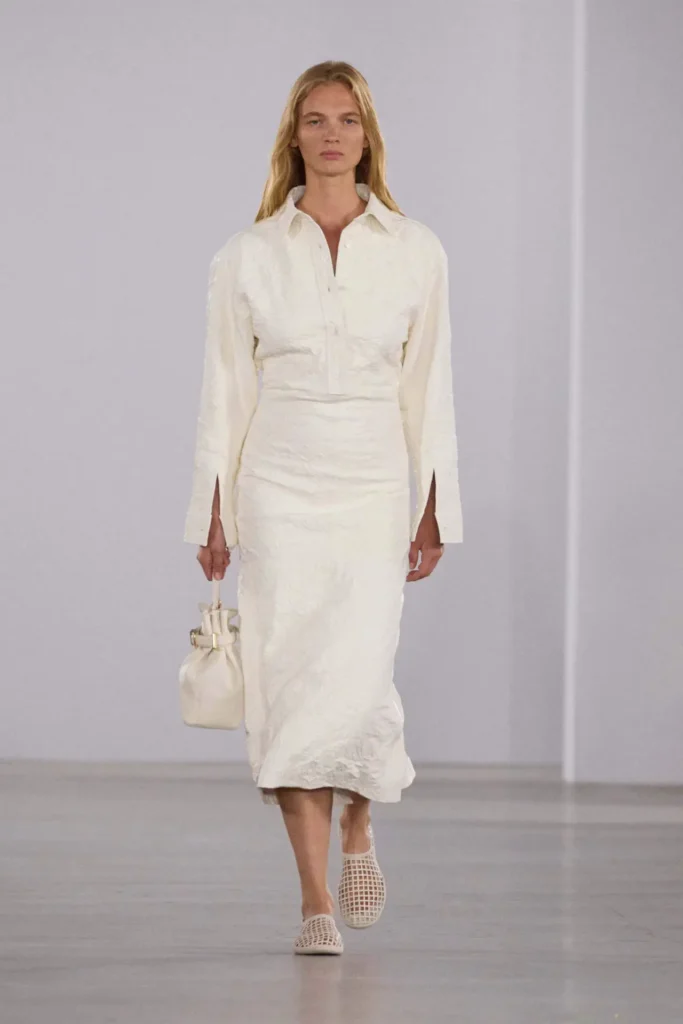
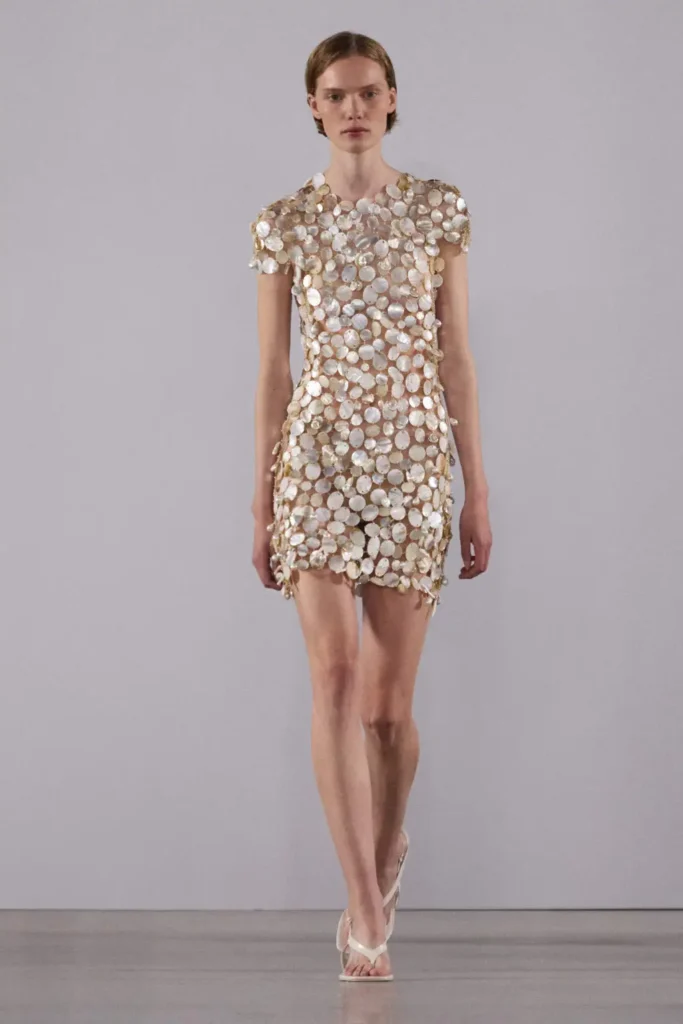
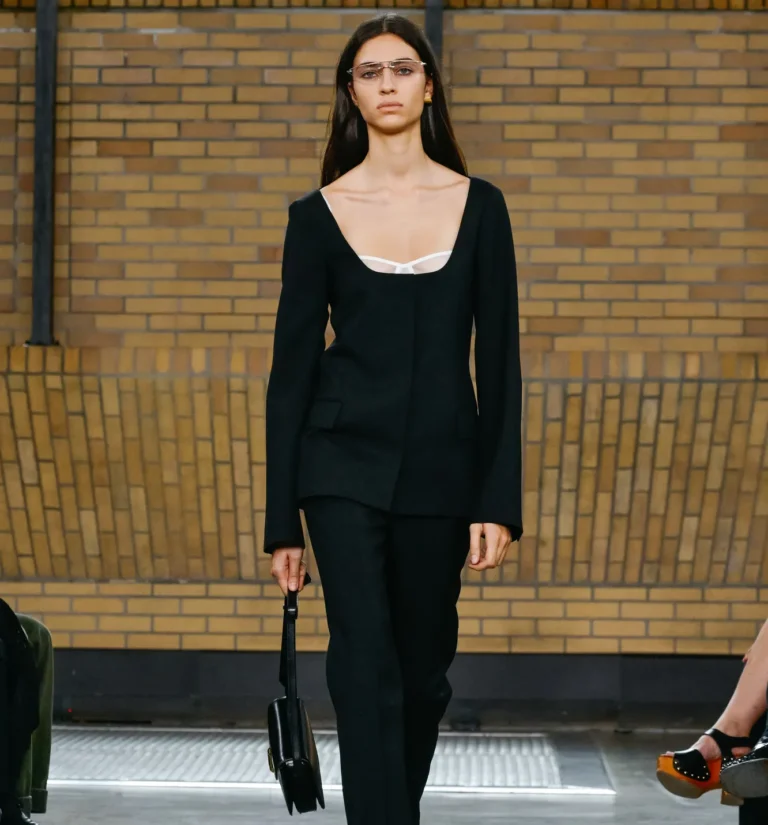
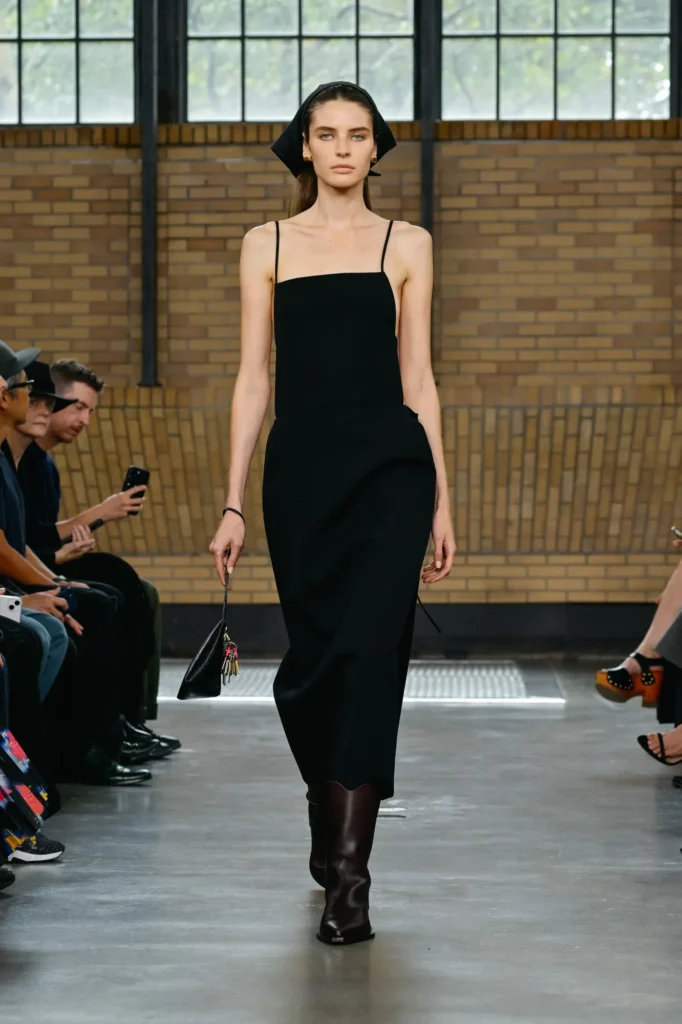
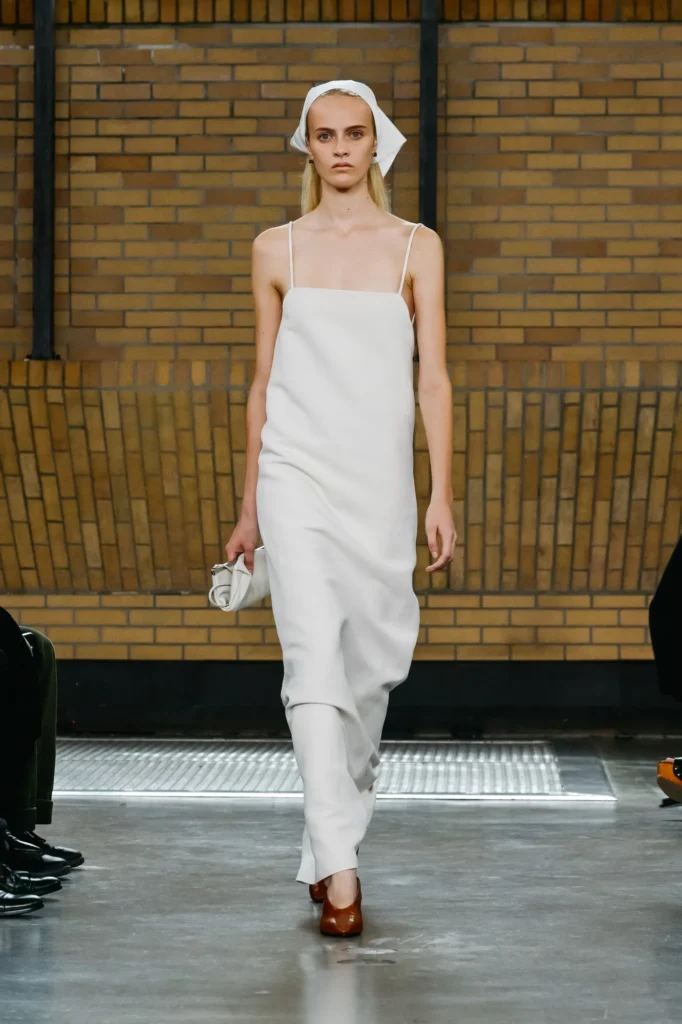
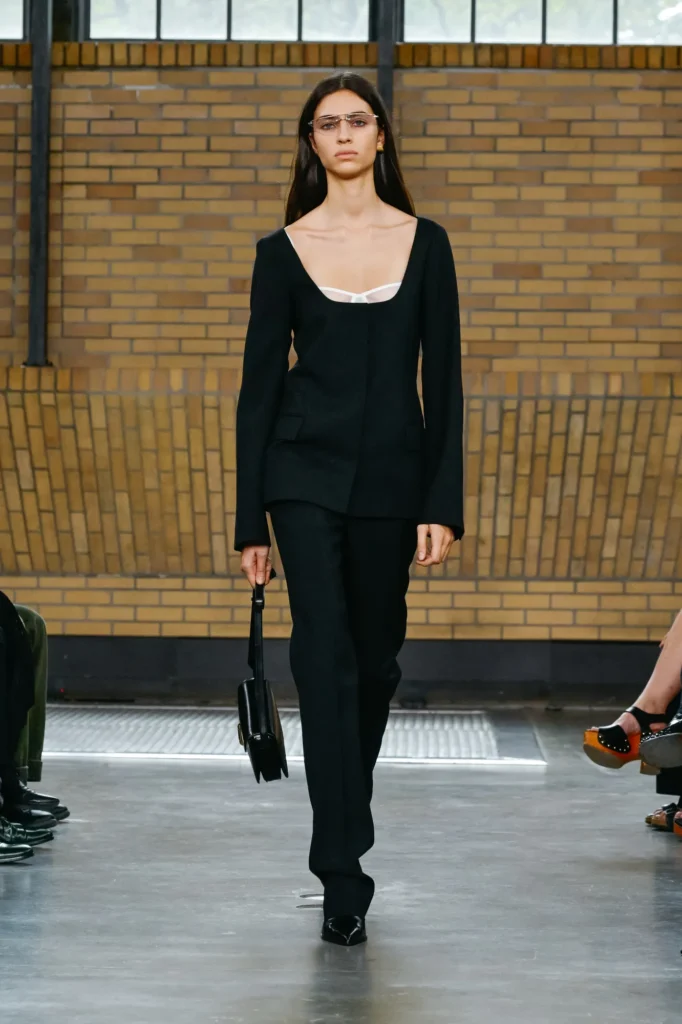
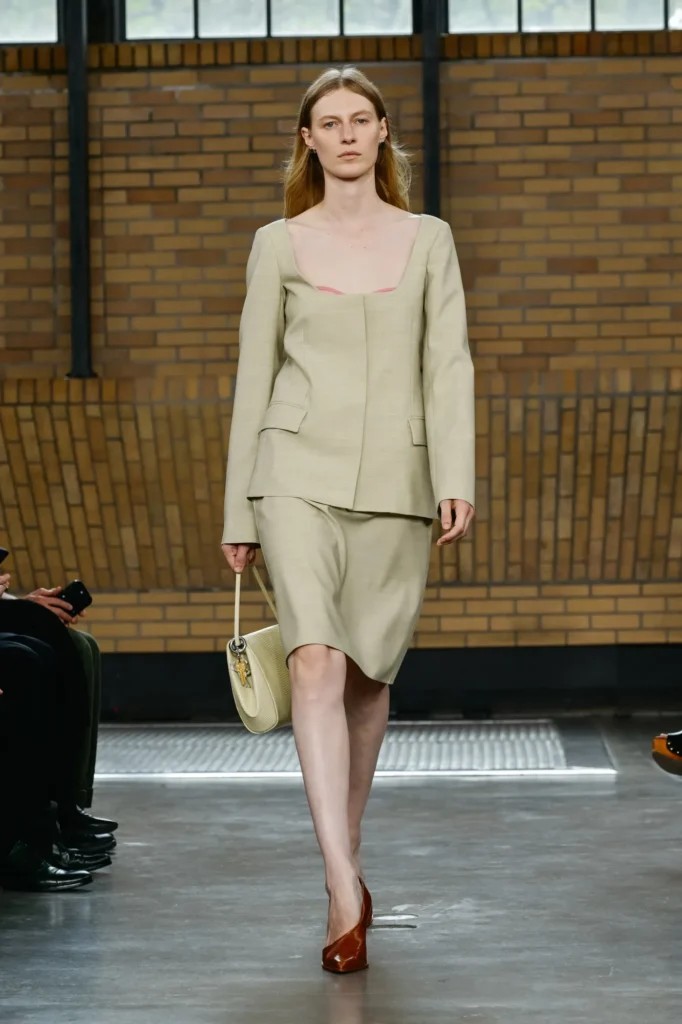
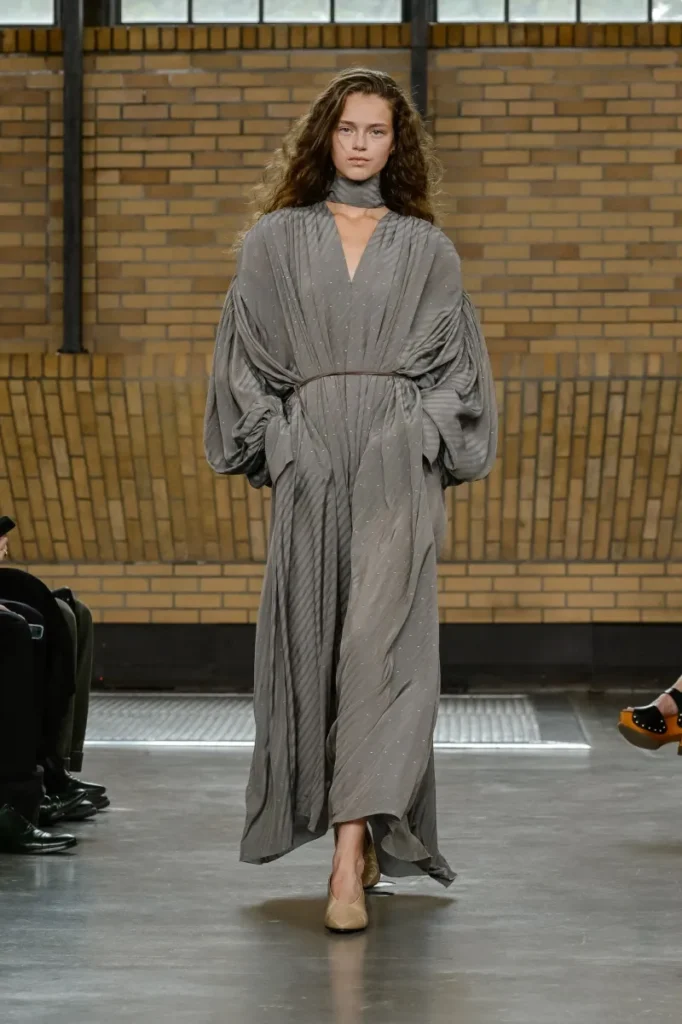
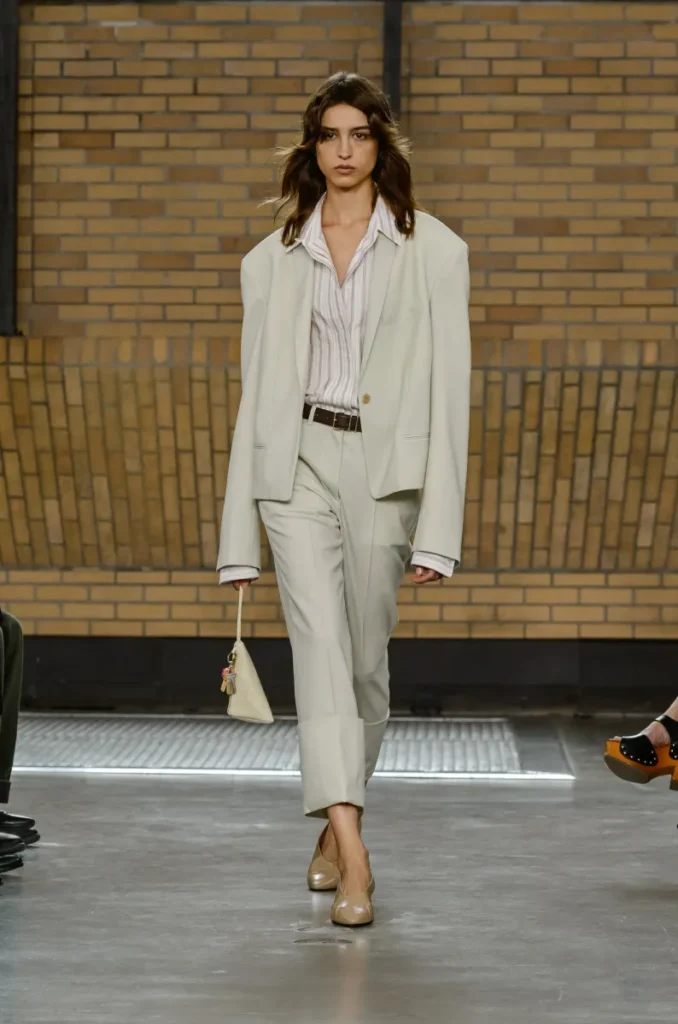
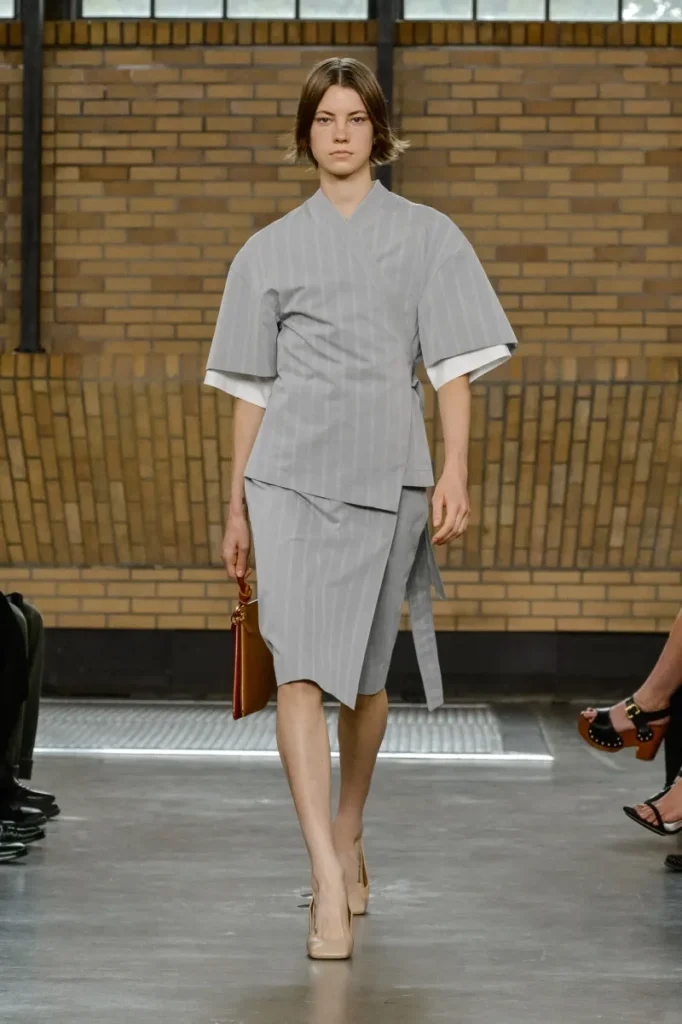
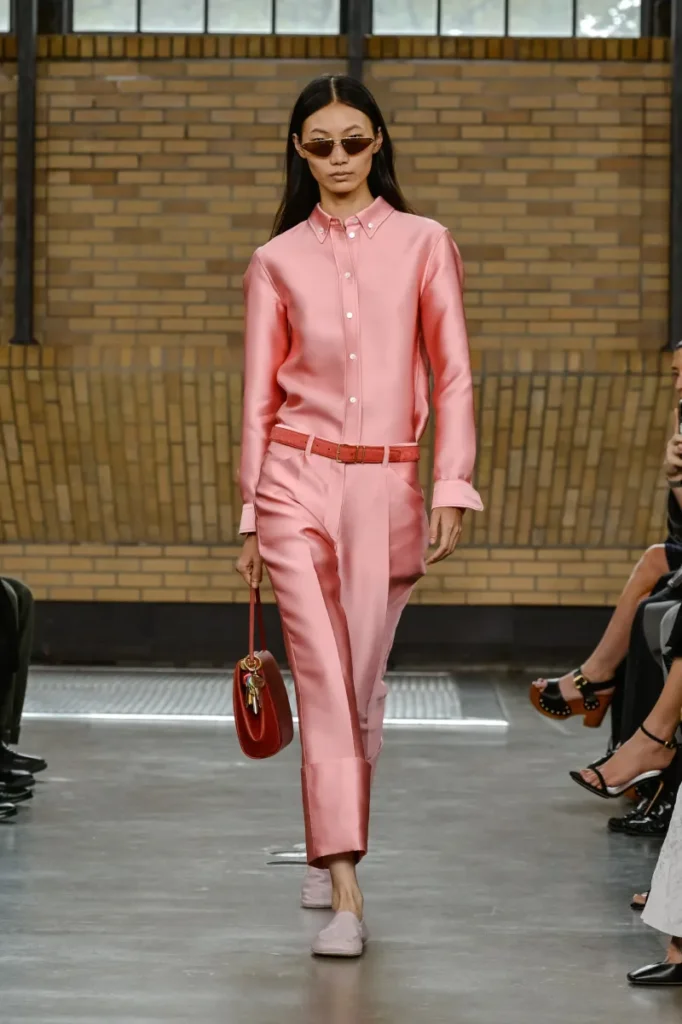
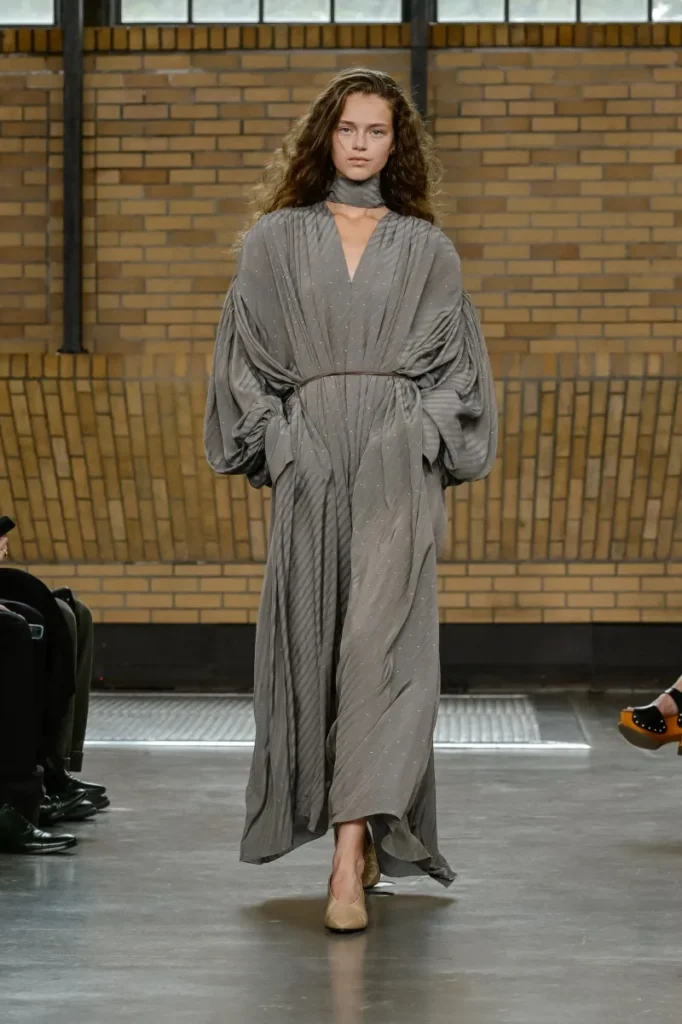
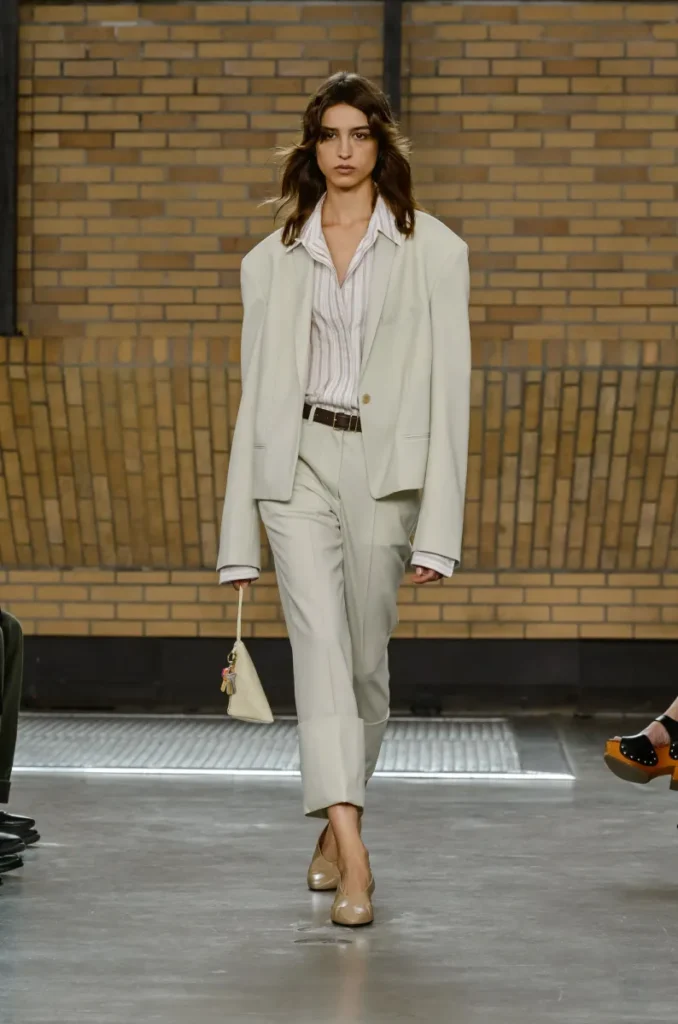
For her second collection at Calvin Klein, Veronica Leoni delivered a powerful statement that balanced intimacy with spectacle, translating the restless energy of New York into a lineup defined by minimalism, restrained sensuality, and a sharp reinterpretation of the house’s cultural legacy.
Courtesy Of Calvin Klein
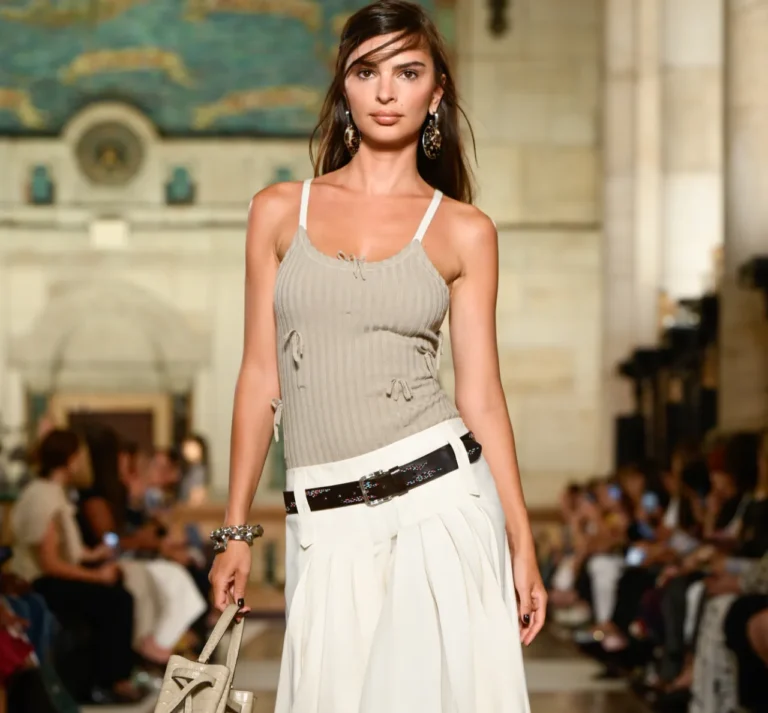
Staged at the Brant Foundation in downtown Manhattan, the show unfolded in an intimate atmosphere that felt undeniably modern. The front row featured Solange Knowles, Emily Ratajkowski, Lily Collins, Rosalía, and Jung Kook, underscoring the cultural resonance of the brand today. From the very beginning, Leoni made clear her intent: to capture not only clothes, but the state of mind Calvin Klein has always represented—freshness, confidence, and effortless modernity.
Courtesy Of Calvin Klein
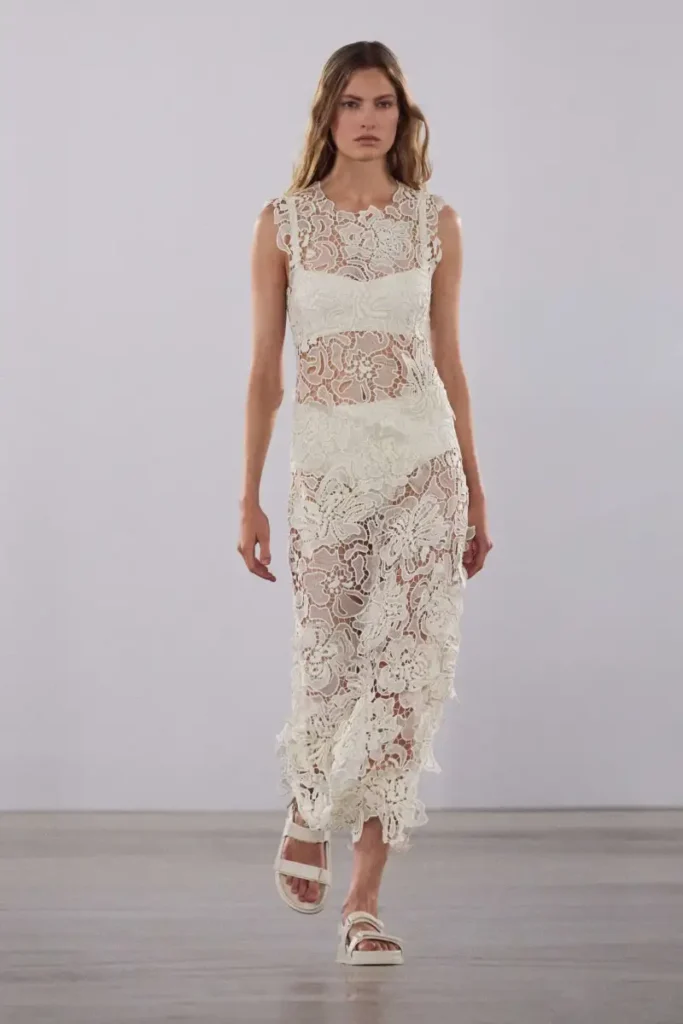
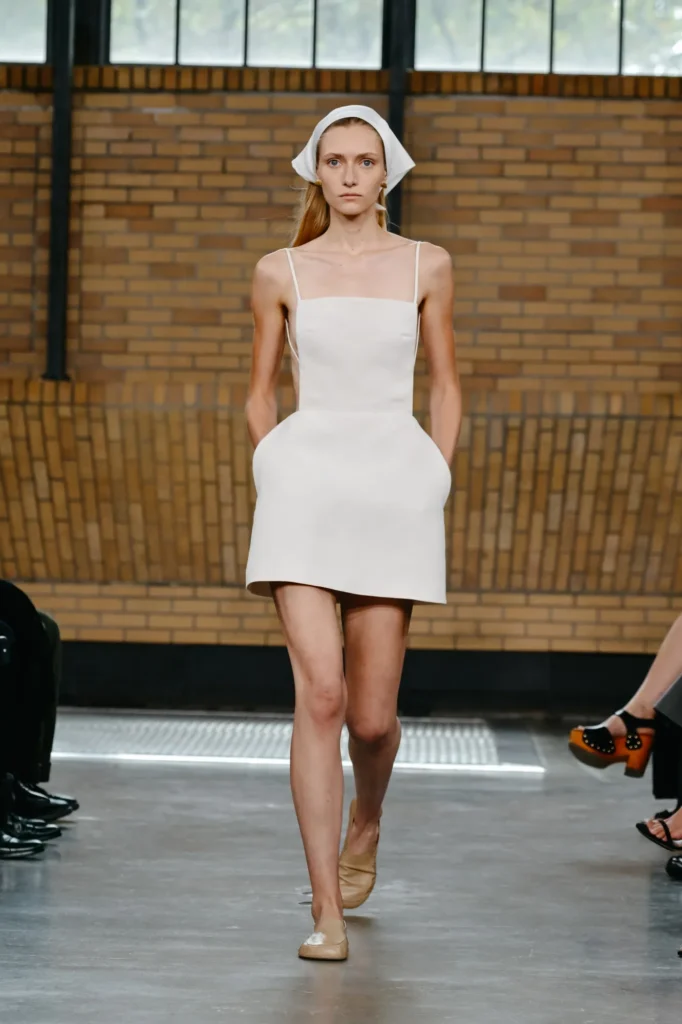
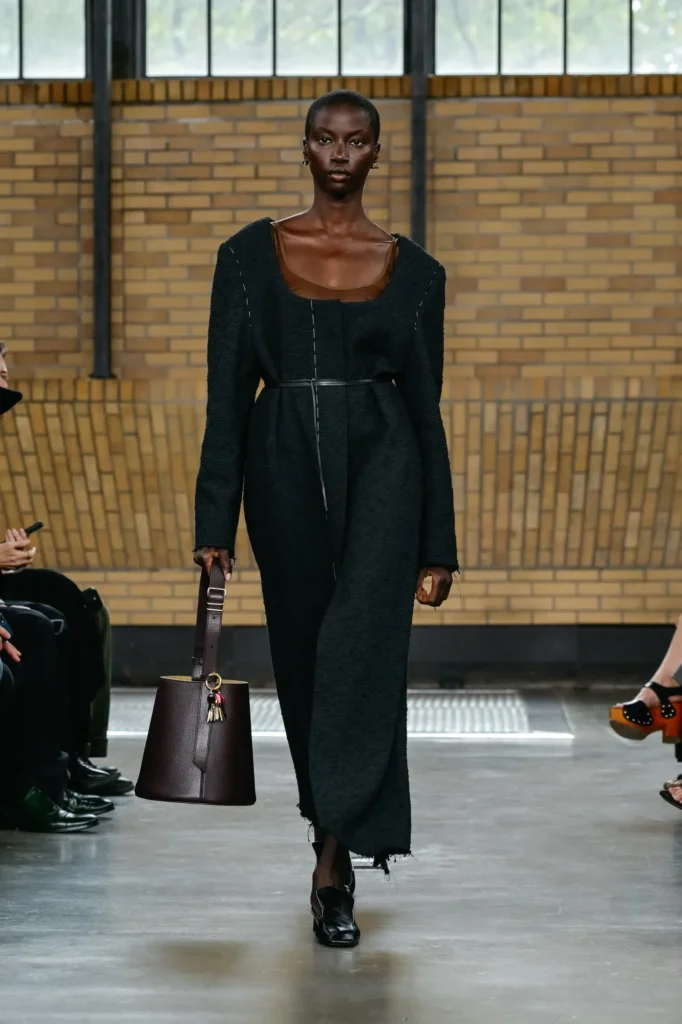
The collection opened with apron-style dresses in crisp cotton and structured silk, moving into sharp tailoring with plunging jackets that revealed sheer, technical balconette bras. The dialogue between purity and seduction remained a through line, echoed in silk foulard dresses draped with archival 1974 florals and a strikingly minimal monastic coat.
Courtesy Of Calvin Klein
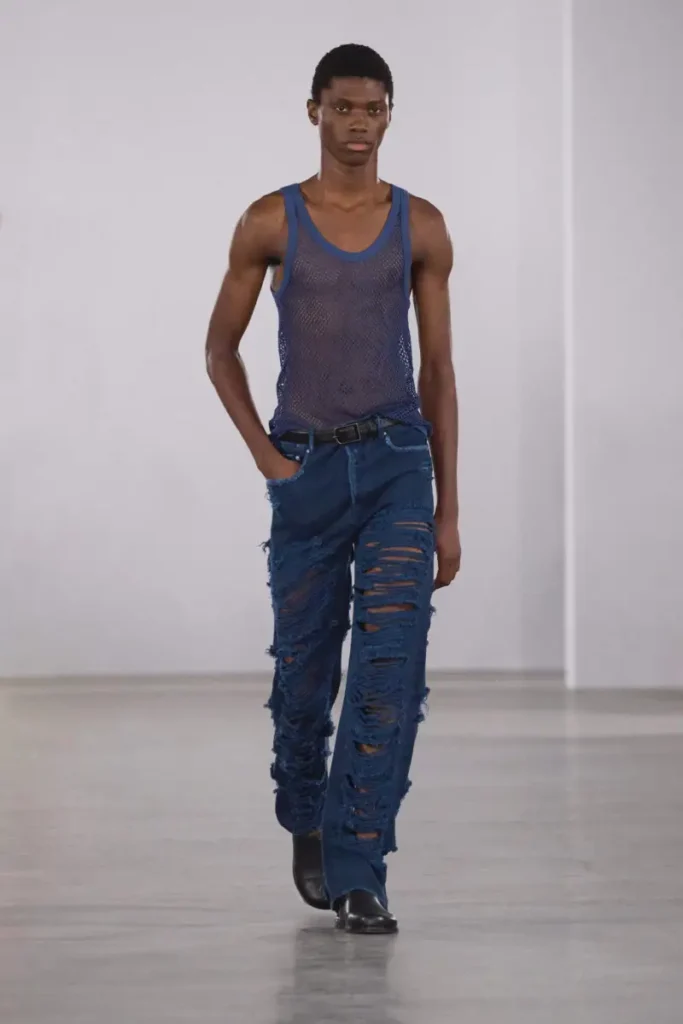
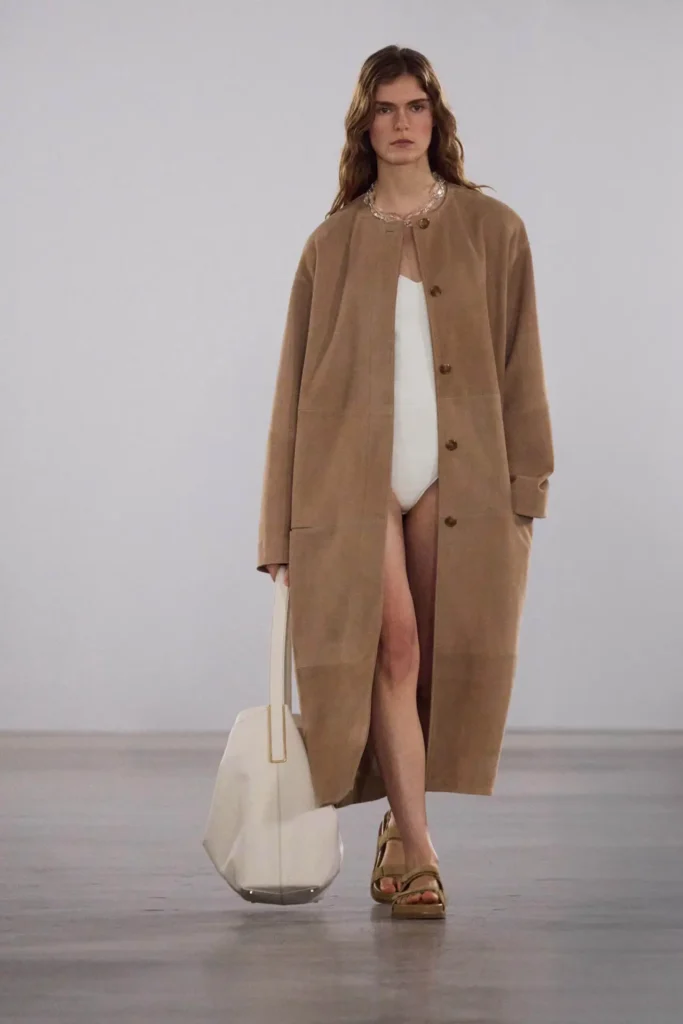
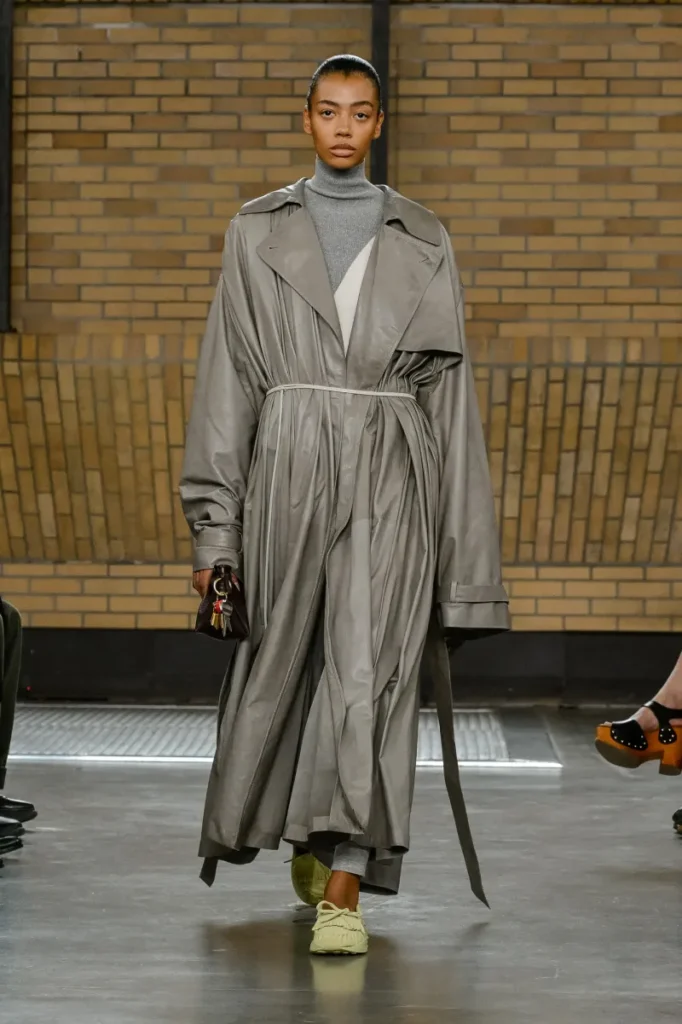
True to Calvin Klein’s DNA of underwear and denim, Leoni expanded these codes into new territory: oversized five-pocket jeans, couture-level tweed dresses interwoven with the iconic logo waistband, and accessories—including sunglasses—that referenced the same signature elastic. Standouts included crinkled gray leather trenches, oversized cargo shorts and trousers, and playful cheerleader organza pom-poms attached to minimalist slip dresses.
Courtesy Of Calvin Klein
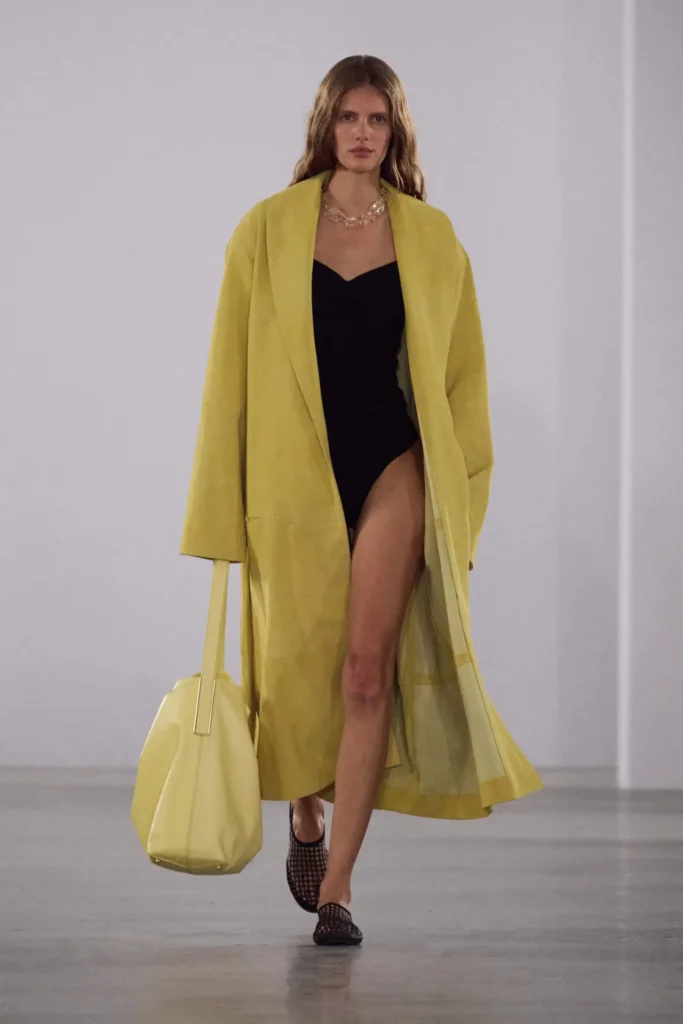
Leoni also envisioned looks that seamlessly transitioned from day to night: butter-yellow leather trenches for mornings, bikini-draped silk dresses for afternoons, and laser-cut leather bathrobes mimicking towels with a sensual, luxurious twist for evenings. The overall effect was a cinematic yet grounded portrait of the global New York woman, straddling everyday reality and aspirational fantasy.
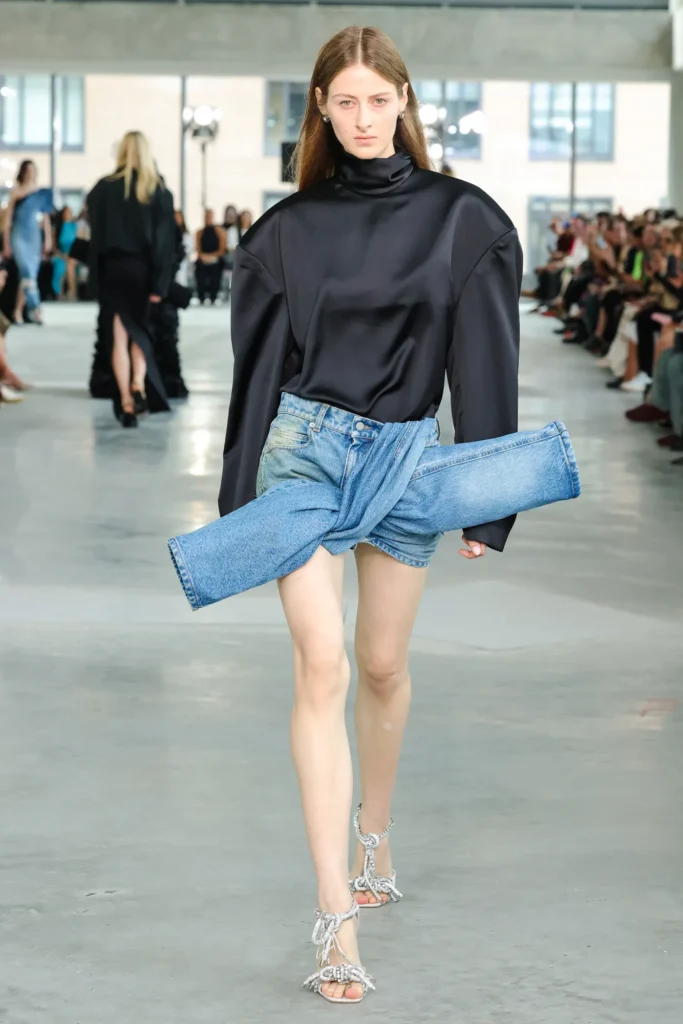
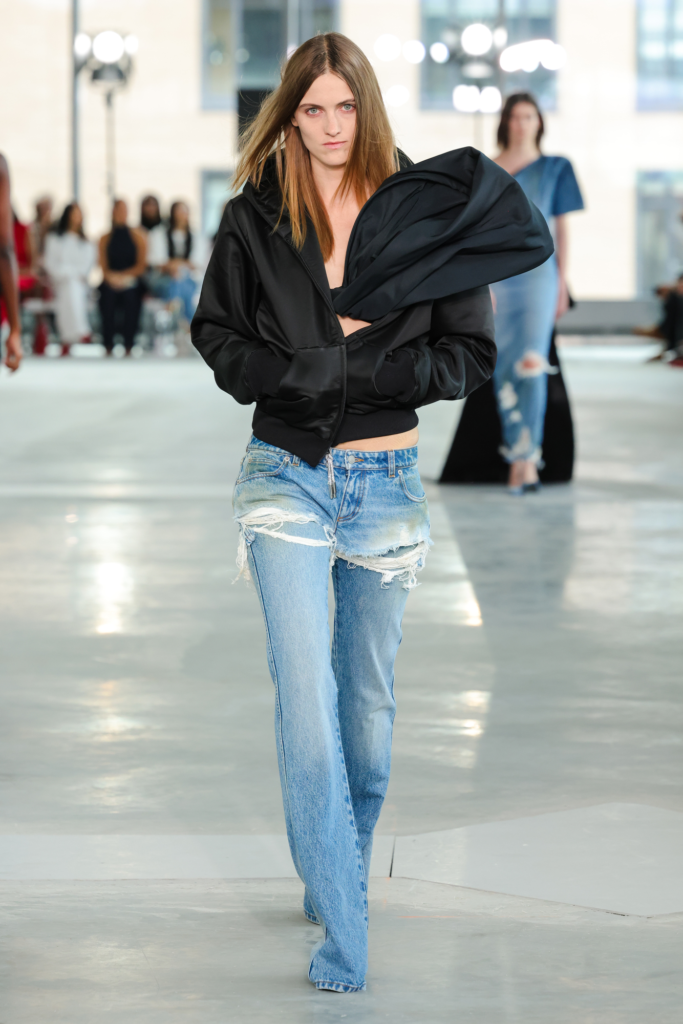
Nicholas Aburn’s first collection for Area signaled a powerful shift for the New York label, redefining its signature fantasy-driven nightlife aesthetic by blending it with versatile, ready-to-wear pieces for everyday life. “In New York, everything feels possible,” Aburn explained during a preview, pointing to the city’s relentless optimism as the core inspiration behind his debut.
Courtesy Of Area
Instead of limiting Area to its well-known nighttime glamour, Aburn introduced a new daytime vocabulary: oversized satin sweatshirts with dropped shoulders, sheer fitted tops with subtle under-bra detailing, and tailored pants accented with corset-like touches. All black, undeniably sensual, and effortlessly downtown cool, these looks brought a fresh sophistication to the label.
Courtesy Of Area
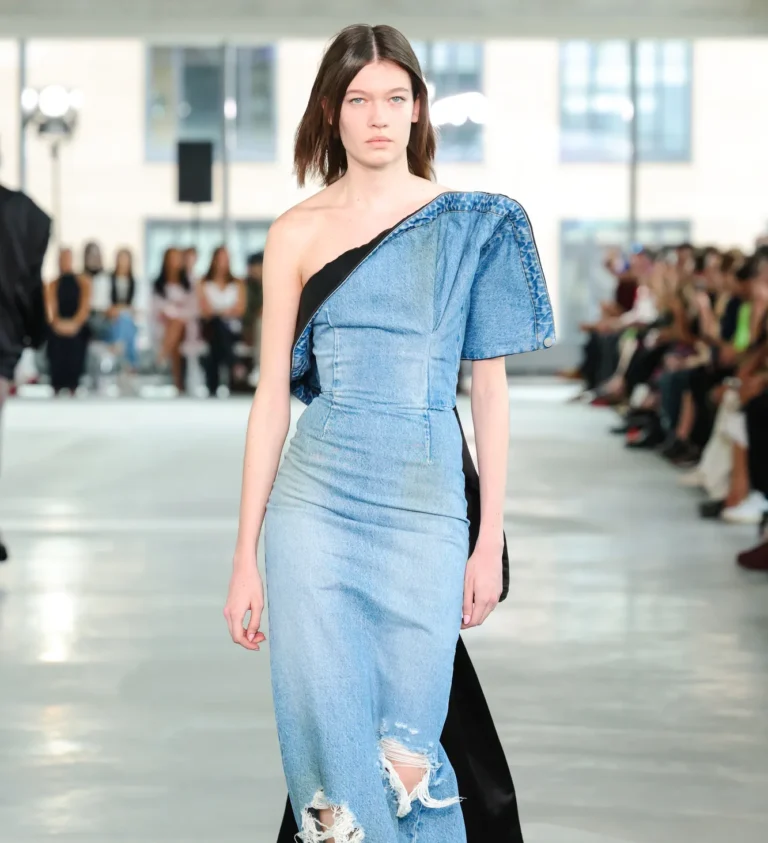
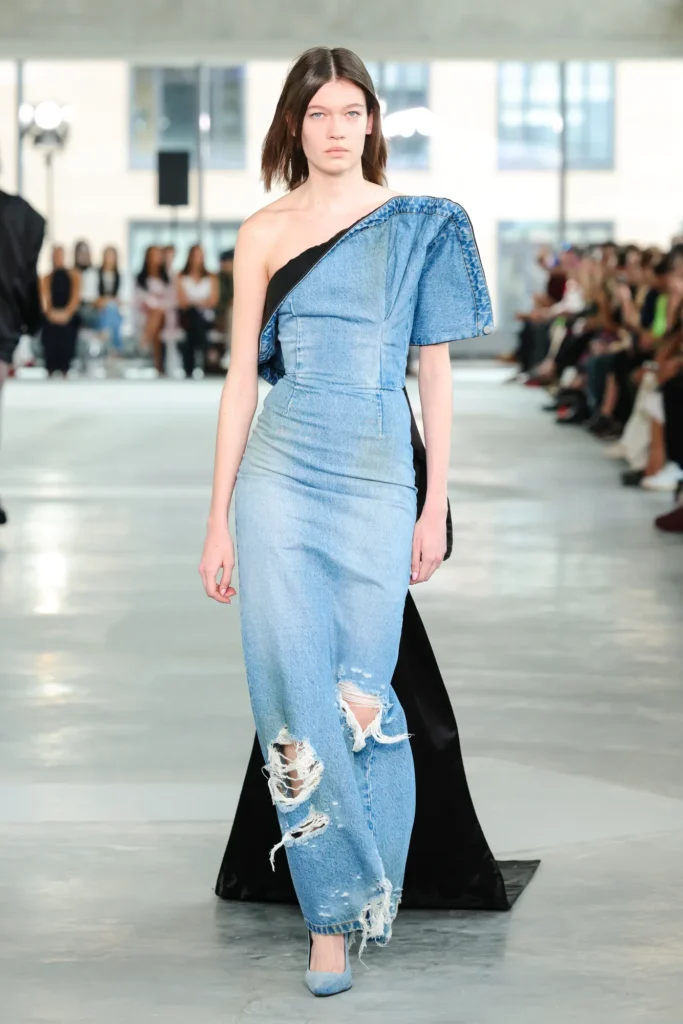
Denim, one of Area’s house codes, was reimagined with experimental flair—cutouts, crystal embellishments, and sculptural transformations. Some jeans morphed into skirts, while others became statement dresses or bows, proving Aburn’s ability to balance conceptual fashion with wearable boldness.
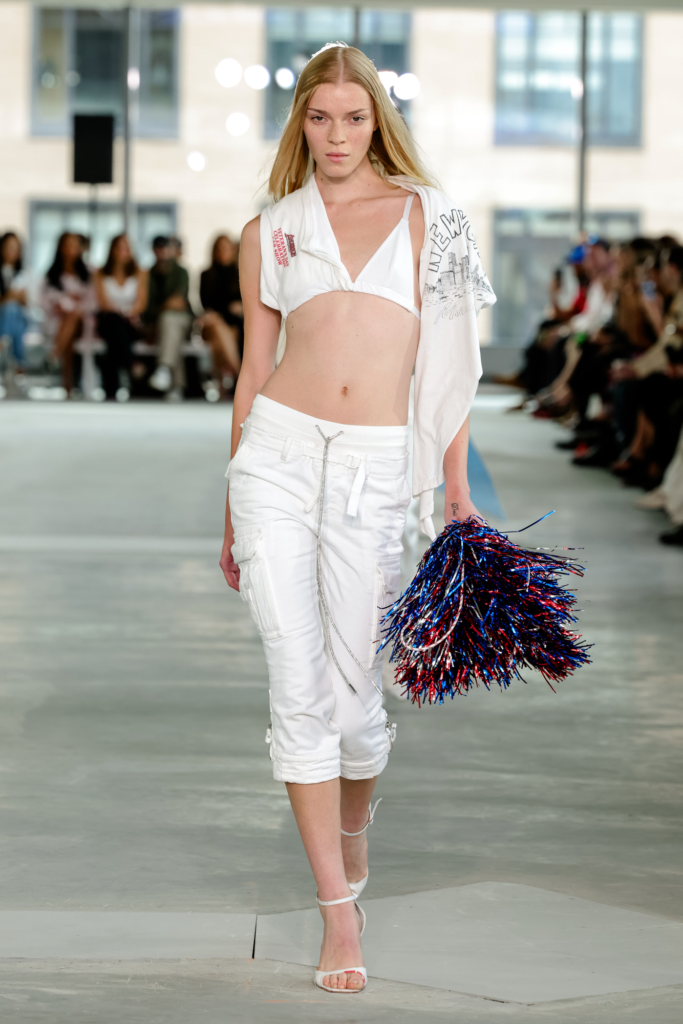
As the show progressed, Area’s signature drama came roaring back: a crystal rope cascading down the body of a dress, a giant multicolor pom-pom, metallic XXL sequins wrapping around silhouettes, and dazzling streamers that moved with theatrical energy. Several pieces paid tribute to former creative director Piotrek Panszczyk, whose extravagant vision Aburn acknowledged while infusing it with his own sensibility.
Courtesy Of Area
With this debut, Aburn positions Area at a new crossroads—breaking down the boundaries between day and night, reality and fantasy. The result is a world where sensuality, experimentation, and fresh urban glamour coexist, signaling a confident new chapter for the brand with undeniable global ambition.
What Can We Learn From The Love Stories On The Summer I Turned Pretty-lessons On Self Love
As I am watching the last season of the much-acclaimed Prime series The Summer I Turned Pretty, I can’t help but search for commentaries on the latest episodes online to understand where I fall in this debate. While I came across a lot of videos focusing on who’s the better brother, a small percentage of them talked about the protagonist, Belly. The ones that really caught my attention were reflections on how she was starting to lose herself in her relationship by slowly letting go of her inner dialogue. Despite being a series focused on a love triangle and love stories, episode after episode I realized how many interesting insights it gave on the topic of self-love—more specifically, on how its lack can influence how we engage with the people around us. The aim of this article is to break down what self-love, based on my experience, is and how it can help you flourish on your own or alongside someone else.
The Concept of Self-Love and Self-Discovery
“Self-love doesn’t believe you are better than others. It values confronting your flaws and accepting them as they are. It’s about growing your confidence to show up for others with high capacity and security in self,” says Tam Kaur—author and entrepreneur whose work is aimed at helping women thrive on their own—in her book Buy Yourself the Damn Flowers. I decided to start with this quote because it’s probably the first definition of self-love I came across and, as I have grown, despite finding many different alternatives, it was also the one I kept coming back to. The concept of self-love on the internet is usually tied to practices—face masks, taking a day off, getting your nails done—or described as something you have to achieve, like a box to check on a list. What I have learned is that it’s something you consistently exercise, especially on the days you don’t feel your best. I would describe it, under some aspects, as self-compassion. When you mess up or fall back into an old habit, before being so quick to judge yourself, ask: “What would I say to a friend if this happened to them?” While you would want to help them get back on track, in a delicate emotional state you wouldn’t insult them or make them feel worse. Therefore, it’s not about binge-watching your comfort movies every time you feel bad or finding excuses not to do hard things. It’s about listening to your inner voice and trying to understand what is upsetting you.
The Summer I Turned Pretty
In the book, another aspect of self-love is self-discovery, which basically means taking the time to get to know yourself and learning about all the things that make you, you. This goes beyond your favorite color or film, as it touches topics like values, boundaries, strengths, and weaknesses. Luckily, more and more people are now putting as much effort into understanding themselves as they do into understanding others. You don’t need a specific journal or to spend money to begin this journey. One of the simplest ways to start—at least for me—is to simply walk without earphones and listen to the flow of your thoughts.
For those who are passionate about the series mentioned earlier, self-discovery plays an important role during the third season. When Belly and Jeremiah announce their engagement, one of her mother’s main concerns is that she is not giving herself enough time to find out who she is. This lack of self-awareness is visible in several instances—when she starts to lose her inner dialogue (symbolizing how she is suppressing her thoughts on the relationship and her feelings), or when she gives up her dreams for the wedding. That is not to say that you can’t cultivate self-love in a relationship; on the contrary, it’s essential that you keep doing so. Because when you let yourself go, the risk is creating resentment toward your partner and living in an unhappy state. Going back to the series, even before all the problems that came to the surface in the last episodes, we see how Belly had the chance to explore different parts of who she is when given the opportunity to study in Paris. That could have been a time to grow on her own while still being in a relationship. But when she gives it up, it symbolizes more than just renouncing a trip—it shows how her personal growth is overshadowed by her romantic relationship. And while there may be compromises you will make with your partner, your values and your dreams should not be on the table.
Learning How to Be on Your Own
Self-love teaches us that we can thrive on our own and don’t have to rely on someone else to feel happy. And while this concept seems easy to grasp, it’s not usually the one best portrayed in series or movies, as the happy ending almost always shows the feeling of completeness secured through another person. Take, for example, the finale of Sex and the City, the beloved ’90s series. While I am a big fan of romance, from the first season the purpose was to portray the lives of successful, messy women in their thirties who were, as defined in the series, each other’s soulmates. Despite the original plot line, the sixth season especially became highly romance-driven, which was very distant from its original purpose.
Being with someone should increase an already existing happiness, not be the factor that dictates whether this happiness exists or not in the fi rst place. In the summer i turned pretty fi nale neither of the brothers would be a happy ending if Belly doesn’t take the time to learn how to be ok (and more) on her own.
And how can we learn it as well?
One of the first things would be to define what happiness means to you. We see so much advice online, but what works for others may not work for us. It could be traveling, your career, a specific hobby, or focusing on your health. It’s more than possible to enjoy by yourself what you usually do with others. From my experience, what I have learned is that spending time with yourself doesn’t mean putting your headphones on and mindlessly walking around the city. It’s more about being present in the moment, people-watching, and reflecting on what has been going on lately in your life. Since keeping everything in your head can be messy (at least for me), writing it down or sending a voice note to yourself is both an efficient way to clear your mind and a nice memory to look back on in the future. But my most important advice would be that self-love (and its practices) is something very personal. Take inspiration from others while still tailoring it to your own needs. Just because you don’t like to travel alone doesn’t mean that self-love isn’t for you; it just means that traveling alone isn’t for you.
It’s Not a Box to Check, It’s a Journey
While a lot of people may think you need to isolate yourself to practice self-love at its fullest, this is a common misconception. Being kind, understanding, and showing up for yourself is a lifelong journey, something you have to keep practicing as time passes. Therefore, you don’t have to wait for a specific moment to start, nor do you need to put your relationships on pause. It is very possible to thrive in friendships and grow with your romantic partner while still taking the time to know yourself on your own. Especially in this season, you will come across a lot of videos on social media telling you to “lock in” or “disappear for 6 months.” Both tactics could help you be more productive, but sometimes they come with the cost of isolation—which is not what humans were meant for. Let those videos be your inspiration for strategic productivity, but keep in mind that you are still allowed to nourish your relationships.
My last reflection on the series is that it really did a good job representing how it feels to get lost in someone else and suddenly wake up. It’s not bad at all to desire spending your life with a partner, but being in a relationship because you don’t want to face yourself alone will connect you with the wrong person for the wrong reasons. Therefore, despite being the first one who still wishes to see romance, what I also want to see is Belly thriving on her own, getting out of her comfort zone, and discovering her identity outside Cousins.