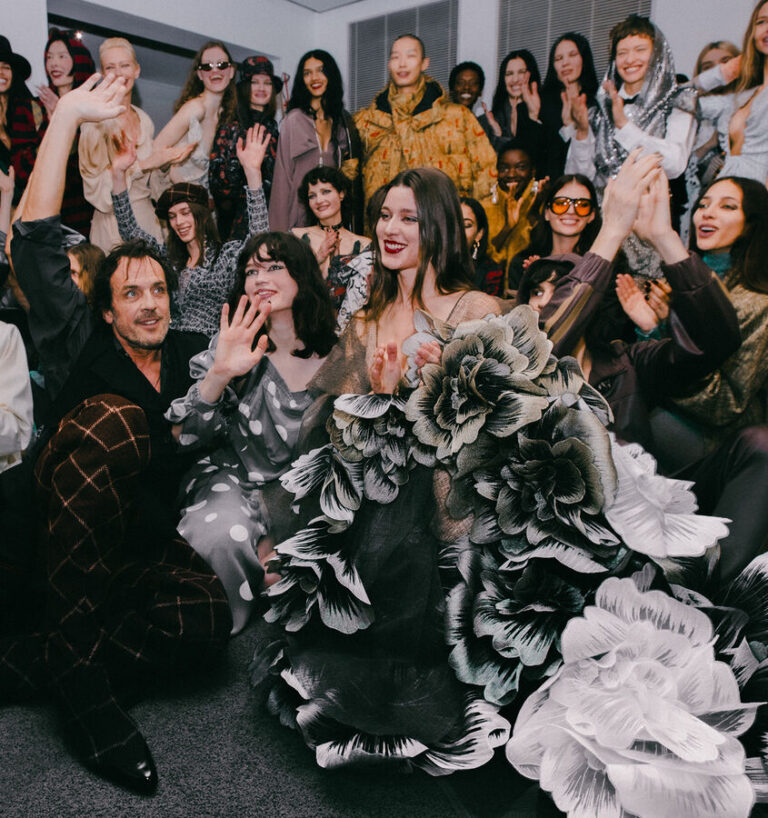
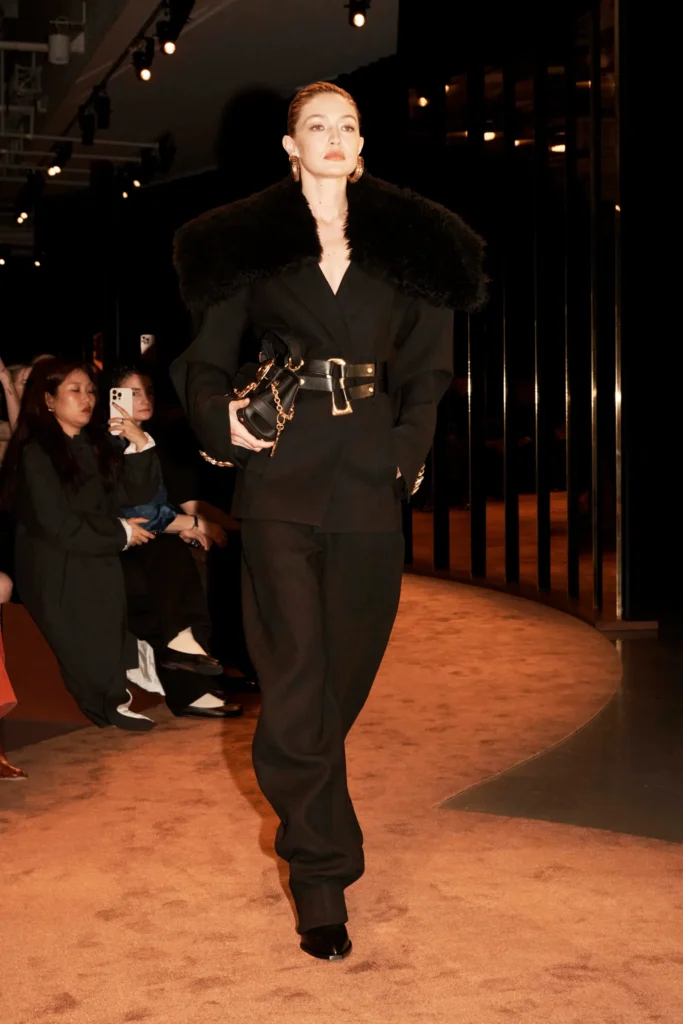
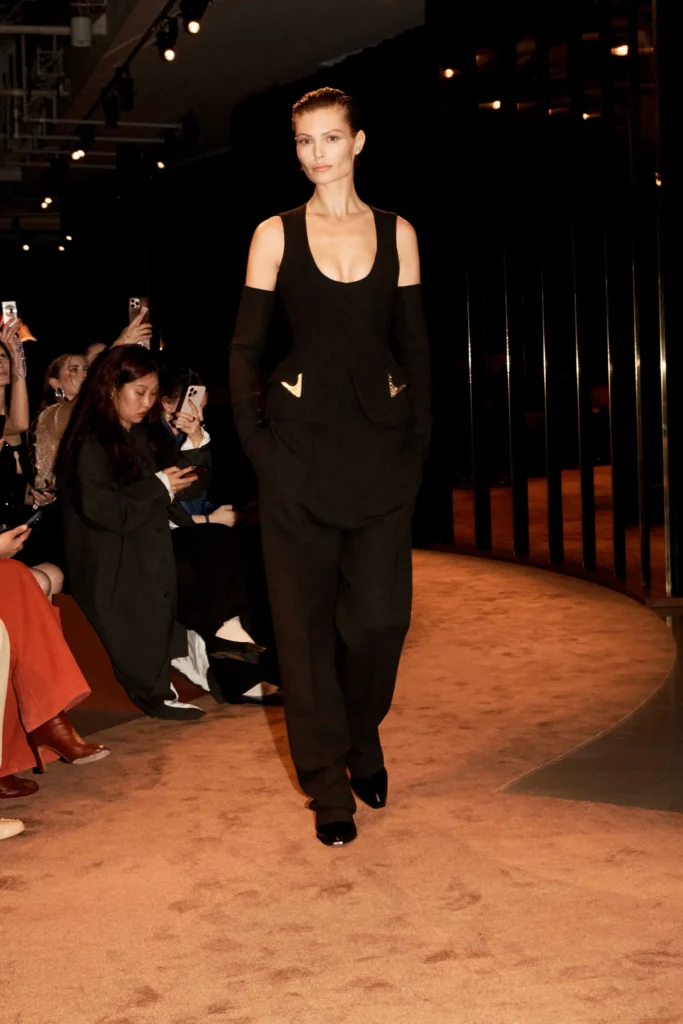
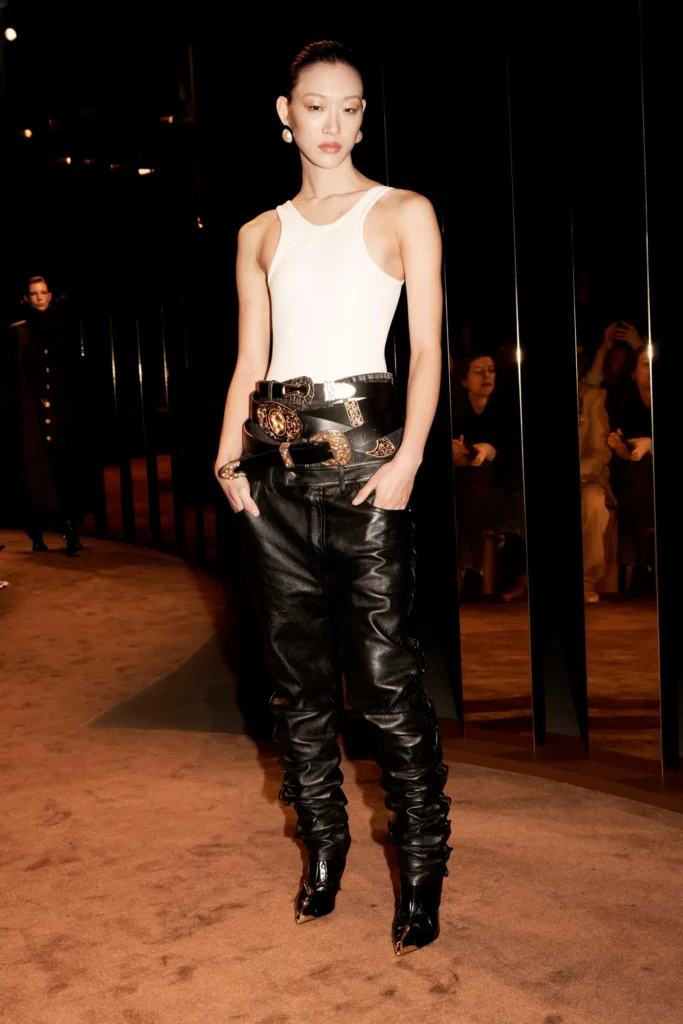
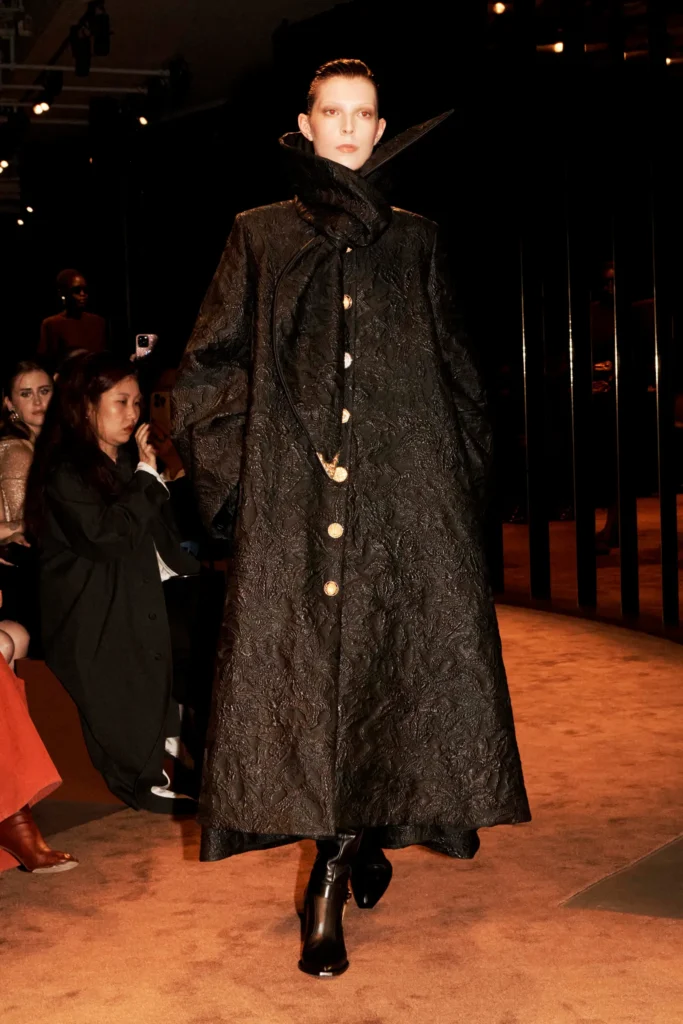
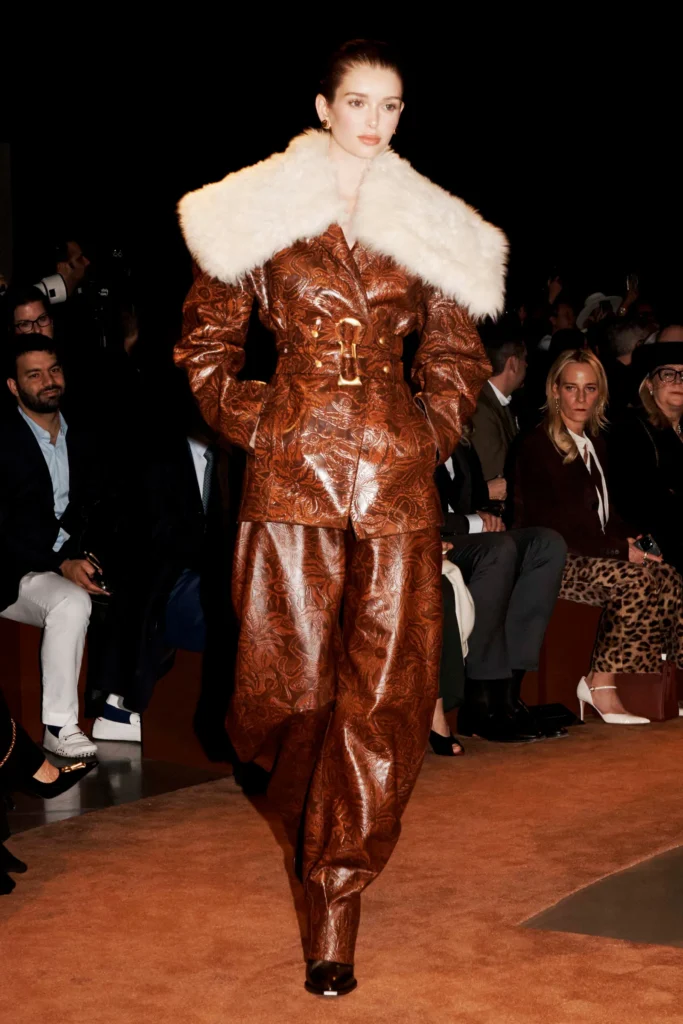
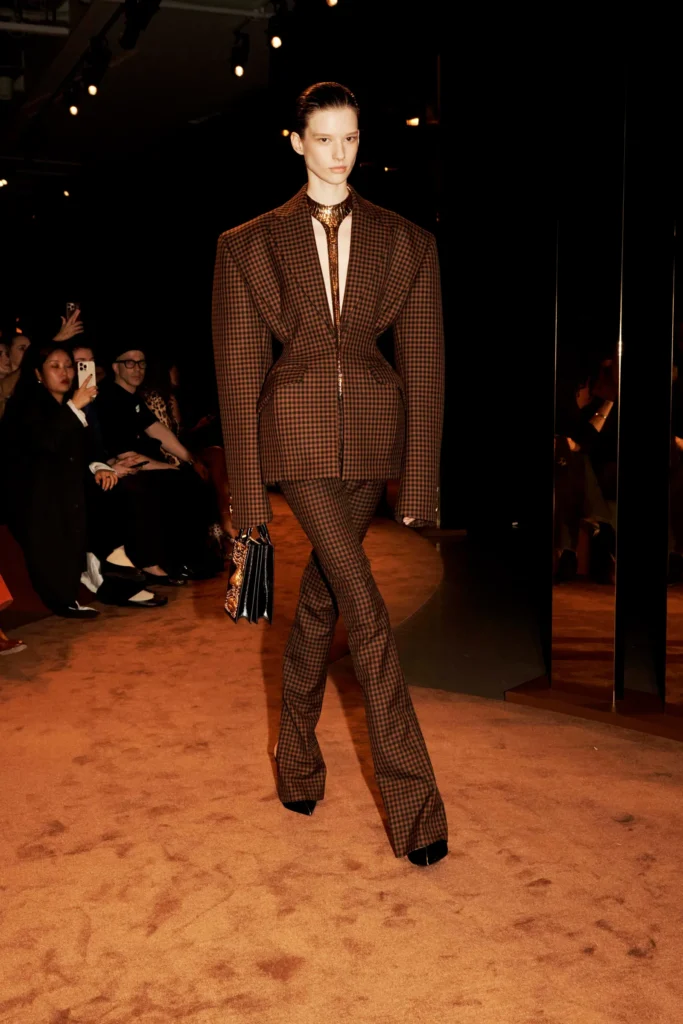
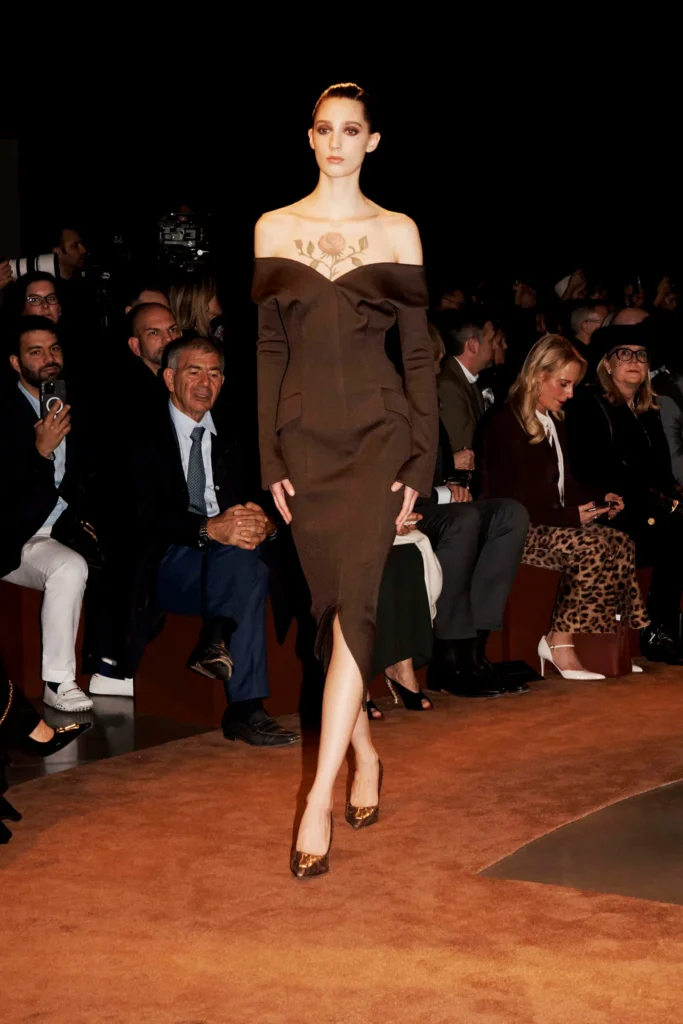
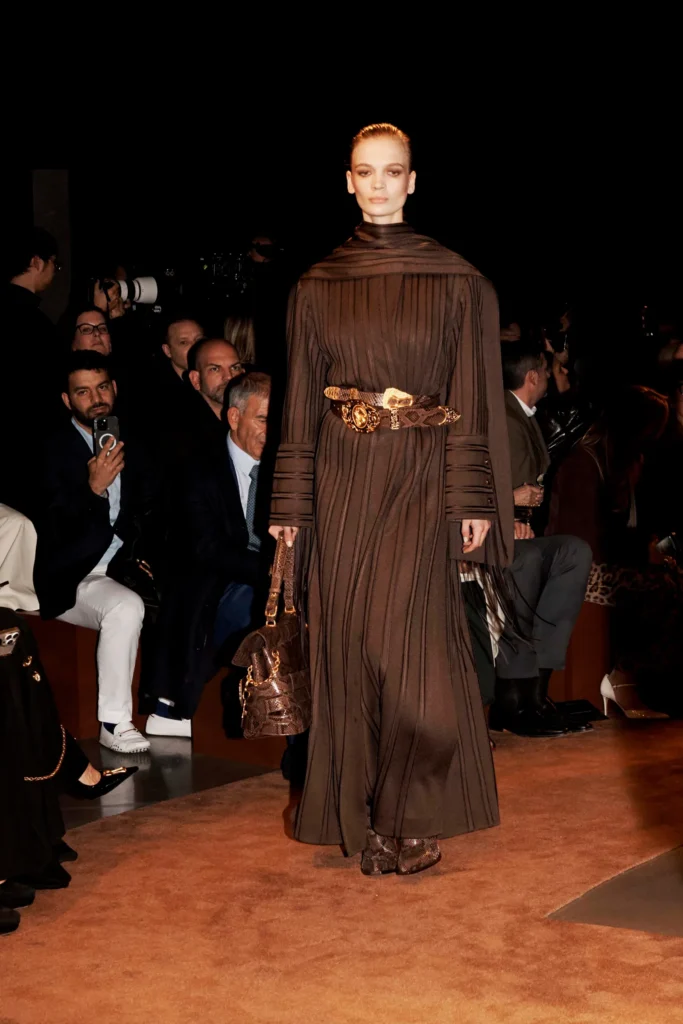
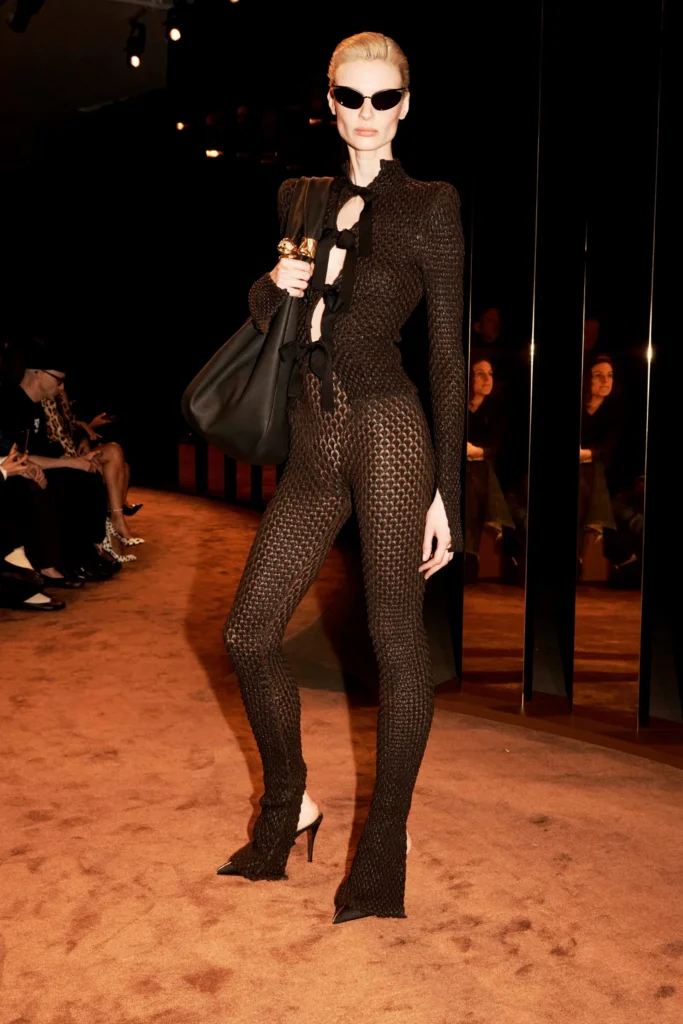
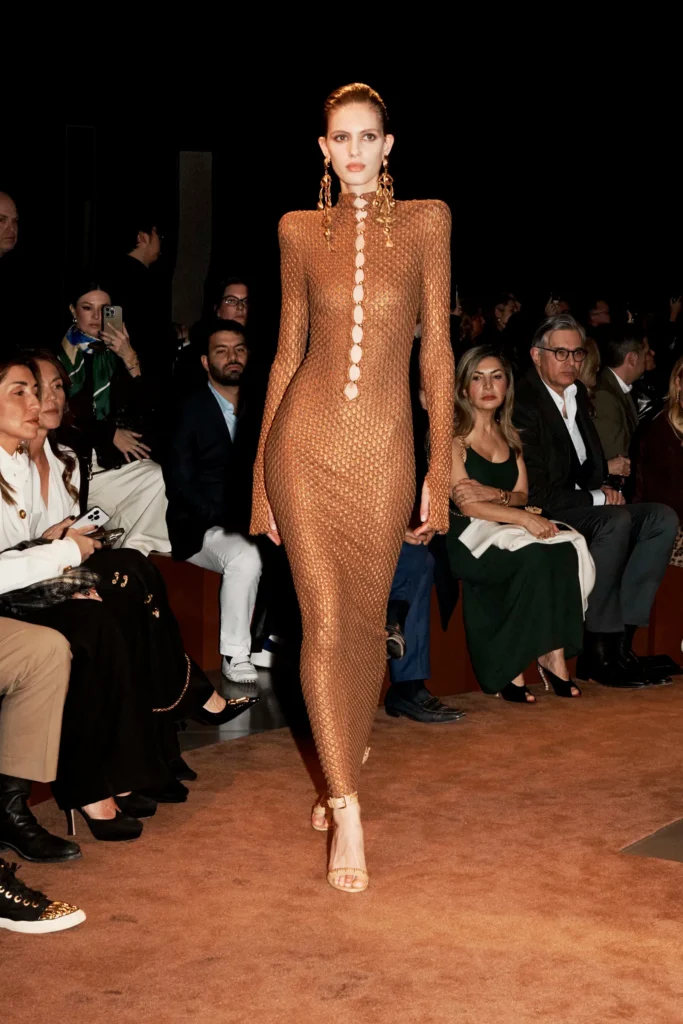
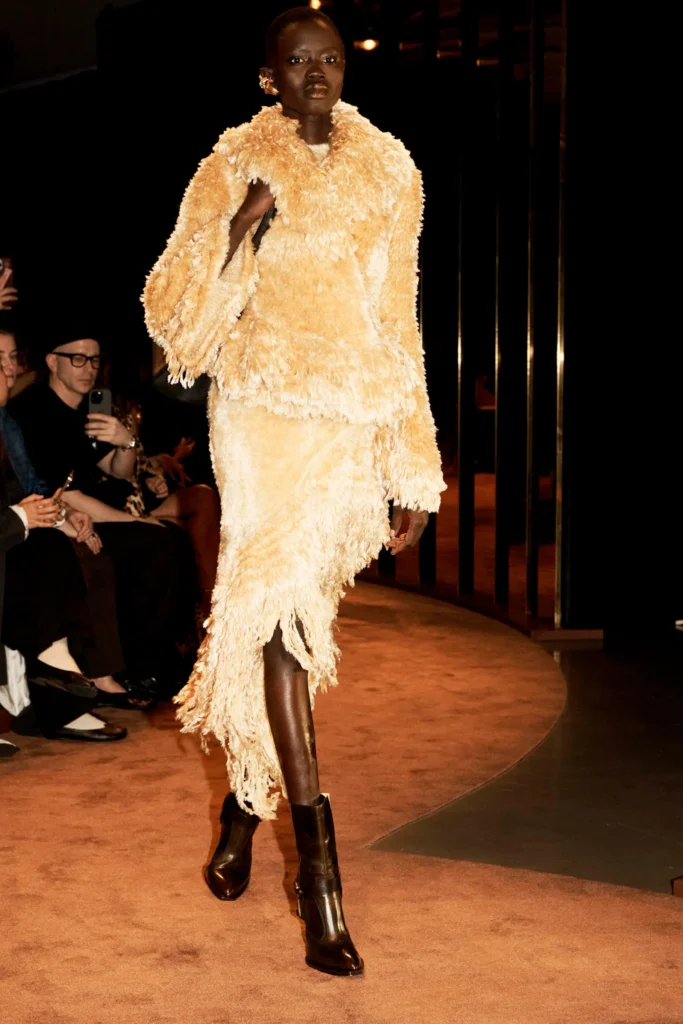
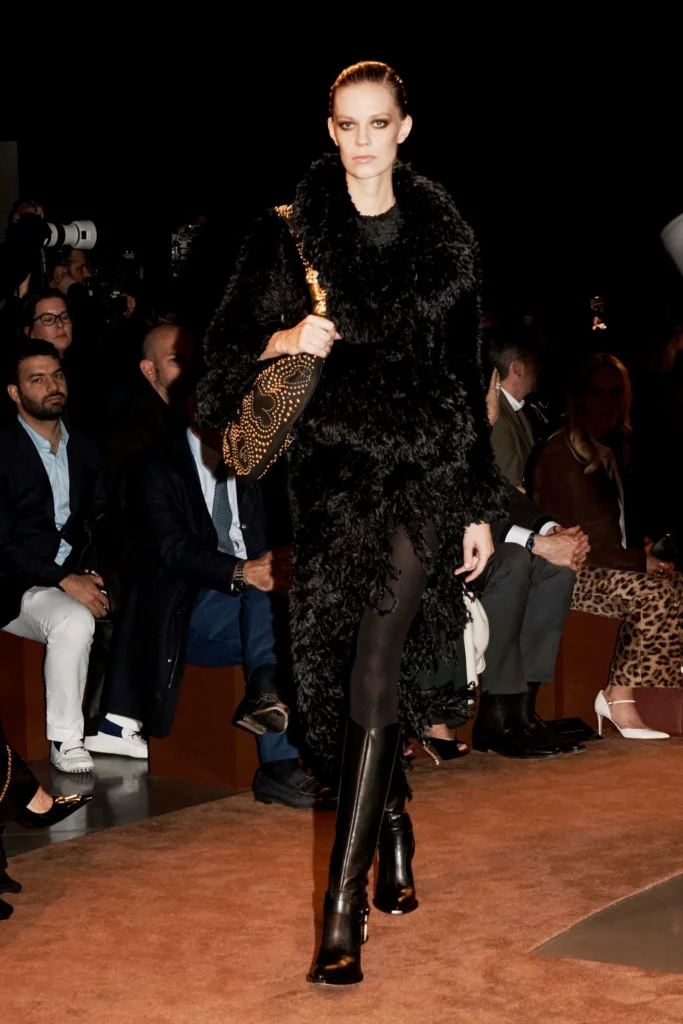
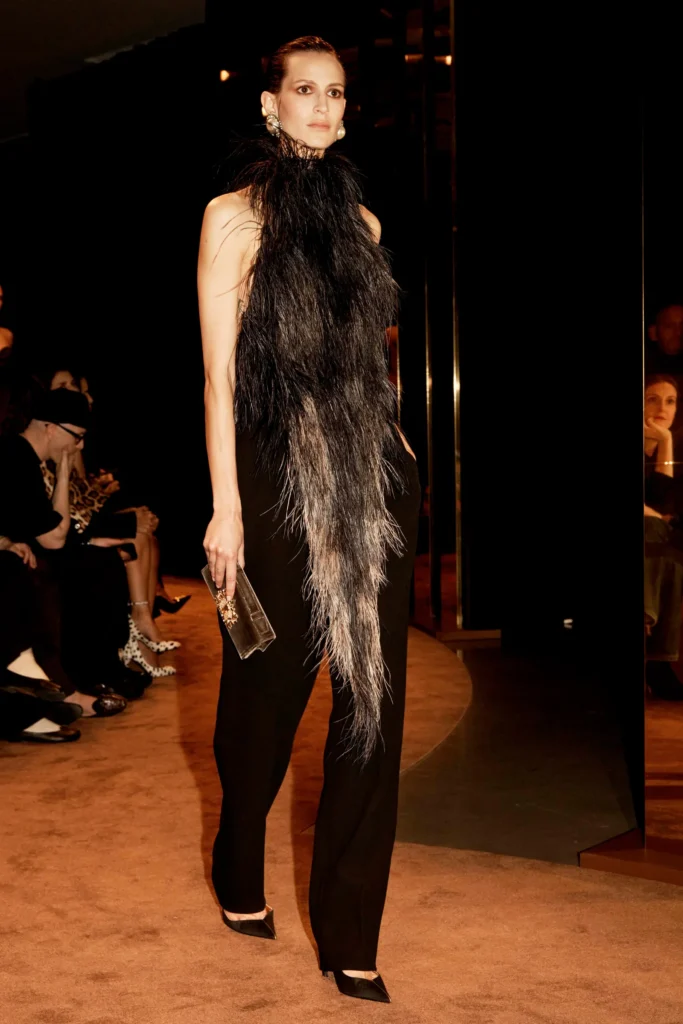
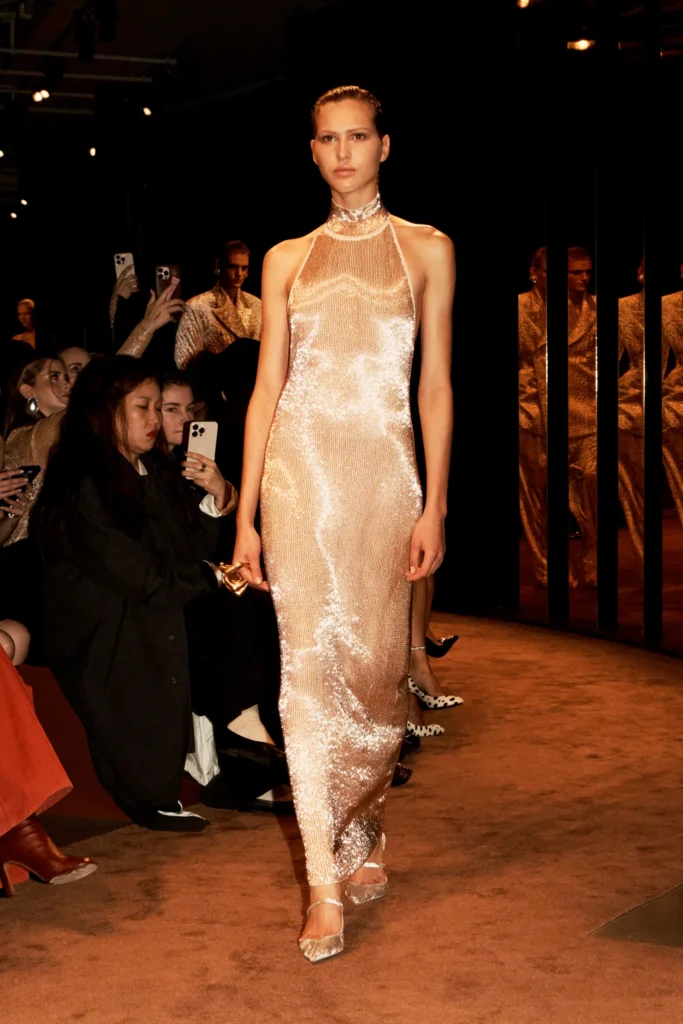
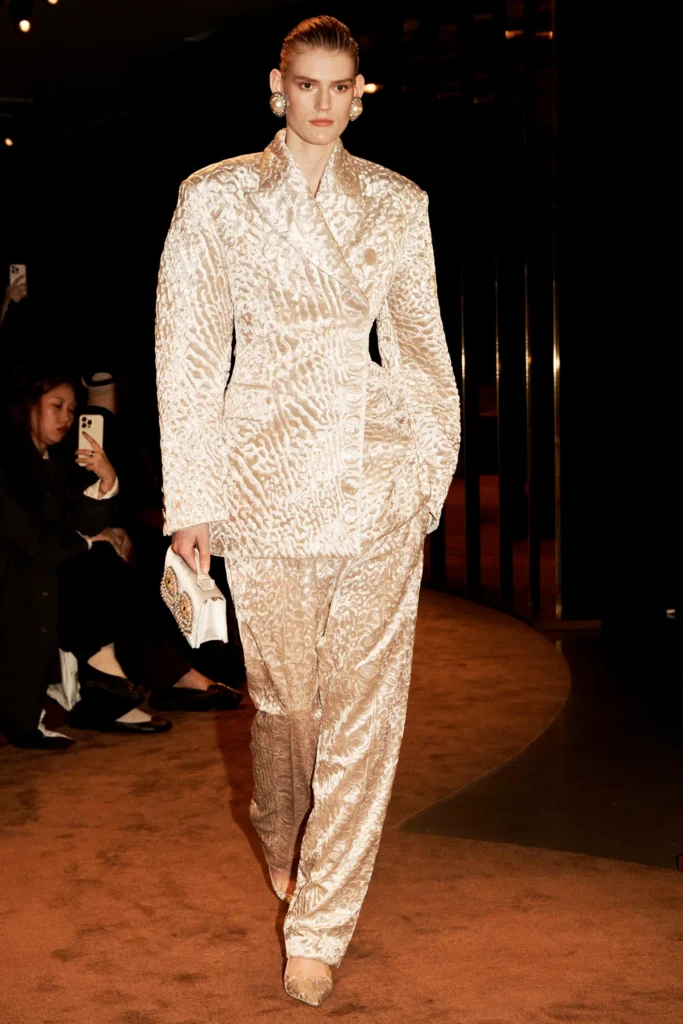
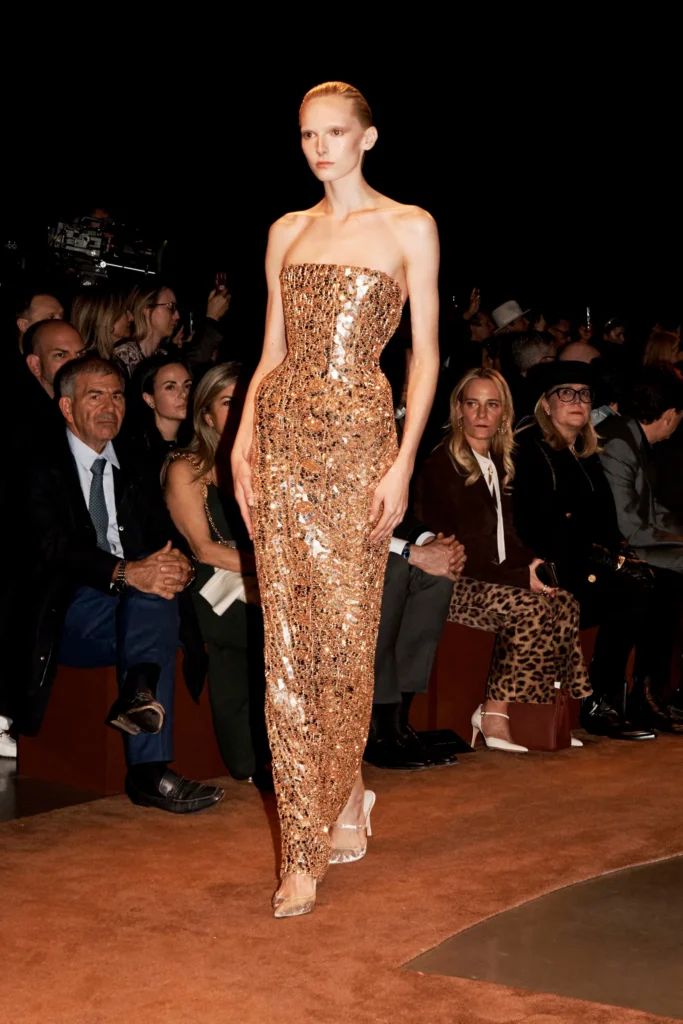
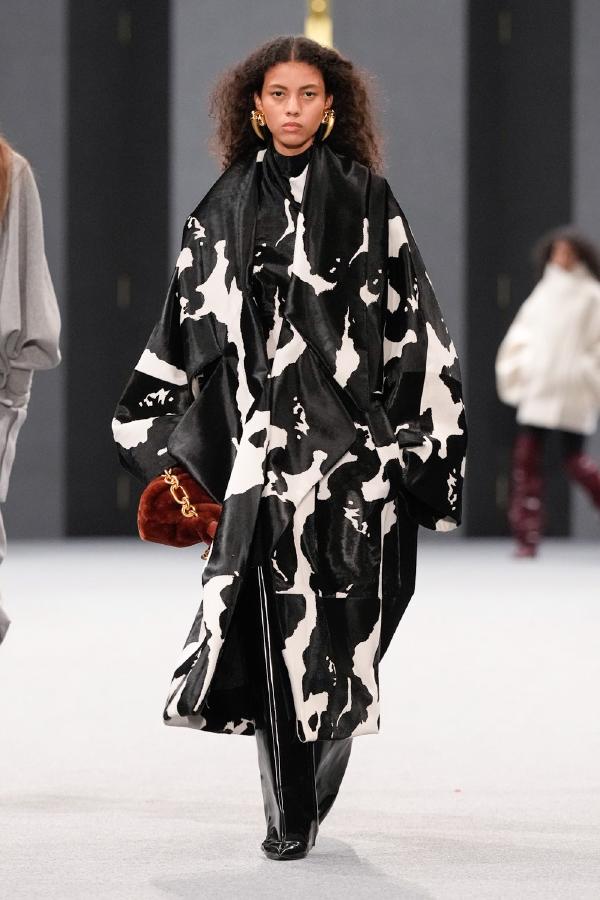
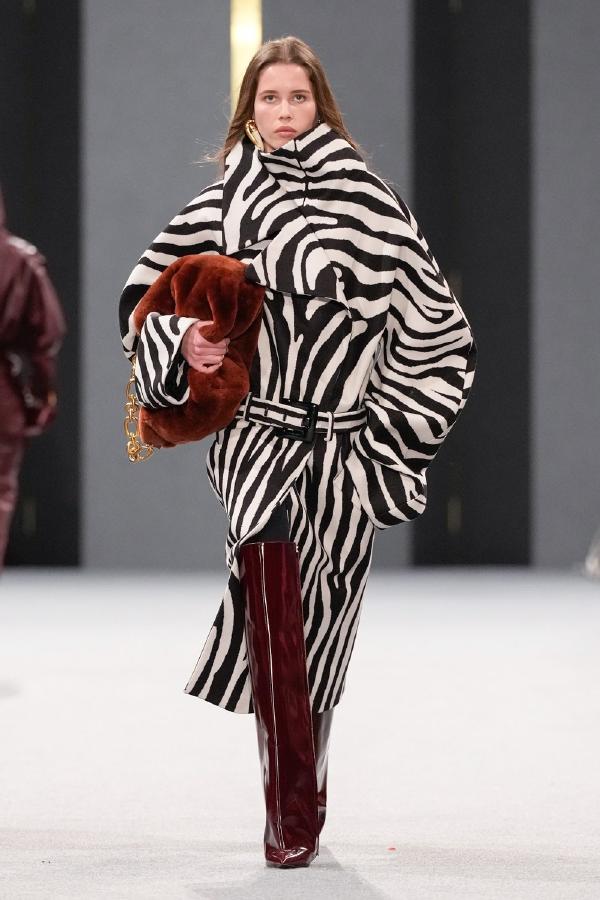
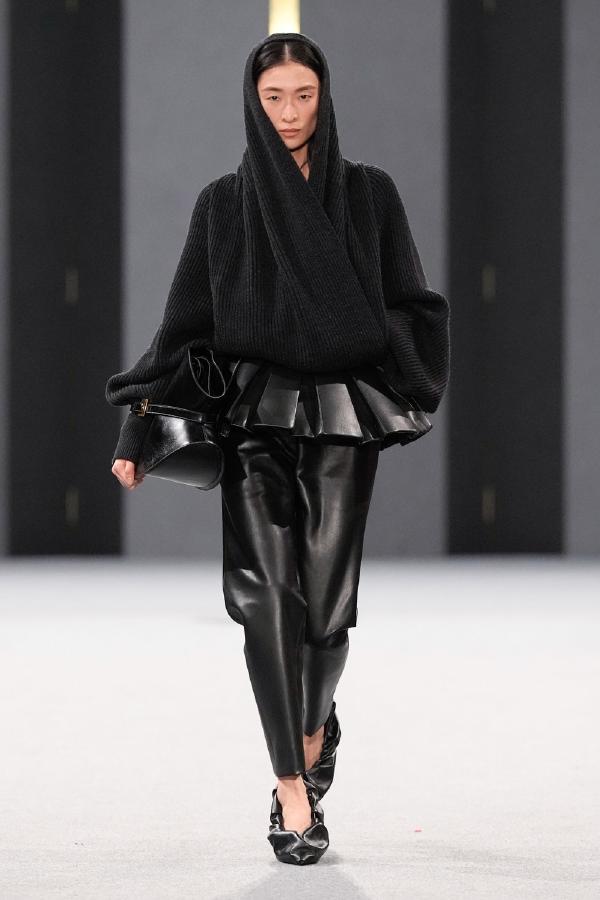
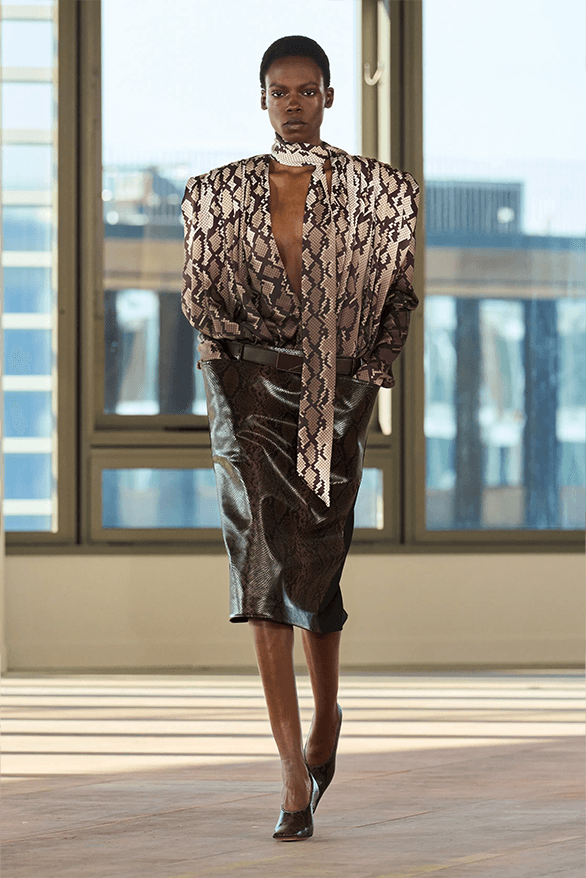
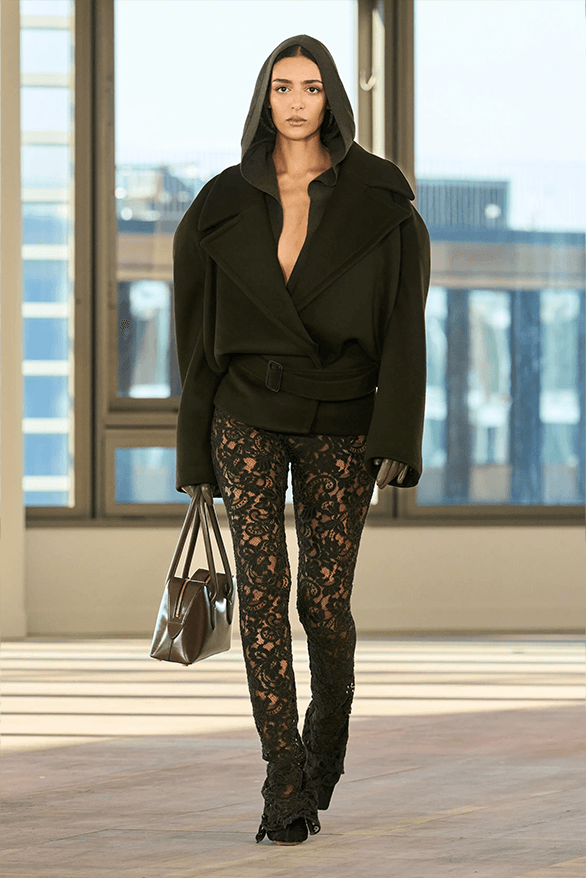
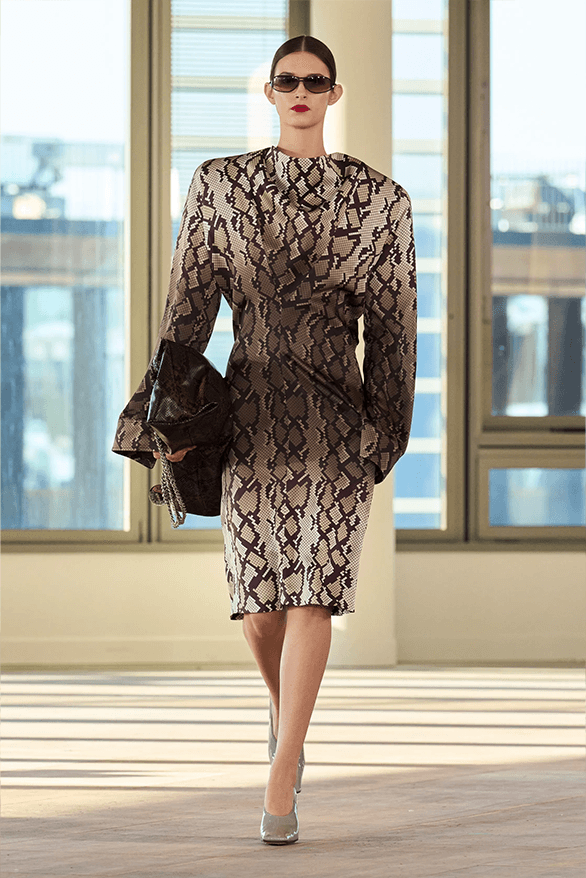
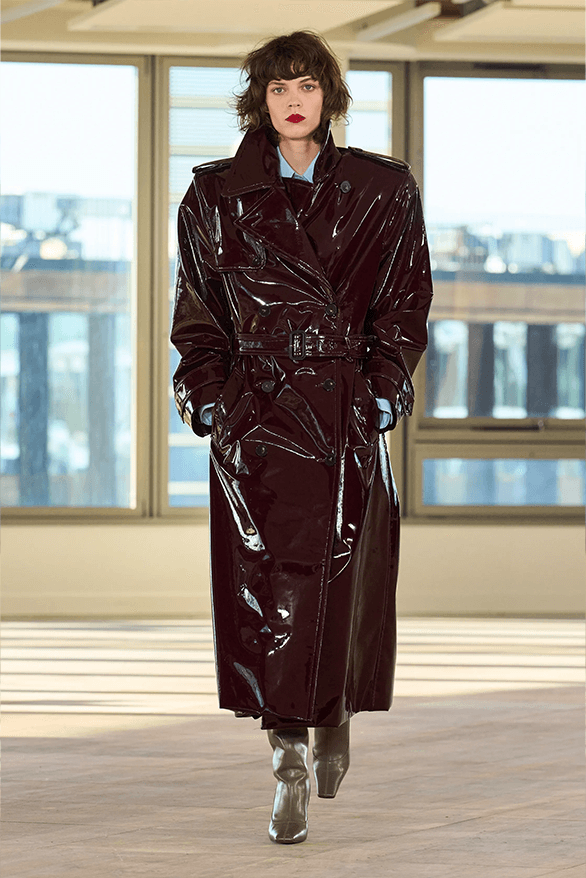
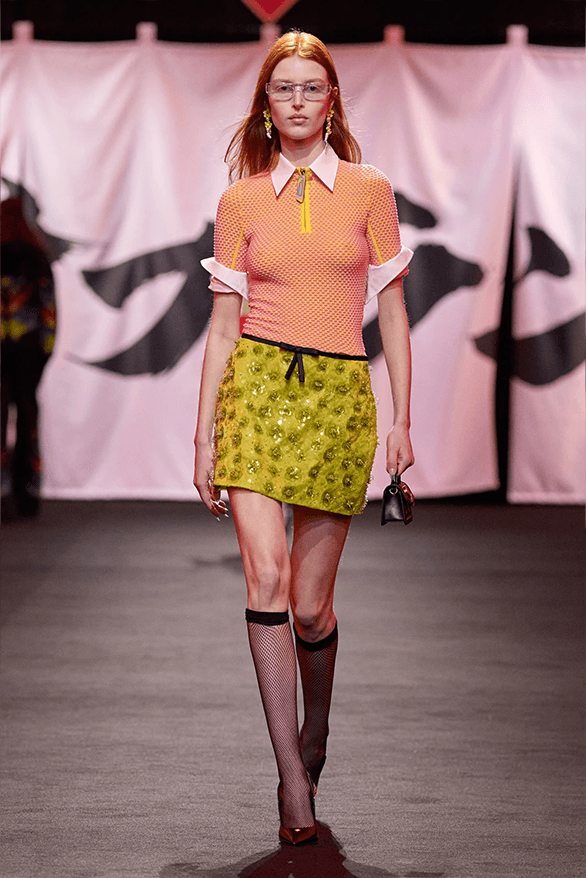
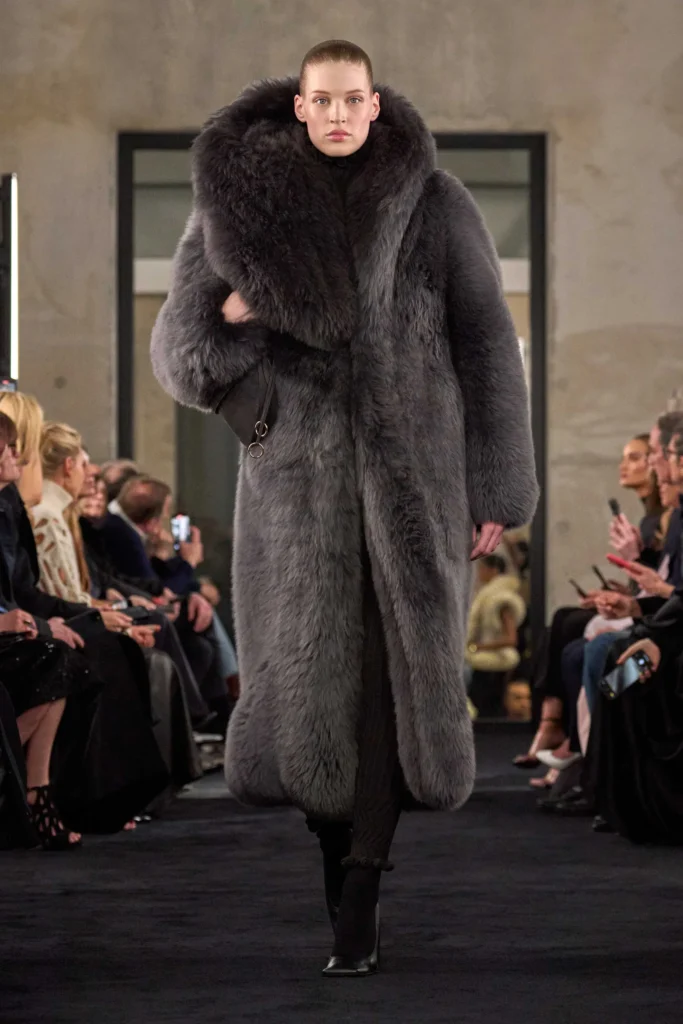
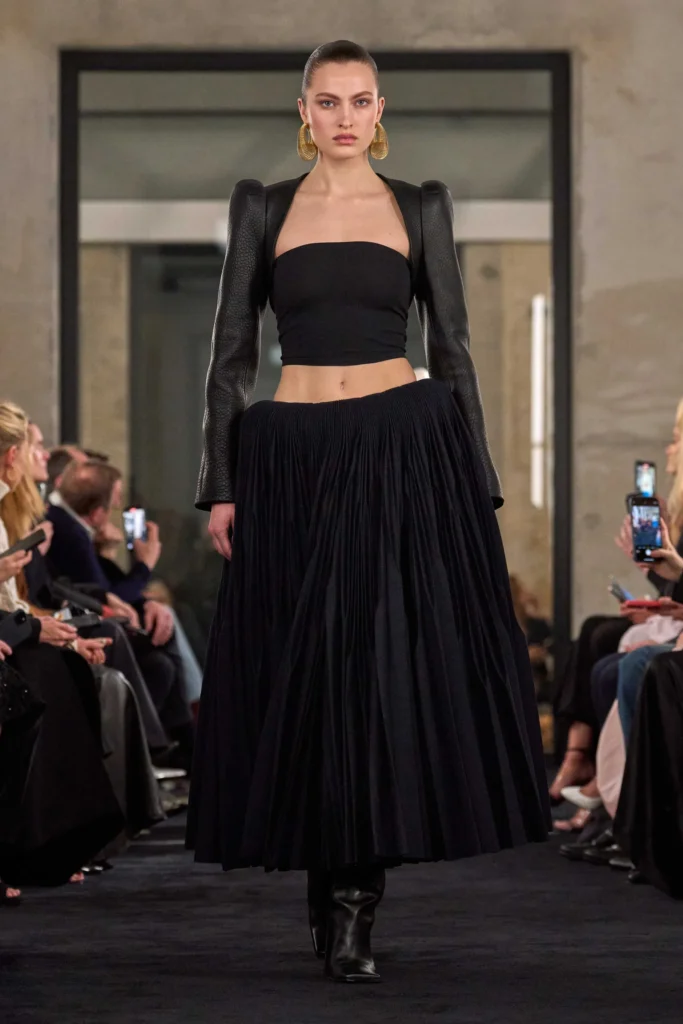
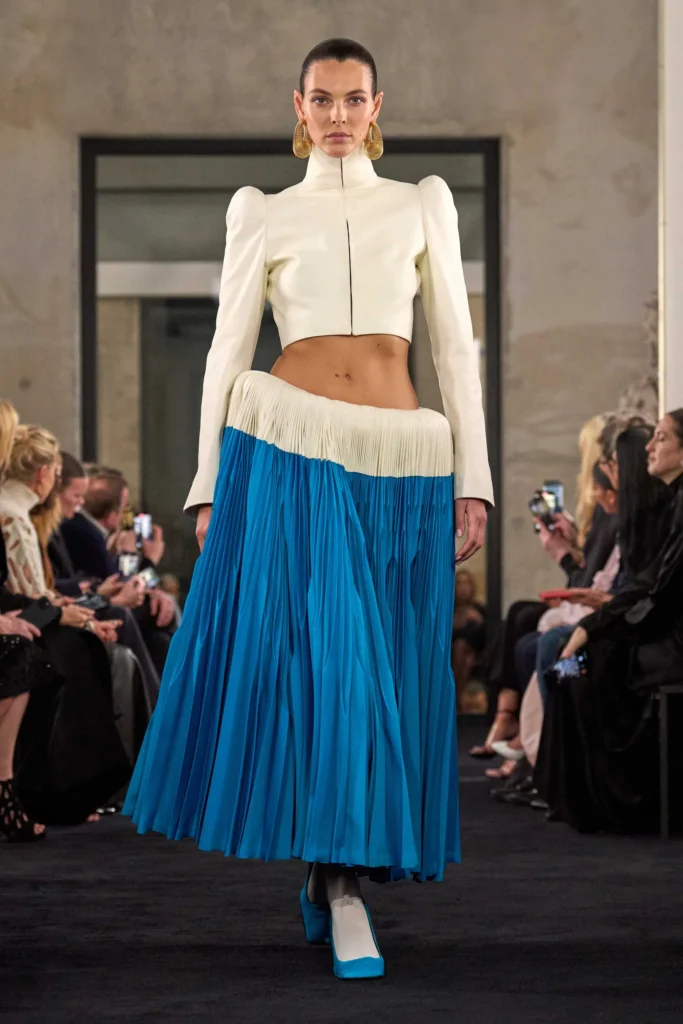
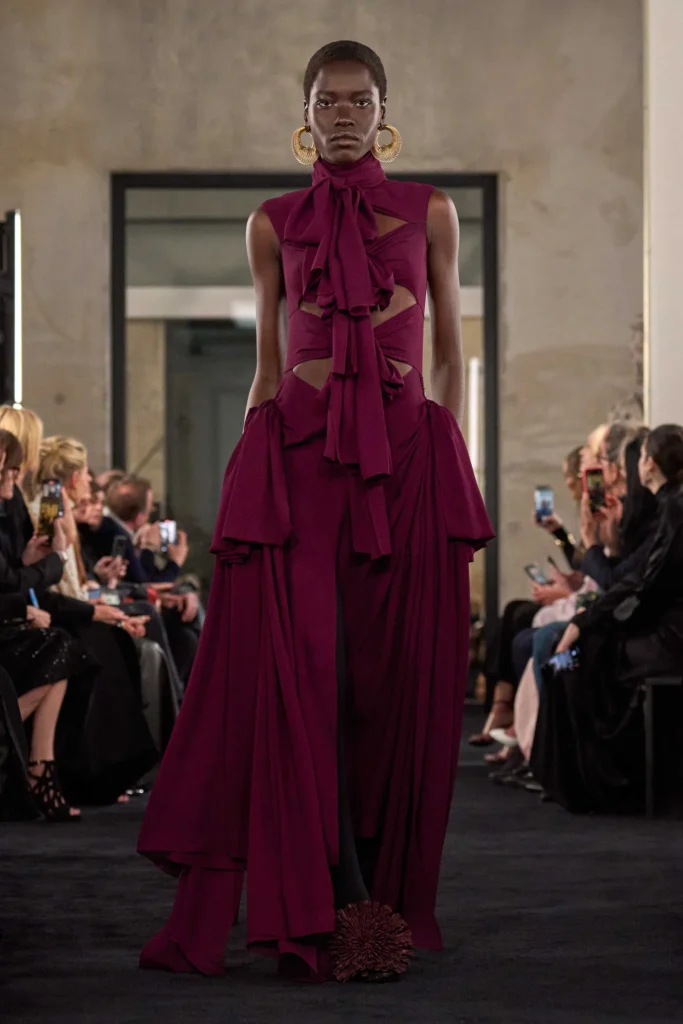
On the sixth day of Paris Fashion Week, Andreas Kronthaler for Vivienne Westwood delivered a collection that encapsulates the very essence of the British house: irreverence, theatricality and an undisputed mastery of tailoring. With a clear homage to its heritage and its connection to London, the Fall/Winter 2025 offering balanced rebelliousness with instinctive sophistication.
From the first look, it was clear that Kronthaler continues to explore Westwood’s DNA without fear of experimentation. Exaggeratedly proportioned suits, trousers that turned into wool skirts with asymmetrical falls and monumental trench coats defined an imposing and dramatic silhouette. The message was clear: there is nothing more sensual than well-executed tailoring.
But where the collection really shined was in its ability to mix chaos and control. Velvet and tulle dresses, with strategic padding on the hips and shoulders, redefined femininity through an aristocratic punk prism. Meanwhile, accessories played with irony and excess: contrasting socks, heels wrapped in fur and bags shaped like birdcages brought a provocative nonchalance.
Kronthaler’s farewell was the icing on the cake of a collection that, more than a seasonal proposal, felt like a declaration of intent. With a bouquet of flowers in her hand, thrown to the public in a gesture of celebration, she made it clear that, under her direction, the spirit of Westwood is more alive than ever.
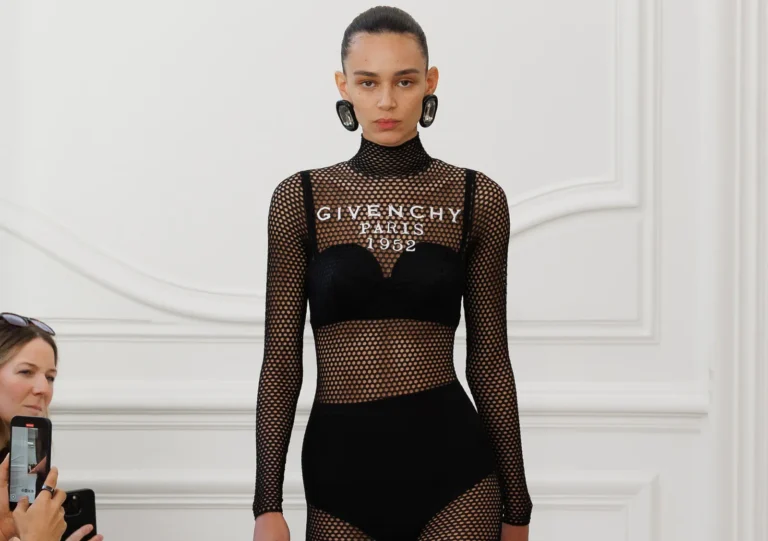
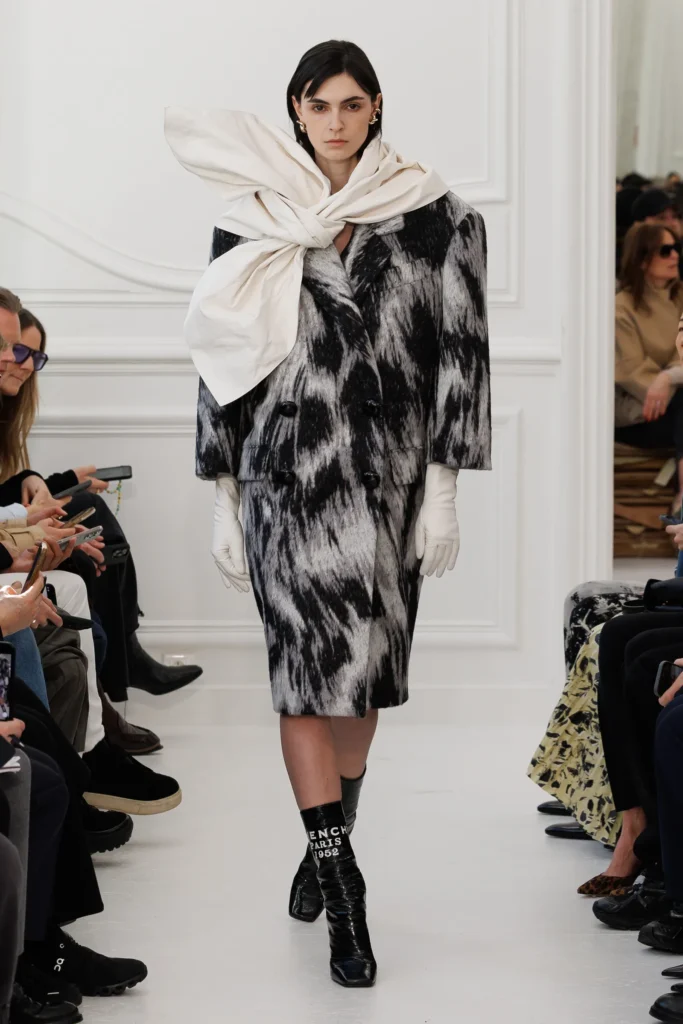
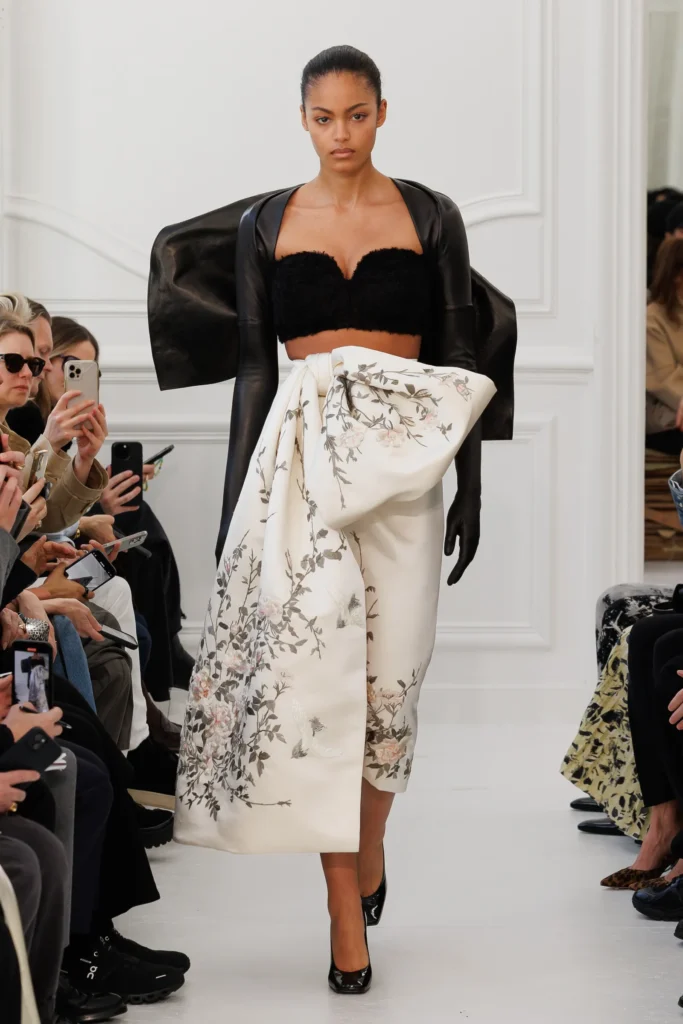
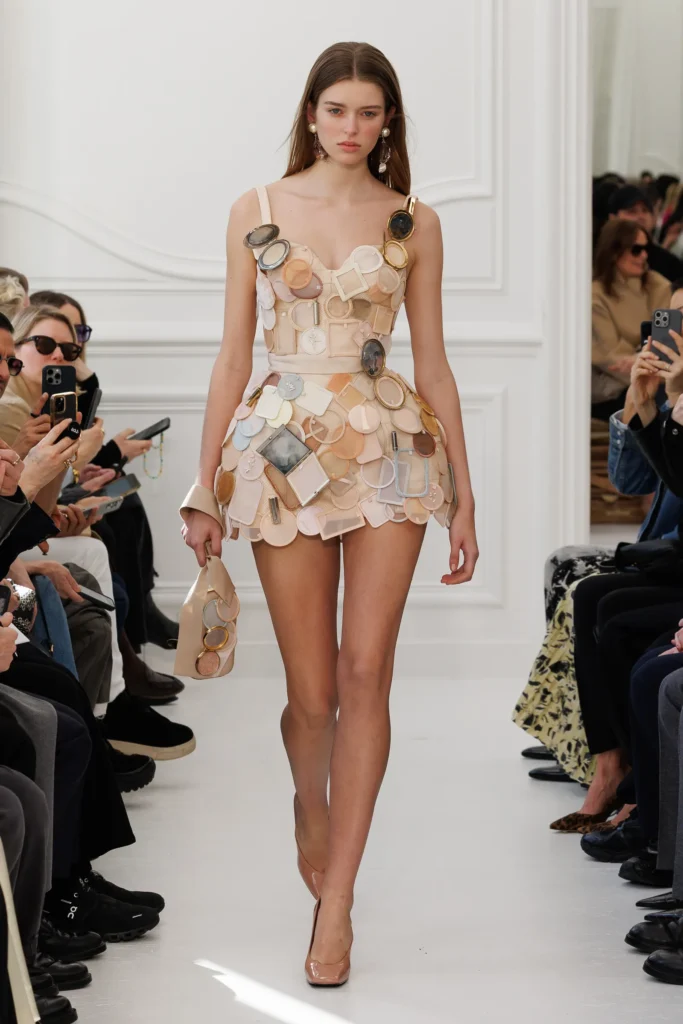
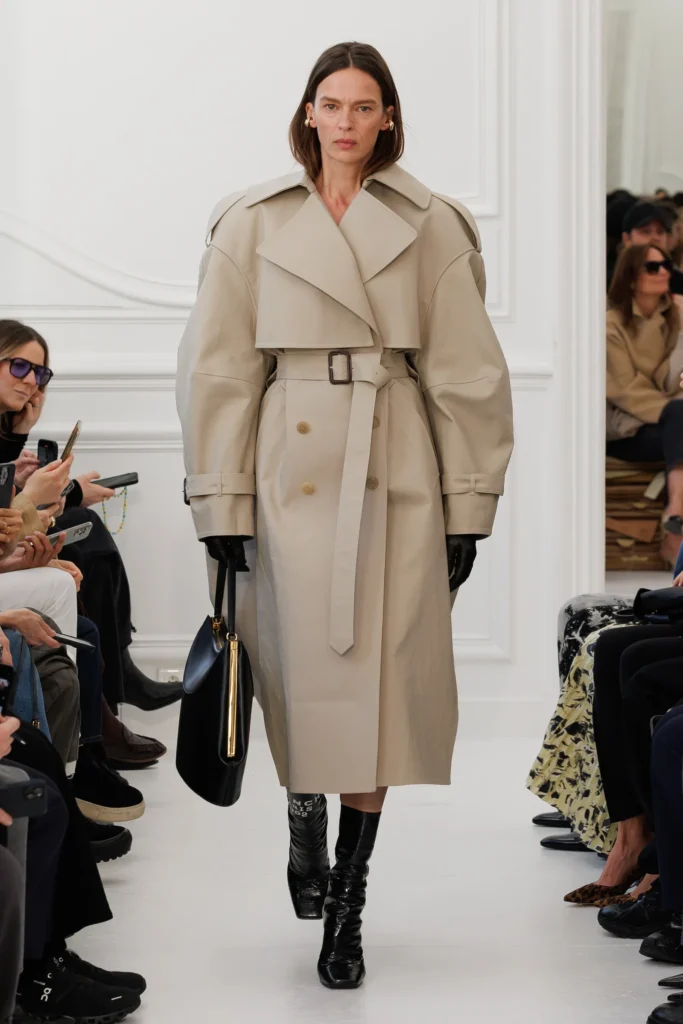
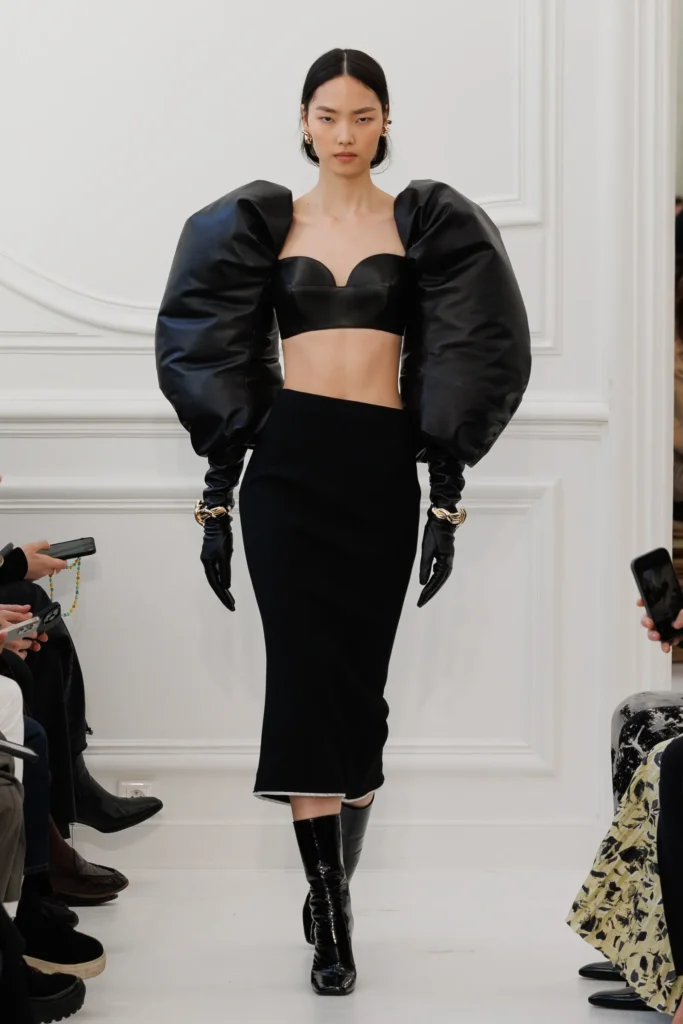
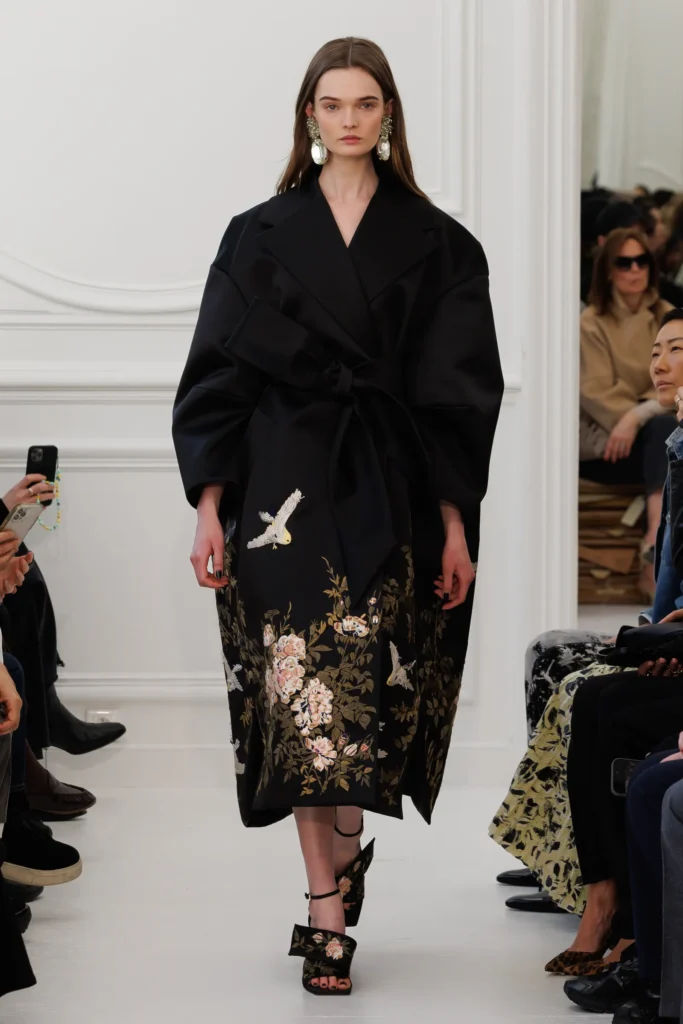
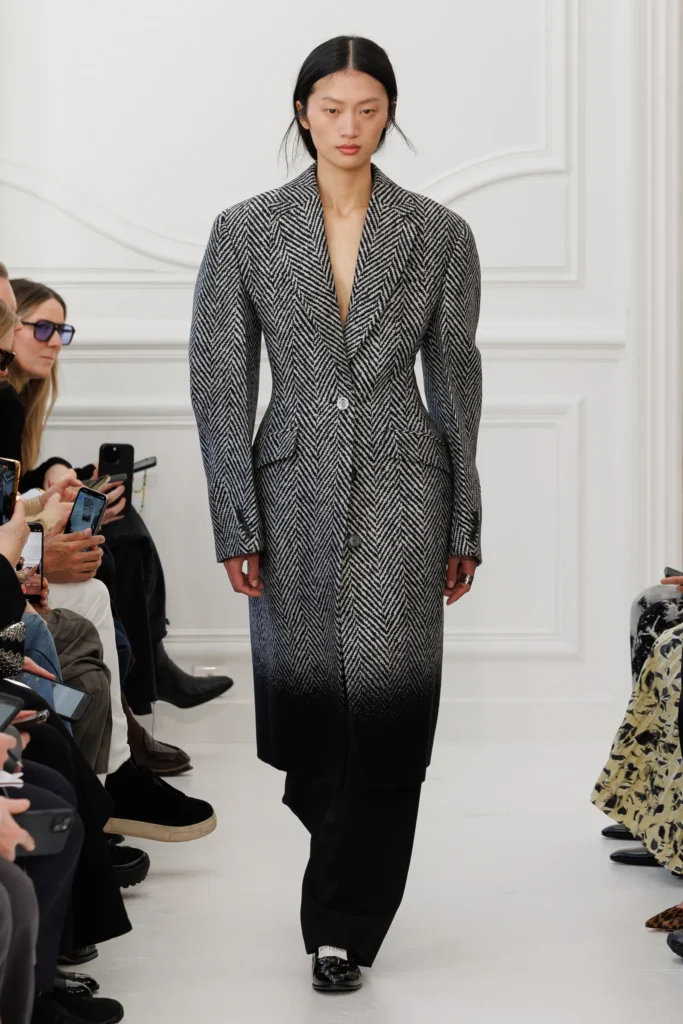
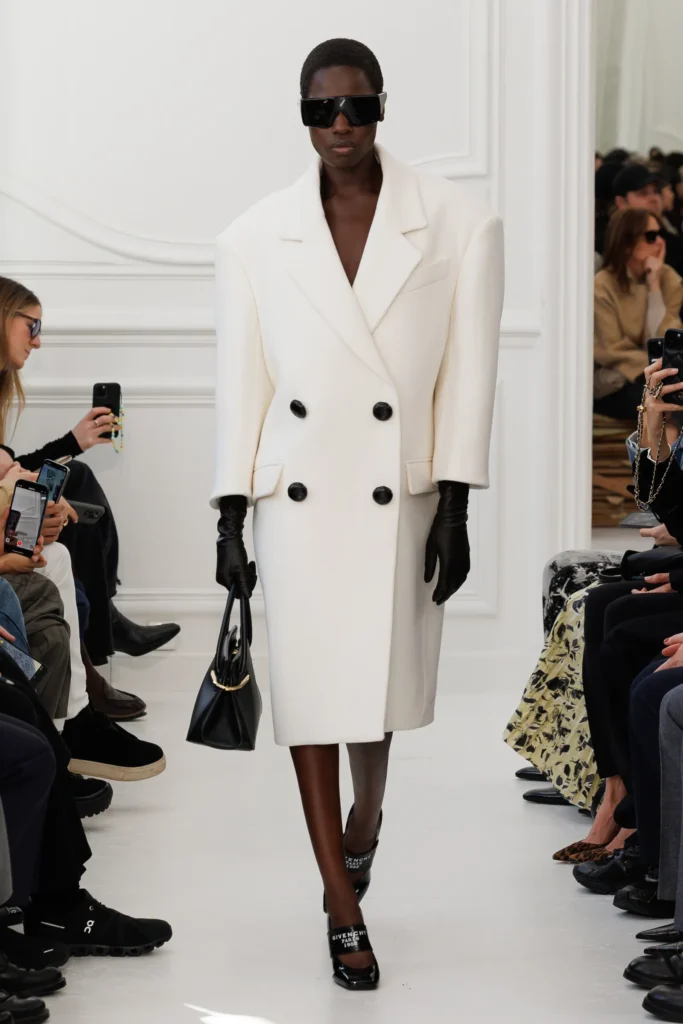
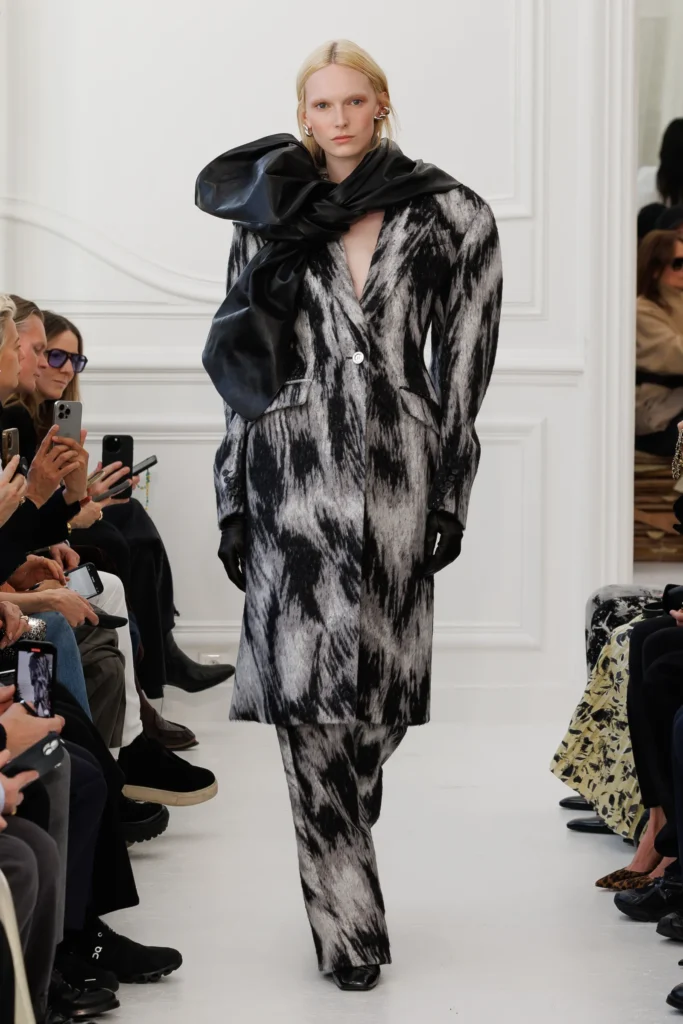
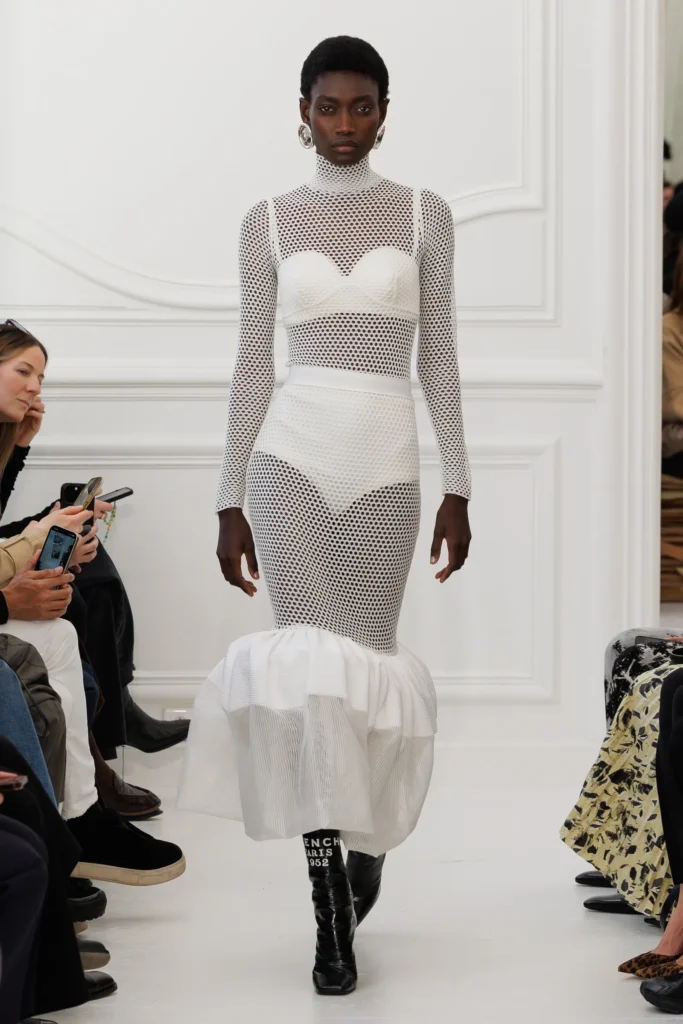
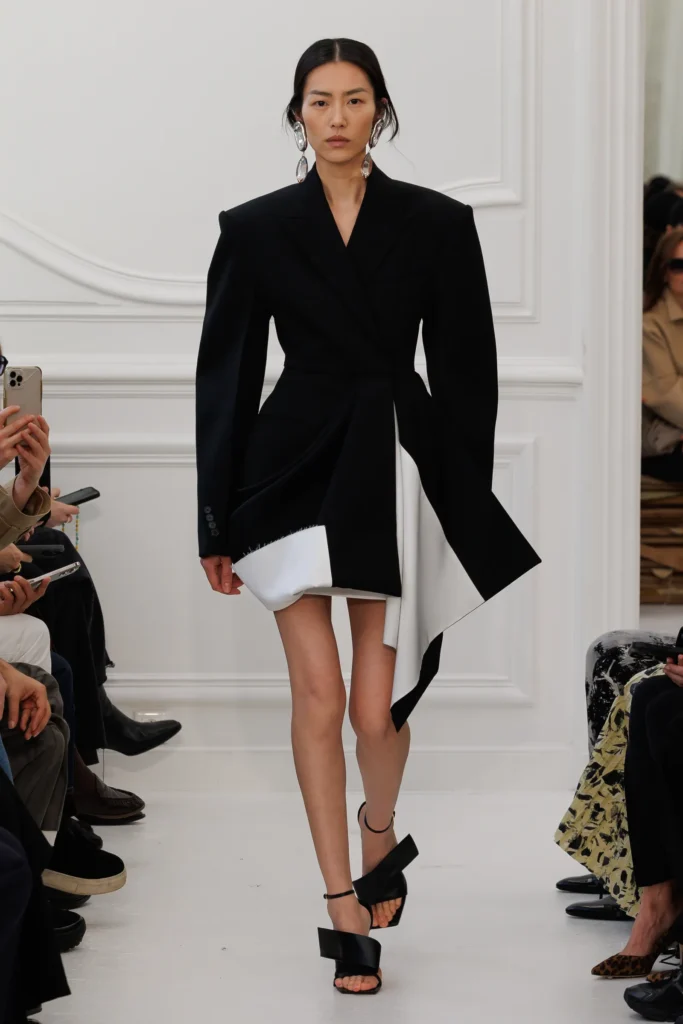
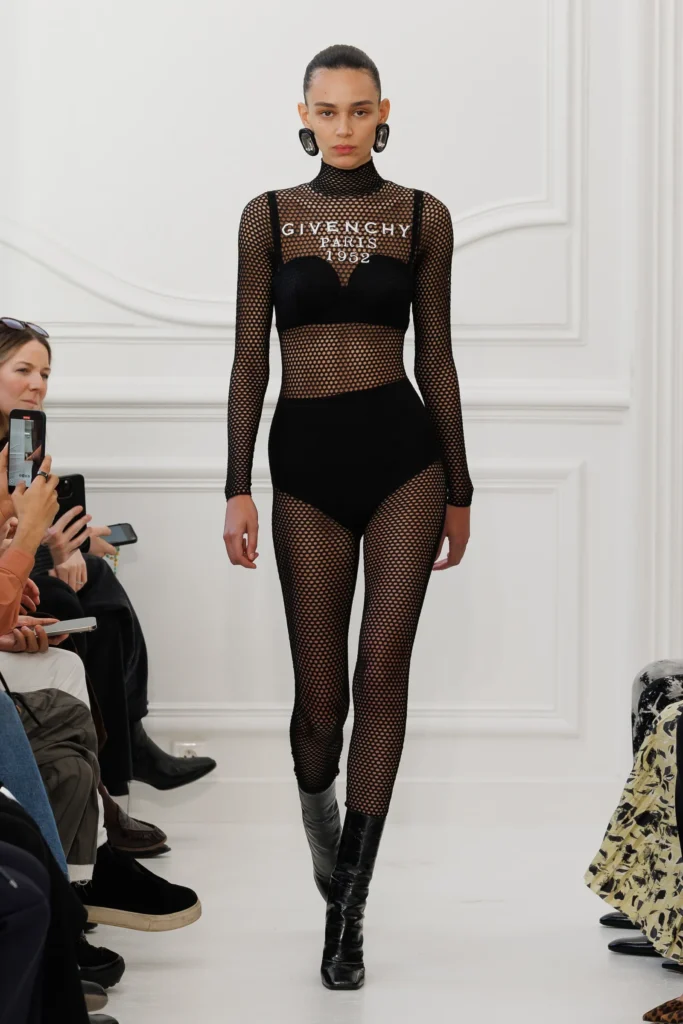
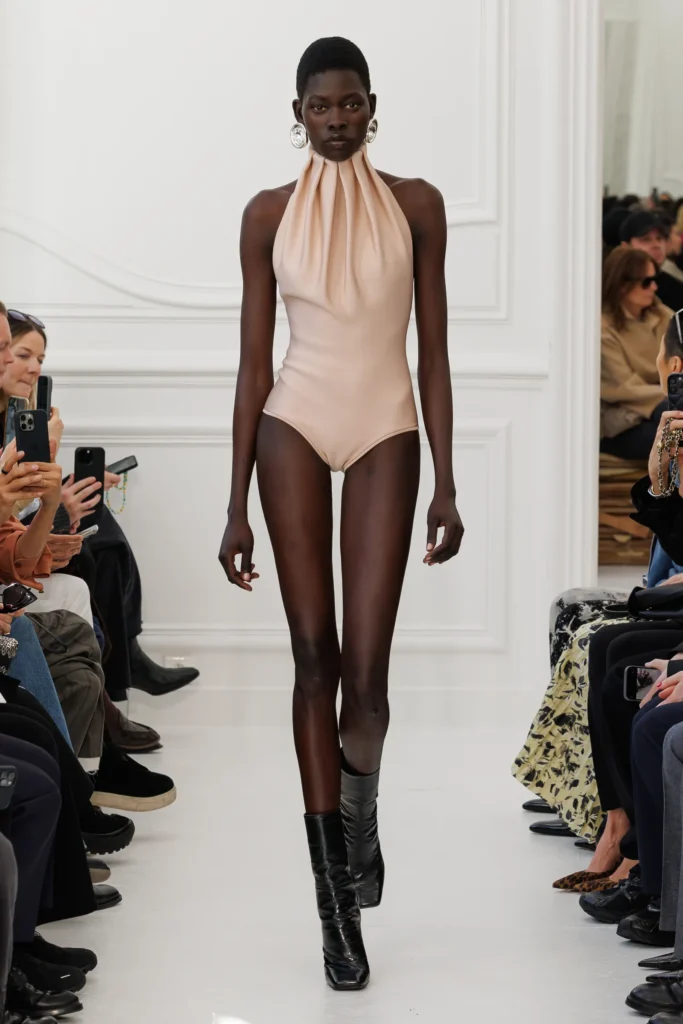
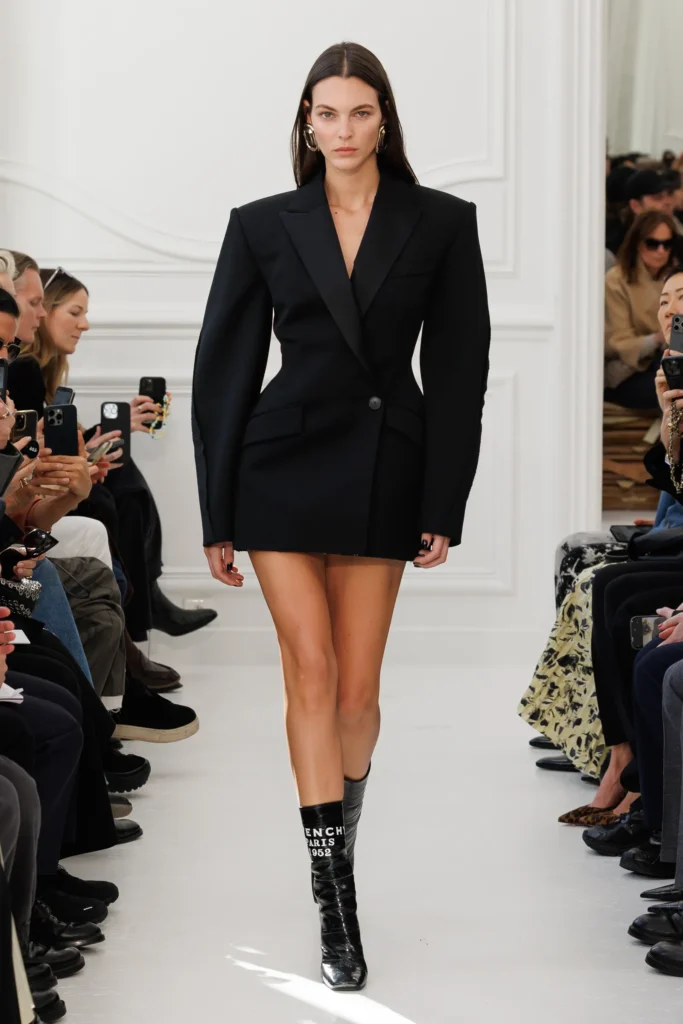
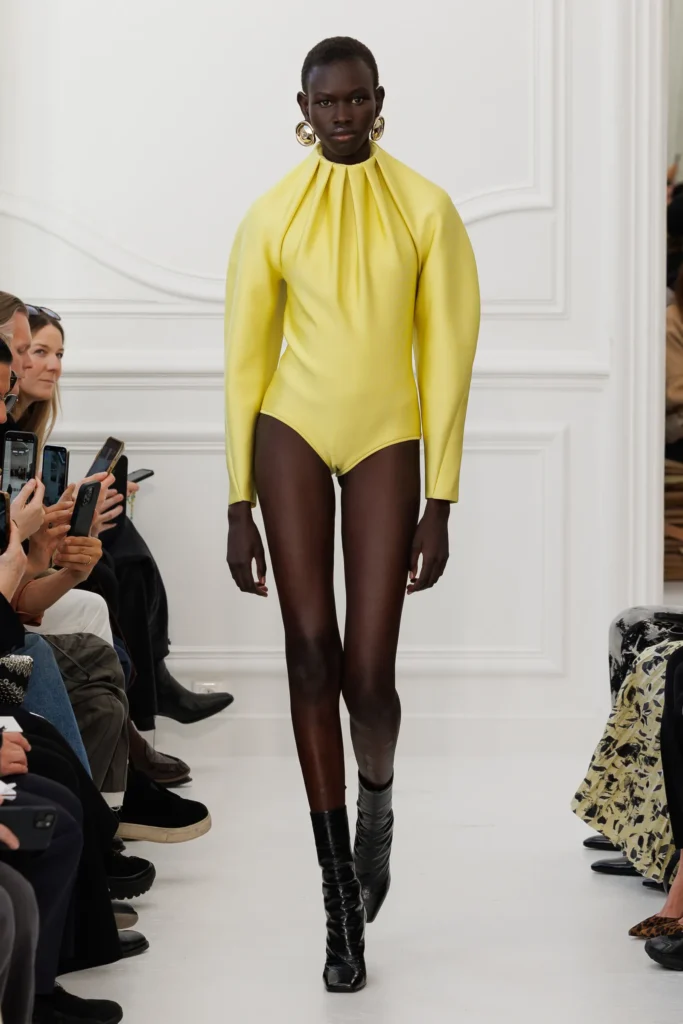
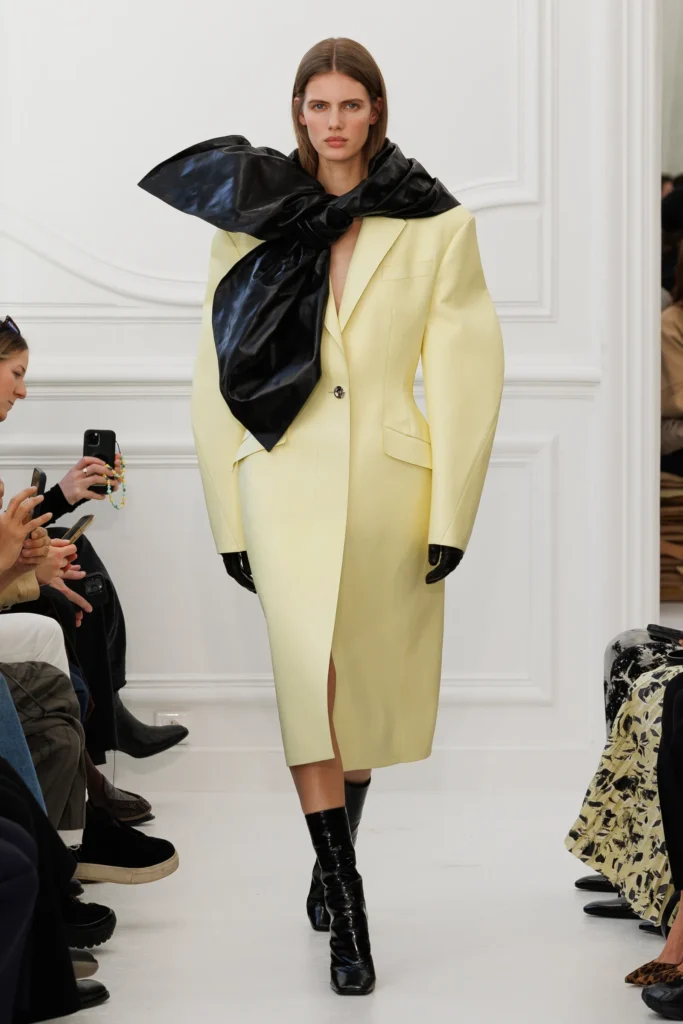
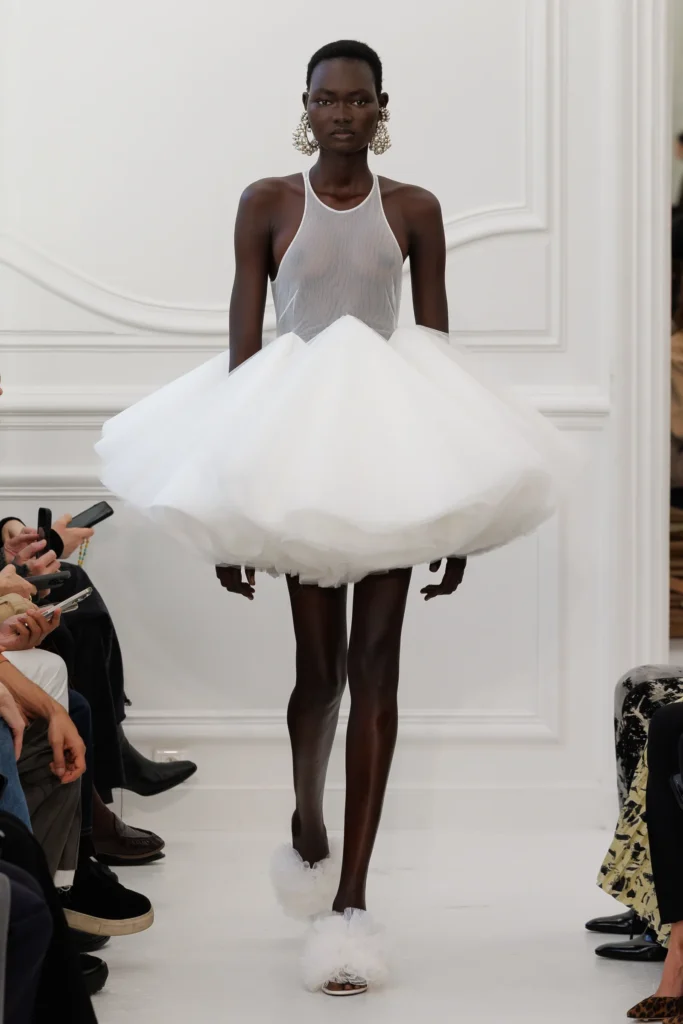
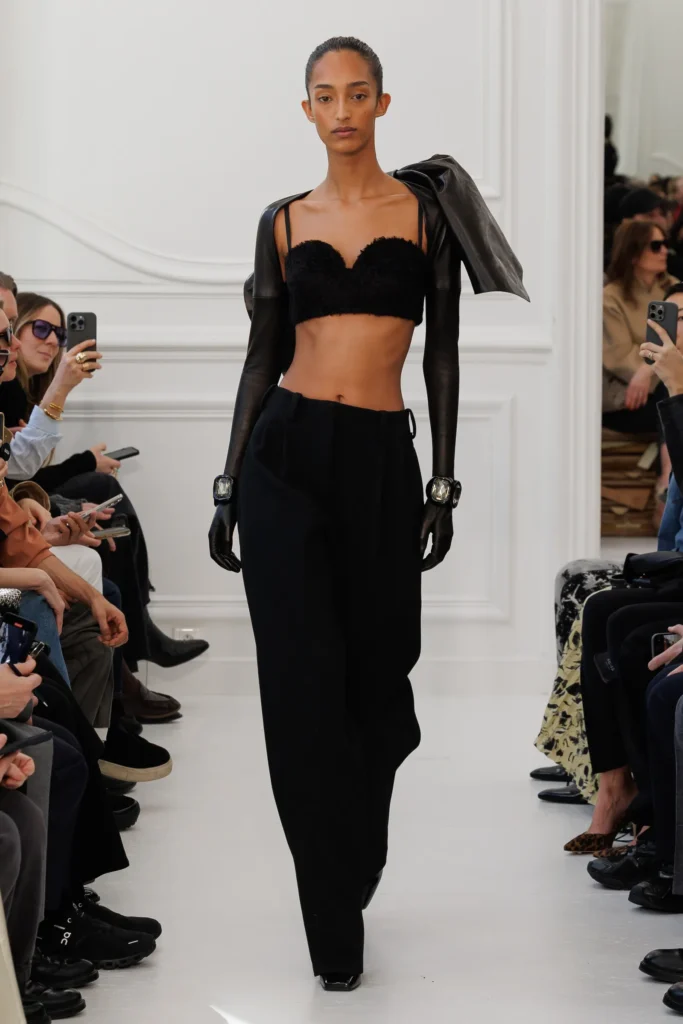
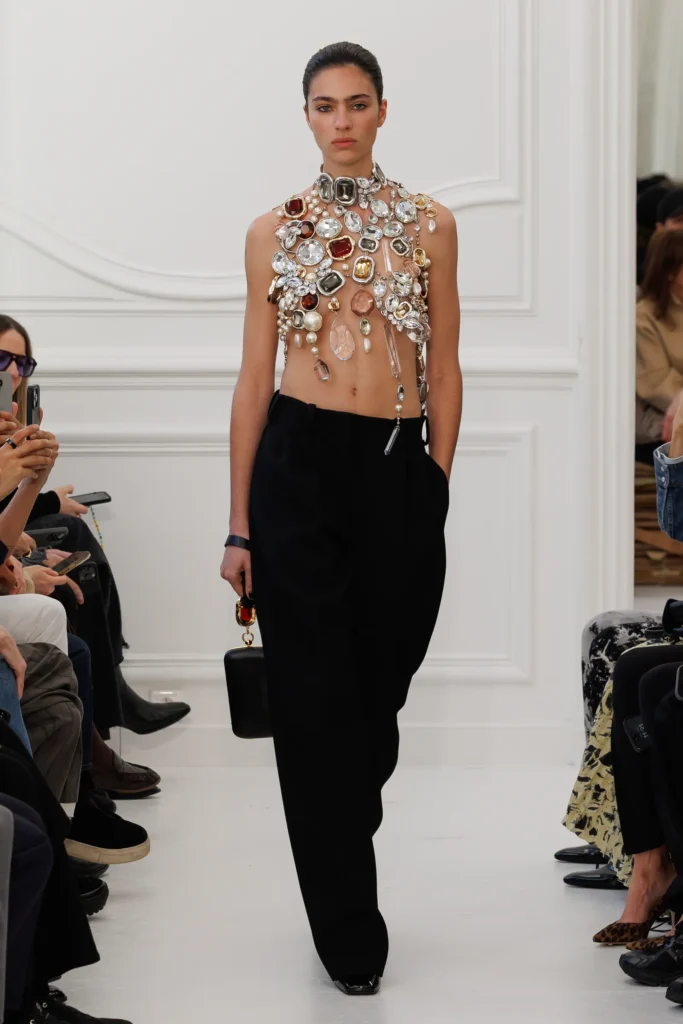
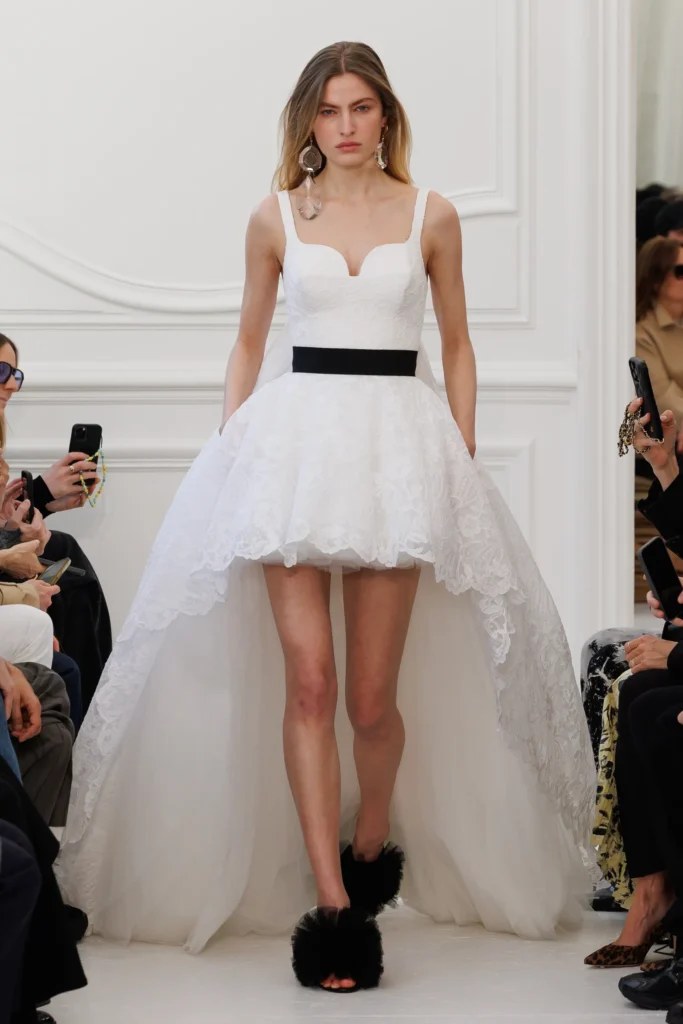
Sarah Burton’s arrival at Givenchy marks the beginning of a new chapter—one that seamlessly balances heritage with a modern vision of femininity. For her Fall/Winter 2025 debut collection, Burton not only honored the legacy of Hubert de Givenchy, but reimagined it with surgical precision and a refined aesthetic.
Courtesy of GivenchyCourtesy of GivenchyCourtesy of GivenchyCourtesy of GivenchyCourtesy of GivenchyCourtesy of Givenchy
The collection’s inspiration felt almost cinematic: an unexpected discovery of patterns and fabric samples from Givenchy’s very first 1952 collection, hidden behind a wall during a renovation. This revelation prompted Burton to return to the fundamentals, exploring silhouette construction with the mastery that defines her remarkable fashion career. “Returning to the silhouette. That is the backbone of the house today,” she explained.
Courtesy of GivenchyCourtesy of GivenchyCourtesy of GivenchyCourtesy of GivenchyCourtesy of GivenchyCourtesy of Givenchy
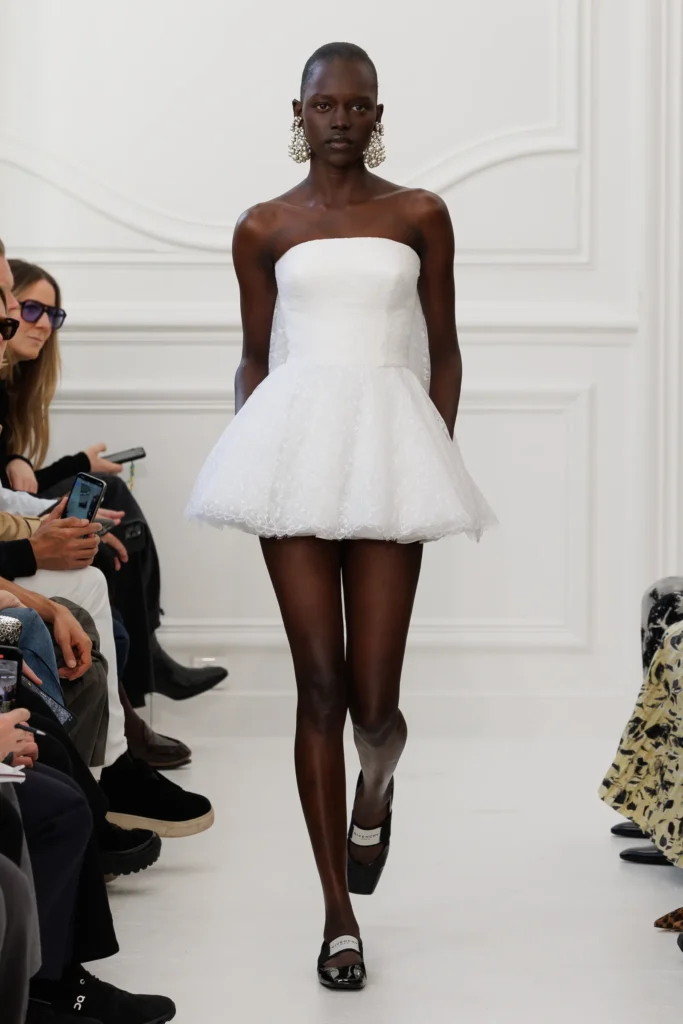
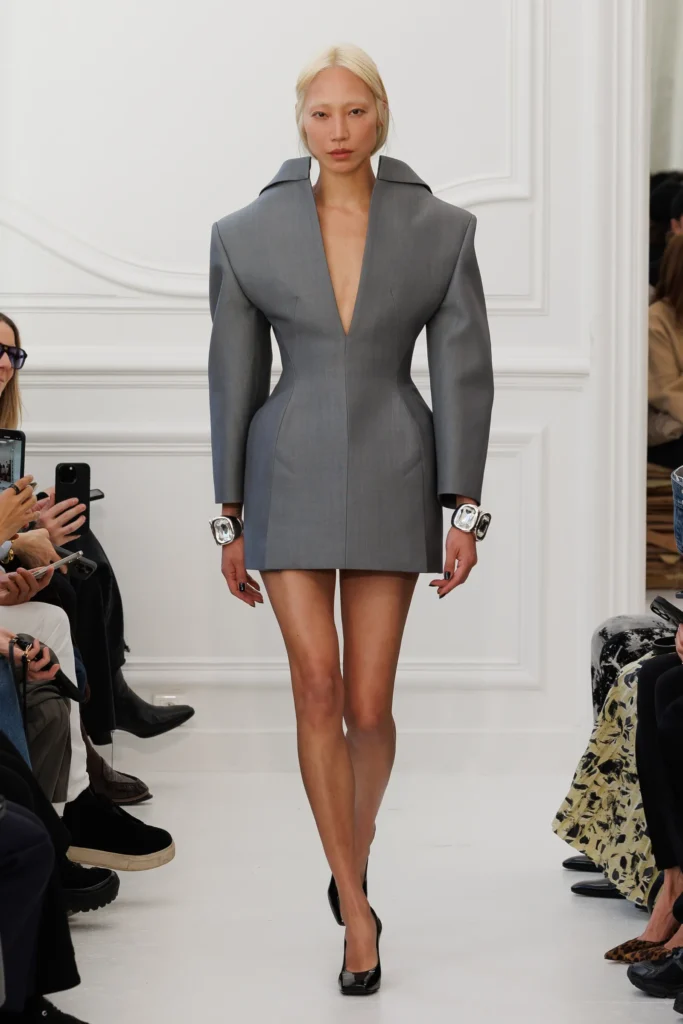
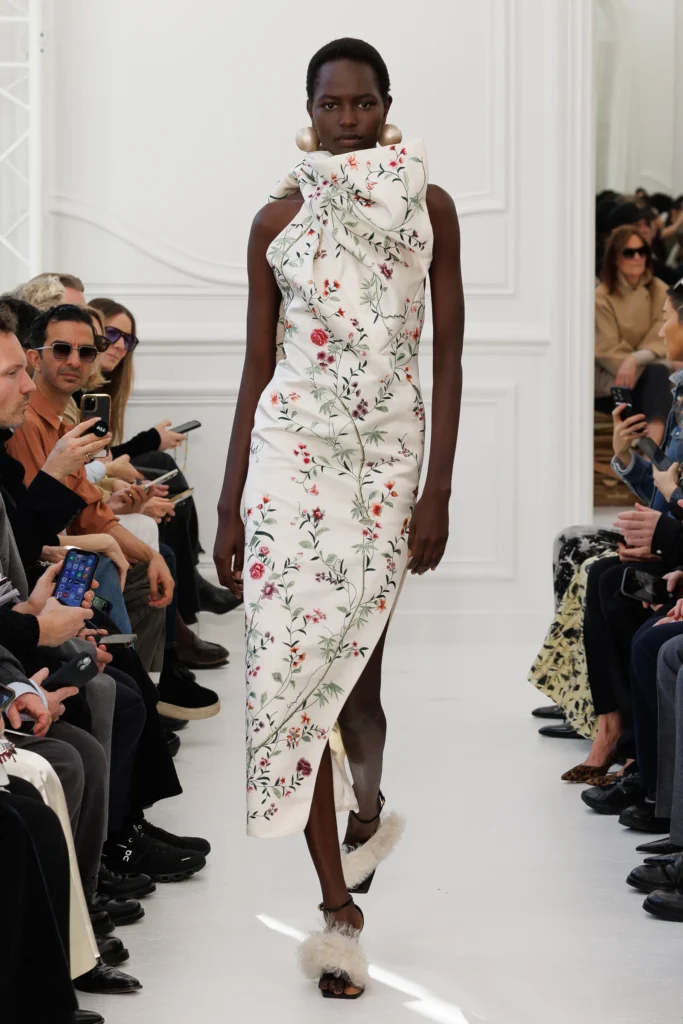
And she proved it on the runway: hourglass-shaped coats and jackets, geometric babydoll dresses, and sculptural structures that seemed to be molded onto the body. The collection, predominantly composed of understated hues, was punctuated by bursts of bright yellow and intricate floral embroidery. The tailoring—impeccable as expected—was infused with a fresh attitude through spiral seams on sleeves and trousers, strategic cutouts that subtly revealed skin, and deliberately unfinished edges, evoking a sense of garments in perpetual evolution.
The show’s staging was equally striking: Givenchy’s historic couture salons on Avenue George V were transformed with pristine white walls and surgical lighting that emphasized every construction detail. Seated atop stacks of kraft-paper envelopes—a nod to the original 1952 sketches—guests, including Rooney Mara, Kit Connor, and Daniel Roseberry, witnessed the dawn of a new era for the house.
Courtesy of GivenchyCourtesy of GivenchyCourtesy of GivenchyCourtesy of GivenchyCourtesy of GivenchyCourtesy of Givenchy
Despite its structural minimalism, the collection was far from lacking in boldness. Motorcycle jackets transformed into hourglass mini-dresses, mesh knits featuring archival watermark-inspired prints, and bursts of tulle pom-poms added depth and movement to the lineup. However, Burton steered clear of unnecessary excess, opting for subtle accessories: oversized pearl earrings and feather-trimmed mules that reinforced the collection’s sophistication without overshadowing the garments.
Courtesy of GivenchyCourtesy of GivenchyCourtesy of GivenchyCourtesy of GivenchyCourtesy of Givenchy
With this debut, Burton has proven that her mastery of tailoring and understanding of modern elegance make her the natural successor for Givenchy. Her approach not only honors the house’s DNA but propels it into a new era of sophistication. While most designers take seasons to find their voice within a brand, Burton already speaks like a true master.
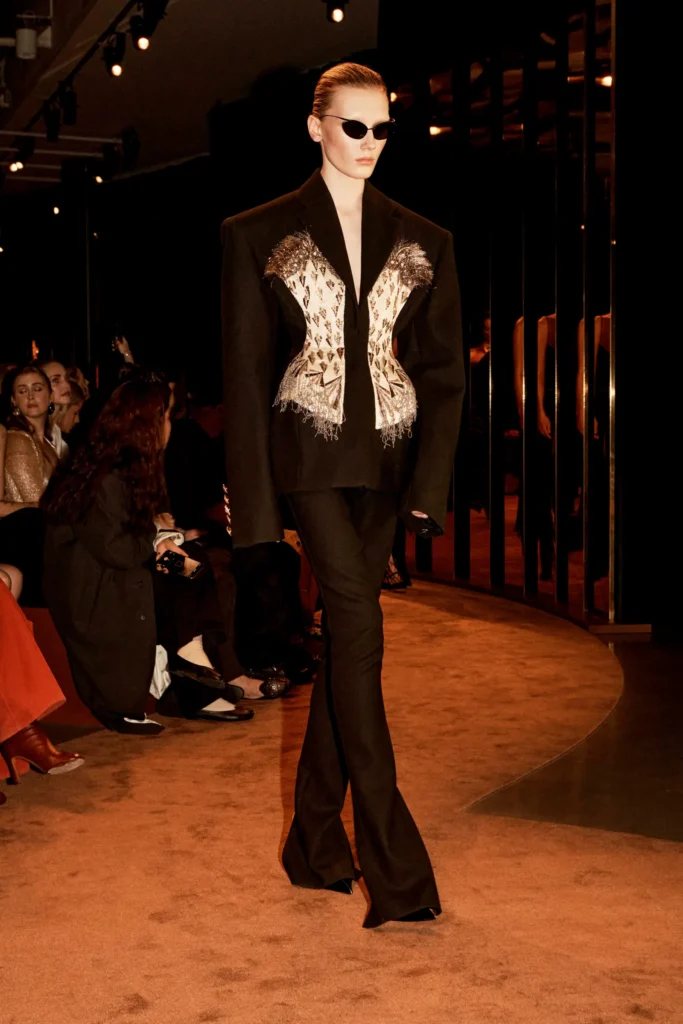
With “Lone Star”, his Fall/Winter 2025 collection, Daniel Roseberry continues to shape a new era for Schiaparelli, preserving the theatricality that has defined his vision. Presented at the Musée d’Art Moderne de Paris, the collection was a masterful exploration of contrasts, where masculinity and femininity, structure and fluidity, practicality and grandeur coexist in perfect harmony.
Courtesy Of SchiaparelliCourtesy Of SchiaparelliCourtesy Of SchiaparelliCourtesy Of SchiaparelliCourtesy Of SchiaparelliCourtesy Of Schiaparelli
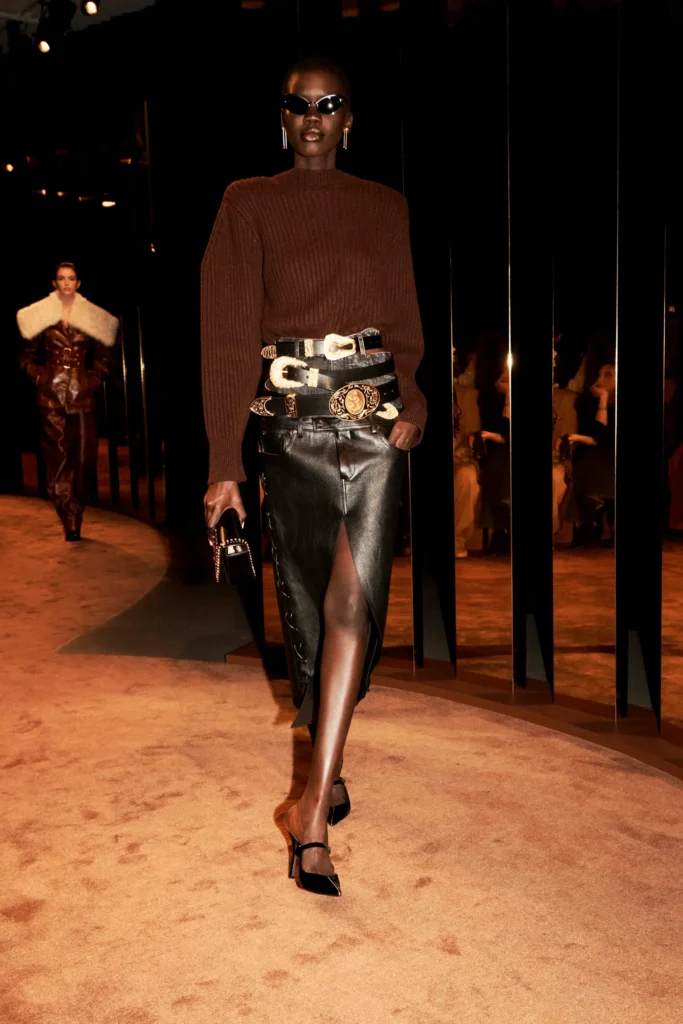
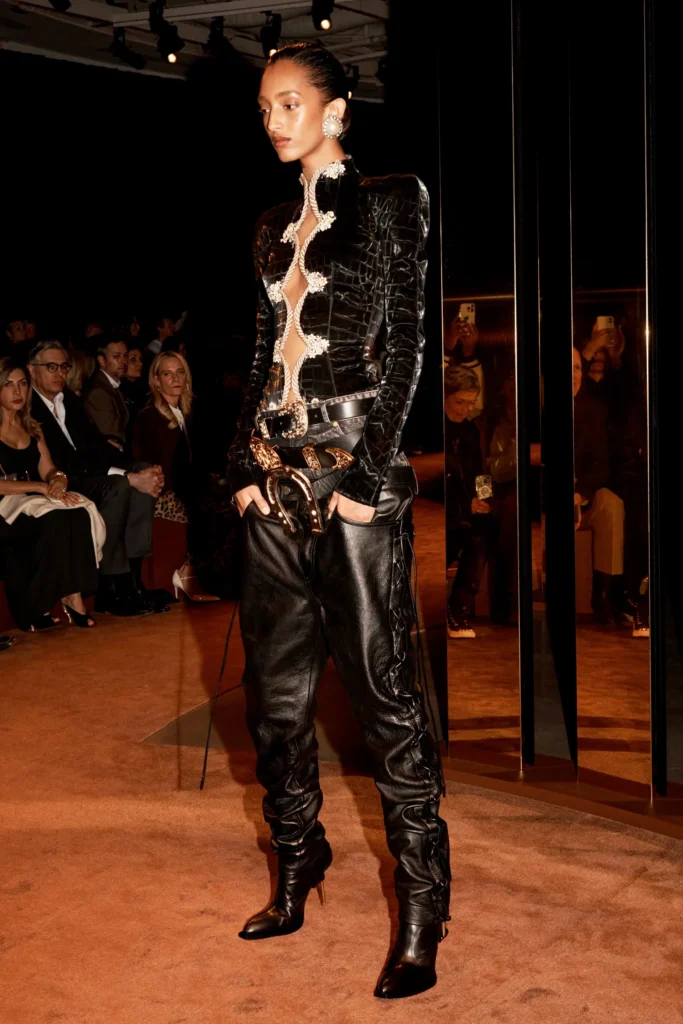
Always keenly aware of female psychology, Roseberry started with a simple yet profound question: How do women actually dress? What makes them feel strong, comfortable, and special? His response was a wardrobe that doesn’t seek to seduce under the male gaze but empowers through individuality. Inspired by his Texas roots, he reinterpreted classic Western elements—boots, belts, and tailored coats—with a refined sensibility, elevating them through impeccable craftsmanship and unexpected materials.
Courtesy Of SchiaparelliCourtesy Of SchiaparelliCourtesy Of SchiaparelliCourtesy Of SchiaparelliCourtesy Of SchiaparelliCourtesy Of Schiaparelli
The collection plays with the duality of strength and fragility, expressed through exquisite fabric manipulation. Embossed leather and copper, typically associated with ruggedness, were transformed into unexpectedly fluid textures, while softer materials were structured to hold their ground. Inflated feather motifs over satin velvet and neoprene, ribbon dresses that slither across the body, and haute couture silhouettes adapted for ready-to-wear took center stage, proving that Roseberry knows how to translate drama into wearable pieces.
Courtesy Of SchiaparelliCourtesy Of SchiaparelliCourtesy Of SchiaparelliCourtesy Of SchiaparelliCourtesy Of SchiaparelliCourtesy Of Schiaparelli
This season, however, Schiaparelli also made a strategic move. Fueled by the overwhelming success of its haute couture collections, the house is now expanding into ready-to-wear and accessories, key sectors for long-term growth. The front row, packed with industry power players, made it clear: Schiaparelli is solidifying itself beyond conceptual fashion.
Courtesy Of SchiaparelliCourtesy Of SchiaparelliCourtesy Of SchiaparelliCourtesy Of SchiaparelliCourtesy Of SchiaparelliCourtesy Of Schiaparelli
With the instincts of a visionary storyteller, Roseberry posed a thought-provoking question: “If women inherited a world without men, how would they reinterpret traditional male archetypes?” The answer lies in a collection that embraces contradiction as a form of strength, celebrating a woman unafraid to take up space, to shine, and to own her uniqueness. Because in Schiaparelli’s universe, luxury is not just about aesthetics—it’s about attitude.
Courtesy Of SchiaparelliCourtesy Of SchiaparelliCourtesy Of SchiaparelliCourtesy Of SchiaparelliCourtesy Of Schiaparelli
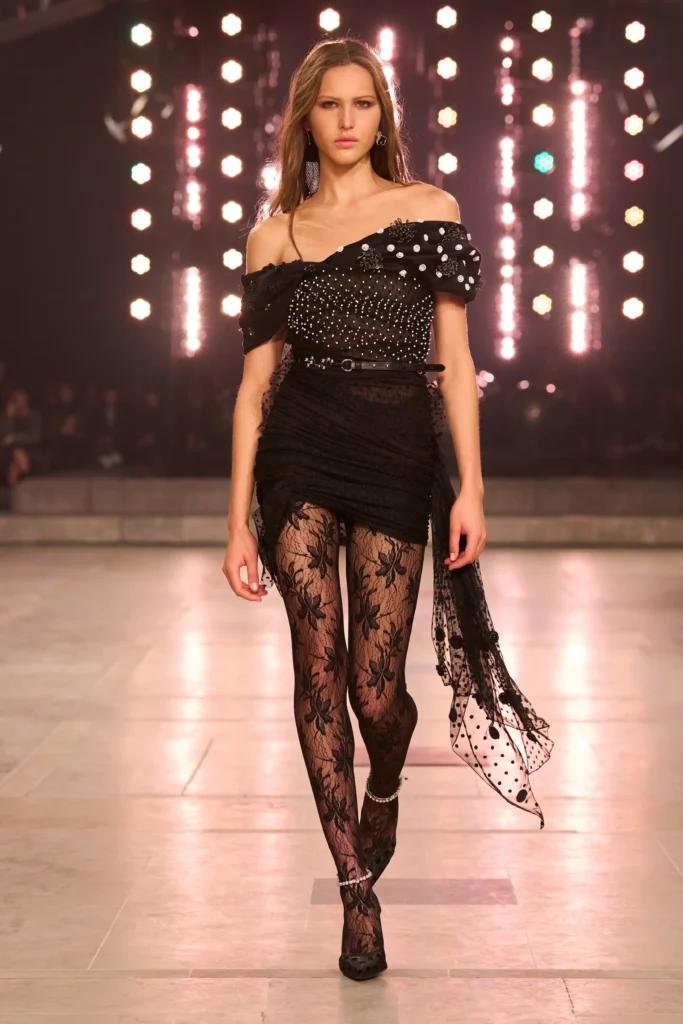
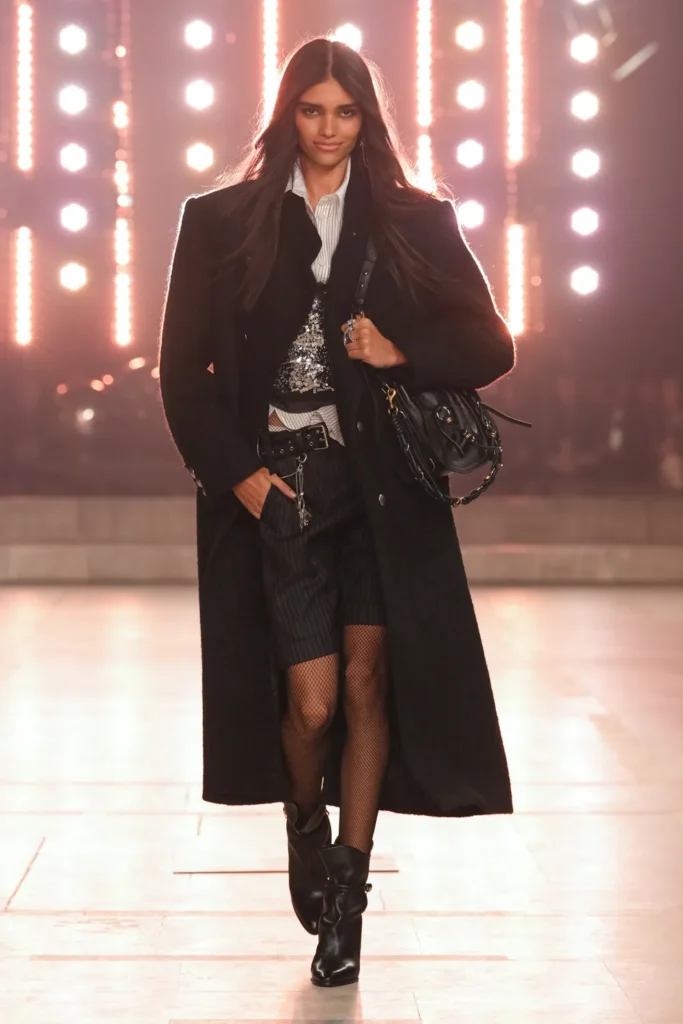
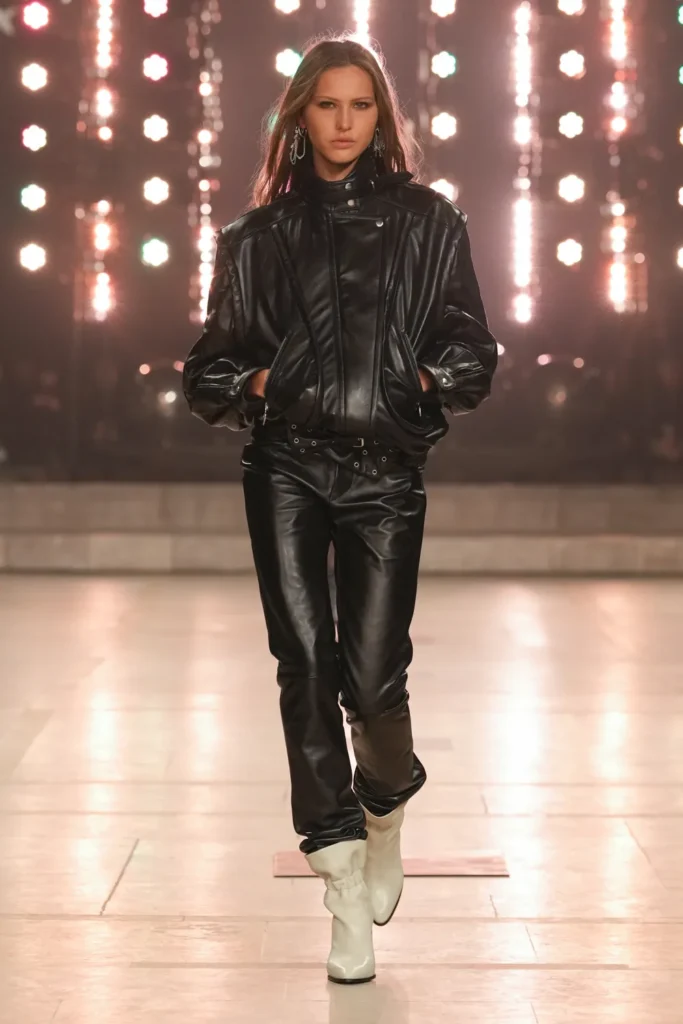
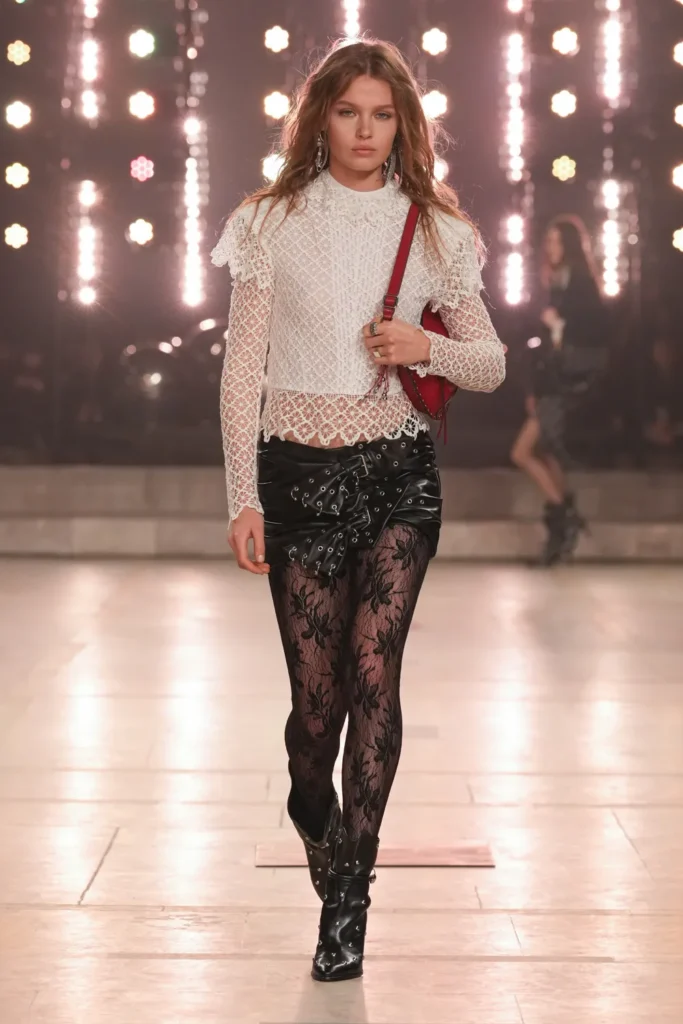
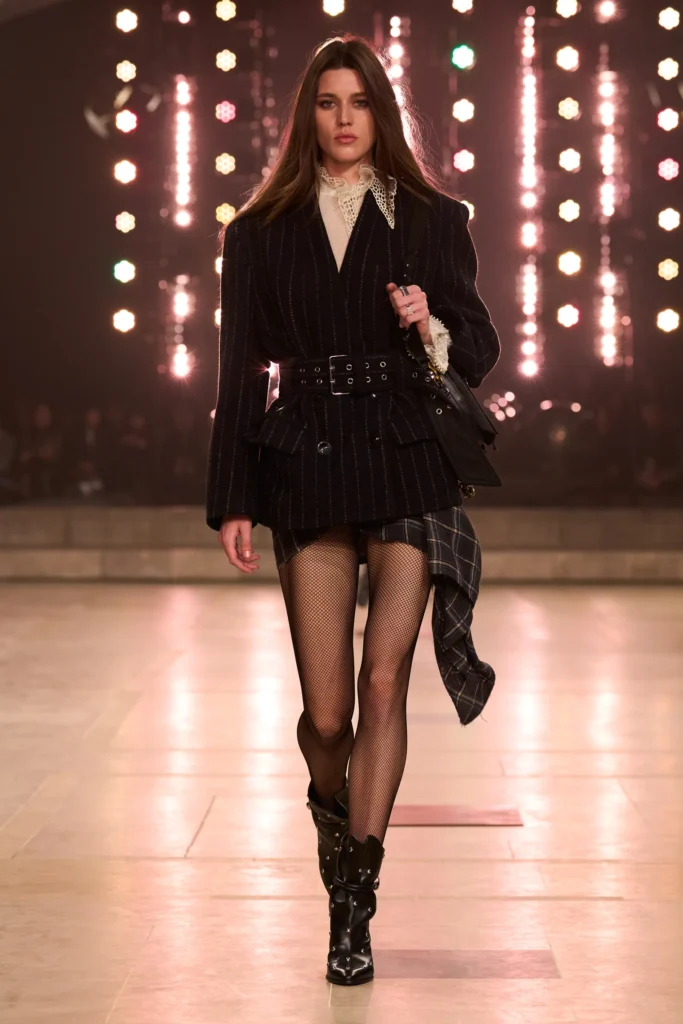
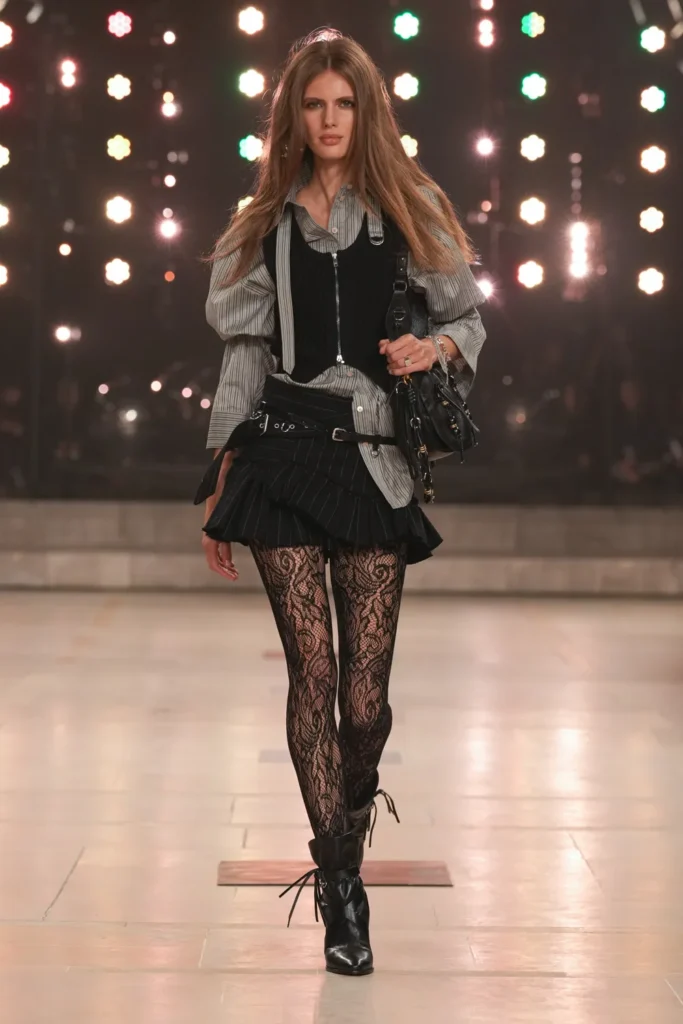
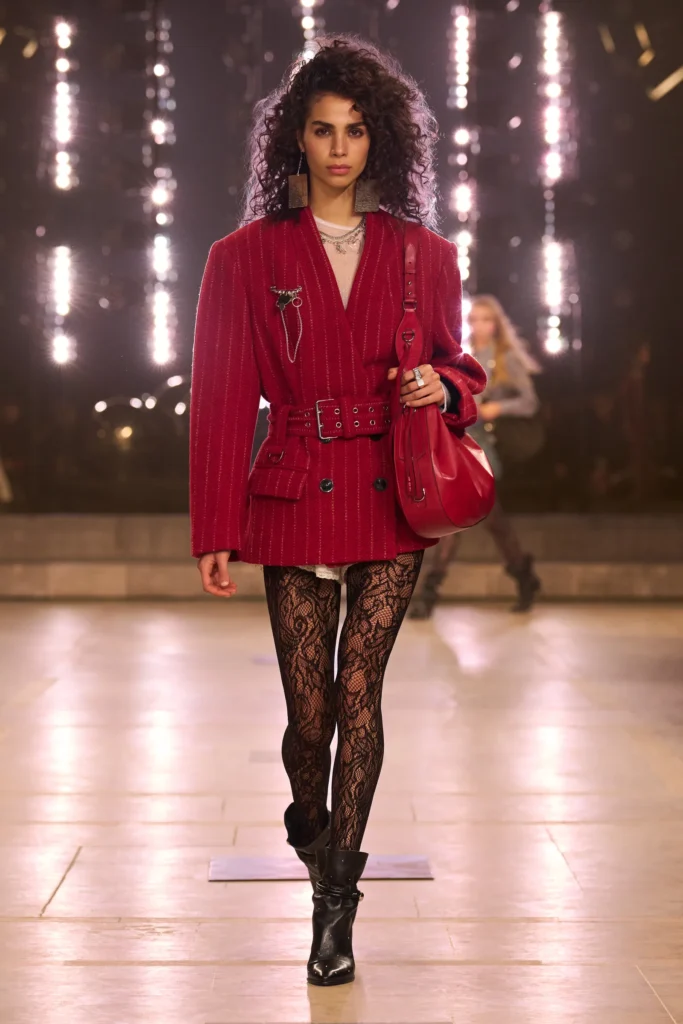
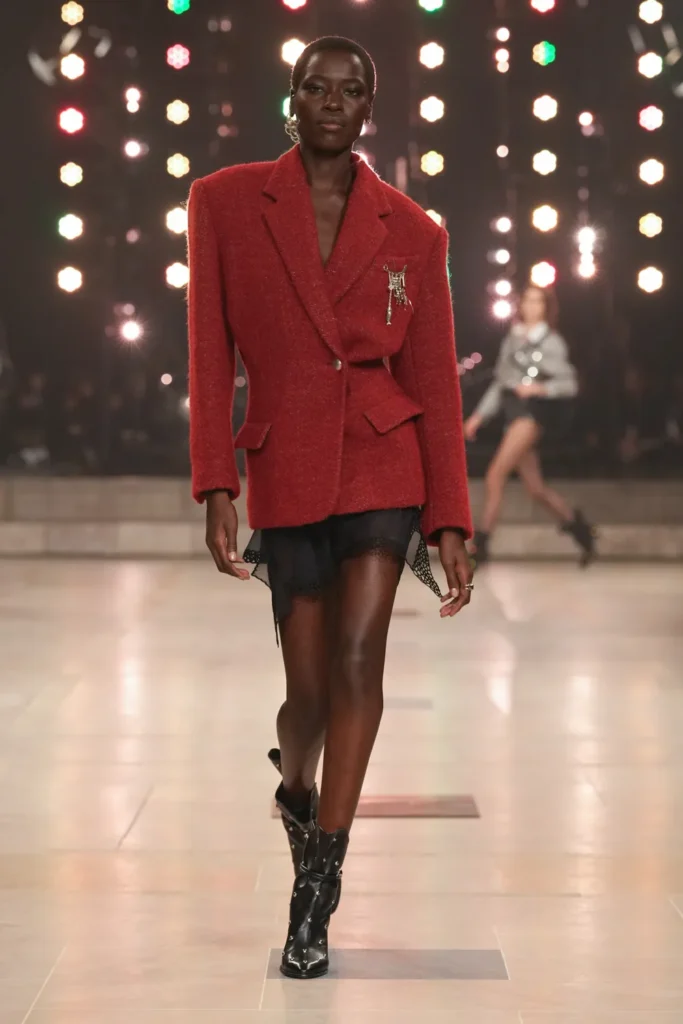
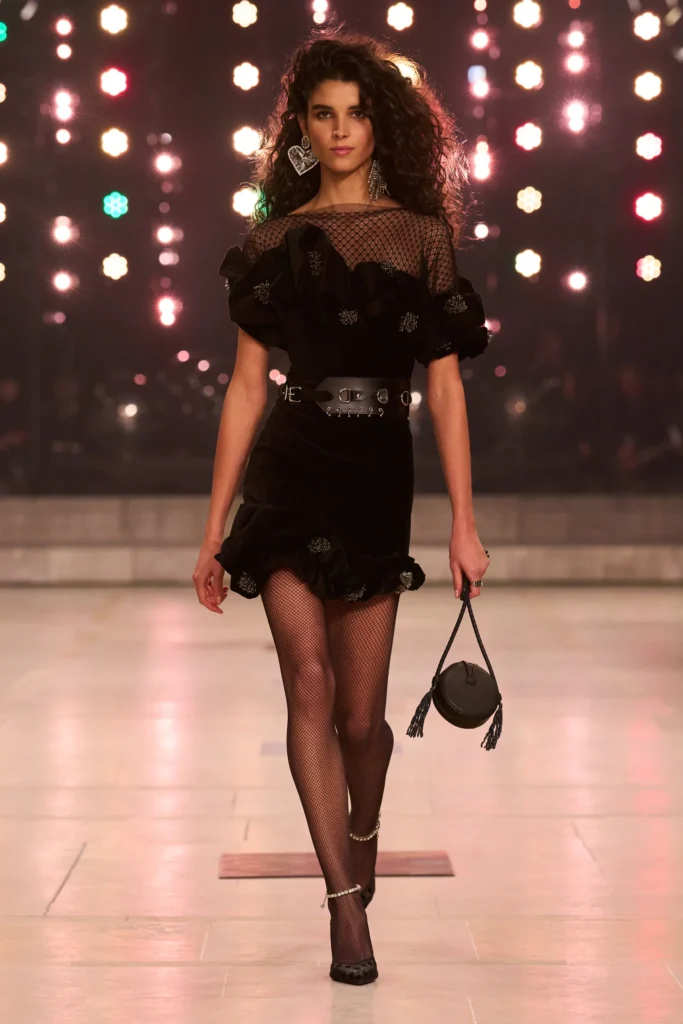
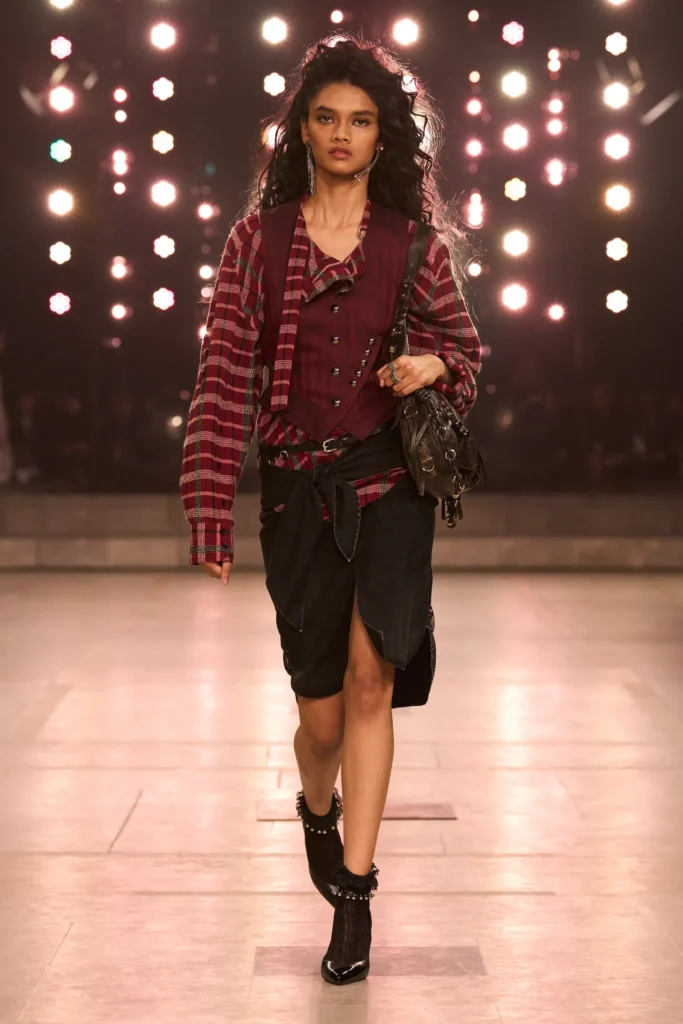
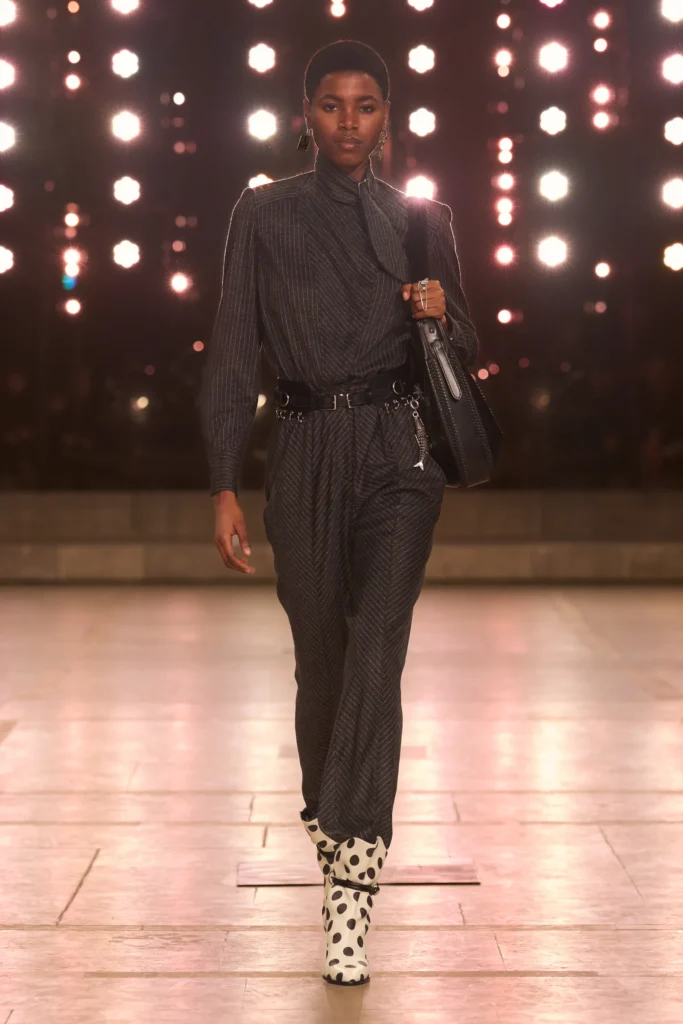
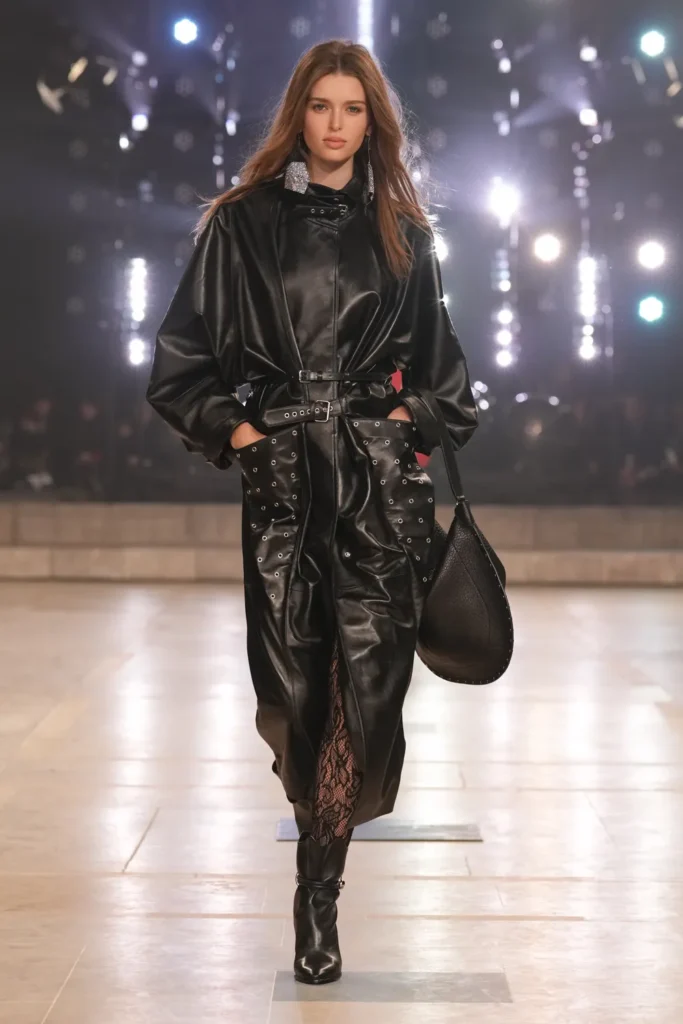
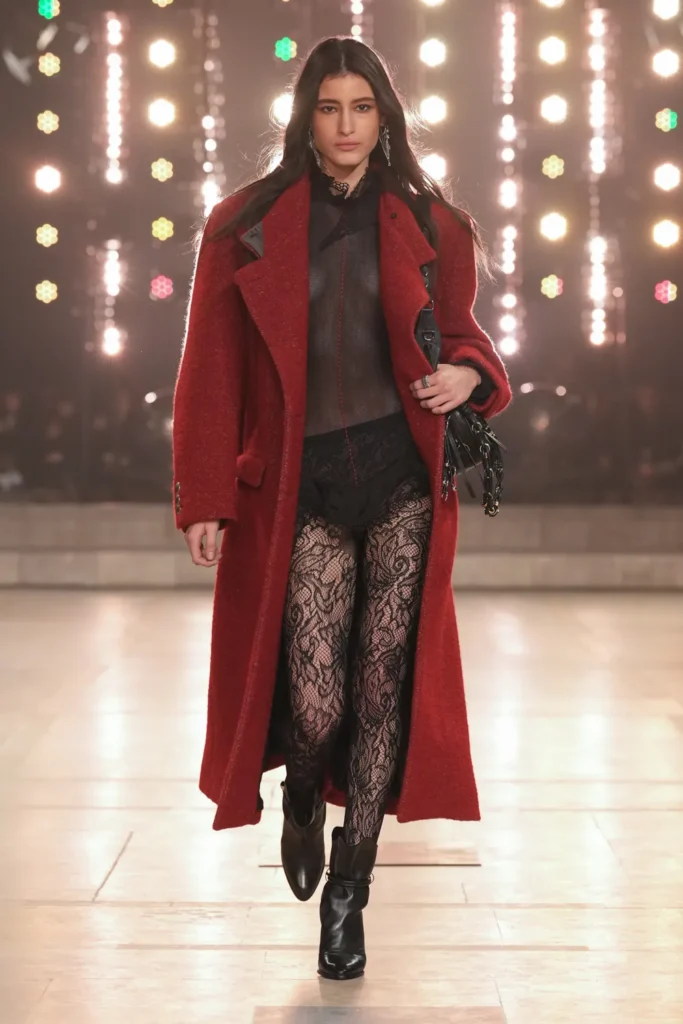
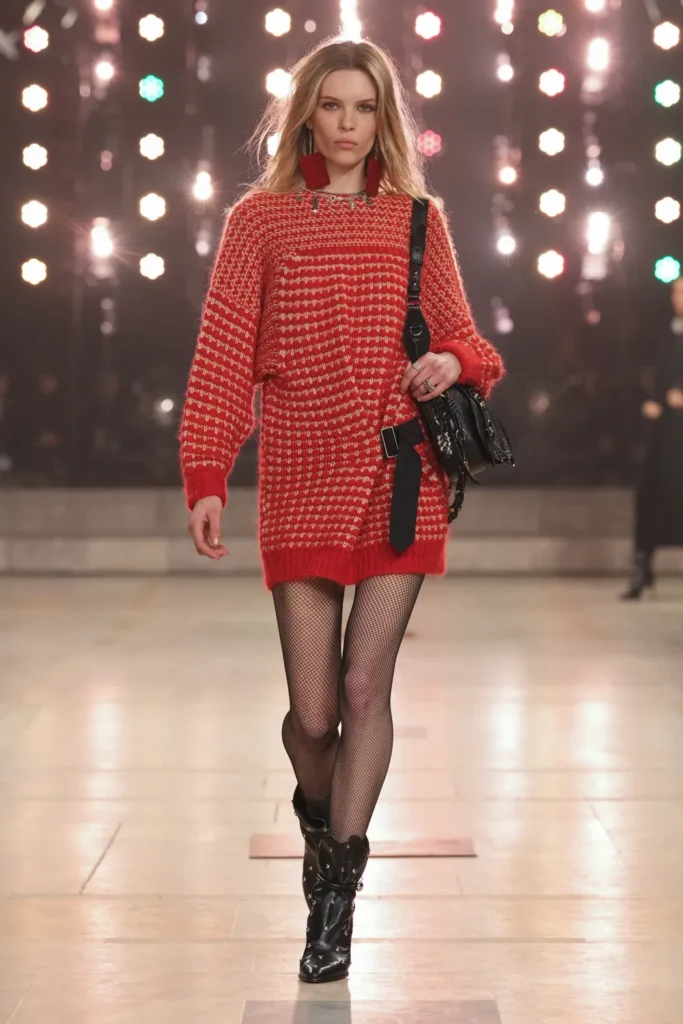
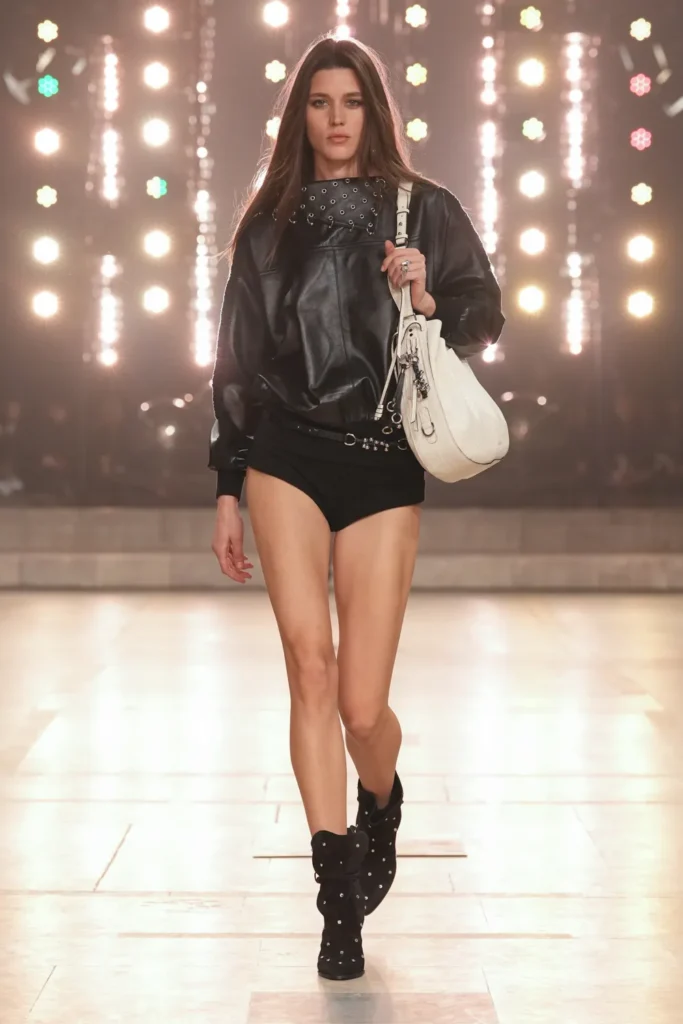
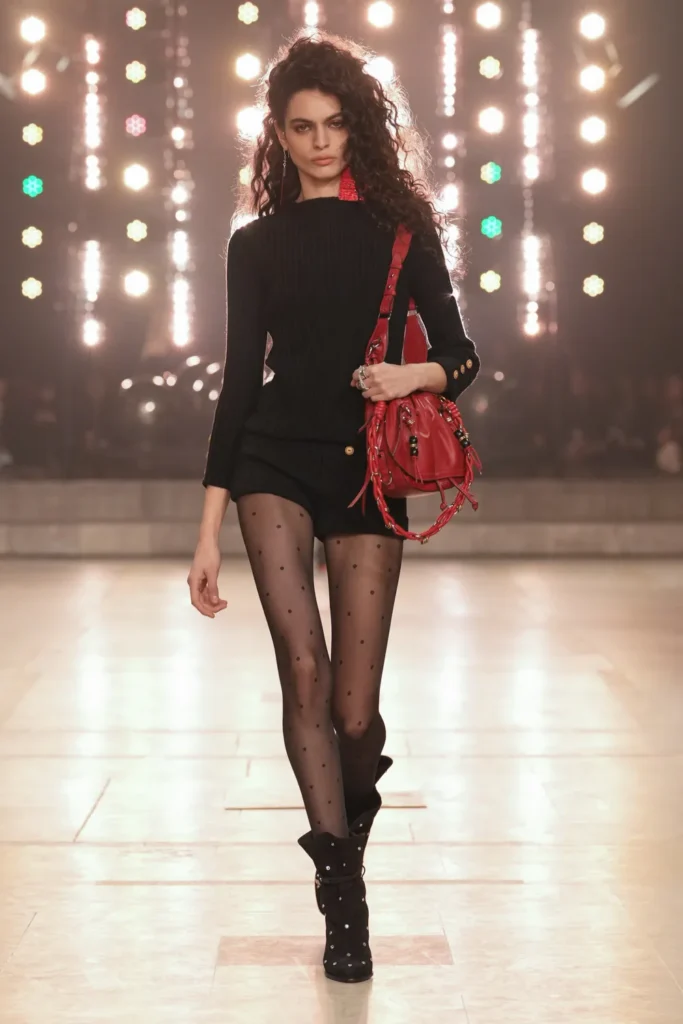
Punk is making a strong comeback on the Paris runways, and at Isabel Marant, its interpretation takes on an unmistakably sensual tone. With the designer on an Ayurvedic retreat in Sri Lanka, creative director Kim Bekker took the reins of the Fall 2025 collection, delivering a proposal that fuses sharp tailoring, bold textures and a perfectly orchestrated attitude of rebellion.
The references to punk and grunge were not subtle. Bekker built her vision on Joan Jett, Siouxsie Sioux and Johnny Rotten, but also on the carefree aesthetic of Kate Moss and Drew Barrymore in the 90s. This mix of influences gave rise to a show where layers, strategic cuts and metallic details took center stage.
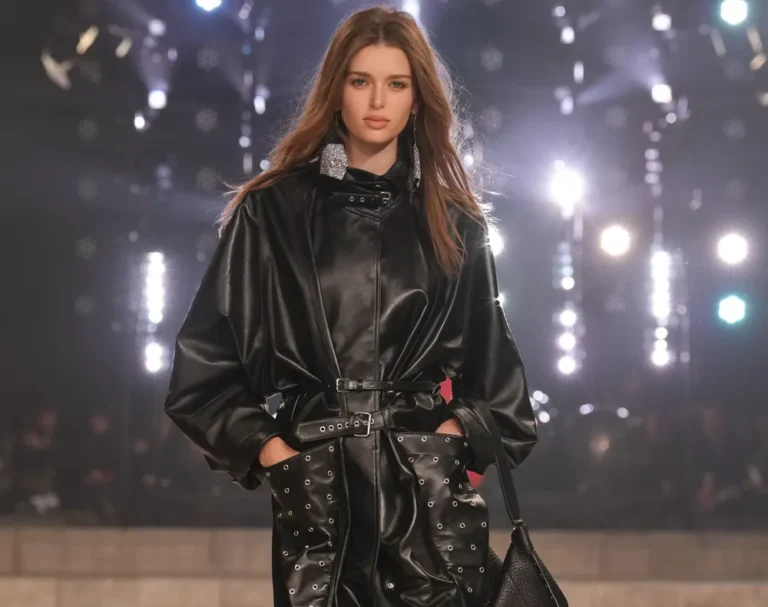
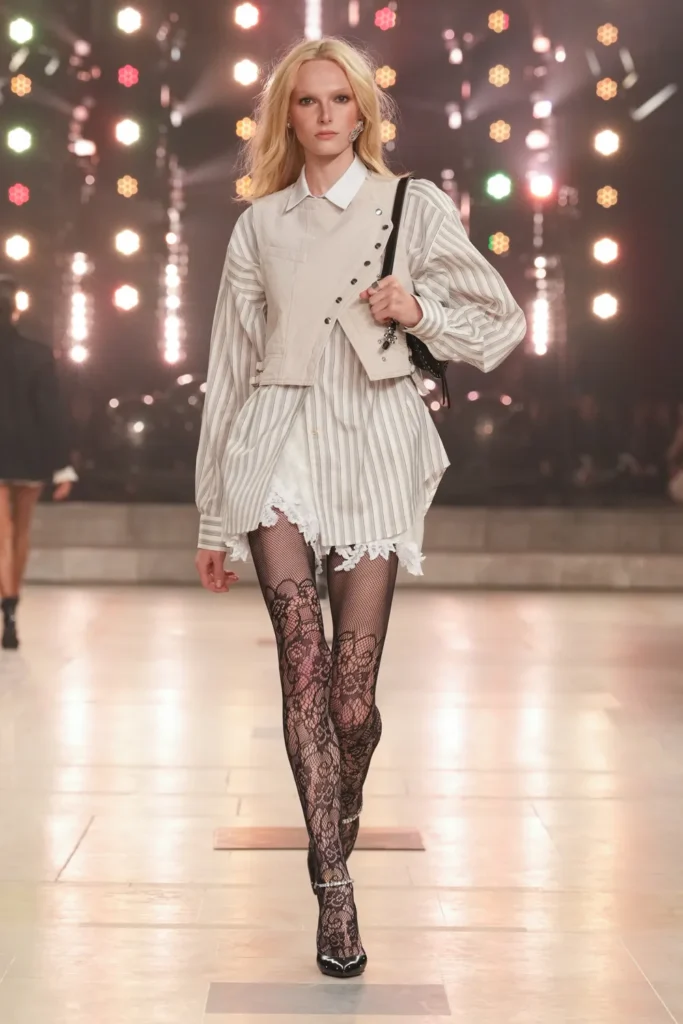
The collection played with tailoring in a clever and provocative way: striped blazers with bare shoulders, layered vests, structured shorts and tight-fitting jumpsuits defined a defiant silhouette, while leather burst into miniskirts with buckles, trench coats perforated with silver eyelets and oversized sweaters, adding a dose of urban drama.
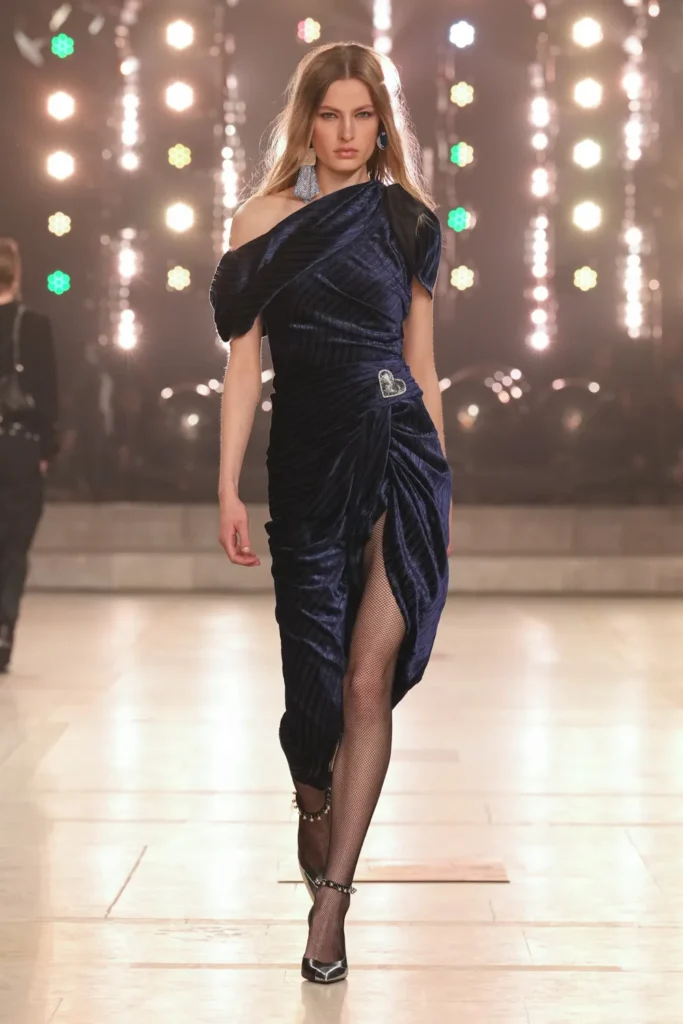
Punk motifs were mixed with elements of dark romanticism, where translucent mesh tops, anarchic checks and ethereal textured sweaters provided an intriguing sense of contrast. The more feminine and nocturnal side appeared with ultra-tight, short cocktail dresses with a hint of the 80s, showing that in the Marant universe, sensuality remains a fundamental pillar.
Even the men’s proposal incorporated an unexpected twist, with silver embroidery, printed scarves and shoes in uneven tones, reaffirming gender fluidity as part of the DNA of contemporary fashion.
While the excess of accessories—lace stockings, studded belts, scarves and safety pins—at times bordered on saturation, the collection never lost its powerful narrative. Bekker understands that punk isn’t about discretion, and her version for Isabel Marant balances insolence, sophistication and an air of indomitable confidence.
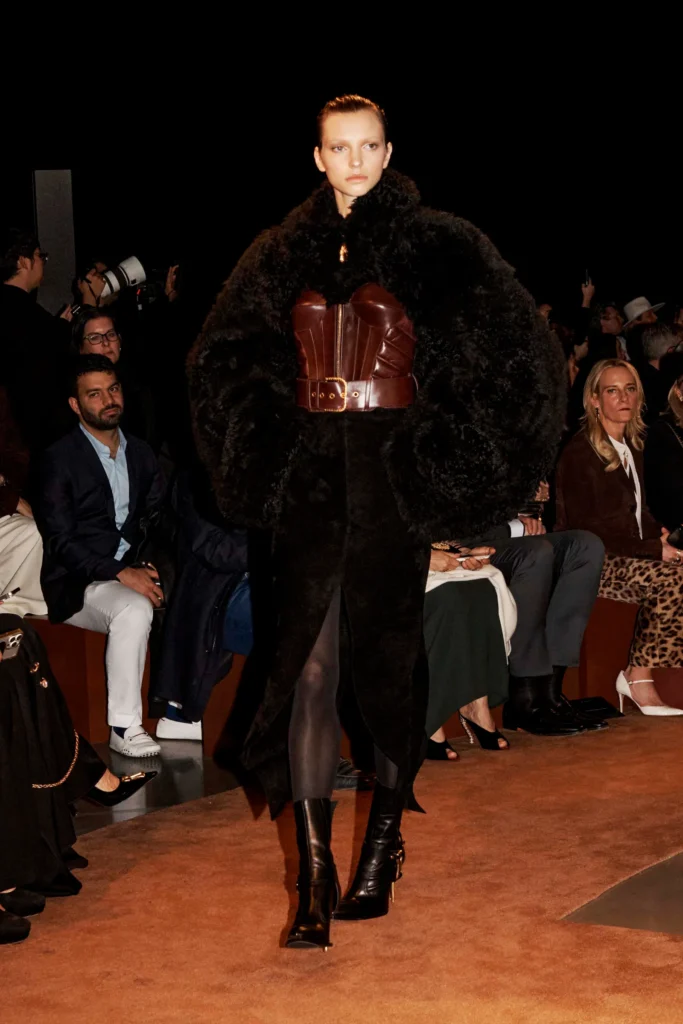
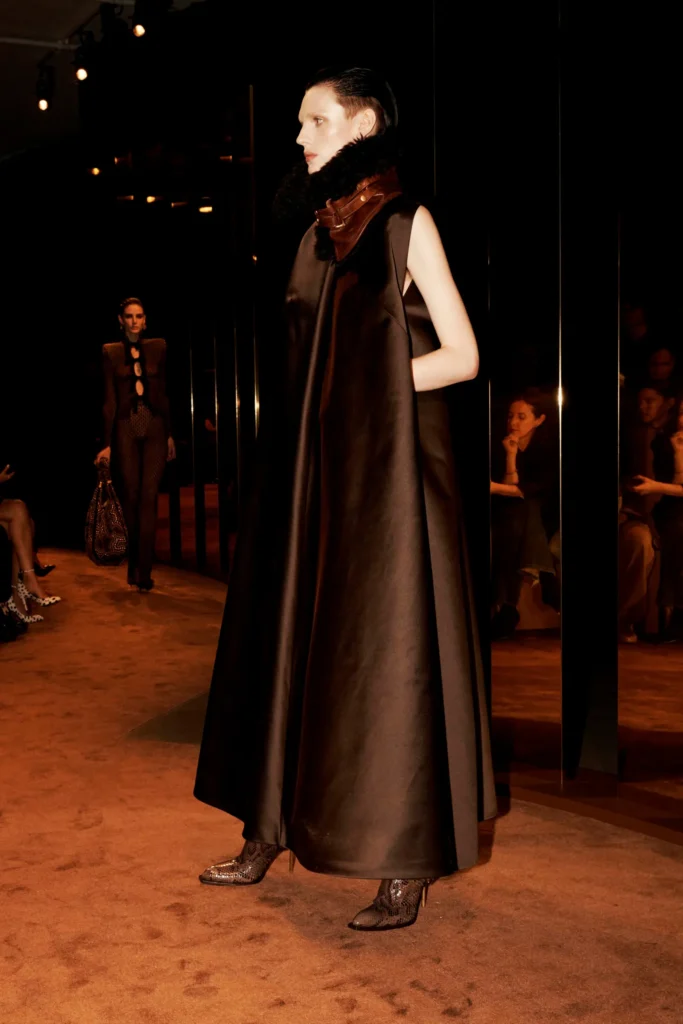
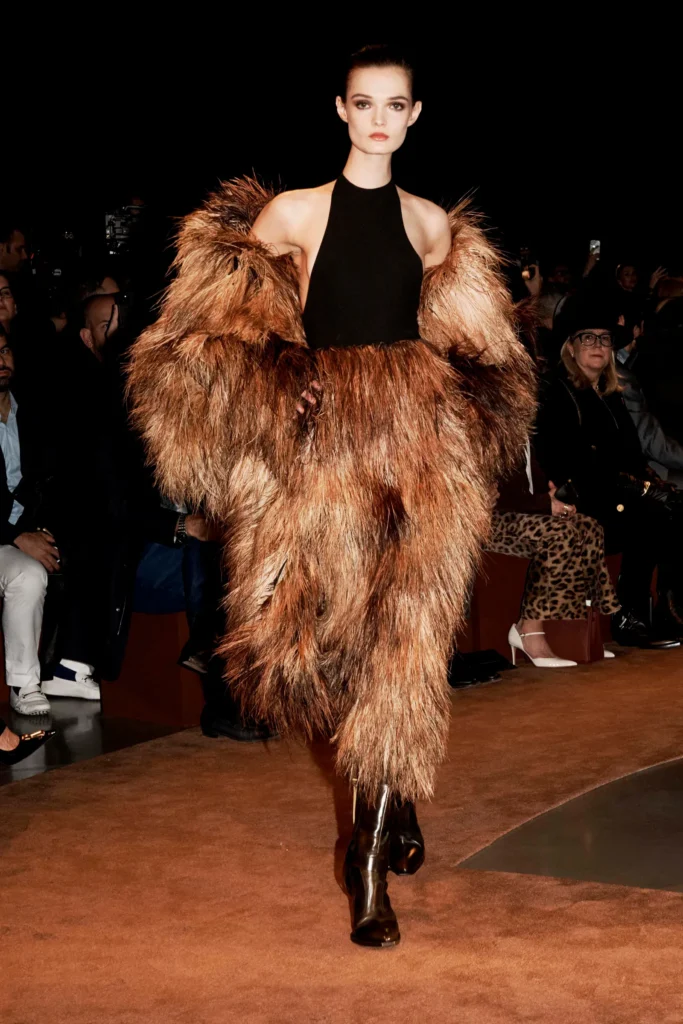
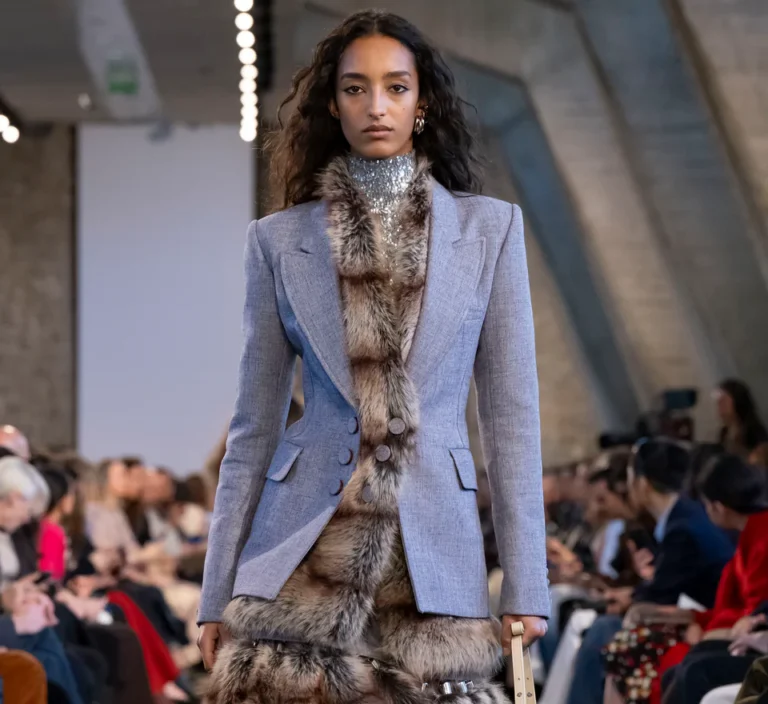
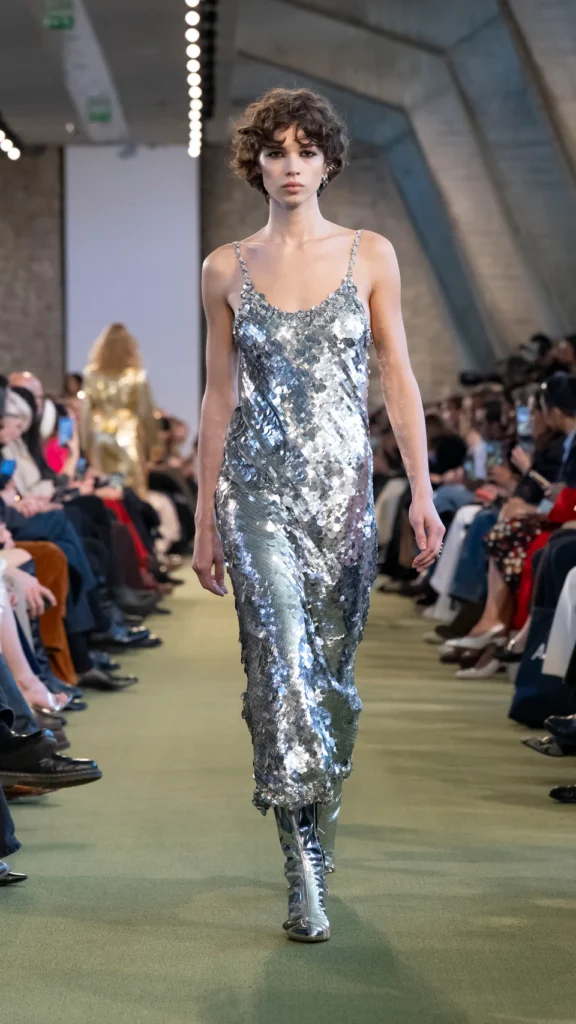
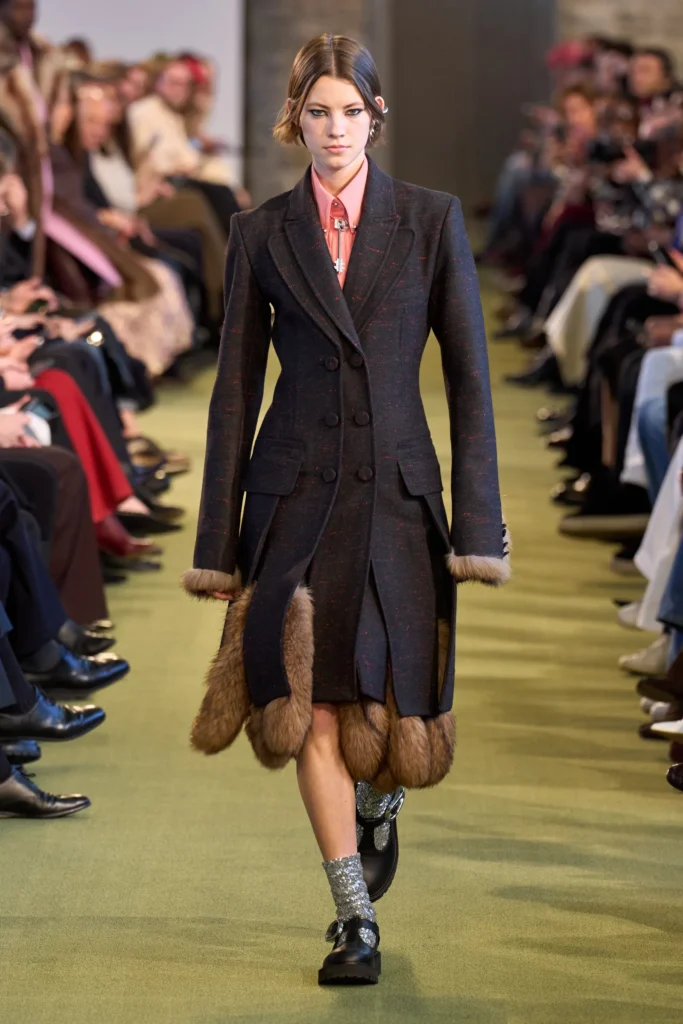
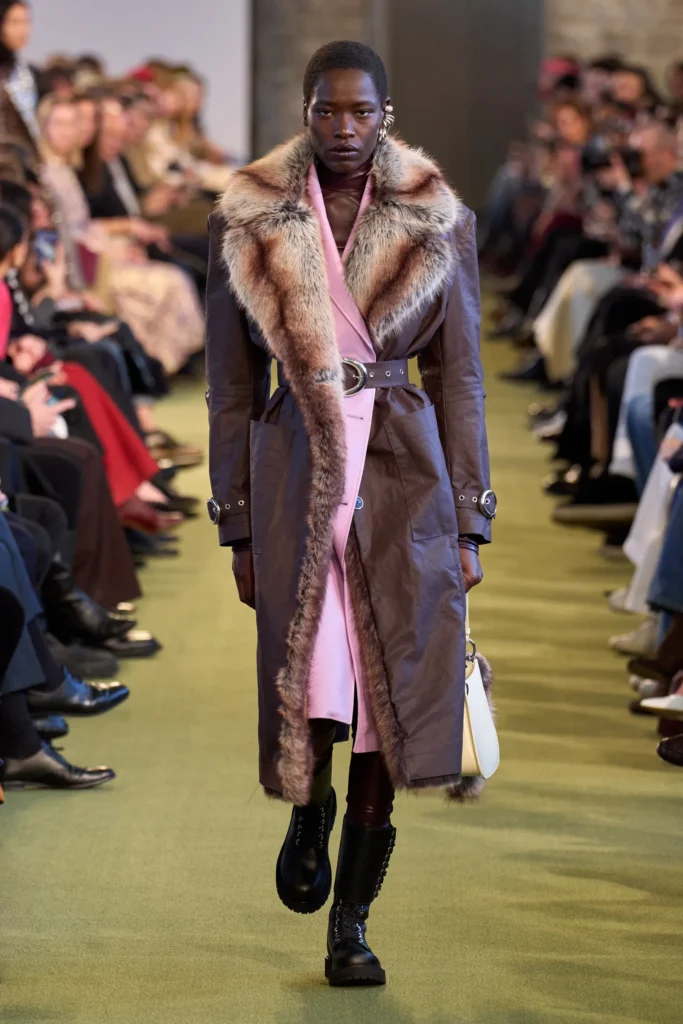
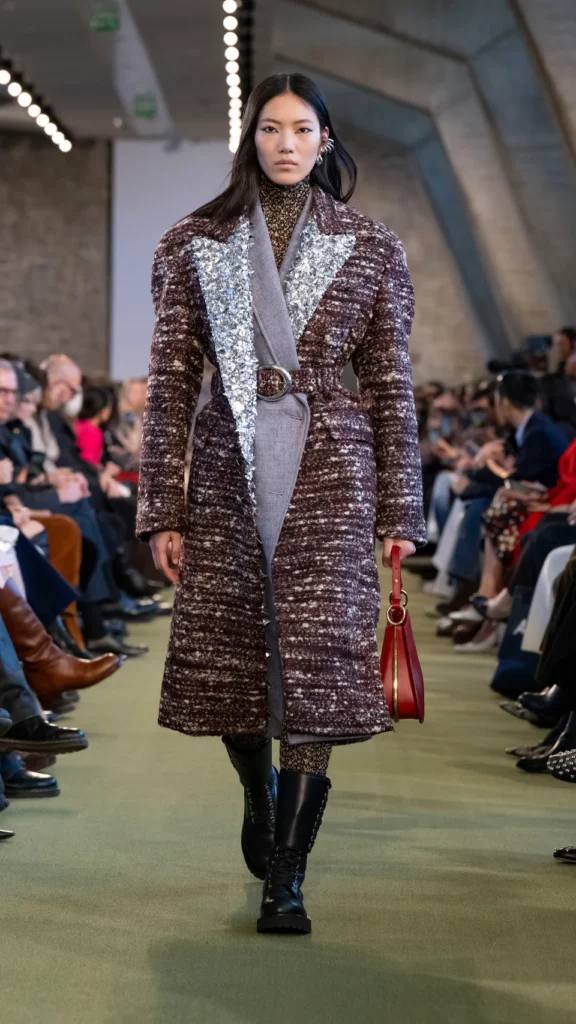
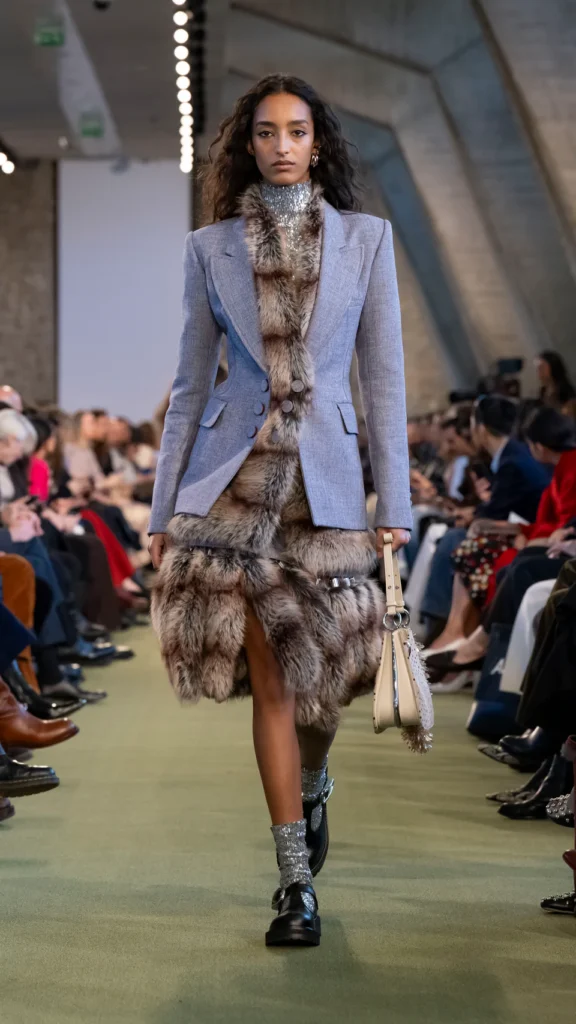
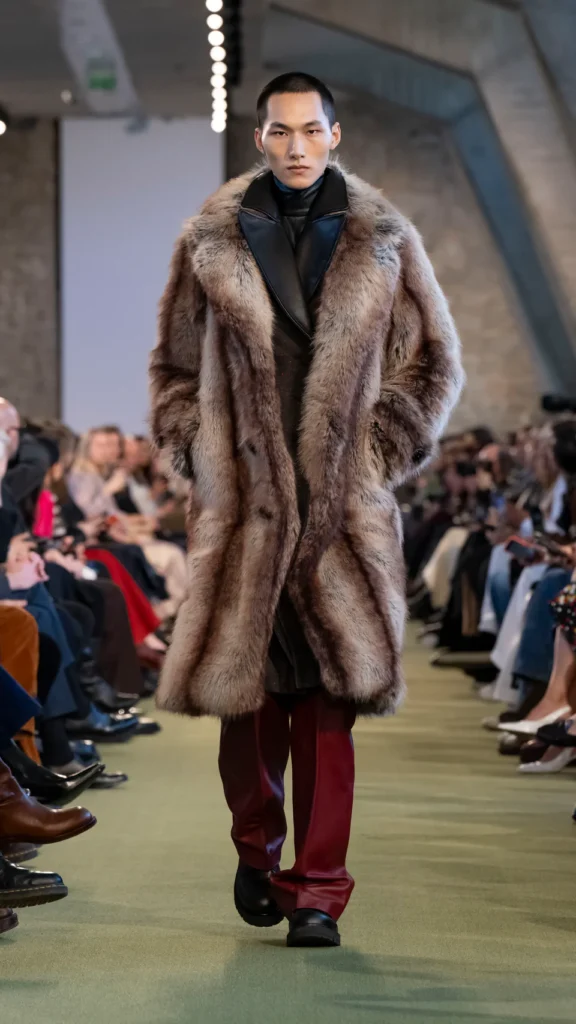
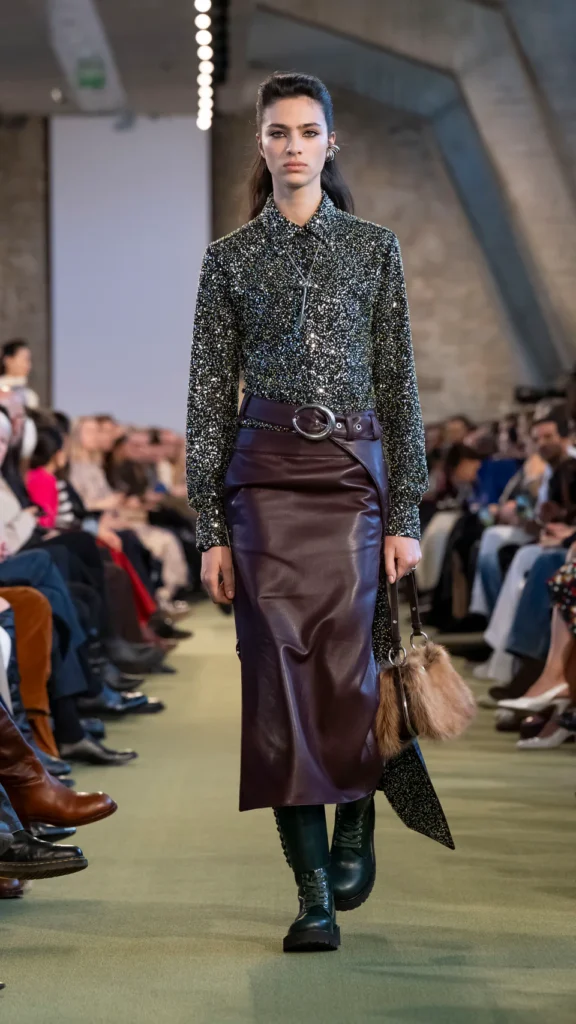
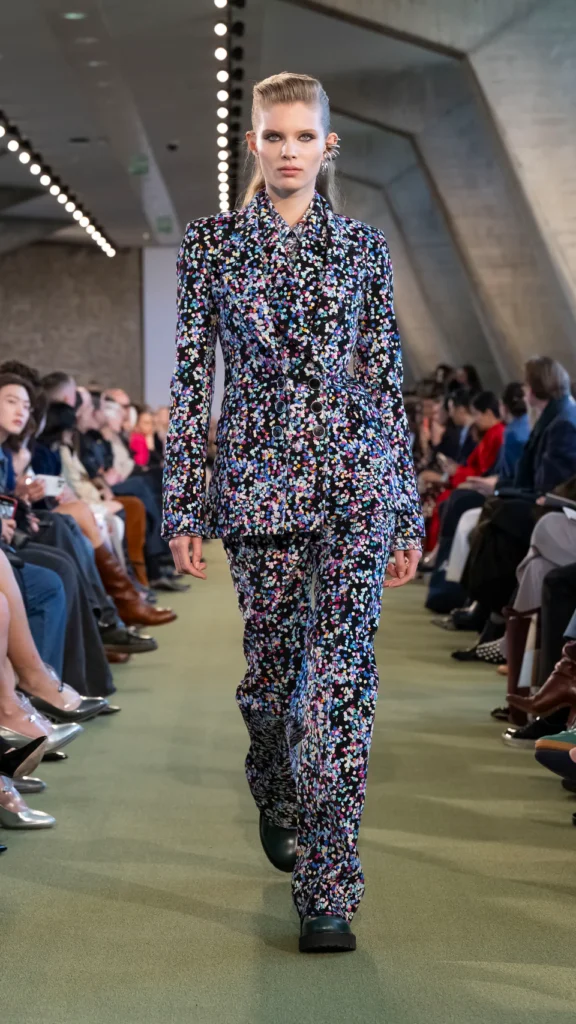
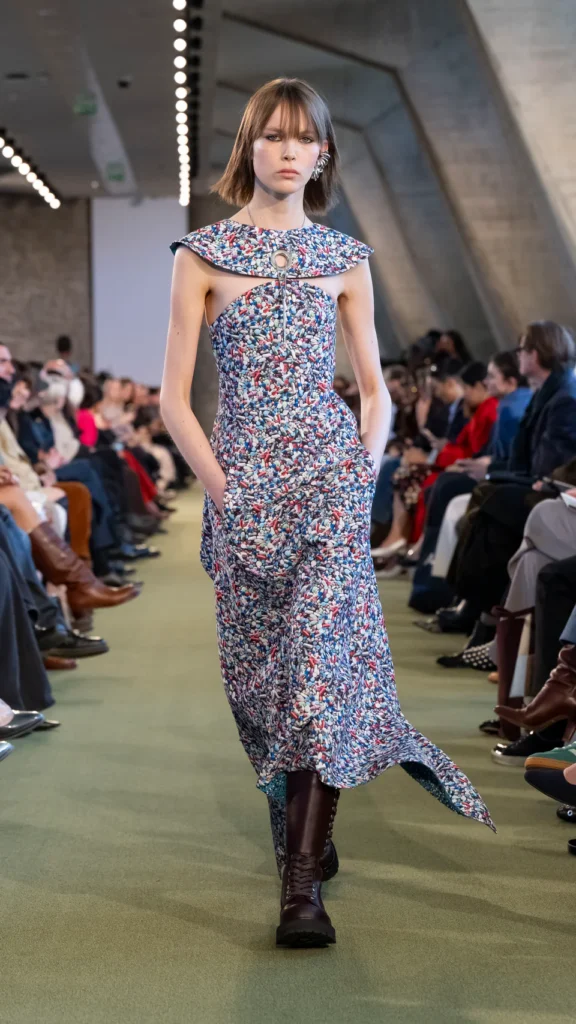
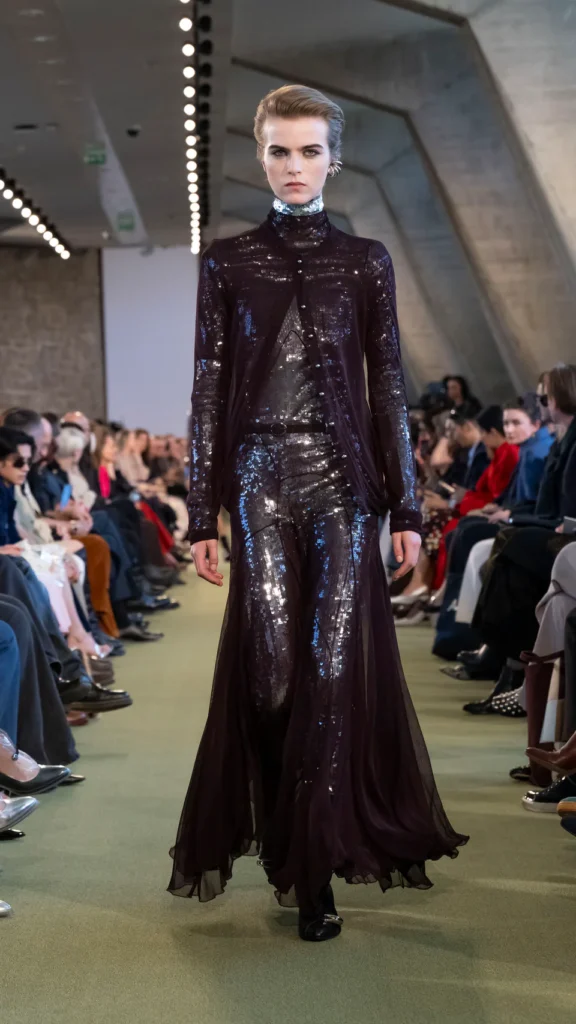
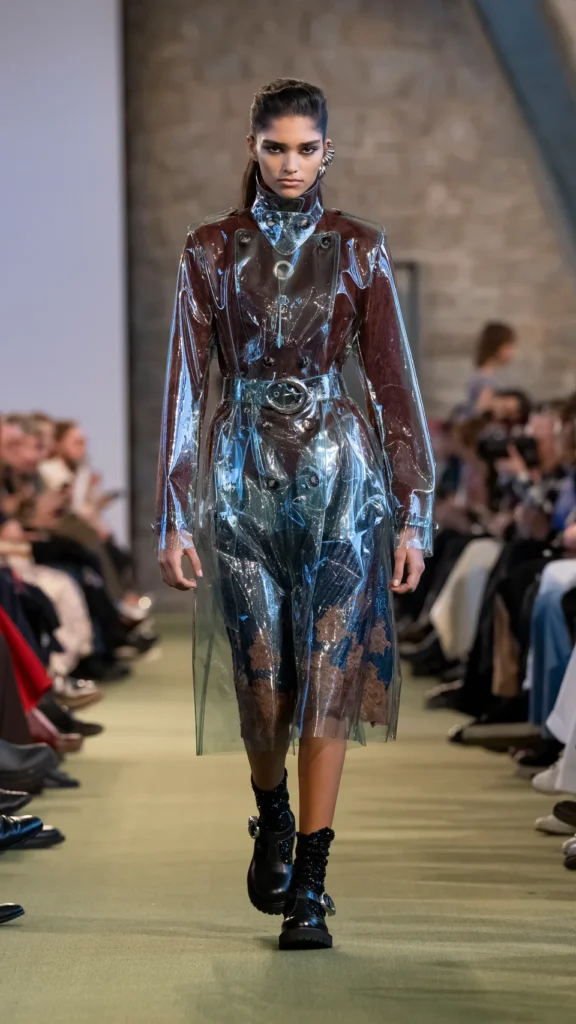
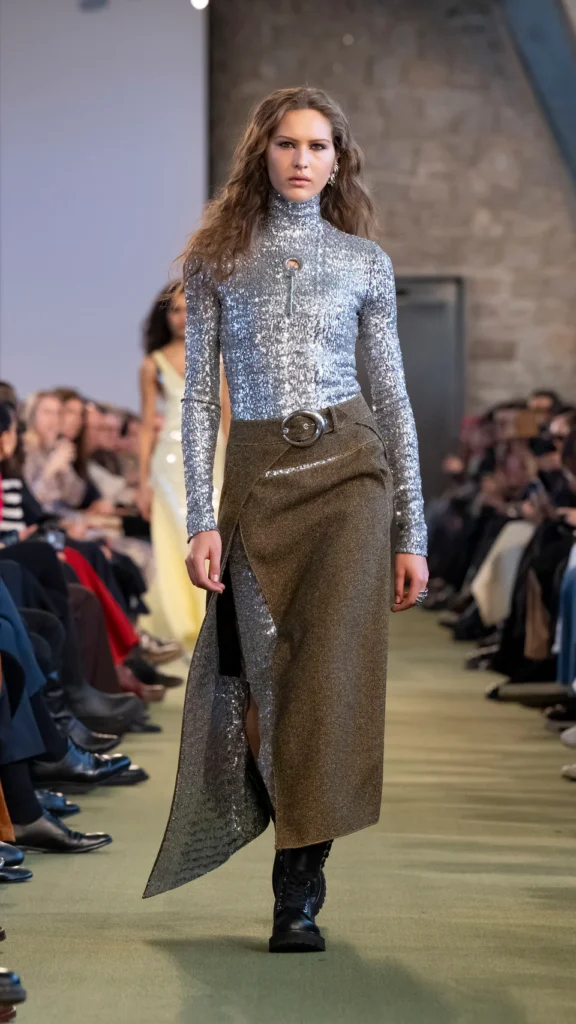
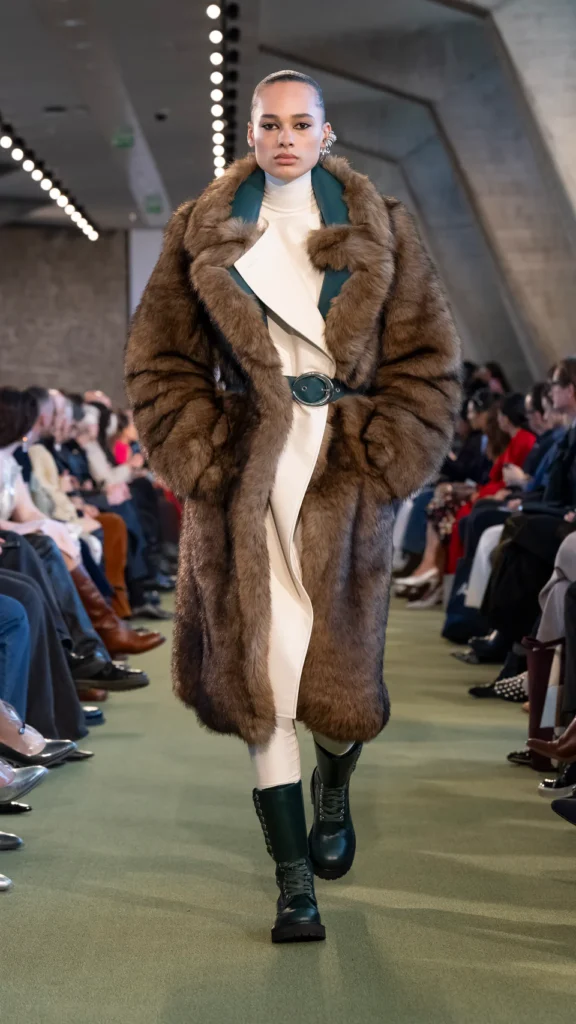
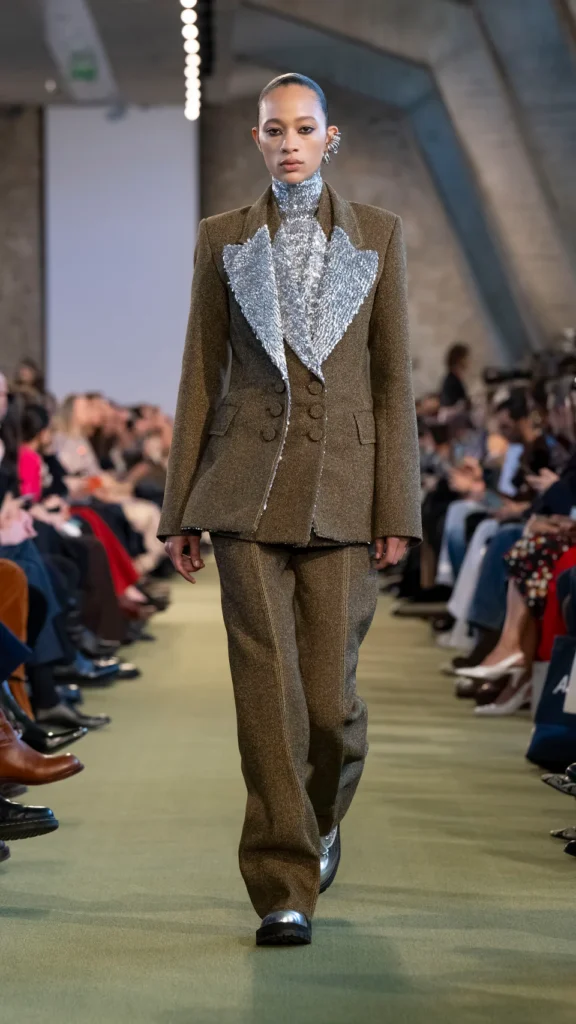
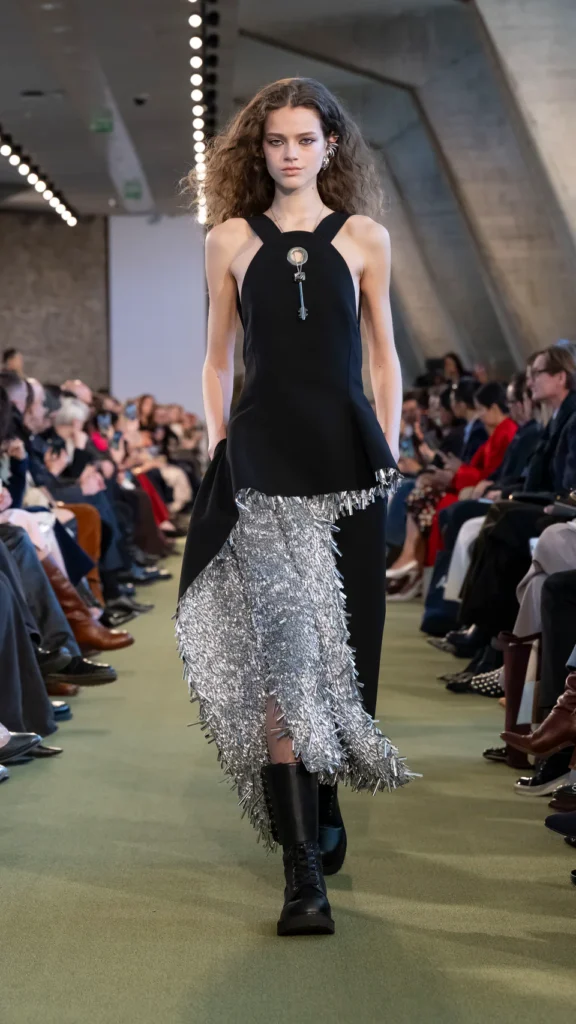
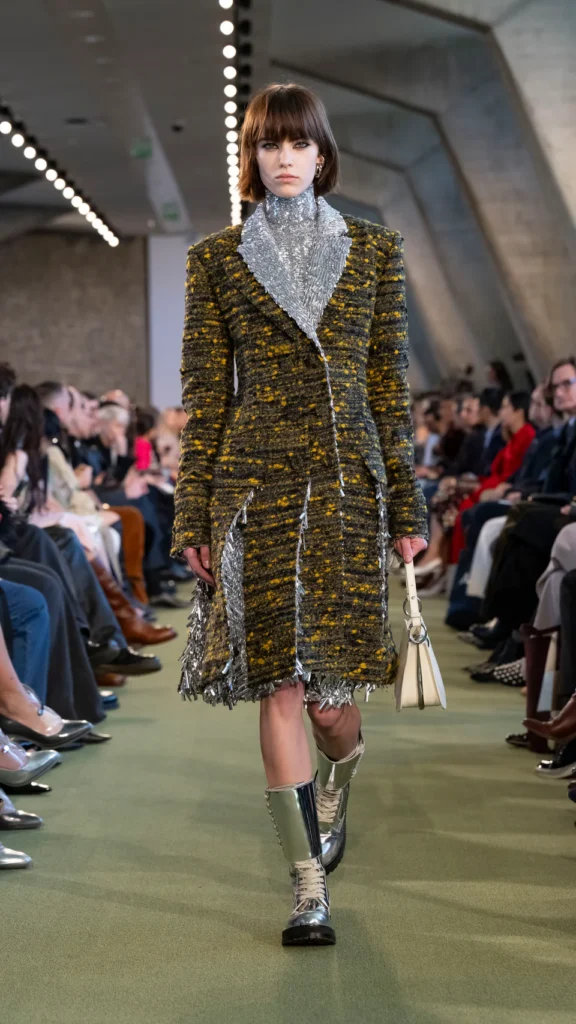
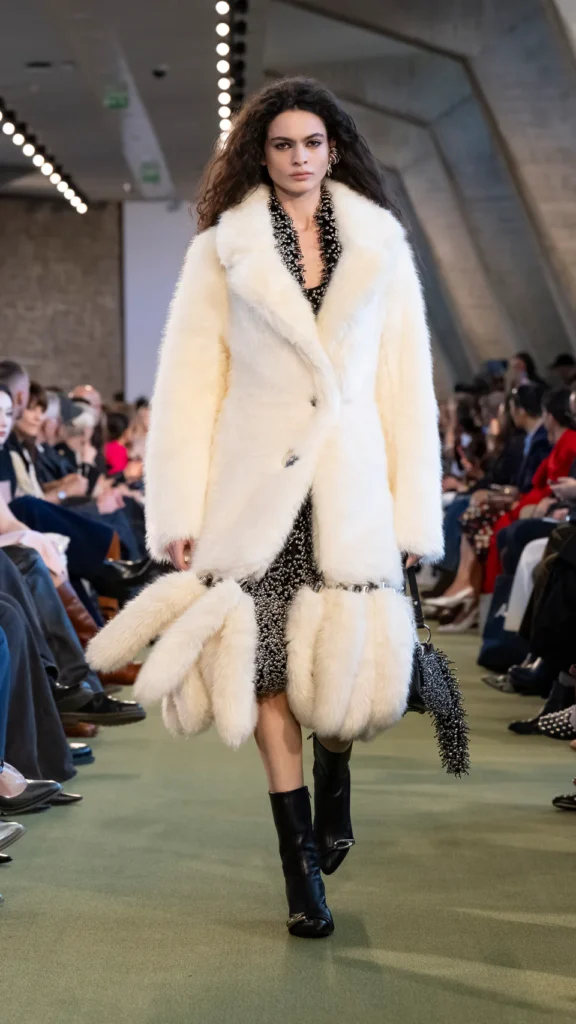
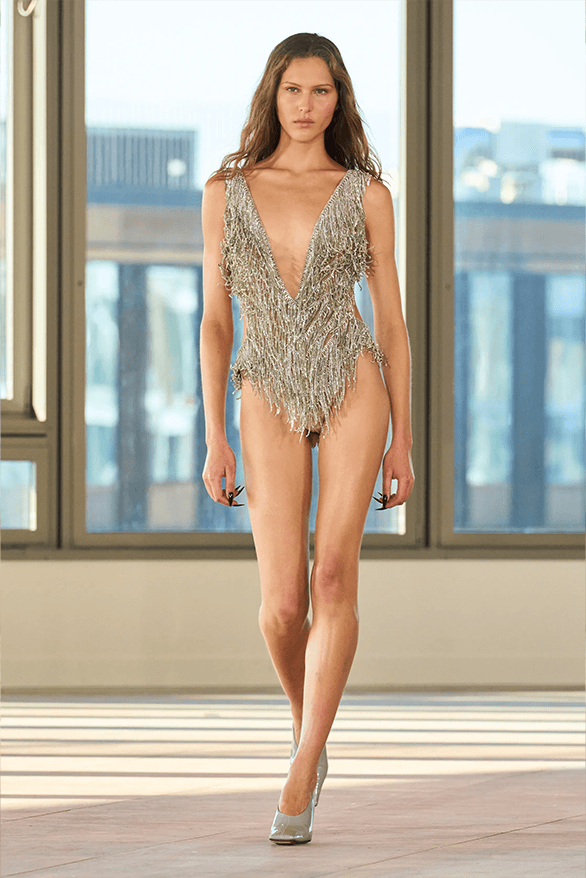
At Paris Fashion Week, Julien Dossena presented a Fall 2025 Ready-to-Wear collection for Rabanne that defied expectations, combining classic sophistication with a transgressive, contemporary spirit.
Dossena explored the duality between the conventional and the unexpected, playing with textures and volumes. A 1960s-inspired faux fur coat coexisted with a silver sequin dress, whose furry, diagonal appliqués mimicked the texture of fur, creating an intriguing visual effect. The collection was packed with surprising details: fur tails emerging from kilt skirts and coats, dresses with draped skirts revealing a sequin lining, and trompe l’oeil tailoring, designed to look like two overlapping pieces.
Courtesy Of RabanneCourtesy Of RabanneCourtesy Of RabanneCourtesy Of RabanneCourtesy Of RabanneCourtesy Of Rabanne
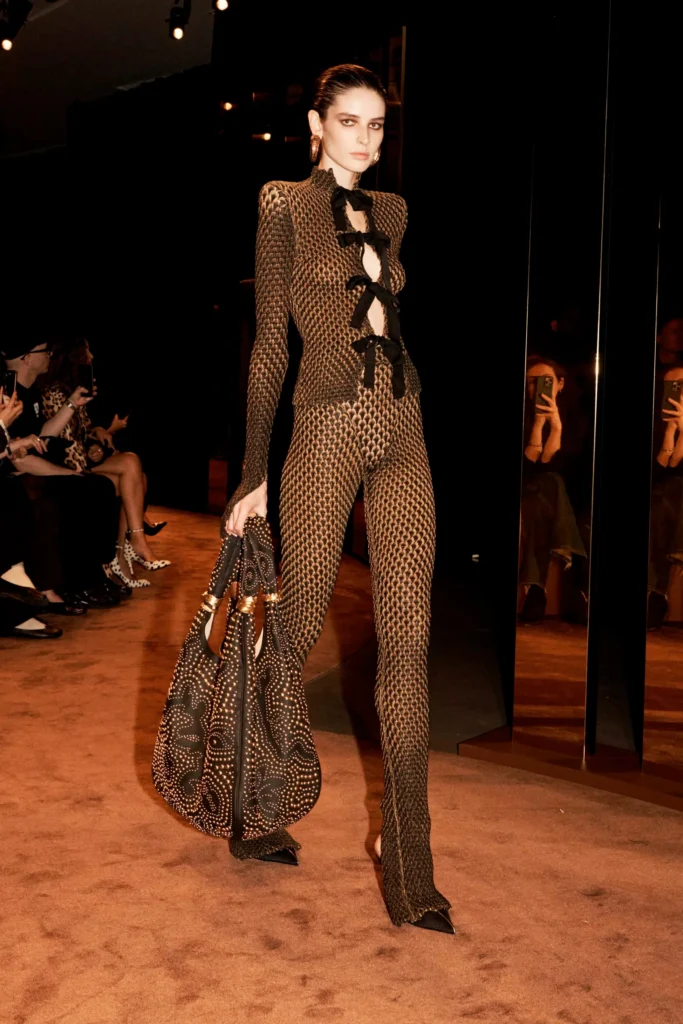
The color scheme ranged from sophisticated neutrals to vibrant hues, reflecting the tension between sobriety and boldness. Rabanne’s iconic chainmail dresses were reinterpreted with more fluid cuts, bringing a fresh air without losing their avant-garde essence.
Courtesy Of RabanneCourtesy Of RabanneCourtesy Of RabanneCourtesy Of RabanneCourtesy Of RabanneCourtesy Of Rabanne
Metallic accessories and leather lapels added a tactile dimension to the collection, reinforcing the brand’s ability to fuse luxury and modernity. With this proposal, Rabanne reaffirms its identity: a house that honors its legacy, but that never stops evolving.
Courtesy Of RabanneCourtesy Of RabanneCourtesy Of RabanneCourtesy Of RabanneCourtesy Of RabanneCourtesy Of Rabanne
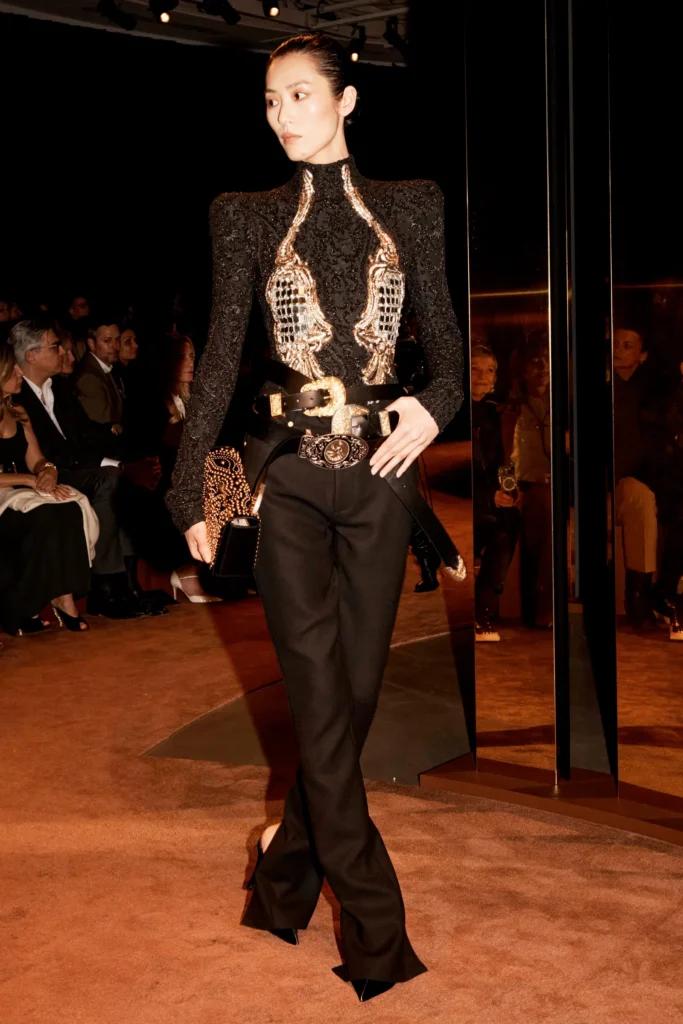
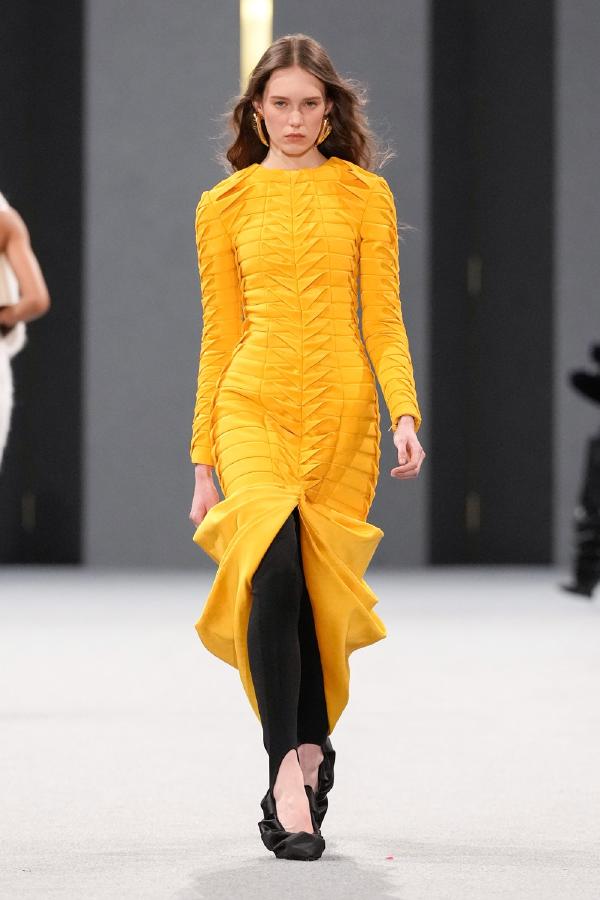
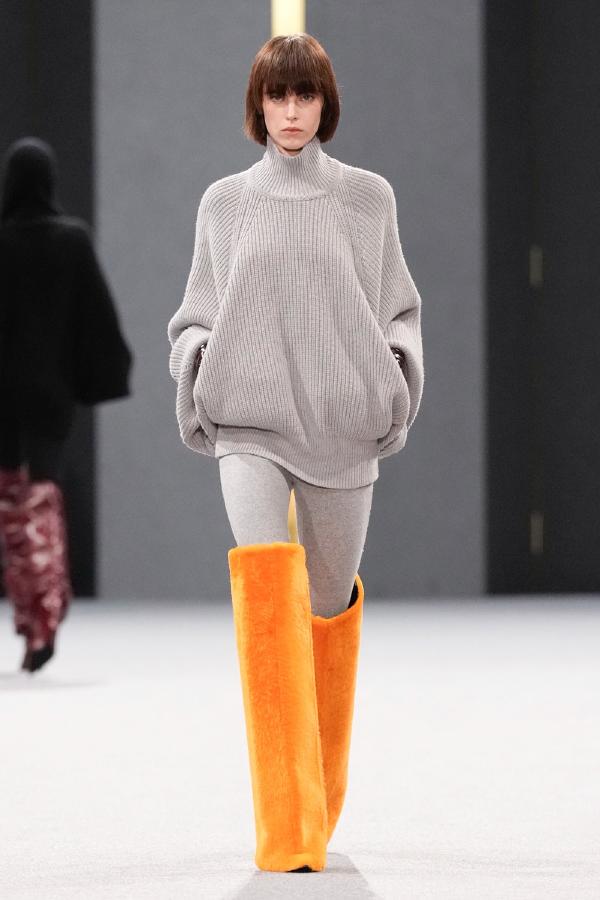
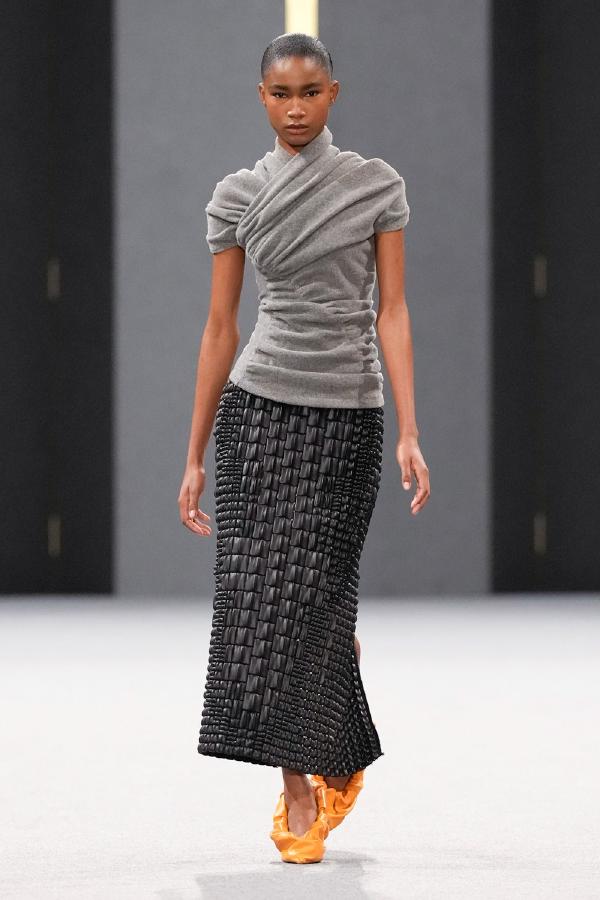
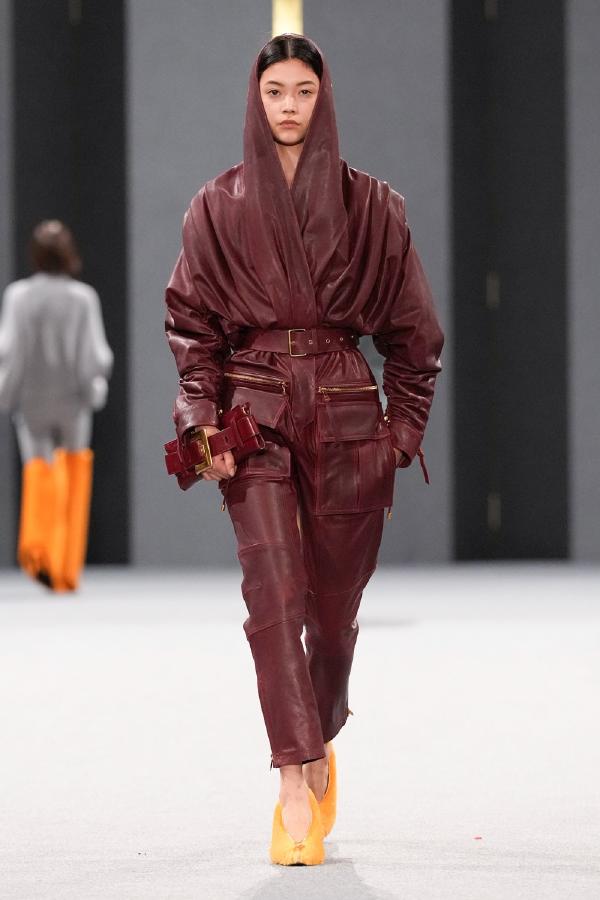
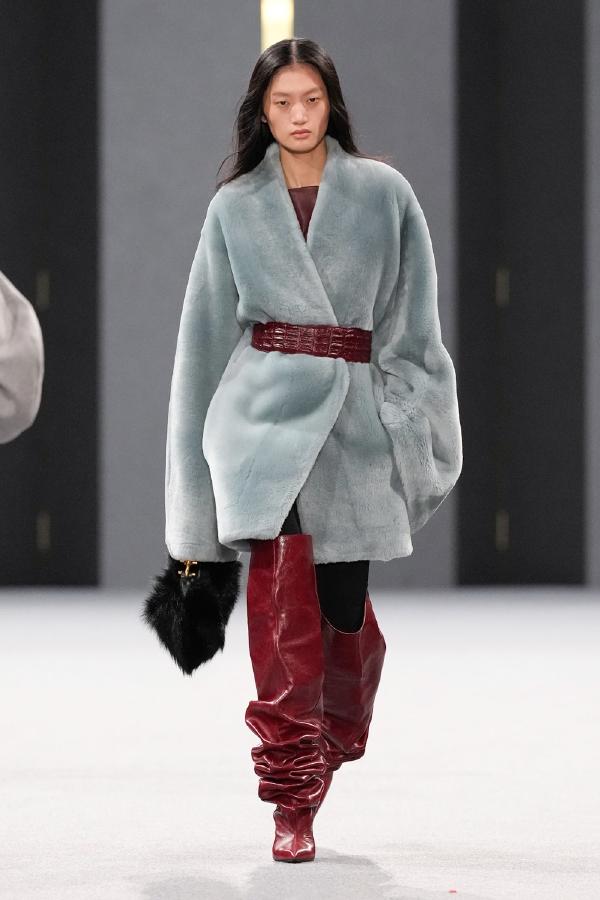
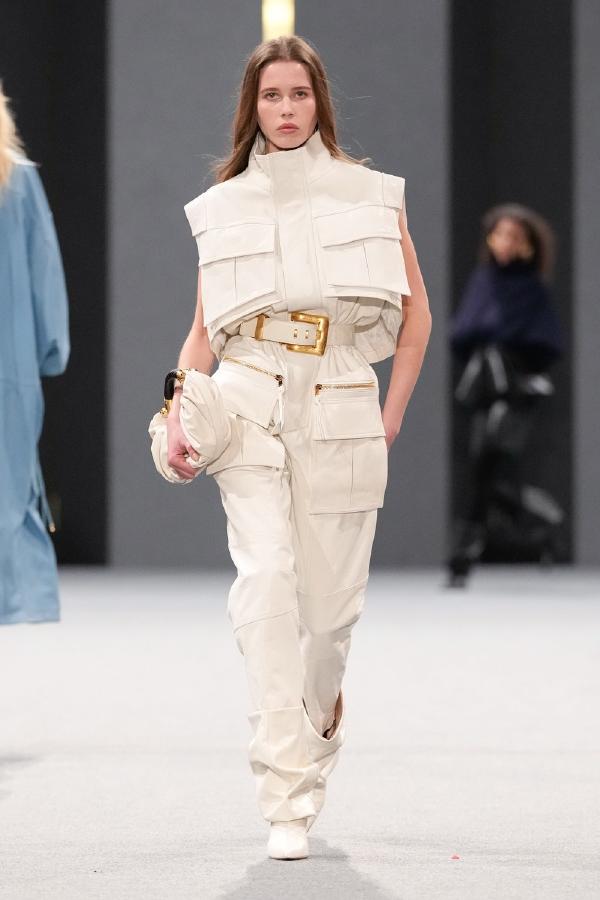
Olivier Rousteing unveiled his Fall/Winter 2025-2026 collection for Balmain, signaling a bold step into a new era—one defined by sophistication and subtle sensuality. Known for his powerful silhouettes and almost militaristic aesthetic, Rousteing took an unexpected turn towards a “new softness,” stripping his signature Balmain Army of its usual sharpness in favor of a more refined approach.
Courtesy Of BalmainCourtesy Of BalmainCourtesy Of BalmainCourtesy Of BalmainCourtesy Of BalmainCourtesy Of Balmain
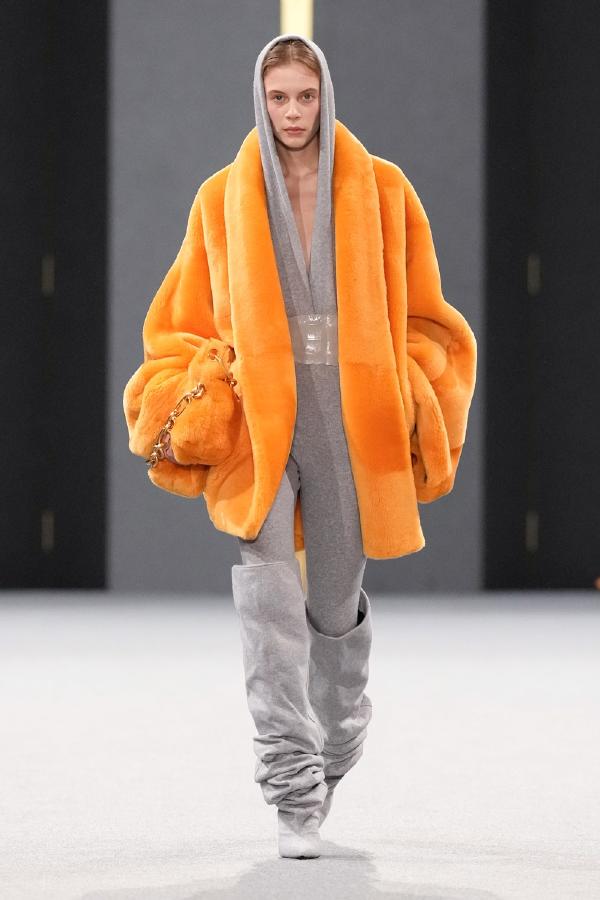
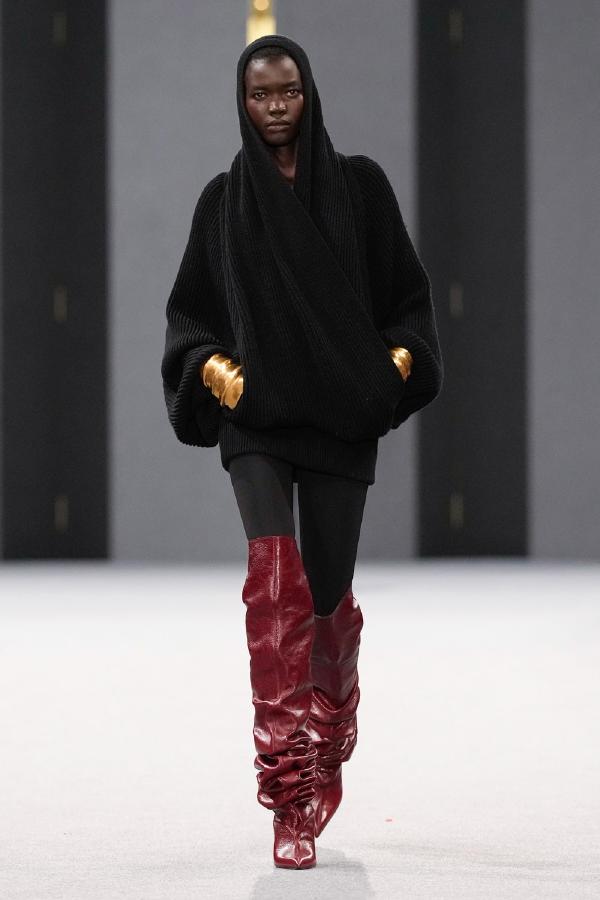
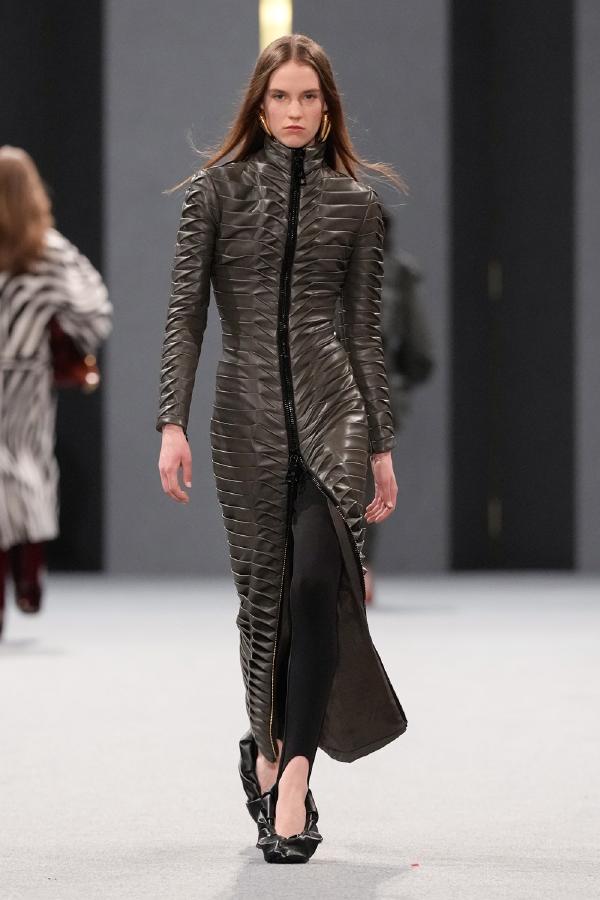
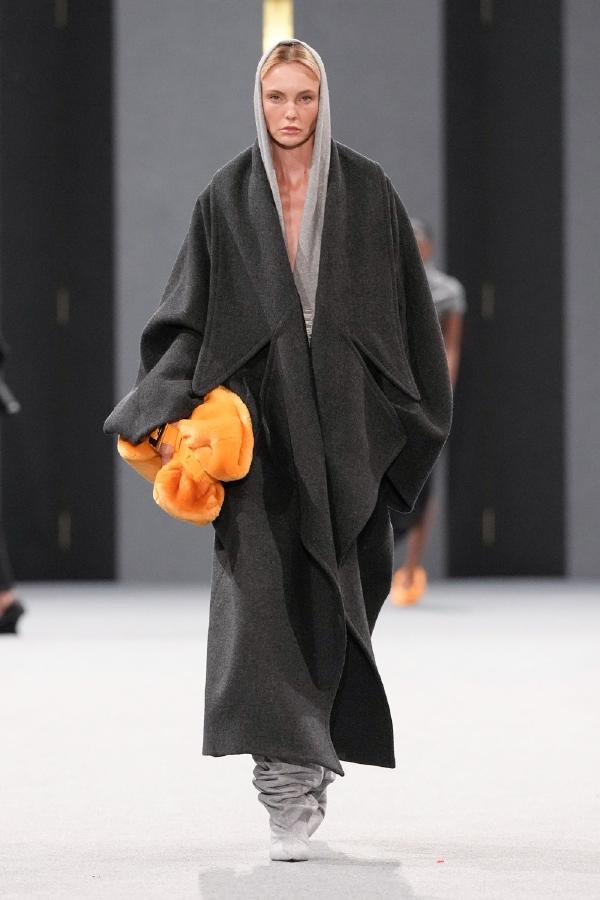
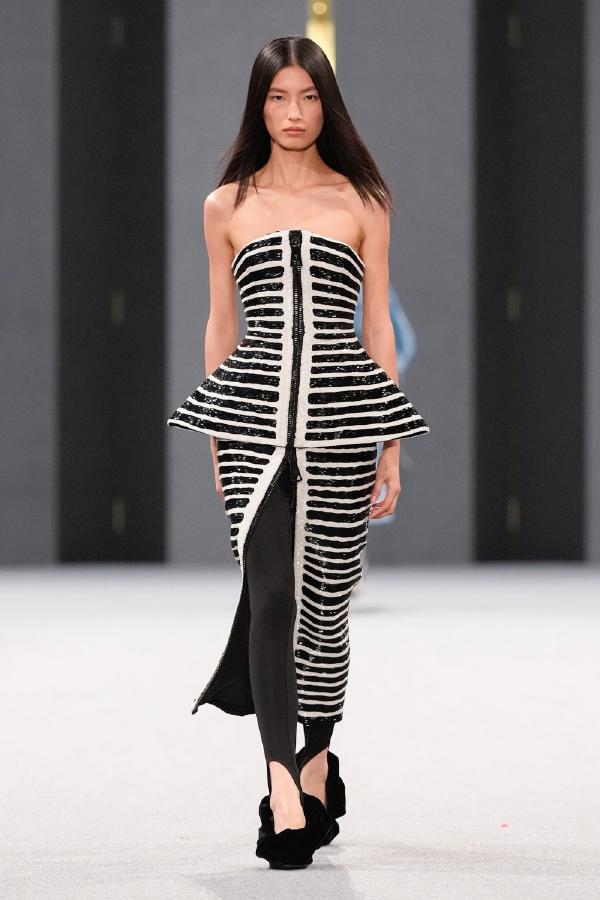
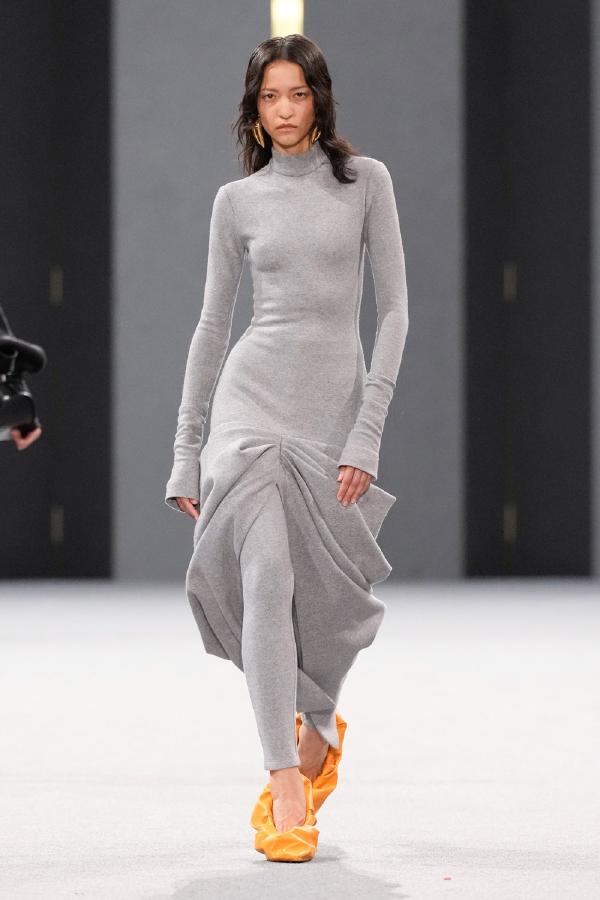
The key to this shift lies in the introduction of heather gray knitwear and cashmere pieces, textures that evoke comfort and a more understated sense of luxury. However, far from abandoning his signature extravagance, exaggerated silhouettes remain an essential element. Structure is still present, but volume and enveloping lines introduce a fresh sensuality—softer, less rigid. Thigh-high boots and a burgundy leather jumpsuit with a shawl collar and hood reflected the drama and nomadic influences Rousteing has explored in past collections, while peplums and structured boots paid clear homage to the brand’s heritage.
Courtesy Of BalmainCourtesy Of BalmainCourtesy Of BalmainCourtesy Of BalmainCourtesy Of BalmainCourtesy Of Balmain
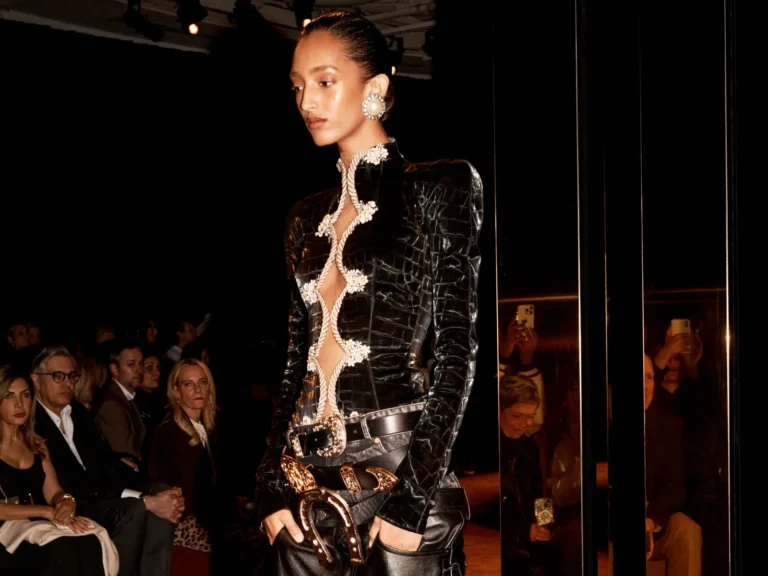
Classic striped patterns and molded crocodile textures also made an appearance, but with a more muted, refined interpretation that maintained their signature distinction. Intricate beading added another layer of sophistication, bridging the gap between Balmain’s past and present.
Courtesy Of BalmainCourtesy Of BalmainCourtesy Of BalmainCourtesy Of BalmainCourtesy Of BalmainCourtesy Of Balmain
The soundtrack choice, a soft reinterpretation of “Girls Just Want To Have Fun” by Chromatics, perfectly echoed the house’s transition: Balmain remains powerful, but now with a more mature, introspective edge.
With this collection, Rousteing proves that after fourteen years at the helm of Balmain, he continues to push boundaries, ushering in a new chapter for the house. Blending heritage with a more contemporary aesthetic, he redefines Balmain’s womenswear—merging refined elegance with a warm, enveloping sensuality.
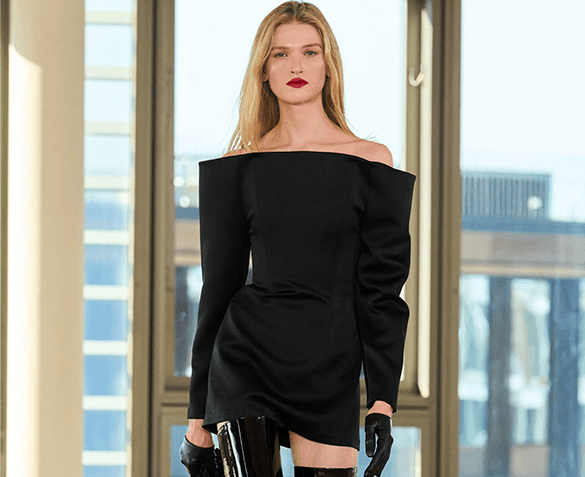
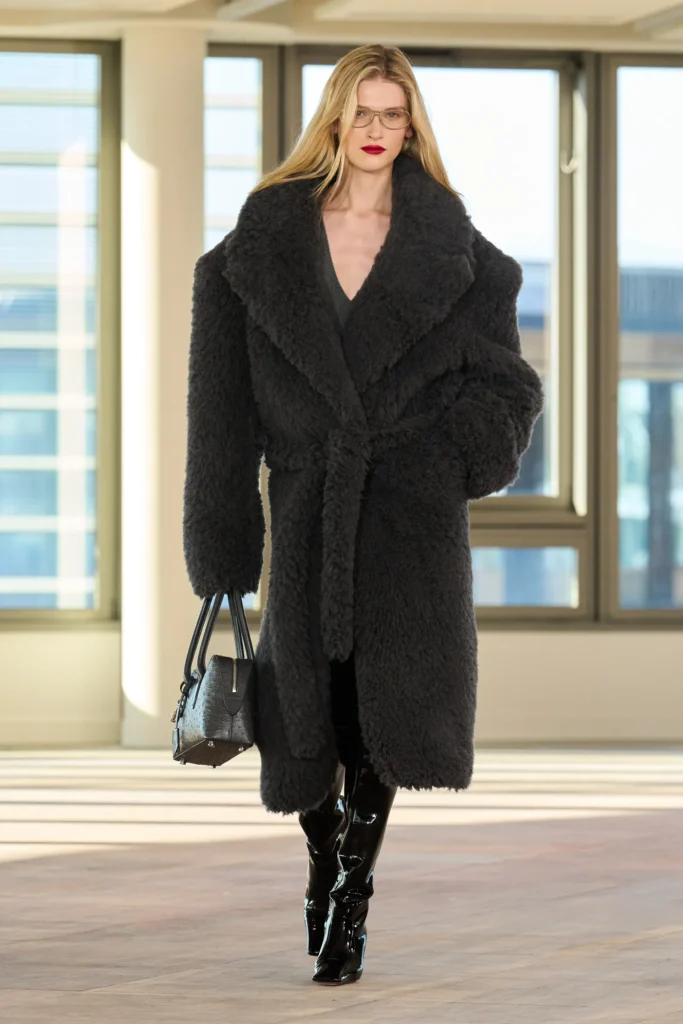
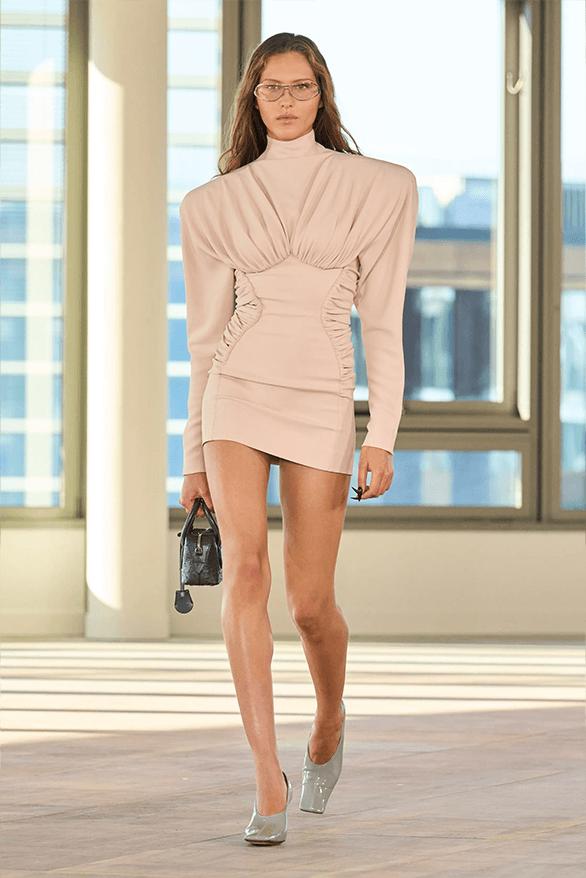
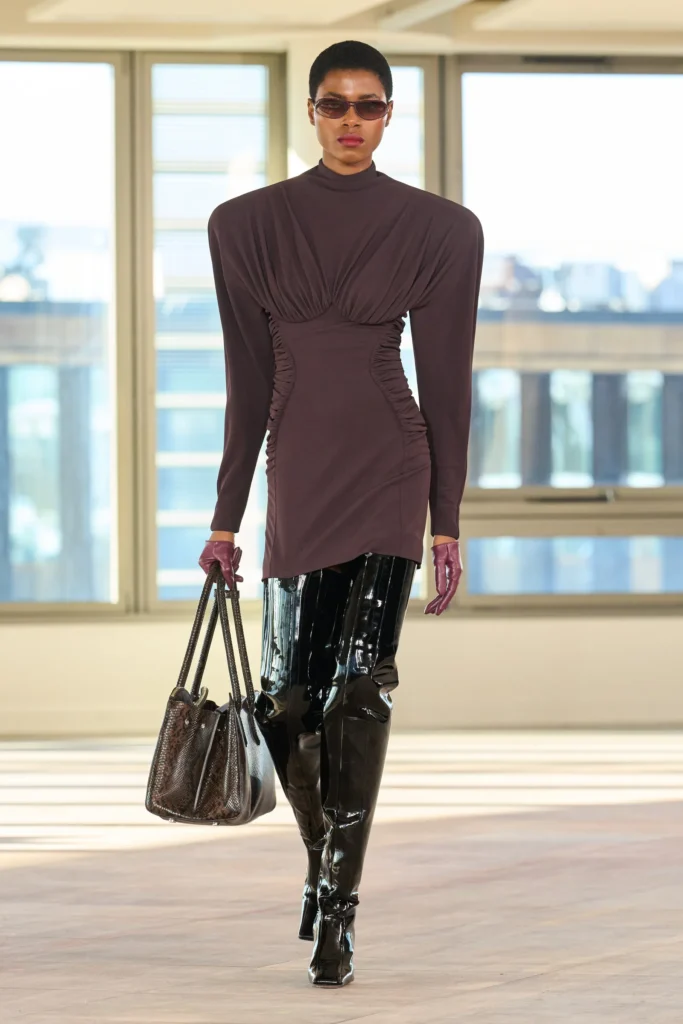
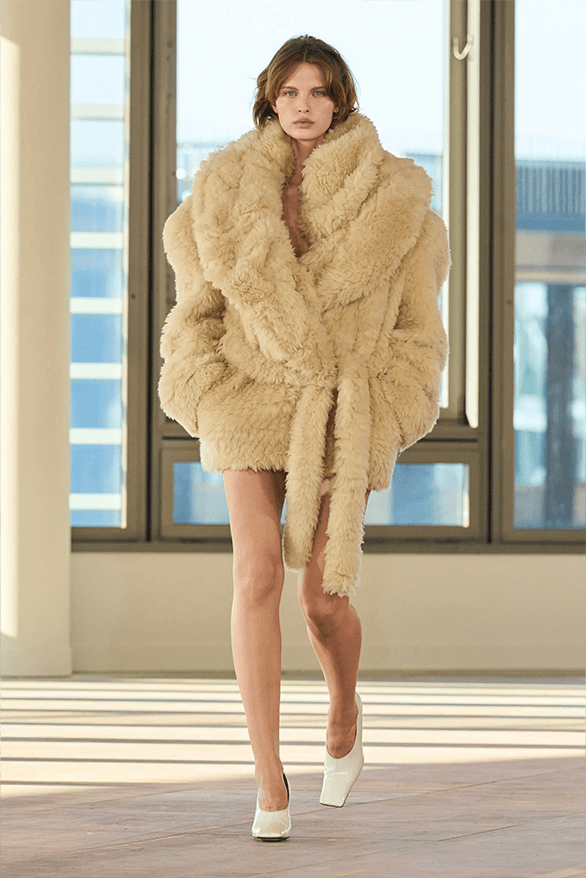
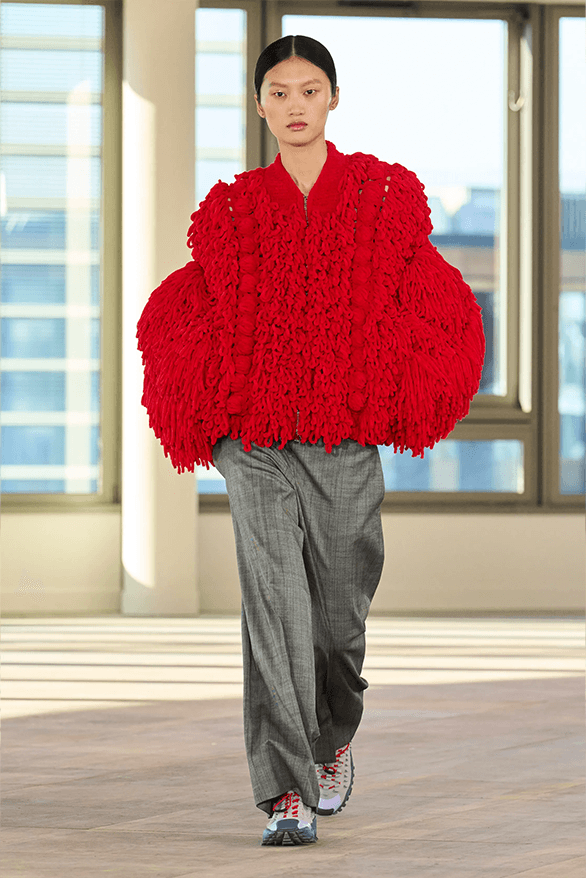
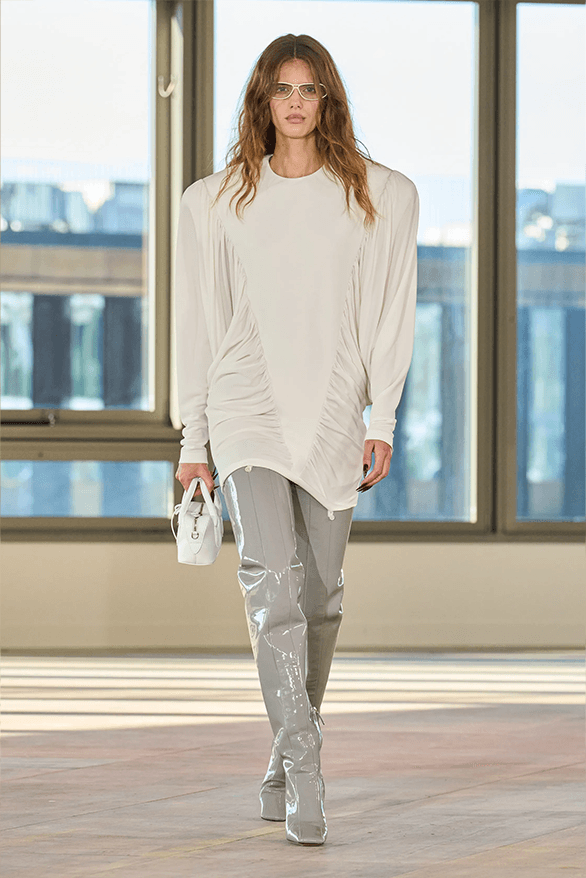
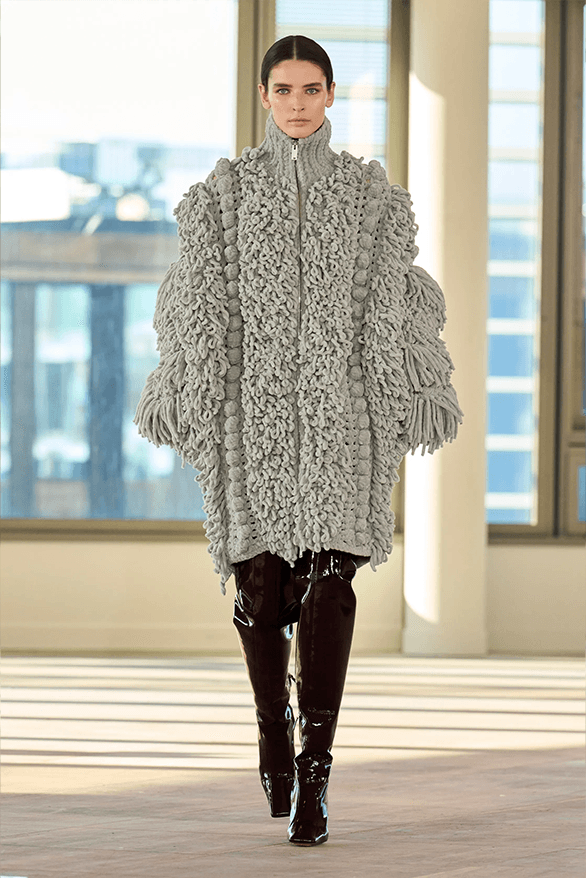
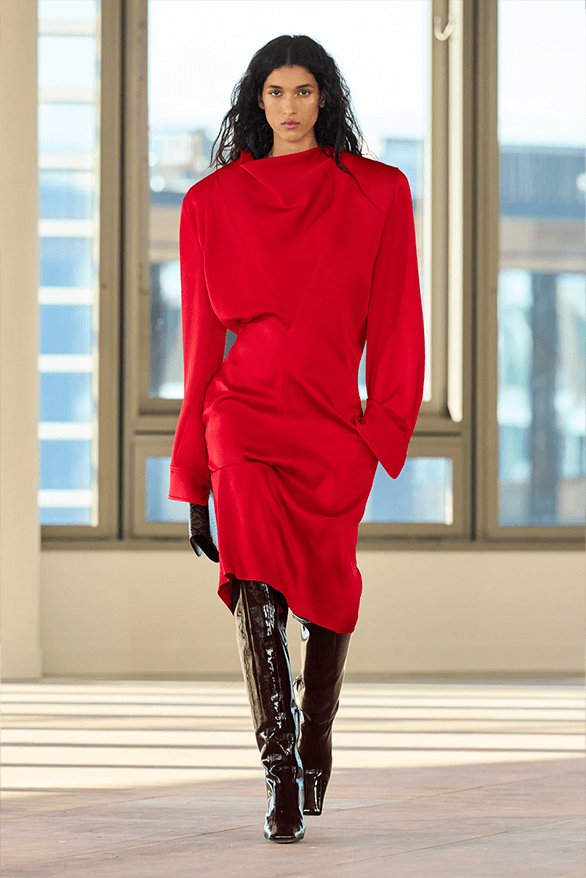
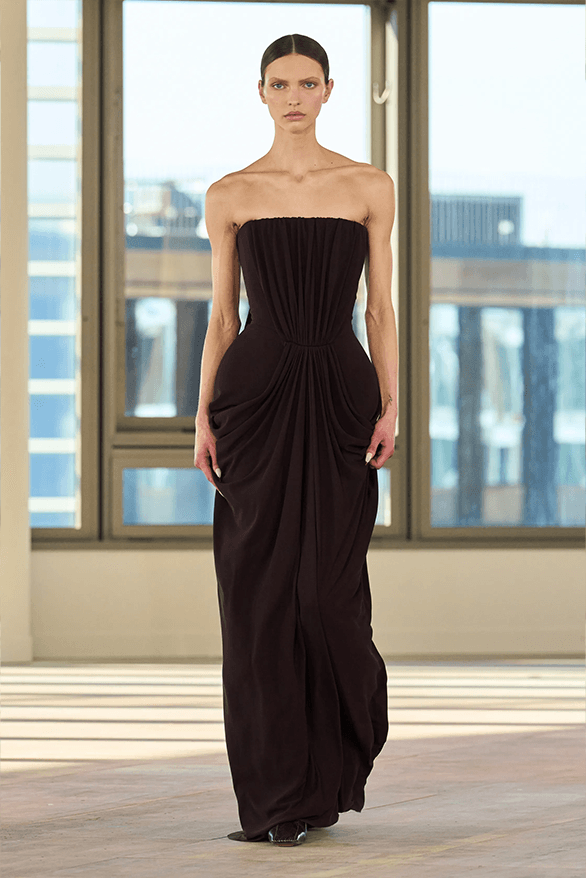
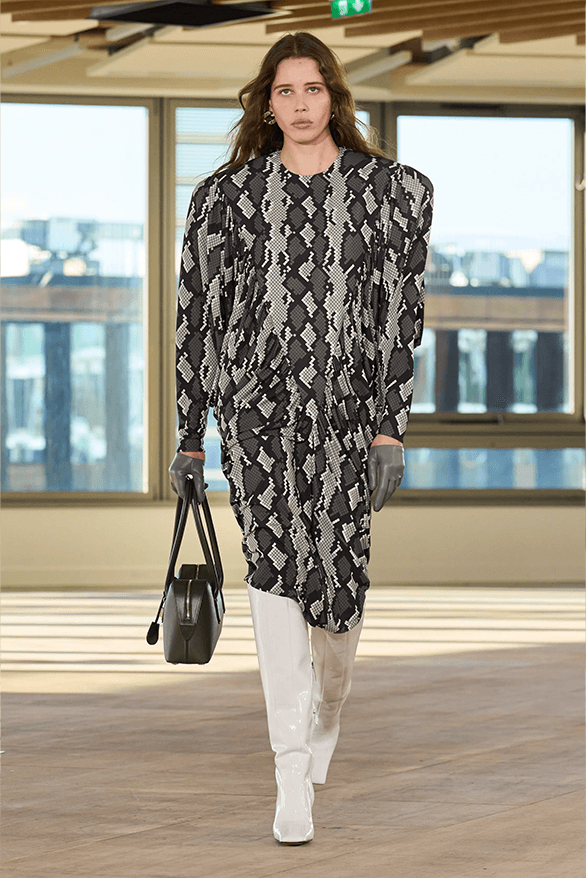
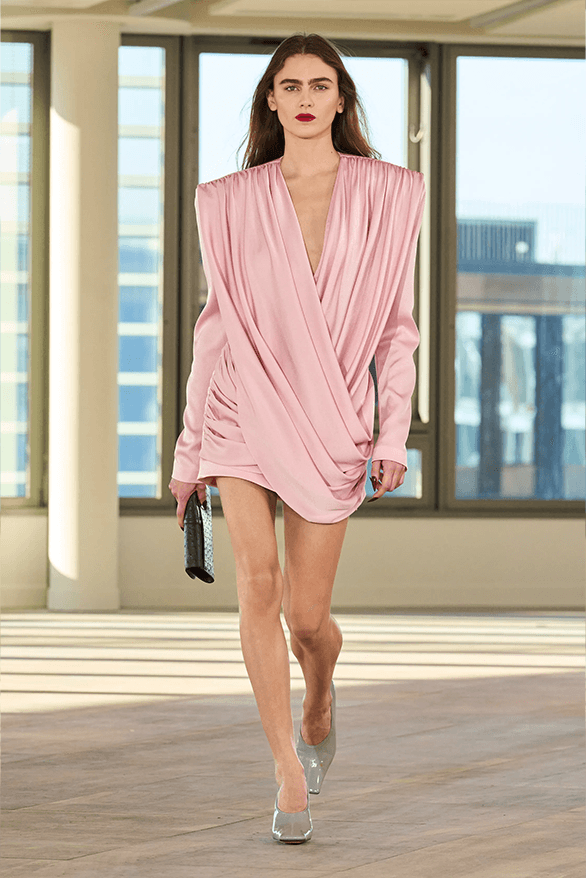
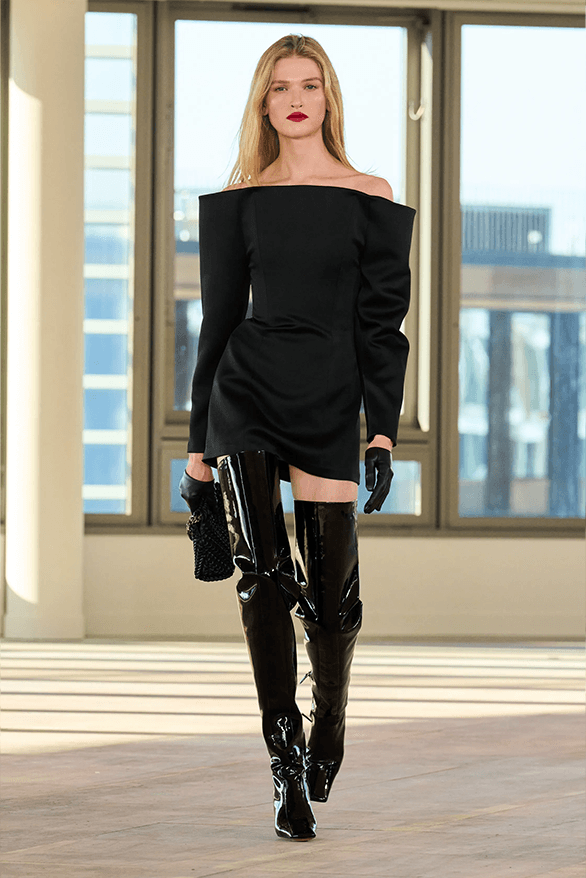
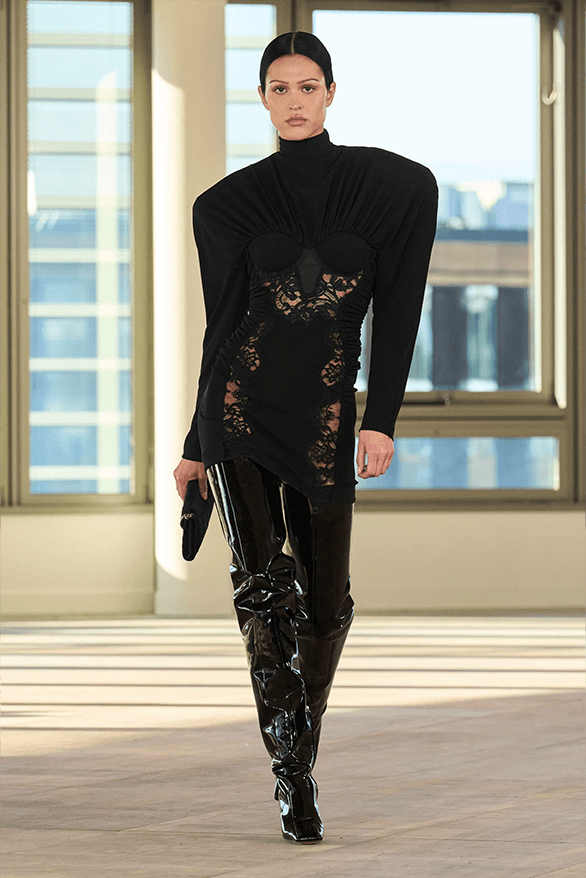
Stella McCartney made a bold statement with her Fall/Winter 2025 collection, titled “Laptop to Lapdance.” More than just a runway show, this offering was presented as a manifesto of female empowerment that transitions effortlessly from the office to the evening, fusing sensuality with the sophistication of the modern woman.
Courtesy Of Stella McCartneyCourtesy Of Stella McCartneyCourtesy Of Stella McCartneyCourtesy Of Stella McCartneyCourtesy Of Stella McCartneyCourtesy Of Stella McCartney
McCartney remained true to her commitment to sustainability and ethics, creating a collection where 96% of the materials used are responsible and 100% cruelty-free. The eco-friendly alternative to leather, Alter Mat, and regenerated fabrics that reduce environmental impact, not only underline her stance against the use of exotic skins, but provide a texture and luxury that evokes the future of fashion.
Courtesy Of Stella McCartneyCourtesy Of Stella McCartneyCourtesy Of Stella McCartneyCourtesy Of Stella McCartneyCourtesy Of Stella McCartneyCourtesy Of Stella McCartney
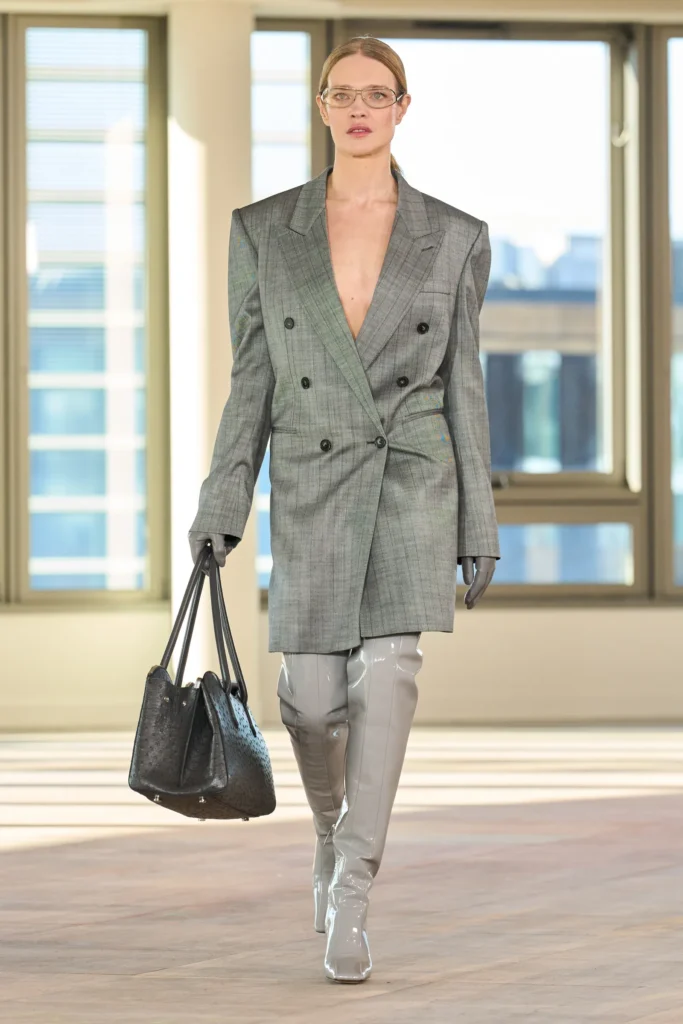
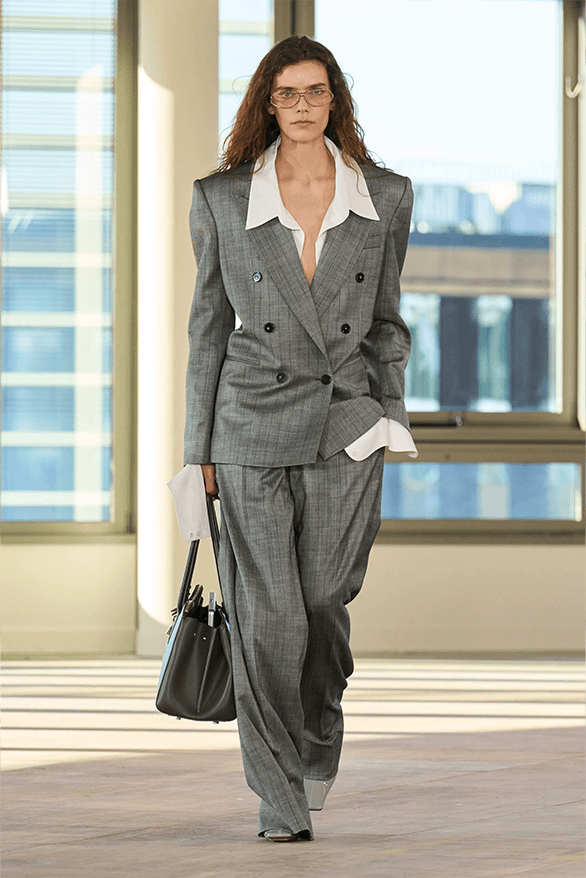
The collection, presented in the penthouse of a Parisian skyscraper, unfolded in a dynamic and modern setting, with models parading among office chairs, computers and photocopiers. From there, McCartney translates the concept of the executive woman with seamless blazers of impeccable modernity, loose-fitting recycled wool trousers, and oversized coats, pieces that redefine the corporate wardrobe with a sensual and stylish touch.
Courtesy Of Stella McCartneyCourtesy Of Stella McCartneyCourtesy Of Stella McCartneyCourtesy Of Stella McCartneyCourtesy Of Stella McCartneyCourtesy Of Stella McCartney
But the proposal does not stop only at the office. McCartney also made room for the night and fun, with pieces such as skirts made of vegetable-tanned leather and asymmetrical dresses with strategic openings that capture the desire of a bold and confident woman. Each garment, such as the structured blazers and the thigh-high boots with a shiny finish, speaks of a powerful, independent and uninhibited woman.
The show was also marked by a spirit of joviality and uninhibitedness, with a final show that fused dance and disco music, evoking a playful and energetic atmosphere. Stella McCartney, as always, seeks to connect with her clients from an intimate and authentic perspective, and through this collection she achieves this with a clear message: fashion can be empowering, ethical and, of course, fascinating.
Courtesy Of Stella McCartneyCourtesy Of Stella McCartneyCourtesy Of Stella McCartney
With her unmistakable style, McCartney achieves what many designers only dream of: not just creating clothes, but a narrative that resonates with the contemporary woman. “Laptop to Lapdance” is not just a fashion show, it is a reflection of a changing society, of a woman who adapts and of a future that we can wear, without giving up luxury or the planet.
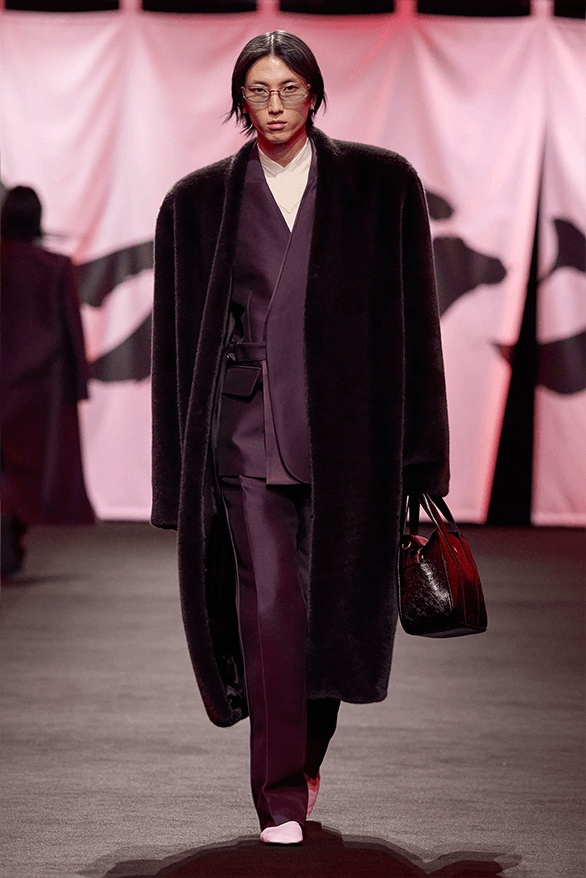
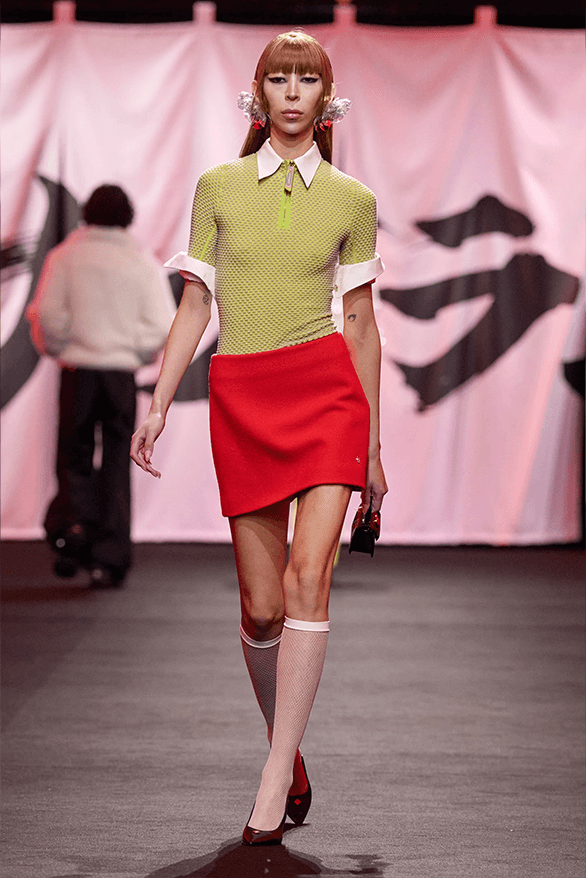
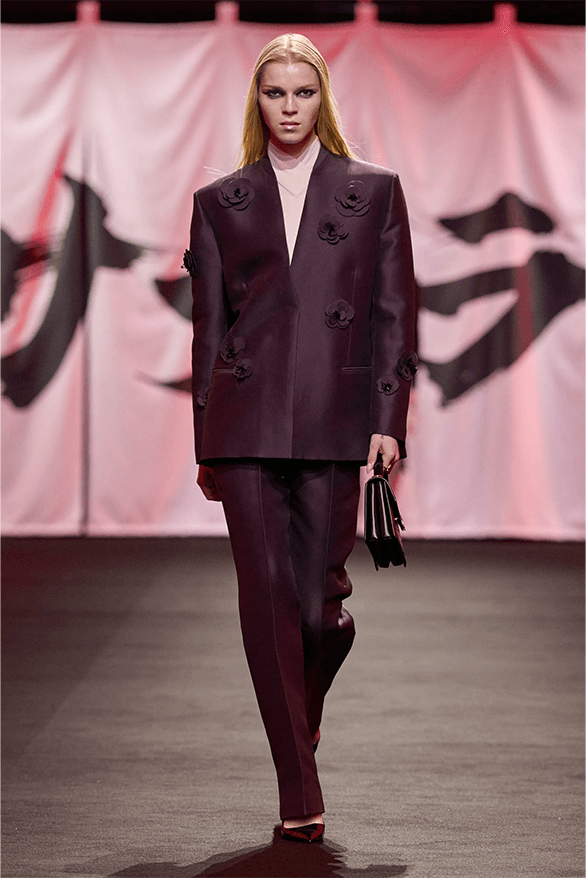
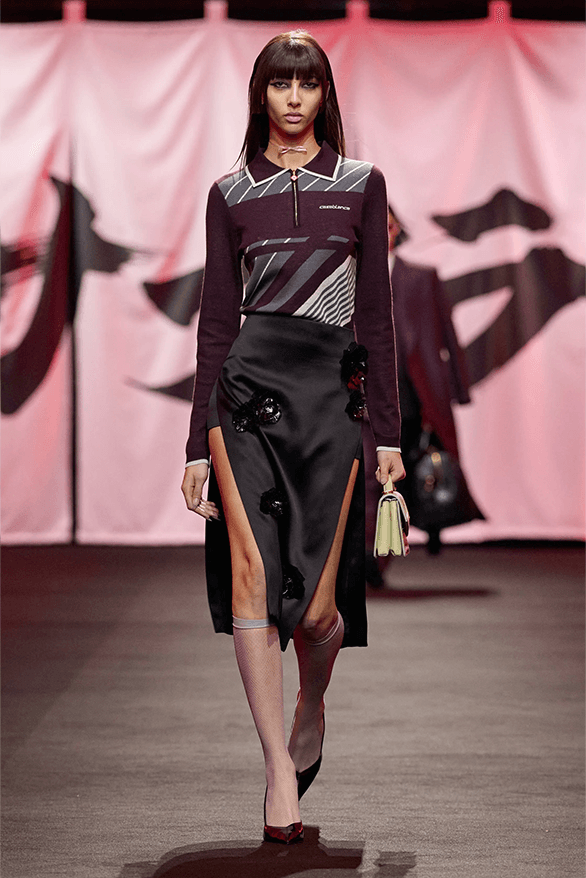
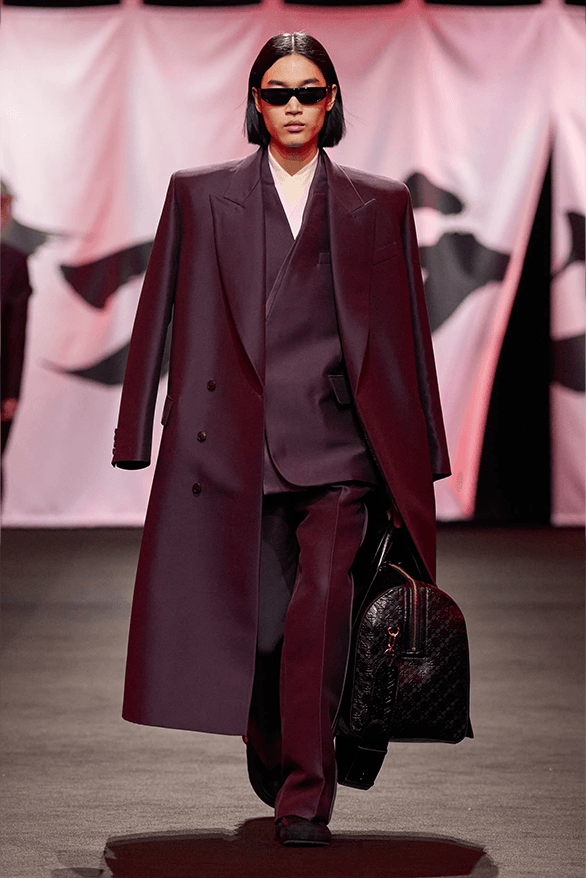
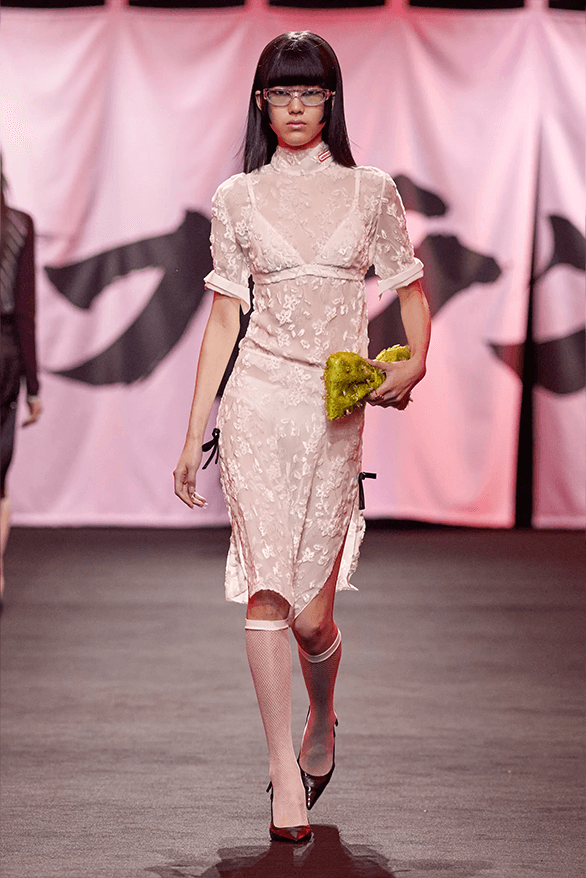
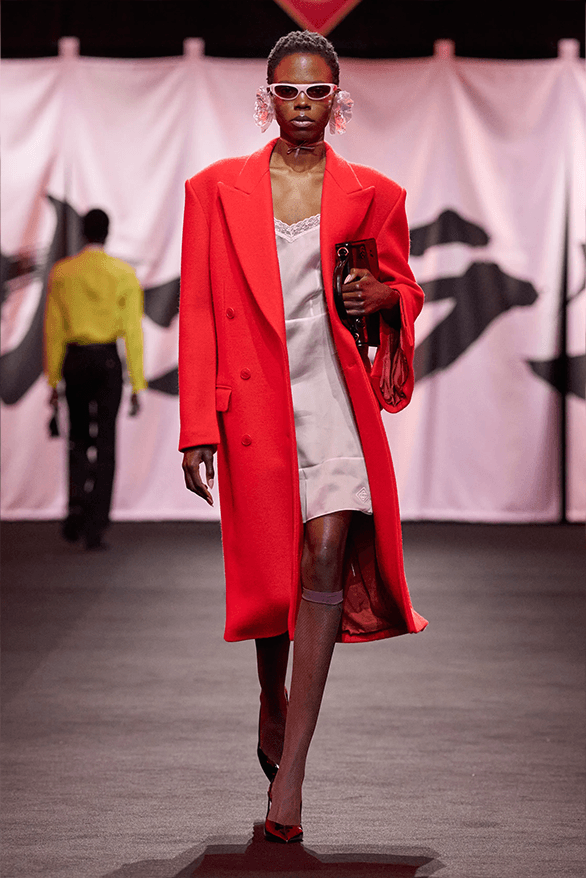
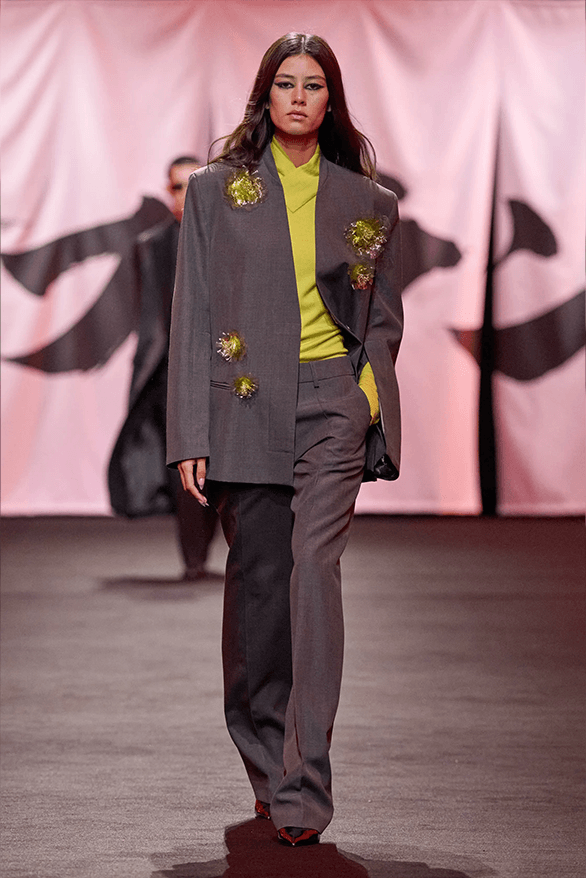
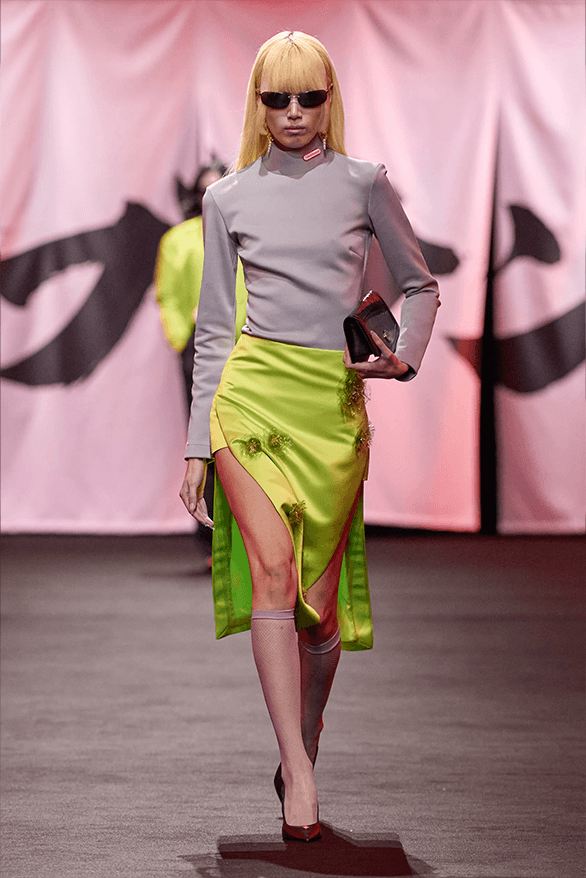
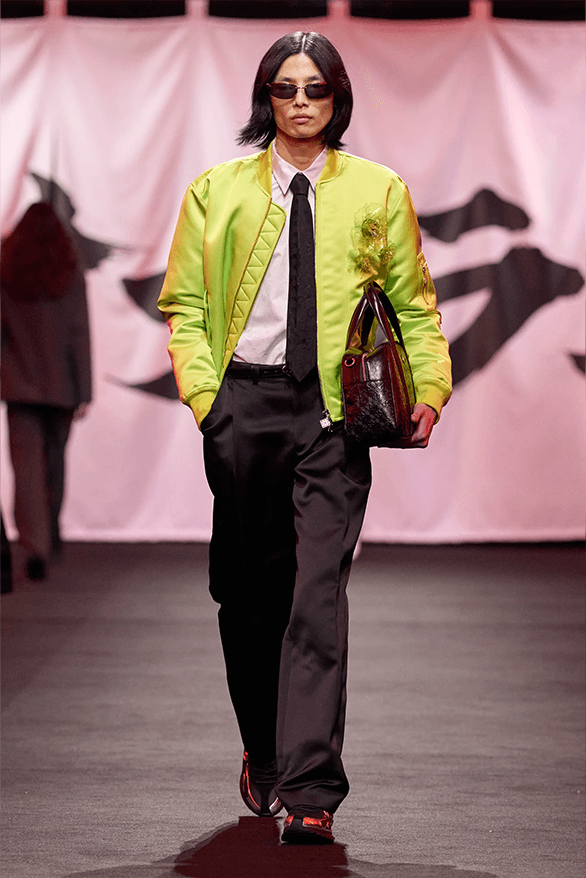
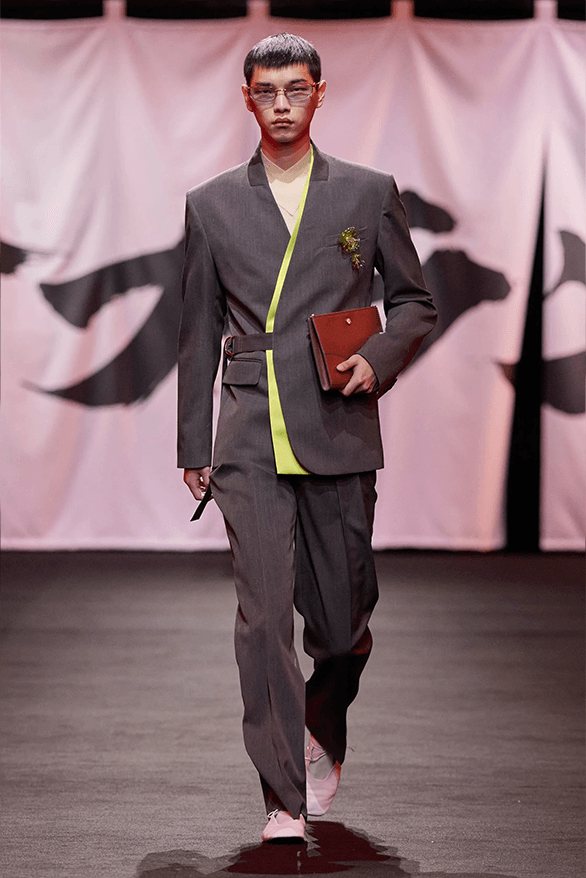
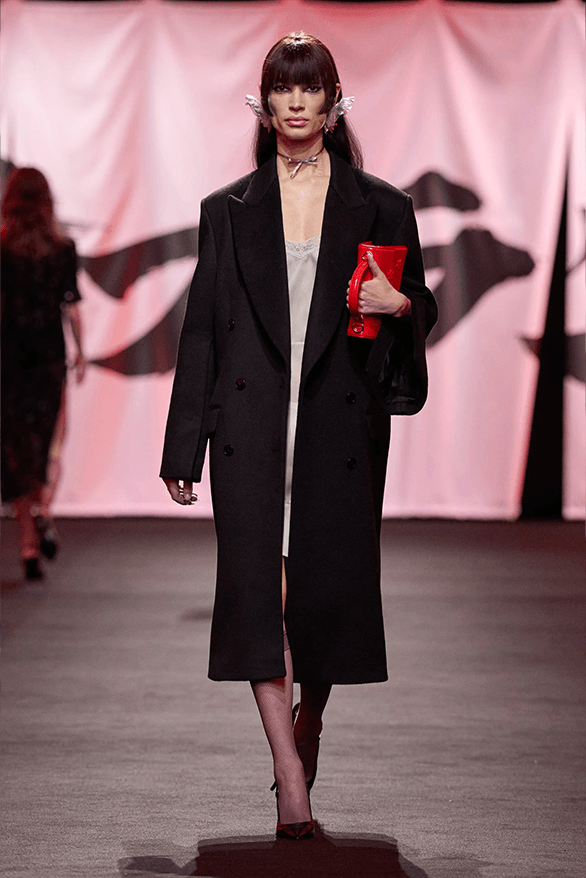
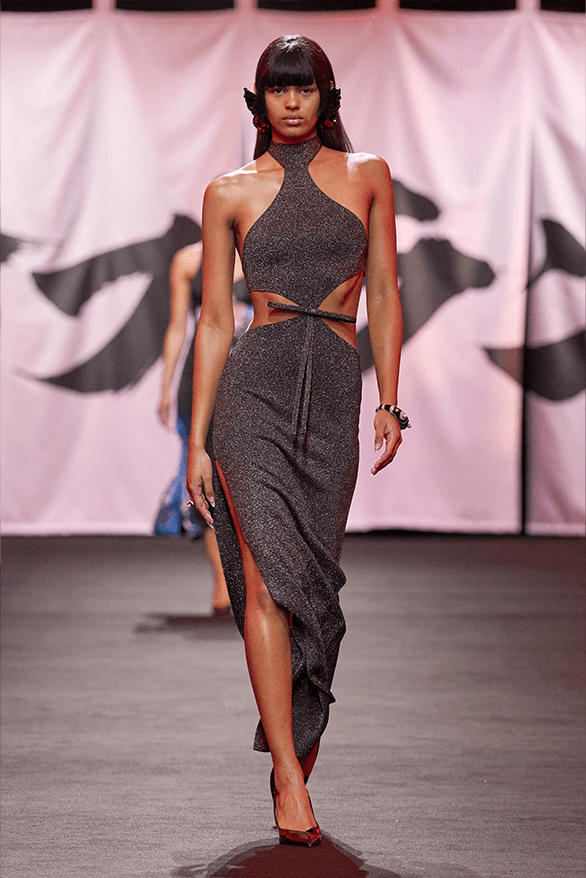
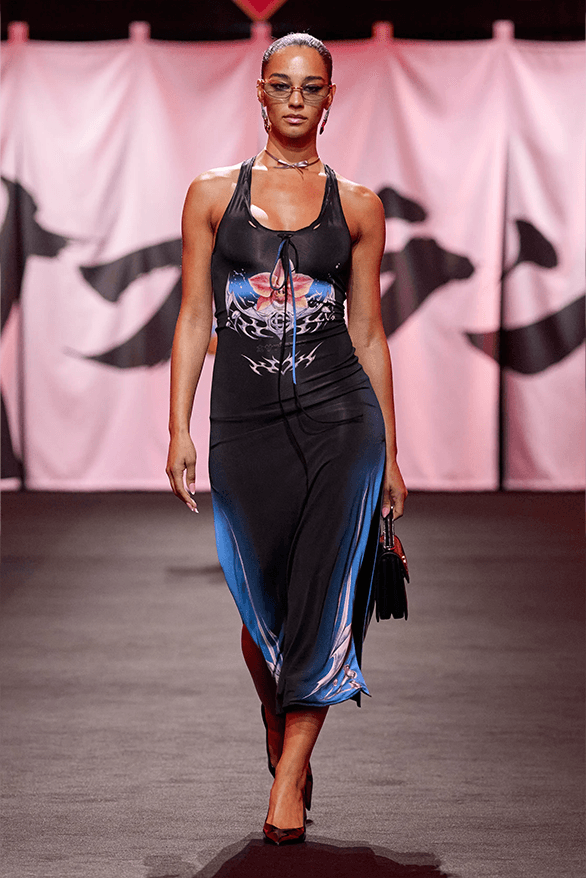
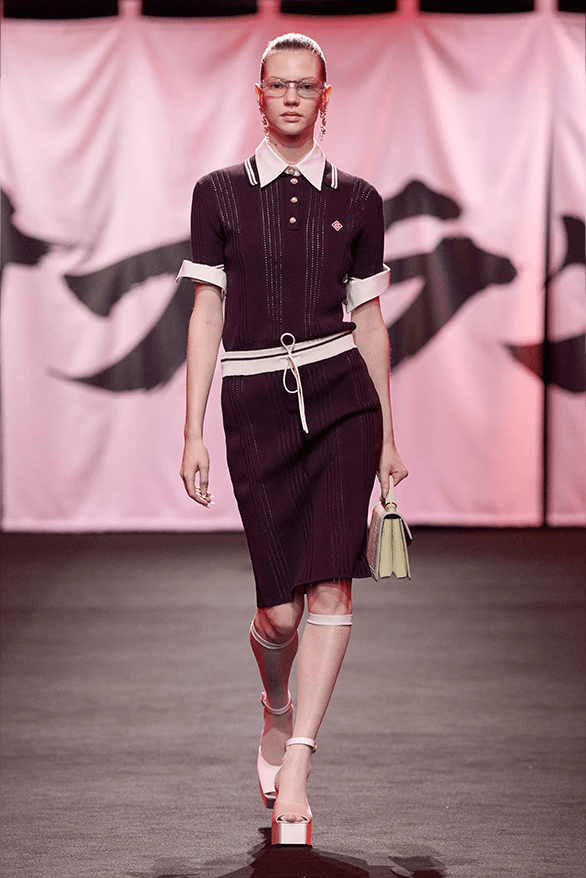
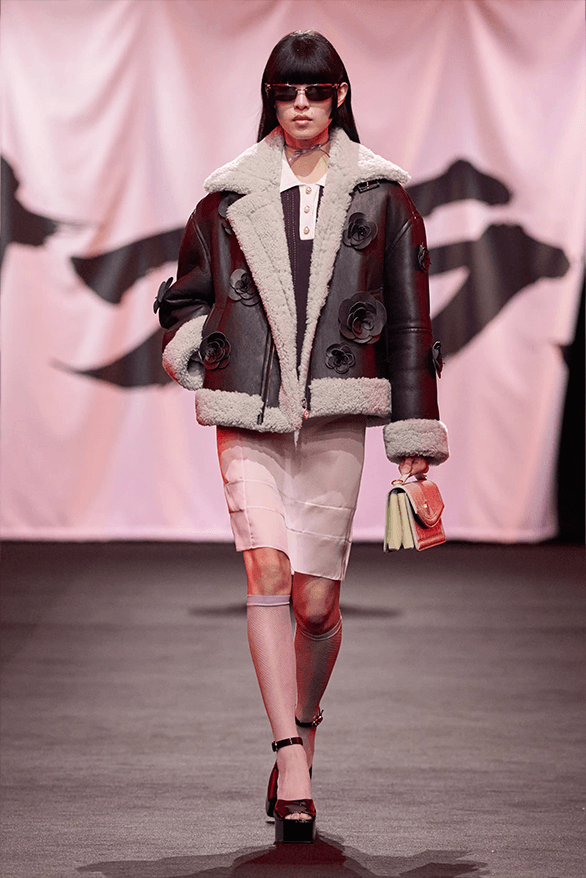
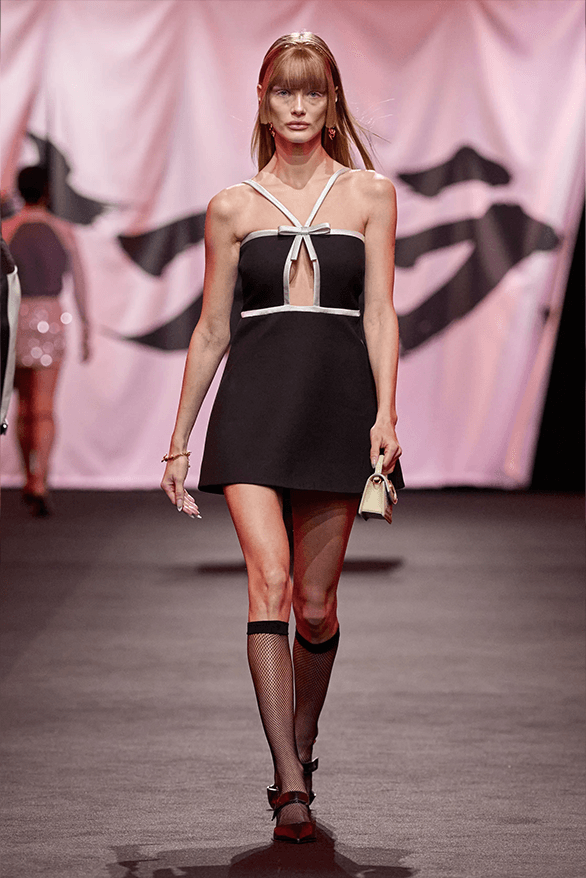
For his Fall/Winter 2025 collection, Charaf Tajer once again looks to the East, paying homage to Japan for the second time with a proposal that balances tradition, urbanity and contemporary sophistication. Under the title “Kaizen”, a Japanese concept that embodies continuous improvement, the designer transforms the catwalk into a journey between the classic and the modern, the structured and the spontaneous.
Courtesy Of CasablancaCourtesy Of CasablancaCourtesy Of CasablancaCourtesy Of CasablancaCourtesy Of CasablancaCourtesy Of Casablanca
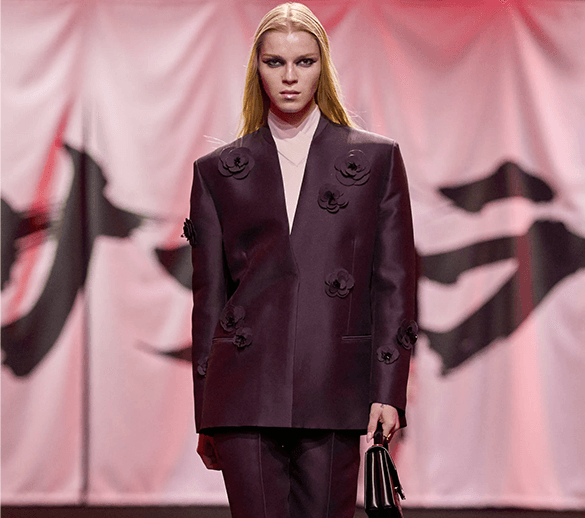
From the gardens of the Porte des Tuileries, Casablanca transports us from the office to the asphalt of the Japanese streets, to the top of a snowy mountain. Inspiration from the legendary Bōsōzoku biker gangs of the 1980s translates into vibrant leather coats and padded trousers, while sweatshirts, dyed with tribal gradients, evoke the rebellious spirit of decades past. The corporate aesthetic materialises in burgundy-hued suits and crisp black tailoring, before the narrative slides into a more relaxed setting, with cosy tracksuits and après-ski outfits, designed for unwinding after a day in the snow.
Courtesy Of CasablancaCourtesy Of CasablancaCourtesy Of CasablancaCourtesy Of CasablancaCourtesy Of CasablancaCourtesy Of Casablanca
But Casablanca doesn’t stop there. When night falls, the collection dives into the frenetic rhythm of local raves, where neon lights illuminate garments that seem designed to move to the music. In this exploration of fashion as a bridge between past and present, Tajer redefines contemporary luxury with a look that is both nostalgic and visionary.
Courtesy Of CasablancaCourtesy Of CasablancaCourtesy Of CasablancaCourtesy Of CasablancaCourtesy Of CasablancaCourtesy Of Casablanca
Casablanca proves that the fusion of craftsmanship, culture and modernity remains its hallmark, setting a new standard of effortless elegance and reaffirming its identity within the international fashion landscape.
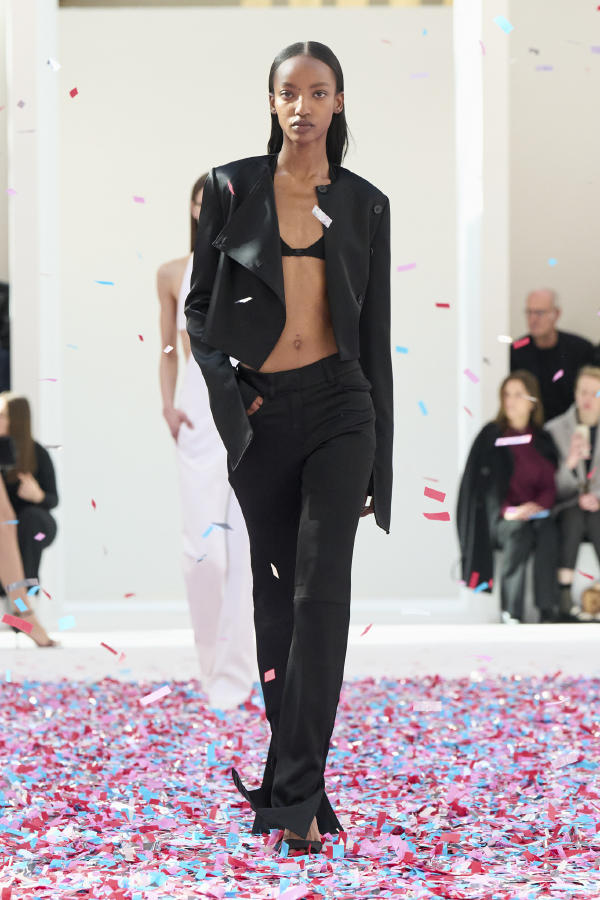
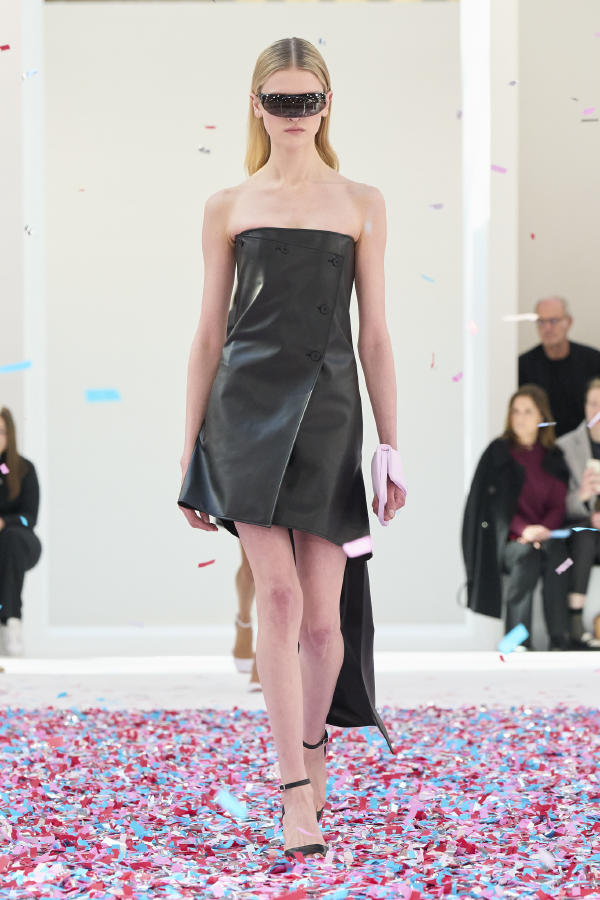
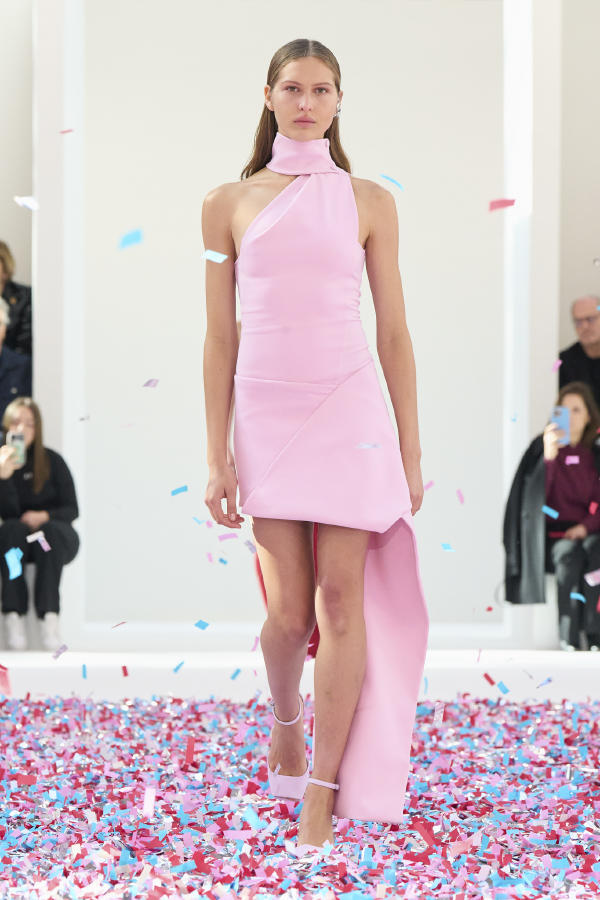
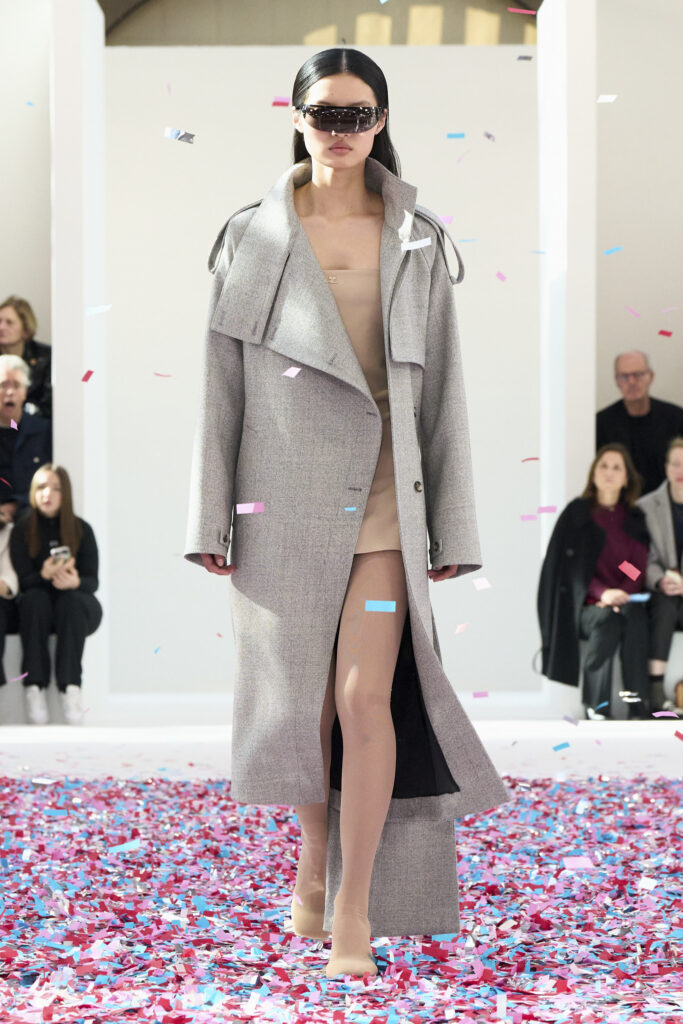
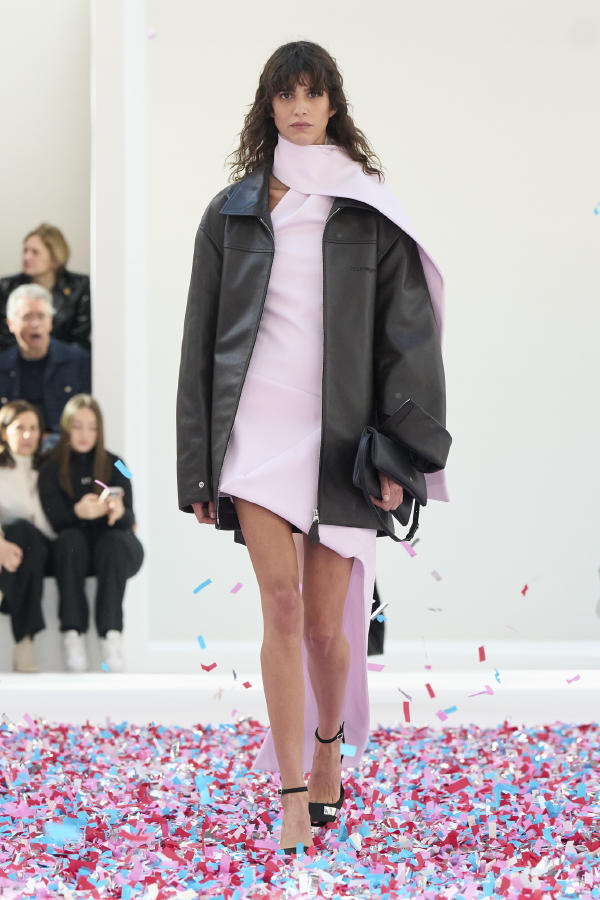
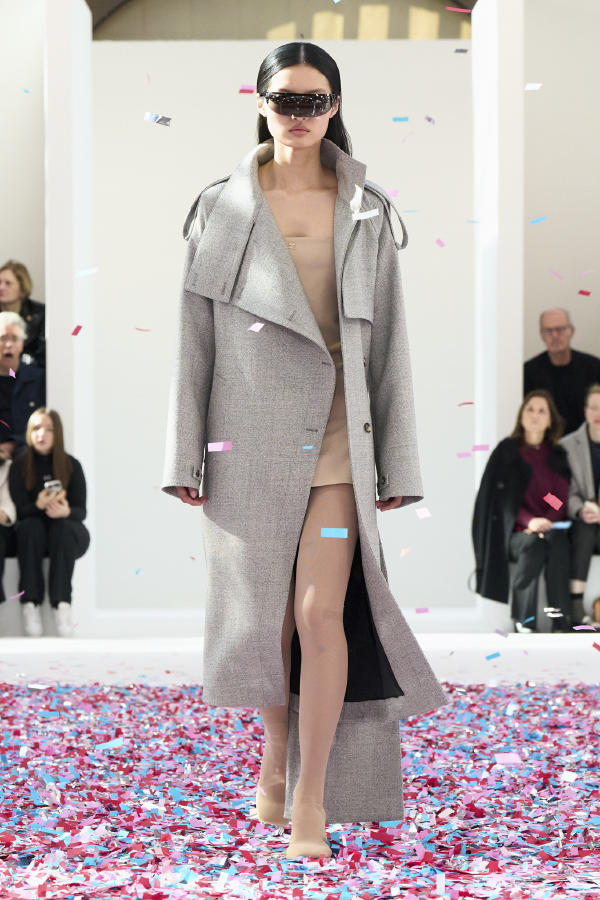
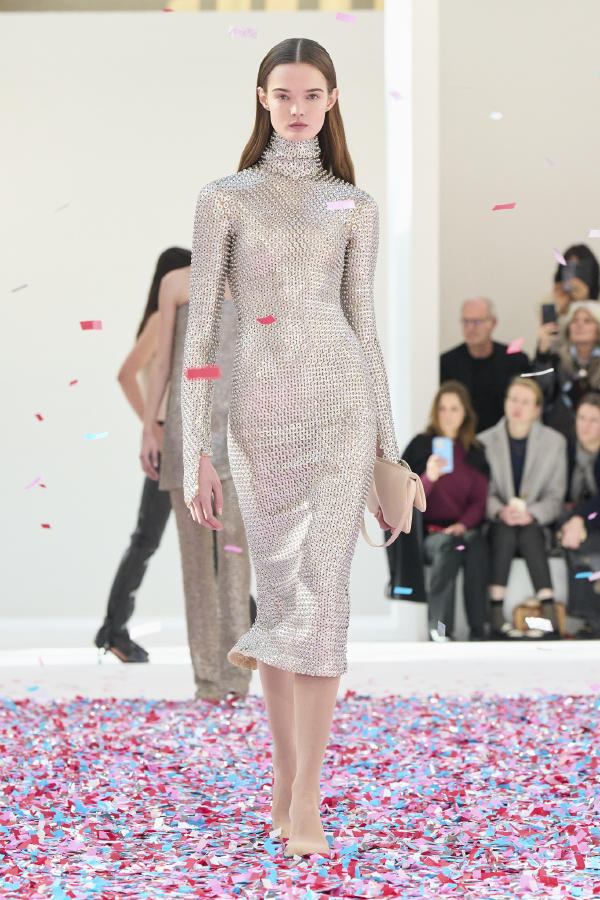
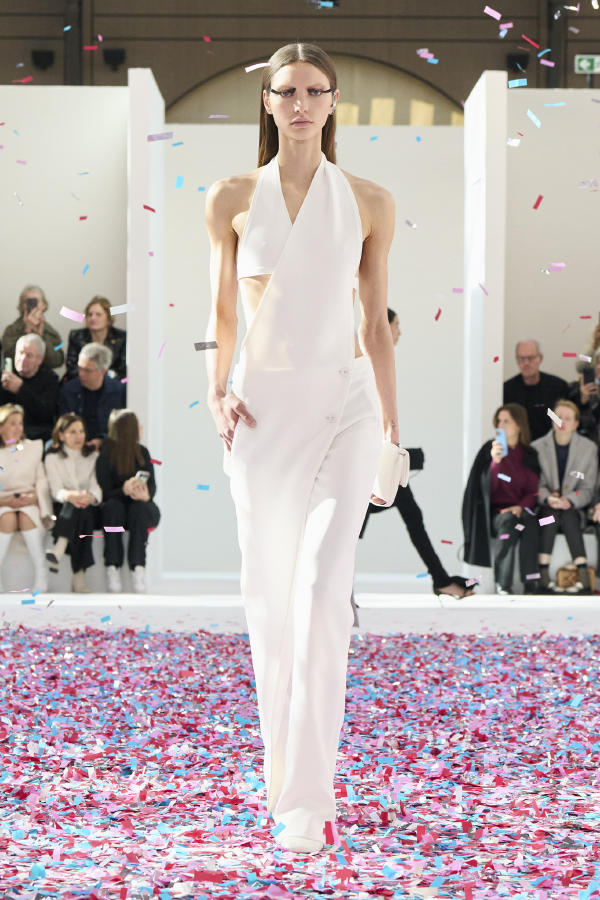
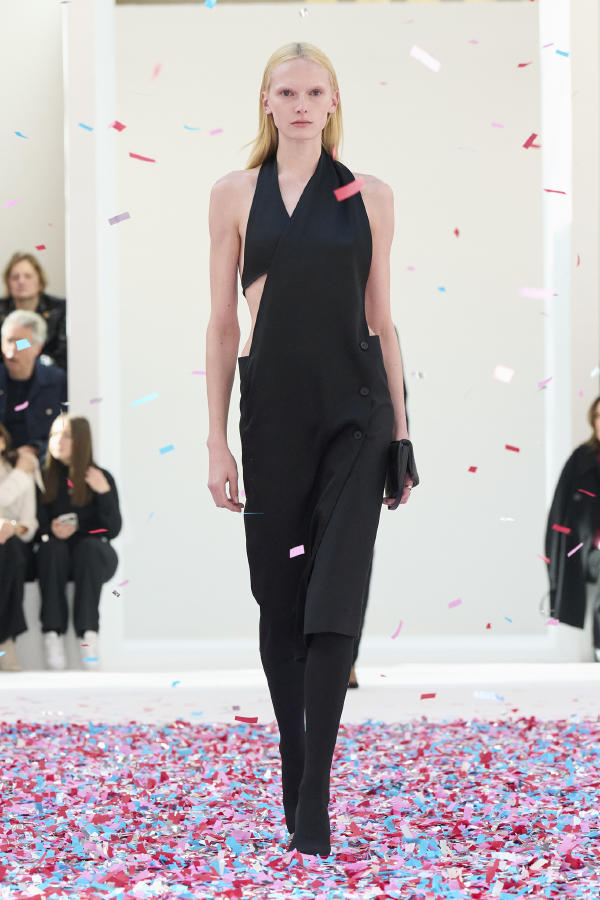
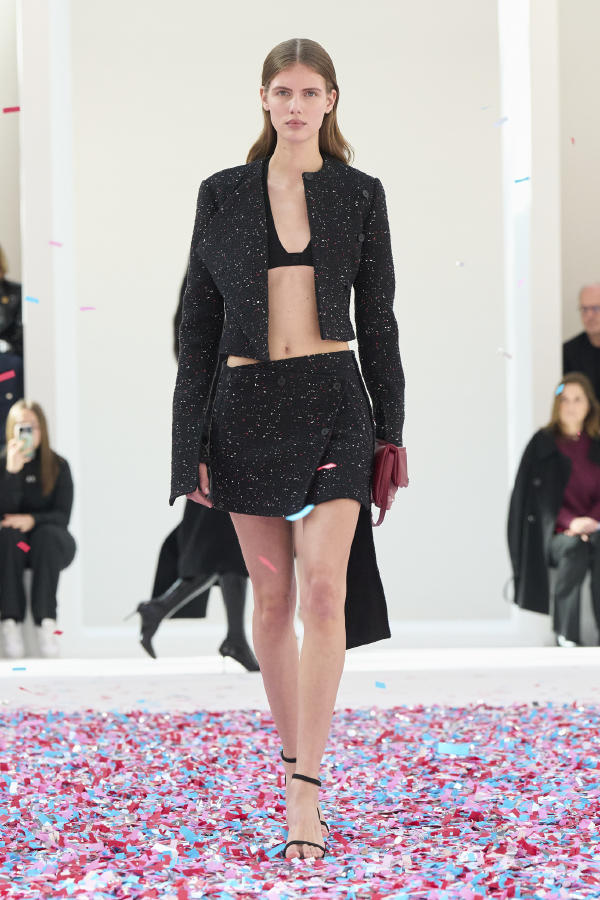
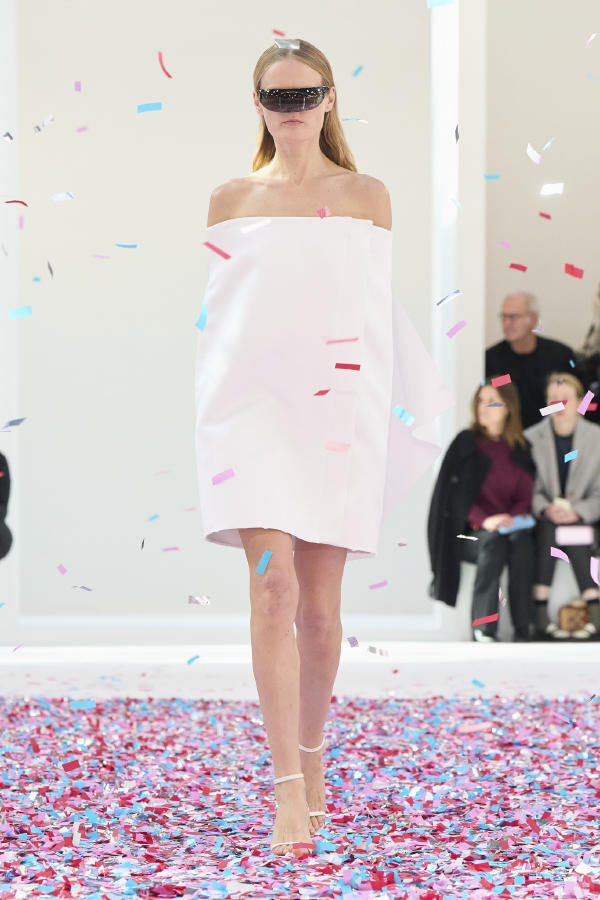
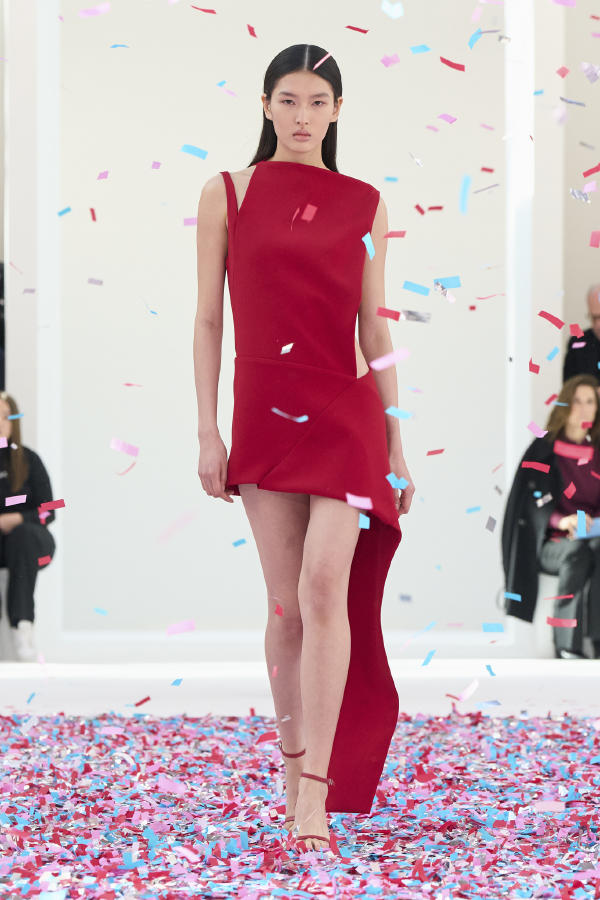
Fashion has the power to capture an instant, to immortalize emotions and to transform clothing into a cultural statement. For his Fall-Winter 2025-2026 collection, Nicolas Di Felice took this concept a step further, turning his show for Courrèges into an immersive spectacle where color, movement and celebration fused into a symphony of ethereal and vibrant forms.
Courtesy Of CourrègesCourtesy Of CourrègesCourtesy Of CourrègesCourtesy Of CourrègesCourtesy Of CourrègesCourtesy Of Courrèges
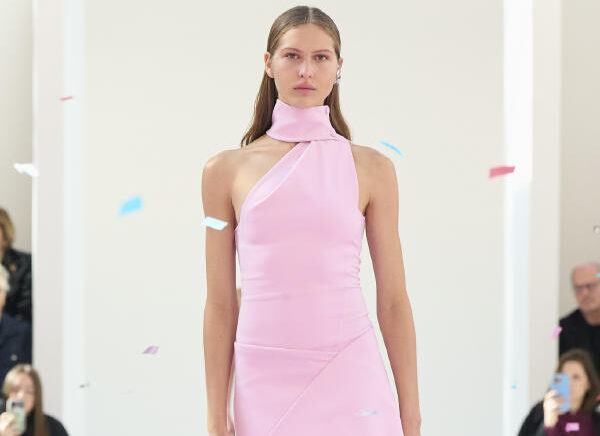
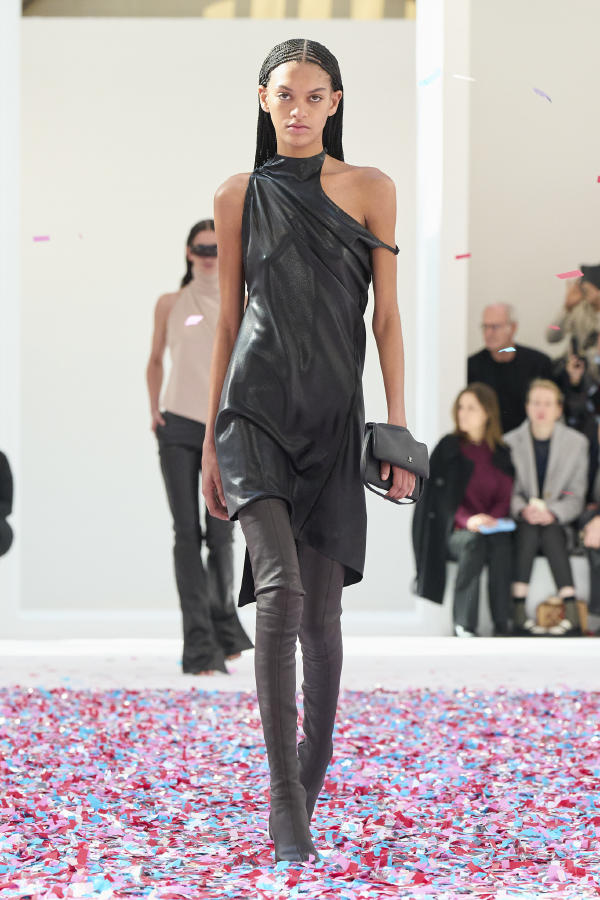
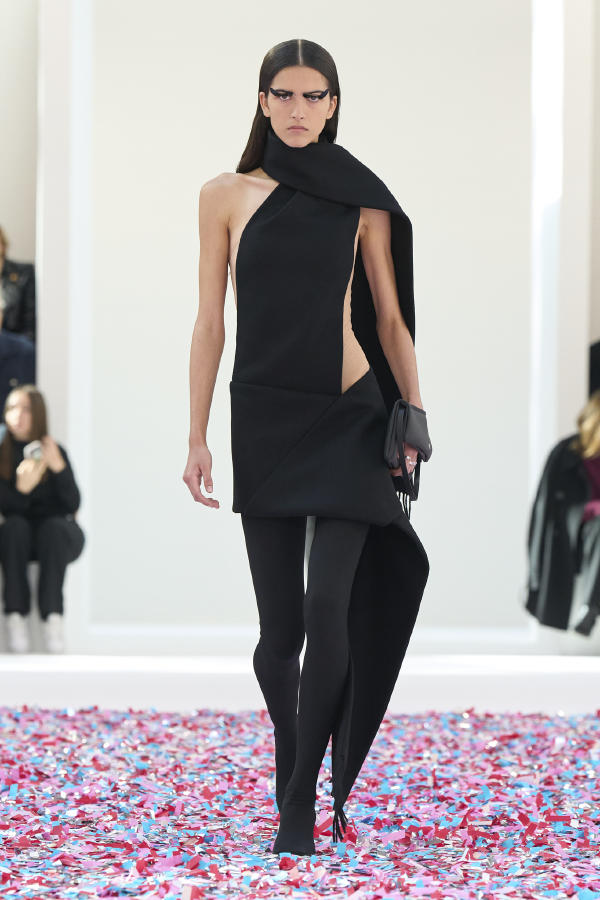
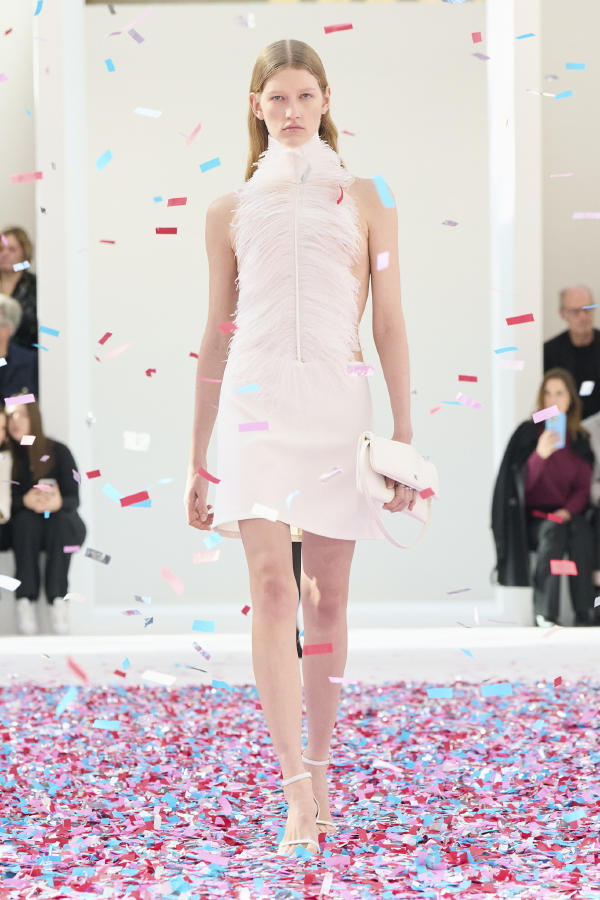
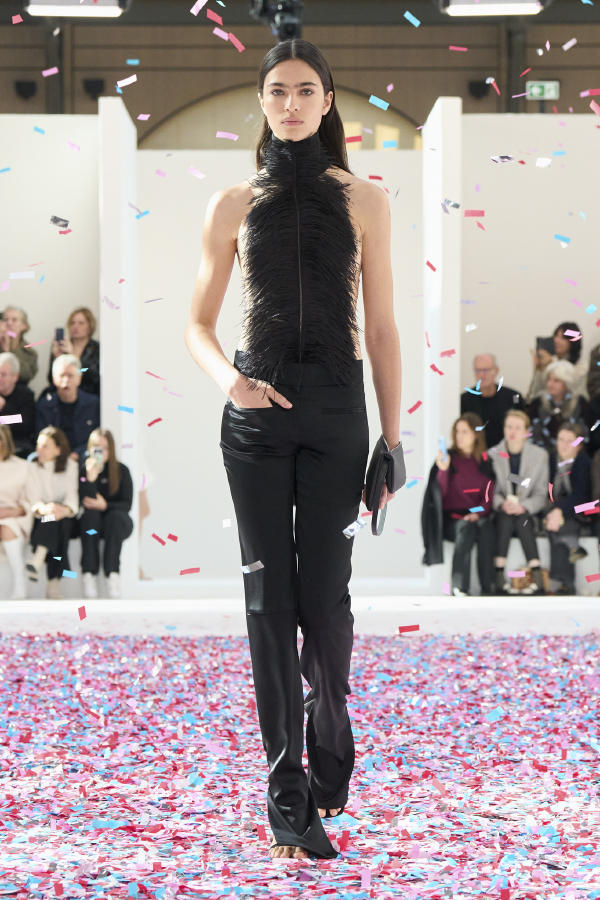
The Carreau du Temple, bathed in natural light, was transformed into a living canvas thanks to Rémy Brière’s set design: a cloud of confetti in metallic hues floated in the air throughout the presentation, defying gravity and catching the eye of every spectator. A visual gesture that not only dazzled, but encapsulated the very essence of the collection: an ode to joy, community and the desire to transcend the boundaries of time and aesthetics.
Courtesy Of CourrègesCourtesy Of CourrègesCourtesy Of CourrègesCourtesy Of CourrègesCourtesy Of CourrègesCourtesy Of Courrèges
Inspired by Dan Colen’s confetti paintings, Di Felice took the idea of streamers and turned it into a masterful design proposition. A simple rectangle of fabric, cleverly wrapped around the body, gave life to dresses that defy stillness, skirts that seem to hang in mid-air, and tunics turned into flowing parkas. The tailoring, marked by precise cuts and unexpected angles, reaffirms the designer’s ability to play with structure without losing the sensuality inherent to his vision.
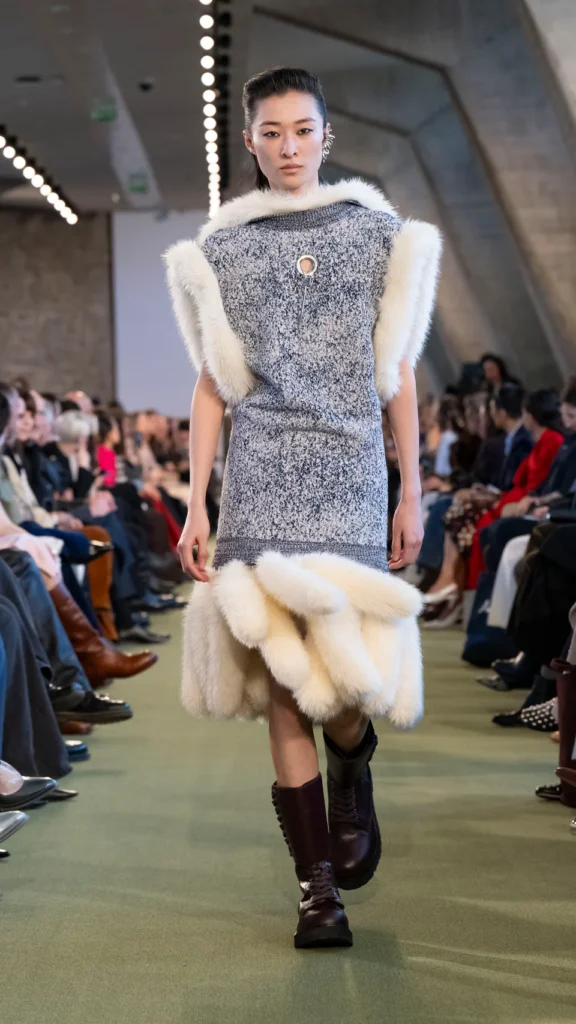
Courtesy Of CourrègesCourtesy Of Courrèges
Although references to André Courrèges’ 1960s spatial minimalism are still present, Di Felice’s proposal moves away from geometric rigidity and opts for a more instinctive and uninhibited femininity. Scarf ribbons, cleverly secured to move with the body, and ostrich feather tops, which exude subtle drama, are proof that modernity is not at odds with poetry.
Courtesy Of CourrègesCourtesy Of Courrèges
At a time when fashion tends to look at itself for answers, Courrèges under the direction of Di Felice reminds us that clothes not only dress, but create worlds. And in this world, night, music and freedom are the protagonists.
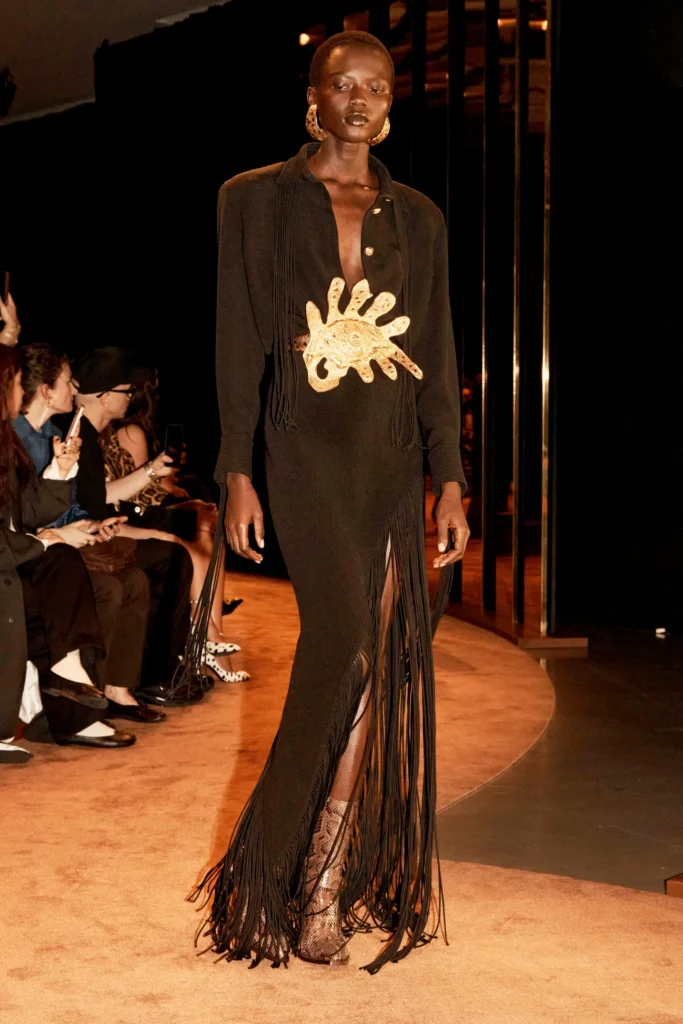
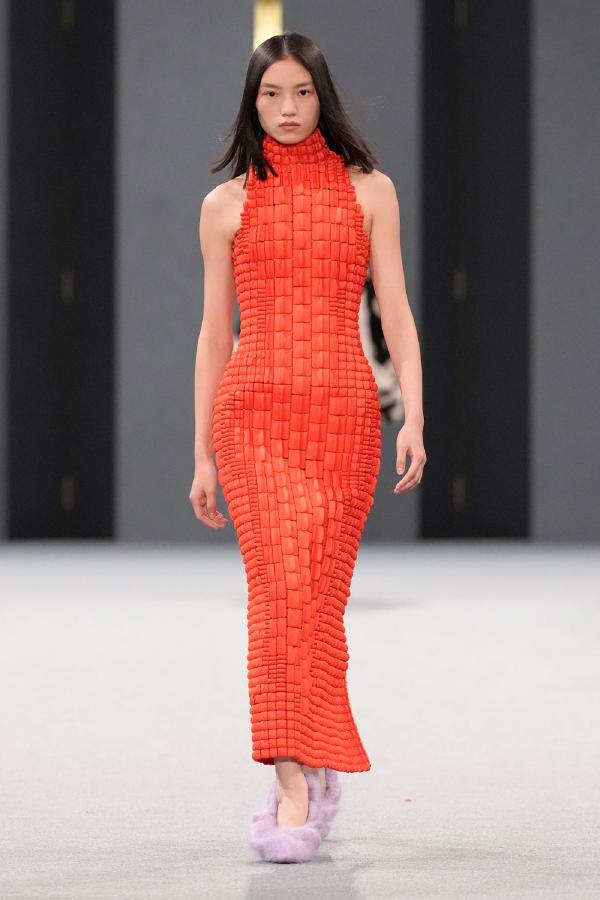
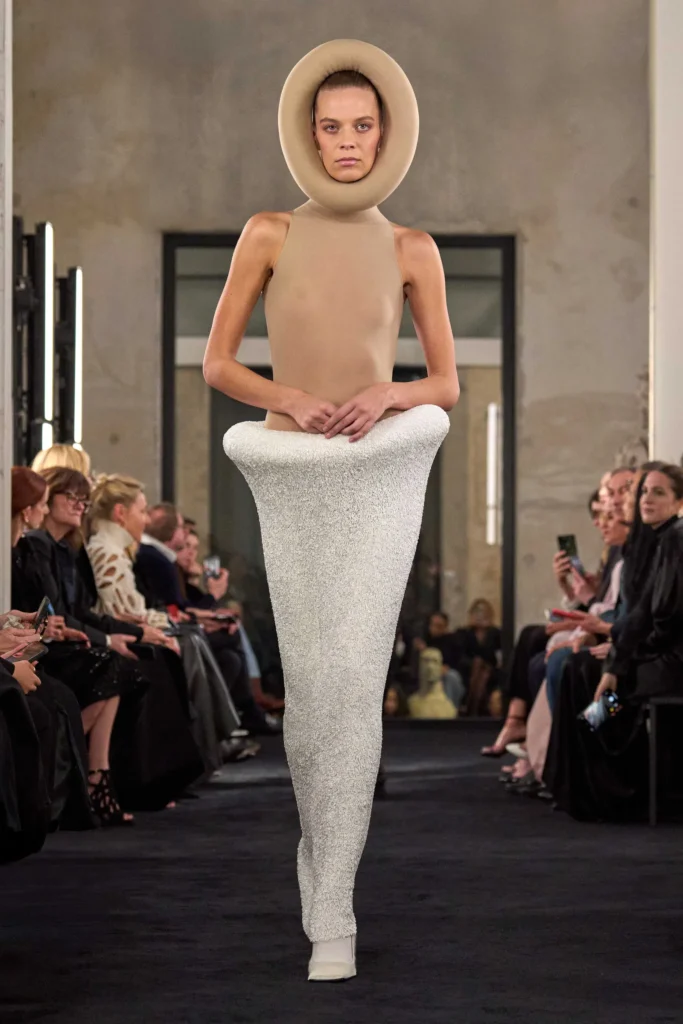
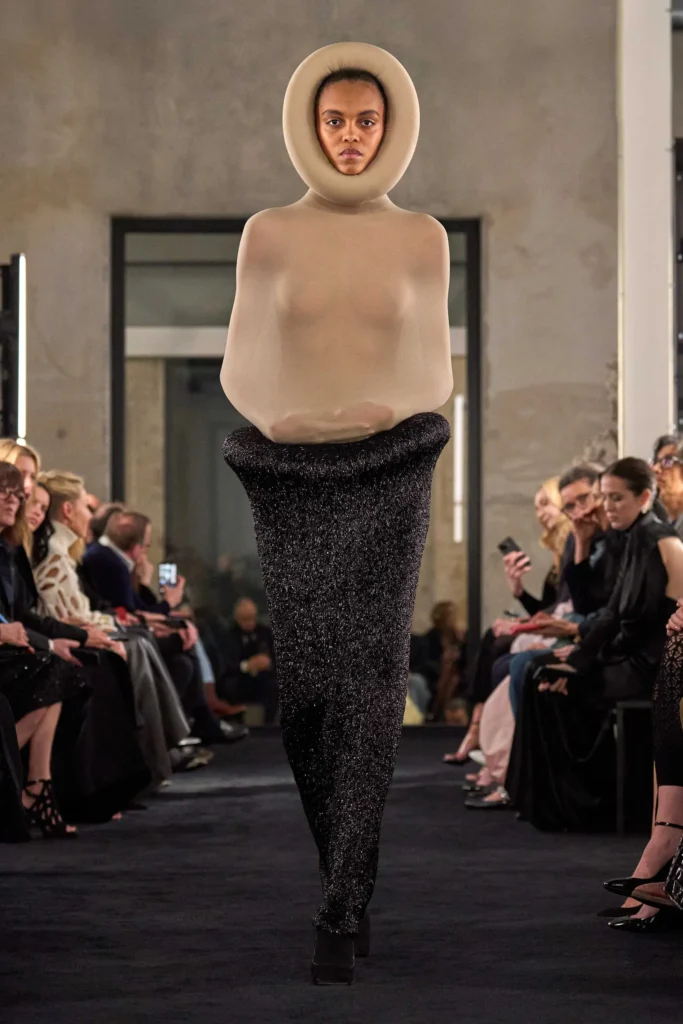
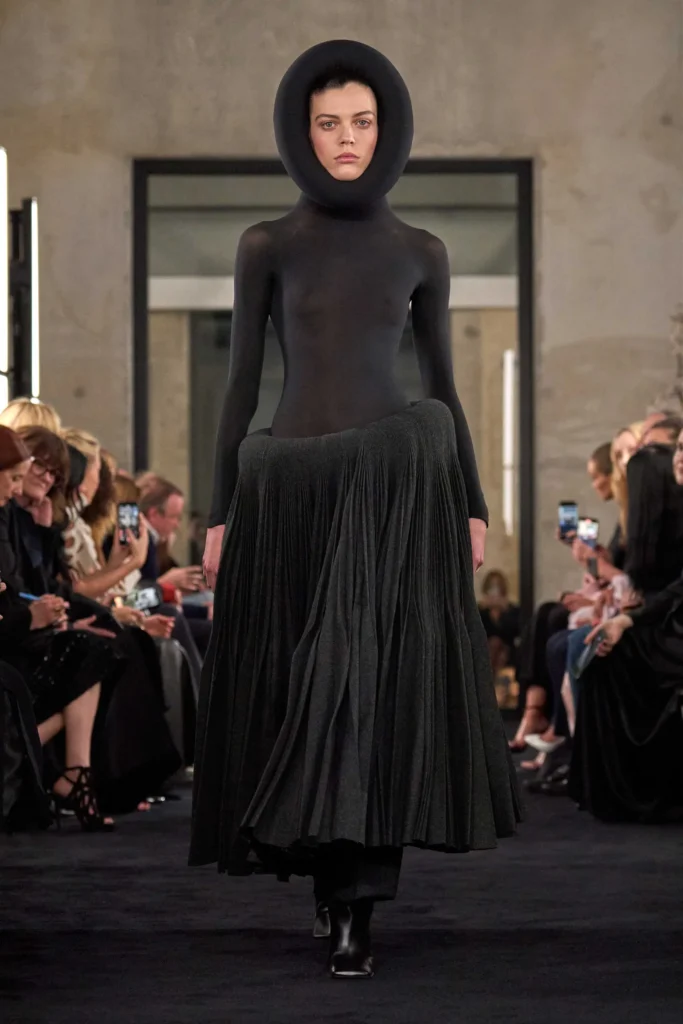
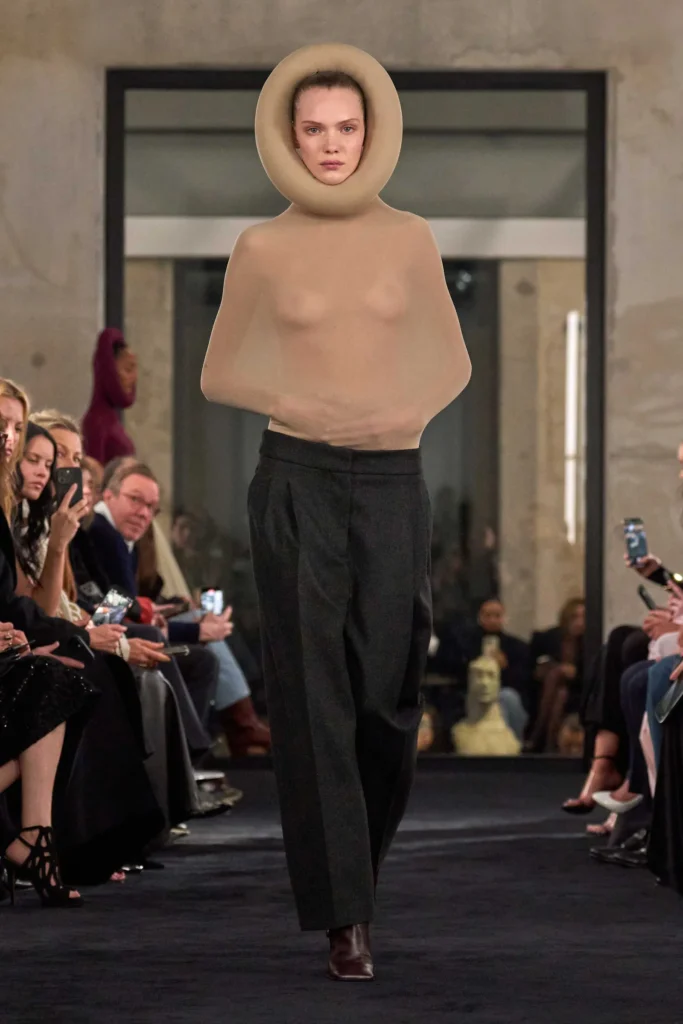
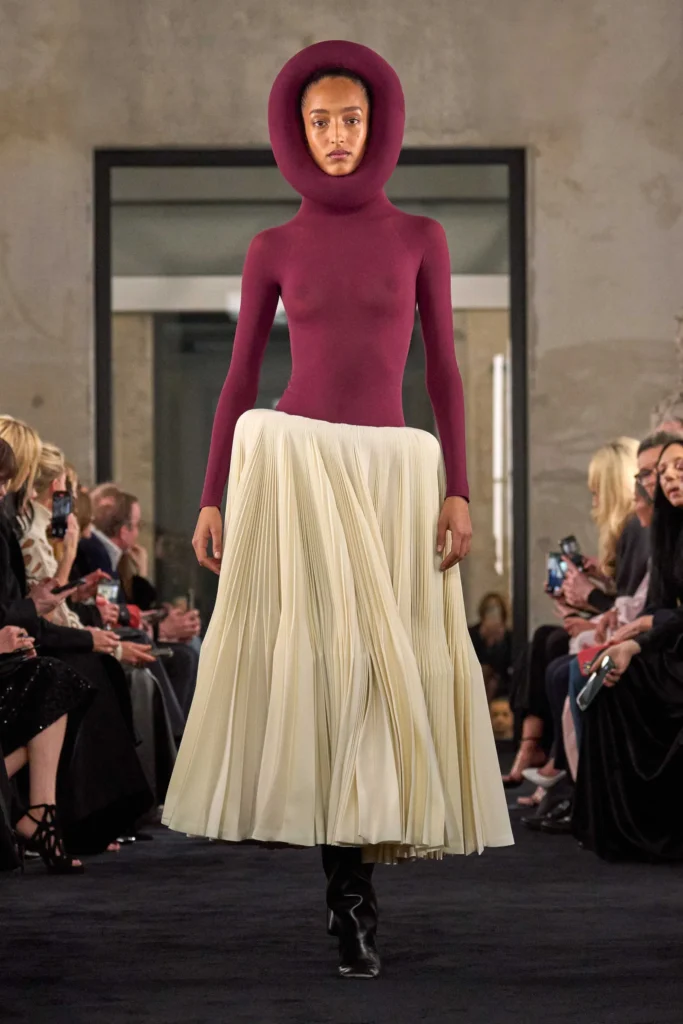
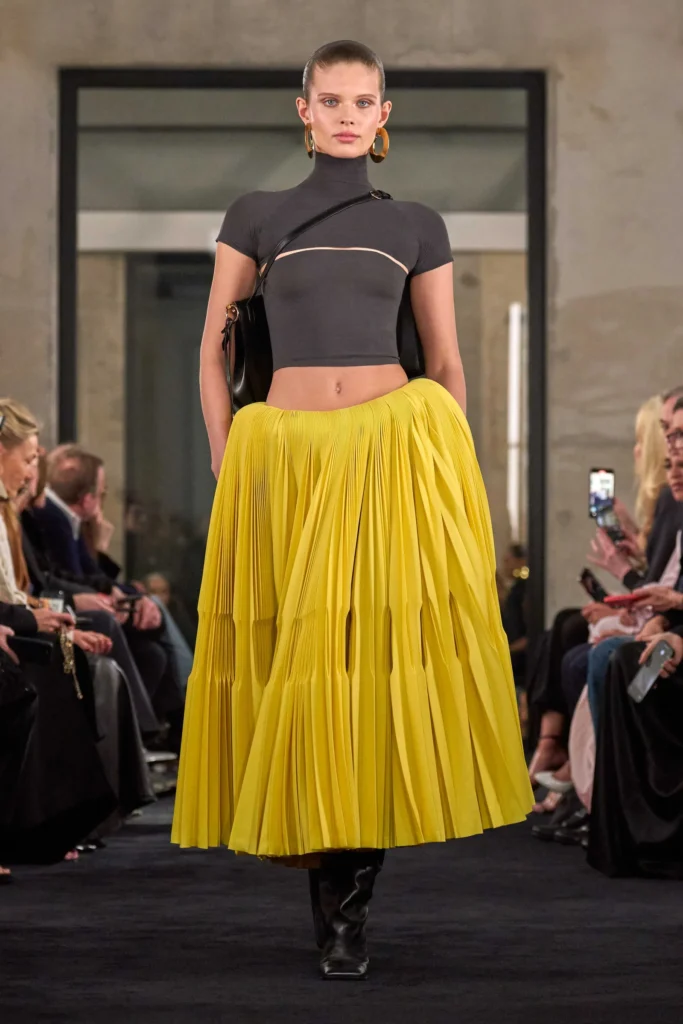
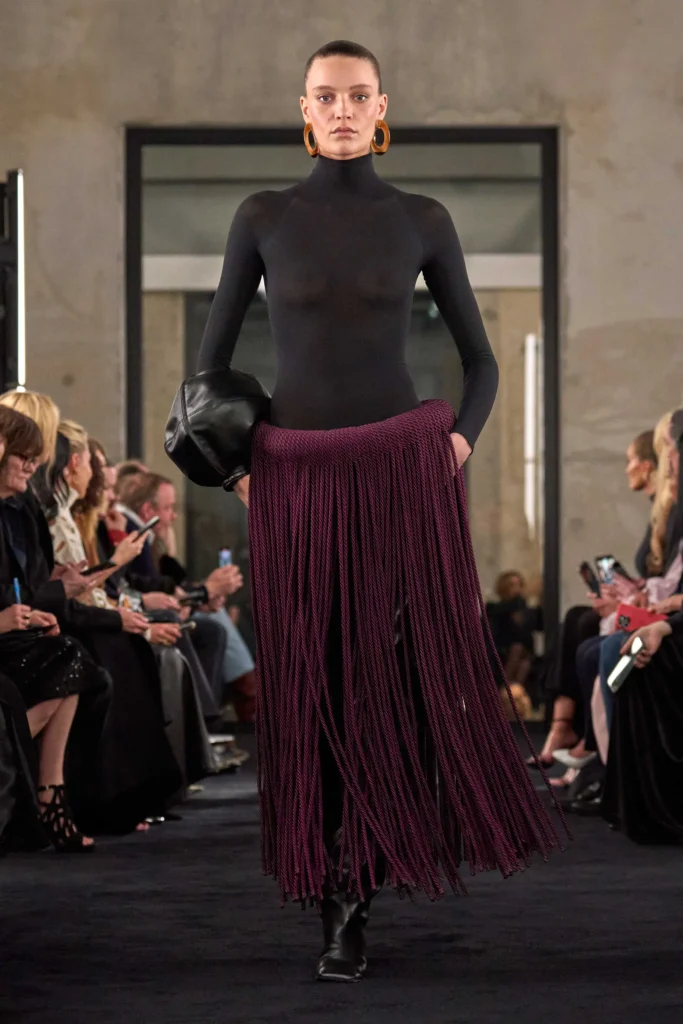
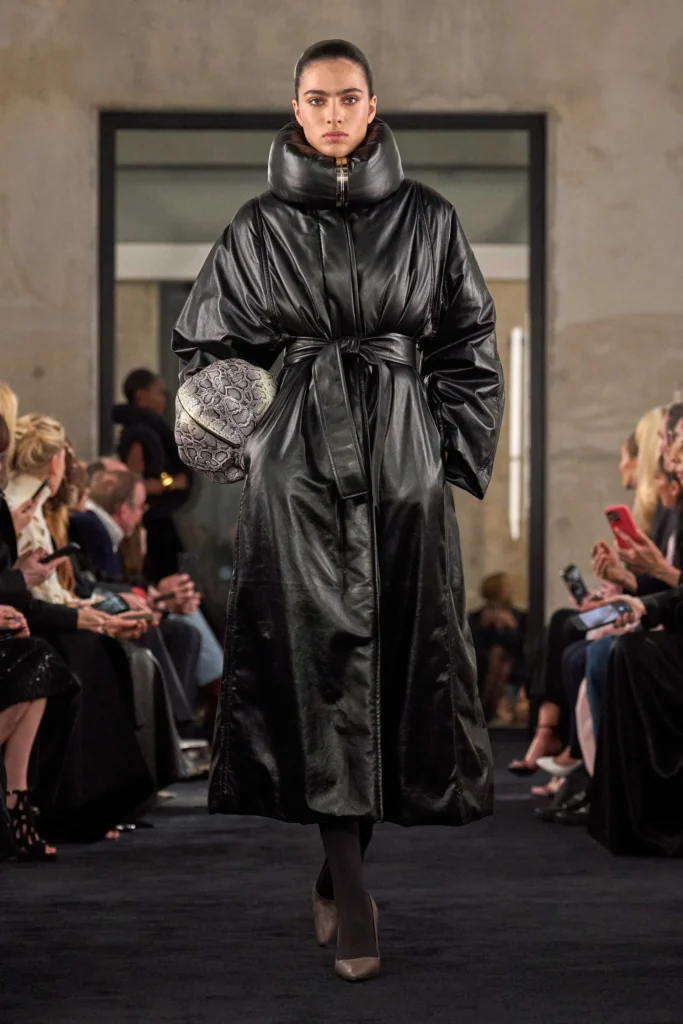
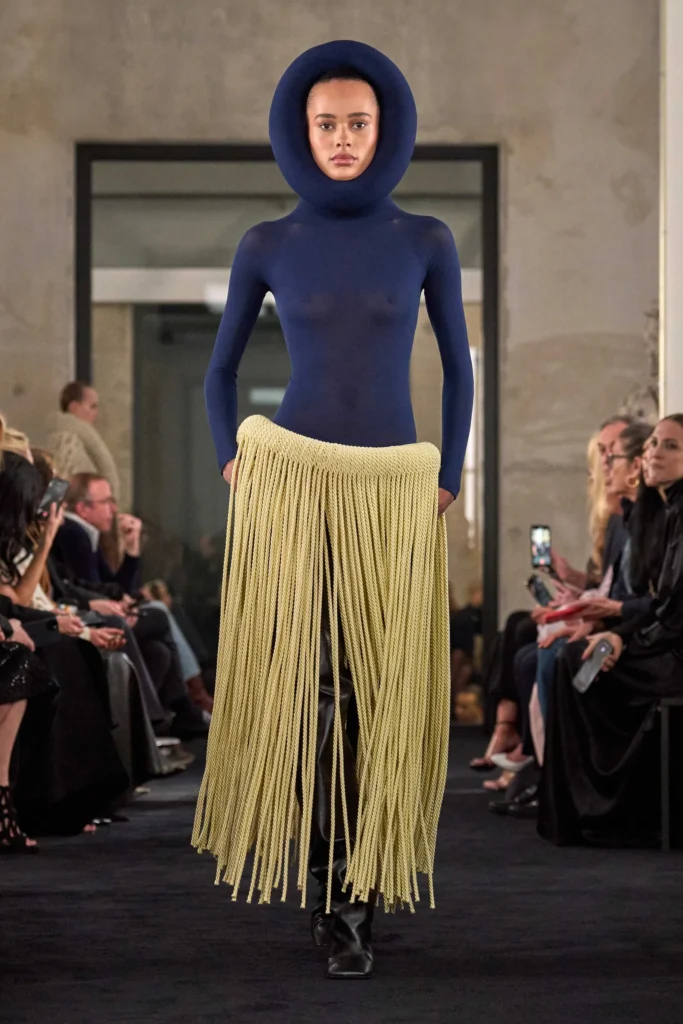
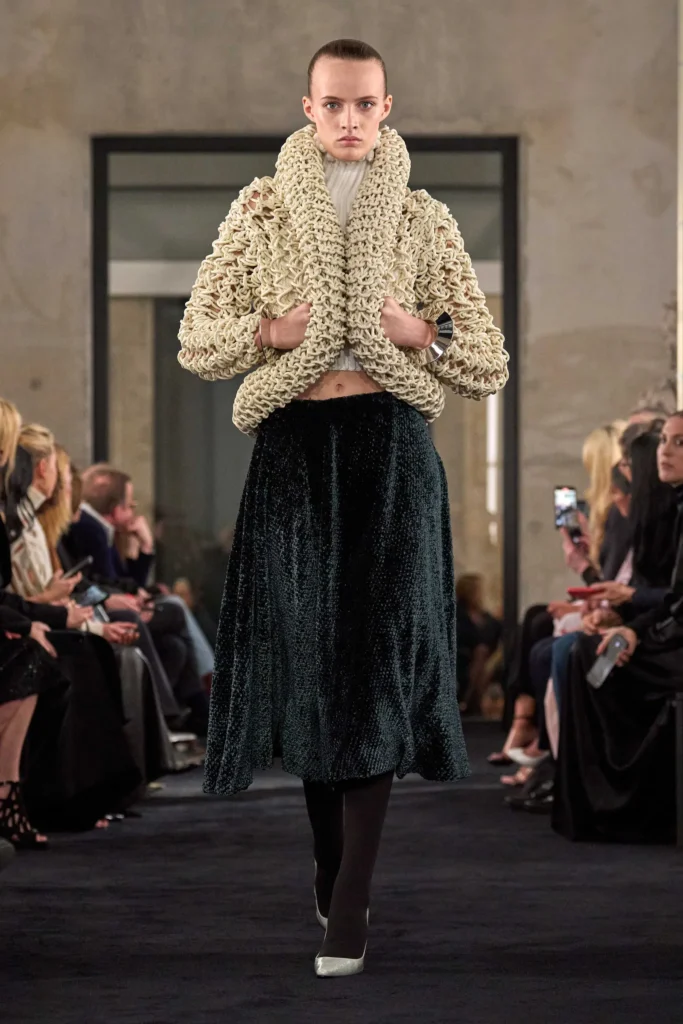
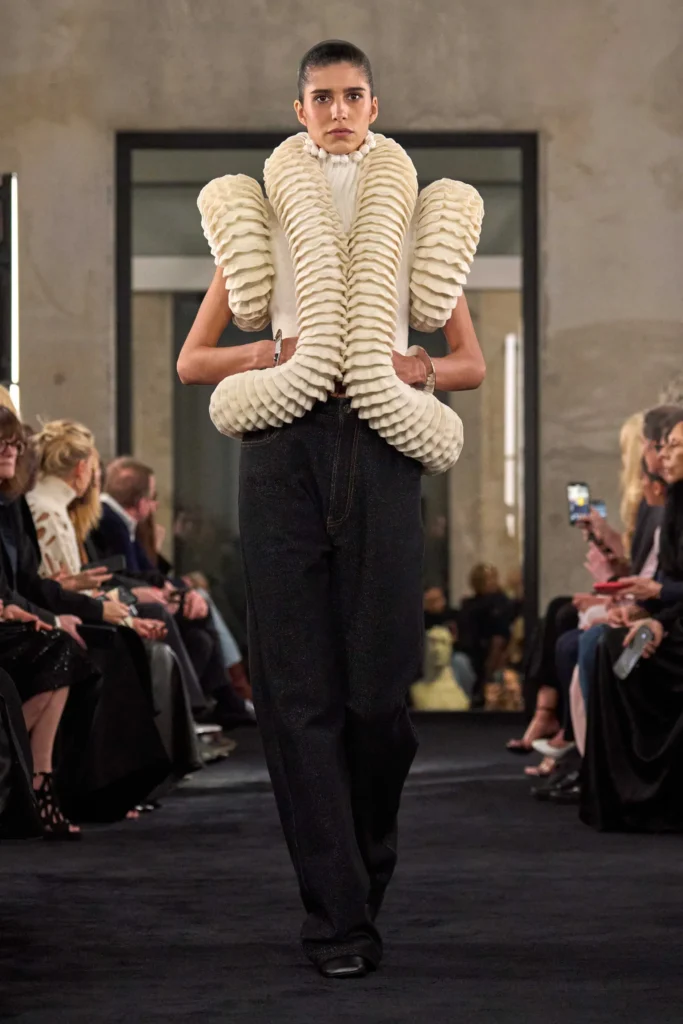
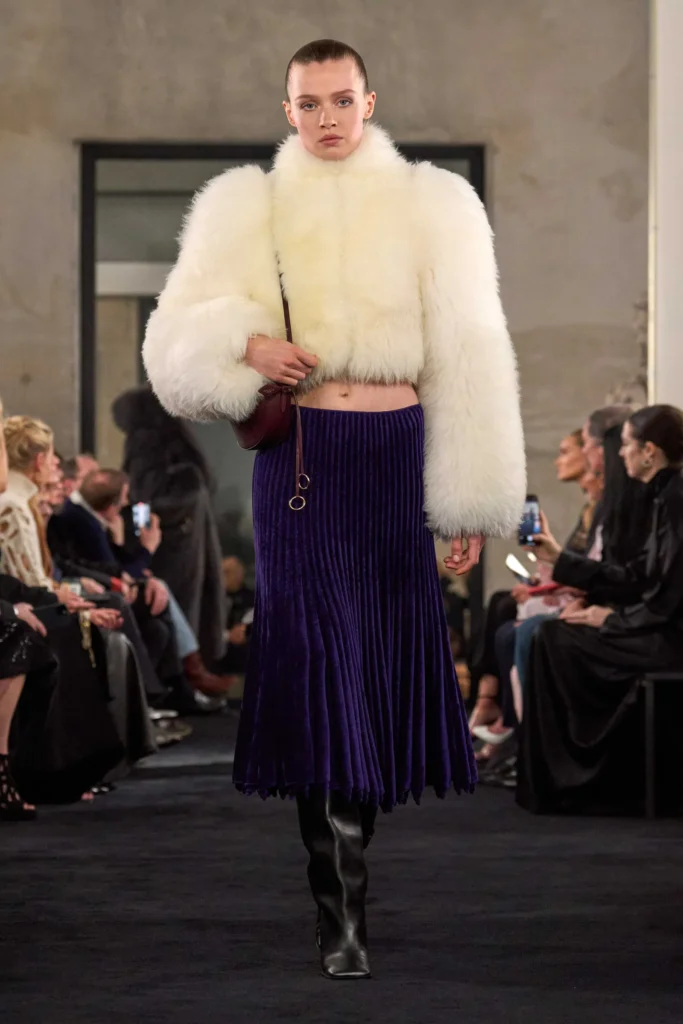
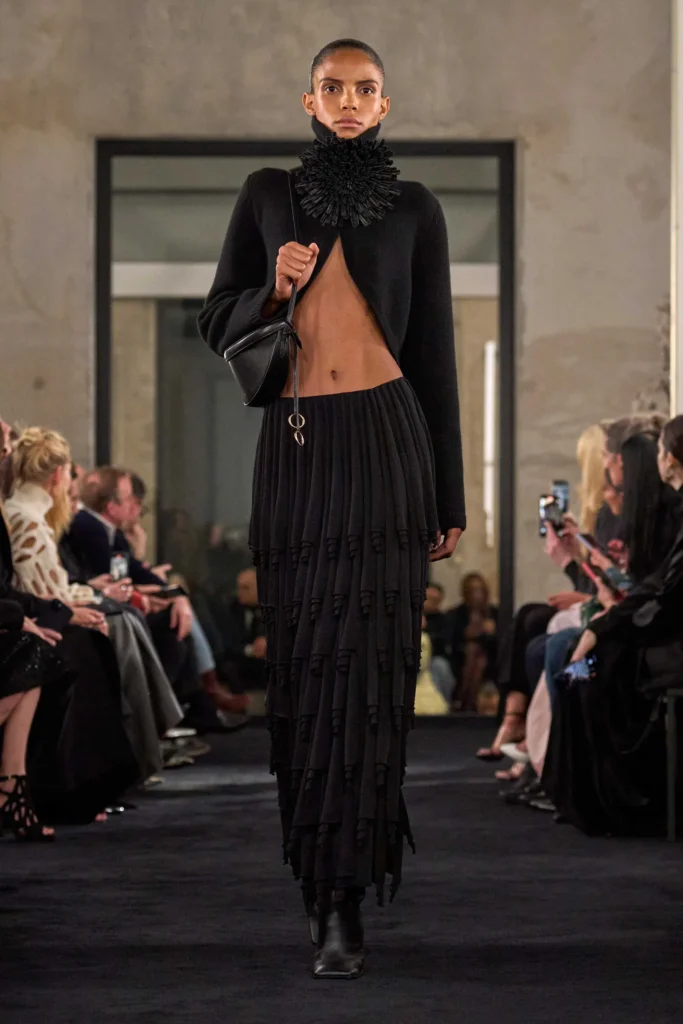
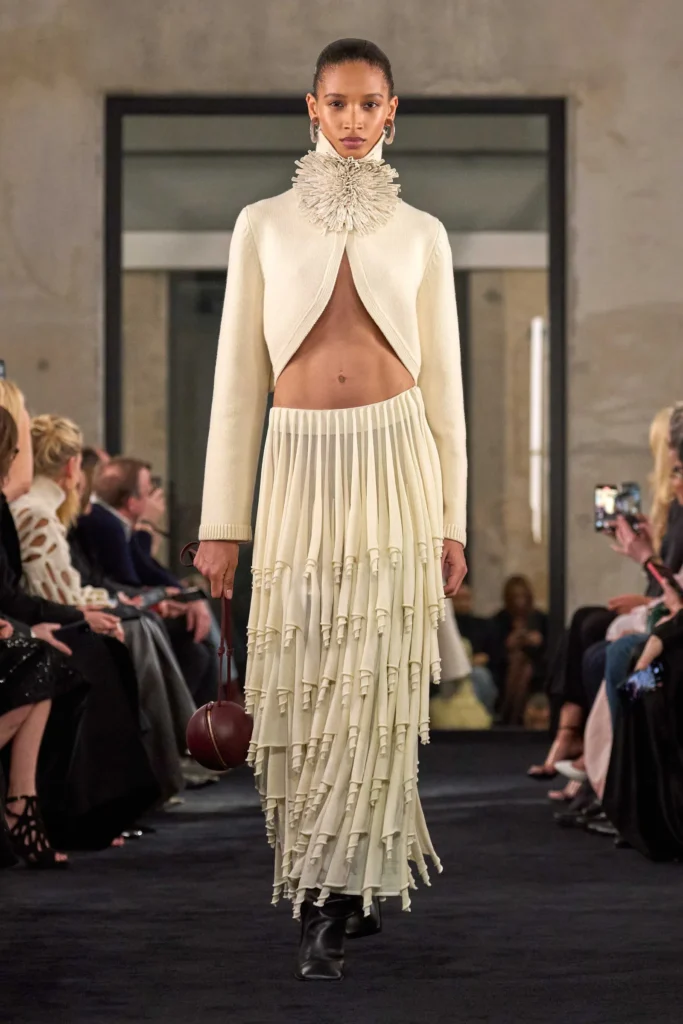
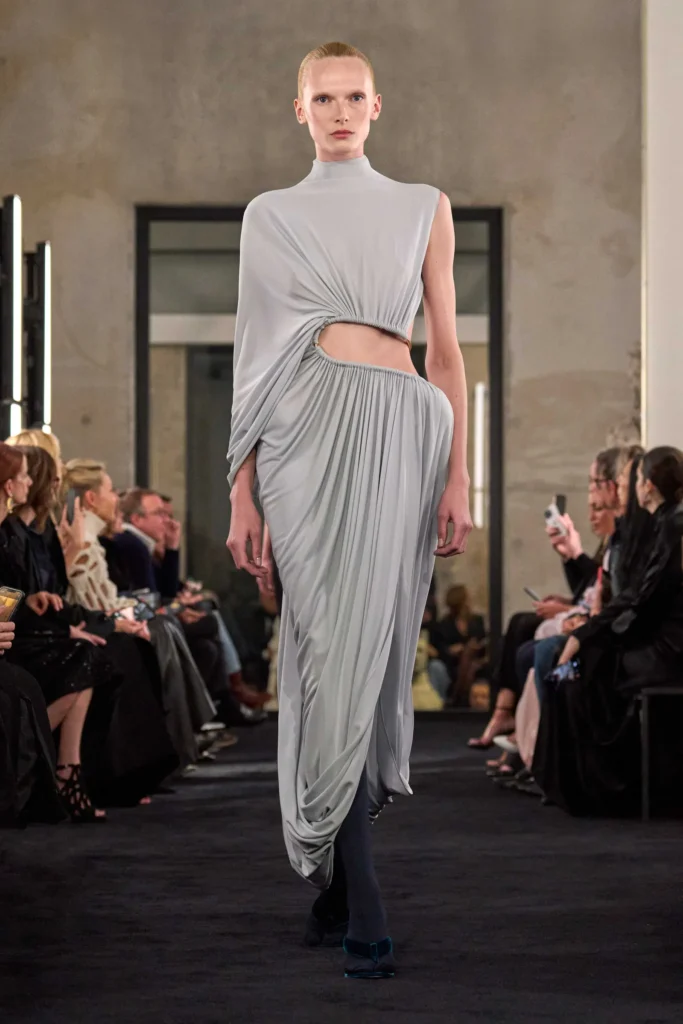
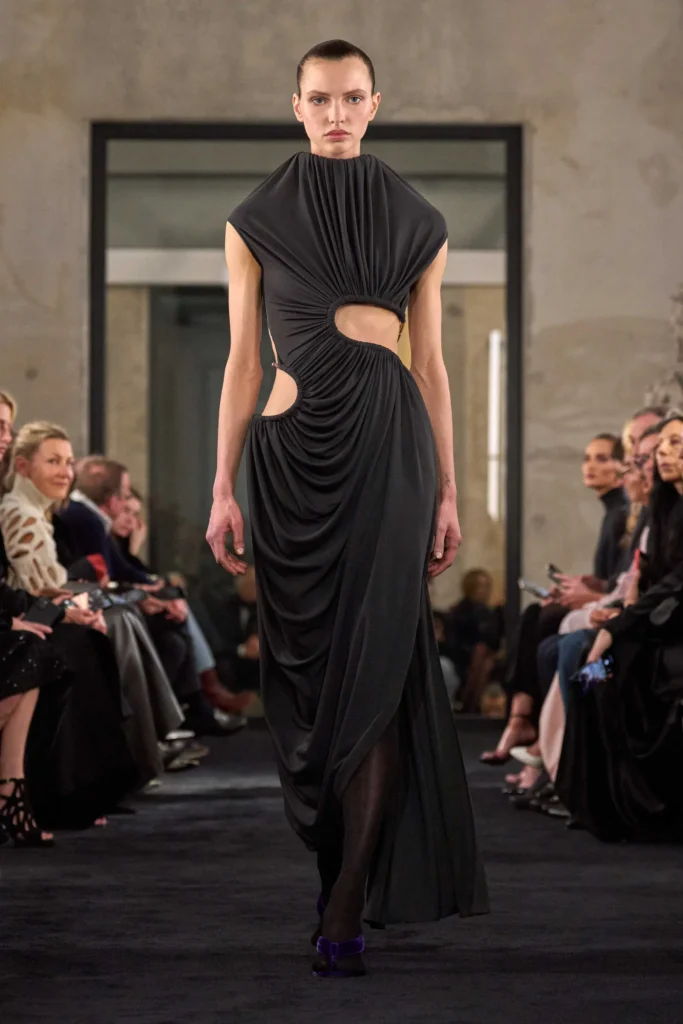
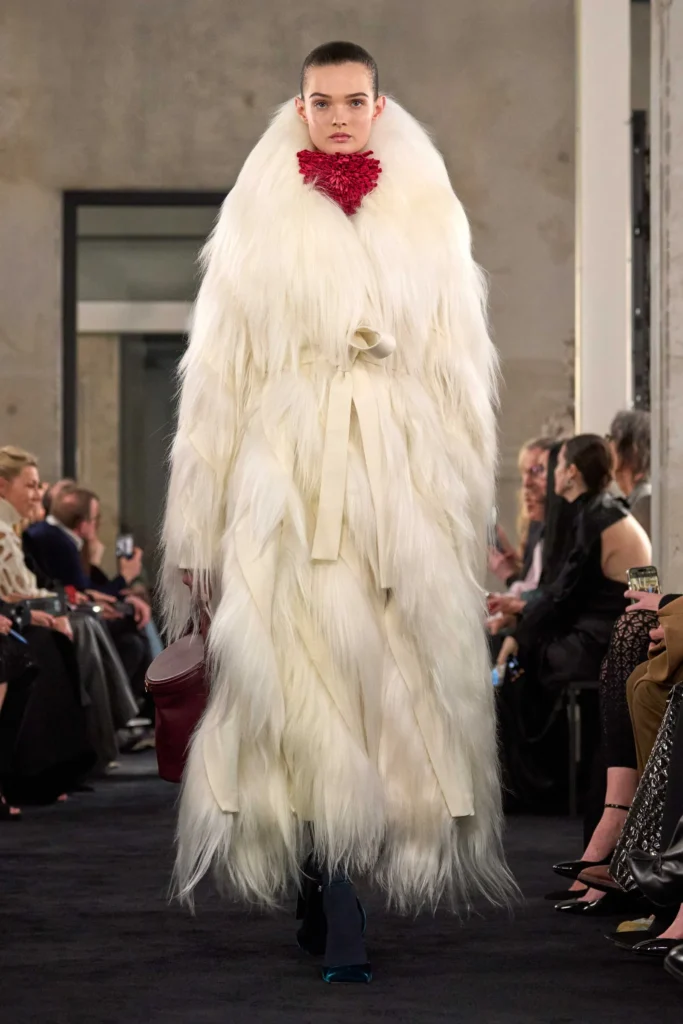
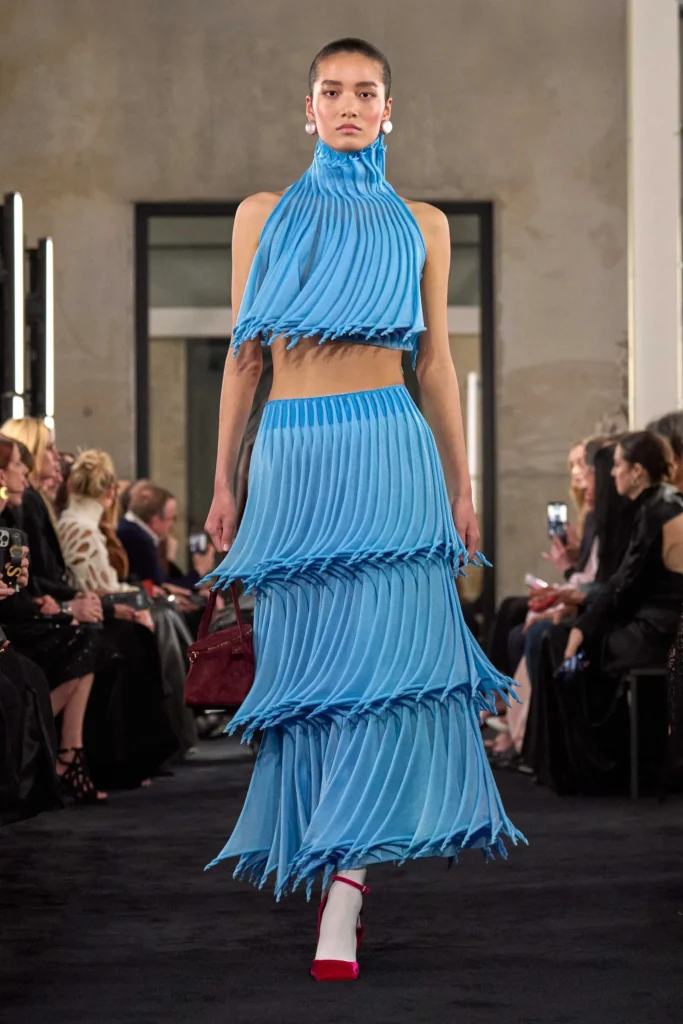
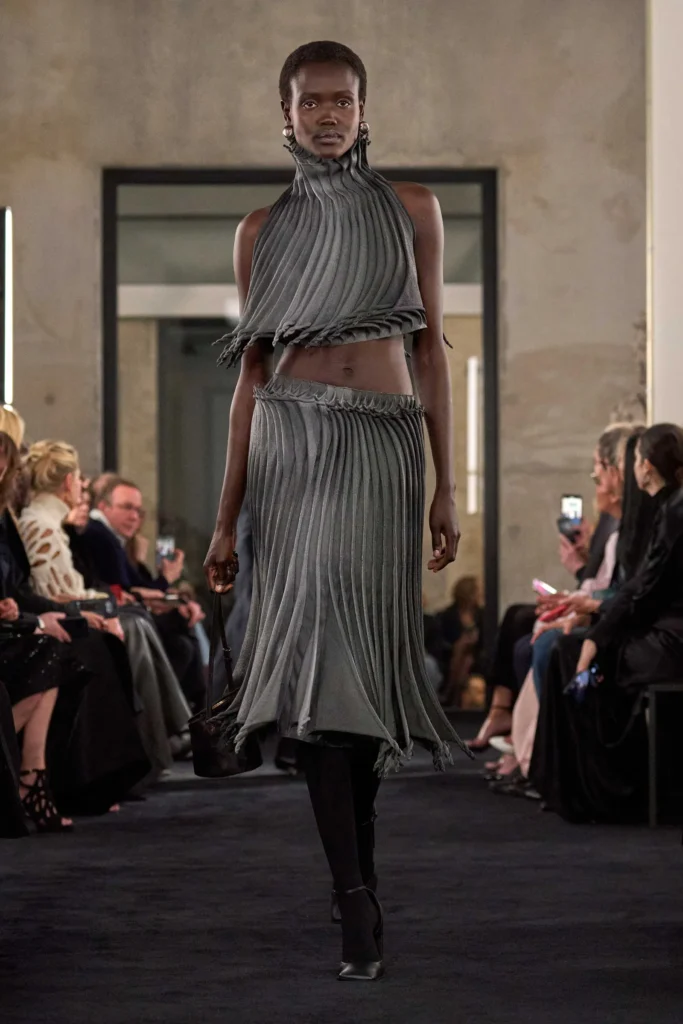
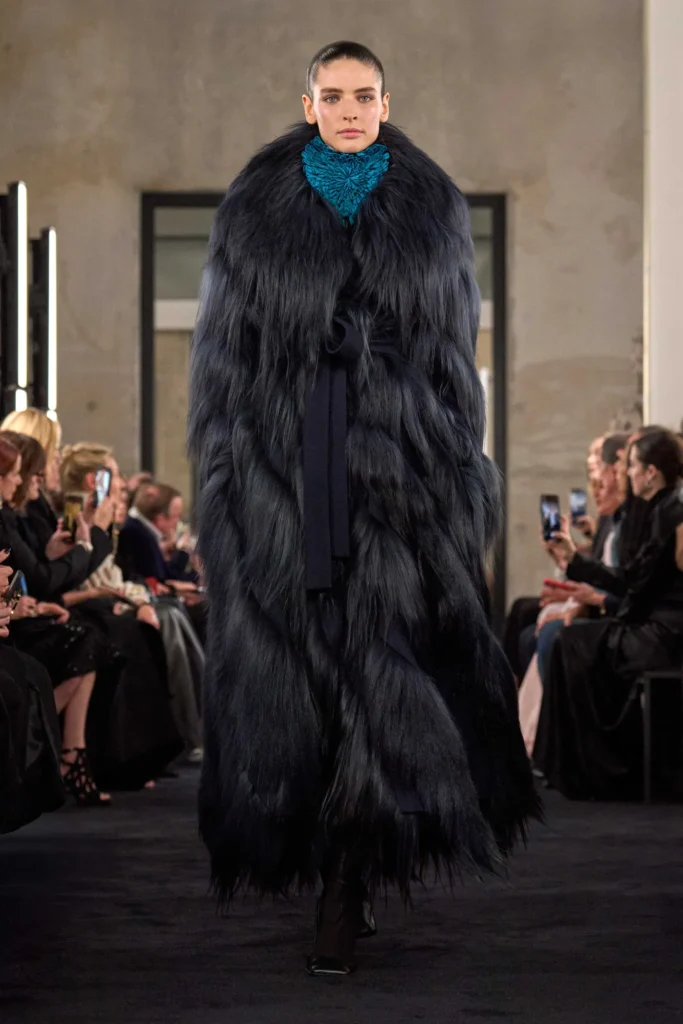
With Summer-Fall 2025, Pieter Mulier continues his meteoric rise at Alaïa, crafting a collection that is as much about artistry as it is about wearability. Set against the dramatic backdrop of Mark Manders’ sculptures in the house’s Paris atelier, the show was a testament to timeless, borderless beauty—an idea deeply embedded in Alaïa’s DNA.
Filippo Fior/Courtesy of AlaiaFilippo Fior/Courtesy of AlaiaFilippo Fior/Courtesy of AlaiaFilippo Fior/Courtesy of AlaiaFilippo Fior/Courtesy of AlaiaFilippo Fior/Courtesy of Alaia
Mulier, fascinated by Manders’ work, drew inspiration from its unfinished, ever-evolving quality, channeling that same sensibility into his designs. The result? Garments that seemed to exist outside of time. The collection’s defining feature was movement, visible in off-kilter pleats, liquid draping, and kinetic silhouettes that transformed each piece into a living sculpture.
Filippo Fior/Courtesy of AlaiaFilippo Fior/Courtesy of AlaiaFilippo Fior/Courtesy of AlaiaFilippo Fior/Courtesy of AlaiaFilippo Fior/Courtesy of AlaiaFilippo Fior/Courtesy of Alaia
But beyond the artistry, there was an undeniable sense of pragmatism. Signature belted coats, sculptural quilted jackets, and voluminous knitwear balanced bold innovation with everyday desirability. His single-thread constructions, devoid of traditional closures, paid homage to Azzedine Alaïa’s radical approach while cementing Mulier’s own vision for the house.
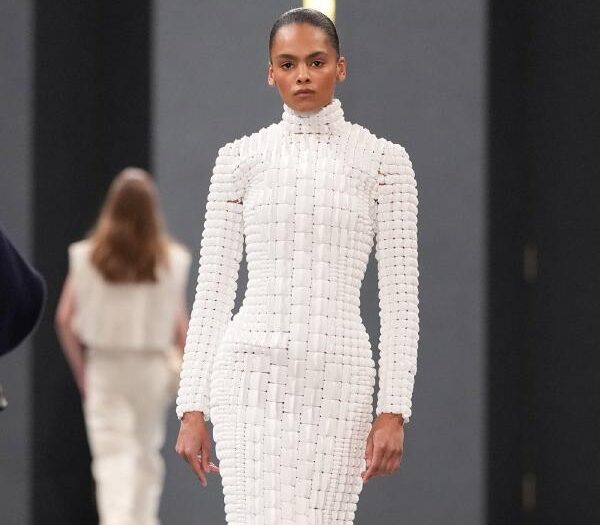
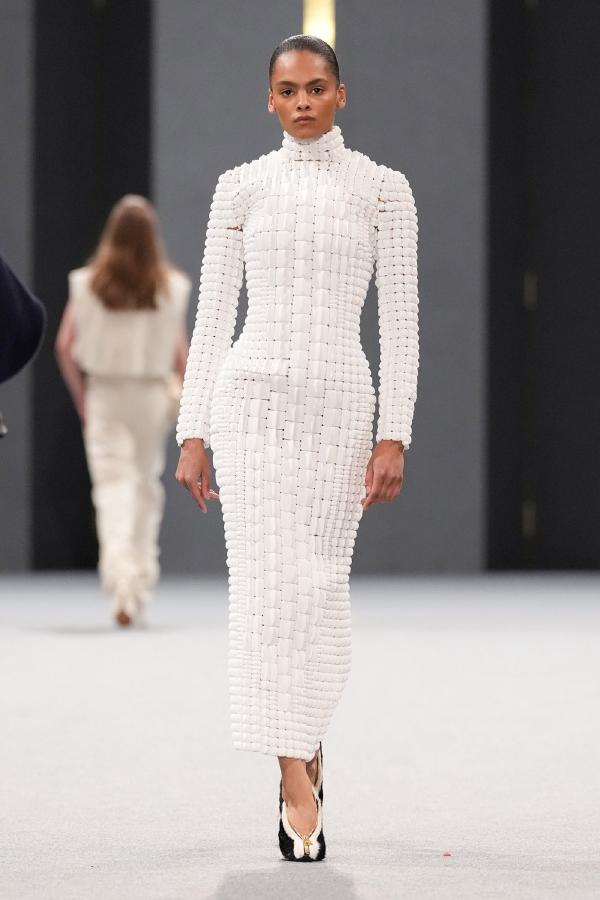
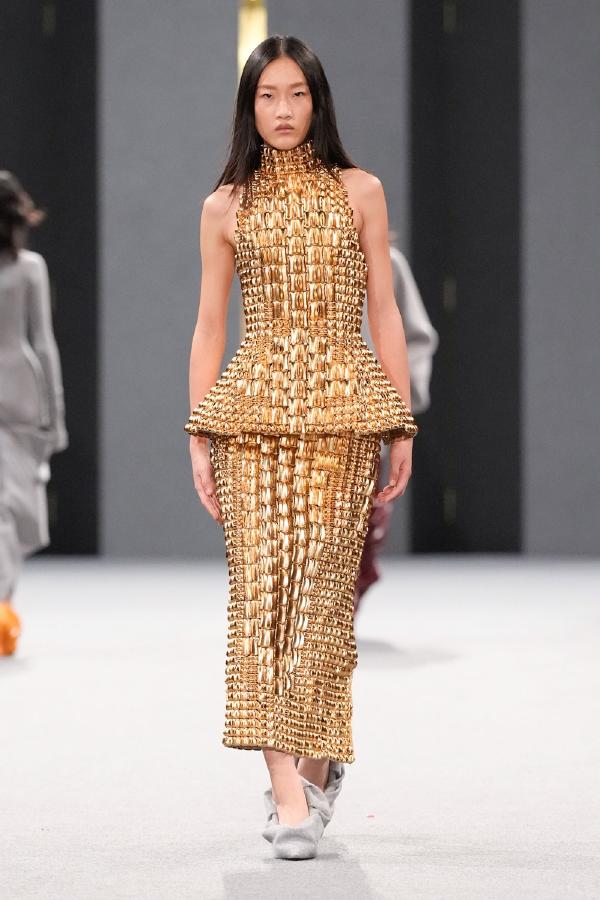
The show’s most striking elements? Textile donuts—worn as collars, shoulder accents, and hip embellishments—creating hypnotic silhouettes that felt both futuristic and primal. Tubular dresses, infused with metallic threads, hugged the body with Alaïa’s signature second-skin sensuality, while sheer, high-neck tops anchored extravagant skirts in an interplay of structure and fluidity.
Filippo Fior/Courtesy of AlaiaFilippo Fior/Courtesy of AlaiaFilippo Fior/Courtesy of AlaiaFilippo Fior/Courtesy of AlaiaFilippo Fior/Courtesy of AlaiaFilippo Fior/Courtesy of Alaia
Mulier has not only reignited Alaïa’s creative fire but also redefined modern luxury, elevating the house to new commercial heights. Market sources suggest that his work has significantly boosted Richemont’s revenues, with hits like the Le Teckel bag and mesh ballerinas becoming instant cult favorites.
Filippo Fior/Courtesy of AlaiaFilippo Fior/Courtesy of AlaiaFilippo Fior/Courtesy of AlaiaFilippo Fior/Courtesy of AlaiaFilippo Fior/Courtesy of AlaiaFilippo Fior/Courtesy of Alaia
Despite this season marking Alaïa’s official entry into the prêt-à-porter calendar, Mulier stayed true to his nonconformist spirit, keeping the show’s enigmatic “Summer-Fall” timing and presenting a collection that felt more like an art installation than a fashion moment.
References to North African craftsmanship, Elizabethan grandeur, and a dreamlike electronic-Arabic soundtrack wove a narrative that transcended fashion—it was a study of form, culture, and movement. With models gliding down the runway like figures from a classical painting, their presence was commanding, their looks unforgettable.
Filippo Fior/Courtesy of Alaia
Mulier has officially arrived—not just as Alaïa’s creative force, but as one of the most visionary designers of his generation.