Dior Haute Couture Spring 2026 Collection
Jonathan Anderson’s first haute couture collection for Dior arrived with expectation—and delivered reinvention. For Spring 2026, the designer revisited Christian Dior’s iconic femmes fleurs, infusing them with a new sense of lightness, curiosity, and intellectual rigor that quietly repositions what couture can be today.
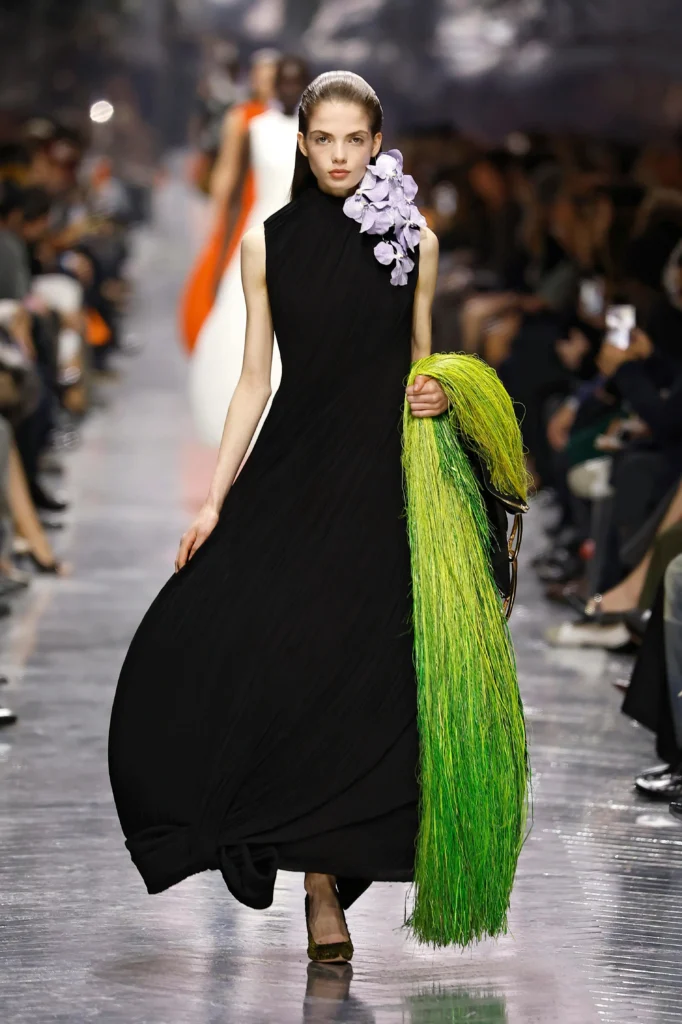
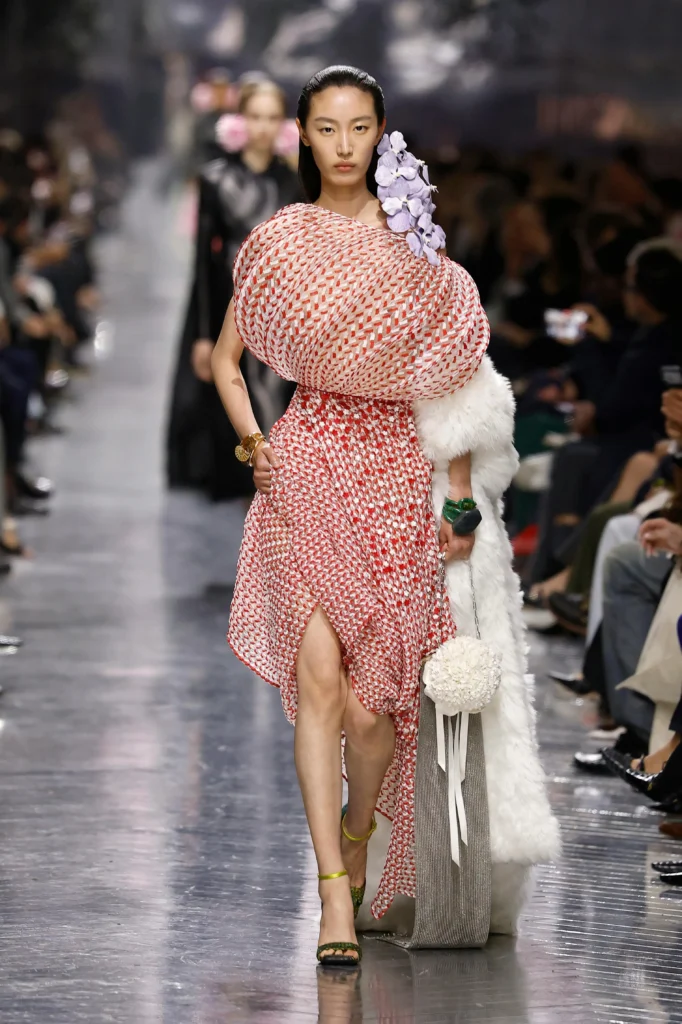
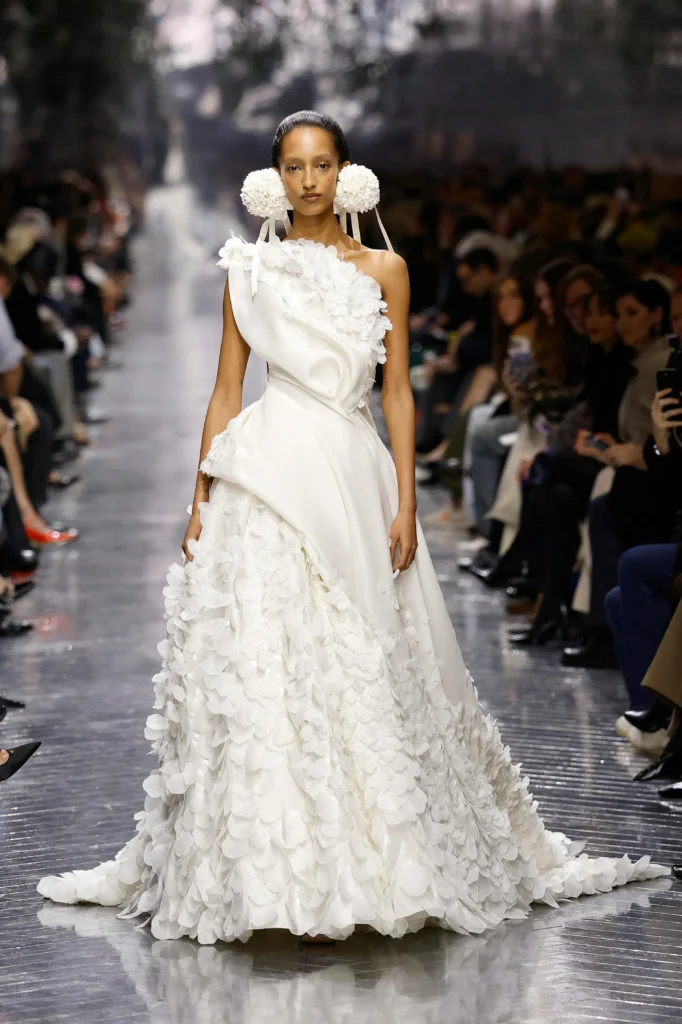
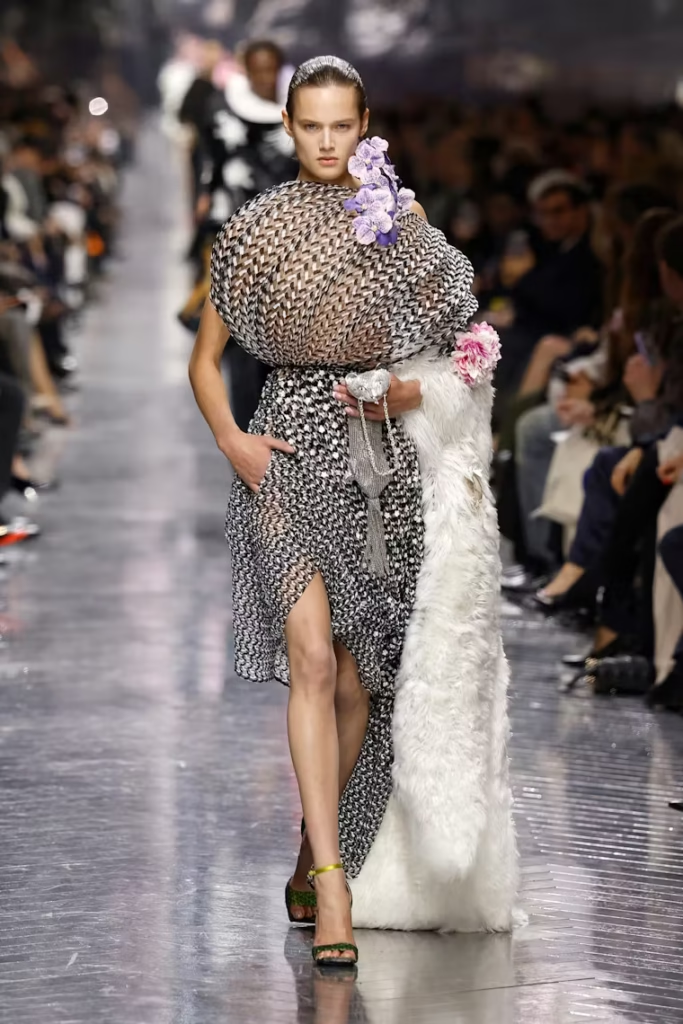
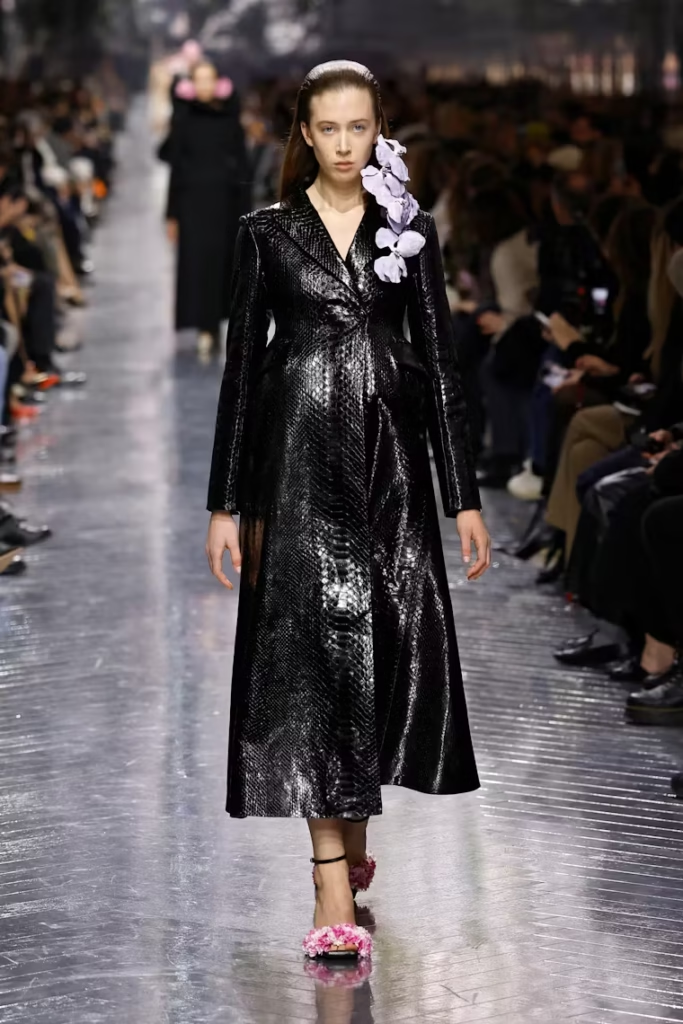
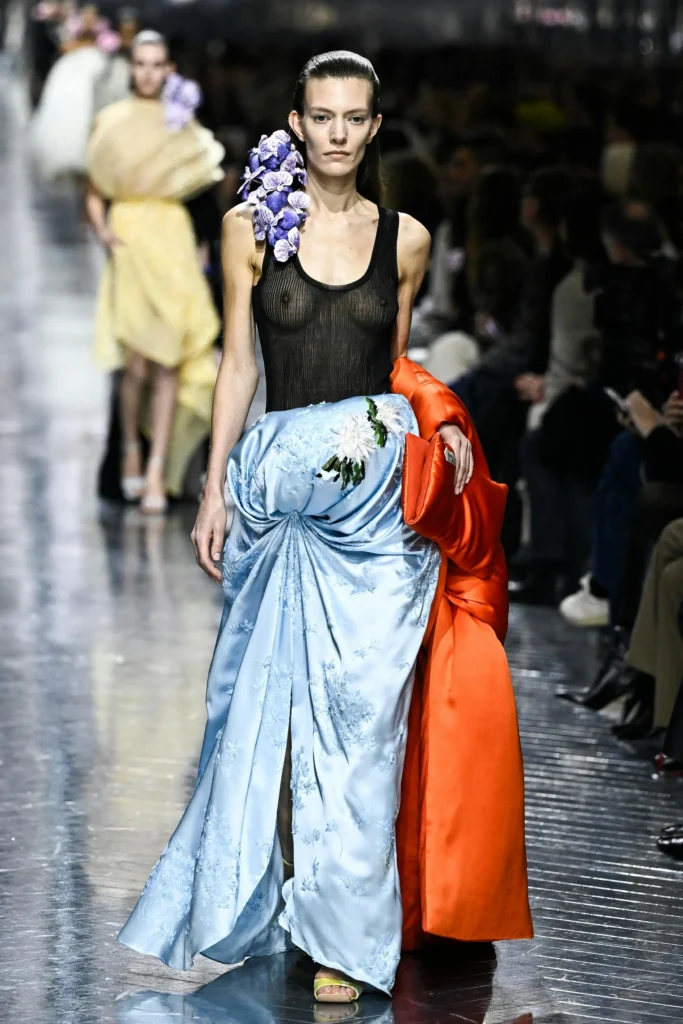
Presented in a refreshed version of the silver tent recently used for Dior Men, the show drew an elite audience, but the focus quickly shifted to Anderson’s ambition: not merely to debut, but to rethink couture’s purpose. Rather than following the traditional model, he framed the collection as a three-part experience—runway, private client presentation, and a weeklong public exhibition—treating couture as both craft and cultural dialogue.
The runway opened with three voluminous pleated dresses that set the tone: sculptural yet soft, echoing both Anderson’s first ready-to-wear gesture at Dior and the ceramic forms of British-Kenyan artist Magdalene Odundo. Odundo collaborated on several Lady Dior bags and will feature prominently in the accompanying exhibition, which also includes archival Dior looks—an explicit bridge between past and present.
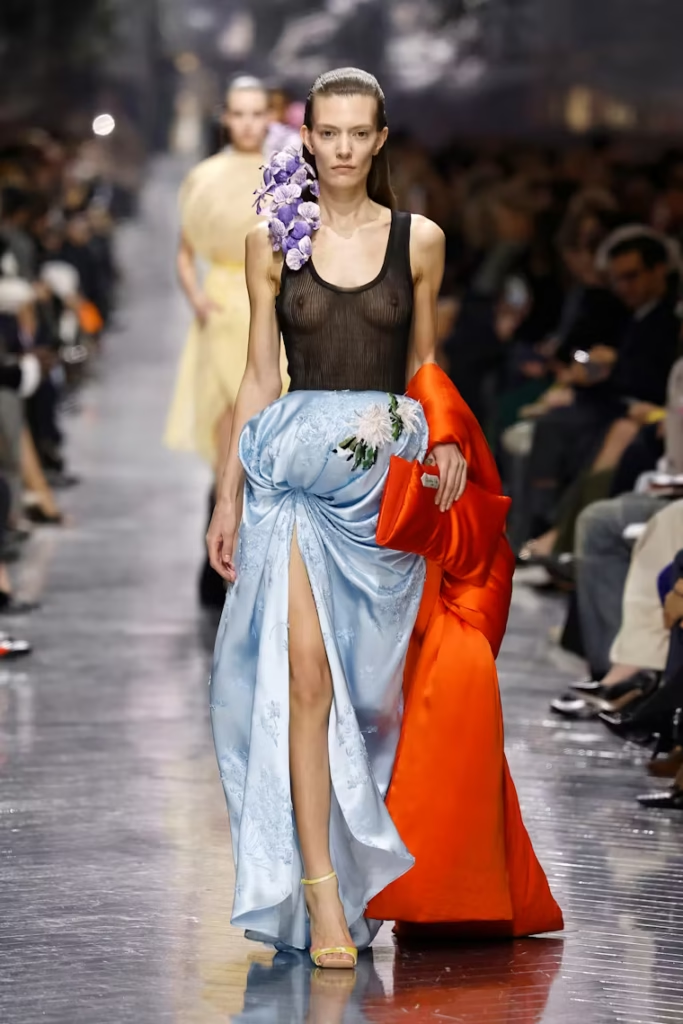
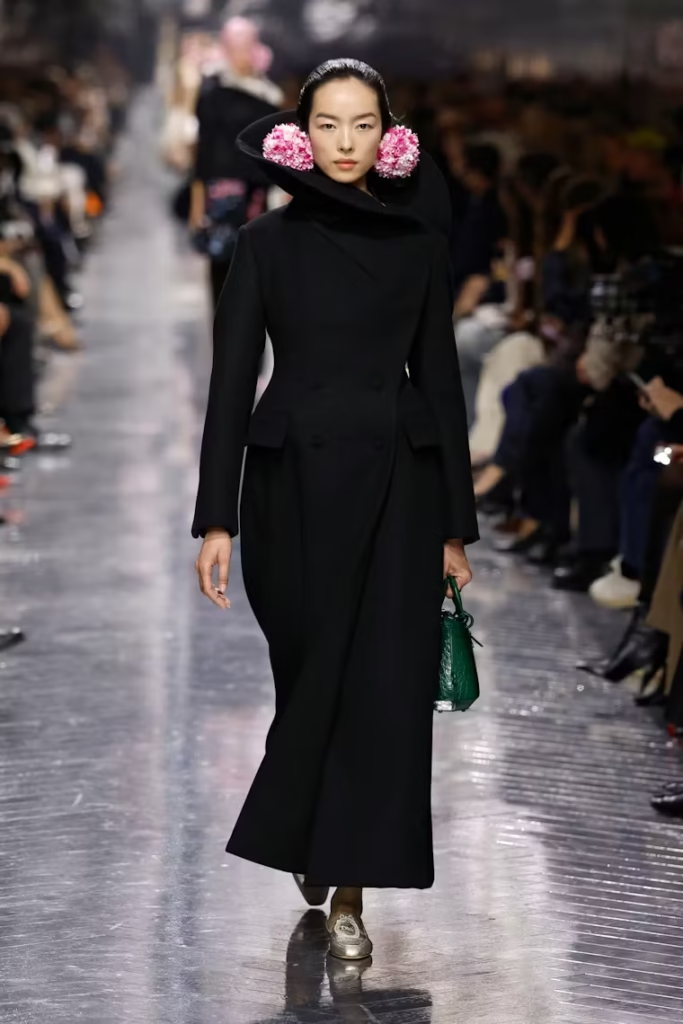
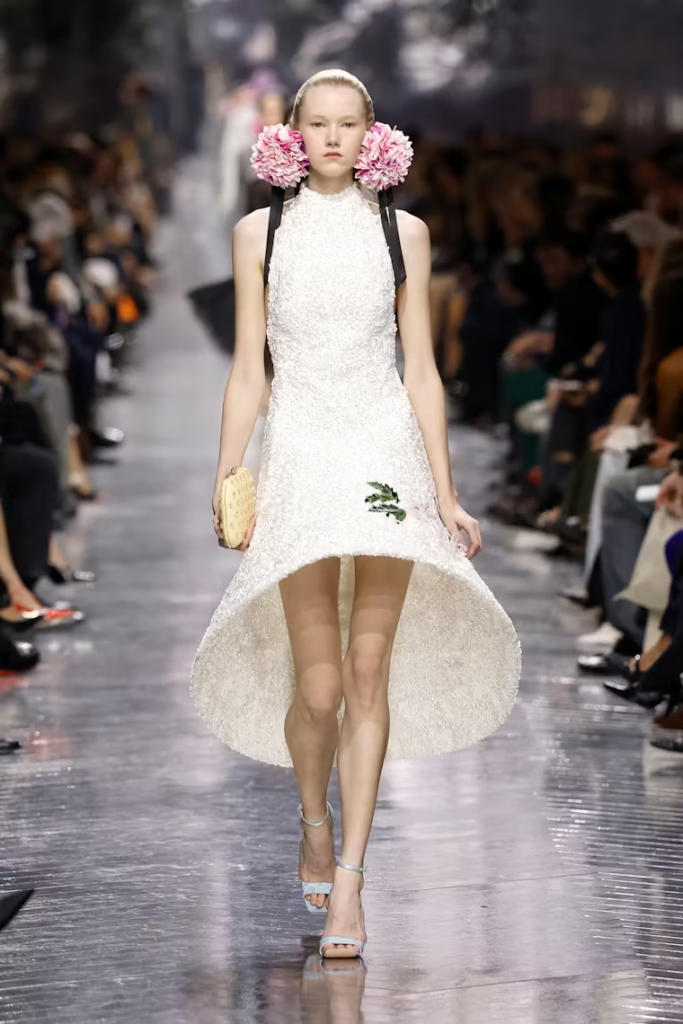
Nature, both organic and artificial, became Anderson’s central lens. Translucent spiral tops recalled the precision of seashells; feathered surfaces mimicked extreme macro views of butterfly wings. Knit mini-capes wrapped the body in fluid folds, while bell-shaped dresses bloomed into enlarged interpretations of the lily of the valley—Christian Dior’s talismanic flower. These gestures refreshed the house’s floral legacy without sentimentality.
The collection carried a notable ease absent from some of Anderson’s earlier red-carpet work. Conceived as a cabinet of curiosities, the clothes felt lighter, more intuitive, and emotionally resonant. “Haute couture should be a laboratory of ideas,” Anderson said, emphasizing that it must offer emotional value, not just spectacle.
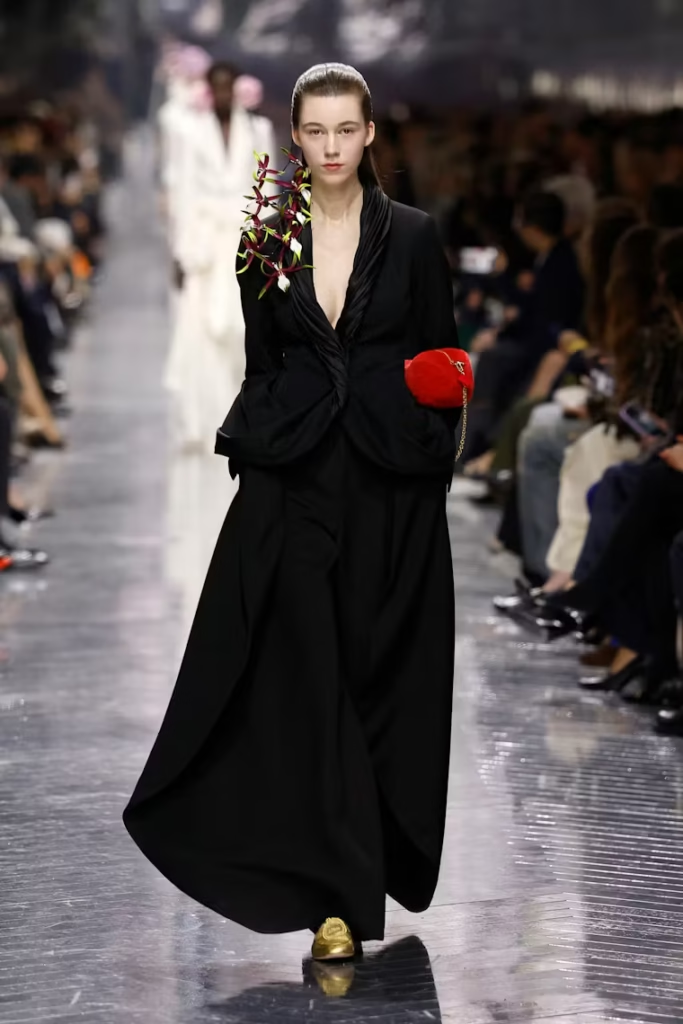
Subtle nods to Dior’s recent creative lineage surfaced. A pared-back black Bar coat paired with tufted pink mules hinted at Raf Simons’s precision, while bias-draped black gowns recalled Galliano’s Belle Époque romanticism. These references felt respectful rather than reverential, reinforcing Anderson’s belief that fashion is cyclical—and that taste is built through perspective, not imitation.
“Singularity has to be everywhere,” Anderson said, underscoring his desire to make couture feel open rather than exclusionary. With the public exhibition running alongside the collection, Dior’s Spring 2026 couture signals a shift—away from spectacle alone and toward meaning, craft, and access.