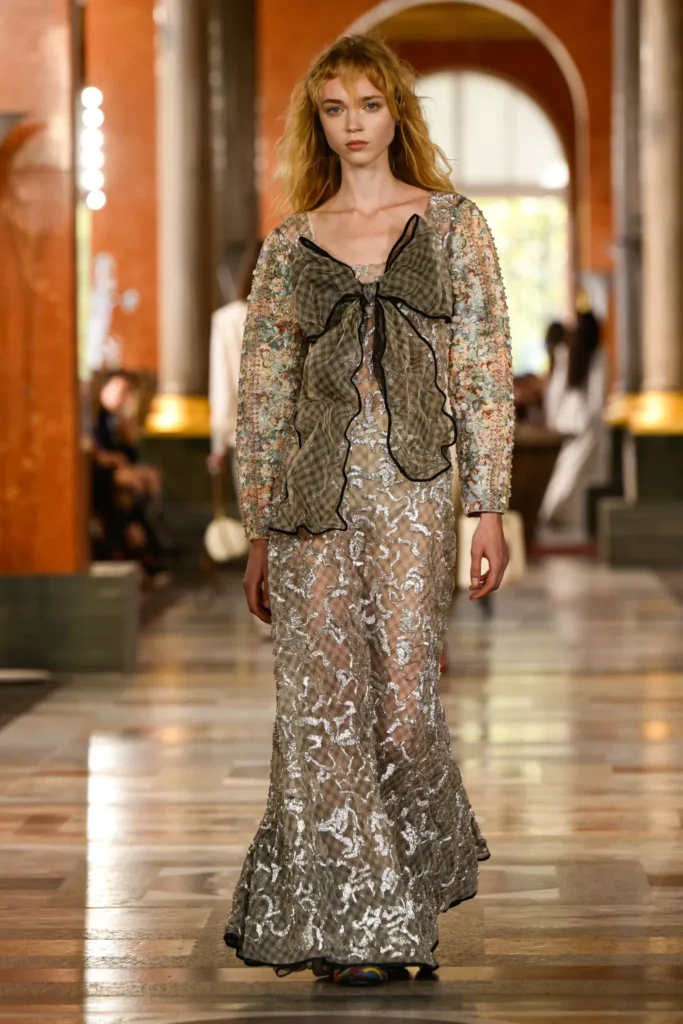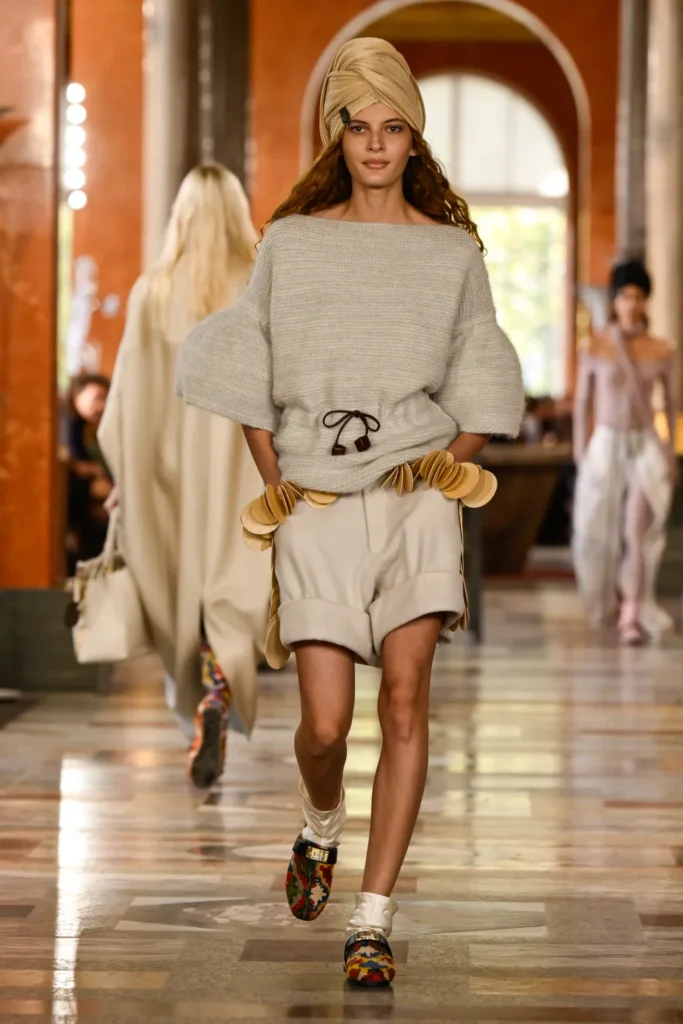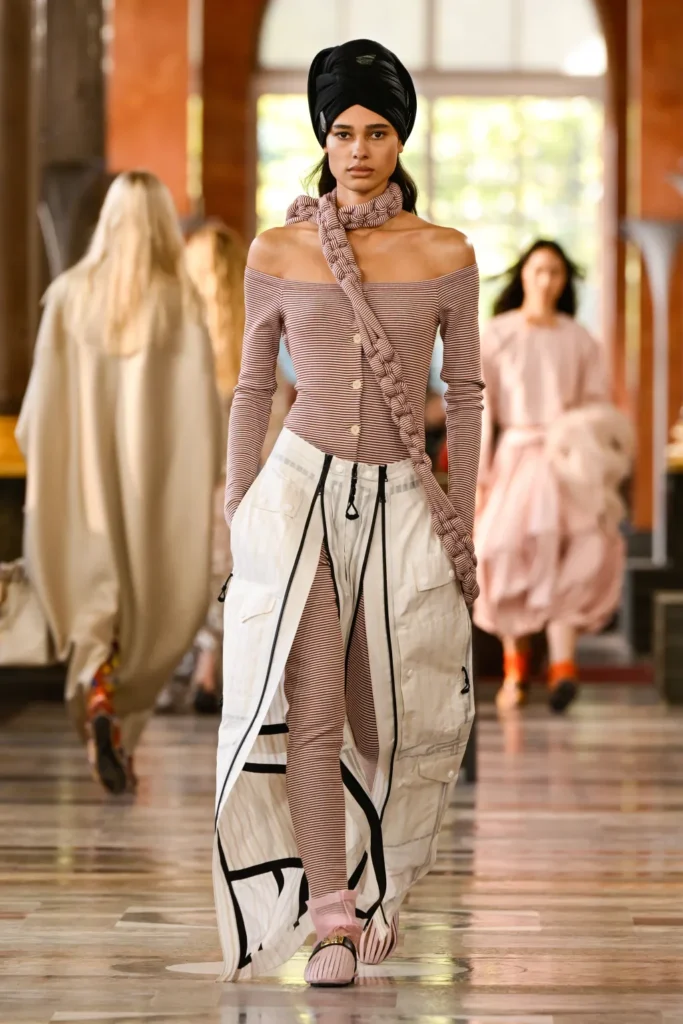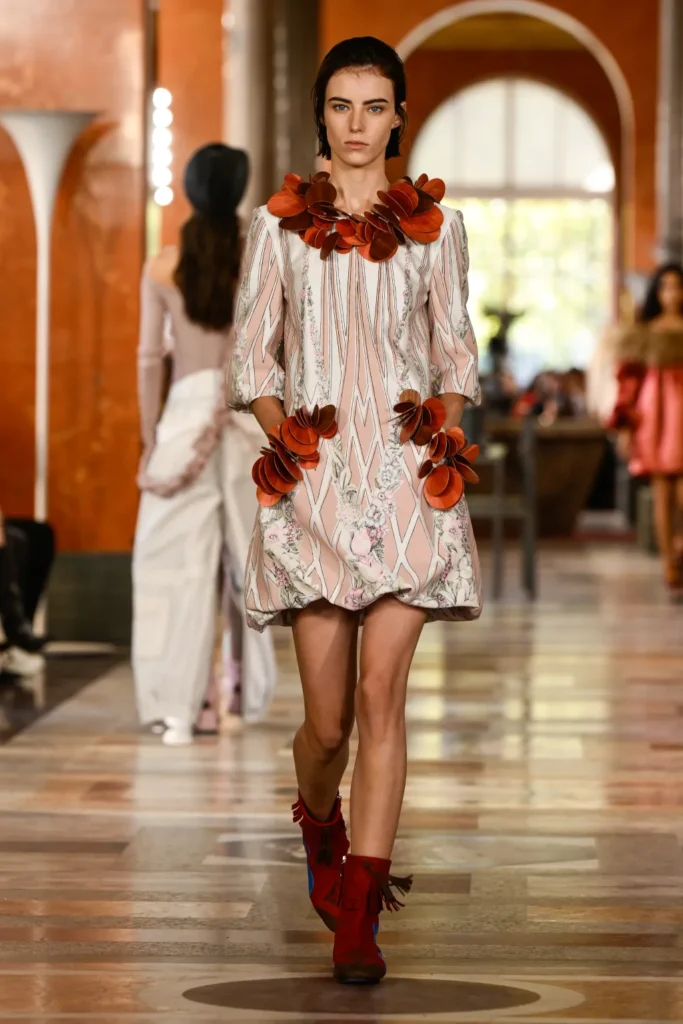
Home Blog Page 18

Acne Studios Spring 2026 Collection

Acne Studios Spring 2026 Collection

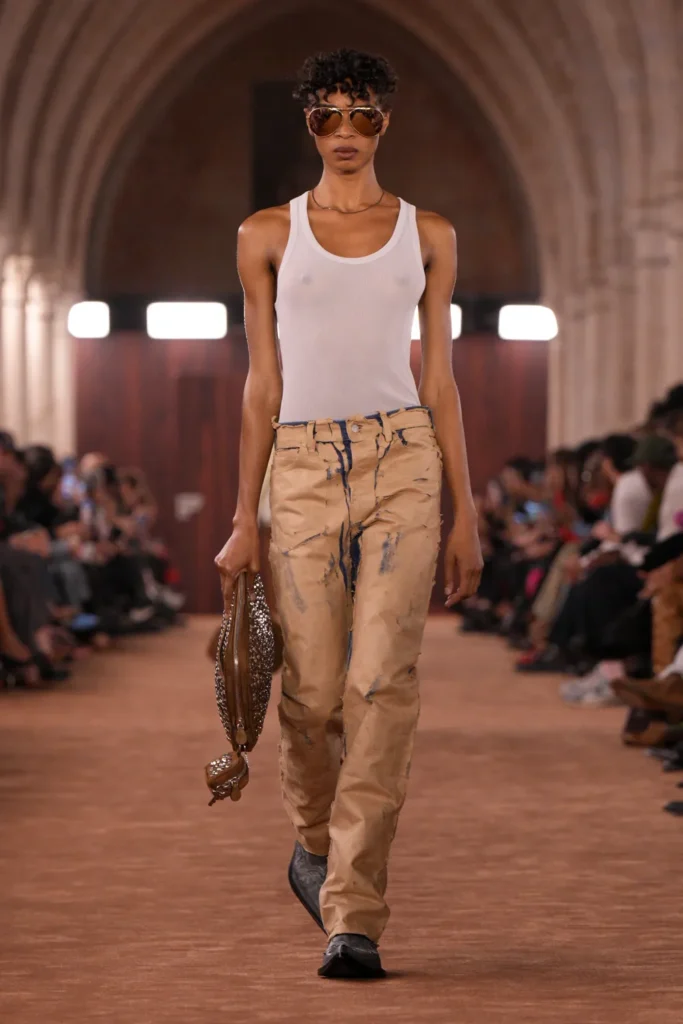
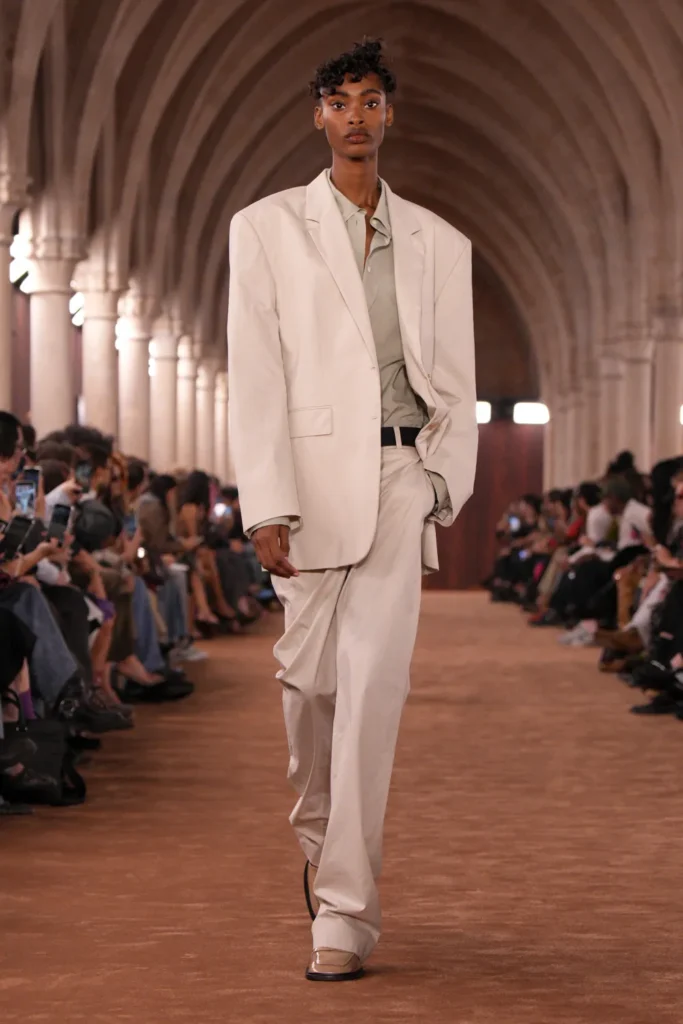
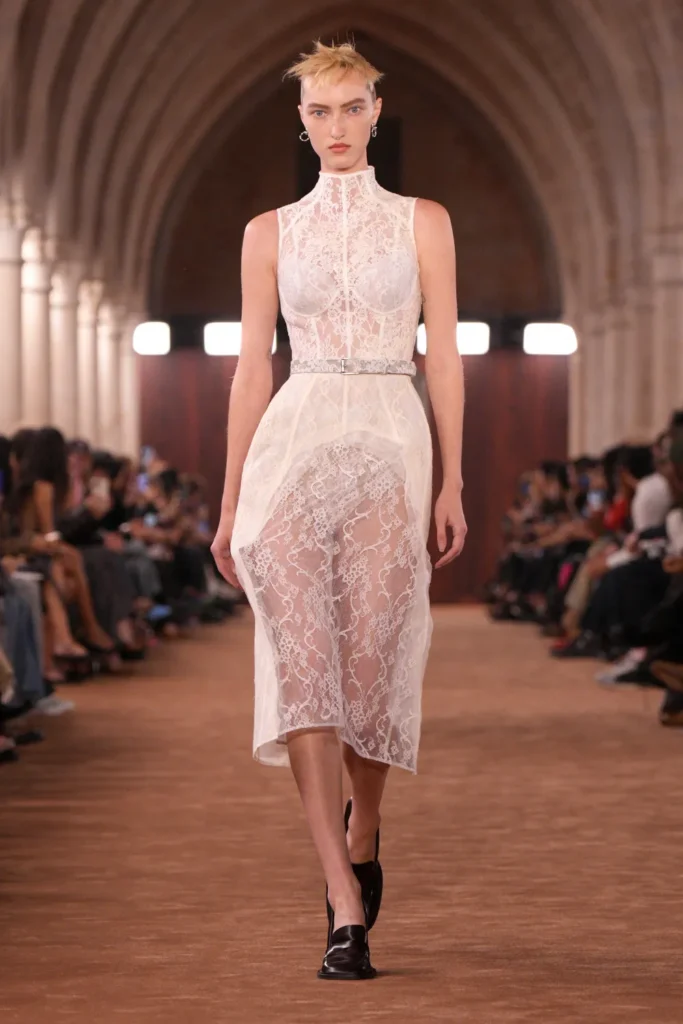
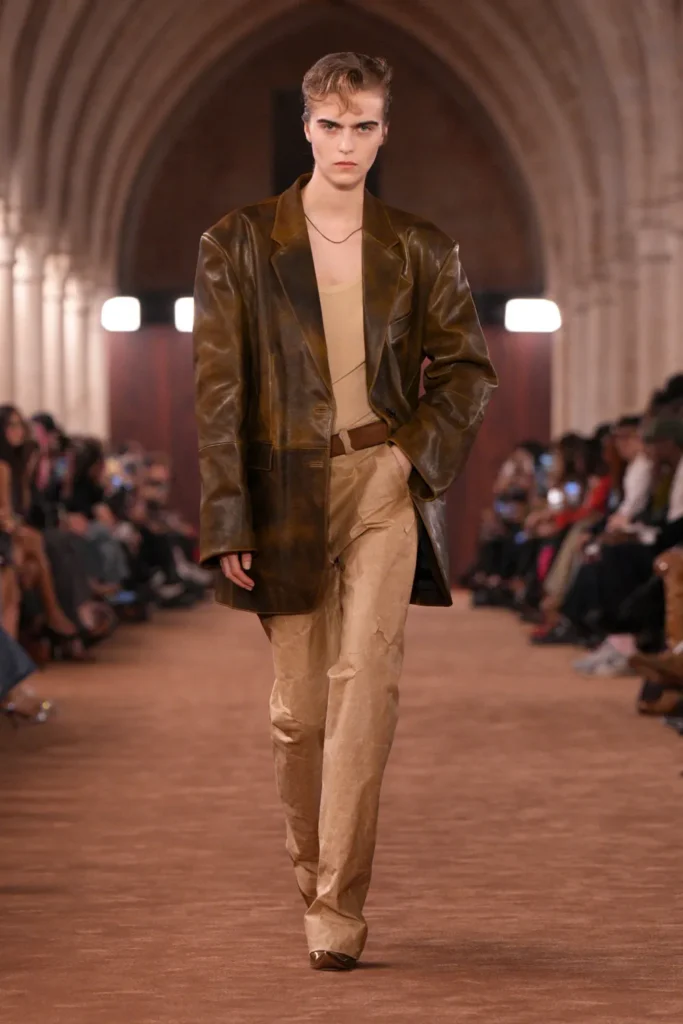
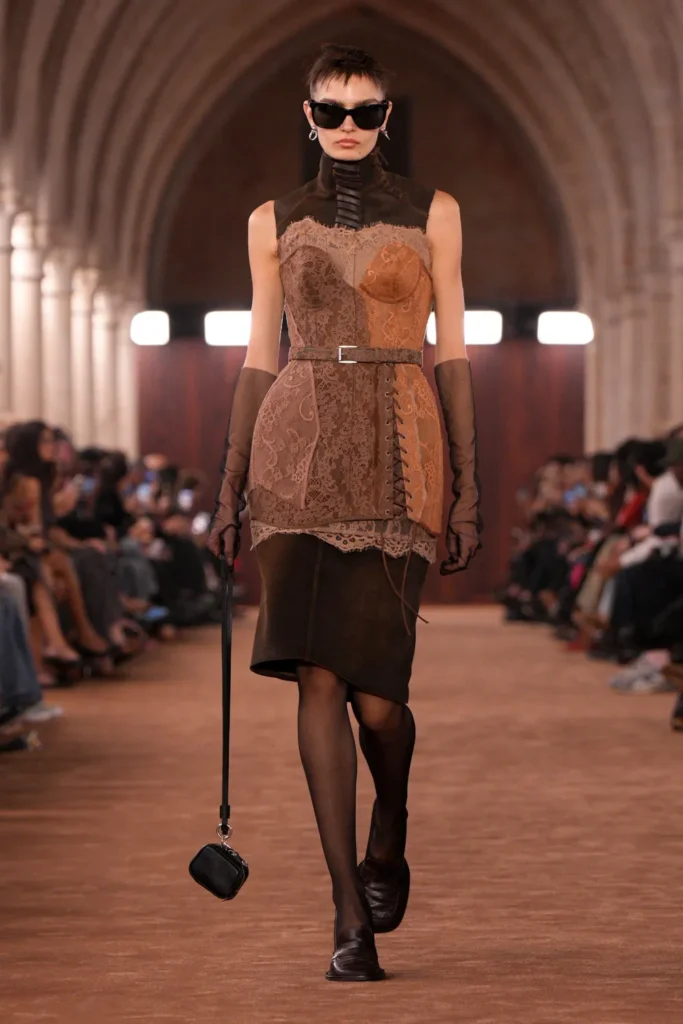
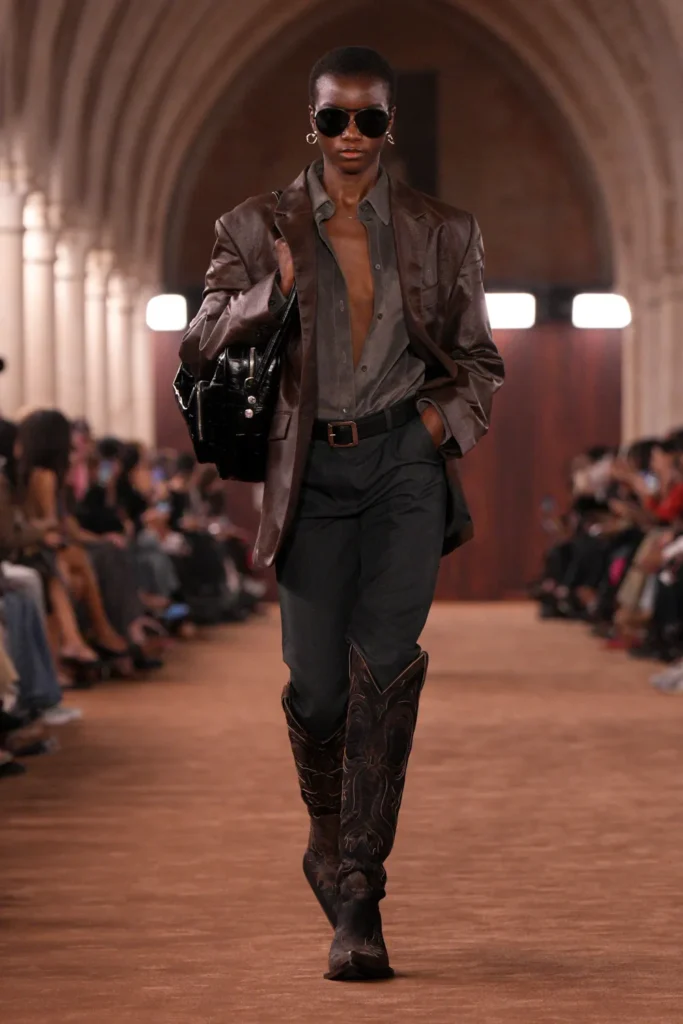
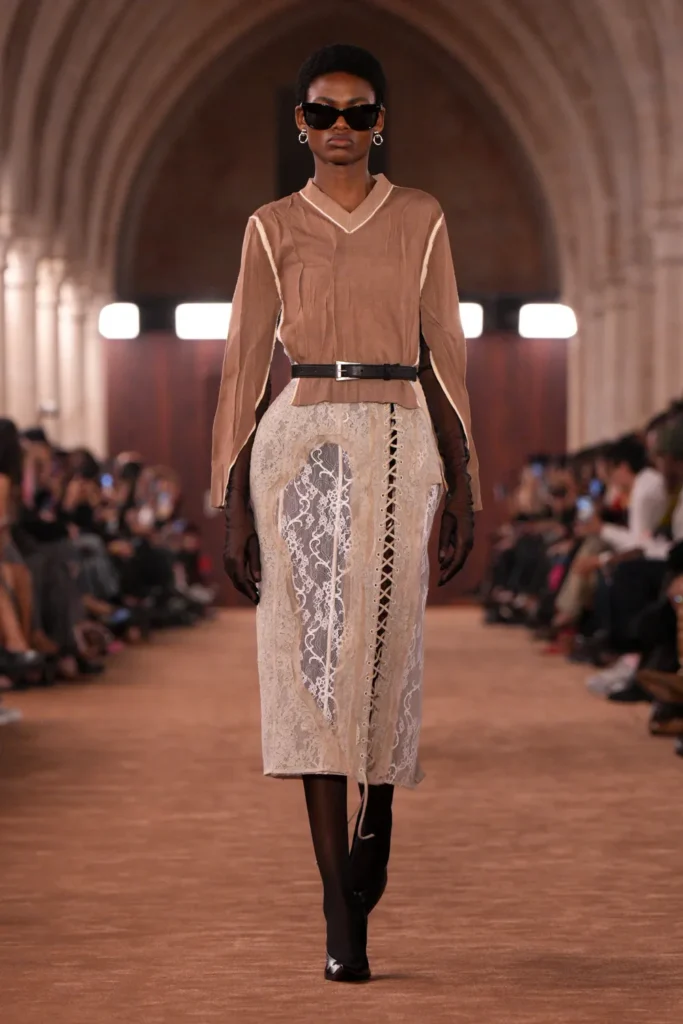
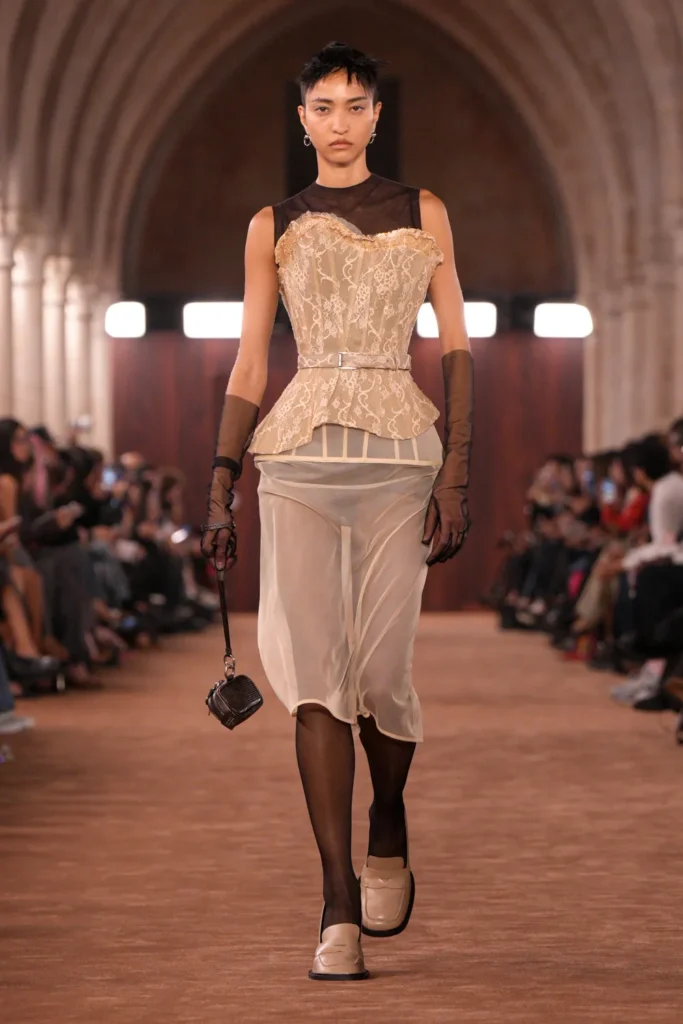
For Spring 2026, Jonny Johansson confronted one of fashion’s most dominant trends — the surge of naked dressing — with a collection that was both genderfluid and resistant to easy stereotypes. Despite Sweden’s famously relaxed attitudes toward nudity, Johansson has never seen women as objects of desire, and the prevalence of transparency on today’s runways left him questioning. “I kept seeing people basically getting undressed,” he mused. “It puzzled me, so I felt I had to either resist it or twist it to my own language.”
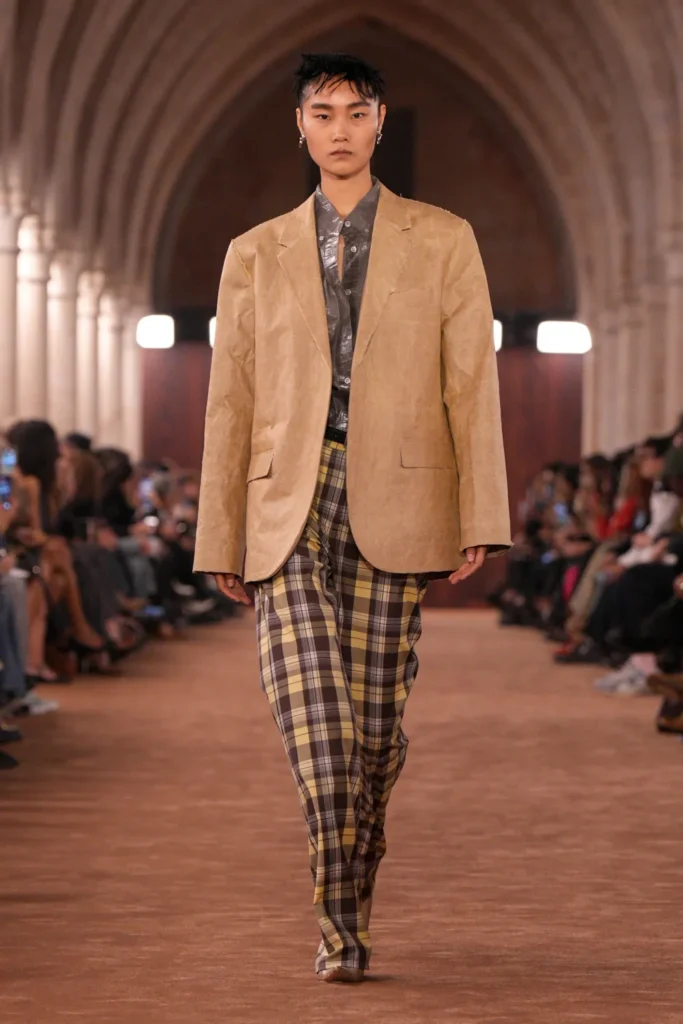
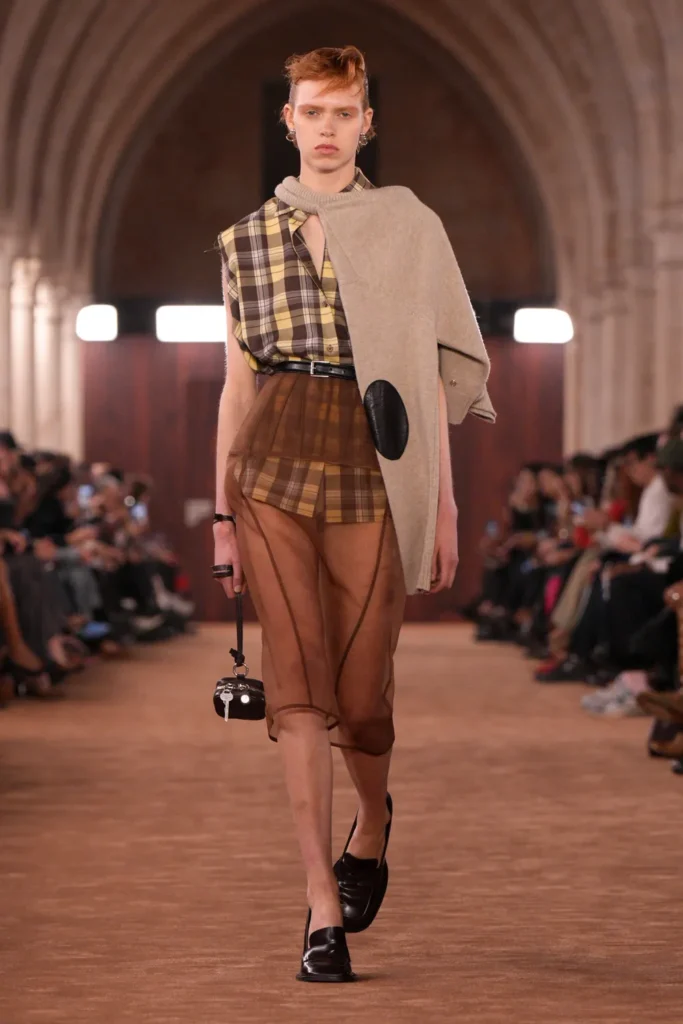
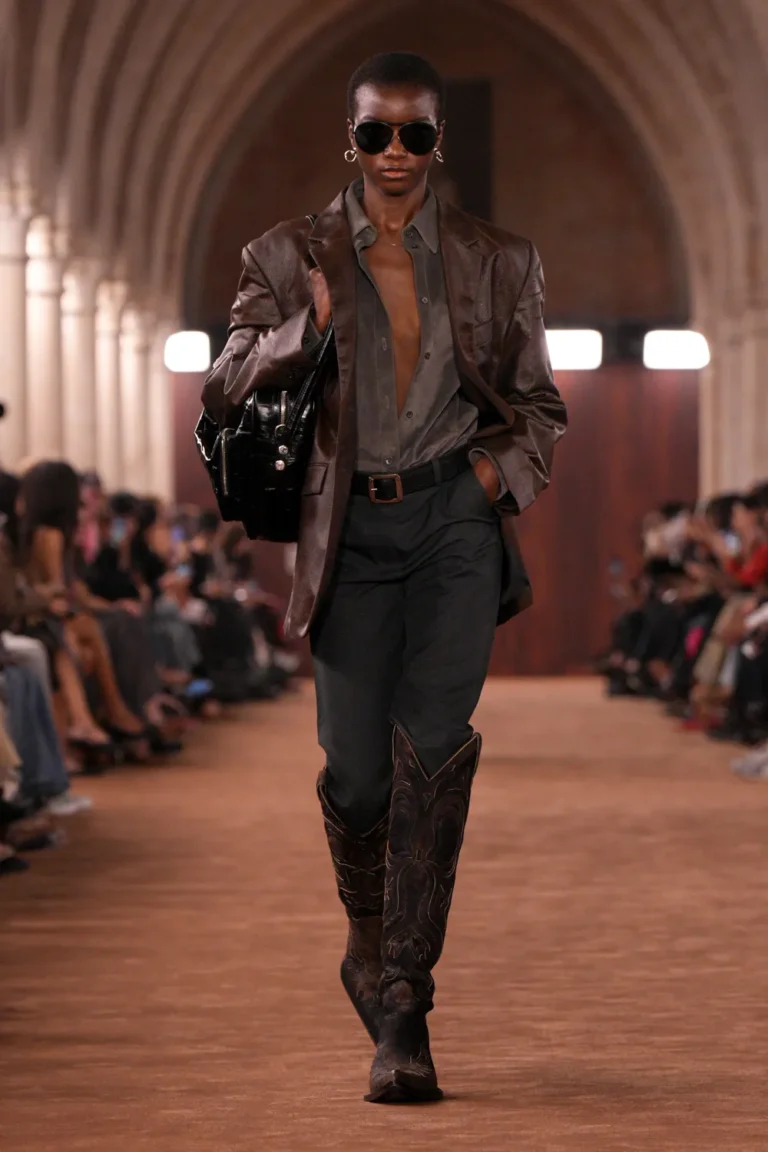
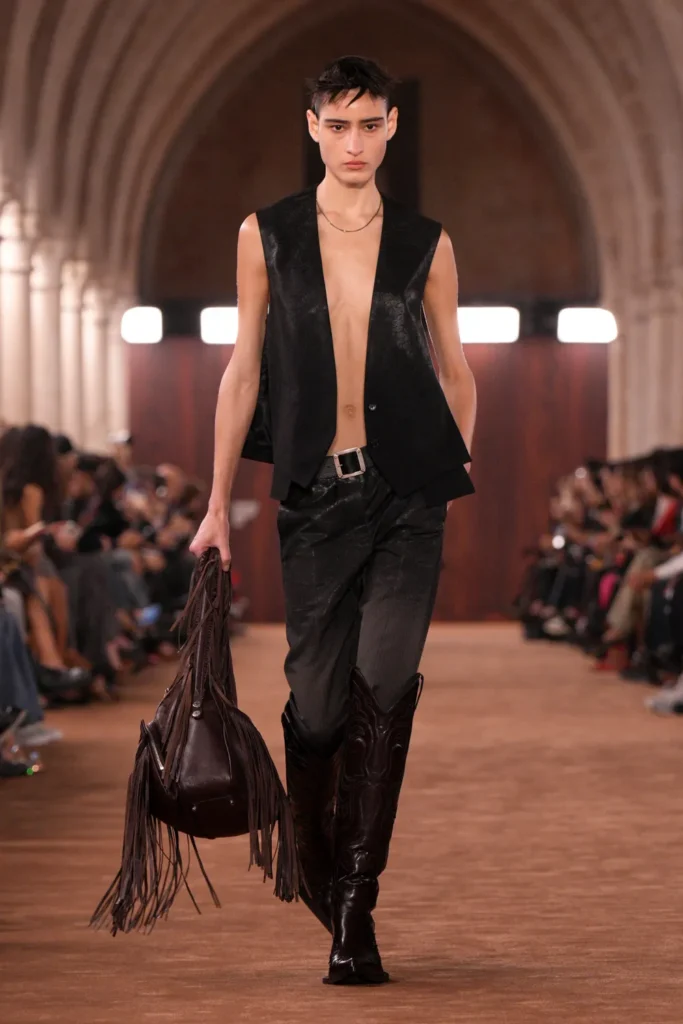
The venue set the tone: the Collège des Bernardins, a 13th-century Gothic structure on Paris’s Left Bank, reimagined as the interior of a cigar box in warm tobacco hues. Against this moody backdrop, Johansson staged a dialogue between lingerie-inspired sensuality and androgynous tailoring, toggling between sheer slips and sharp, masculine codes.

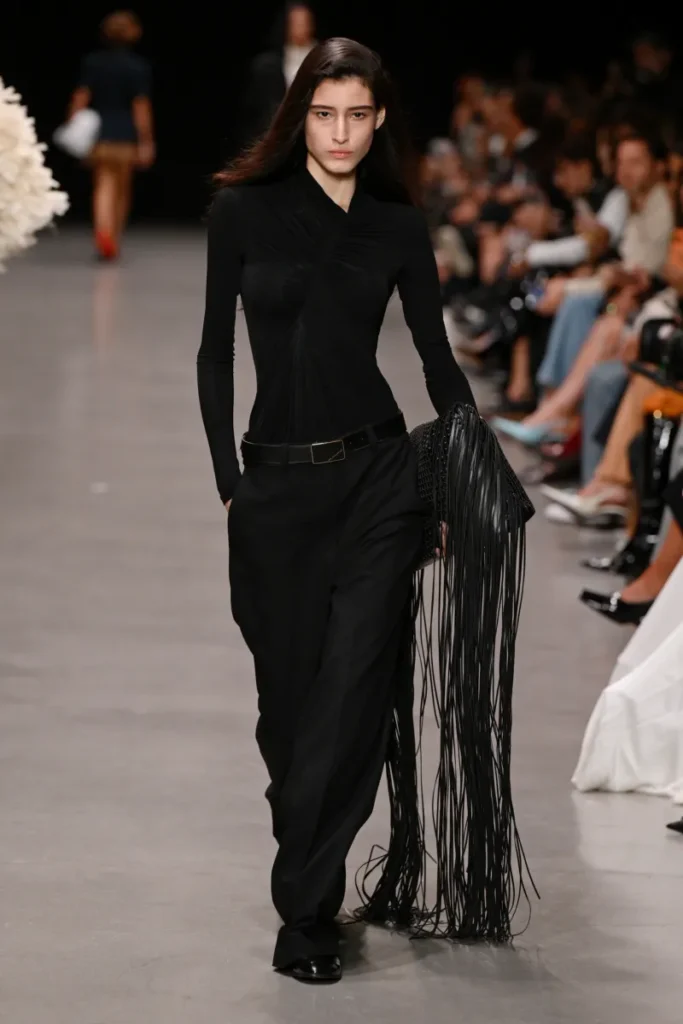
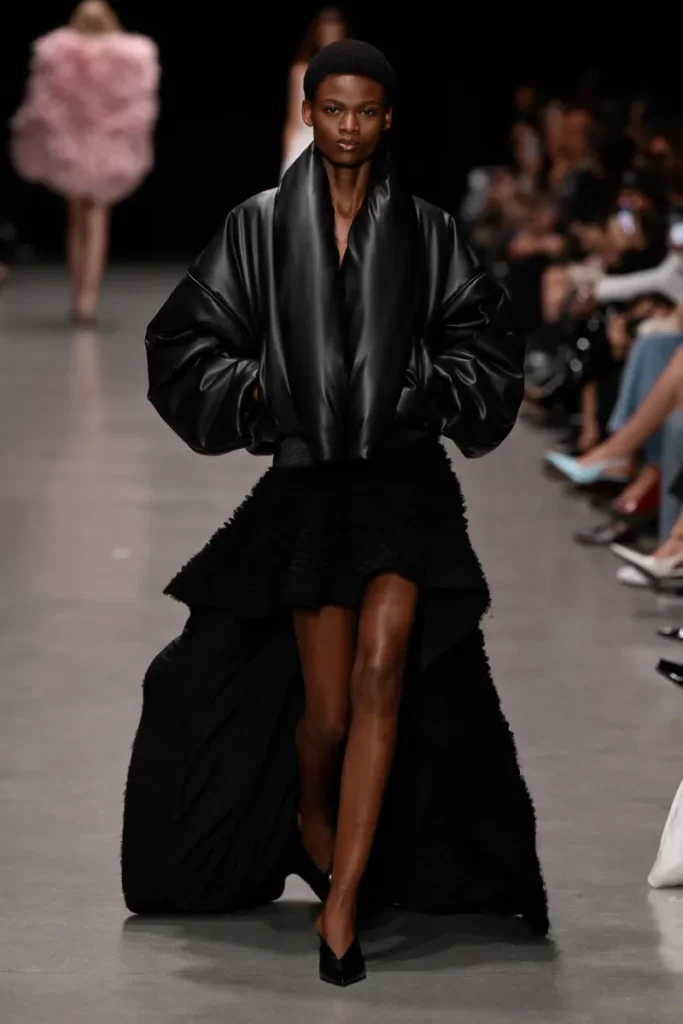
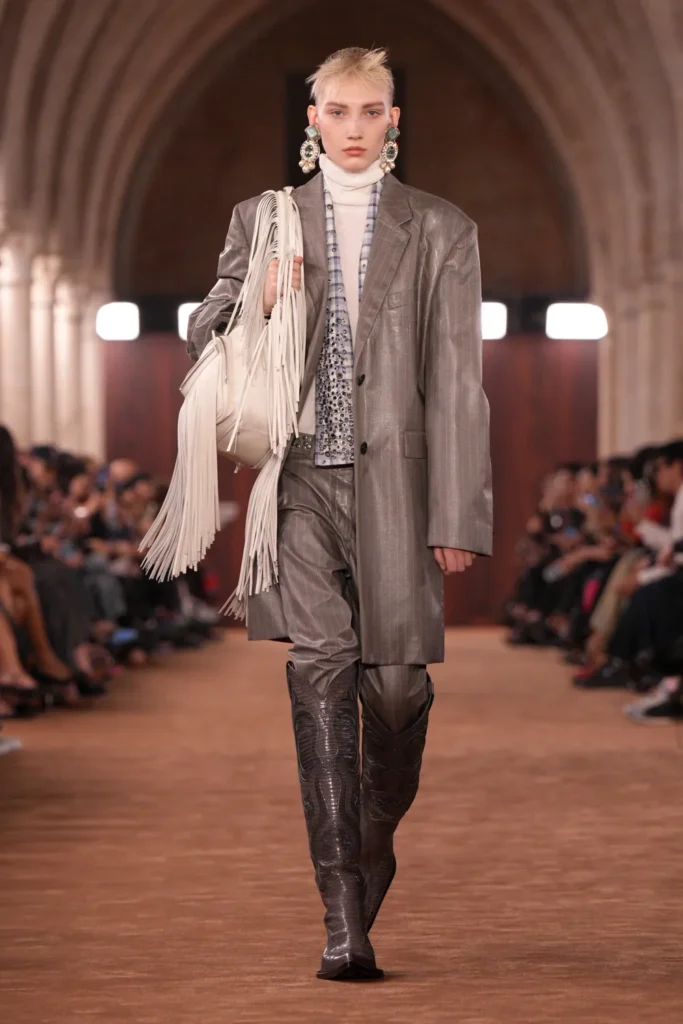
Models with spiky rockabilly quiffs stormed the runway in crinkled paper-cotton suits and patinated leather tailoring, their swagger amplified by elongated cowboy boots. Johansson amped up the toughness with oversized biker jackets, ribbed tank tops, and slouchy flannels, pushing the butch energy to the fore.
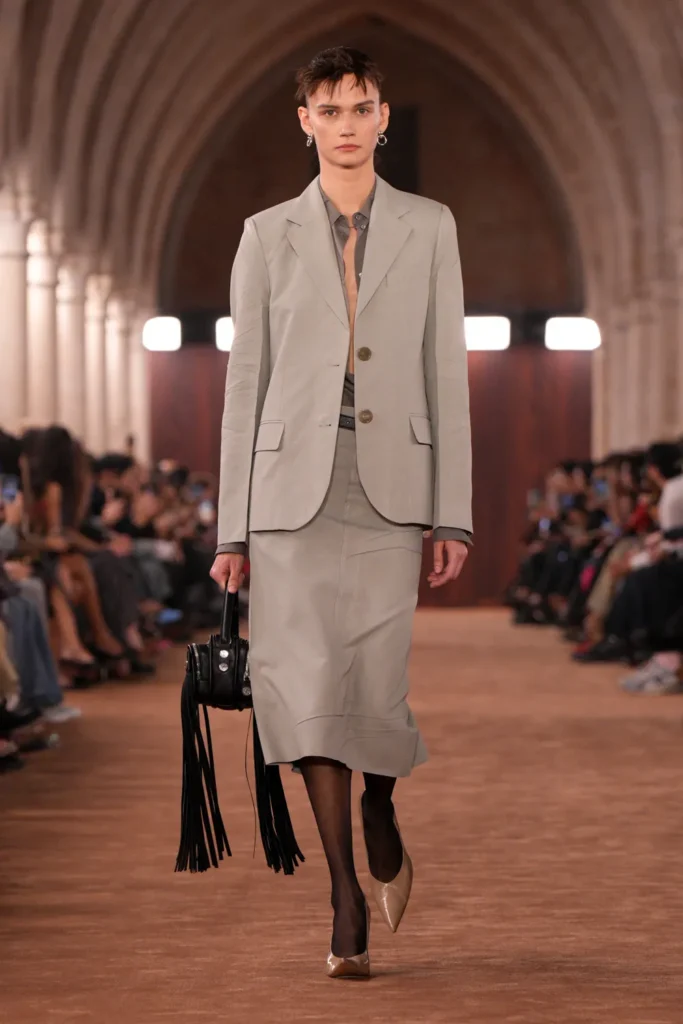
But the boudoir touch was never far behind. Hourglass lace dresses with corset lacing, delicate slips with transparent panels, and a striking nude lace bustier with an angular neckline explored femininity on Johansson’s terms, never objectifying, always empowering. The bustier, fast becoming a Paris trend, looked ready to pair with Acne’s reworked jeans — this season coated in glossy plastic or cracked-paint finishes.
Cortesy Of Acne Studios

Elsewhere, Johansson merged the two worlds: a slick black leather pantsuit layered over a lace bodysuit carried both edge and sensuality, echoing the voice of Swedish singer Robyn, who crafted the show’s pulsing soundtrack. The interplay of boys and girls, toughness and vulnerability, exposure and concealment defined the collection, proving once again that Acne Studios thrives in the spaces where categories blur.
Tom Ford Spring 2026 Collection

Tom Ford Spring 2026 Collection

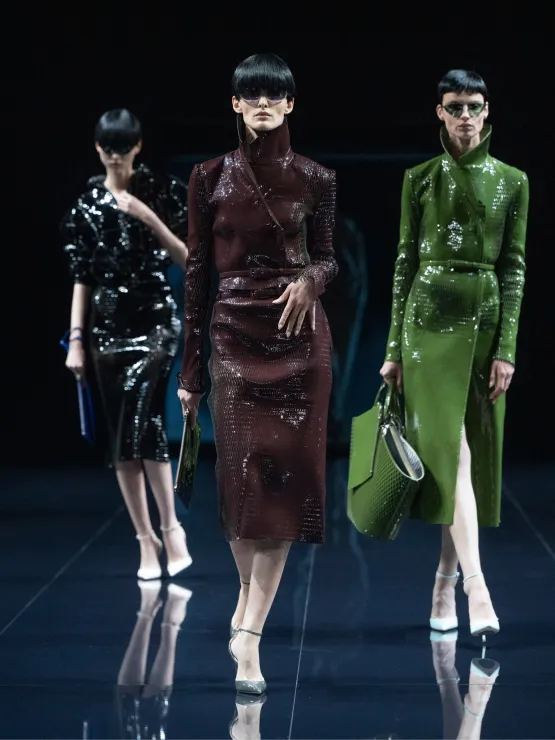
A single cinematic spotlight cut through the darkness, opening Tom Ford’s runway with the kind of drama that has become its signature. For his second women’s collection at the house, Haider Ackermann leaned into this sense of mystery: through smoke and shadow, models emerged in patent leather body-hugging dresses with sheer mesh coats in black, burgundy, and apple green — a palette that captured the tension between strength and fragility that defined the evening.

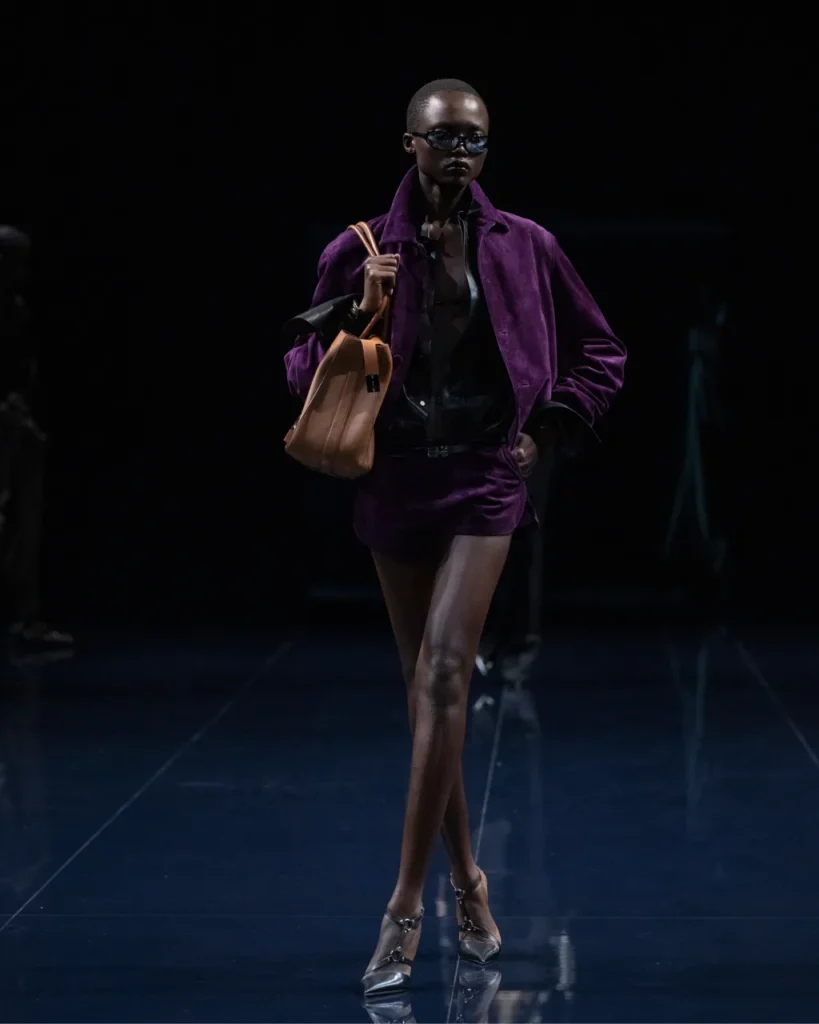
From there, the show moved into sleek yet sensual tailoring. A buttery suede trenchcoat and precision-cut suits in soft mint and dusty pink exuded polish, styled with cashmere sweaters nonchalantly draped over shoulders in an Italian gesture that nodded to Tom Ford’s production partner, Gruppo Ermenegildo Zegna. Highlights included a crisp white suit with a matching knit, a pearlescent satin tuxedo, and a shimmering jacket studded with white crystals, all crafted with the stage and the red carpet in mind.

Ackermann also leaned into Tom Ford’s reputation for glamour, sending out a series of red-carpet-ready dresses with clean architectural lines, sheer layers edged in lace, and bold cutouts that revealed sculpted backs. Others took on a more fluid mood, with chal-like draping and high front slits that moved dramatically as the models walked. The standout was a bi-color draped gown in mint and black, its liquid folds earning the loudest applause of the night.

The soundtrack — David Bowie’s slow, haunting version of “Heroes” — heightened the atmosphere of intimacy and noir allure. Still, Ackermann didn’t shy away from provocation: sheer blue T-shirts and leather thongs layered over briefs pushed boundaries, perhaps a touch daring even for Tom Ford, but destined for the bolder among his loyal fans.

Courtesy of Tom Ford

Gabriela Hearst Spring 2026 Collection

Gabriela Hearst Spring 2026 Collection

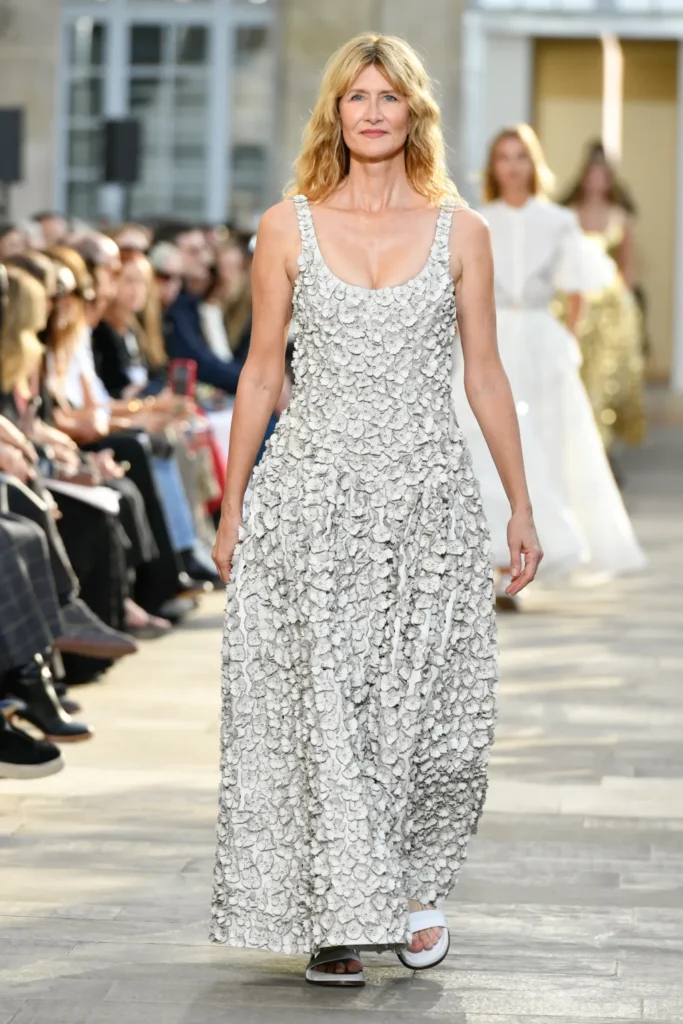
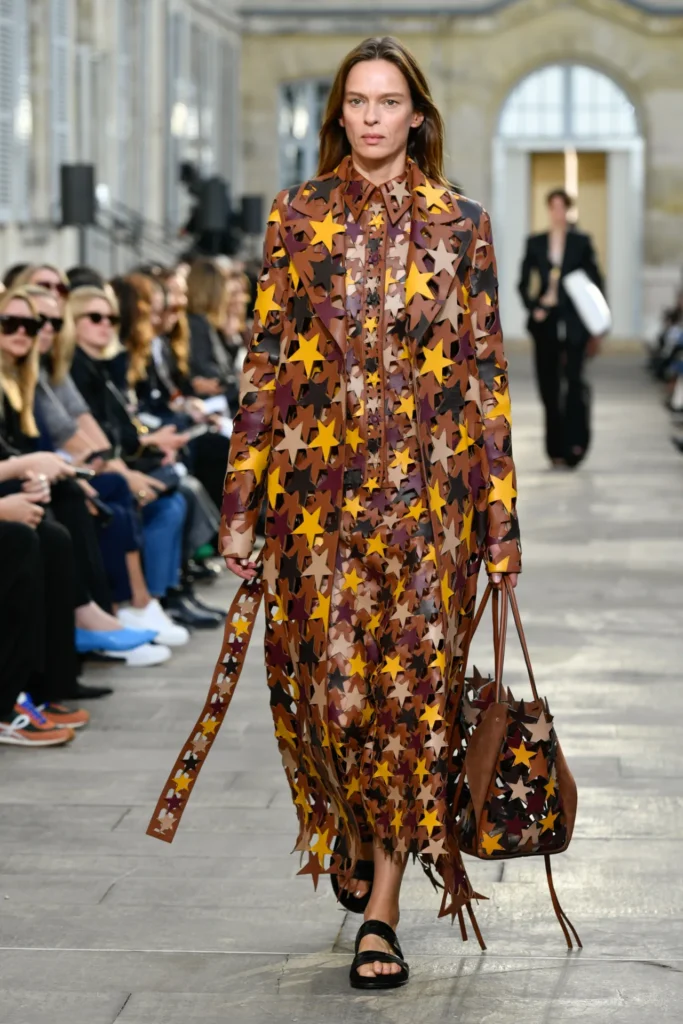
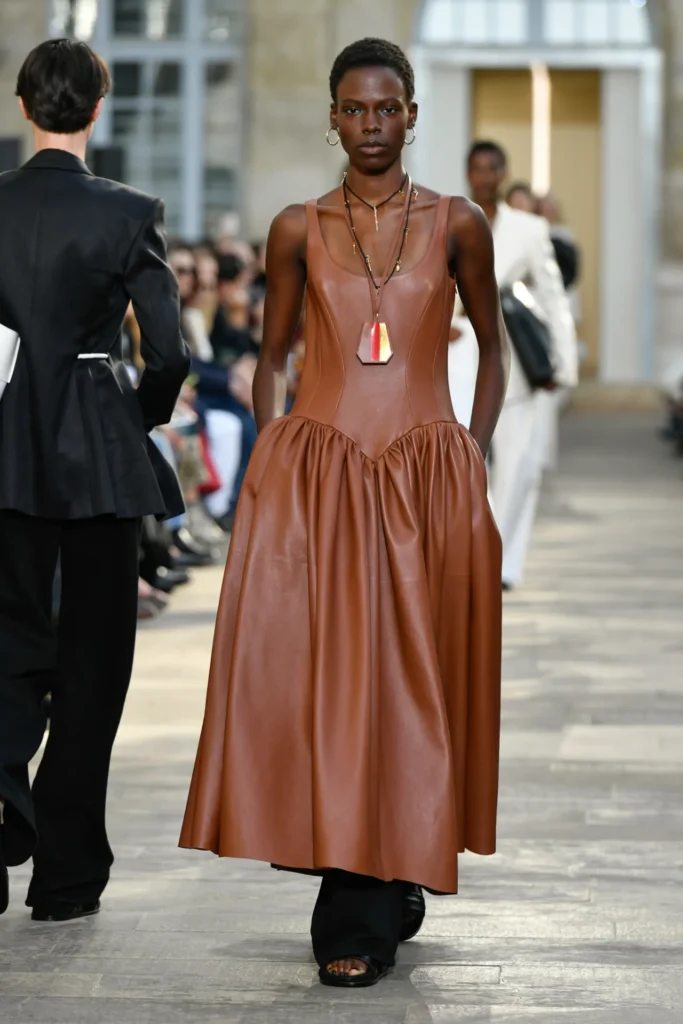
Laura Dern set the tone for the show in a breathtaking wide-skirted gown, its surface painstakingly adorned with 2,400 hand-applied leather flowers. It was an opening that encapsulated the spirit of Gabriela Hearst’s “recalibration collection”, created almost entirely from materials already in her archives—97 percent deadstock fabrics—in a move that underscored both sustainability and ingenuity.

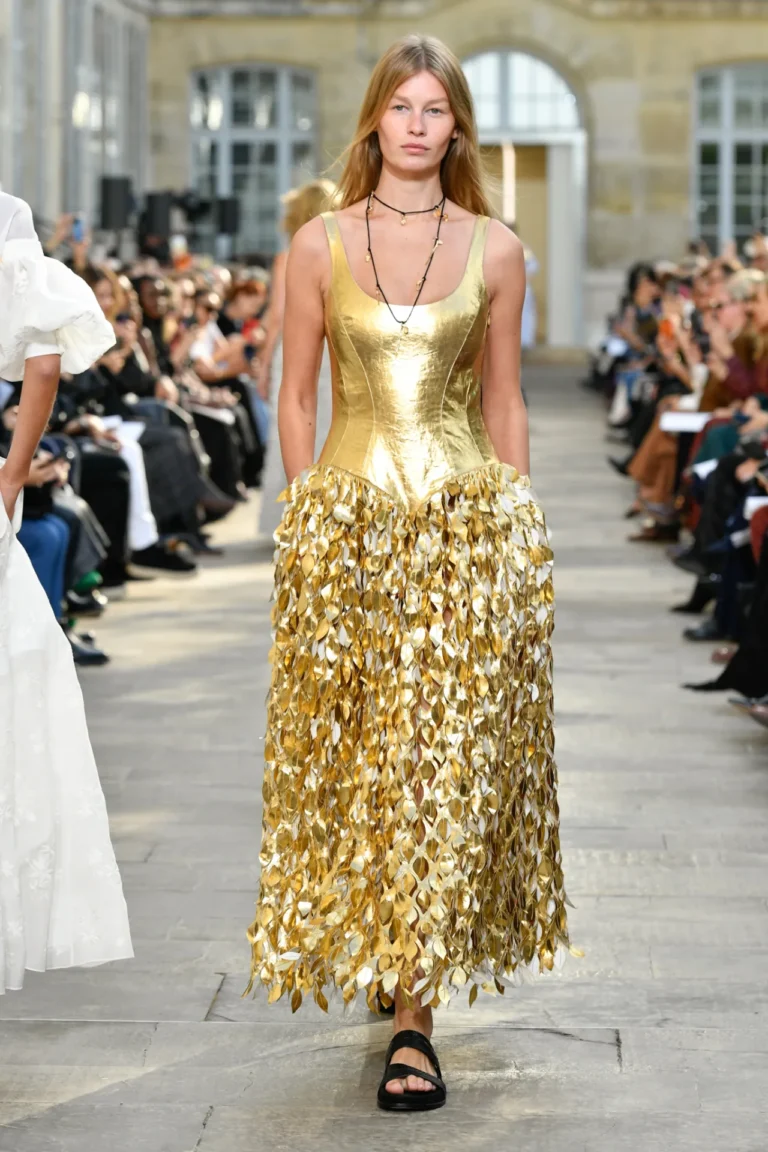
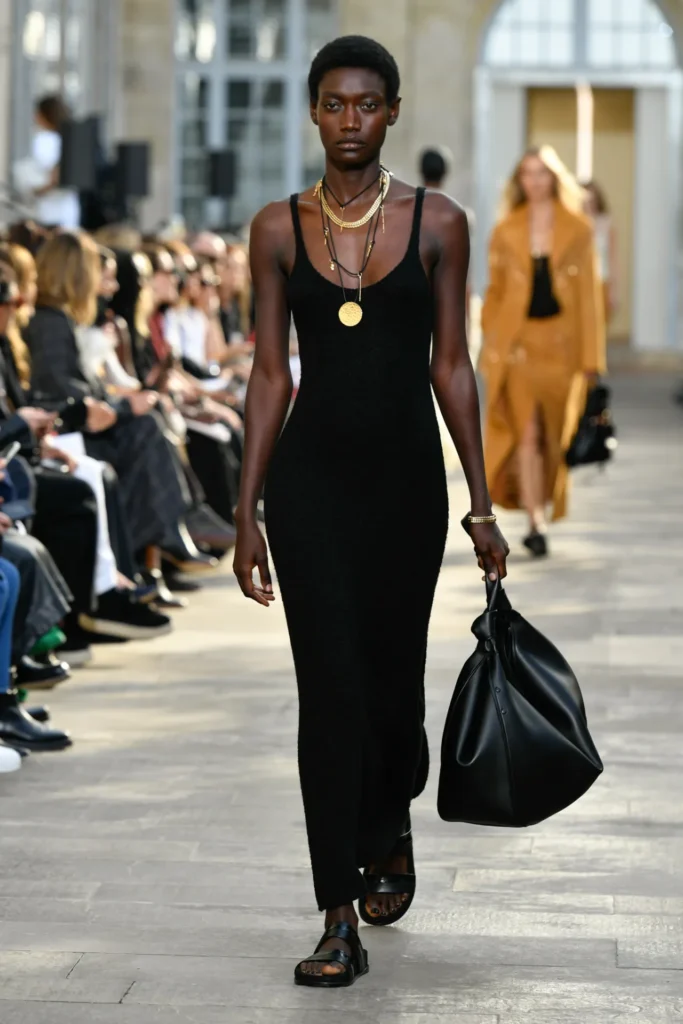
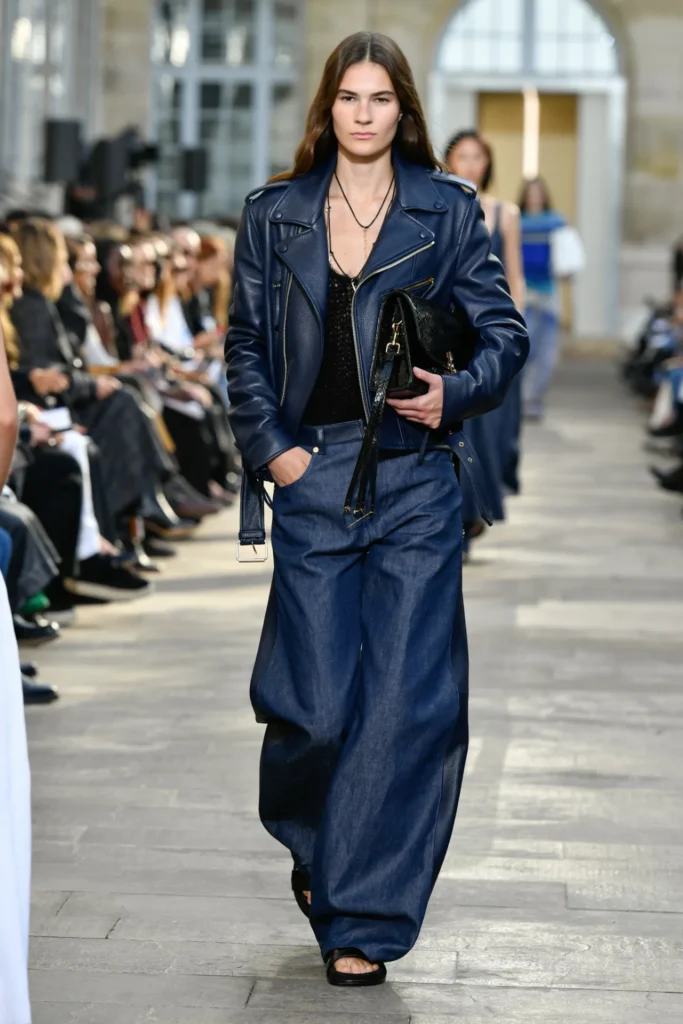
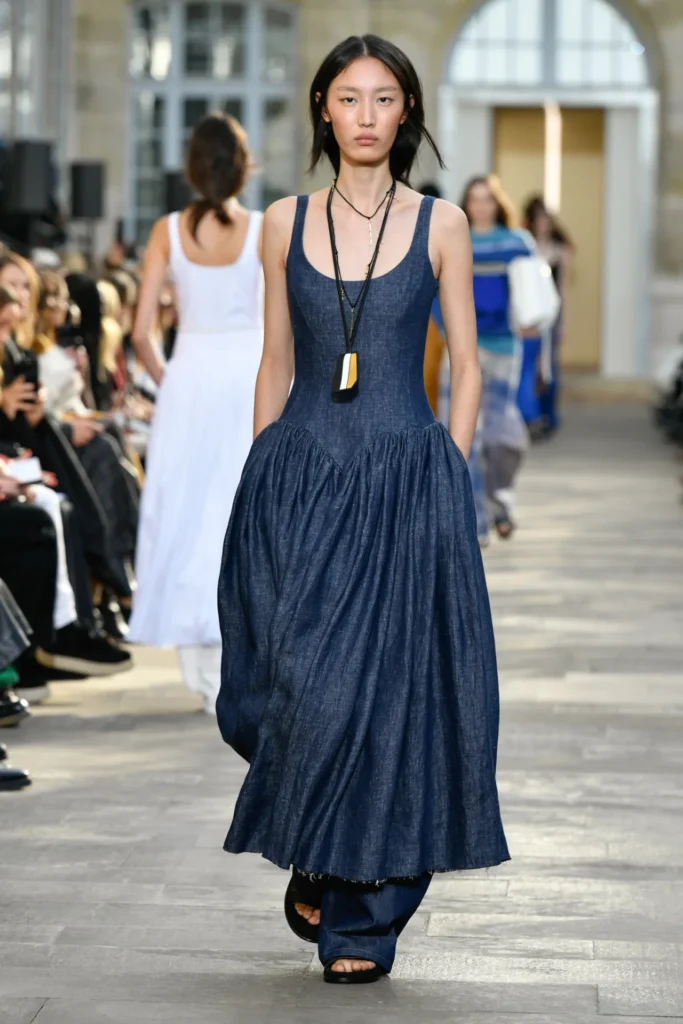
The fabrics themselves were exquisite: cashmere-silk blends with buttery softness, Sea Island cottons sourced sustainably from small-lot growers in Barbados, and hearty, textured linens, some brushed with a golden shimmer. Even the earthy-toned sandals carried meaning, crafted from invasive species skins—a luxury rooted in ecological mindfulness.
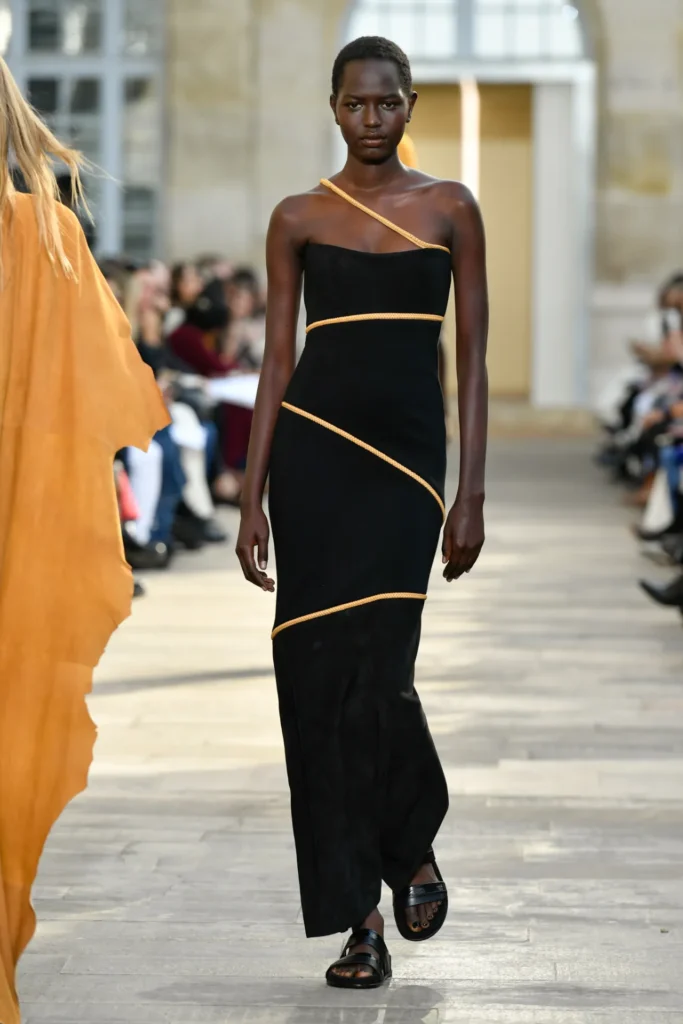
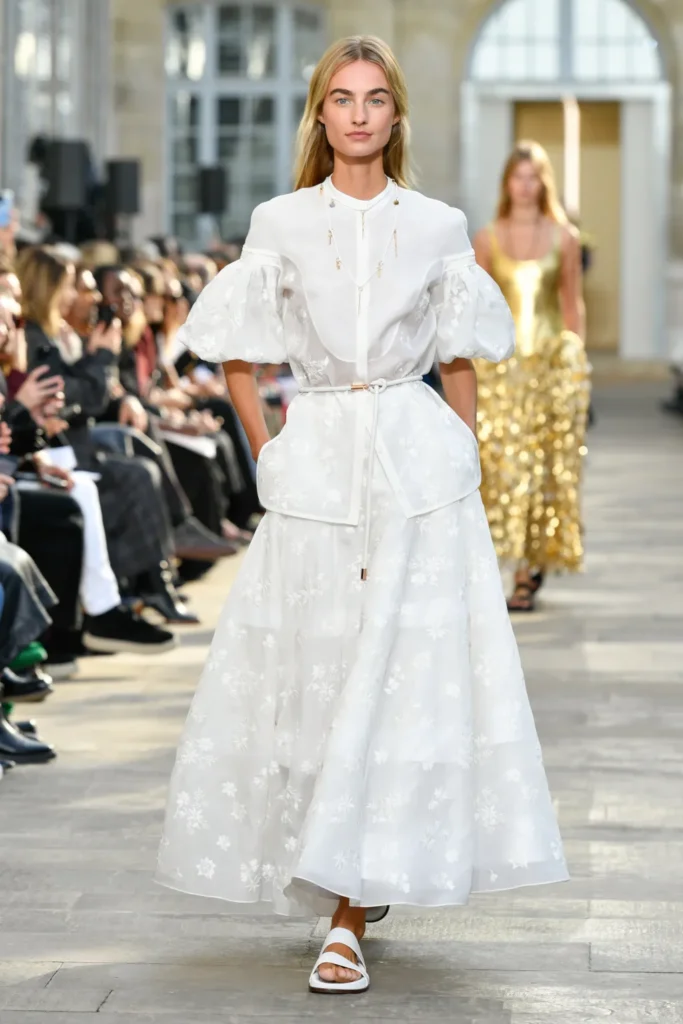
On the runway, Hearst showcased her mastery of sculpting humble fibers into commanding silhouettes. Coats, blouses, and dresses with voluminous puffed sleeves were shaped from cotton, linen, and leather, while sleek knitted gowns and a pared-back cotton V-neck dress with frayed-effect embroidery radiated subtle sophistication.

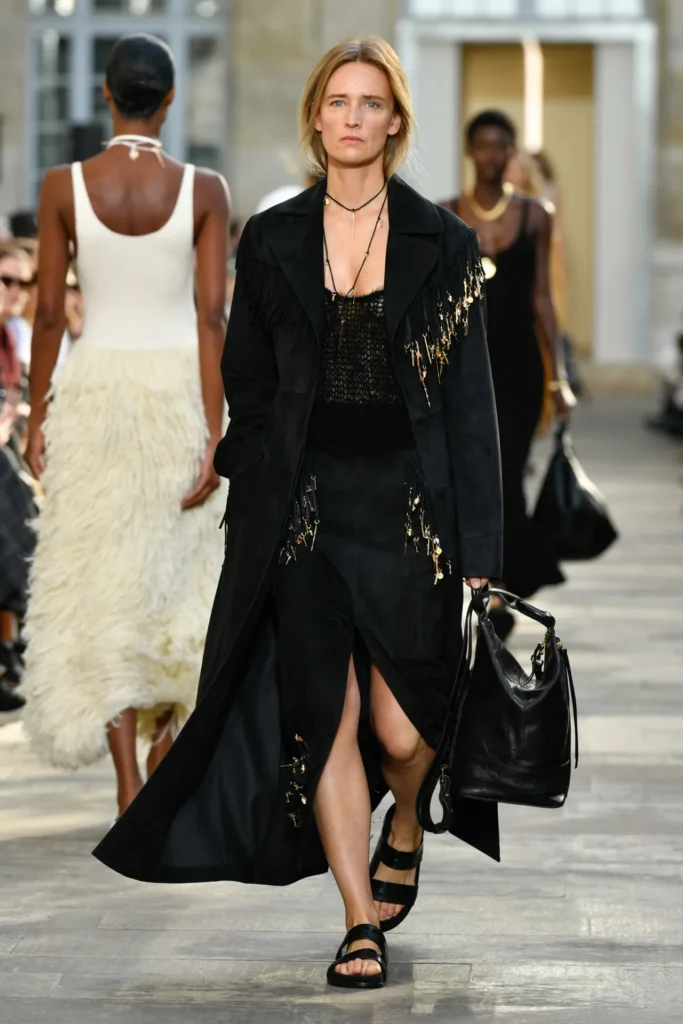
The designer continued her exploration of the tarot, this season drawing from the Major Arcana—characters like the magician, the high priestess, and the hanged man whispered through the collection. Intarsia sweaters featuring watercolor illustrations made the most literal references, while subtler nods appeared in the details: Hearst unearthed a stash of golden charms—a moon, a wand, a skull, a cup—and transformed them into fringe accents on suede coats and skirts, softly chiming to the music of Max Richter as the models walked.

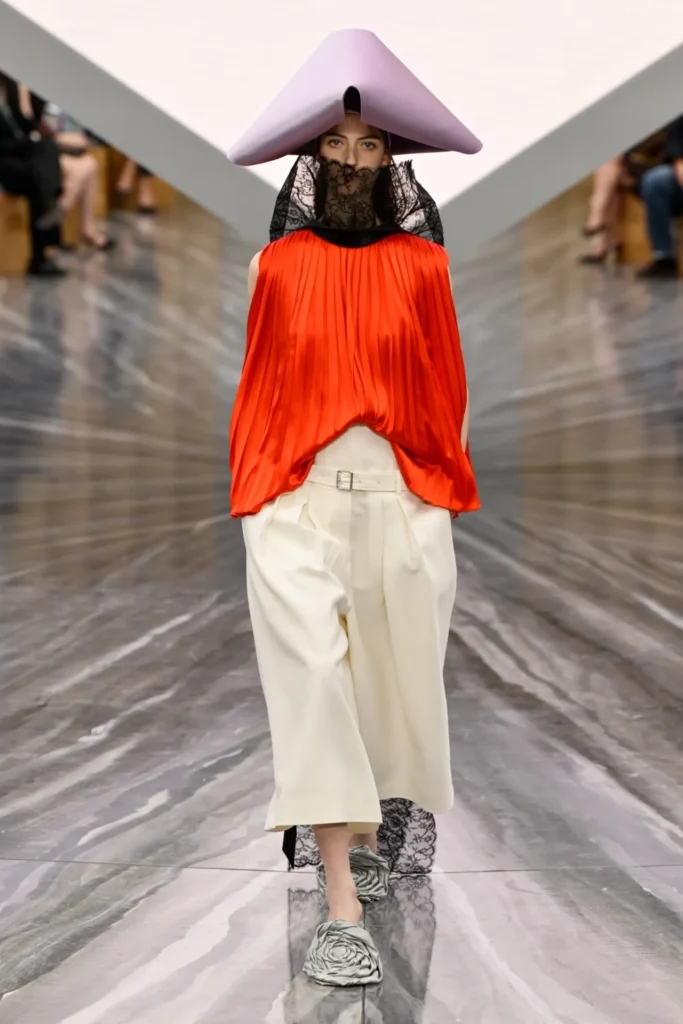
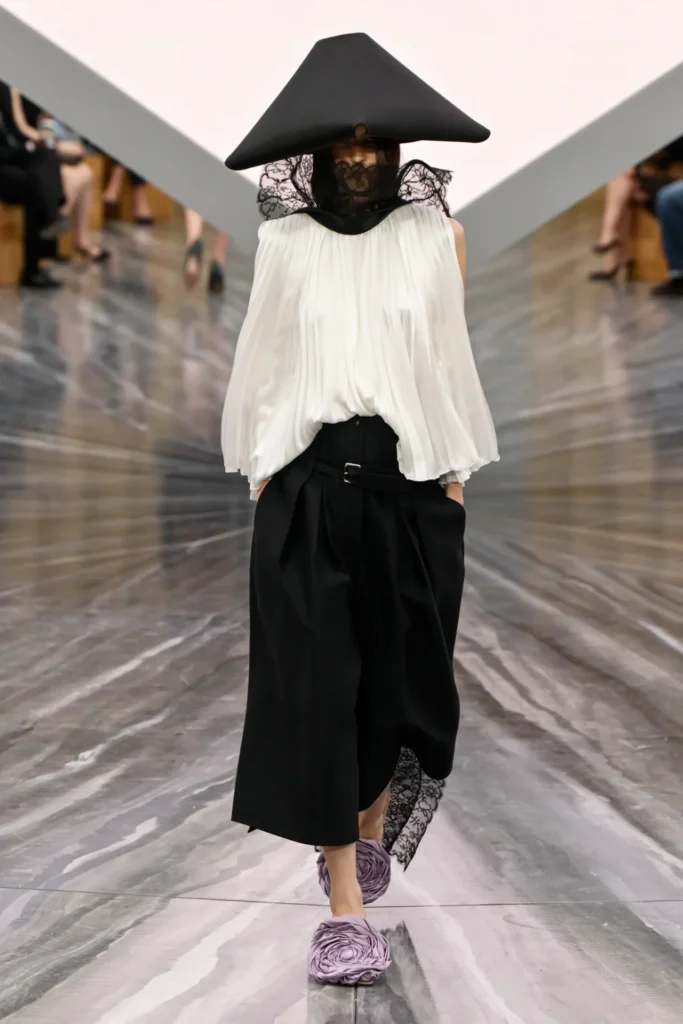
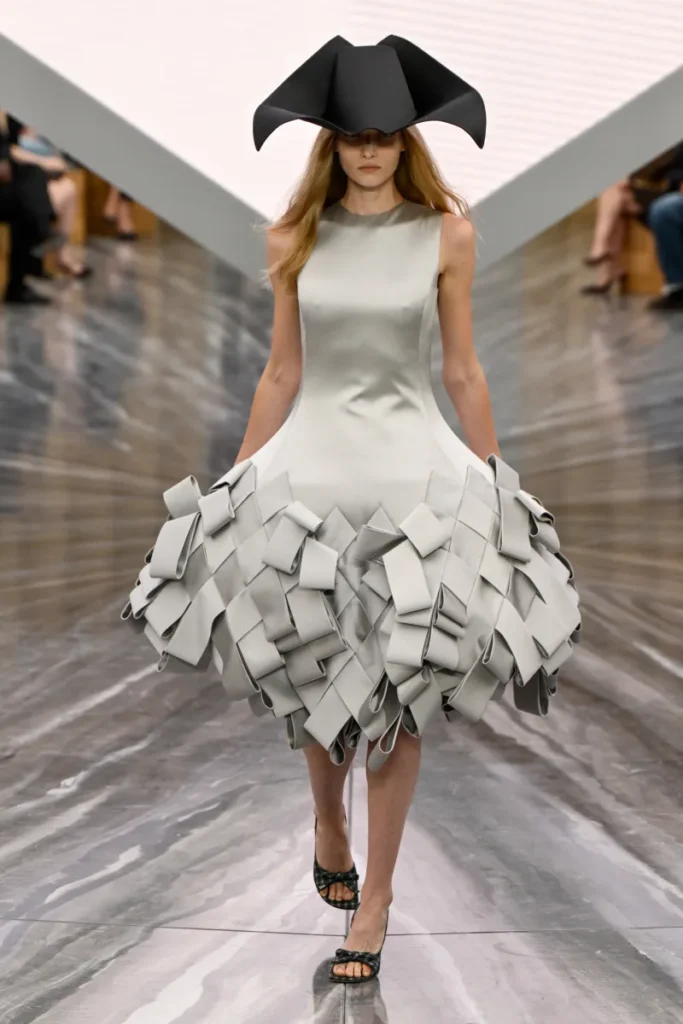
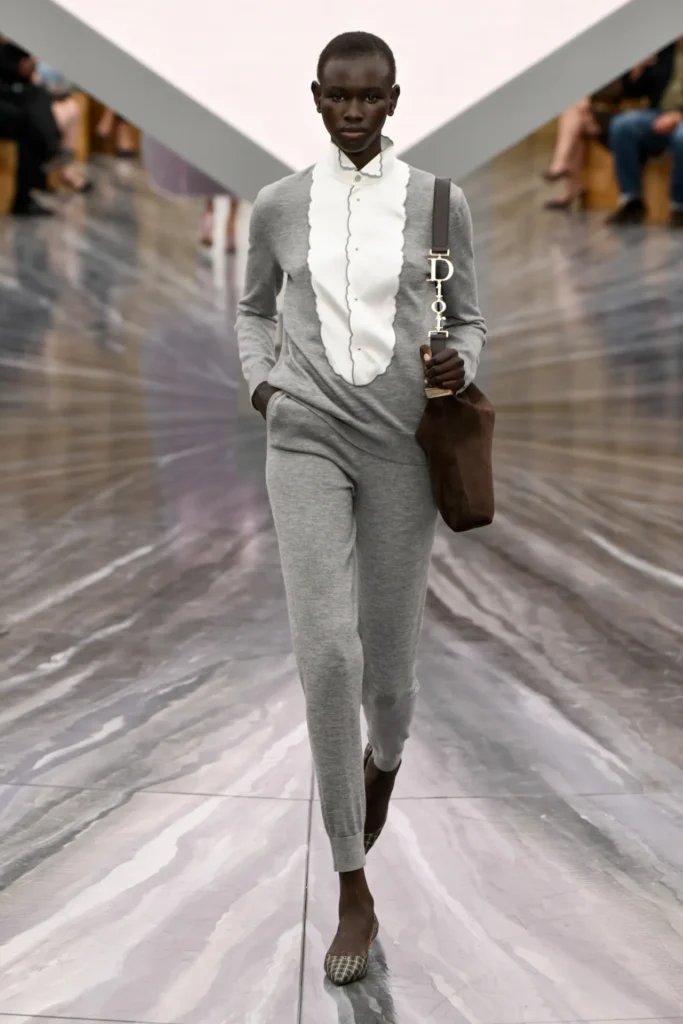
Dior Spring 2026 Collection

Dior Spring 2026 Collection

“Do you dare step into… the House of Dior?”

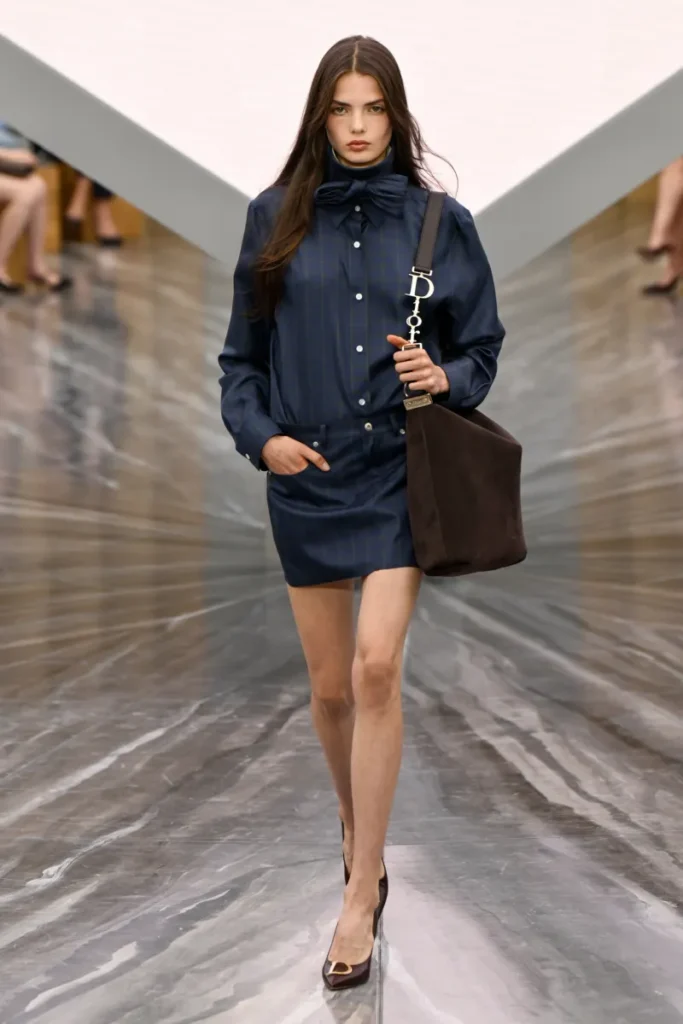
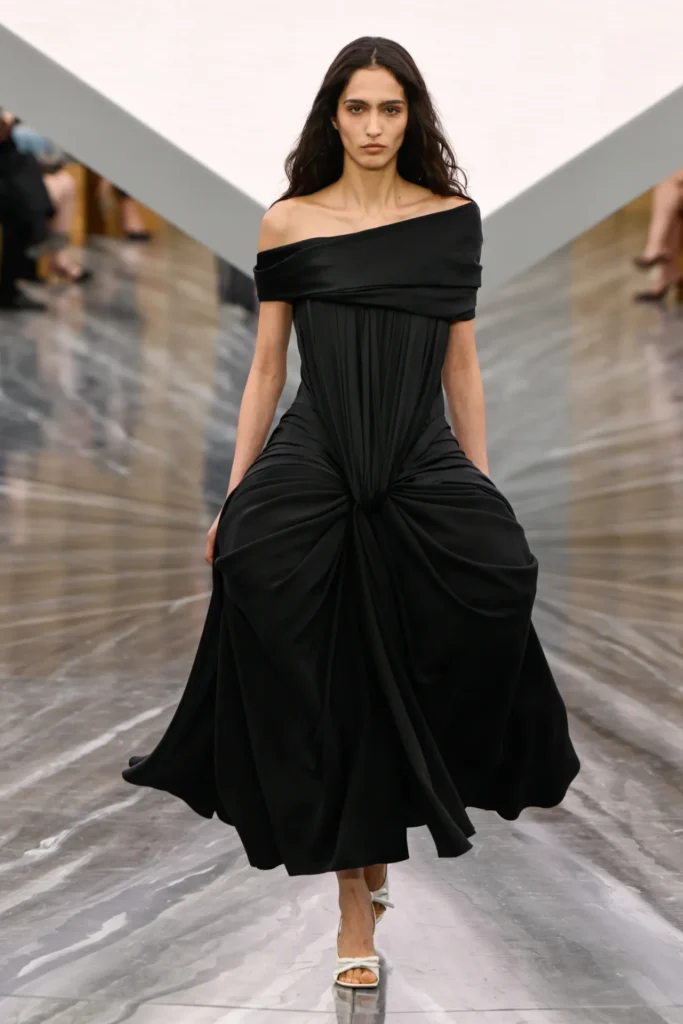
With those words projected onto a monumental screen, Jonathan Anderson staged his debut as creative director of Dior womenswear—a provocation that set the tone for a show built on both rupture and reinvention.

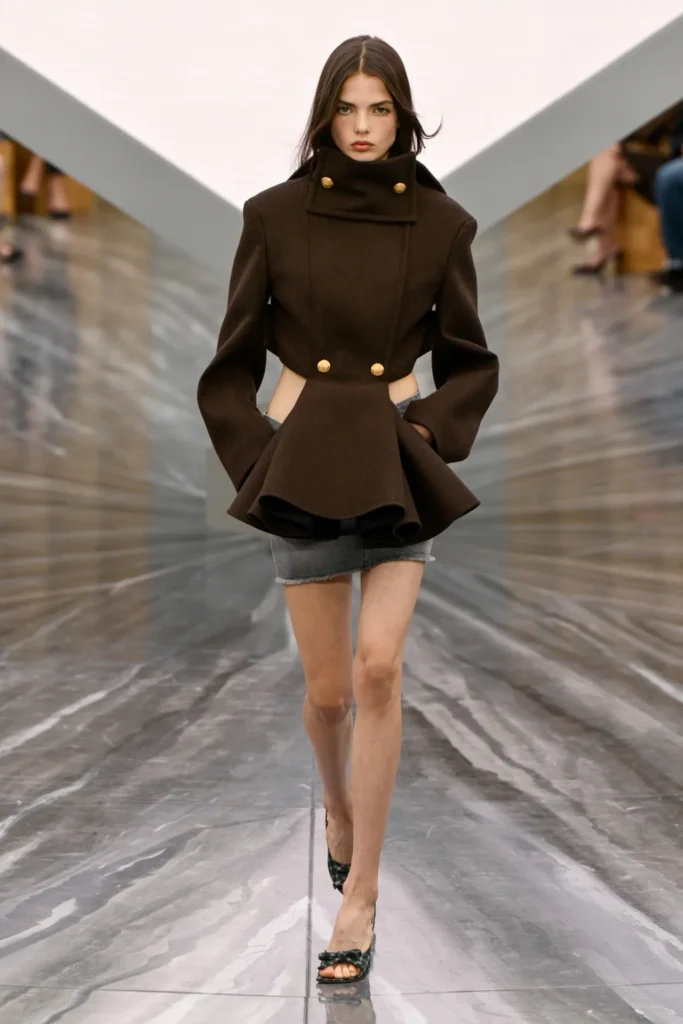
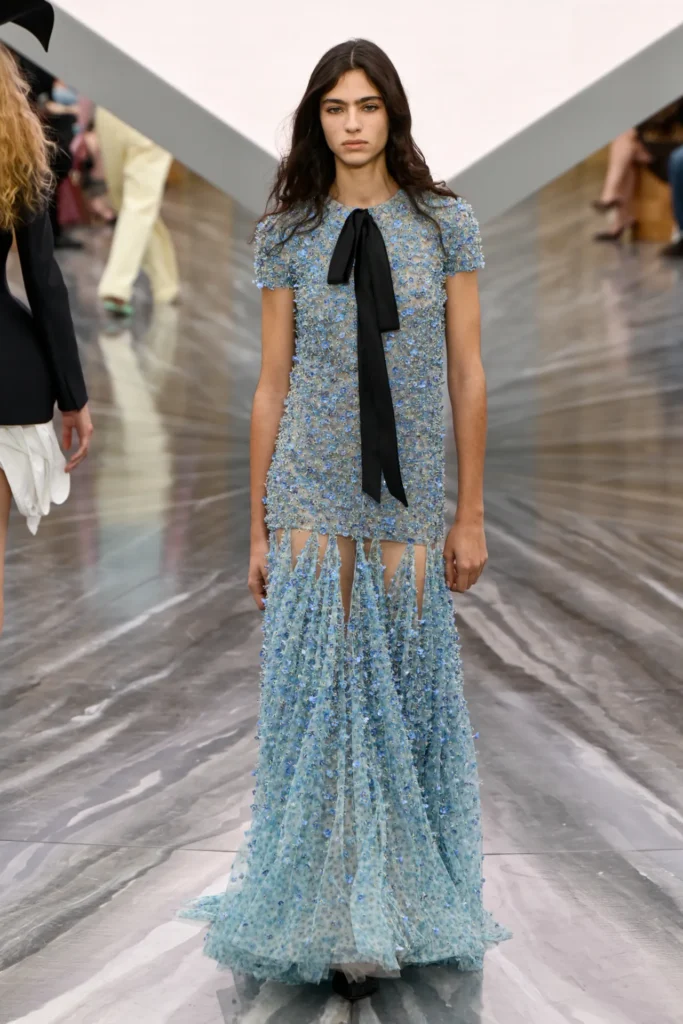
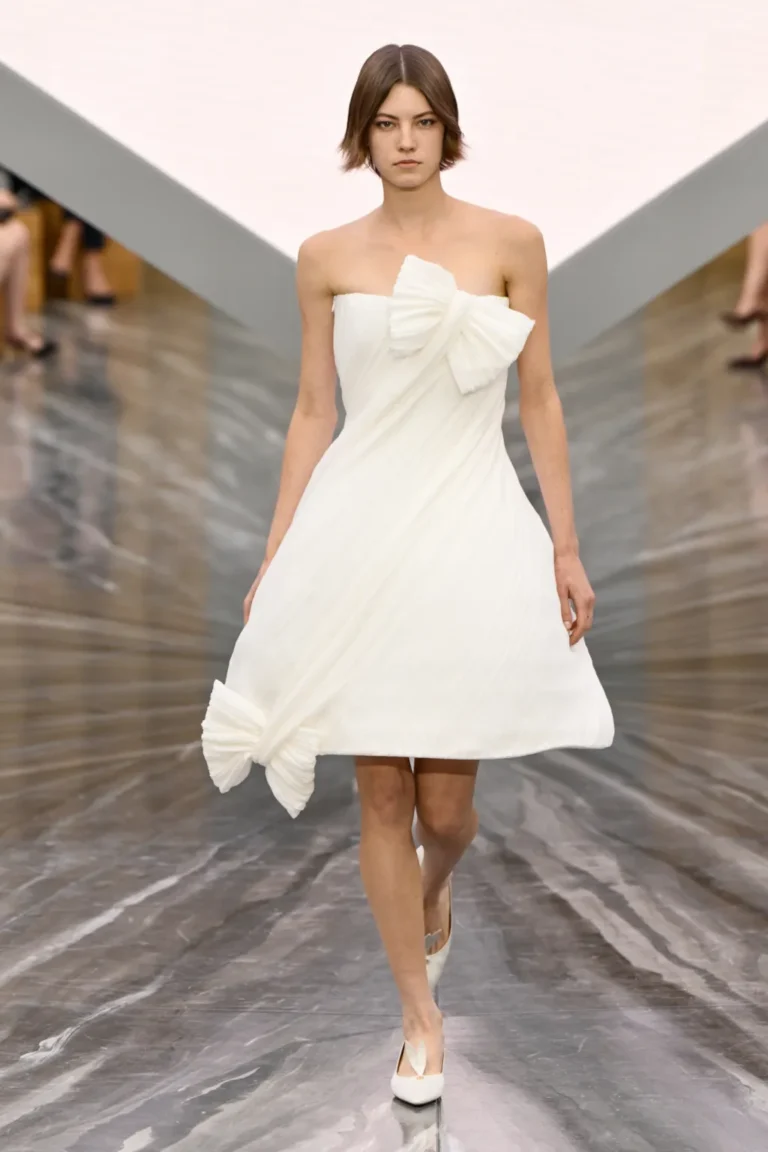
Inside a vast tent at the Tuileries Gardens, the energy was electric. A gray marble runway supported an inverted pyramid that doubled as a screen, where filmmaker Adam Curtis stitched together Dior’s archival runway footage with Hammer horror, Hitchcock clips, and 1960s B-movies. In the finale, the images collapsed into a shoe box: the past symbolically consumed to clear space for the present.

Anderson explained that he wanted to acknowledge all his predecessors—from Christian Dior and Maria Grazia Chiuri to John Galliano, his personal gateway into the house—yet also step beyond them. “Fashion isn’t about being liked anymore; it’s fashionable now to destroy it,” he said, noting the immense pressure of steering LVMH’s crown jewel.

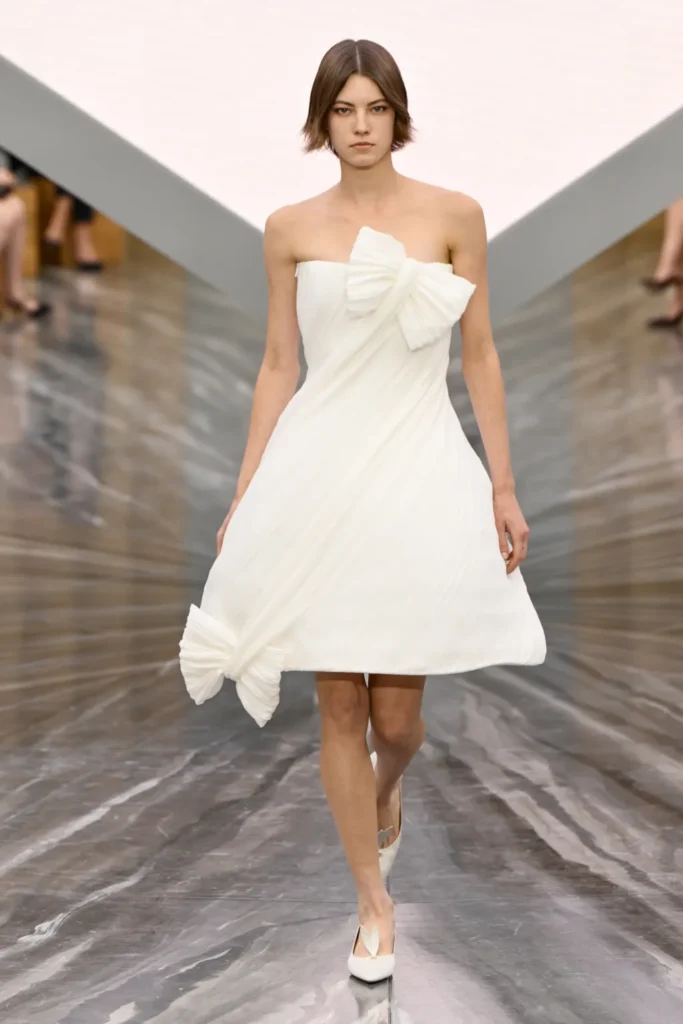
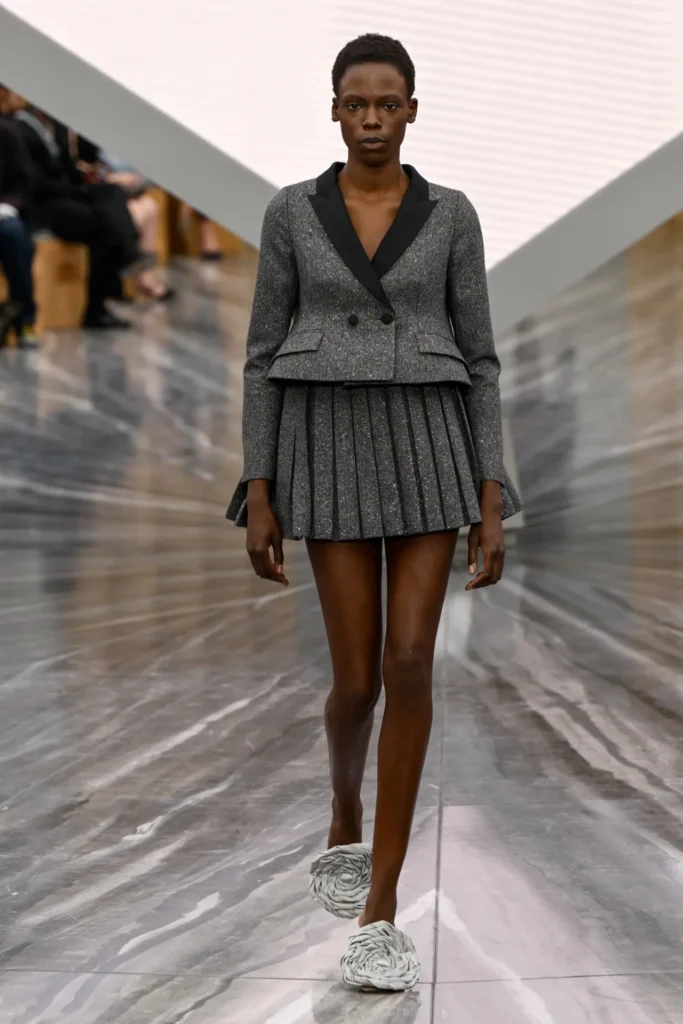
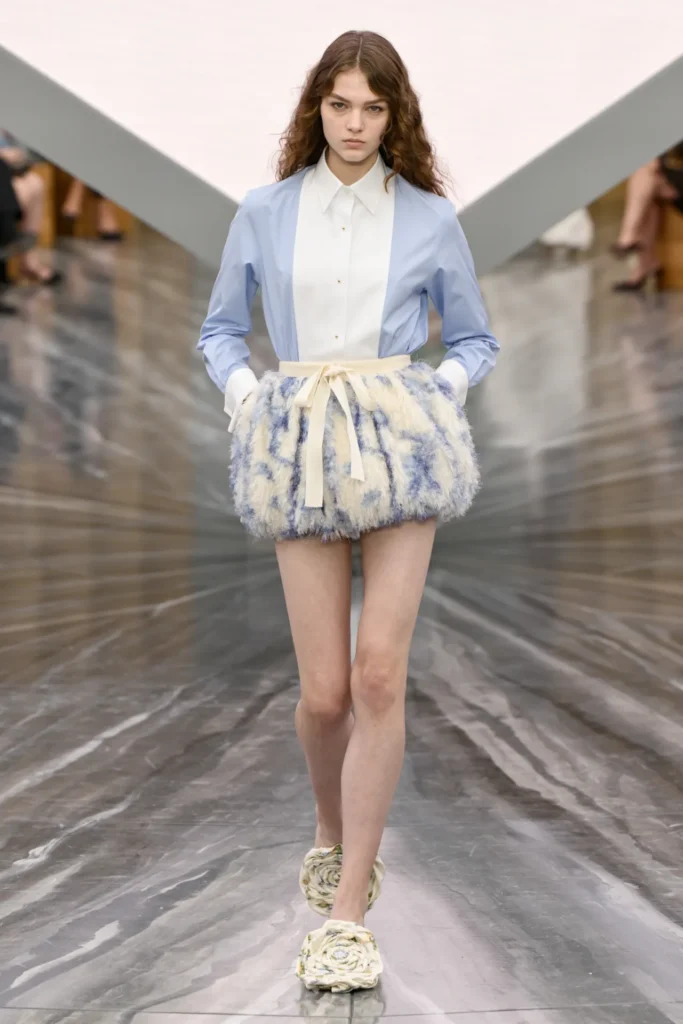
That tension between reverence and irreverence came alive in the clothes. The opening look, a white pleated dress suspended over invisible hoops in a lampshade silhouette, announced a vocabulary that was architectural, airy, and theatrical. Instead of reviving Dior’s A- or H-lines, Anderson invented his own, calling it a play of harmony and tension. The legendary Bar jacket returned, scaled down to doll-like proportions.

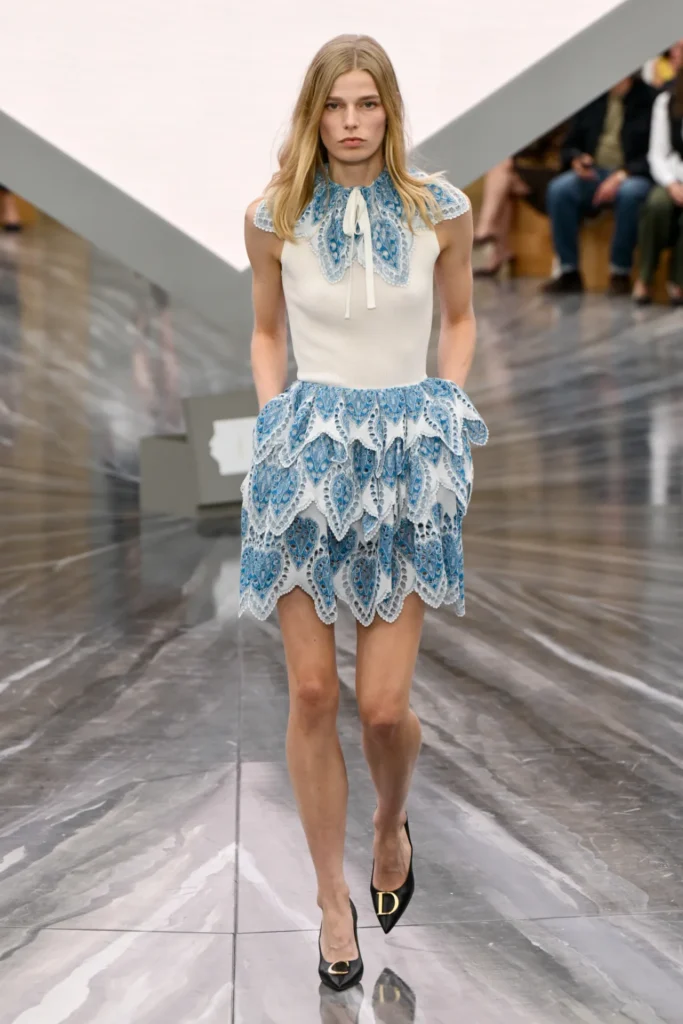
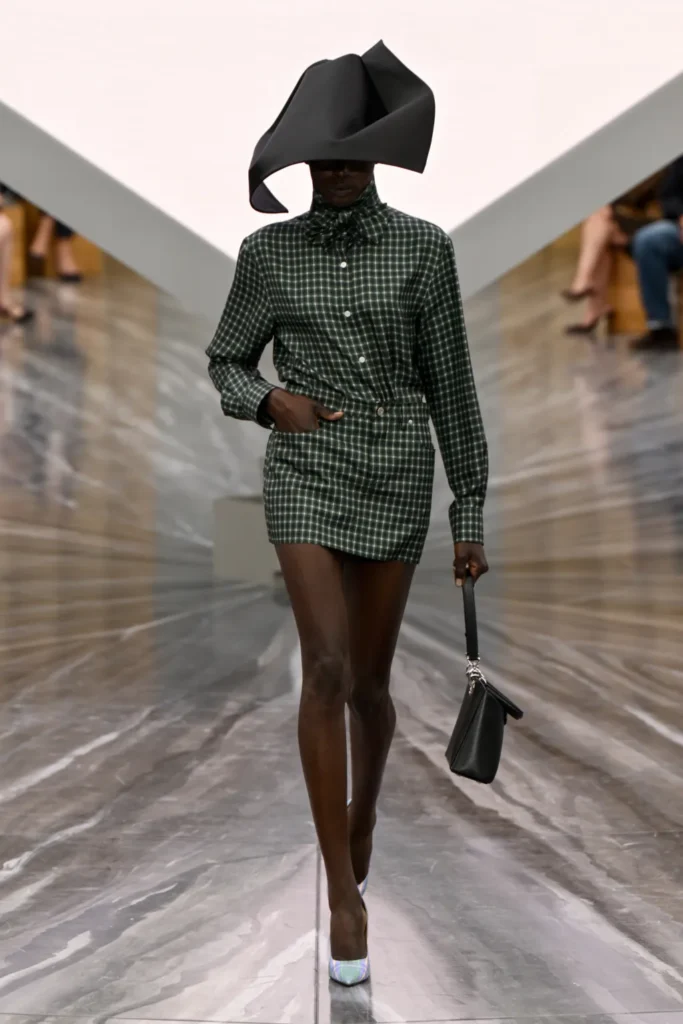
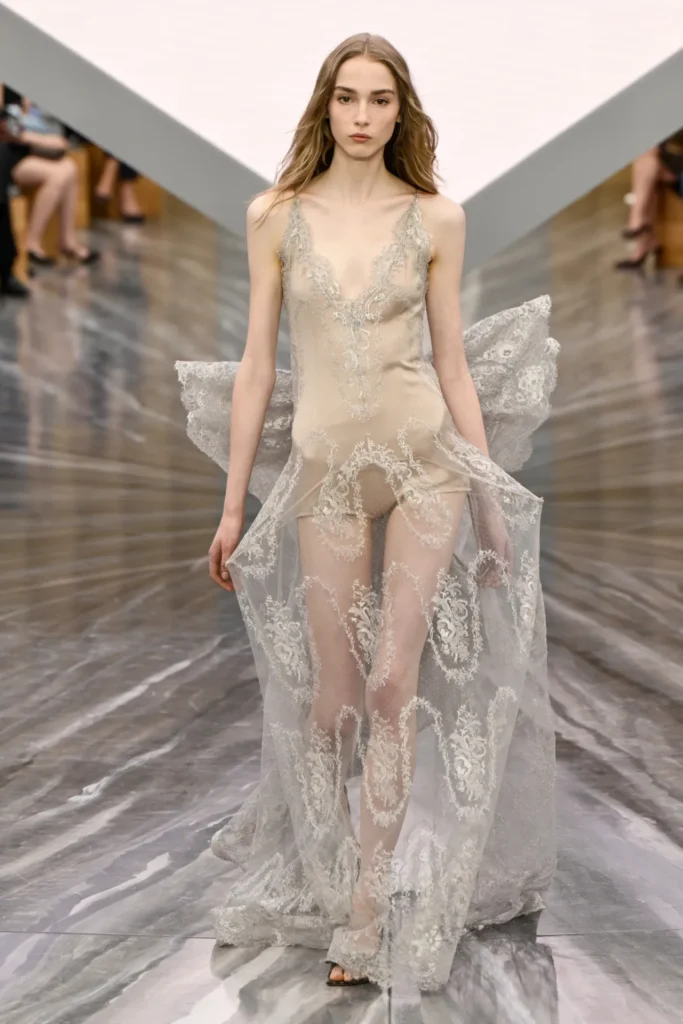
He explored both volume and fragility: billowing dresses and skirts in gauzy lace and plush knits; pleated satin tops with stiff lace collars plunging down the back; and sheer negligees reinforced with cage-like frameworks. He even ventured into experimental knitwear with lumpy, sculptural dresses in the spirit of Rei Kawakubo.

Accessories sealed the statement. The Cigale bag, derived from an archival gown, is destined for instant cult status. Together with footwear designer Nina Christen, Anderson unveiled modern loafers alongside delicate mules topped with oversized floral rosettes, equal parts practical and performative.

Stella McCartney Spring 2026 Collection

Stella McCartney Spring 2026 Collection

No one stages fashion quite like Stella McCartney. This season, guests found a copy of The Stella Times waiting at every seat—a self-declared collector’s item laying out her manifesto, “Come Together,” inspired by the legendary Beatles track. For McCartney, the idea was to merge her wardrobe codes, the people she cherishes, and the cutting-edge innovations that define her brand’s future.

The spectacle unfolded outside the Centre Pompidou, where fans craned their necks as arrivals turned into a red-carpet moment. Robin Wright, Jenna Coleman, Ice Spice, and even Woody Harrelson graced the scene, but the most unexpected cameo came from Helen Mirren. Before the first model appeared, the Oscar-winning actress took the runway to recite the lyrics of Come Together as a dramatic monologue. At times whimsical without Paul McCartney’s thundering bassline, it set a theatrical stage.

The collection itself was an exploration of bold silhouettes and radical proportions. Shoulders jutted outward, waists cinched tight, and hems ballooned into sweeping volumes. McCartney reimagined her signature masculine tailoring with corseted structures and sculptural shoulders, while playful skater dresses expanded with hoop skirts. Some pieces bordered on impractical—like a blue-embroidered babydoll paired with a red crochet tutu so wide it could hardly fit through a doorway. Yet in Paris, land of Marie Antoinette, panniers and petticoats suddenly felt right at home.

For those seeking ease and understatement, the designer offered sleek fitted dresses in vibrant hues with front slits, as well as a flawless white bandage mini that hugged the body without overwhelming it.

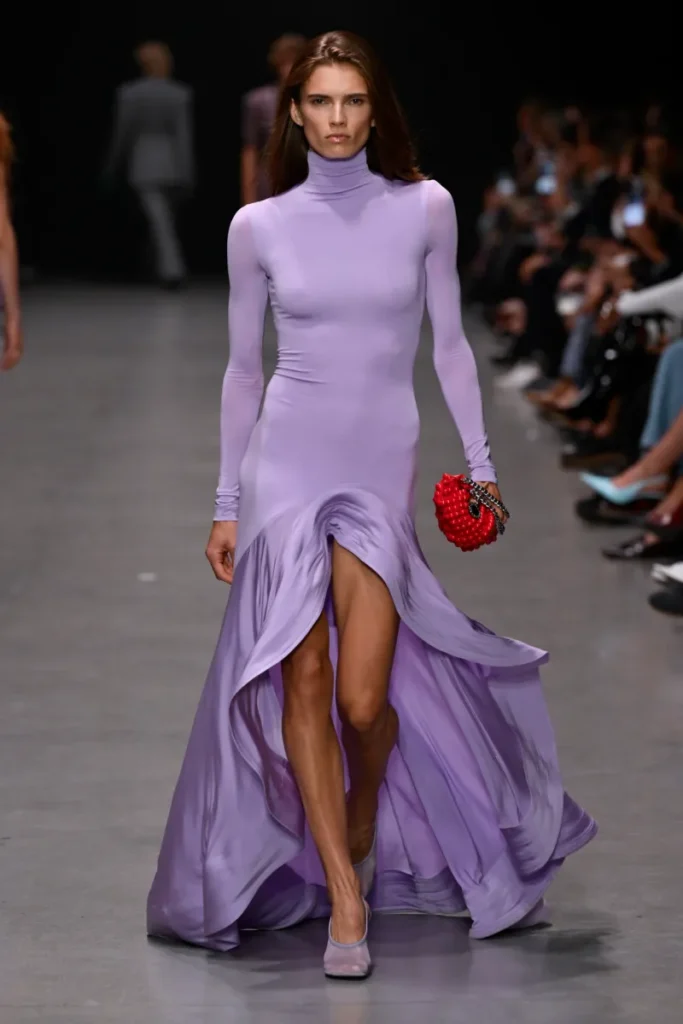
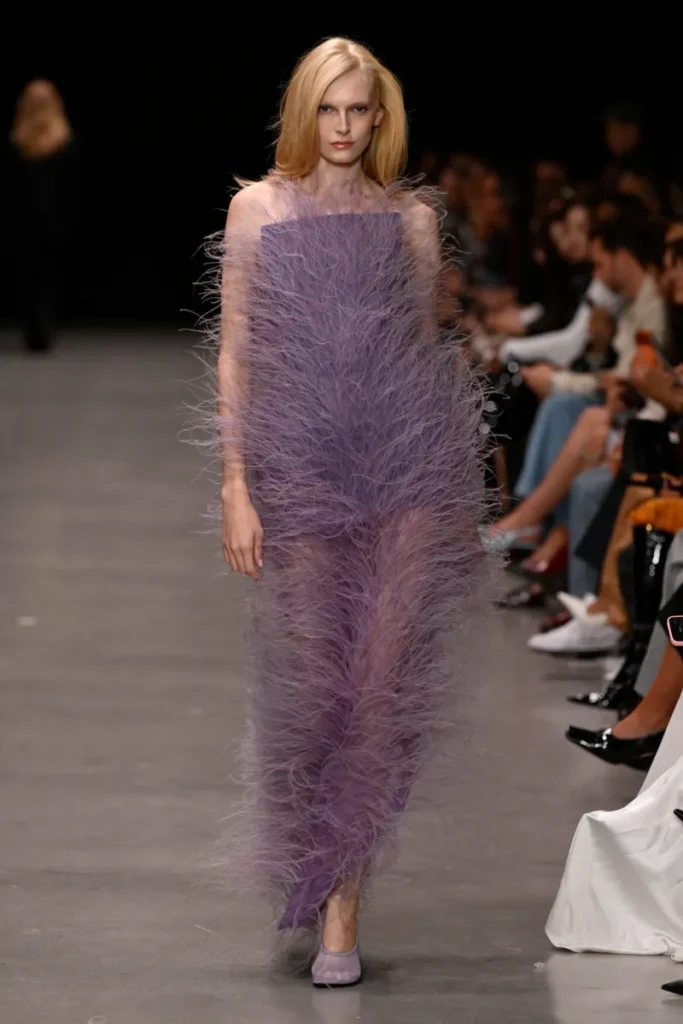
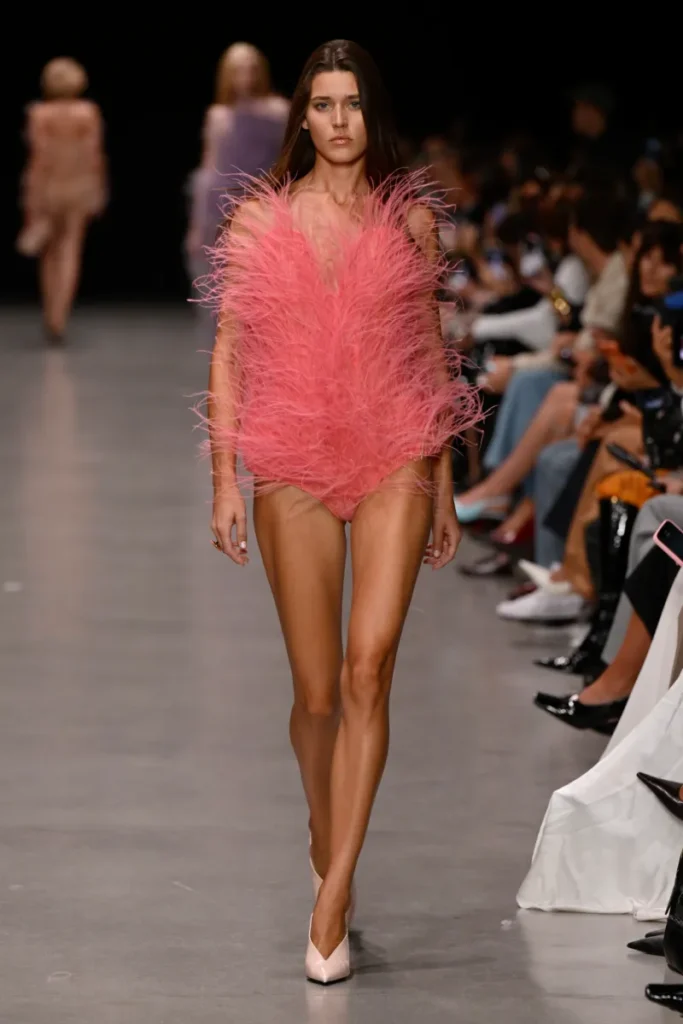
Fabric innovation, McCartney’s calling card, took center stage. A lavender gown and bubblegum-pink bodysuit appeared feathered, but were in fact crafted from painted blades of grass, encircling the models in cloud-like textures. “I’d rather pull grass than pluck feathers,” she quipped, underscoring her eco-conscious ethos. Birds were celebrated differently too, with ballooning oversize blouses in aqua, cream, and baby pink.

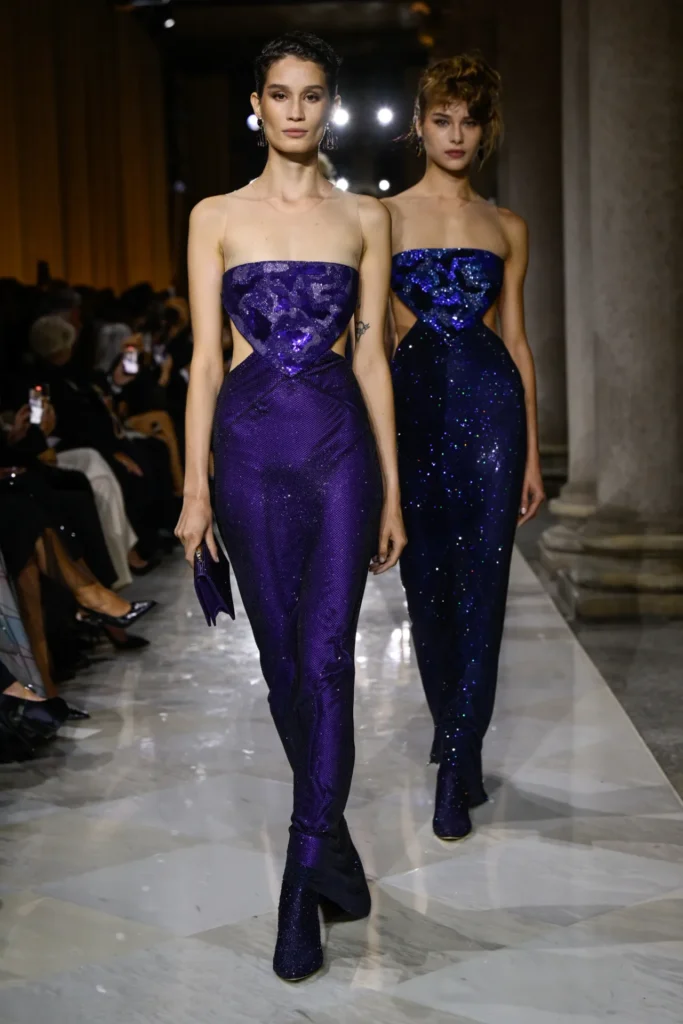
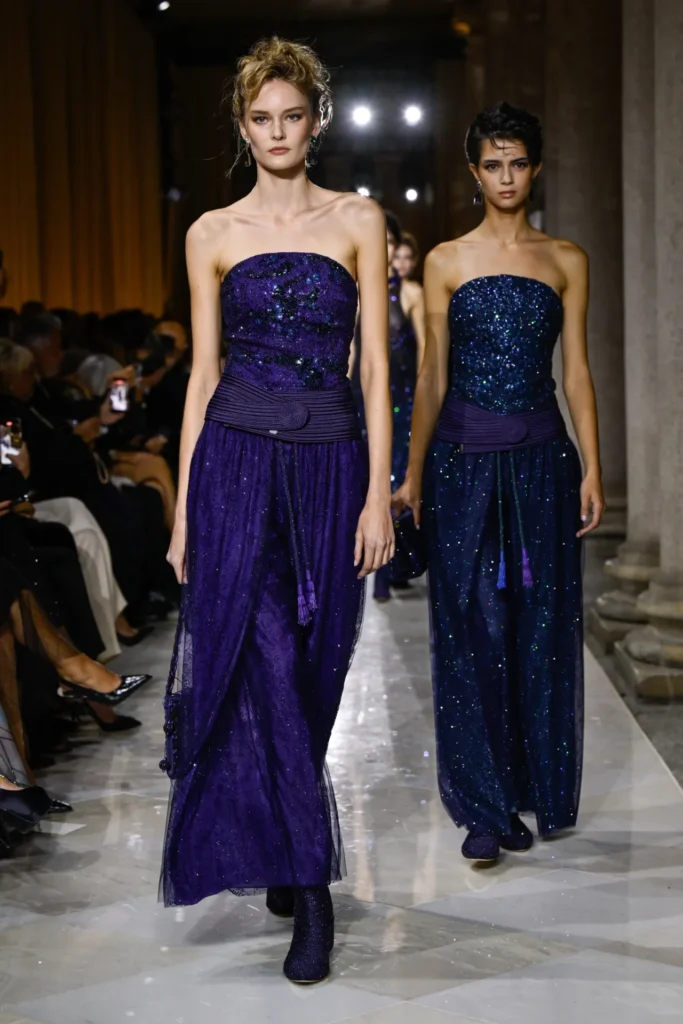
Eveningwear delivered drama with purpose: a strapless gown encrusted with shimmering purple sequins, made of recycled plastics, bio-based resins, and lab-grown seaweed, stood out as the triumph of the night. Other attempts—stiff corseted gowns with armor-like bodices—fell short, but the overall message of sustainability meets spectacle rang clear.
Courrèges Spring 2026 Collection

Courrèges Spring 2026 Collection

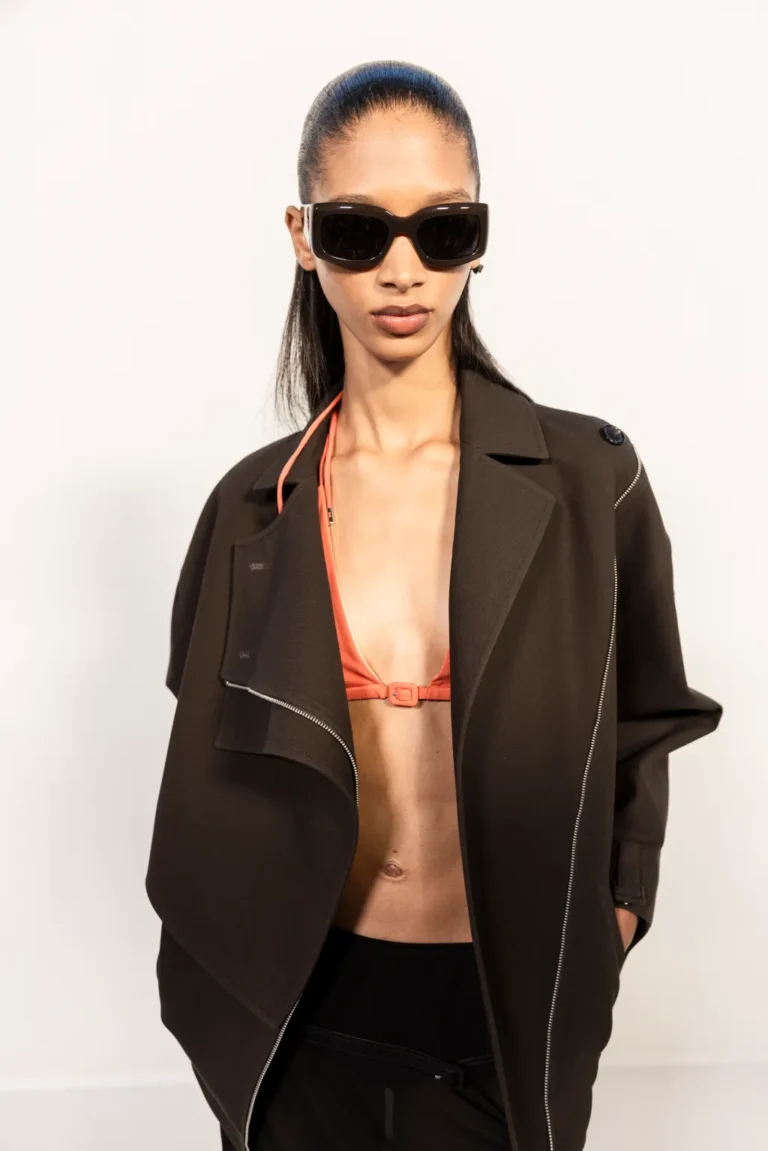
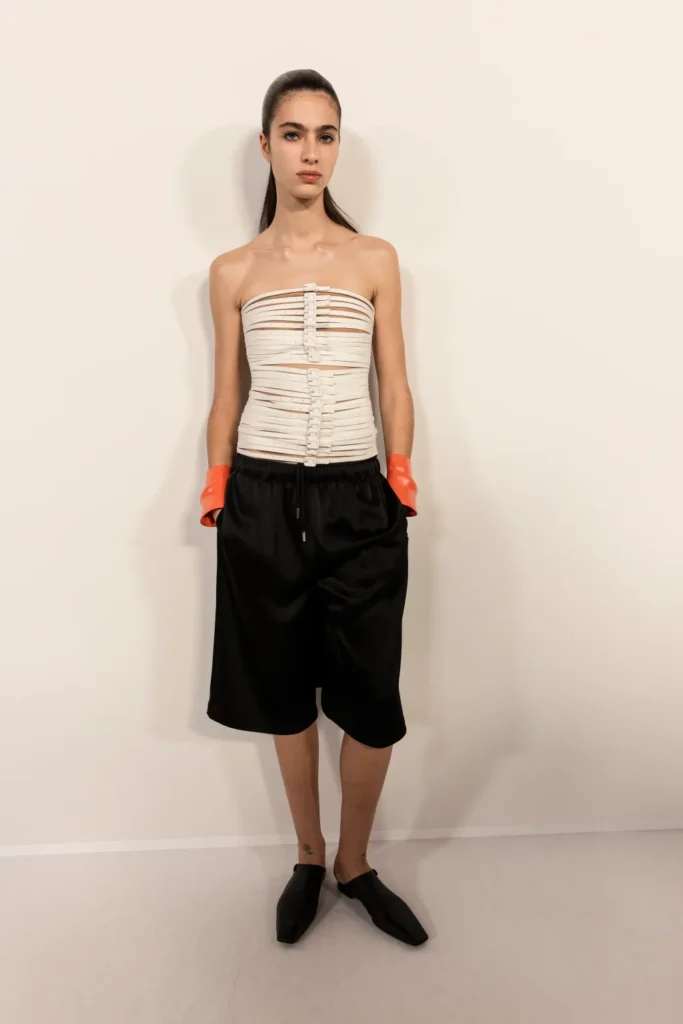
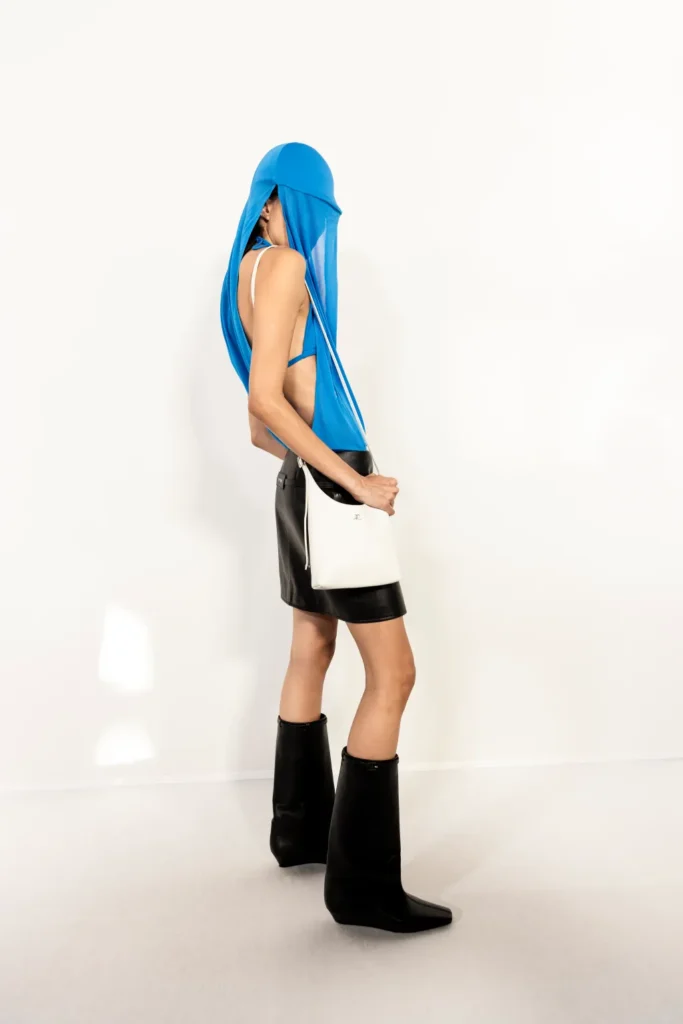
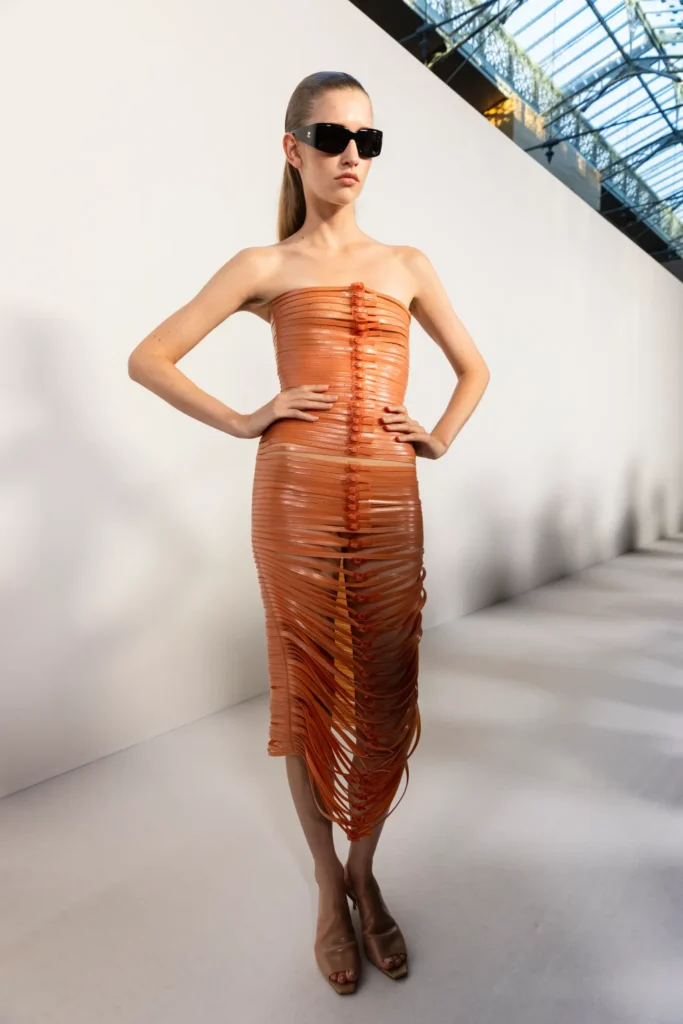
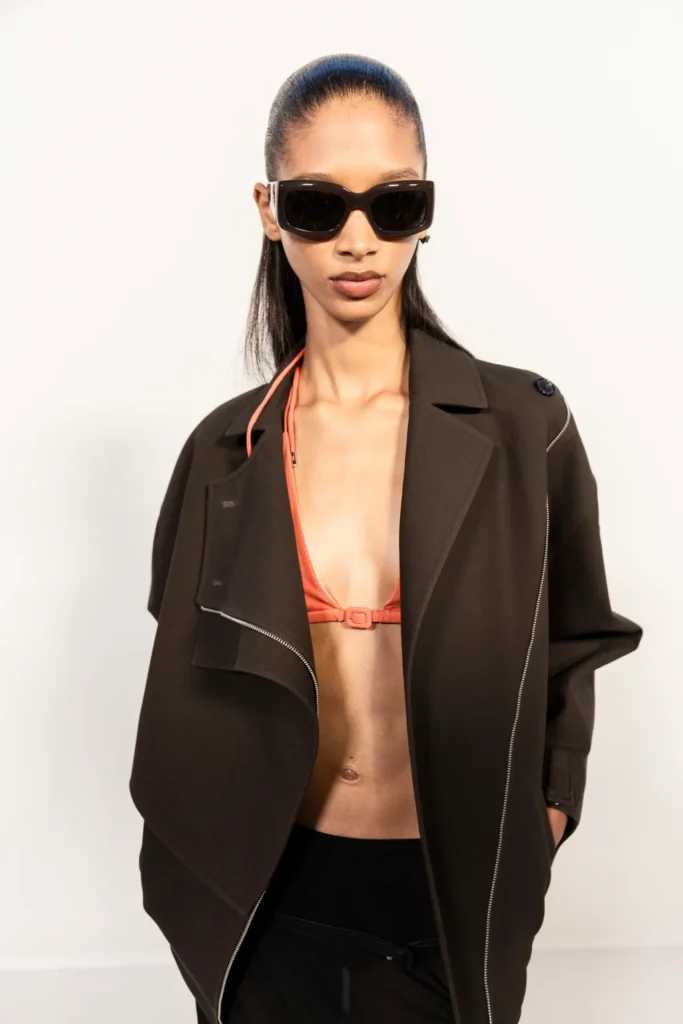
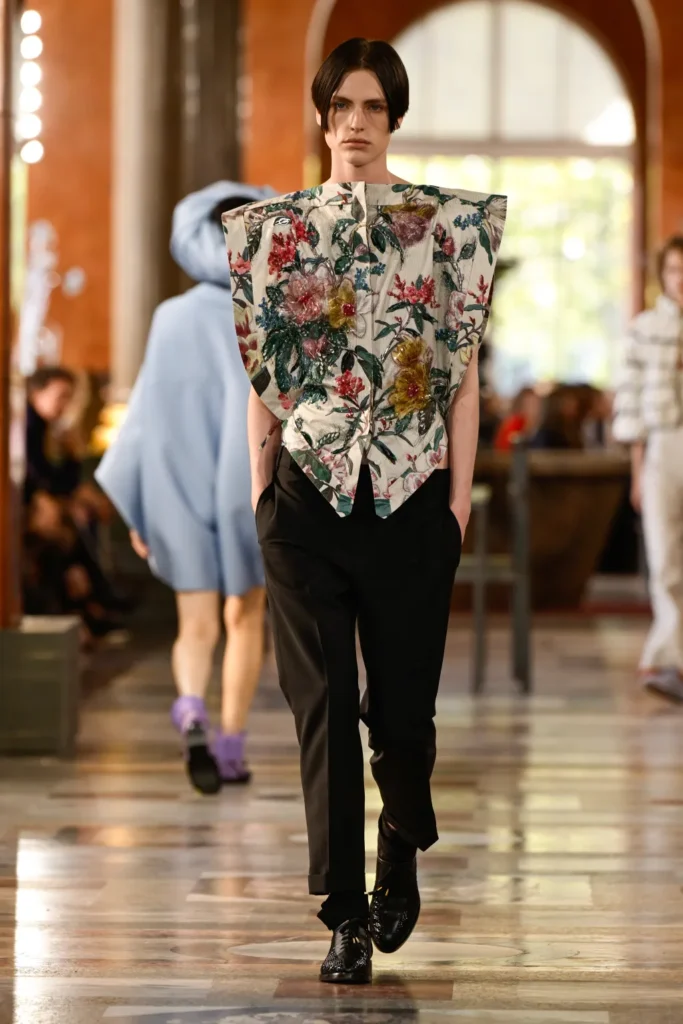
The invitation to Courrèges’ Paris runway was as clear as the season’s message: a pair of sleek black sunglasses tucked into a box that read, “Take me to the show.” Staged on a stark white circular set, the show was aptly titled “Blinded by the Sun” —a reflection of Di Felice’s summer in Ibiza, but also a metaphor for the disorienting realities of today, from sensory overload to global warming.
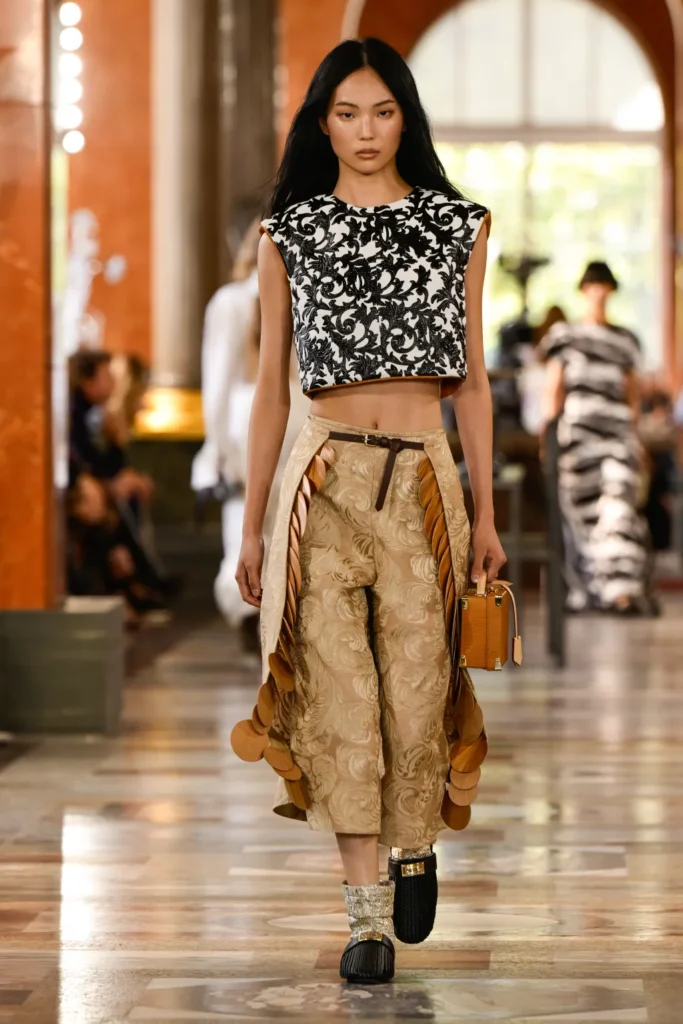
The lineup played on the tension between shielding and revealing. Baseball caps with archival veils covered the face entirely, while airy panels of fabric slipped into A-line miniskirts, parting to expose matching bikinis beneath. As the soundtrack announced climbing temperatures, layers fell away, baring backs and torsos in swim tops paired with low-slung, Space Age minis—a house signature reimagined for now.

Function met style in clever details: leather jackets with zip-off sleeves, fabric-lined skinny belts recalling André Courrèges’ originals, and glossy vinyl dresses cut to resemble Venetian blinds. Even the brand’s iconic grid motif was subtly elongated to evoke solar panels, as if the clothes themselves could harness the sun’s energy.

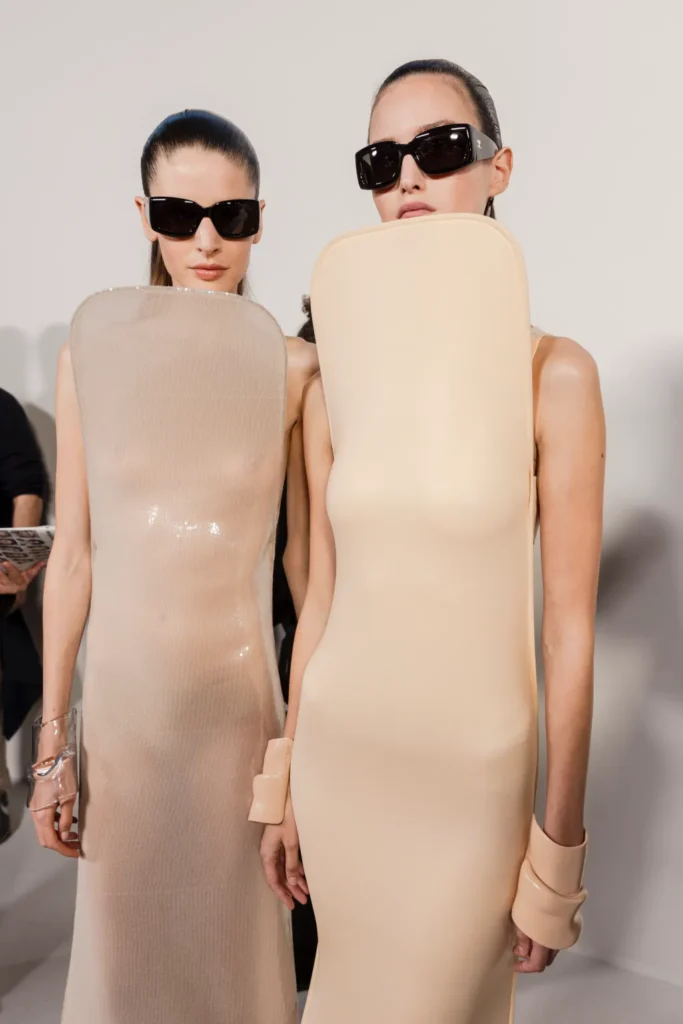
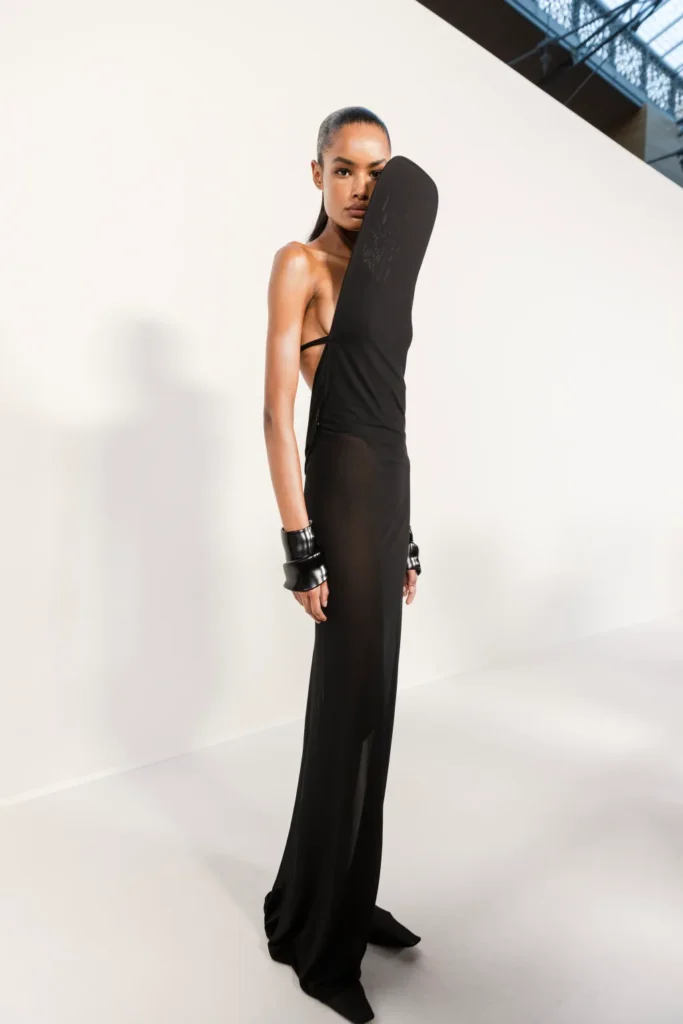
As the lighting brightened, sunglasses came back on. Models strode in stiff, car-sunshade–inspired dresses, their rigid fronts hiding movement within. “She can sit, she can bend,” Di Felice noted, emphasizing that despite the sculptural precision, wearability was key.

Renowned for his technical constructions, Di Felice kept the clothes stripped back and relaxed this season. The message was clear: “The world is already complicated enough.” What emerged was a solar-charged collection, light yet sharp, firmly grounded in Courrèges’ Space Age DNA while casting a fresh glow on the future.

Louis Vuitton Spring 2026 Collection

Louis Vuitton Spring 2026 Collection

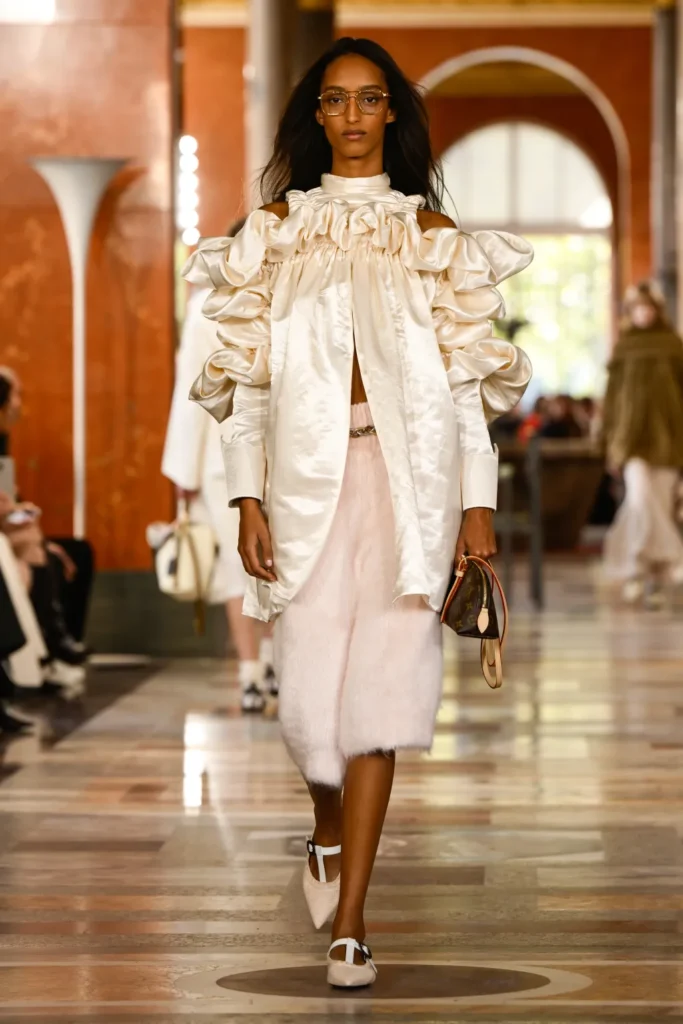
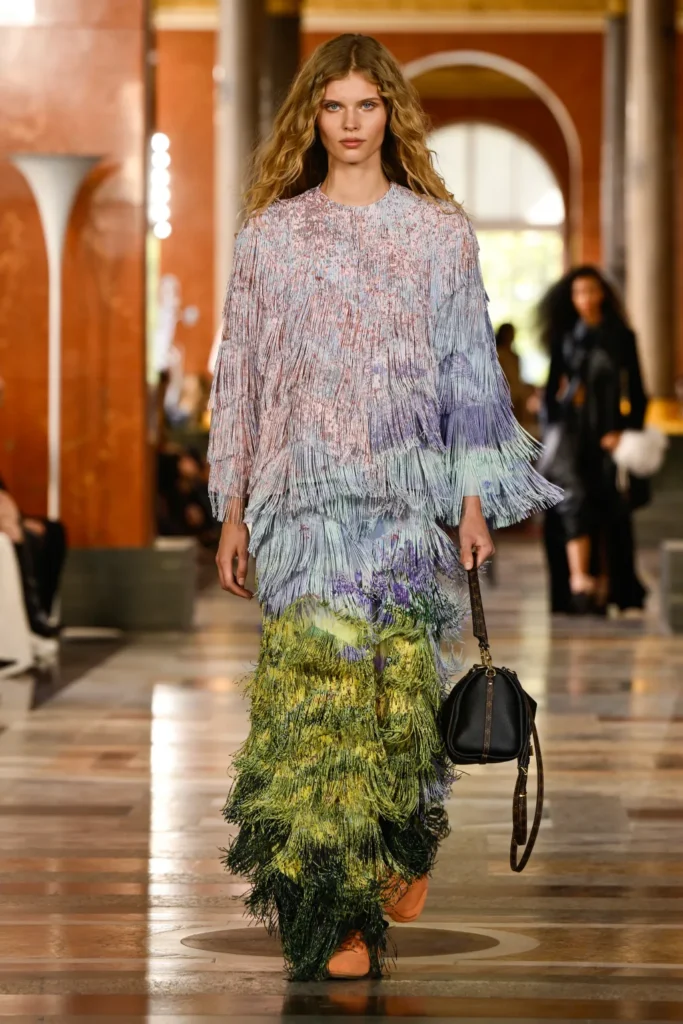
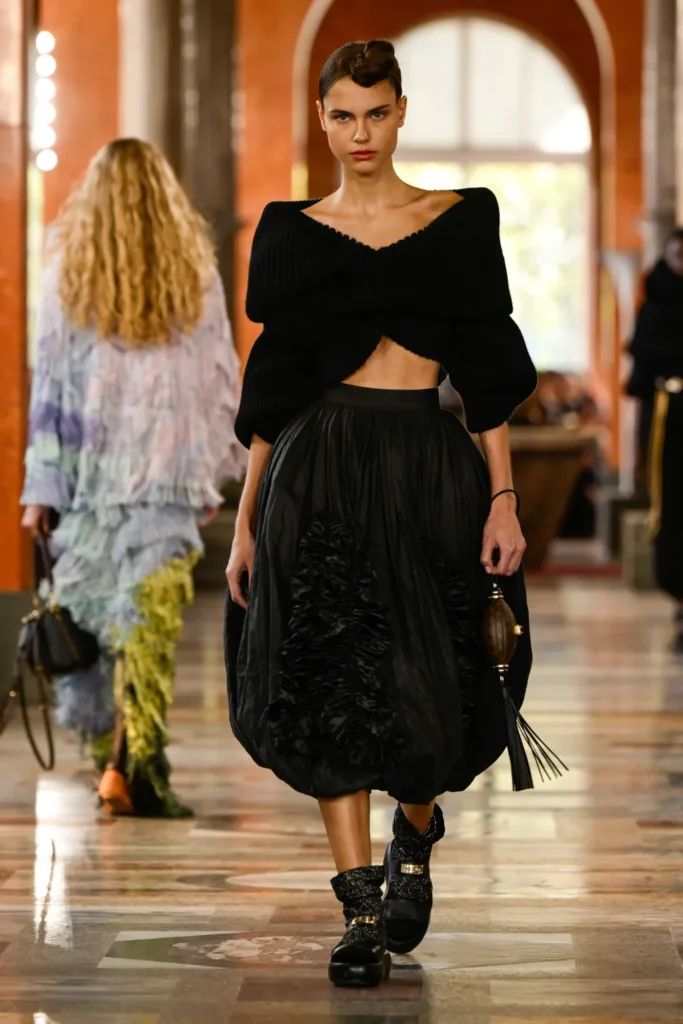
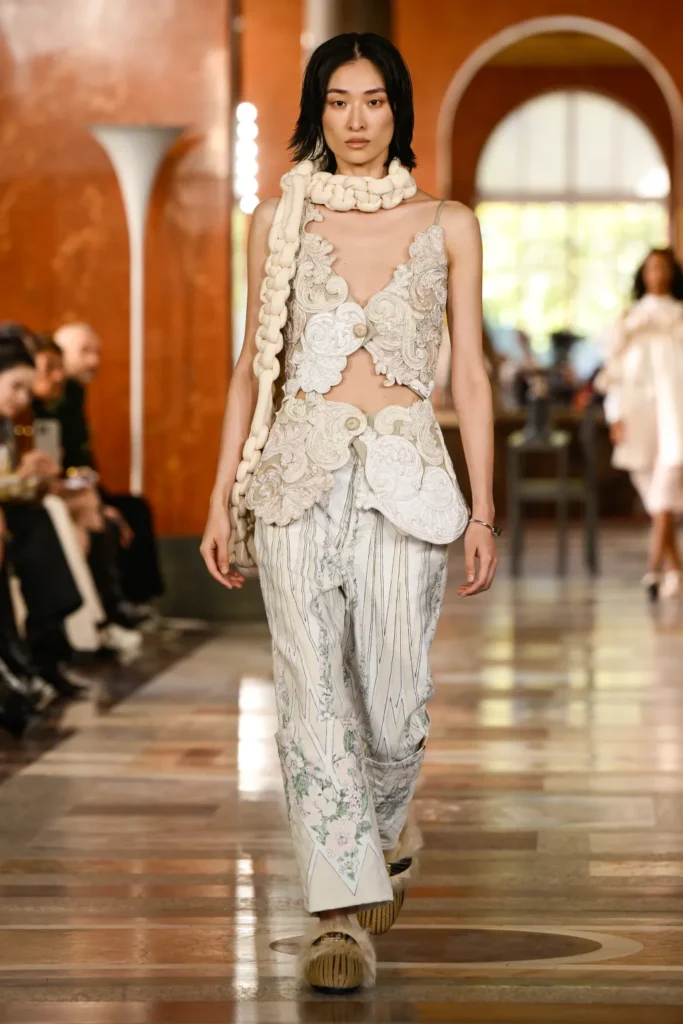
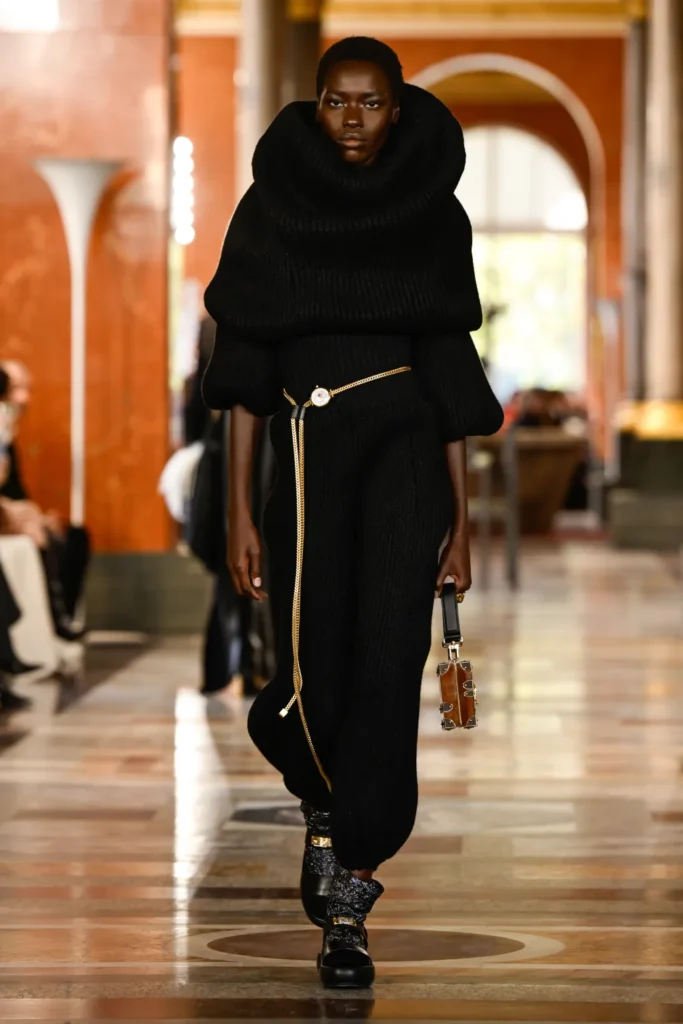
This season, several runways turned away from red-carpet glamour to embrace something far more intimate: the textures, warmth, and serenity of home. At Louis Vuitton, Nicolas Ghesquière, long celebrated for his futuristic silhouettes and architectural lines, surprised guests by channeling a softer, more domestic spirit.

“It’s about praising intimacy, dressing for yourself first,” he told reporters backstage. “Getting dressed at home can be fun, too. The mood I wanted to share was the serenity that comes from being in your own space.”

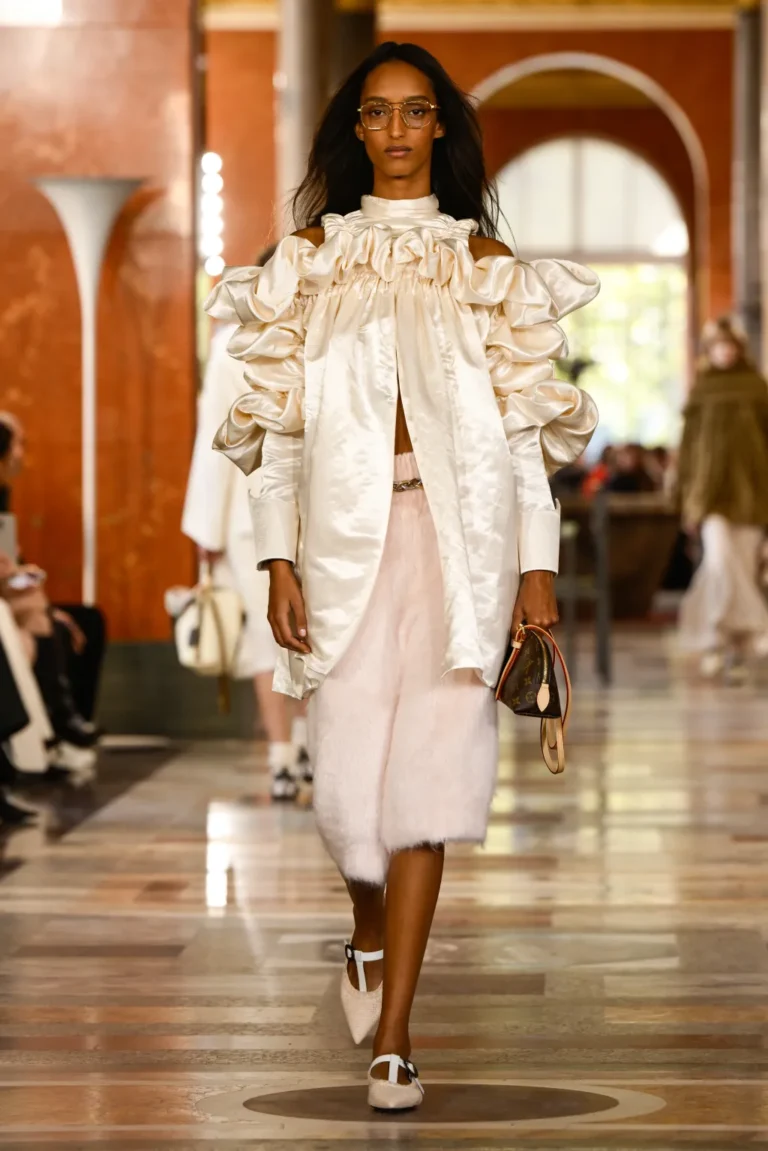
That vision took shape in a collection filled with comfort elevated to luxury: plush teddy-bear coats cut like bathrobes, fuzzy knit sweaters, low-slung shorts, and toga-like dresses. Yet Ghesquière’s experimental streak remained intact: a camel coat cleverly disguised as a jumpsuit appeared throughout, while a sleeveless robe dusted with gemstones —crafted in brushed silk to mimic mink— reintroduced an ancient artisanal technique.

The lineup balanced ornament and simplicity. On one side, a triangular tabard richly embroidered with floral motifs and fringe ensembles where each strand was beaded in gradient colors, blurring into the vision of a hazy garden. On the other, pared-down cotton tops, wide-legged silk pants, and even socks with sandals —though rendered in shimmering brocades, unmistakably Vuitton.

The setting amplified the idea of refined intimacy: the newly restored apartments of Anne of Austria within the Louvre, with gilded ceilings and 17th-century frescoes. For the occasion, French decorator Marie-Anne Derville curated a mix of historical furnishings —18th-century armoires, Art Deco chairs by Michel Dufet, ceramics by Pierre-Adrien Dalpayrat— blurring the line between museum and private residence.

Courtesy Of Louis Vuitton

The show was also a reminder of how luxury houses increasingly stage experiences that elevate their brand while entertaining their most valued clients. To stroll through a closed Louvre on a Tuesday and see the Winged Victory of Samothrace in solitude was already a rare privilege. Entering Vuitton’s intimate, domestic universe afterwards felt like the ultimate luxury: warmth wrapped in sophistication.

Saint Laurent Spring 2026 Collection

Saint Laurent Spring 2026 Collection

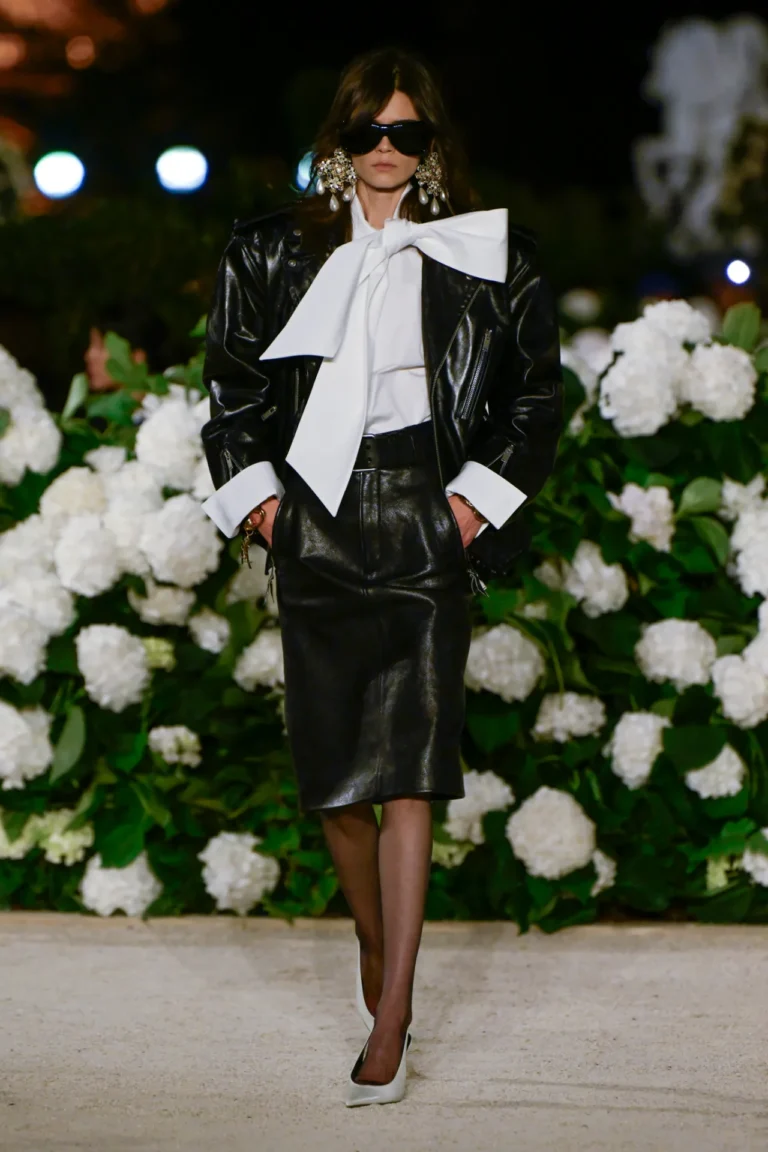
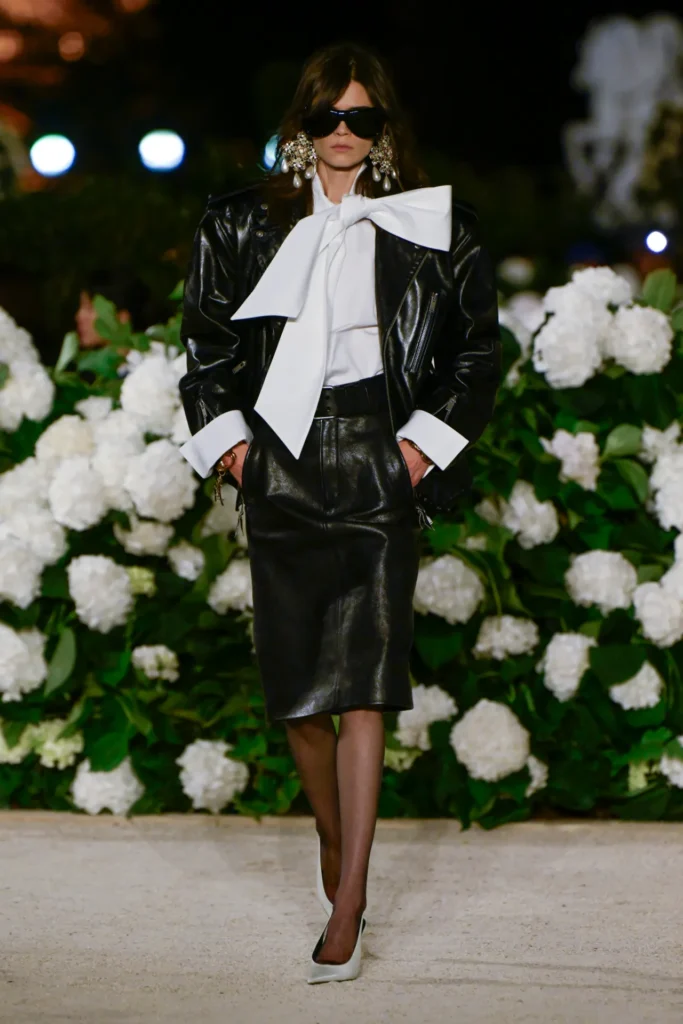
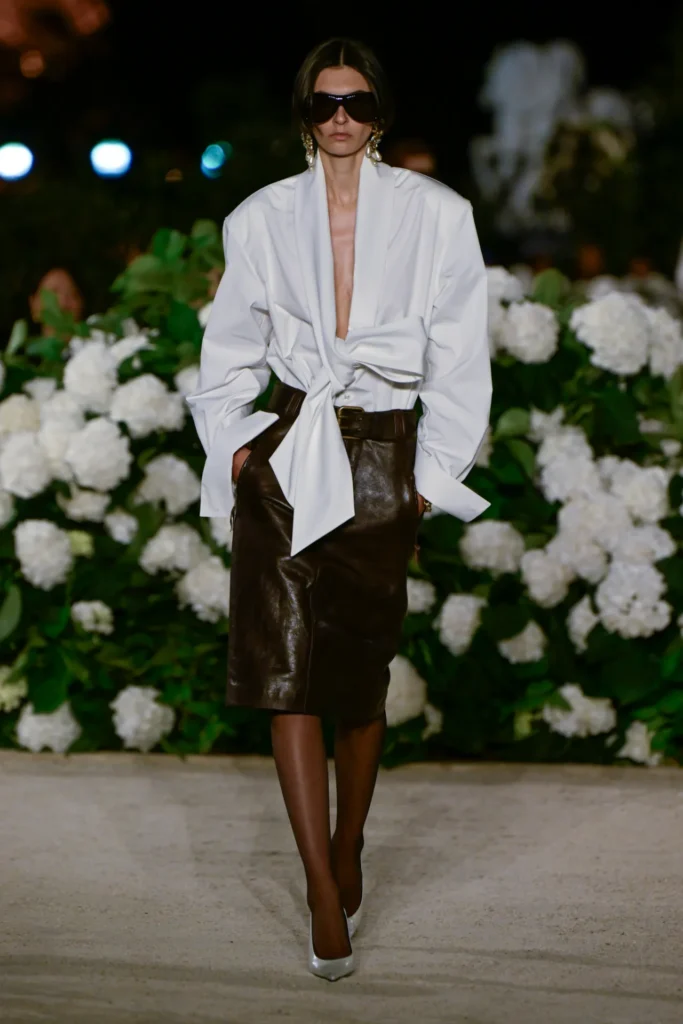
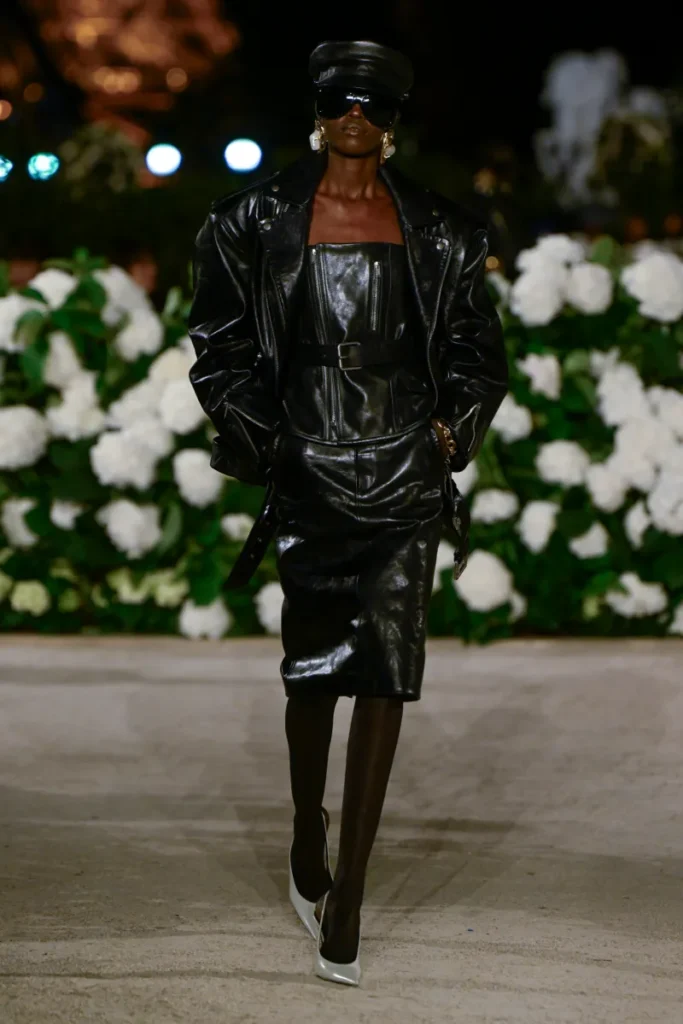
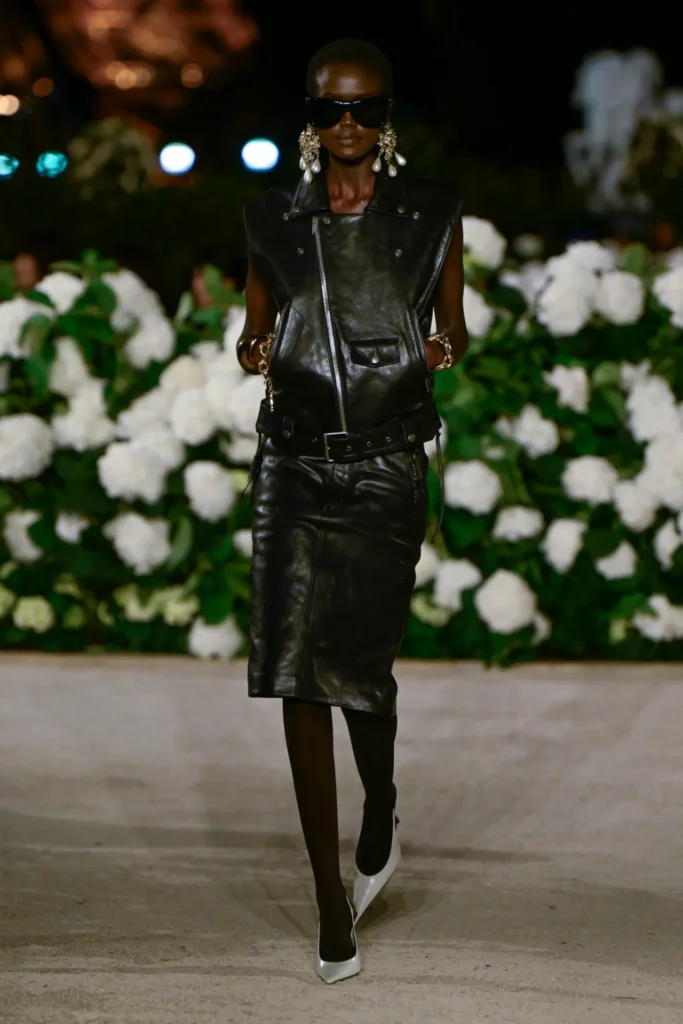
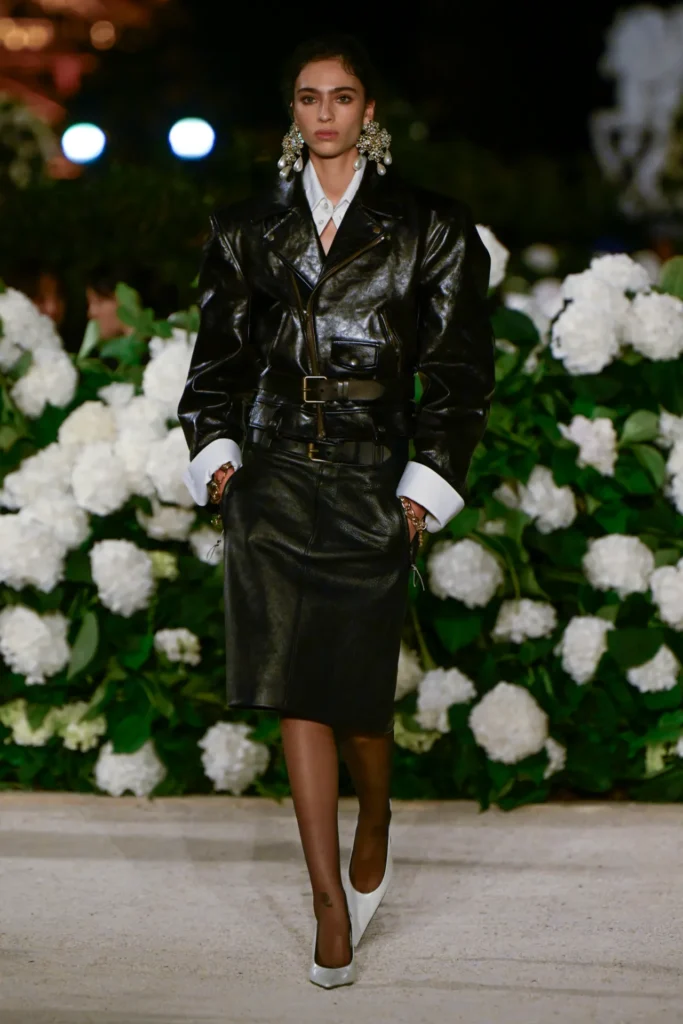
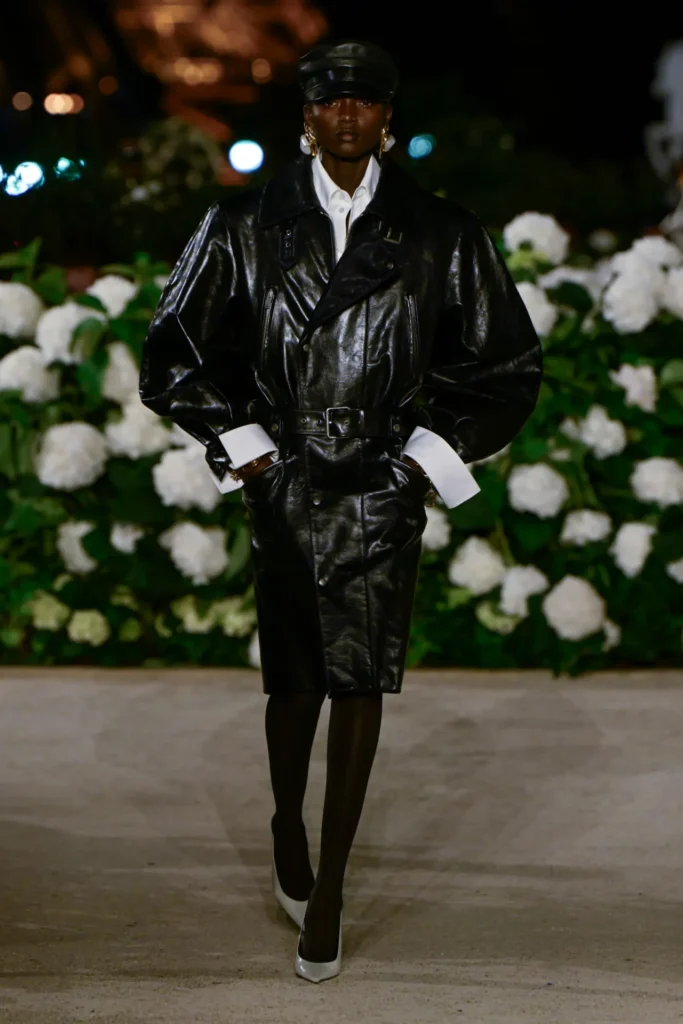
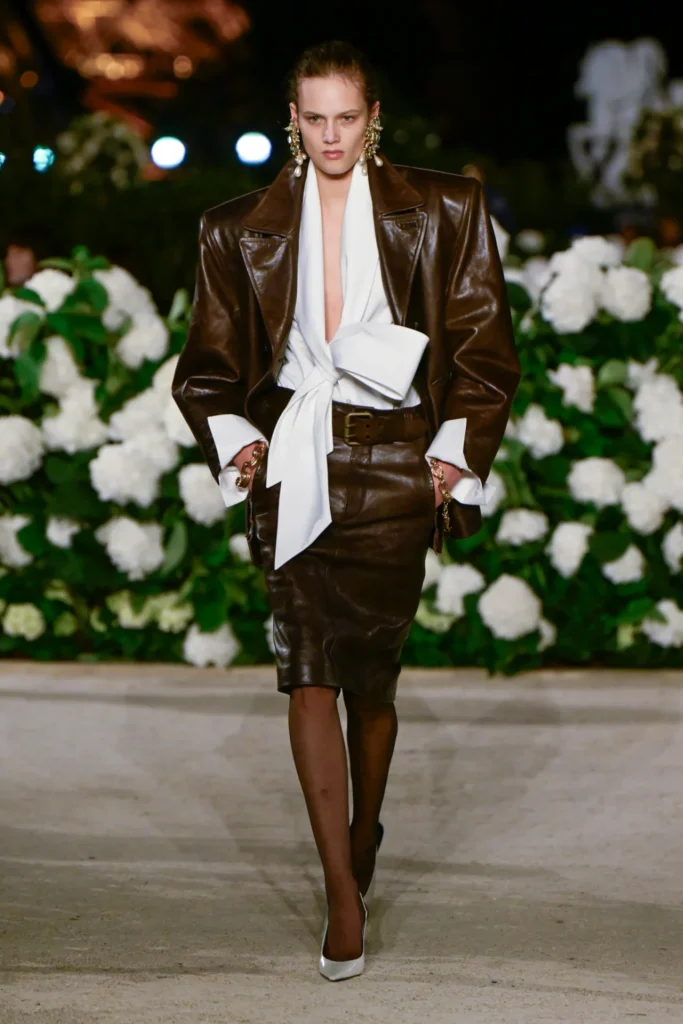
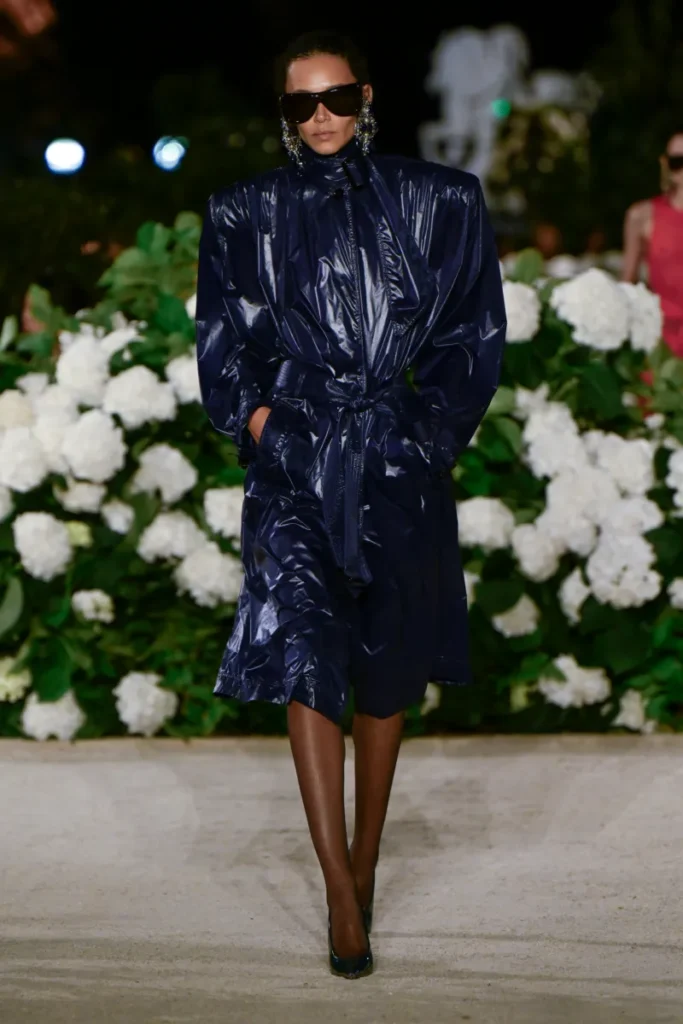
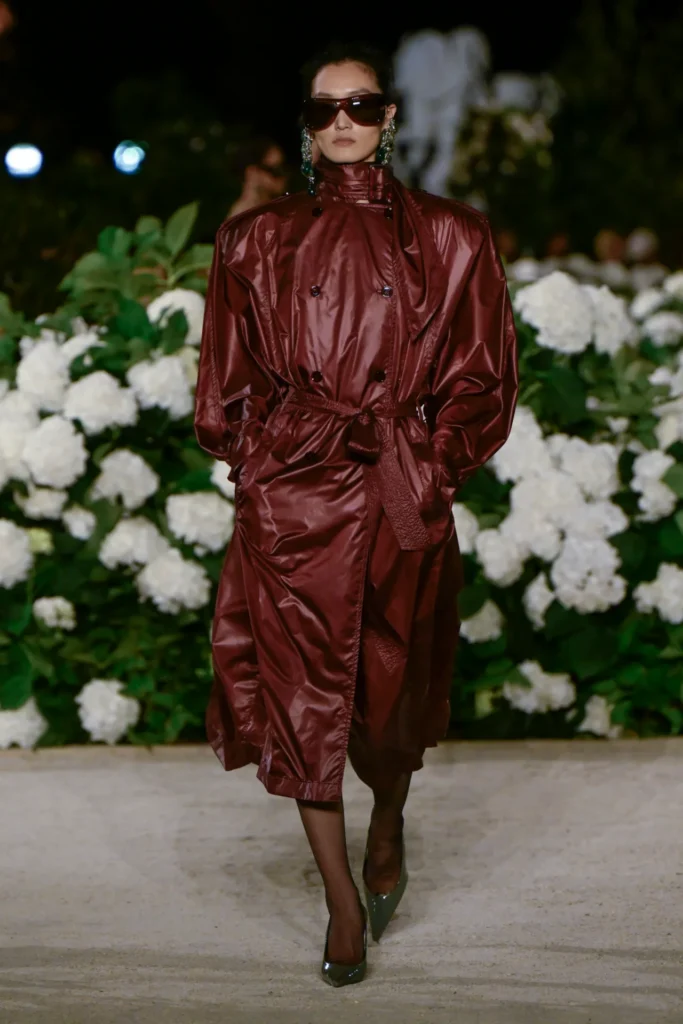
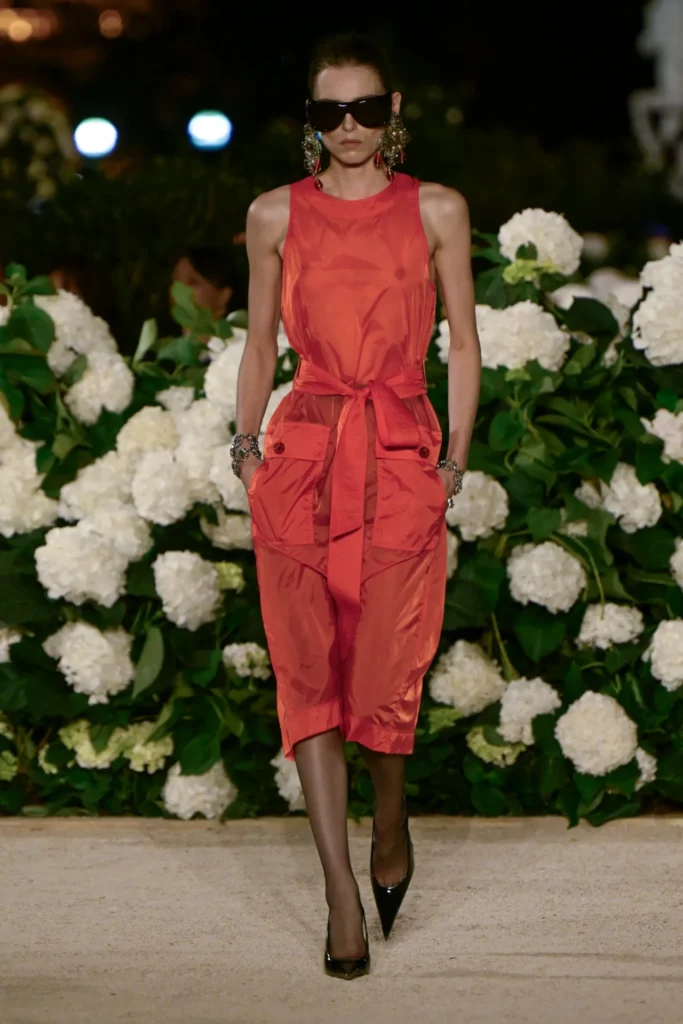
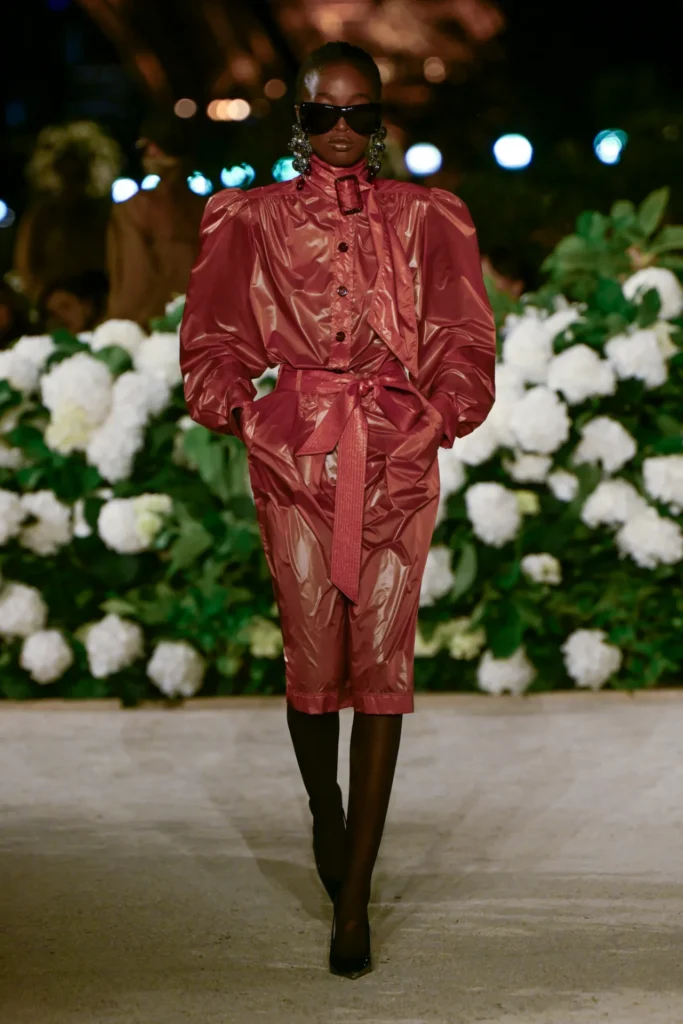
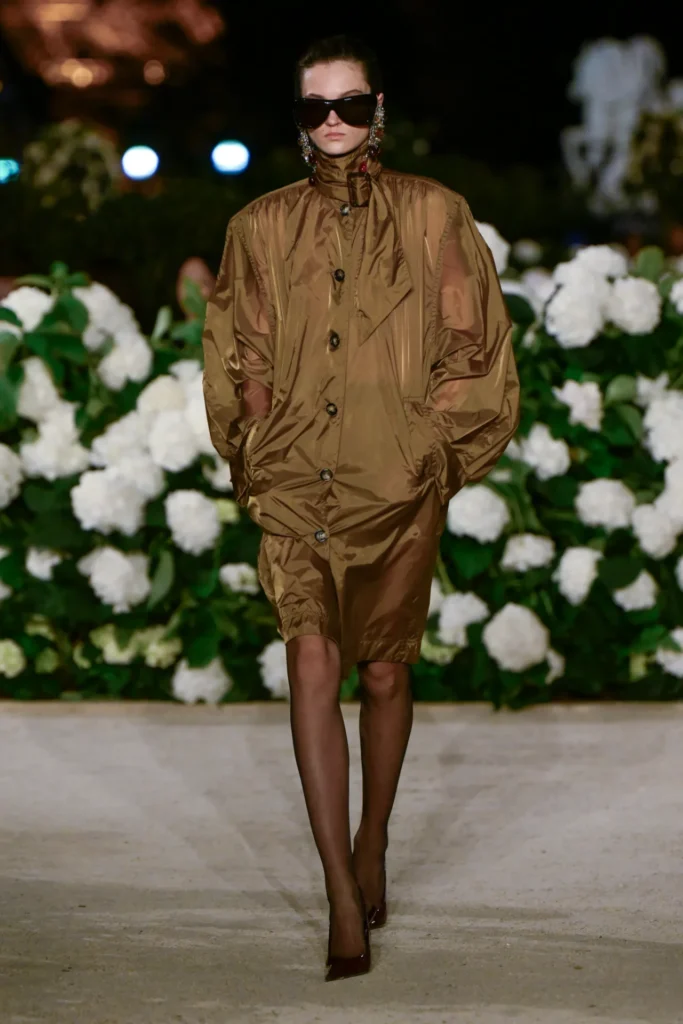
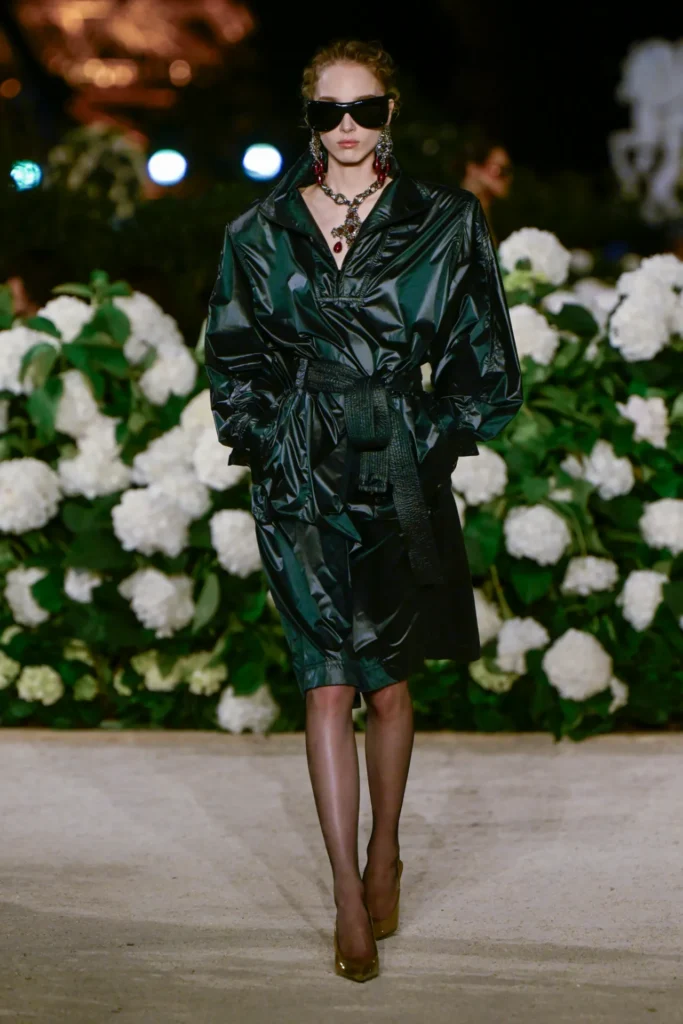
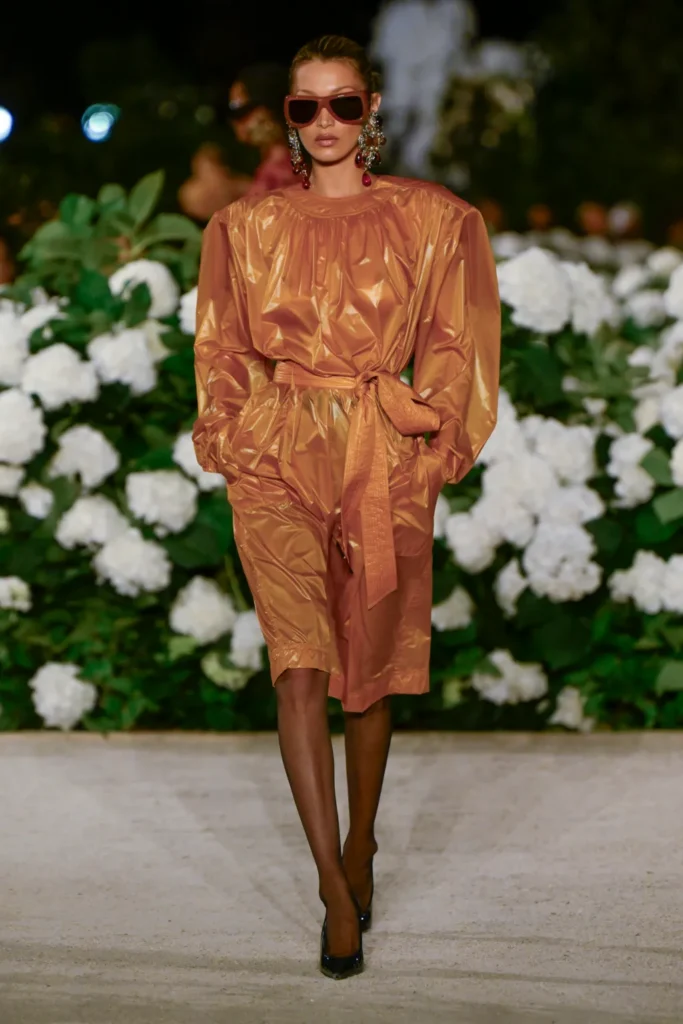
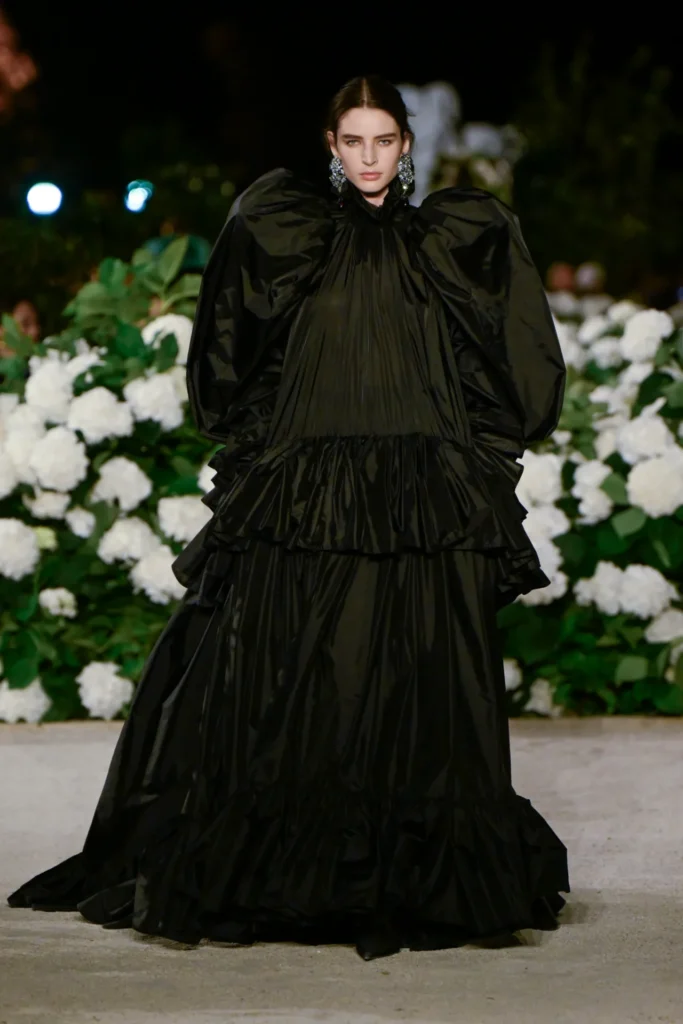
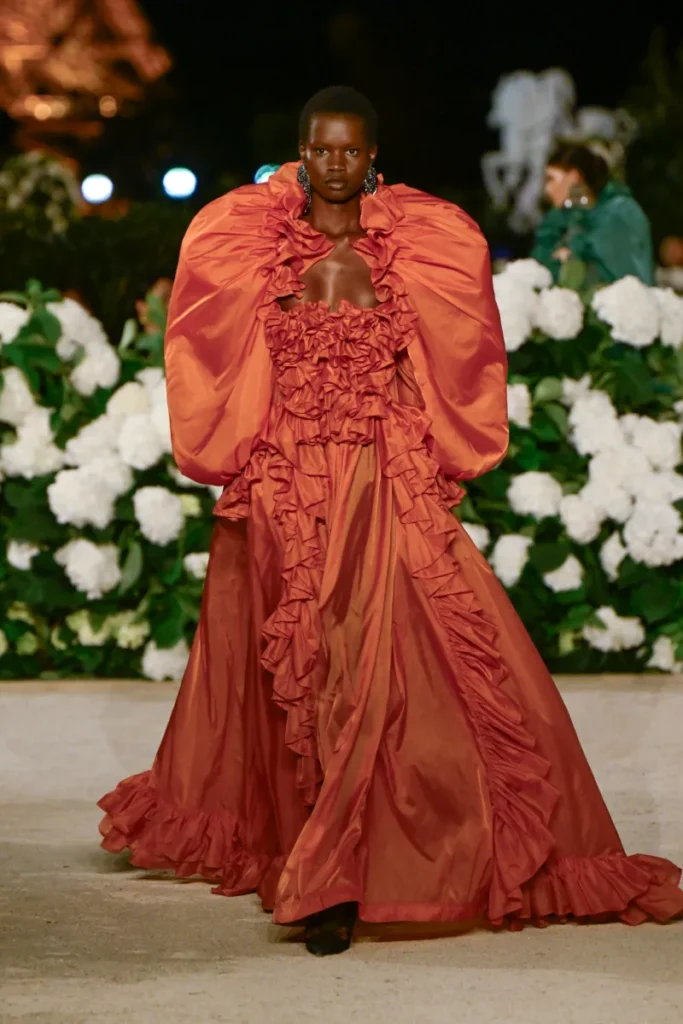
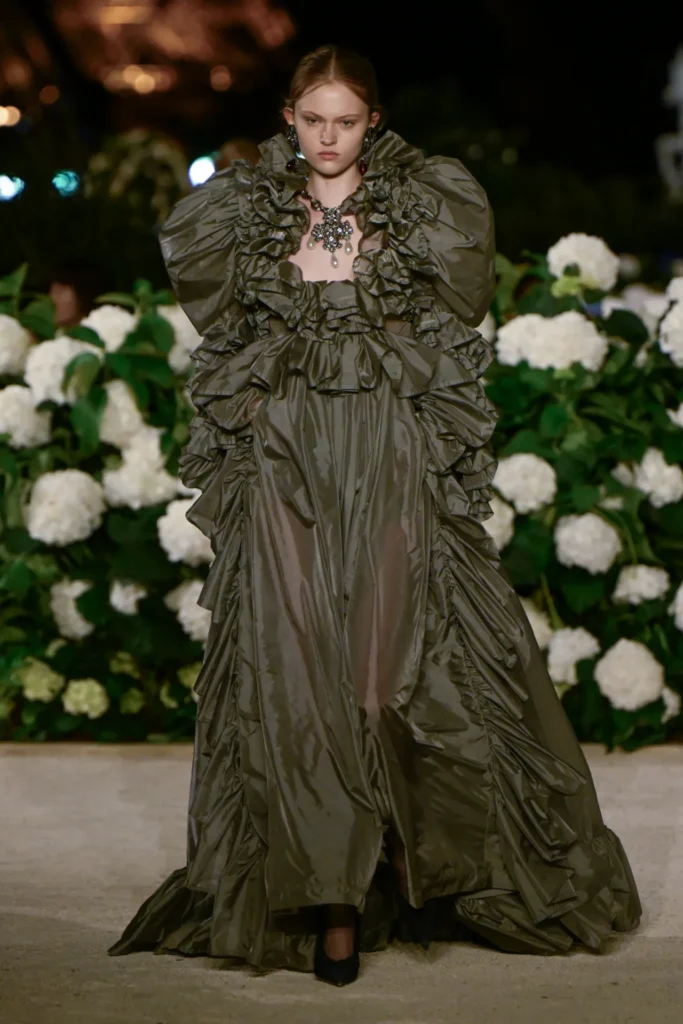
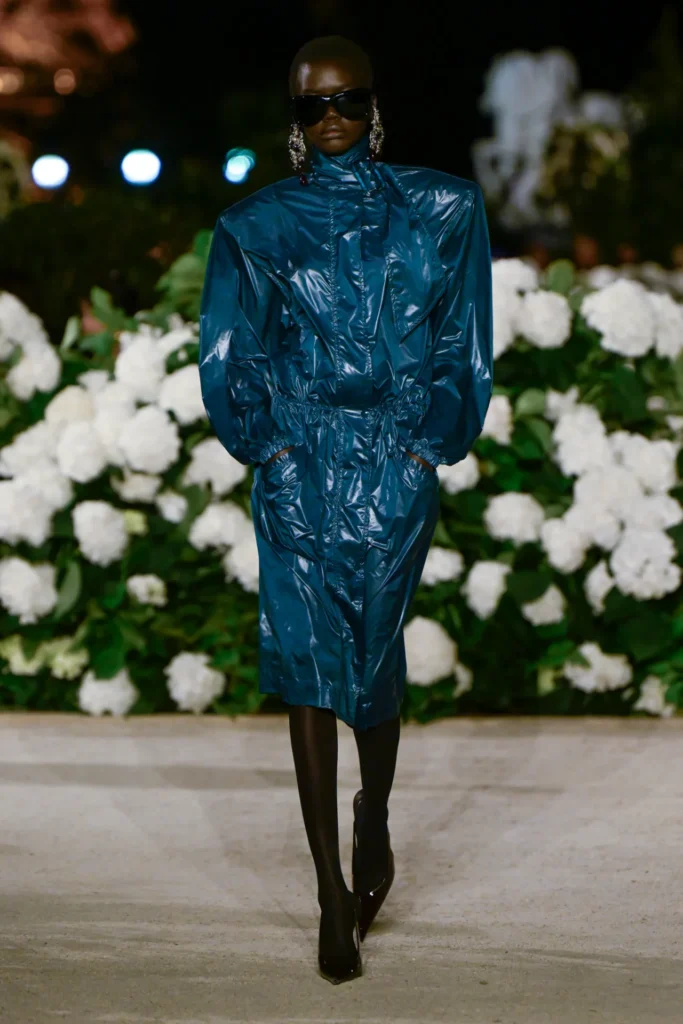
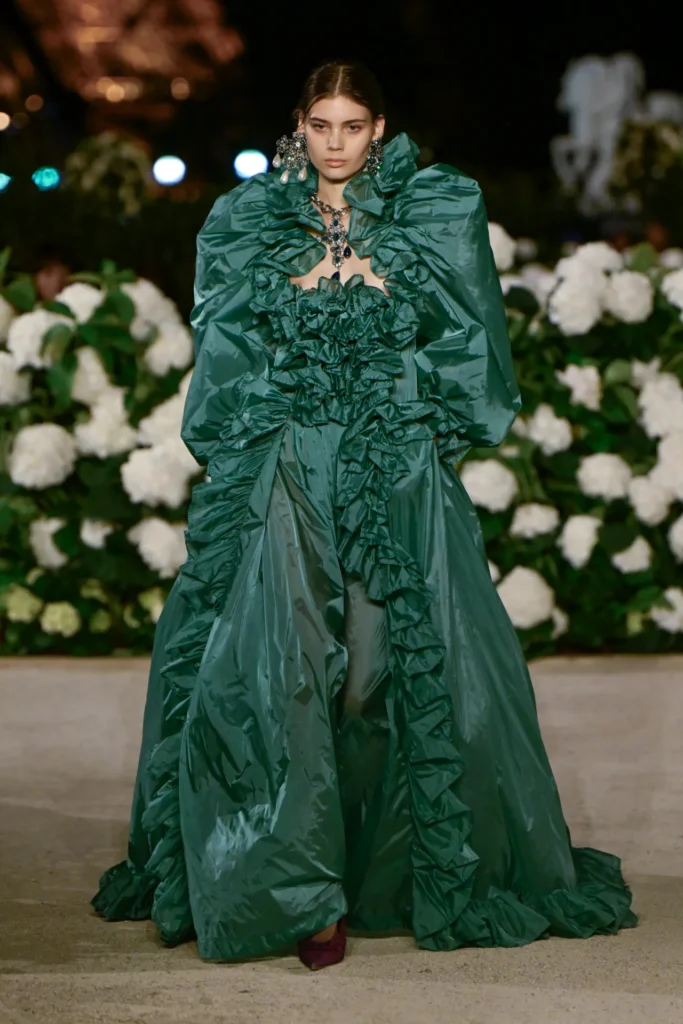
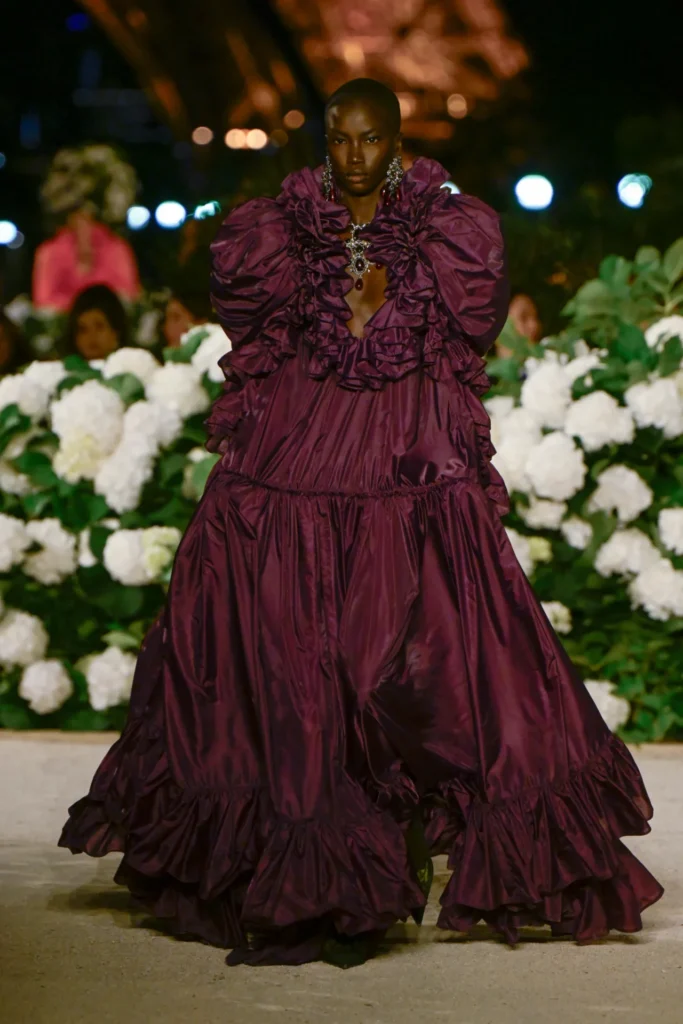
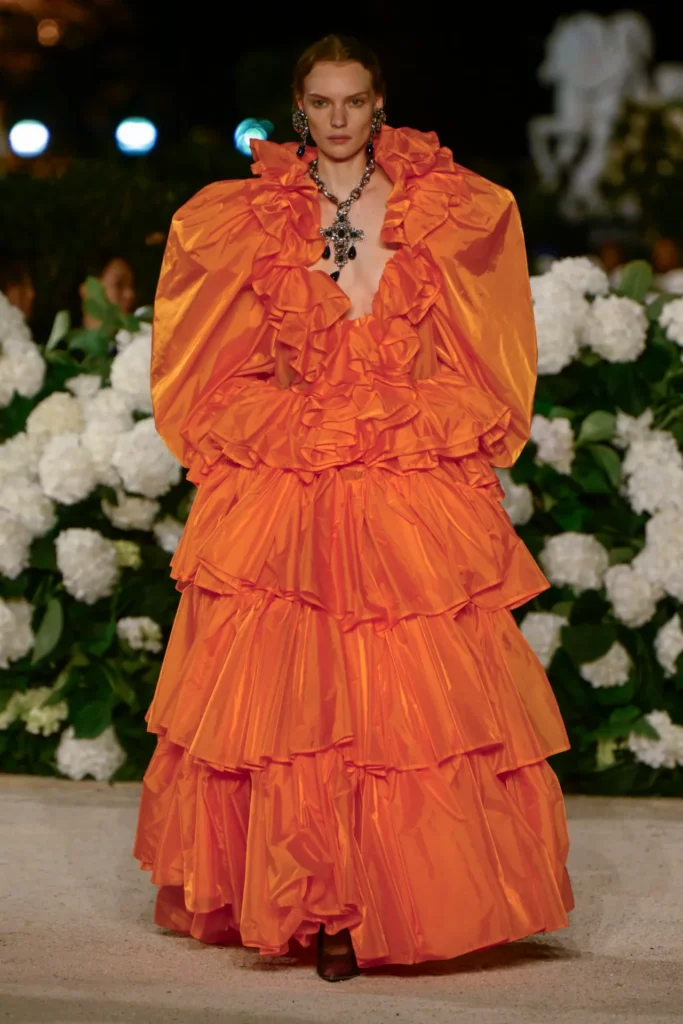
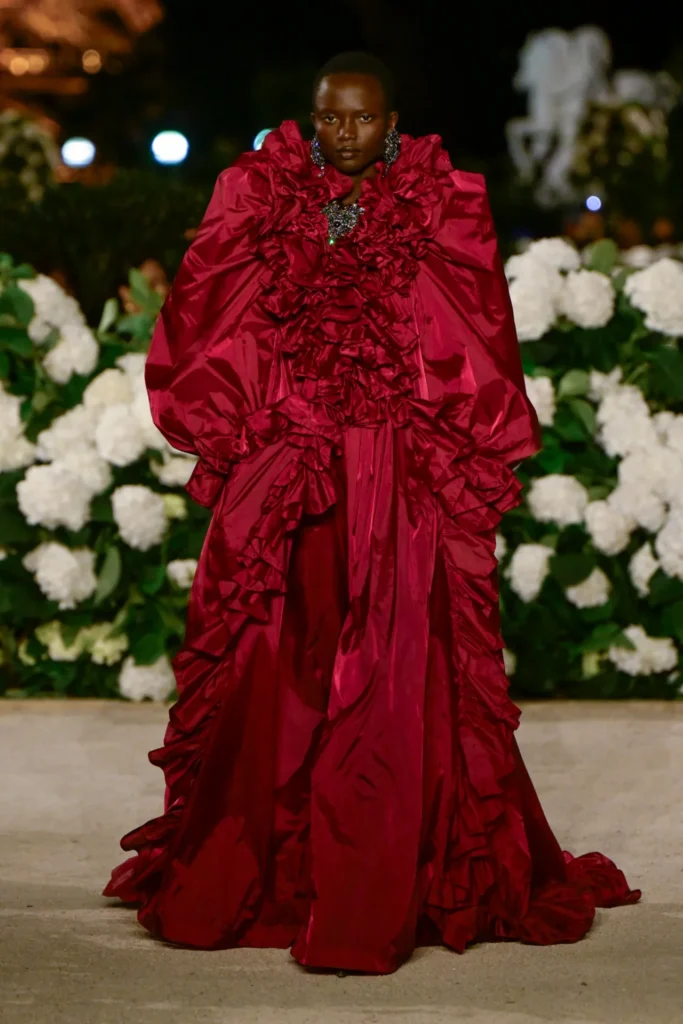
Anthony Vaccarello marked his 30th show at Saint Laurent with a spectacular set: a vast French garden erected at the foot of the Eiffel Tower, its hedges carved into the shape of the Cassandre logo, and the air laced with the scent of the house’s iconic Opium fragrance. “I wanted to remind everyone: when you’re at Saint Laurent, there’s no mistaking it,” he said backstage.

While this European season has been dominated by headline-grabbing debuts, Vaccarello opted for confidence and clarity, focusing on being “as YSL as possible.” The result was a rich exploration of the brand’s signature provocative femininity. Models channelled multiple archetypes: leather-clad Mapplethorpe muses, Robert Palmer girls in airy trenches with little underneath, and Belle Époque duchesses in ruffled gowns and puffed sleeves running through the hedges.

Historical and cultural references anchored the narrative. Vaccarello cited Françoise Giroud’s famous line from the 1970s that the YSL woman was “disheveled by day, a countess by night.” He revisited the Proust Ball of 1971 and Yves’s designs for Nan Kempner, Jane Birkin, and Hélène Rochas, while also drawing from Isabelle Adjani’s “La Reine Margot” and the subversive elegance of Paris’s leather-clad nightlife in the 1980s. For the first time, Vaccarello tapped into the maison’s historical archives, describing them as “inexhaustible.”

The clothes balanced drama with utility: structured leather jackets, sharp pencil skirts, oversized cotton poplin blouses with plunging ties, and light nylon trenches designed to be rolled up and zipped away like windbreakers. Flowing safari dresses and Belle Époque gowns in sheer nylons further amplified the tension between toughness and fragility.

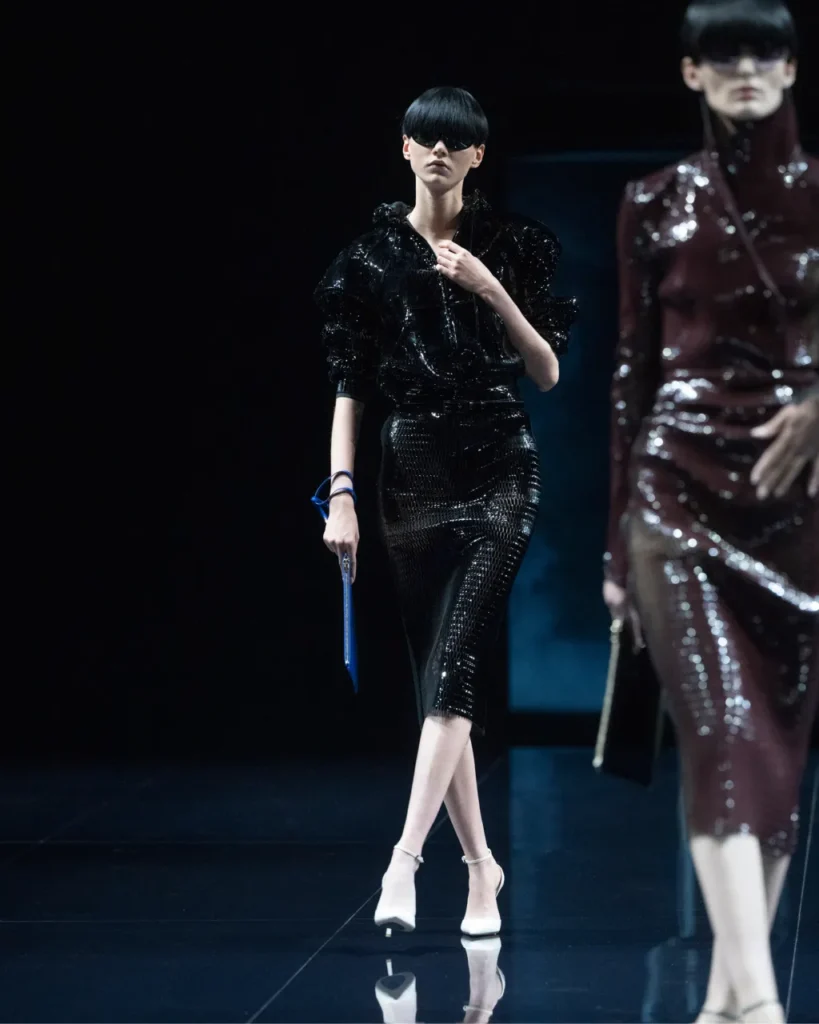
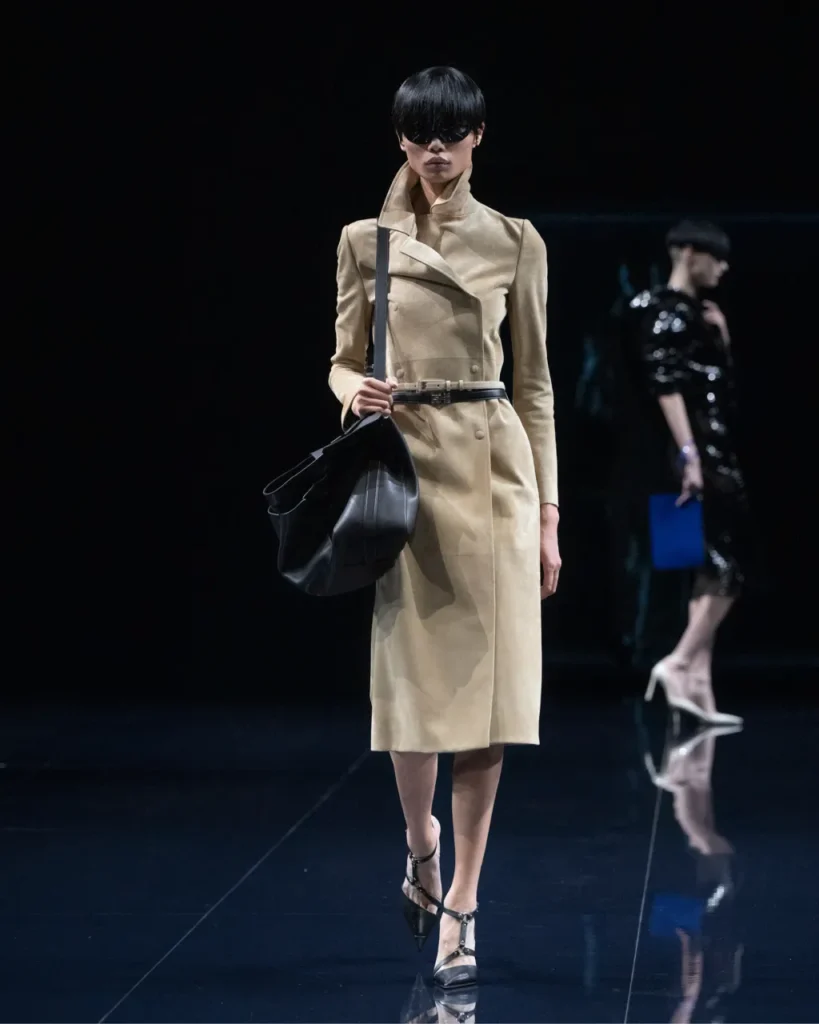
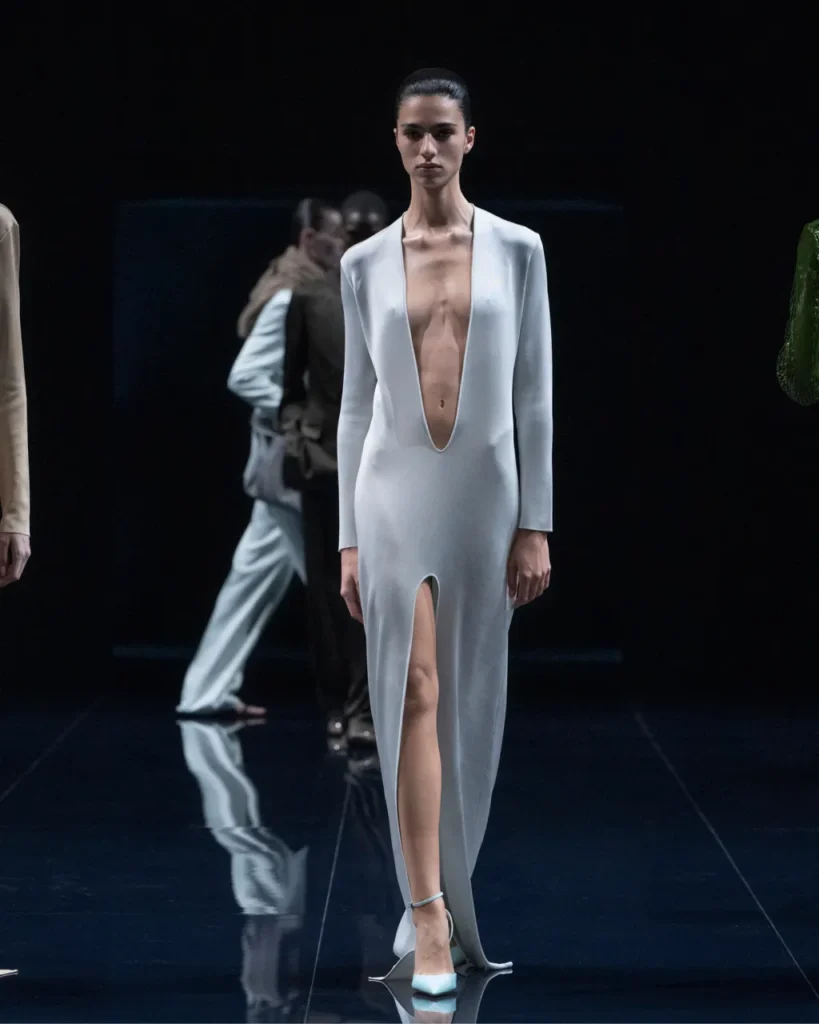
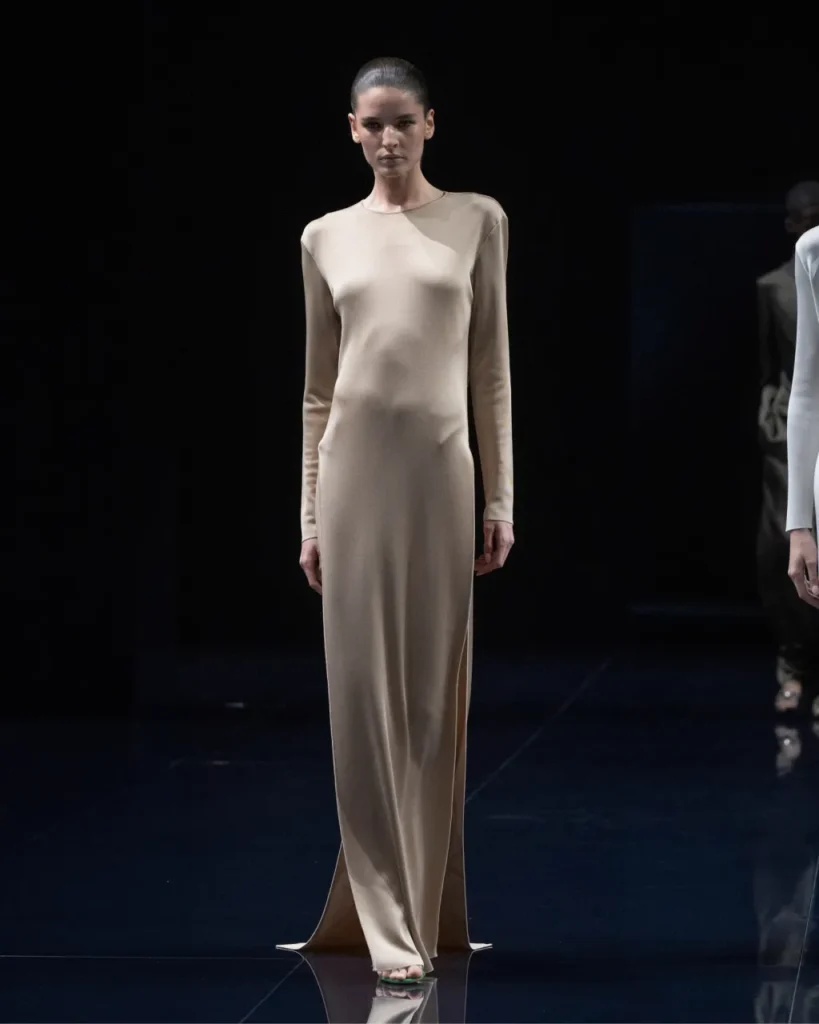
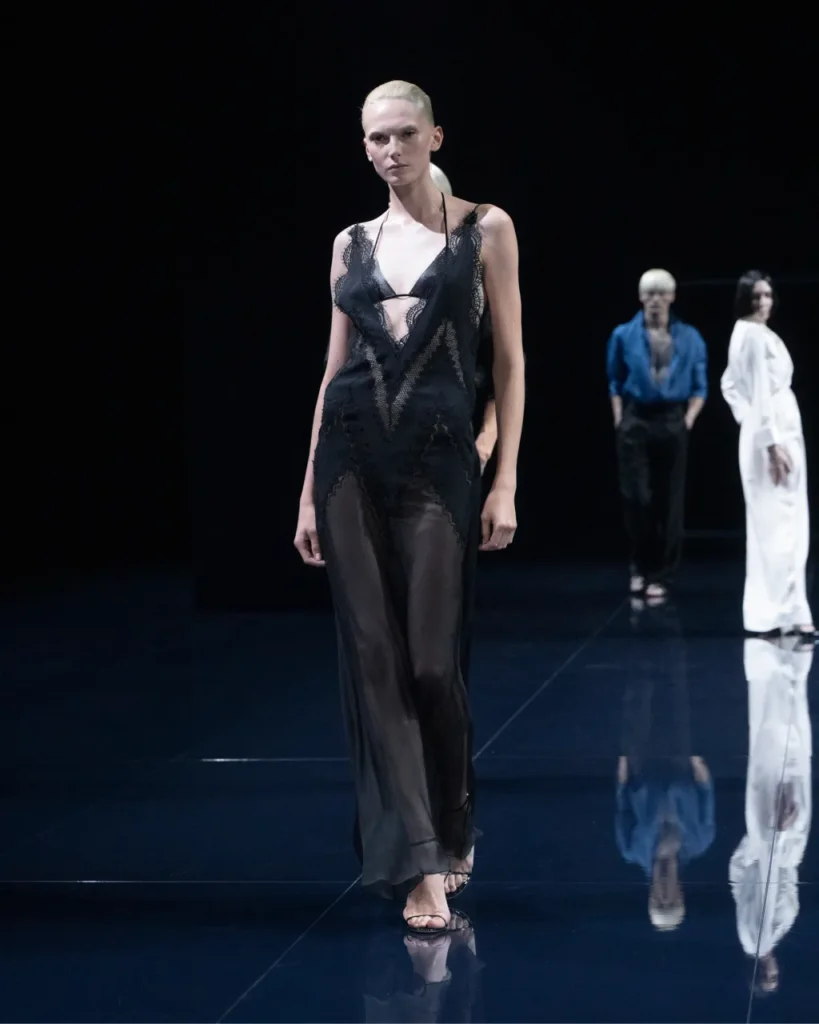
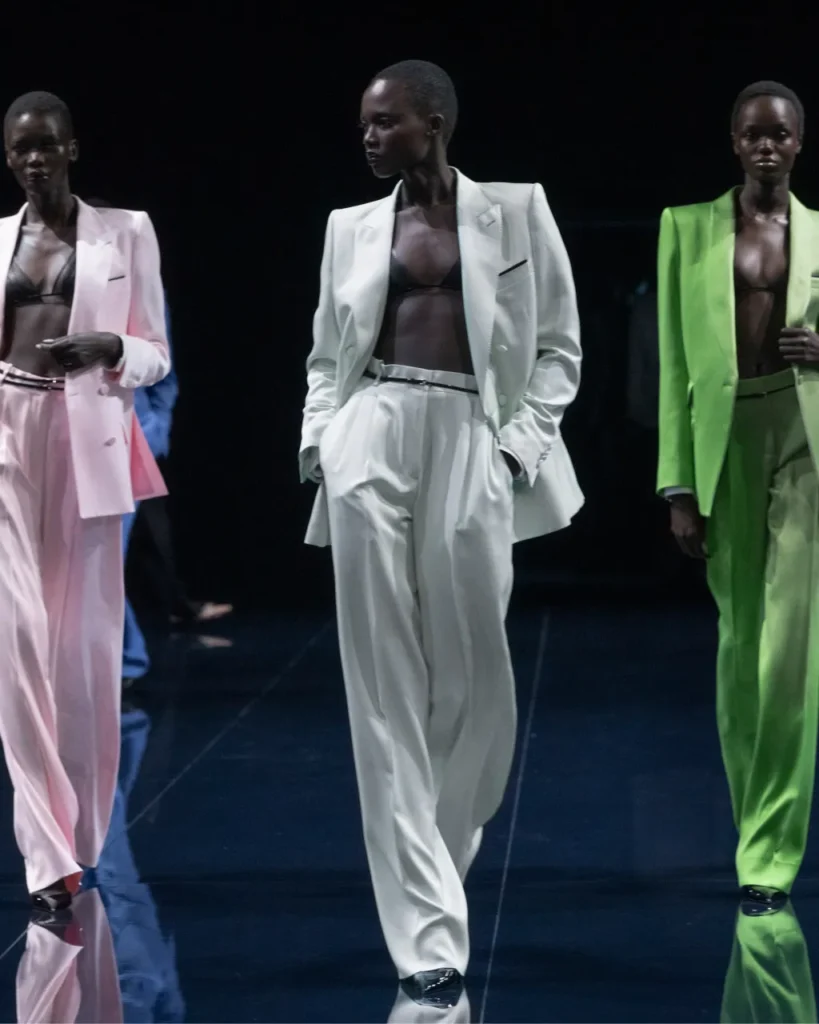
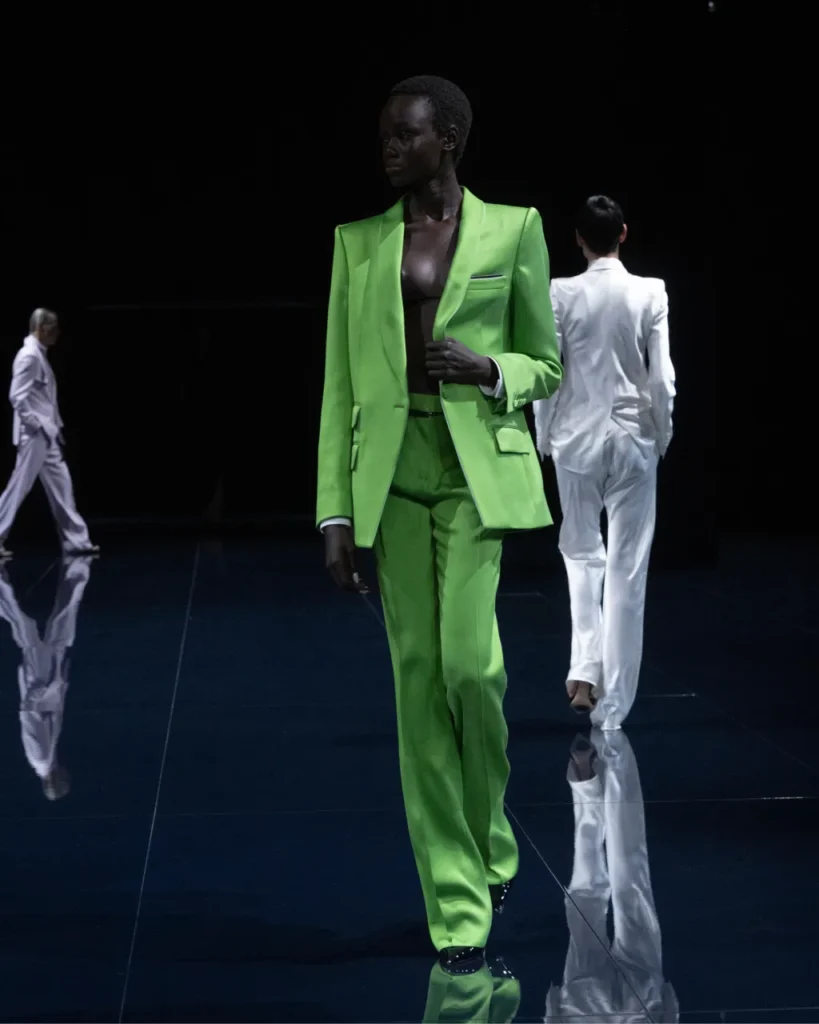
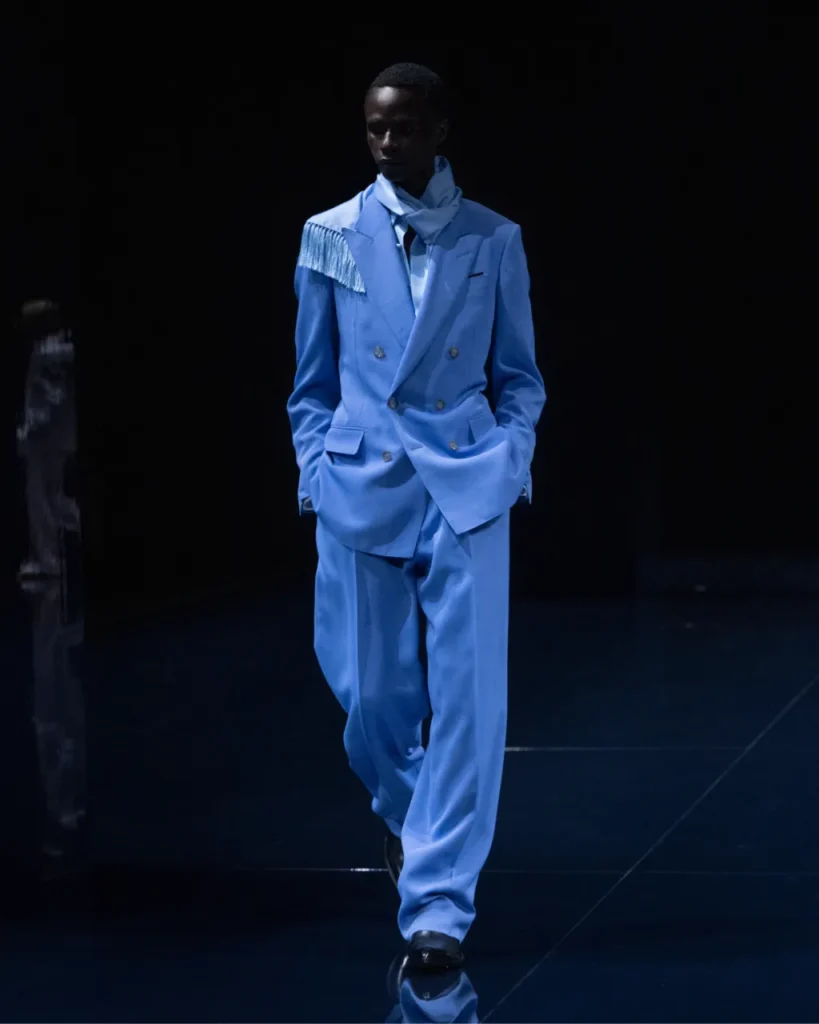
Giorgio Armani Spring 2026 Collection

Giorgio Armani Spring 2026 Collection

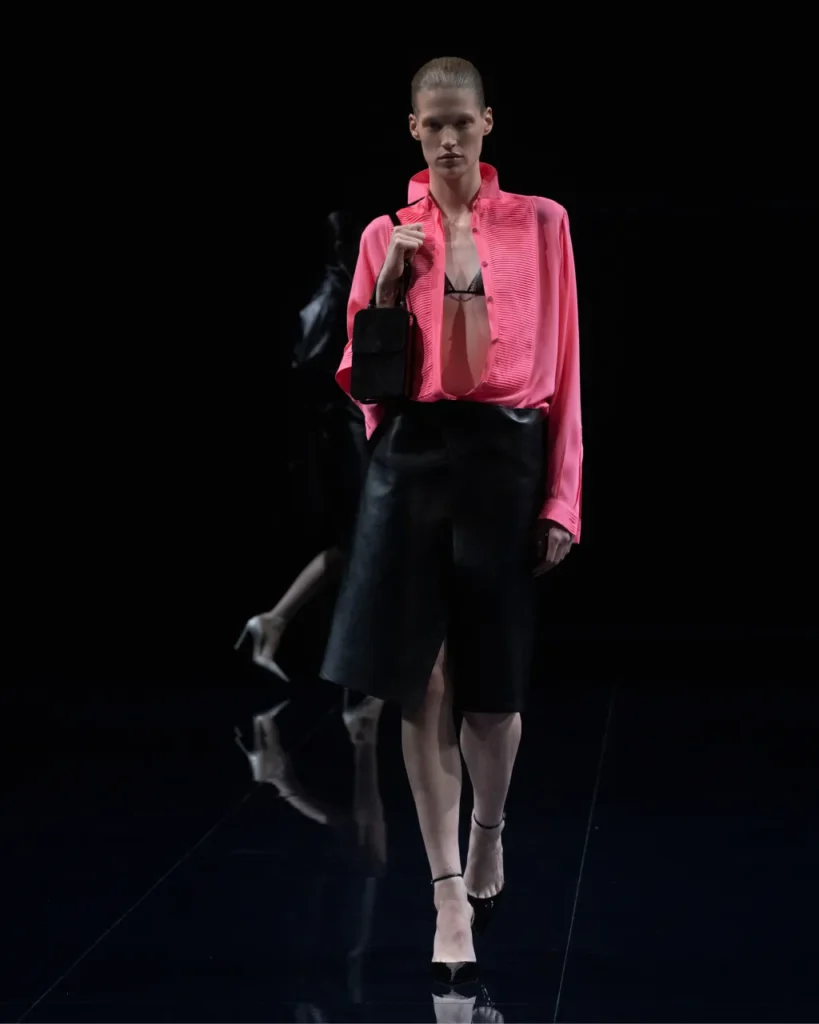
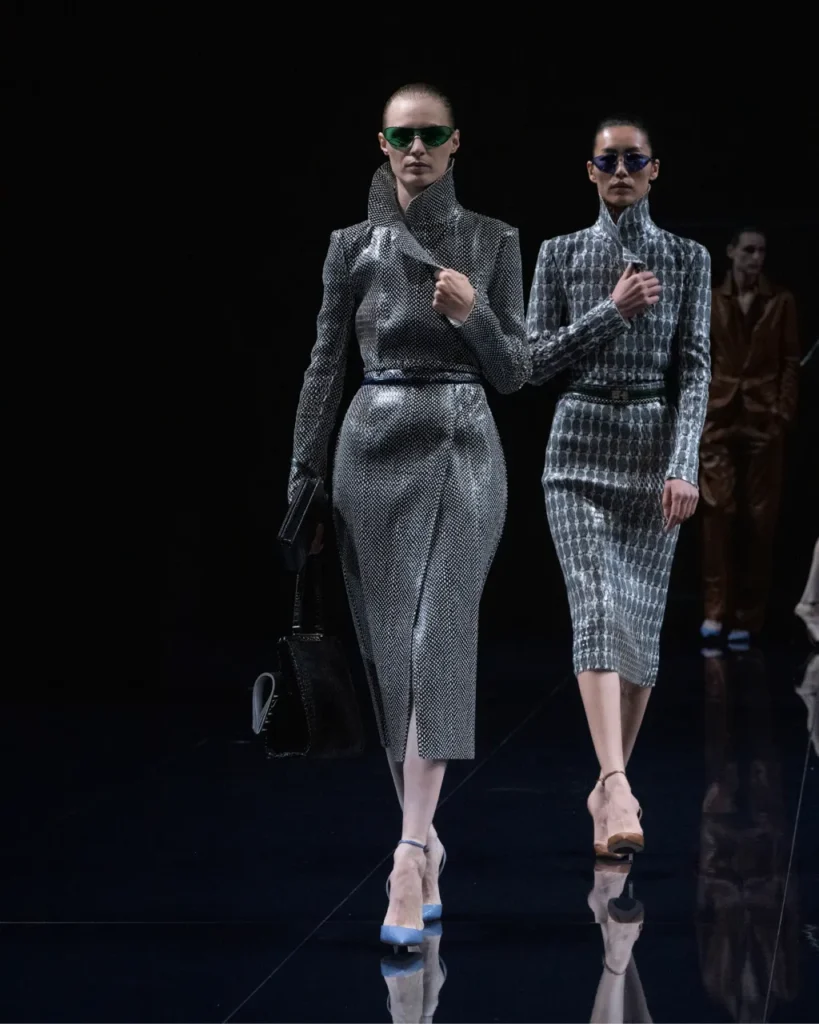
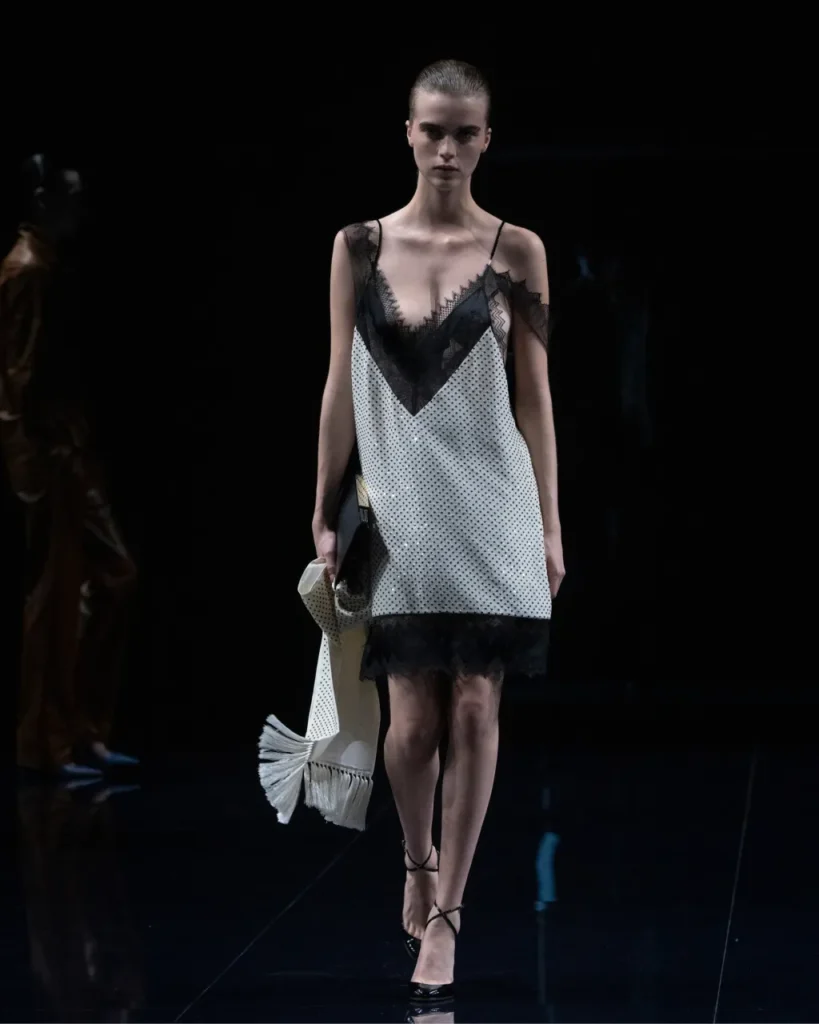
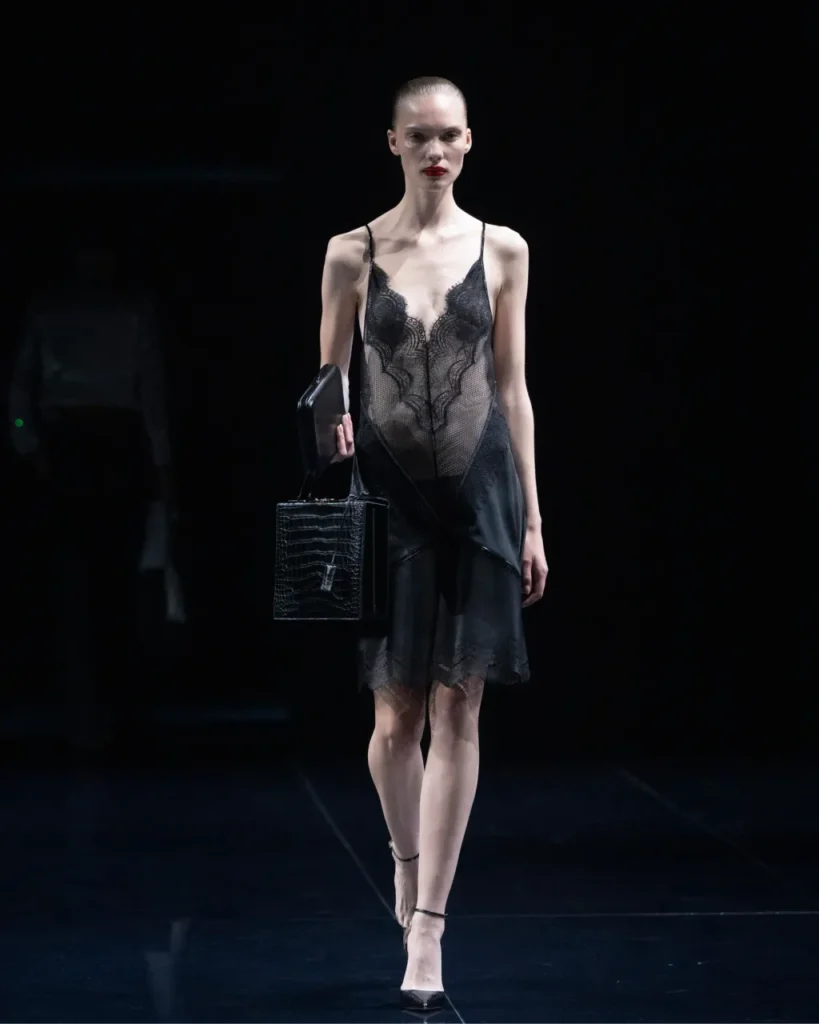
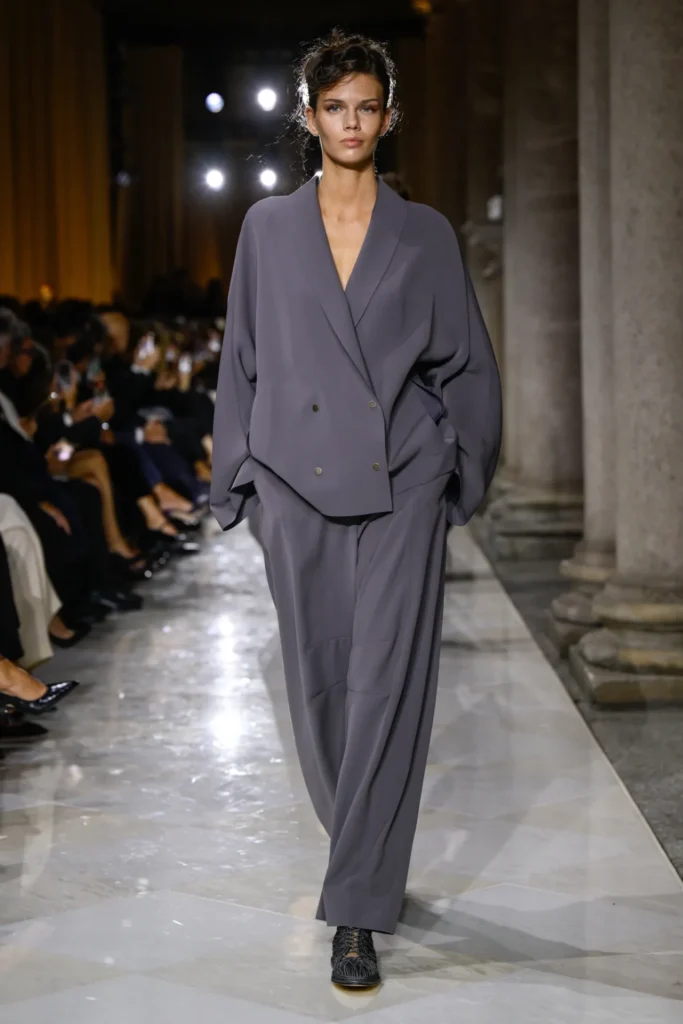
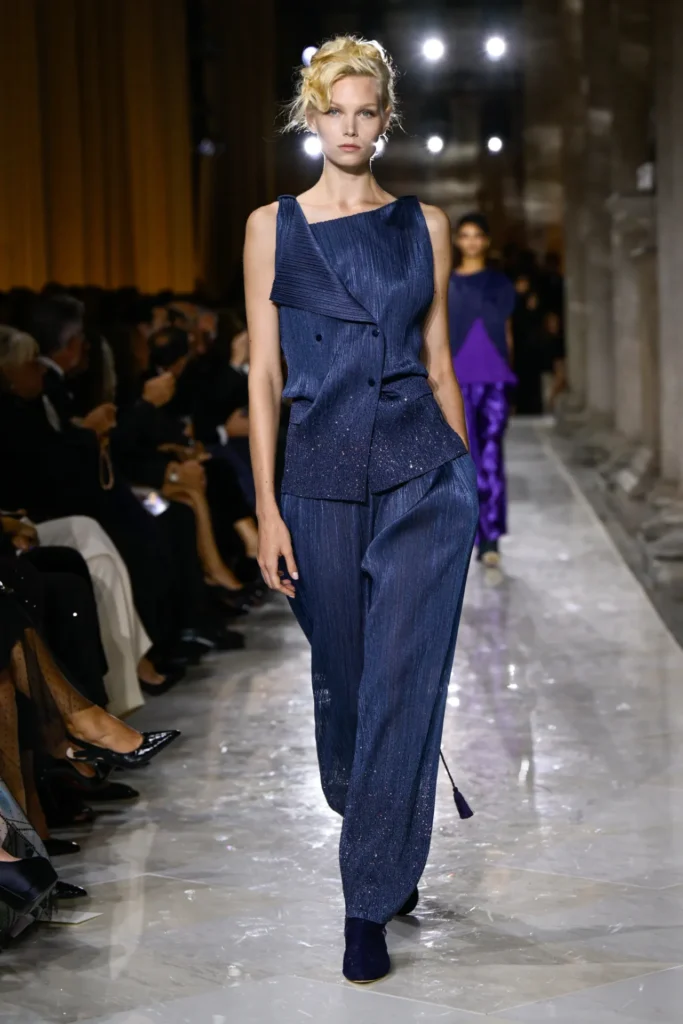
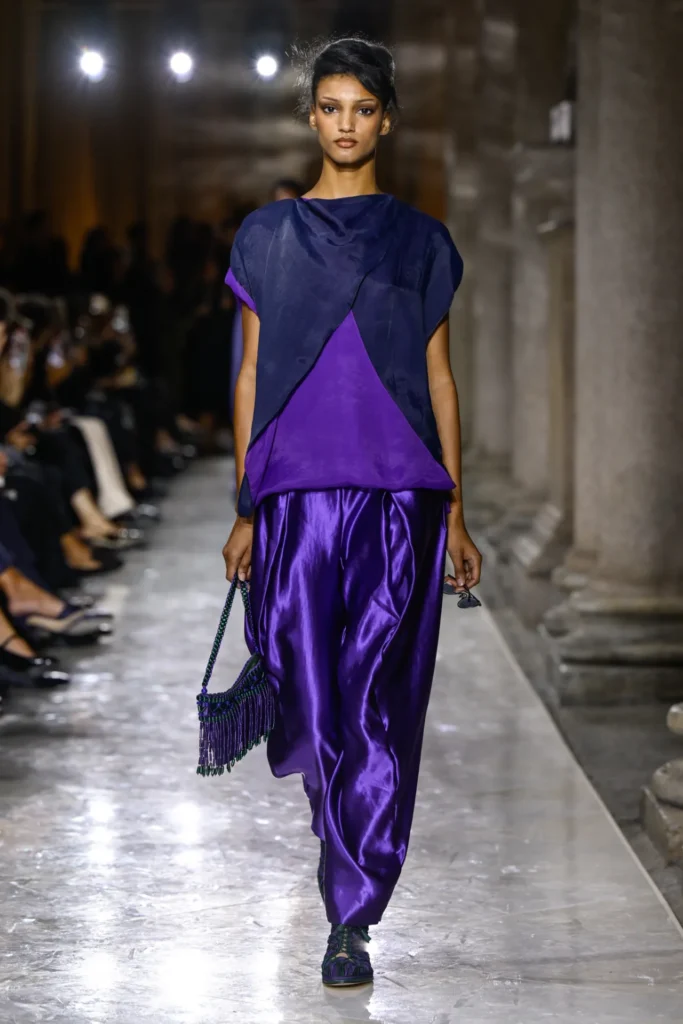
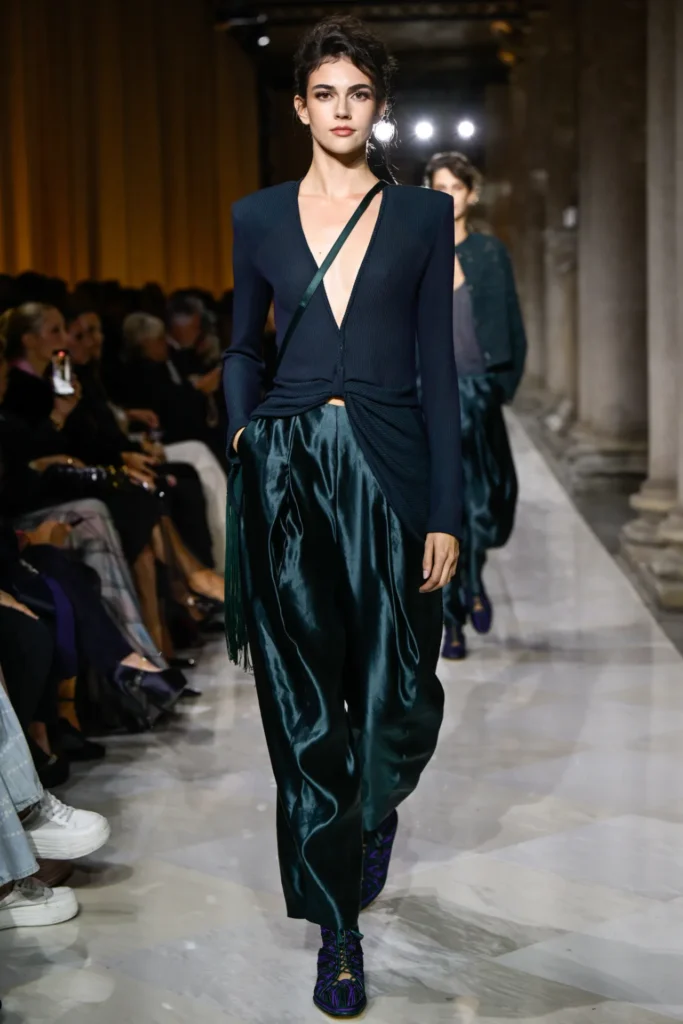
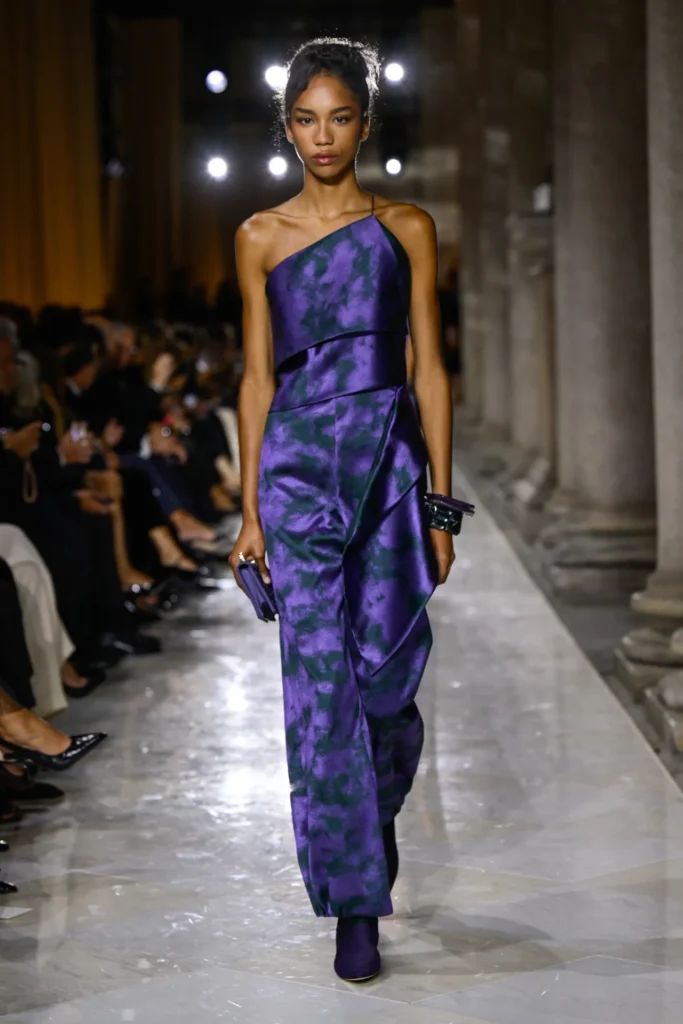
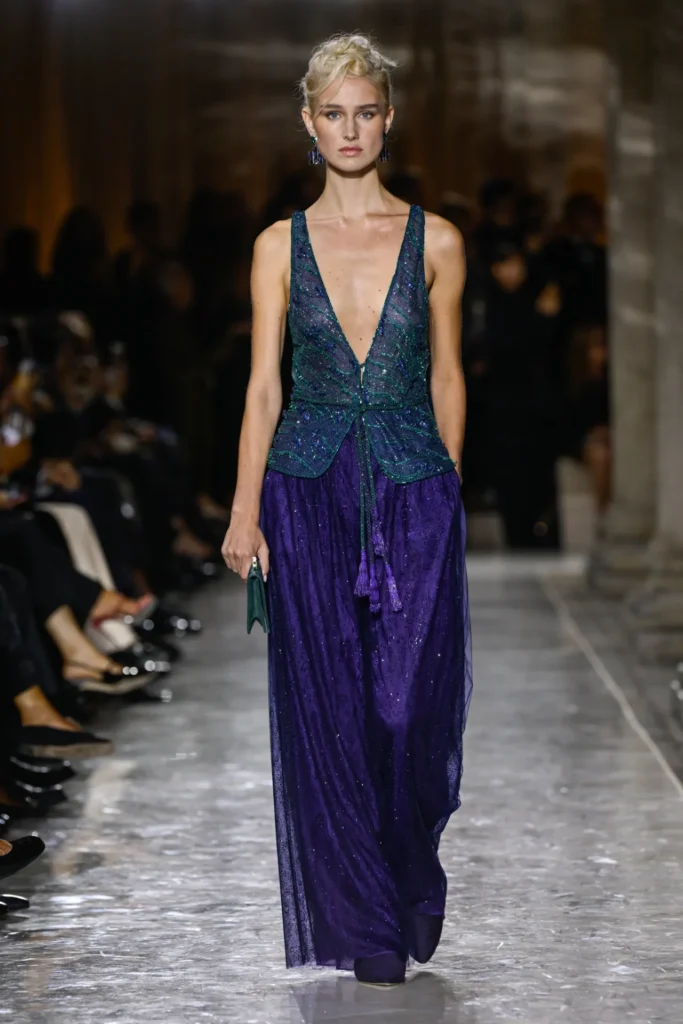
Giorgio Armani’s final collection unfolded in chapters, each one echoing the designer’s most iconic codes and inspirations. Originally conceived as a celebration of the maison’s 50th anniversary, the show ultimately became a poignant farewell to the man who defined understated luxury for half a century.

The setting —Milan’s Pinacoteca di Brera— carried an aura of reverence. As dusk fell, lanterns glowed softly across the cobblestoned courtyard, with Armani’s signature cream armchairs lining the cloister. The audience was a blend of Hollywood and fashion royalty: Cate Blanchett, Glenn Close, Richard Gere, Lauren Hutton, Zhang Ziyi, Samuel L. Jackson and LaTanya Richardson Jackson, alongside designers like Dries Van Noten, Sir Paul Smith, and Dsquared2’s Dean and Dan Caten. Even pro-Palestinian demonstrators outside kept a respectful silence, acknowledging the magnitude of the occasion.

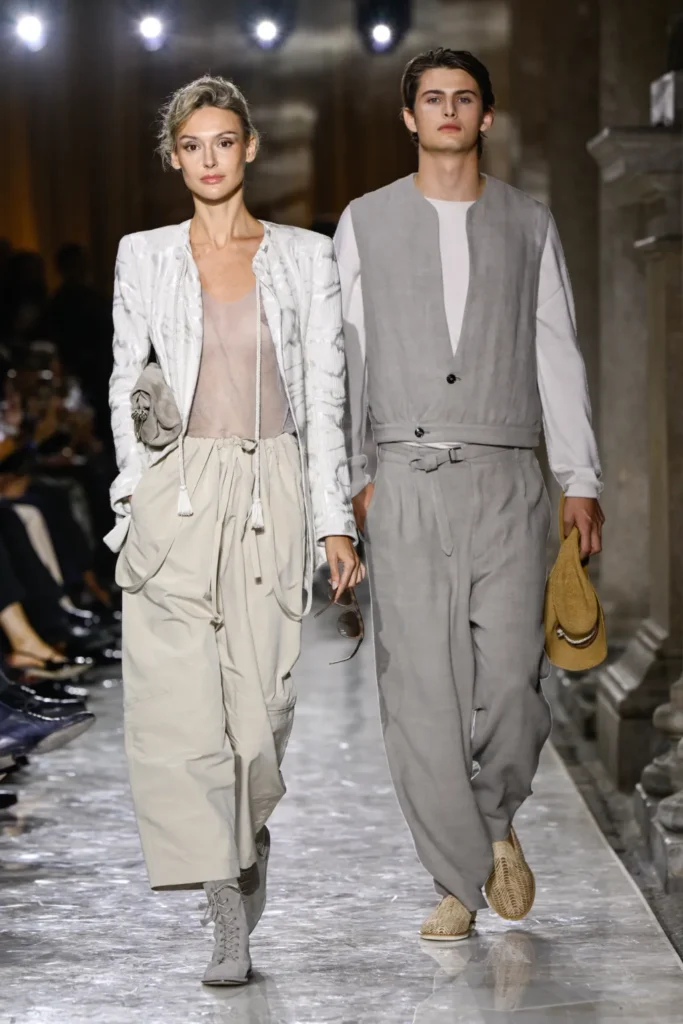
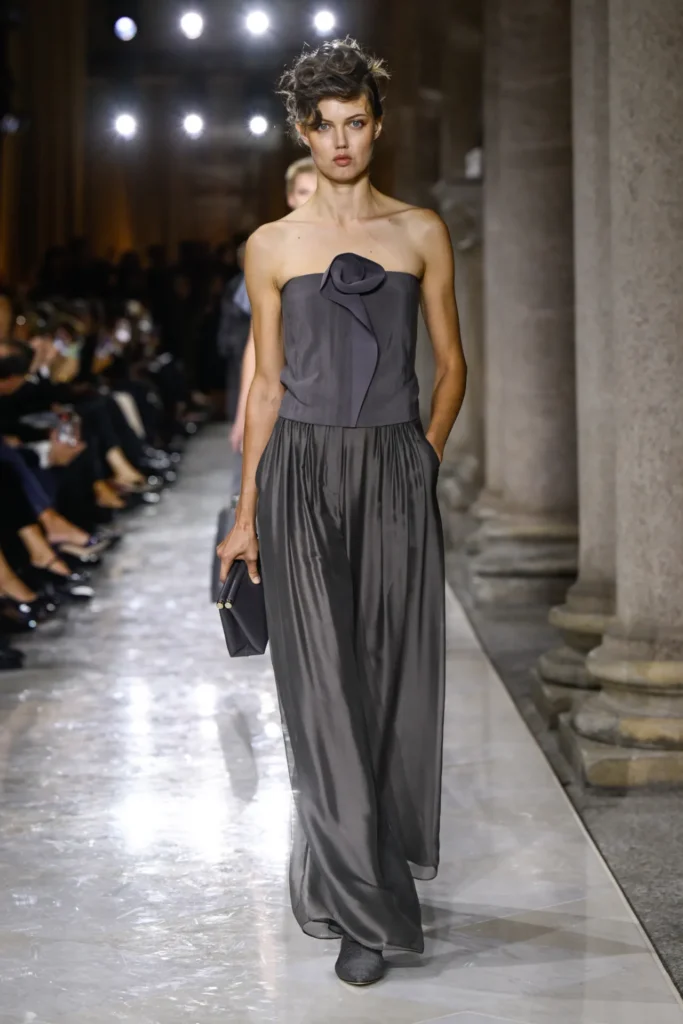
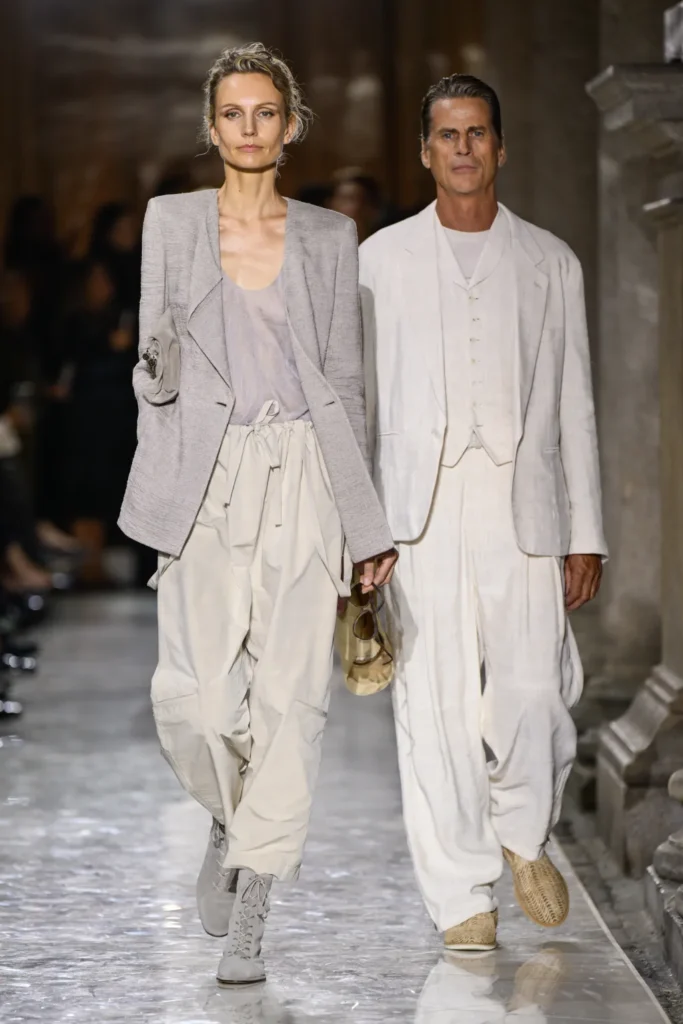
The mood deepened when Ludovico Einaudi began to play, his Nuvole Bianche accompanying the opening looks: feather-light, unlined tailoring with softly sculpted shoulders in Armani’s restrained palette of gray, beige, and the house’s iconic greige.

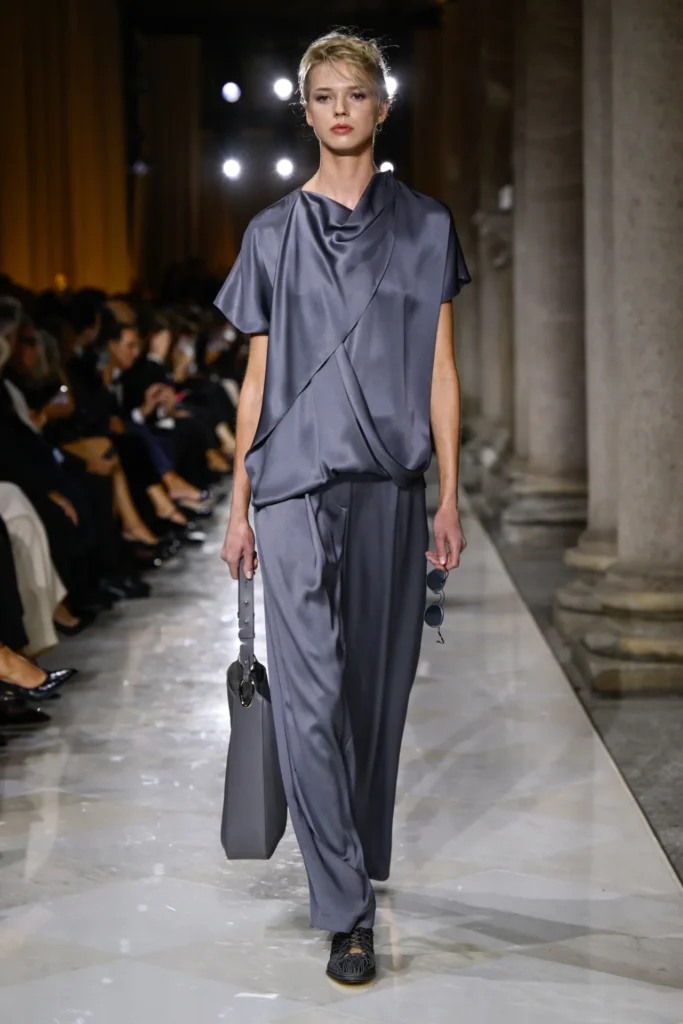
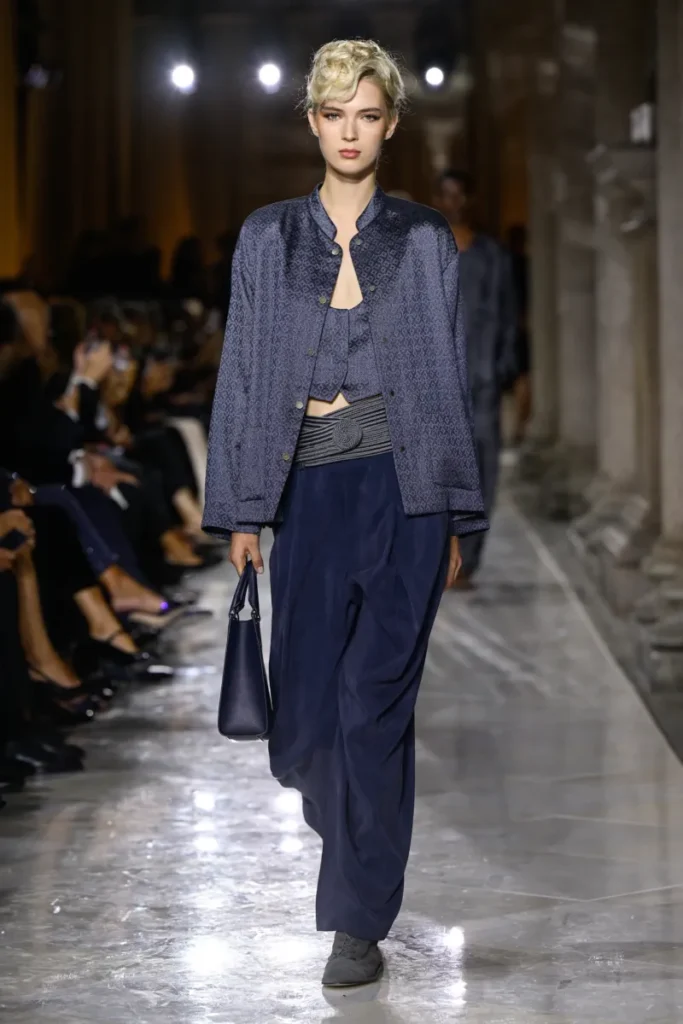
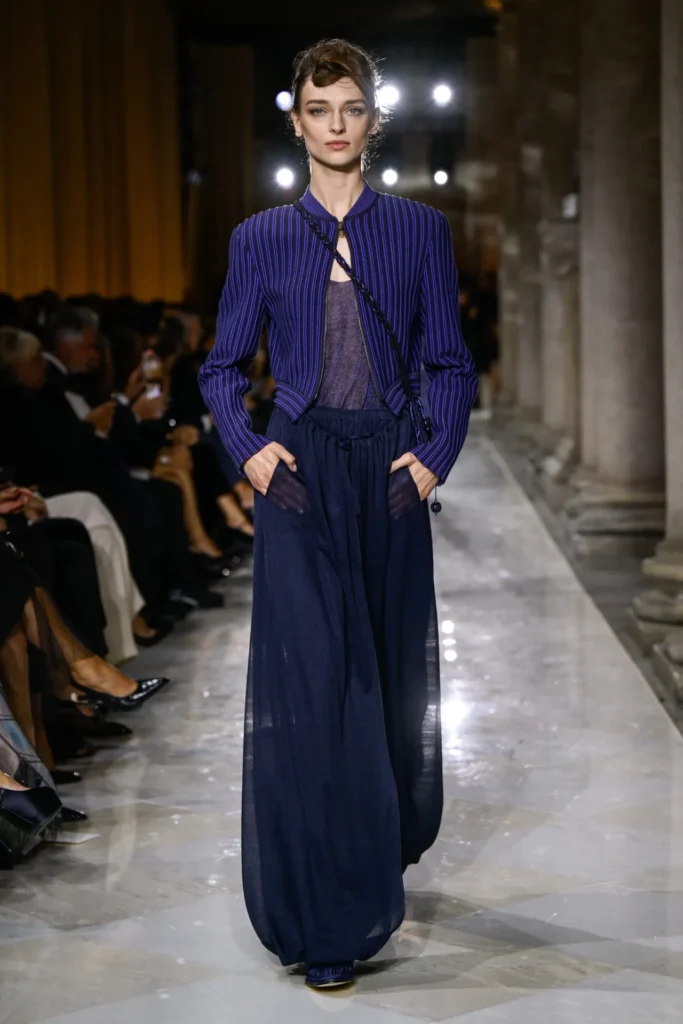
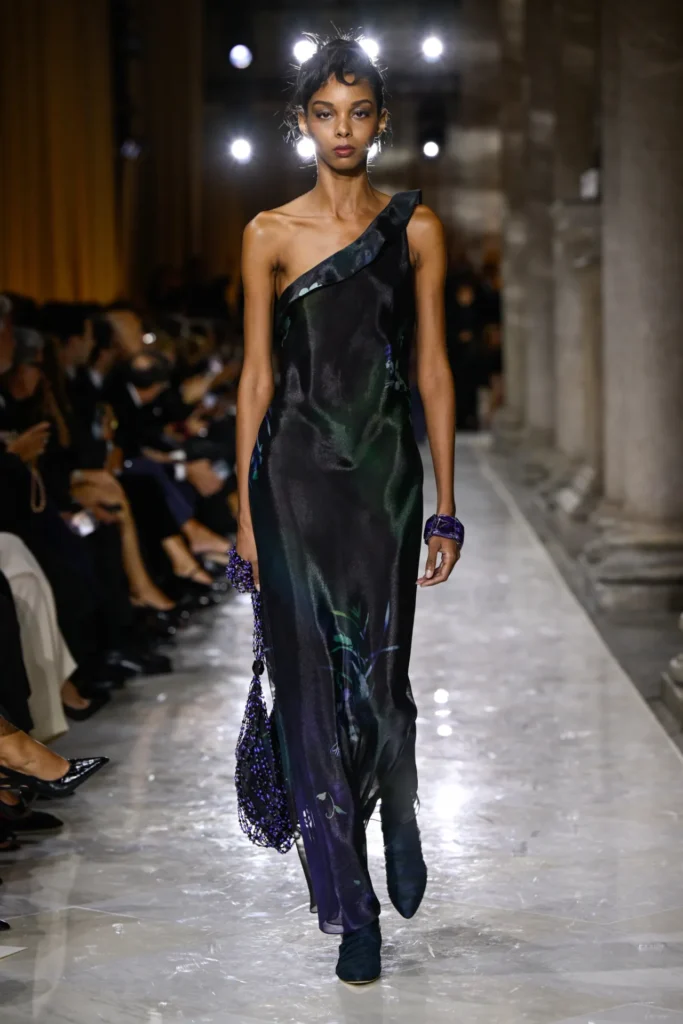
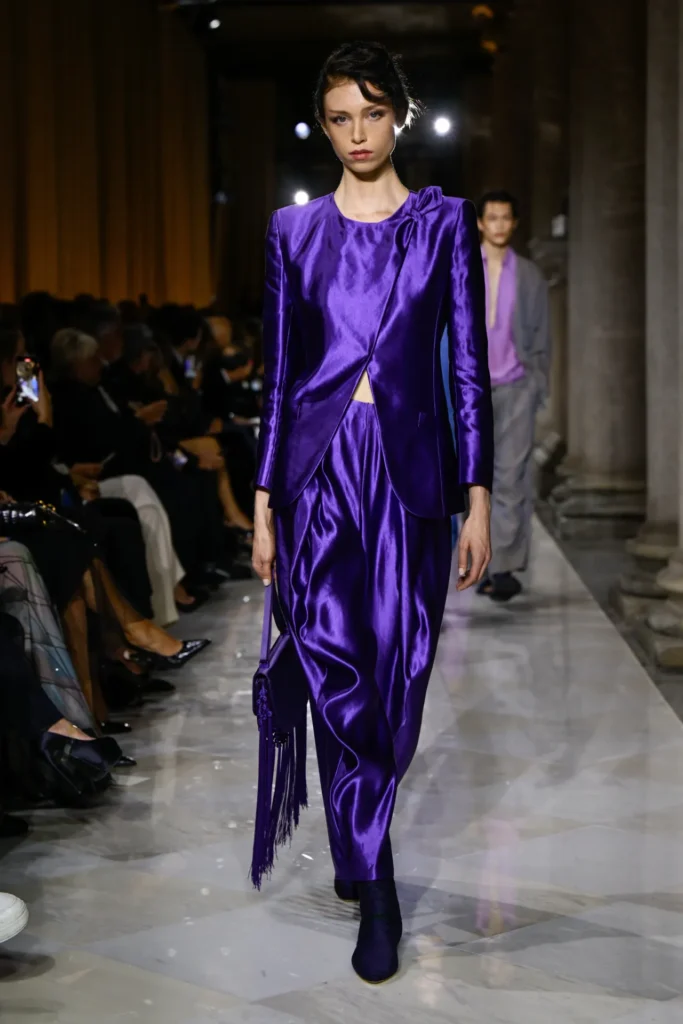
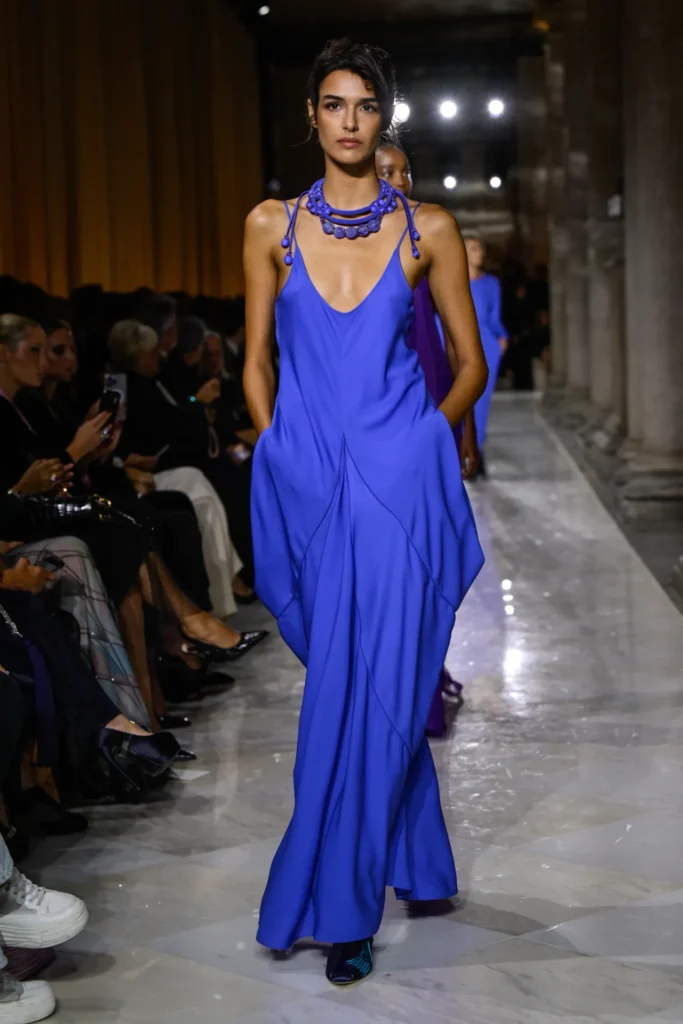
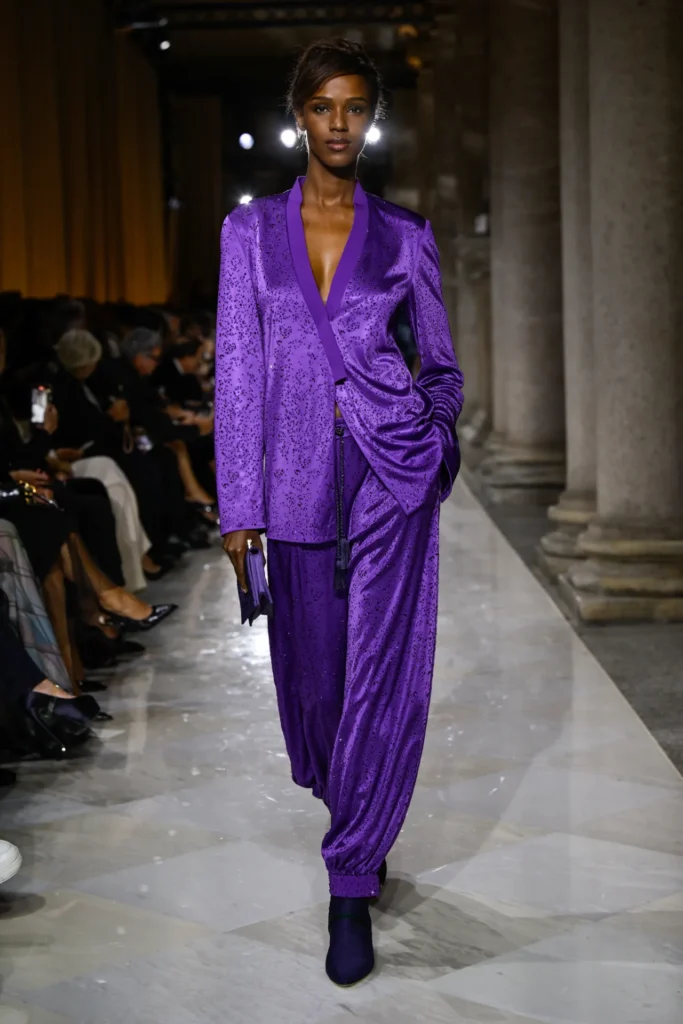
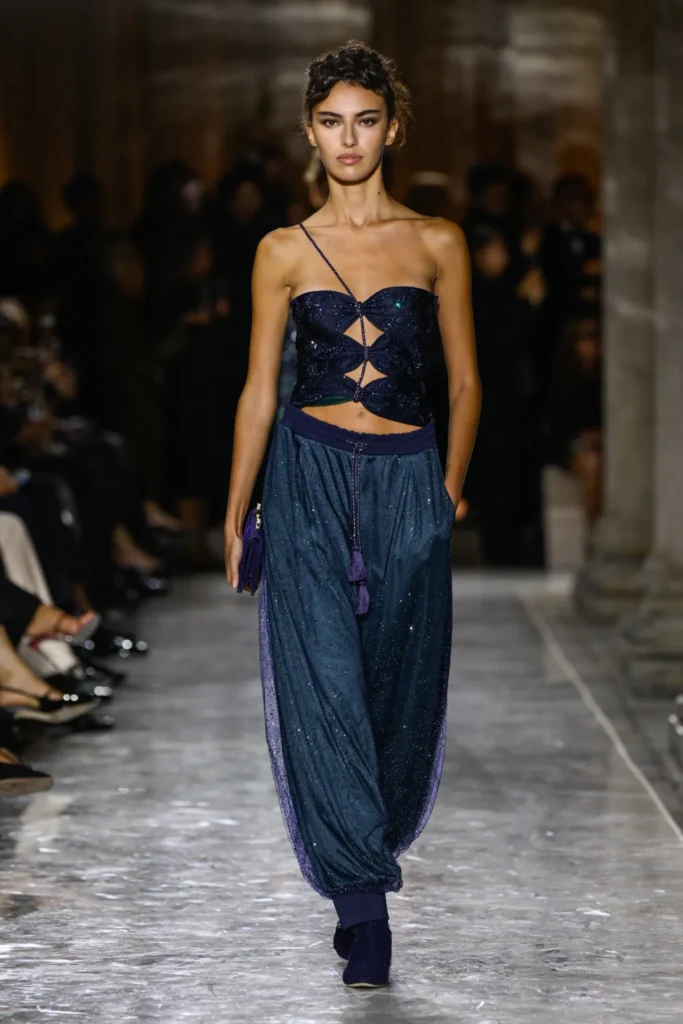
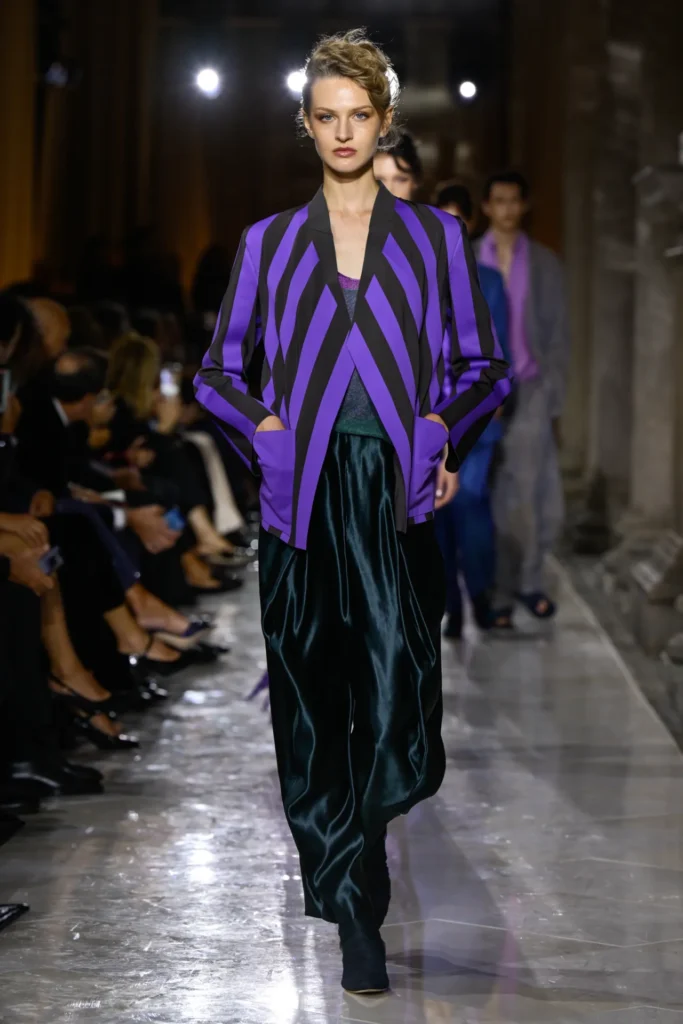
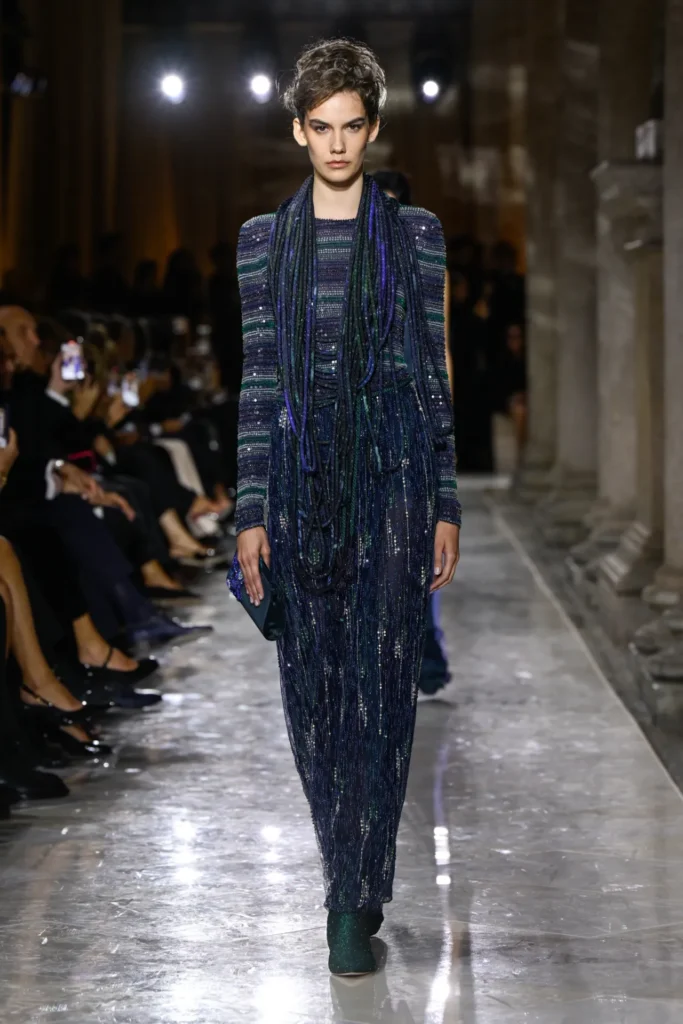
Later chapters introduced Mediterranean blues, vibrant greens, and lilac tones, a nod to Pantelleria, the Sicilian island retreat Armani restored as a sanctuary. These hues animated silk pajama sets, elongated dresses, and Art Deco-inspired jackets, garments that seemed to move with the sea breeze at twilight.

The collection also revisited the designer’s long-standing fascination with the Middle and Far East: harem pants, mandarin-collared jackets, and draped trousers felt modern and relaxed. Alongside them were exquisitely crafted leather jackets, fluid trench coats, and intricate knitwear — a reflection of Armani’s belief that his clothes should be worn by people of every age and size.

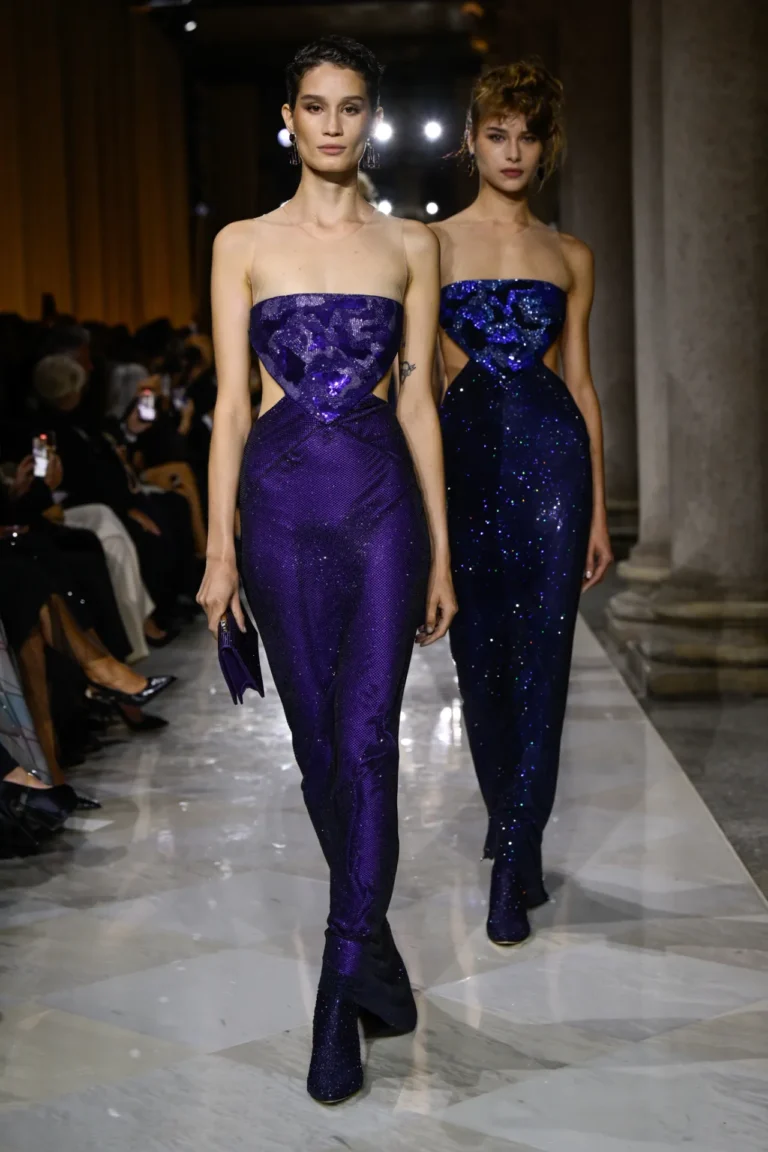
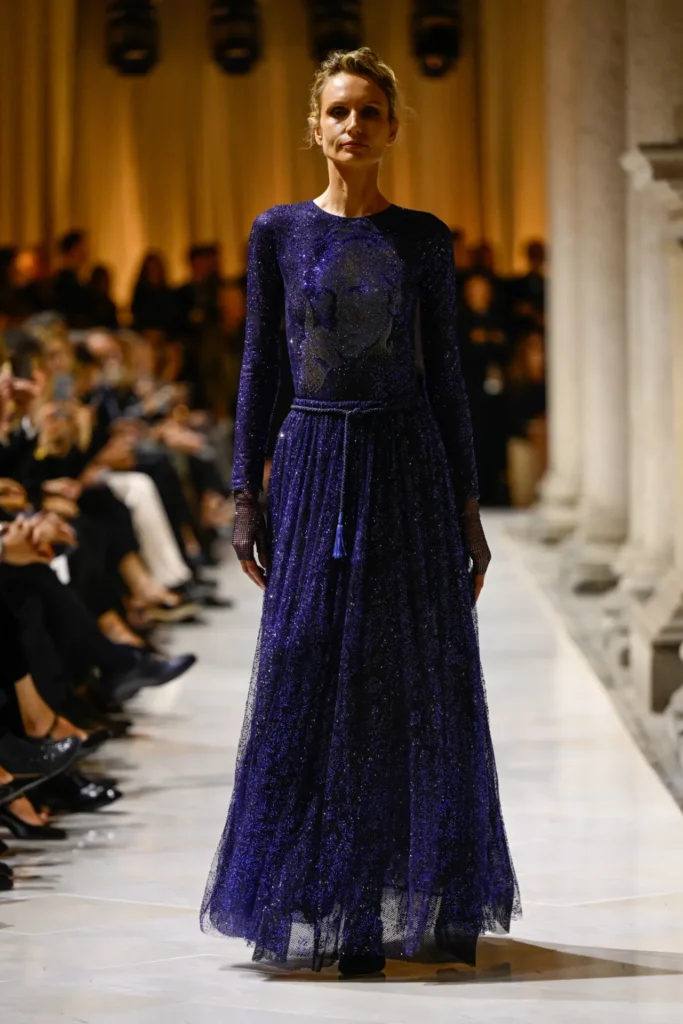
The finale offered finely pleated gowns, airy tops layered over sequined and iridescent floral evening dresses, pieces that echoed the couture craftsmanship of his Privé collections. Together they underscored Armani’s ultimate message: fashion that is timeless, inclusive, and eternally elegant.

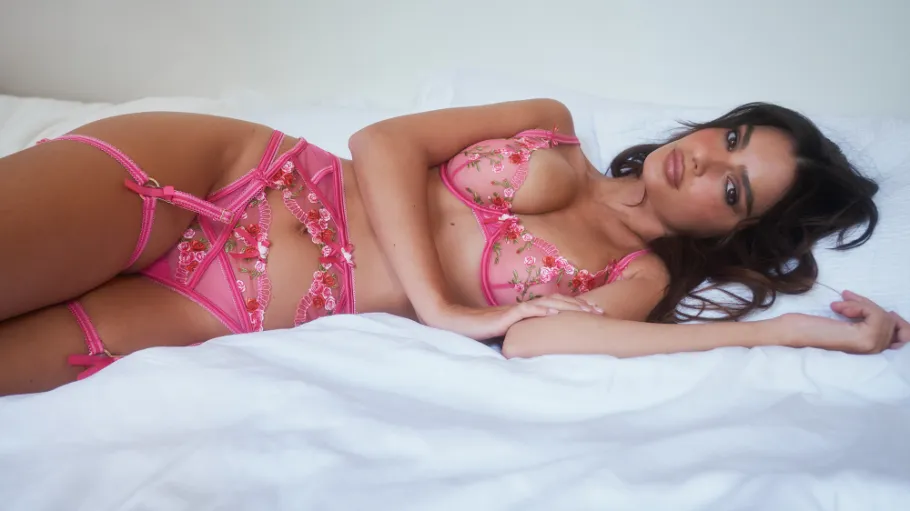
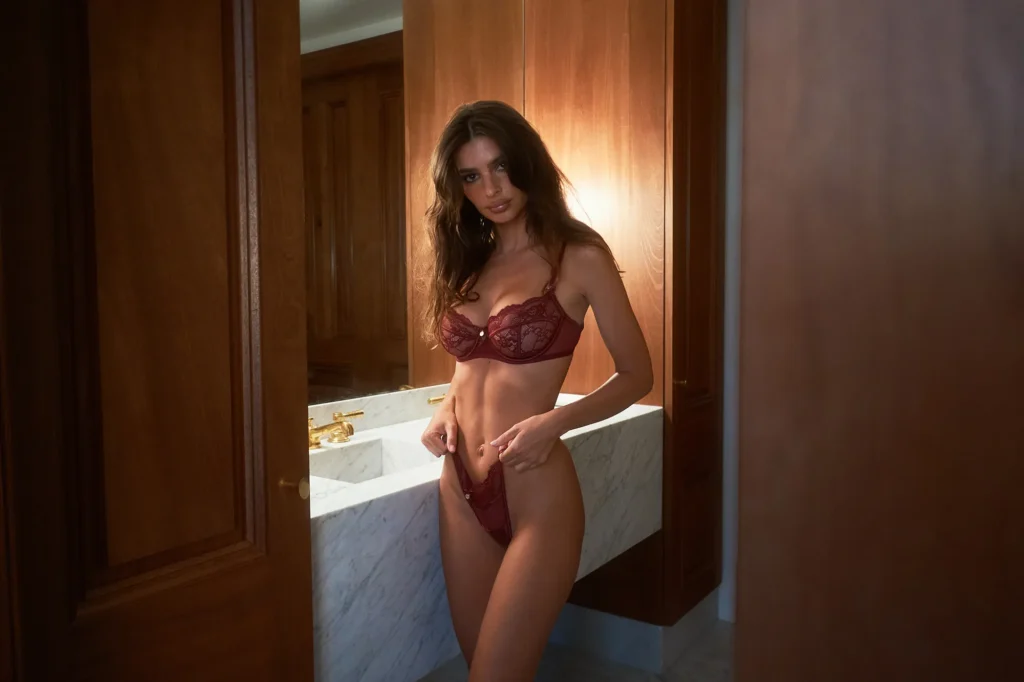
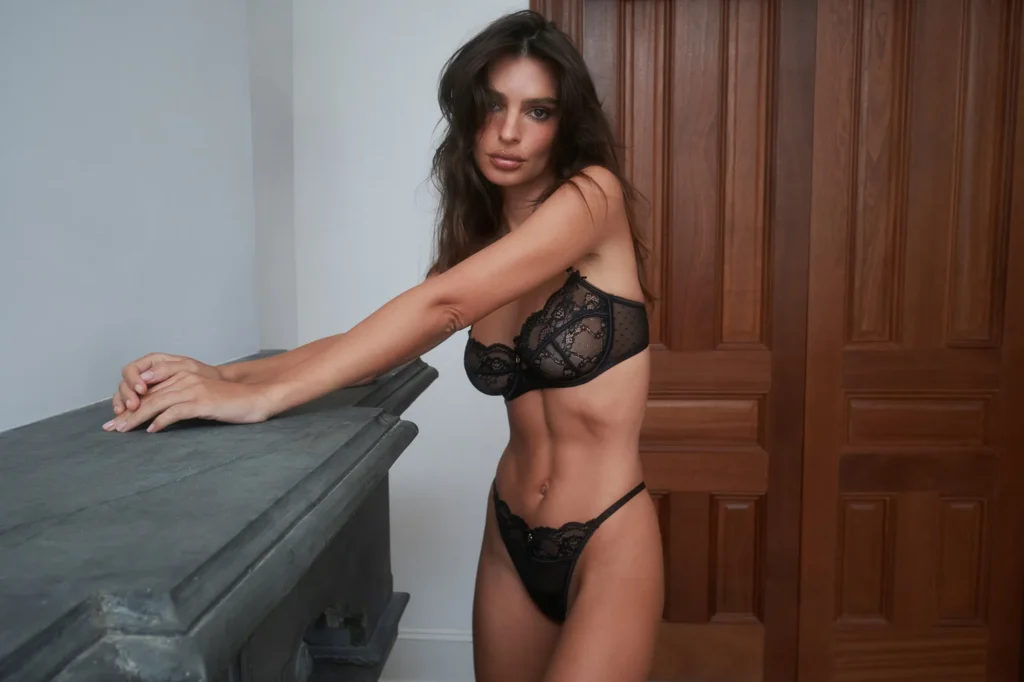
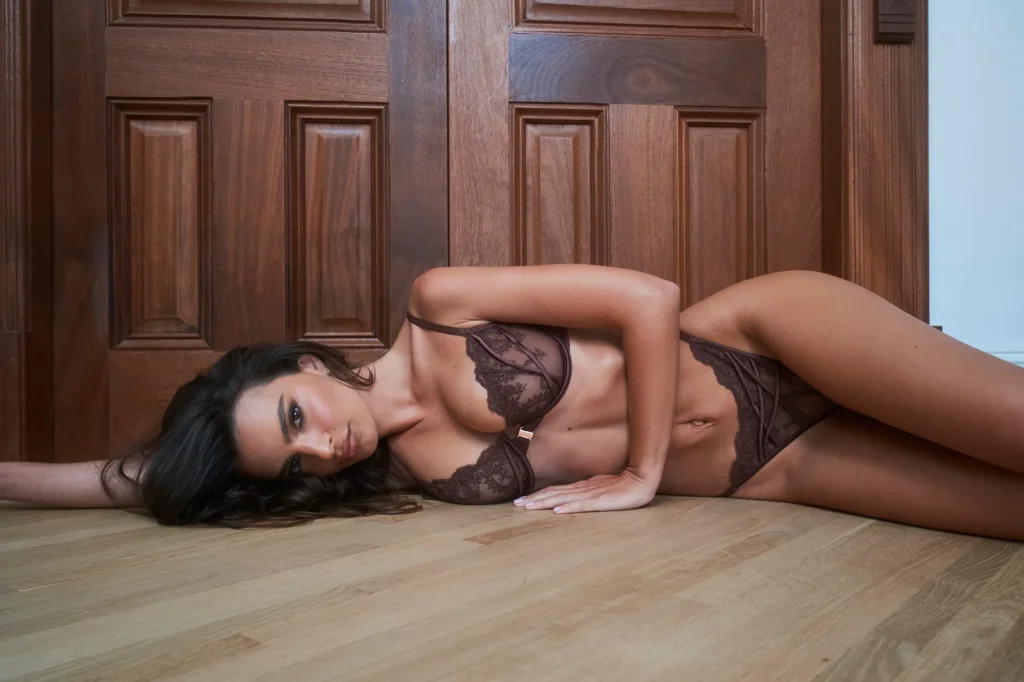
Emily Ratajkowski for Lounge Fall 2025: Defining Sensuality on Her Own Terms

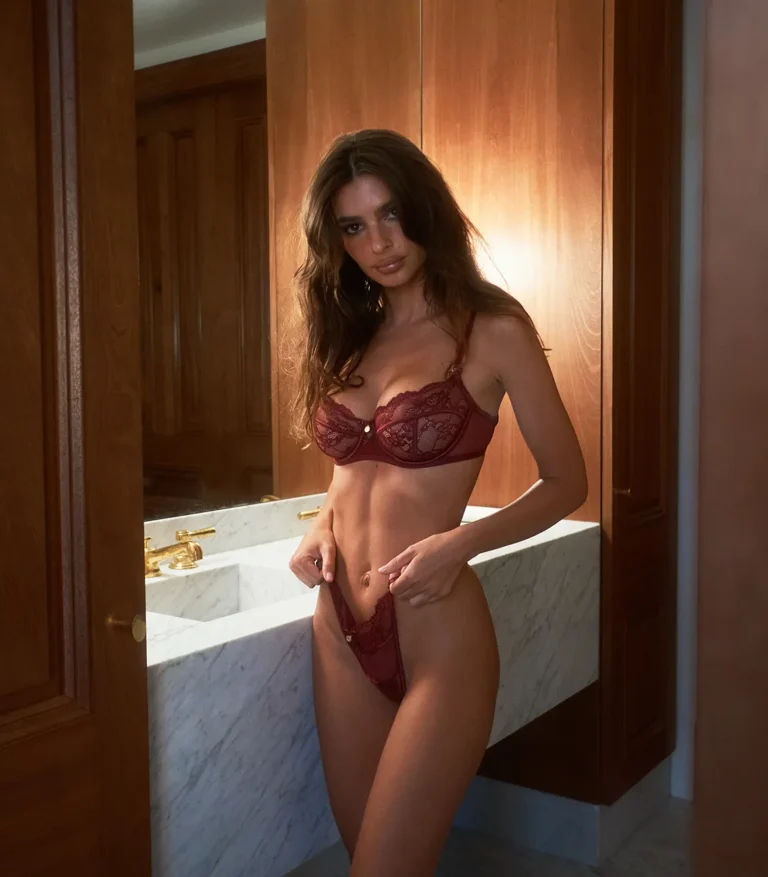
Lounge has tapped Emily Ratajkowski as the face of its Fall 2025 campaign, a project that reimagines sensuality as self-defined and highlights femininity through a modern, multifaceted lens. Launched on Sunday, the campaign frames the model in an intimate setting, moving seamlessly between lingerie and ready-to-wear looks that capture the essence of today’s empowered woman.

Known for refusing to be typecast, Ratajkowski emphasized how naturally the brand’s message aligns with her own life: “I’m a mother, a writer, and I love fashion. I play a dozen roles every day. I love that Lounge acknowledges how multifaceted women can be.” For her, Lounge’s authenticity is the true appeal — a company that has scaled impressively while maintaining a personal, close-knit feel.

Beyond starring in the visuals, Ratajkowski also curated her own capsule within the line, titled “Emily’s Edit.” The selection offers her take on Fall essentials: a suede blazer with matching shorts, a cherry lacquered argyle cardigan, and a sheer chocolate blouse paired with a matching skirt. Each piece reflects a balance of sophistication, sensuality, and urban ease.

With this collaboration, Lounge not only elevates its global visibility but also amplifies a message that resonates strongly with contemporary women: authenticity, confidence, and the freedom to embody many identities at once.