Nicola Peltz Beckham Shines as the New Face of Genny’s Fall 2026 Campaign
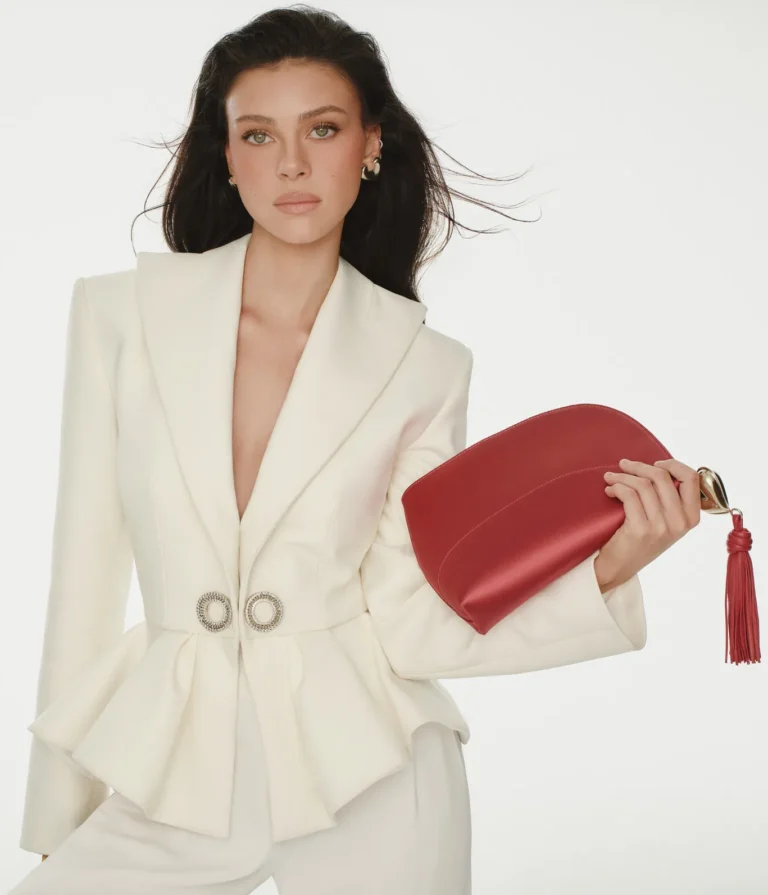
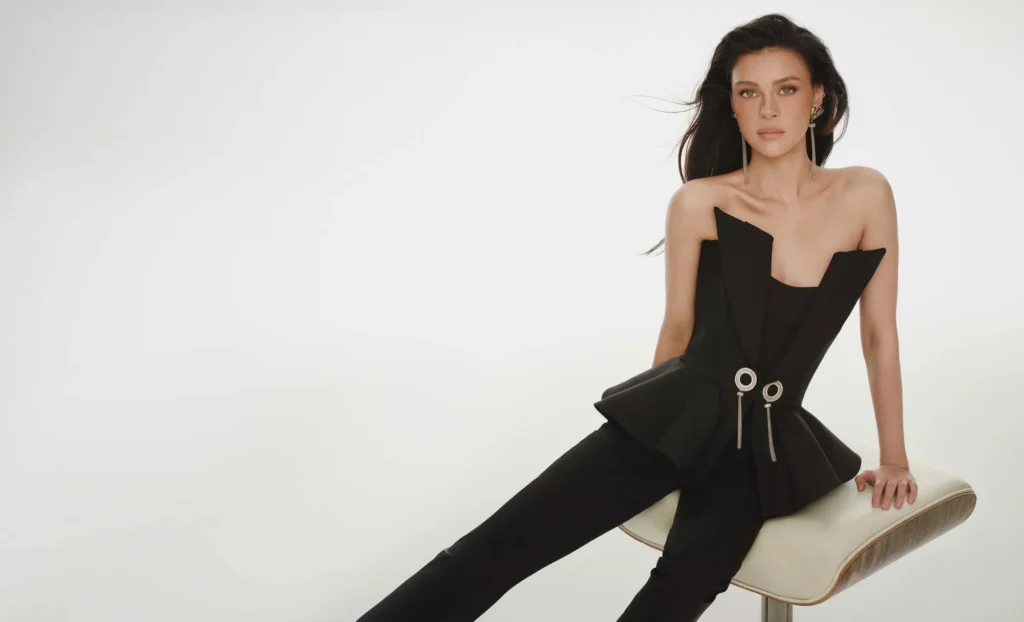
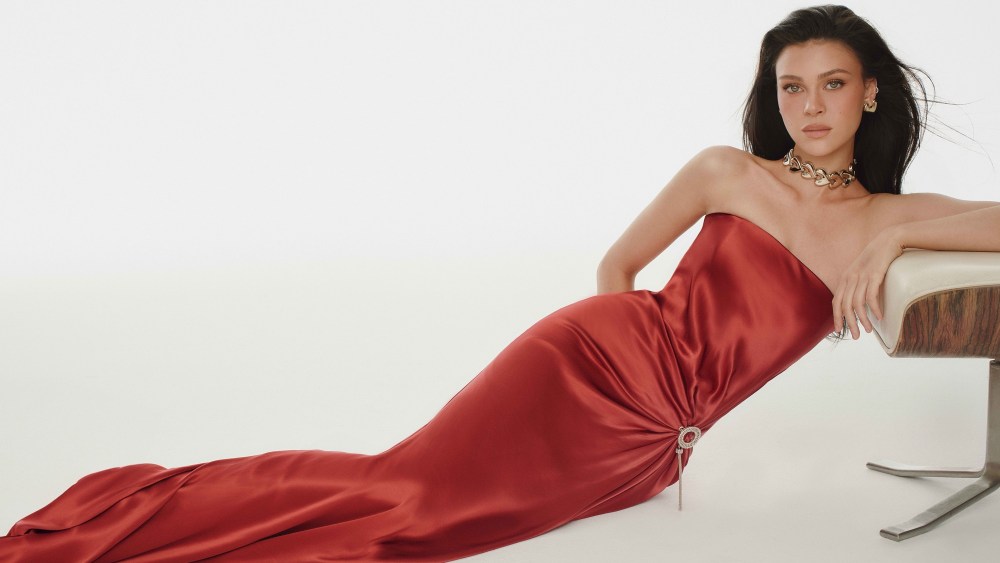
For its Fall 2026 campaign, Italian fashion house Genny has tapped Nicola Peltz Beckham as its star, a choice that highlights the brand’s ongoing commitment to celebrating women who embody elegance, determination, and individuality.
The actress and filmmaker, who made her directorial debut last year with Lola, was captured through the lens of Luca and Alessandro Morelli, the renowned Italian photography duo, with styling curated by Alex White. In the imagery, Peltz Beckham moves seamlessly between powerful tailoring and bold femininity: a sculpted white peplum suit, sleek black trousers paired with a crystal-embellished bandeau top, and a daring strapless red evening gown while reclining against a stool.
Courtesy of Genny
According to creative director Sara Cavazza Facchini, Peltz Beckham represents “the true essence of the Genny woman: sophisticated, modern, and fearless, with a touch of audacity.” This collaboration also carries personal meaning for Nicola, as she recalls her mother once owning a vintage Genny blouse, making the campaign a bridge between personal memory and contemporary style.
With 3.1 million Instagram followers and a growing career as both actress and director, Peltz Beckham brings fresh visibility to the Italian brand. She now joins a roster of influential women previously chosen by Genny — among them Georgina Rodríguez and Sara Sampaio — further reinforcing the label’s global appeal.
Amelia Gray Redefines Power Dressing in Ludovic de Saint Sernin’s Fall 2025 Campaign
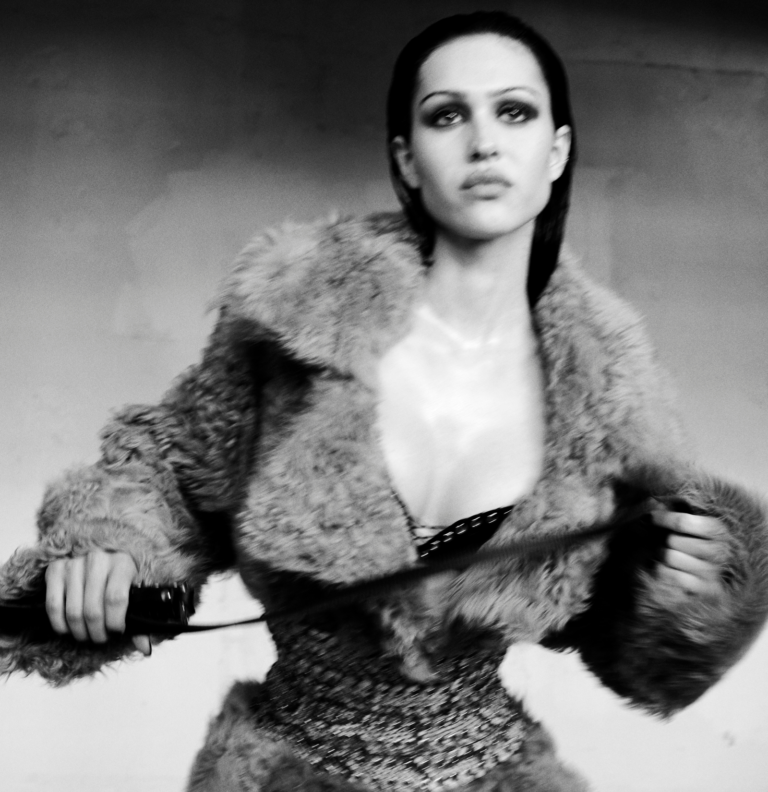
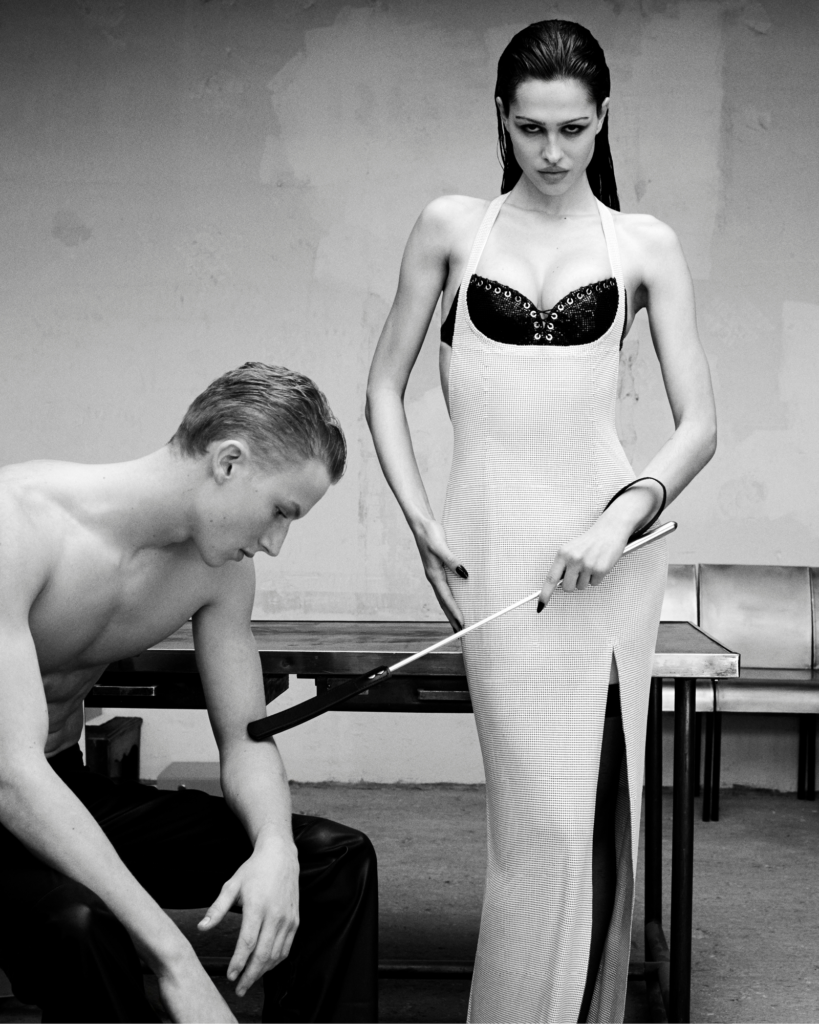
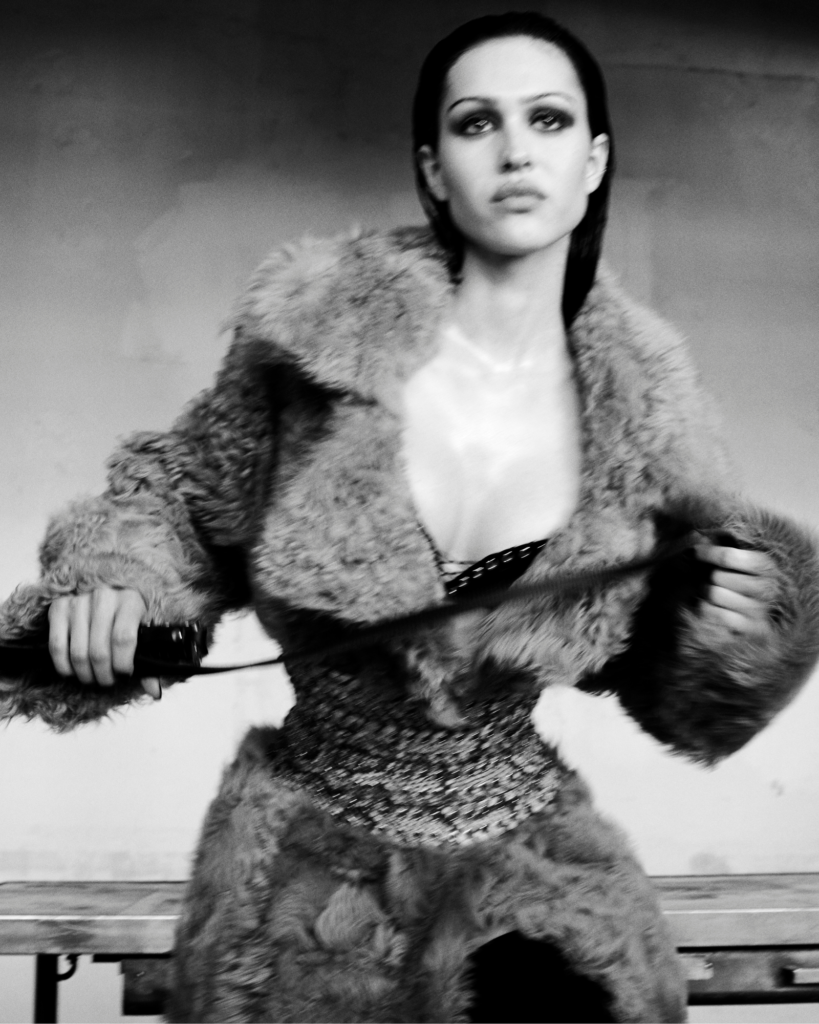
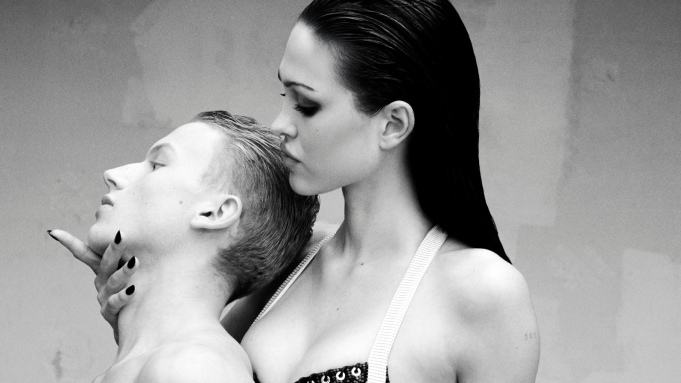
In his Fall 2025 campaign, Ludovic de Saint Sernin turns to Amelia Gray as the ultimate muse to embody the tension between corporate discipline and seductive hedonism. Captured through the cinematic lens of Stuart Winecoff and elevated by the creative direction of Lolita Jacobs and Jean-Baptiste Talbourdet, the imagery blurs the line between authority and desire.
Stuart Winecoff/Courtesy of Ludovic de Saint Sernin
De Saint Sernin explained that Gray’s versatility and unmistakable presence made her the perfect choice: “She has a defining look, she’s a chameleon, and she can sell you anything.” Alongside Alejo Humanes and Lewis Gillooley, Gray steps into a narrative that plays with shifting power dynamics — sometimes commanding, sometimes provocative, but always magnetic.
Stuart Winecoff/Courtesy of Ludovic de Saint Sernin
Referencing Helmut Newton’s iconic heroines and the raw energy of Madonna’s “Die Another Day”, the campaign explores the codes of power dressing stripped down to its subversive core, with latex, leather, and sharply tailored shirting at its center. The interplay between near-kisses, blurred hierarchies, and cinematic tension invites viewers to imagine what unfolds behind the scenes, leaving the story intentionally open-ended.
What emerges is a portrait of the modern woman: strong enough to challenge conventions, seductive enough to rewrite them, and complex enough to keep her audience guessing.
On The Rise Of Traditional Values On Social Media
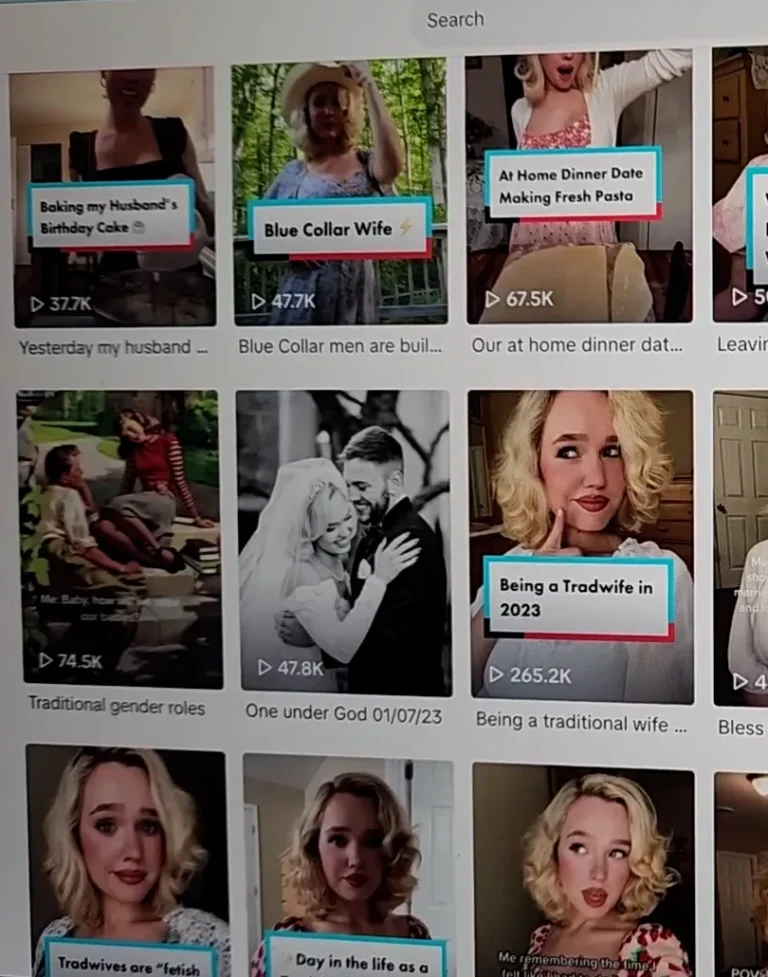
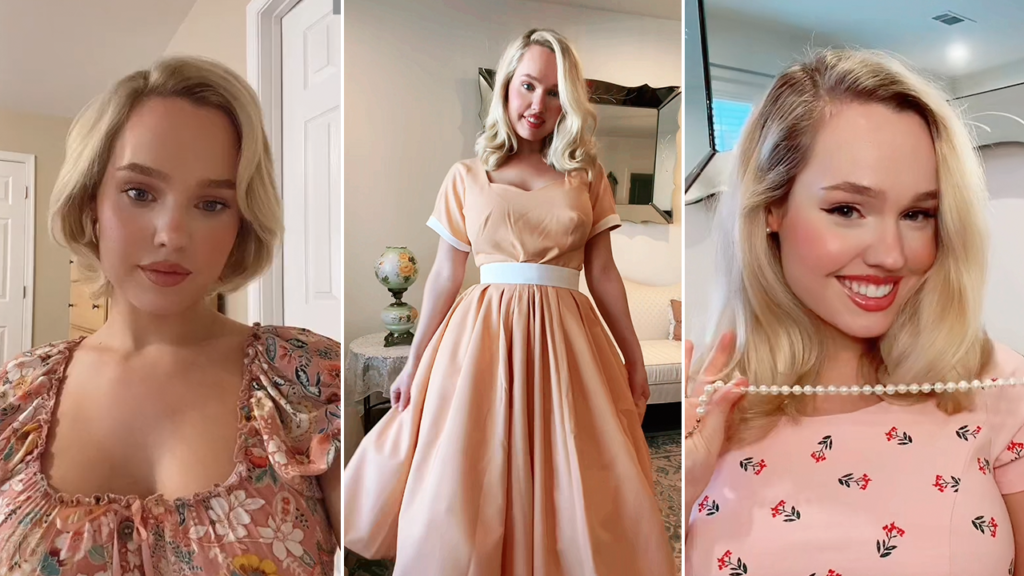
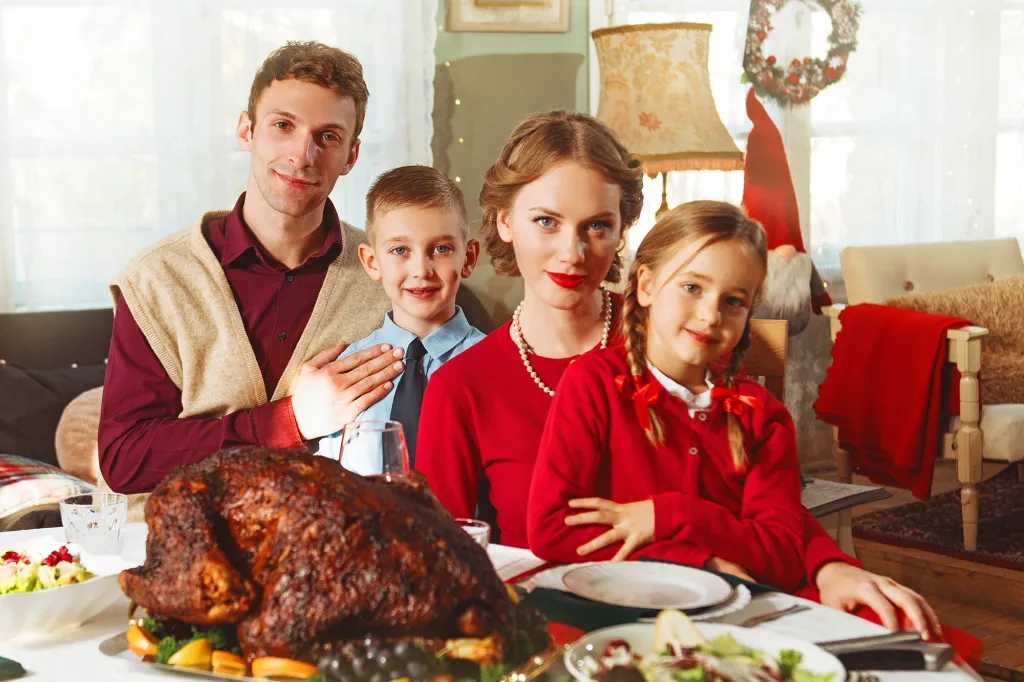
For a long time now we have seen on social media the increase of creators breaking down the concept of “traditional values” and, specifically for women, the aesthetic of a “traditional wife”. While part of this content has been generated by men, who preach the necessity of having gender roles in a couple and returning to outdated dynamics, the other part has been created by women who glamorize the role of a traditional wife to the point that it has become an aesthetic.
Those who are more affected by the first type of content are usually the men, as it is created by men for men. The topics covered can vary from how to approach dating, what is to be expected from young boys and the concept of a high value woman who often corresponds to the passive half of the relationship. For instance according to these takes, a “high value woman” should dress modestly, take care of the house and raise the children, but most importantly be happy to reach the standard she is held to. While i don’t know women who would consume and agree with this type of content, for the men that do, it not only creates a dystopic view on relationships but it spreads the idea that a woman’s appearance and values should be shaped at the man’s will.
More and more young women are following in the footsteps of the quintessential mid-20th century housewife / Getty Images
The other side of this coin is the content generated by women, who glamourise this life without specifying its problematics. What i am referring to are the videos – especially on tiktok- that break down “how to be a trad-wife” and that created a whole aesthetic around this persona. The problematic aspect of this trend starts from its very own name “trad-wife” as it implies that there is a role in which the woman belongs, from which now she has just distanced her self.
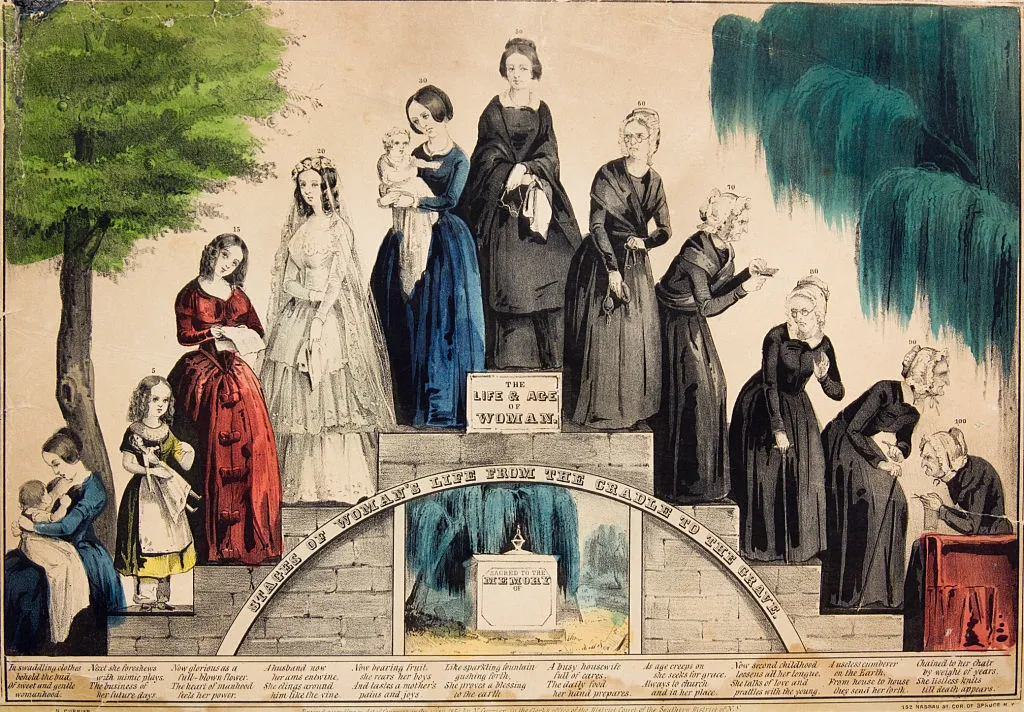
But the traditional woman they referrer to, even without realising it, is the woman who could not vote (in Italy until 1946), the married woman who could not have money under her name (in France until 1965) and the woman who could not have her own credit card (it the USA until 1974) to only quote a few.
But the problem spreads further because the life of a traditional woman is labelled as a “soft life” since apparently it is not characterized by the stress of work. While the truth is that raising children, both for the women and the men, despite being a fulfilling life project it does not come without stress. Labelling it as easier creates false expectations for women especially, as they do not only raise the child but carrie it as well. Hiding under the carpet the difficulties of motherhood is what leads women to think that maybe they don’t feel completely fulfilled because they don’t have a child and that the child in question will make their lives better. And while children can be the missing part in a lot of people’s lives, they are not the missing part in all people’s lives.
1850s Currier & Ives illustration of the stages of a woman’s lifeClassicStock/Getty Images
Motherhood on the side, the encouragement of leading a life as a traditional wife creates financial problems as well. Not having your own money, aside from your husband’s generates power struggles, dependency, fear and the impossibility of leaving if the relationship turns out to be unfitting or violent. Romanticising financial dependency is not an aesthetic, is patriarchy masqueraded as a Pinterest board. Moreover this way of life has the power of influence women’s education as well. In a time where most women have the possibility of attending university and college this is what they should focus on. And if not university they should still work on creating independency and keep on educating themselves. If later on some decide to put aside their career to embark on the journey of motherhood, they will do so with enough awareness on what to expect. But encouraging young girls to lay off college, get married early and let their husband handle all the “hard things” is a one way street to having them lose themselves in the role of “wife and mother”.
IMAXTREE
A woman should be defined as thousands of things before being a mother, and even while being so, there should be another thousands of things to define her. While for some being a mother full time and taking care of the house is what fulfils them most, it should not be labelled as the traditional role of the woman and let along described as the easier path.
Stella Maxwell Takes Center Stage in Her New Capsule Collection For Marella
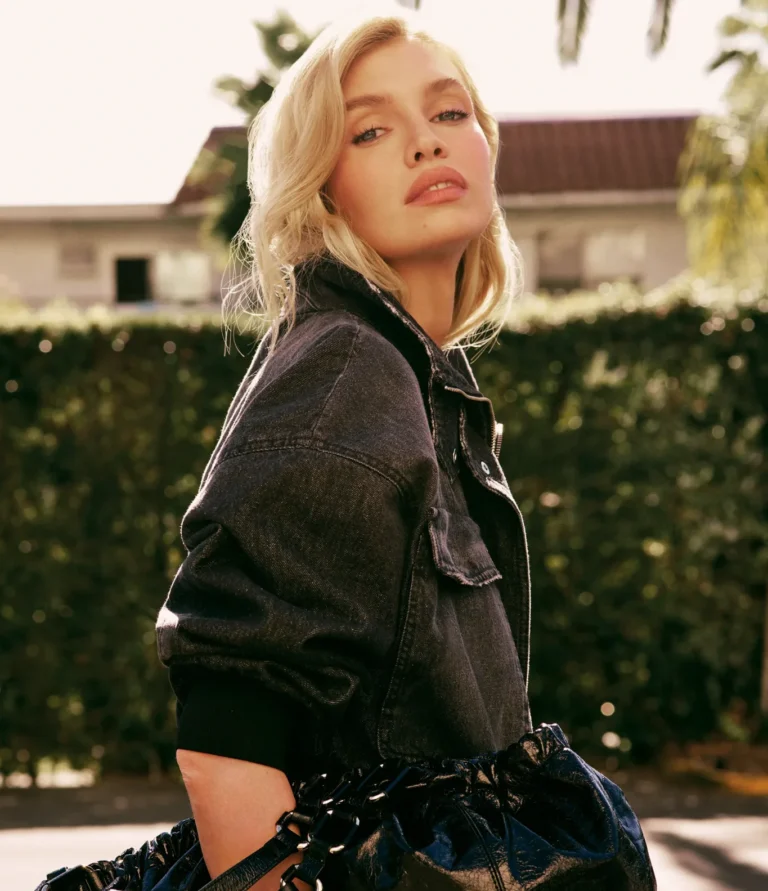
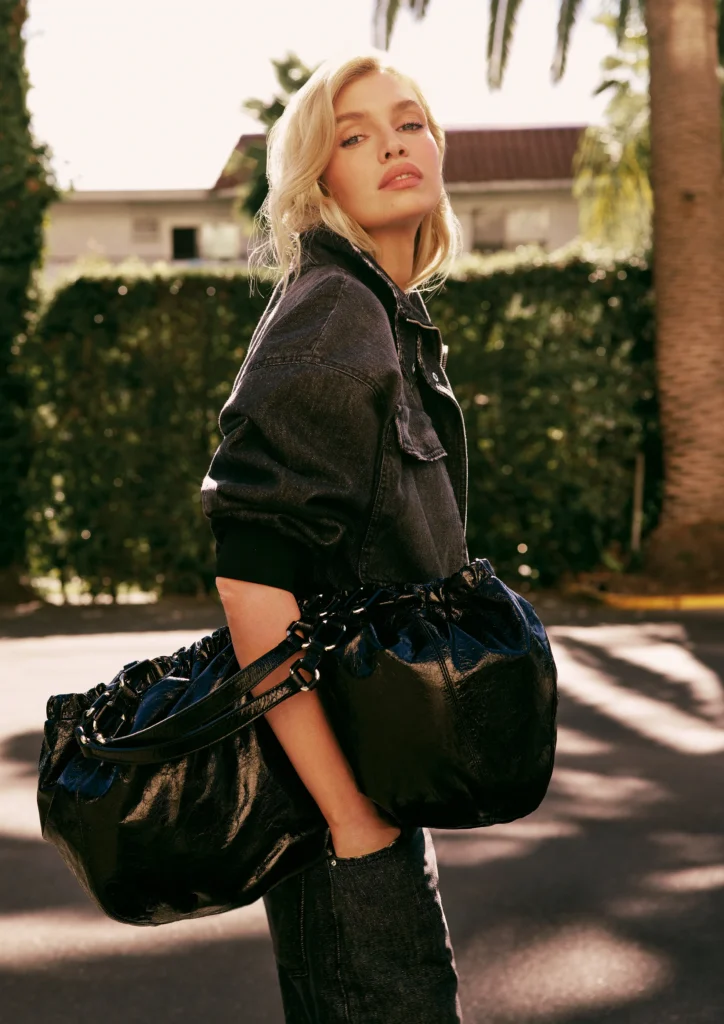
Model and style icon Stella Maxwell has deepened her partnership with Marella, the contemporary brand owned by Max Mara Fashion Group’s subsidiary Dedimax, by co-designing a capsule collection that puts tailoring at the forefront. Having previously starred in Marella’s campaigns, Maxwell now steps into a creative role, infusing her aesthetic into the line while also fronting its global launch campaign.
Courtesy of Marella
The capsule officially debuts online on September 15, followed by an exclusive launch party at London’s private members’ club Nikita on September 17, just ahead of London Fashion Week. On September 18, the collection will roll out to select Marella boutiques worldwide.
At the heart of the capsule is the blazer, reimagined as a versatile and empowered wardrobe staple. The lineup includes several interpretations: a sculpted lapel tuxedo-inspired blazer with a relaxed, deconstructed double-breasted cut; a cropped version with bold shoulders and corset-inspired details; a square silhouette adorned with a georgette flower appliqué; and a sensual single-breasted jacket featuring an open-back design. To round out the offering, the collection also introduces a leather trench coat, bomber jackets in dark denim and black leather, and tailored separates with distinctive finishing touches such as embroidered tulle labels and jacquard star-patterned linings.
Complementing the outerwear are fluid viscose georgette trousers layered with sheer panels, wool sablé shorts, a georgette pencil skirt, and standout accessories like the “Stella the Star” gathered leather bag with cracked-finish details. Prices range from €175 to €645, underscoring Marella’s positioning within accessible luxury.
Shot on the rooftop and courtyard of the historic Hollywood Roosevelt Hotel in Los Angeles —the city Maxwell has made her second home— the campaign channels a modern cosmopolitan spirit with an intimate, cinematic edge. “The pieces are so flexible that styling becomes effortless,” Maxwell noted. “Complete suits stand out on their own for evening, but you can just as easily pair them with casual staples like denim for daywear.”
This collaboration is part of Marella’s broader strategy of inviting women with strong personal style to shape its collections. Earlier this year, the brand partnered with Emily Ratajkowski on a blazer-centered line. Marella, which operates more than 200 freestanding stores and has a presence in 1,400 multibrand retailers worldwide, continues to expand its global retail footprint. Following openings across Europe, the U.S., and the Middle East, the brand will inaugurate its first U.K. flagship this fall on London’s Marylebone High Street.
DKNY and the New York Yankees Unite in a Limited-Edition Capsule Celebrating New York Spirit
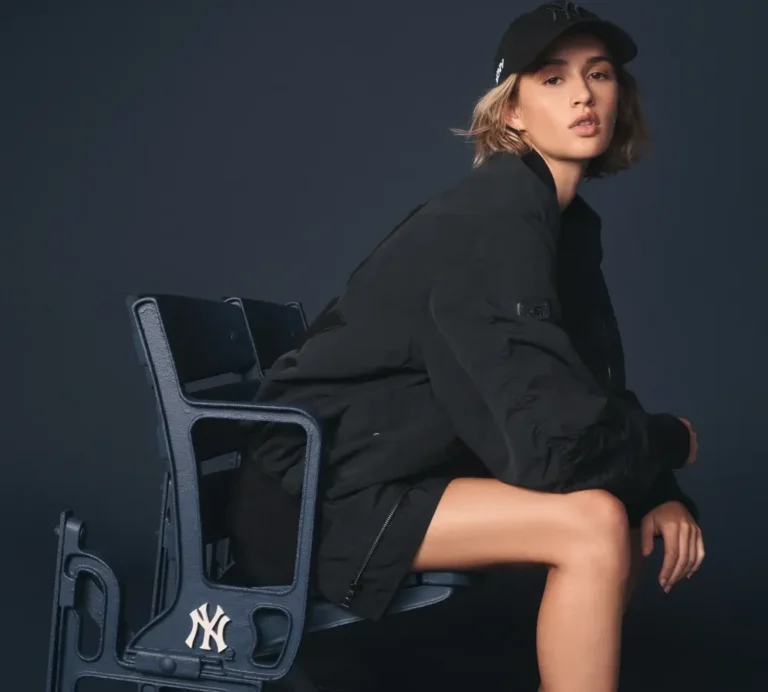
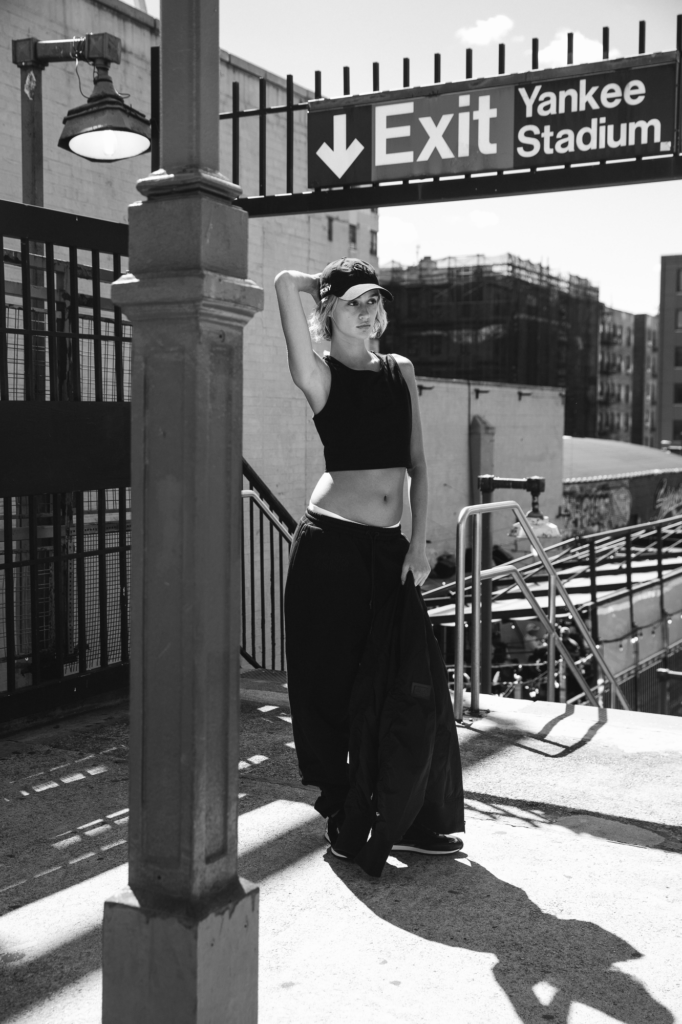
DKNY is paying tribute to its hometown with a limited-edition collaboration with the New York Yankees, launching September 9. The capsule fuses the iconic baseball team’s sports legacy with the brand’s urban, fashion-forward DNA, resulting in a collection that embodies both grit and glamour.
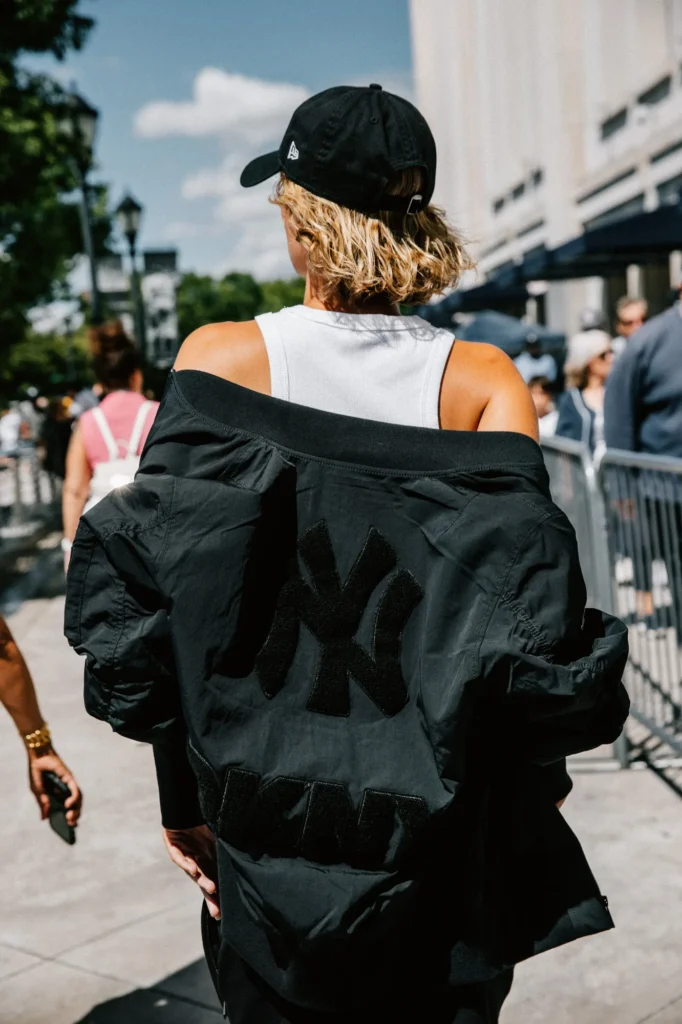
The lineup features 13 ready-to-wear pieces and accessories, all rendered in a sleek all-black palette with subtle embroidery and DKNY x Yankees co-branding. Standouts include a form-fitting slip dress that balances sensuality with sophistication, a relaxed hoodie-and-jogger set, and a selection of oversized tees. The hero piece—a premium varsity-inspired bomber jacket—boasts a bold chenille Yankees logo across the back, while a co-branded New Era cap ties together two New York icons in one design.
Lexie Moreland/WWD
Retailing between $89 and $380, the collection will be available in sizes XS through XL at DKNY.com and at Yankee Stadium while supplies last. Adding a nostalgic touch, the campaign revives DKNY’s early ’90s tagline, “Don’t Knock New York”—a rallying cry that celebrates the city’s resilience, individuality, and fearless style.
More than a collaboration, this capsule reinforces DKNY’s strategy of expanding its presence in the luxury sportswear space and engaging with a new generation of consumers by tapping into the cultural synergy between fashion and sport.
Gisele Bündchen Stars in Elisabetta Franchi’s Empowering Fall 2025 Campaign
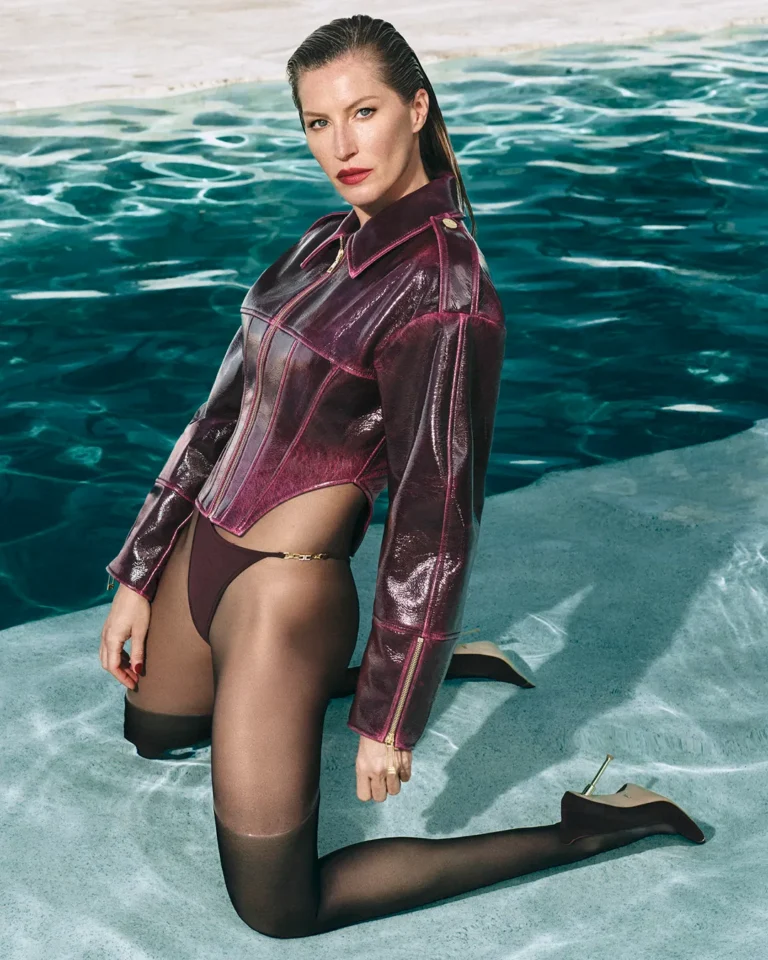
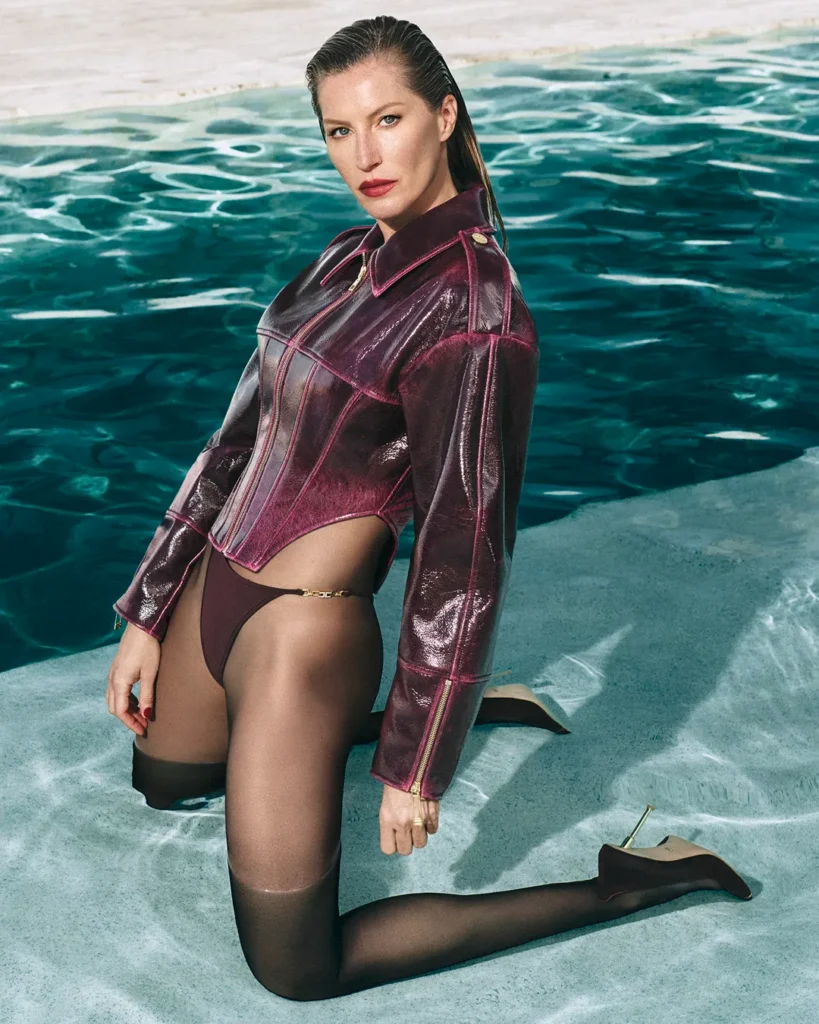
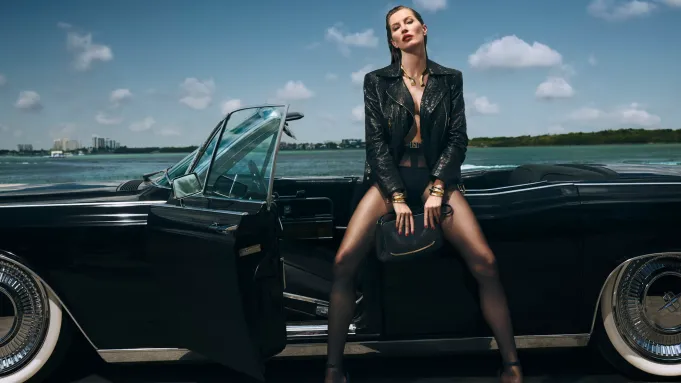
For the very first time, Gisele Bündchen becomes the face of Italian fashion house Elisabetta Franchi, stepping into the spotlight of its Fall 2025 campaign shot in Miami by the acclaimed photography duo Luigi & Iango.
Elisabetta Franchi’s fall 2025 ad campaign by Luigi & Iango
Captured against the backdrop of a vintage Lincoln Continental and the city’s sultry skyline, Bündchen exudes strength and unapologetic femininity in a faux-crocodile biker jacket styled with sheer black tights and stiletto heels—an image that perfectly mirrors Elisabetta Franchi’s vision of today’s empowered woman.
“True beauty is an untamable force, born from love and courage within us,” said Elisabetta Franchi, founder and creative director of her eponymous brand. “When I design, I aim to leave an emotional mark. Gisele embodies that spirit—she’s radiant, authentic energy and impossible to ignore.”
Elisabetta Franchi’s fall 2025 ad campaign by Luigi & Iango
The Fall 2025 collection, first unveiled in Milan, channels the bold minimalism of the 1990s and early 2000s. Franchi explored the transition between two decades: one where women borrowed from masculine tailoring, and the next where they reclaimed sensuality through sculpted dresses, midi pencil skirts, and sharply cut suits. Emphasis is placed on the shoulders and waistline, creating silhouettes that balance structure with seduction.
This high-profile campaign also signals a strategic chapter of growth for the house. Since the arrival of Marco Bizzarri, former Gucci president, as Elisabetta Franchi’s new chairman and investor, the brand has accelerated its global reach. The company recently opened its first U.S. boutique in Bal Harbour Shops, Miami, while launching collections at Saks Fifth Avenue in New York, Beverly Hills, and Houston—cementing its position as a rising force in international luxury fashion.
Following Kate Moss’s debut for the Spring 2025 campaign, Bündchen’s partnership marks yet another bold move, uniting Italian heritage with global star power to redefine the image of modern femininity.
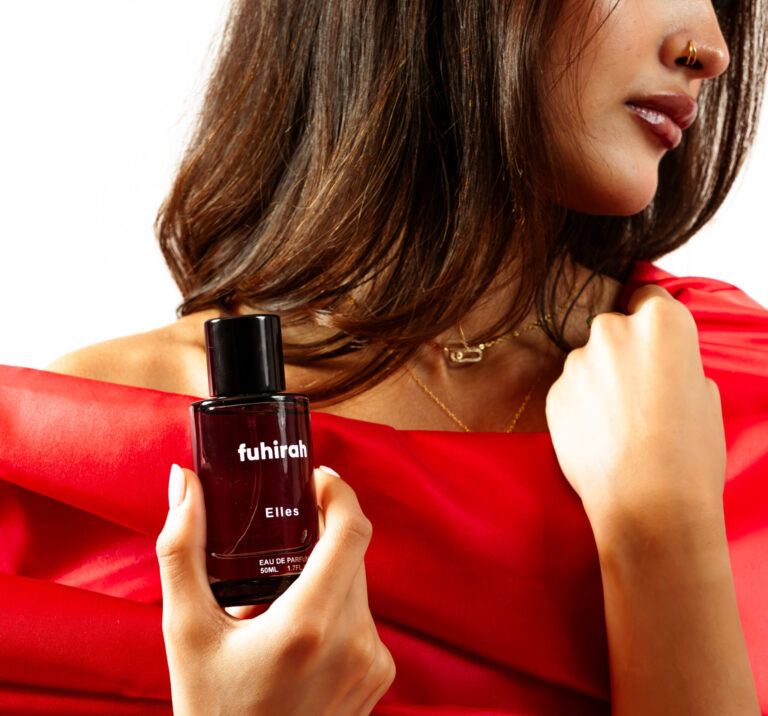
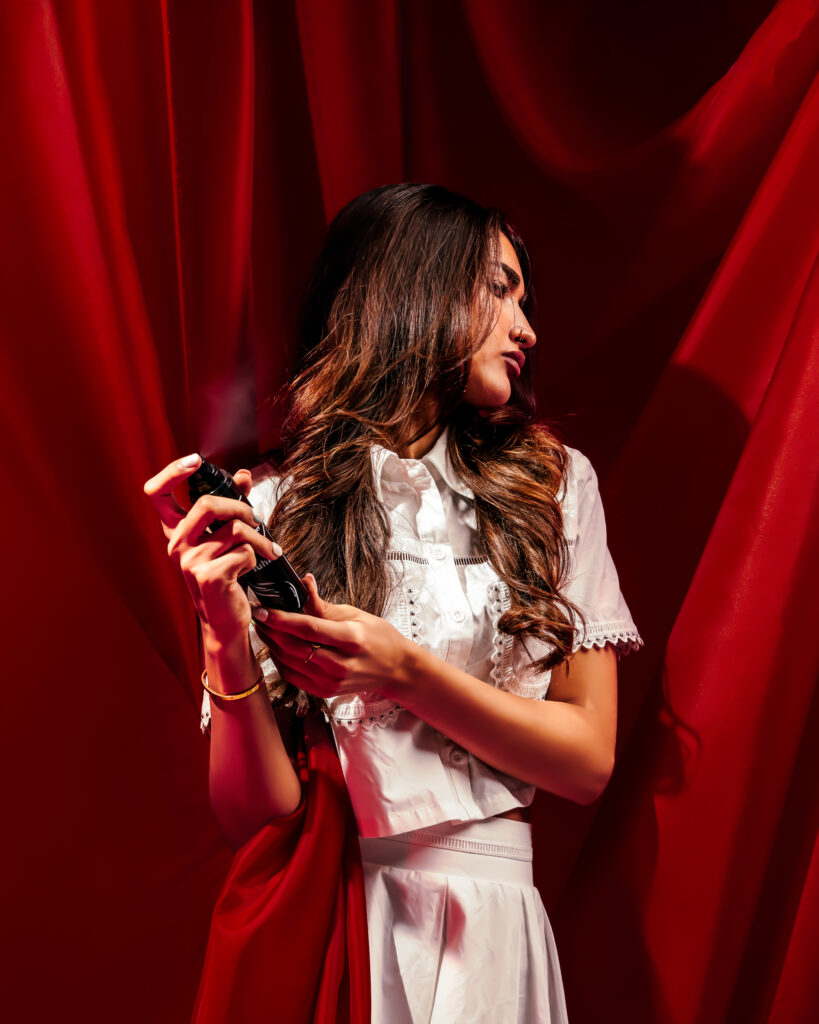
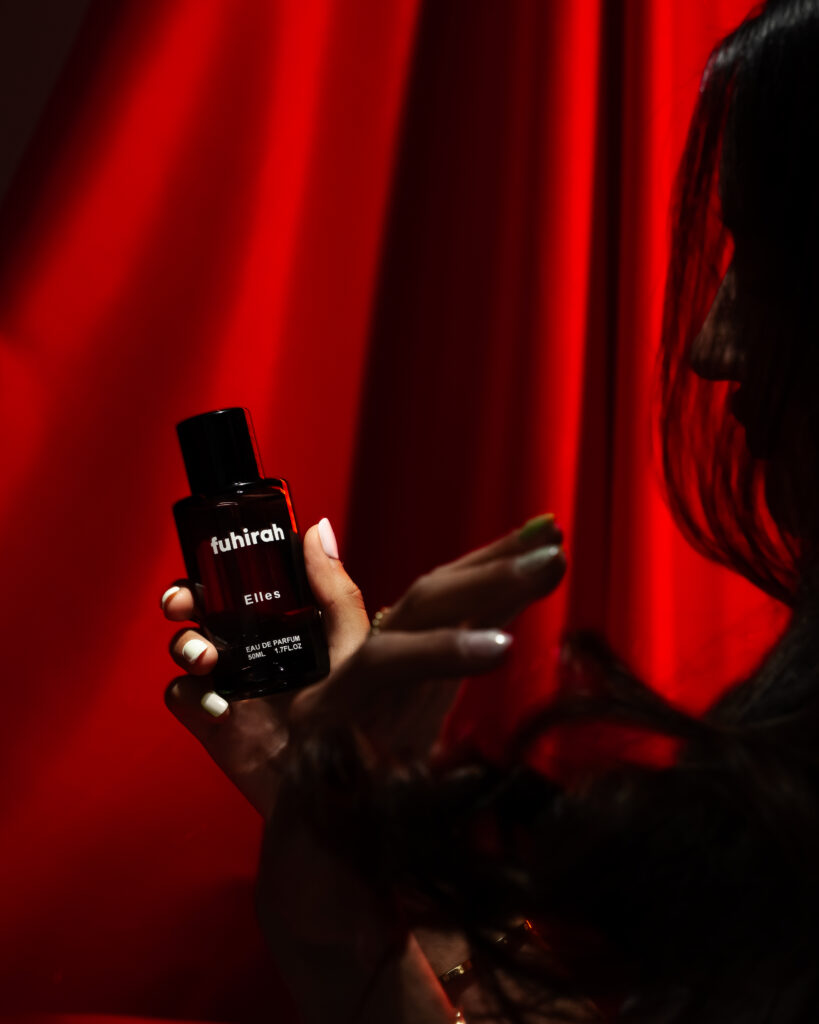
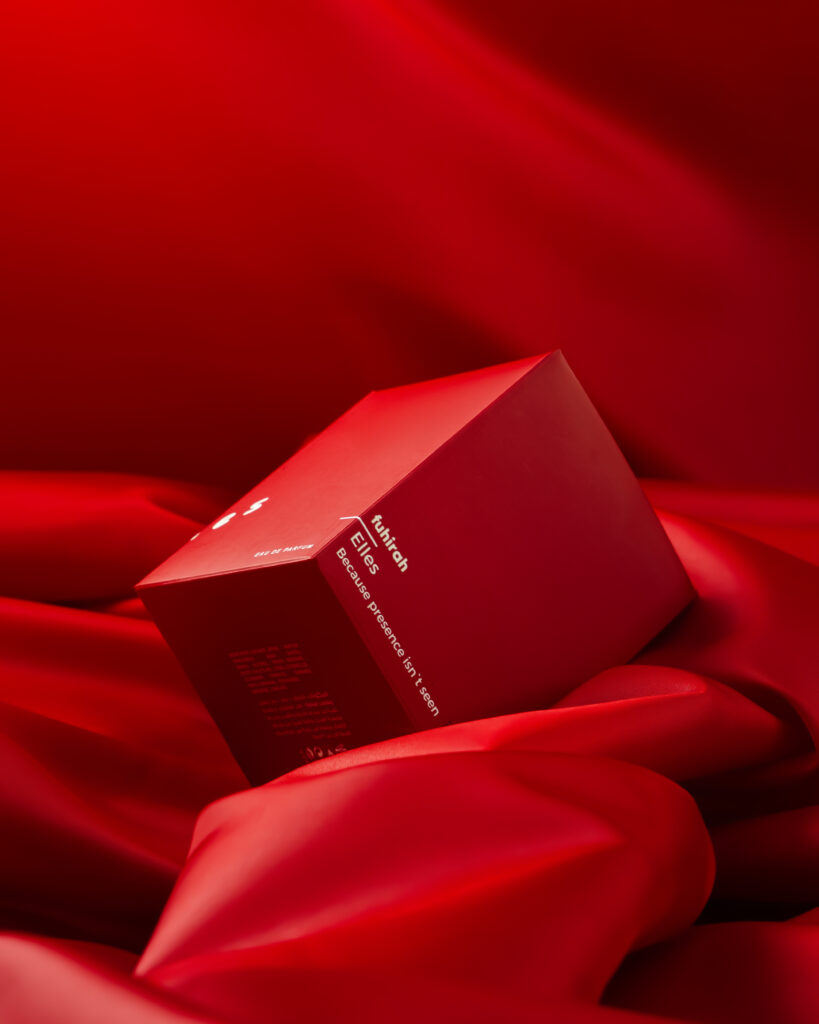
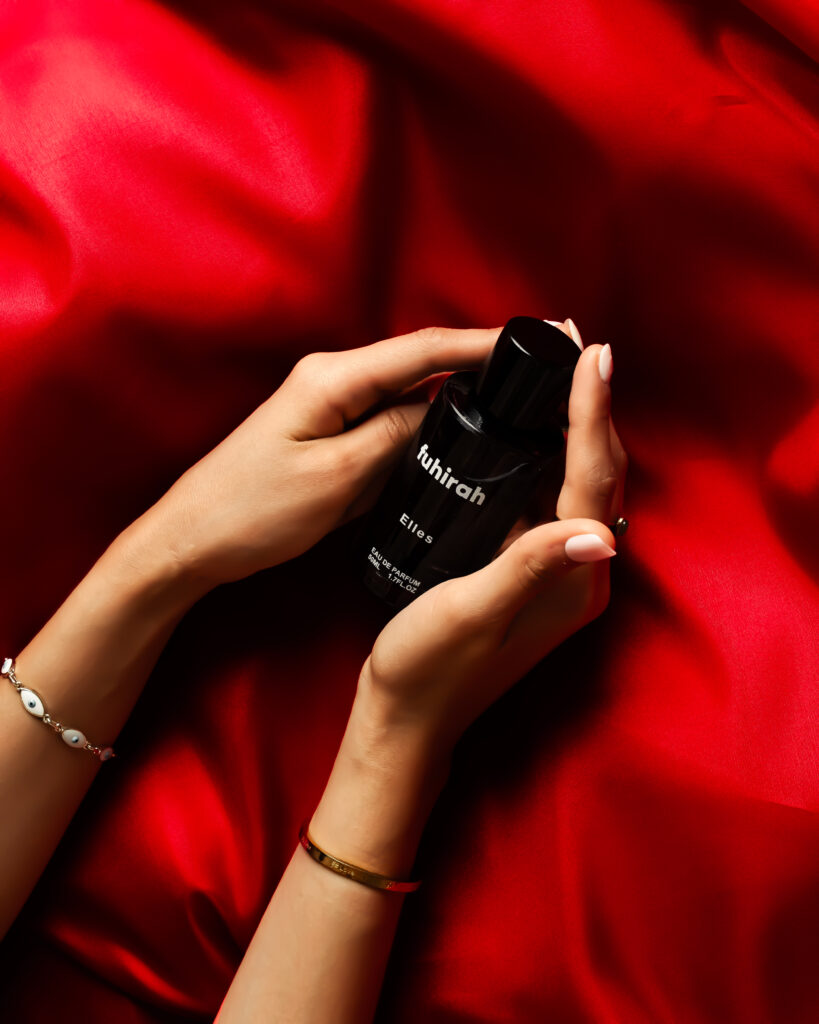
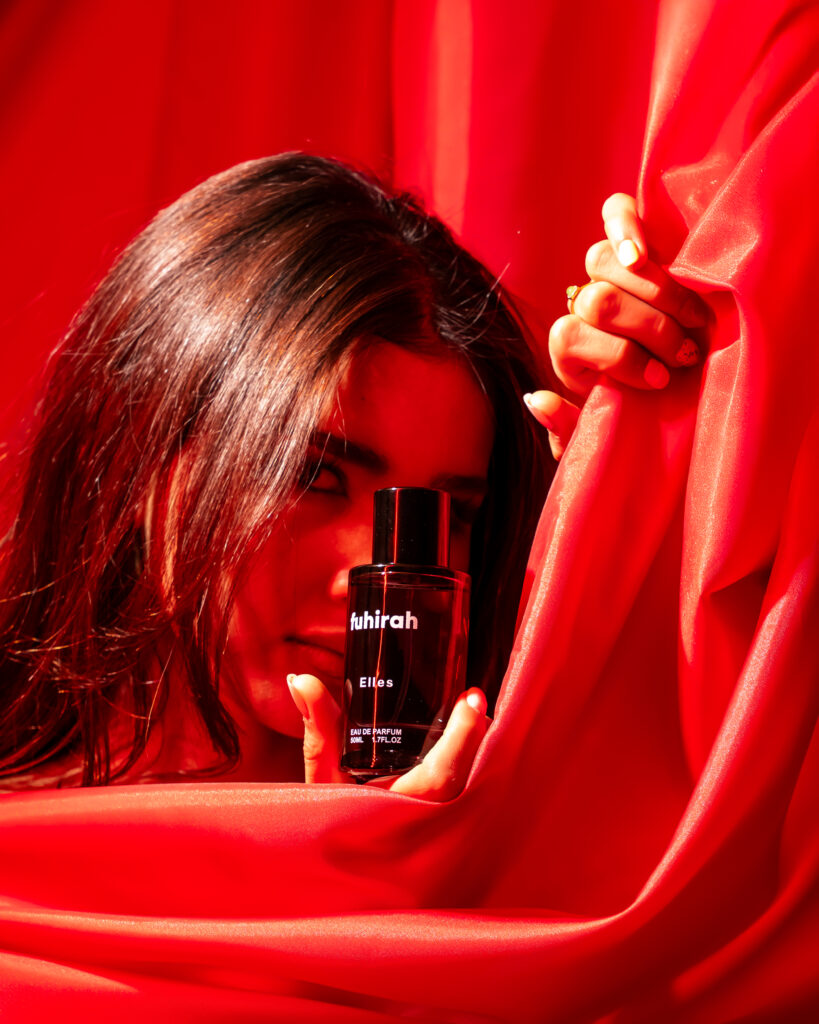
Elles by Fuhirah — The Essence of Feminine Mystery
There are fragrances that accessorize, and there are fragrances that define. Elles by Fuhirah Parfums, housed in a bold burgundy bottle, is unapologetically the latter. Conceived over the course of a year, this refined scent captures the complexity of modern femininity: bold yet graceful, intimate yet unforgettable.
At its opening, Elles greets you with a delicate yet intriguing freshness — melon, almond, and a touch of mandarin. It’s a beginning that feels luminous and contemporary, a whisper of charm that quickly deepens into something more profound. At its heart lies a bouquet of jasmine, peony, and rose, the timeless flowers of elegance, reinterpreted here with a modern touch. Finally, the fragrance settles into a base of vanilla and musk — soft, sensual, and enduring, a lingering memory designed to stay with you long after you leave the room.
But what makes Elles extraordinary isn’t just its composition; it’s the intention behind it. Fuhirah spent more than a year balancing richness with softness, crafting a scent that would embody “evening elegance” across all seasons. As the brand explains, the vision was simple yet powerful: “We imagined a woman walking into a room and leaving a trail of mystery behind — and that’s what Elles delivers.”
This philosophy echoes Fuhirah’s core belief that fragrance is not just an accessory but part of identity — a silent reflection of presence and confidence. While many luxury houses chase exclusivity, Fuhirah insists on accessibility without compromising on quality, ensuring their perfumes can become an everyday signature rather than a rare indulgence.
With Elles, Fuhirah Parfums reaffirms its place as a house of distinction: daring enough to blend the unexpected, meticulous enough to polish every detail, and visionary enough to create fragrances that transcend trends. Elles is not simply a new perfume — it is a statement of femininity, mystery, and modern elegance.
Elles by Fuhirah.
For the woman who doesn’t just enter a room — she defines it.
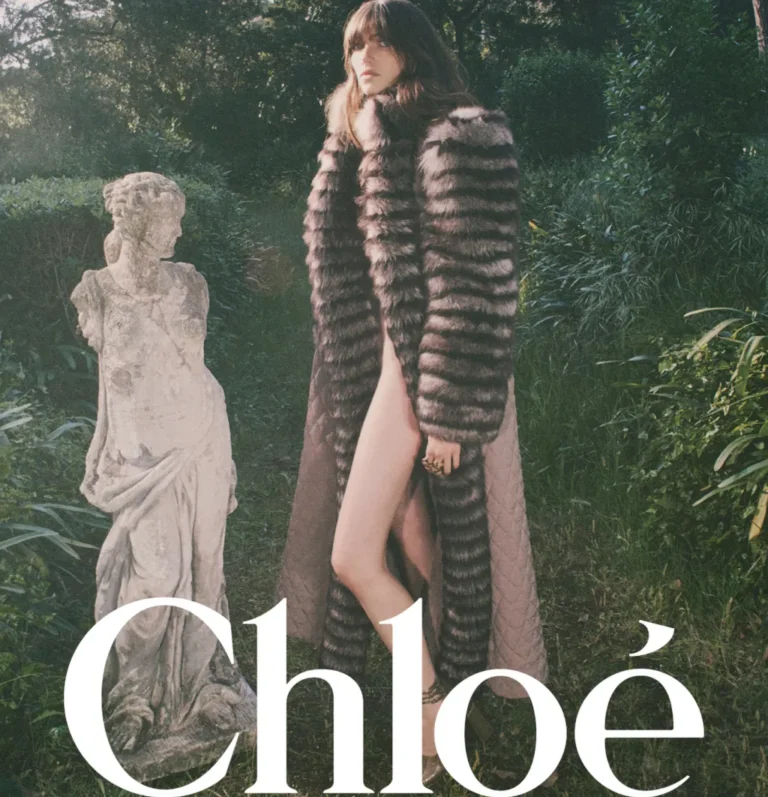
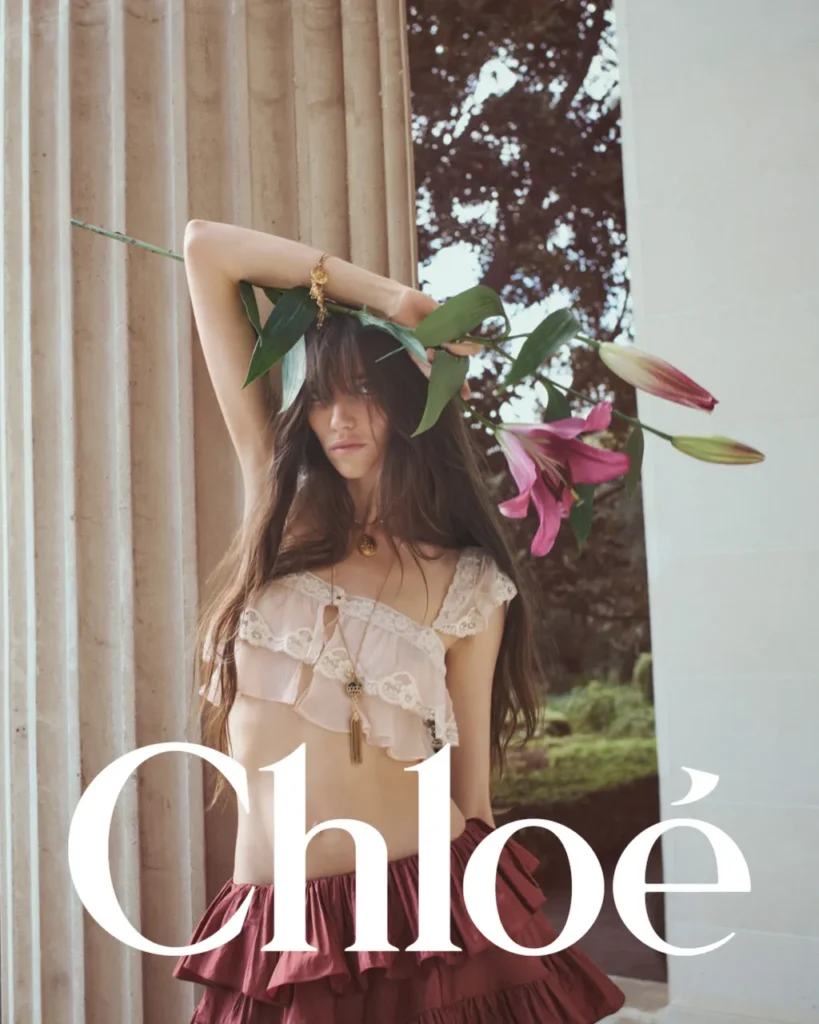
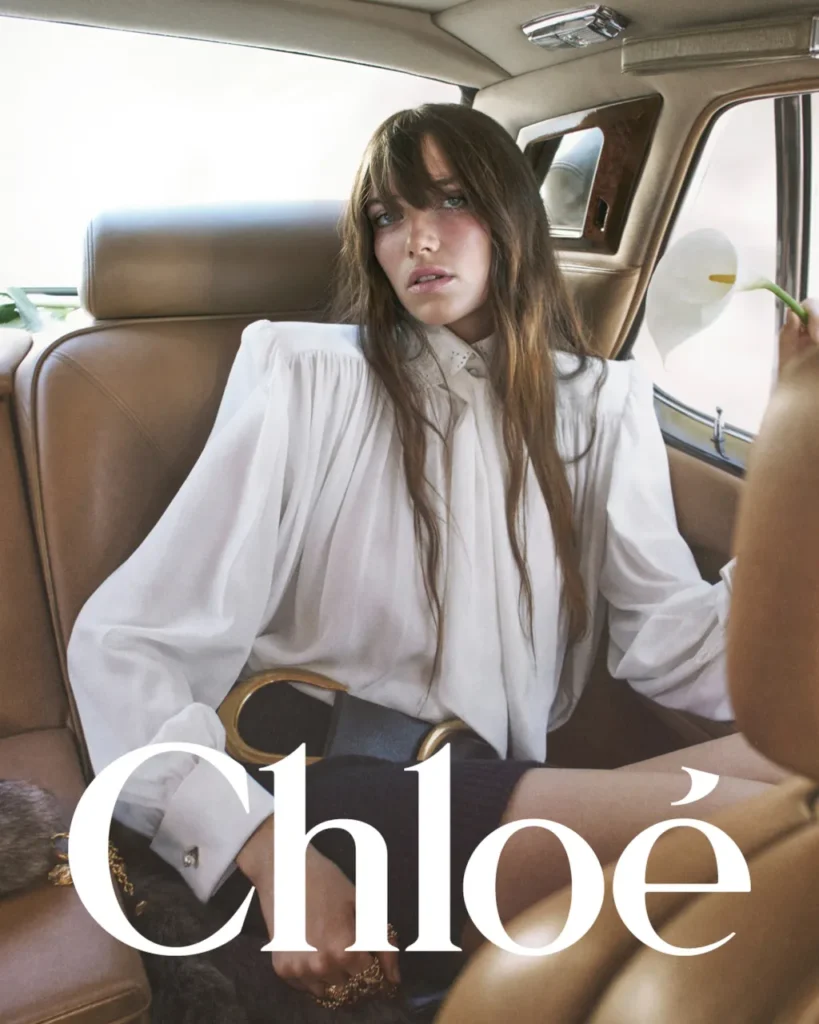
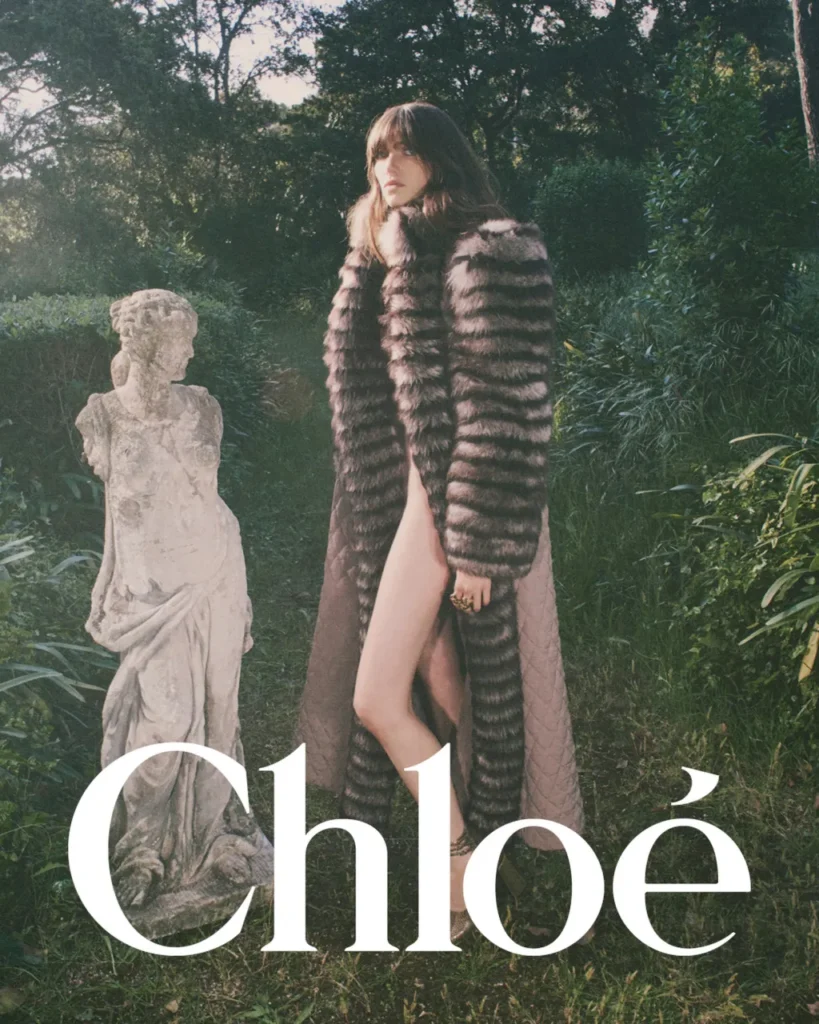
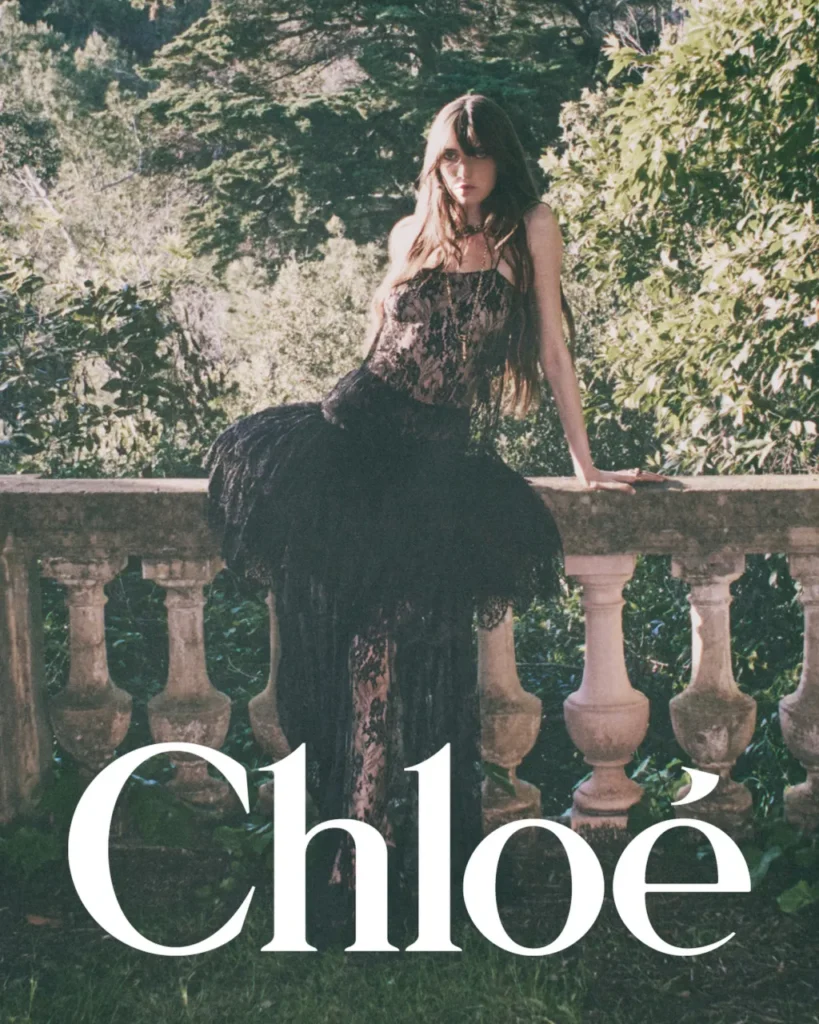
Chloé’s Winter Campaign Revives the Free-Spirited Glamour of the ’70s
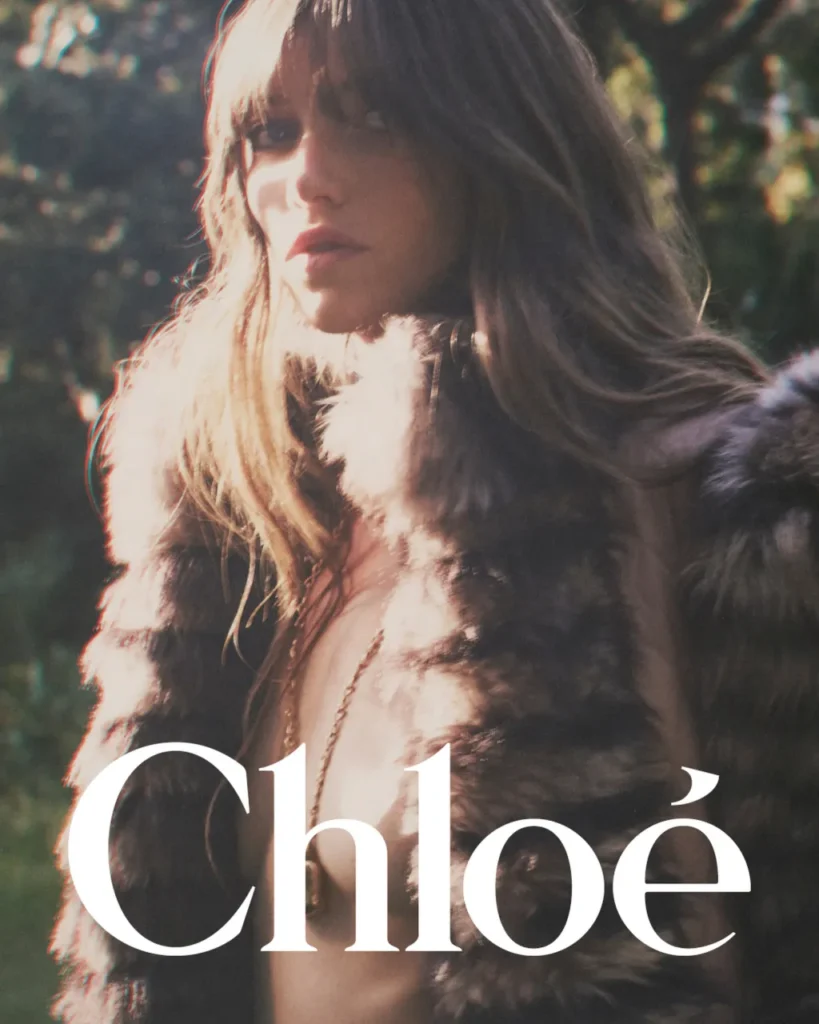
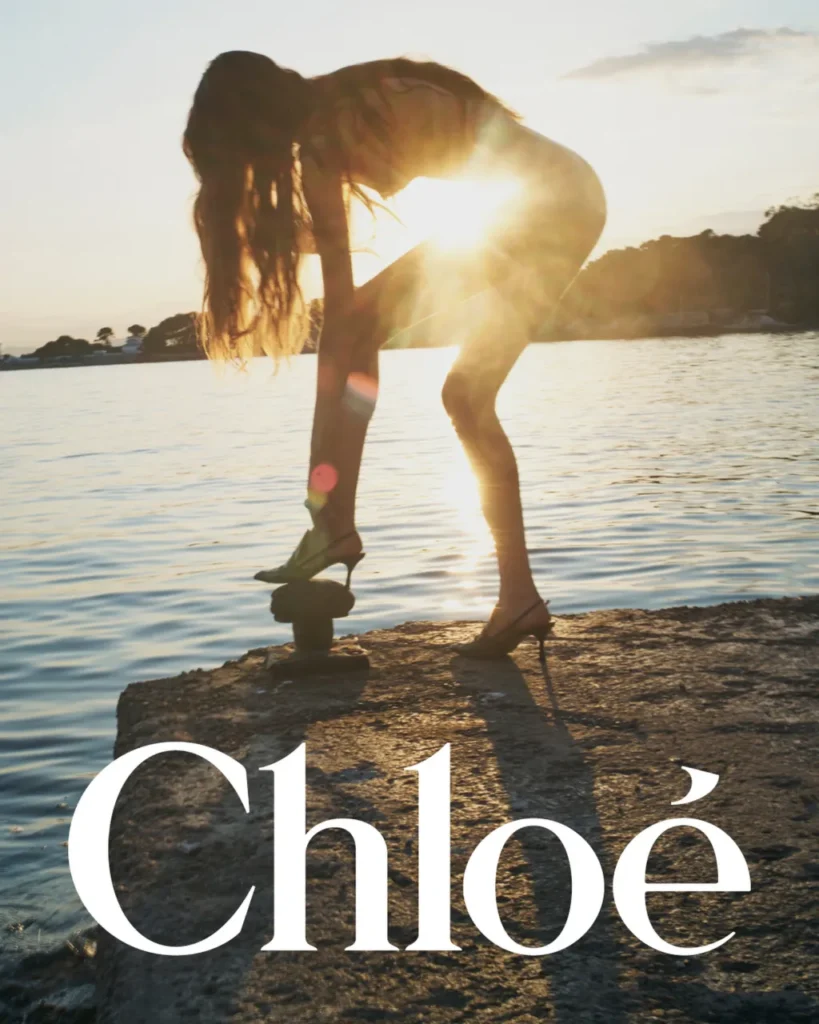
Chloé’s Winter 2025 campaign embraces the free-spirited hedonism of the 1970s, capturing a sense of cinematic escapism and timeless elegance. American model Grace Hartzel stars in the campaign, photographed by David Sims at a Belle Époque villa in the south of France, evoking both glamour and the relaxed charm of off-season Riviera life.
Courtesy of Chloé
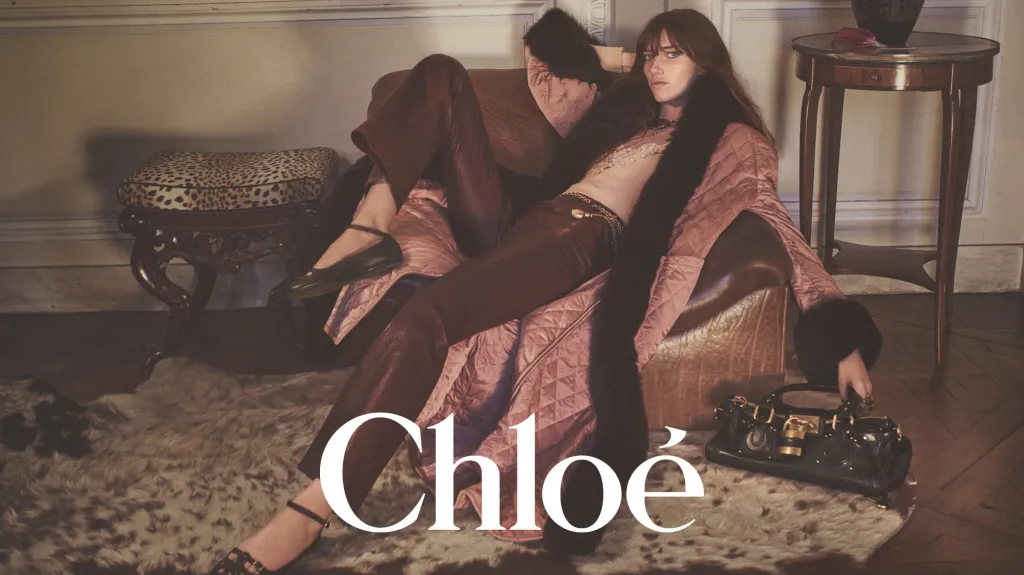
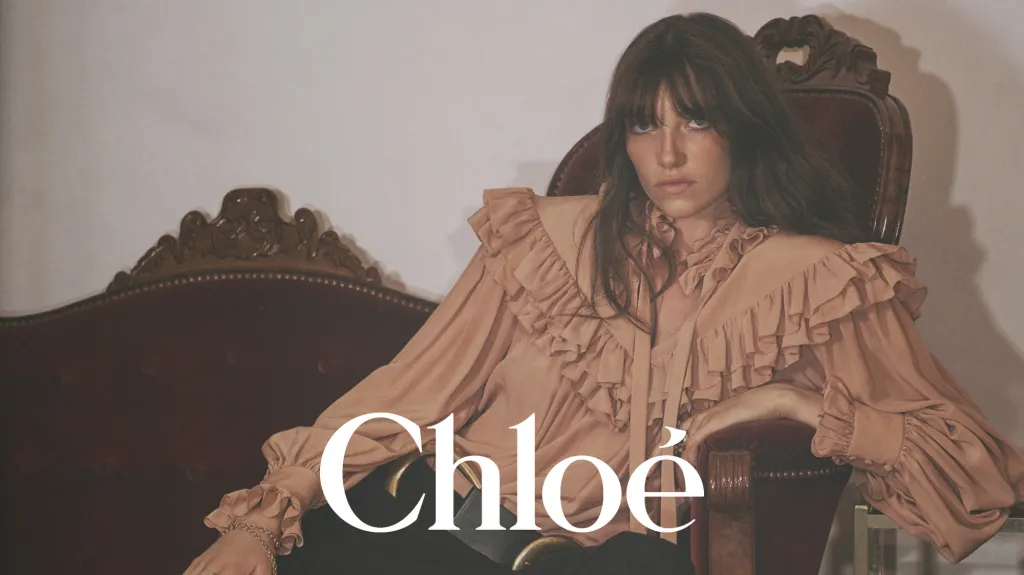
The campaign, directed creatively by Kamali and styled by Élodie David Touboul, explores a delicate tension between sensuality and restraint, presence and escape. Sims also oversaw the cinematic direction, emphasizing movement, natural light, and the effortless interplay between the architecture of the villa and Hartzel’s dynamic energy. “Grace brought her own rebellious charisma, sensuality, and free-spirited energy to the campaign, making every image uniquely hers,” said Kamali.
Courtesy of Chloé
The Winter 2025 collection, launching September 4 in Chloé boutiques and online at Chloe.com, blends bohemian romanticism with contemporary structure. Key pieces include voluminous yet structured blouses, subtly Victorian-inspired jackets, padded statement coats with tubular fur details, sunk Henley knits, and long, narrow chiffon skirts. The palette and textures convey both elegance and ease, reflecting the Maison’s dedication to timeless yet modern dressing.
Courtesy of Chloé
Through this campaign, Chloé extends a sense of sunny optimism beyond the traditional summer season, highlighting freedom, luxury, and the effortless glamour of early 1970s Riviera style, while reaffirming the brand’s signature blend of femininity, sophistication, and understated rebellion.
The Normalisation Of Overconsumption In The Fast Fashion Market
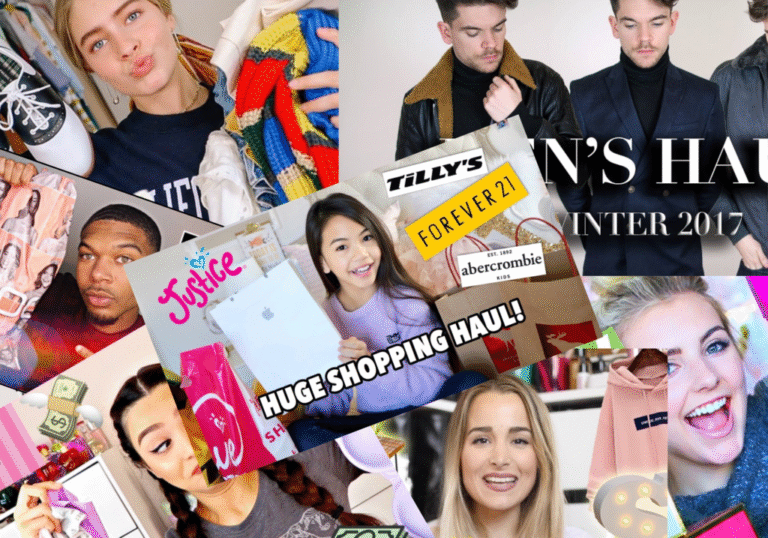
On the 10th of June the French Senate passed a law whose aim is to contain the environmental consequences caused by fast fashion. Its main target are the Chinese e-commerce giants known as Shein and Temu, both of which despite their controversy keep on being popular among the buyers. In a handful the new bill introduces an eco-score system in order to evaluate the brands’ environmental impacts and tax them accordingly. But one of the most interesting aspects of this law is the limitation imposed on influencers, which seem like a new approach to solve this problem: content creators are now not allowed to promote online ultra-fast-fashion brands otherwise they will be subjected to a proper sanction. This not only affects the kind of videos influencers will publish-as we probably won’t see as many hauls as before-but it changes the rules of affiliate marketing as well. Granting that this bill will shift the past balance, the aim of this article is to analyse how the promotion of these brands through media has led to the current consumerism problem. Following an analysis on the different types of fast fashion the psychological well being practitioner Tia Benstead has answered some questions on the influence big hauls have on us, the concept of shopping as a copying mechanism and how the French ban could help the current situation on social media.
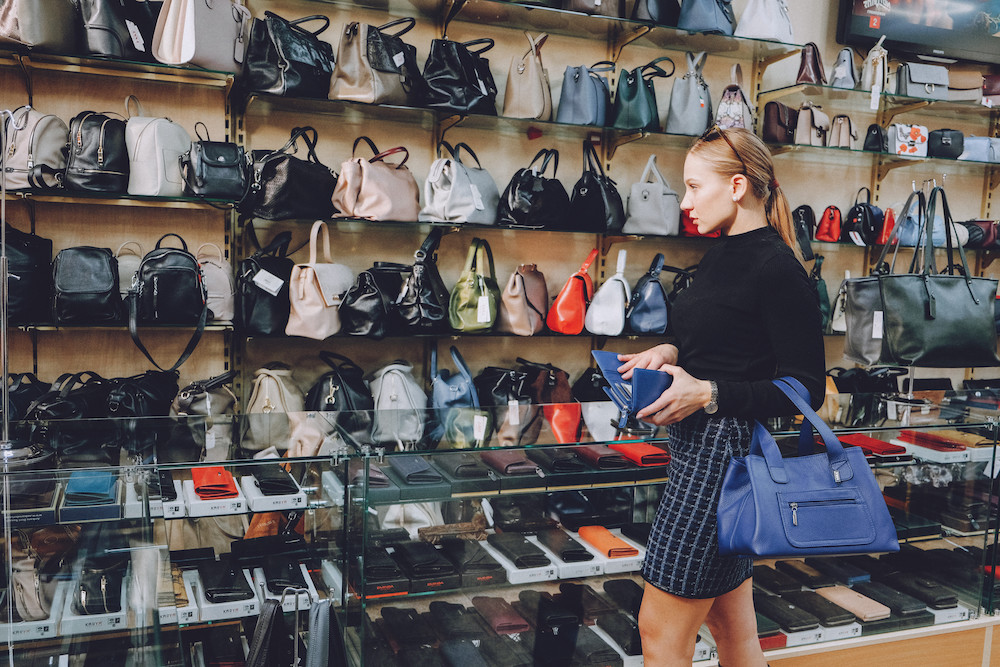
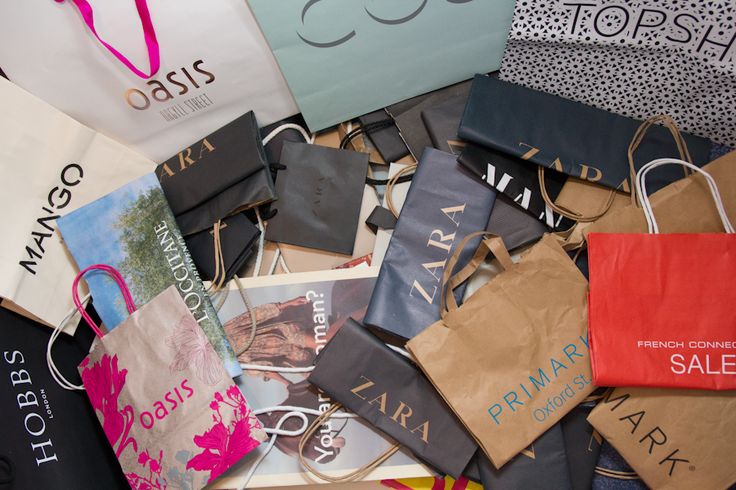
Overconsumption in Fashion Industry. fast fashion.
The differences between regular and ultra fast fashion
Before diving deeper into the topic it’s important to differentiate the two definition. Based on the French bill the eco-tax will be applied to all the brands that fall under the definition of “fast fashion” whereas the limits imposed on online promotion regard just the ones considered ultra.
While they can both be described as inexpensive clothing produced rapidly by mass-markets retailers in response to the latest trends, the ultra fast fashion chain of production works much faster, producing new pieces daily. More recently spread, the latter is available exclusively online and its supply chain-and materials- are cared to be kept a secret to the public.
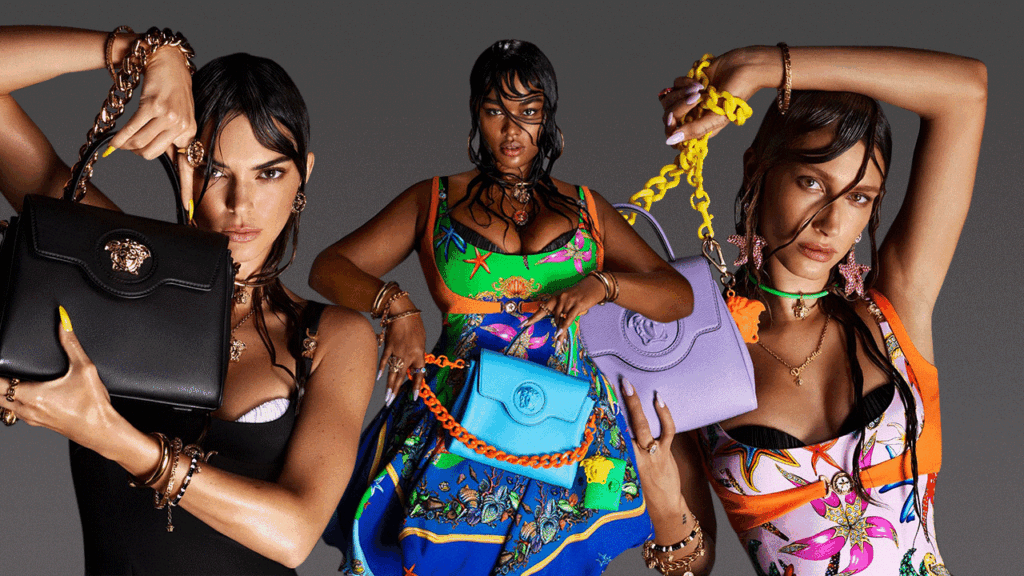
“The Glamorous Side of Shopping” Versace Spring-Summer 2021 Campaign: La Medusa
The contrasting growth of clothing expenses in the last years
An interesting phenomenon related to the amount of money spent on clothing has been observed in recent years. Despite the lowering of products’ prices between 1996 and 2018 families expenses that regard clothes have grown. Low prices, characteristic of fast fashion, have become an incentive for buyersm. But simultaneously clothes’ usage has shortened to roughly seven wears, creating a cycle in which people buy the cheap clothes-made of cheap materials-the materials get ruined, clothes are thrown away and different versions are acquired from the same site/store. Both sites and stores not only granted the possibility to acquire the same product but also became more and more able to keep up with trends.
Companies such as Zara, that really took off in the 90s when imitating trends such as “boho-chic” started generating profits, are able to produce hundreds of new designs per week. But younger competitors, like Shein, raised the number of designs up to thousands per day. Alongside the choices among the products what has upgraded is also the strategy used to promote the clothes, on and off the app. Resuming the report “The state of fashion 2025: challenges at every turn” -published by McKinsey&Company-there are two factor to consider right now: people are returning in in-physical stores and are subjected to a diverse platform experience when shopping online. We have already seen the latter with the reward programs heavily present in Shein and Temu and the high usage of “TikTok shop”, easily accessible at any moment while being on the app. The concept of having an in-app store specifically (when it comes to TikTok) is a strong contributor to the chain reaction which starts when we see a product -not needed in the first place- and we search for the faster mean to acquire it. This mechanism can not only be damaging to people’s financial situation but it can interfere negatively on the consumption problem we are living right now.
Understanding the psychology behind overconsumption – with Tia Benstead
More evident in some instances than others the marketing schemes aimed to attract buyers and create trends have aff ected us all. Think about the recent boom with “Labubus”, the puppets that have engaged millions of people despite not having an actual function. When something like this happens what we testify is the exponential growth of a very specifi c trend that usually tends to go out of style as fast as it became popular. This then leads the buyers to leave that trend behind and following the next. In order to not fall into this cycle understanding the insights behind these behaviours can be of help to the consumer in making more mindful choices.
To achieve a better comprehension of how these mechanisms works on us Tia Benstead, a psychological well-being practitioner, has answered a couple of questions. Graduated in 2020 at Aston university, she achieved a first-class honour degree in psychology and completed Post Graduate diploma at De Montfort. As of now Benstead is working on her business “Thinkbrighttherapy” with the aim of guiding individuals towards mental wellbeing and self growth.
The first topic to cover is comprehending how seeing big hauls and new trends affect us and why do we feel like we lack something we didn’t need before.
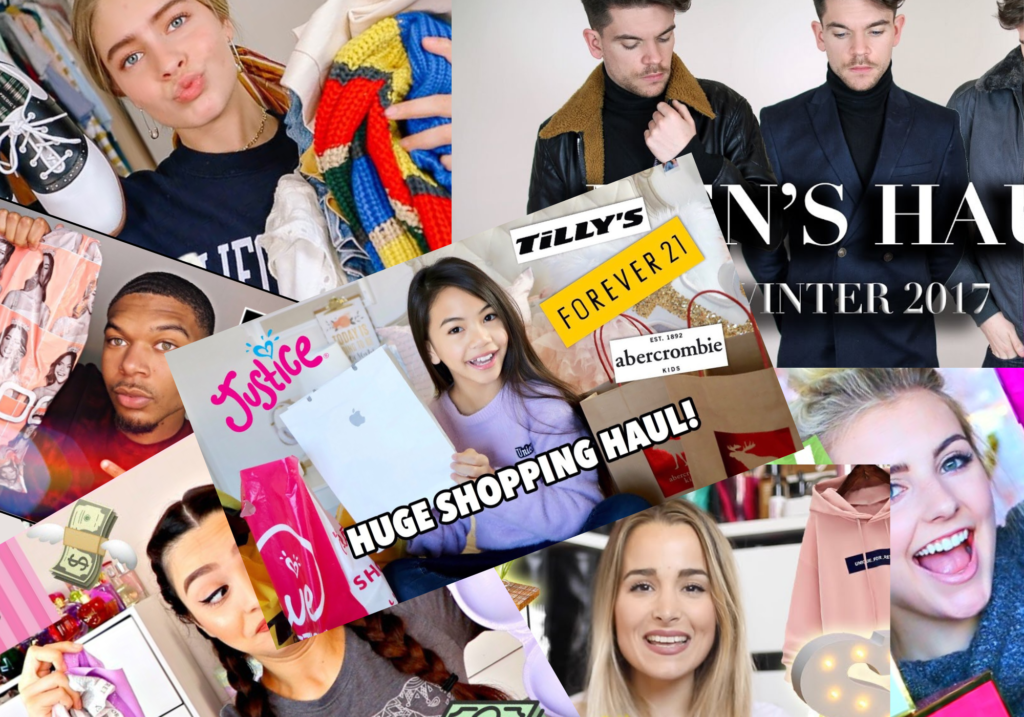
Influencers Influence Fast Fashion
“A lot of us fall into the trap of feeling that sudden ‘want’ when watching a haul. Usually this response is rooted in social comparison and the brains dopamine system” says Benstead.
“We often evaluate our worth based on others particularly in area like appearance, lifestyle and possessions. This is likened to the social comparison theory”.
Especially when it comes to social media what we base our deductions on are the fast viewings we have on others’ lives. Therefore when watching a 15 seconds video on TikTok our minds are lead to think that we might miss on something if we are not in possession of the specific item shown. And this feeling is highly amplified when it comes to trends, as they appear in multiple 15 seconds videos. “TikTok videos have mastered using basic advertisement and marketing strategies such as “limited stock” and “must haves” to create a persuasive urgency. We have all experienced FOMO (the fear of missing out) right? This cognitive bias is refereed to as loss aversion”.
But the marketing strategies that lead people to overconsumption are not limited to social media. For instance the idea of shopping as a copying mechanism has been portrayed both on social media and in movies. Films specifically have the ability to make us resonate with the main characters, therefore understanding and imitating their behaviours. And while shopping can be a satisfying mean, impulsive buys that are soon thrown out are not a sustainable long term solution.
“Films like Confessions of a Shopaholic glamorise the use of shopping as a form of emotional relief. Shopping activates the mesolimbic dopamine pathway, which is also activated by experiences associated with pleasure (e.g. eating or sex). When we’re stressed, bored, or feeling low, we often gravitate toward behaviours that offer immediate mood elevation and shopping is one such behaviour” breaks down Benstead when asked if shopping as a copying mechanism is learned through social media or is already rooted in our brains. “What media and influencer culture do is reinforce this behaviour by showing us that it’s normal and desirable to shop when you’re upset, bored, or celebrating. This normalisation can create what we call vicarious reinforcement; we see someone else gain social or emotional reward from shopping, and we’re more likely to imitate it”
This insight on how the influencers culture can reinforce this behaviour leads us to our next point:Can France’s influencer ban reduce overconsumption?
“Changing the social narrative around consumption is key. If influencers no longer glamorise excess, it could disrupt the phenomena that viewers interpret frequent purchasing as normal or desirable. Also, by removing the promotional rewards, we also weaken the financial motivation. So yes, this could lead to reduction in impulsive and excessive purchases, especially among younger viewers who are heavily influenced by digital culture and are the main consumers of social media apps such as TikTok”
If a lot of talks have started with the French Ban, the problems raised by fast fashion have not been a secret for a while now. In a delicate situation in which most of its products have a negative impact on the environment, in order to solve the problem at its roots being aware of the specific marketing strategies used can lead us to make more conscious decisions when it comes to buying clothes and therefore avoiding the so common buy-throw cycle.
From TikTok to Trendsetter: Addison Rae Designs Her Own Lucky Brand Jeans
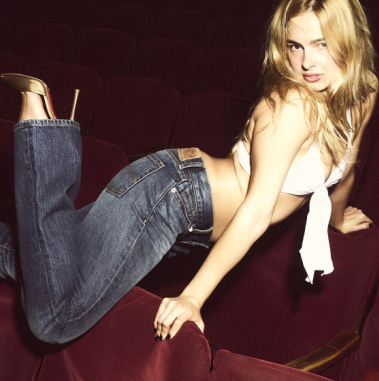
Courtesy of Lucky Brand
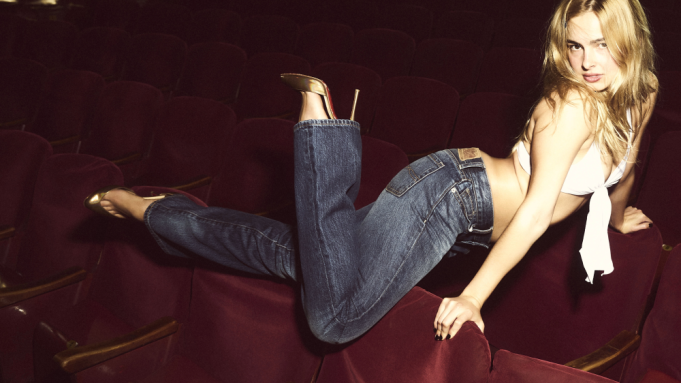
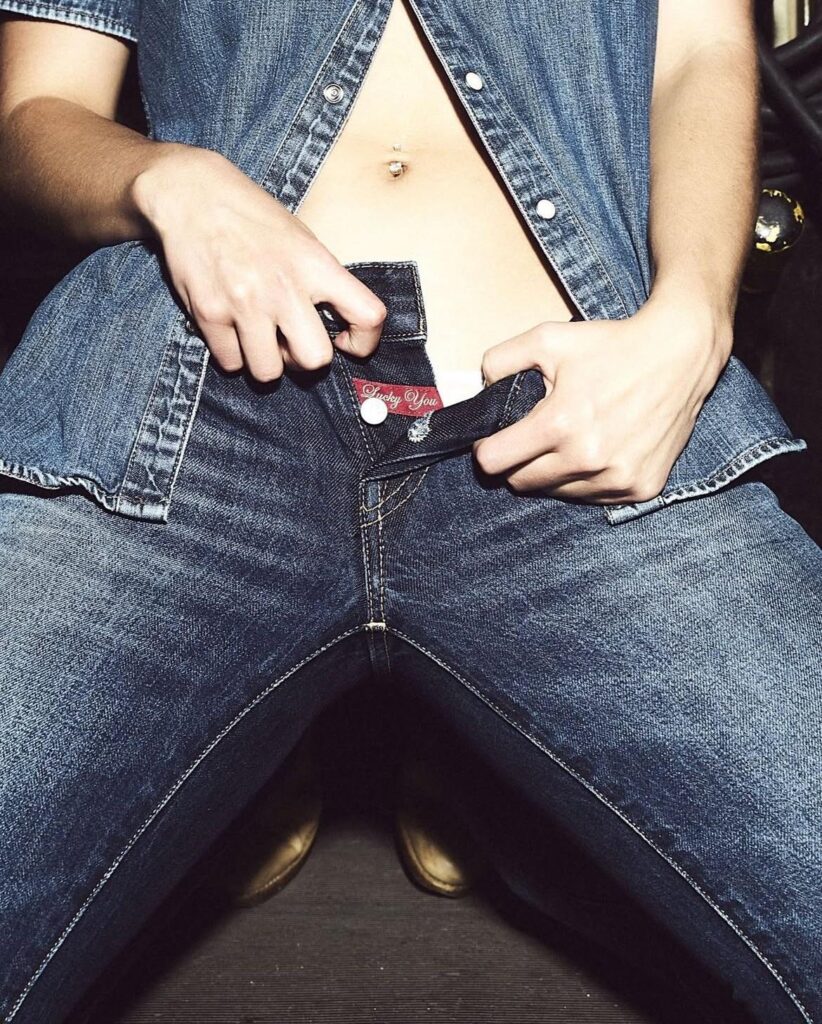
Longtime fan of Lucky Brand, singer and TikTok sensation Addison Rae is stepping into the role of creative director for her first-ever fashion collaboration with the heritage denim label. The project resulted in the Addison Ultra Low Rise Flare, a fresh reinterpretation of Lucky Brand’s early-2000s low-rise silhouette, updated with Rae’s own signature touch.
The new design features collectible details such as a custom back patch, a special hangtag, and the brand’s iconic “Lucky You” message. What began organically —when the brand noticed Rae wearing vintage Lucky jeans during performances and around Los Angeles— quickly evolved into a creative dialogue that culminated in this contemporary revival.
Courtesy of Lucky Brand
Rae not only designed the piece but also fronts the campaign, which was shot at the historic Million Dollar Theatre in downtown Los Angeles by director Mitch Ryan. As part of a bold guerrilla marketing move, Lucky Brand placed billboards in New York and Los Angeles displaying Rae’s real phone number, encouraging fans to connect directly with her. In addition, in-store shoppers will receive limited-edition cards granting access to a curated playlist personally approved by Rae.
“Being part of this project from beginning to end —from concept development to styling and final edits— was such an empowering experience,” Rae shared. “Having creative input in everything, from the product to the campaign, gave me the freedom to express a new side of my artistry. I hope this collaboration inspires other women to feel confident in embracing their individuality.”
With the launch of the Addison Ultra Low Rise Flare, Lucky Brand revives the nostalgic spirit of the Y2K era while reintroducing it to a new generation of women seeking authenticity, self-expression, and confidence through fashion.