Boloria Spring 2027 Collection
Olivier Theyskens opened a bold new chapter with the debut of Boloria, a label that reflects his uncompromising approach to craftsmanship, tailoring, and draping while introducing a fresh voice in Belgian luxury fashion. Backed by Tomorrowland’s parent company, We Are One World, the collection premiered on the eve of Paris Haute Couture Week, immediately positioning the brand as one of the season’s most intriguing launches.
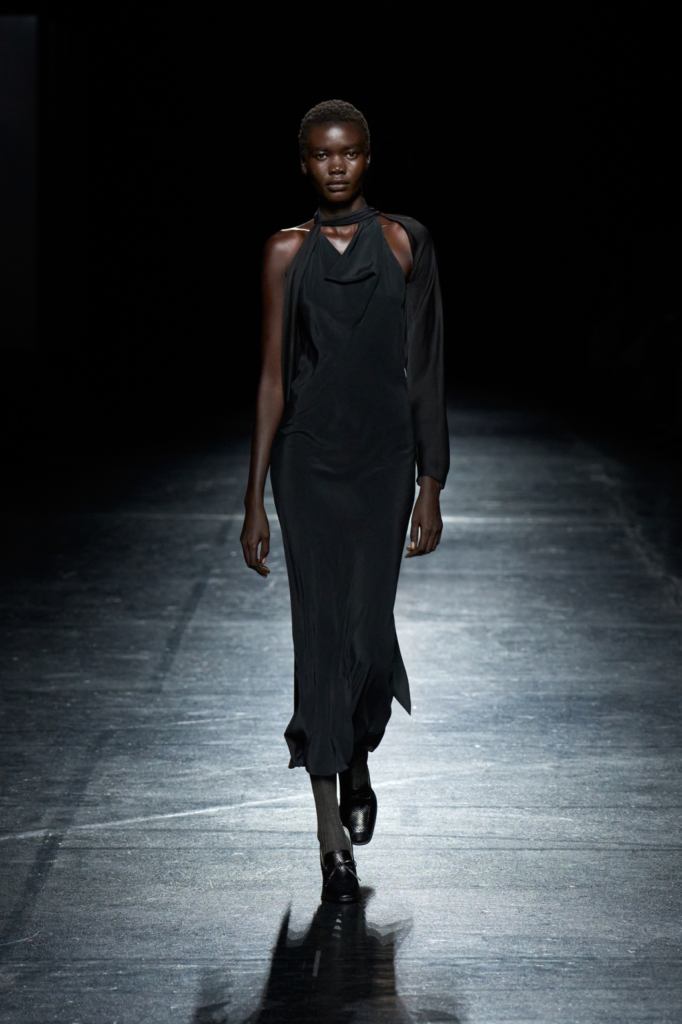
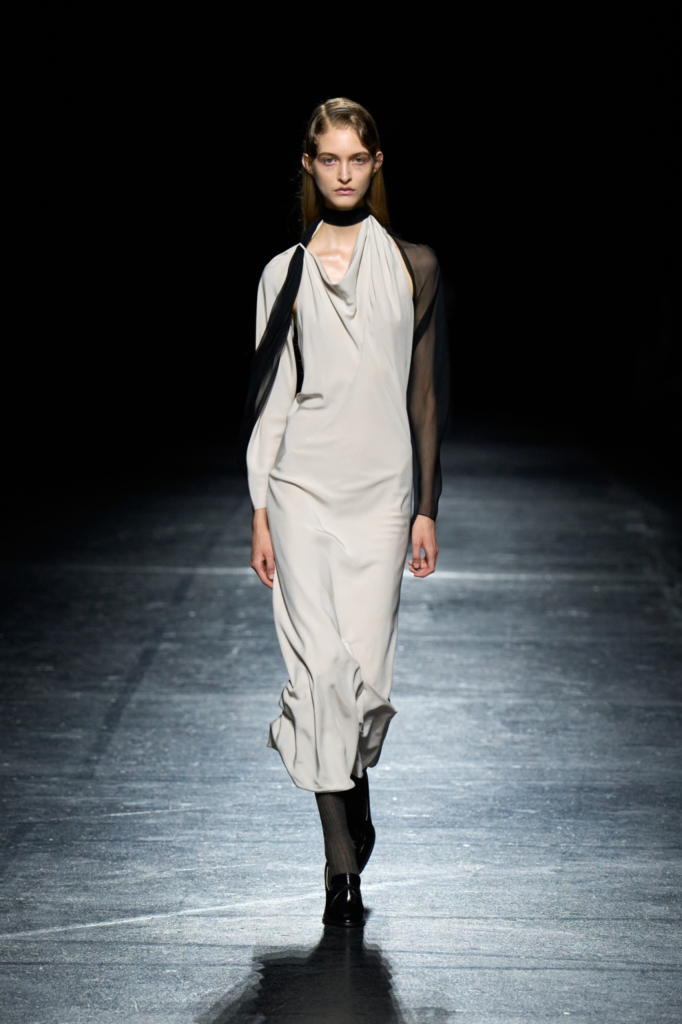
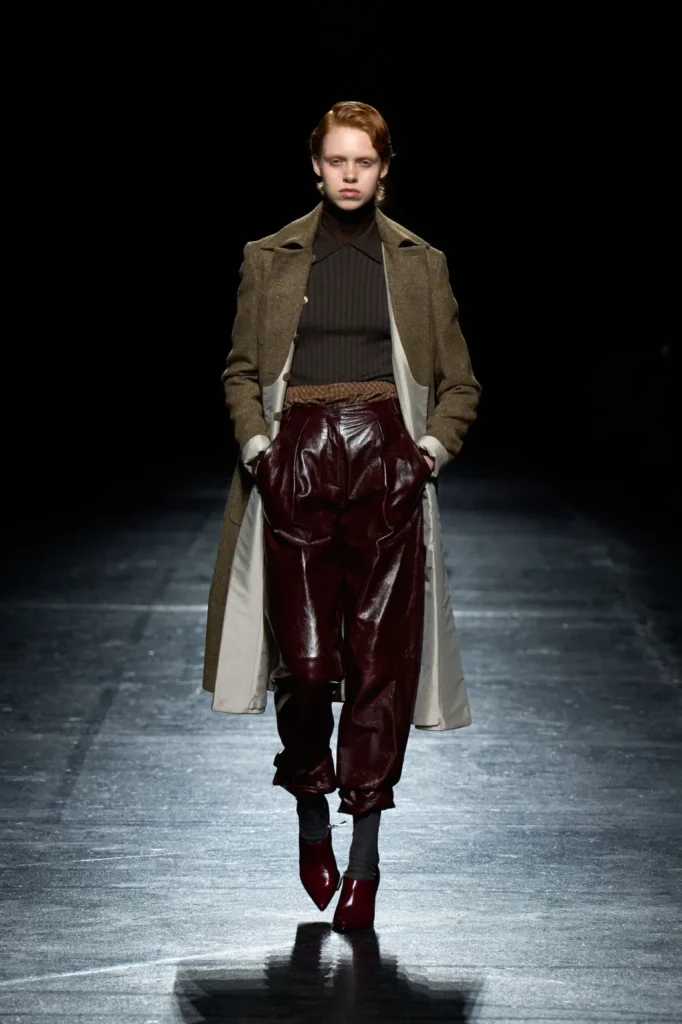
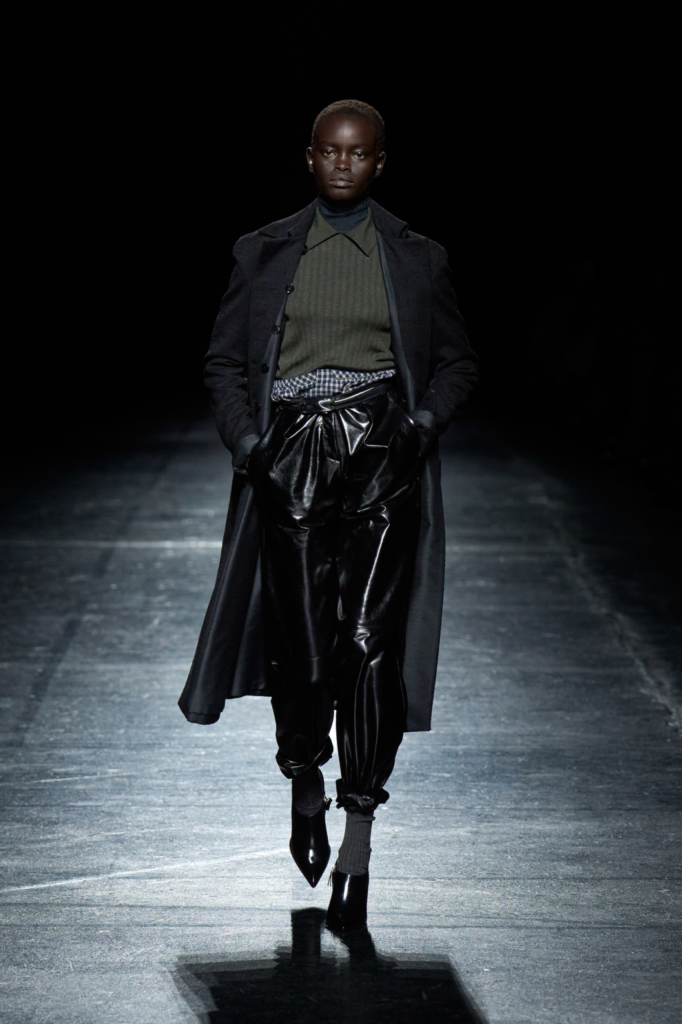
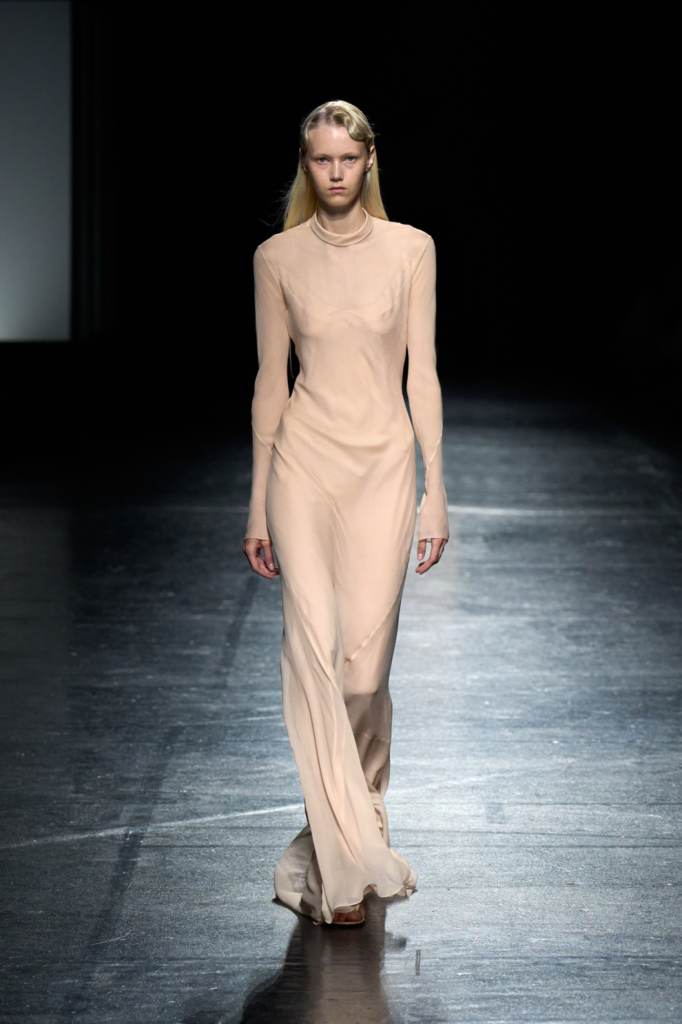
Rather than creating a contemporary startup, Theyskens envisioned a house with the gravitas of a century-old institution. The name, chosen by the company’s founders, refers to Boloria, a butterfly species first documented in 1899—a poetic symbol of transformation that aligns naturally with the designer’s aesthetic.
Having spent two years refining the project, Theyskens obsessed over every detail. From the subtly protruding square sole of a heeled shoe to barely visible strands of beading suspended from lace hems, every element underscored his devotion to precision and artisanal construction.
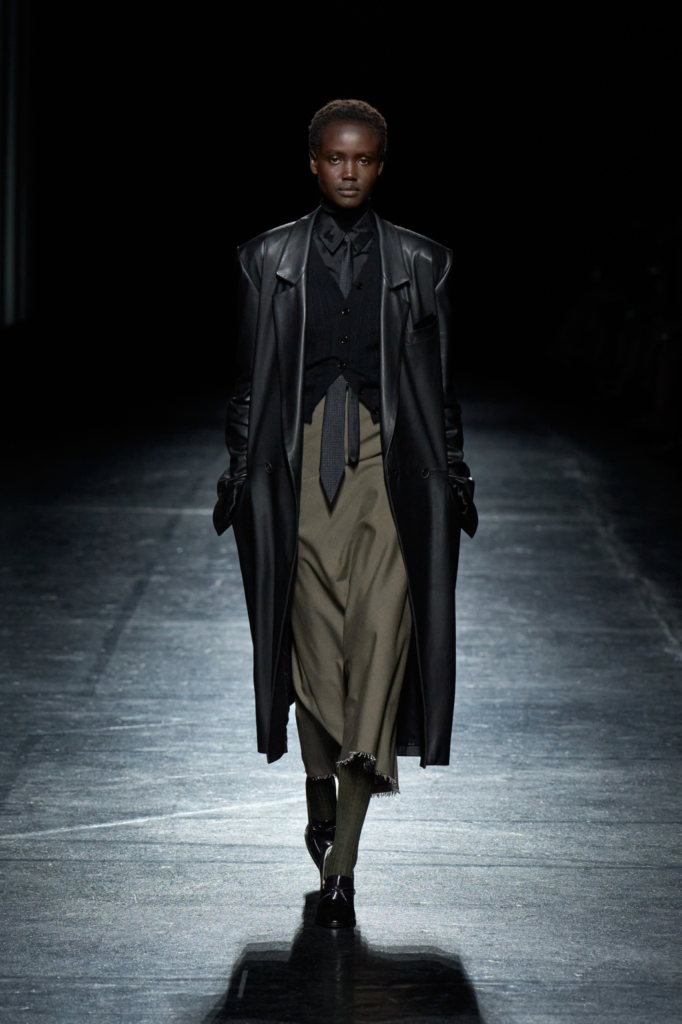
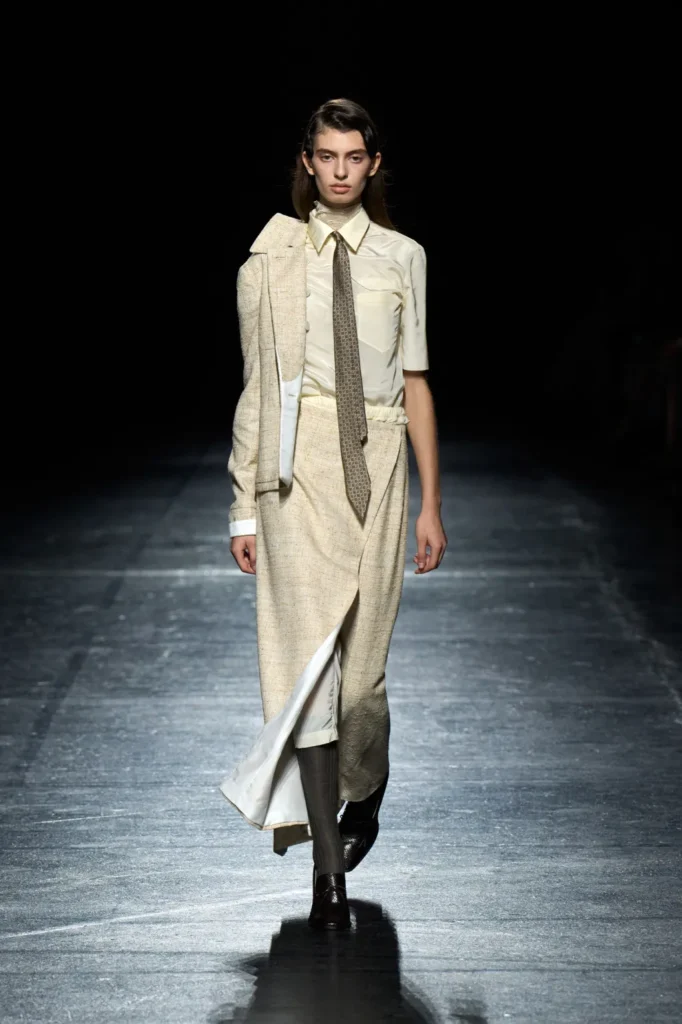
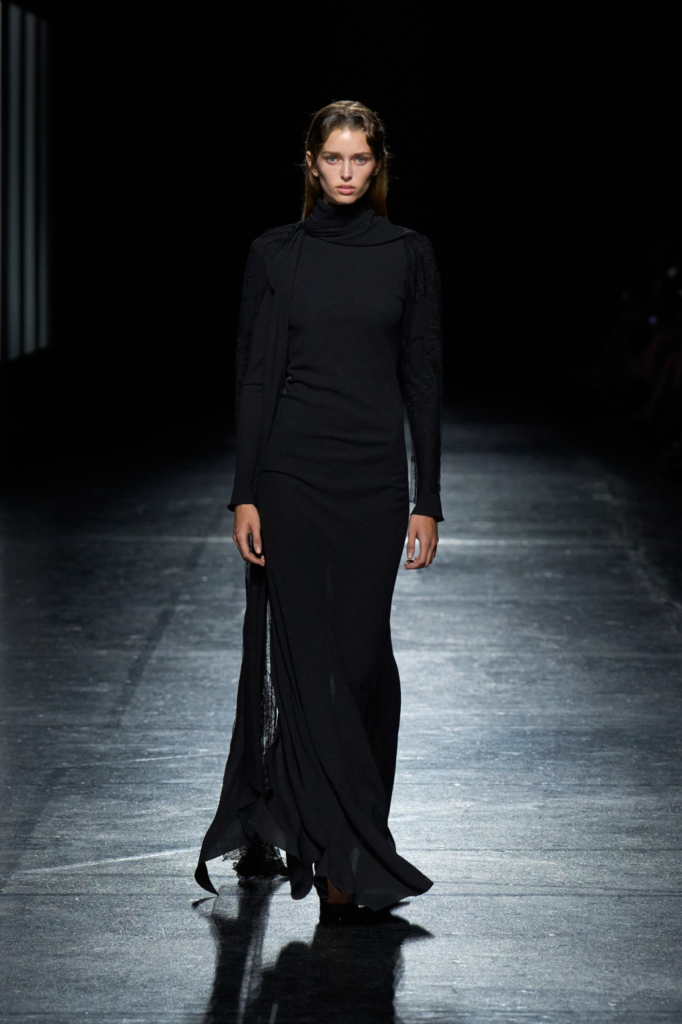
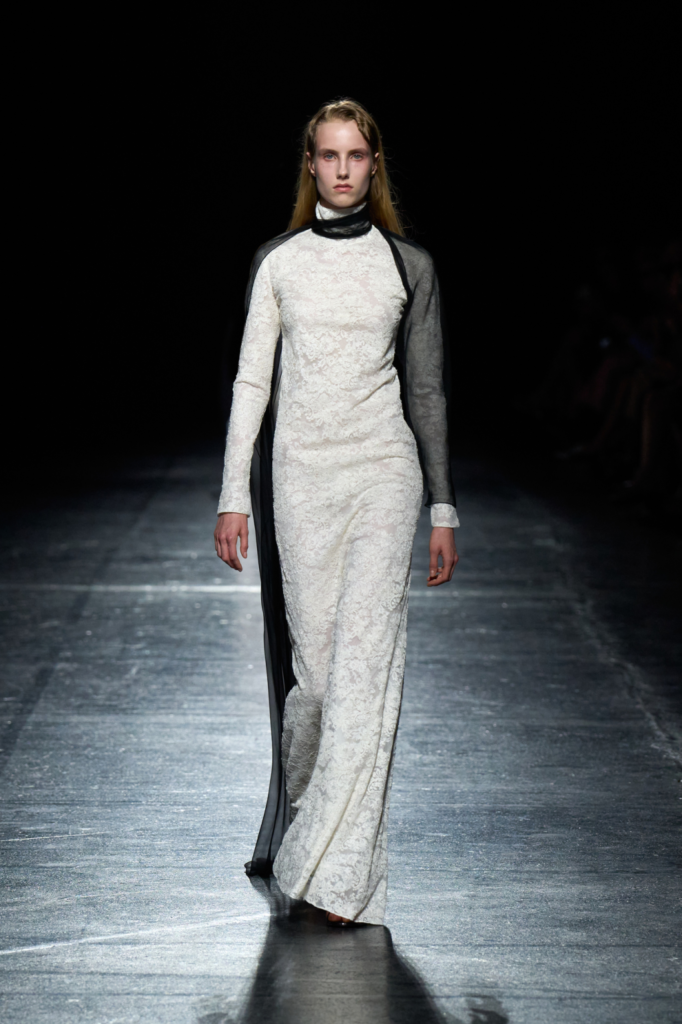
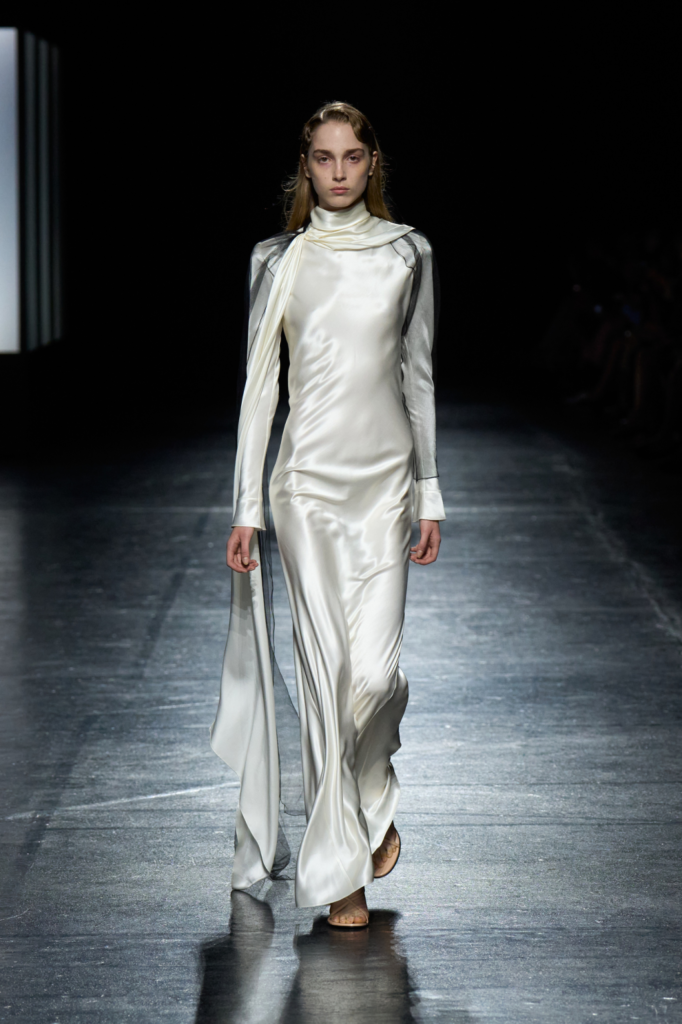
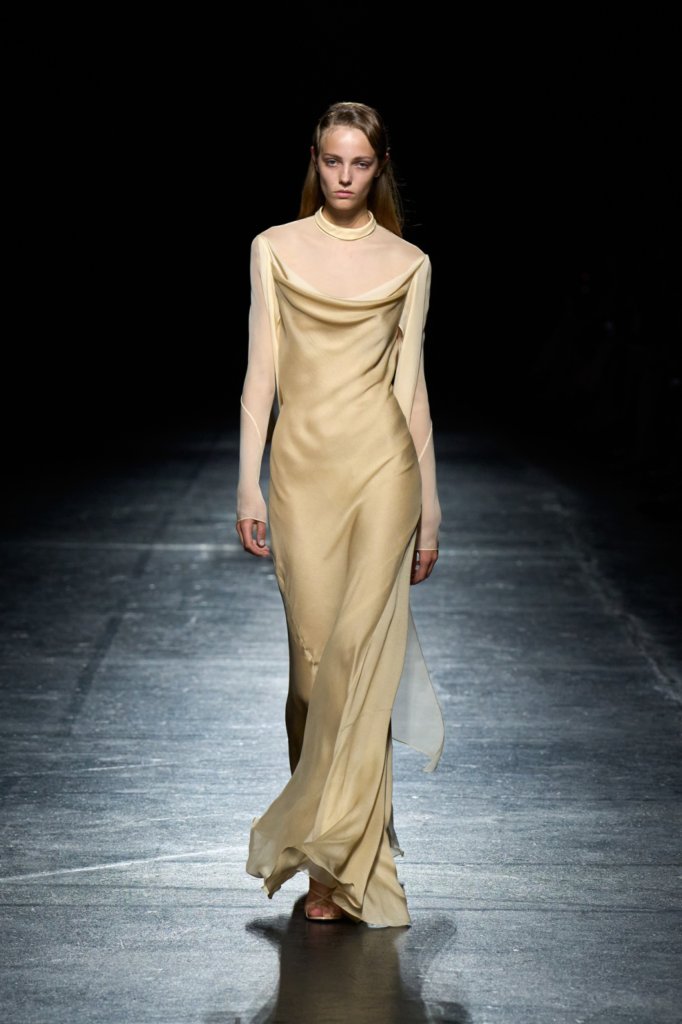
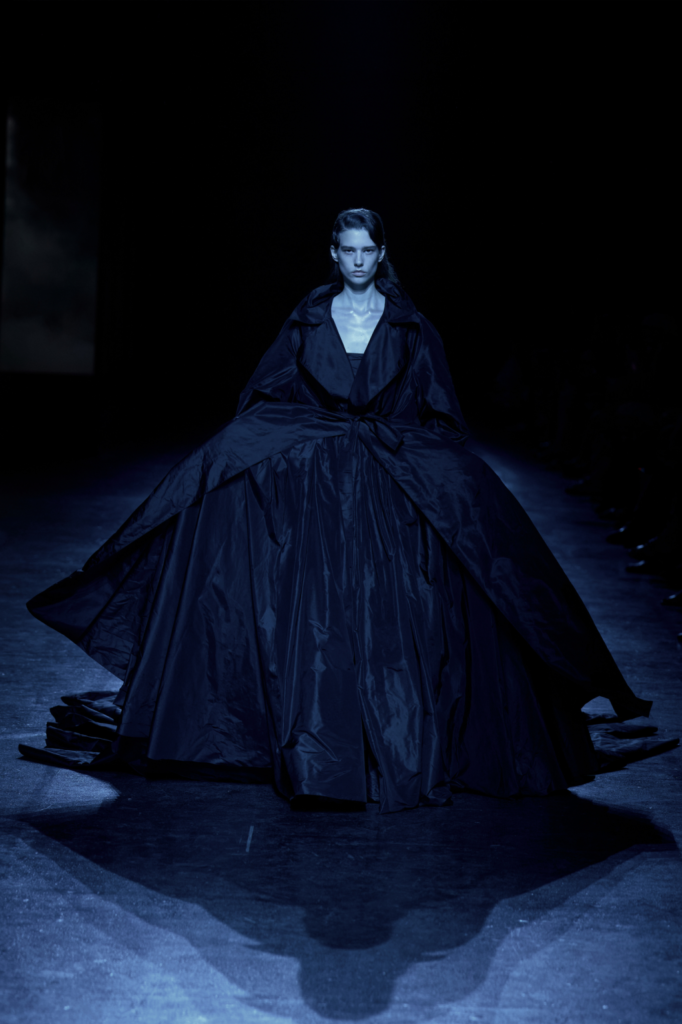
The collection opened with dramatic black gowns that recalled the sculptural silhouettes which first established Theyskens’ reputation in the late 1990s. Rather than revisiting the past, however, they served as dreamlike prologues before giving way to softly draped menswear, where models appeared wrapped in flowing fabrics as if carrying their bed linens into the outside world.
Tailoring became the collection’s defining language. Structured jackets balanced fluid movement through relaxed styling details, including rolled cuffs, turned-up trouser hems, and metallic pocket squares. Menswear carried subtle vintage influences but felt unmistakably modern thanks to lightweight fabrics with glossy and paper-like textures.
Womenswear shifted effortlessly between sharply cut androgynous suiting and bias-cut satin and silk gowns that highlighted Theyskens’ mastery of drape. Presented against a dark, mist-filled set of black monoliths, the collection projected an atmosphere of quiet drama and introspection.
Theyskens imagined the fictional residents of Boloria living across multiple decades—from the 1920s through the 1970s—blending historical references into garments that feel entirely contemporary. Rather than reproducing vintage fashion, he distilled its spirit into timeless silhouettes.