Home Blog

Alaïa and Pieter Mulier Part Ways After a Transformative Five-Year Run

Alaïa and Pieter Mulier Part Ways After a Transformative Five-Year Run

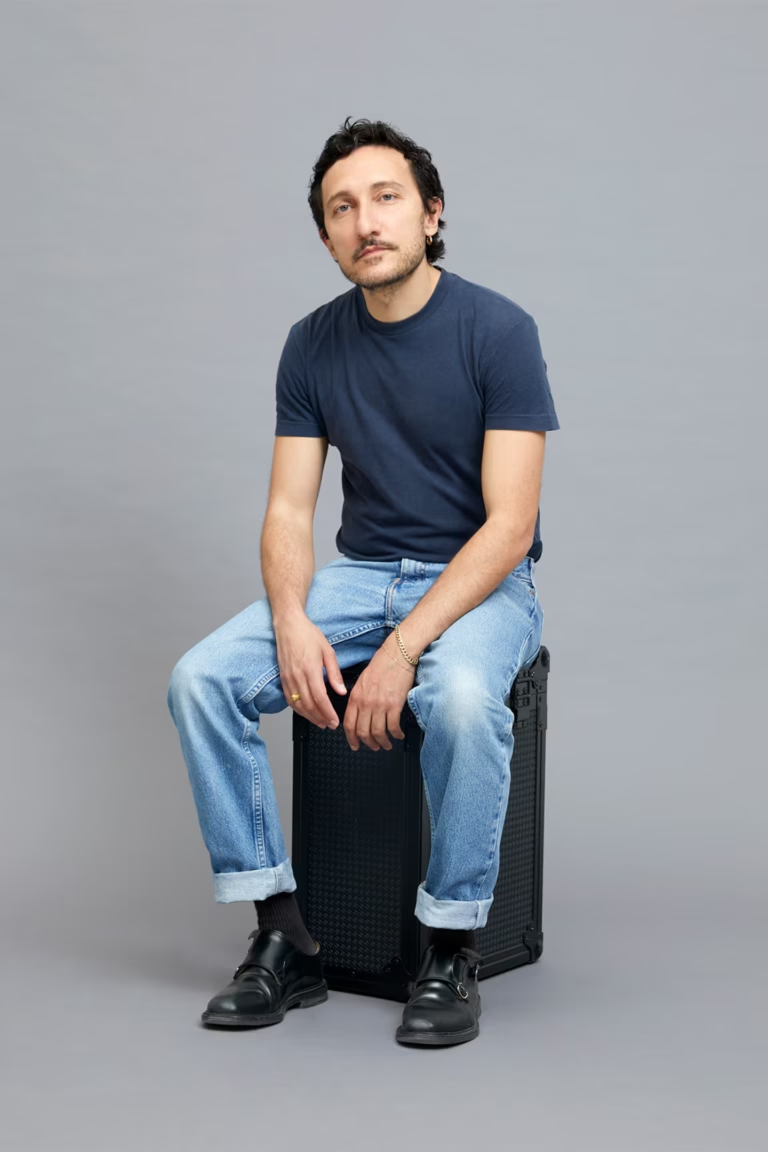
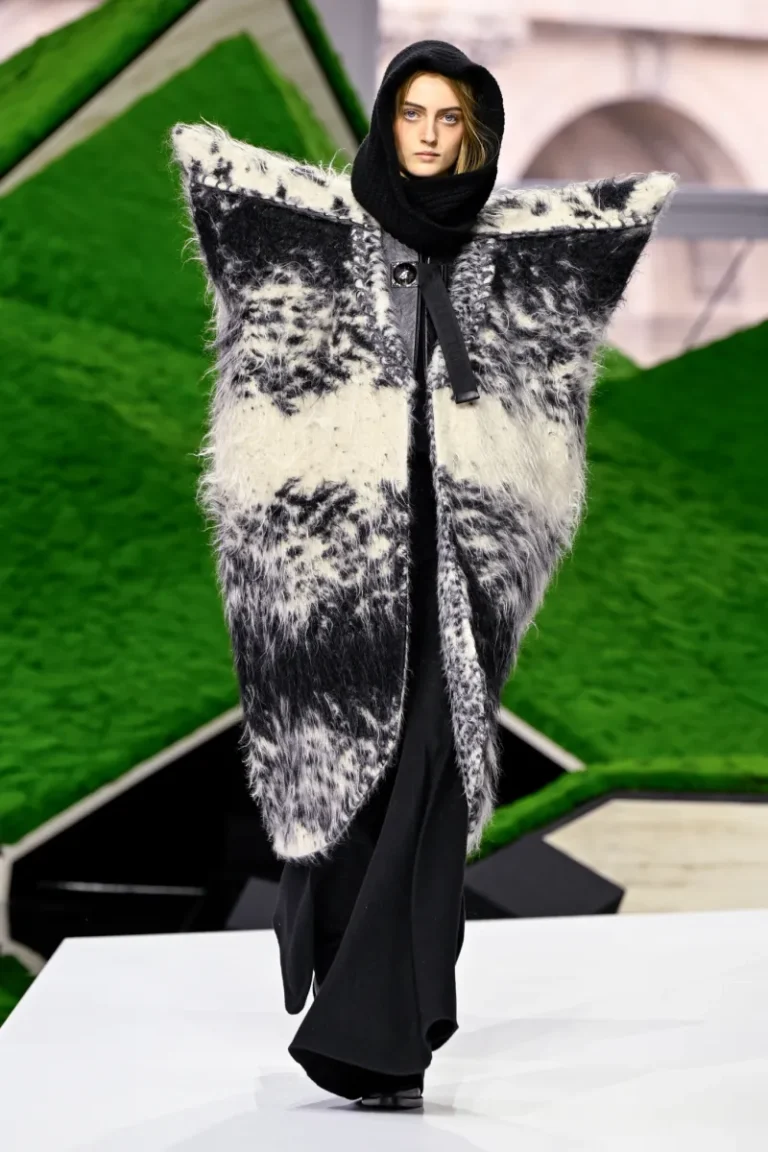
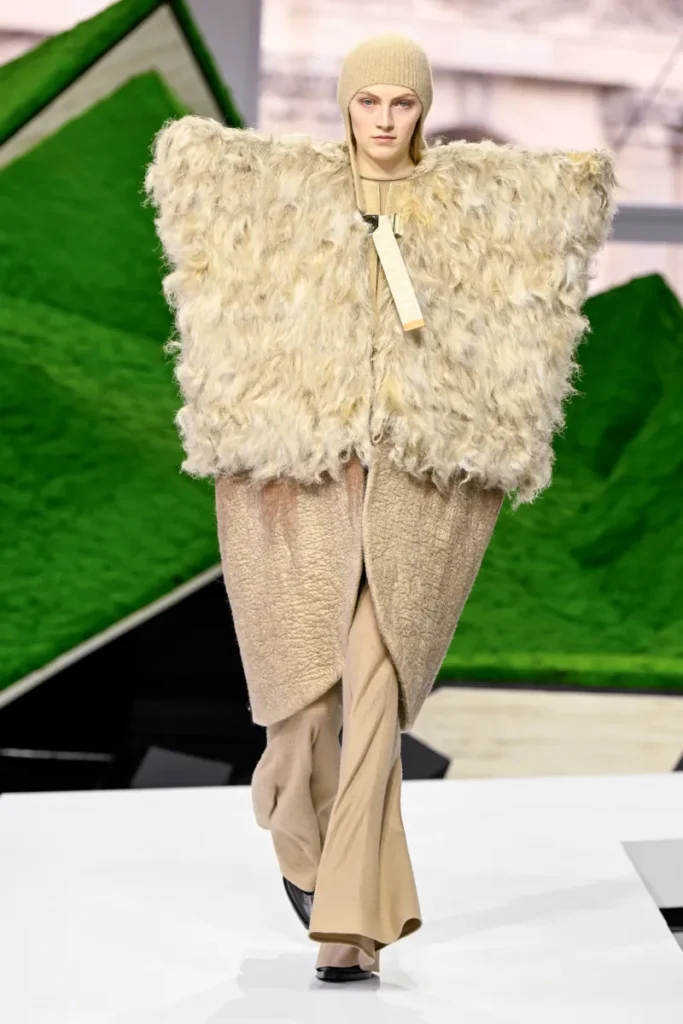
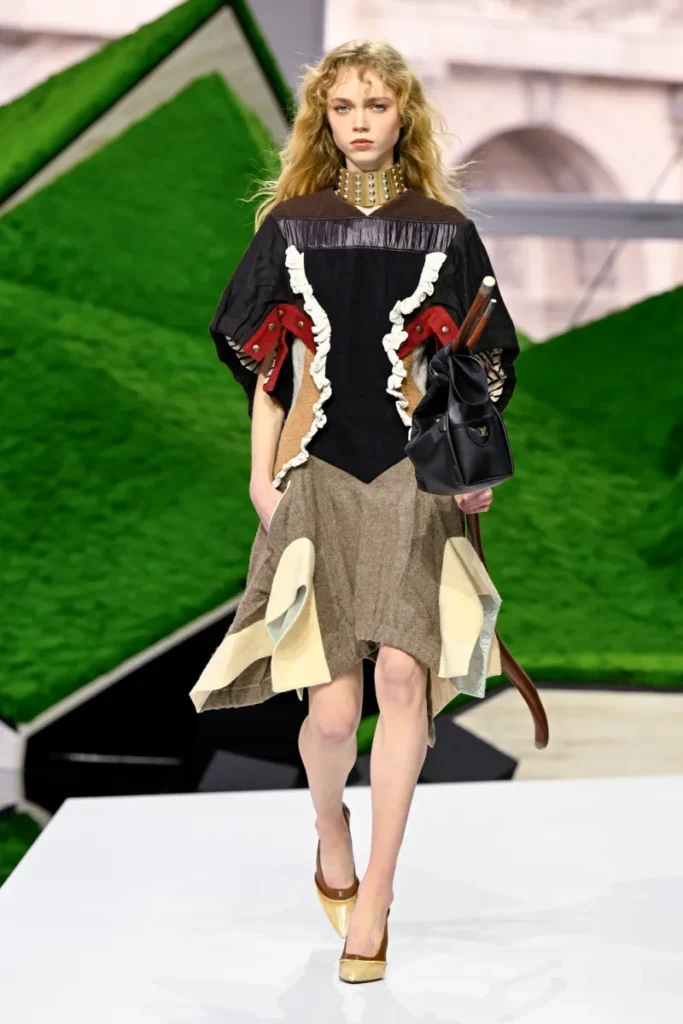
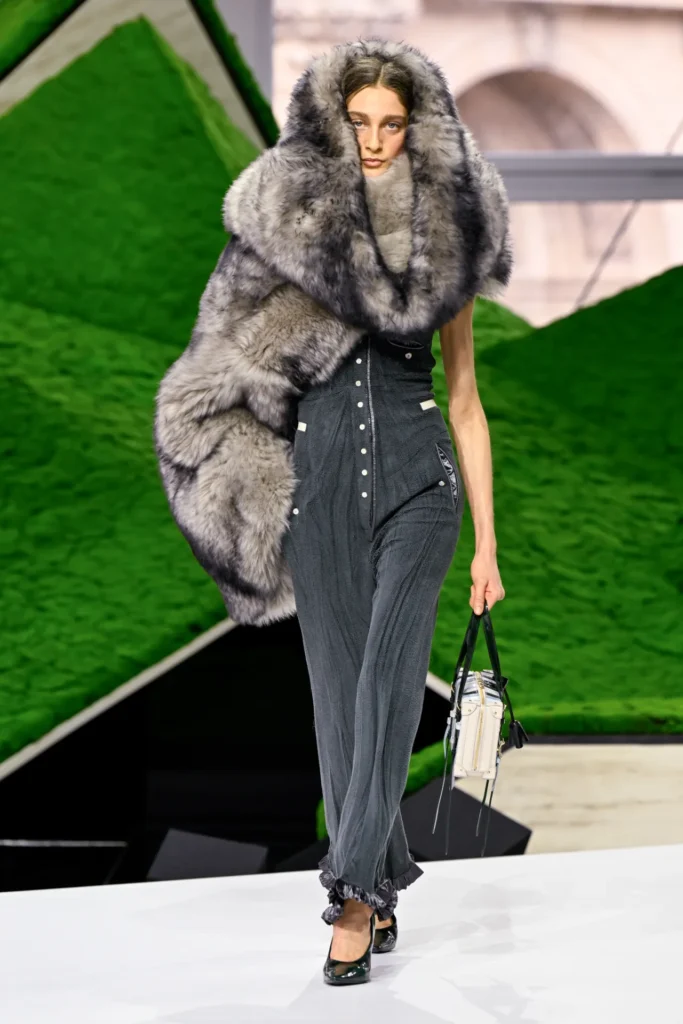
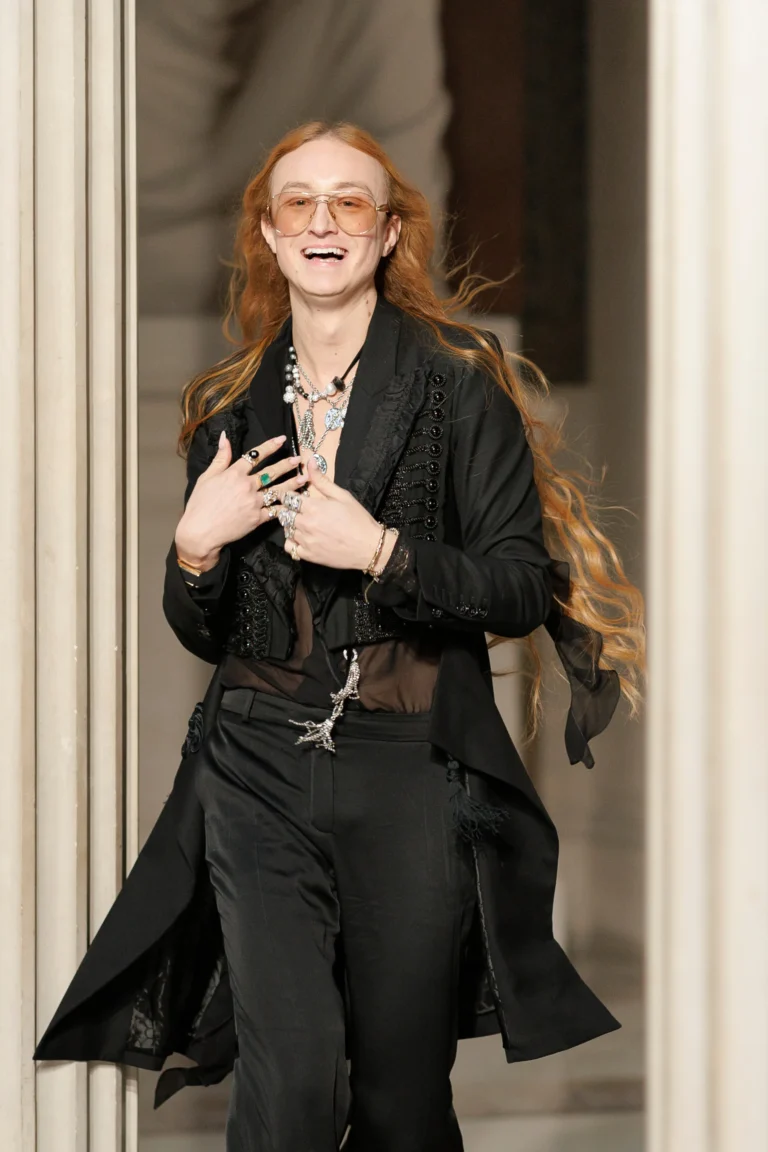
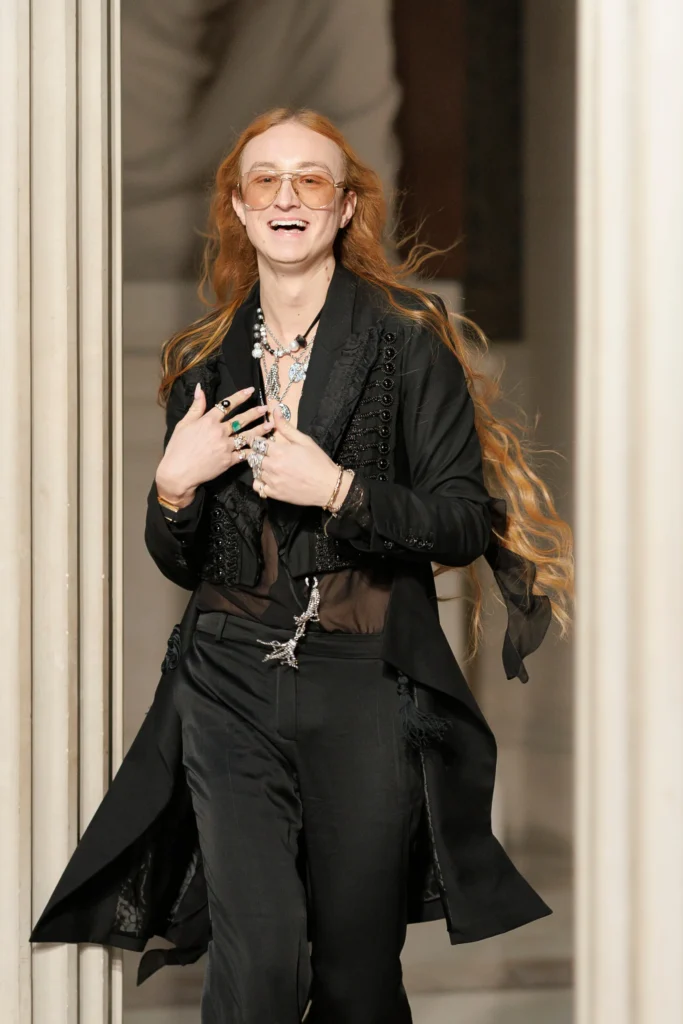
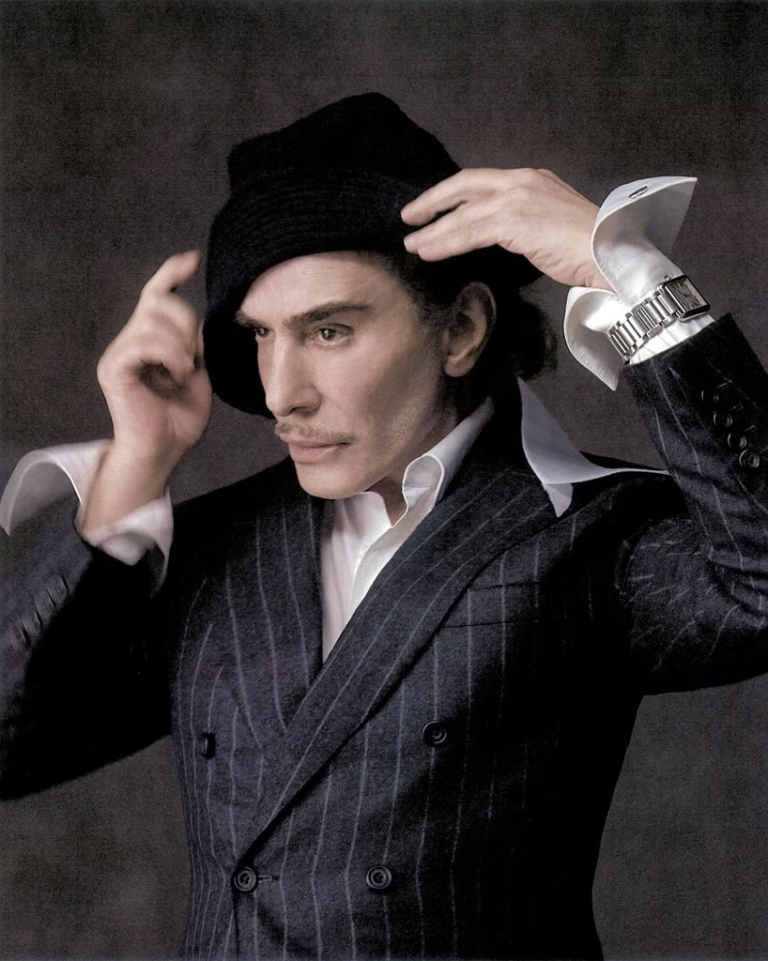
Alaïa has officially confirmed the departure of creative director Pieter Mulier, closing a five-year chapter defined by creative revival and significant commercial growth. The Belgian designer will present his final collection for the house in March, during Paris Fashion Week, with the Fall 2026 show.

In a brief statement released Friday, Alaïa—owned by Compagnie Financière Richemont—praised Mulier’s vision and impact, while emphasizing the strength and continuity of the maison beyond any single individual. No successor has been named, and the design studio will ensure continuity in the interim.

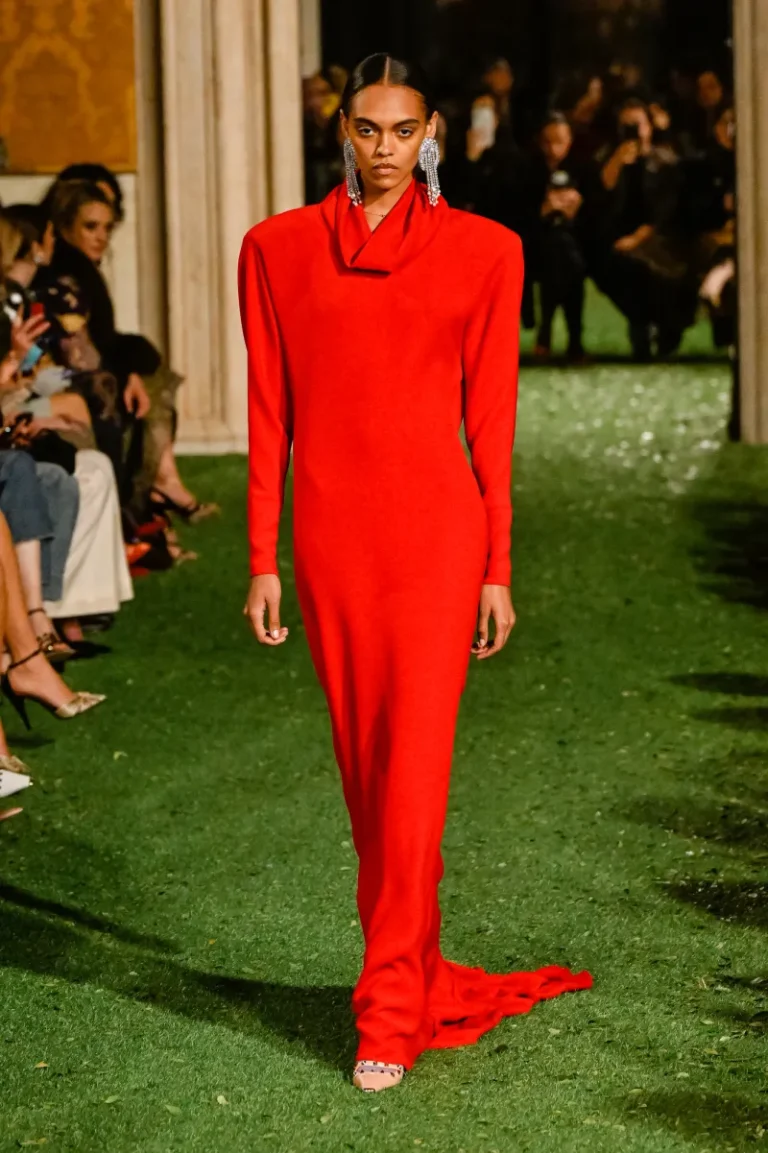
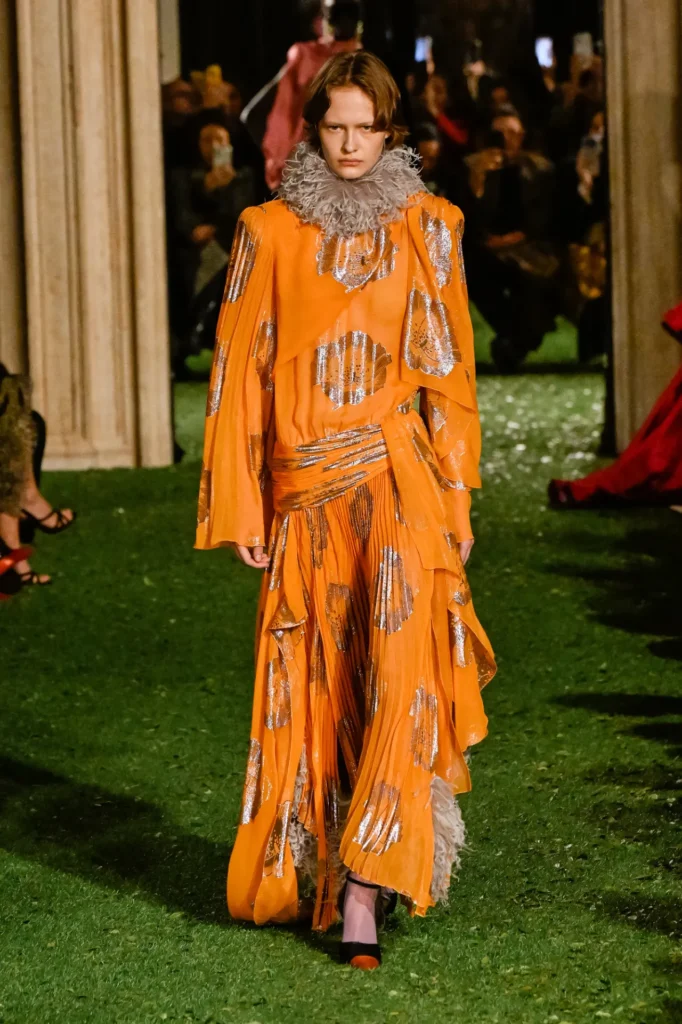
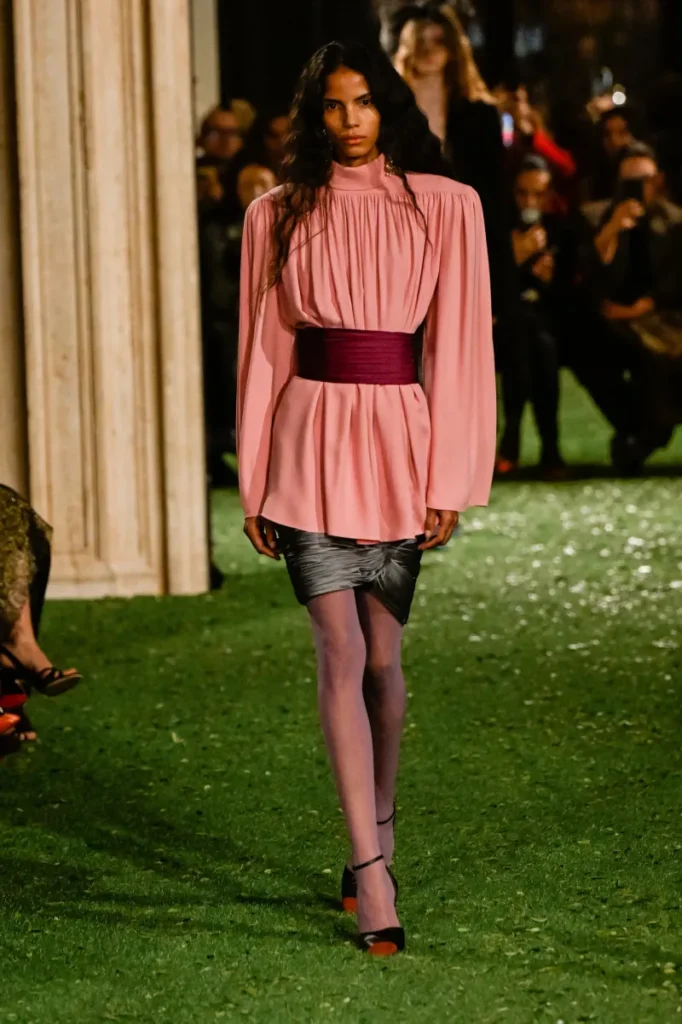
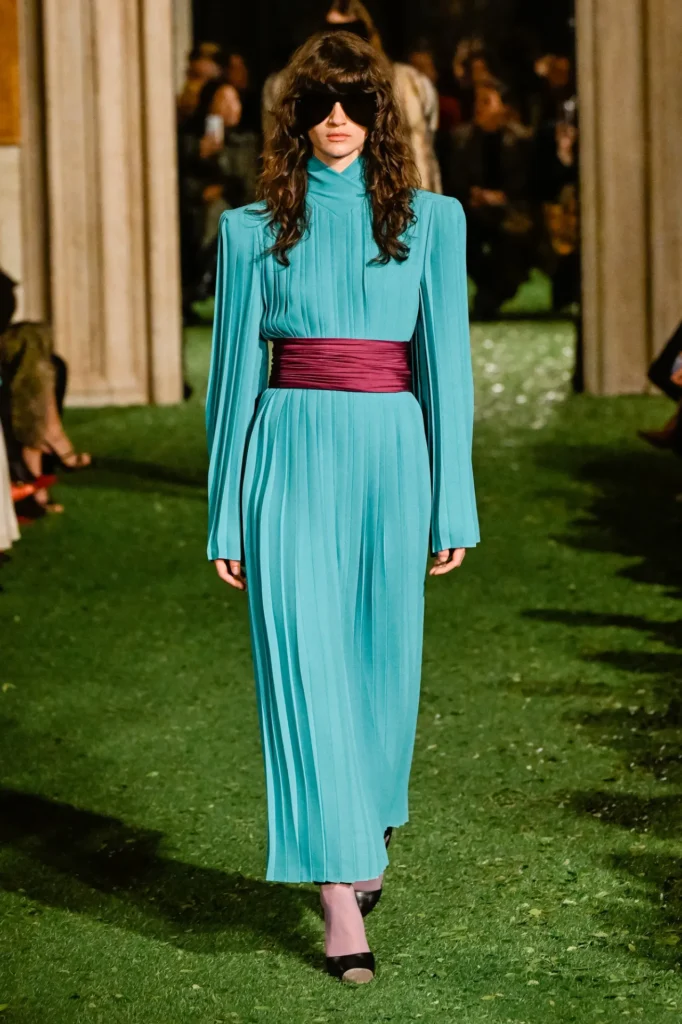
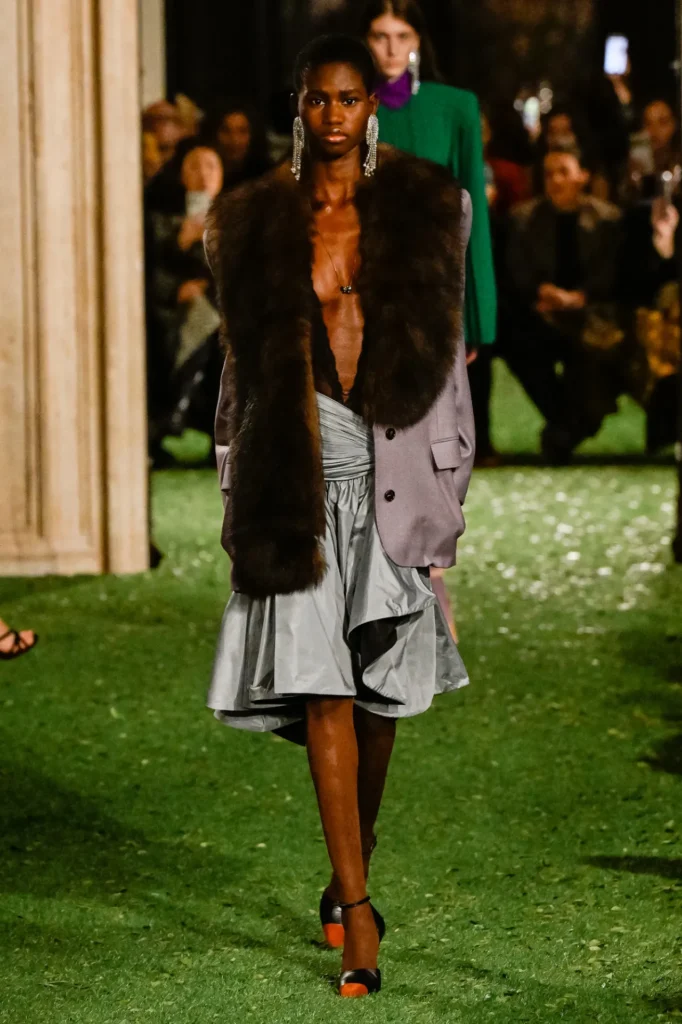
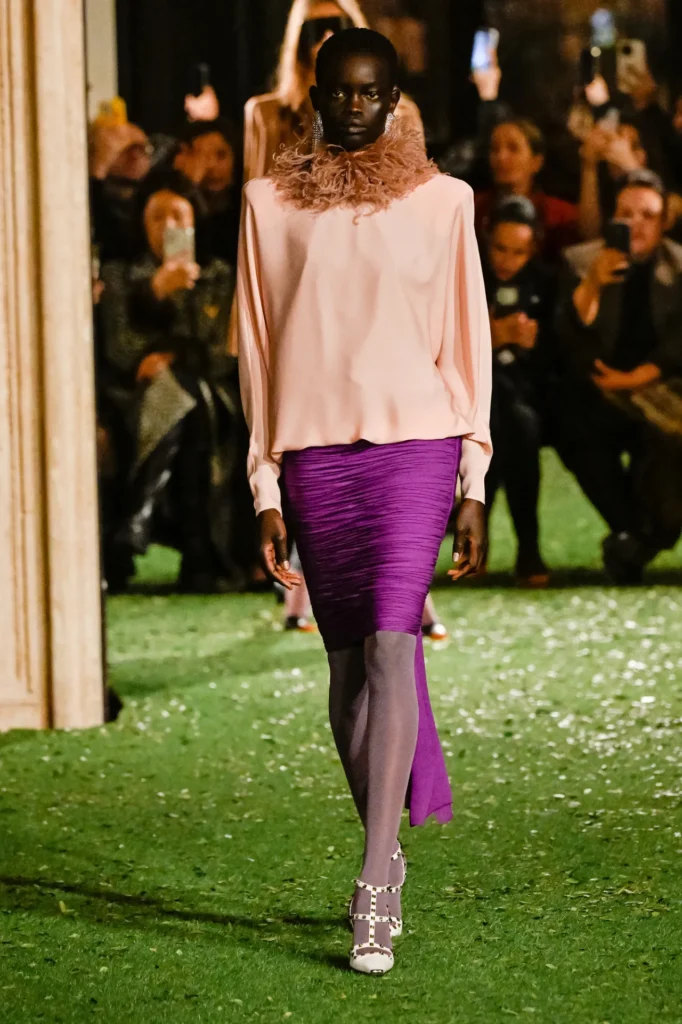
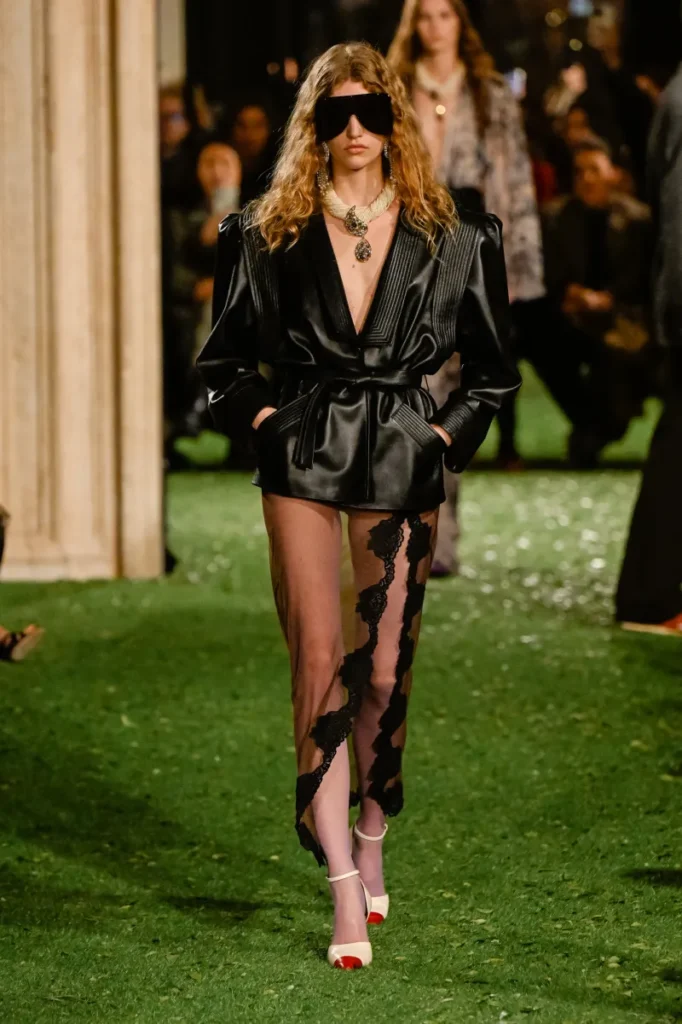
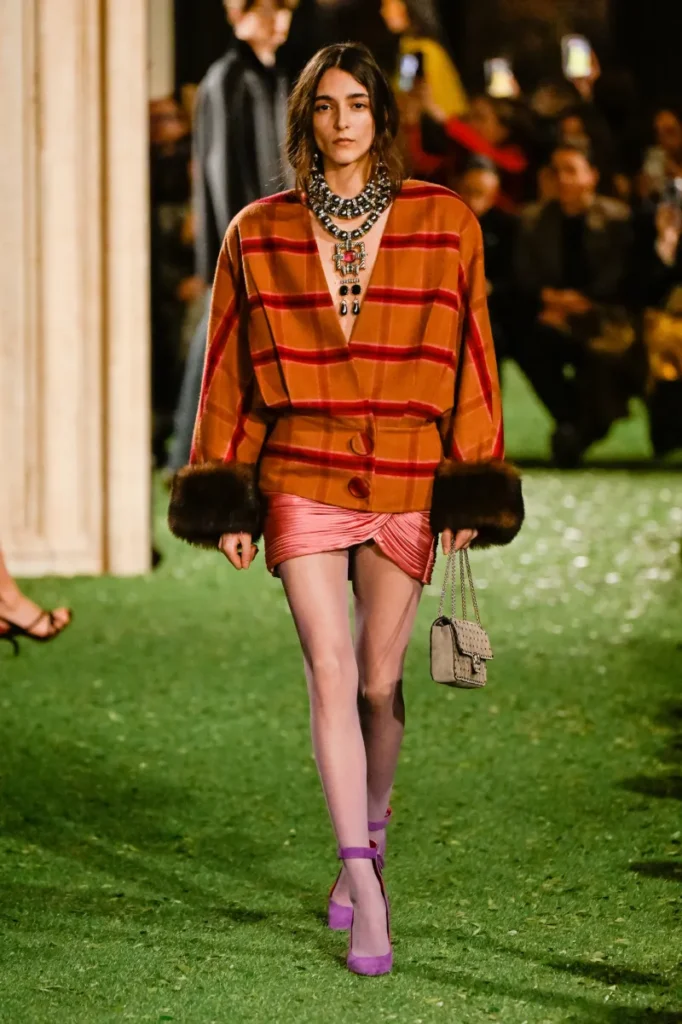
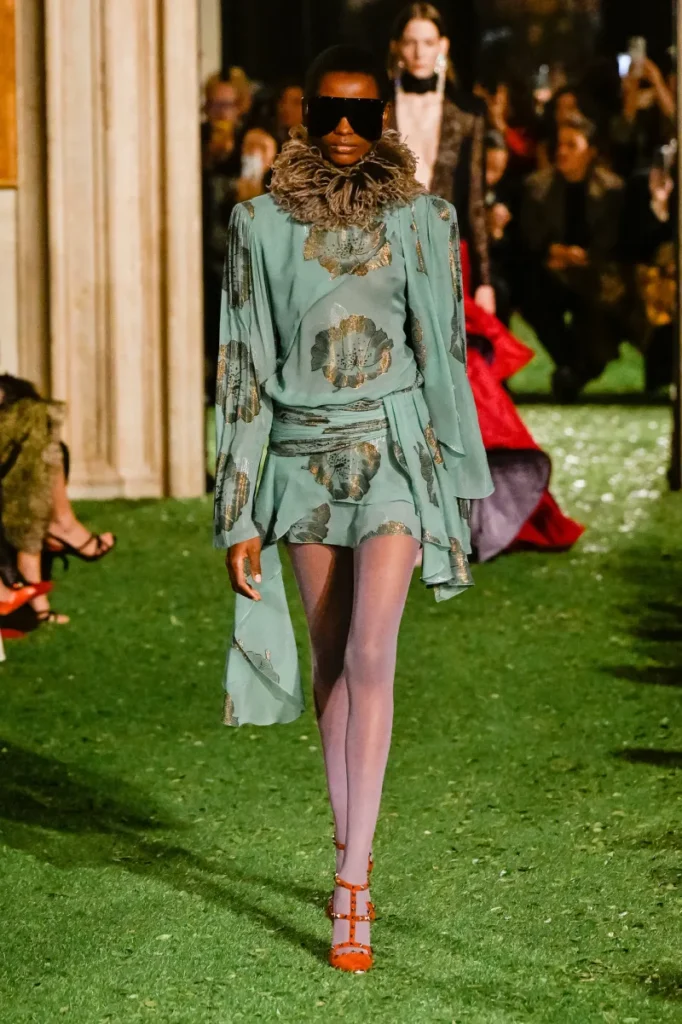
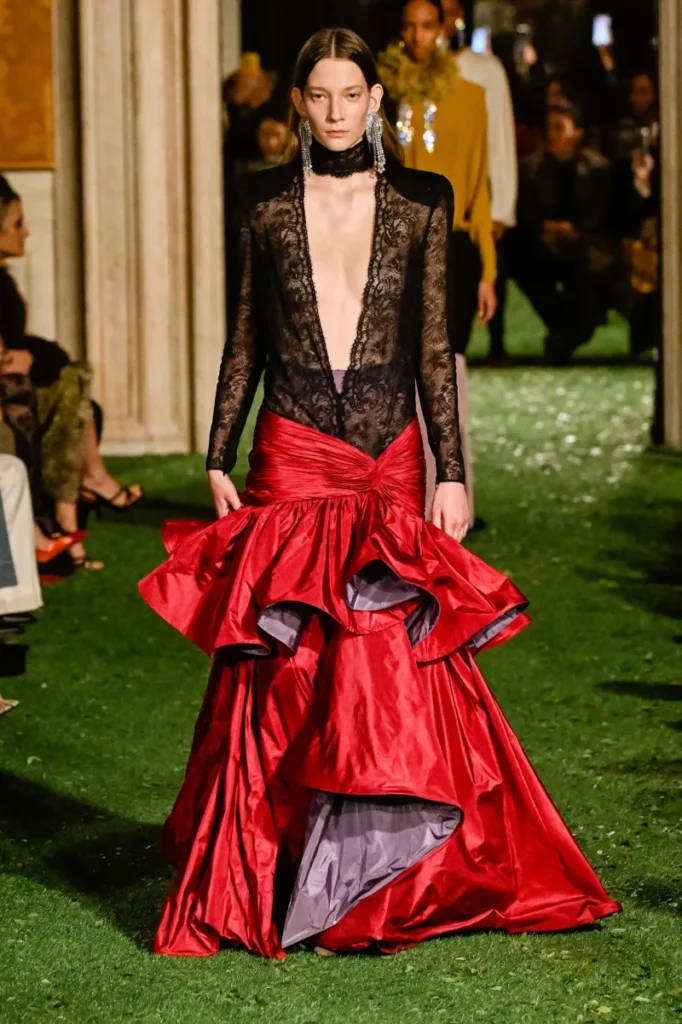
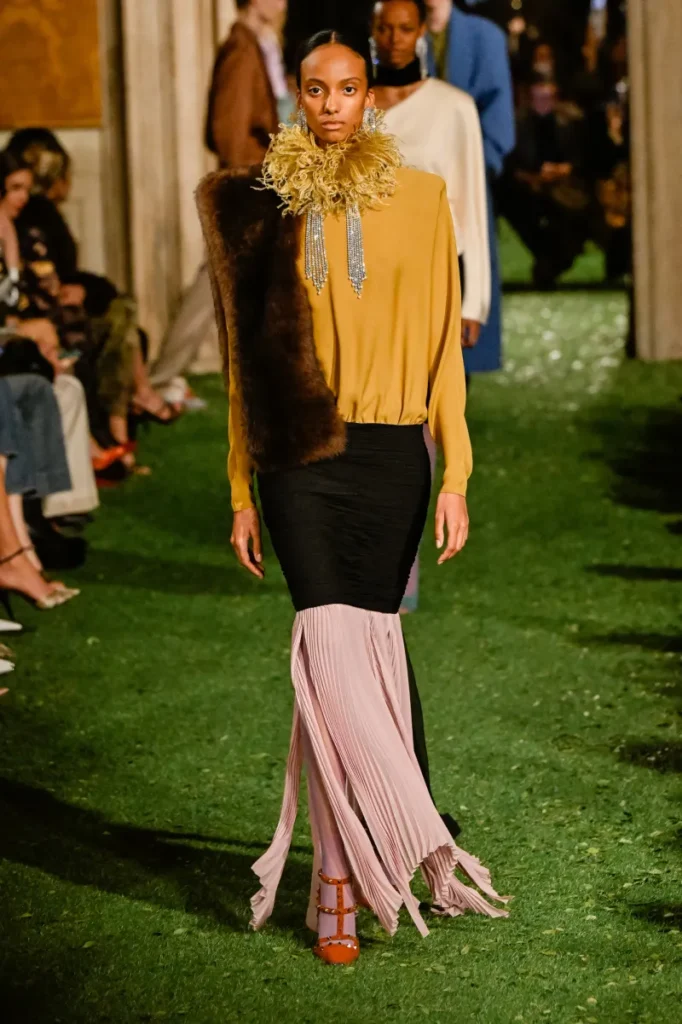
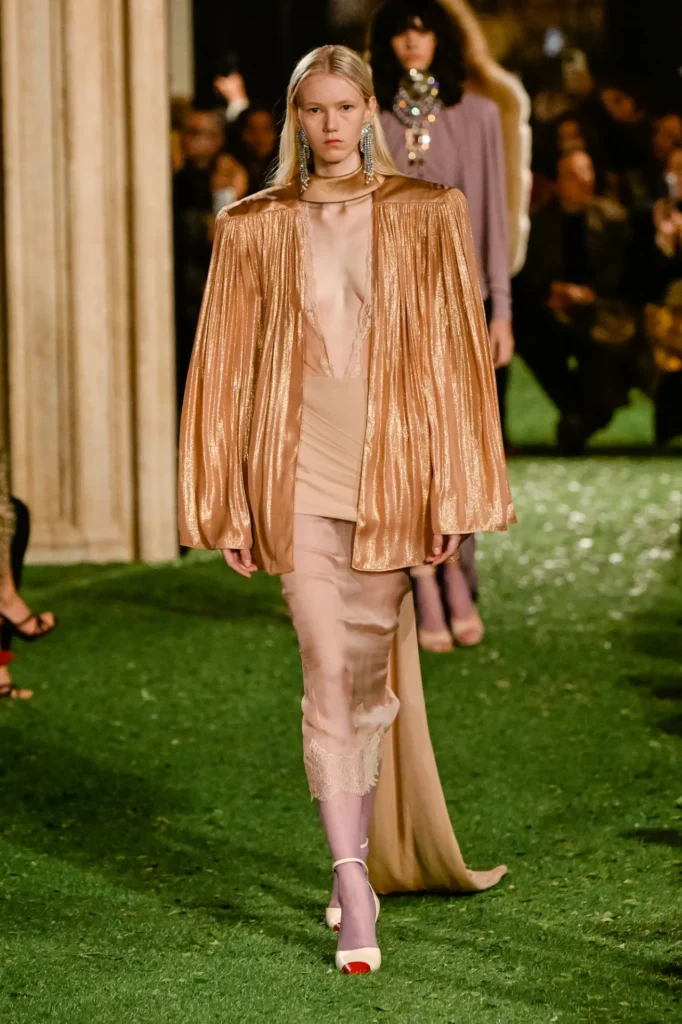
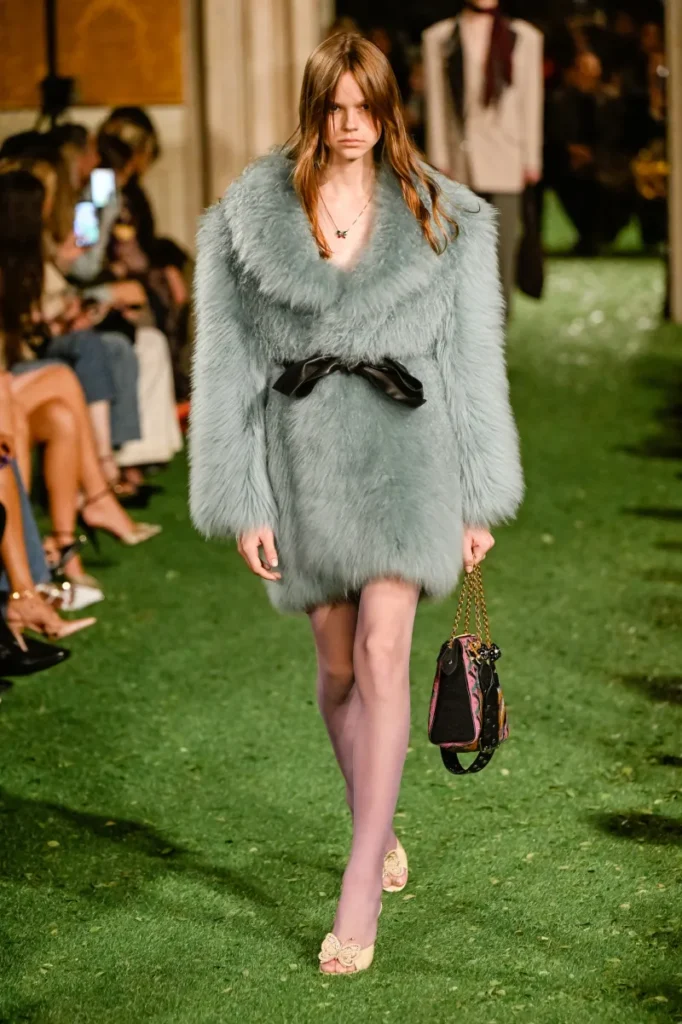
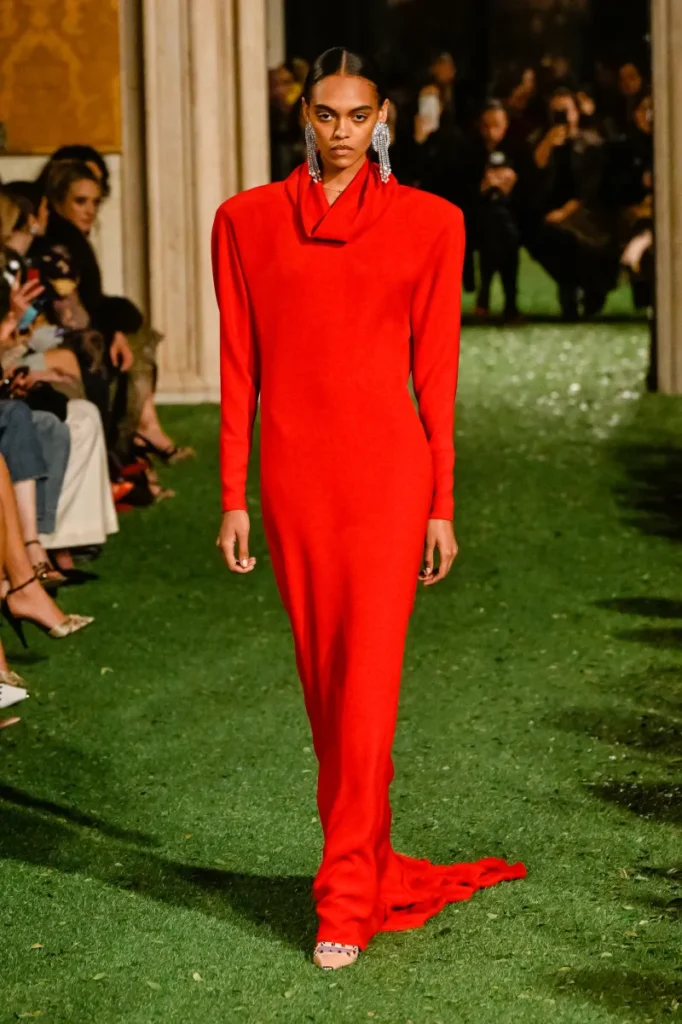
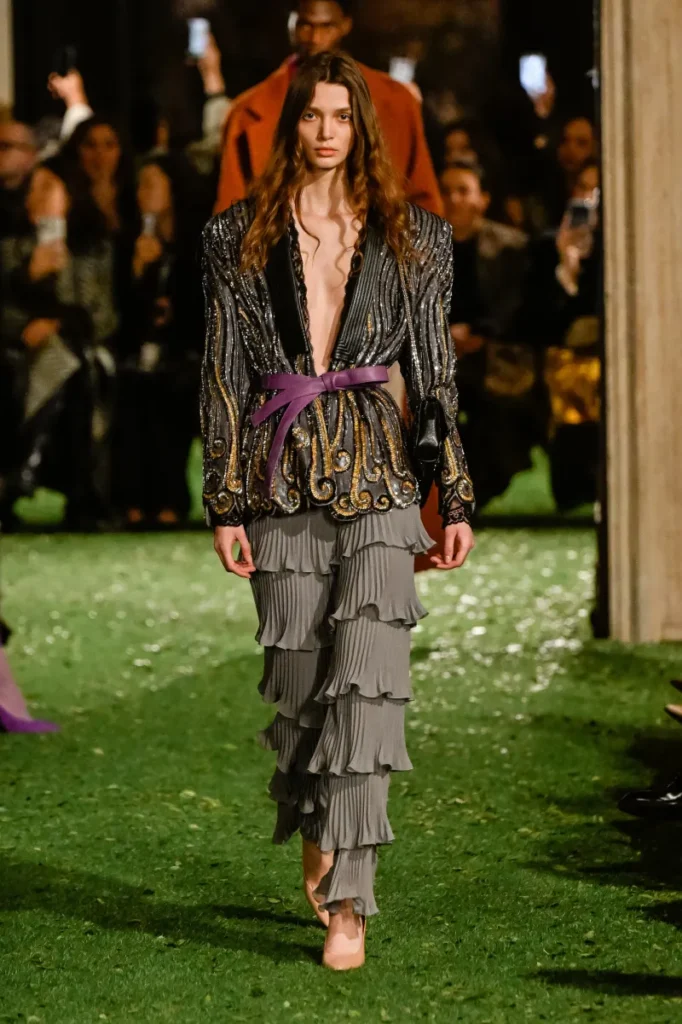
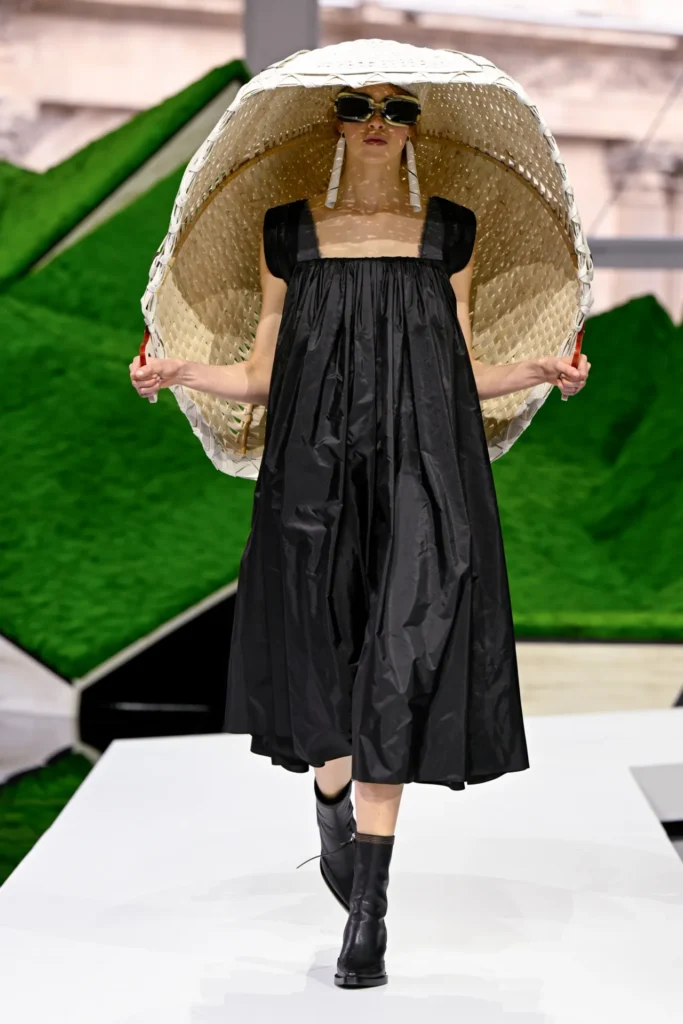
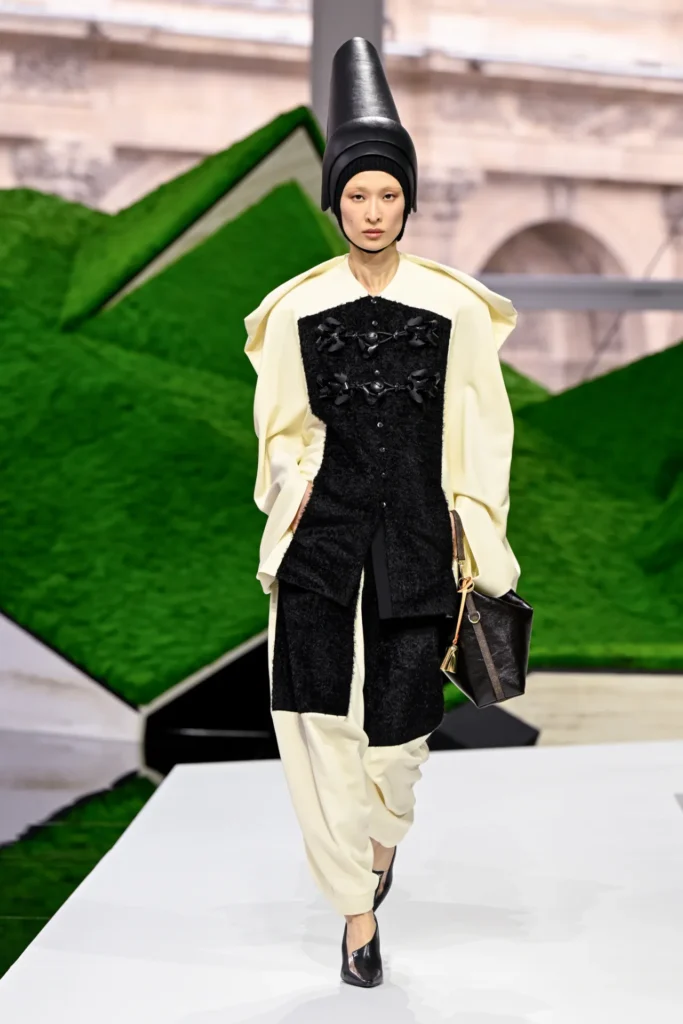
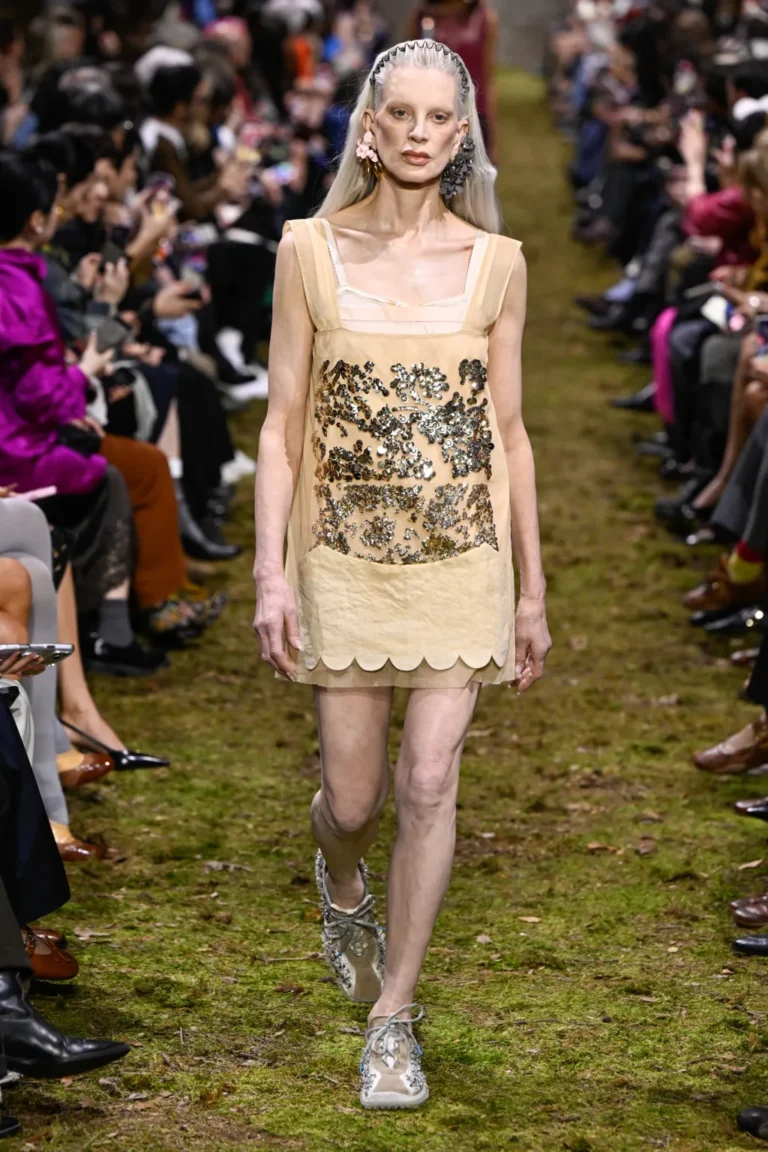
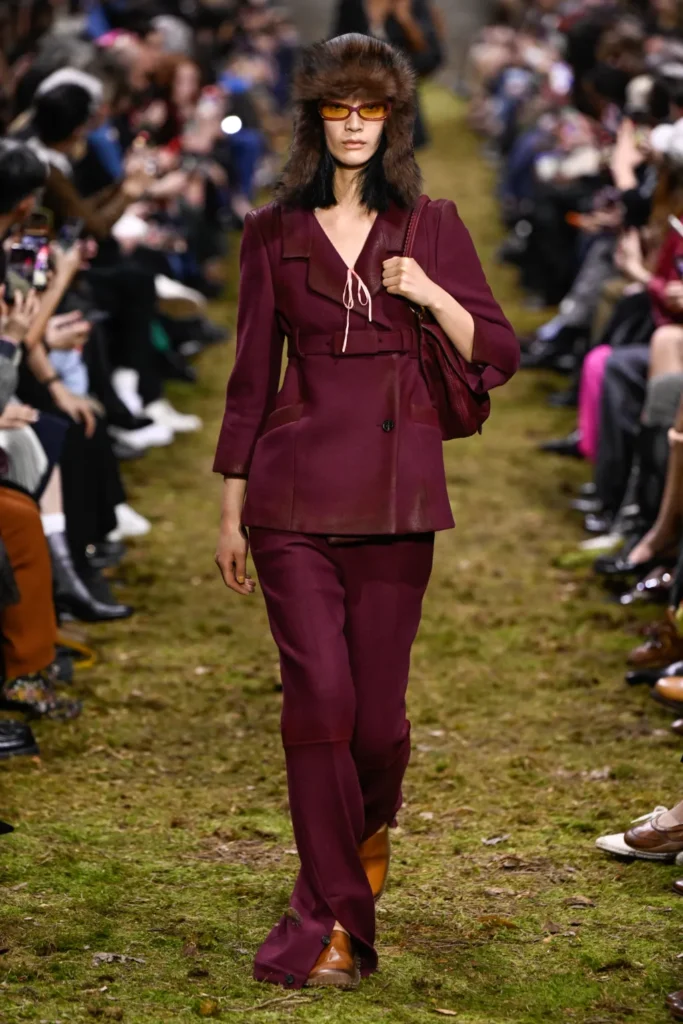
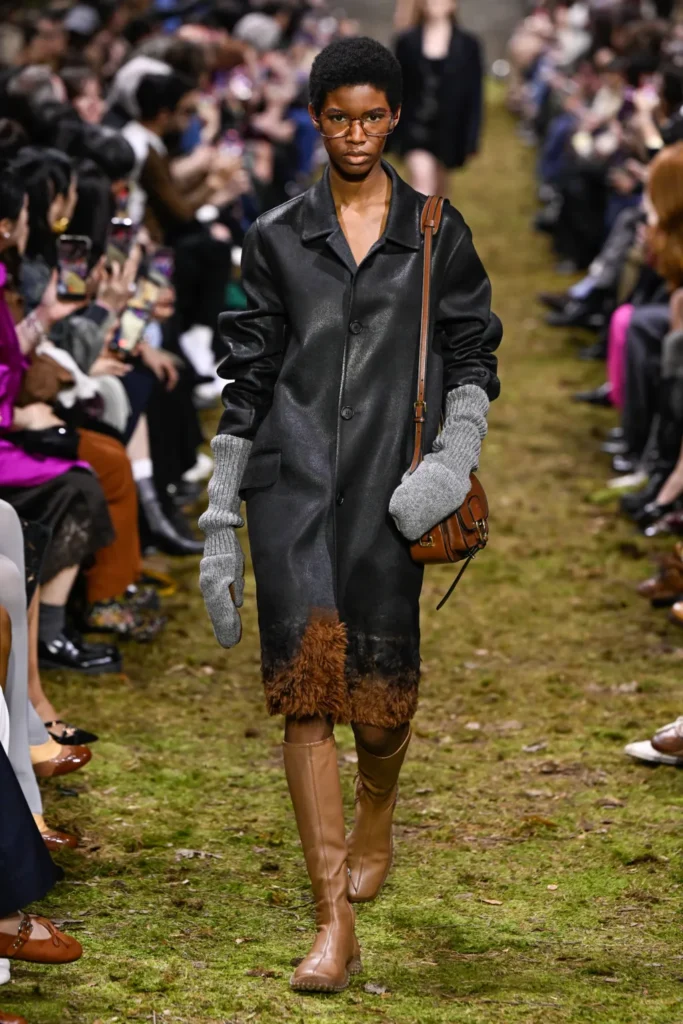
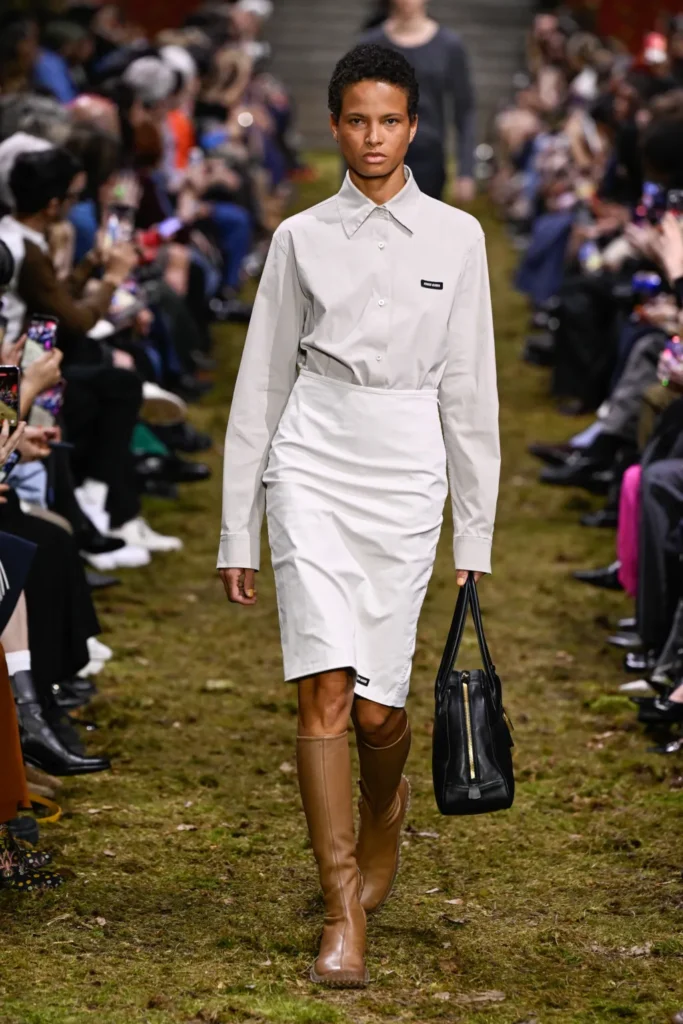
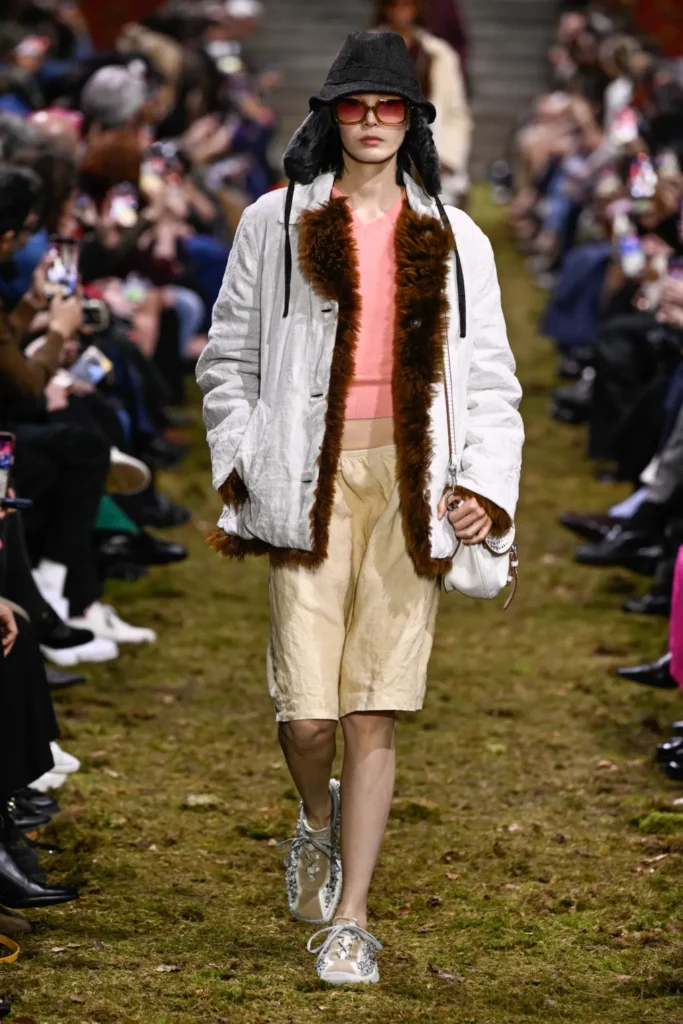
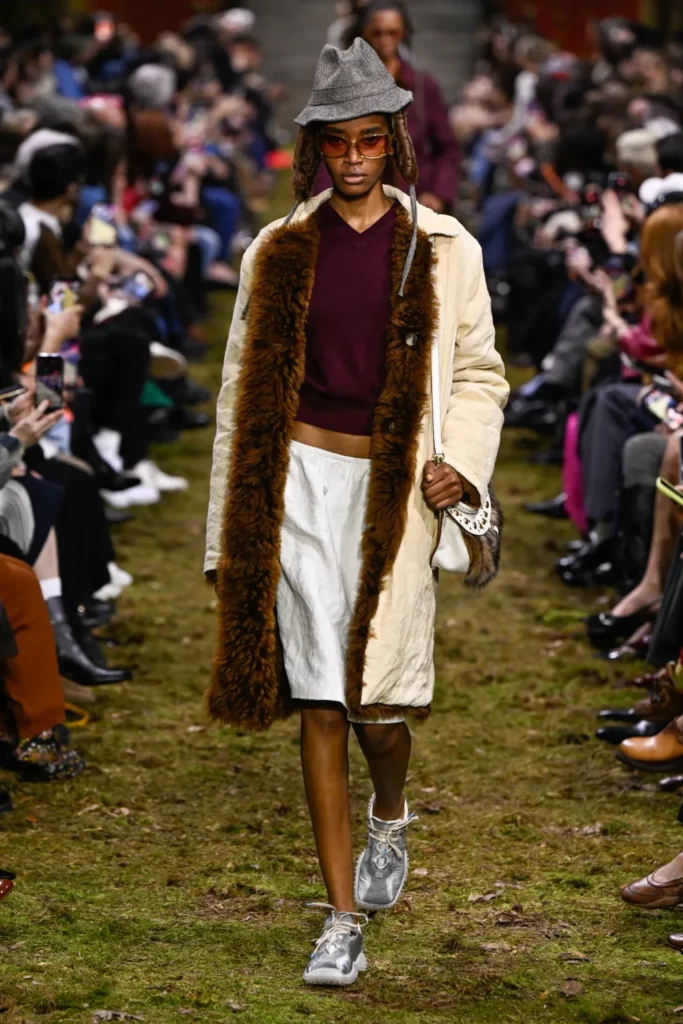
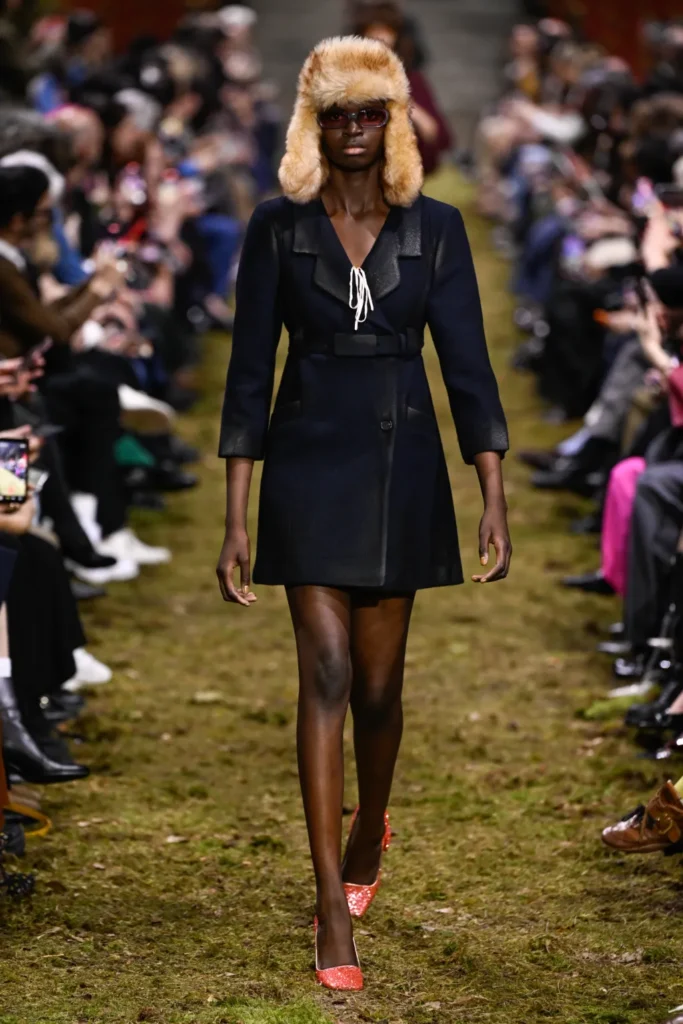
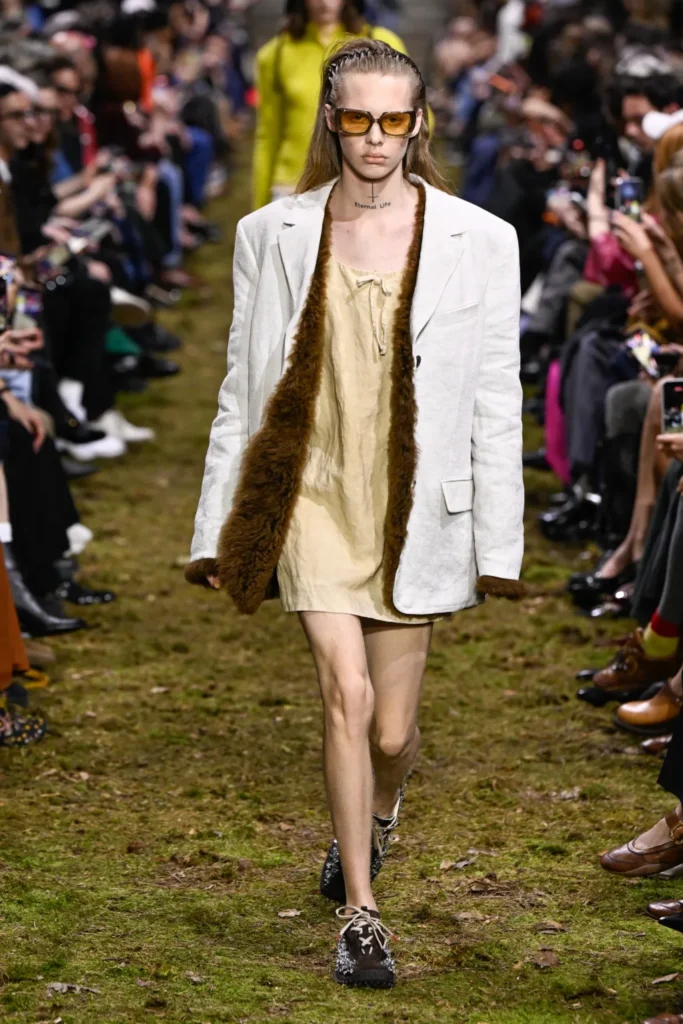
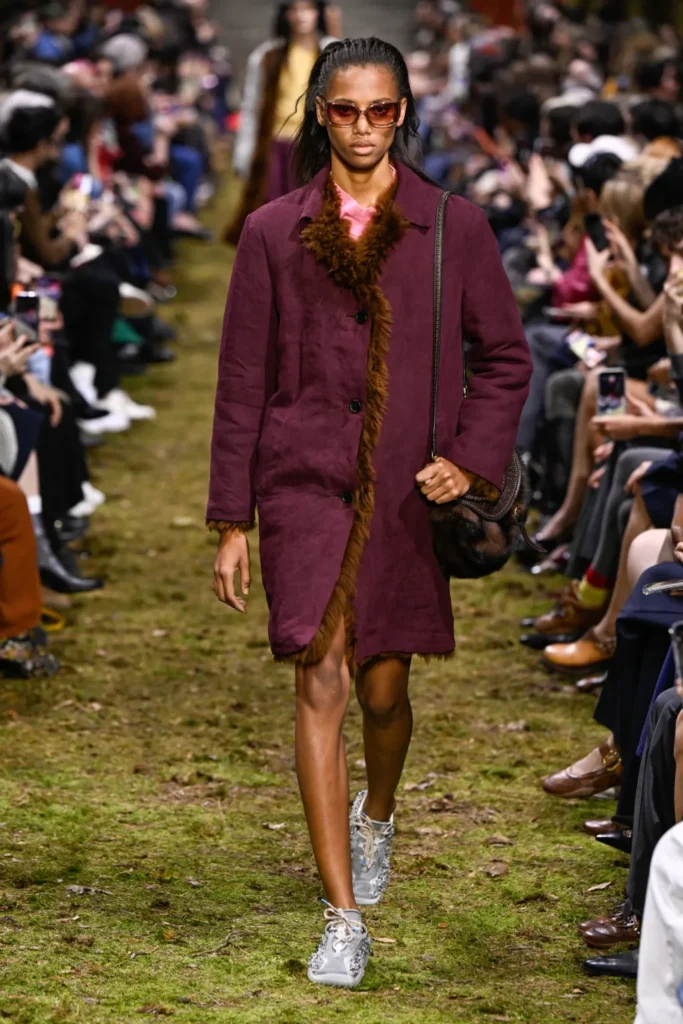
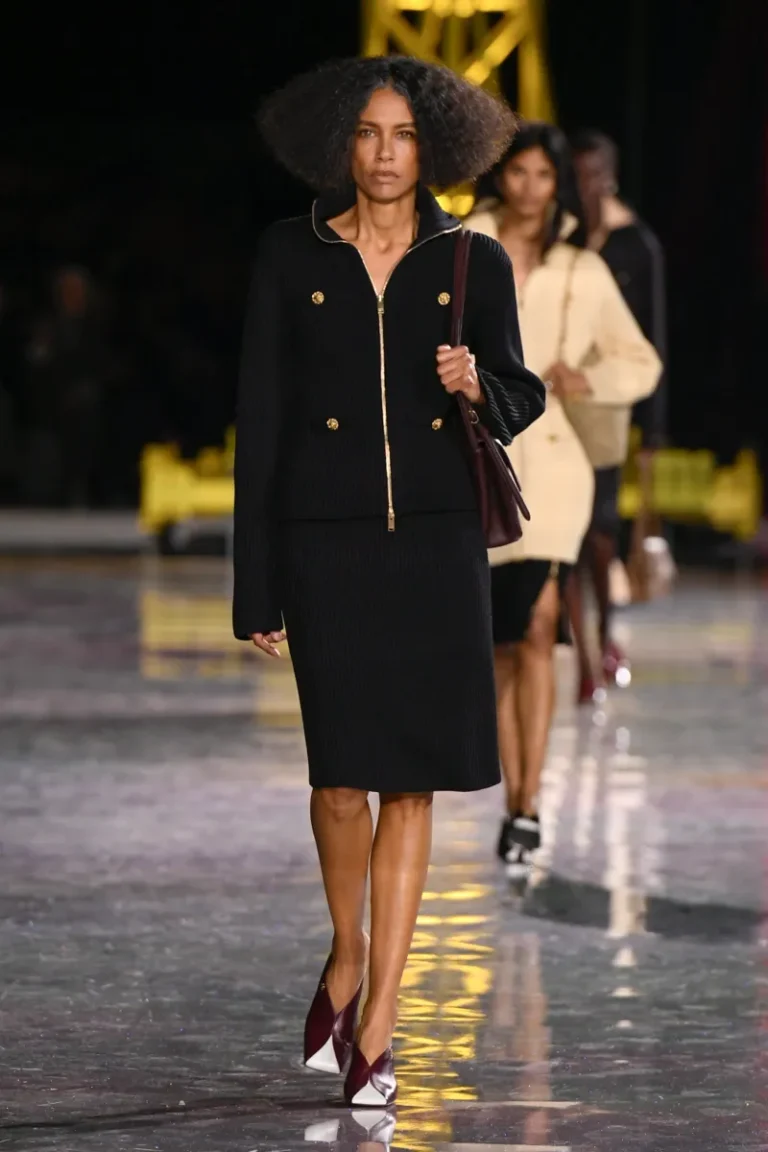
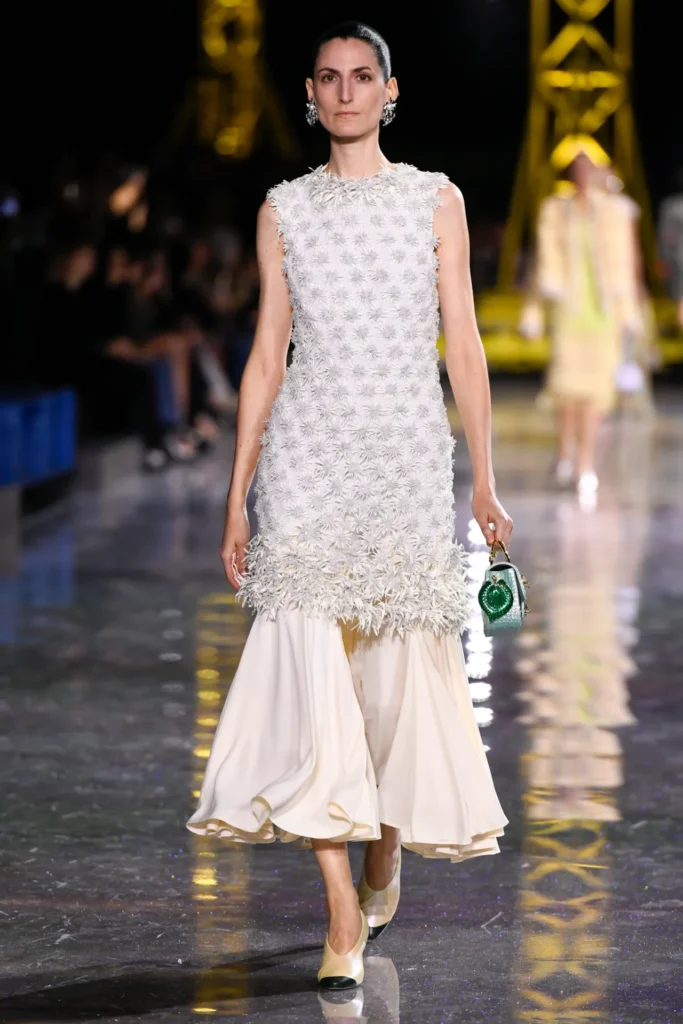
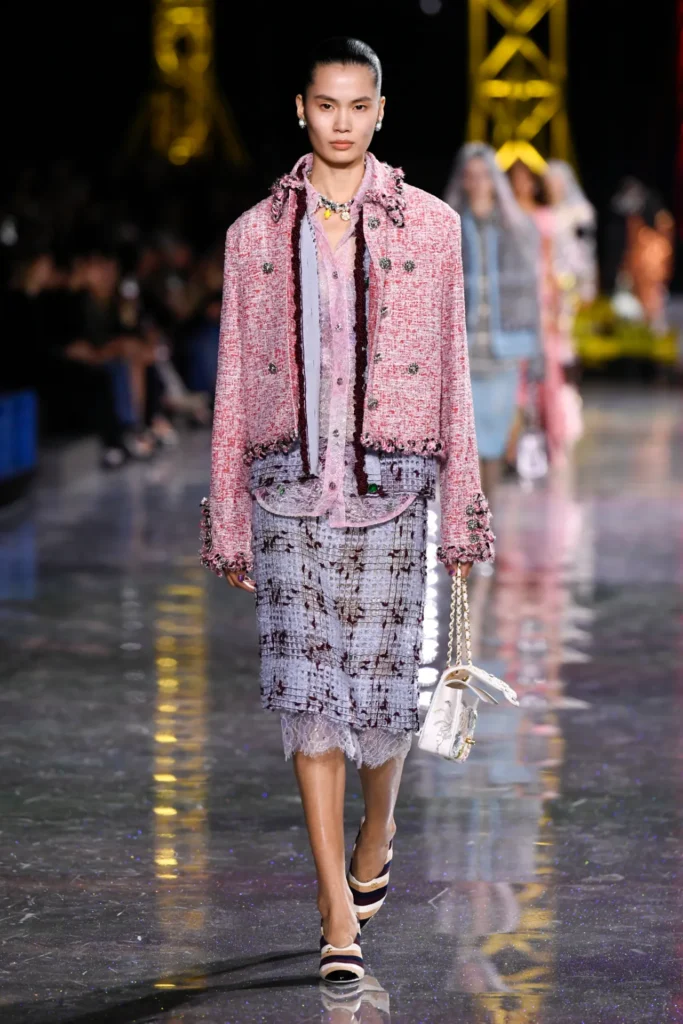
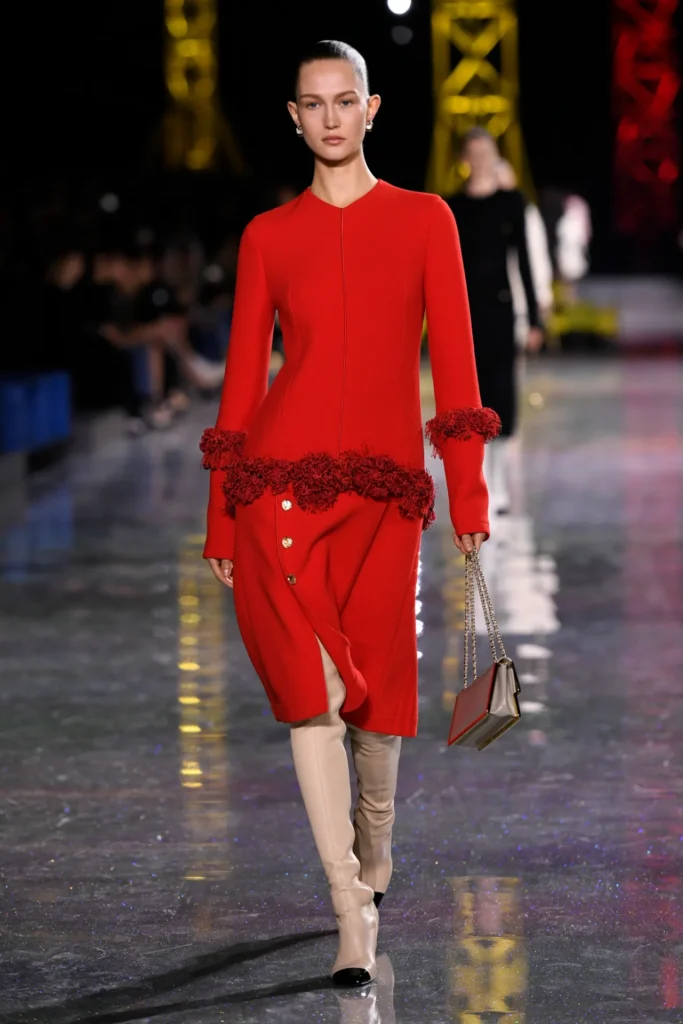
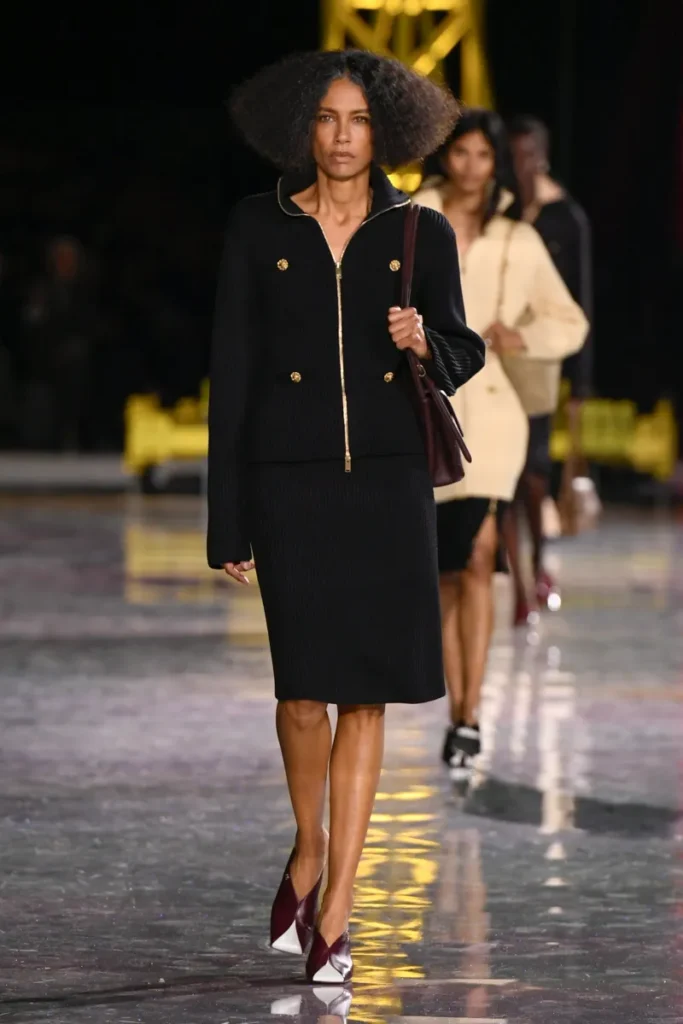
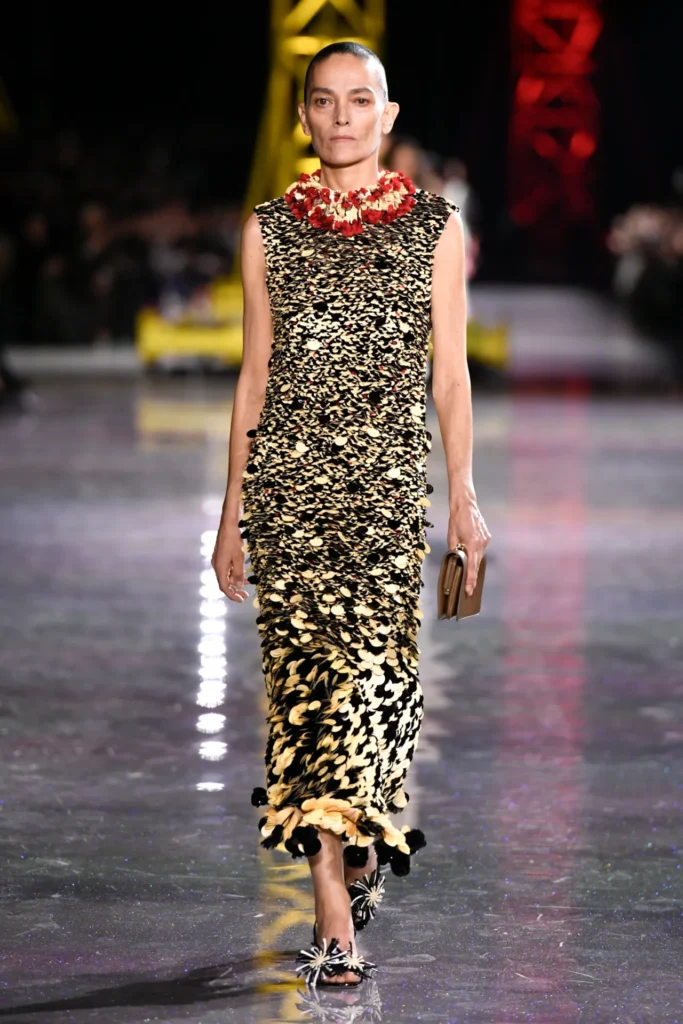
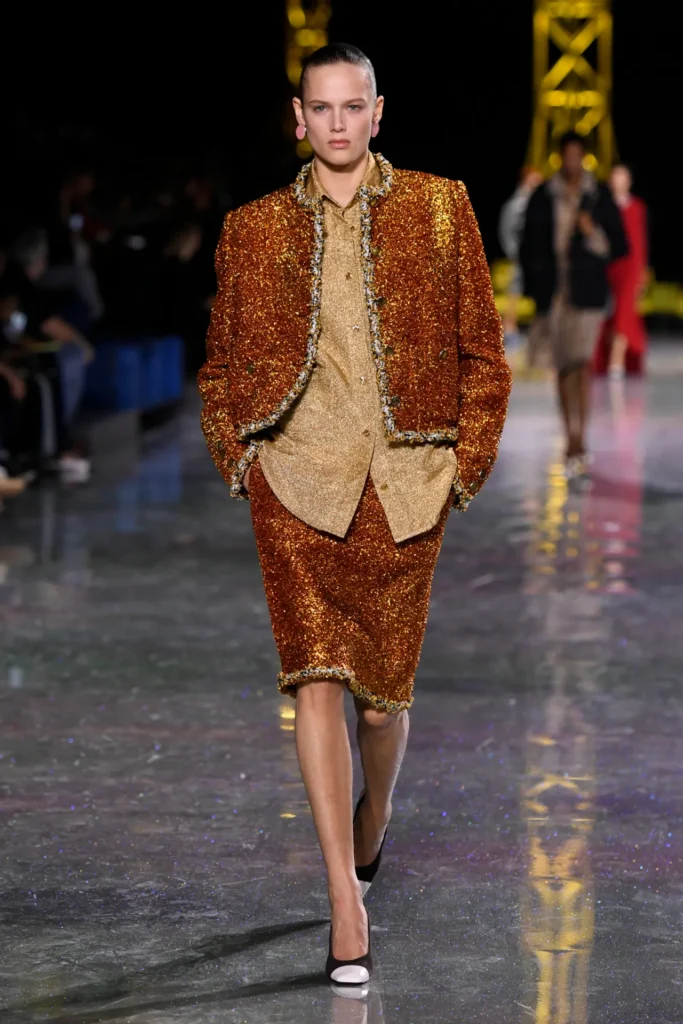
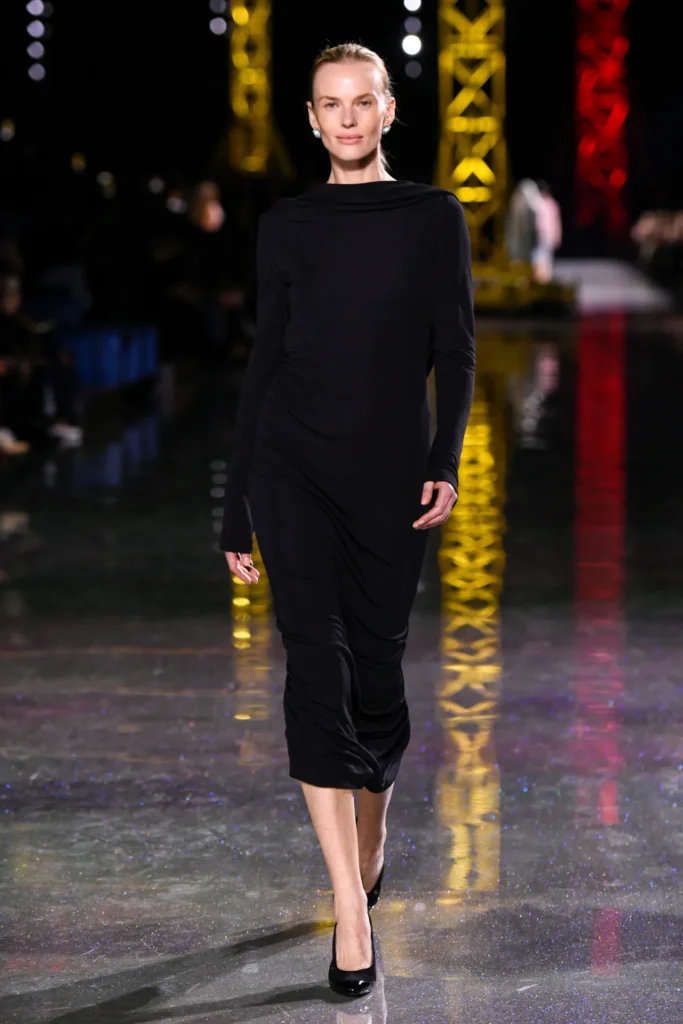
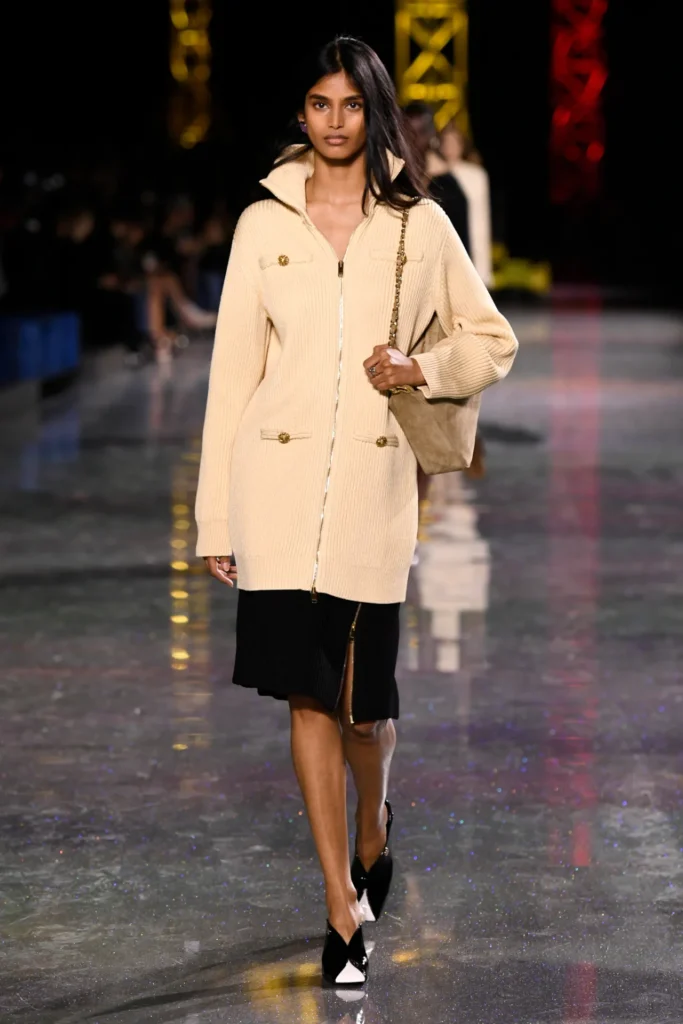
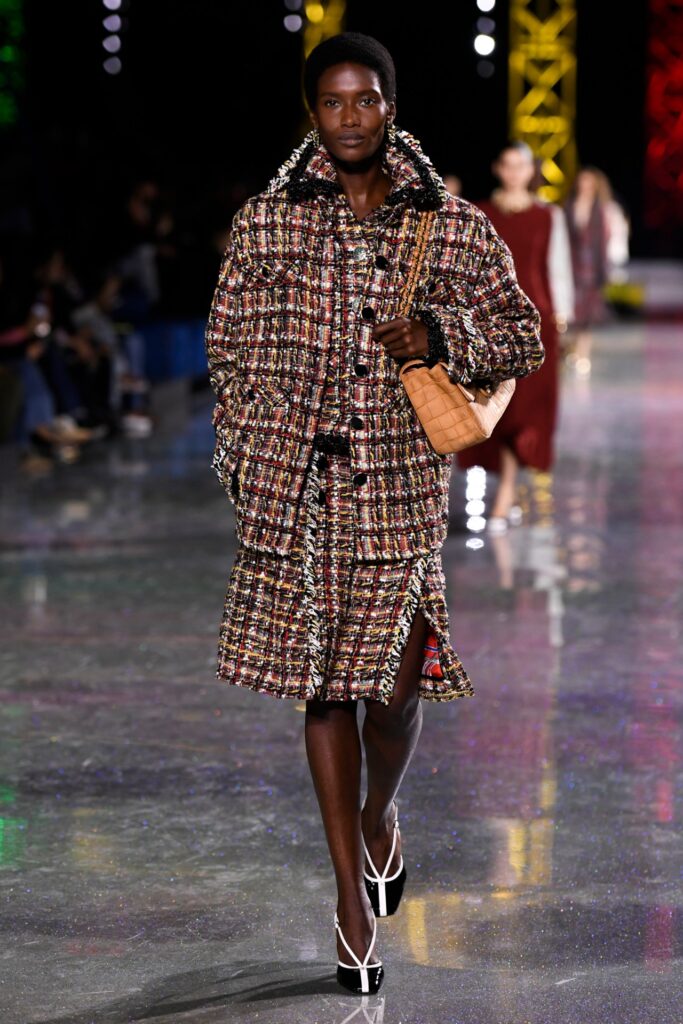
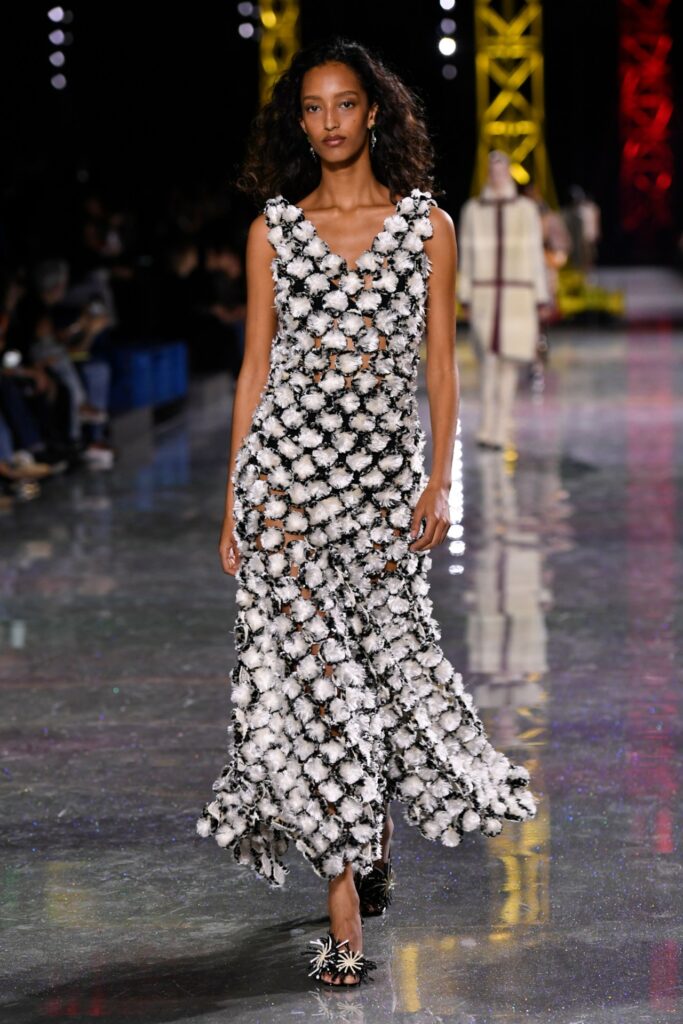
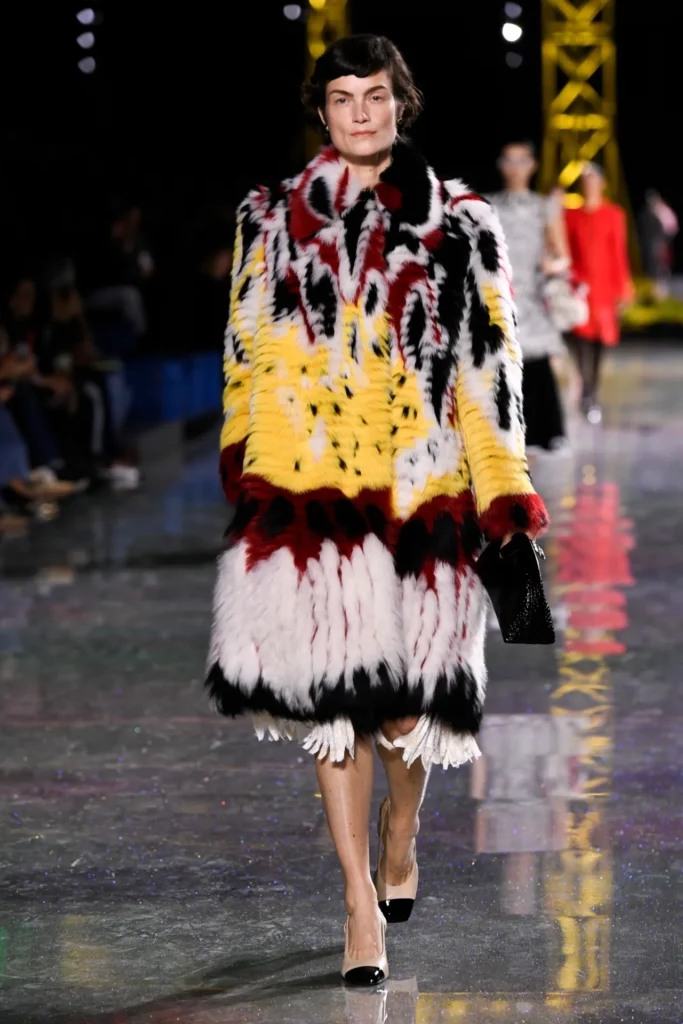
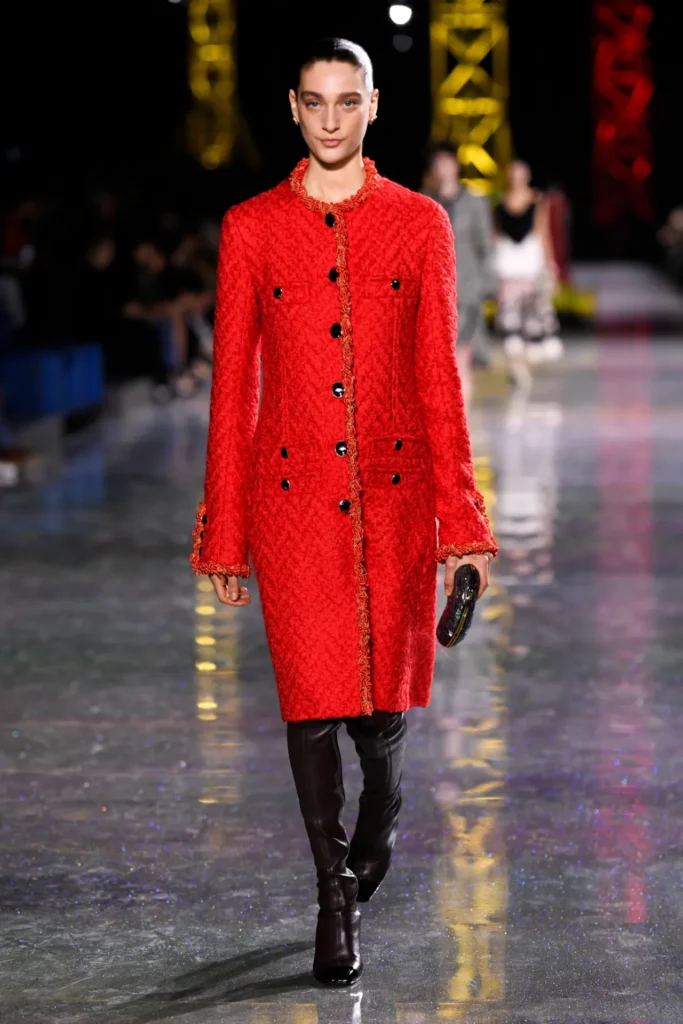
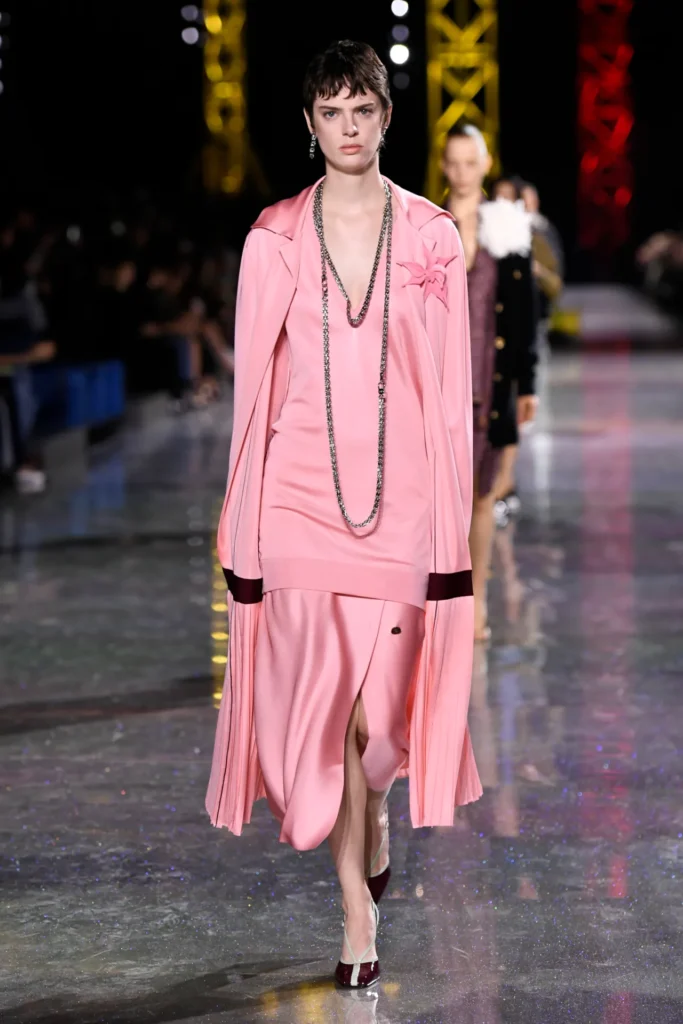
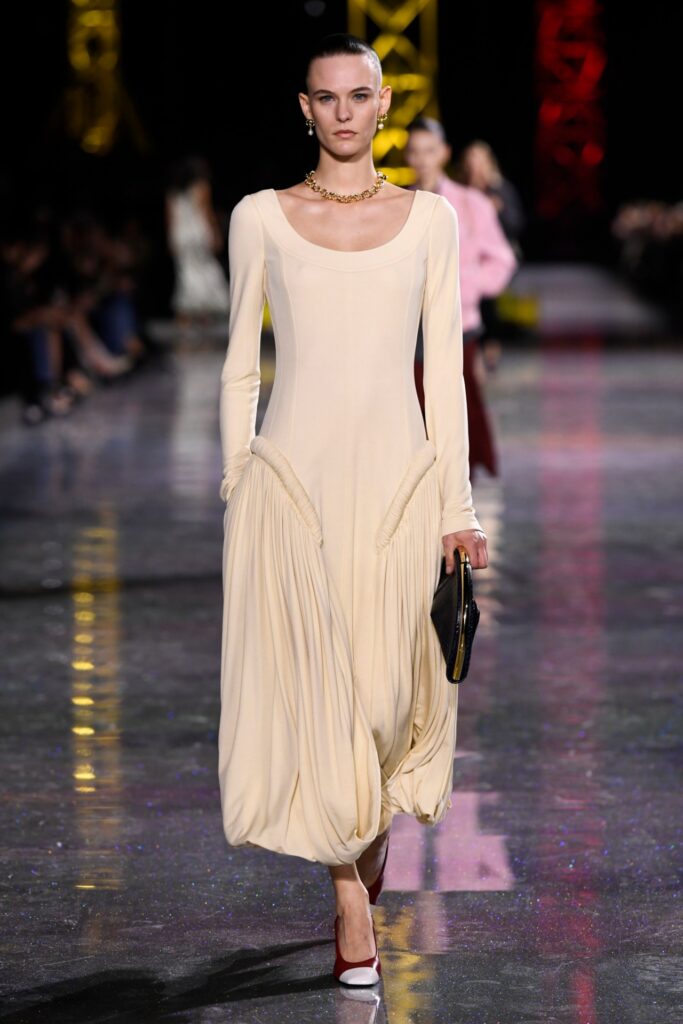
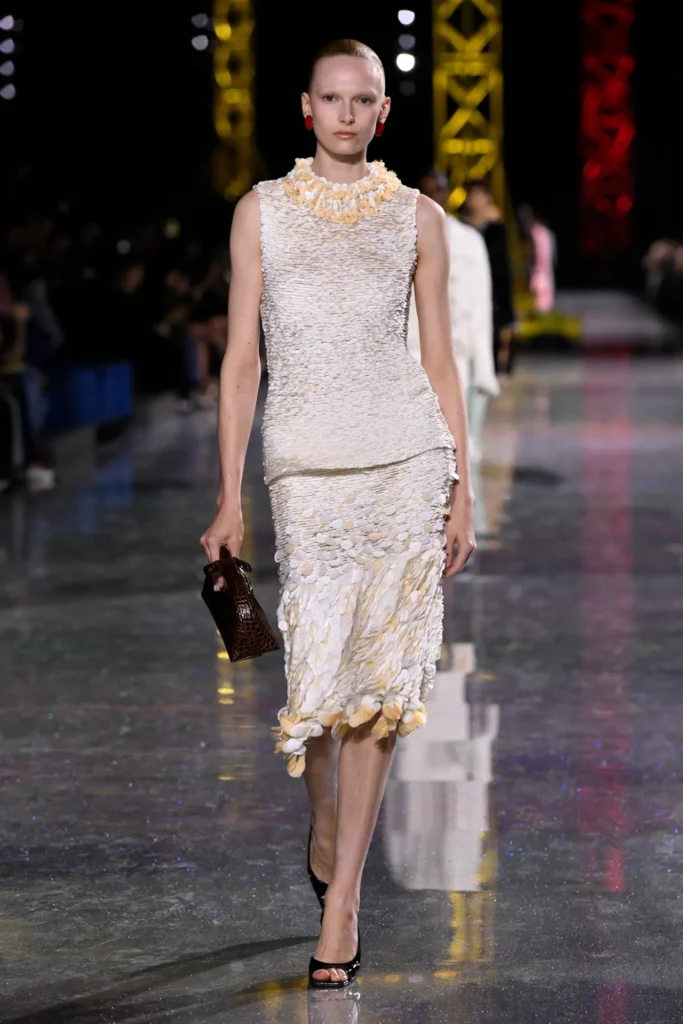
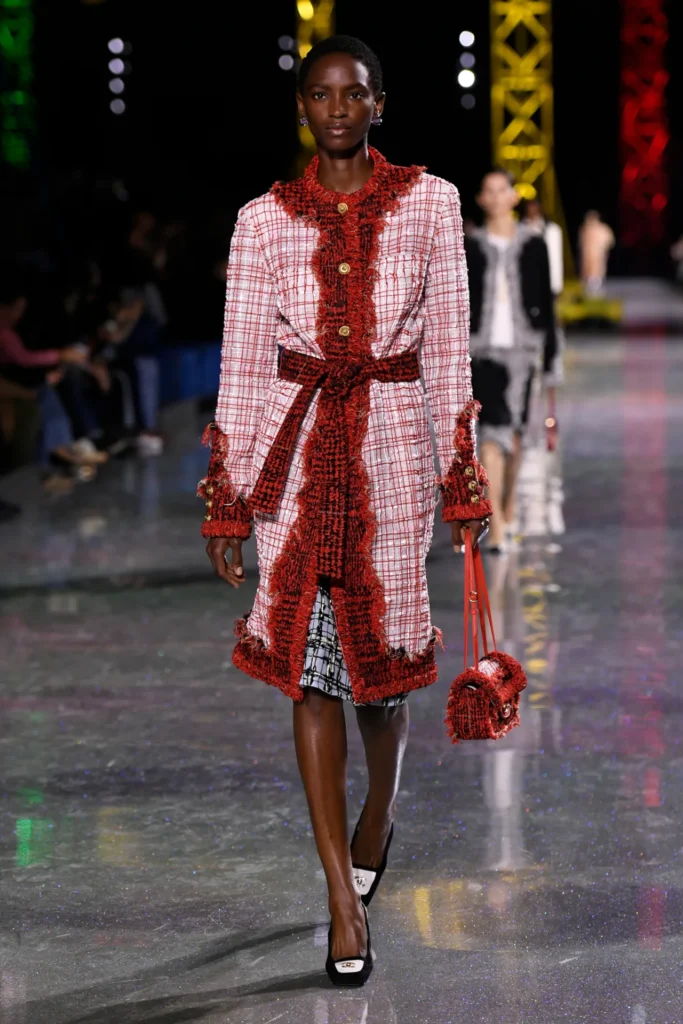
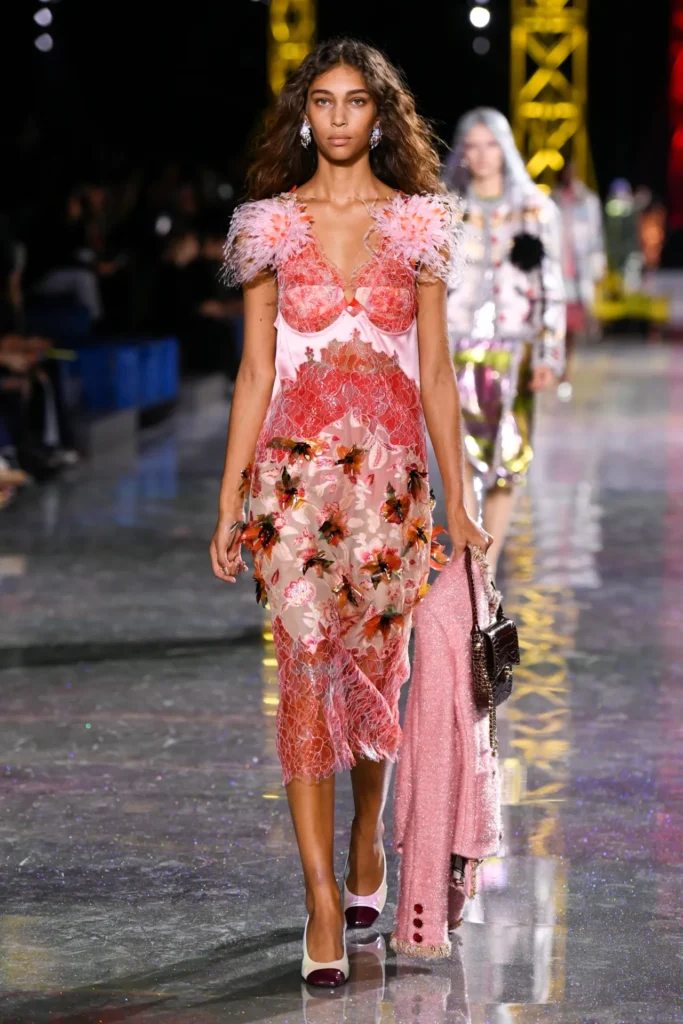
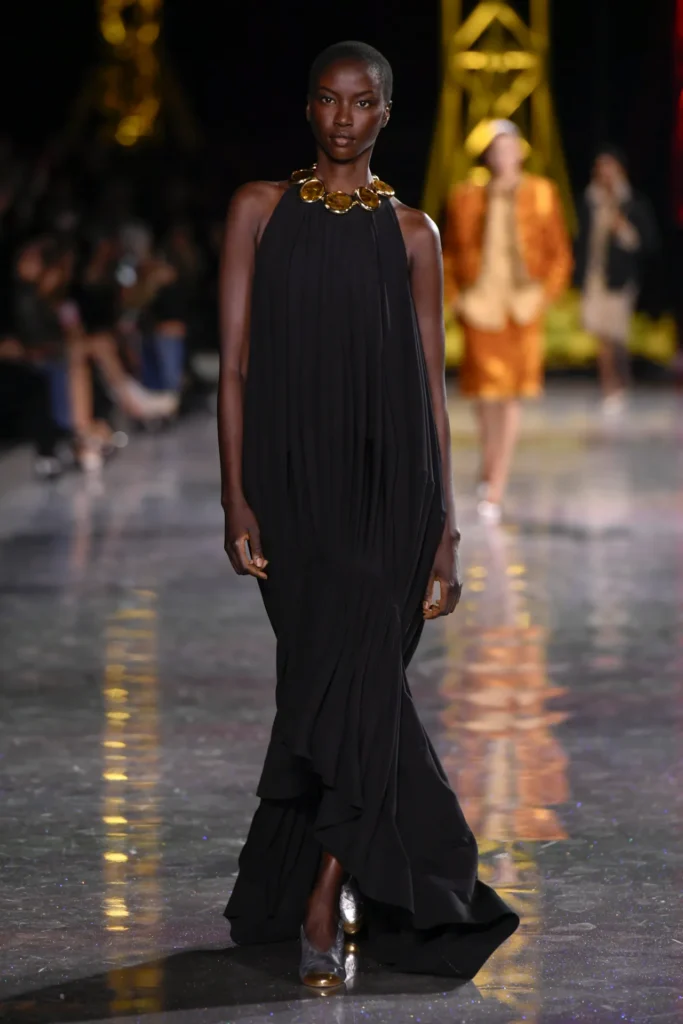
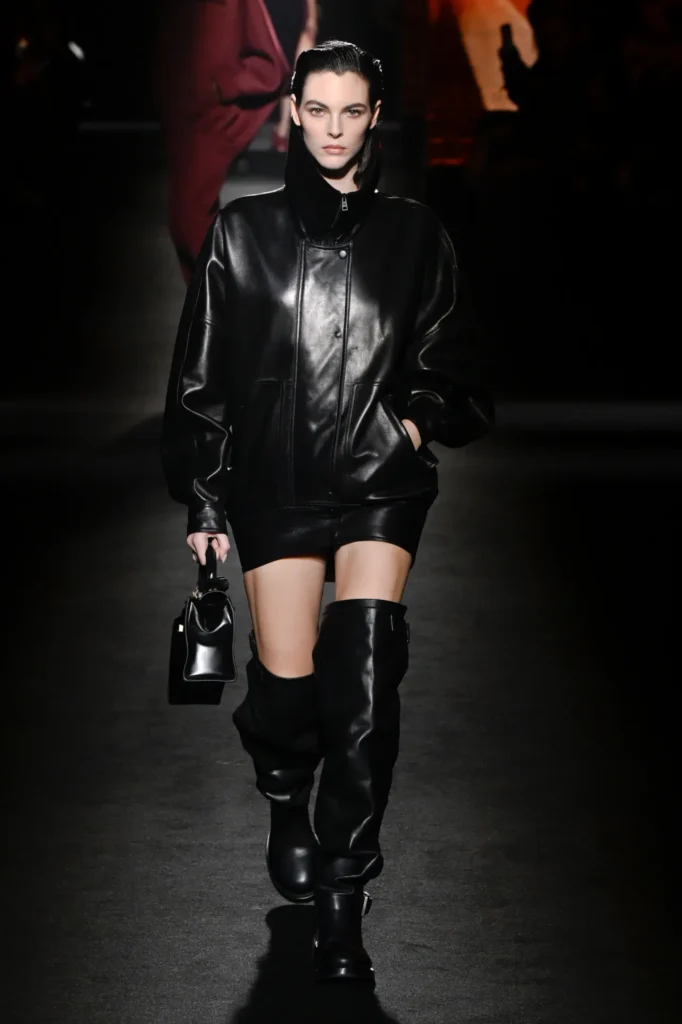
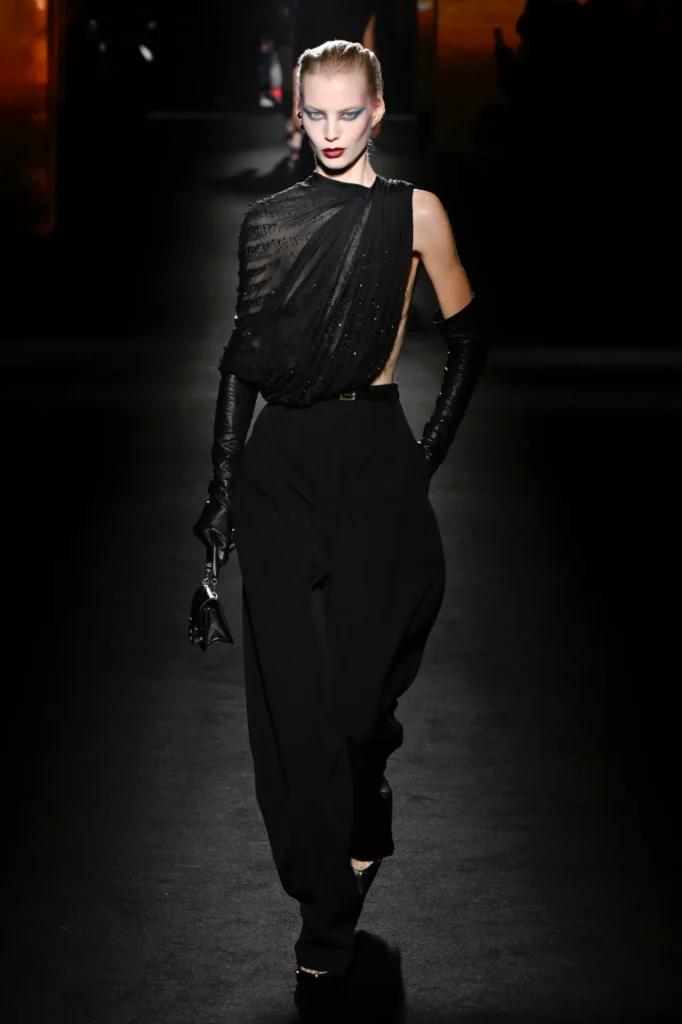
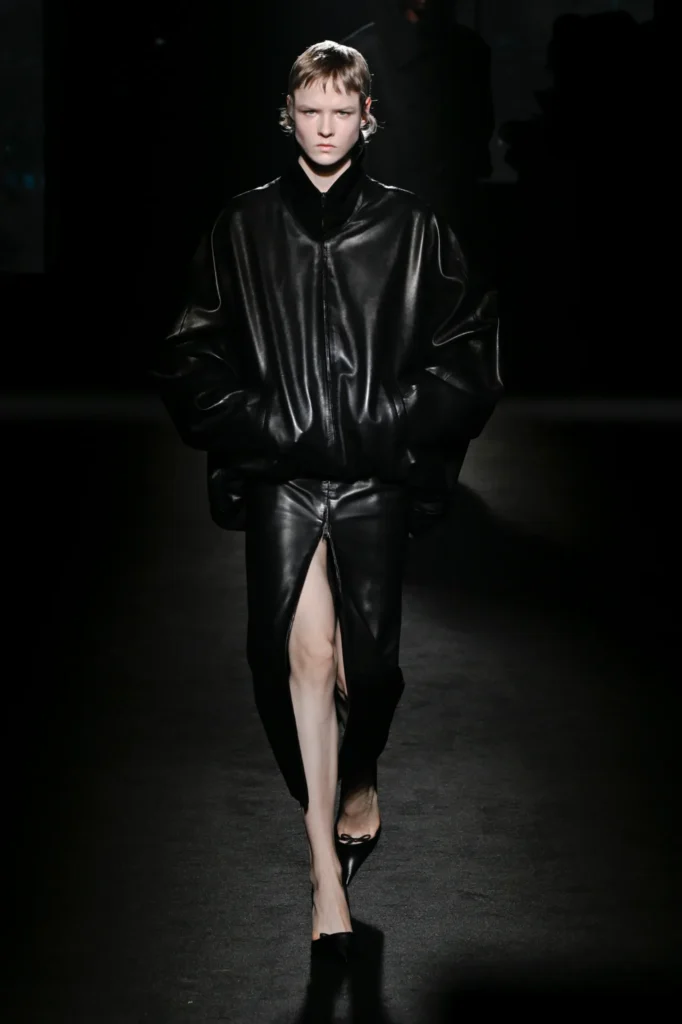
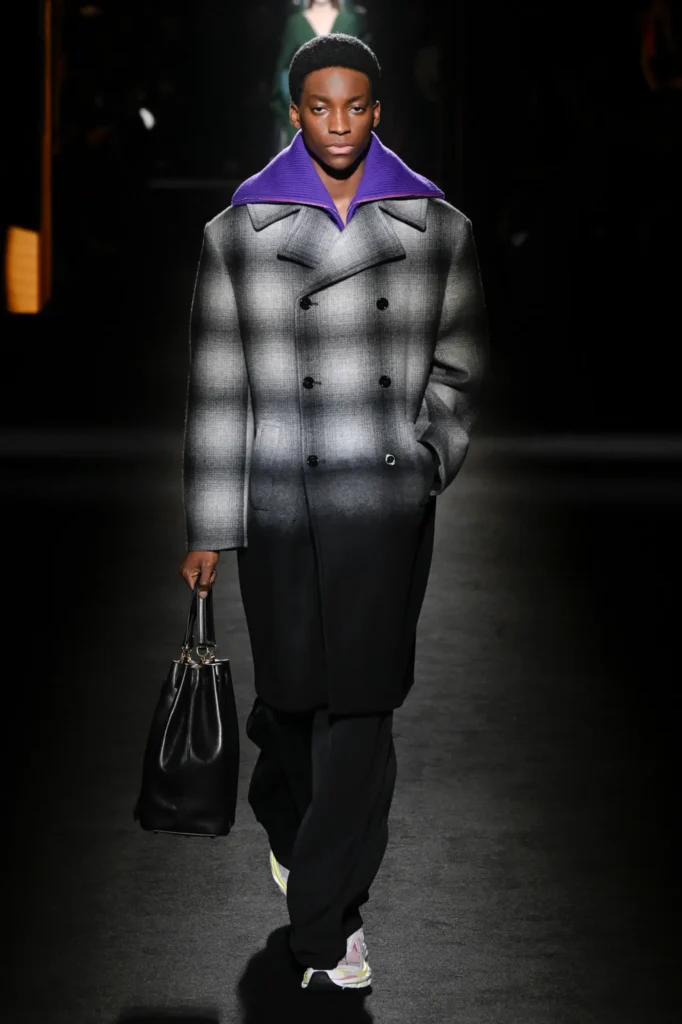
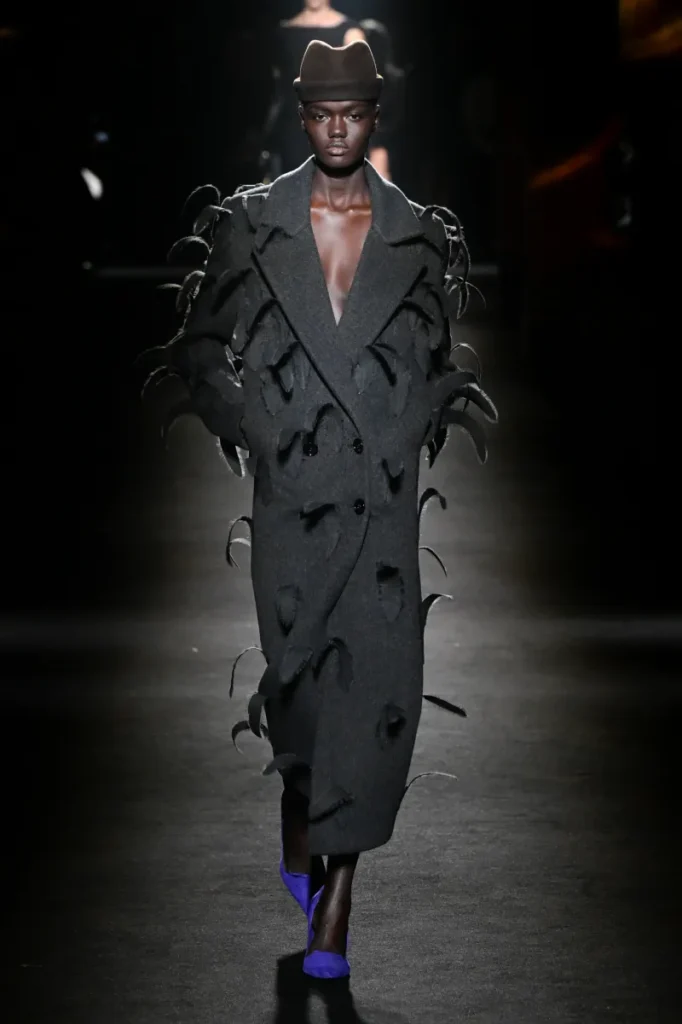
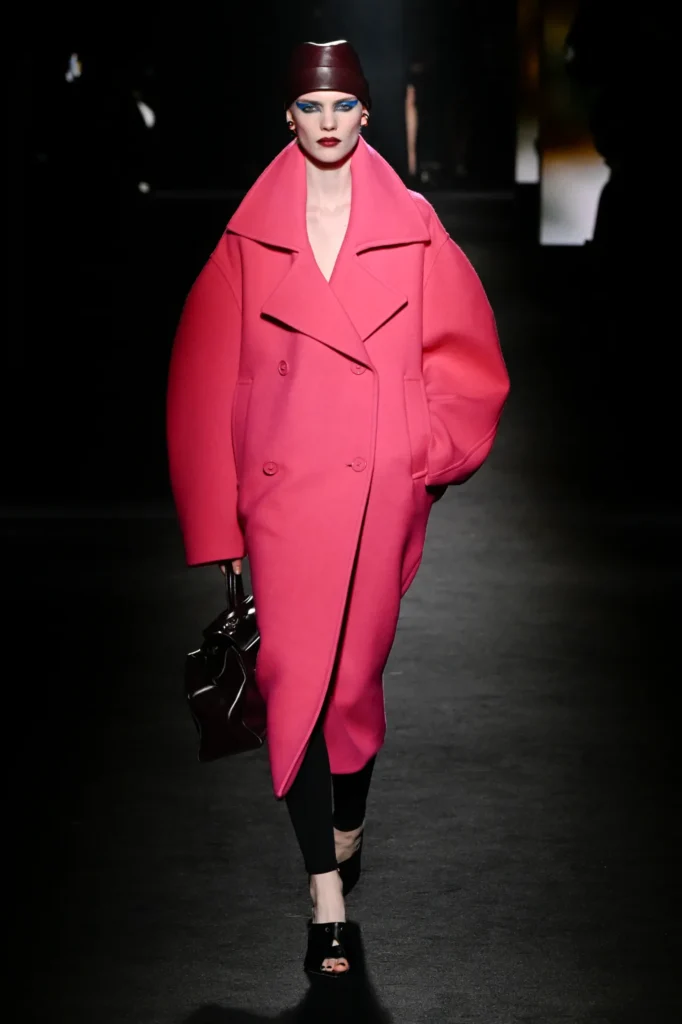
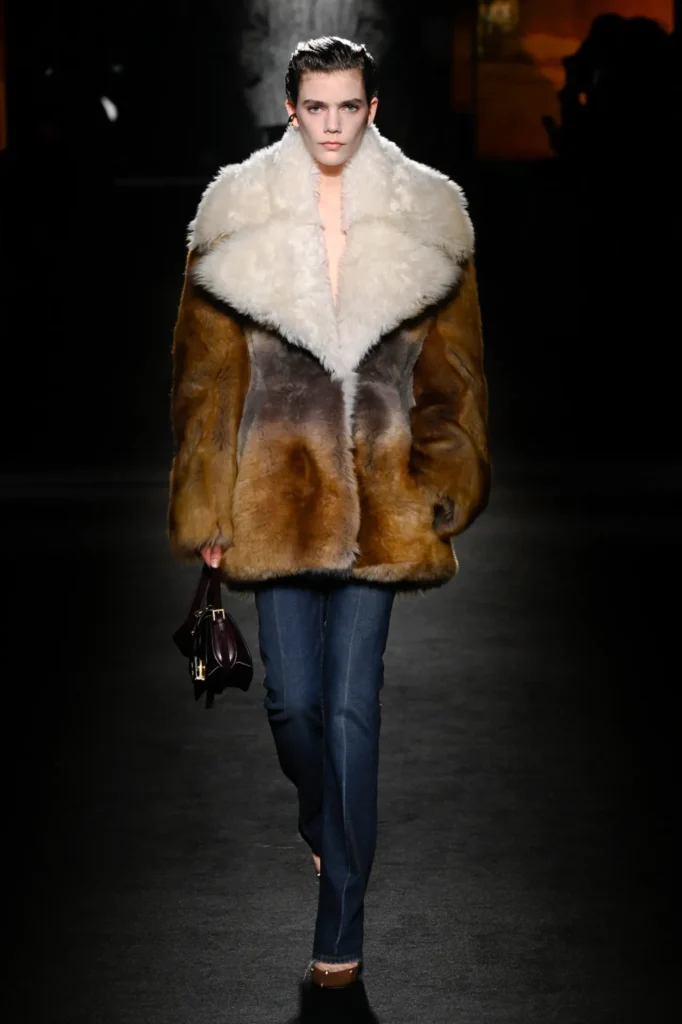
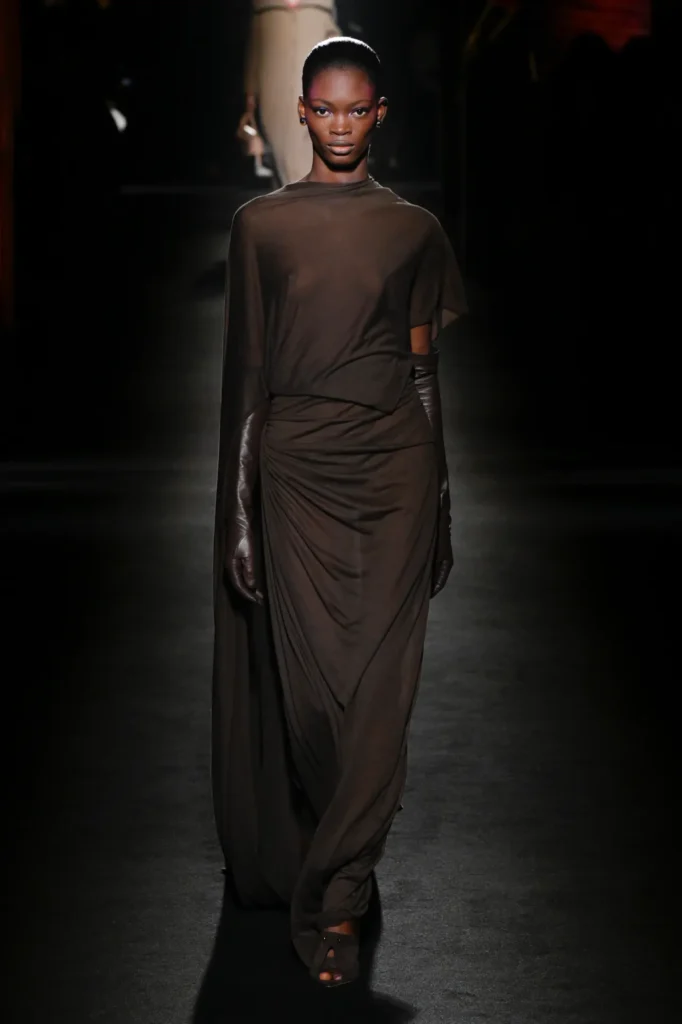
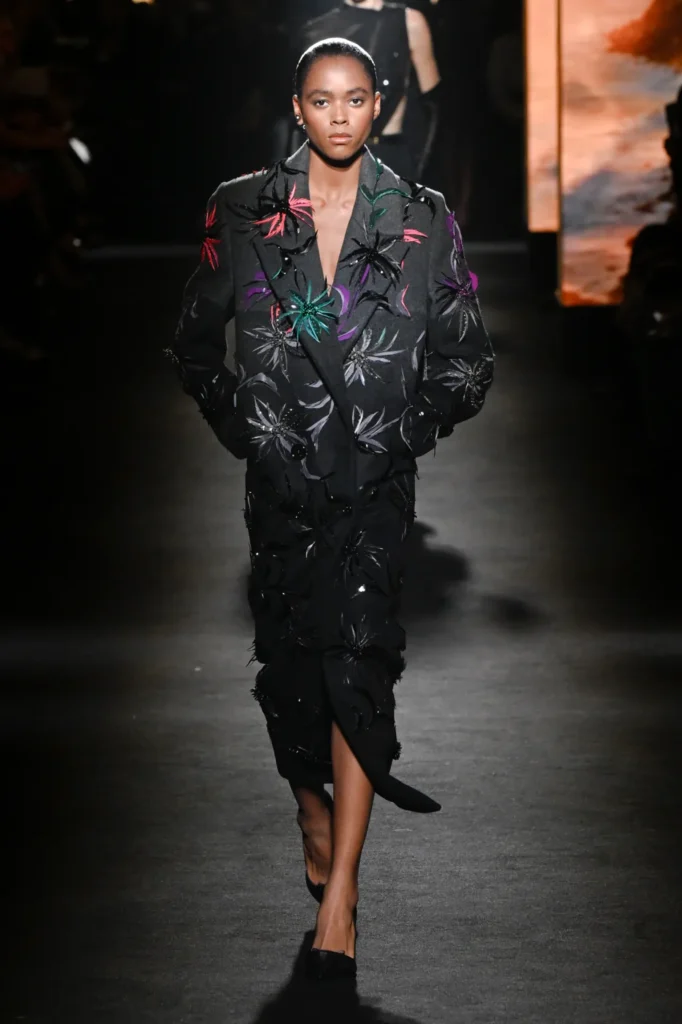
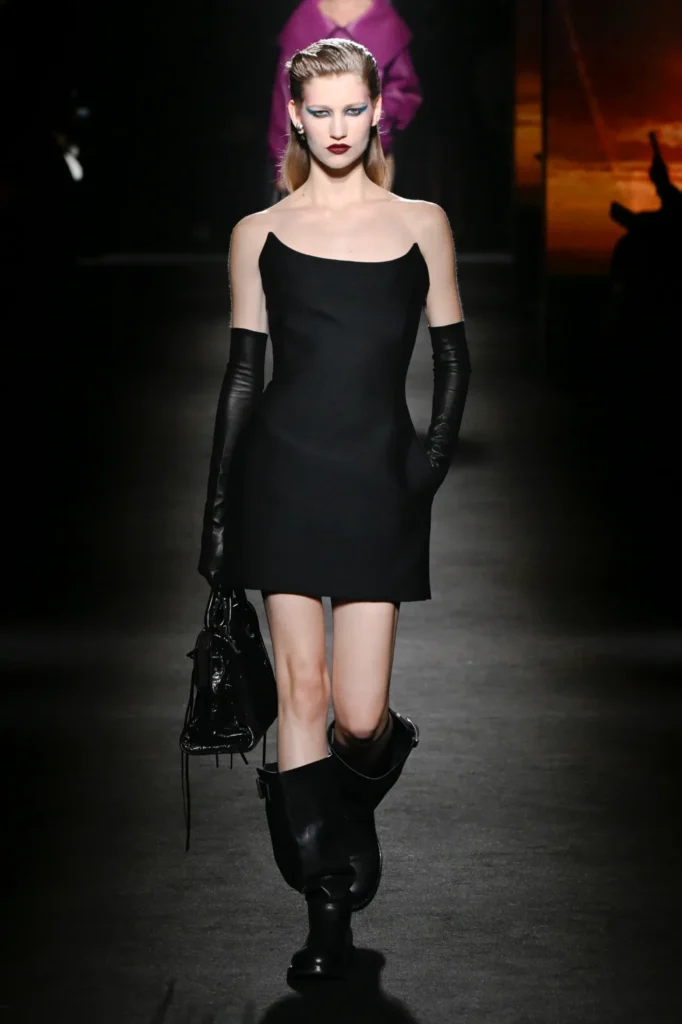
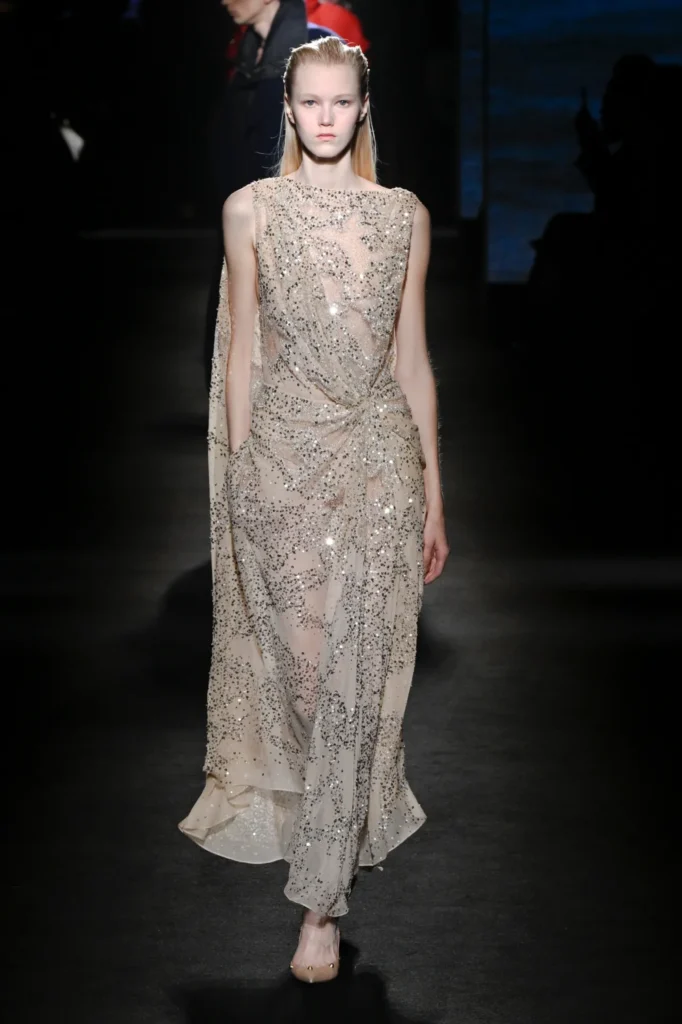
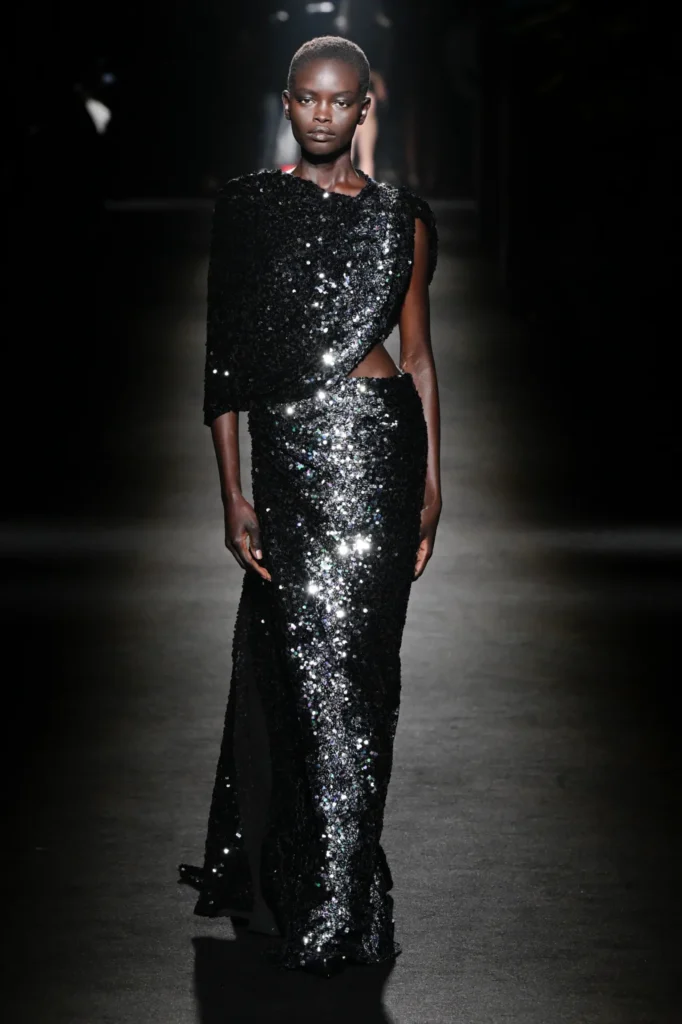
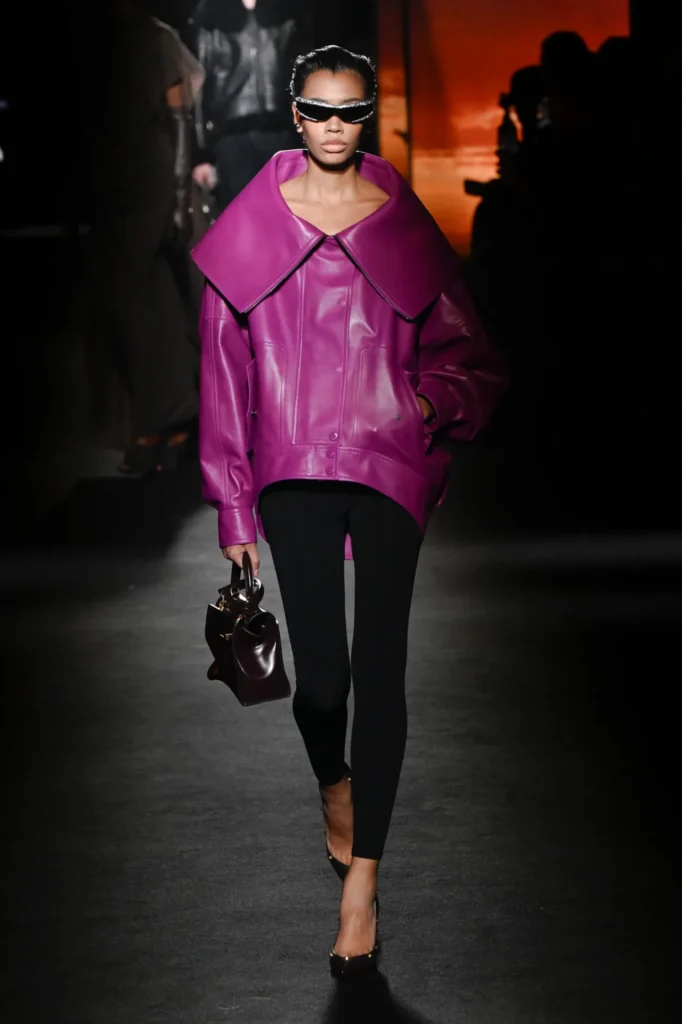
Alaïa Spring Summer 2024 Collection / Courtesy Of Alaïa

“Pieter and the exceptional team he led shaped a powerful creative renewal for Alaïa,” said CEO Myriam Serrano, crediting his tenure with reinforcing the house’s global relevance and confidence while honoring its heritage.

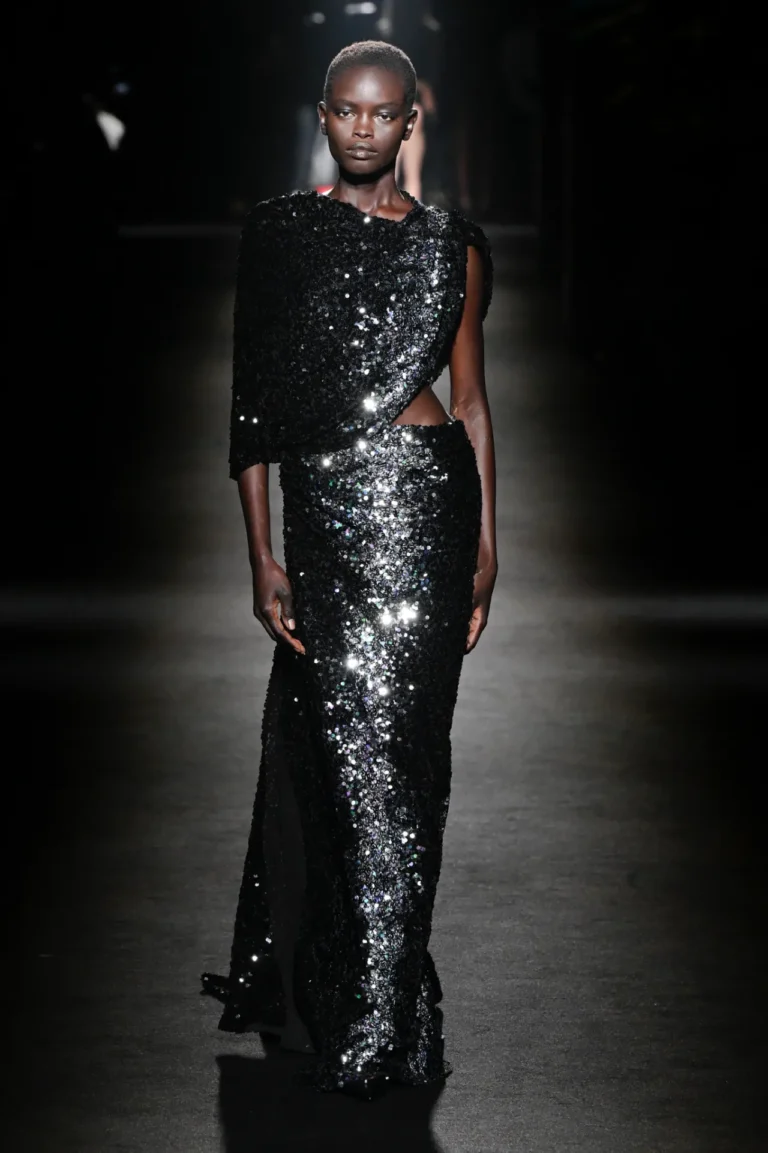
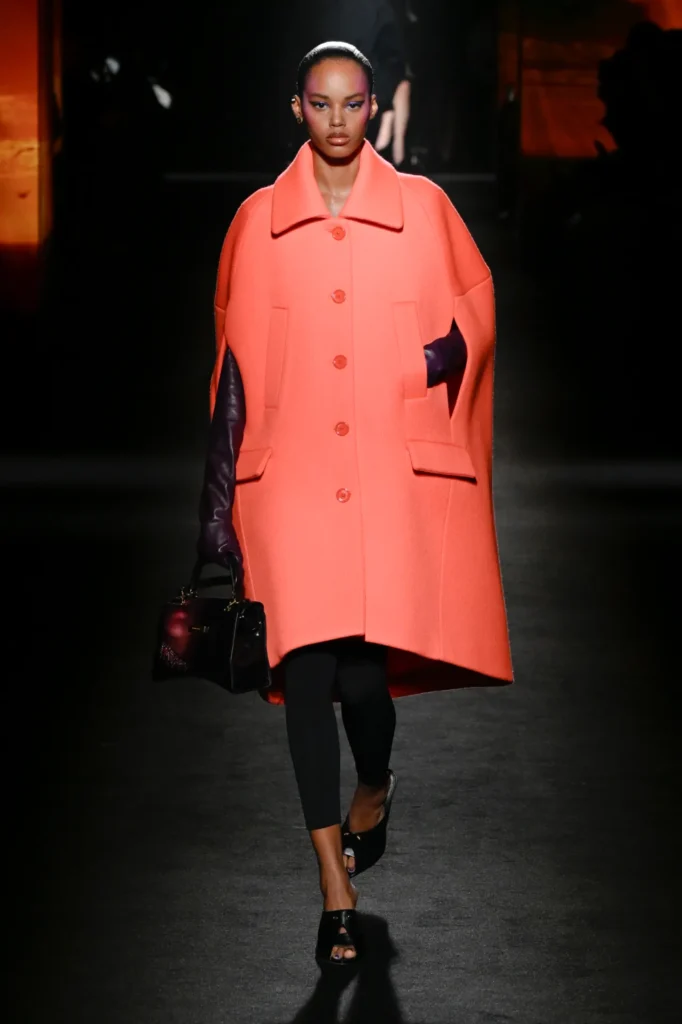
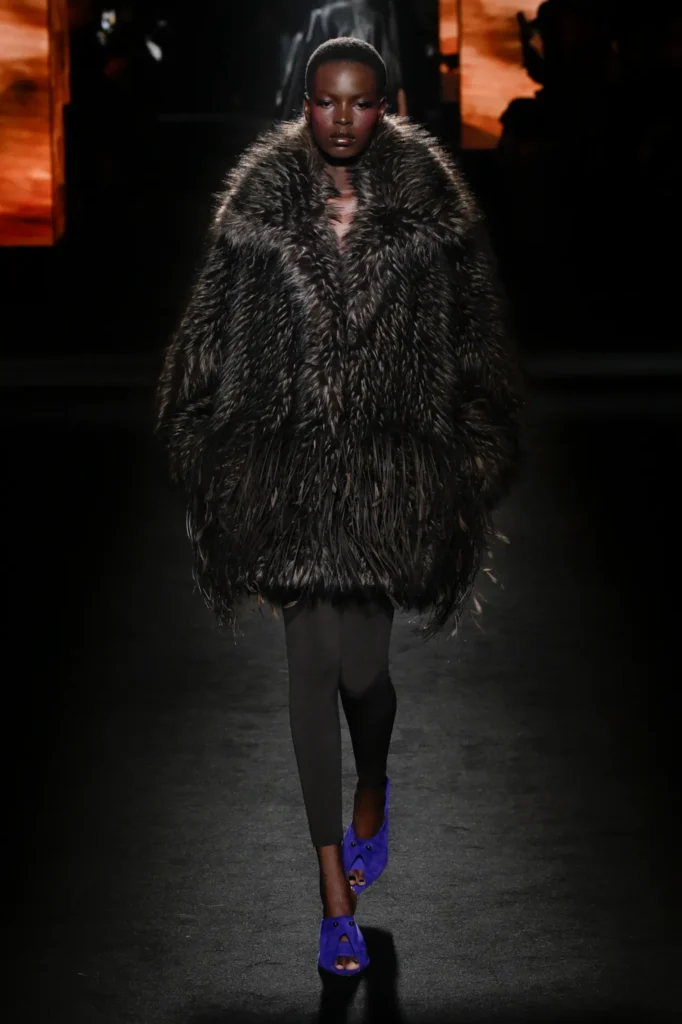
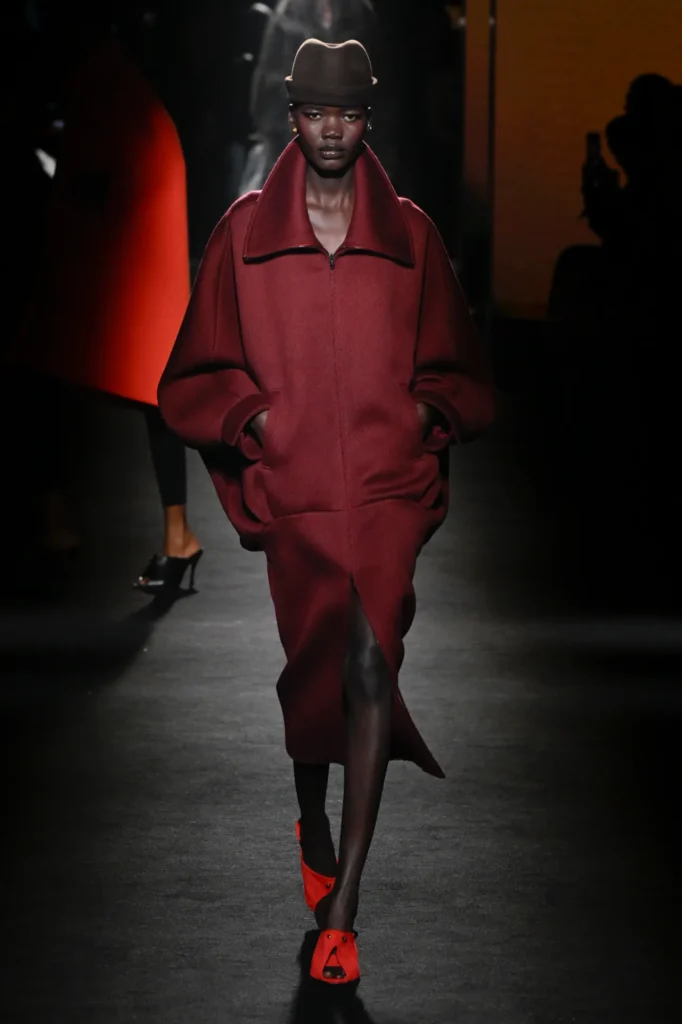
Since joining Alaïa three years after the death of founder Azzedine Alaïa, Mulier injected fresh energy into the brand, reinterpreting its codes of hyper-femininity, sculptural precision, and empowerment through a modern, experimental lens. His collections balanced rigor with sensuality, often pushing technique to conceptual extremes—most notably a Fall 2024 collection built around a single merino thread, and a Guggenheim presentation composed entirely without buttons or zippers.

Under his creative direction, Alaïa also expanded aggressively on the business side. The house nearly quadrupled its retail footprint to around 20 standalone stores and saw strong growth in accessories, driven by cult hits such as the mesh ballet flats, the Teckel bag, and newer designs like Le Click. Richemont has cited Alaïa as a notable growth driver within its fashion and leather goods portfolio, and industry sources estimate the brand has more than doubled in size during Mulier’s tenure.

True to the spirit of Azzedine Alaïa, Mulier initially rejected traditional fashion calendars, staging shows in unconventional locations—from a penthouse in Antwerp to the Guggenheim Museum in New York—before later returning the brand to the official Paris ready-to-wear schedule and opening new flagships in Paris and Beijing.

Mulier was named International Designer of the Year at the 2025 CFDA Awards, recognition of a body of work widely praised for its boldness and intellectual rigor.

While Alaïa has not commented on his next move, industry expectations point toward Versace in Milan, following recent leadership changes at the Italian house. Mulier himself has previously cited Versace—alongside Azzedine Alaïa—as a formative influence.

Phan Huy Spring 2026 Couture Collection

Phan Huy Spring 2026 Couture Collection

For his first appearance on the official Paris haute couture calendar, Phan Huy played it deliberately safe—and wisely so—leaning into craftsmanship and classic couture codes to announce his arrival.

At just 26, Huy made history as both the youngest guest designer showing under his own name and the first couturier from Vietnam to do so. Backstage applause before the show underscored the weight of the moment. Rather than relying on overt cultural references, Huy—alongside London-based cofounder Steven Doan—channeled heritage through technique.

The collection was anchored in labor-intensive textiles. Tulle was structured with horsehair tubing to form fan-like stripes, while three-dimensional embroideries were built from individually applied sculptural loops. Organza dresses bloomed with 3D-cut leaves, each edged with tubular beads and meticulously stitched into place. A vivid red gown worn by Coco Rocha—alive with movement—reportedly took three months to complete.

Silhouettes largely adhered to a Western couture archetype: tightly corseted bodices, opulent skirts, and frequent crinoline structures. Shorter looks carried a flirtatious edge, while longer gowns leaned conservative, favoring elegance over risk.

Where Phan truly excelled was in fluidity. Net dresses densely embroidered with stones shimmered with restraint, while a column gown in gauze, veiled in cascading strands of sparkle, delivered quiet drama. Embellished bralettes, studded with crystals and sequins, introduced a lighter, more playful sensuality.

Ashi Studio Spring 2026 Couture Collection

Ashi Studio Spring 2026 Couture Collection

For Spring 2026, Ashi Studio transformed couture into an elegant study of mourning, desire, and control. Drawing from Victorian symbolism and executed with formidable technical precision, the collection moved fluidly between the sensual, the surreal, and the faintly macabre—without slipping into costume.

Corsetry formed the backbone of the collection. Constructed using 18th-century techniques, tightly cinched bodices sculpted dramatic bell-shaped silhouettes, with hips emphasized through rounded peplums and shell-like volumes. The effect was unapologetically feminine, disciplined yet charged with tension.

The Victorian obsession with restraint and longing surfaced most strikingly in the treatment of hair. Braided, twisted, and molded into sculptural forms, it became part of the garments themselves—referencing period mourning jewelry—or fell straight down the back like a spine. Elsewhere, ghostly handprints appeared beneath sheer layers, alongside fragments of faded love letters and red wax seals. Death moths, dangling keys, and other symbolic motifs lent the collection a quiet sense of unease.

Material manipulation was central to the drama. Cotton was treated with adhesive techniques that mimicked moisture clinging to the body, while trompe-l’oeil painting transformed flat fabric into bows and draped illusions. A translucent plastic layer skimming the skin gave one look the unsettling polish of a porcelain doll. Much of this work was developed in collaboration with artists more commonly associated with film sets, including members of the hair design team behind last year’s Dracula.

Black dominated, culminating in a sequined gown with a severe T-shaped back traced by tassels. Throughout the collection, backs were treated as focal points, adorned with bustles, pearl-encrusted trains, and elongated details that reinforced the sense of ceremony.

Accessories pushed the surreal further. Clutch handles fashioned from antique human-head door knobs—sourced from Paris’s Marché Clignancourt—blurred the line between object, relic, and provocation.

In its precise craftsmanship and disciplined darkness, Ashi Studio’s Spring 2026 couture proposed mourning not as absence, but as beauty sharpened by control—haunting, intimate, and deliberately unforgettable.

Zuhair Murad Spring 2026 Haute Couture Collection

Zuhair Murad Spring 2026 Haute Couture Collection

At a moment shaped by global uncertainty, Zuhair Murad answered with unapologetic beauty. His Spring 2026 haute couture collection was an exercise in optimism and opulence, rooted in craftsmanship and driven by the belief that fashion can restore a sense of hope.

Murad looked to history for reassurance, drawing inspiration from two eras that followed upheaval: the Renaissance and the postwar 1950s. Both moments reaffirmed art, elegance, and the centrality of the female form—ideas that anchored the collection from its first look.

The hourglass silhouette dominated. Sculpted corsets cinched the waist, while structured skirts, draped overskirts, and elongated volumes emphasized the hips. At times the proportions veered toward the theatrical, but Murad framed them not as costume, rather as idealized figures—women rendered with intention and presence.

Fabrics did much of the architectural work. Duchess satin and mikado provided structure; chiffon softened the outlines. Embellishment, a Murad signature, referenced Renaissance frescoes and gilded architecture, translated into silk through metallic embroidery, chains, and pearls.

The palette stayed luminous and airy: pale pinks, aquamarine, sage, and champagne, treated like softly blended pigments on a fresco. Lead gray was the darkest note. Bows, floral motifs, and ruffled details reinforced the collection’s overt femininity, while cropped capes framed certain looks like museum pieces.

Robert Wun Spring 2026 Haute Couture Collection

Robert Wun Spring 2026 Haute Couture Collection

In a couture season defined by extremes, Robert Wun claimed the far end of the spectrum. While Paris saw gowns that floated like air, Wun closed his show with a monumental white bridal look weighing nearly 90 pounds, densely embroidered with an estimated three million glass beads—a final, defiant statement of excess and endurance.

Staged at the Lido cabaret, the show unfolded against a wall of video screens flashing storm clouds and lightning, setting the tone for a collection steeped in dystopia and sci-fi futurism. Wun’s vision was unapologetically intense: couture as protection, performance, and psychological shield.

Throughout the lineup, the designer returned to his now-signature codes—collars that swallowed the face, crystal masks, exaggerated anatomical breastplates, aerodynamic headpieces, sharpened shoulders, mermaid skirts, and trailing streamers. Some looks carried blades piercing the bodice, literalizing the idea of vulnerability under attack. The effect oscillated between witchcraft, Western fantasy, and warrior regalia, always sculptural, always confrontational.

The surfaces felt almost unreal. Molten-metal finishes, 3D-like structures, and surreal accessories—such as cuffs sprouting extra hands—gave the impression of garments generated by artificial intelligence rather than painstakingly crafted by human hands. Yet Wun insists the opposite. Before the show, the Hong Kong–born designer said he revisited his 2012 Central Saint Martins graduate collection, a time when his imagination felt “wilder” and less constrained by practicality.

Courtesy Of Robert Wun

Viktor & Rolf Spring 2026 Haute Couture Collection

Viktor & Rolf Spring 2026 Haute Couture Collection

For Spring 2026, Viktor Horsting and Rolf Snoeren turned haute couture into a quiet meditation on transformation—how small shifts can unlock unexpected freedom. The Dutch duo, long masters of fashion-as-concept, framed the collection as a performance built around a single, poetic idea: the kite.

“It’s something we’ve been thinking about for years,” Horsting said before the show. This season, they finally found a way to make it work—technically and emotionally. In a world heavy with bad news, the gesture felt deliberate: lightness as resistance.

The show opened with a still tableau. A model sat atop a pedestal in a belted white mini dress with a high collar and an aviator-style leather helmet, serving as both anchor and origin point. From there, the collection unfolded through a series of unconventional silhouettes in inky black duchesse satin and cloqué, each punctuated by a flash of color.

What appeared theatrical at first revealed a more pragmatic core. As layers were removed, sculptural black dresses emerged—precise, balanced, and surprisingly wearable. A voluminous gown with poet sleeves was gently hitched up on one side by a honeycomb-yellow garter. A sack dress with a ruffled collar hid beneath a floor-length pastel chiffon overlay with a pleated hem. Even a hooded, almost ominous figure dissolved into a classically elegant gown, finished with a neat row of buttons down the back.

The kite, in Viktor & Rolf’s hands, became a metaphor for couture itself: an object that needs structure to soar. By pairing conceptual rigor with restraint, the duo delivered a collection that felt both hopeful and grounded—a reminder that in fashion, as in life, the smallest adjustments can change everything.

Elie Saab Spring 2026 Haute Couture Collection

Elie Saab Spring 2026 Haute Couture Collection

For Spring 2026 haute couture, Elie Saab leaned fully into gold—both as color and as concept—delivering a collection steeped in 1970s jet-set fantasy. It was a vision of sun-drenched decadence, inspired by a generation that drifted effortlessly between Milos and Marrakech, where glamour was currency and beauty shimmered like bullion.

The palette was unapologetically rich: molten golds, bronzes, and milk-chocolate browns dominated, punctuated by flashes of deep purple. The mood nodded not only to Seventies hedonism but also to the era’s renewed fascination with Art Deco. Geometric beadwork, chevrons, metallic symmetry, and sweeping curves appeared throughout, giving structure to the excess.

Saab’s silhouettes moved between languid and body-skimming. Halter-neck gowns and swimsuit-inspired cuts—echoing 1930s sportswear revived in the ’70s—shared the runway with fluid columns and sharply fitted dresses. Lamé, sequins, and high-shine embellishment were omnipresent, while long beaded scarves, capes, and sleeveless vests added a bohemian ease. Beaded macramé brought tactile depth, expanding the atelier’s decorative vocabulary, while strands of crystals cascaded down bare backs in precise, architectural loops designed to catch the light with every step.
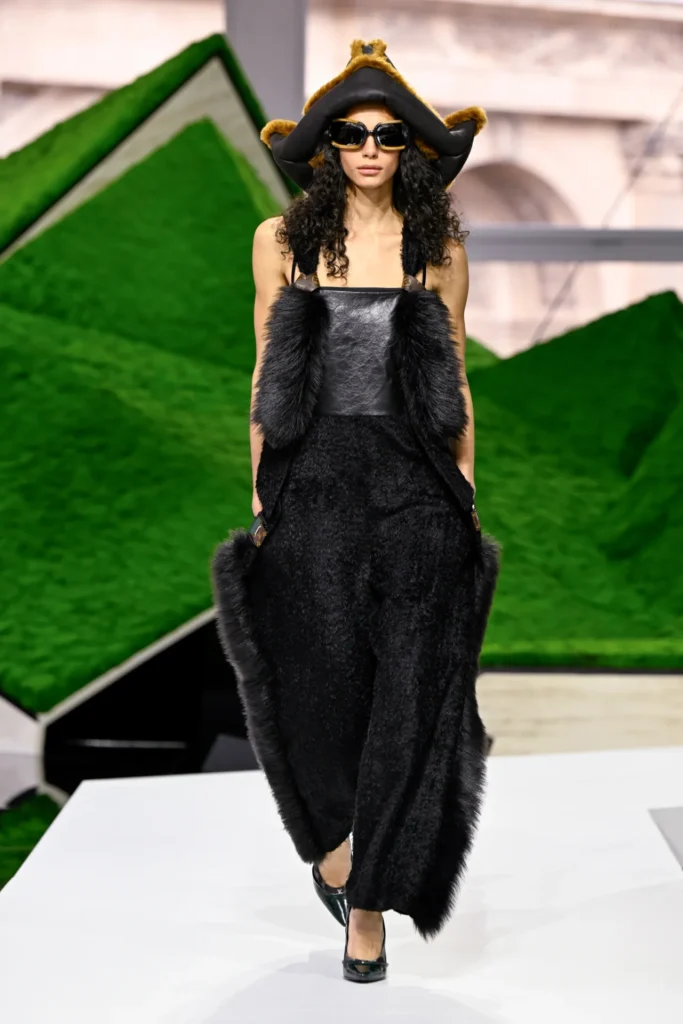
Hair worn in soft, undulating waves recalled Talitha Getty, reinforcing the collection’s jet-set mythology. Animal prints—leopard and tiger—appeared as deliberate provocations, amplifying the sense of indulgence and escape.
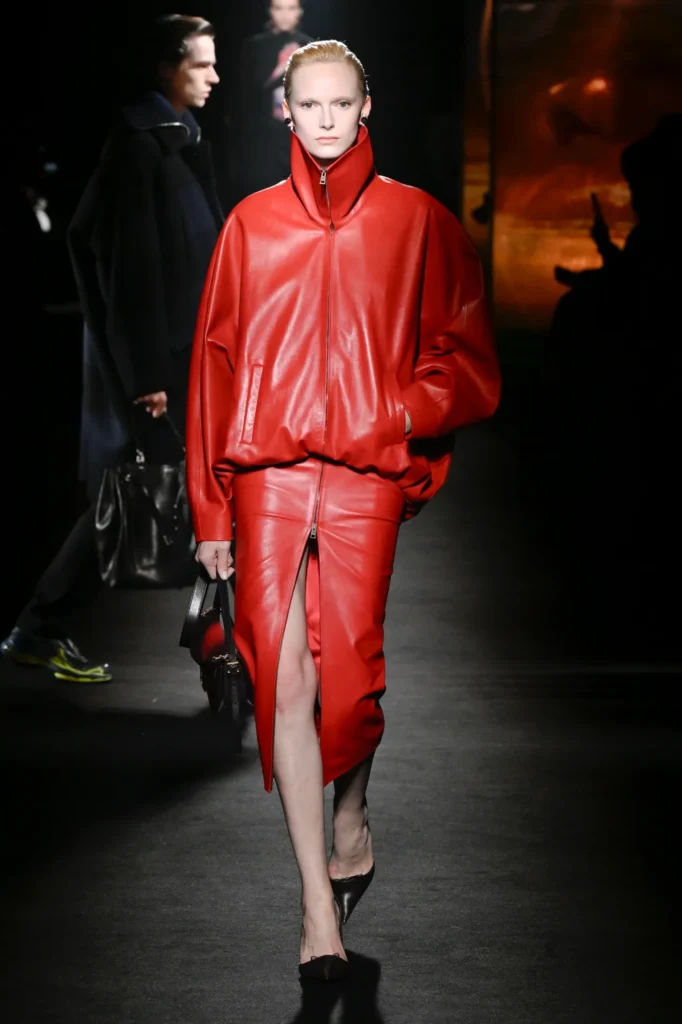
Yet the collection’s central theme—freedom, particularly freedom of movement—was not always fully realized. Some gowns were cut so narrowly that models struggled on the runway, undercutting the fantasy. In contrast, looser beaded tanks paired with sweeping skirts or fluid metallic layers felt more in tune with the spirit Saab set out to capture.
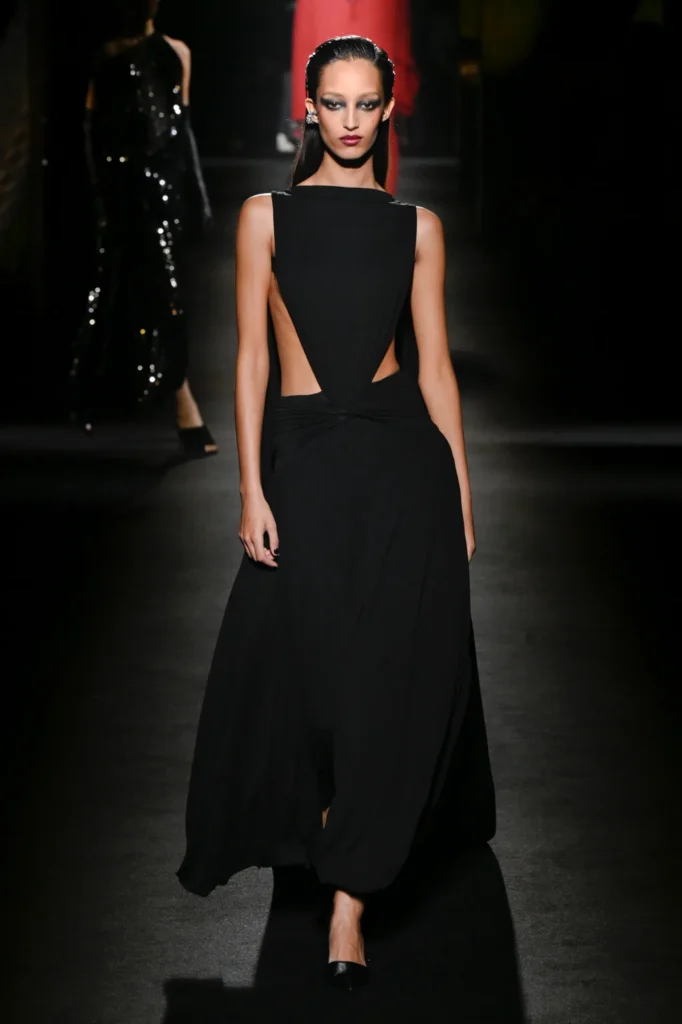
Valentino Spring 2026 Haute Couture Collection

Valentino Spring 2026 Haute Couture Collection

With his Spring 2026 haute couture collection for Valentino, Alessandro Michele delivered a rare balancing act: intimacy and spectacle, reverence and reinvention. Presented just days after the funeral of Valentino Garavani in Rome, the show unfolded as an unforced, deeply cinematic tribute—one that felt instinctively aligned with the founder’s spirit.

Michele’s set rejected the traditional runway in favor of darkness punctuated by circular wooden viewing boxes, inspired by the 19th-century Kaiserpanorama, a precursor to cinema. Inside each illuminated chamber stood live models, transforming couture into a series of living images. The effect demanded stillness and attention, slowing the gaze in an era addicted to speed.

The show opened with a recording of Garavani himself, recalling how his love of cinema—shaped by 1940s icons like Hedy Lamarr and Lana Turner—sparked his vocation. From there, Michele traced the mythmaking power of fashion through the visual language of silent film, Art Deco glamour, and early celebrity culture.

The clothes felt deliberately timeless, like lost costumes from Hollywood’s golden age. Bias-cut white satin gowns paired with ivory velvet coats unfurled into sculptural trains and feathered headpieces, recalling Erté illustrations come to life. Elsewhere, references ranged from the Ziegfeld Follies to Poiret-era exoticism: low-waisted black velvet kimono coats, geometric silver embroidery on sheer capes, and goddess gowns in molten gold lamé that nodded, knowingly, to 1980s excess.

Crowned models appeared as objects of secular worship, framed by a soundtrack that fused classical music with pulsing techno. In Michele’s Specula Mundi—“mirror of the world”—each look promised transcendence, turning couture into modern mythology.

“Clothes create myths,” Michele said ahead of the show, describing himself as an archaeologist of images and emotions. He reflected on the red carpet as a fantasy space beyond commerce, a place where imagination is protected because it is, by nature, unreal.

That idea shaped the presentation’s power. Peering through the viewing ports, guests—among them Kirsten Dunst and Dakota Johnson—were forced to choose between witnessing and documenting, between reverie and record. In a chaotic moment, and on the eve of awards season, Michele offered couture not as product, but as escape.

Armani Privé Spring 2026 Haute Couture Collection

Armani Privé Spring 2026 Haute Couture Collection

With Giorgio Armani’s passing, Armani Privé enters a new chapter under the quiet authority of his niece, Silvana Armani—and for Spring 2026, she set the tone with jade. The stone became both color story and statement, signaling continuity with the founder’s codes while asserting a personal, pragmatic vision.

Gone were the ornamental flourishes Giorgio occasionally indulged, notably the hats. In their place: a tightly edited 60-look collection built around fluid tailoring, relaxed proportions, and an emphasis on wearability. Silvana Armani made her priorities clear—couture that honors the house’s mastery of daywear as much as its red-carpet legacy.

The show opened with menswear-inflected tailoring, a cornerstone of the Armani vocabulary. Palazzo trousers in silk cady featured up to ten pleats per side, paired with softened jackets stripped of stiffness and, at times, lapels altogether. Their edges shimmered subtly with tubular glass beads. Organza shirts, ties, and small round glasses completed the look, lending an intellectual ease that felt unmistakably Armani.

That nonchalance carried through shimmering mesh knits and midi tunics—proof that couture knitting is having a moment this season. Eveningwear remained restrained in silhouette, relying on cut rather than spectacle, though crystals and open backs ensured sensuality was never far away. Jade’s cultural ties surfaced in embroidery motifs of lanterns and bamboo fans, rendered with discretion rather than excess.

The collection may have lacked overt drama or a strong narrative arc, but it compensated with clarity, comfort, and an elegance rooted in discipline. Its conservative charm felt intentional—an affirmation of Armani’s enduring appeal in a moment of industry flux.

Courtesy Of Giorgio Armani

The final note was quietly poignant. The bridal look, traditionally a new creation, was instead a black gown designed by Giorgio Armani for Fall 2025, veil intact. It was a graceful tribute. Silvana Armani emerged to bow in navy, composed and assured, carrying forward a legacy not by reinvention, but by refinement.

Tamara Ralph Haute Couture Spring 2026 Collection

Tamara Ralph Haute Couture Spring 2026 Collection

Tamara Ralph’s Spring 2026 haute couture collection reaffirmed her mastery of the hourglass silhouette—this time without relying on a visible waistline. Instead, the Australian designer fused her signature corsetry with refined Asian influences, channeling what she described backstage as the “ritual grace of traditional craftsmanship.”

Fans and origami emerged as the collection’s primary references. Fans appeared early on in a striking bustier constructed from radiating panels inlaid with mother-of-pearl, though when translated into protruding hip details, they occasionally disrupted the clean lines of Ralph’s body-skimming gowns. Origami proved the more successful muse. Sharp, architectural pleats delivered some of the collection’s most elegant moments, including a pale blue gown whose crisp folds sculpted the body with precision, and a soft pink coatdress that hinted at a growing focus on couture daywear.

That shift is deliberate. Ralph noted increasing demand from European and American clients for more tailored, versatile pieces—seen here in short skirt suits and polished daytime looks that retained couture-level construction.

Rather than literal interpretations, Asian references surfaced subtly through a recurring palette of gold, flashes of red, and porcelain-like enamel finishes. Later looks flirted with early-2000s nostalgia: slinky, body-conscious gowns styled with oval sunglasses from Ralph’s collaboration with limited-edition eyewear brand T Henri, and crossed hairpins peeking from high chignons.

Courtesy of Tamara Ralph

At its core, the collection remained anchored in corsetry—long a cornerstone of the house and a showcase of Ralph’s technical skill. Yet these were corsets evolved: shaping the body without obvious constraint, confident and unapologetic.