Home Blog Page 10

Max Mara Spring 2026 Collection

Max Mara Spring 2026 Collection

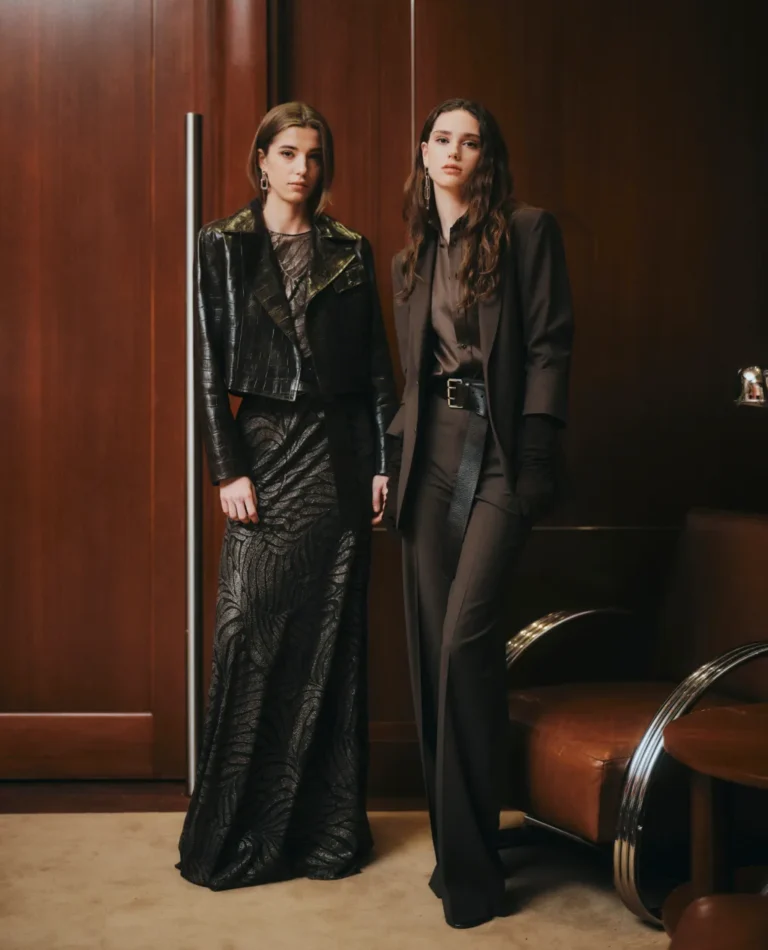
Instead of focusing on Marie Antoinette, Ian Griffiths turned his gaze to another figure of 18th-century French court life: Madame de Pompadour, renowned patron and emblem of Rococo style. This choice allowed him to explore an intriguing dialogue between eras, staging a collection that oscillated between the opulence of the 1780s and the sleek restraint of the 1980s.

The runway opened with a sleeveless trench dress featuring ruffled shoulders, followed by a sharply tailored pantsuit. Together, they reflected Griffiths’ interplay of Rococo exuberance with echoes of David Bowie’s Pierrot costume, which shared space on his backstage moodboard with portraits of Pompadour.

Though heavy with historical allusions, Griffiths made his intent clear: “We’re not making a BBC period drama; we’re creating modern fashion for modern women.” That philosophy translated into body-conscious knitwear, cropped jackets, halter necklines exposing shoulders and backs, and harness-style elastic details defining the waist.

The palette leaned heavily into camel and beige, only occasionally interrupted by delicate florals or ghostly marine motifs, underscoring the house’s commitment to a more minimalist aesthetic amid Milan’s current maximalist wave. Yet, Griffiths injected organza garlands, fabric petals, and layered ruffles at shoulders and hips, infusing the collection with a fresh Rococo edge.

Unexpectedly, there were few coats—the brand’s historic backbone—but the short trench coats and fitted suits are sure to resonate commercially. What emerged was a vision of Max Mara that felt lighter, sensual, and contemporary, perfectly attuned to modern women’s need for versatility and sophistication.

Adding a personal note, Griffiths recalled his very first party outfit from the 1980s, hand-sewn from lining fabric on his mother’s machine: a broad-shouldered look with a whimsical frill, bridging the flamboyance of Bowie with the elegance of Pompadour, and encapsulating the dual spirit of this collection.

Etro Spring 2026 Collection

Etro Spring 2026 Collection

For Spring 2026, Marco de Vincenzo took Etro’s signature maximalism to its most exuberant expression yet, blending tradition with bold, contemporary energy. The collection was a feast for the senses: fringes, metallic studs, ruffles, crystal beads, and a cascade of the house’s iconic prints merged seamlessly with metallic brocades. Every element spoke to a vision of fashion that celebrates joyful self-expression and visual richness.

The runway came alive with the live performance of La Niña, a folk artist from Naples known for combining the Neapolitan dialect with electronic sounds and multi-layered harmonies. Her music, amplified by her band and backup singers, created an immersive atmosphere reminiscent of a 1970s underground club, and de Vincenzo explained that the collection’s rhythm and flow were deeply inspired by her music, making it an integral part of the design process rather than a simple soundtrack.

Among the standout pieces were daring flounced skirts with side slits, modernized jeans subtly embossed with Etro motifs, and densely adorned statement bags, which added a sophisticated counterpoint to the more opulent garments. The mix of textures, patterns, and embellishments demonstrated de Vincenzo’s skill at balancing maximalist intensity with wearable artistry.

After three years leading the house, Marco de Vincenzo has clearly embraced Etro’s legacy, merging its heritage with his personal vision: an unapologetic celebration of color, pattern, and exuberance, now elevated to an almost theatrical scale. The collection reaffirms Etro’s position as a house where maximalism is not just a style but a philosophy of joyful creativity and cultural storytelling.

Courtesy of Etro

Fendi Spring 2026 Collection

Fendi Spring 2026 Collection

On a pixelated, wave-like stage designed by Marc Newson, Silvia Venturini Fendi unveiled a vision that redefined the very notion of “quiet luxury,” immersing it in a kaleidoscope of bold colors, psychedelic floral motifs, and theatrical accessories.

The collection highlighted the fusion of sportswear codes with couture craftsmanship: drawstrings, adjustable straps, elastic hems, and zippers appeared reinterpreted in luxurious versions, crafted in silk faille, laser-cut perforated leather, and glossy lightweight fabrics. A sporty jacket, paired with a sleek pencil skirt, evolved into the maison’s new idea of eveningwear.

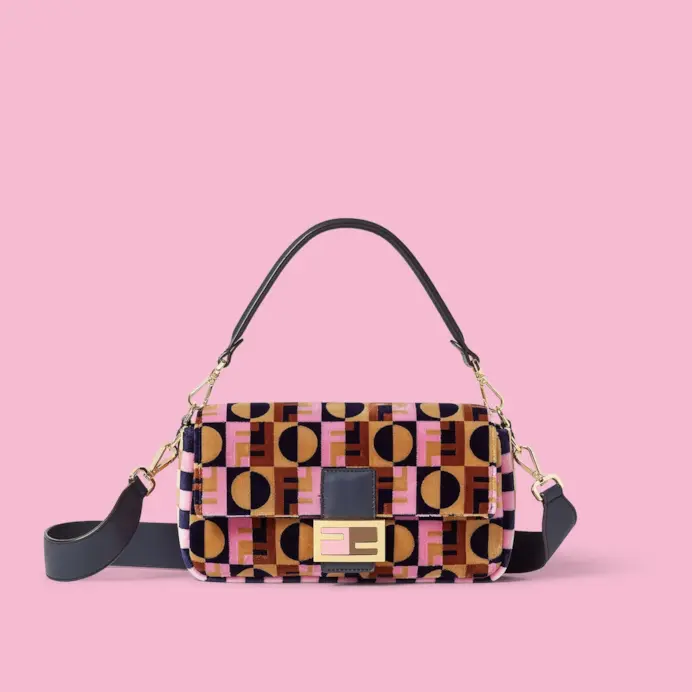
Accessories took center stage. The iconic Peekaboo bags revealed a sense of “private luxury” with hidden sequin embroideries inside, while the new Collier bag, featuring a sculptural built-in necklace, made its debut. Adding to the playful yet sophisticated spirit were hair-trimmed mesh loafers, whimsical charms, and jewel-like handbags, underscoring Fendi’s reputation for collectible, statement-making pieces.

Color also played a starring role, with electric shades, printed lace, cutout florals, and three-dimensional embroideries amplifying the collection’s psychedelic energy. The runway turned into a vibrant spectacle, transforming everyday garments into expressions of pure luxury—perfectly timed as Milan gears up for the 2026 Winter Olympics.
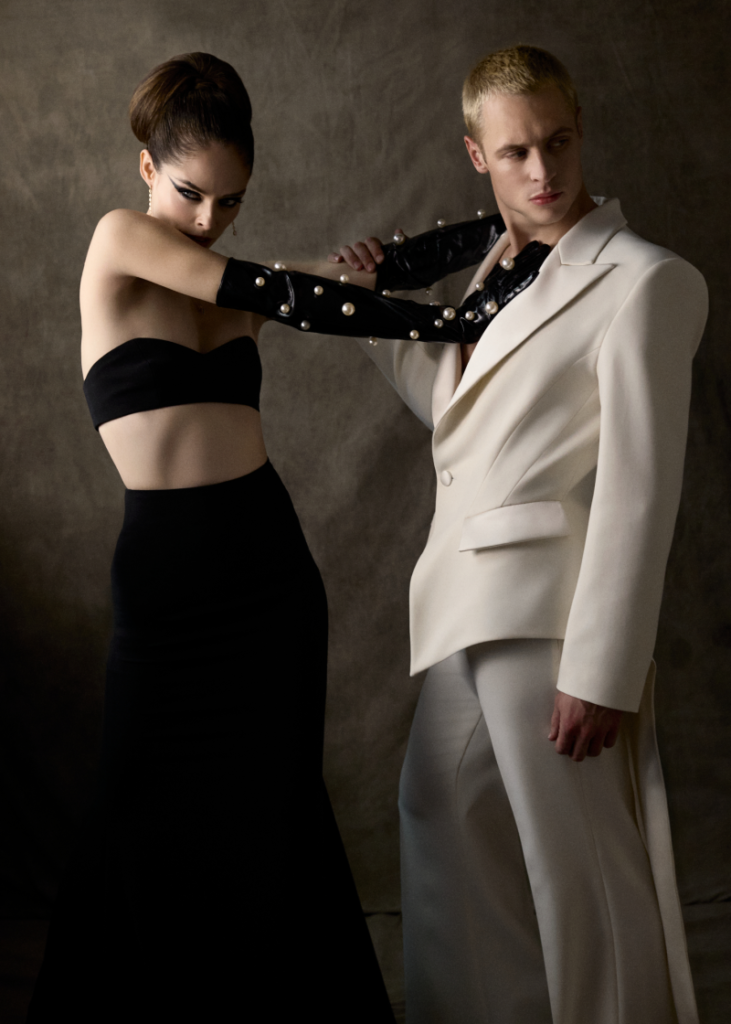
With this collection, Venturini Fendi proves that luxury doesn’t always whisper—it can be exuberant, sensual, sporty, and striking, all at once.

Antonio Marras Spring 2026 Collection

Antonio Marras Spring 2026 Collection

This season, Antonio Marras once again turned to his beloved Sardinia, while also drawing inspiration from the intellectual and aesthetic legacy of the Bloomsbury Group, with references to Virginia Woolf, Katherine Mansfield, and D.H. Lawrence. True to his style, the show was anything but minimal—an extended journey through cultures and centuries that resisted the idea of overly edited collections.

On the runway, vintage garments and traditional Sardinian costumes, sourced from a private collector, were seamlessly paired with Marras’s new creations, highlighting how heritage and modernity can coexist effortlessly. Early standouts included silk dresses in lilac and cadmium hues adorned with floral prints, some tightly cinched with delicate corsets, as well as 1920s-inspired designs embellished with jet embroidery.

Marras’s signature patchwork made a strong statement once again: checks clashed with florals, stripes intertwined with damasks, and faux furs met intricate embroidery, creating an eclectic and poetic visual universe. His technical mastery was evident in draping, pleating, and artisanal embroidery, which brought theatrical elegance to a selection of cocktail dresses.

Menswear also played a central role, with models walking in silk pajamas, oversized pea coats, and sharply tailored jackets, often crafted in the same fabrics as the womenswear, reinforcing Marras’s vision of breaking gender boundaries.

Courtesy Of Delphine Achard/WWD

The finale carried a deeply personal message: the appearance of Sardinian shepherd Giuseppe Ignazio Loi, who famously refused to sell his land to a multinational corporation. Marras presented him as a living symbol of resistance, roots, and belonging—values the designer continuously weaves into his fashion.

Missoni Spring 2026 Collection

Missoni Spring 2026 Collection

Alberto Caliri’s Spring 2026 collection for Missoni fused playful resort vibes with elevated citywear, presenting a wardrobe that seamlessly transitions from office to leisure. Guests arriving at the show discovered a Missoni beach towel at each seat, a whimsical nod to the collection’s dual purpose—functional enough for everyday wear, yet effortlessly suited for the beach or a weekend escape.

The collection celebrated elongated silhouettes: high-cut bikini bottoms, rolled-up men’s shorts, and micro cheerleader-style skirts laid the foundation for airy blouses, flowing cardigans, and lightweight, shimmering tops. Layered over these were structured yet relaxed pieces, including short trench coats, cropped military-style jackets, and tailored blazers in diplomatic stripes, all infused with Missoni’s signature zigzag motifs, often embroidered with sequins for a sun-kissed sparkle.

Accessories were a central highlight, reinforcing the lifestyle approach of the line. Models carried multiple bags simultaneously, ranging from oversized totes and chic satchels to structured bucket bags and quilted flap styles with chain handles. Many of these bags contained rolled Missoni beach towels, underlining the collection’s playful, holiday-ready spirit.

Caliri, with over 25 years of experience at Missoni—including work in home goods, knitwear, and textiles—showcased his vision of the brand as a modern lifestyle label. This collection combined Missoni’s colorful, artisanal DNA with practical, wearable pieces, emphasizing youthful energy, relaxed sophistication, and a commitment to sustainable fashion.

Jil Sander Spring 2026 Collection

Jil Sander Spring 2026 Collection

For his debut mixed-gender collection at Jil Sander, Simone Bellotti chose to bring the house back to the purist codes that made it iconic. Staged inside the label’s austere Milan headquarters, designed by Michael Gabellini, the presentation reflected Bellotti’s guiding principle of “apparent simplicity.”

Rather than continuing the artistic flourishes and cinematic storytelling introduced by Luke and Lucie Meier during their seven-year tenure, Bellotti revisited the sharp graphic purity that defined Raf Simons’ era at Jil Sander between 2005 and 2012. His vision: to strike a balance between modernity and timeless classicism while reclaiming the brand’s essential elegance.

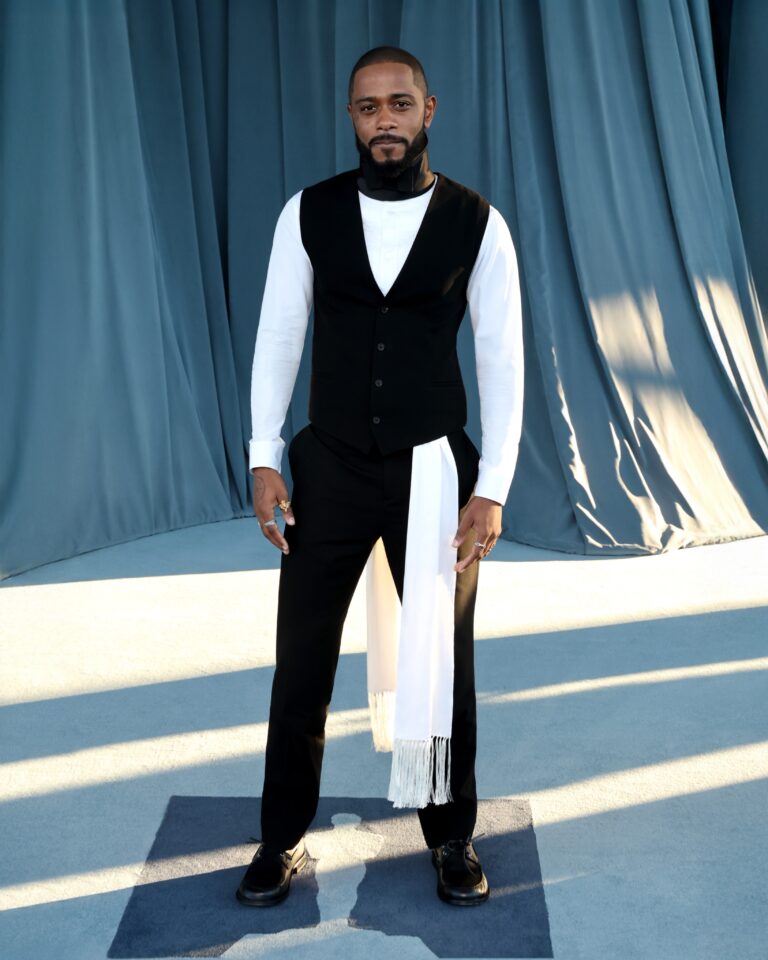
Tailoring anchored the collection with structured blazers, high-buttoned suits in narrow—and occasionally boxy—cuts, and exquisitely crafted leather coats designed for both men and women. Innovation came through in subtle yet striking details: diagonal slashes reminiscent of Lucio Fontana carved across shirts and pencil skirts, cutout waistbands on trousers, and circular eyelets on sleek dresses that exposed coordinated lingerie.

Texture and volume added further dimension. Crisp white shirts were softened with delicate ruffles, while mille-feuille–style layered embroidery enriched sleeveless dresses. Perhaps the most intriguing touches were the geometric protrusions applied to skirts, blouses, and even shoes, directly inspired by Wolfgang Tillmans’ folded paper studies pinned to Bellotti’s mood board.

Iceberg Spring 2026 Collection

Iceberg Spring 2026 Collection

Celebrating his tenth year at the helm of Iceberg, James Long unveiled a collection that seamlessly blended the rebellious spirit of ’90s Britain with Milan’s polished bourgeois sophistication. The runway opened with models strolling nonchalantly, high heels dangling from their hands as they slipped into flats—a vivid metaphor for the carefree youthfulness that defined the show.

The soundtrack set the tone: Oasis blaring across the venue, with “Champagne Supernova” closing the show, turned the presentation into a love letter to Britpop nostalgia and the cultural pulse of an entire generation.

Long reimagined signature silhouettes of the era with a modern twist: above-the-knee parkas reminiscent of the Gallagher brothers, sleek pencil skirts paired with cropped jackets with ribbed sleeves, and peplum mini skirts peeking out beneath tailored, menswear-inspired blazers. Oversized trousers in checks and pinstripes were styled with preppy knit polos and short jackets with bold collars.

Accessories took the spotlight: cognac-hued skirt suits, structured handbags, and wide belts delivered quiet luxury within a rebellious framework. A muted palette of browns, beiges, and grays was punctuated by bold flashes of red, adding energy and vibrancy to the runway.

Beyond retro references, Long injected a cinematic sensibility: fluid satins and chiffon, handcrafted crochet details, and festival-ready flat shoes conjured images of British summers, grounding the collection in both practicality and elegance.

Alberta Ferretti Spring 2026 Collection

Alberta Ferretti Spring 2026 Collection

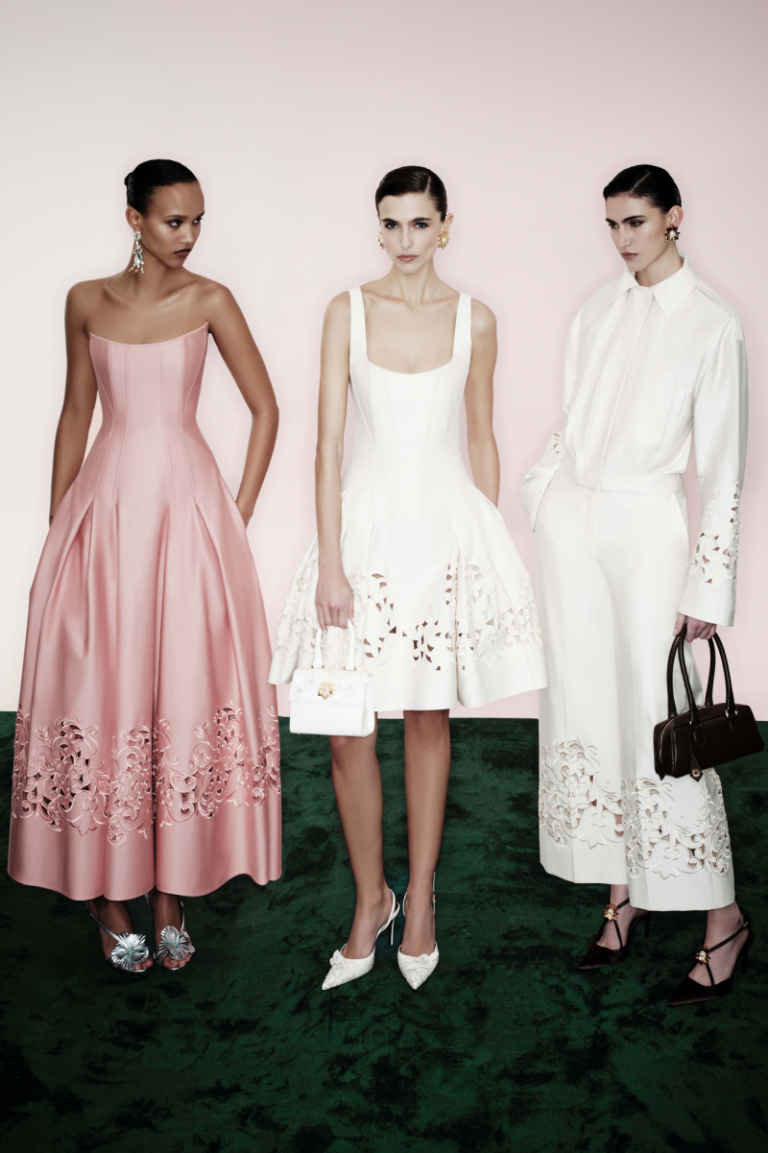
On Alberta Ferretti’s runway—transformed into a cream-carpeted space that felt at once like a refined living room and a private fashion theater—Lorenzo Serafini unveiled a collection that blurred the boundaries between domestic intimacy and sophisticated hosting. His mood board featured the legendary Tina Chow, the quintessential hostess of the 1970s, whose effortless mix of warmth and elegance served as a guiding muse.

The lineup showcased weightless caftans, kimono-inspired dresses, and wide pajama-like trousers, styled with studded loafers—as if the hostess herself might dash out in an Alfa Romeo to fetch more Pinot Bianco. Serafini’s vision was clear: a wardrobe designed for private living, yet equally refined for welcoming guests.

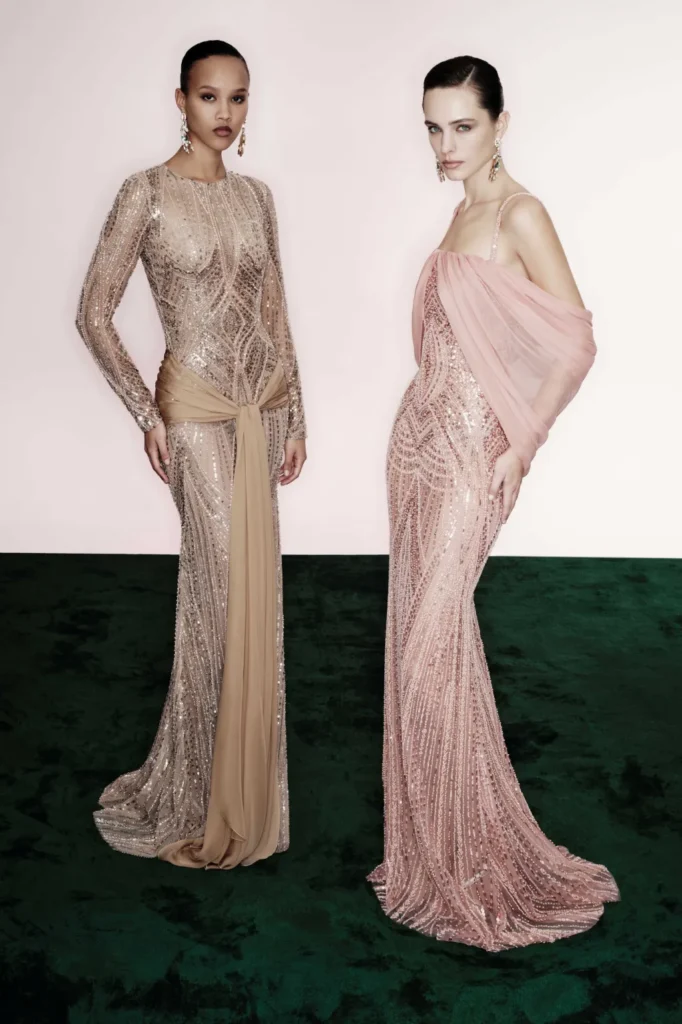
Unlike the often rigid silhouettes that dominate runways—even in spring—this collection leaned into air-light fabrics and pared-down construction, sometimes as delicate as a handkerchief. There were soft tailoring, wide draped sleeves, Fortuny-style pleating, and layered transparencies that added dimension and fluidity without excess embellishment.

The color palette moved seamlessly from creamy neutrals to soft blush pinks and pale mint greens, creating a serene mood. Among the highlights were the multi-layered pleated dresses, which floated gracefully with every step and embodied the season’s sense of ease.

Still, the collection wasn’t without bold statements: leopard prints and jersey gowns with golden corset details injected a confident energy, signaling Serafini’s intent to gradually amplify the house’s voice.

Kendall Jenner and The Return of Chloé’s Iconic Paddington

Kendall Jenner and The Return of Chloé’s Iconic Paddington

The iconic Chloé Paddington bag, first introduced in 2005 under the creative direction of Phoebe Philo, makes its comeback 20 years later through a modern reinterpretation by Chemena Kamali. Crafted in washed, vegetable-tanned leather with lighter hardware, an adjustable shoulder strap, and a single zipper, the updated design retains the signature east–west silhouette and oversized padlock that made it a global phenomenon.

Courtesy of Chloé

To mark its revival, Chloé tapped Kendall Jenner as the face of the new campaign, alongside British actress Aimee Lou Wood (The White Lotus) and Japanese singer Anna from the K-pop group Meovv. Together, the trio represents multiple dimensions of modern femininity—from cosmopolitan sophistication to artistic sensibility and pop-culture influence.

The campaign’s storytelling was shaped by acclaimed French filmmaker Mati Diop, who shot a 35mm short film inspired by 1970s French cinema, while celebrated photographer David Sims captured intimate black-and-white portraits of the women engaging with the Paddington in spontaneous, everyday gestures.

Kamali—who began her career at Chloé during Philo’s tenure—brought back the Paddington in her Fall 2025 runway show, where it appeared in neutral hues and worn-in finishes that underline its timeless appeal. Now available in Chloé boutiques and online stores, the new Paddington is poised to win over both a new generation and the brand’s devoted long-time followers.

Burberry Spring 2026 Collection

Burberry Spring 2026 Collection

The essence of British music culture collided with fashion at Daniel Lee’s Spring 2026 Burberry show, staged under a giant tent in Kensington Gardens. The guest list reflected the theme—Twiggy, Elton John, Skepta, Central Cee, and K-pop idols filled the front row—blurring the lines between eras and proving that style and sound remain inseparable.

Lee described the collection as a celebration of “fashion’s love affair with music,” drawing on the energy of British summer festivals, the mod aesthetics of Swinging London, and cinematic references like Quadrophenia: A Mod Ballet and Sam Mendes’ upcoming Beatles films.

Burberry’s iconic check became playful, rendered in Pop Art shades of chartreuse, lavender, denim blue, and aquamarine on A-line coats and fluid silhouettes. Models, styled with shaggy Gallagher-inspired hair, wore long scarves, Chelsea boots, and oversized bags with endless fringes—evoking a carefree festival spirit. Hand-crocheted mini dresses in chain mail and macramé added texture, paired with flat lace-up boots designed for muddy festival grounds.

For Lee, the biggest challenge was to rethink proportion. After years of maxi hemlines and oversized outerwear, he shifted toward shorter, sharper silhouettes: “It’s actually harder to design something more precise, because the impact changes when you see it in motion. We wanted to celebrate that contrast,” he explained.

Daywear blurred into evening with glossy tailoring, including ‘60s-inspired elongated jackets and newly waterproofed fabrics—not just trench coats, but jeans, cottons, and raffia weaves, all nodding to Burberry’s heritage of functionality. Nighttime looks amped up the shine with sequined minis in pink, silver, and green, bomber jackets in liquid silk, and shimmering tie-dye suits for men, hinting at a rock-and-roll glamour that felt distinctly British.

Accessories reinforced the mood: oversized tote bags, festival-ready crossbodies, and reinterpretations of the house’s classic satchels grounded the collection in both utility and fun.