Home Blog Page 11

Bulgari Crowns Dua Lipa as Global Brand Ambassador

Bulgari Crowns Dua Lipa as Global Brand Ambassador

Bulgari has found its newest leading lady in Dua Lipa. The Roman jeweler announced the singer as its global brand ambassador, aligning the house’s storied glamour with one of pop culture’s most influential voices.

“Dua Lipa embodies a contemporary vision of empowerment and freedom that resonates deeply with Bulgari’s values,” said Laura Burdese, the brand’s deputy CEO, who is set to assume the chief executive role in July. The appointment signals a continued investment in strong, globally recognized women whose cultural impact extends beyond the red carpet.
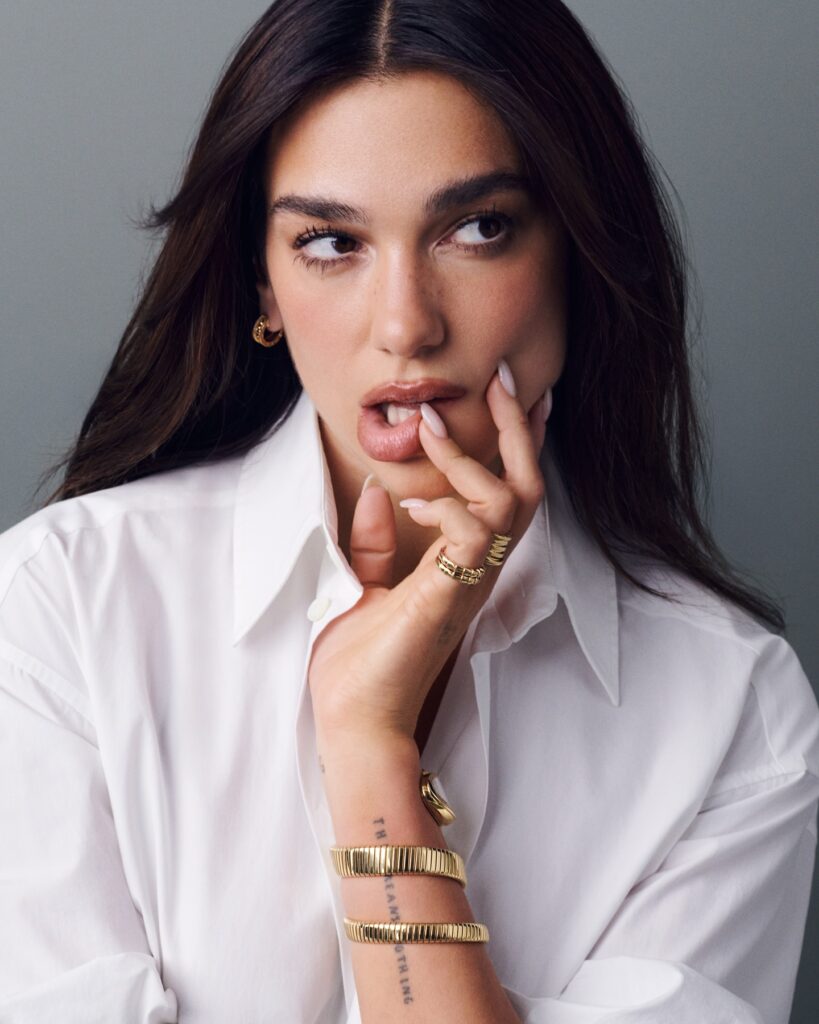
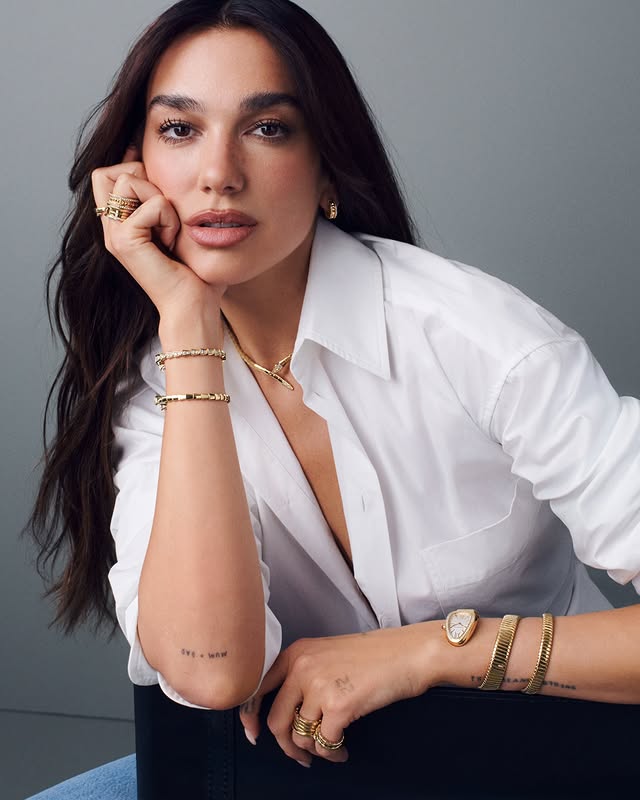
For Lipa, the partnership feels instinctive. “It’s incredibly special to work alongside an iconic brand like Bulgari,” she said. “Their pieces always provide the perfect finishing touch, transforming a look into an unforgettable moment.”

The singer joins a formidable roster of ambassadors, including Anne Hathaway, Lisa, Liu Yifei, and Priyanka Chopra Jonas—women who, like Lipa, project confidence with an international lens.
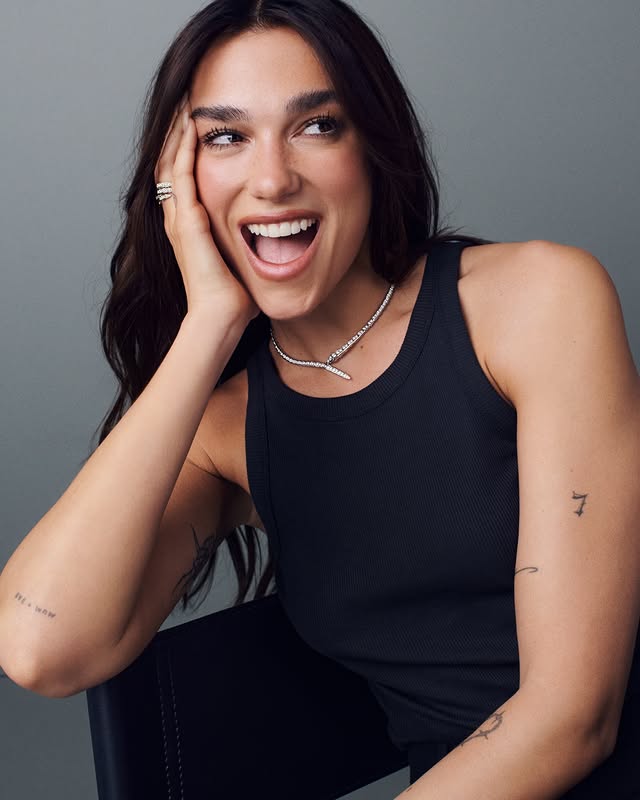
Courtesy Of Bvlgari

Her affinity for the house has been visible. She wore Bulgari jewels at the recent Berlinale premiere of Rosebush Pruning and previously appeared in NBC’s promotional campaign for the Milano Cortina 2026 Olympic Games adorned in the brand’s high jewelry.

A seven-time Brit Award winner and three-time Grammy recipient, Lipa’s reach spans music, film, and fashion. She made her acting debut in Barbie and performed “Dance the Night” for its soundtrack, while her runway appearance at Versace Spring 2022—and subsequent collaboration with Donatella Versace—cemented her status as a fashion force. In 2024, she was named to Time’s Time 100 list, further underscoring her cultural clout.
Tommy Hilfiger Fall 2026 Collection

0

Tommy Hilfiger Fall 2026 Collection

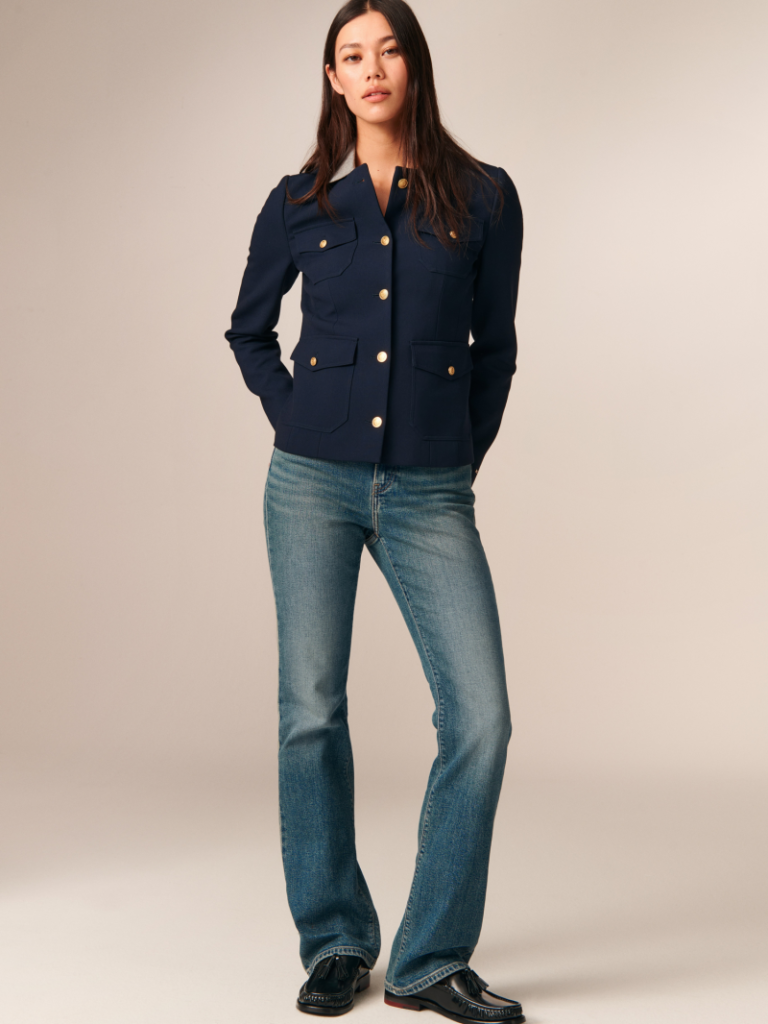
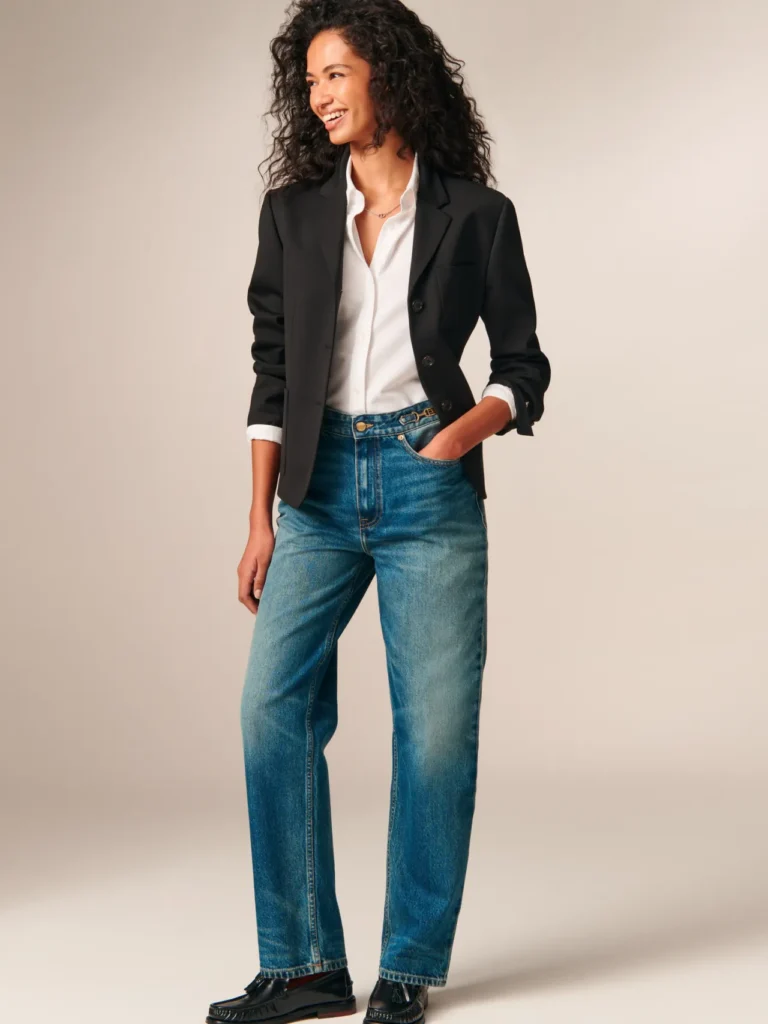
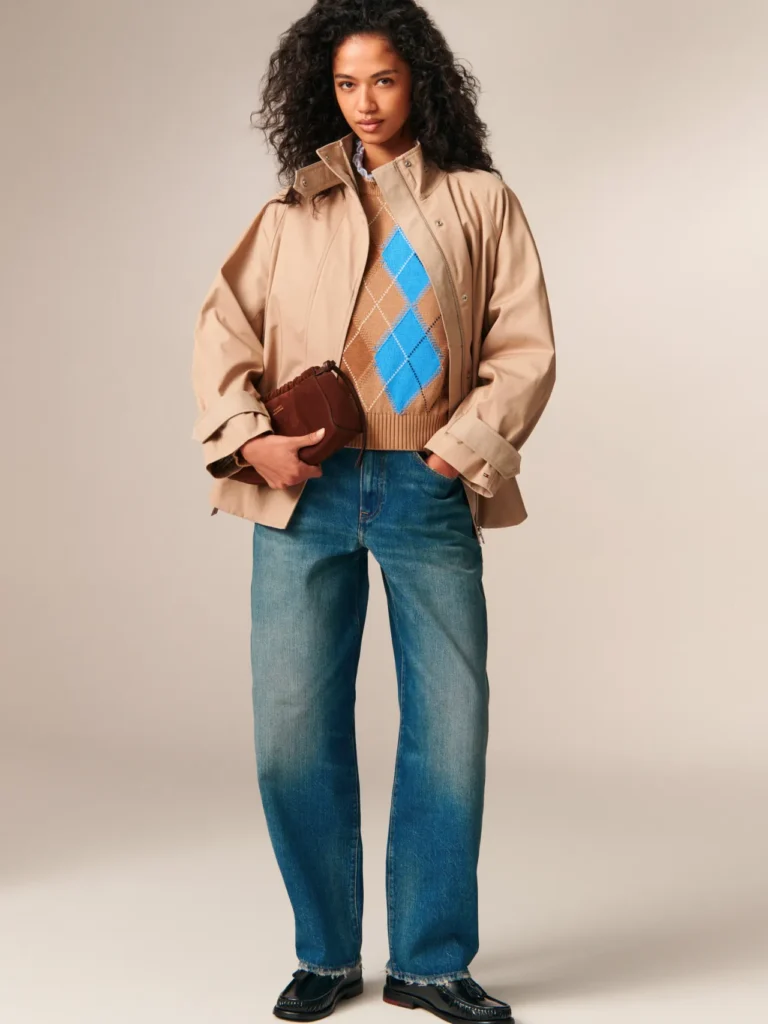
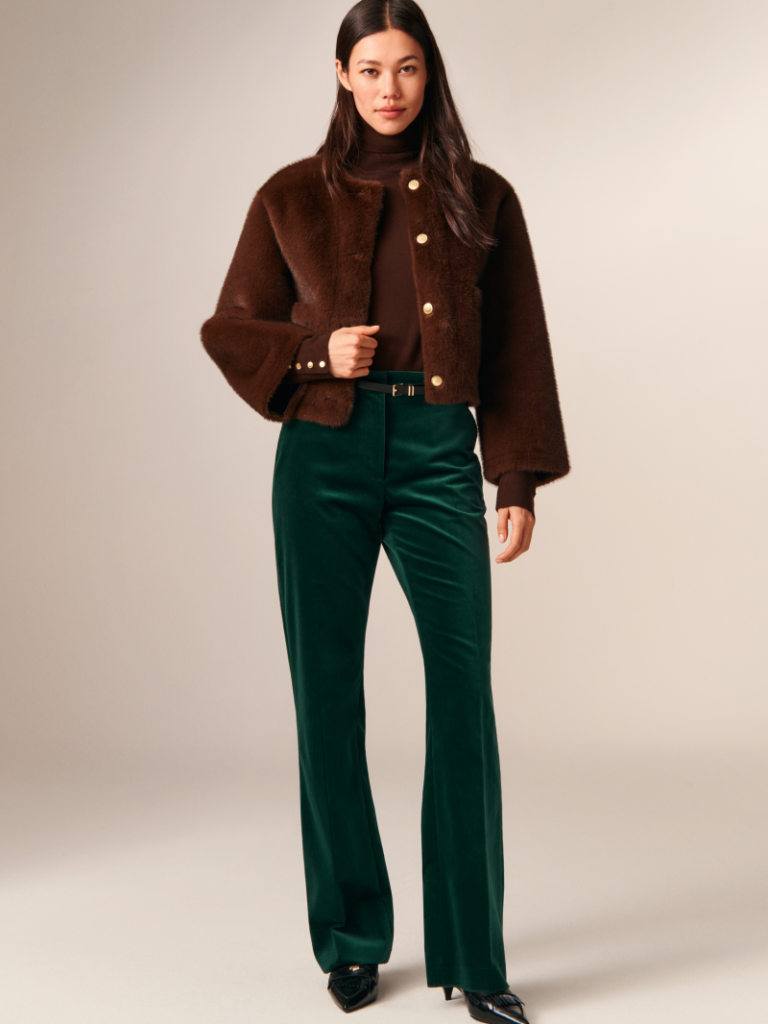
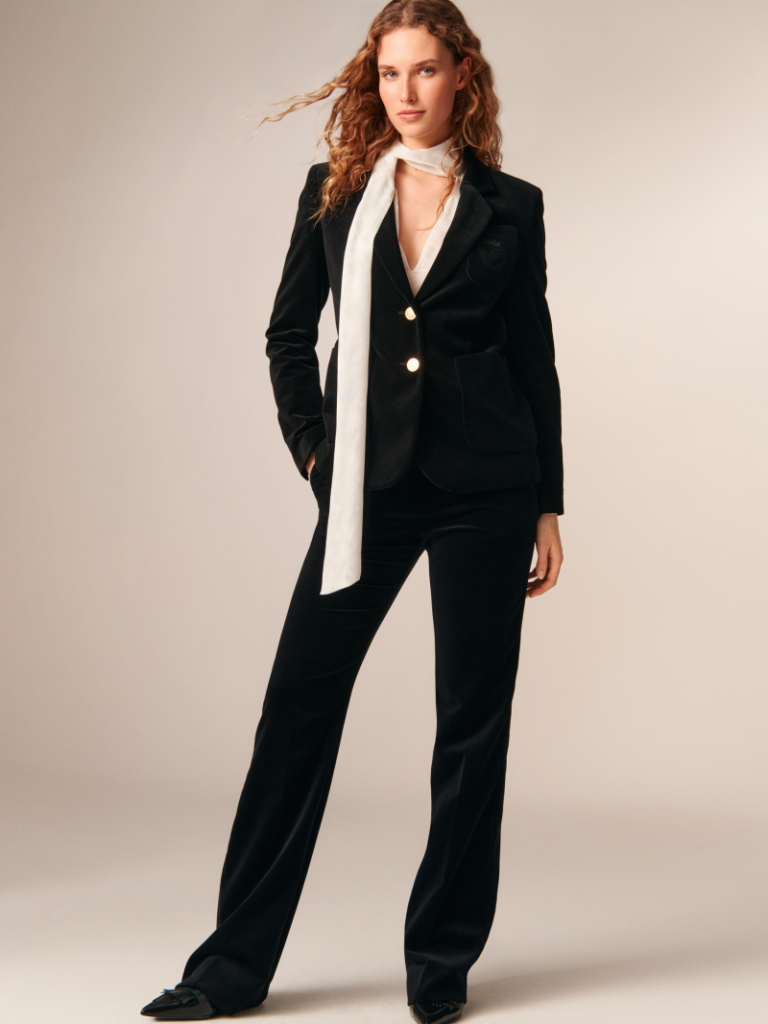
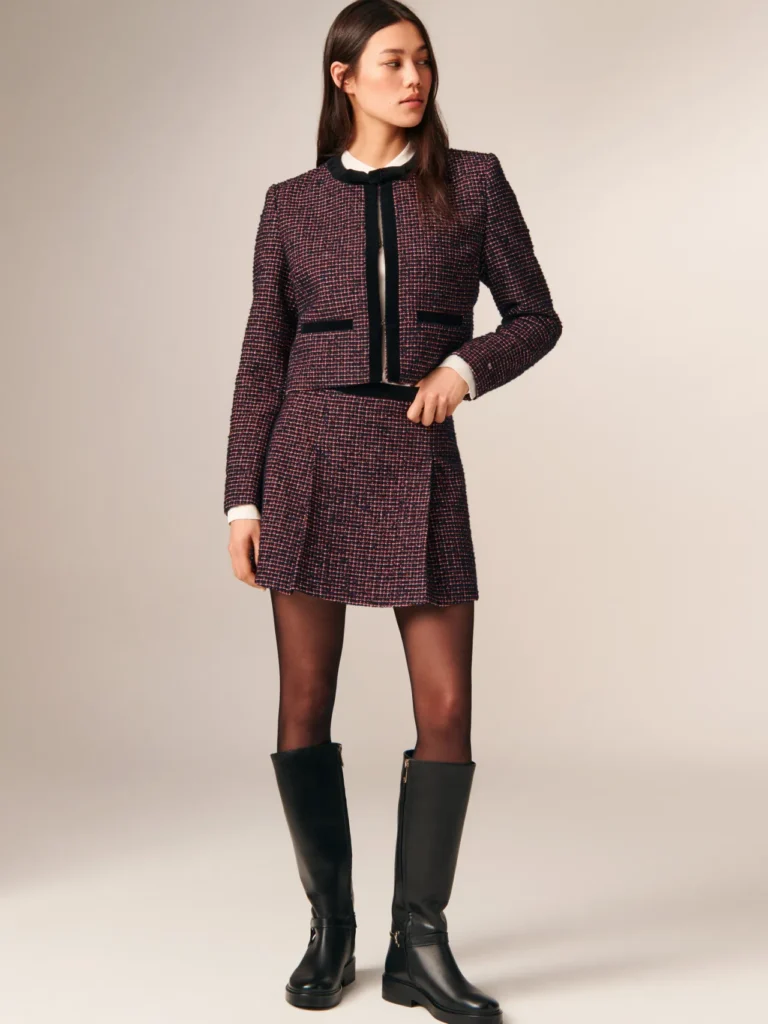
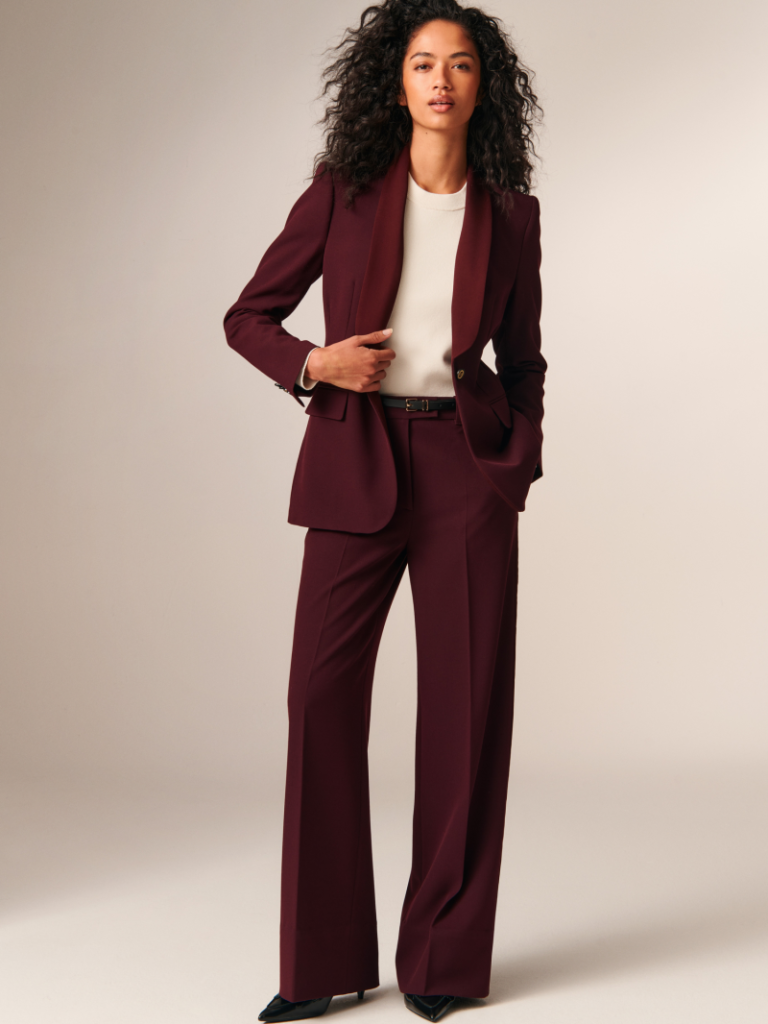
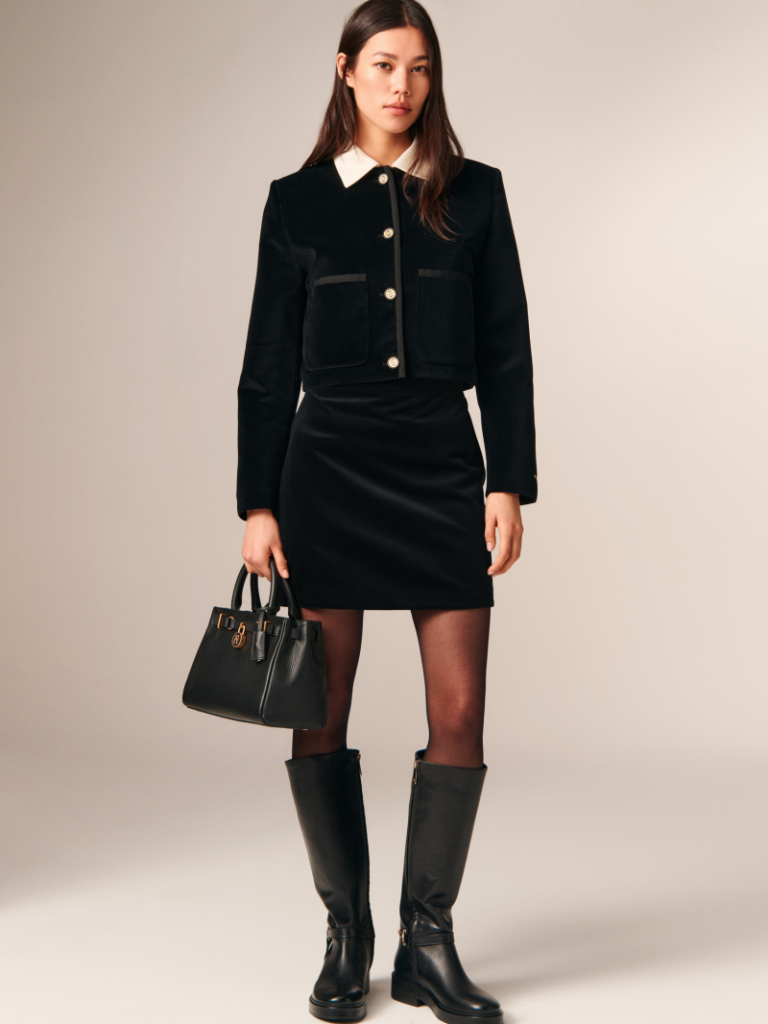
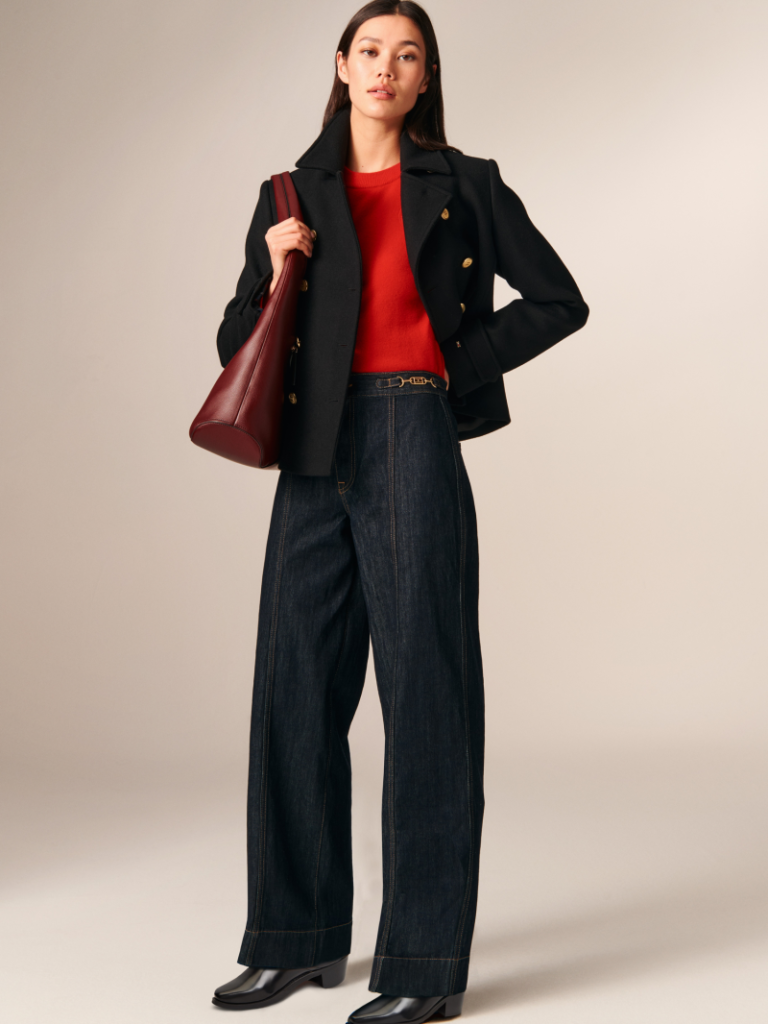
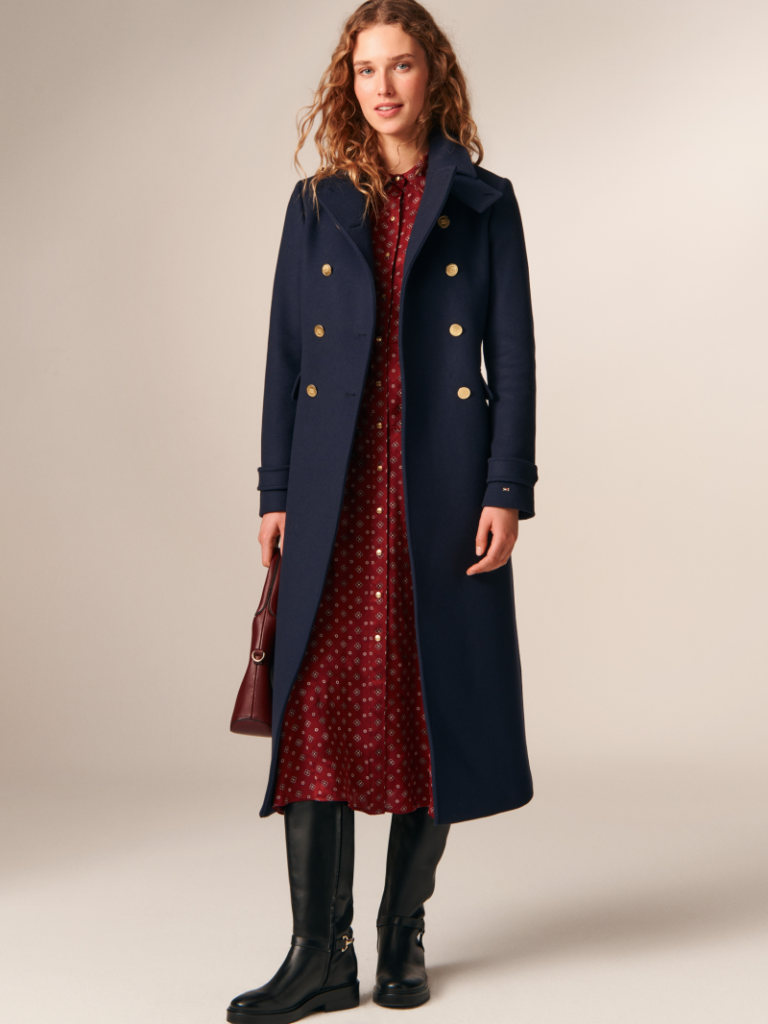
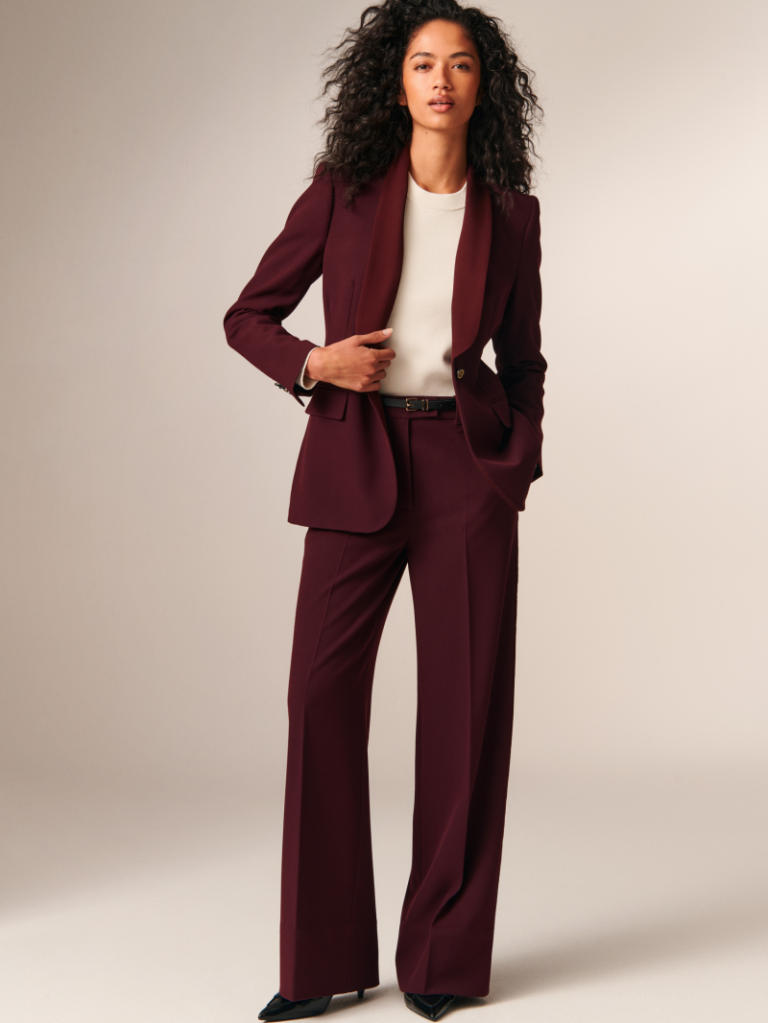
At Tommy Hilfiger, the archive is less a relic than a blueprint. For Fall 2026, the house revisits its most enduring signatures—varsity jackets, gold-button blazers, nautical wool coats, the Perfecto—and recuts them with sharper tailoring, technical fabrics, and recalibrated proportions.

“We went back to the icons and asked how to modernize their construction and fit,” said Lee Holman, the brand’s design director, during a preview in New York. The result is a collection that treats prep not as nostalgia, but as a living language.

In menswear, Ivy League staples arrive with edge. Waffle-knit rugbys replace standard jerseys; varsity jackets bloom in saturated autumn hues; field jackets appear in quilted nylon; parkas are rendered in Gore-Tex; tailored pieces gain functional, utility-driven pockets. Even the classic duffle coat feels newly pragmatic.

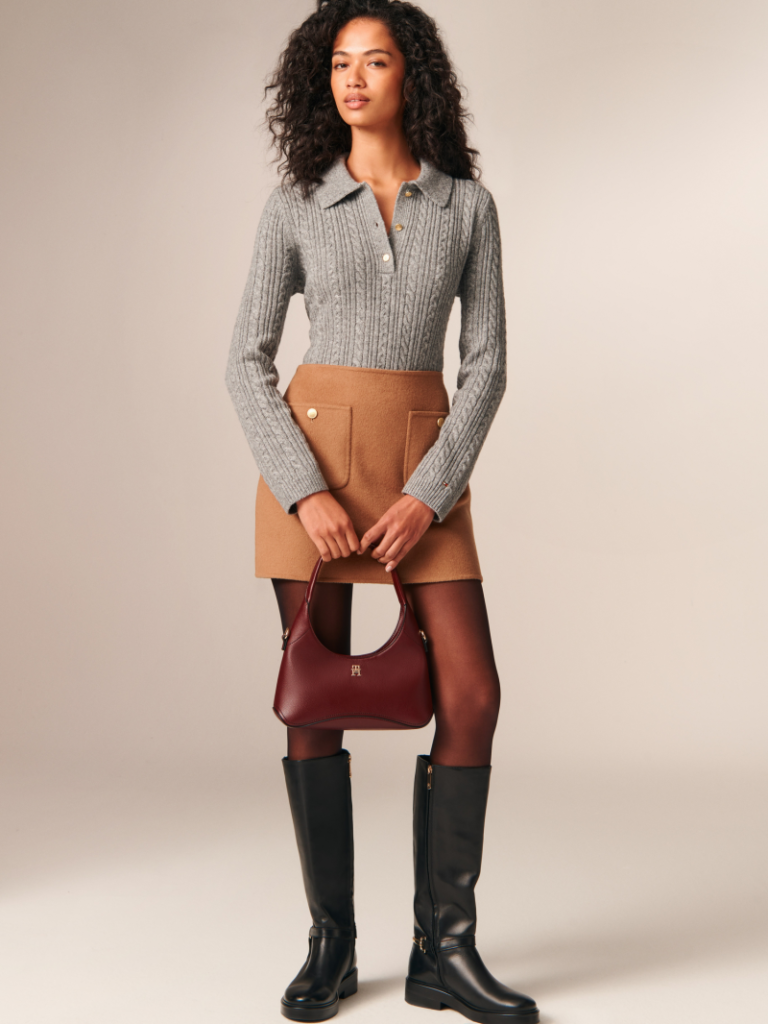
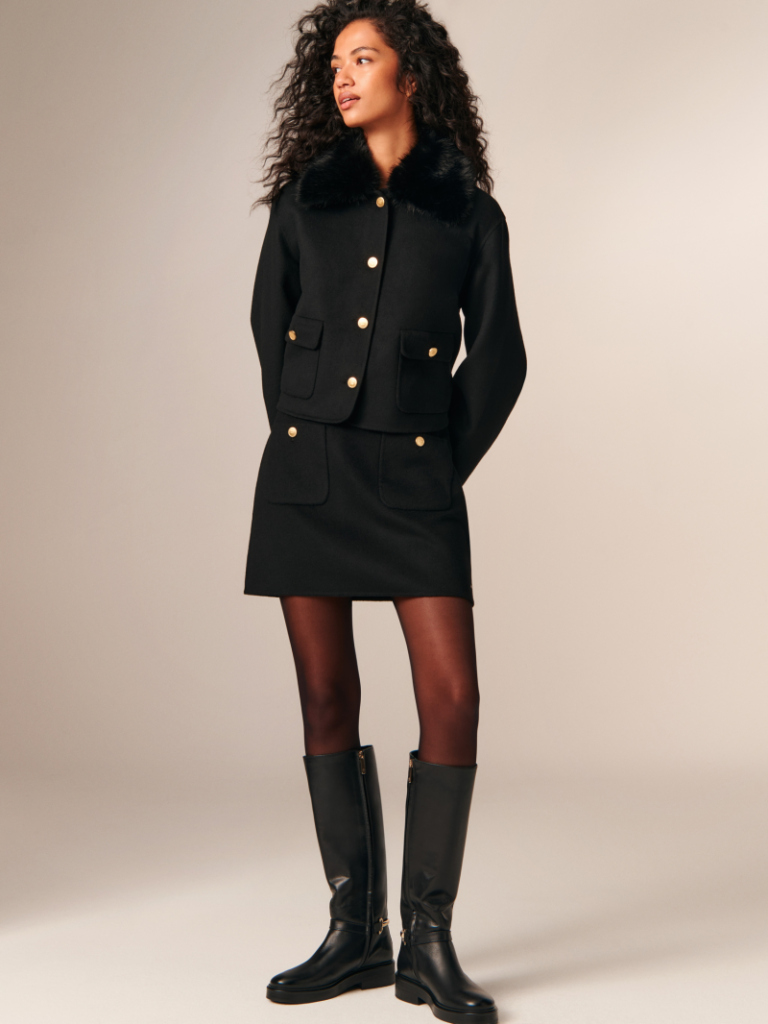
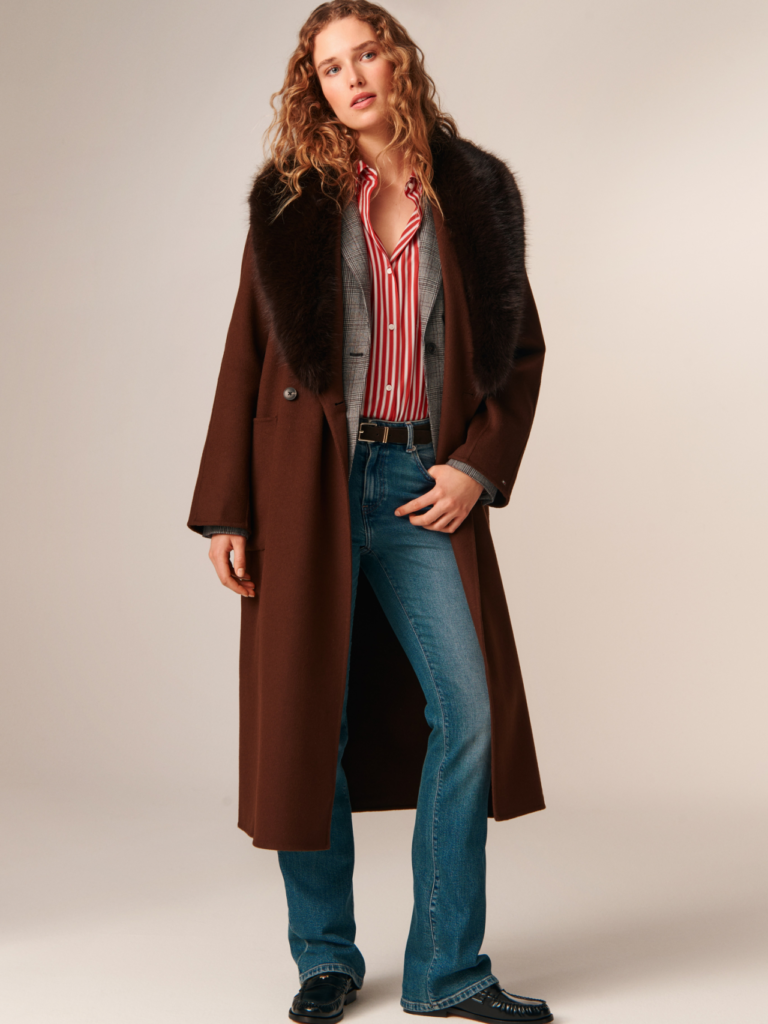
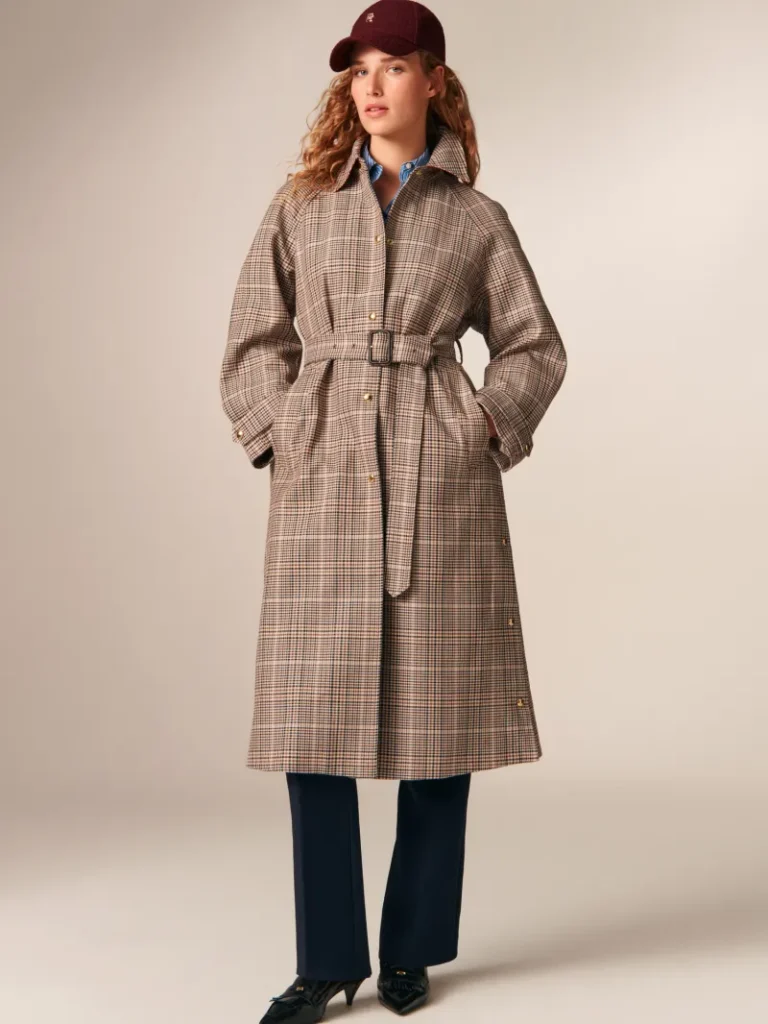
Womenswear sharpens the conversation through proportion. Cropped trenches, gold-button blazers, and pleated tartan skirts anchor the lineup. Cable knits and shirting inject color; suiting emerges in tweed and velvet; faux fur and shearling introduce winter texture without excess. A detachable faux-fur collar on a traditional wool coat underscores the season’s emphasis on adaptable polish.

Standouts include a silk dress cut from a reissued ’90s men’s scarf print, updated Fair Isle cardigans, white double-pleated corduroy trousers, a black milled-leather aviator jacket, and elongated Glen plaid overcoats with fluid movement. Penny loafers appear in two-tone leather with a custom Tommy coin insert, while workwear coats lean into an outdoors sensibility with pronounced utility pockets.

Throughout, subtle Ithaca stripes line sleeves and collars, and select garments feature archival-inspired labels detailing provenance and materials—quiet reminders that these pieces carry history. Fall 2026 doesn’t reinvent the Hilfiger uniform; it refines it, proving that American prep, when precisely tailored, remains timeless.

Cult Gaia Fall 2026 Collection

0

Cult Gaia Fall 2026 Collection

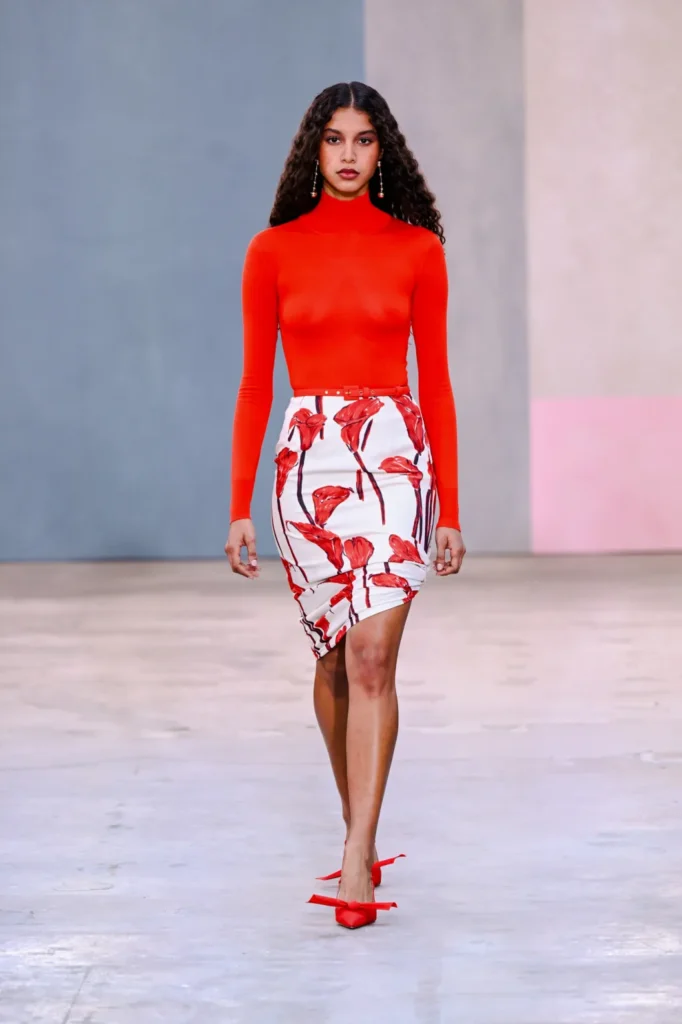
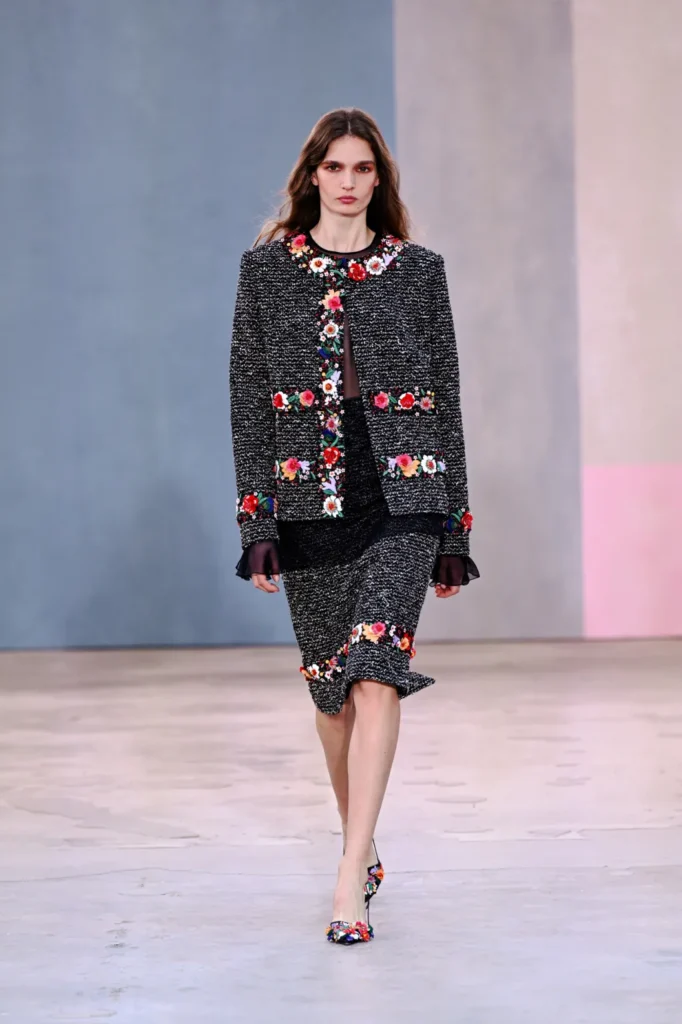
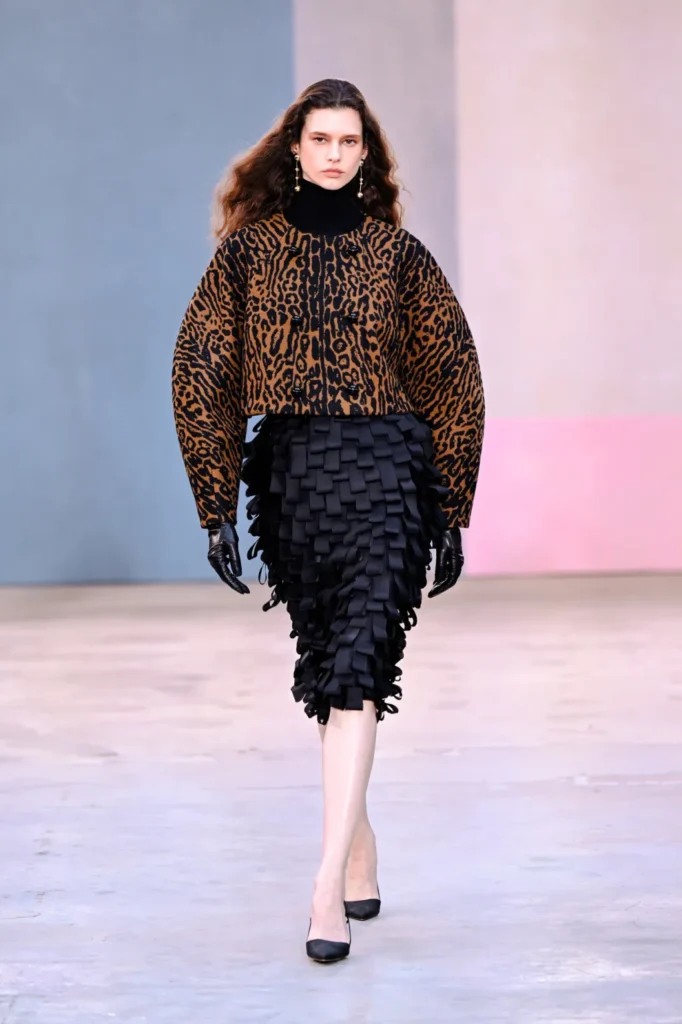
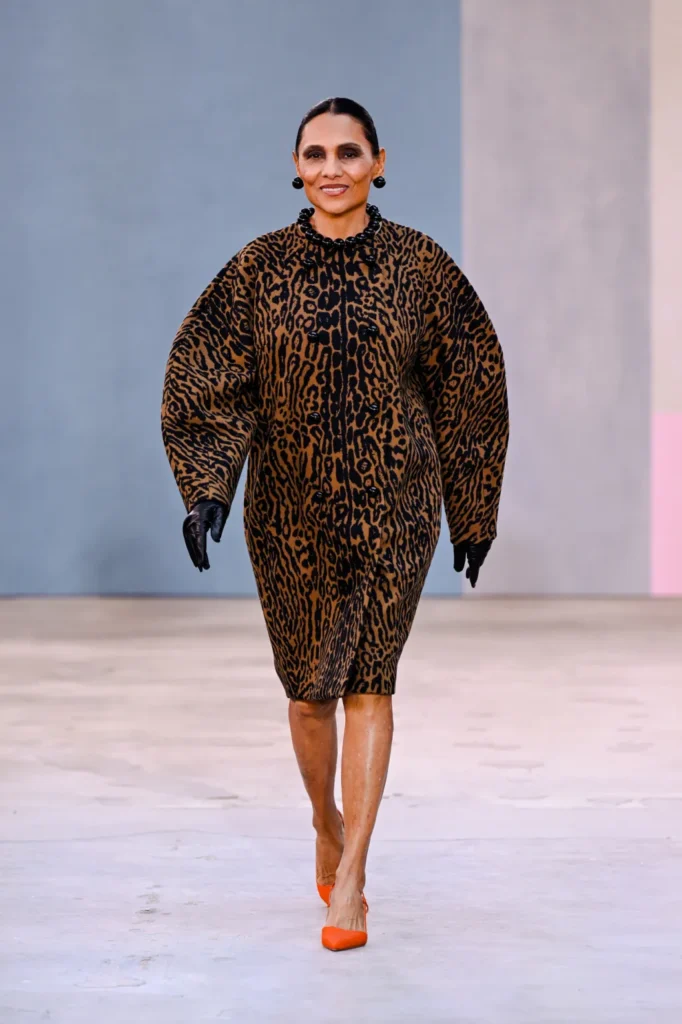
At Cult Gaia, firsts tend to arrive with intention. For Fall 2026, founder and creative director Jasmin Larian Hekmat unveiled the label’s inaugural runway show—and with it, its first foray into menswear.

The expansion felt less like a pivot than an evolution. Known for sculptural silhouettes and artisanal detailing, Larian Hekmat translated the house codes into sharply tailored suits and refined separates. “We did a lot of tailoring,” she noted before the show, framing the collection as an exercise in restraint. The result was streamlined but unmistakably Gaia.

Signature elements carried over with subtlety. The brand’s calla lily motif surfaced in understated applications, while pleated fabrics—long a staple—appeared in deeper jewel tones, lending richness without excess. A hand-applied copper patina technique, inspired by tilework and finished with delicate embellishment, nodded to the designer’s Iranian heritage and her reverence for ceremonial beauty.

Menswear leaned clean and composed: precise suiting dominated, punctuated by standout pieces—a floral-embroidered jacket and a chocolate brown shearling coat among them. The embellishment was controlled, the fabrics elevated, the mood intentional.

Larian Hekmat described the category as both challenge and opportunity: an exercise in editing rather than embellishing. The restraint paid off. The men’s pieces felt considered, designed to stand alone yet fluid enough to invite crossover appeal. If the front row was any indication, the women may be first in line.

Khaite Fall 2026 Collection

0

Khaite Fall 2026 Collection

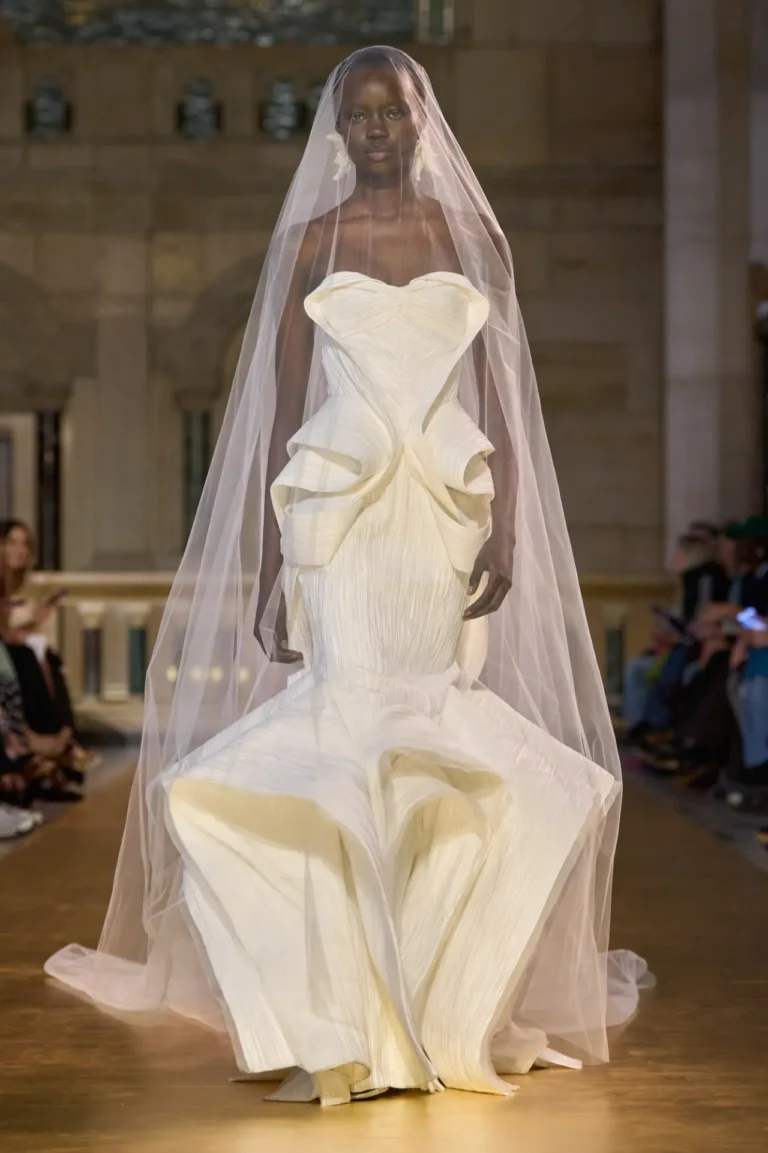
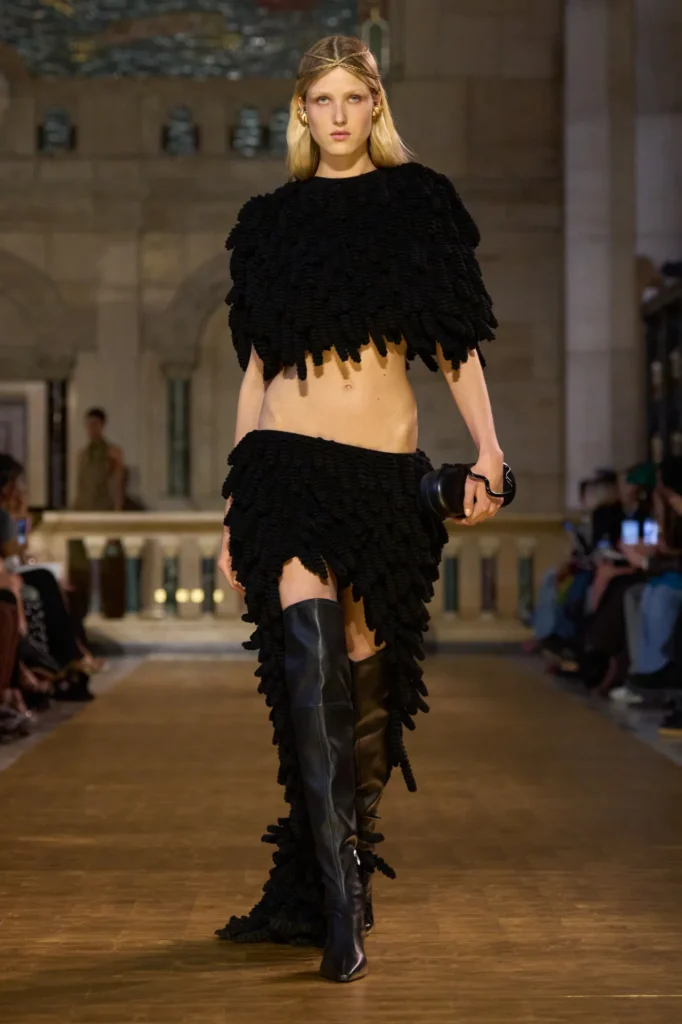
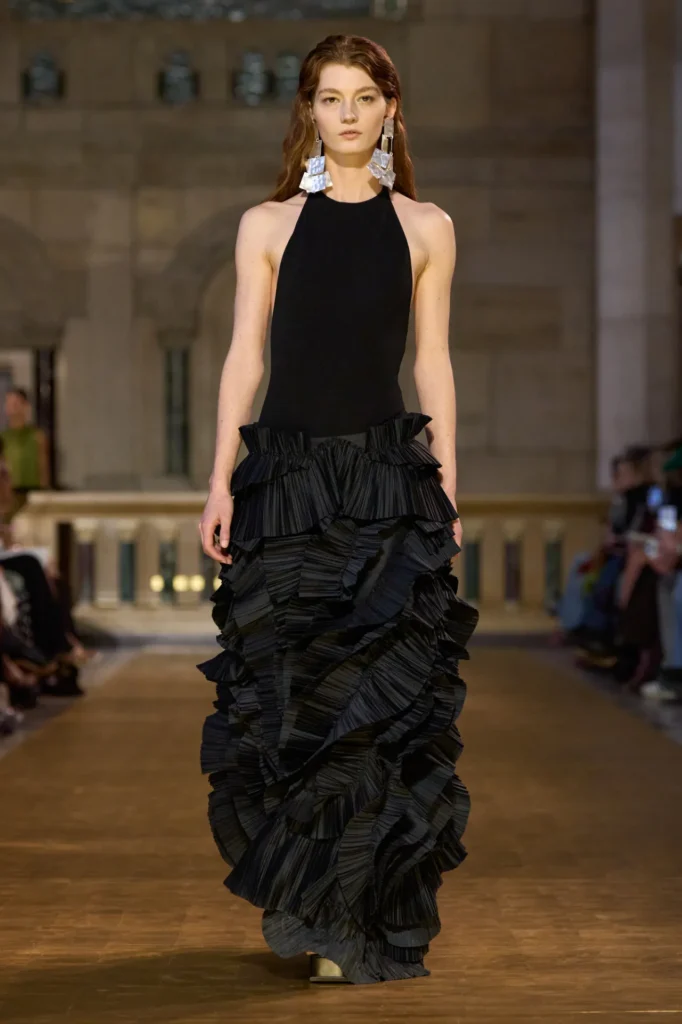
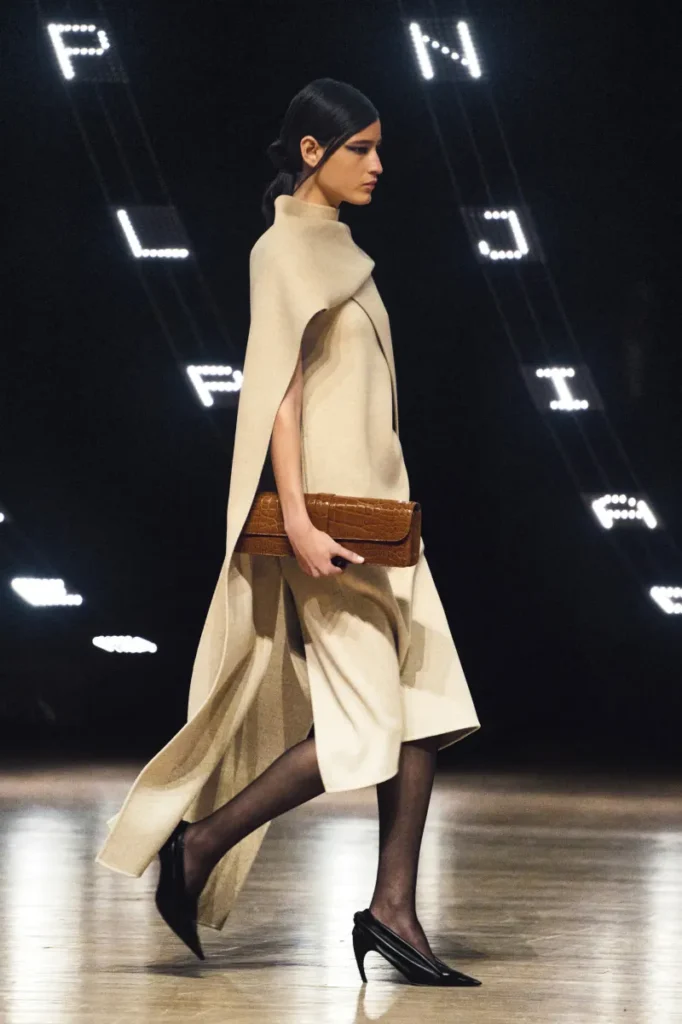
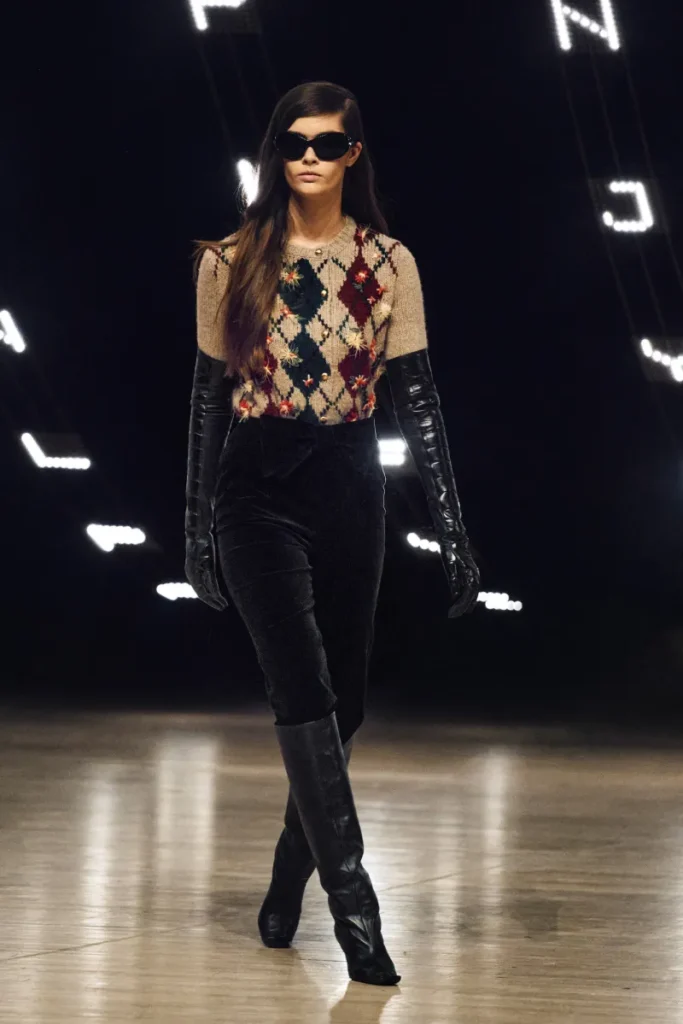
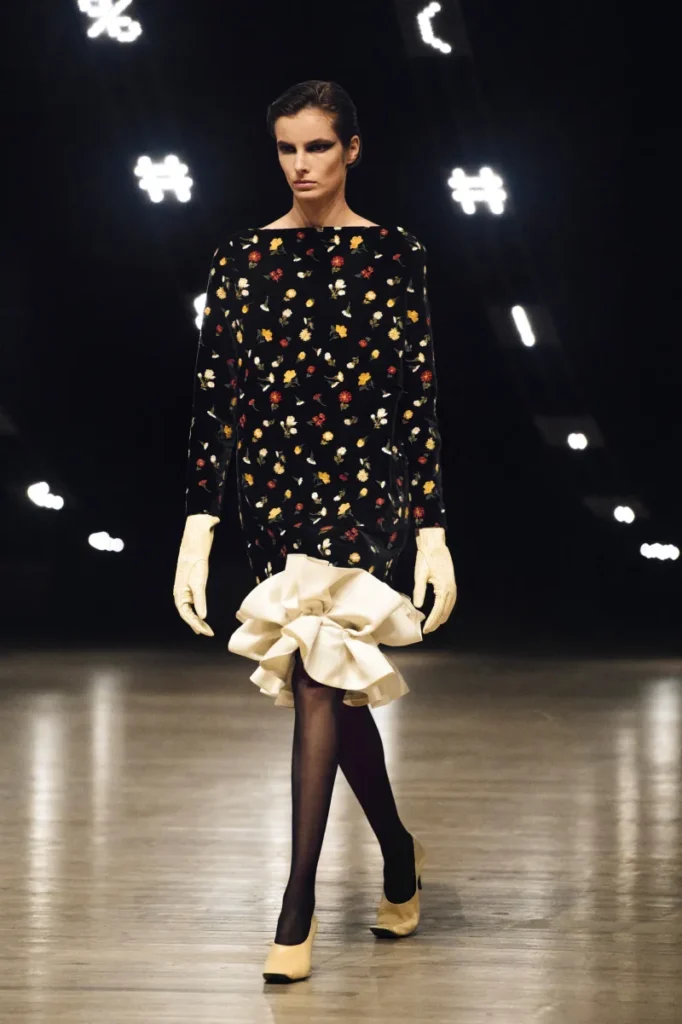
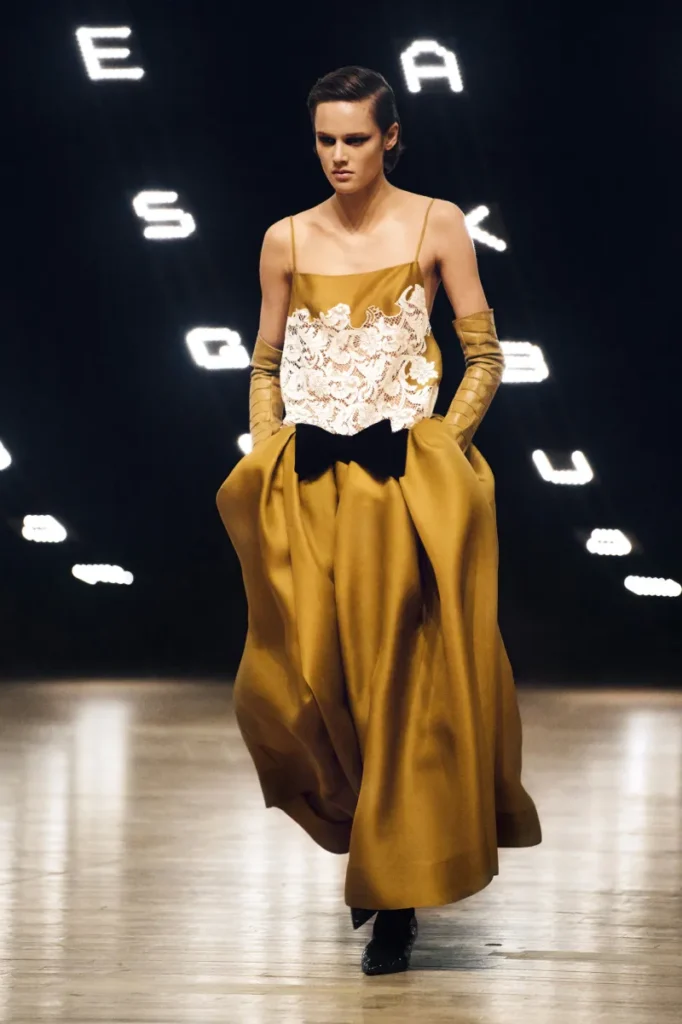
At Khaite, tension is the point. For Fall 2026, Catherine Holstein sharpened it into a study of authenticity and artifice—dark, seductive, and intellectually charged.

Staged at the Park Avenue Armory, the show unfolded against a towering curved LED wall that flashed the phrase, “Now you are here. Here you are now.” The immersive installation set the tone: confrontational, self-aware, slightly disorienting. Holstein cited F for Fake, Orson Welles’s documentary on forgery and authorship, as a key influence—a meditation on who defines value, and what makes something real.

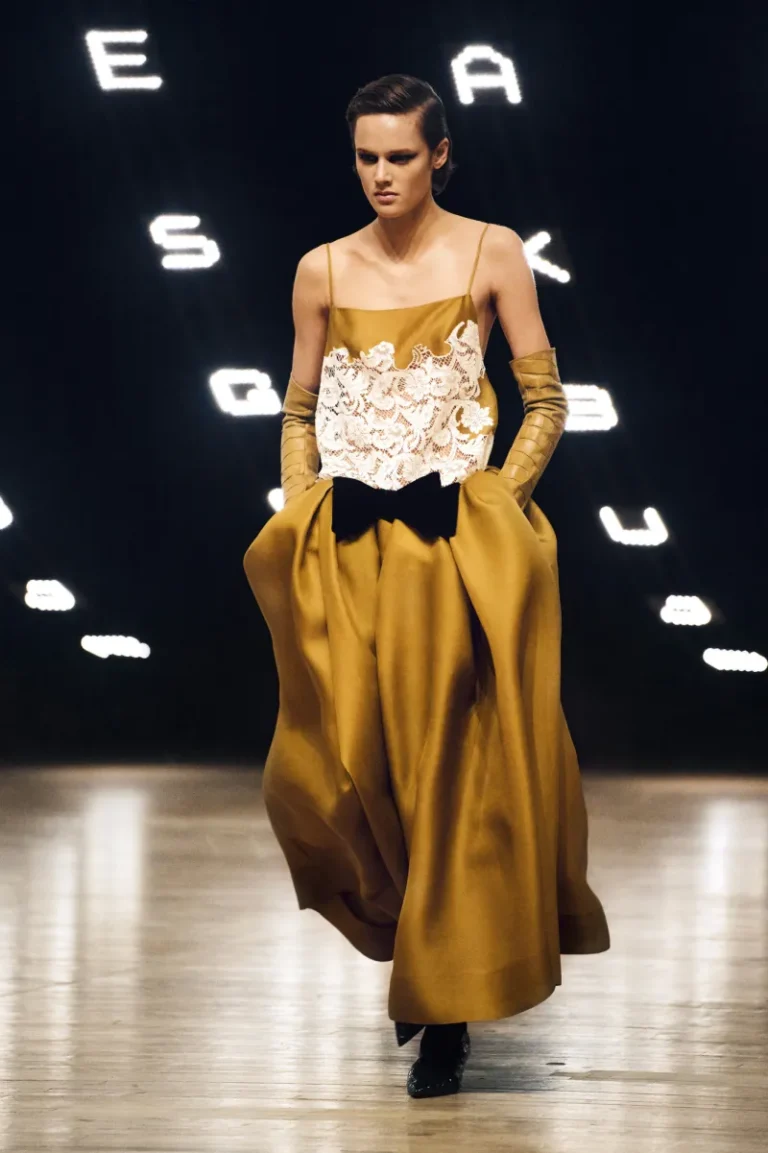
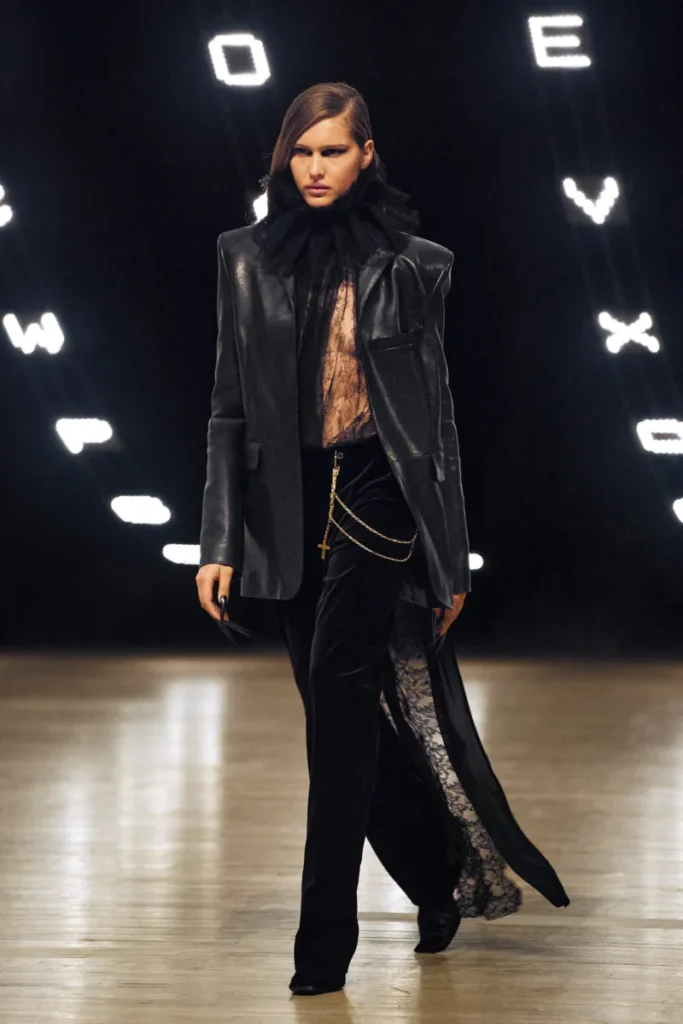
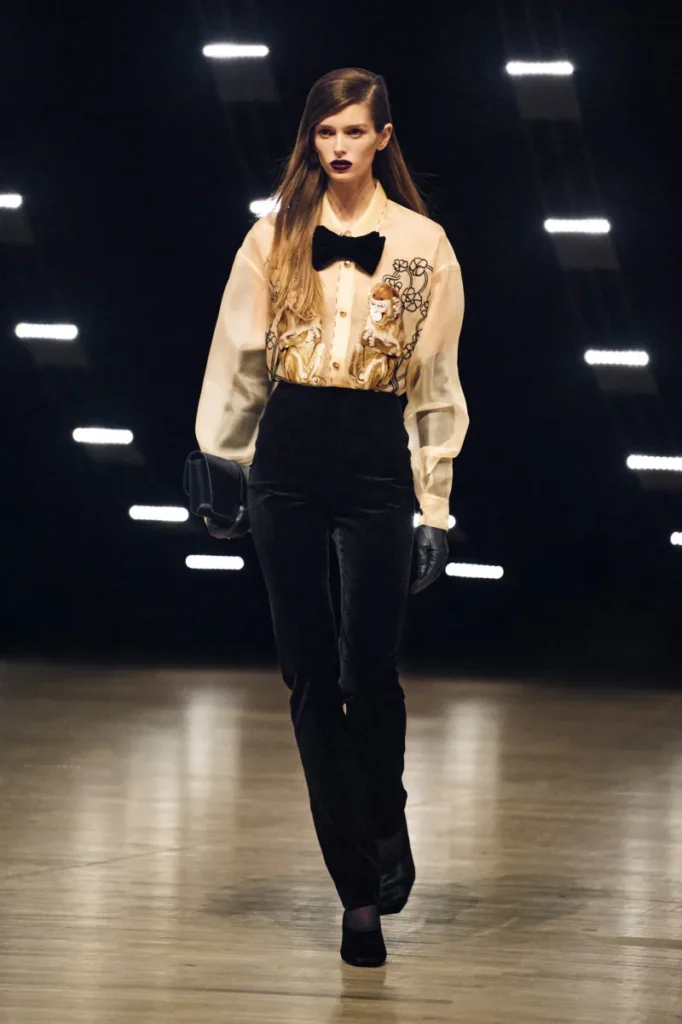
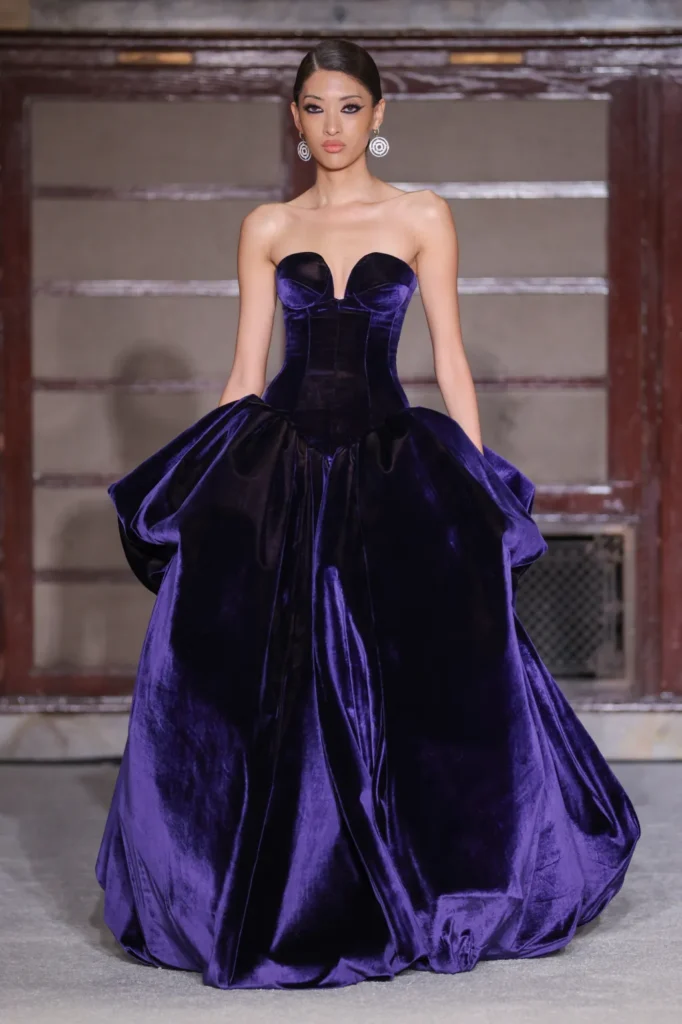
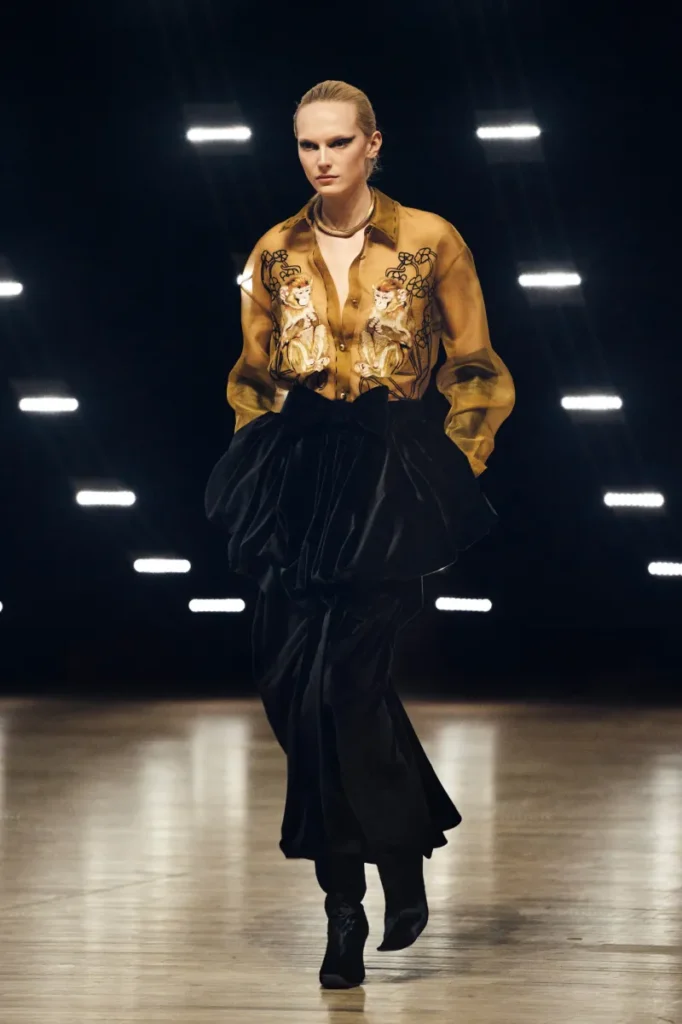
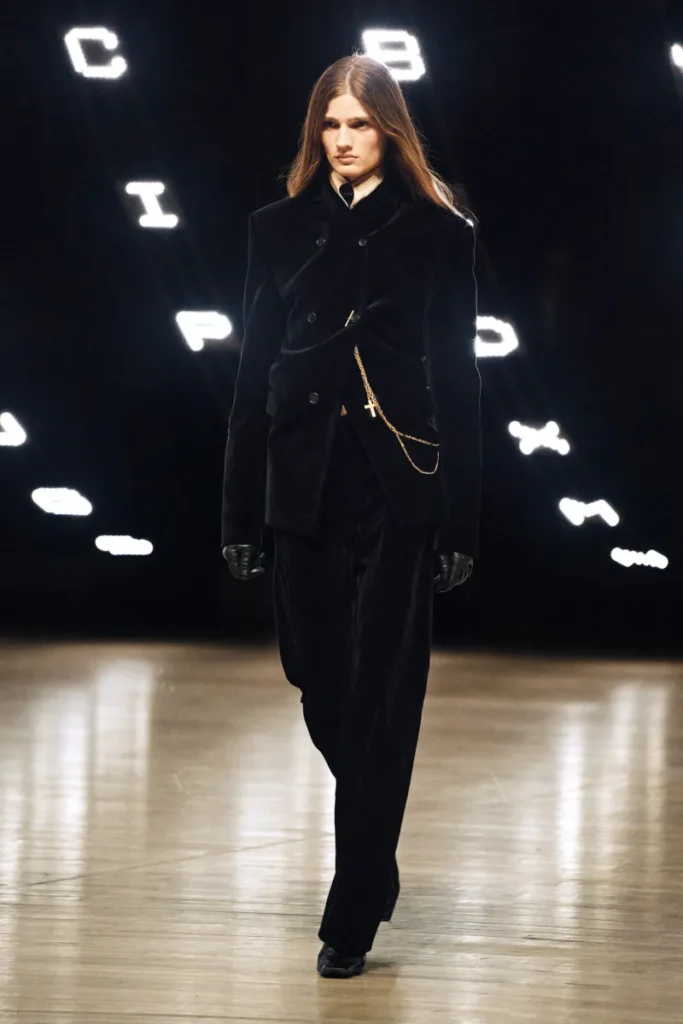
That inquiry translated into clothes that played with perception. A sculpted velvet bustier gown exploded into an ’80s-scale gazar skirt. Severe black lace blouses with Victorian collars were paired with lean trousers, amplifying Khaite’s signature severity. Tailoring was strict, shoulders structured, the mood unapologetically controlled.

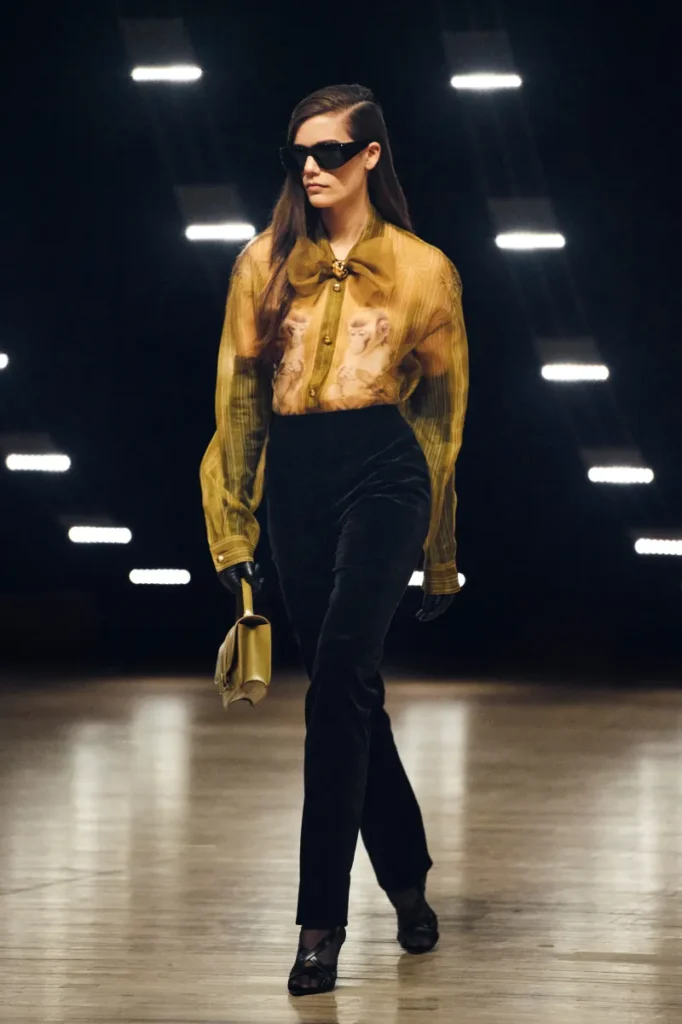
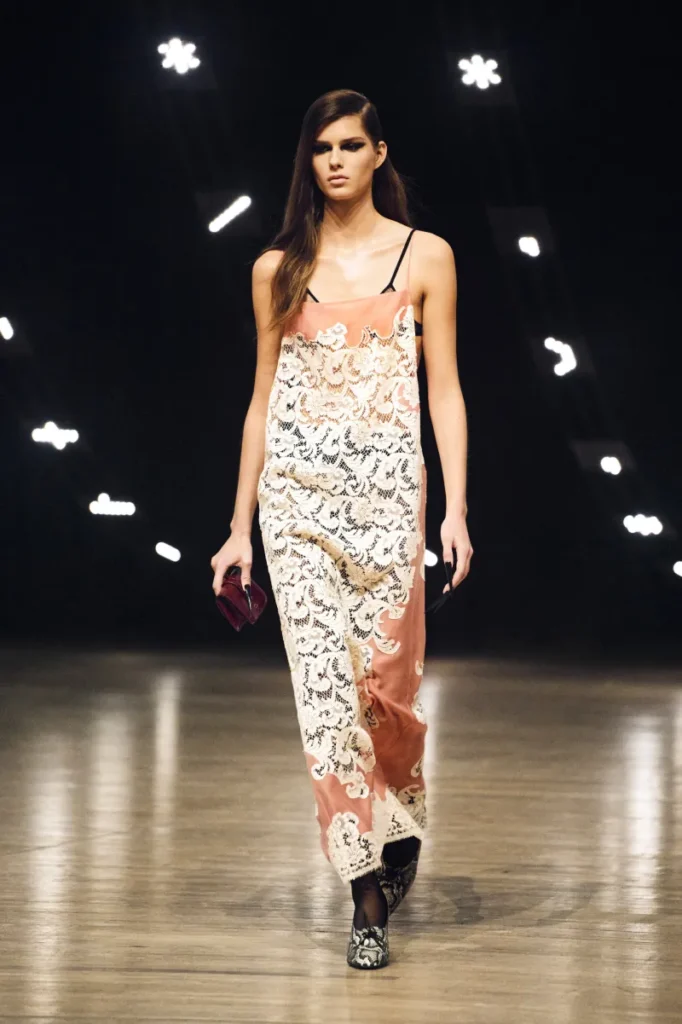
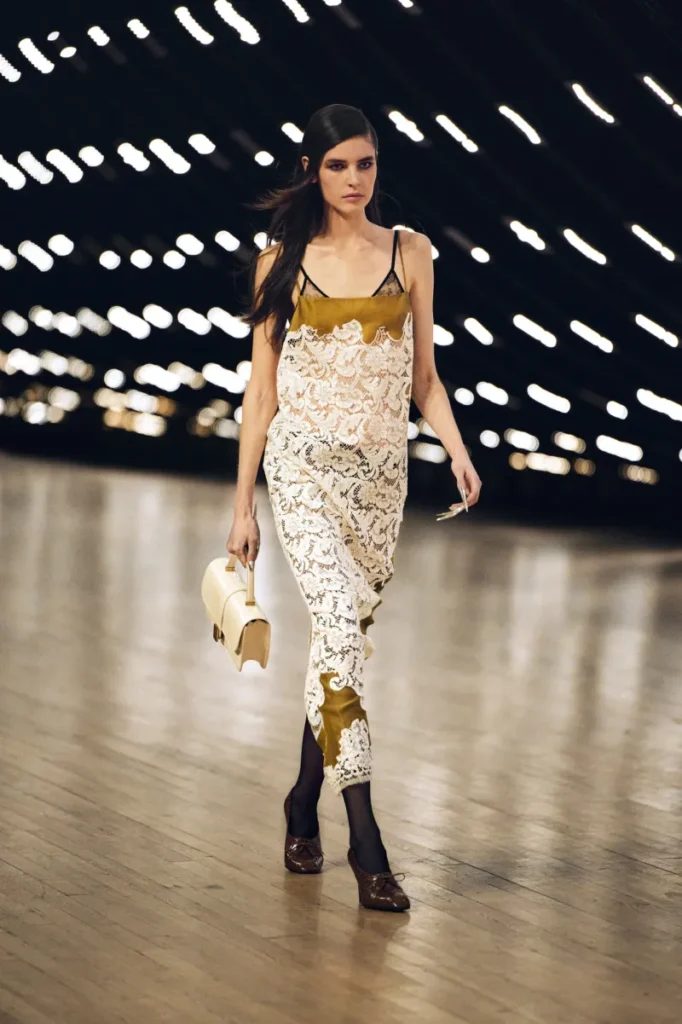
Yet Holstein disrupted the polish with subversive contrasts. White lace slip dresses—delicate, almost bridal—revealed sheer panels and bustle backs, styled with inky, elongated nails and glossy leather opera gloves. Hyper-femininity met menace. Embroidered monkeys appeared on diaphanous blouses, a wink to the flamboyant male impostors in Welles’ film and a subtle nod to ’70s dandyism.

Elsewhere, exaggeration ruled: military-trimmed jackets with ornate buttons, velvet floral suits, oversized bow ties, and cross-body chains evoked a theatrical masculinity reminiscent of Hitchcock-era intrigue. Even evening skirts bore painterly motifs recalling Milton Avery, grounding the collection in an art-world lineage while questioning its authority.

Holstein has built her reputation on precision and restraint. This season, she stretched that discipline to new heights—without losing control. The result was a collection that felt cerebral yet sensual, polished yet provocative. At Khaite, illusion isn’t deception. It’s design.

LaQuan Smith Fall 2026 Collection

0

LaQuan Smith Fall 2026 Collection

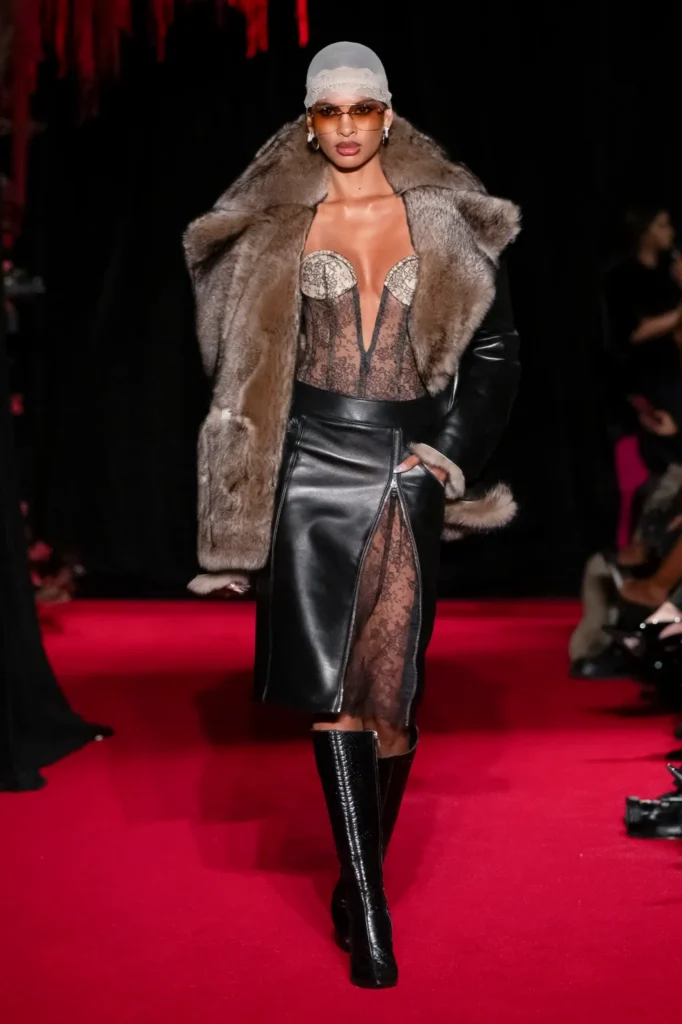
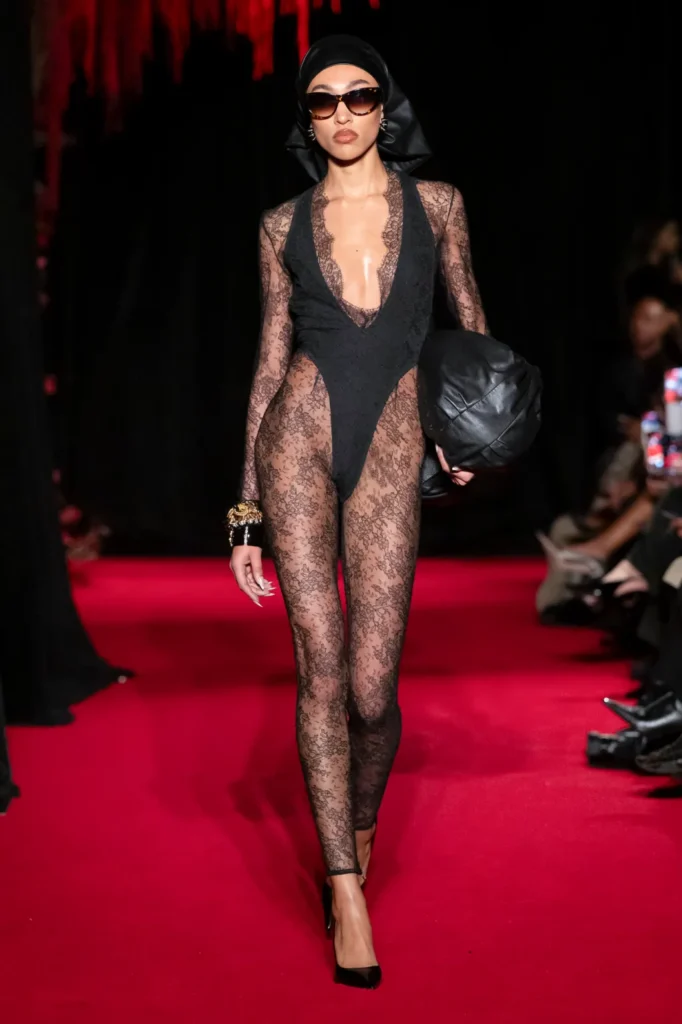
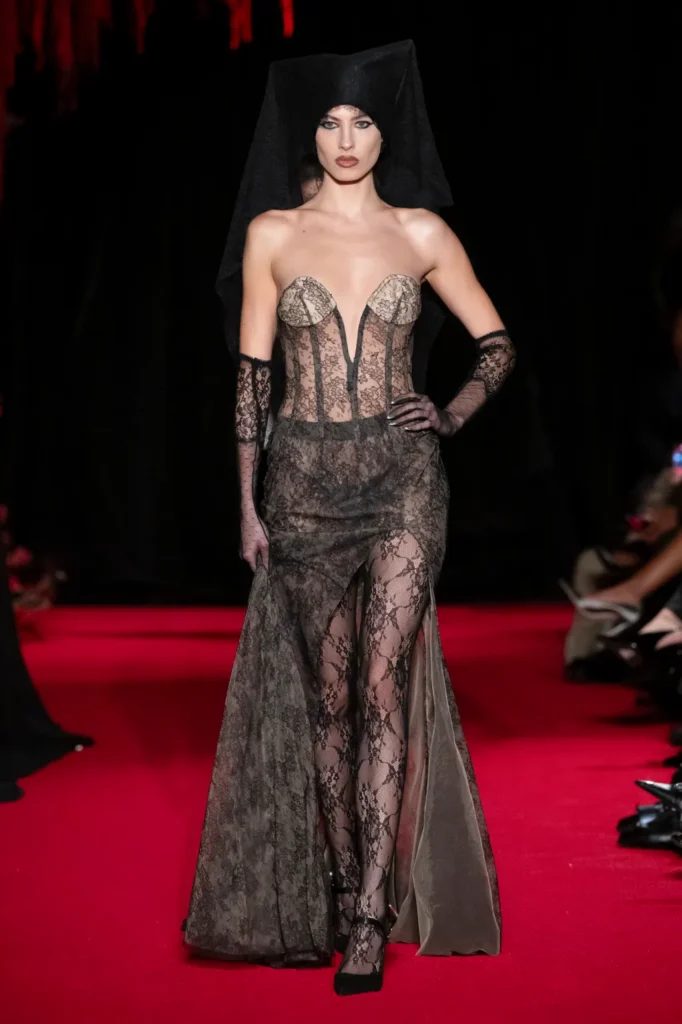
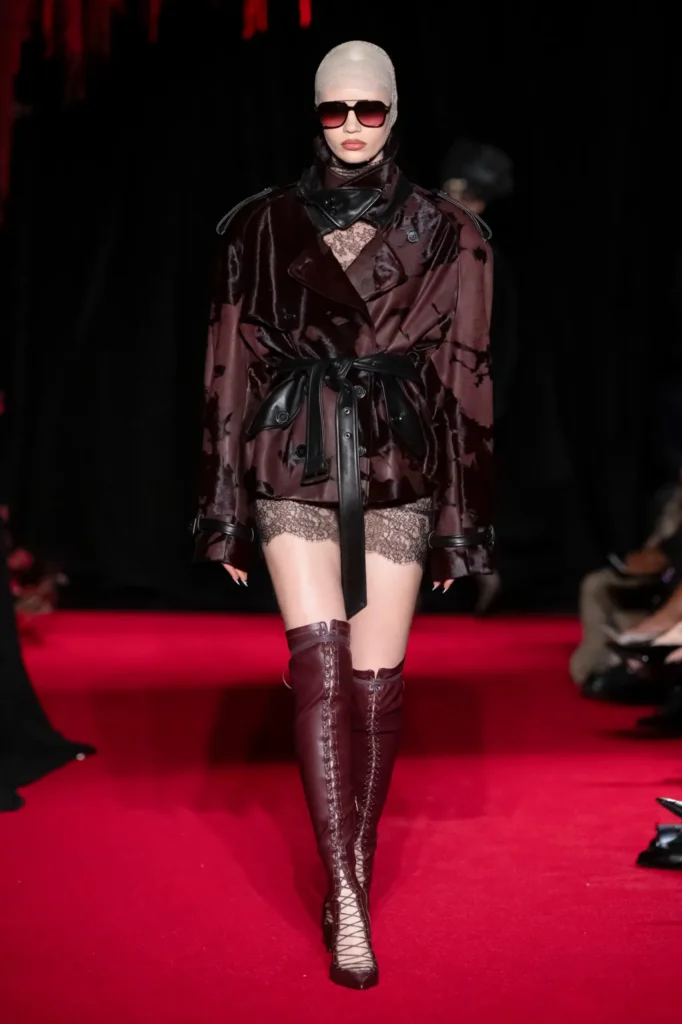
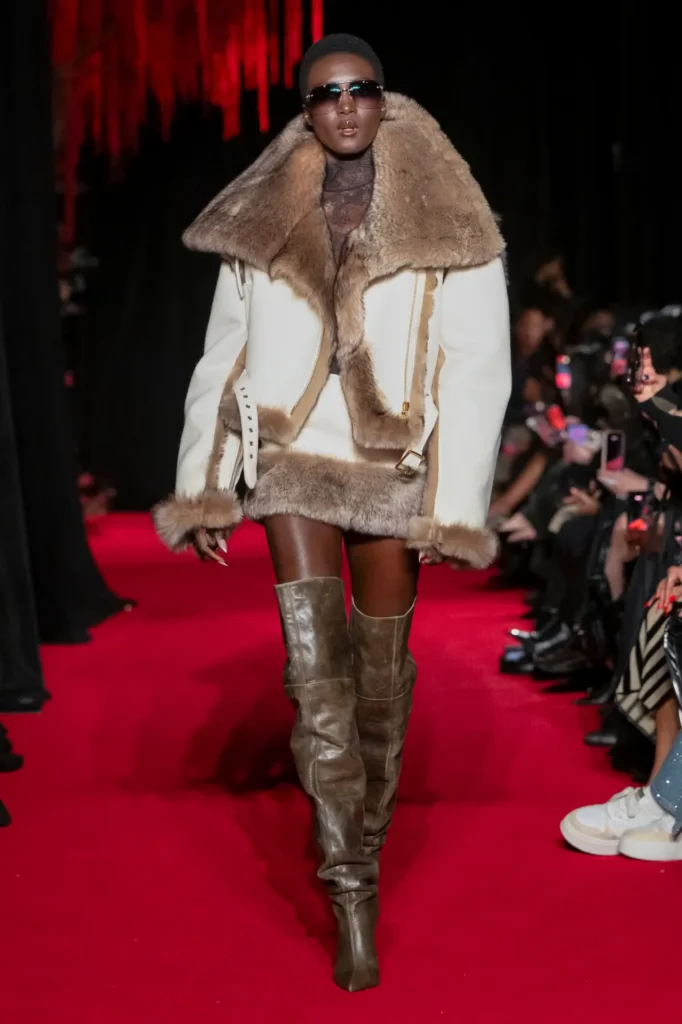
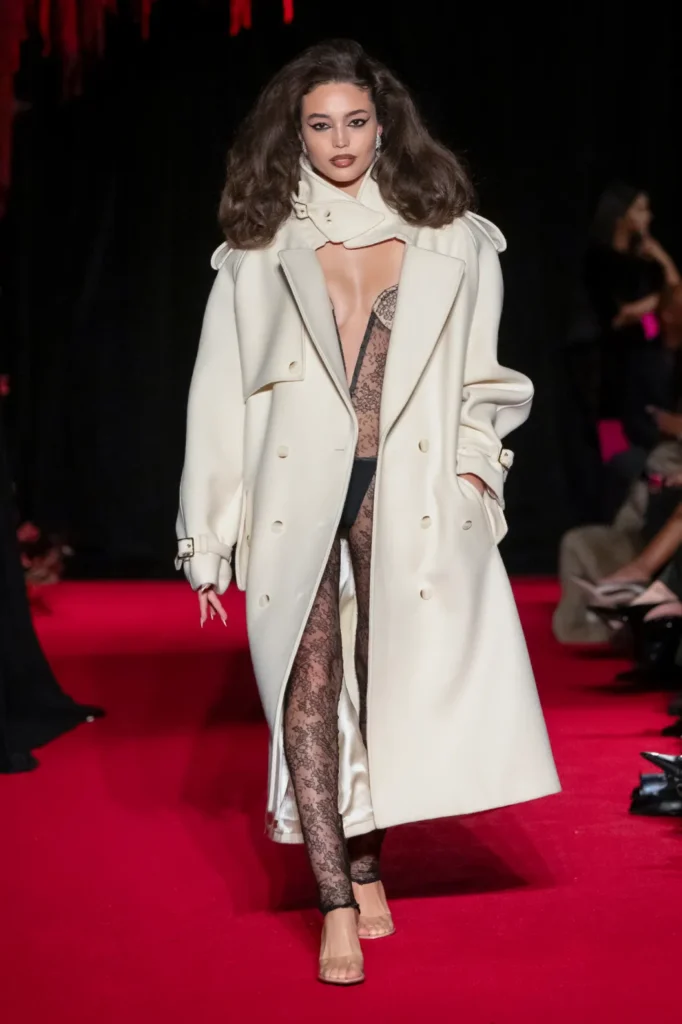
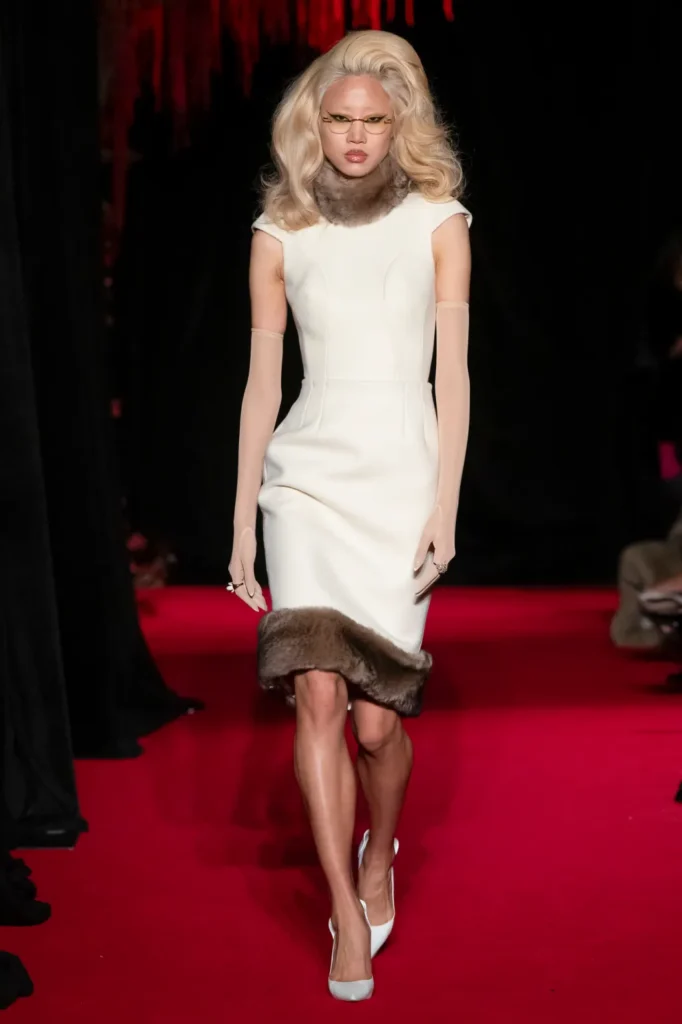
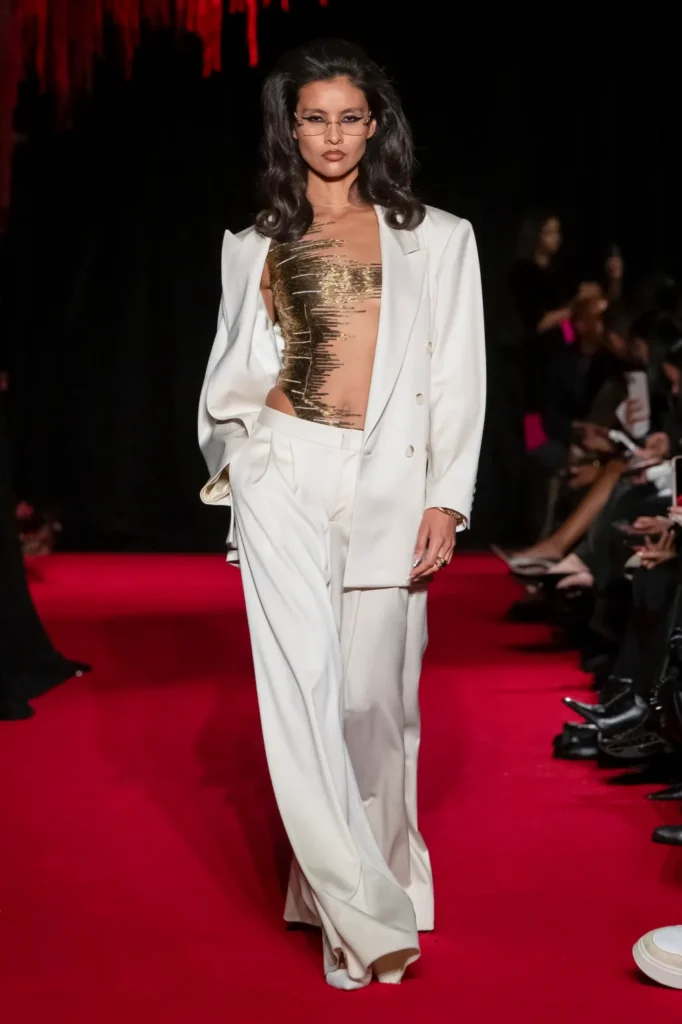
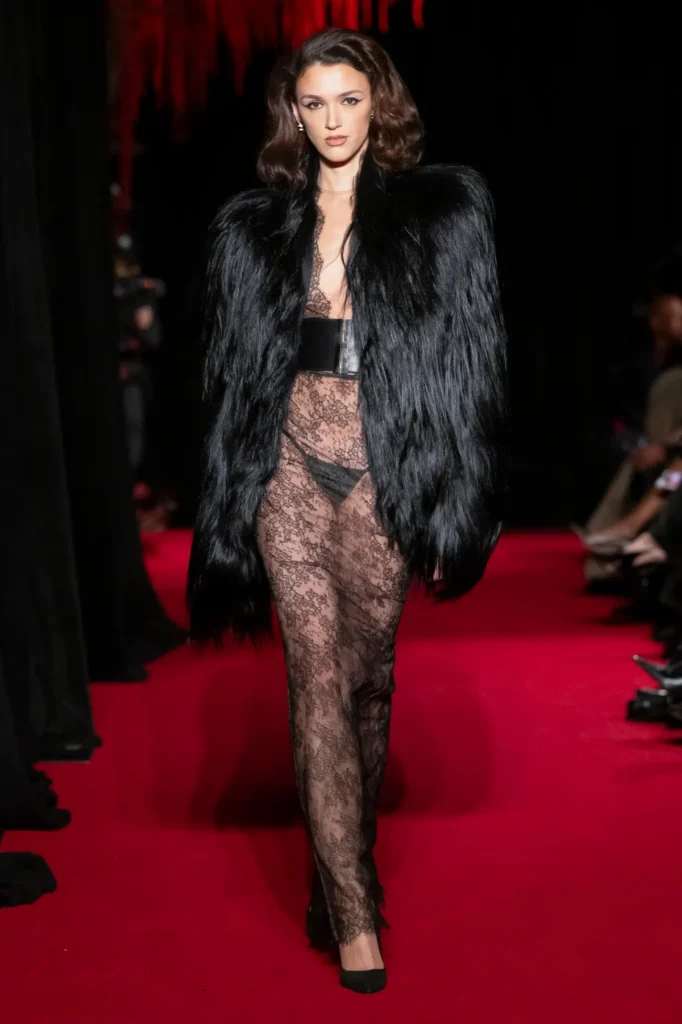
At LaQuan Smith, seduction has always been the strategy. For Fall 2026, the designer sharpened it into something cinematic: a high-gloss homage to the women—and the swagger—of the Bond universe.

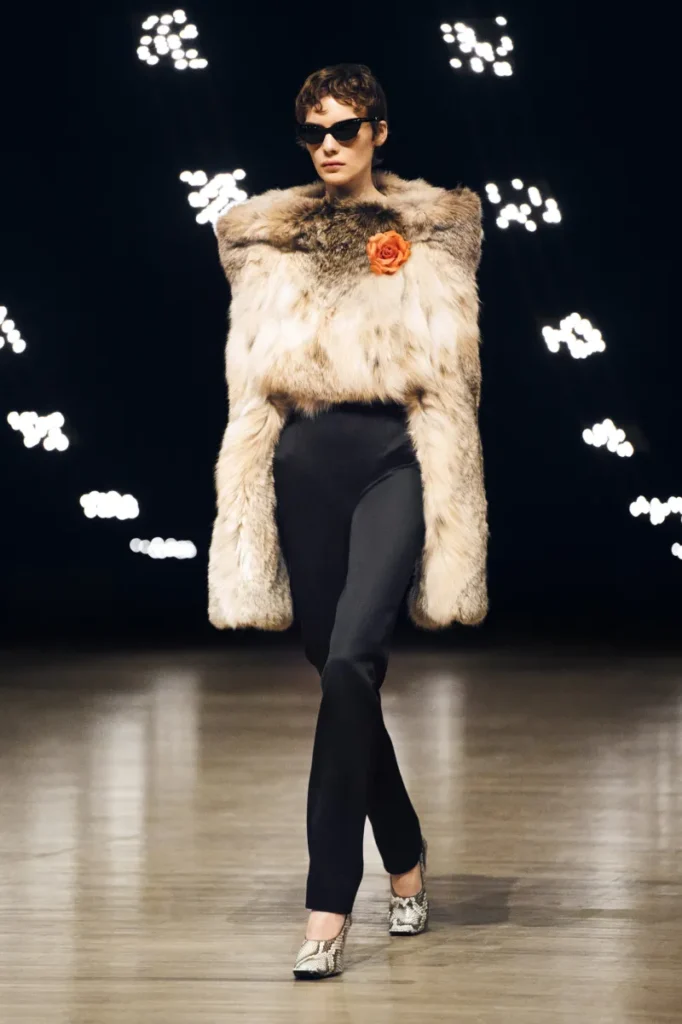
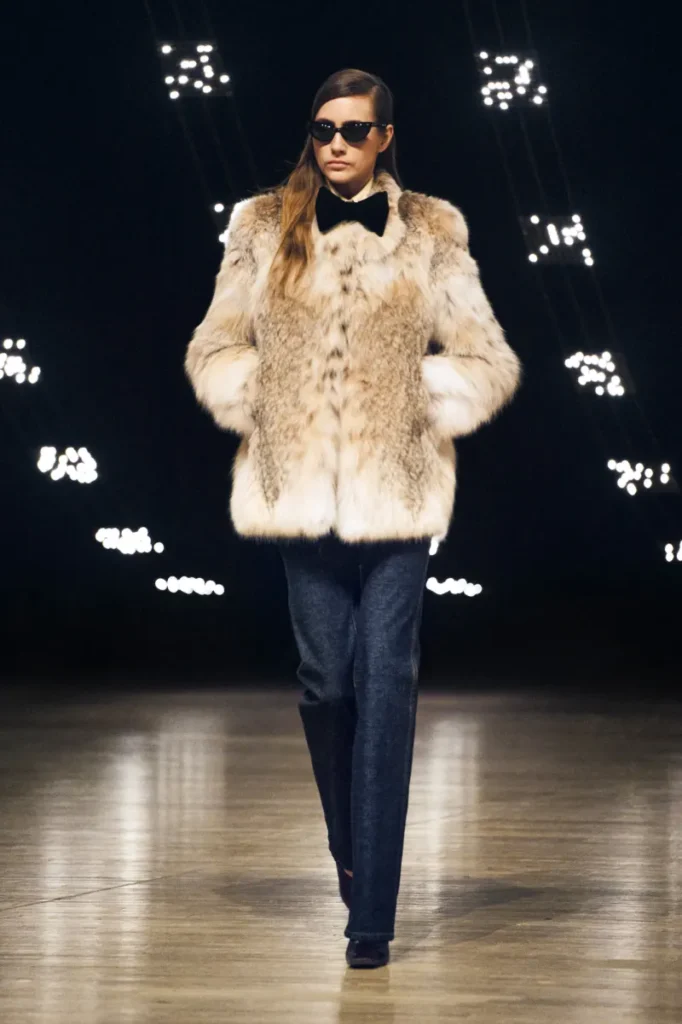
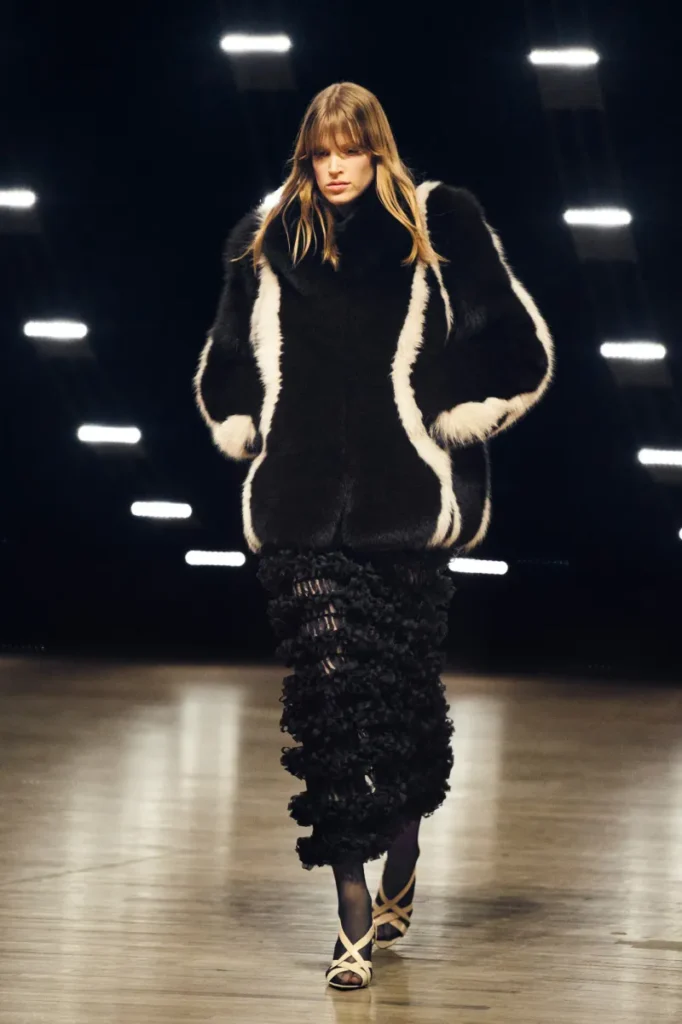
Backstage at his Long Island City headquarters, Smith made his position clear. Though industry fur bans have shifted the landscape, he sidestepped faux alternatives in favor of shearling, sculpted and fluffed to mimic Arctic fox. It trimmed oversized jackets and edged the hem of an ivory dress—demure by his standards, but styled with the hauteur of a ’60s screen siren.

The collection nodded to the enduring magnetism of James Bond and the women who orbit him—figures like Honey Ryder and May Day—as well as the suave authority of Sean Connery. Smith wasn’t interested in costume. Instead, he distilled their attitude: fearless, hyper-feminine, and always in control.

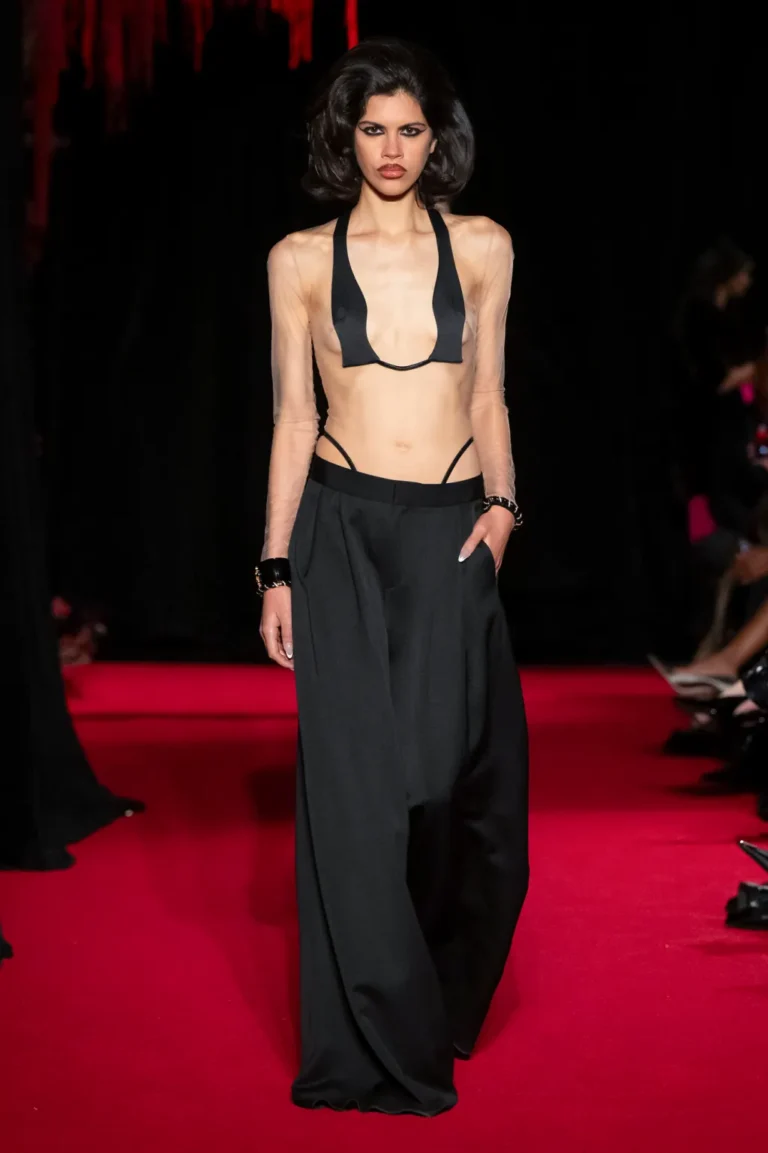
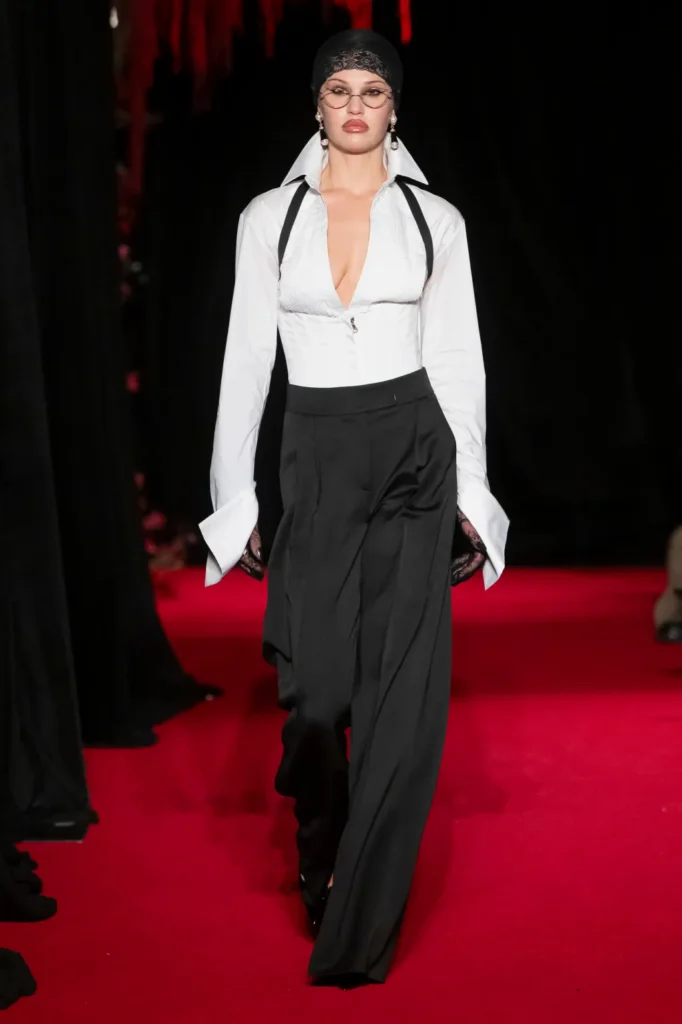
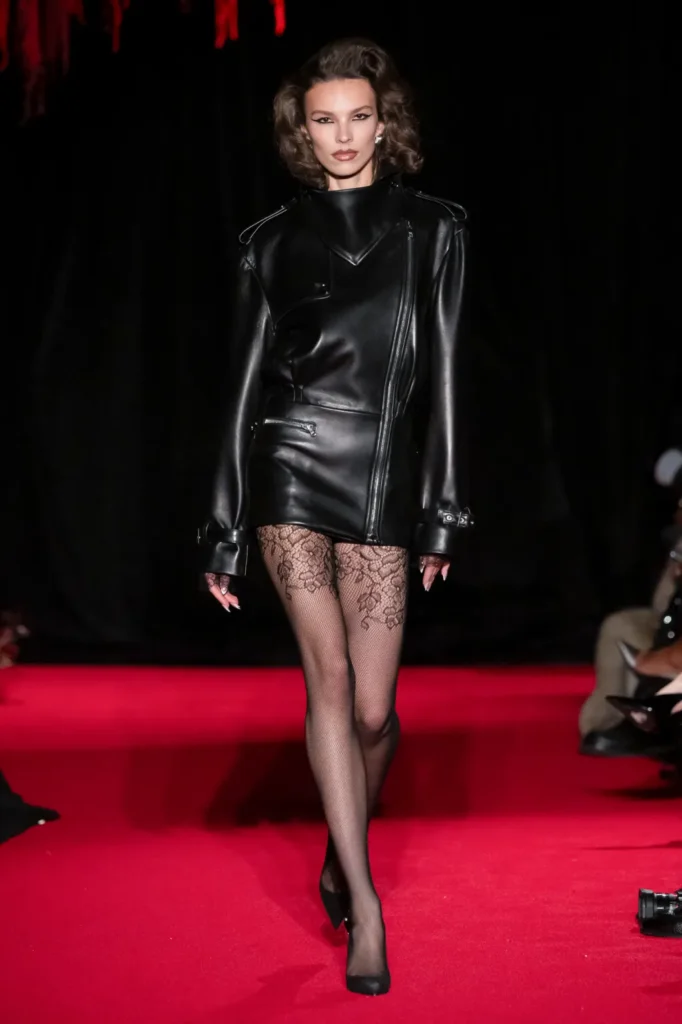
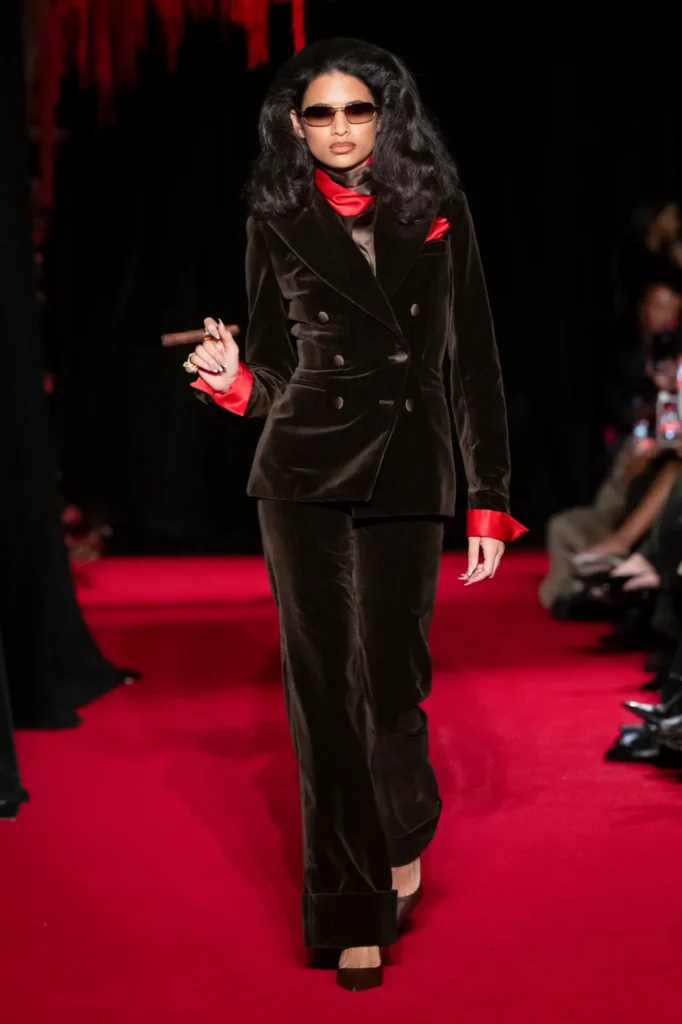
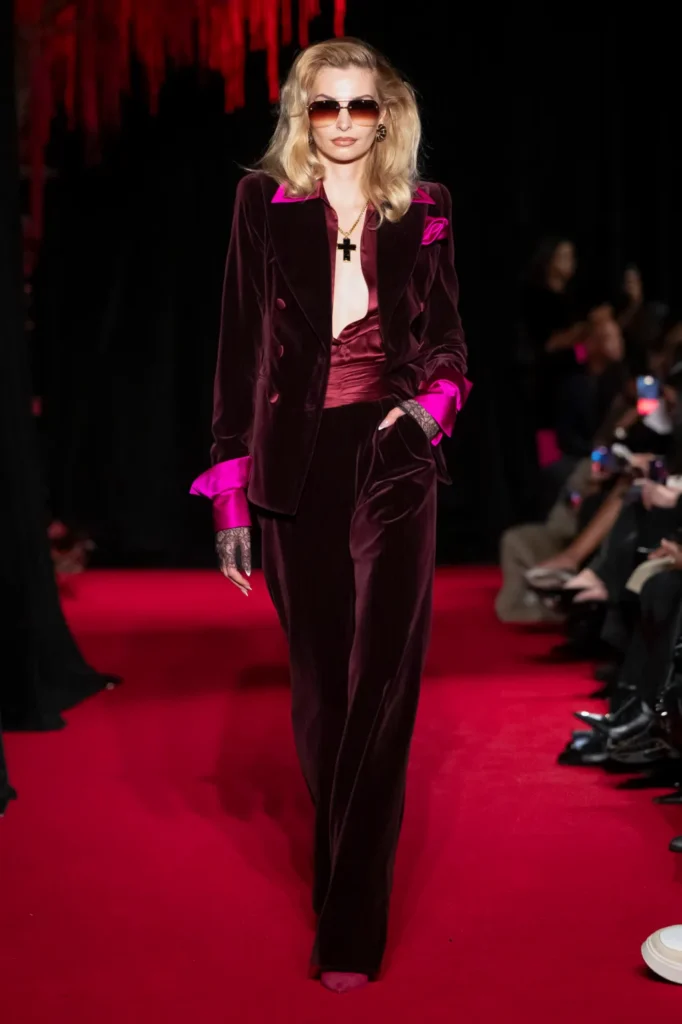
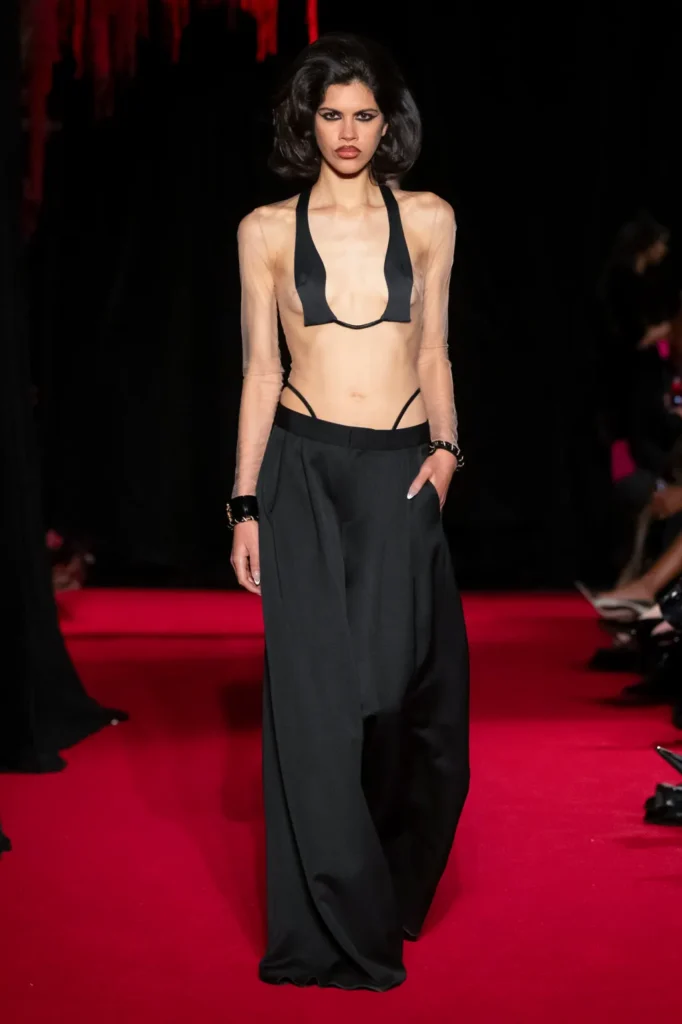
Tailoring led the charge. Velvet tuxedo jackets were cut razor-sharp; a bow tie reimagined as a bikini top turned black-tie tradition into provocation. A crimson velvet pantsuit skimmed the body with predatory precision, while leather miniskirts zipped in zigzag lines suggested motion—fast, dangerous, unapologetic. These were clothes engineered for impact, whether in a boardroom or beneath nightclub strobes.

Smith signaled a shift away from the overt catsuit formulas that built his name, leaning instead into pieces with broader commercial pull. Lingerie details—lace insets, strategic embellishment—threaded through the lineup, offering intimacy without sacrificing polish. Accessories, including sunglasses created with Barton Perreira, expanded his diva lexicon into wearable fantasy.

Eveningwear hinted at bigger ambitions: nude-illusion gowns embroidered with bugle beads and silk mermaid skirts conceived with awards-season grandeur in mind. Smith posed the question himself—what is the perfect Oscar dress?—and Fall 2026 suggests he’s determined to design it.

Sergio Hudson Fall 2026 Collection

0

Sergio Hudson Fall 2026 Collection

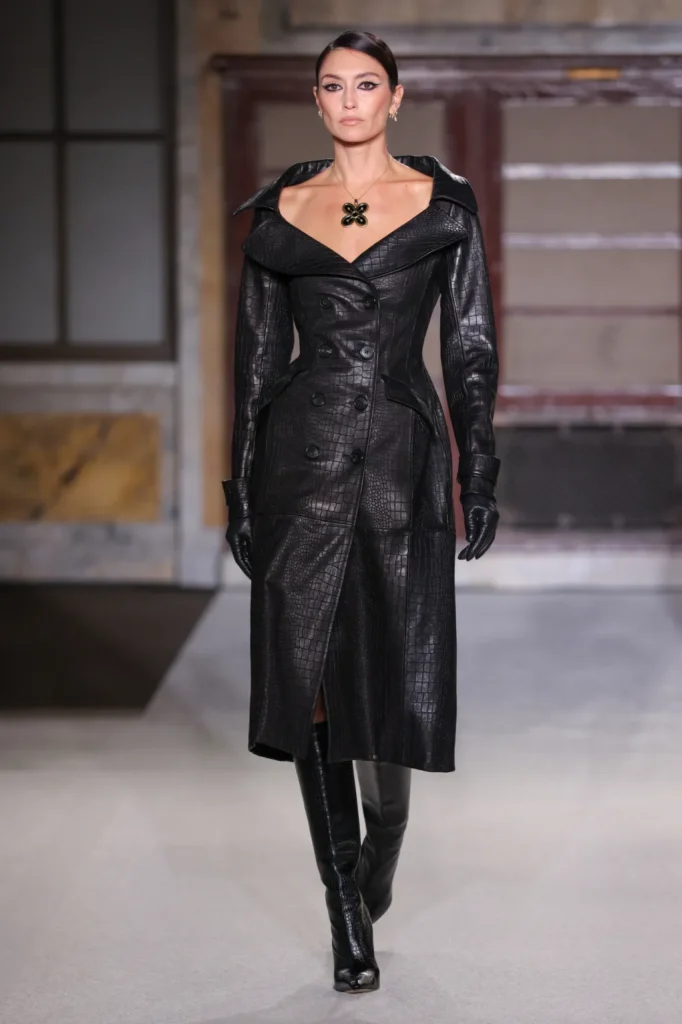
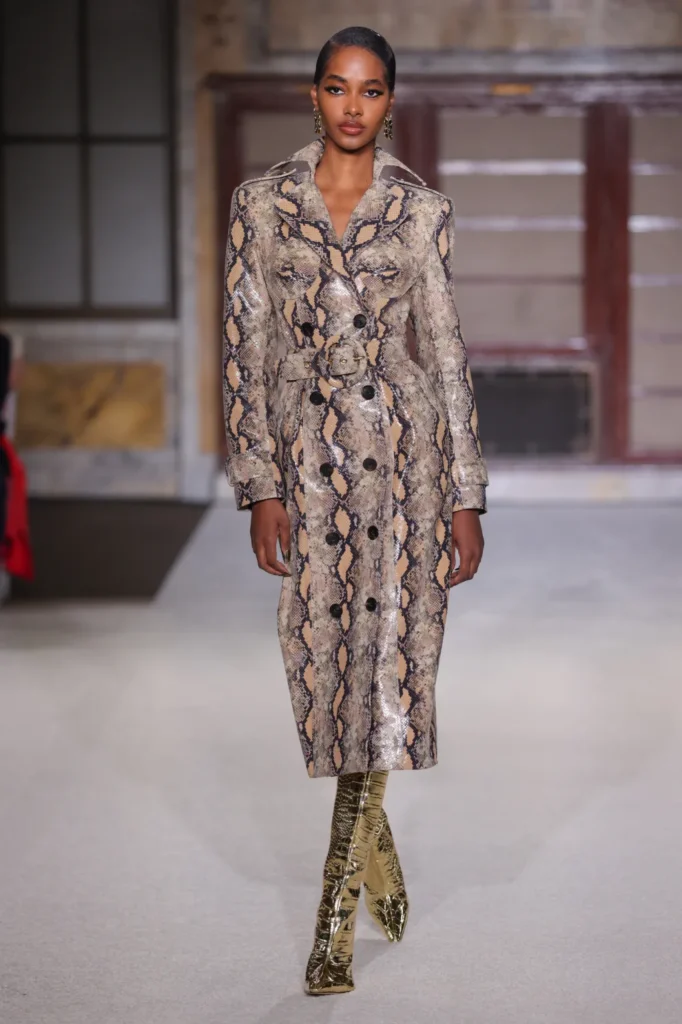
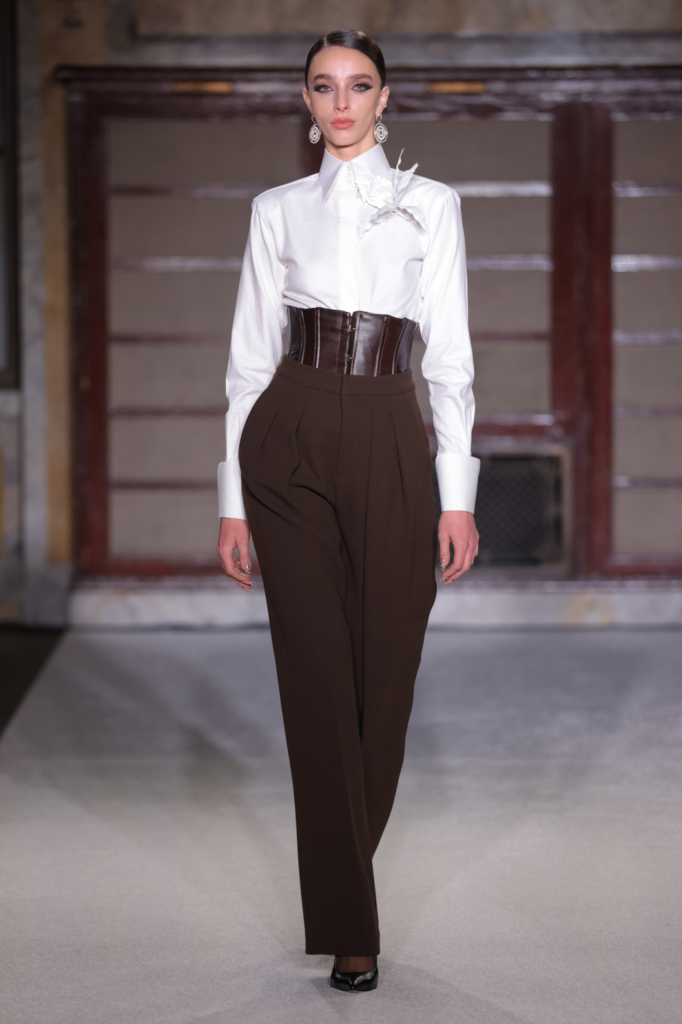
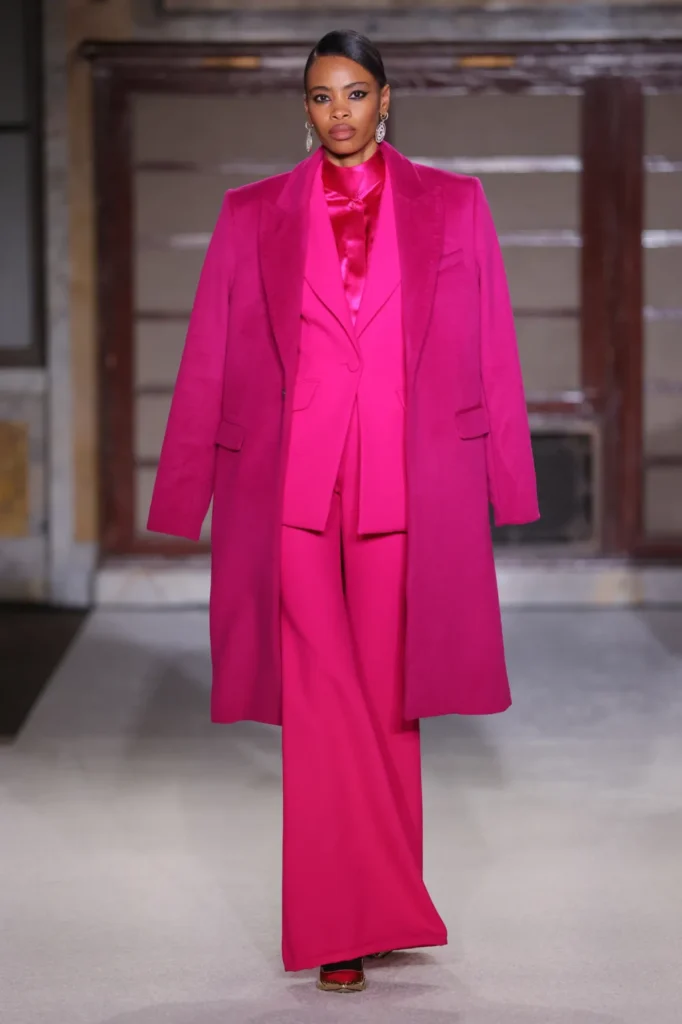
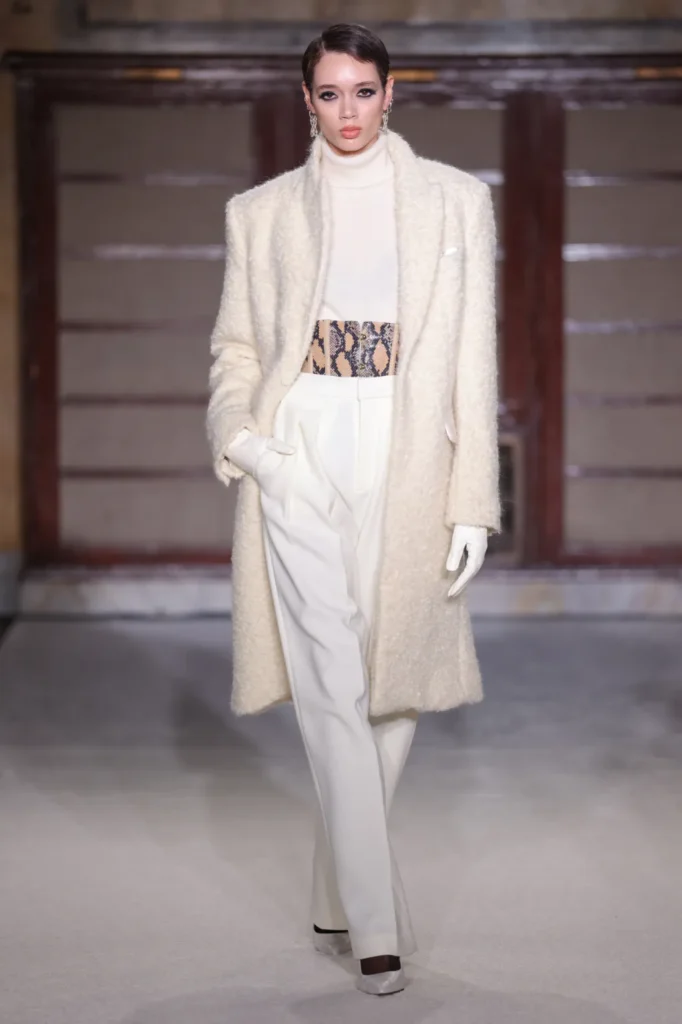
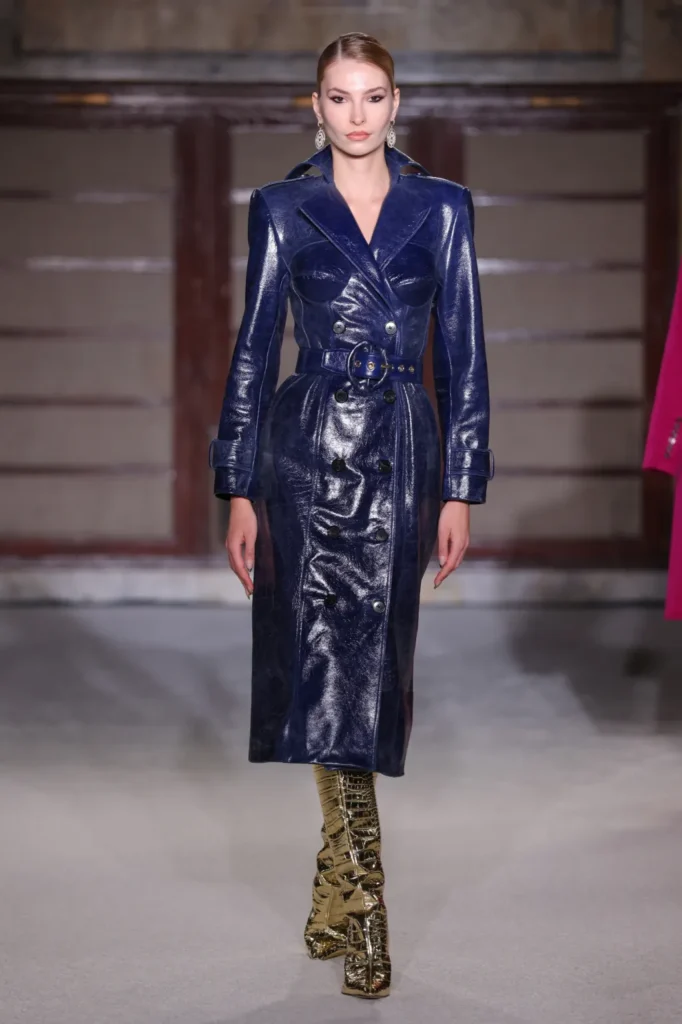
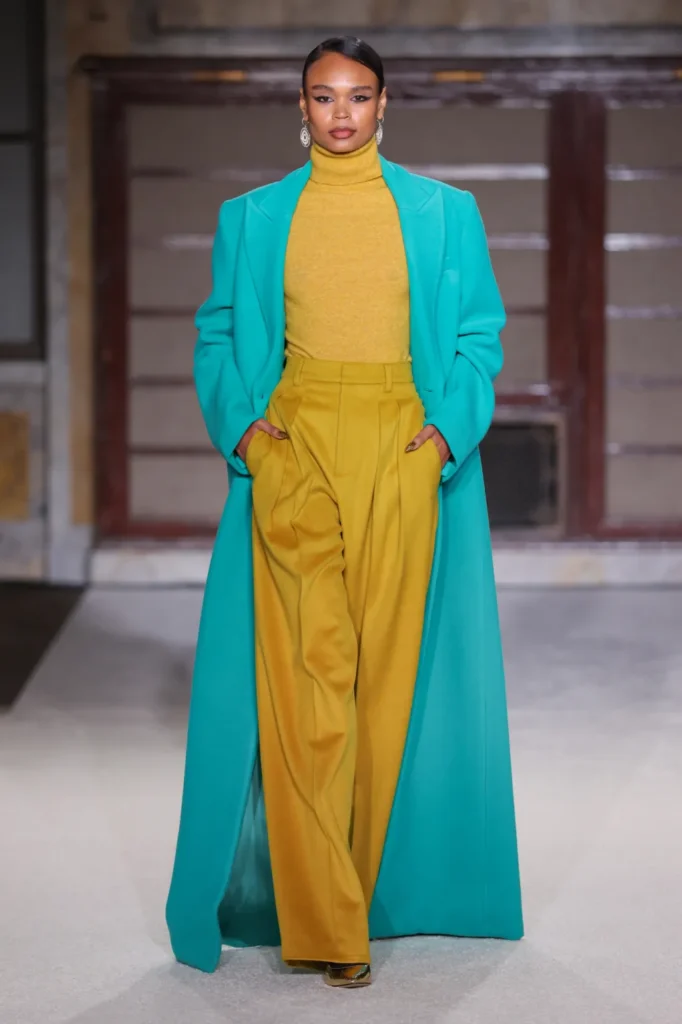
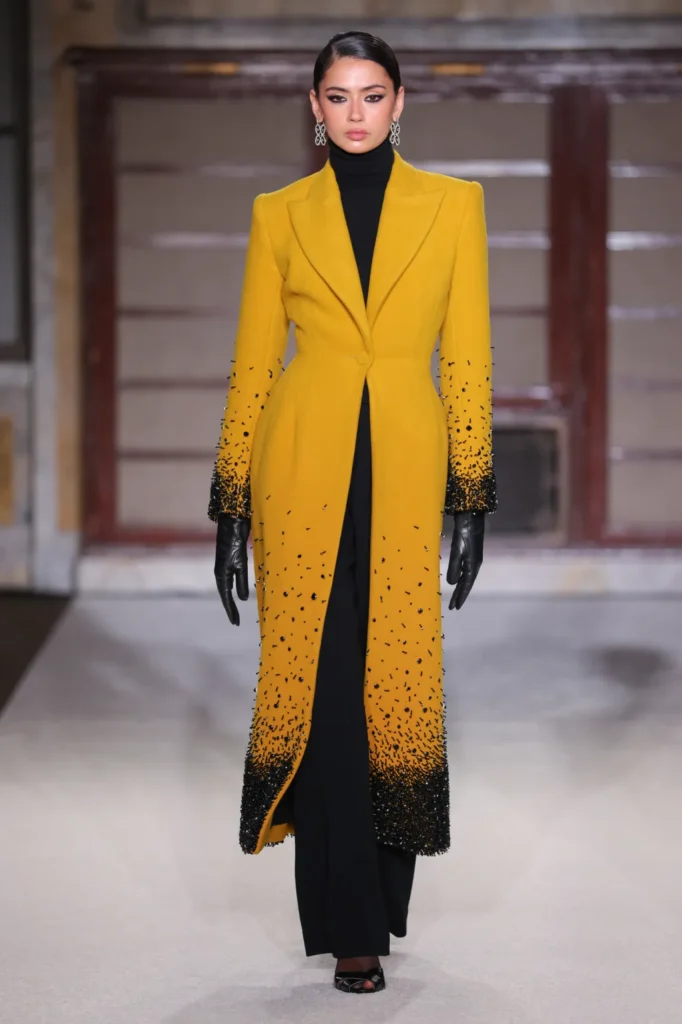
For Fall 2026, Sergio Hudson traded the roar of the party for the intimacy of the dressing room. Staged at the New York Public Library, the designer’s 10th-anniversary show unfolded with a quieter confidence—plush, controlled, and unapologetically sensual.

Hudson, long celebrated for his high-octane tailoring and red-carpet bravado, softened the volume without sacrificing impact. Models glided across a white carpet to a subdued soundtrack, reframing his signature opulence as something more private and deliberate. The message was clear: power doesn’t always need to shout.
The designer cited a defining cultural moment as a starting point—Aretha Franklin stepping in for Luciano Pavarotti at the 1998 Grammys. That last-minute performance, charged with authority and grace, became a metaphor for the Hudson woman: prepared, commanding, unforgettable.

His muses extended to television’s most formidable heroines—Dominique Deveraux of Dynasty, the polished ambition of Jacqueline Broyer from Boomerang, and the razor-sharp theatricality of Cruella de Vil as portrayed by Glenn Close. Each reference underscored a woman who dresses not for approval, but for dominance.

Courtesy of Sergio Hudson

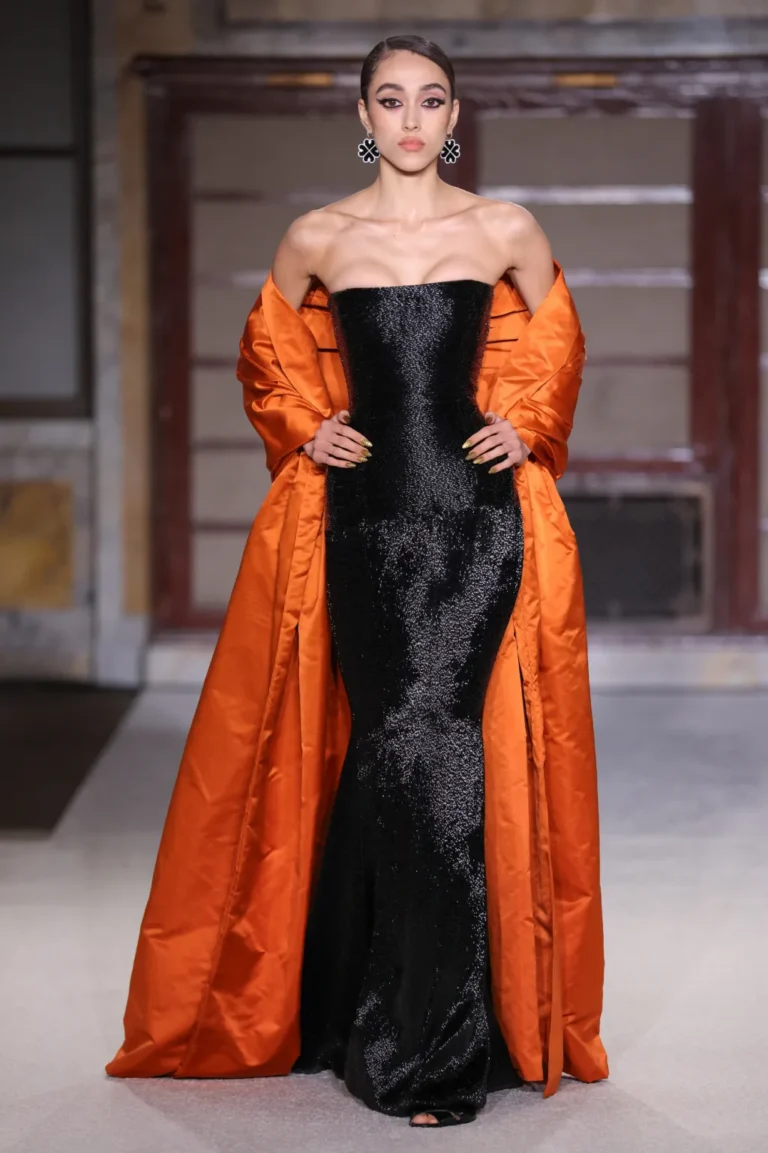
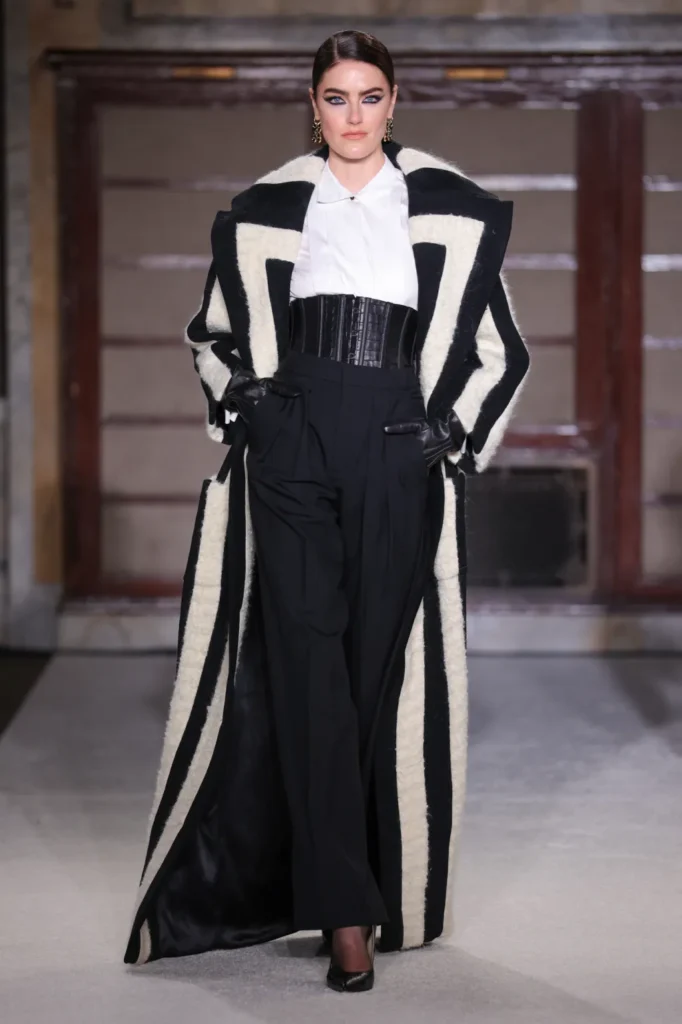
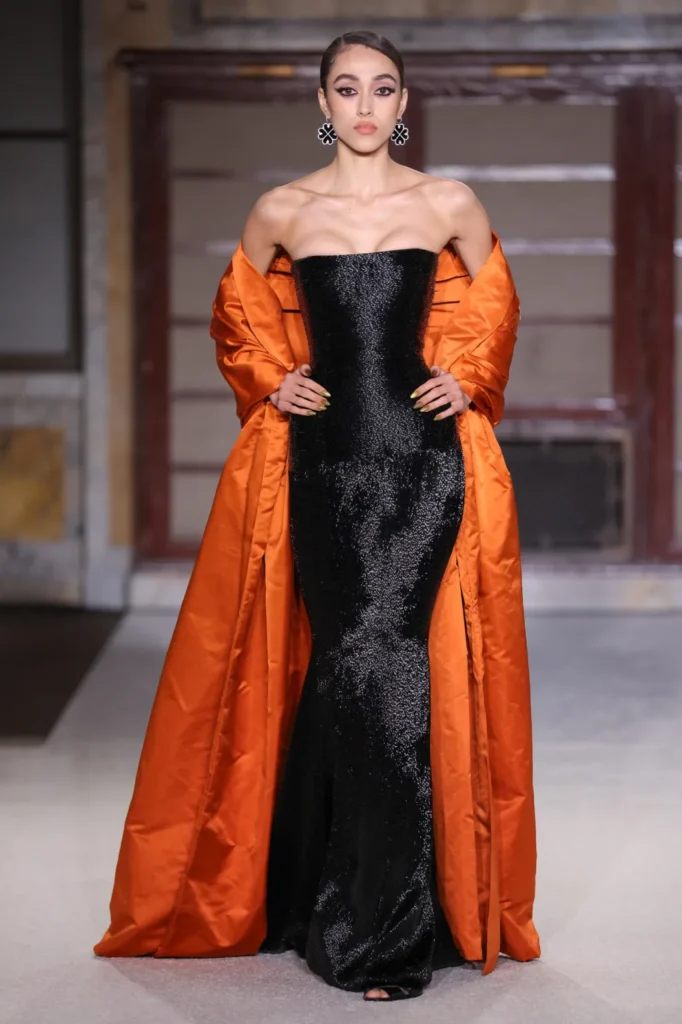
That narrative translated into strong-shouldered suiting—Hudson’s calling card—cut with surgical precision. Eveningwear shimmered in saturated velvet and liquid sequins, sculpted close to the body. The silhouettes were bold yet controlled, favoring clean lines over excess embellishment. Even at its most glamorous, the collection felt edited.
Beneath the cinematic references was a personal undercurrent: Hudson’s own upbringing, shaped by women who embraced elegance as armor. That spirit—elegant, sensual, unwavering—defined the collection.

Calvin Klein Collection Fall 2026 Collection

0

Calvin Klein Collection Fall 2026 Collection

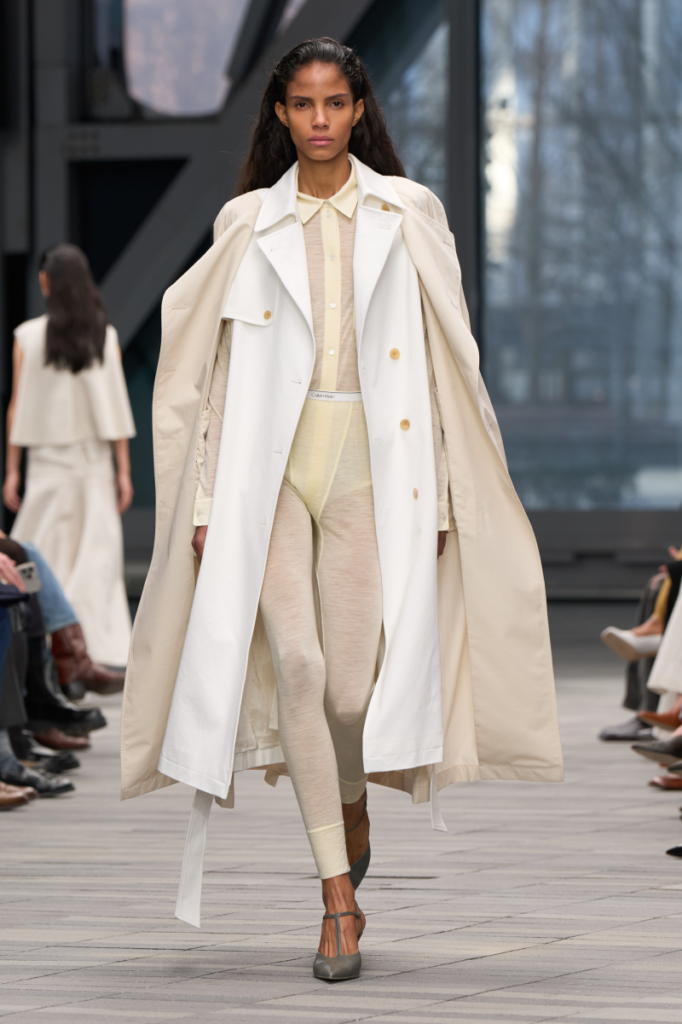
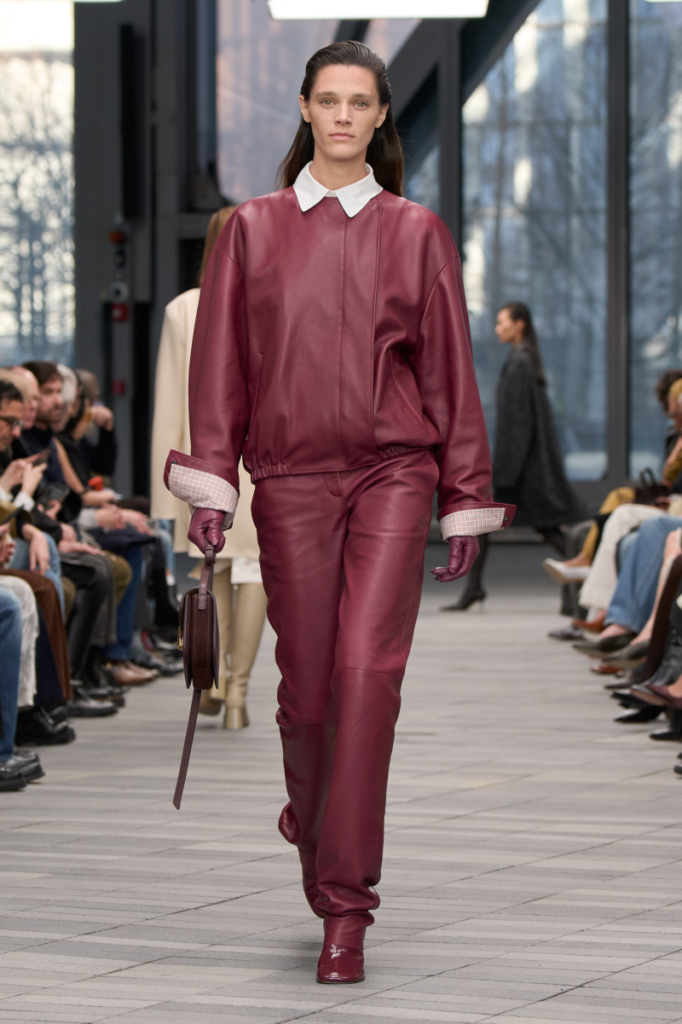
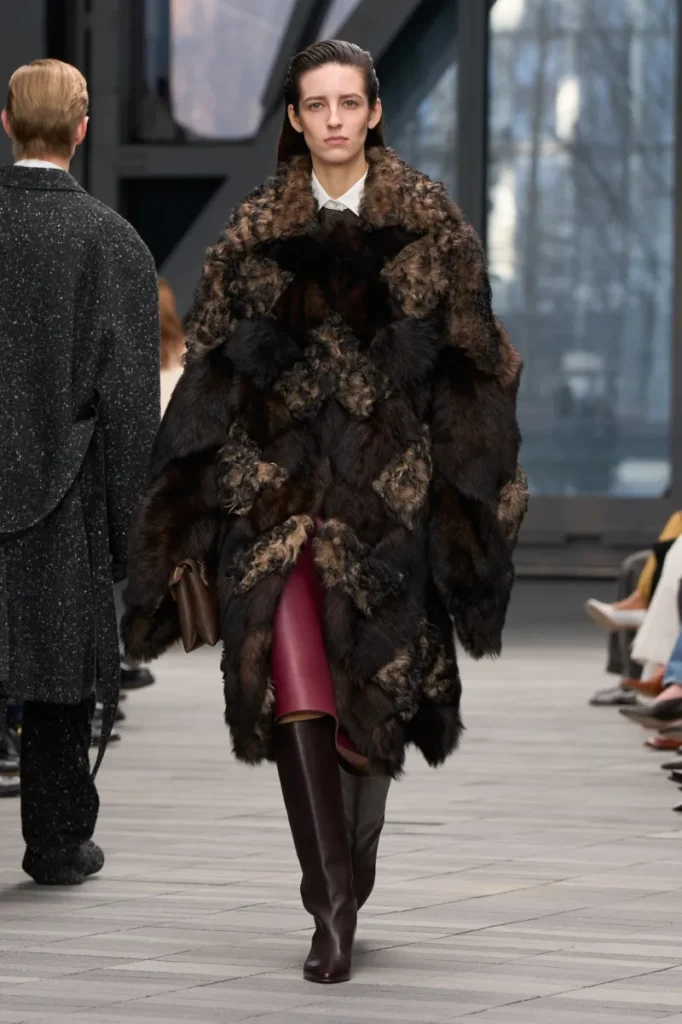
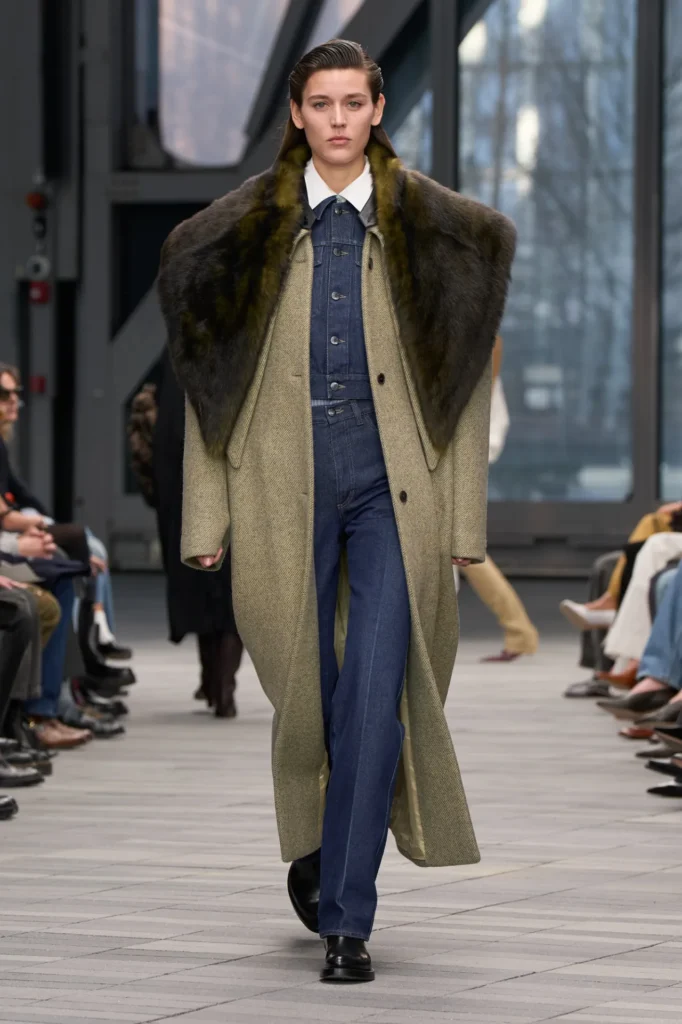
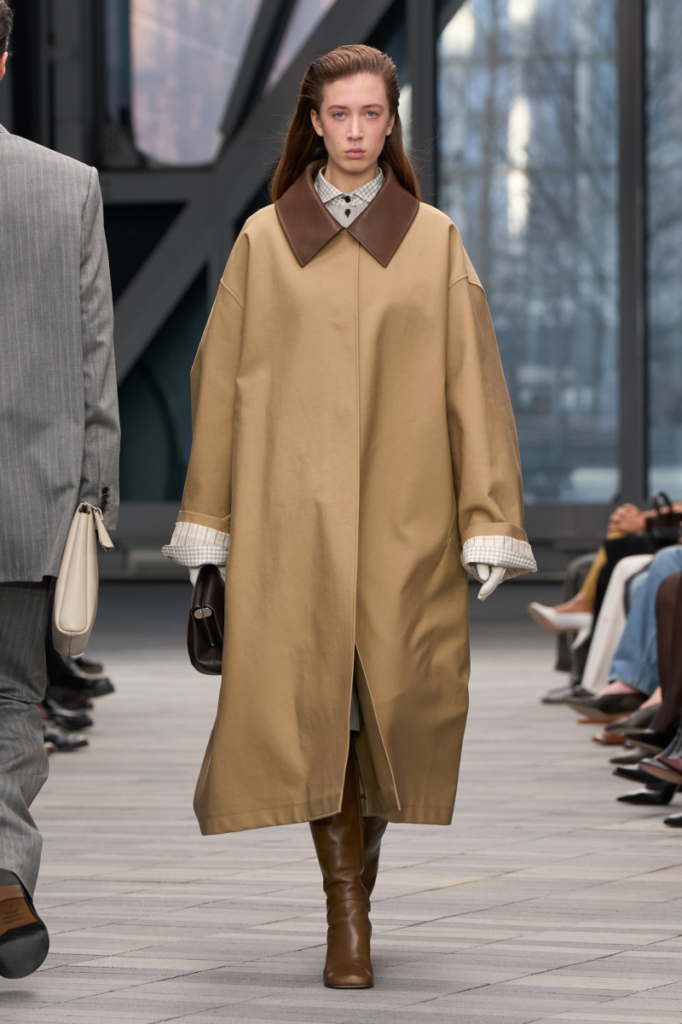
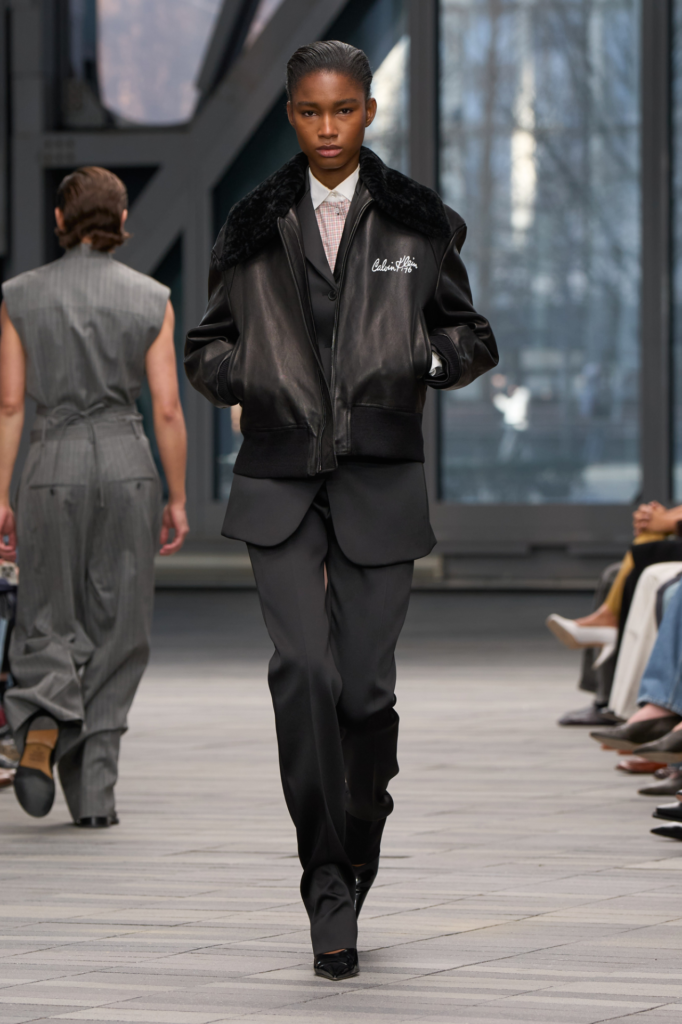
At Calvin Klein Collection, Veronica Leoni is refining American minimalism with sharper edges and a more deliberate pulse. Fall 2026 marked her most assured statement yet—one that mined the house’s late-’70s and early-’80s legacy while recalibrating it for a modern, body-conscious era.

Staged at The Shed, the show’s intimate circular seating subtly echoed the tension at the heart of the collection: restraint versus exposure, discipline versus desire. Leoni looked past the ’90s-era clichés often associated with the brand and returned to its formative years, studying archival campaigns and the streamlined sensuality that defined early Calvin Klein.

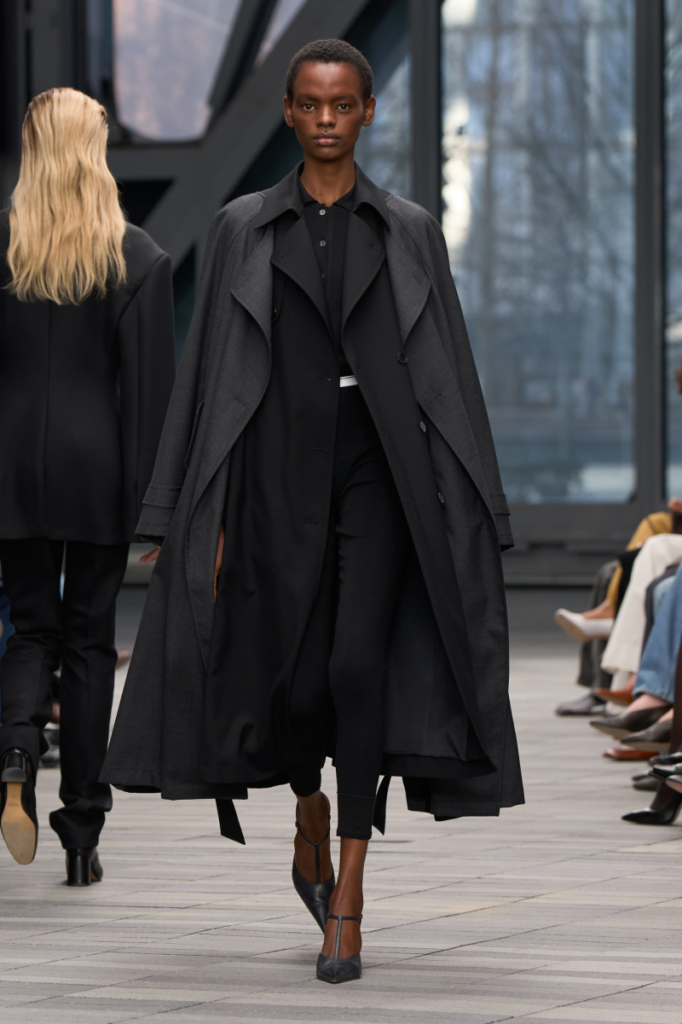
The result was a study in controlled hedonism. Lean tailoring elongated the body, with razor-sharp jackets revealing flashes of logo bras at the back. Tweed midi dresses juxtaposed opacity and transparency, while wool muscle tees—rolled at the sleeves in an unmistakable ’80s gesture—were paired with narrow grosgrain-striped trousers. Sheer leather trenches and sleeveless suiting reinforced the collection’s subtle provocation: skin suggested, never overplayed.

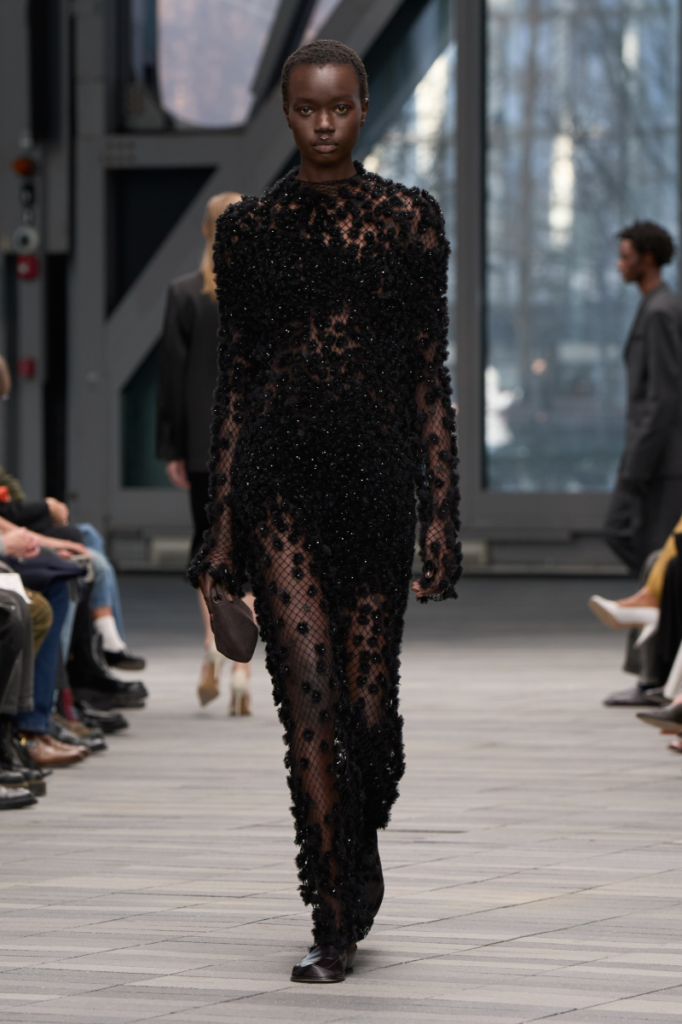
Yet the power of the lineup lay equally in its discipline. Sculptural overcoats, precise bombers, and neutral tailoring offered a purist counterpoint to the sex appeal. Eveningwear extended the dialogue—reinforced satin gowns, velvet slip dresses reworked with artisanal finesse, and puffed mesh adorned with dimensional florals balanced softness with structure.

Most resonant was Leoni’s reissue of the house’s original 1976 runway jeans, introduced before the seismic cultural moment of the 1980 campaign starring Brooke Shields. Their return felt less nostalgic than corrective—a reminder that Calvin Klein’s foundation was intelligent, polished sportswear before it became a global billboard phenomenon.

Christian Siriano Fall 2026 Collection

0

Christian Siriano Fall 2026 Collection

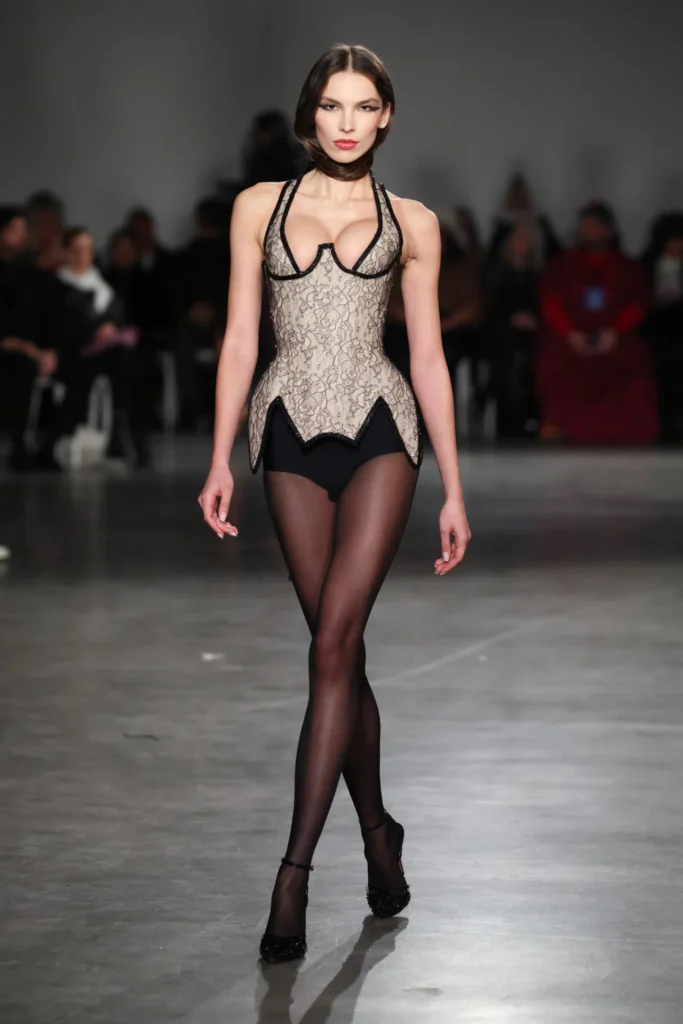
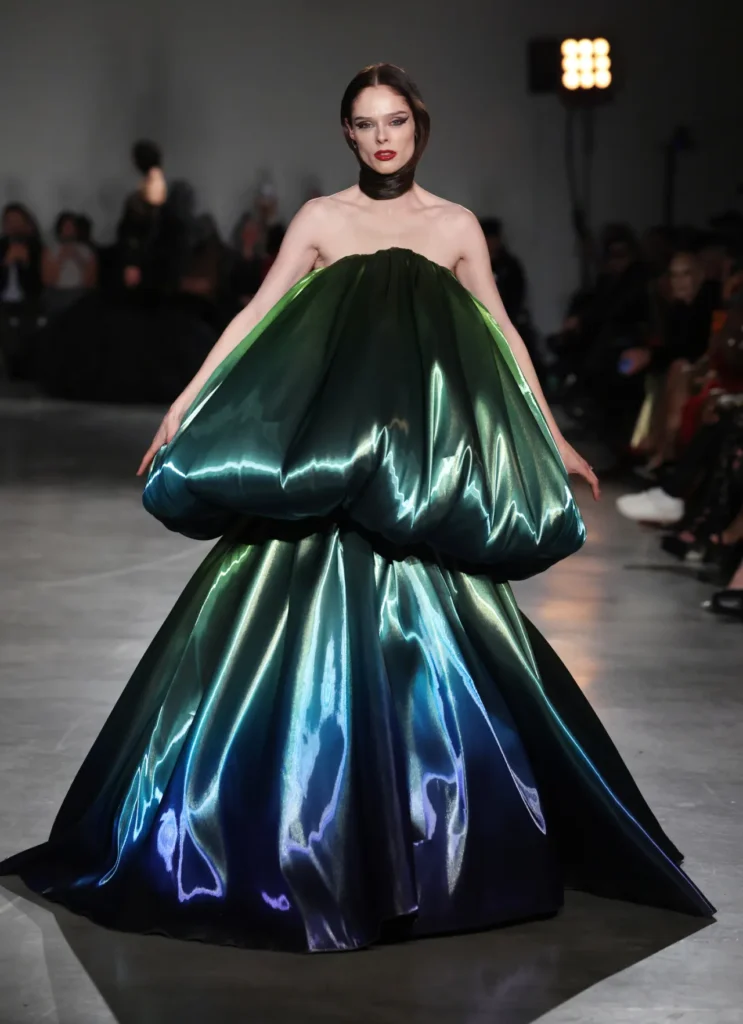
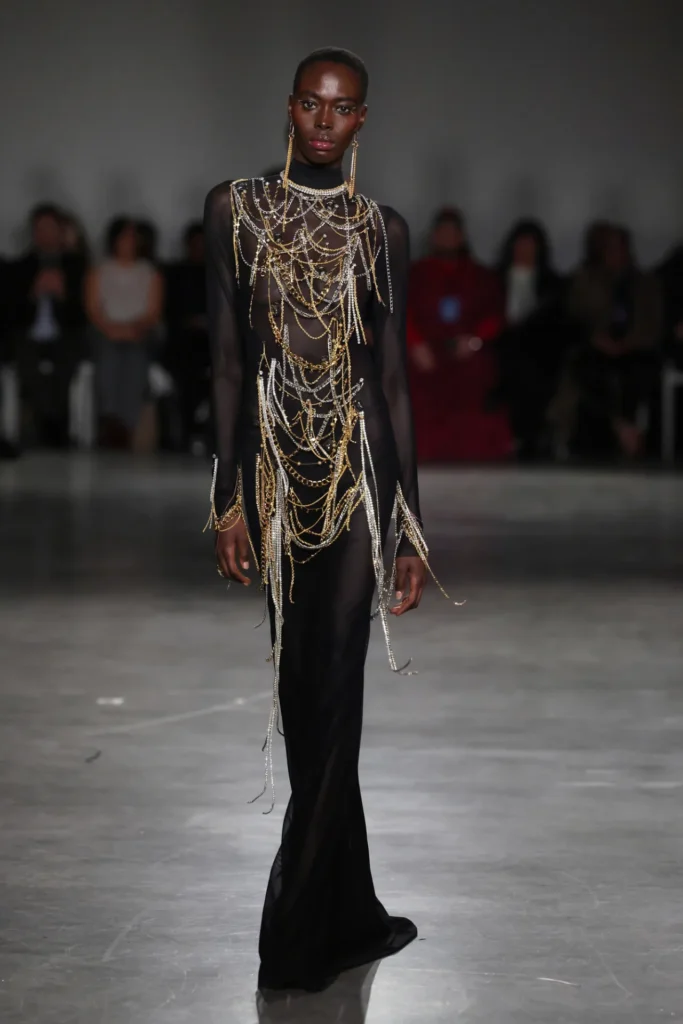
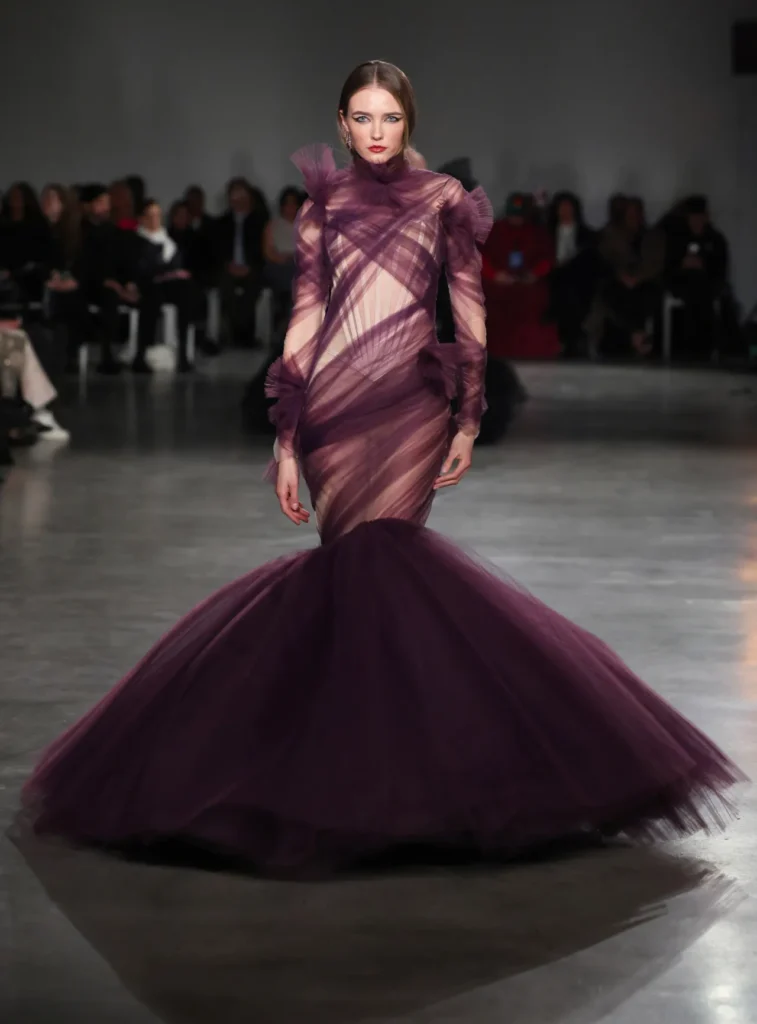
At Christian Siriano’s Fall 2026 show, reality bent—then broke—under the spell of surrealism. Drawing directly from Salvador Dalí, Siriano delivered a collection that toyed with perception, structure, and illusion, transforming the runway into a dreamscape where nothing was quite as it seemed.

The designer leaned into escapism, exploring the tension between the conscious and subconscious. But this wasn’t costume. It was technique—executed with precision and theatrical control.

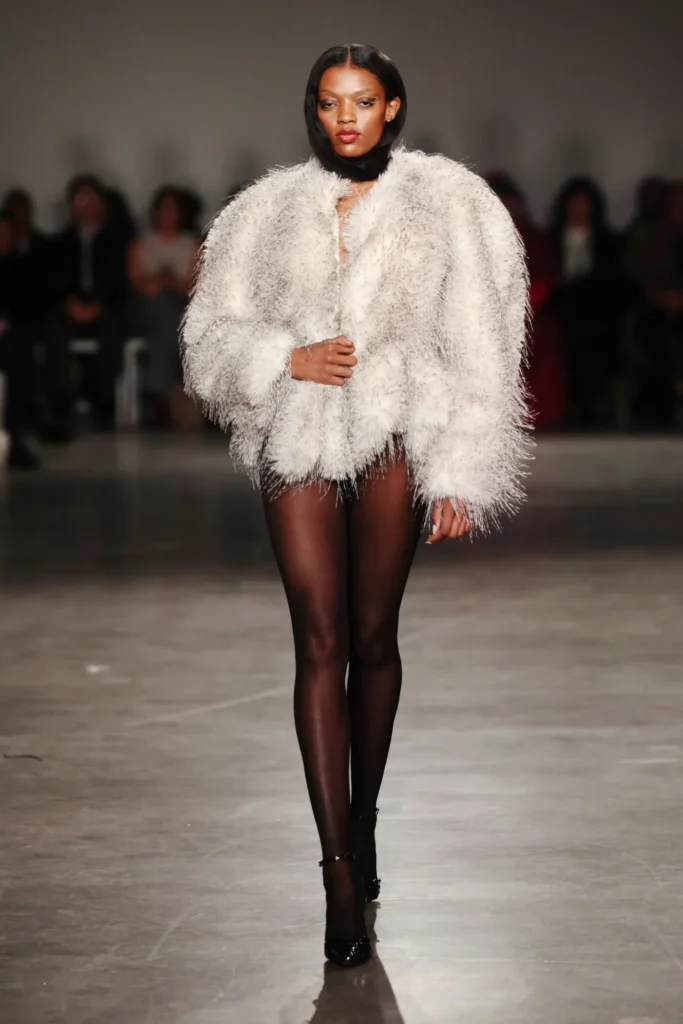
Outerwear set the tone. A sweeping coat and cropped peplum jacket appeared to be crafted from feathers, yet revealed themselves as meticulously trimmed faux fur. Elsewhere, organza boning wrapped in tulle sculpted tuxedo jackets into wing-like forms, giving architectural rigidity to fabrics typically prized for fluidity. In contrast, a severe column gown rippled with black and silver sequins, its surface engineered to move like liquid metal. A mesh bodysuit spliced at the hip created the illusion of separation, allowing the silhouette to shift with every step.

Siriano’s sleight of hand extended to fabrication. A matador-inspired cropped jacket was constructed from hand-applied floral elements woven together to simulate a continuous textile. Flamenco-inflected mermaid hems nodded subtly to Dalí’s Spanish heritage, grounding the fantasy in cultural reference.

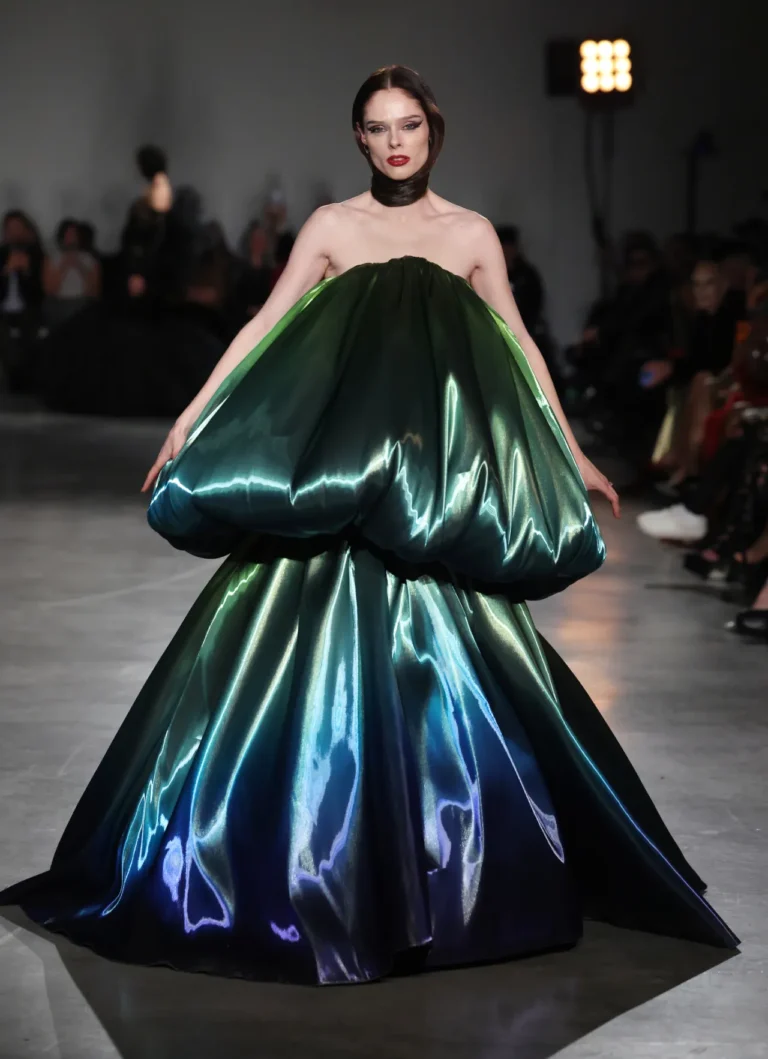
The finale distilled the theme into a single, unforgettable image. Worn by Coco Rocha, the closing look ballooned into a sculptural bubble hovering just above the knee. Its swirling palette—green, teal, cobalt—evoked the skies of The Persistence of Memory. As Rocha moved, the garment seemed suspended in time, a living echo of Dalí’s melting clocks.

Coach Fall 2026 Collection

0

Coach Fall 2026 Collection

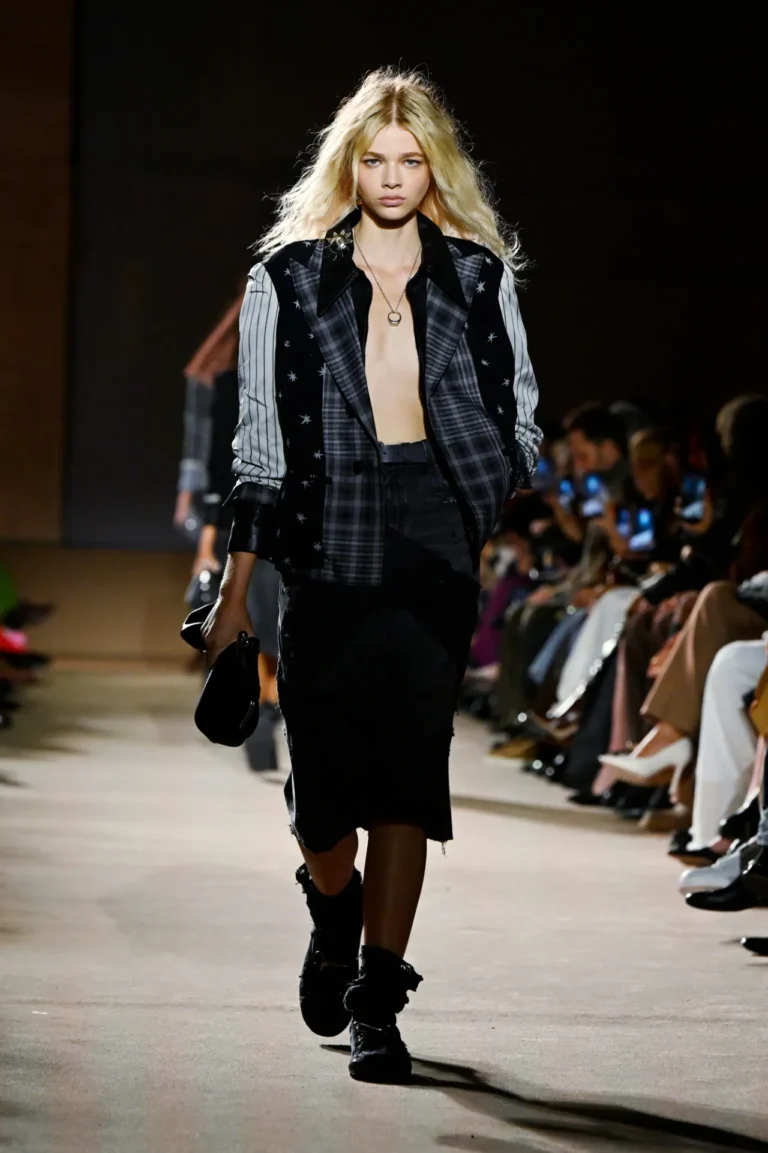
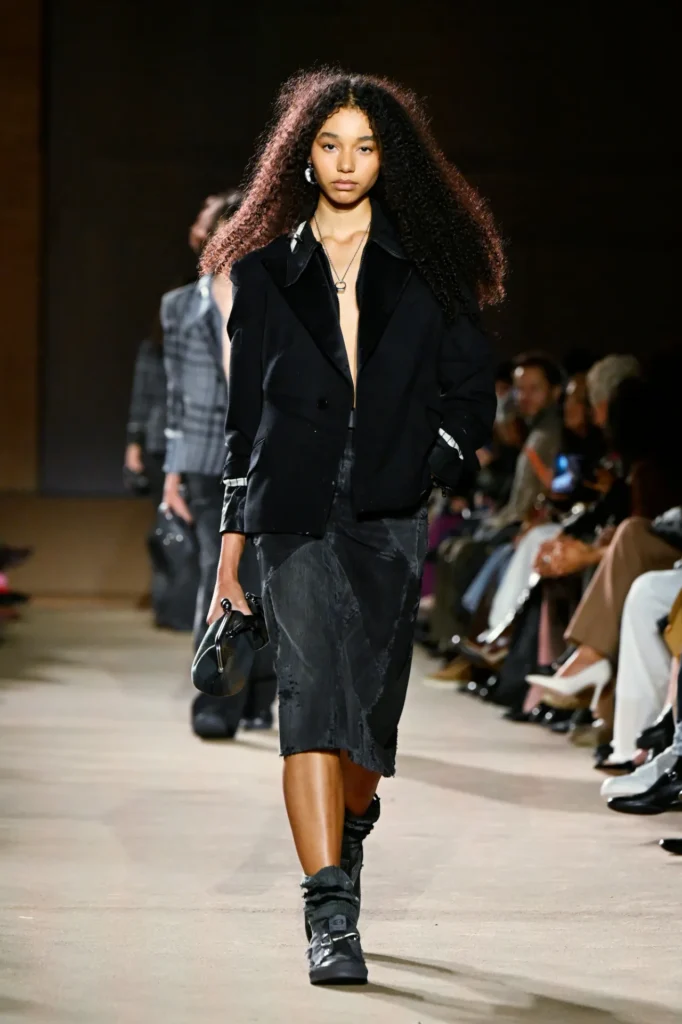
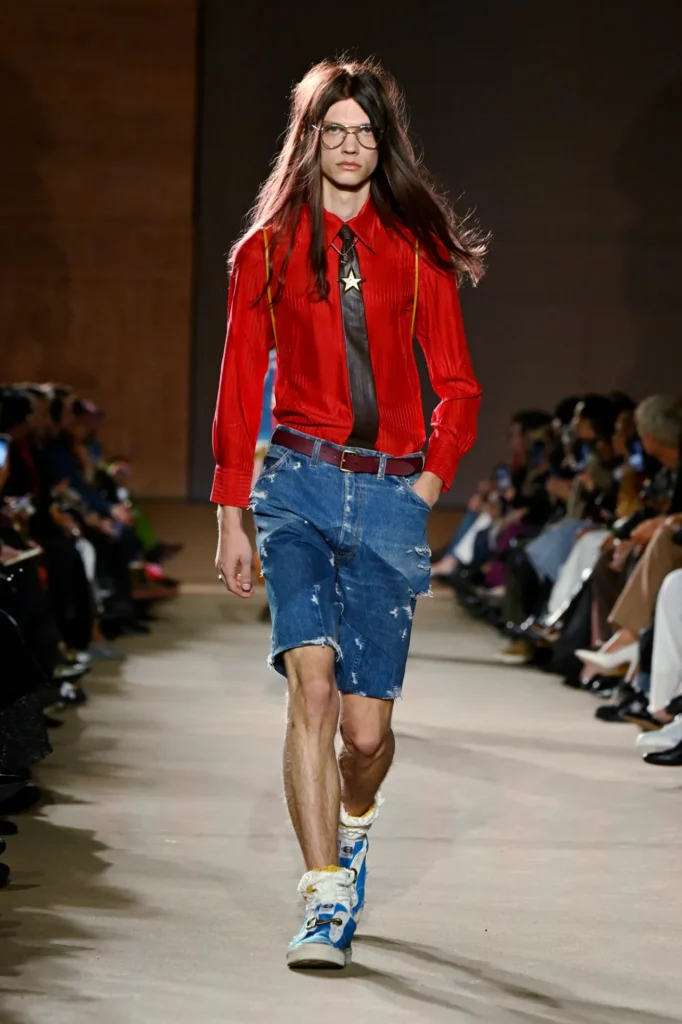
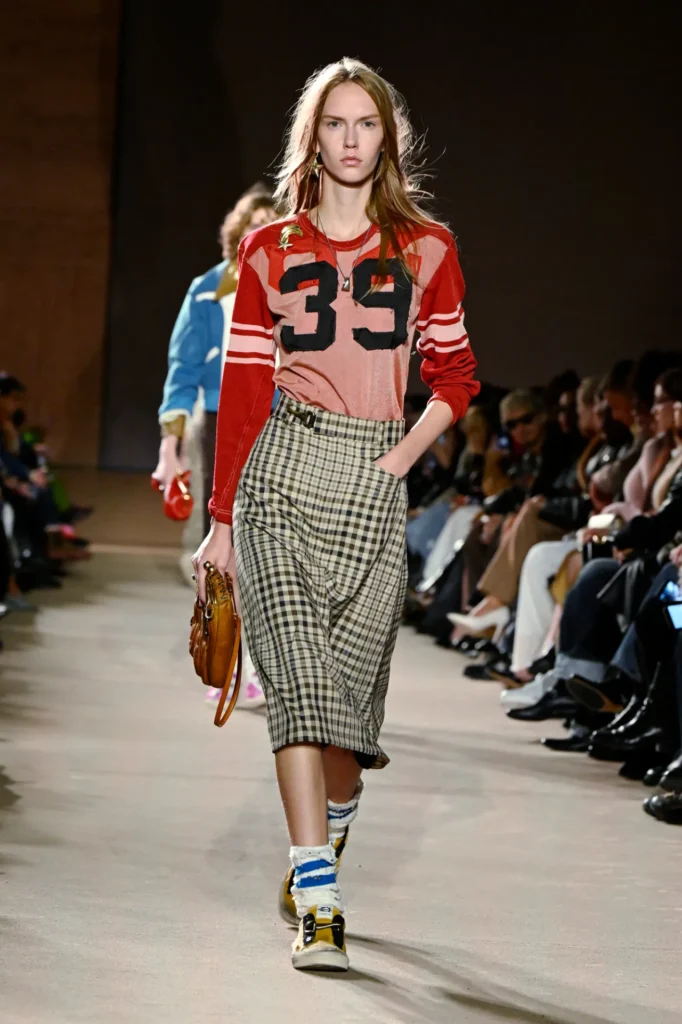
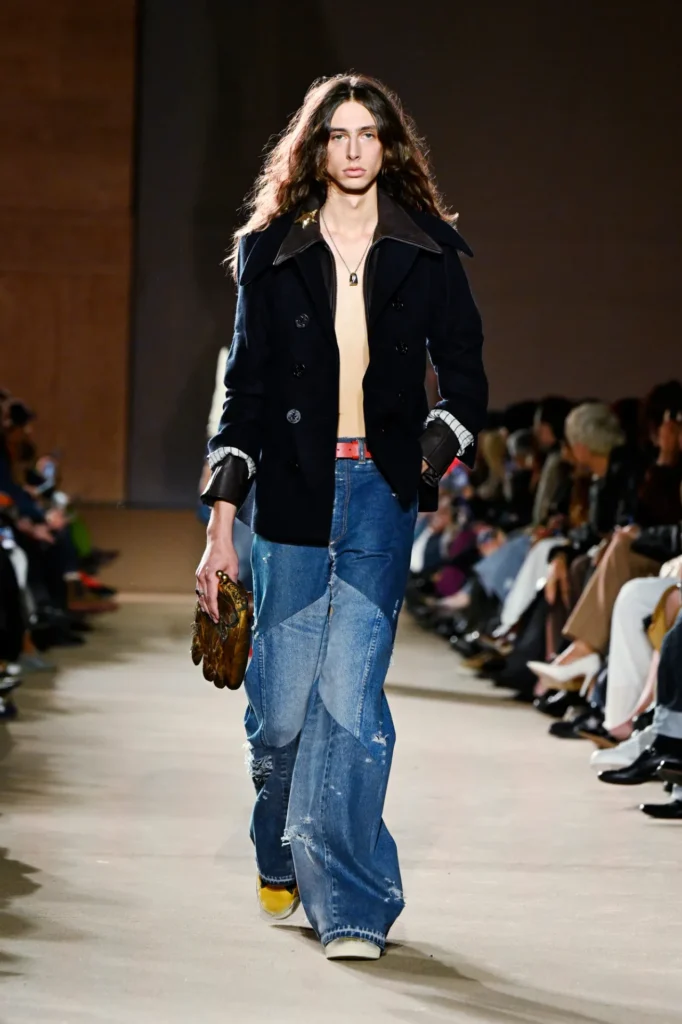
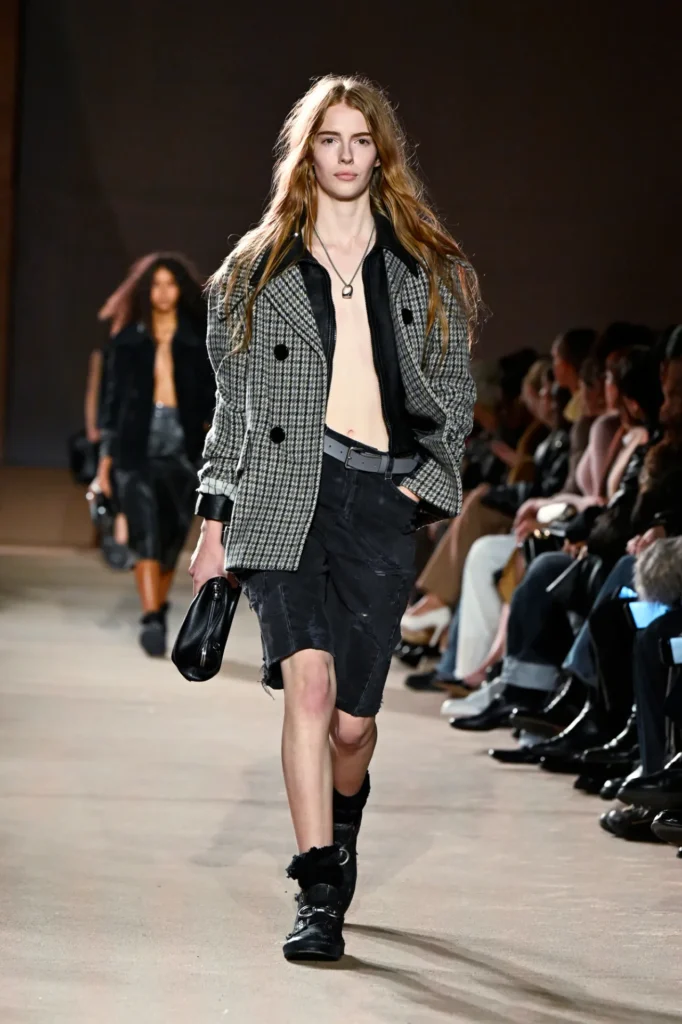
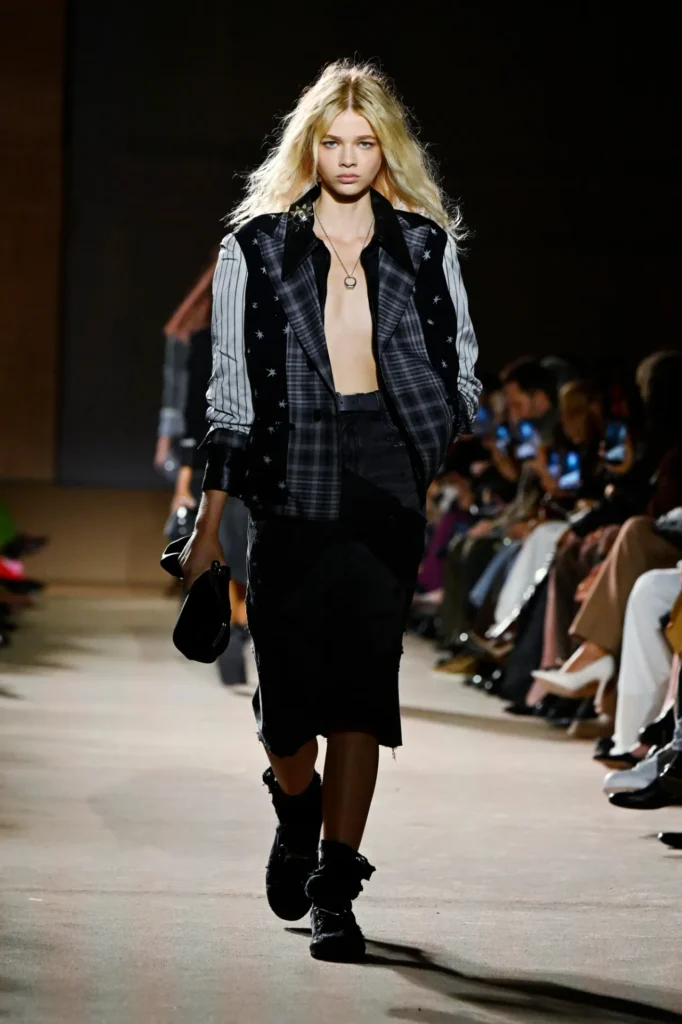
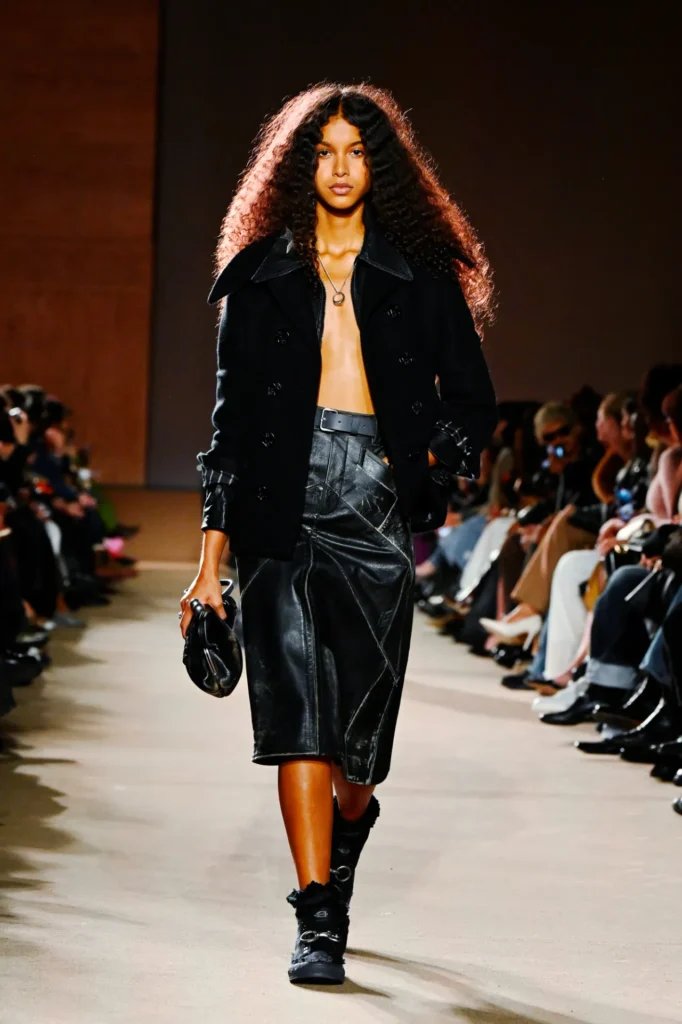
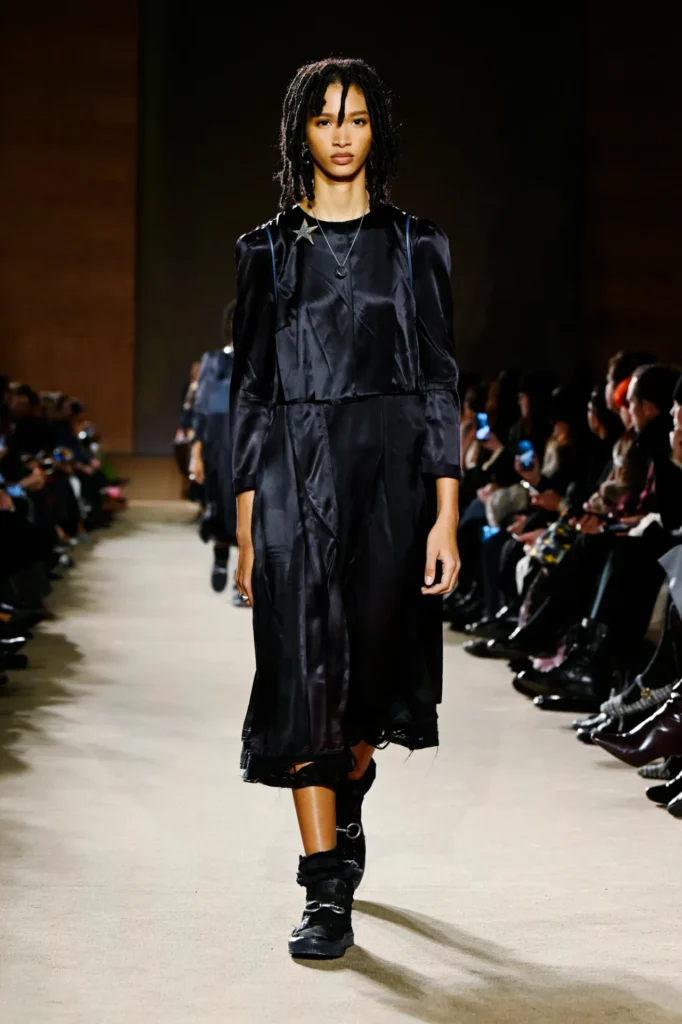
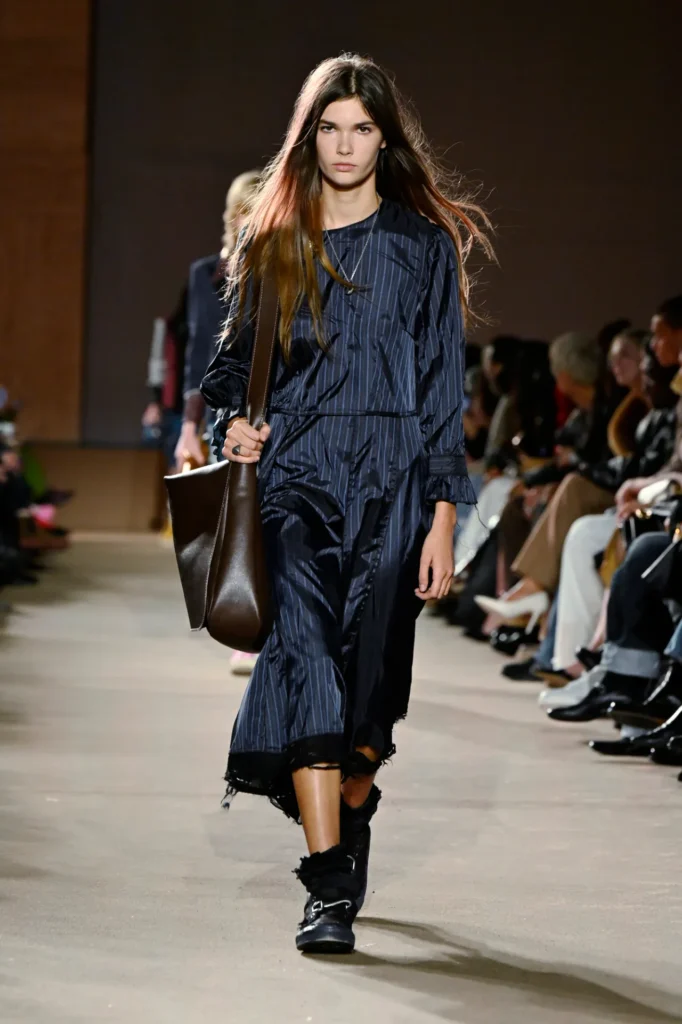
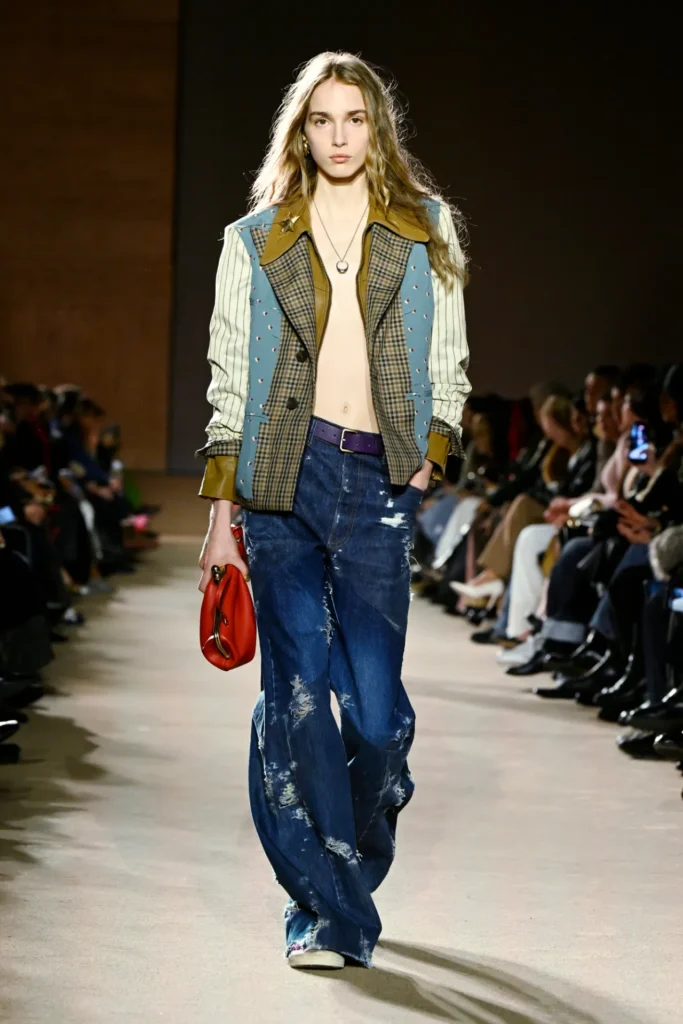
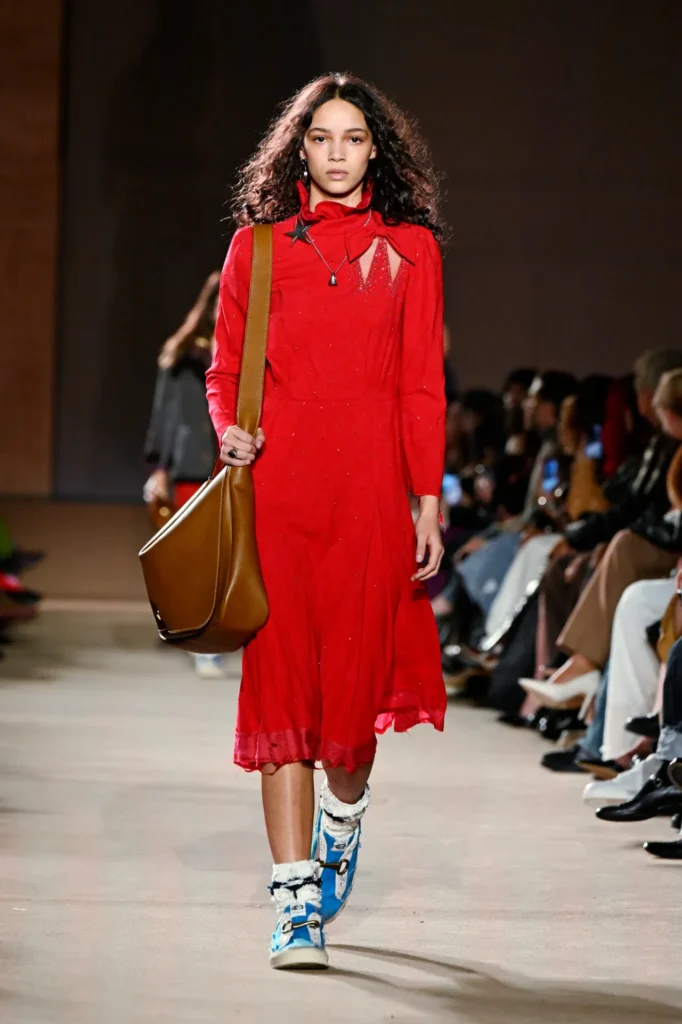
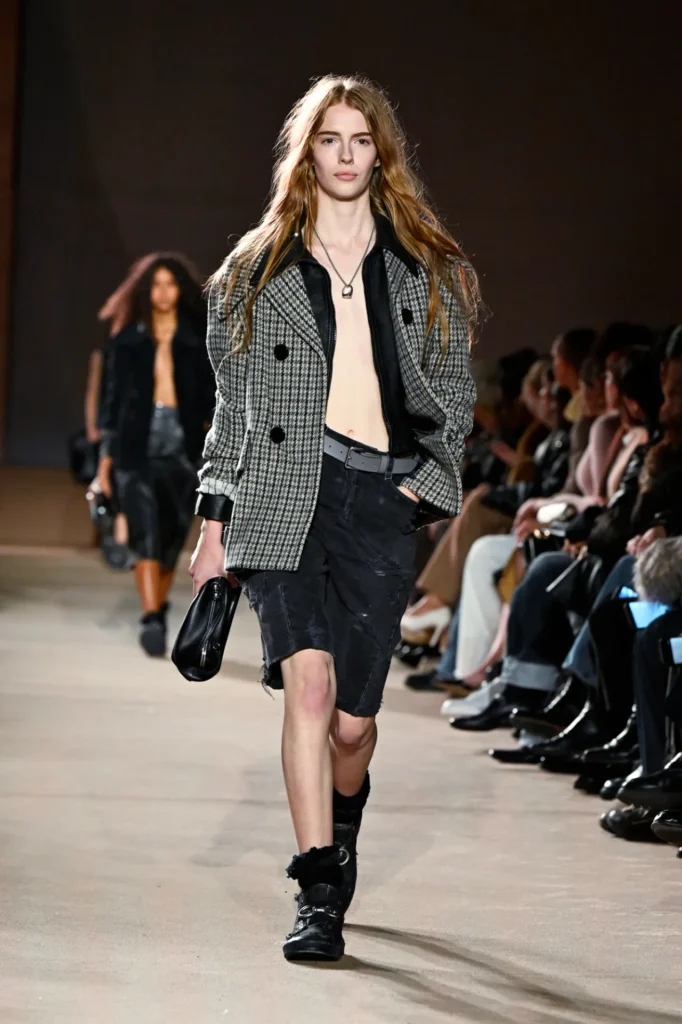
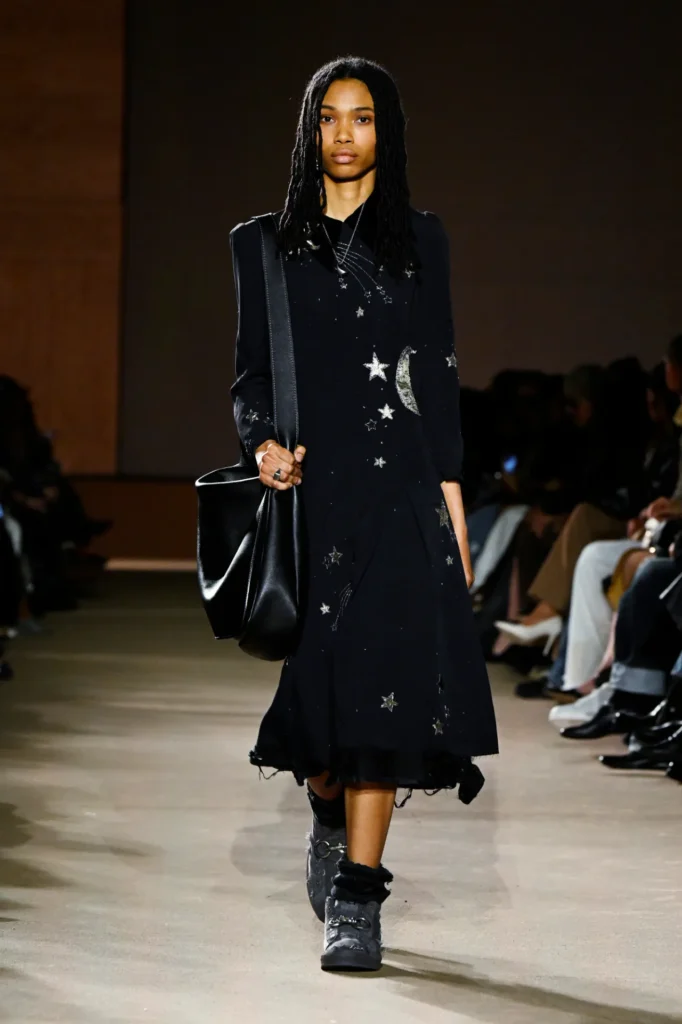
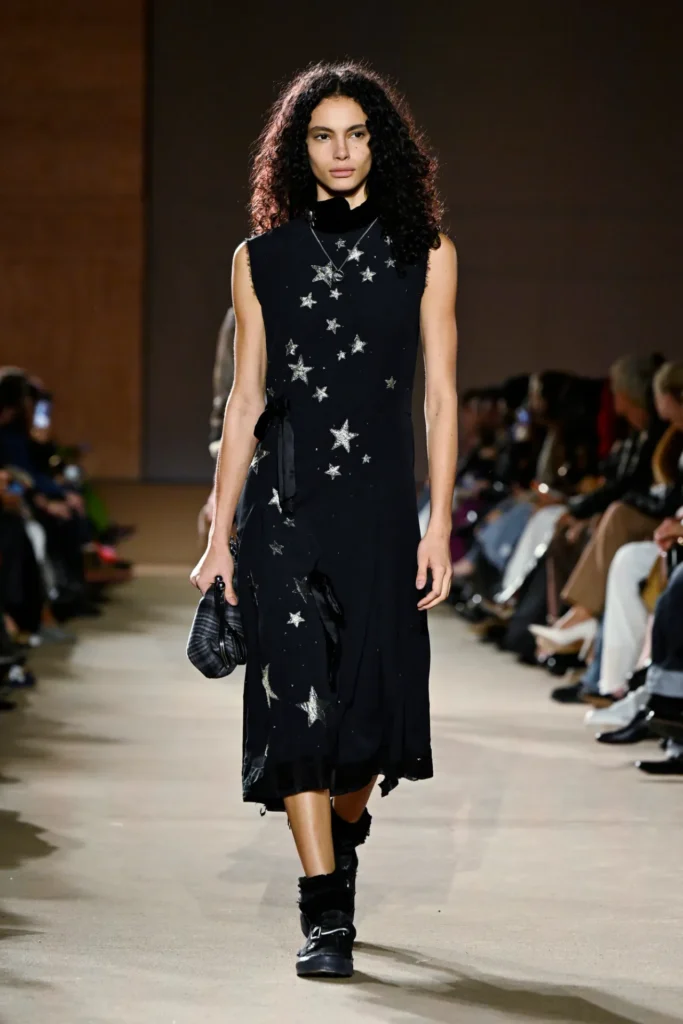
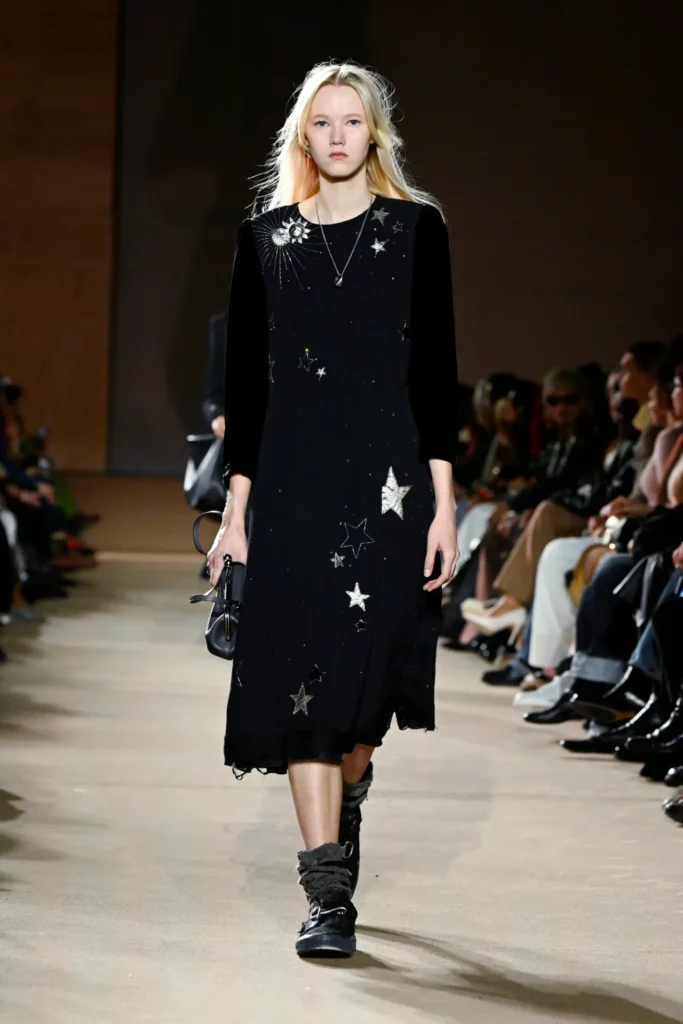
At the helm of one of America’s most storied houses, Stuart Vevers continues to reinterpret national identity through a distinctly youthful lens. For Fall 2026, the Coach creative director filtered punk irreverence through an unexpected source: The Wizard of Oz, reframing its Technicolor fantasy against a backdrop of ‘70s counterculture grit.
“Youth is always changing,” Vevers noted backstage—a sentiment that has long guided his tenure. Rather than chase Gen Z, he observes how they actually dress: vintage, upcycled, instinctive. This season, he sharpened that dialogue into a collection that felt scavenged, spliced, and defiantly personal.

Nearly every look carried the patina of something thrifted and treasured. Denim shorts were patched with repurposed scraps; slim tailoring was pieced together from mismatched plaids, edged with flashes of leather at collars and cuffs. Jersey number tees, gray-washed denim, varsity knits with invented mascots, and plaid slip dresses collided across eras. The effect was nostalgic but not sentimental—sepia tones met jolts of saturated color, echoing the shift from black-and-white Kansas to Oz.

Sustainability remained embedded in the process. “The runway is a laboratory,” Vevers said, describing experiments that may not all reach production but seed broader ideas. At Coach, upcycling isn’t aesthetic garnish; it’s structural. Even the bags nodded to Americana ephemera, including designs crafted from repurposed baseball gloves.
A classic peacoat and duffle coat were grounded with new skate-inspired sneakers finished with metal hardware in place of laces—polished rebellion.

Accessories will likely drive the season. A new leather messenger bag was stripped to its essence, free of embellishment, its craftsmanship exposed. An east-west shoulder bag, clutched tightly underarm, carried a worn-in feel that matched the scuffed skate shoes.

Carolina Herrera Fall 2026 Collection

0

Carolina Herrera Fall 2026 Collection

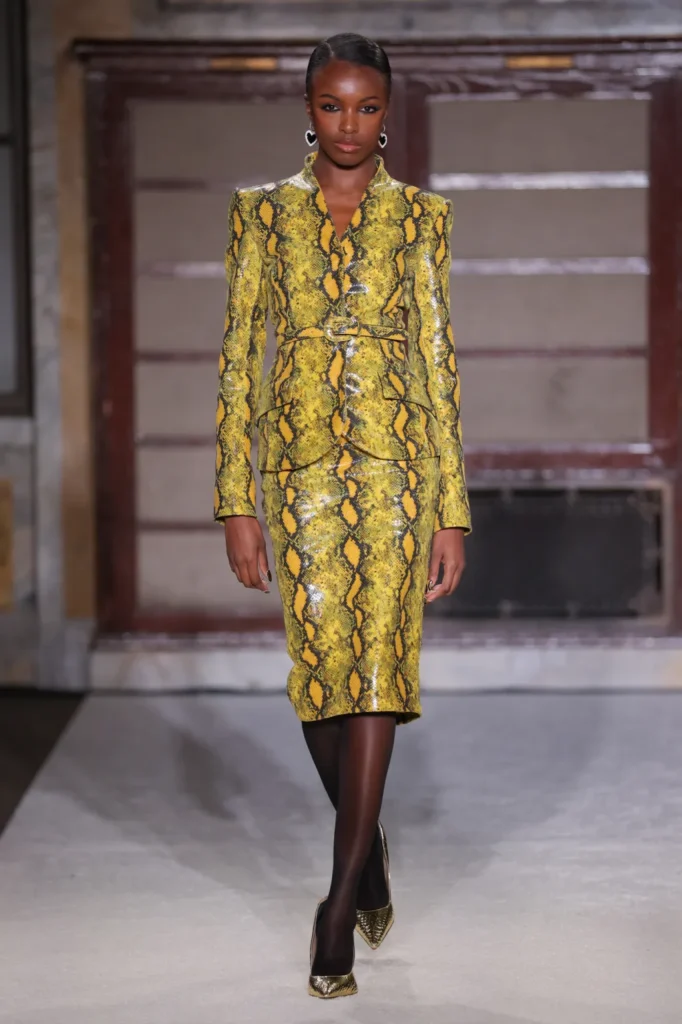
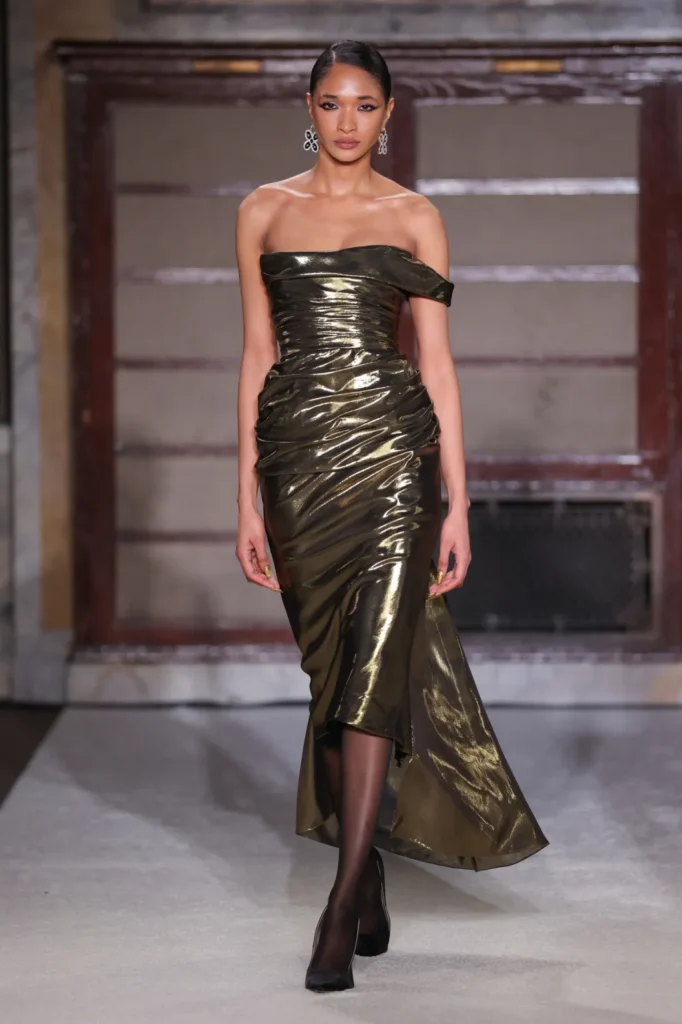
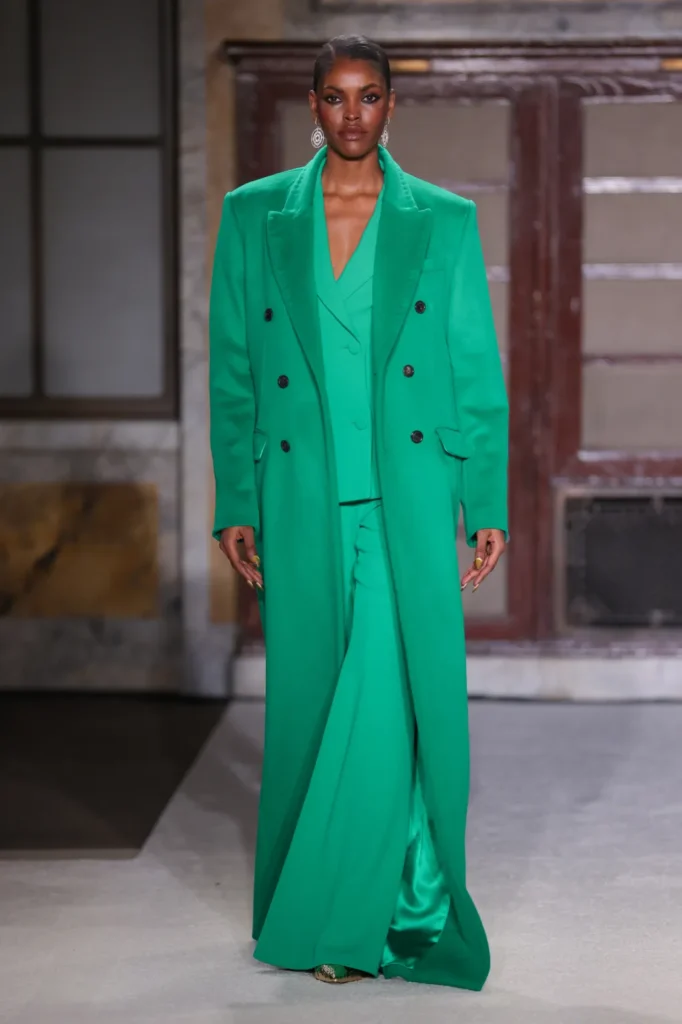
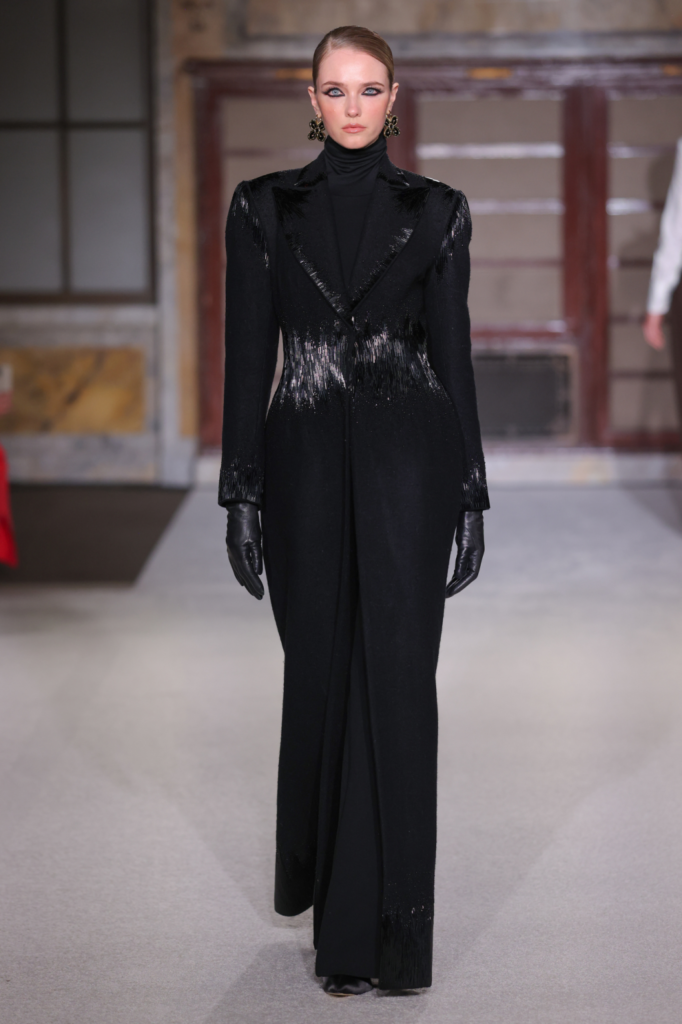
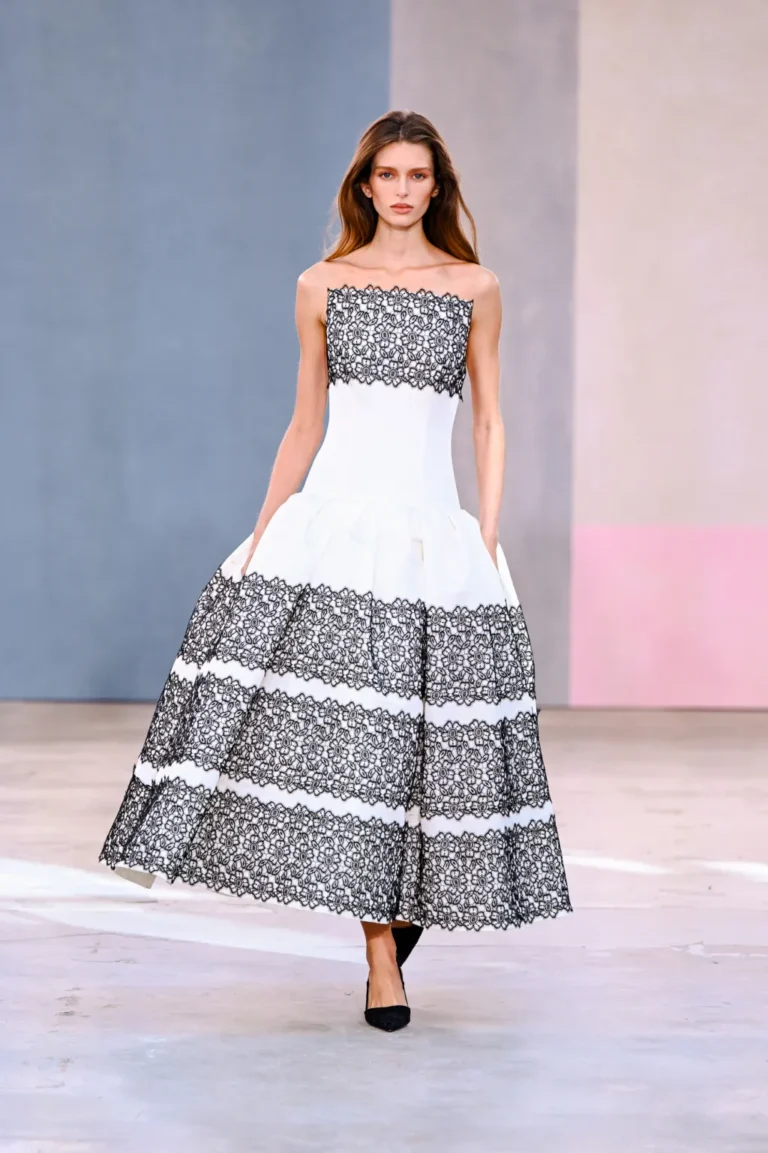
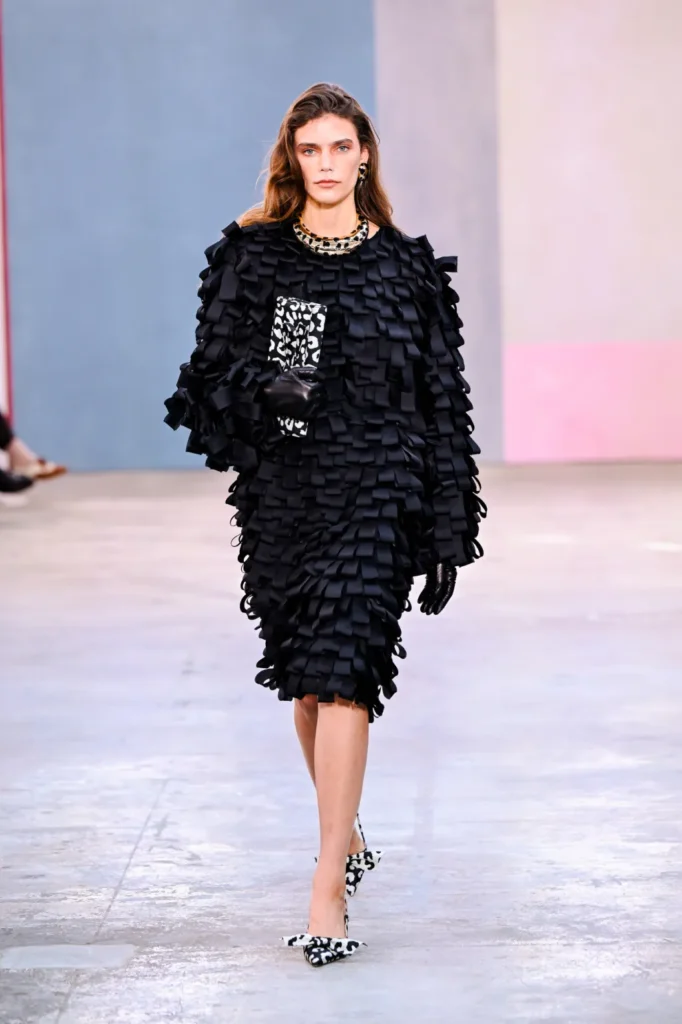
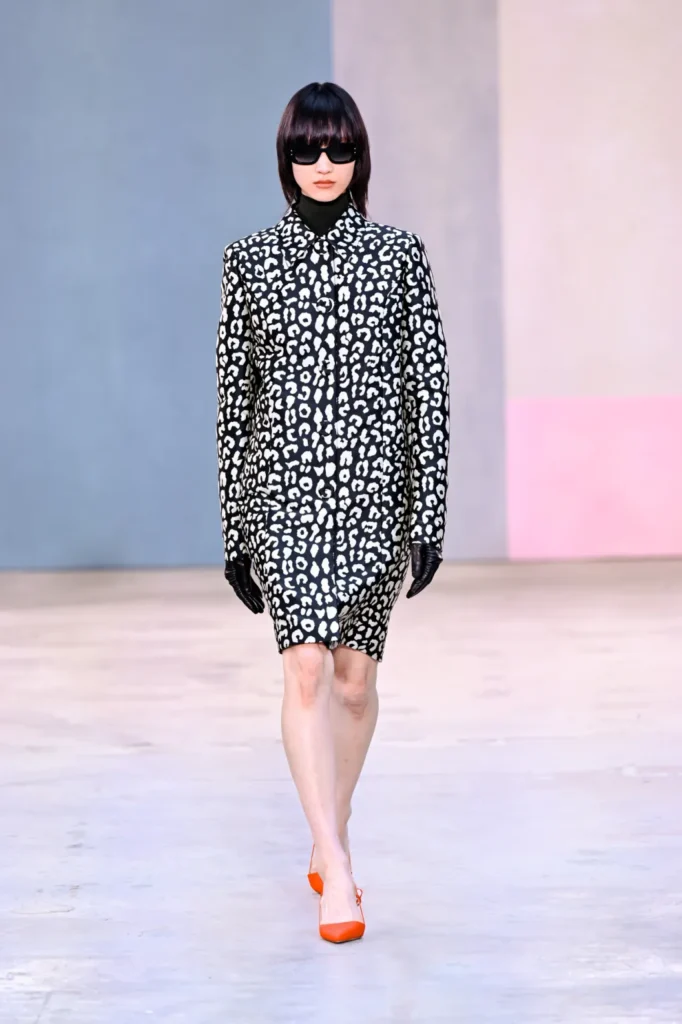
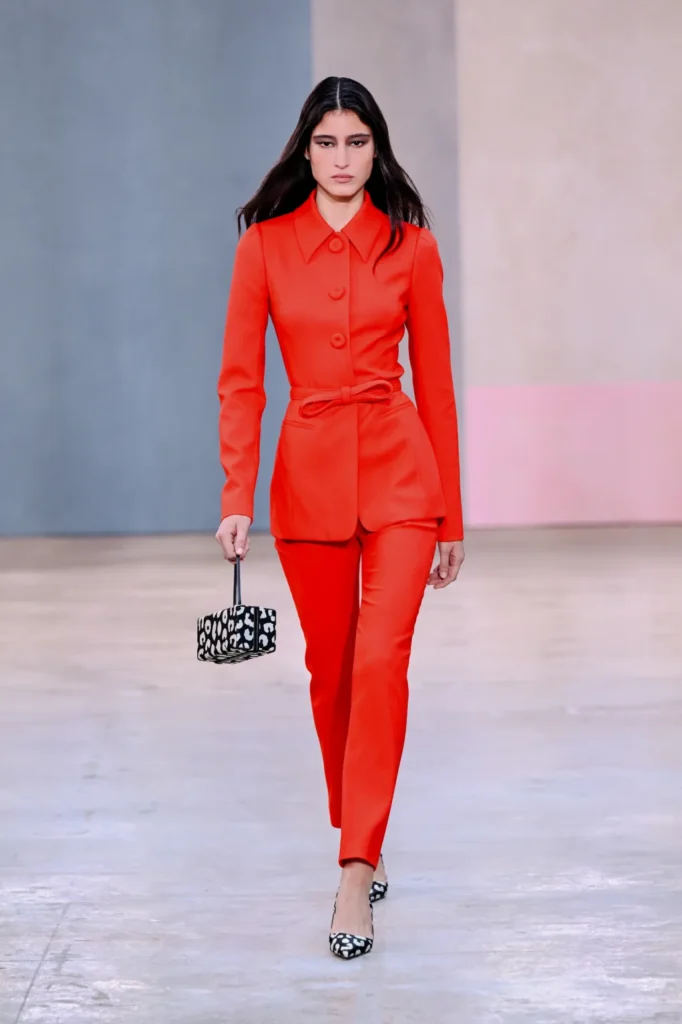
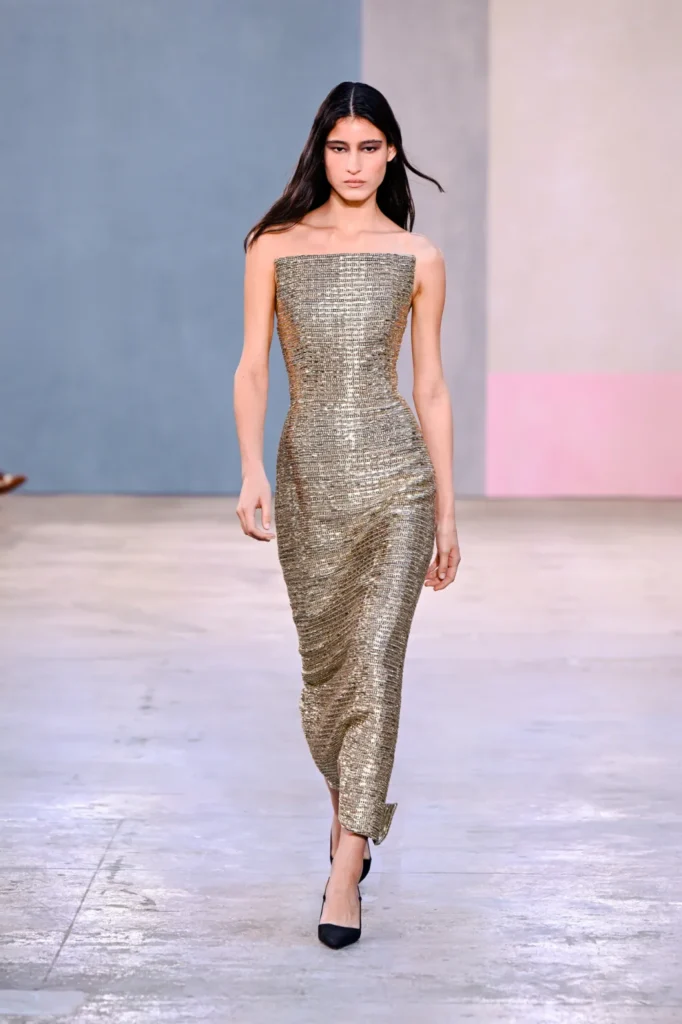
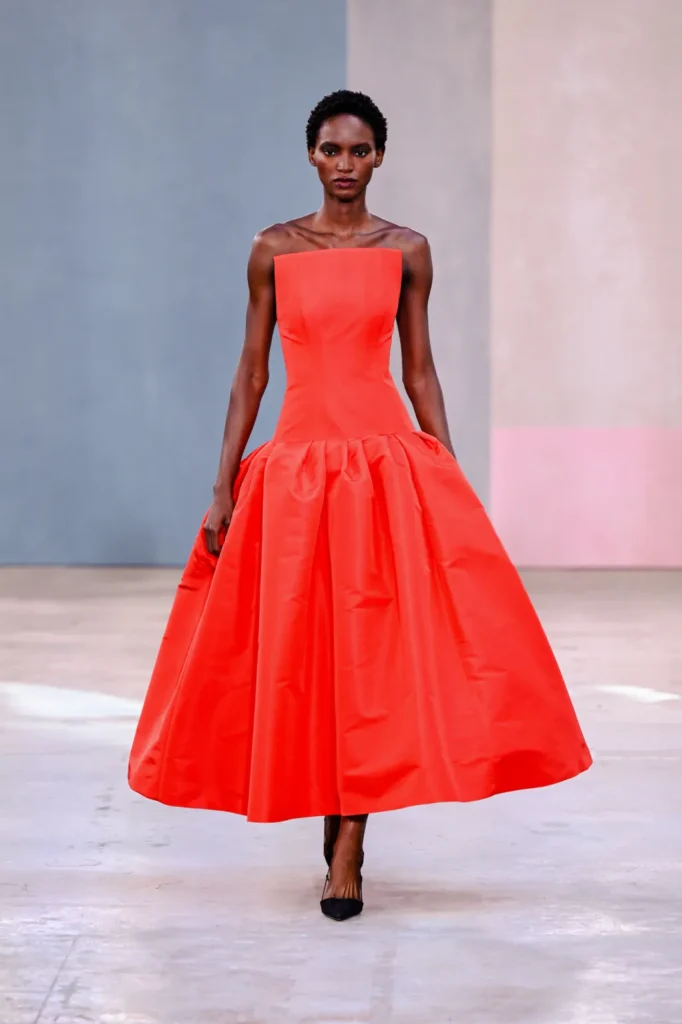
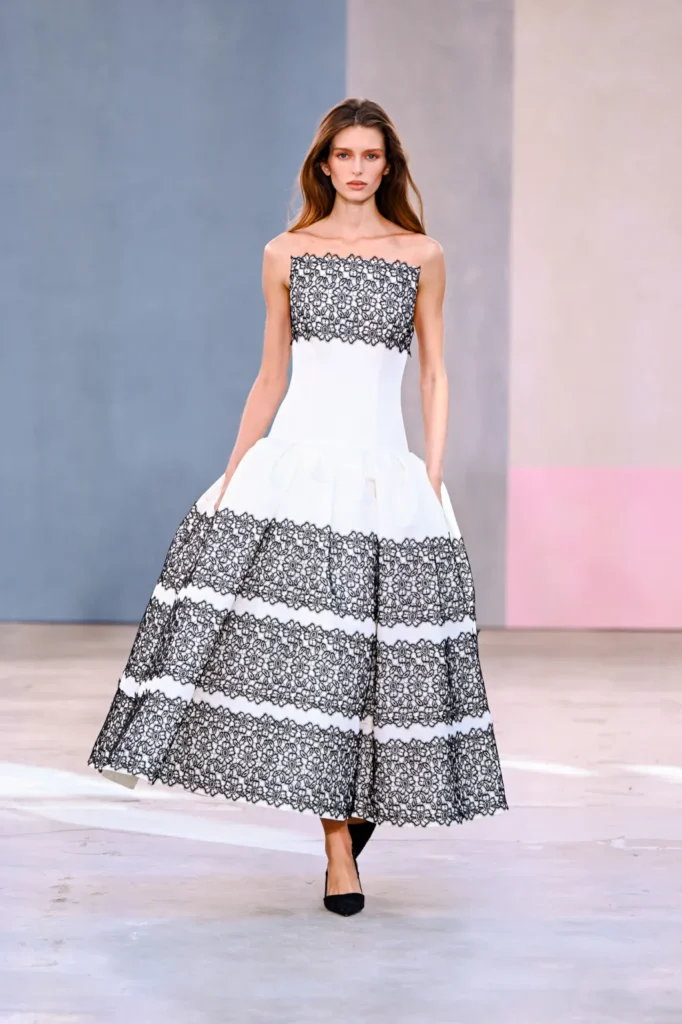
Wes Gordon returned to New York for Fall 2026 with a collection that threads haute couture discipline through contemporary ease—an homage to women artists who have shaped cultural history, often without due recognition.

After staging last season in Madrid, Gordon grounded this chapter at home, transforming a raw, sunlit space in the Meatpacking District into what felt like an artist’s studio. Scenic painter Sarah Oliphant created large-scale, hand-painted backdrops that set a tone of intimacy and intention. The guest list and runway casting reinforced the message: Amy Sherald, Anh Duong, Eliza Douglas, Ming Smith, and other multigenerational creative forces embodied the collection’s spirit.

“I’m celebrating women who have often been overlooked,” Gordon said, citing Peggy Guggenheim as a touchstone—her unapologetic style as integral to her identity as her patronage. The theme aligns with the house’s ongoing Woman in the Arts platform, but on the runway, the message was distilled into silhouette and craft.

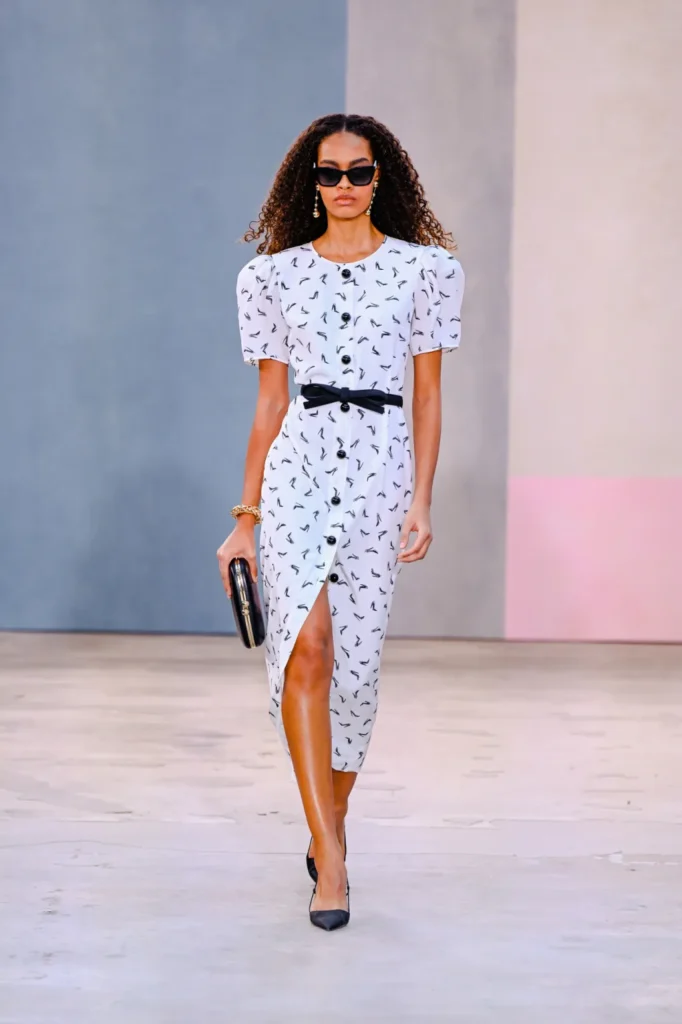
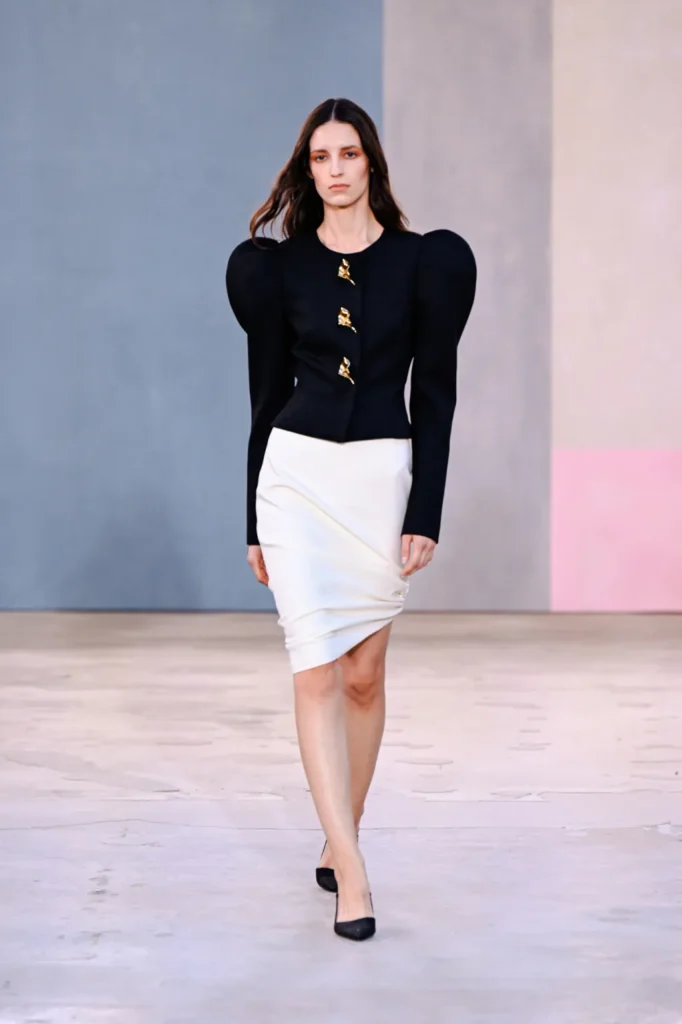
Gordon proposed a sober glamour, rooted in mid-century couture and sharpened for today. Hourglass tailoring nodded to Hitchcock heroines of the 1960s, while sculpted jackets, puffed shoulders, and tulip skirts carried an undercurrent of 1980s grandeur. Knitwear was molded rather than relaxed; printed chiffon dresses floated with controlled volume, never excess.

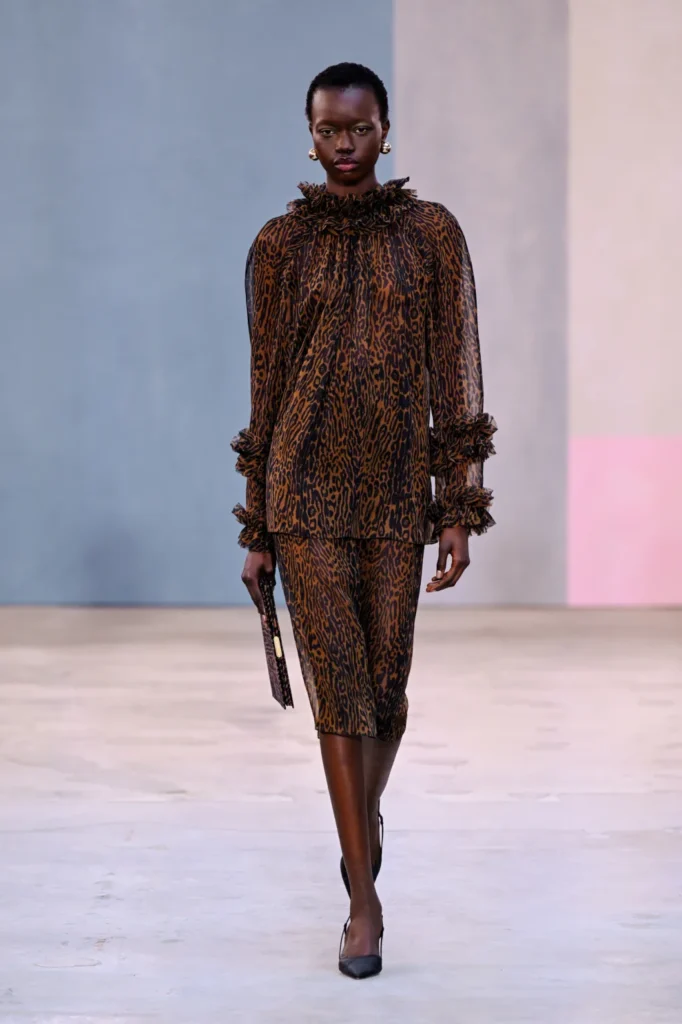
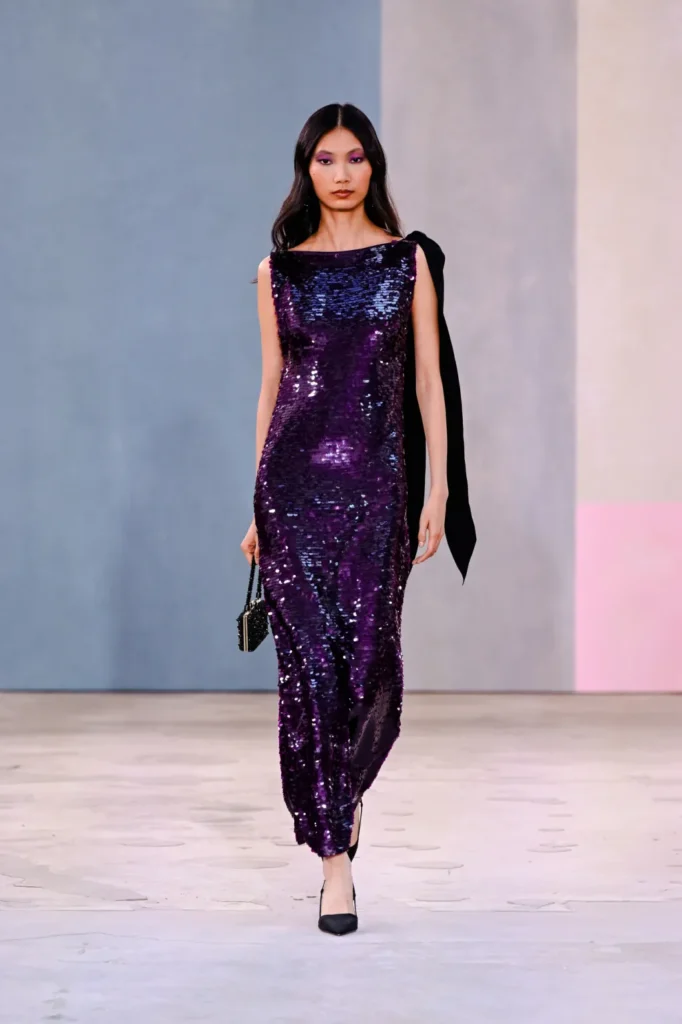
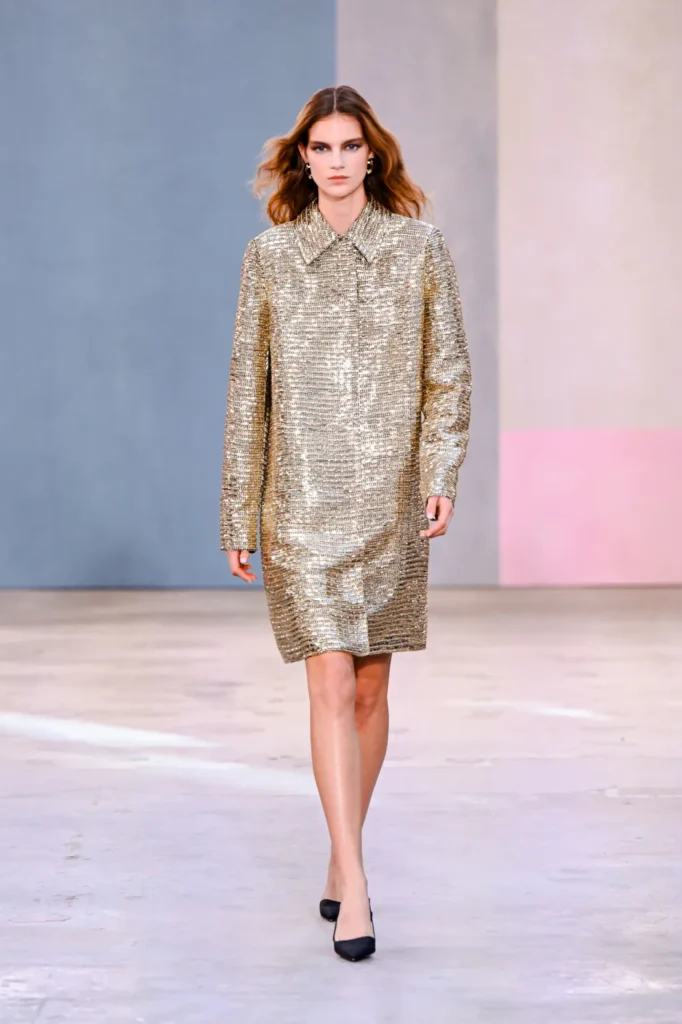
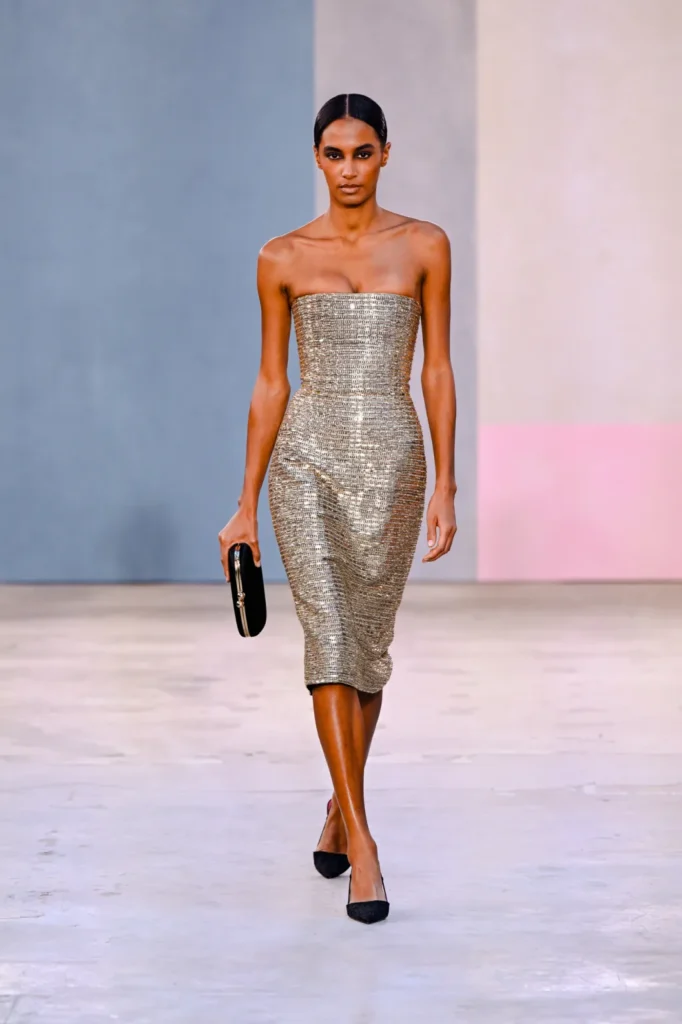
Leopard emerged as a defining motif, rendered in graphic black and white across coats, dresses, and knits. Pencil skirts hit just below the knee—slightly shorter than seasons past—signaling a subtle recalibration of proportion. Eveningwear leaned into opulence with restraint: a tiered gold dress and matching coat cut with softened structure; sequined knit gowns in saturated green and violet that shimmered without stiffness. A modern-day Capote Swan would find her uniform here.

A sketched stiletto motif—referencing the house’s globally bestselling Good Girl fragrance, now marking its tenth anniversary—appeared on blouses and skirts, injecting wit into otherwise polished looks suited for gallery openings or corner offices.

Accessories underscored the couture inflection: bow-trimmed kitten heels, structured square bags with metallic floral hardware reminiscent of fine jewelry, and a sleek column gown punctuated with the same metal detailing.