Home Blog Page 6

Christian Siriano Fall 2026 Collection

0

Christian Siriano Fall 2026 Collection

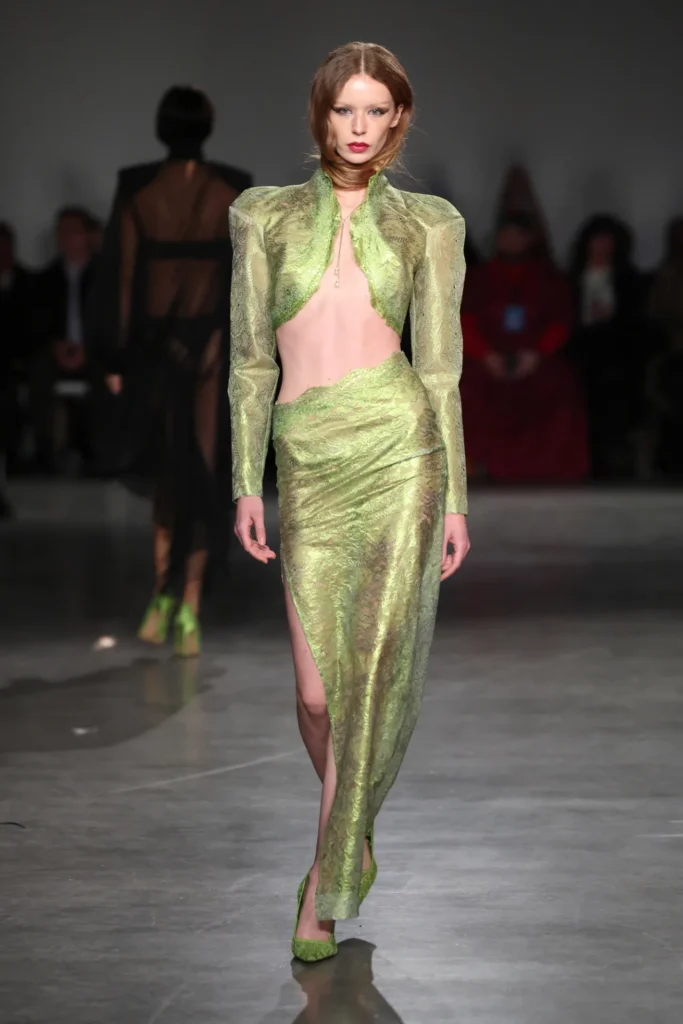
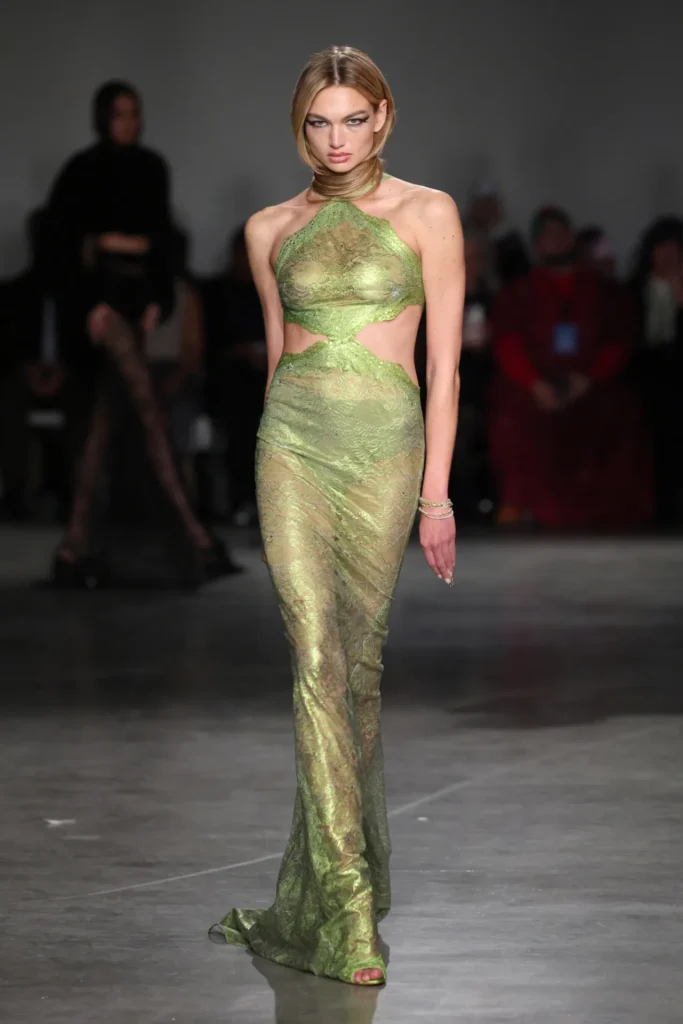
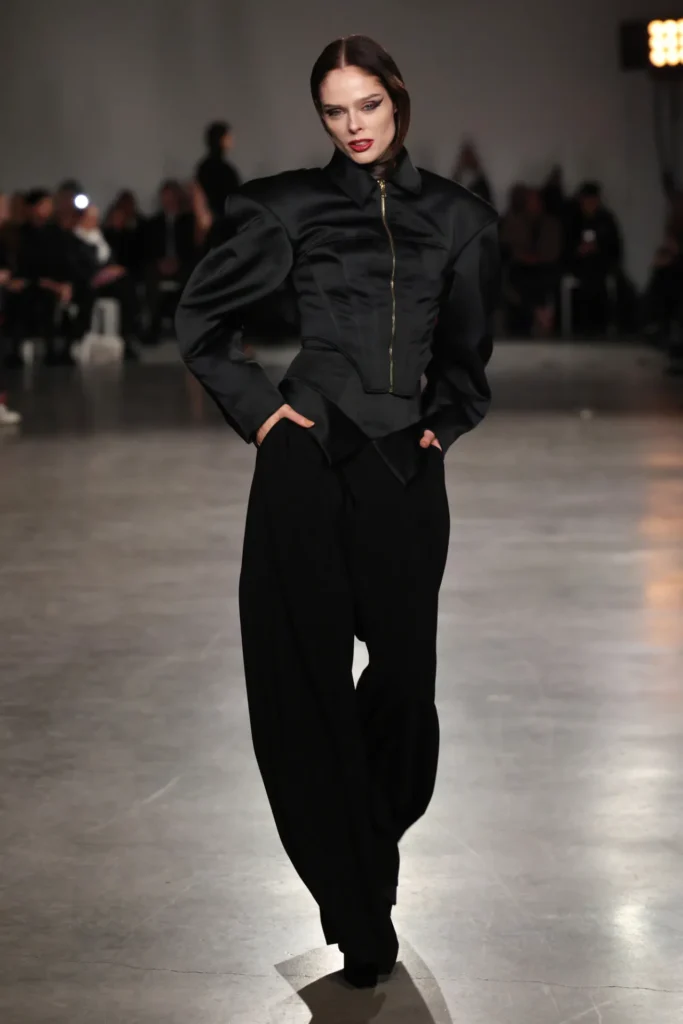
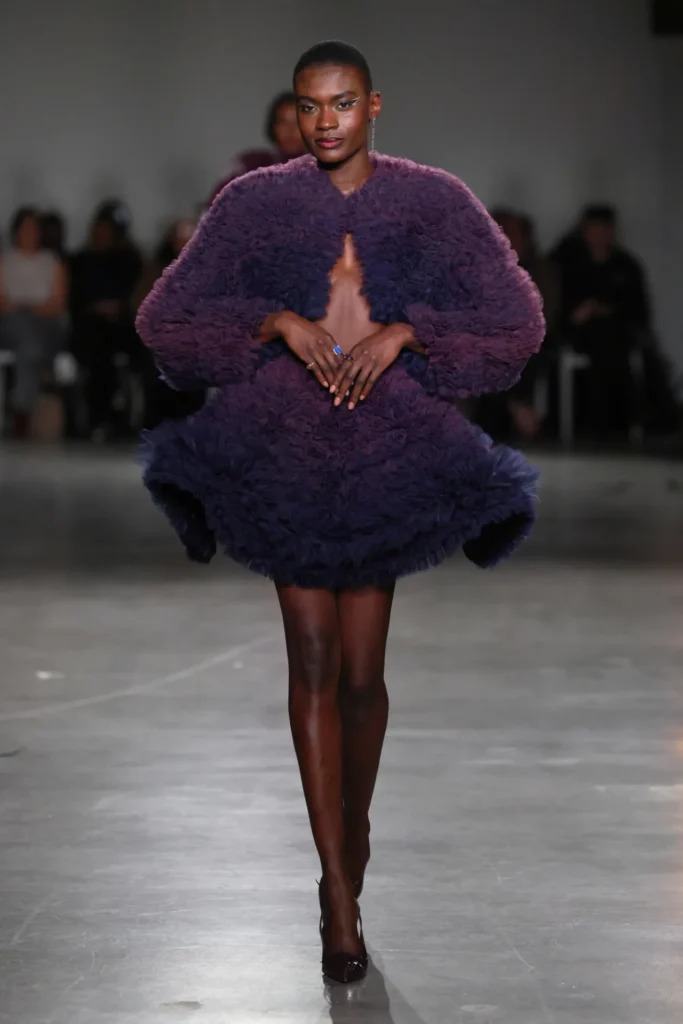
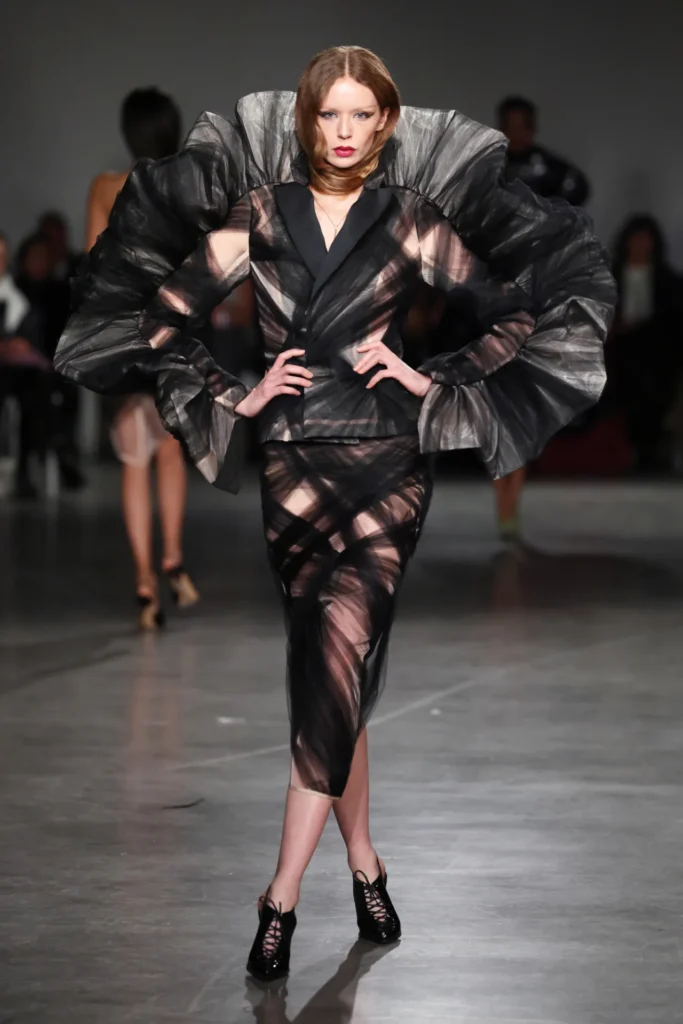
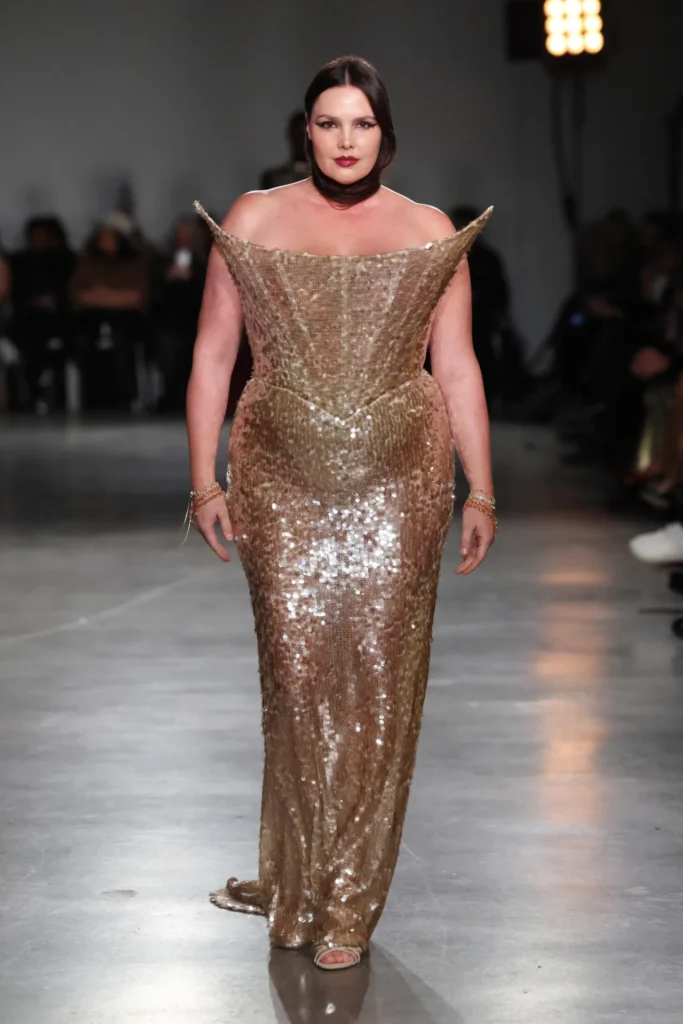
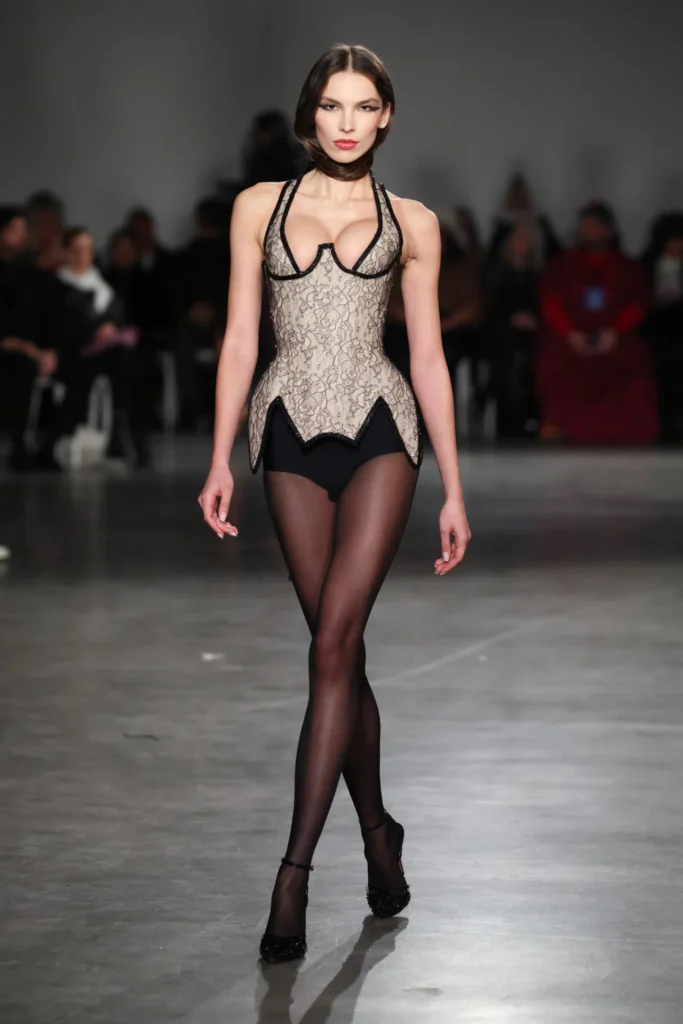
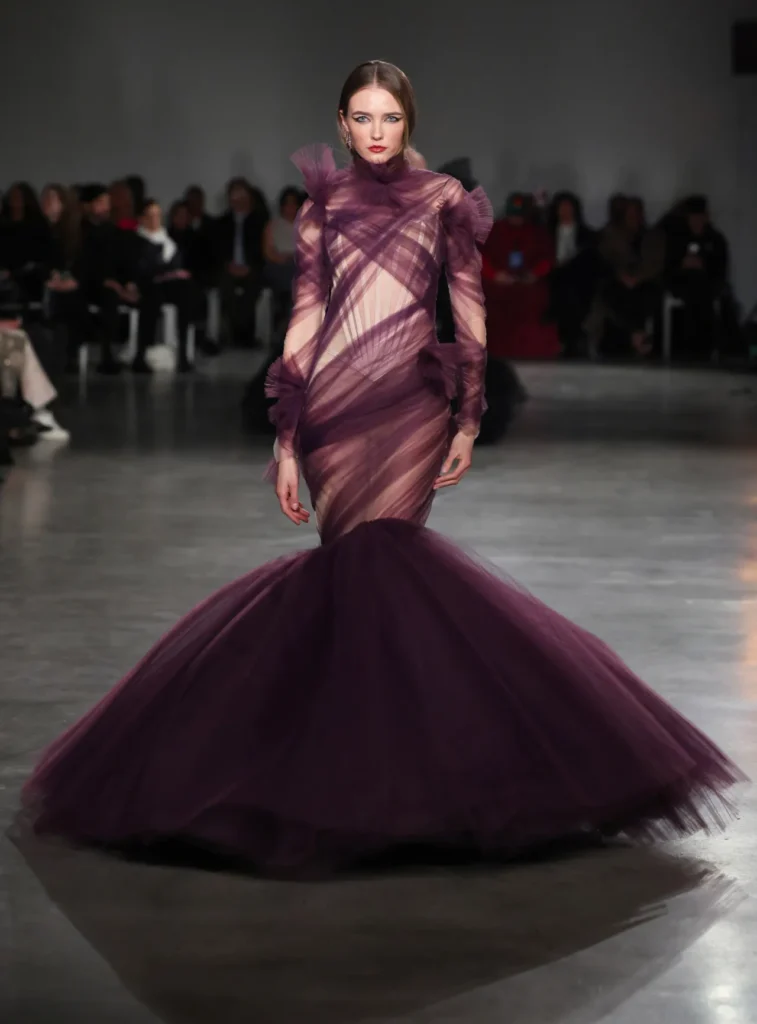
At Christian Siriano’s Fall 2026 show, reality bent—then broke—under the spell of surrealism. Drawing directly from Salvador Dalí, Siriano delivered a collection that toyed with perception, structure, and illusion, transforming the runway into a dreamscape where nothing was quite as it seemed.
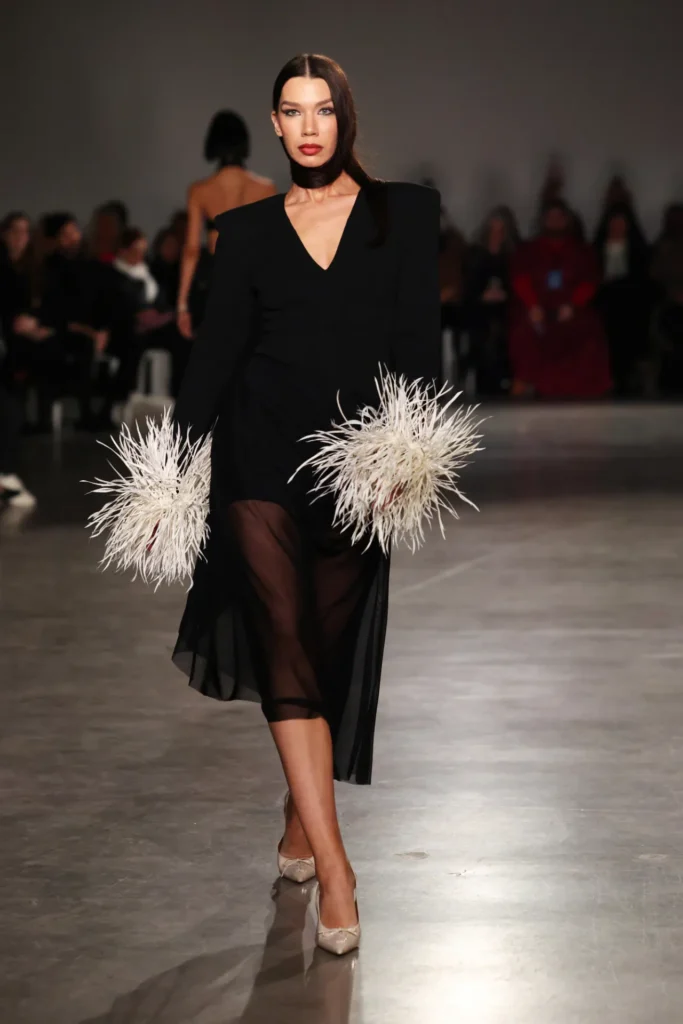
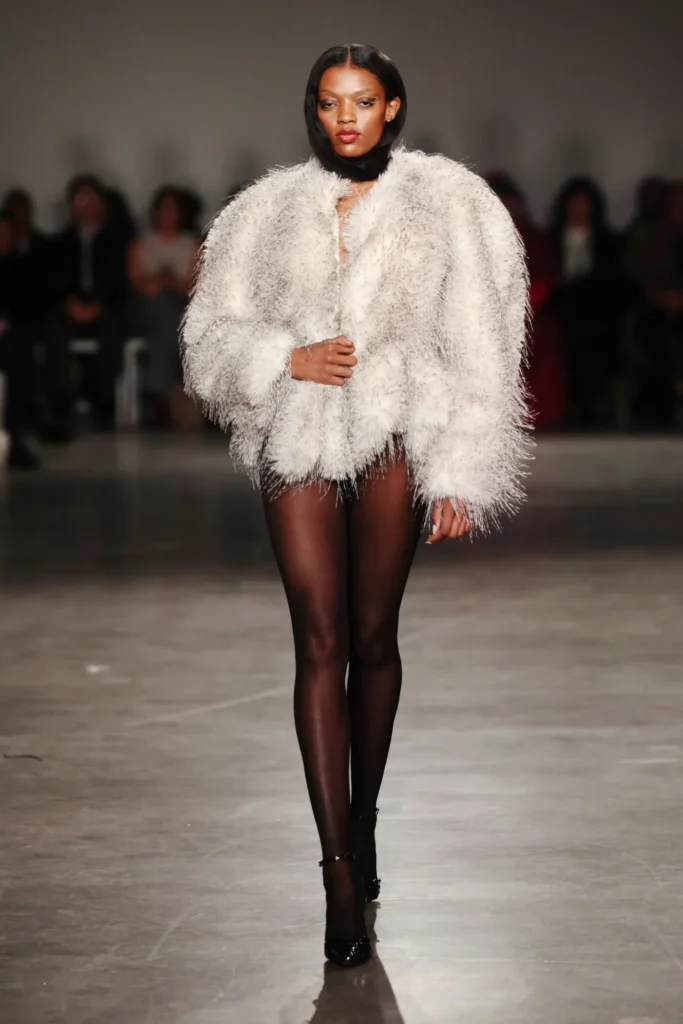
The designer leaned into escapism, exploring the tension between the conscious and subconscious. But this wasn’t costume. It was technique—executed with precision and theatrical control.
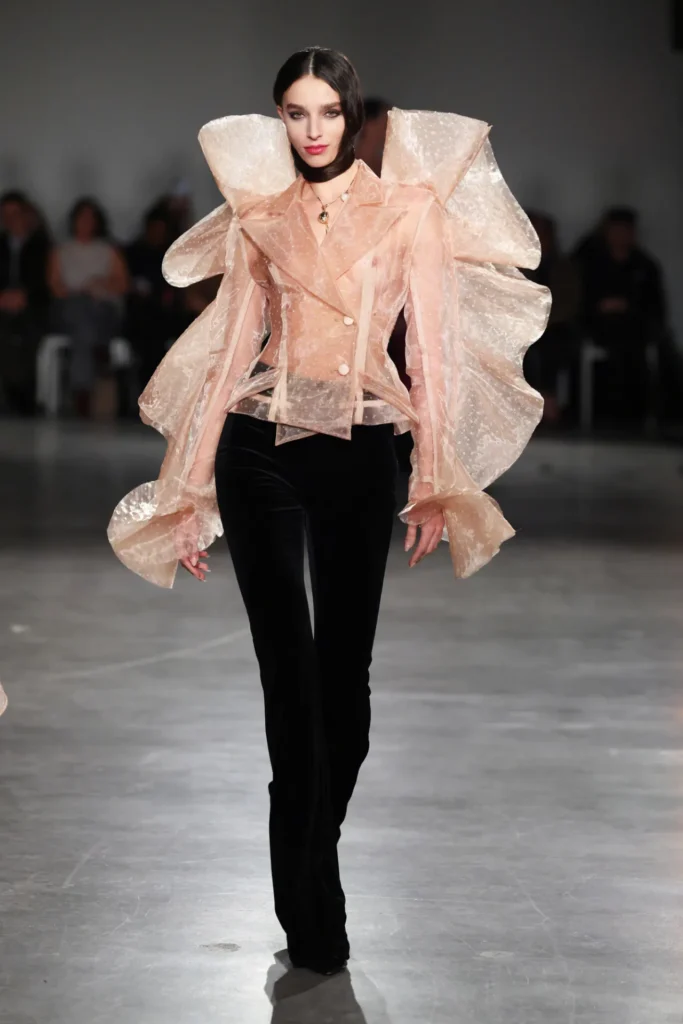
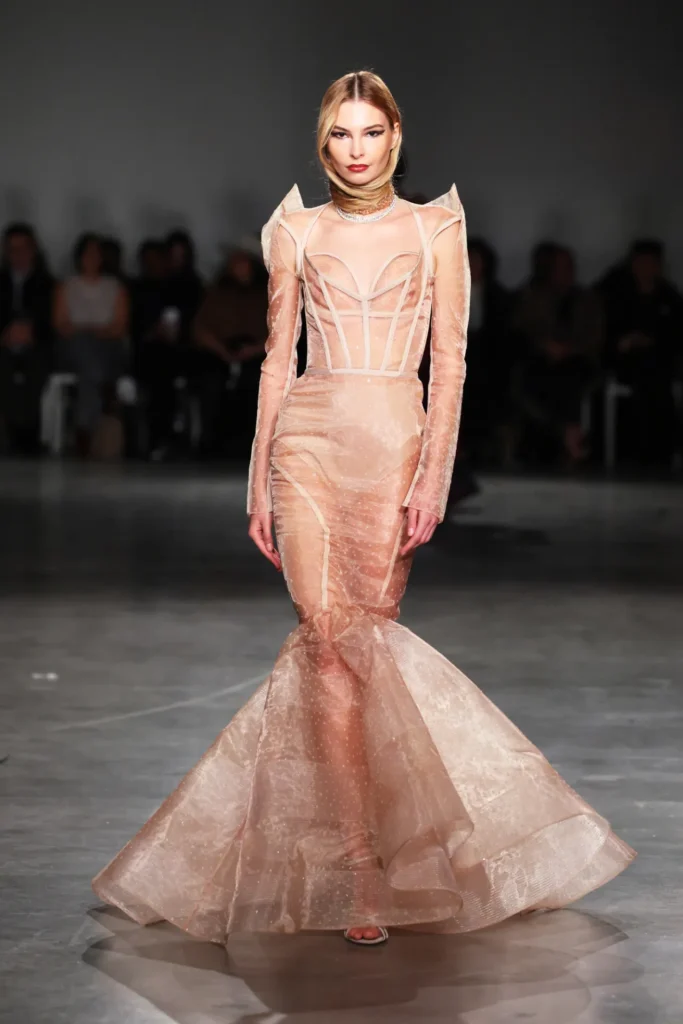
Outerwear set the tone. A sweeping coat and cropped peplum jacket appeared to be crafted from feathers, yet revealed themselves as meticulously trimmed faux fur. Elsewhere, organza boning wrapped in tulle sculpted tuxedo jackets into wing-like forms, giving architectural rigidity to fabrics typically prized for fluidity. In contrast, a severe column gown rippled with black and silver sequins, its surface engineered to move like liquid metal. A mesh bodysuit spliced at the hip created the illusion of separation, allowing the silhouette to shift with every step.
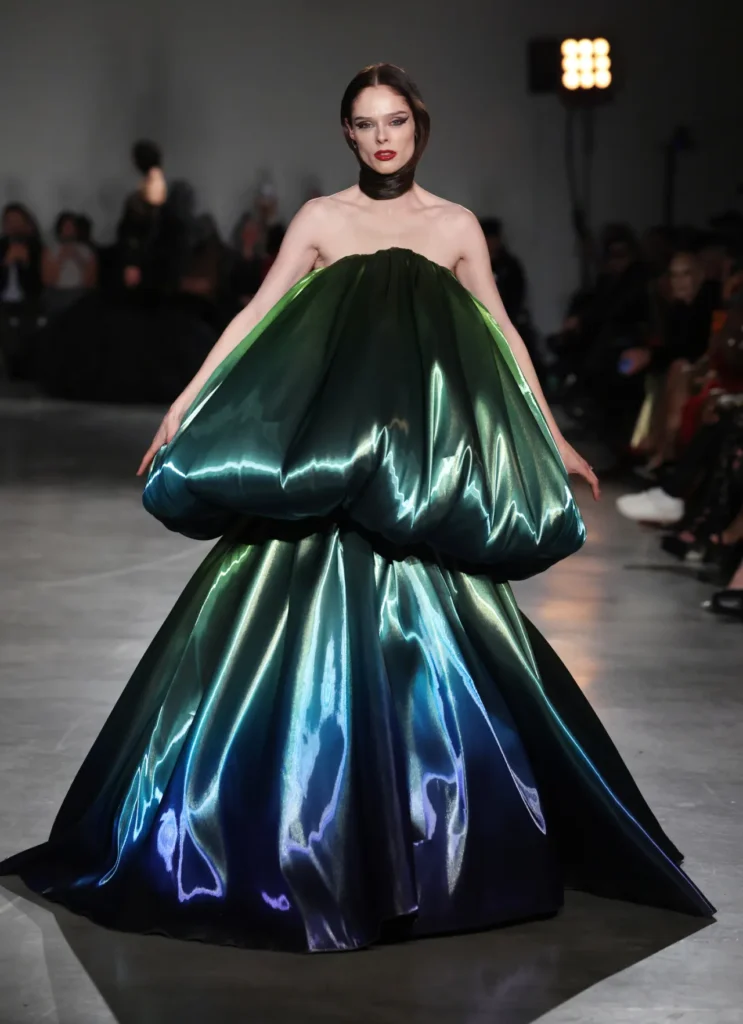
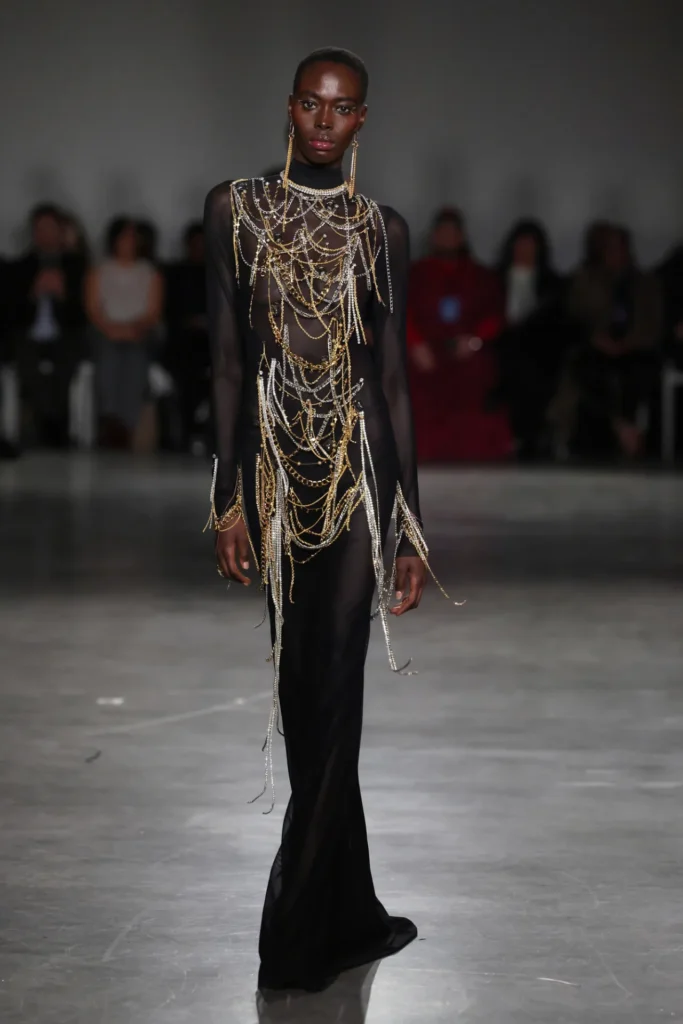
Siriano’s sleight of hand extended to fabrication. A matador-inspired cropped jacket was constructed from hand-applied floral elements woven together to simulate a continuous textile. Flamenco-inflected mermaid hems nodded subtly to Dalí’s Spanish heritage, grounding the fantasy in cultural reference.

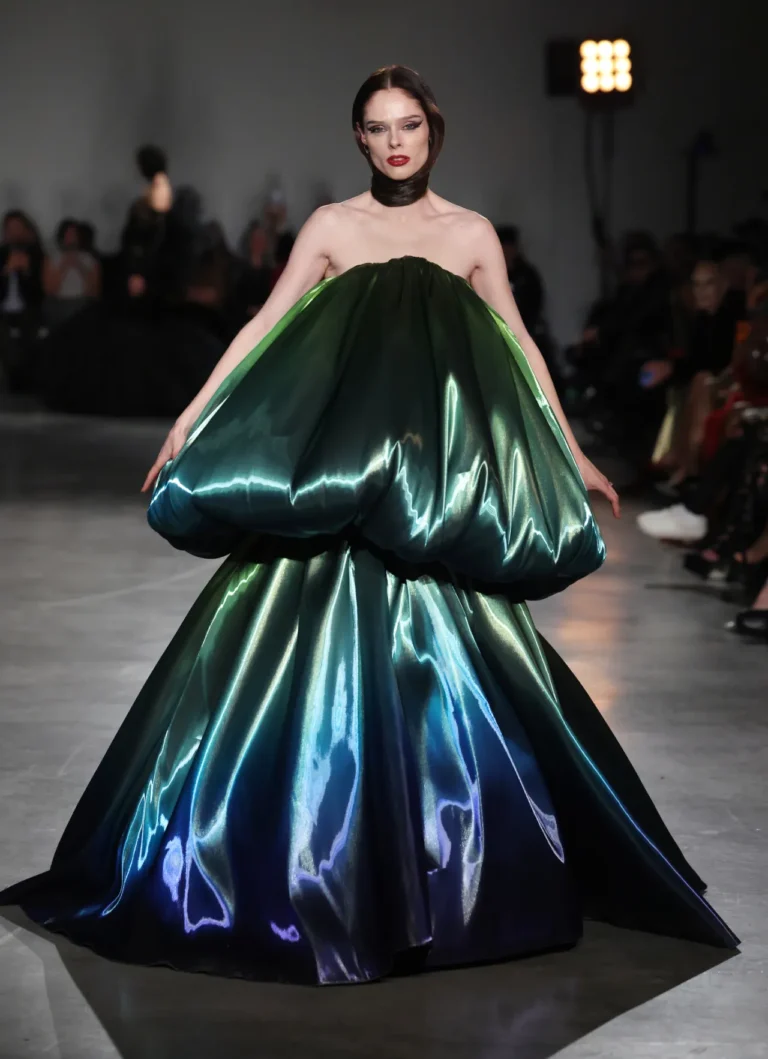
The finale distilled the theme into a single, unforgettable image. Worn by Coco Rocha, the closing look ballooned into a sculptural bubble hovering just above the knee. Its swirling palette—green, teal, cobalt—evoked the skies of The Persistence of Memory. As Rocha moved, the garment seemed suspended in time, a living echo of Dalí’s melting clocks.
Coach Fall 2026 Collection

0

Coach Fall 2026 Collection

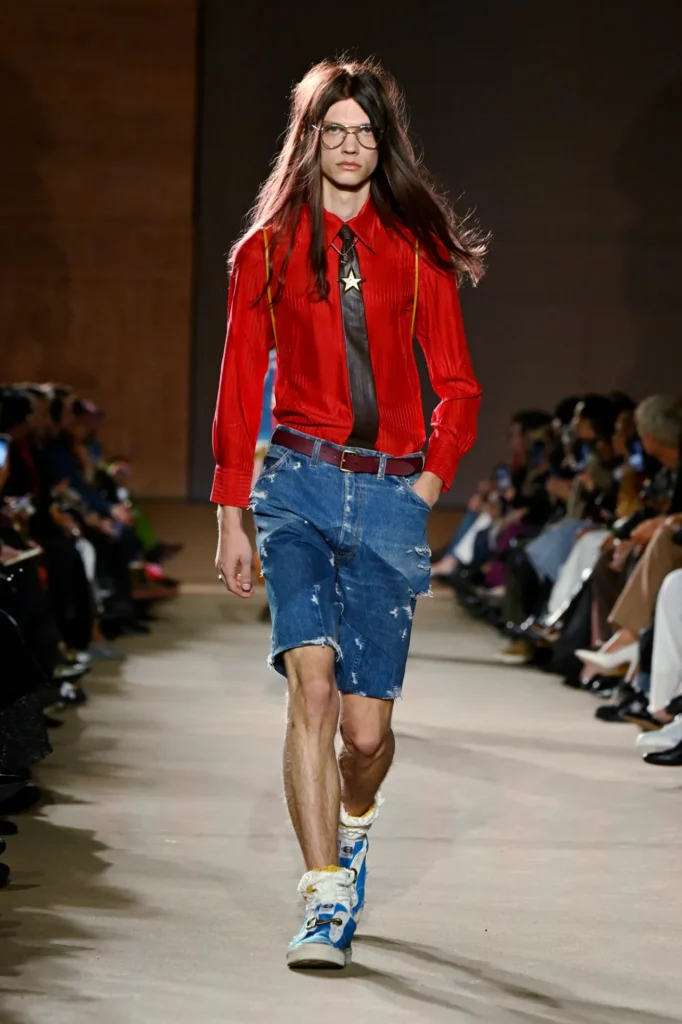
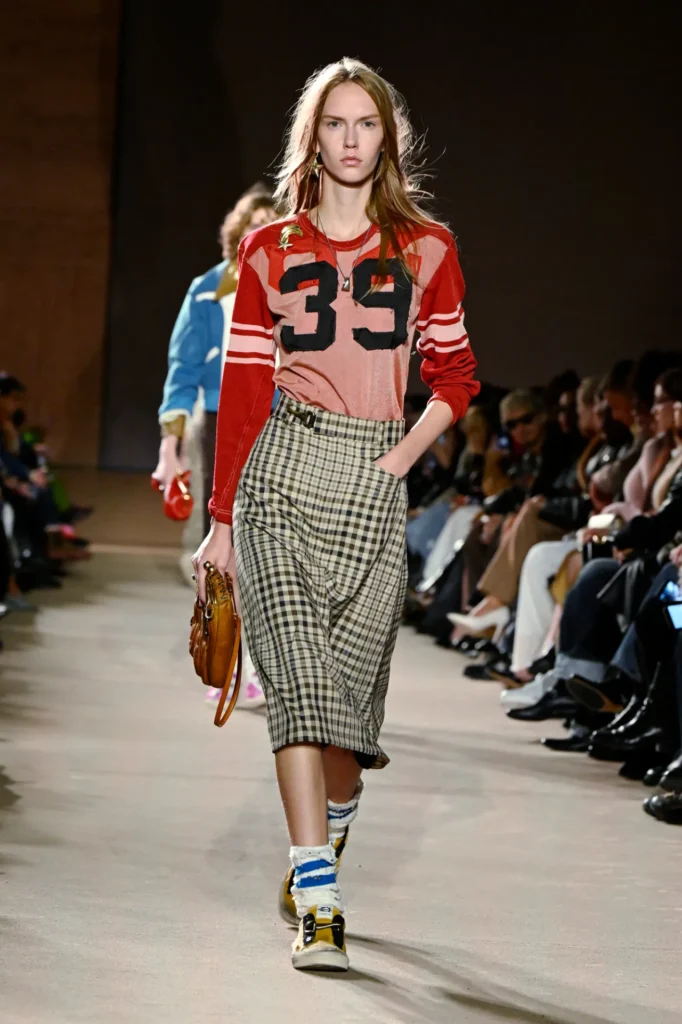
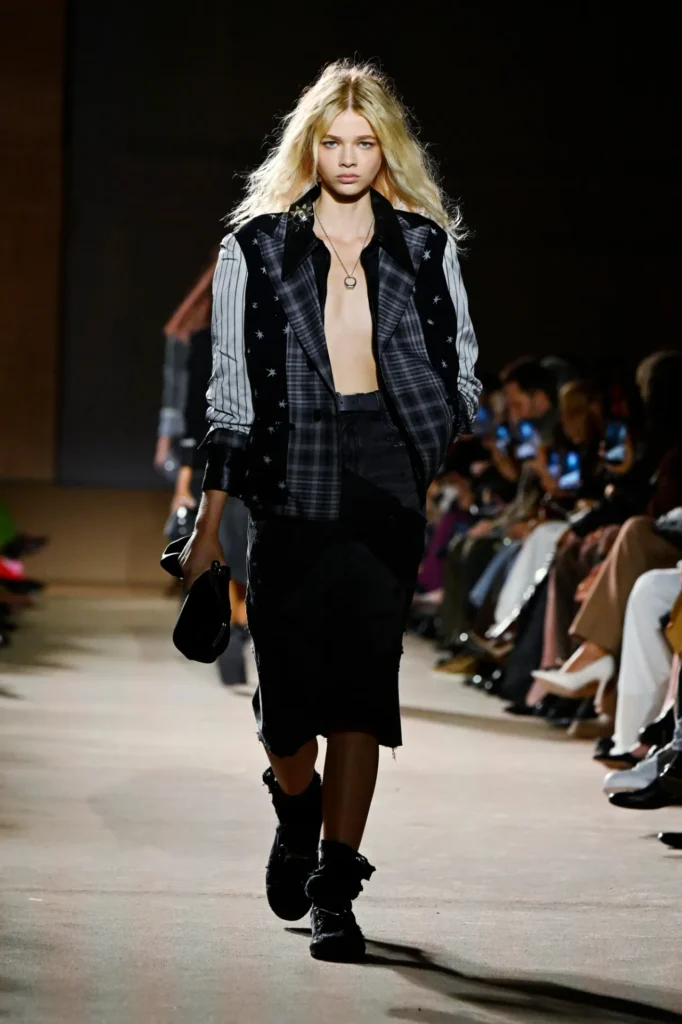
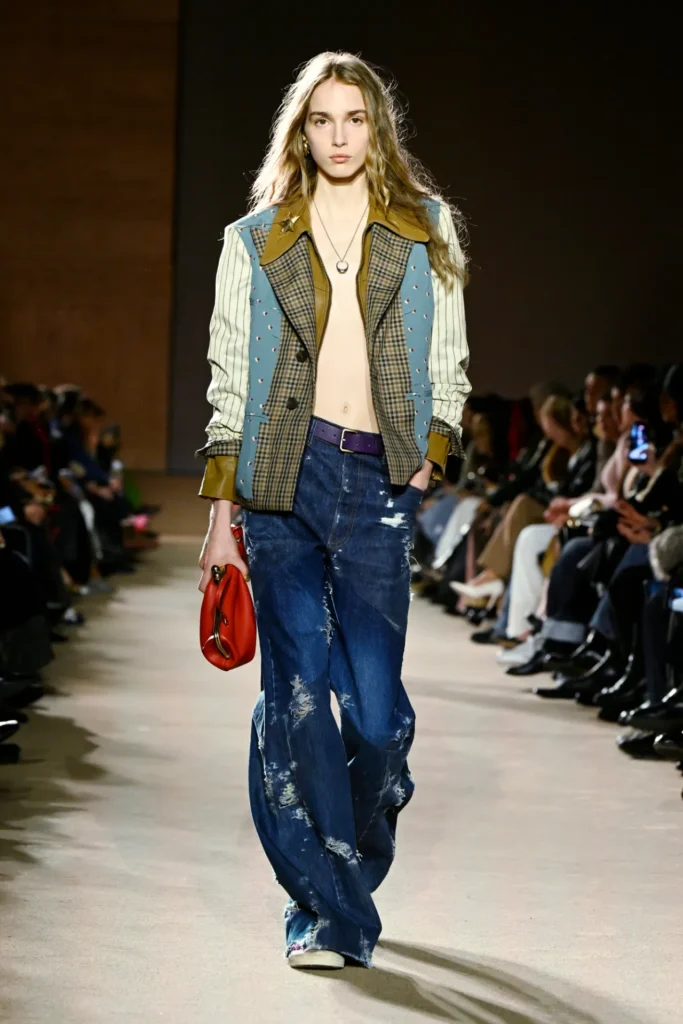
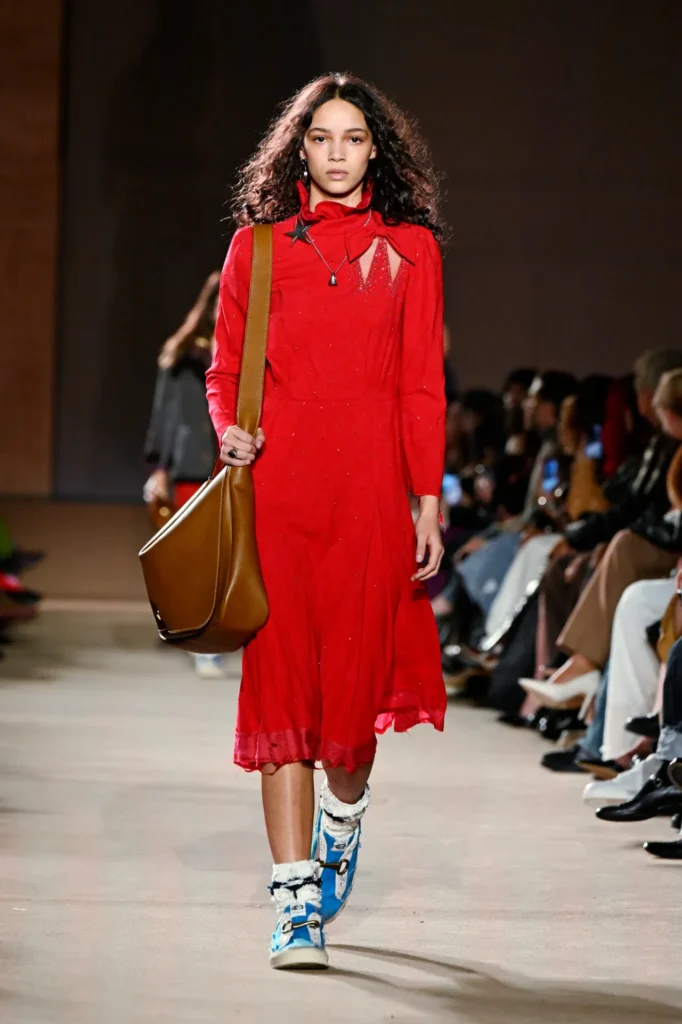
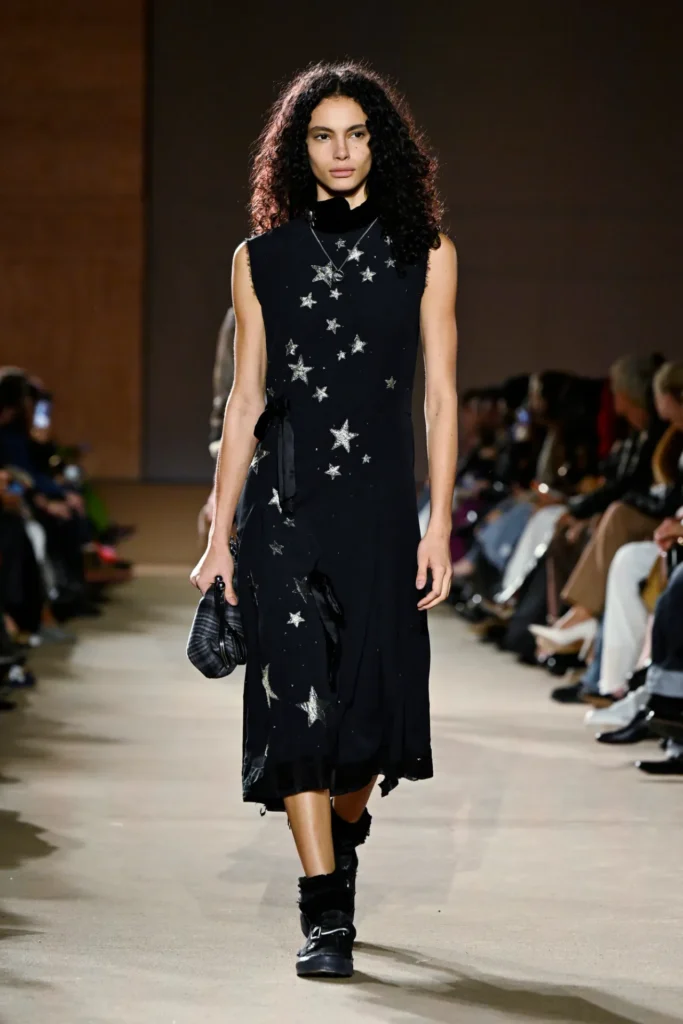
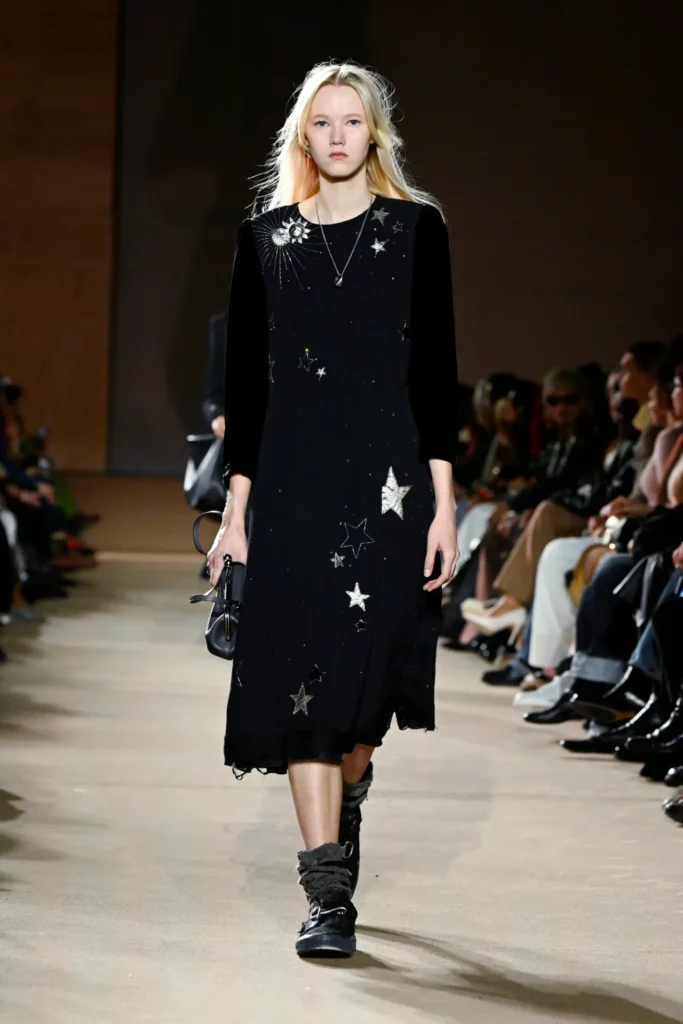
At the helm of one of America’s most storied houses, Stuart Vevers continues to reinterpret national identity through a distinctly youthful lens. For Fall 2026, the Coach creative director filtered punk irreverence through an unexpected source: The Wizard of Oz, reframing its Technicolor fantasy against a backdrop of ‘70s counterculture grit.
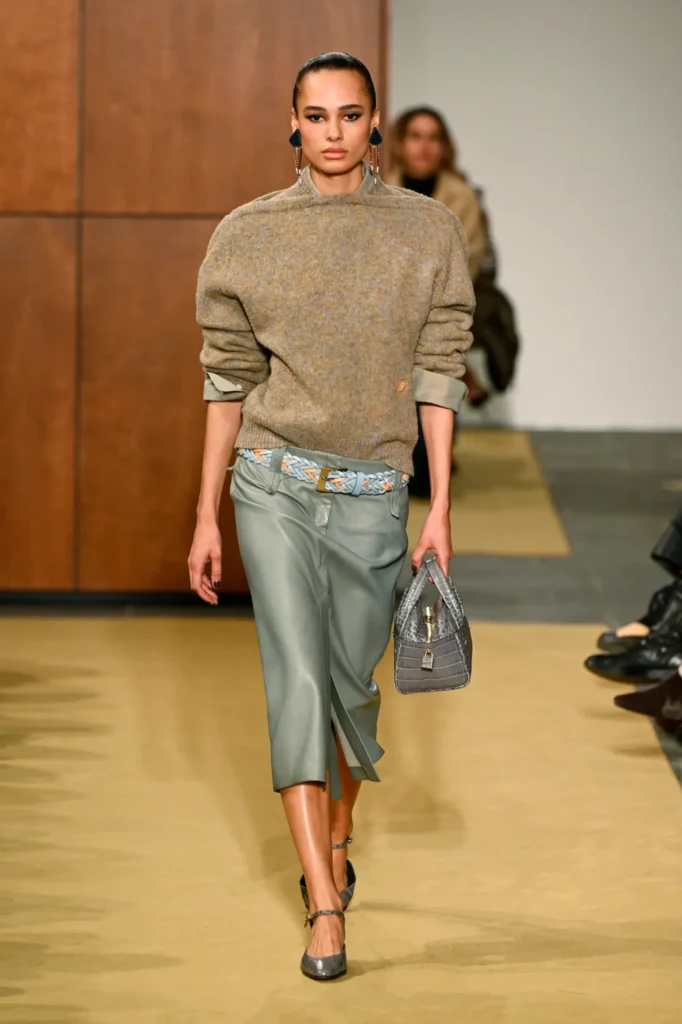
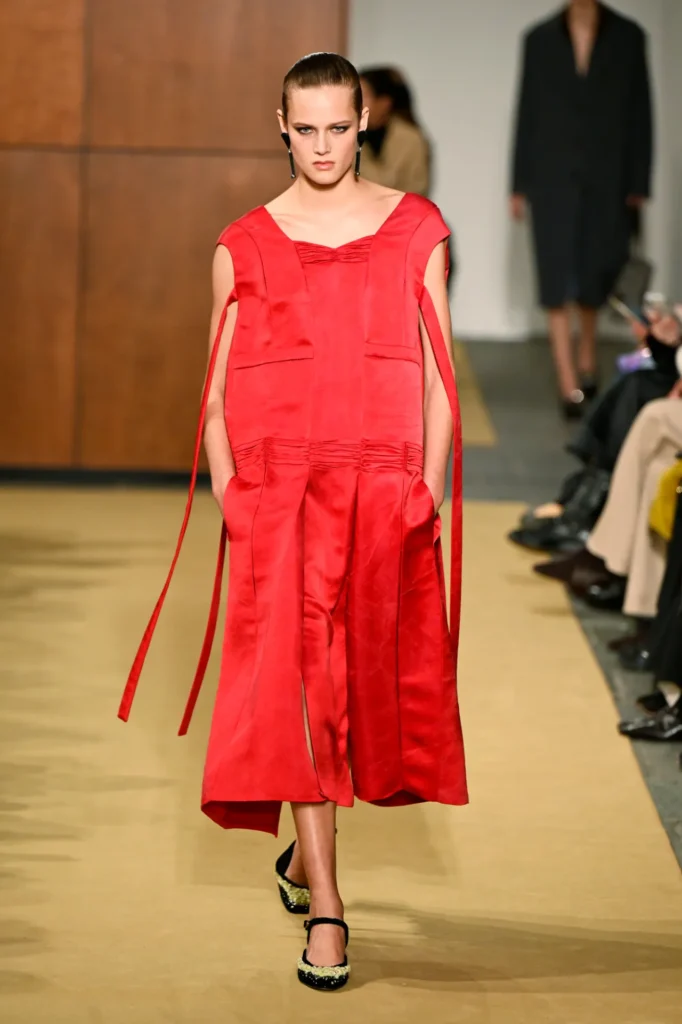
“Youth is always changing,” Vevers noted backstage—a sentiment that has long guided his tenure. Rather than chase Gen Z, he observes how they actually dress: vintage, upcycled, instinctive. This season, he sharpened that dialogue into a collection that felt scavenged, spliced, and defiantly personal.

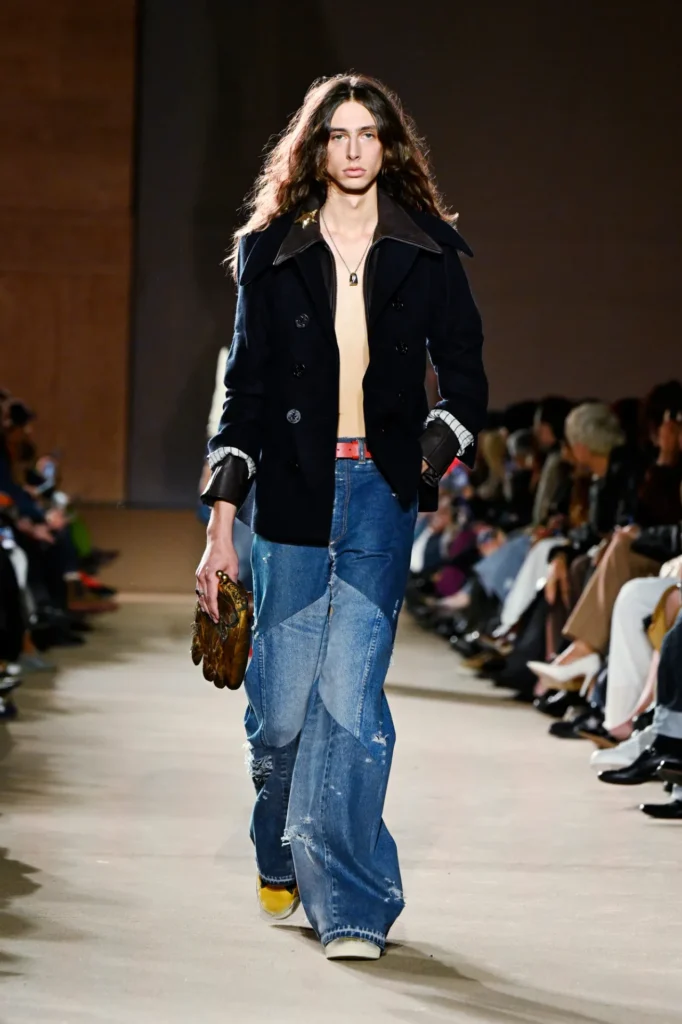
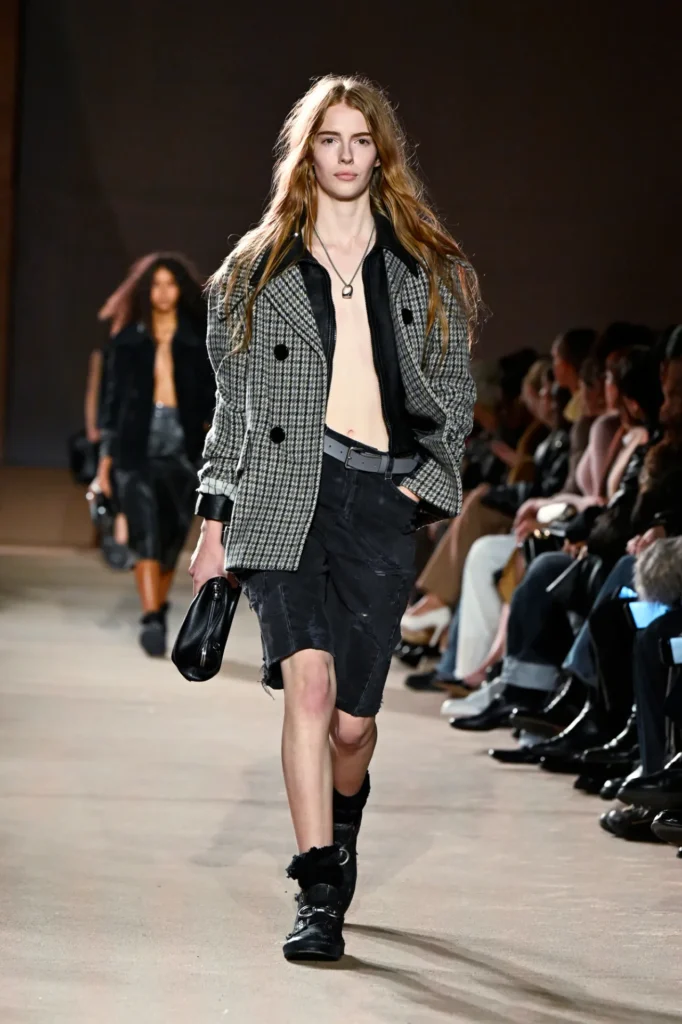
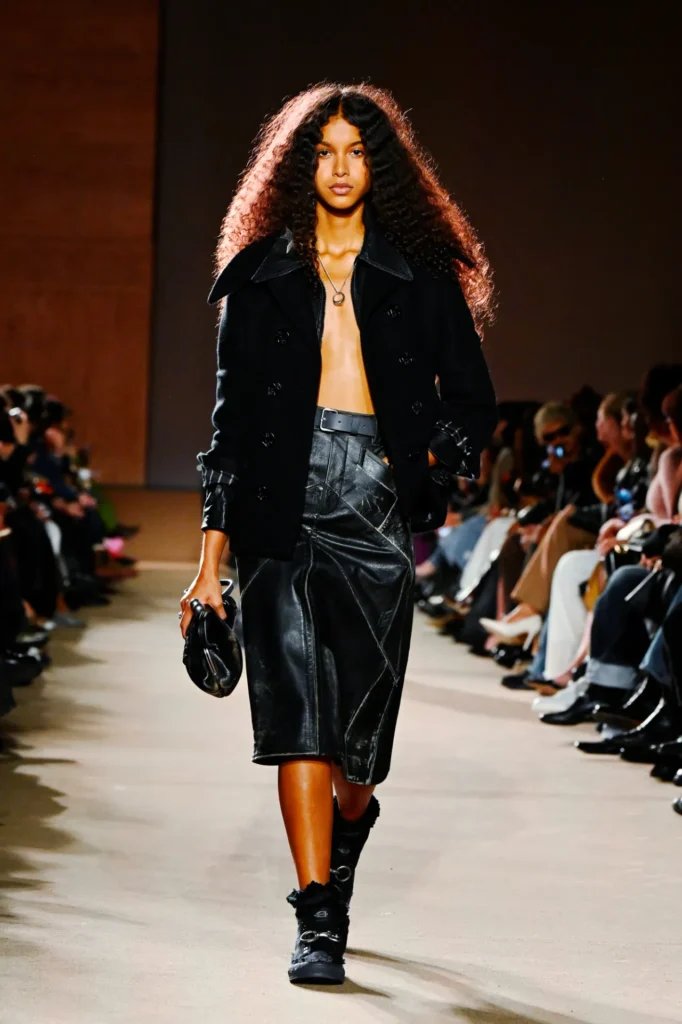
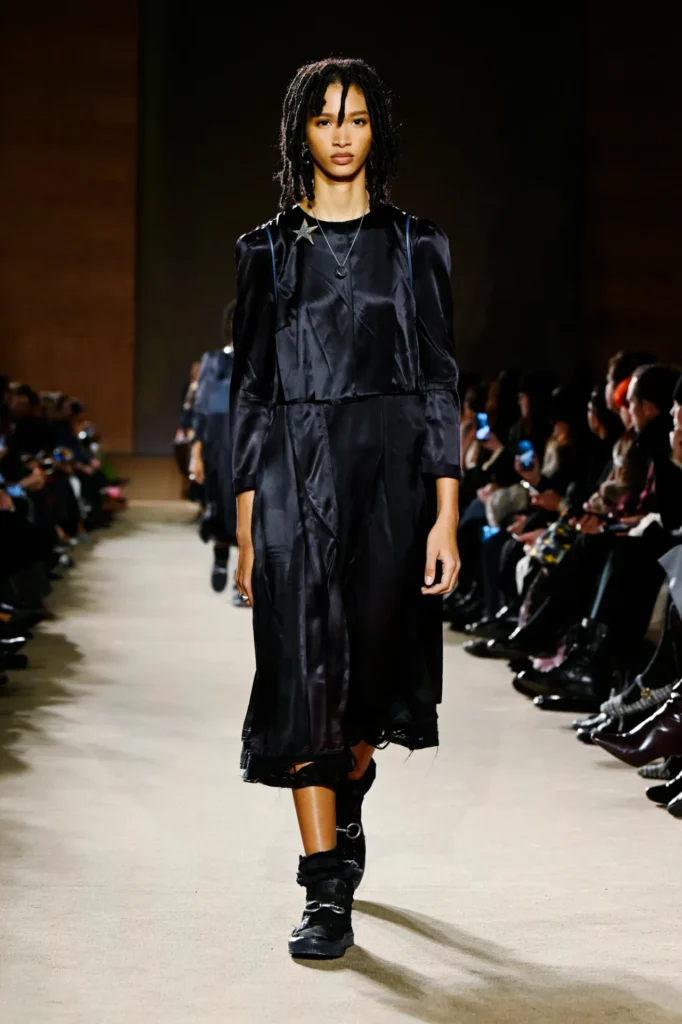
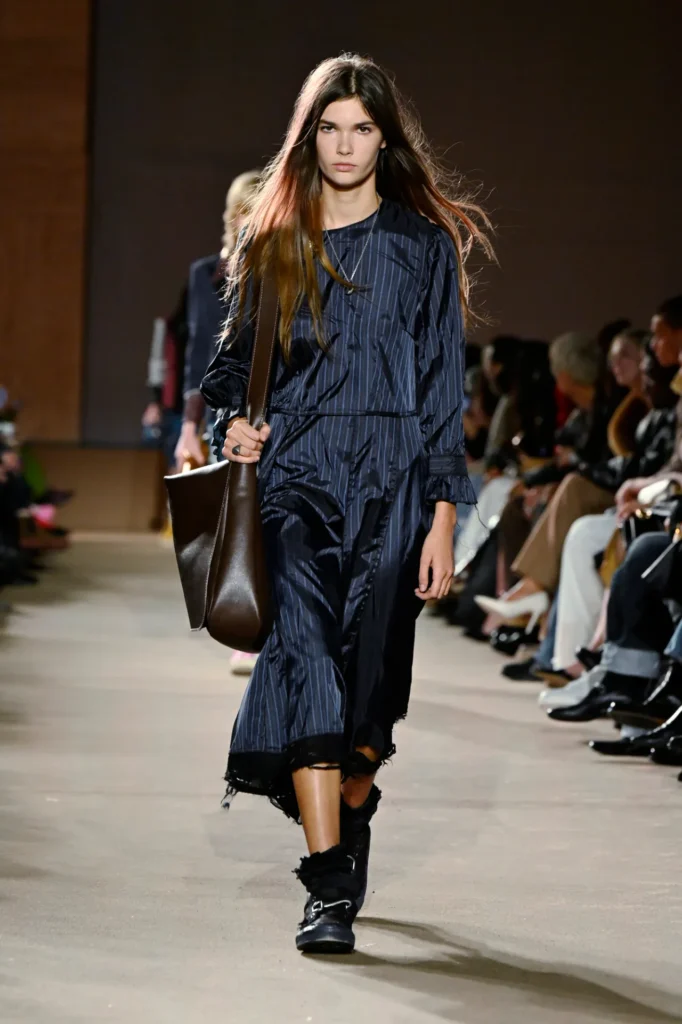
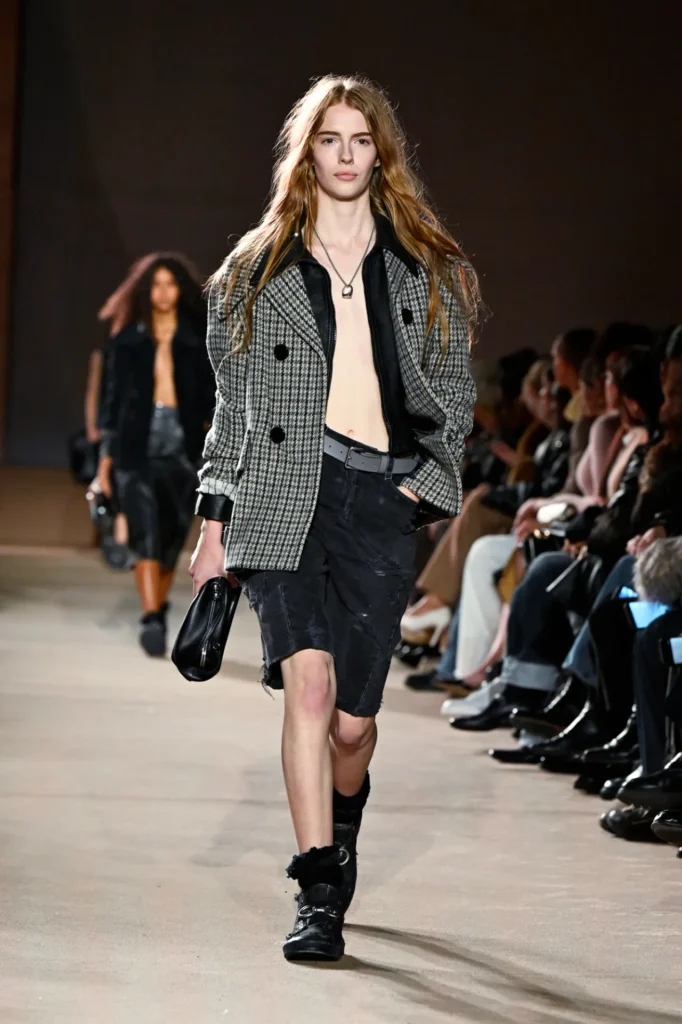
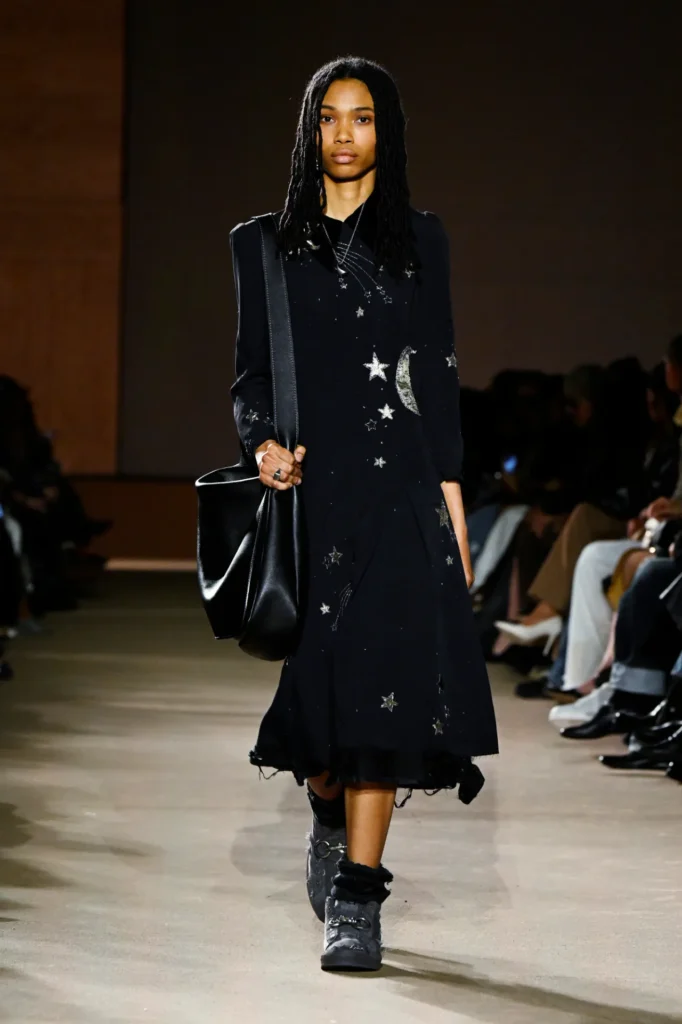
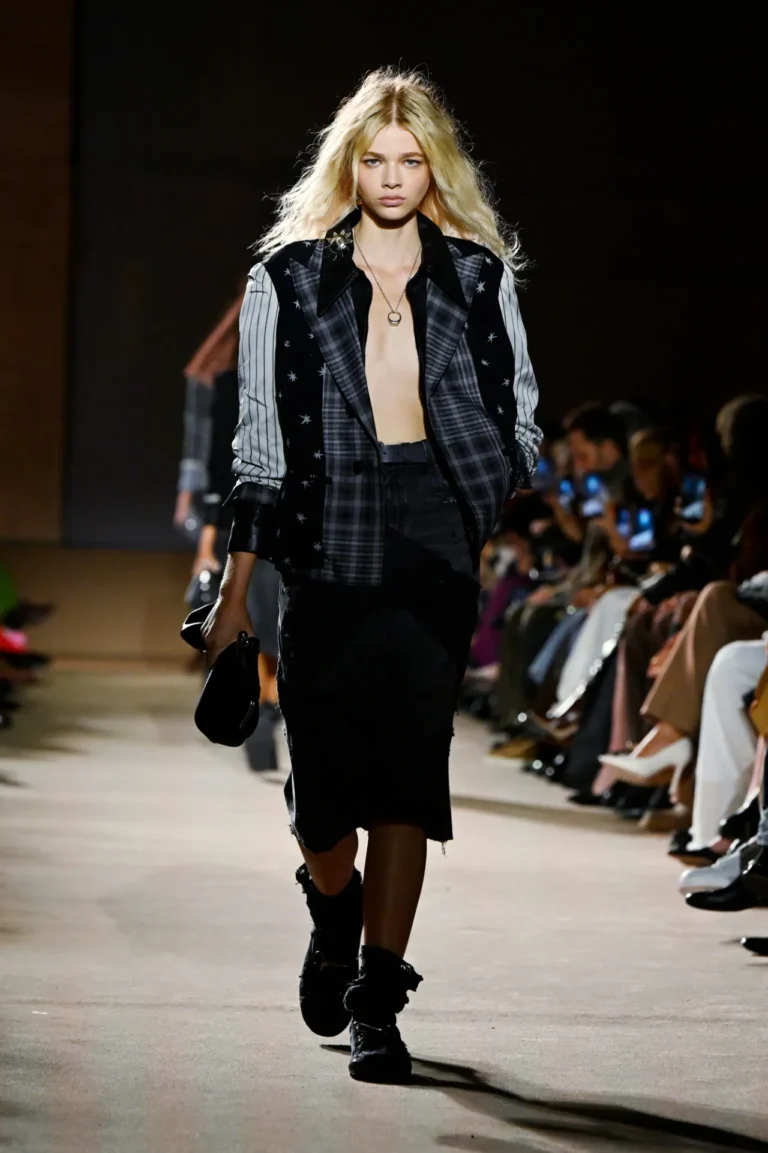
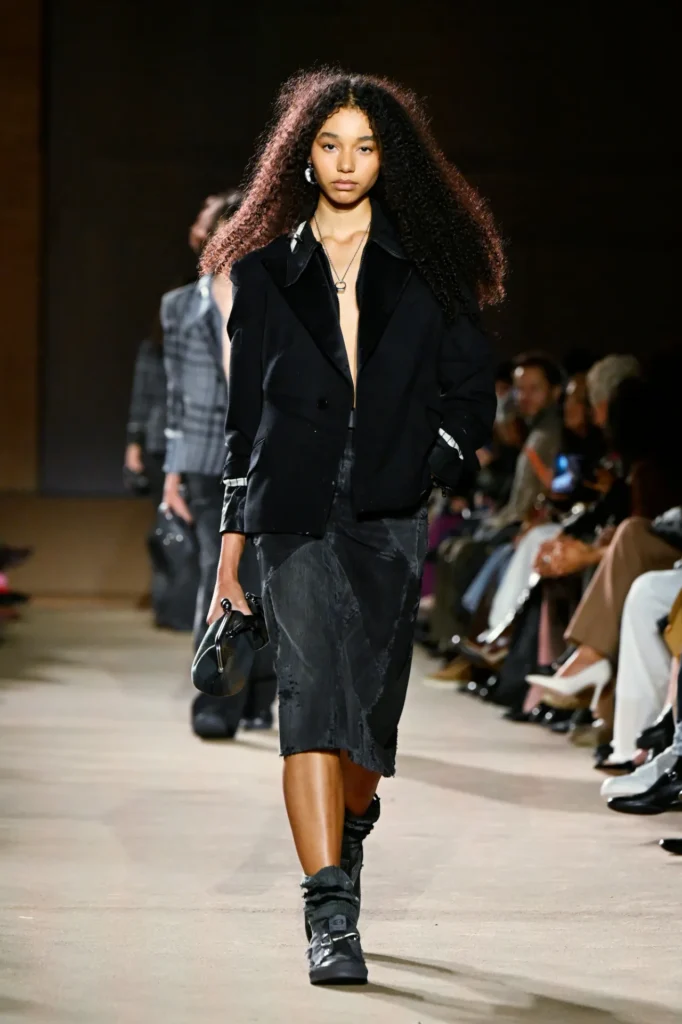
Nearly every look carried the patina of something thrifted and treasured. Denim shorts were patched with repurposed scraps; slim tailoring was pieced together from mismatched plaids, edged with flashes of leather at collars and cuffs. Jersey number tees, gray-washed denim, varsity knits with invented mascots, and plaid slip dresses collided across eras. The effect was nostalgic but not sentimental—sepia tones met jolts of saturated color, echoing the shift from black-and-white Kansas to Oz.
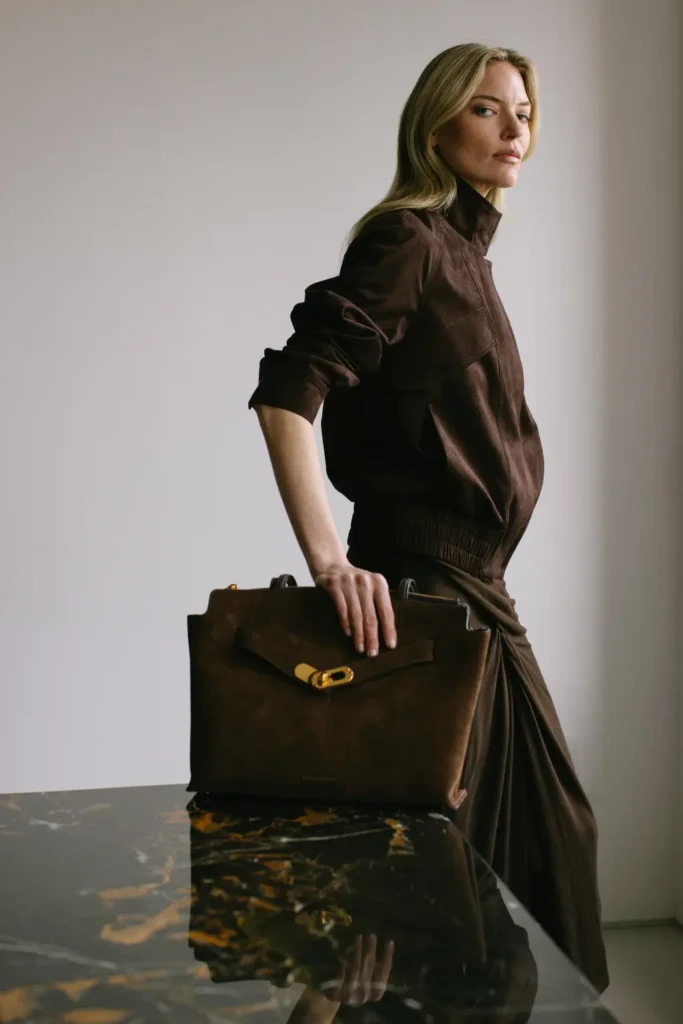
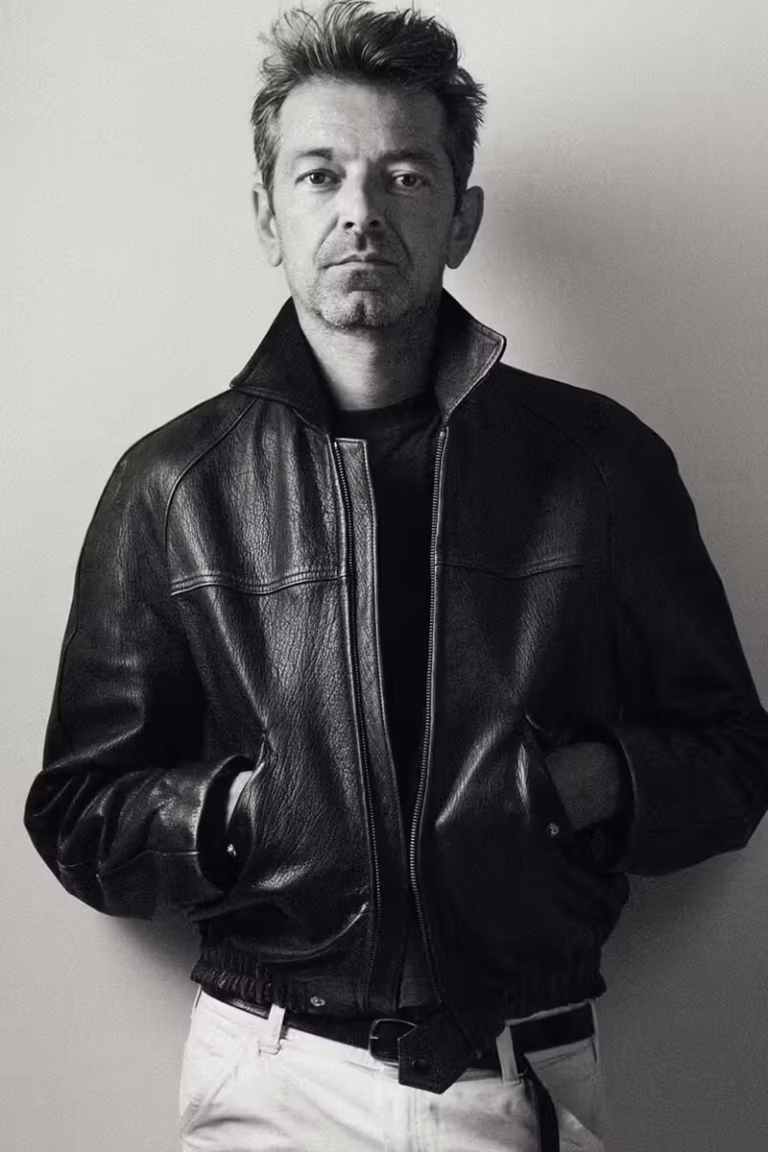
Sustainability remained embedded in the process. “The runway is a laboratory,” Vevers said, describing experiments that may not all reach production but seed broader ideas. At Coach, upcycling isn’t aesthetic garnish; it’s structural. Even the bags nodded to Americana ephemera, including designs crafted from repurposed baseball gloves.
A classic peacoat and duffle coat were grounded with new skate-inspired sneakers finished with metal hardware in place of laces—polished rebellion.

Accessories will likely drive the season. A new leather messenger bag was stripped to its essence, free of embellishment, its craftsmanship exposed. An east-west shoulder bag, clutched tightly underarm, carried a worn-in feel that matched the scuffed skate shoes.

Carolina Herrera Fall 2026 Collection

0

Carolina Herrera Fall 2026 Collection

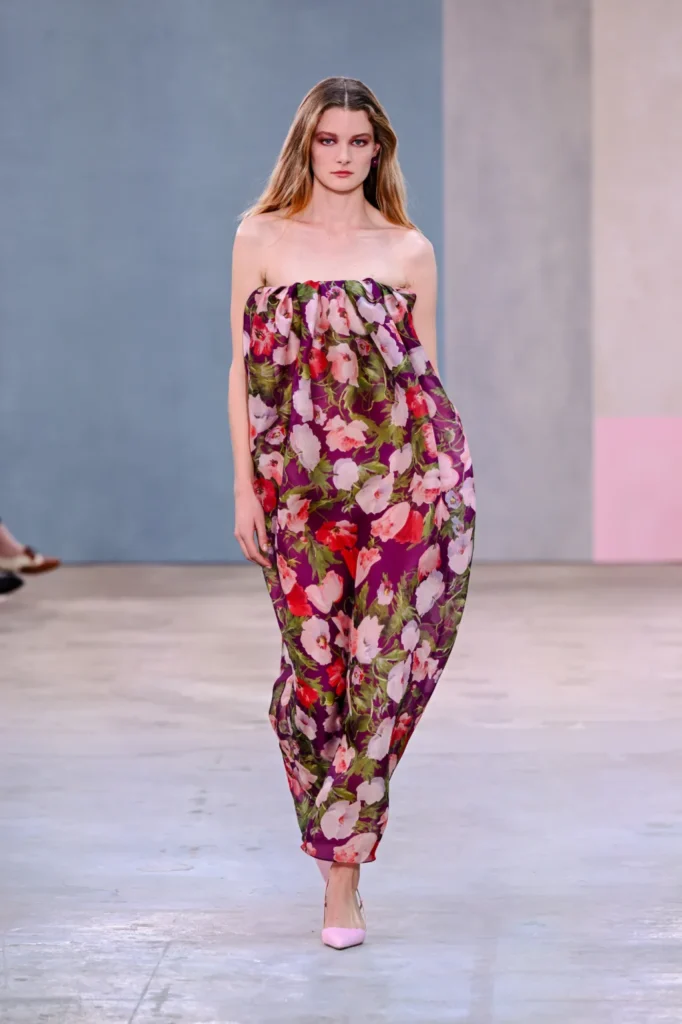
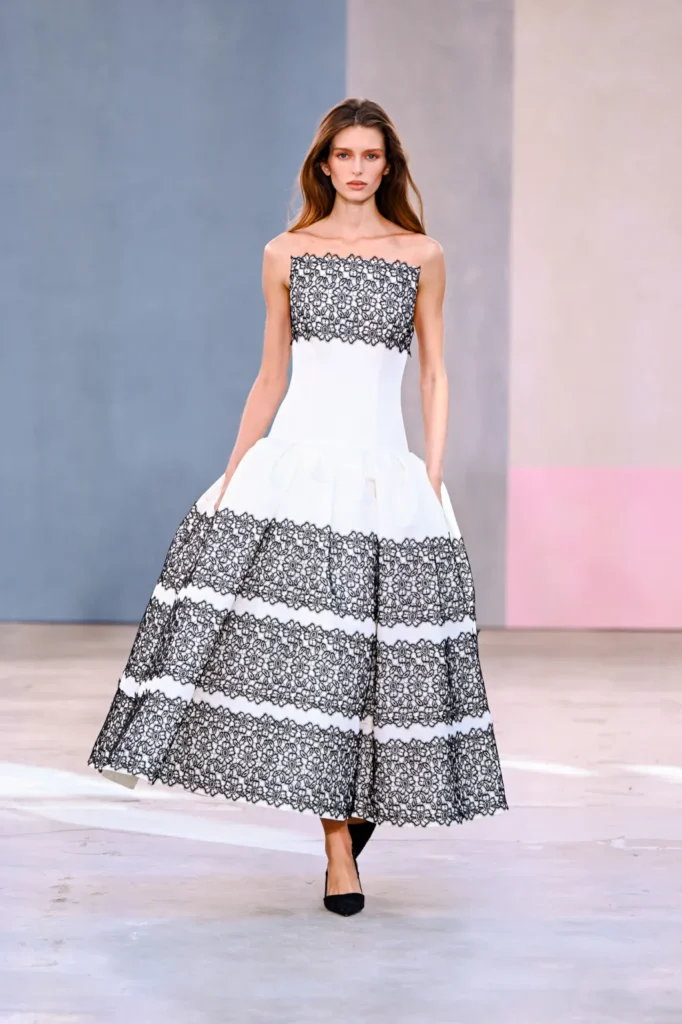
Wes Gordon returned to New York for Fall 2026 with a collection that threads haute couture discipline through contemporary ease—an homage to women artists who have shaped cultural history, often without due recognition.

After staging last season in Madrid, Gordon grounded this chapter at home, transforming a raw, sunlit space in the Meatpacking District into what felt like an artist’s studio. Scenic painter Sarah Oliphant created large-scale, hand-painted backdrops that set a tone of intimacy and intention. The guest list and runway casting reinforced the message: Amy Sherald, Anh Duong, Eliza Douglas, Ming Smith, and other multigenerational creative forces embodied the collection’s spirit.

“I’m celebrating women who have often been overlooked,” Gordon said, citing Peggy Guggenheim as a touchstone—her unapologetic style as integral to her identity as her patronage. The theme aligns with the house’s ongoing Woman in the Arts platform, but on the runway, the message was distilled into silhouette and craft.

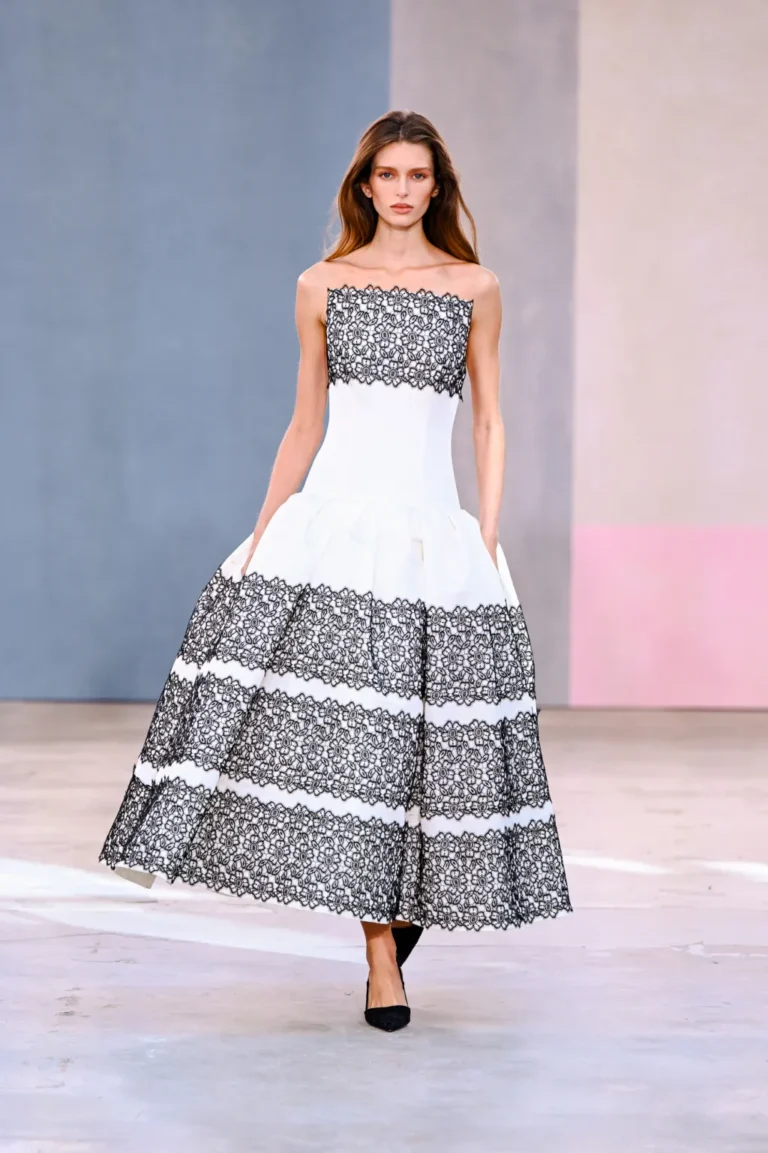
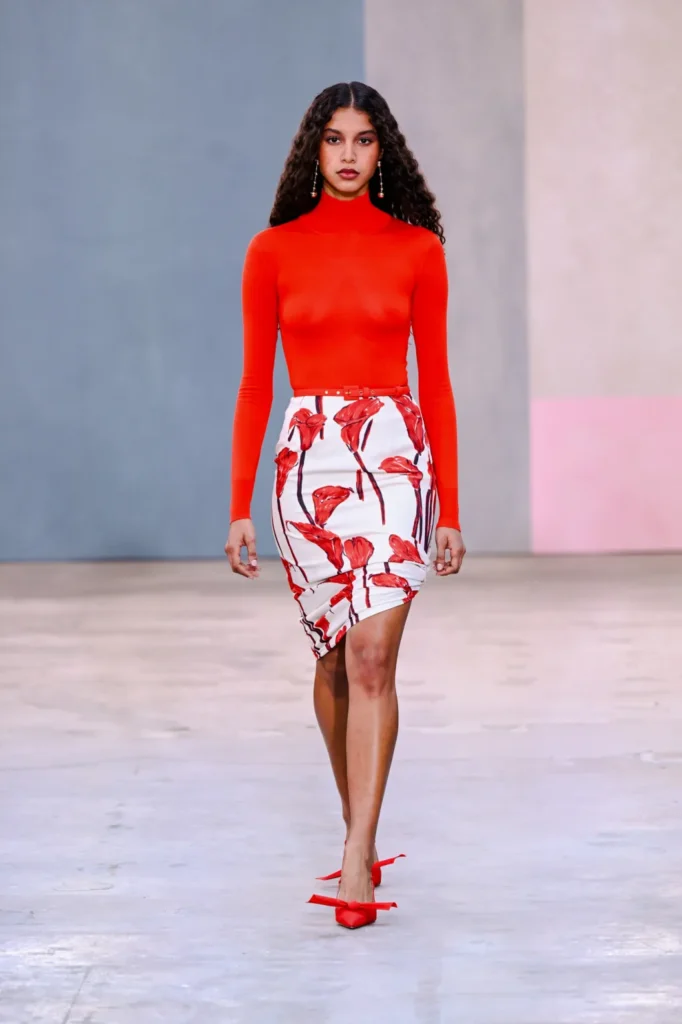
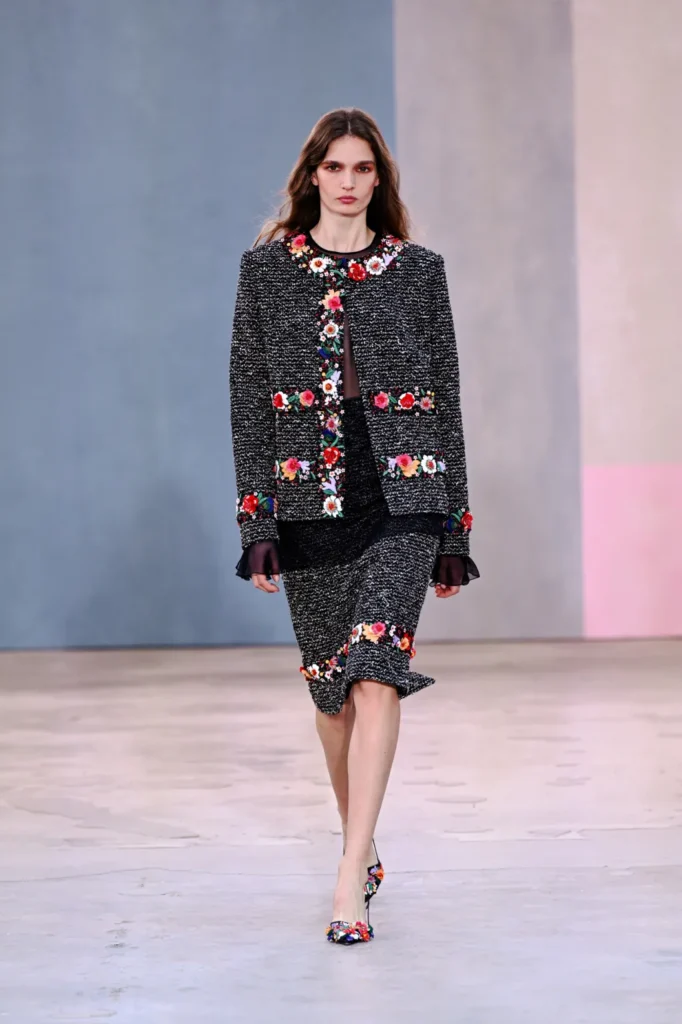
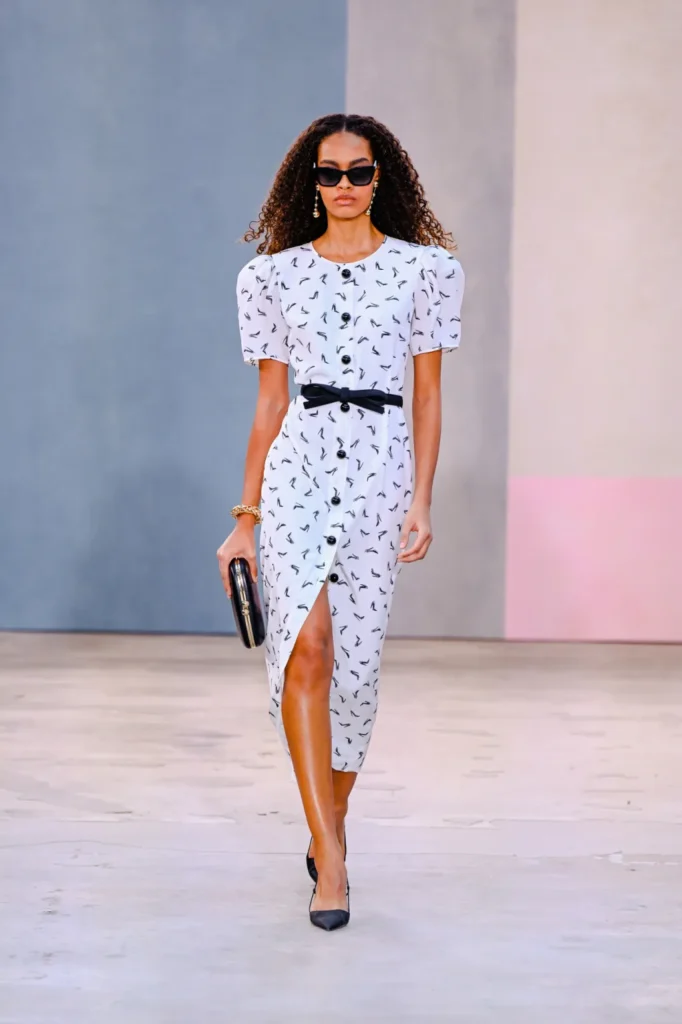
Gordon proposed a sober glamour, rooted in mid-century couture and sharpened for today. Hourglass tailoring nodded to Hitchcock heroines of the 1960s, while sculpted jackets, puffed shoulders, and tulip skirts carried an undercurrent of 1980s grandeur. Knitwear was molded rather than relaxed; printed chiffon dresses floated with controlled volume, never excess.

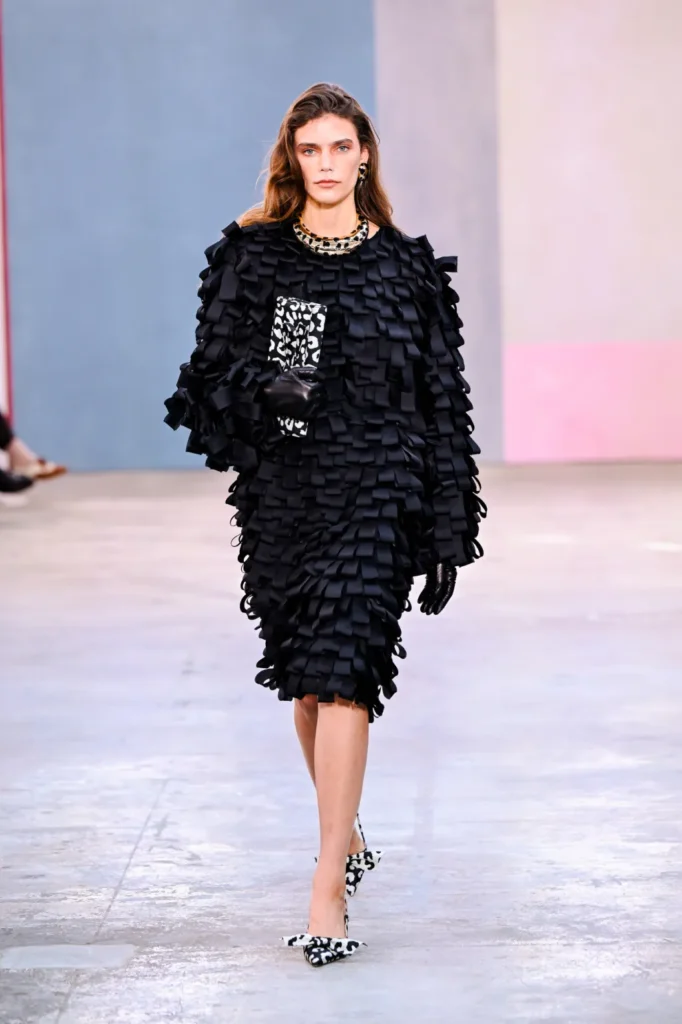
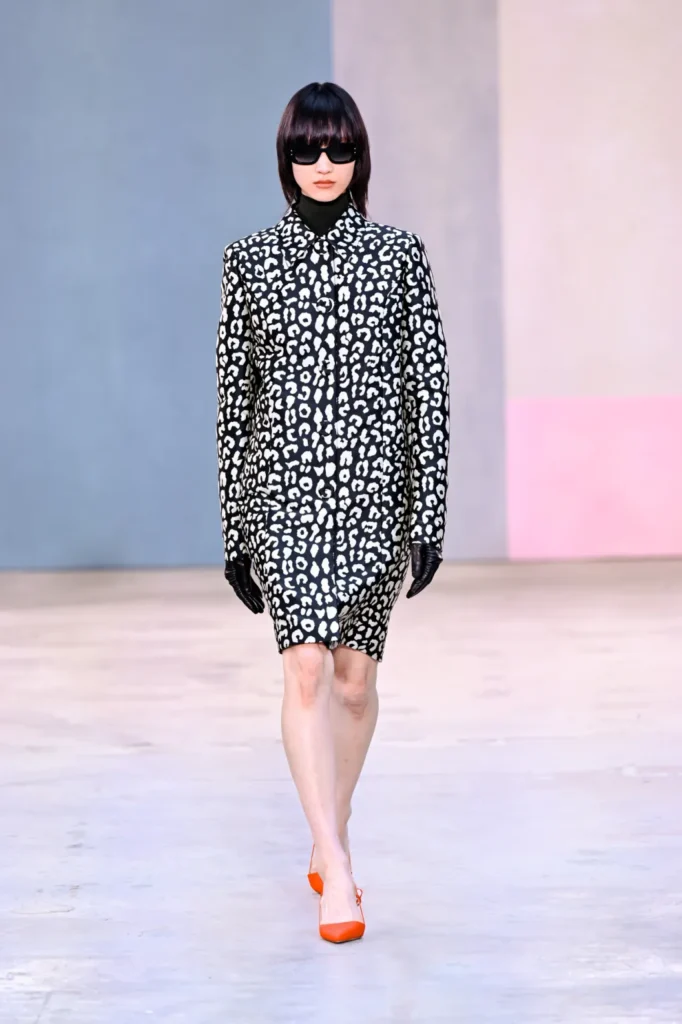
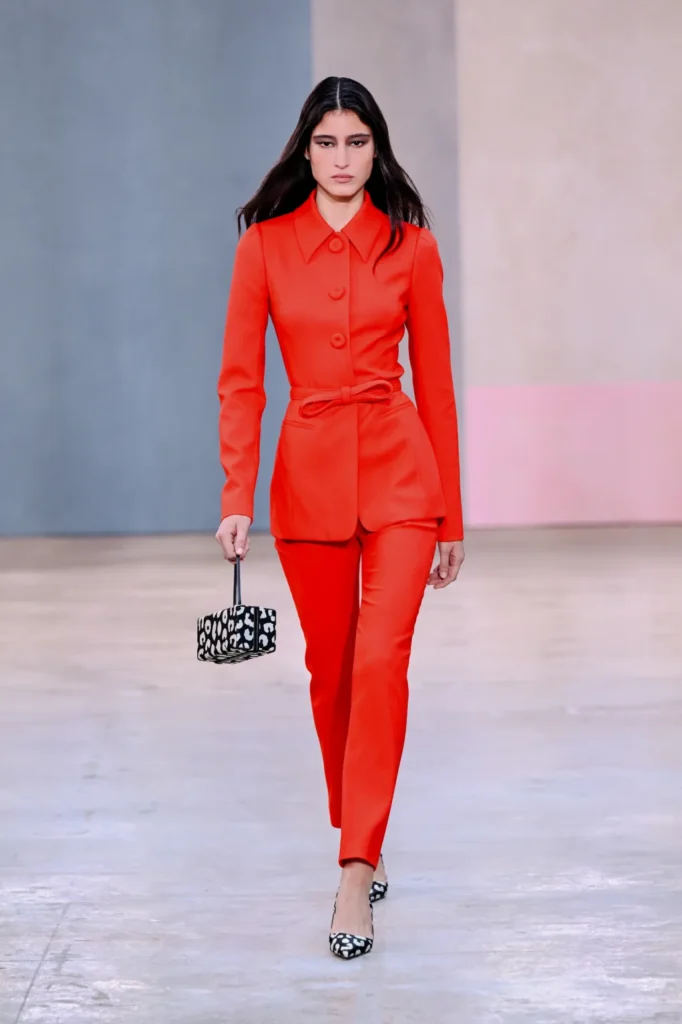
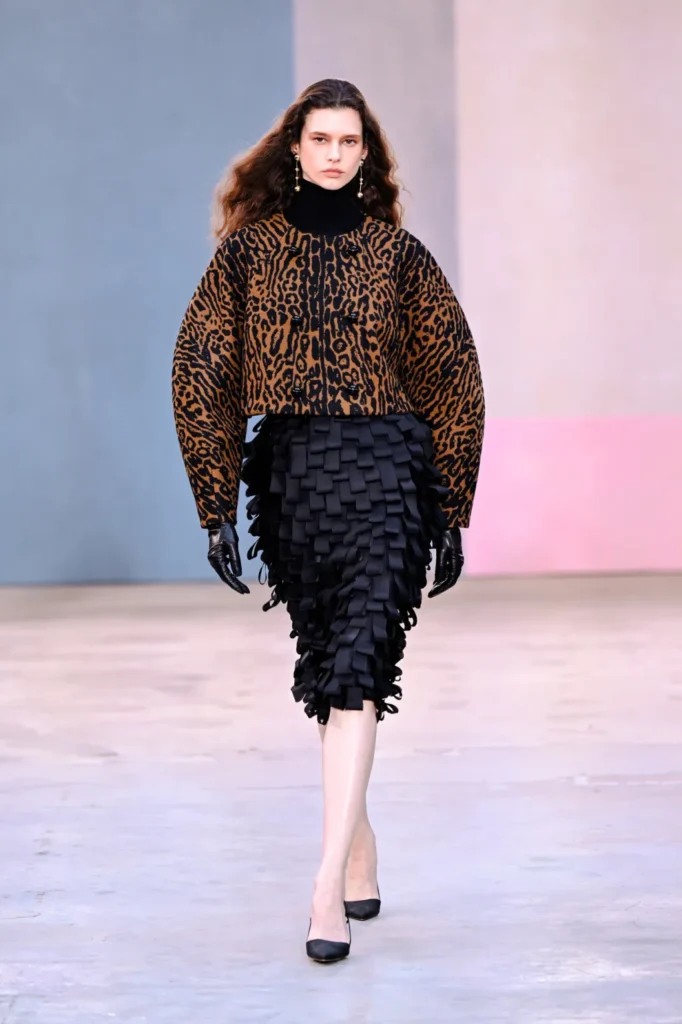
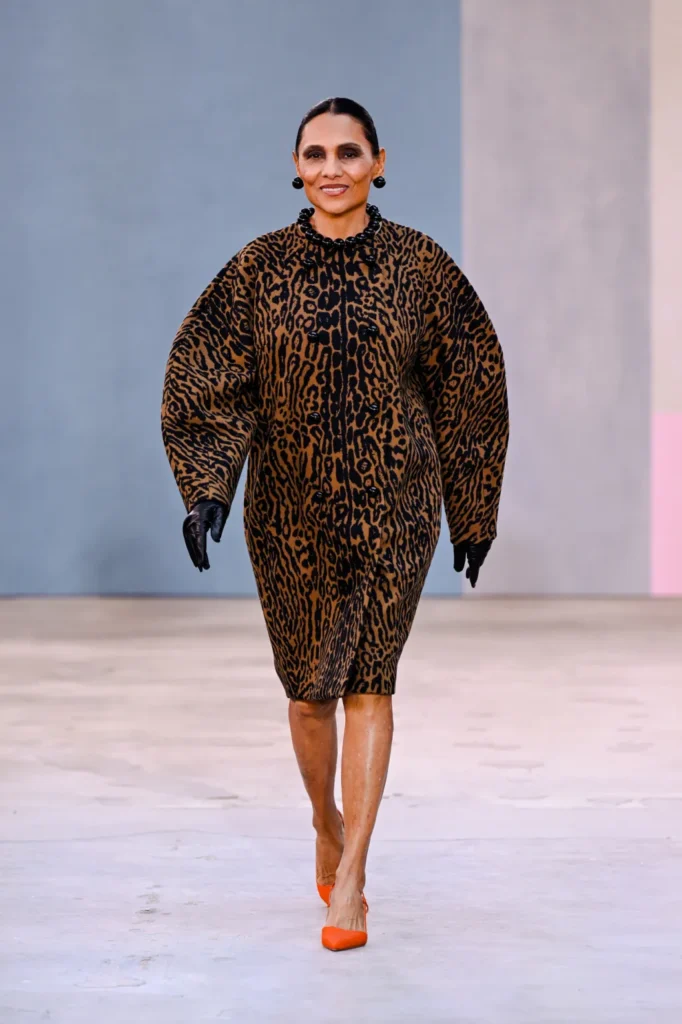
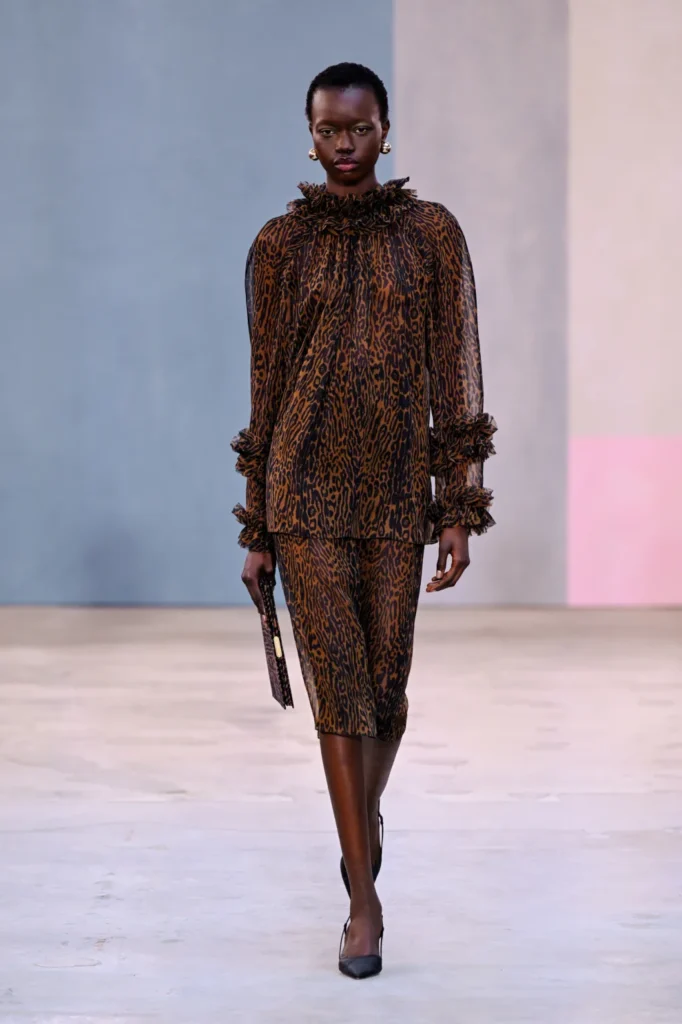
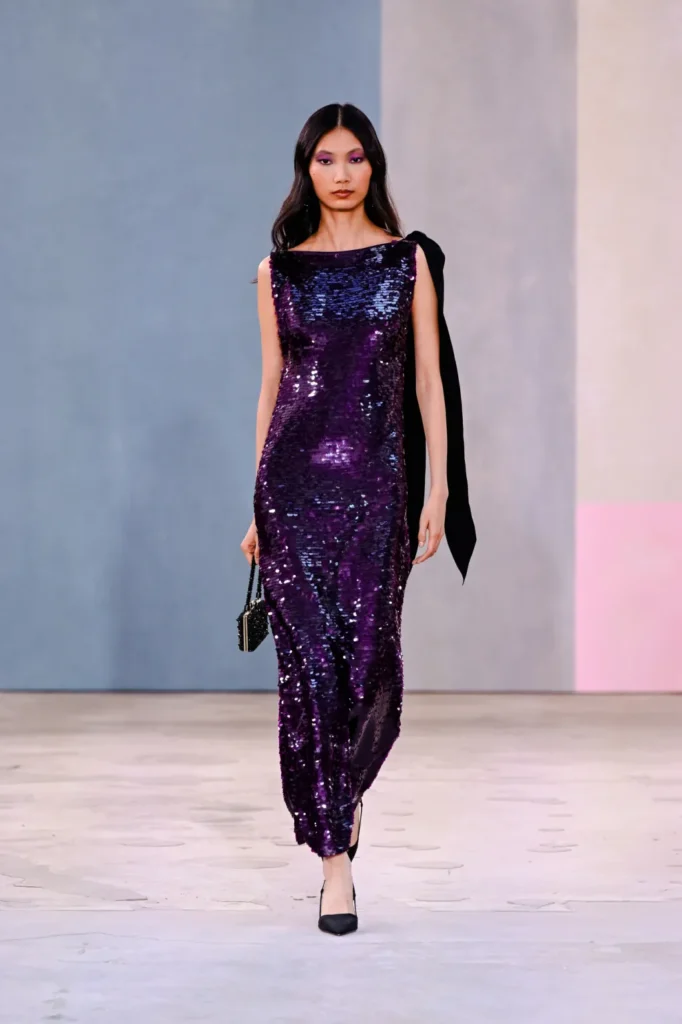
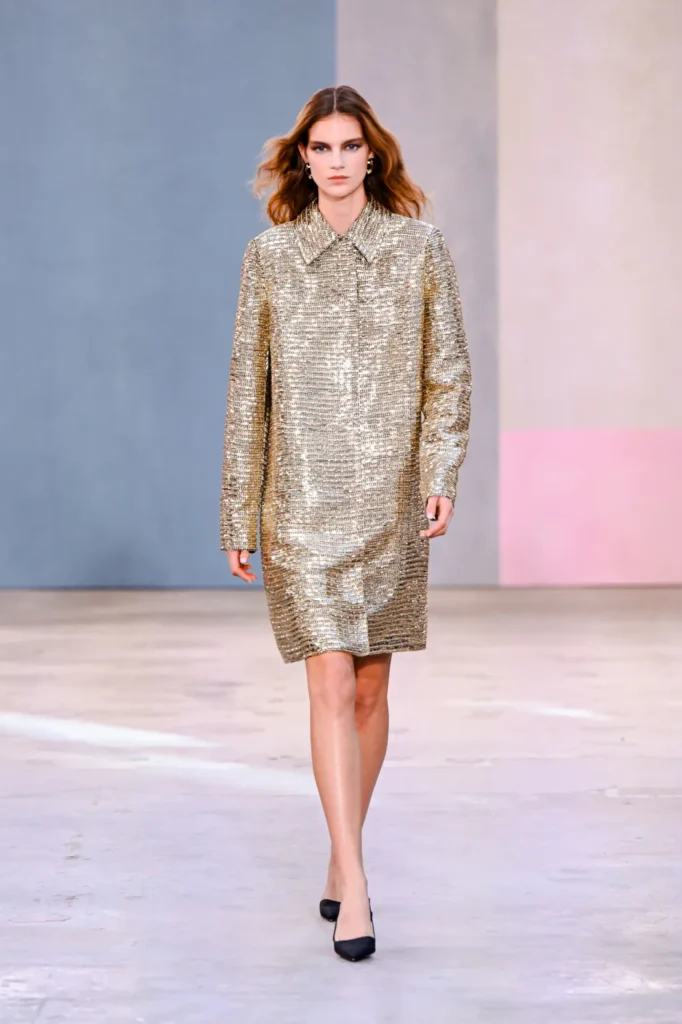
Leopard emerged as a defining motif, rendered in graphic black and white across coats, dresses, and knits. Pencil skirts hit just below the knee—slightly shorter than seasons past—signaling a subtle recalibration of proportion. Eveningwear leaned into opulence with restraint: a tiered gold dress and matching coat cut with softened structure; sequined knit gowns in saturated green and violet that shimmered without stiffness. A modern-day Capote Swan would find her uniform here.

A sketched stiletto motif—referencing the house’s globally bestselling Good Girl fragrance, now marking its tenth anniversary—appeared on blouses and skirts, injecting wit into otherwise polished looks suited for gallery openings or corner offices.

Accessories underscored the couture inflection: bow-trimmed kitten heels, structured square bags with metallic floral hardware reminiscent of fine jewelry, and a sleek column gown punctuated with the same metal detailing.

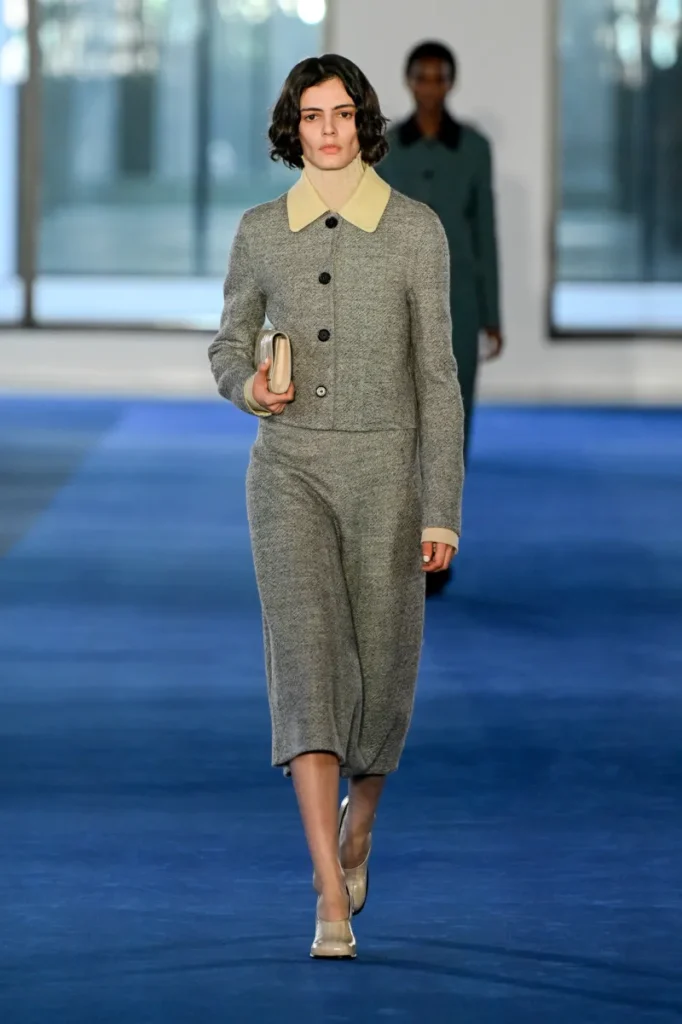
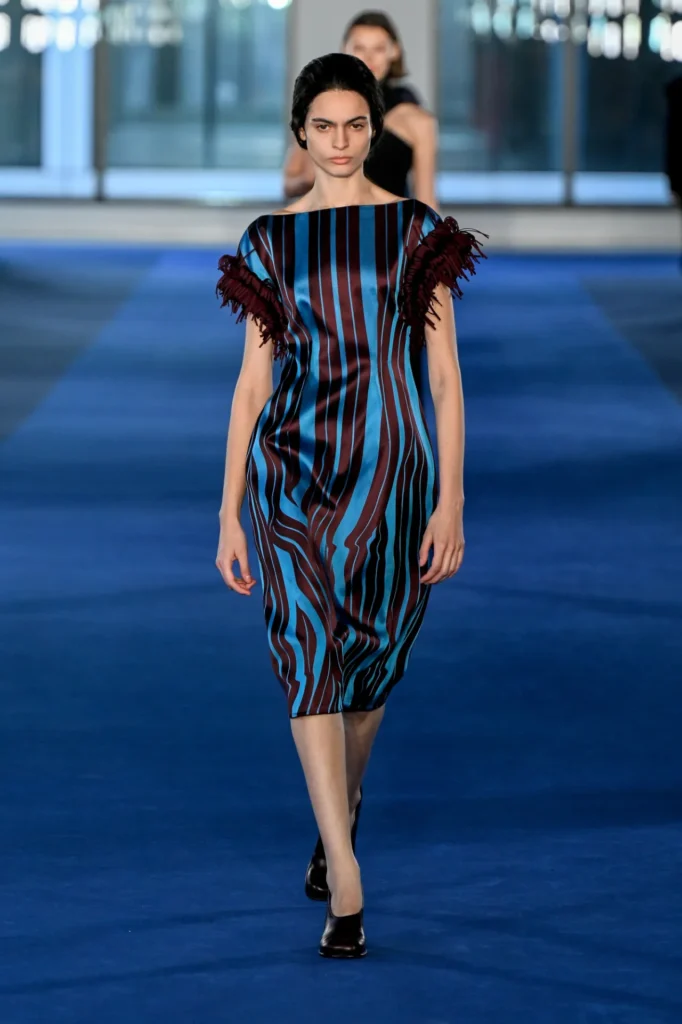
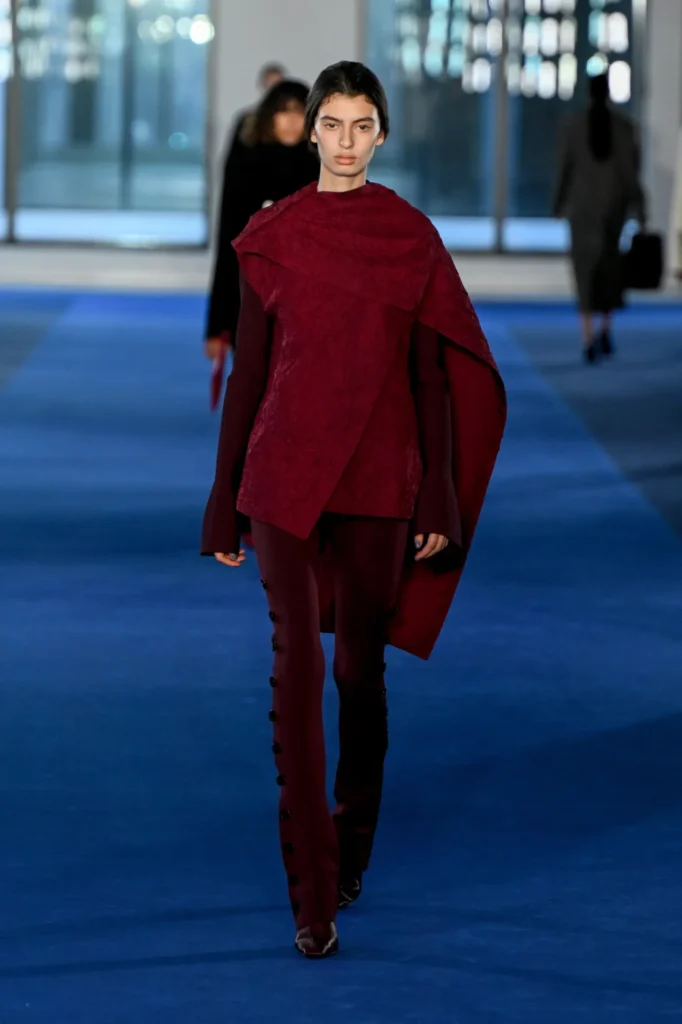
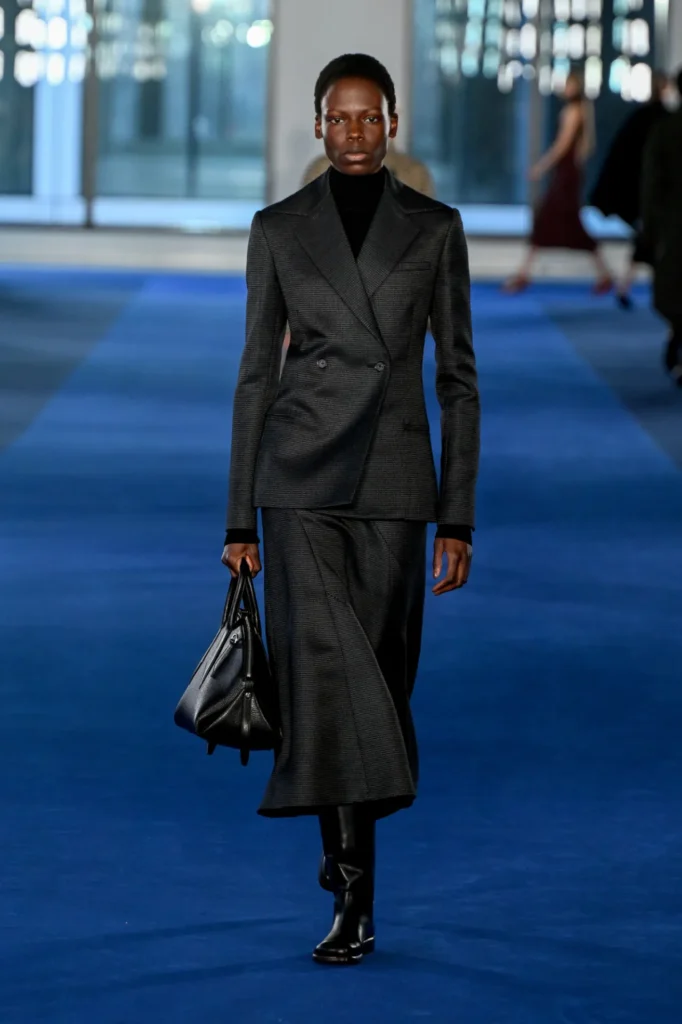
Tory Burch Fall 2026 Collection

0

Tory Burch Fall 2026 Collection

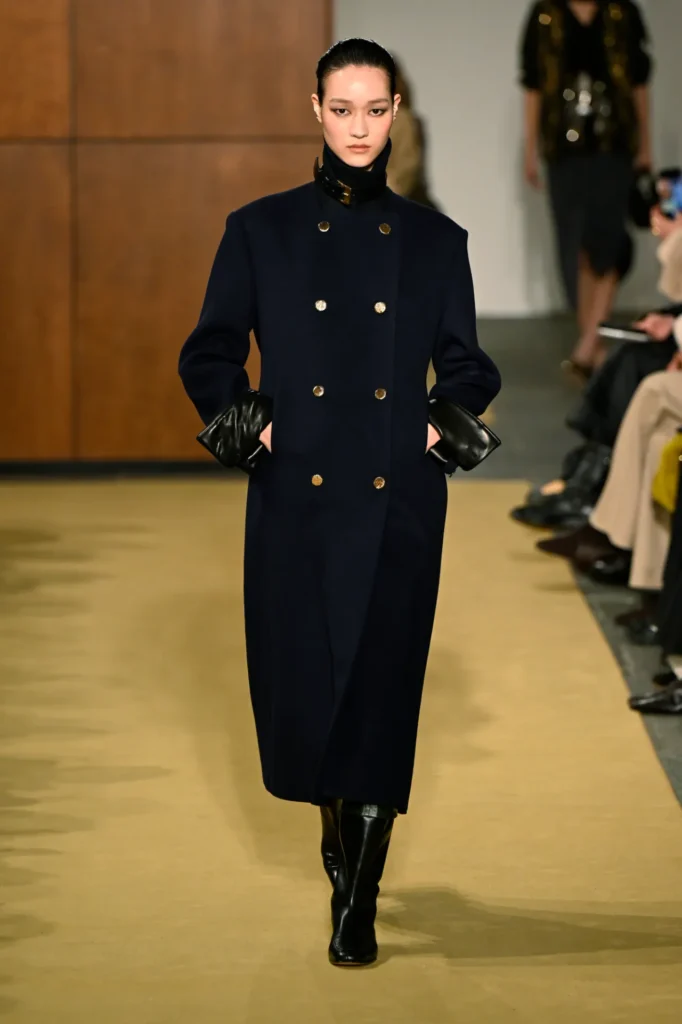
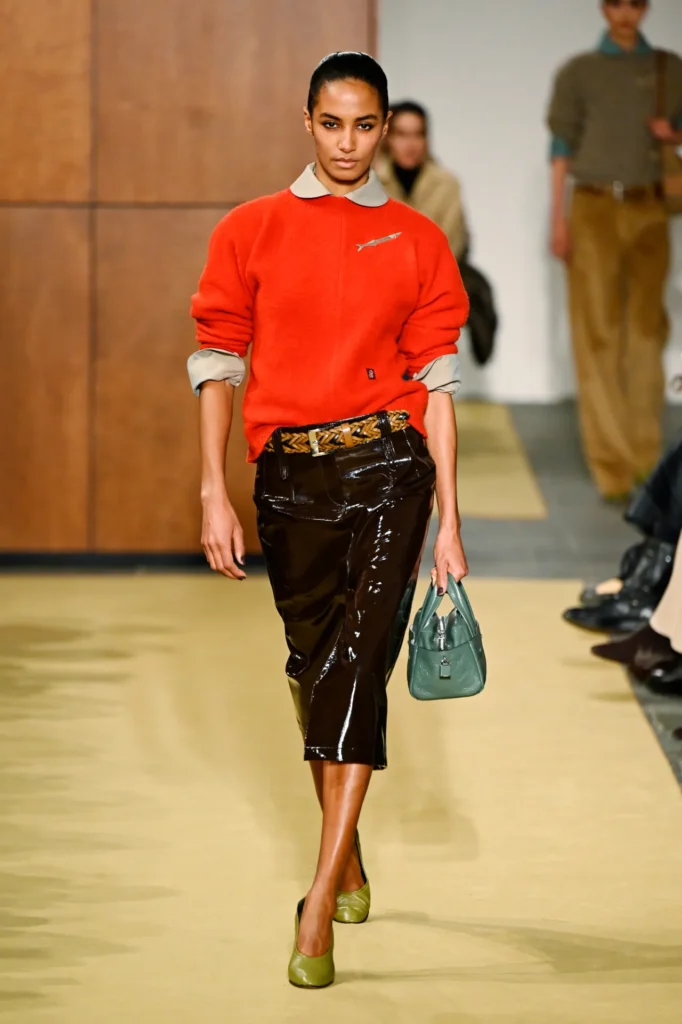
At Sotheby’s new Breuer Building headquarters, Tory Burch presented a Fall 2026 collection rooted in personal history and reframed through instinct. The front row—Pamela Anderson, Tessa Thompson, Amanda Seyfried among them—watched as Burch distilled two enduring influences: her father and style icon Bunny Mellon.

Burch has long explored the tension between classicism and individuality. This season, she sharpened that focus. “I wanted to take classic ideas, twist them, and move them in a more personal direction,” she said during a preview. That impulse materialized in corduroy trousers inspired by her father, rendered in saturated apricot and saffron, paired with triple-washed, brushed Shetland knits layered over crisp Peter Pan–collared shirts.

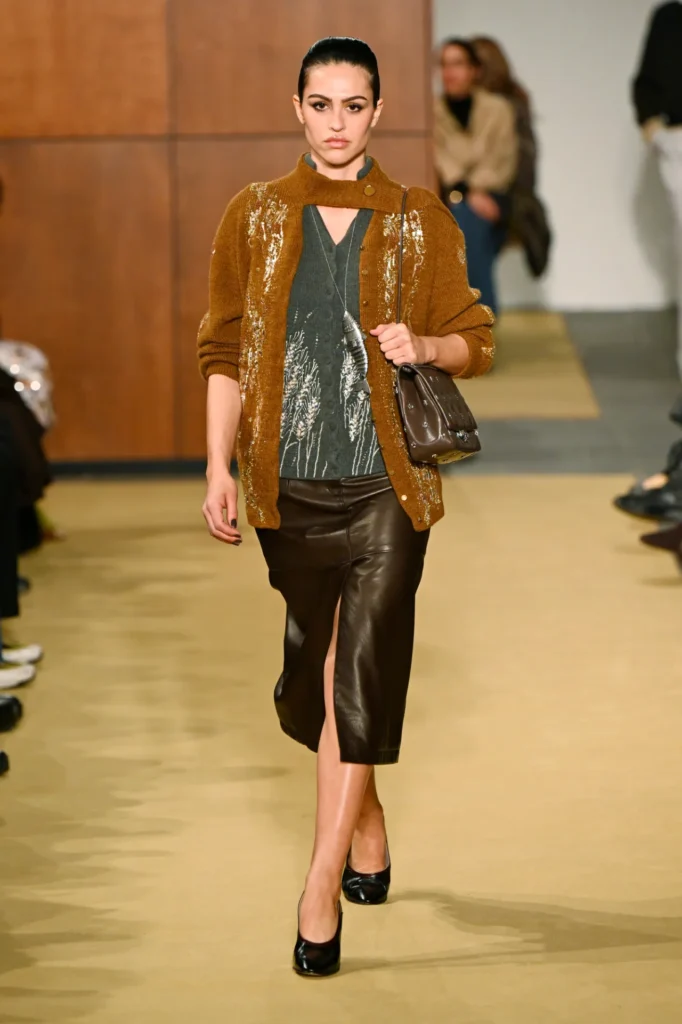
Color-blocked styling gave the collection graphic clarity. It also nodded to Mellon, the horticulturist and philanthropist whose elegance was guided, as Burch noted, “by instinct, not rules.” The tribute extended beyond mood. Mellon’s legacy surfaced in craft and detail: gold badla embroidery handworked by Indian artisans on classic cardigans; silhouettes that elevated archetypes—tailoring, polished outerwear, urbane proportions—through fabric innovation and bold color.

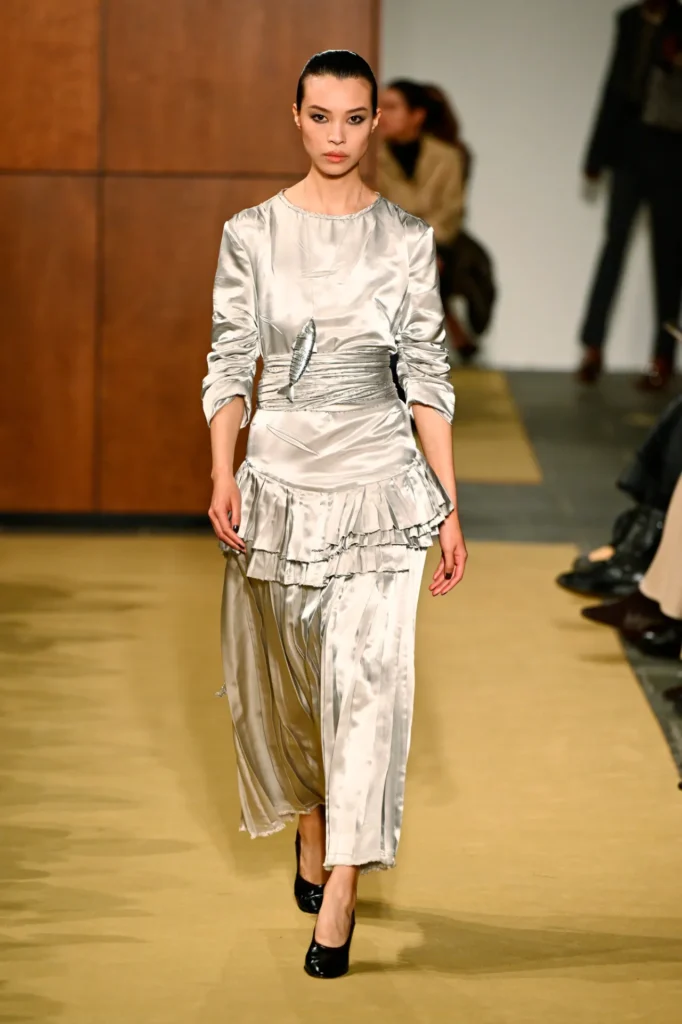
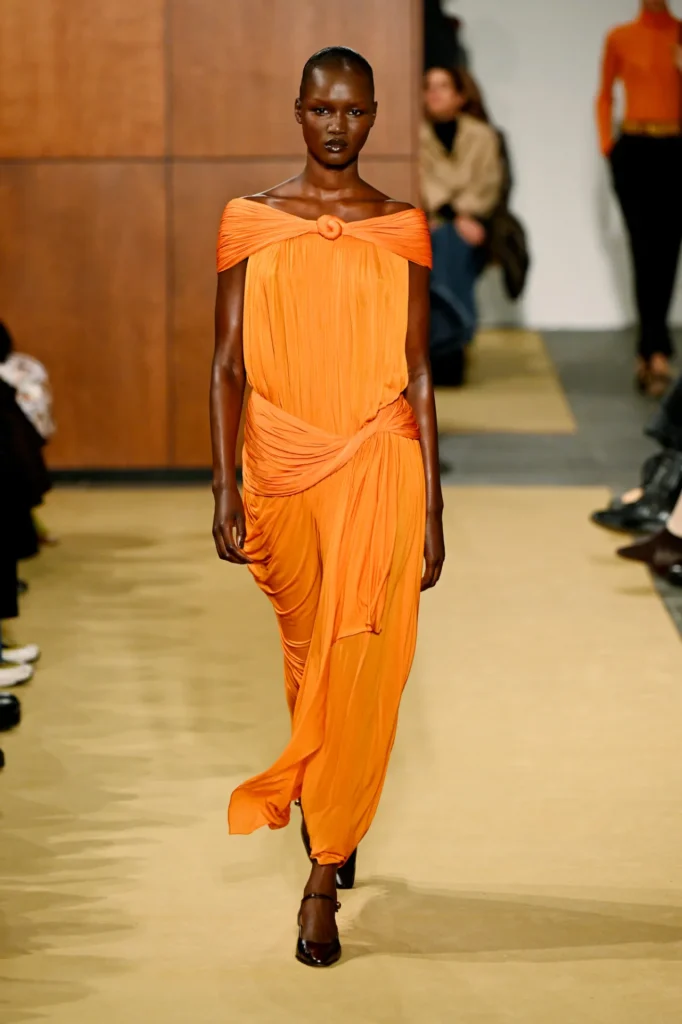
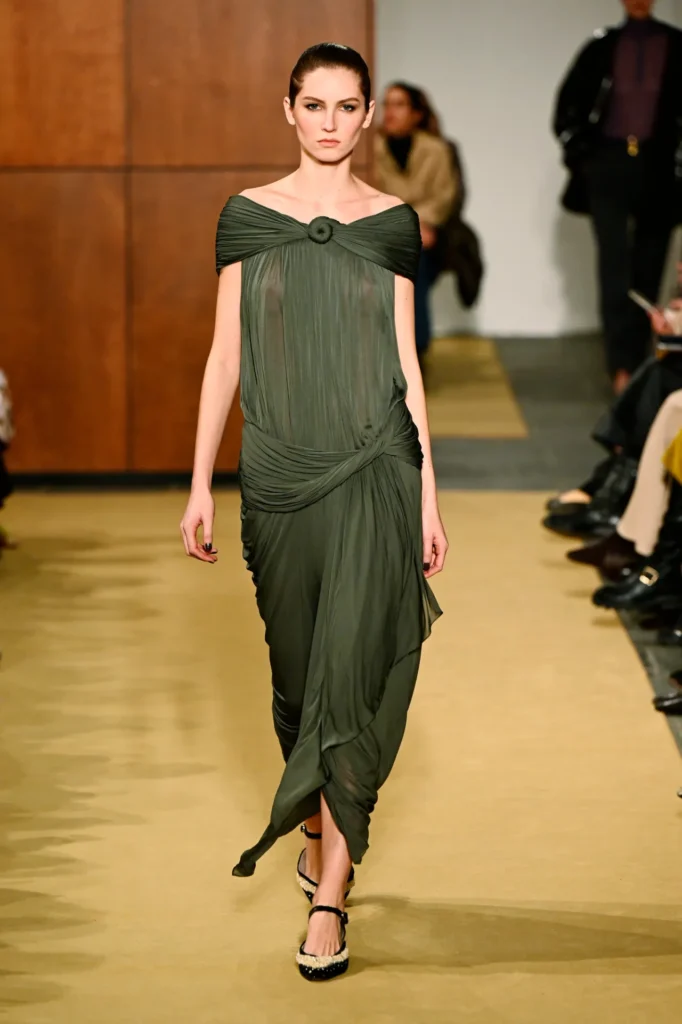
Dresses pushed the narrative further. An electric-orange twisted gown evoked classical drapery, while dropped-waist silhouettes referenced the 1920s and ’30s. Introduced in lighter form for spring, they returned for fall in weightier, four-ply washed silks with twisted, pleated, and subtly deconstructed finishes. The effect was romantic but grounded—modern rather than nostalgic.

A more intimate reference came from Mellon’s restored home in Antigua, which Burch purchased a decade ago. Knotted cushions discovered in the basement became a seasonal motif, reinterpreted as quilted Bunny Knot handbags, raffia knot detailing on a substantial navy sweater, and explosive knot-like hardware on footwear—shoes with a pilgrim sensibility that felt both eccentric and refined.

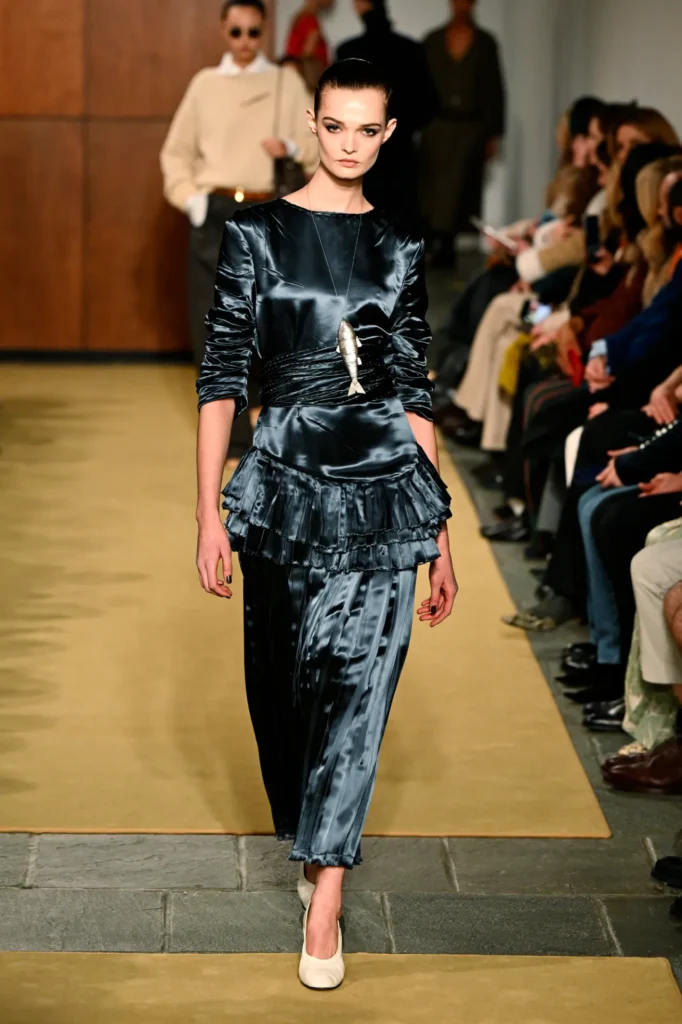
Accessories remained a strength. Sculptural leather-lined shell earrings, vintage-inspired sardine brooches, and an expanded jewelry offering underscored the brand’s growing authority in embellishment. Footwear, increasingly central to the business, balanced statement with wearability.

Proenza Schouler Fall 2026 Collection

0

Proenza Schouler Fall 2026 Collection

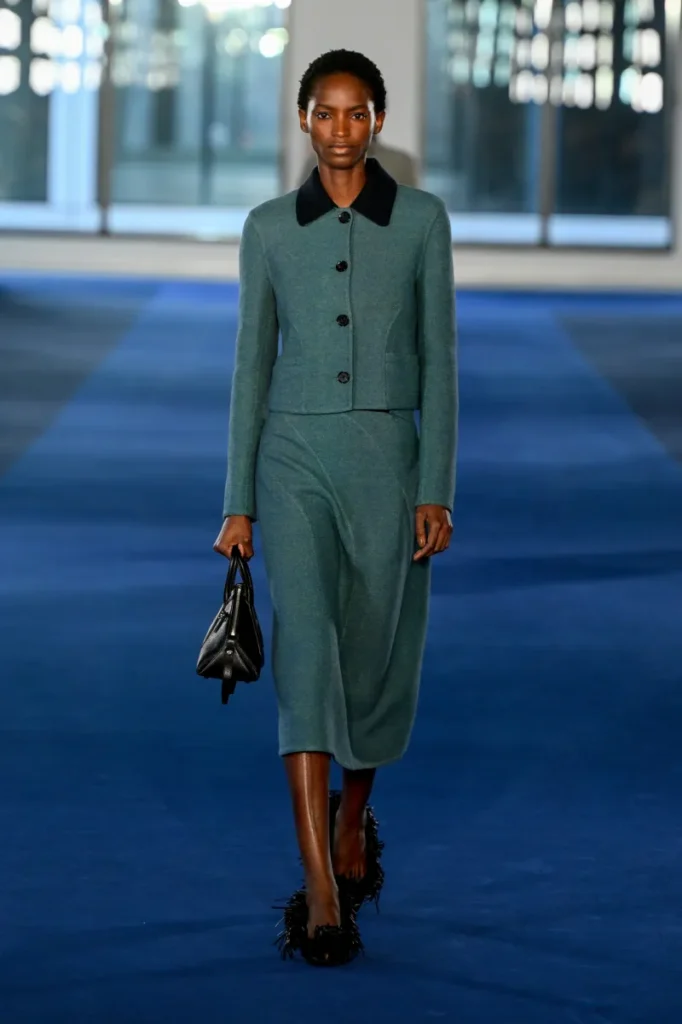
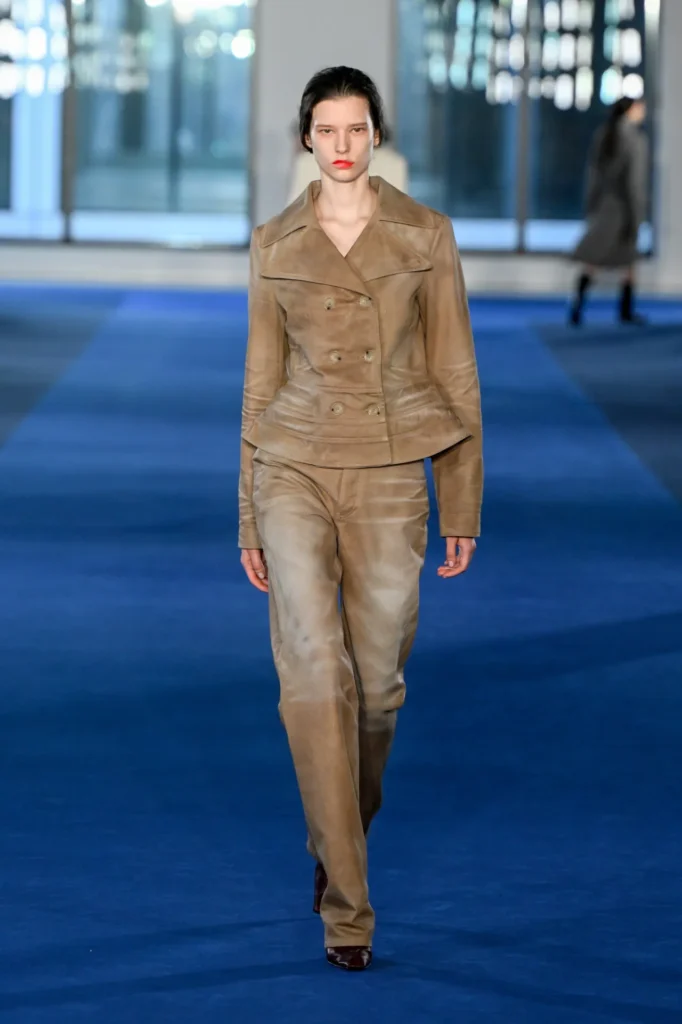
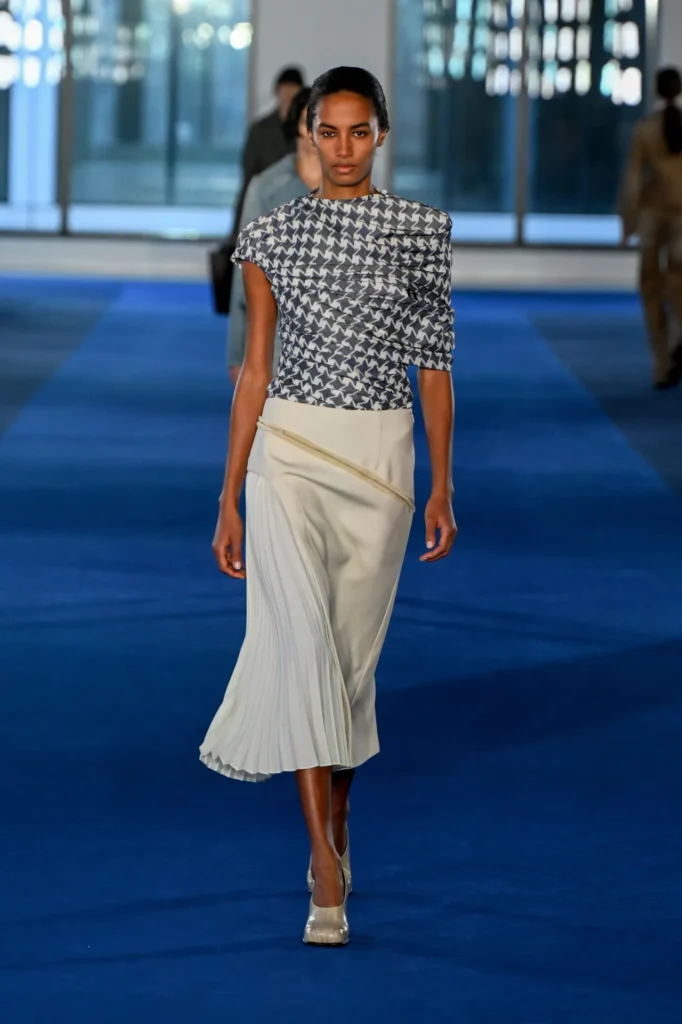
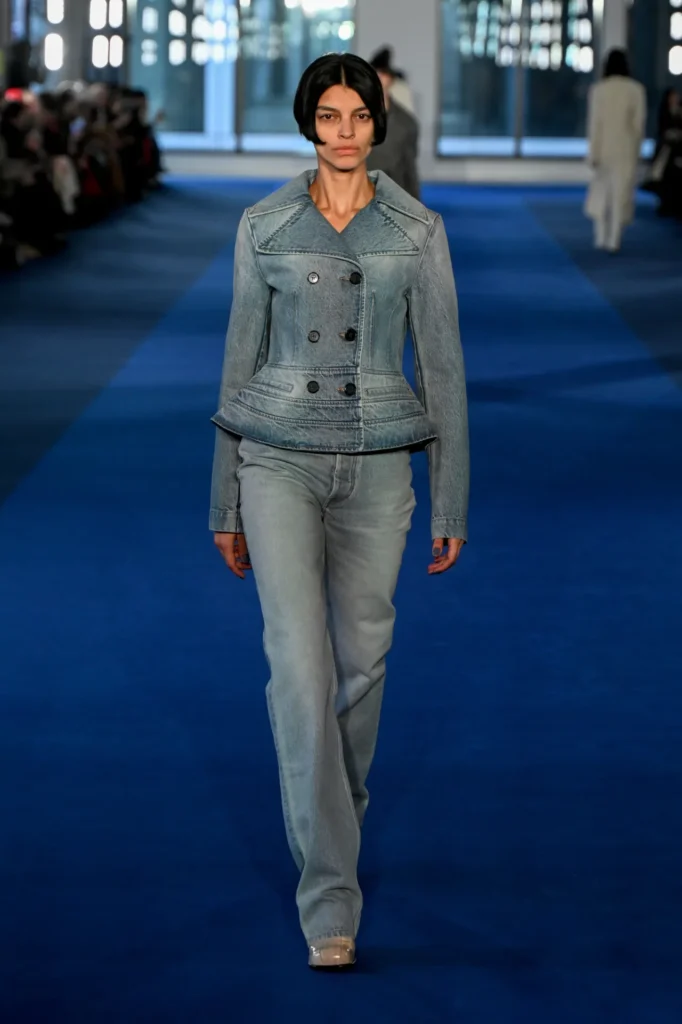
Rachel Scott’s formal runway debut at Proenza Schouler was the week’s most anticipated show—and with Fall 2026, she delivered a collection defined by control, texture, and a distinctly female authorship.

Scott has approached the house with rigor, studying its codes—artistic dialogue, exacting tailoring, material innovation—while recalibrating them through her own lens. “She’s precise, but there’s complexity,” Scott said of the Proenza woman today. “She shows you what she wants to show you. She’s self-authored.” It’s a subtle but meaningful shift: away from idealization and toward lived experience.

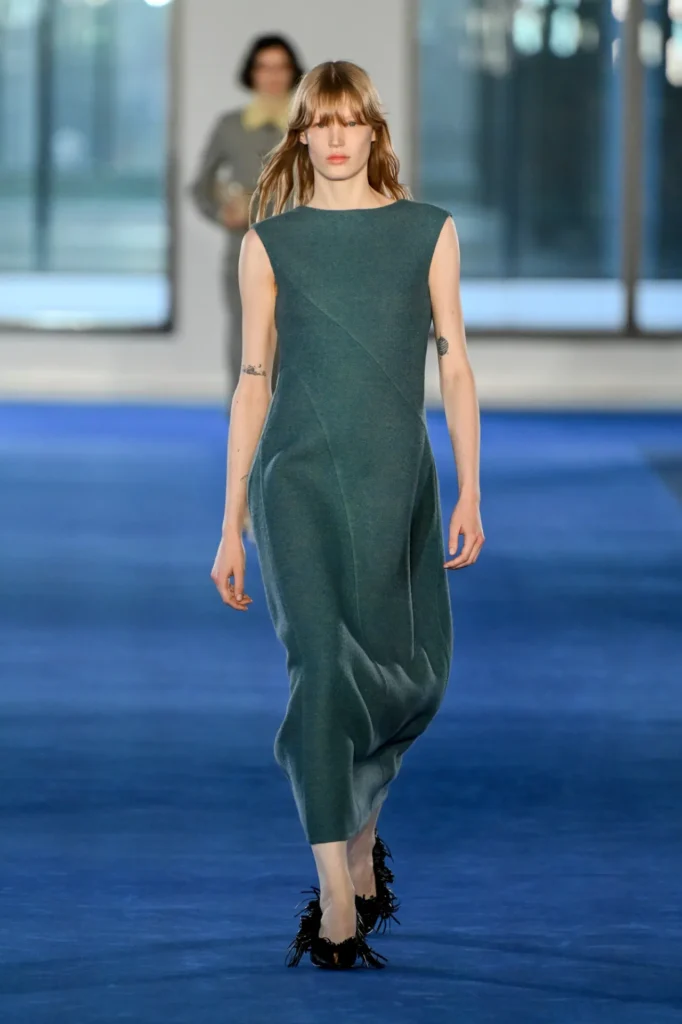
Texture is Scott’s entry point. “Even when things look clean, up close there’s something for the woman,” she explained. The opening look—a bell-shaped blue dress nipped at the waist—appeared minimal from a distance. Up close, it revealed a double-faced wool woven with multicolored flecks of green, blue, and black. Lightweight yet structured, it set the tone for a collection where restraint never meant austerity.

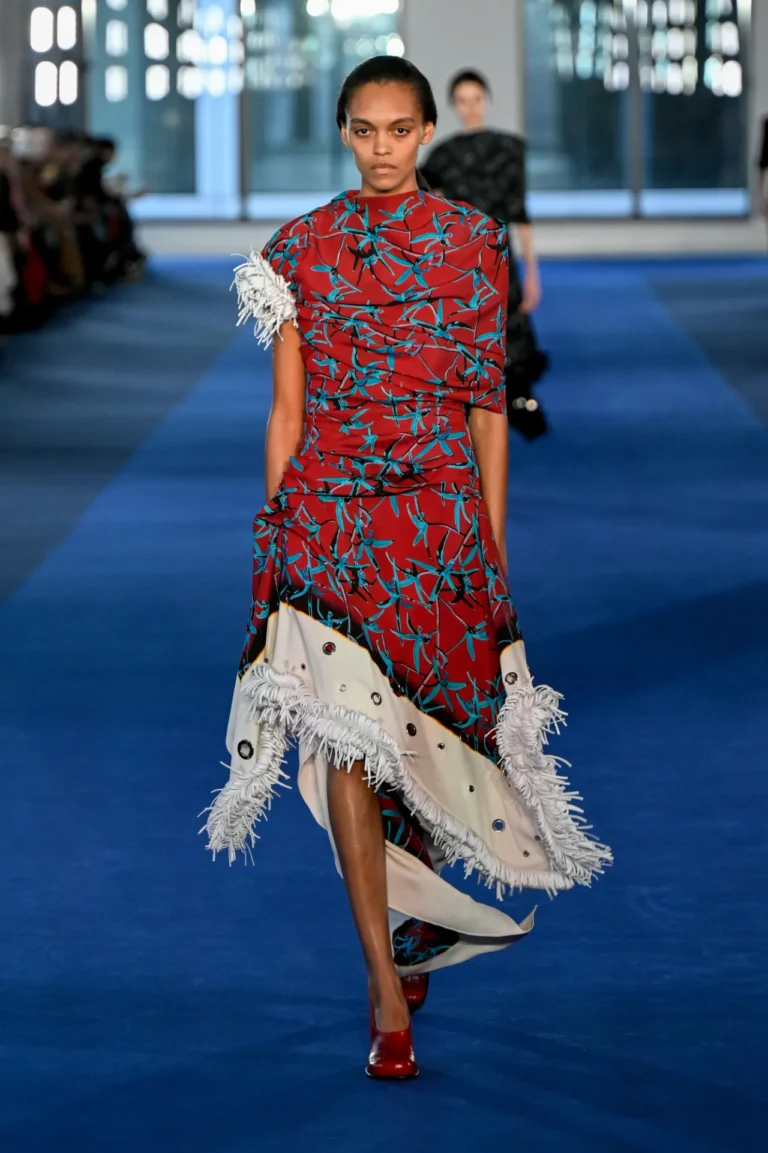
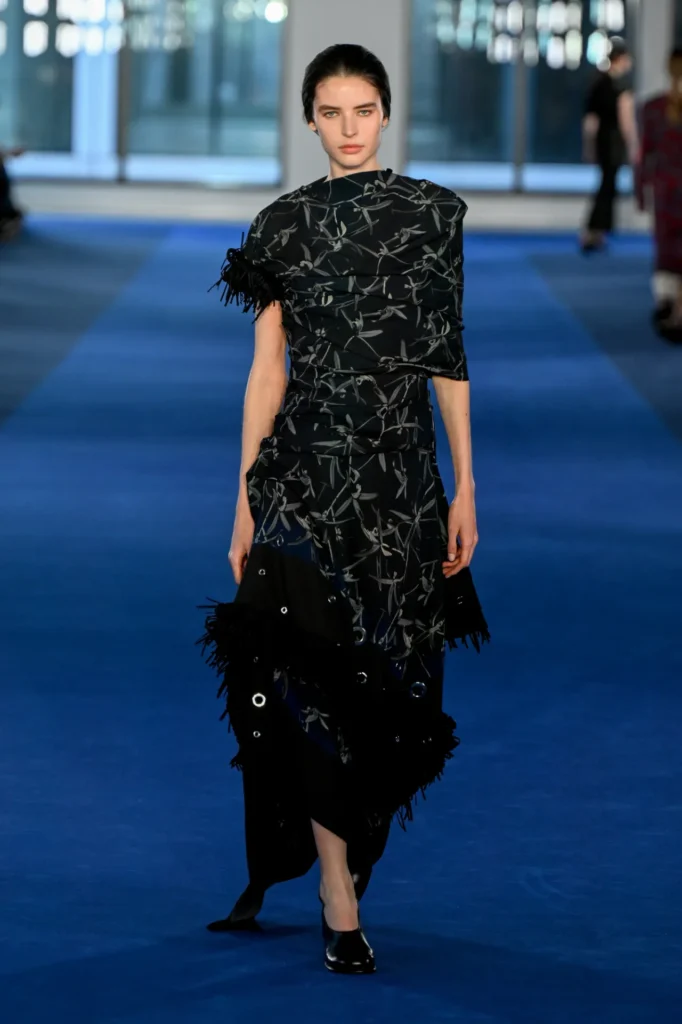
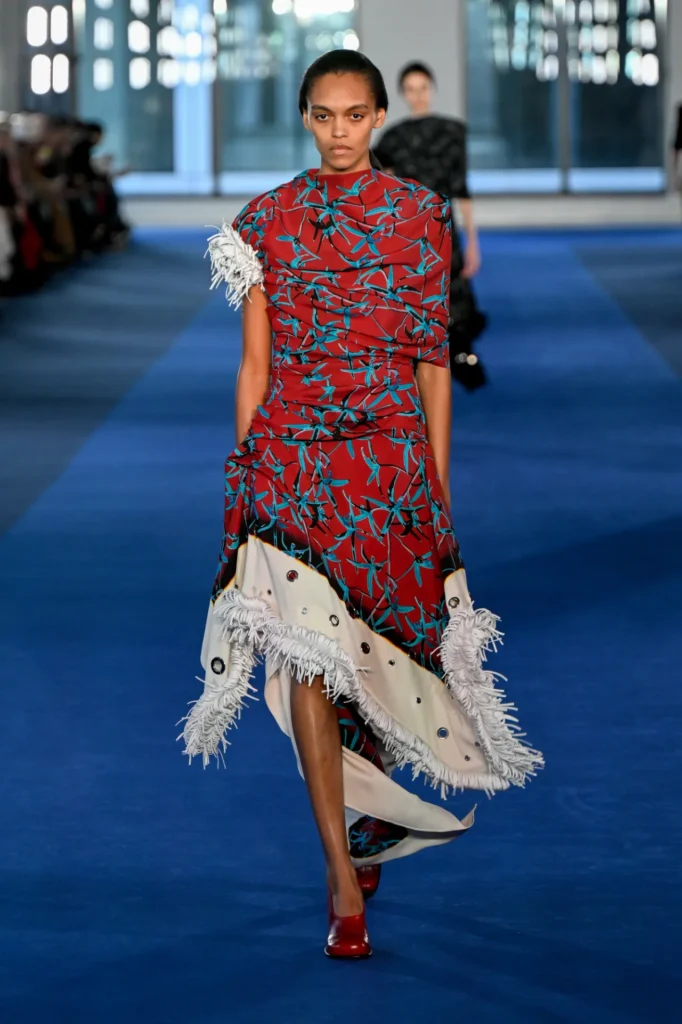
Silhouettes echoed that opening shape throughout: a peplum flaring over a denim jacket, sculpted over sand-toned tailoring. Scott introduced a charged tension between hand and machine. Orchid prints were photographed, painted onto fabric, then digitized, appearing on fringed dresses and separates that felt both artisanal and modern. The effect was thoughtful rather than ornamental—art not as embellishment, but as process.

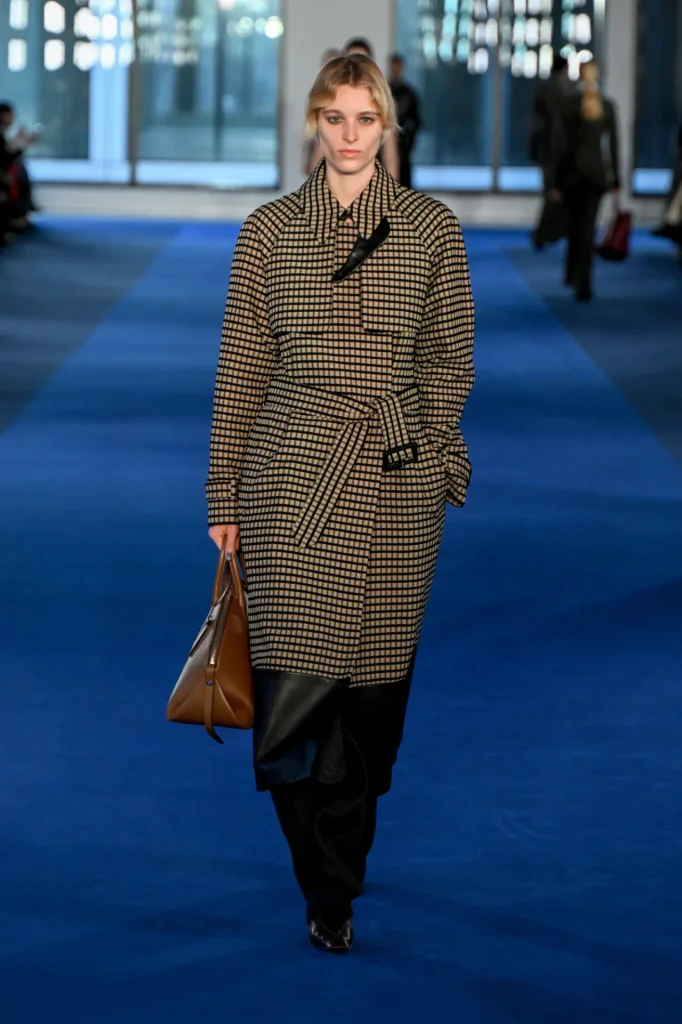
In researching the brand, Scott met with key clients and asked what they valued most. Tailoring emerged as essential, particularly the cut of shoulders and armholes that allow a woman to feel powerful and at ease. She responded with skirt suits engineered for movement and a reworked version of the house’s signature sailor pant, its buttons subtly skewed. A houndstooth rendered with chenille added tactile depth to a leather-based trench.

Her dialogue with the founders’ legacy was deliberate. Grommet details resurfaced on sharply cut coats with new rigor. Footwear evolved familiar codes: plush-soled heels laced with leather straps, elongated loafers with a slightly bulbous toe that leaned masculine. Accessories built confidently on the PS1 legacy—painted orchid bowler bags, supple totes, and a calf hair and suede bucket bag that nodded to one of the brand’s earliest shapes.

The closing looks crystallized Scott’s thesis. Floral dresses with asymmetric handkerchief hems, fringe, and grommet accents were layered with modern outerwear, balancing fluidity and structure. It was a persuasive statement from the 2024 CFDA Womenswear Designer of the Year—the first Black designer to receive the honor—about how she envisions dressing women in global cities now.

Ralph Lauren Fall 2026 Collection

Ralph Lauren Fall 2026 Collection

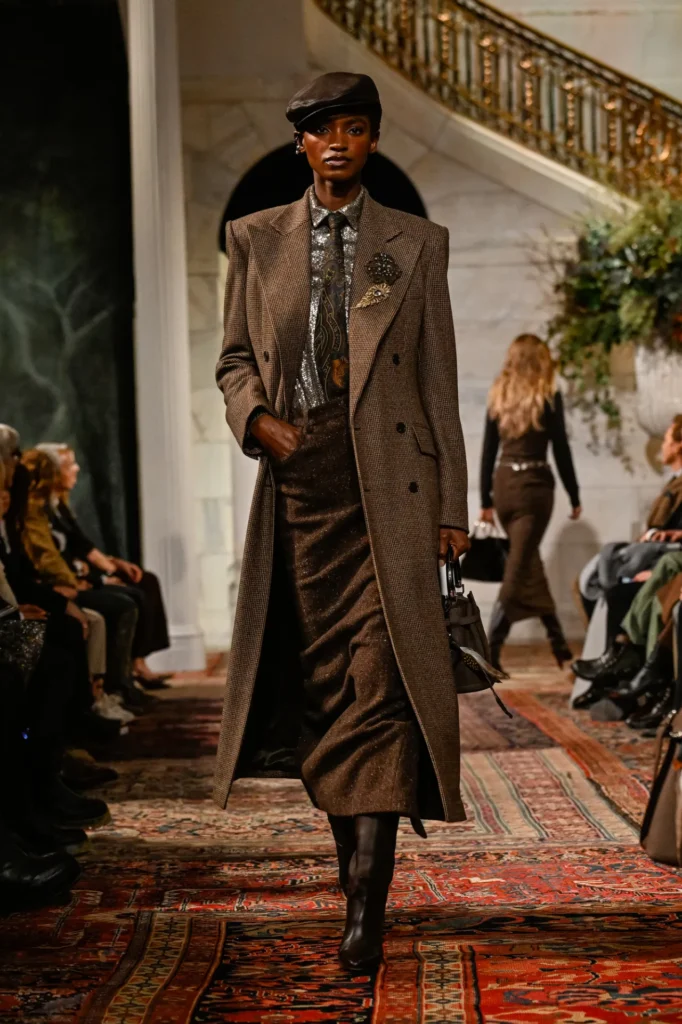
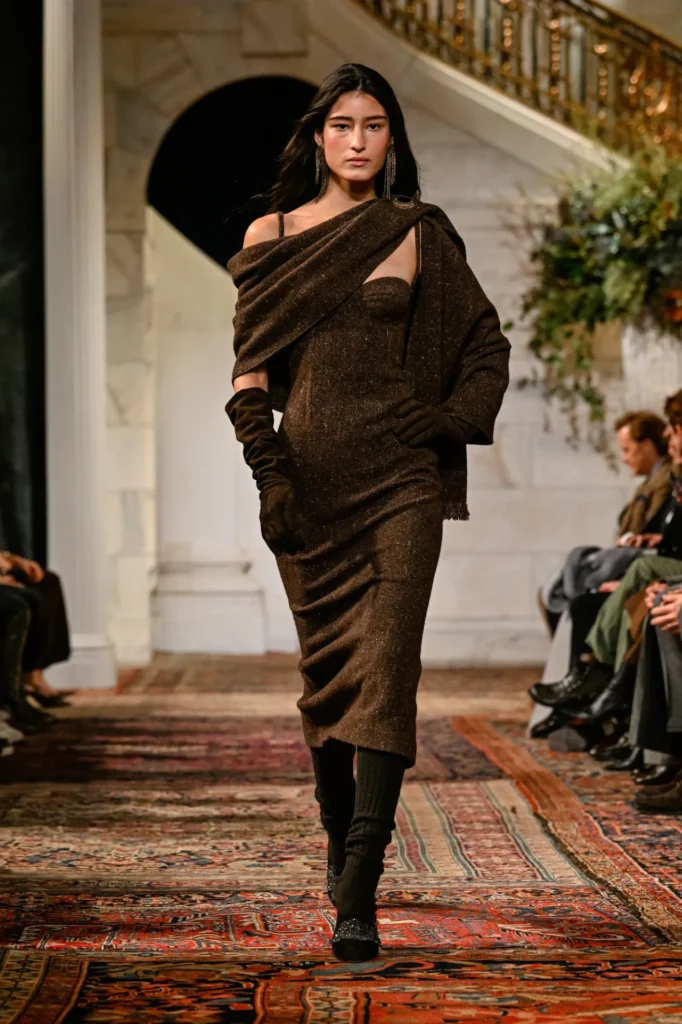
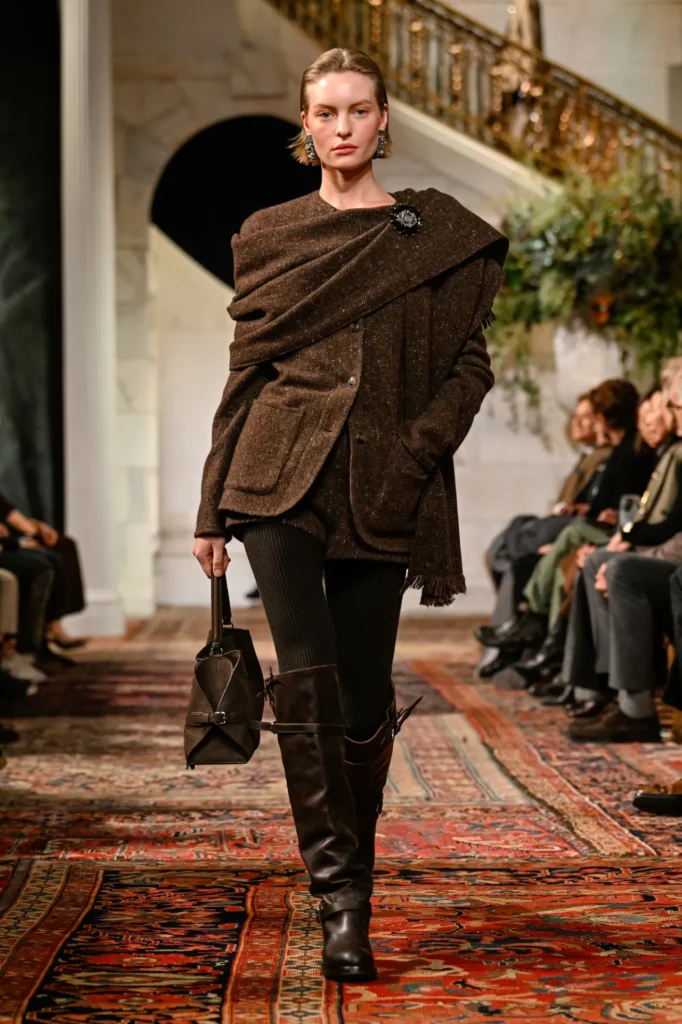
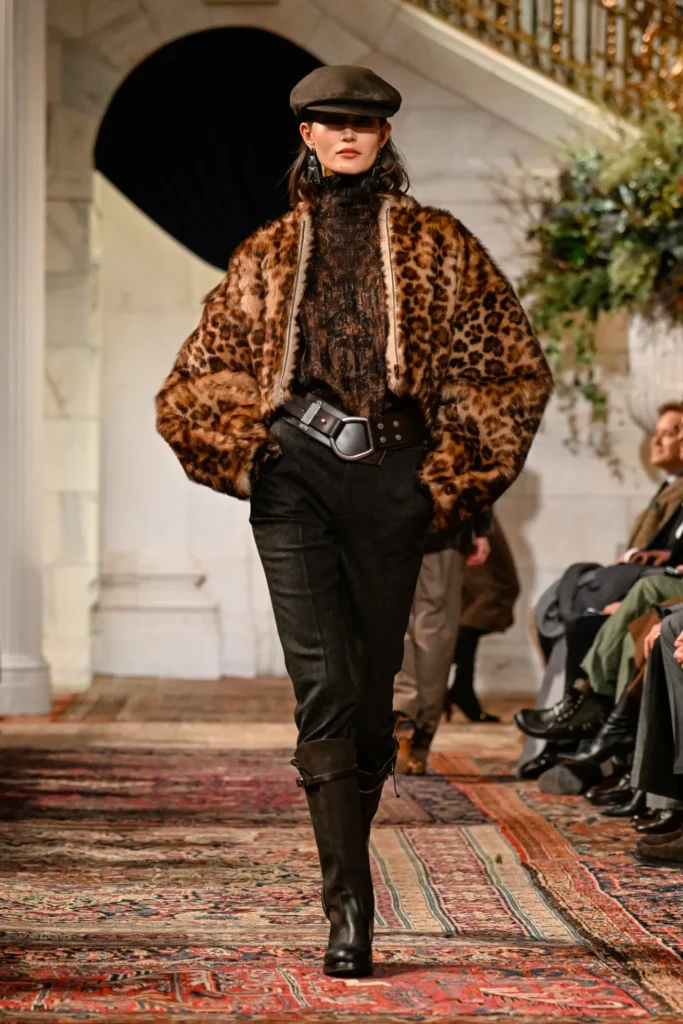
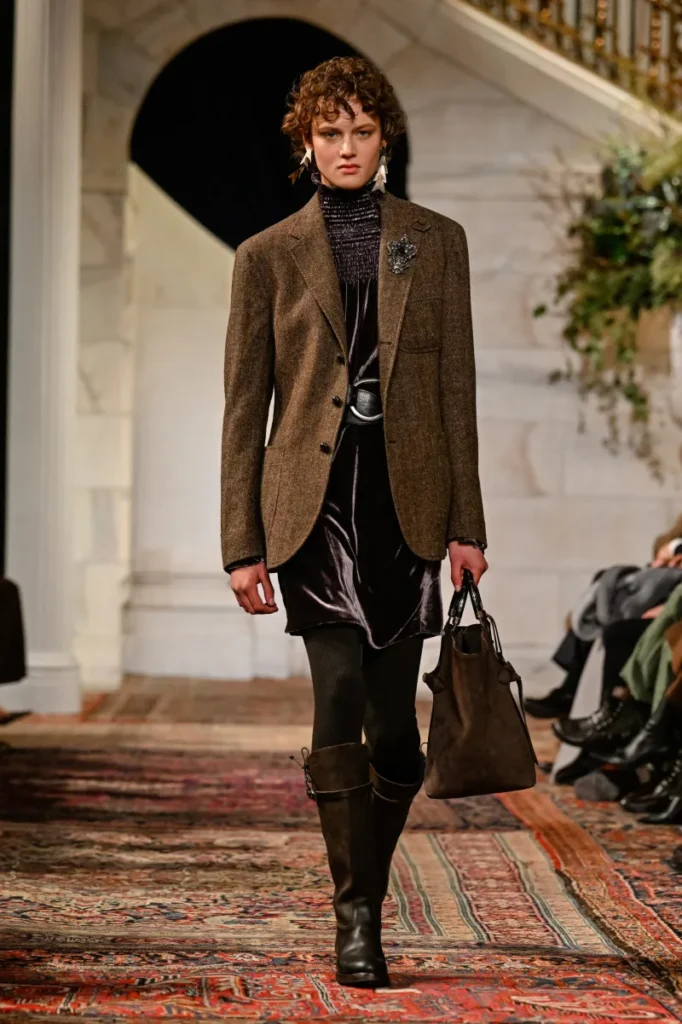
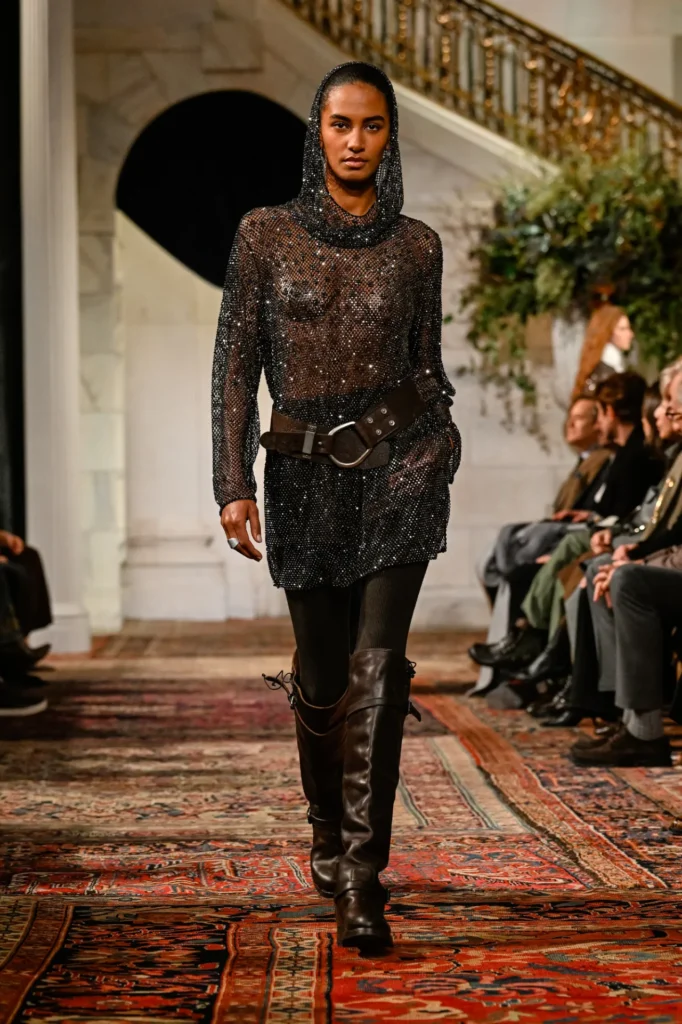
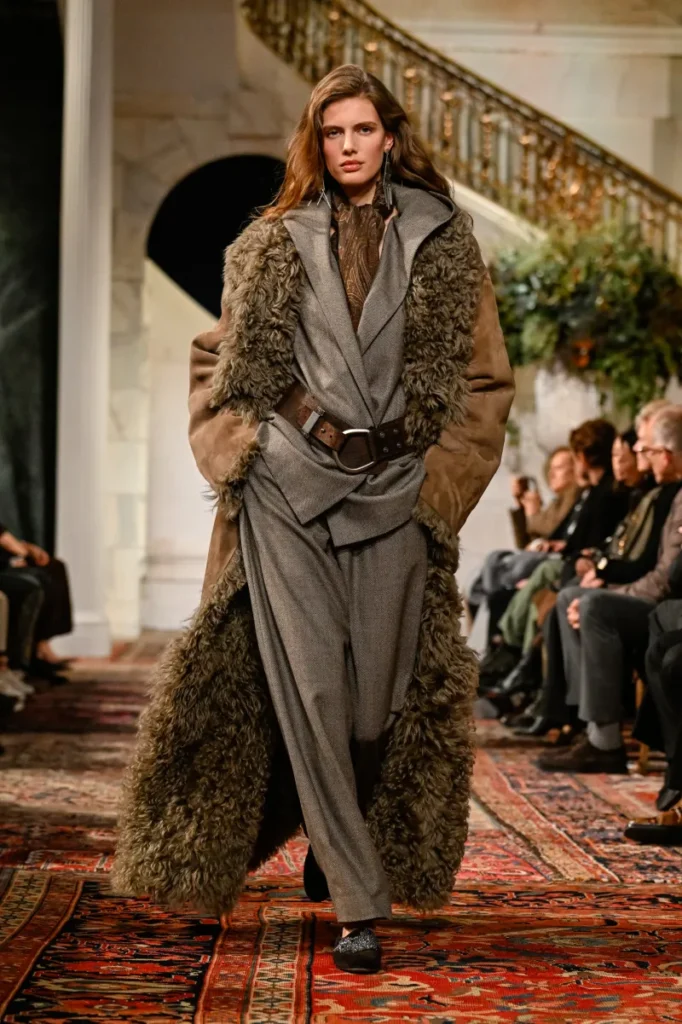
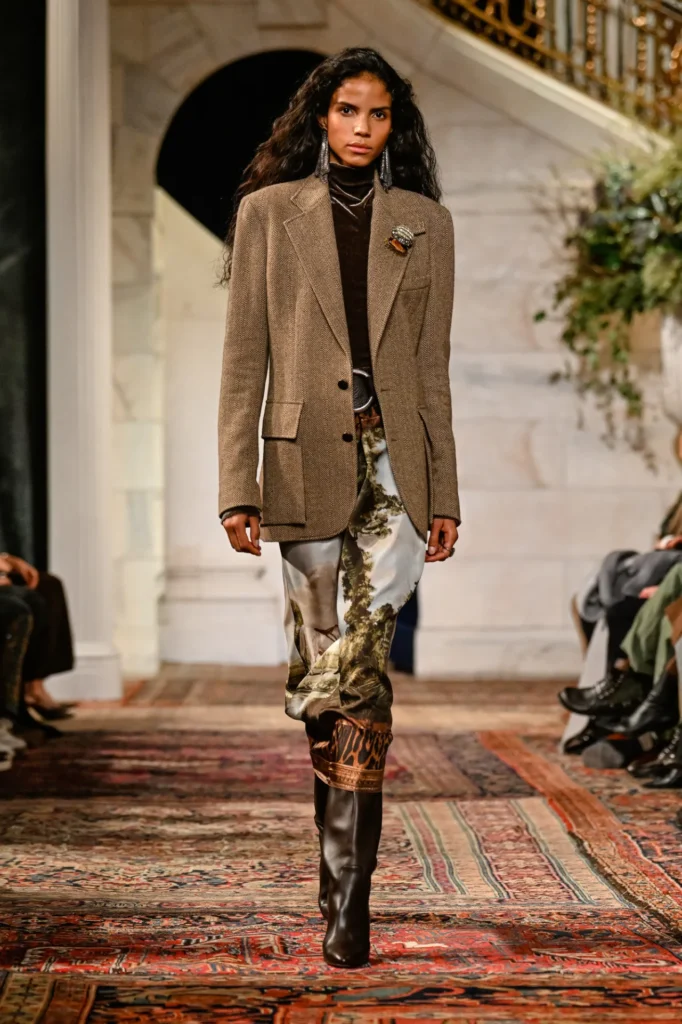
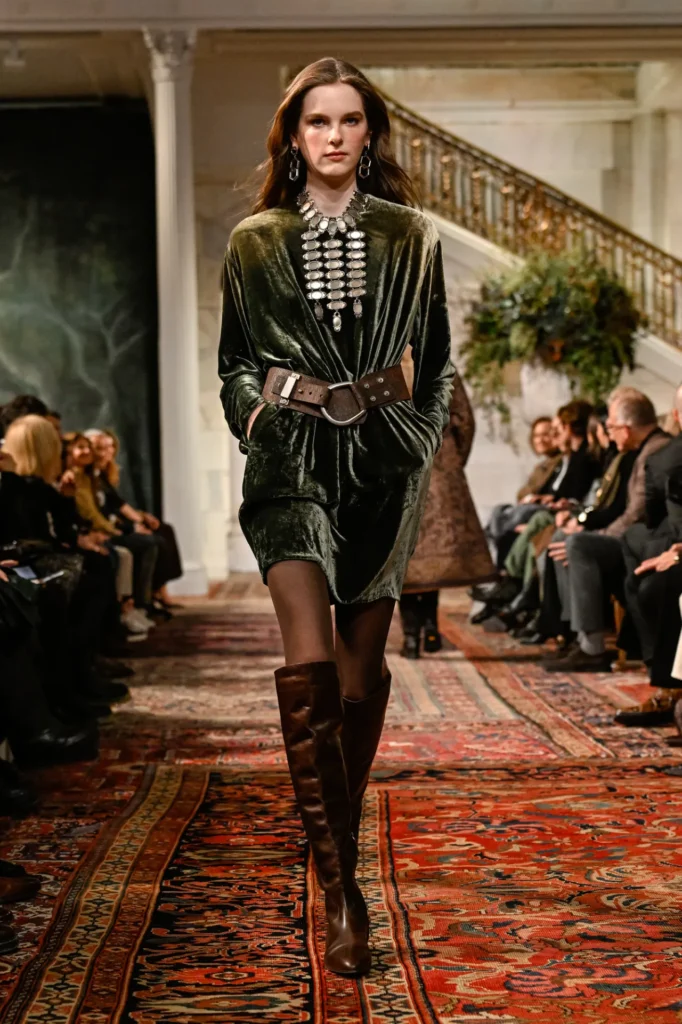
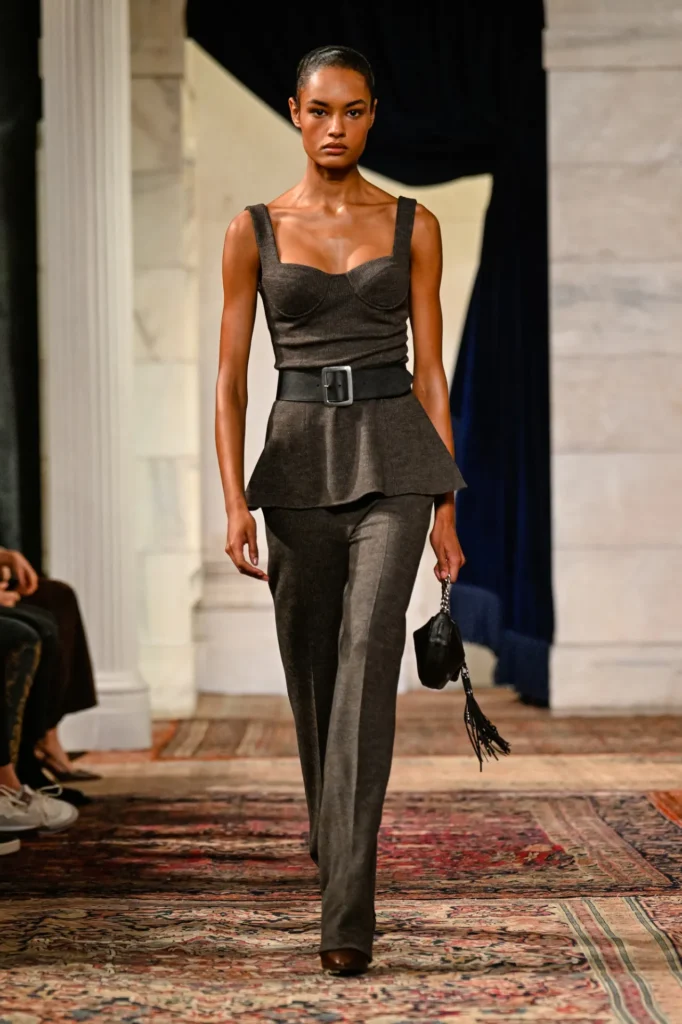
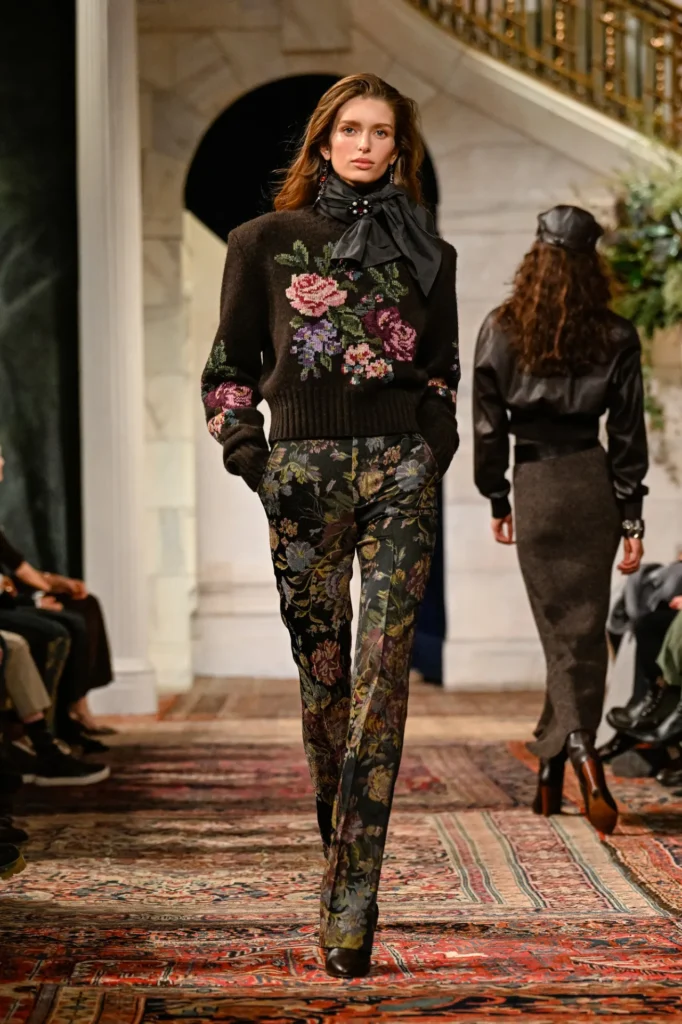
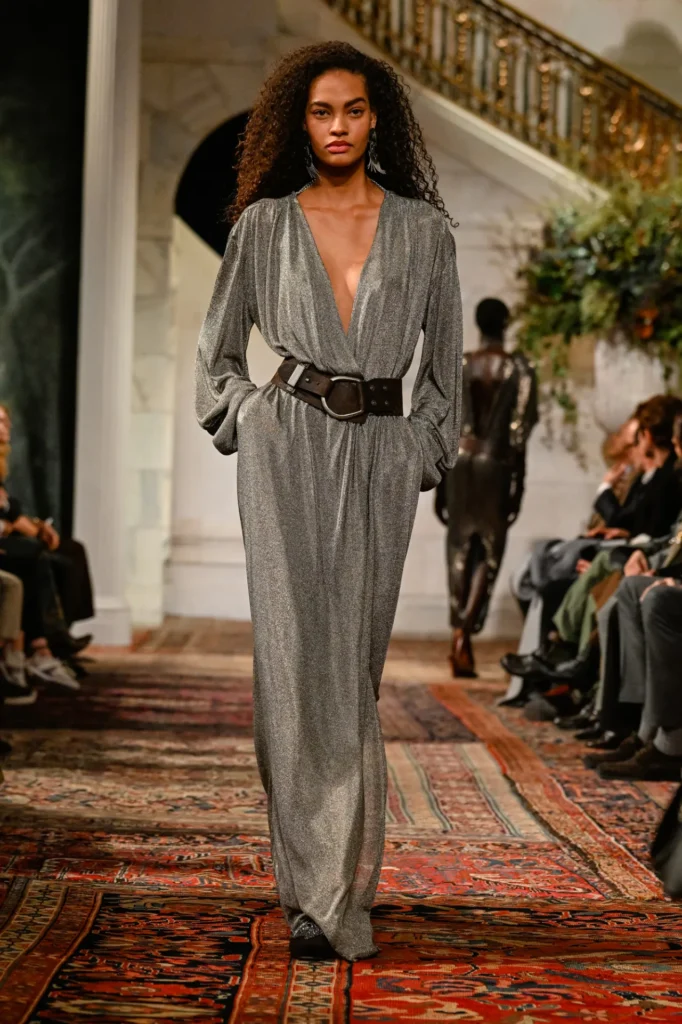
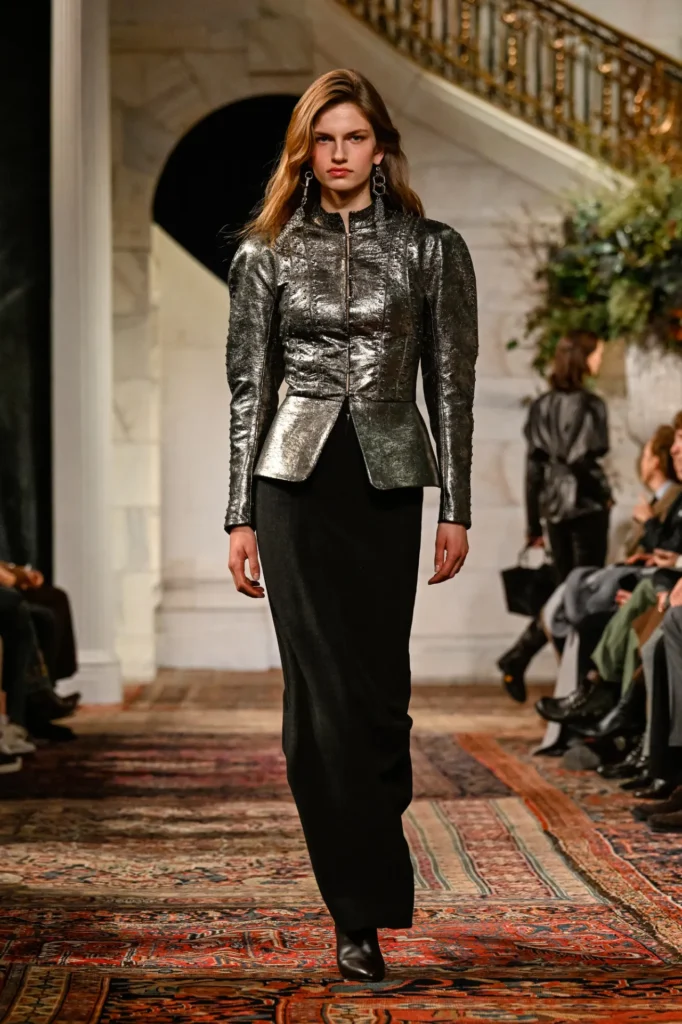
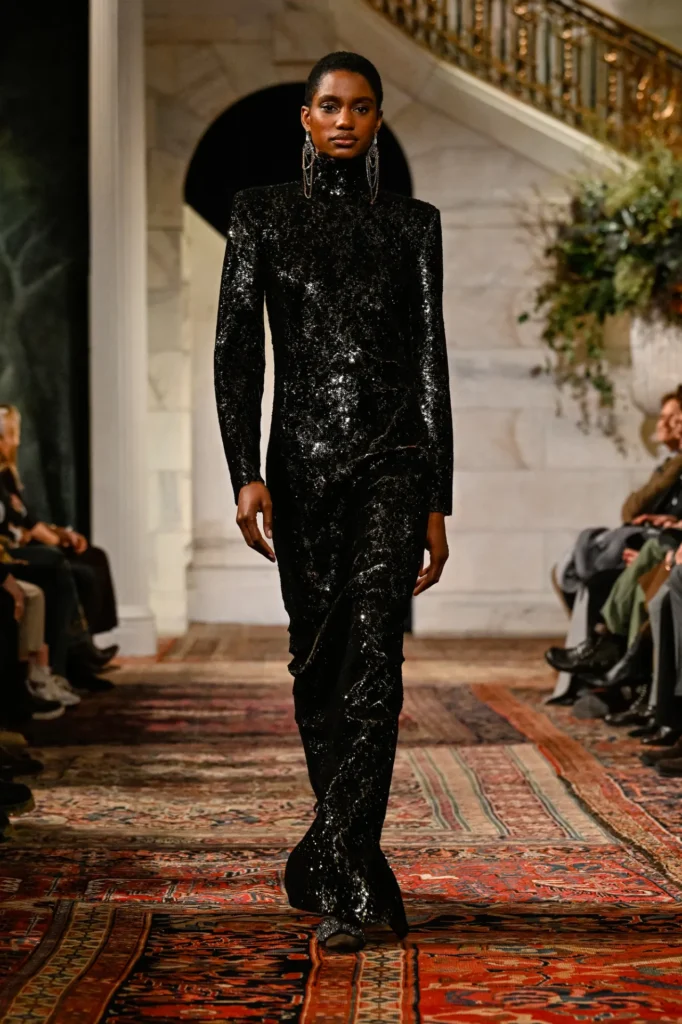
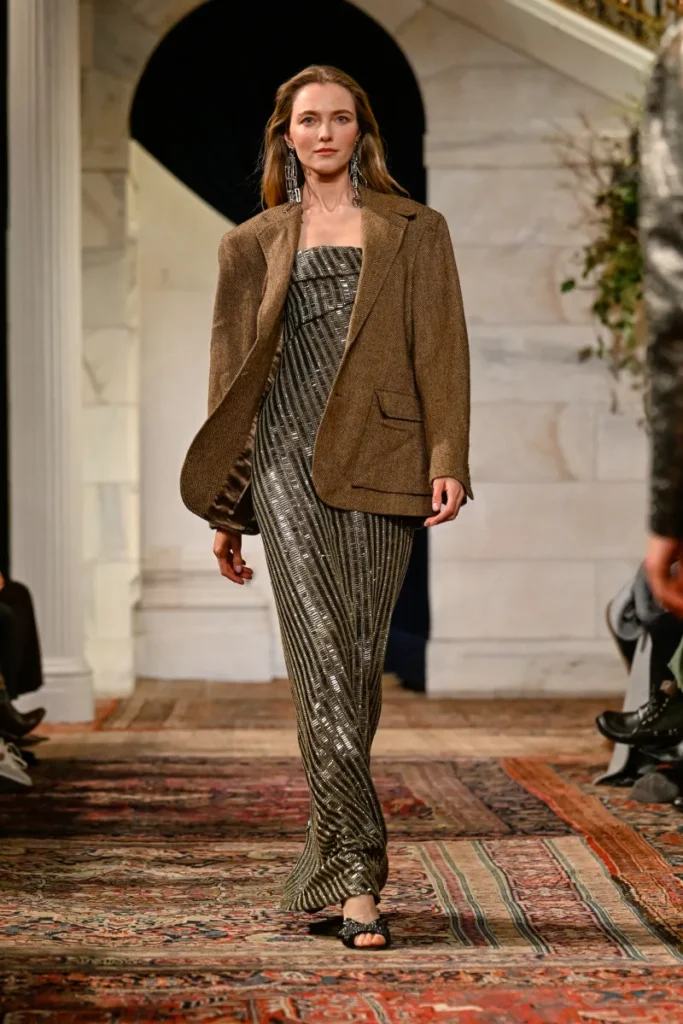
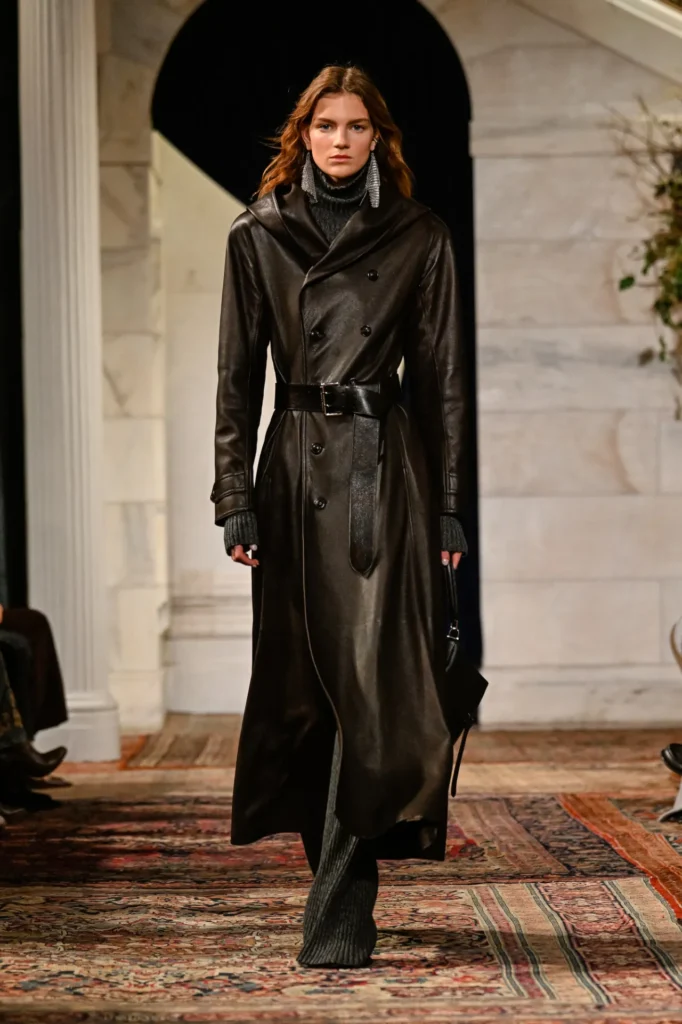
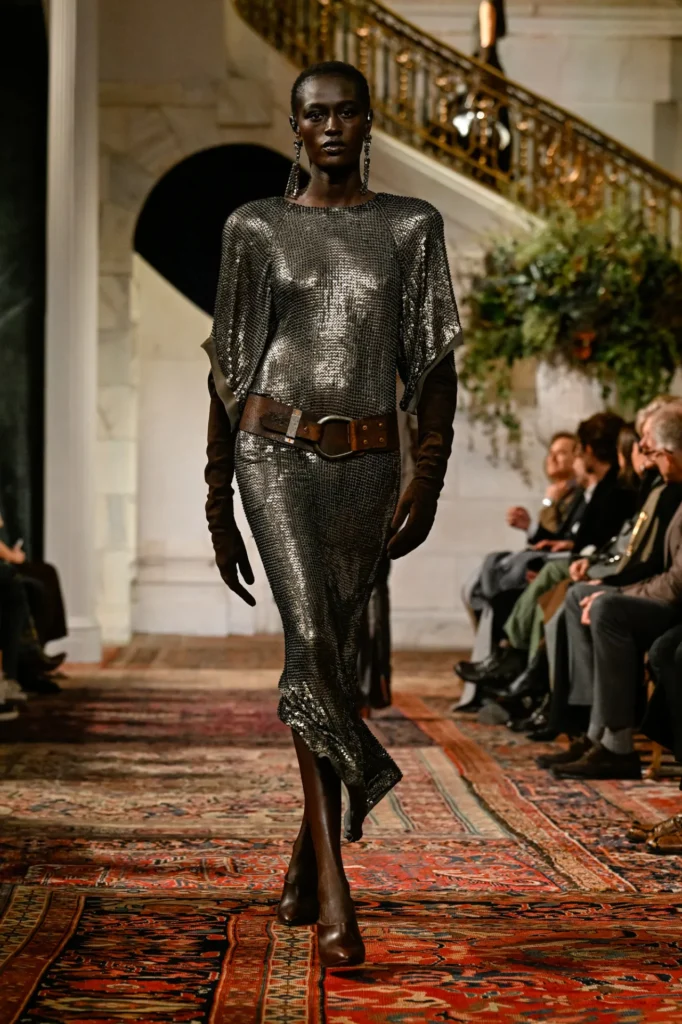
Ralph Lauren’s Fall 2026 collection distills the house’s enduring codes into a cinematic meditation on duality: rustic and refined, romantic and resolute, aristocratic and rebellious. It is Lauren at his most assured—balancing fantasy, commerce, and red-carpet grandeur with the confidence of a designer who knows precisely who he is dressing.

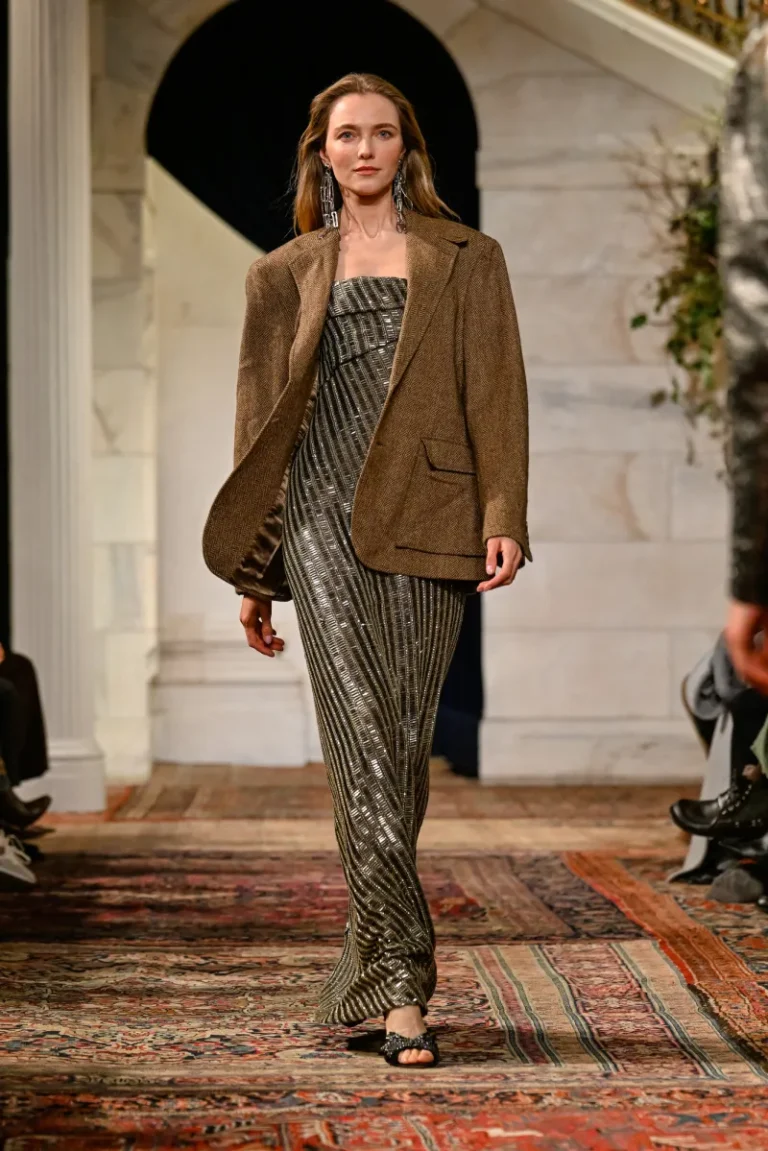
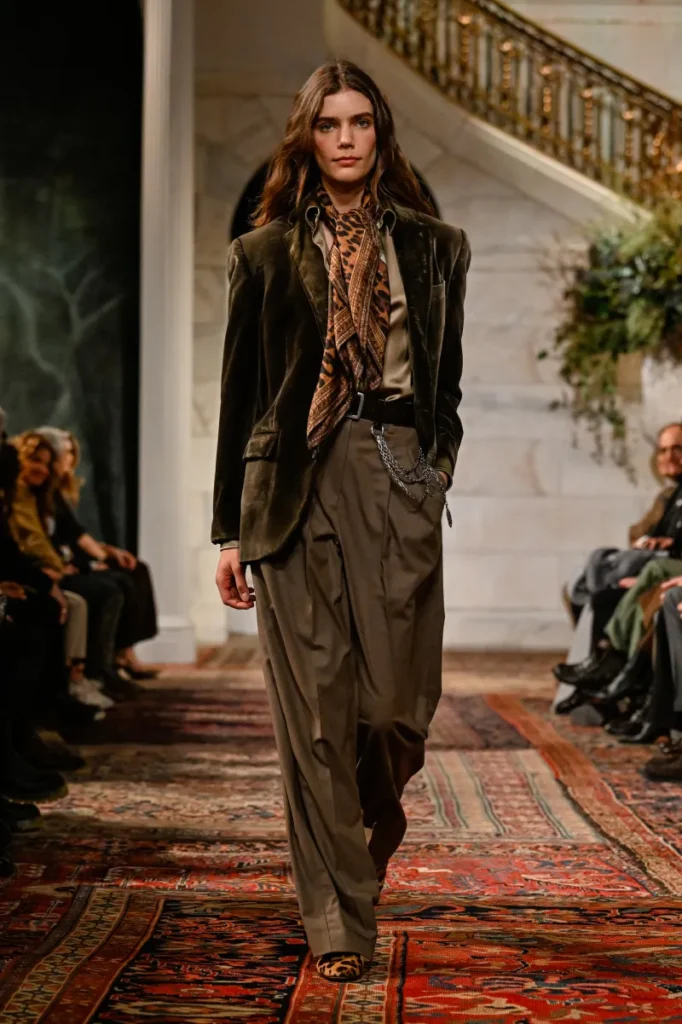
Staged at New York’s Jack Shainman Gallery, the show unfolded in a setting inspired by Lauren’s Bedford estate. Hand-painted scenic murals, velvet drapery, vintage rugs, and worn leather furnishings framed the collection’s mood: cultivated yet untamed. The environment mirrored the clothes—layered, storied, and steeped in character.

This season’s heroine embodies what Lauren calls an “adventure in fashion.” She honors the past but reshapes it for the present. Her style resists time; it endures. The collection, spanning more than 50 looks, explored that ethos through Edwardian flourishes, equestrian rigor, and a whisper of medieval romance—think Joan of Arc by way of Park Avenue.

Gigi Hadid captured the spirit in a sculpted bouclé tweed corset with a tailored skirt, followed by a brown velvet halter gown cinched with a substantial leather ring belt and finished with fluid mesh sleeves. The interplay of strength and softness defined the runway: rugged tweeds offset by diaphanous silk scarf dresses printed with pastoral scenes; substantial knits paired with sweeping velvet capes designed to move seamlessly from day to evening.

Daywear leaned into craft. Metallic embroidery traced tailored jackets, and distressed leathers grounded the more romantic silhouettes. Eveningwear delivered drama without excess. A strapless black velvet bias gown was punctuated with leather straps and hardware. A silver sequined dress, backed in black velvet, achieved a subtly crushed texture. A navy velvet column gown with strong shoulders and gently flared sleeves nodded to Edwardian dress while remaining unmistakably modern.

The result is a portrait of the Ralph Lauren woman as a Renaissance figure—intellectual, independent, and unafraid of contradiction. In Fall 2026, heritage is not a constraint but a canvas. Lauren doesn’t chase novelty; he refines legacy, proving once again that timelessness, when executed with conviction, is the ultimate luxury.

Donna Karan New York Fall 2026 Collection

Donna Karan New York Fall 2026 Collection

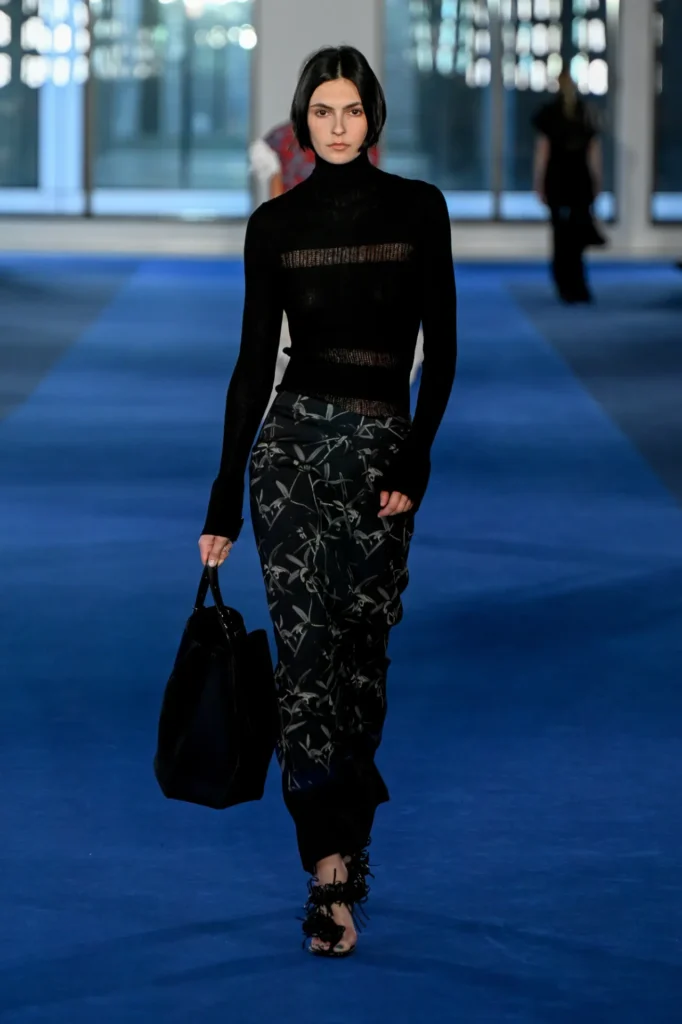
Donna Karan New York’s Fall 2026 collection is a study in disciplined evolution—modern, purposeful, and grounded in the realities of a woman’s life. The relaunch may be two years in, but this season sharpens the brand’s message: elevated essentials, engineered through fabric innovation and built for multidimensional women.

Long before sketches take shape, the design team begins with textiles. Global research trips yielded superfine merino wool, supple vegan leathers, and fluid jerseys that anchor the collection. The emphasis on material development—rare at this price point, with pieces topping out at $800—signals a commitment to substance over spectacle.

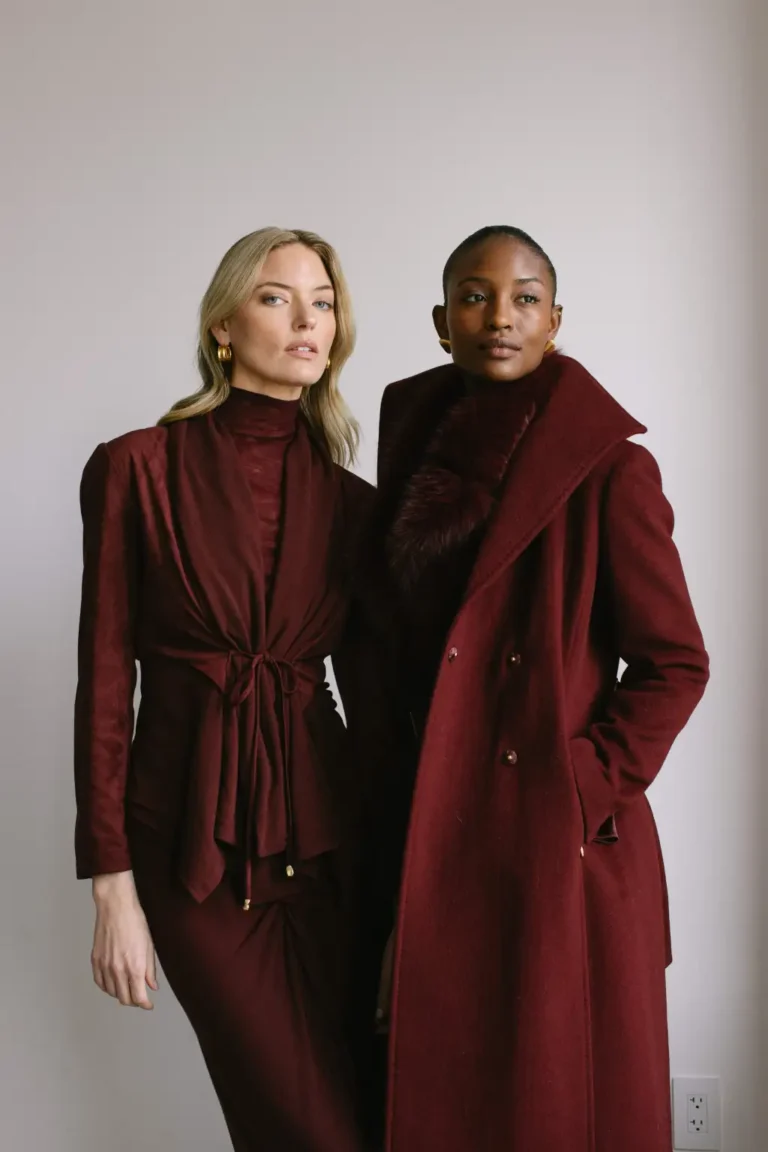
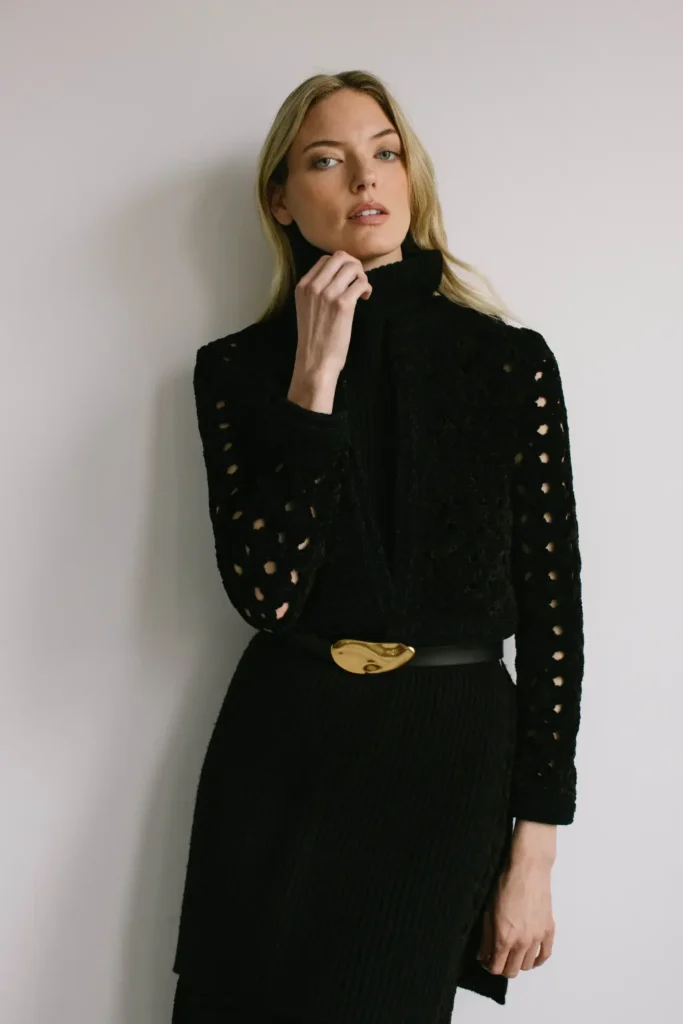
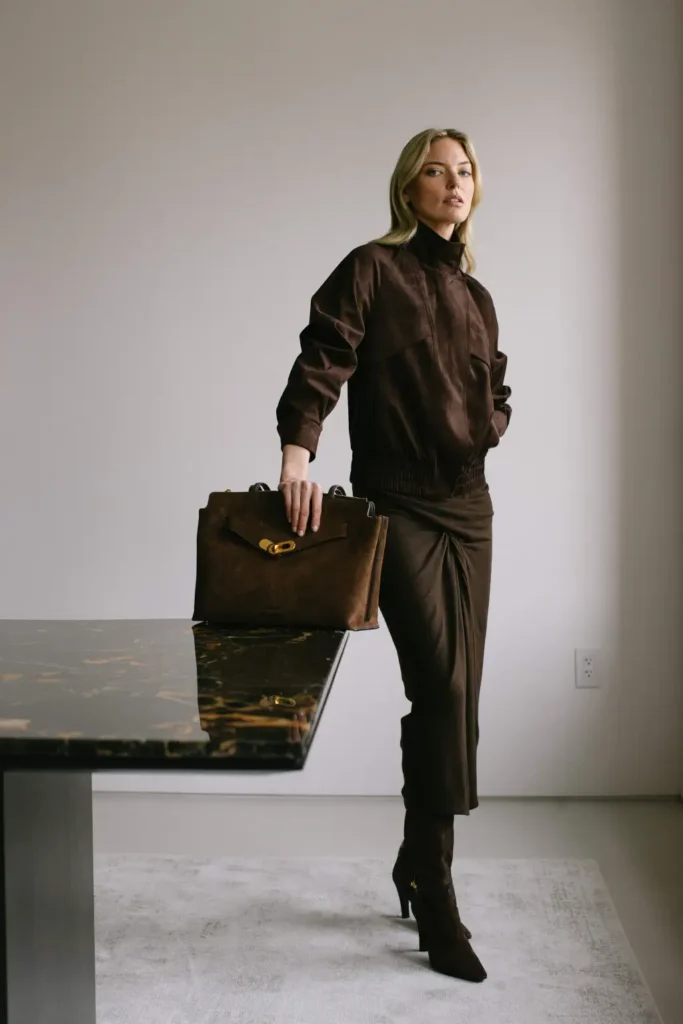
The founder’s DNA runs through the lineup. Tailored power suits headline the offering, cut with authority but stripped of excess. Superfine turtlenecks, sculpted pencil skirts with subtle ruching, and substantial knits reinforce the idea of a cohesive urban wardrobe. The palette is restrained yet sensual: jet black, espresso brown, sand beige, and a deep cherry noir—a darker, moodier red that nods to Karan’s historic use of the shade.

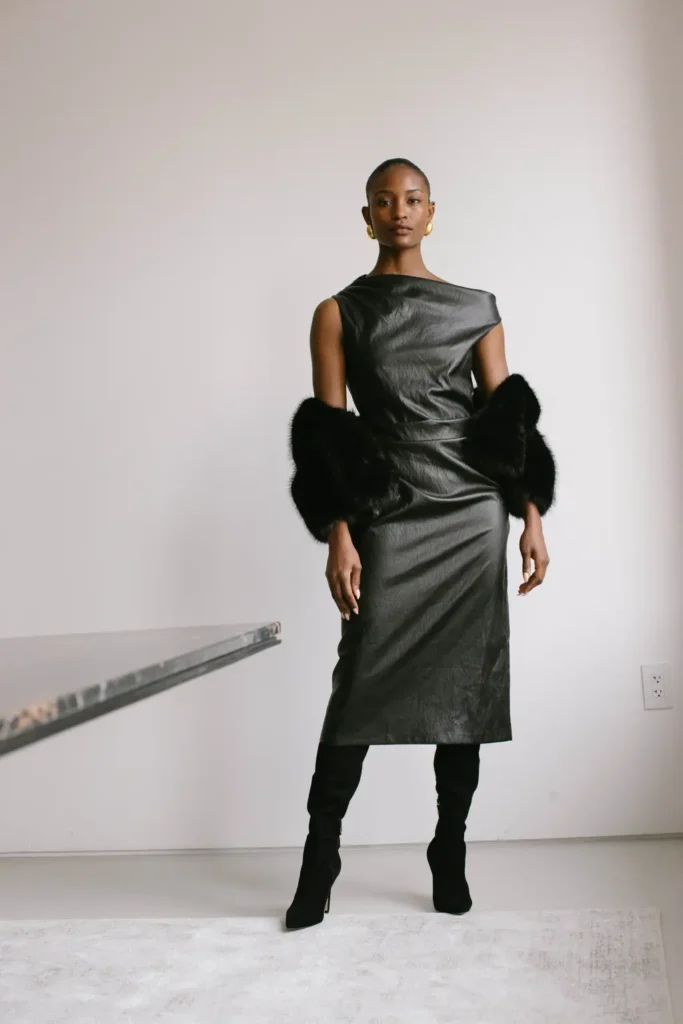
Outerwear stands out. Silky faux furs, a soft leather trench, a streamlined zip-front bomber, and a cocoon coat with sculpted armholes deliver polish without rigidity. Styled monochromatically, the looks echo Karan’s original “Seven Easy Pieces” philosophy—modular, adaptable, and designed to integrate seamlessly into an existing closet rather than chase fleeting trends.

Details are deliberate. Sculptural gold closures punctuate blazers and coats. An archival jacket returns with paneled construction that adds movement and contours the arm. Comfort remains central: each piece transitions effortlessly from day to evening.

Event dressing is equally pragmatic. An asymmetric one-sleeve satin dress and a distressed-finish sheath offer understated drama without sacrificing wearability.

Versace Taps Pieter Mulier as Creative Director

Versace Taps Pieter Mulier as Creative Director

Courtesy Of Alaïa

Versace has named Pieter Mulier its new creative director, effective July 1, entrusting the Belgian designer with the future of one of fashion’s most recognizable houses. Mulier will succeed Dario Vitale and report directly to Versace CEO Lorenzo Bertelli.

“Versace’s identity is clear and powerful,” Bertelli said. “There is no need to reinvent it. Pieter knows how to reinterpret a brand with respect, depth, and modernity.” According to Bertelli, conversations with Mulier began as early as fall 2024, well before Prada Group finalized its acquisition of Versace from Capri Holdings last year.

The appointment comes days after Alaïa confirmed that Mulier will conclude his tenure as creative director following the house’s Fall–Winter 2026 show in Paris this March. His five-year run at Alaïa reshaped the brand’s visual language, emphasizing sculptural silhouettes, architectural construction, and a rigorous devotion to craft—an approach that revitalized the house both creatively and commercially.

At Versace, Mulier inherits a legacy defined by sensuality, confidence, and a fearless embrace of glamour. Bertelli emphasized that the brand will remain creatively independent within the Prada Group, even as it benefits from shared production and distribution expertise. Emmanuel Gintzburger will continue as Versace CEO.

Mulier’s résumé is deeply rooted in modern fashion history. A graduate of Brussels’ ESA Saint-Luc, he began his career alongside Raf Simons, becoming a key collaborator at Jil Sander, Christian Dior, and later Calvin Klein, where he oversaw the execution of Simons’ vision across menswear, womenswear, and accessories. That close creative partnership—and Mulier’s long-standing relationship with Simons, now co–creative director of Prada—has long positioned him as a designer fluent in both precision and provocation.

At Alaïa, Mulier developed a distinctive voice that balanced discipline and desire. His collections drew younger audiences while honoring the house’s devotion to the female form, and accessories such as the Le Teckel bag and ballet flats became commercial standouts. Richemont has cited Alaïa as a key growth driver, with the brand more than doubling in size during Mulier’s tenure.

Versace is currently absent from the upcoming Milan Women’s Fashion Week calendar, leaving industry watchers eager for Mulier’s debut and his interpretation of the Medusa-led house. With Donatella Versace now serving as the brand’s chief ambassador, the stage is set for a recalibrated Versace—one that looks forward without losing its unmistakable edge.

Zendaya Leads Louis Vuitton’s Monogram Anniversary Campaign

Zendaya Leads Louis Vuitton’s Monogram Anniversary Campaign

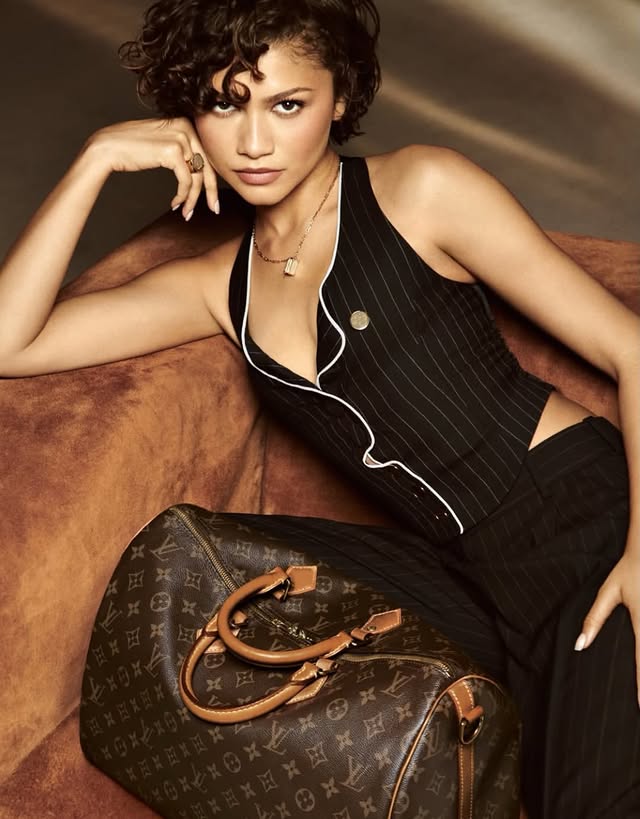
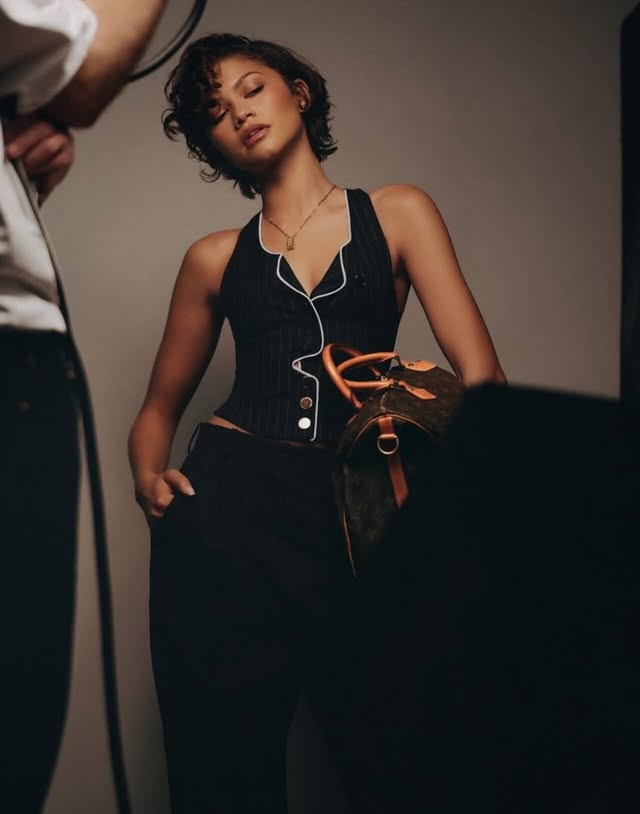
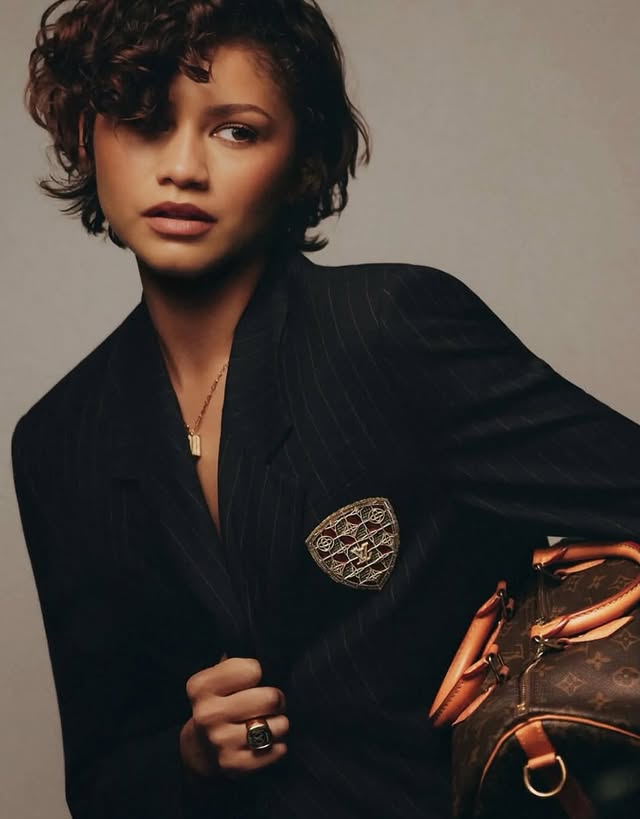
Louis Vuitton is marking a major milestone for its iconic Monogram canvas—and it’s doing so with one of fashion’s most compelling modern muses. Zendaya fronts the house’s new anniversary campaign, celebrating 130 years of the Monogram, alongside fellow Louis Vuitton ambassadors Catherine Deneuve, Liu Yifei, and Hoyeon.

Shot by Glen Luchford, the campaign places Zendaya center stage with the Speedy bag, one of Vuitton’s most enduring designs. The images, set to roll out across the brand’s digital platforms and select print placements, continue a year-long focus on the Monogram as both heritage object and living icon.

The new chapter follows an initial campaign released on January 1 that highlighted vintage Monogram bags, emphasizing wear, patina, and longevity. Together, the two waves underscore Vuitton’s renewed concentration on its core handbag business—a strategy confirmed by LVMH chairman and CEO Bernard Arnault during the group’s latest earnings call, where he noted the exceptional performance of the campaign despite the product’s decades-long history.

In accompanying short films directed by Roman Coppola, Zendaya addresses her Speedy directly, reflecting on movement, instinct, and momentum. Created in 1930 to match the pace of a more mobile world, the Speedy becomes a metaphor for forward motion—an idea closely aligned with the actress, who has been a Vuitton ambassador since 2023.

Courtesy of Louis Vuitton

A second release, launching February 11, will spotlight Catherine Deneuve with the Alma, Liu Yifei with the Noé bucket bag, and Hoyeon with the Neverfull tote, each pairing reinforcing the Monogram’s cross-generational and cross-cultural appeal.

First introduced on canvas in 1959, the Monogram has served as a foundation for some of fashion’s most influential collaborations. From Stephen Sprouse’s graffiti Speedy in the early 2000s to anniversary reinterpretations by designers such as Helmut Lang, Vivienne Westwood, Azzedine Alaïa, and later Karl Lagerfeld and Cindy Sherman, the motif has repeatedly proven its flexibility without losing its identity.

Best Dressed at the 2026 Grammy Awards

Best Dressed at the 2026 Grammy Awards

The Grammy Awards have always been the wild card of red carpets—the place where fashion favors nerve over polish and personality over perfection. Long before celebrity style became a tightly managed branding exercise, the Grammys rewarded audacity, experimentation, and self-expression. From Cher’s barely-there Bob Mackie gowns in the ’70s to Grace Jones’ sculptural performance art in the ’80s, and from Lady Gaga’s space-age Armani Privé to Cardi B’s vintage Mugler revival, this carpet has consistently celebrated risk.

That legacy still defines what it means to be “best dressed” at the Grammys. This is not about classical elegance or restraint. The strongest looks are those with a point of view—outfits that feel inseparable from the artist wearing them, their music, or the world they’re building. Drama is welcome, even expected, but execution remains non-negotiable. Concept without craft falls flat; spectacle without authenticity reads as costume.

At the 2026 Grammy Awards, these looks stood out for doing exactly what the Grammys do best: turning fashion into performance.

Hailey Bieber in Alaïa

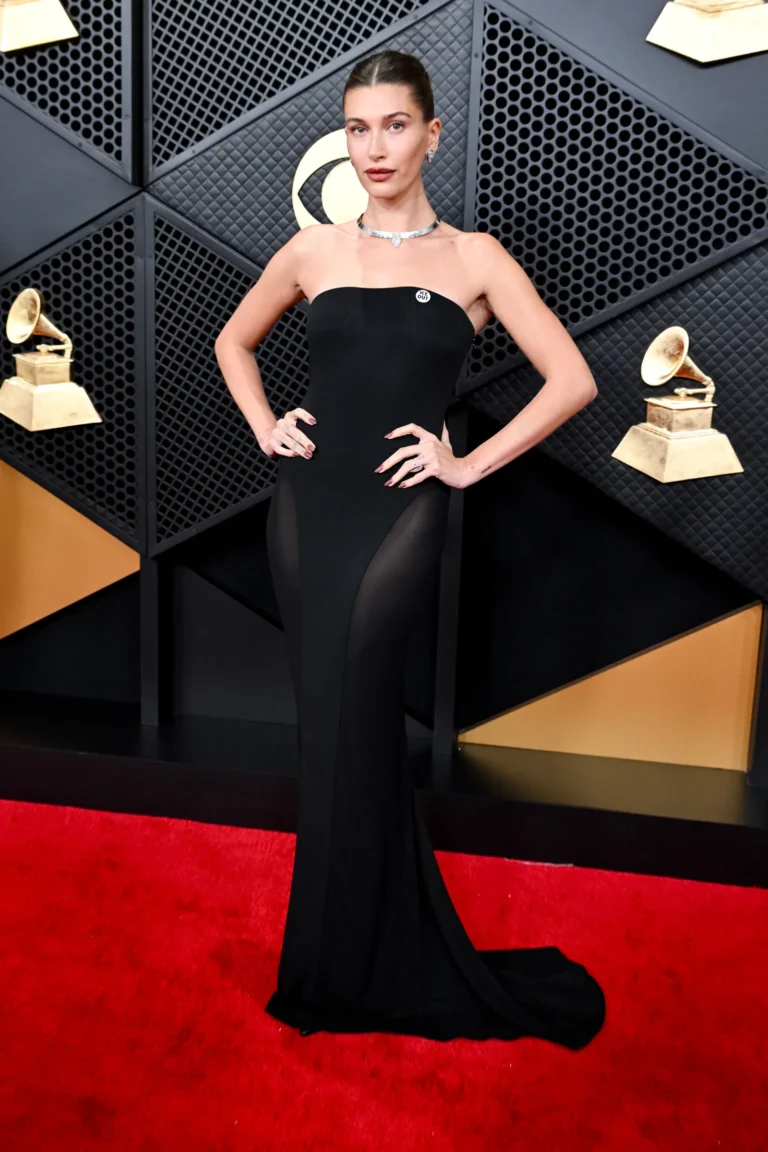
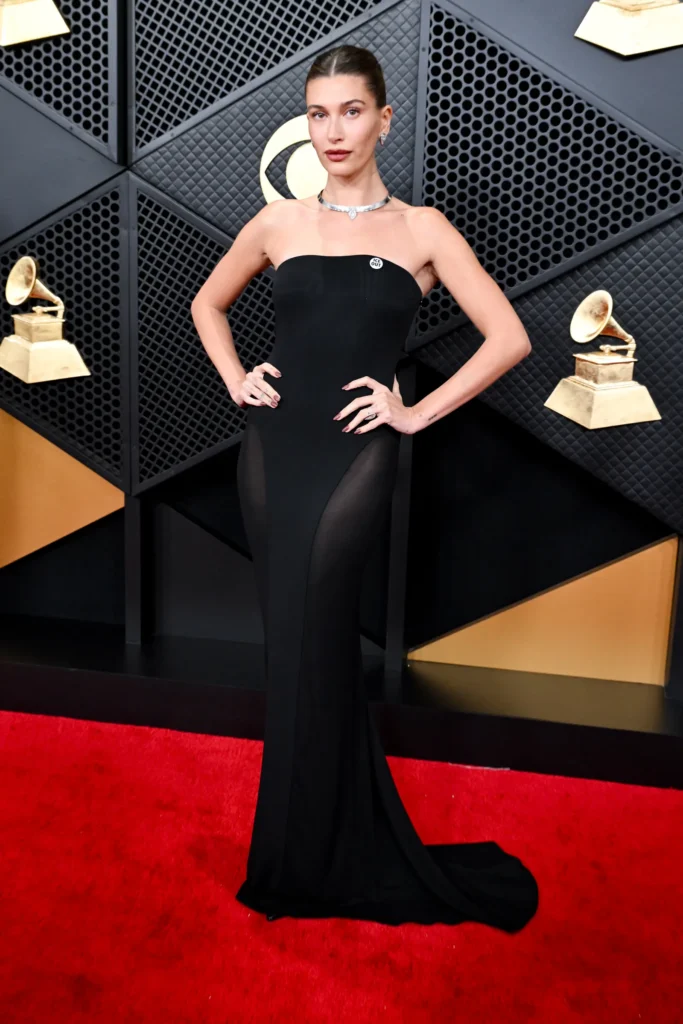
Hailey Bieber delivered quiet impact in a custom black knit Alaïa by Pieter Mulier—one of his final designs for the house. Sleek, body-conscious, and stripped of excess, the look relied on silhouette and confidence rather than ornament. Styled alongside Justin Bieber in coordinated black, the effect was modern, minimal, and effortlessly cool.

Getty Images

Sabrina Carpenter in Valentino and Chopard

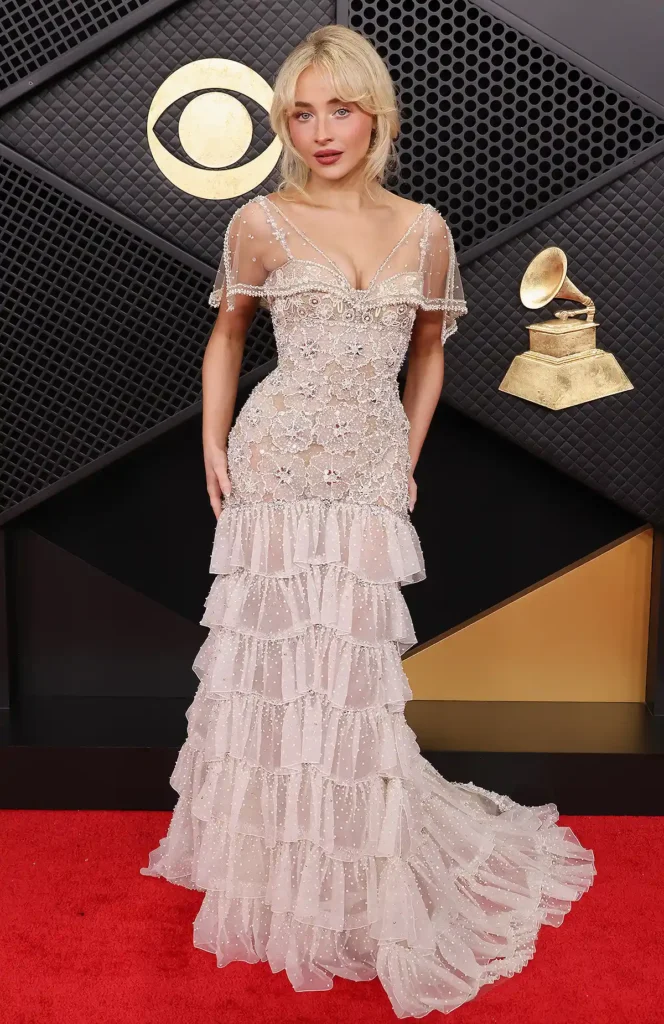
Sabrina Carpenter chose subtlety with intention. Her sheer white Valentino gown featured delicate floral embroidery concentrated along the bodice, creating a soft but striking effect. Paired with Chopard jewelry, the look rewarded a closer gaze—proof that restraint can still command attention on a carpet built for spectacle.

Getty Images

Addison Rae in Alaïa

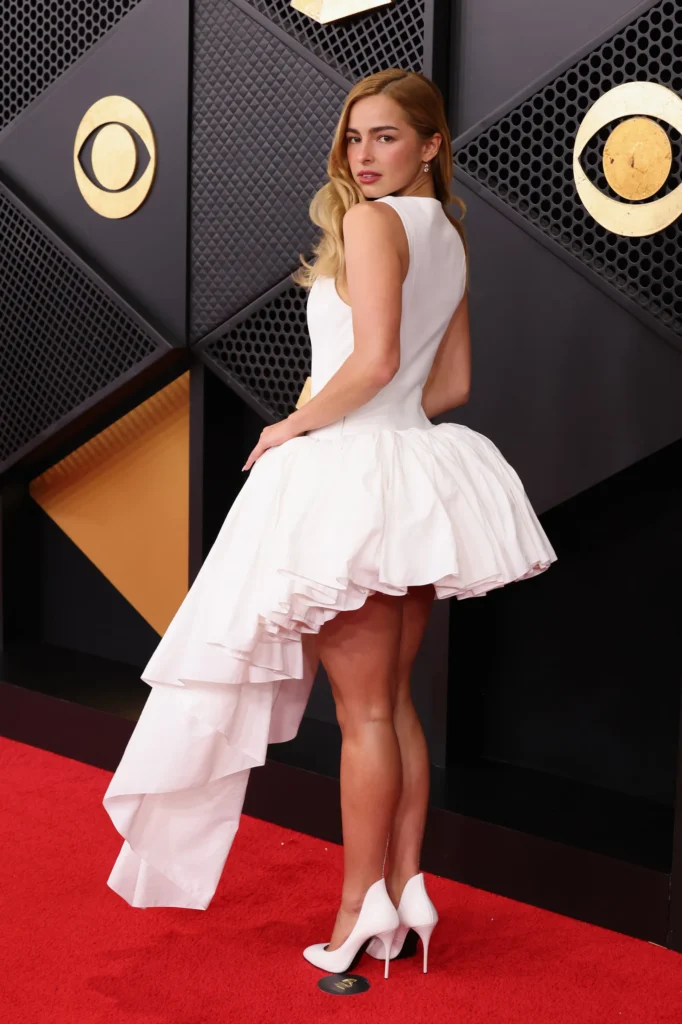
Styled by Dara Allen, Addison Rae arrived in what may be another final Alaïa moment by Mulier. The white gown featured a plunging neckline and a dramatic, asymmetrical skirt that shifted from structured in front to playful volume in back. Equal parts precision and provocation, it felt perfectly tuned to the Grammys’ anything-goes energy.

Getty Images

Teyana Taylor in Tom Ford by Haider Ackermann

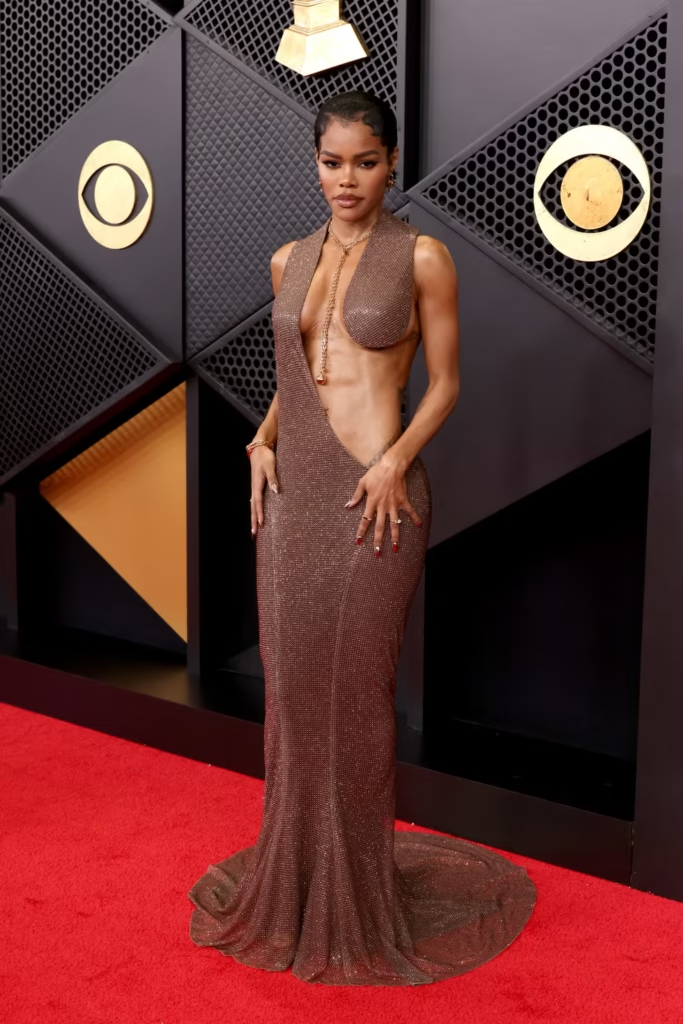
Teyana Taylor wore a custom sand-toned, shimmering Tom Ford design by Haider Ackermann, paired with Tiffany & Co. jewelry. The look balanced sensuality with control—fluid, polished, and powerful—underscoring Taylor’s long-standing mastery of fashion as an extension of performance.

Getty Images

Lady Gaga in Matières Fécales

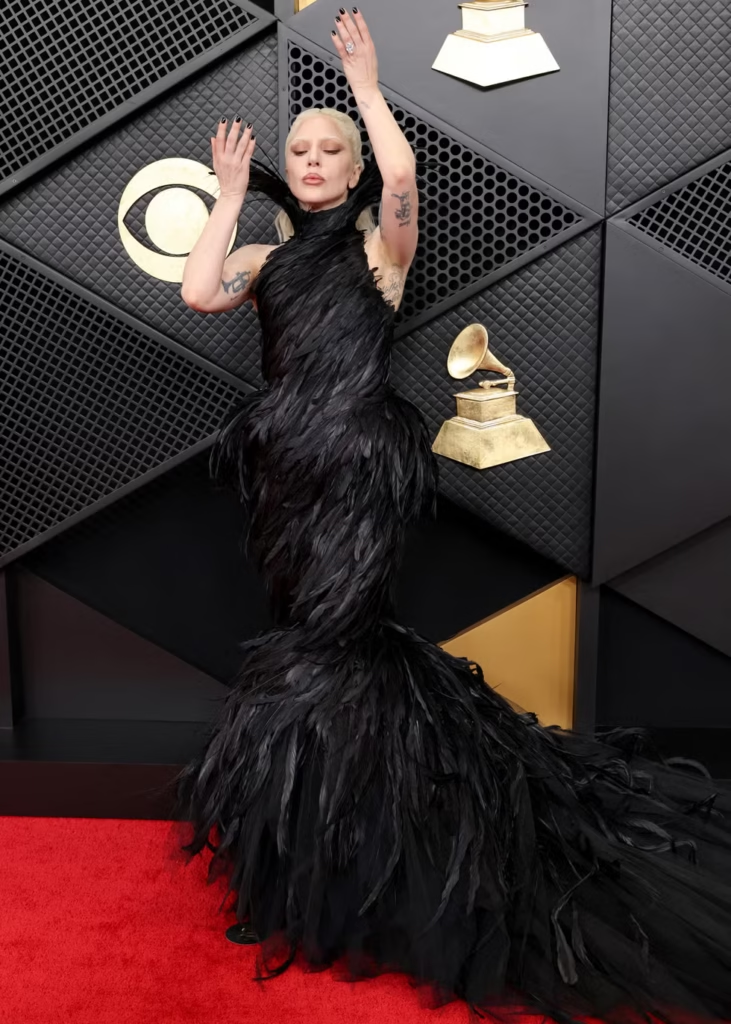
Lady Gaga returned to the Grammys in full theatrical mode, wearing a black feathered gown by Matières Fécales. The high neckline framed her face with upward-reaching plumes, while the feathers fanned into a dramatic mermaid silhouette below. Dark, sculptural, and unapologetically Gaga, it was fashion as character—exactly what this red carpet demands.

Getty Images